




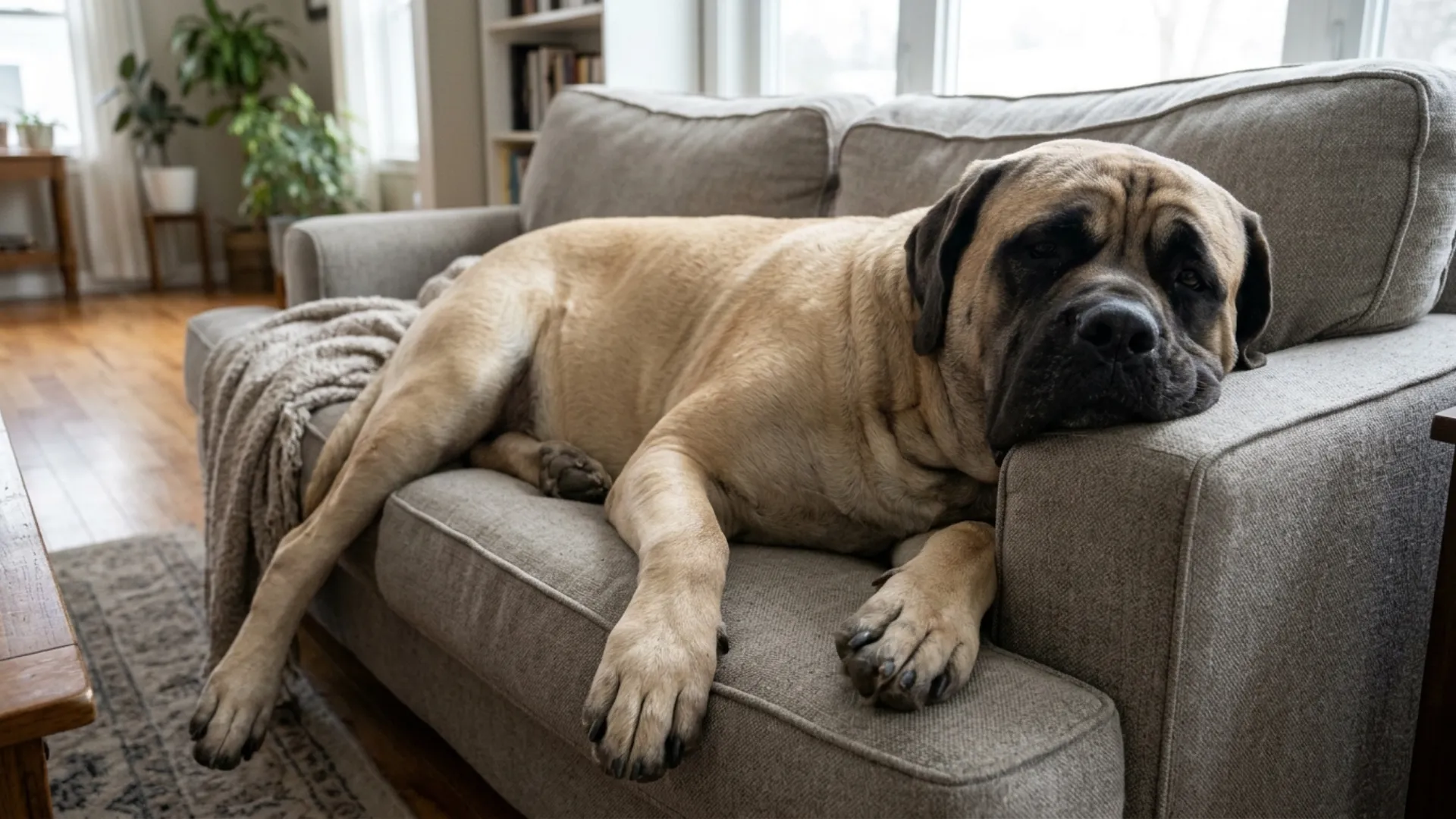
Ever wish you had a furry bestie who understood that sometimes the perfect weekend involves absolutely zero plans? While some dogs wake up ready to conquer mountains, chase tennis balls, and turn your living room into a personal gym, others would rather claim the softest cushion and enjoy a peaceful afternoon.
The coolest thing about couch-potato dogs is that they come in all shapes and sizes, from tiny royal lapdogs to enormous gentle giants. Some are naturally reserved and spend hours observing their surroundings, while others adore snuggling so much that they practically become living blankets.
Grab your favorite blanket; this adorable lineup brings maximum relaxation with no unnecessary drama.
Quiet Couch-Potato Dog Breeds That Love to Chill
1. Bulldog
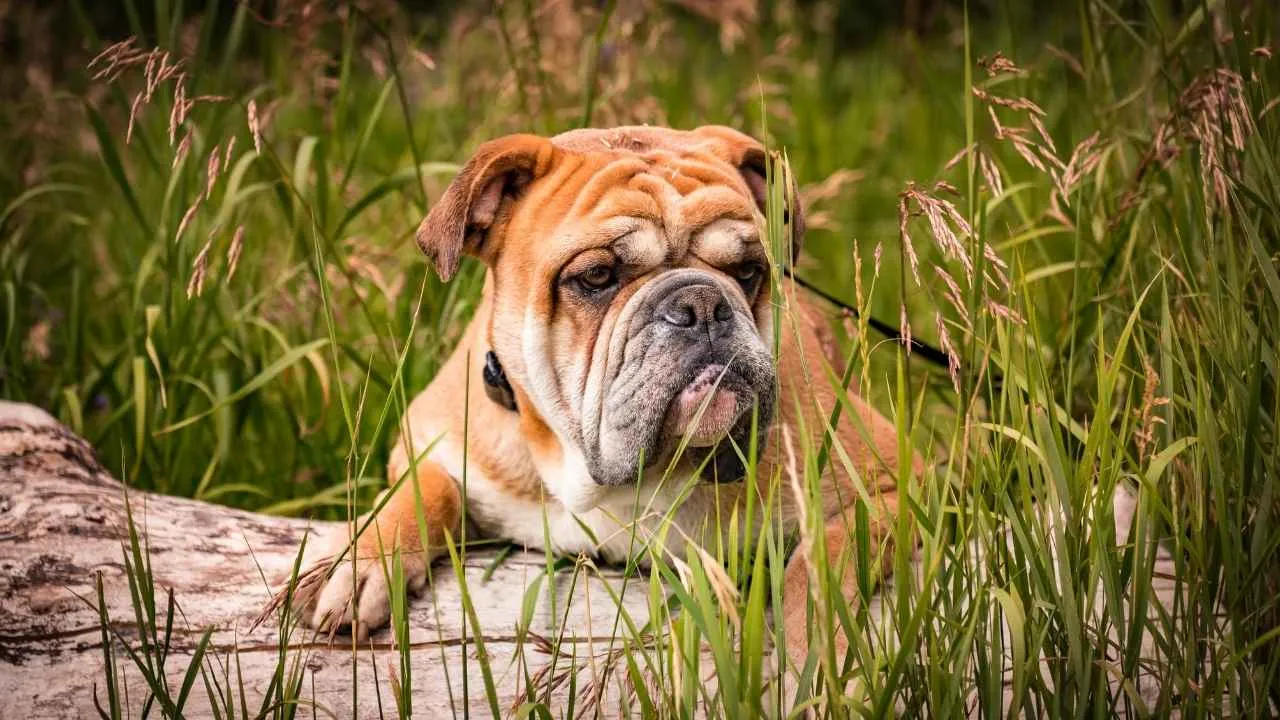
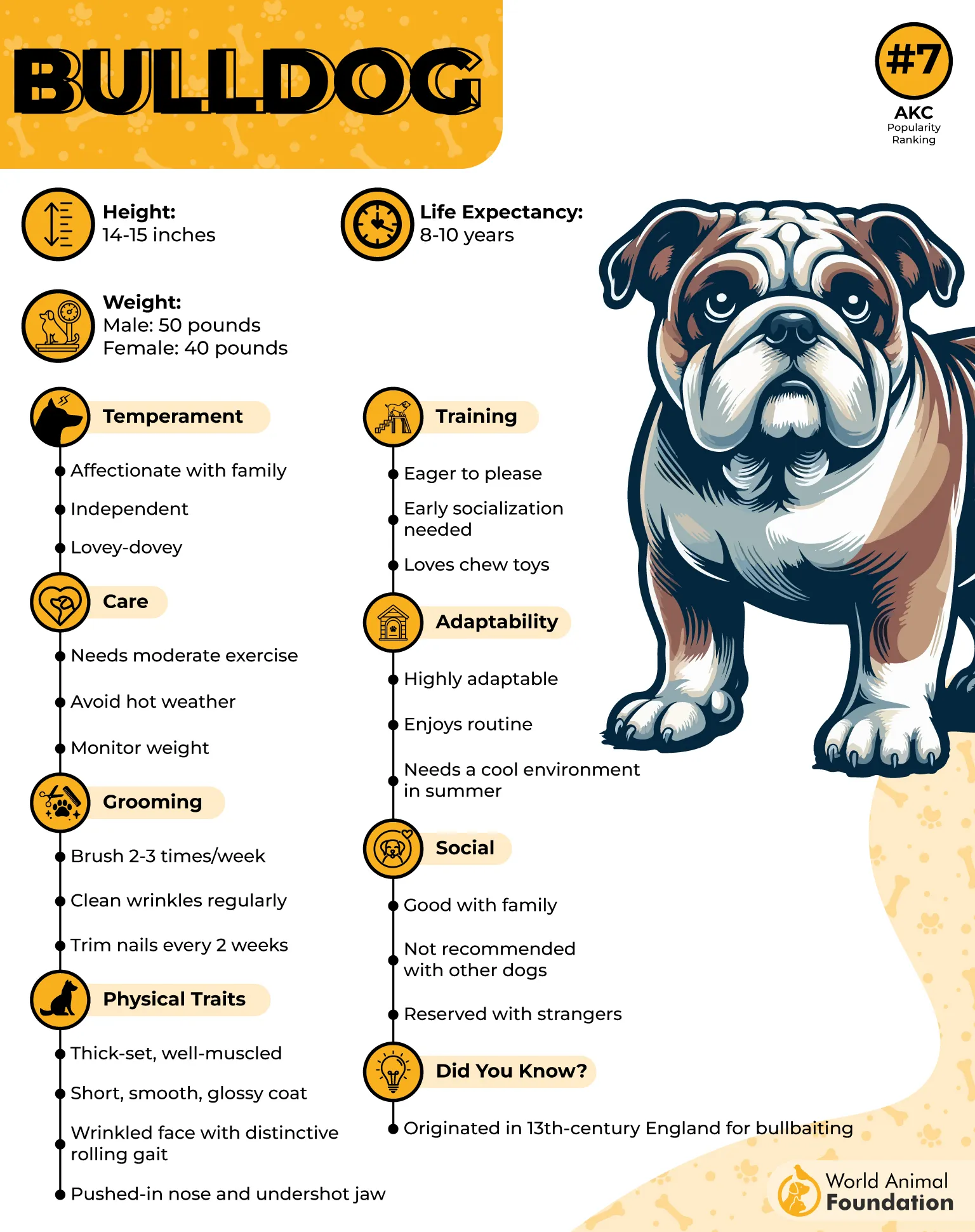
With its stocky body, wrinkled face, and famously mellow personality, the Bulldog is an affectionate companion known for enjoying peaceful household routines. These dogs often prefer relaxed interactions, gentle affection, and familiar routines over nonstop excitement, which makes them appealing to people who enjoy a slower pace of life.
One particularly charming aspect of Bulldog behavior is how much personality they can convey while barely moving. A sleepy expression, an exaggerated stretch, or a stubborn refusal to leave a favorite resting spot can make ordinary afternoons surprisingly entertaining.
This lazy dog breed’s relaxed demeanor doesn’t mean they’re emotionally distant; many Bulldogs actively seek human company and prefer lounging somewhere they can stay involved in household life.
However, there’s an important distinction between naturally enjoying relaxation and struggling to exercise because of physical limitations. Bulldogs are brachycephalic, meaning their shortened facial structure can cause serious breathing difficulties, overheating, and reduced exercise tolerance, especially in warm weather.
2. Pekingese
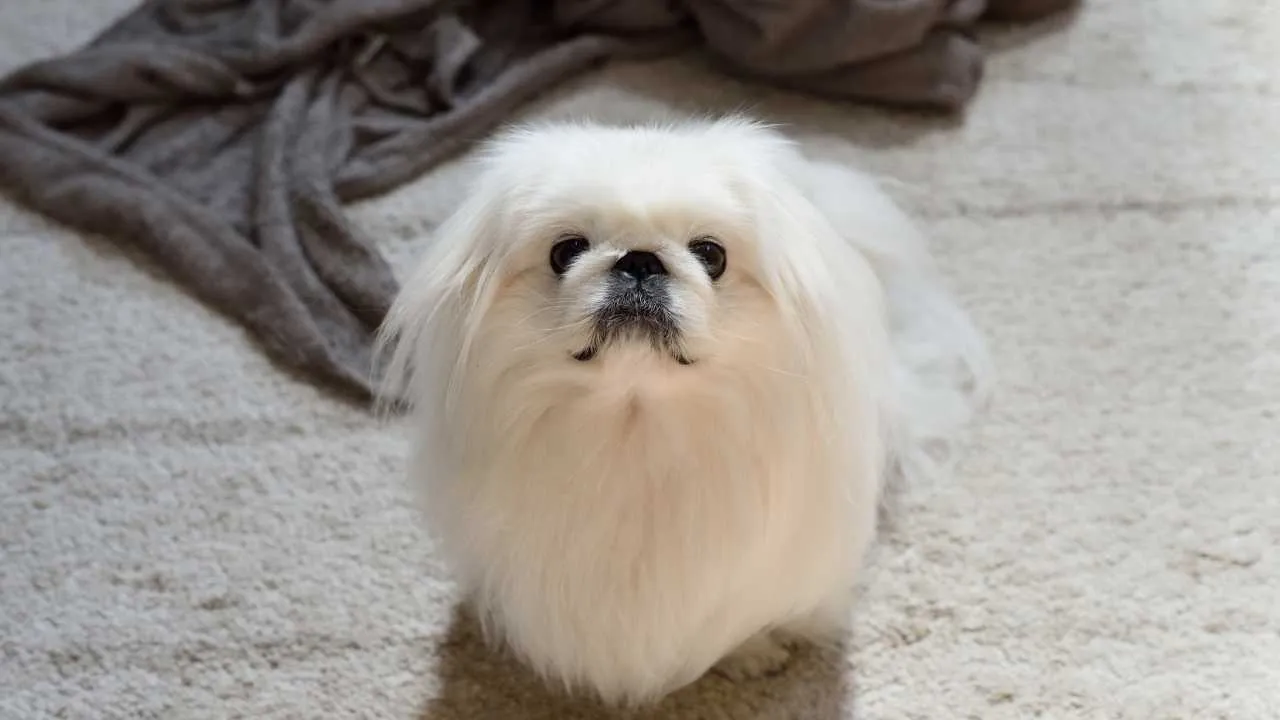
Treasured in Chinese imperial households, the Pekingese is a charming breed that carries itself with a confident, dignified attitude, making even sitting on a cushion look like an official ceremony.
One of the most entertaining things about Pekingese dogs is their ability to appear completely unbothered by ordinary household excitement. While other pets might rush toward every sound or movement, a relaxed Peke may stay comfortably settled, quietly observing before deciding whether it’s worth investigating.
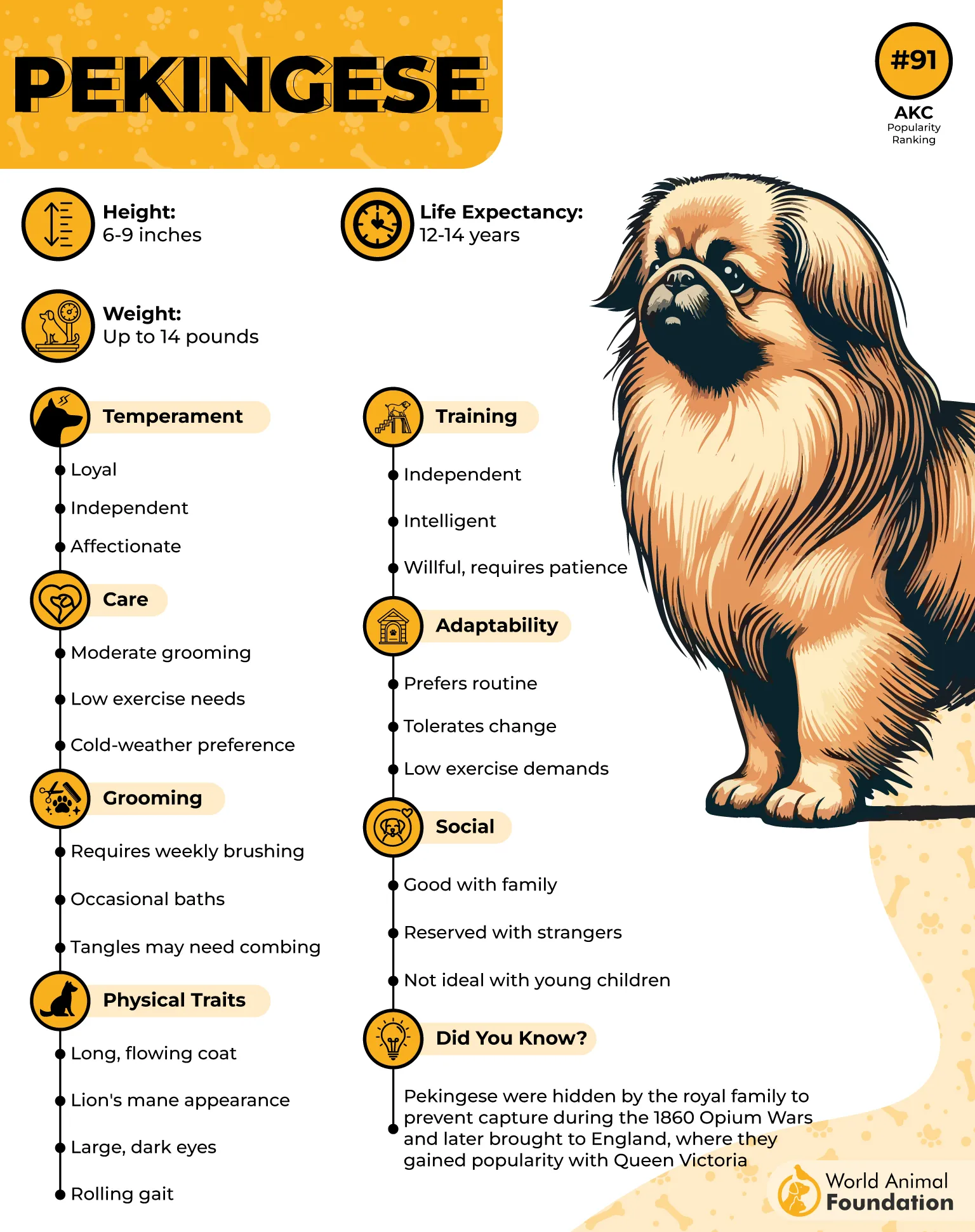
Their independent streak also makes their version of companionship particularly interesting because affection often happens on their own terms. A Pekingese might happily settle beside you during a long reading session, accept a little gentle attention, and then return to its preferred resting position without demanding constant games.
Despite their love of comfort, Pekingese need daily activity and shouldn’t spend their lives moving between furniture and food bowls. PDSA recommends at least half an hour of carefully managed daily exercise, split into shorter activities when appropriate, and warns that their flat faces make breathing difficulties and overheating major concerns.
3. Pug
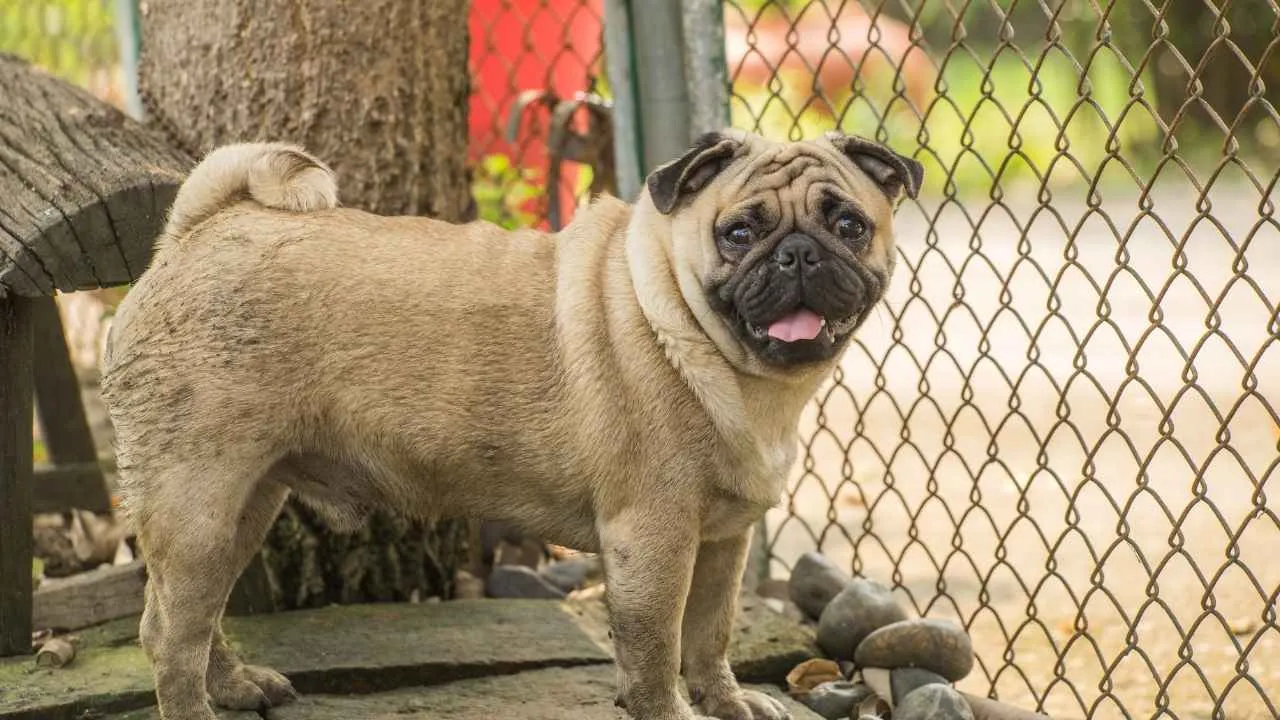
Pugs are adorable little comedians who combine an affectionate personality, expressive faces, and a strong interest in human companionship with a love of comfortable household living. Unlike more independent dogs that prefer relaxing somewhere private, Pugs often treat lounging as a social activity that absolutely requires their favorite human’s participation.
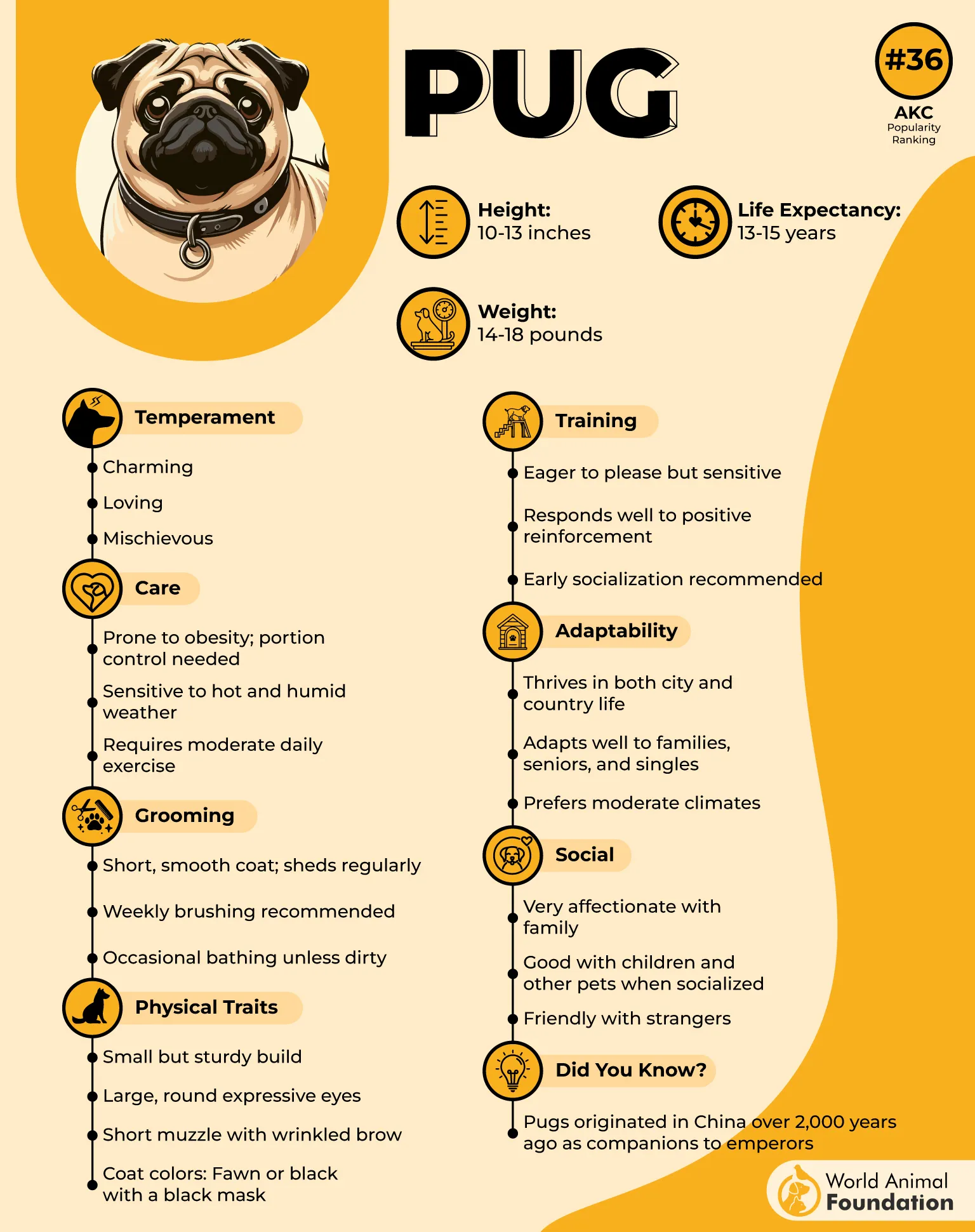
Their affectionate nature makes them wonderful companions, though some people may get distressed when left alone for extended periods.
Pugs also have a playful side that occasionally interrupts their comfortable daily routines with bursts of ridiculous enthusiasm. A favorite toy, an unexpected visitor, or the promise of a tasty reward can turn a sleepy little companion into an energetic entertainer before it returns to rest.
This mix of playful behavior and affectionate relaxation helps explain why so many people find the breed’s personality irresistible, especially in homes where entertainment doesn’t require intense outdoor adventures.
4. Greyhound
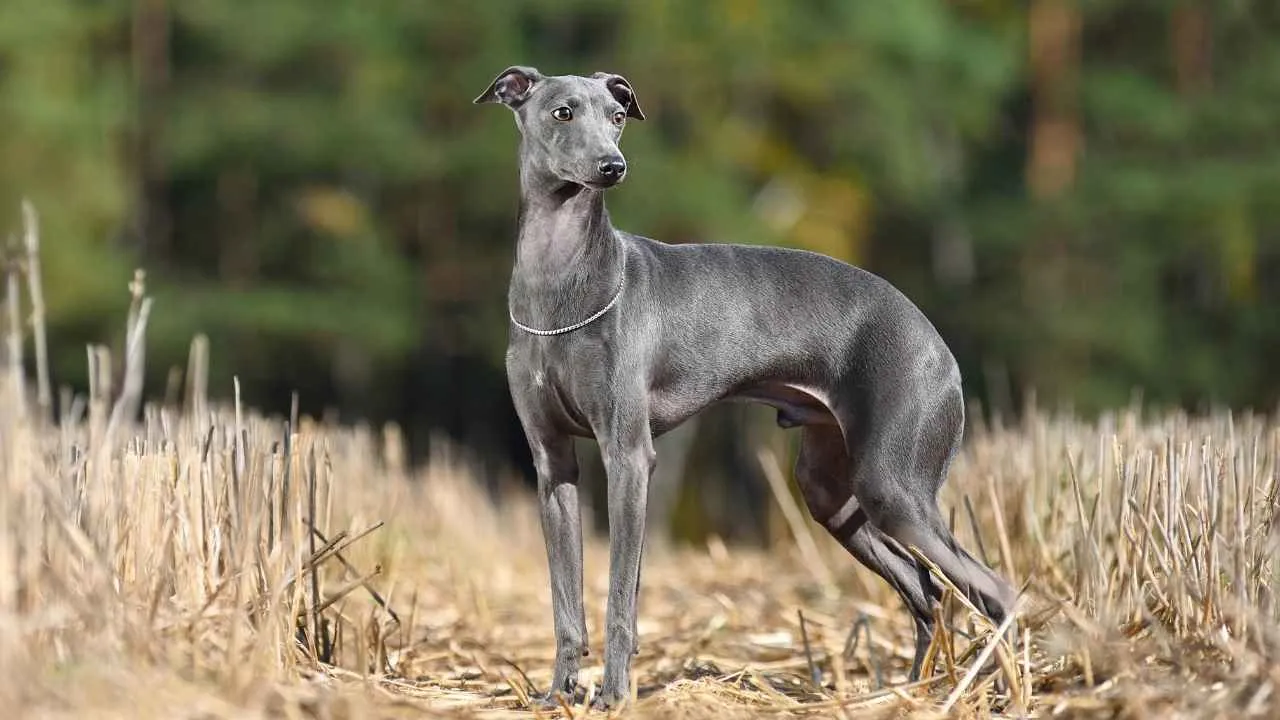
Greyhounds can reach speeds of about 40–45 miles per hour during short sprints, yet many adults spend much of their home life resting comfortably and uninterrupted
A Greyhound settling down for an afternoon nap is genuinely a sight to behold because those impossibly long legs seem capable of occupying every available inch of furniture. Some stretch out dramatically across a large dog bed, while others curl into surprisingly compact shapes that almost make their athletic build disappear.
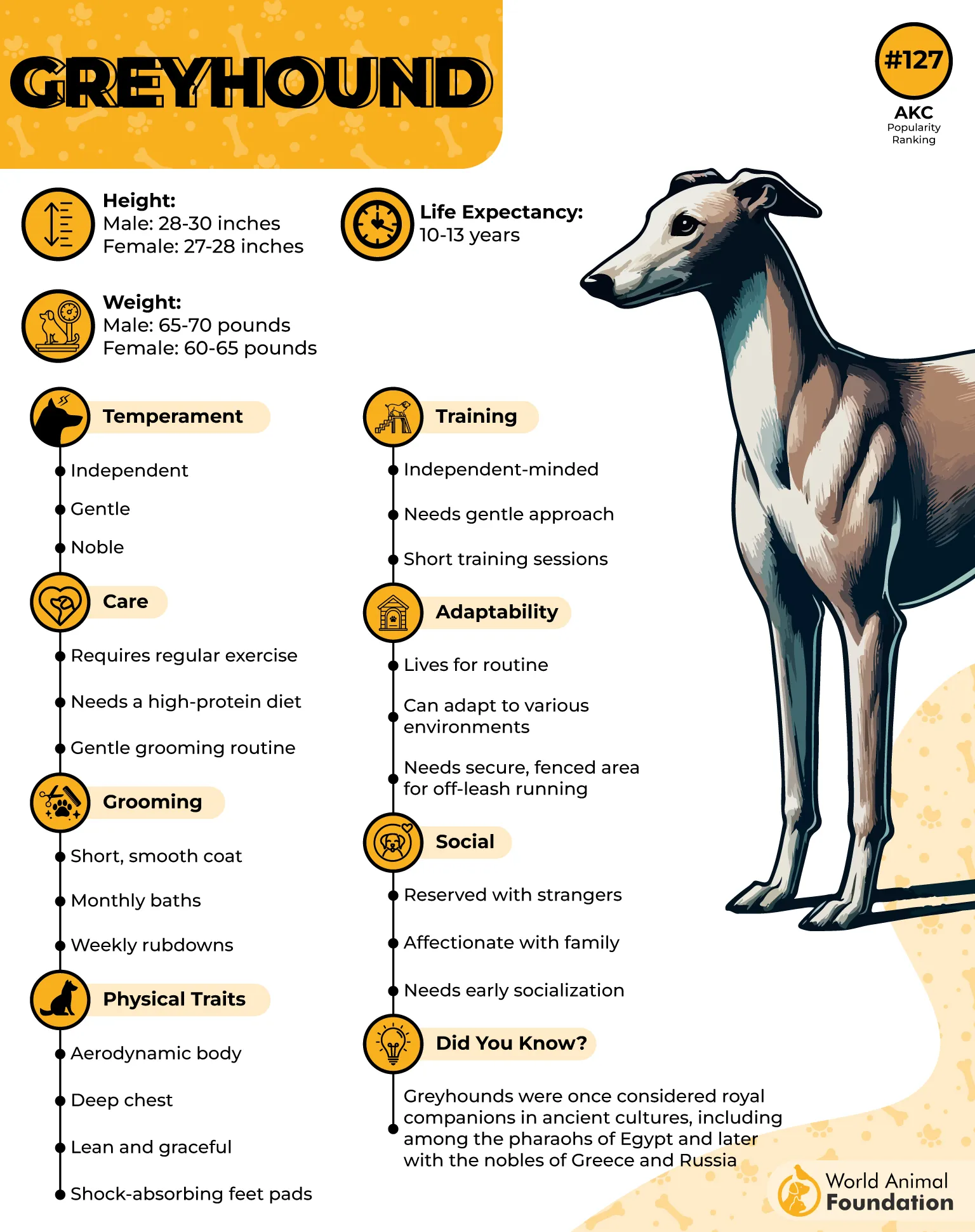
What sets it apart from many other relaxed breeds is that its couch-potato personality doesn’t necessarily stem from limited physical ability. These dogs are built for extraordinary bursts of speed, with powerful muscles and a streamlined body designed for sprinting rather than continuous high-intensity activity.
Former racing Greyhounds may also need specific adjustments when transitioning into family life, especially if ordinary domestic experiences are unfamiliar. Comfortable bedding, predictable mealtimes, gentle introductions to household sounds, and patient alone-time training can help them develop confidence in their new surroundings.
5. Japanese Chin
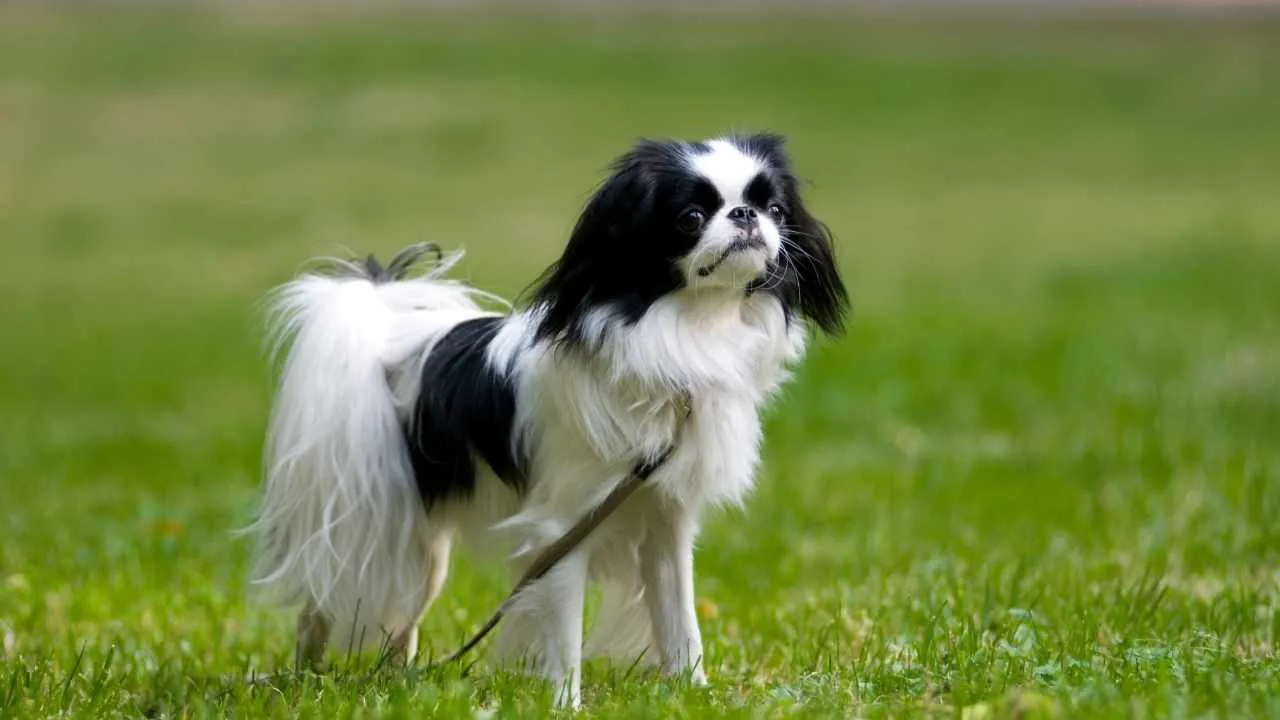
Japanese Chin’s small size and generally moderate activity needs make it an appealing companion for people who enjoy peaceful indoor living, especially those with comfortable laps available for occasional royal appointments.
One particularly entertaining characteristic is the Japanese Chin’s famously catlike behavior, which can make sharing a home with one feel surprisingly different from living with an ordinary playful dog. Some enjoy perching on elevated furniture, observing their surroundings, and carefully choosing when to interact, almost as if they’re conducting a daily inspection of their kingdom.
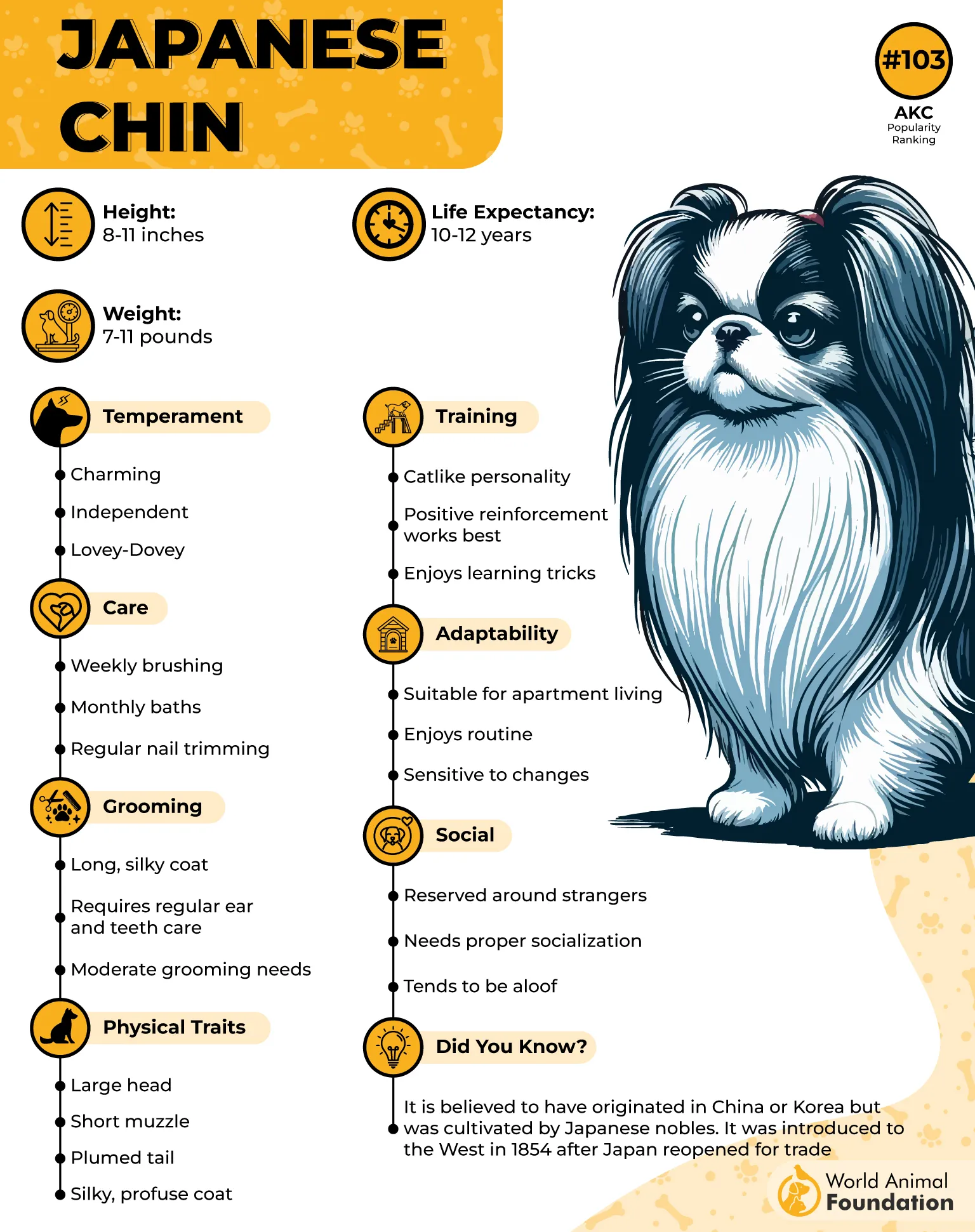
This dog might spend part of the afternoon resting near a sunny window, then wander over for gentle affection when its favorite person settles down to read. These dogs often appreciate close human relationships without the same level of demanding physical activity as larger sporting or working breeds.
Comfortable indoor temperatures, appropriate veterinary care, and gentle activities are essential, especially for dogs with respiratory limitations. What makes the Japanese Chin especially appealing is its ability to bring character into a room without making every moment a major event.
6. Saint Bernard
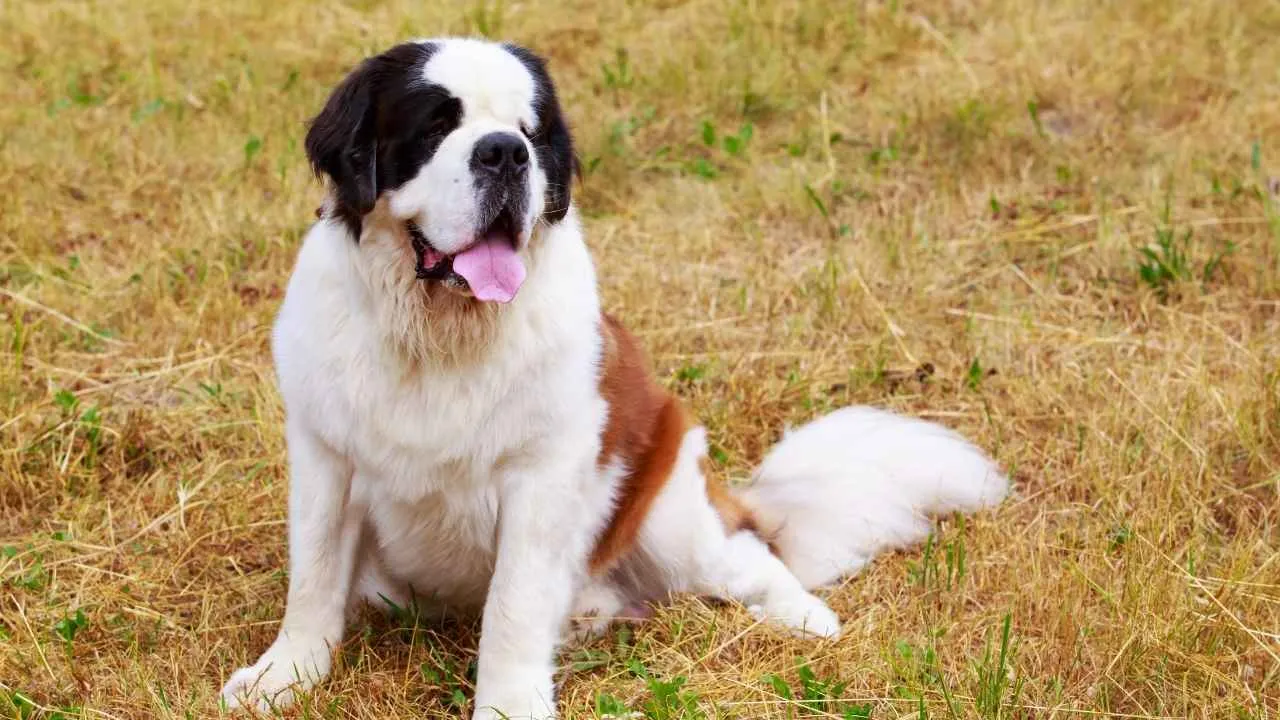
Known for their impressive rescue work in the Swiss Alps, Saint Bernards have a fascinating history that contrasts beautifully with their modern reputation as relaxed companions.
Imagine a giant furry companion quietly stretching across the living room while the family enjoys a lazy Sunday afternoon. A mature dog with enough exercise and solid training may be happy to rest near its people, occasionally lifting its enormous head to see if anything interesting is happening.
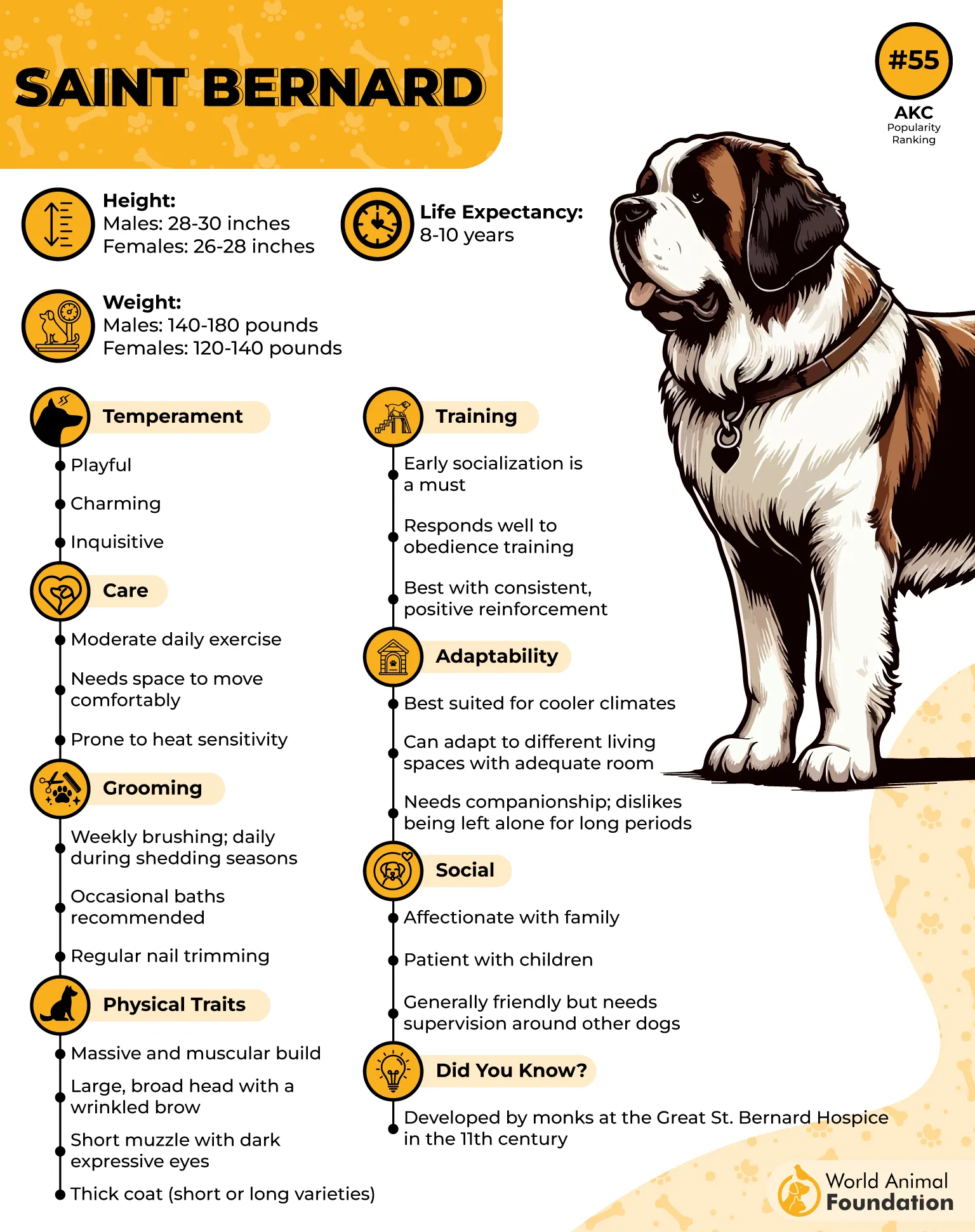
However, this breed’s sheer size turns ordinary couch-potato behavior into something that requires planning. A Saint Bernard sprawled across a narrow hallway can accidentally become a furry roadblock, while an enthusiastic attempt to climb onto someone’s lap may be considerably more dramatic than expected.
The American Kennel Club notes that Saint Bernards benefit from training and close family involvement, despite their calm and friendly disposition. Their large bodies also require age-appropriate exercise, careful weight management, and protection against overheating, particularly because giant breeds can struggle to regulate body temperature in hot environments.
7. Mastiff
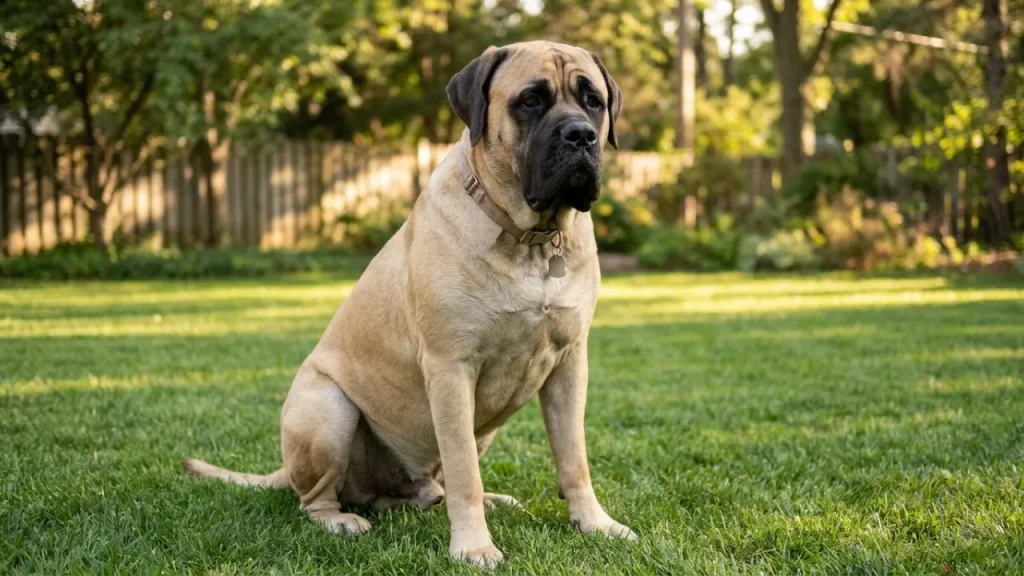
The Mastiff is basically a gentle giant who seems to believe every problem in life can be solved by finding a comfortable place to sit. PDSA describes Mastiffs as docile, courageous, and good-natured, making their calm household behavior particularly striking given their intimidating size.
One of the funniest things about living with a Mastiff is discovering that such an enormous dog can behave like an oversized lapdog. Some enjoy leaning against their owners, settling beside the sofa, or resting close enough to stay in touch during quiet evenings.
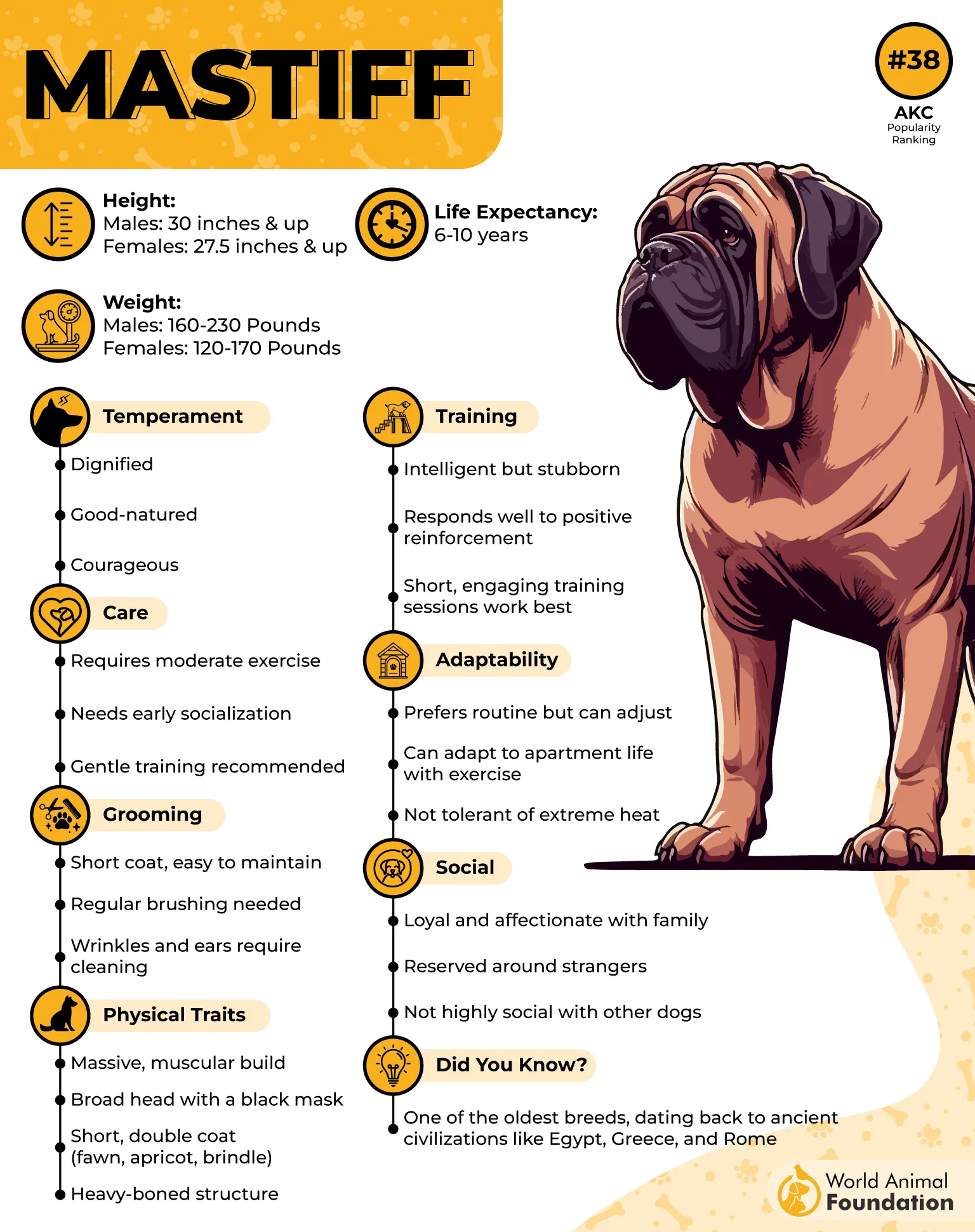
Mastiffs were historically used for guarding, so their relaxed behavior doesn’t mean they’re completely unaware of their surroundings. A confident adult may quietly observe household activity and unfamiliar visitors without feeling the need to react loudly to every minor sound.
They have relatively modest exercise needs and can benefit from regular walks of about one to two miles as adults, depending on individual fitness and health. Their enormous size makes joint protection particularly important during puppyhood, when excessive running, jumping, or strenuous activity can place unnecessary stress on developing bones.
8. Newfoundland
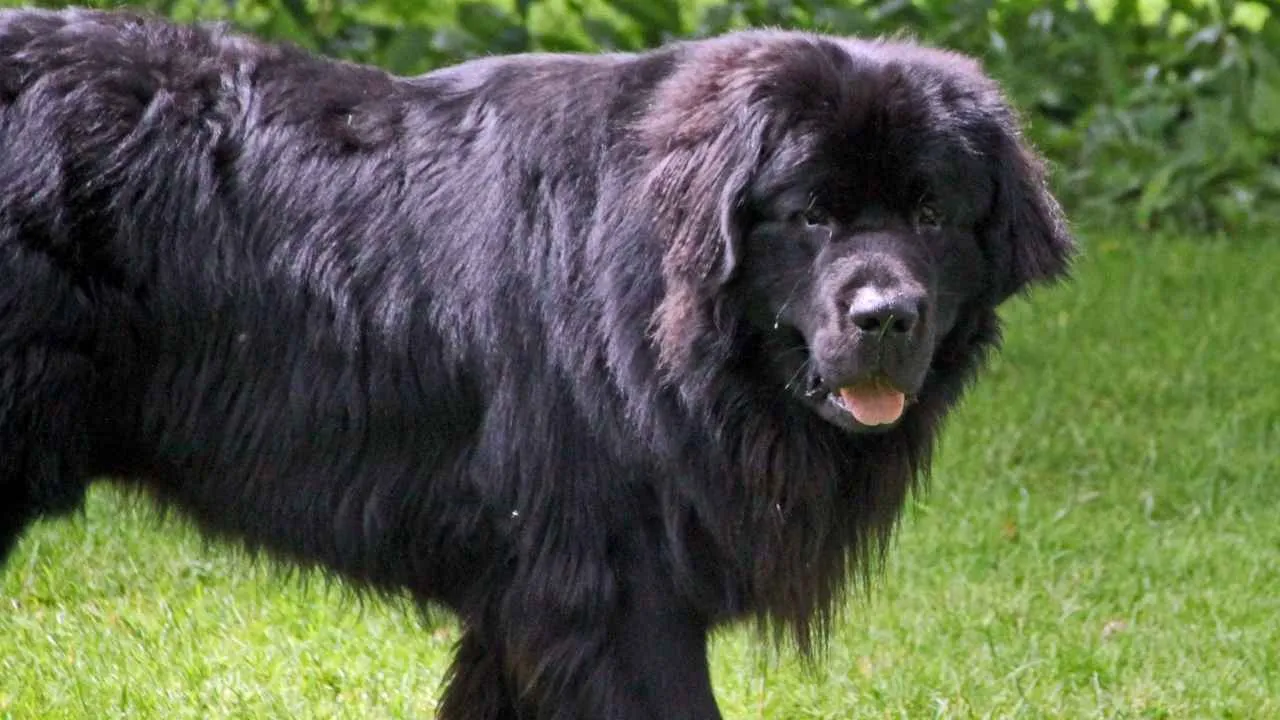
The Newfoundland looks like someone turned an enormous teddy bear into a real dog, then gave it the sweetest personality imaginable. This magnificent breed combines a powerful body, thick double coat, and remarkably gentle disposition, earning widespread admiration among dog lovers.
What makes the Newfoundland especially appealing to fans of peaceful living is its ability to enjoy relaxed family moments after receiving appropriate daily activity. A contented adult may stretch across a cool floor, settle near its favorite people, or quietly watch household activities without demanding constant attention.
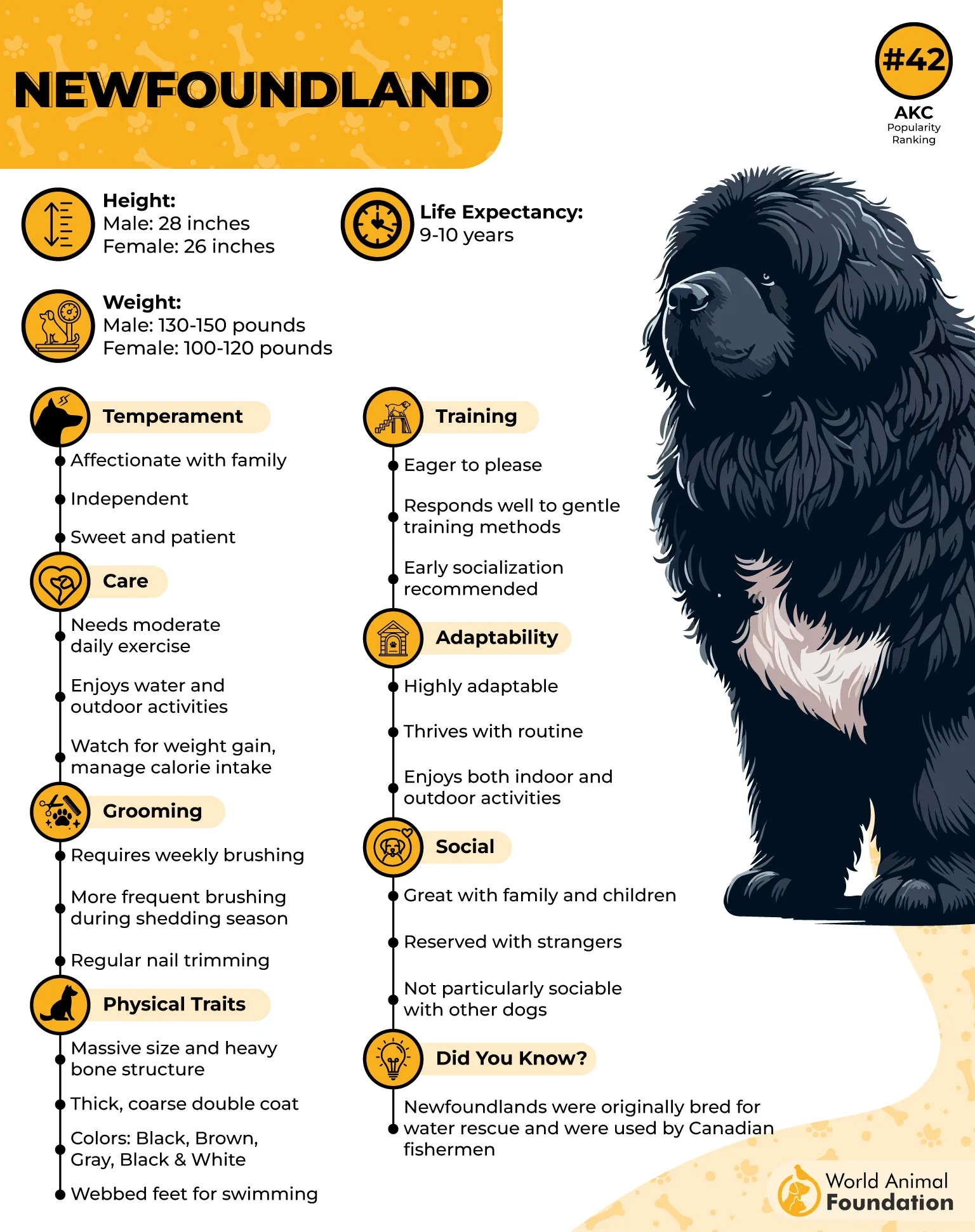
Despite their relaxed indoor reputation, they have serious working abilities worth recognizing. Their strong swimming instincts, webbed feet, and muscular build reflect a history of helping fishermen and performing water-related tasks, so many enjoy opportunities for swimming and other controlled outdoor activities.
Living with it also means accepting that peaceful companionship comes with a lot of fur and occasional slobber. Their dense, water-resistant double coats need thorough brushing at least weekly, with more frequent grooming during heavy shedding periods to prevent mats and remove loose undercoat.
9. Clumber Spaniel
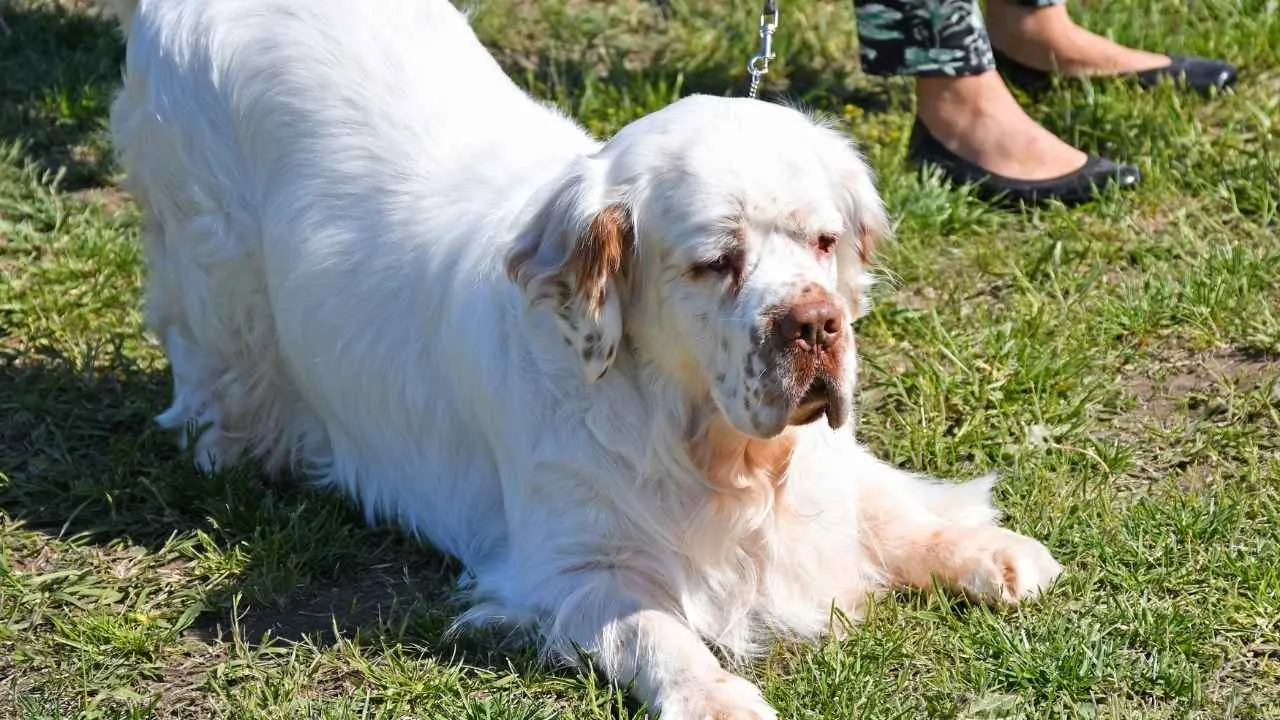
With its long, low body, thoughtful expression, and relaxed personality, the Clumber Spaniel is a distinctive sporting breed that often appears considerably more laid-back than its energetic spaniel relatives.
One of this calm dog’s most charming traits is its unhurried approach to ordinary household life. At home, rather than bouncing continuously between rooms, a relaxed adult may wander over to investigate an interesting smell, stretch out on the floor, and quietly settle while the family continues its activities.
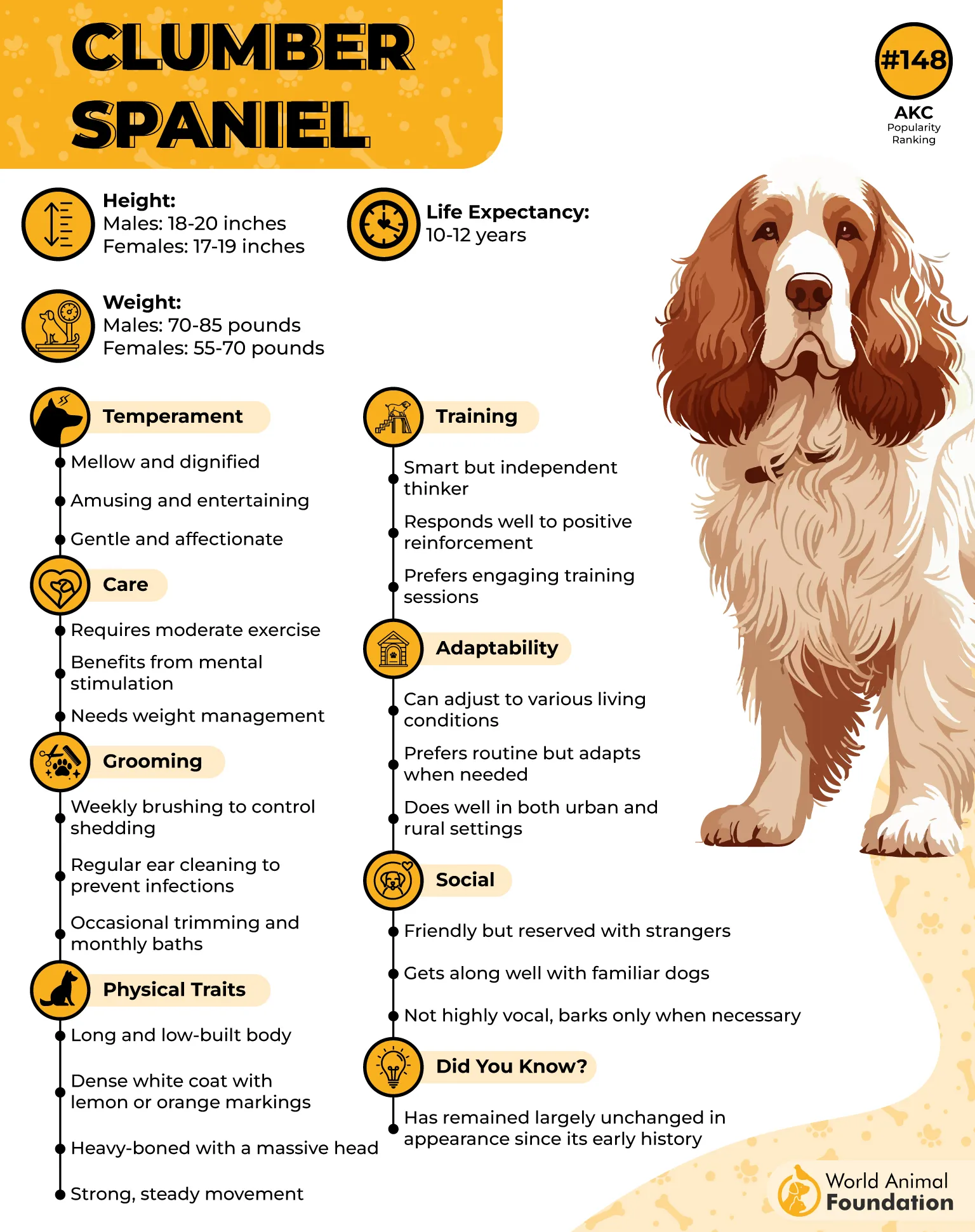
However, Royal Canin says this breed’s relaxed appearance can be misleading because Clumber Spaniels were developed to work through challenging hunting environments. Their powerful noses and determination make scent-based exploration especially rewarding, and they may become surprisingly enthusiastic on interesting trails.
Their love of comfortable household routines also comes with practical maintenance needs owners should consider before bringing one home. Clumber Spaniels can shed and drool, while their heavy ears and facial folds need regular inspection and cleaning to reduce the risk of irritation or infection.
10. Cavalier King Charles Spaniel
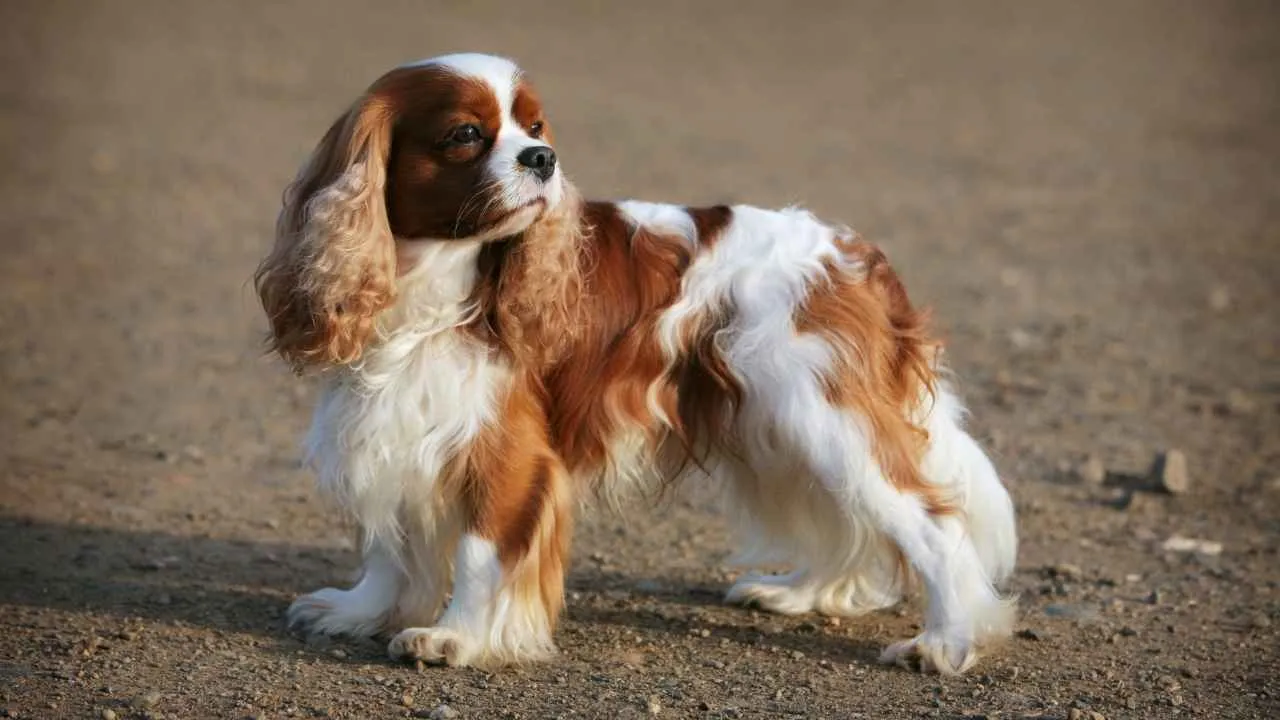
Originally associated with British royalty, Cavalier King Charles Spaniels were developed as companion dogs, and many still seem happiest when they can remain close to their favorite people.
Imagine settling into your favorite chair after a long day, only to have a Cavalier quietly curl up beside you, as if the entire evening was planned around relaxation. Pet Plan says these low-energy dogs often enjoy physical affection and gentle companionship, making them particularly appealing to people who want a loving lapdog rather than a highly independent household observer.
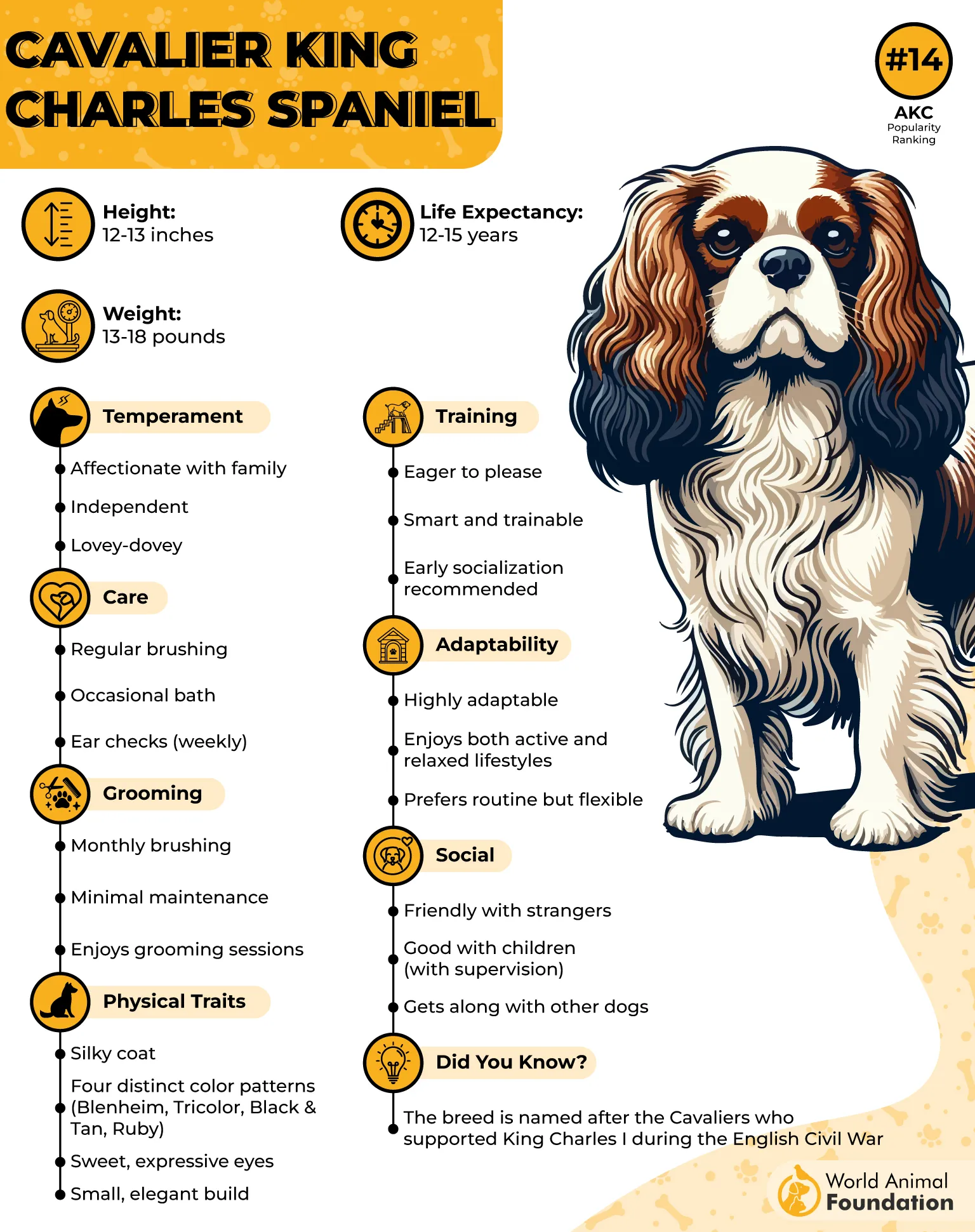
Their sweet temperament makes them lovely companions for quieter households, though their strong attachment to people means they may struggle with long periods of solitude.
One fascinating detail is that Cavaliers combine the relaxed nature of traditional companion dogs with athletic instincts inherited from sporting spaniels. This means they may happily spend a peaceful afternoon resting indoors but still become enthusiastic when their owners suggest a walk, an outdoor game, or an interesting scent-based adventure.
Conclusion
Finding the perfect couch-potato dog isn’t just about choosing the breed that appears most likely to sleep through an entire Netflix marathon.
However, a genuinely happy couch potato still needs appropriate exercise, mental stimulation, healthy nutrition, and regular veterinary care to enjoy a comfortable life. Flat-faced breeds require particular attention to respiratory health, while giant dogs need careful weight management, supportive resting spaces, and age-appropriate activity to protect their joints.
