




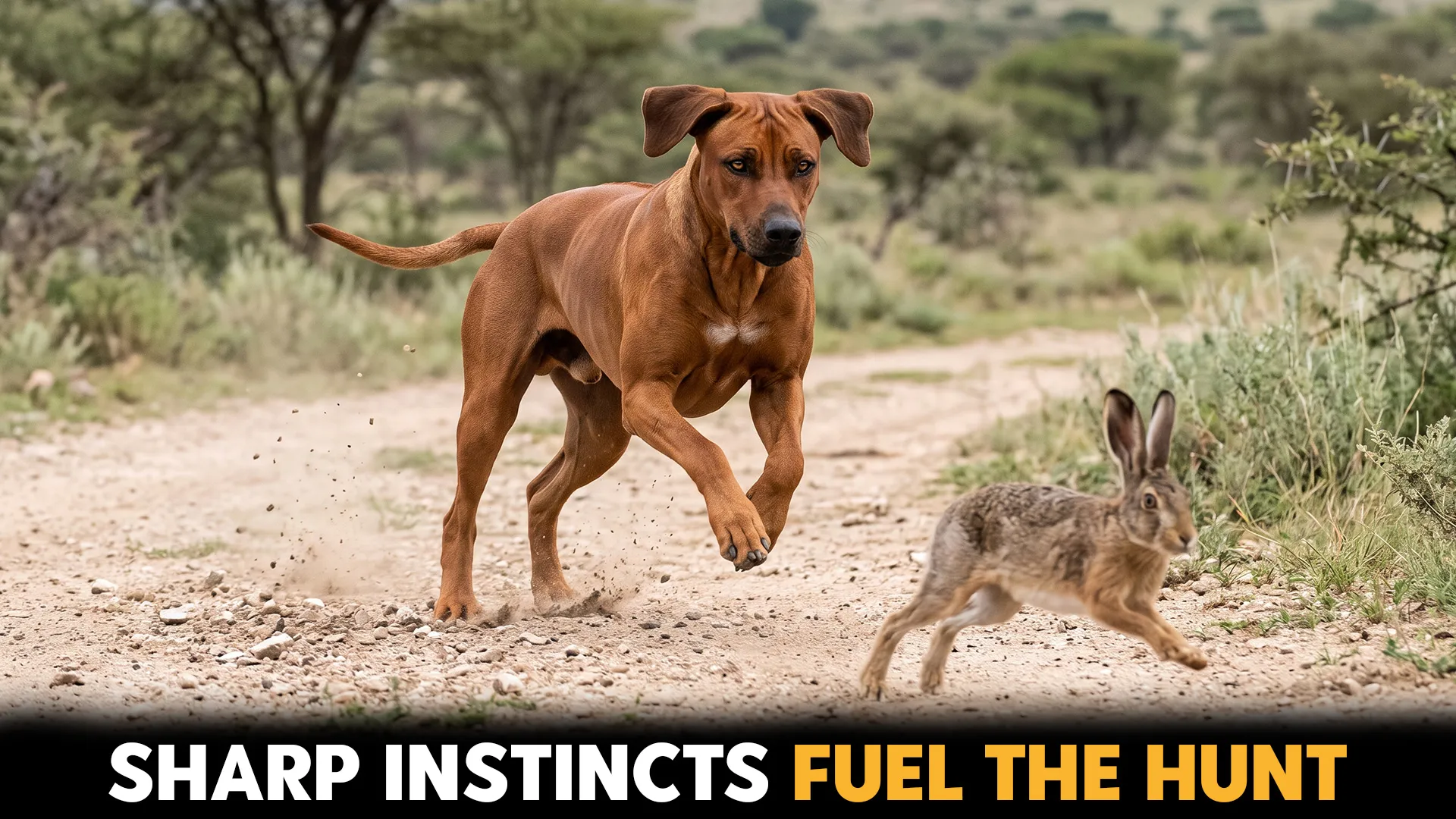
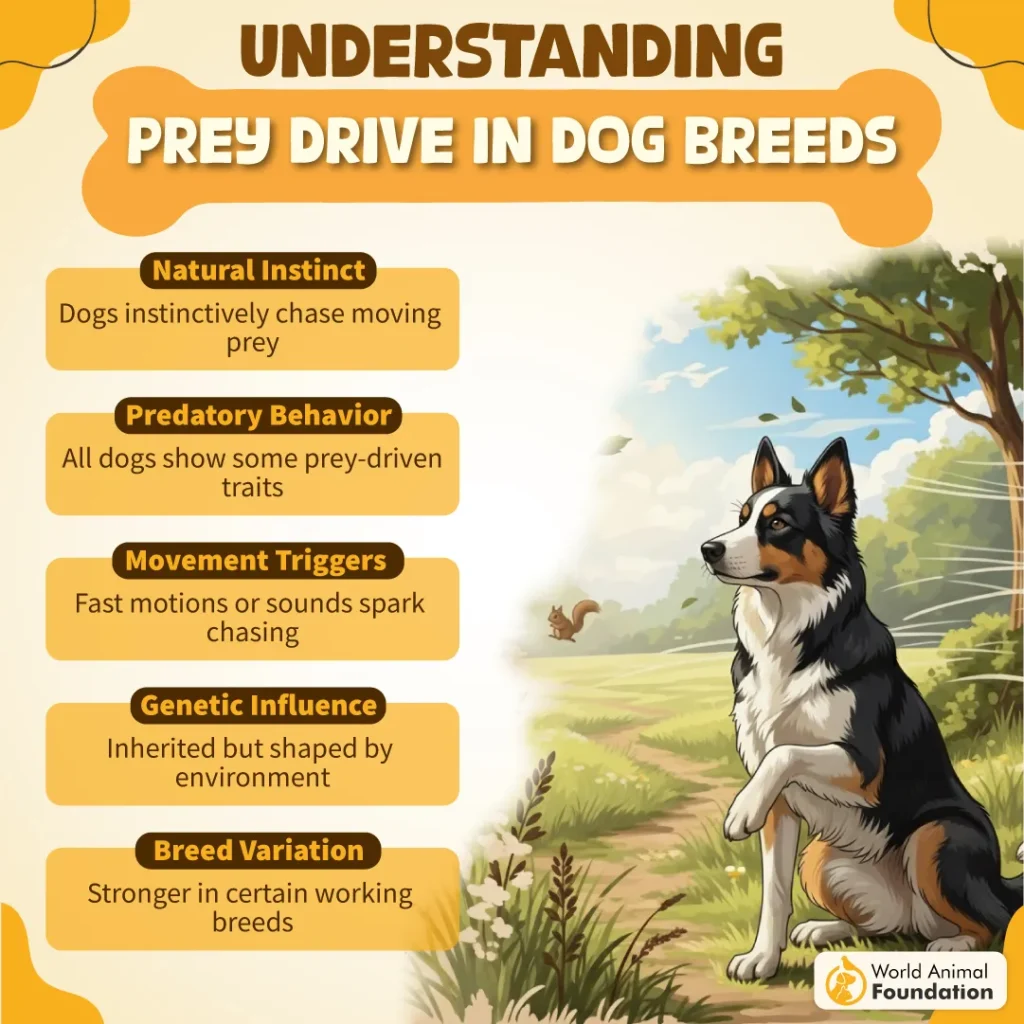
Some dogs seem to notice every movement before you do. A squirrel slipping through the yard, a bird taking flight, or something rustling beneath leaves can trigger a response.
Strong prey drive is rooted in the hunting behaviors that humans selected for across generations, including chasing, tracking, pointing, flushing, and retrieving. These instincts can give a dog concentration and determination when it has a target in sight. They can also create practical challenges around roads, wildlife, cats, rabbits, and other small animals.
Early training becomes especially valuable because instinct can be powerful even in a well-behaved dog. Recall practice, leash skills, controlled exposure, and appropriate outlets can help channel that energy safely. Hunting instincts also explain why some dogs excel at scent games, tracking exercises, retrieving work, and other activities that let them use their natural abilities.
The breeds featured here reveal how different hunting roles shaped these instincts and what those traits can mean for life with them today.
Key Takeaways
A dog that suddenly bolts after a rabbit is often following its dog’s prey drive, an instinct that goes much deeper than simple excitement.
The German Shorthaired Pointer was shaped for hunting birds and small game, while the Rhodesian Ridgeback once tracked lions across southern Africa.
Beagles bring an equally fascinating skill to the list, using their powerful noses to follow scents even when pet owners are calling them back.
The remaining breeds have their own hunting specialties, and some of their instincts may be more intense than you expect.
Dog Breeds With Strong Prey Drive and Hunting Instincts
1. German Shorthaired Pointer
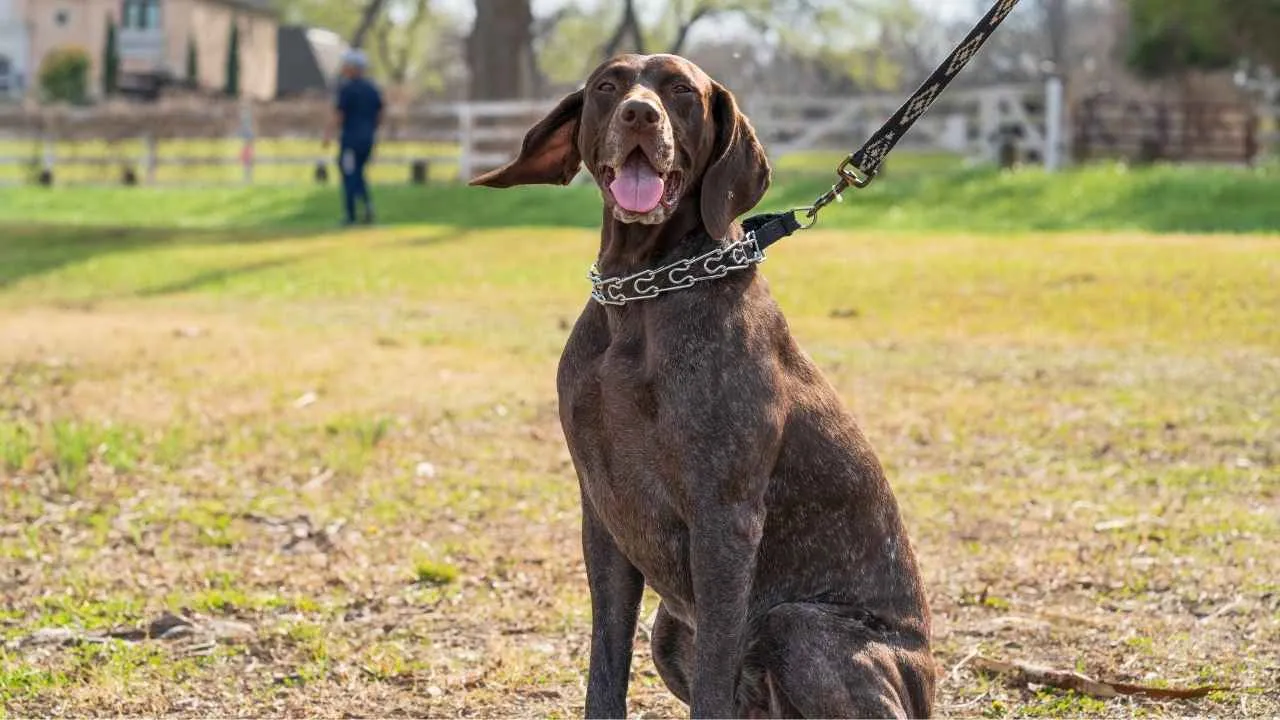
German Shorthaired Pointer took shape from German bird dogs linked to the Old Spanish Pointer, which reached Germany in the 17th century. English Pointers and the Arkwright Pointer later entered the mix, with the modern form taking shape around 1870 and AKC recognition following in 1930.
A Chase That Takes Over
Squirrels, birds, rabbits, and other small animals can easily trigger this hunting breed’s chase instinct, as claimed by the AKC. A sudden scent or glimpse can trigger an immediate pursuit, so secure fencing and careful off-leash handling are especially important outdoors.
These situations deserve particular attention:
Six-foot fencing helps prevent fence-jumping escapes
Off-leash recall can become difficult during pursuit
Select demanding options for their energy level
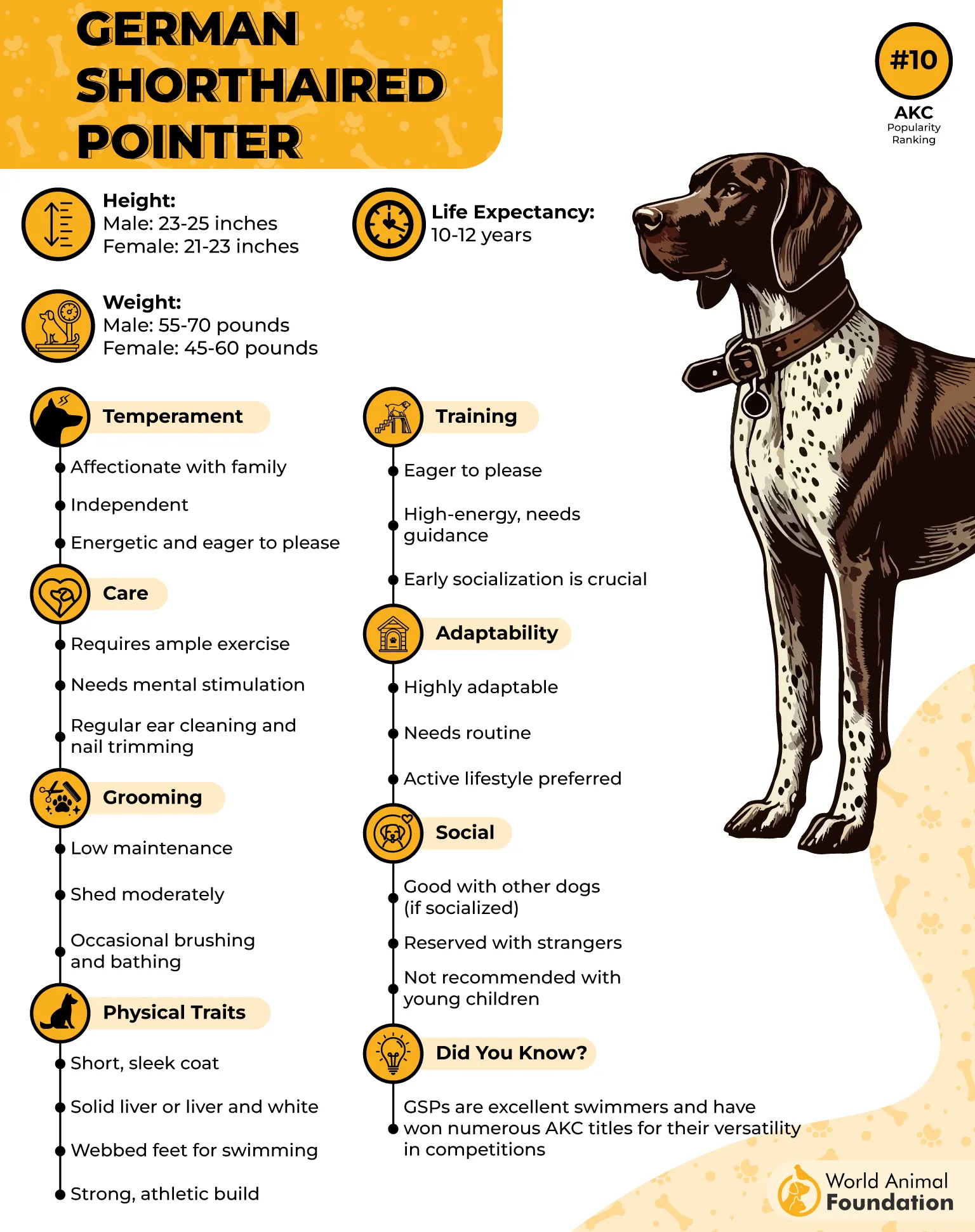
Focus Gets Narrow
Once a target catches a German Shorthaired Pointer’s attention, everything else can fade into the background. That intense concentration makes “Leave It,” “Stay,” and emergency recall valuable skills, especially in places filled with distracting sights and scents.
2. Weimaraner
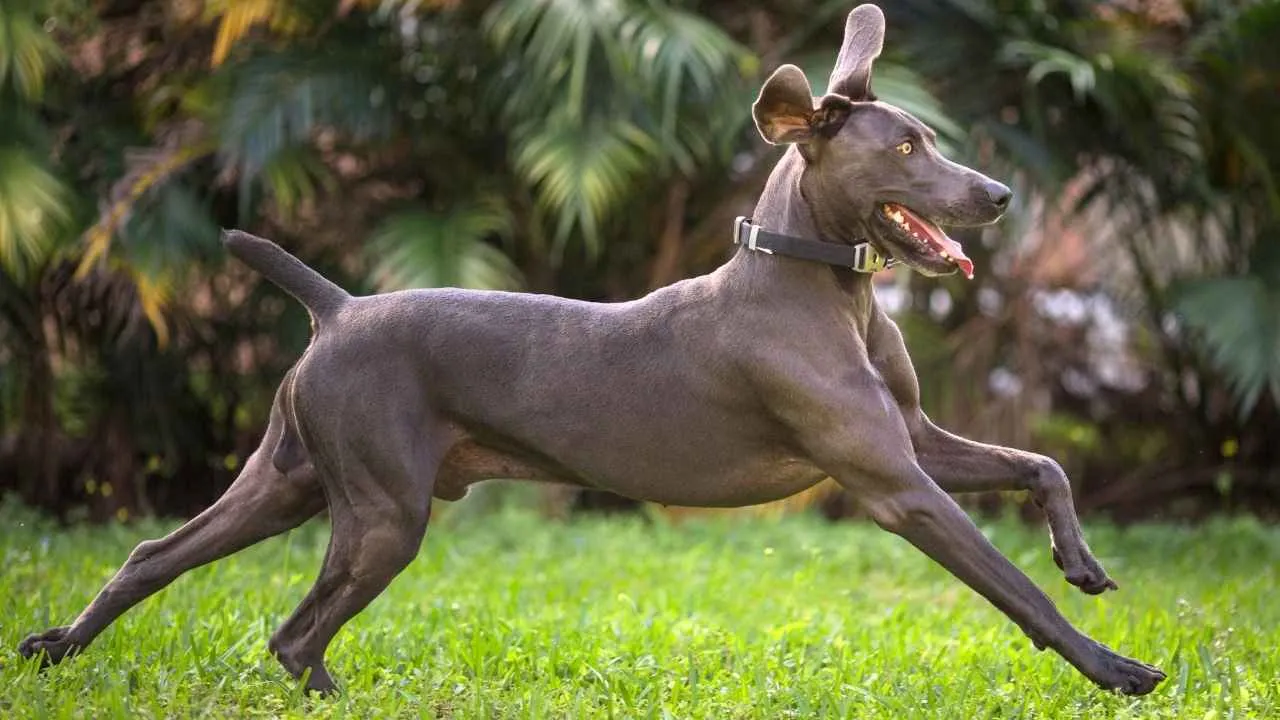
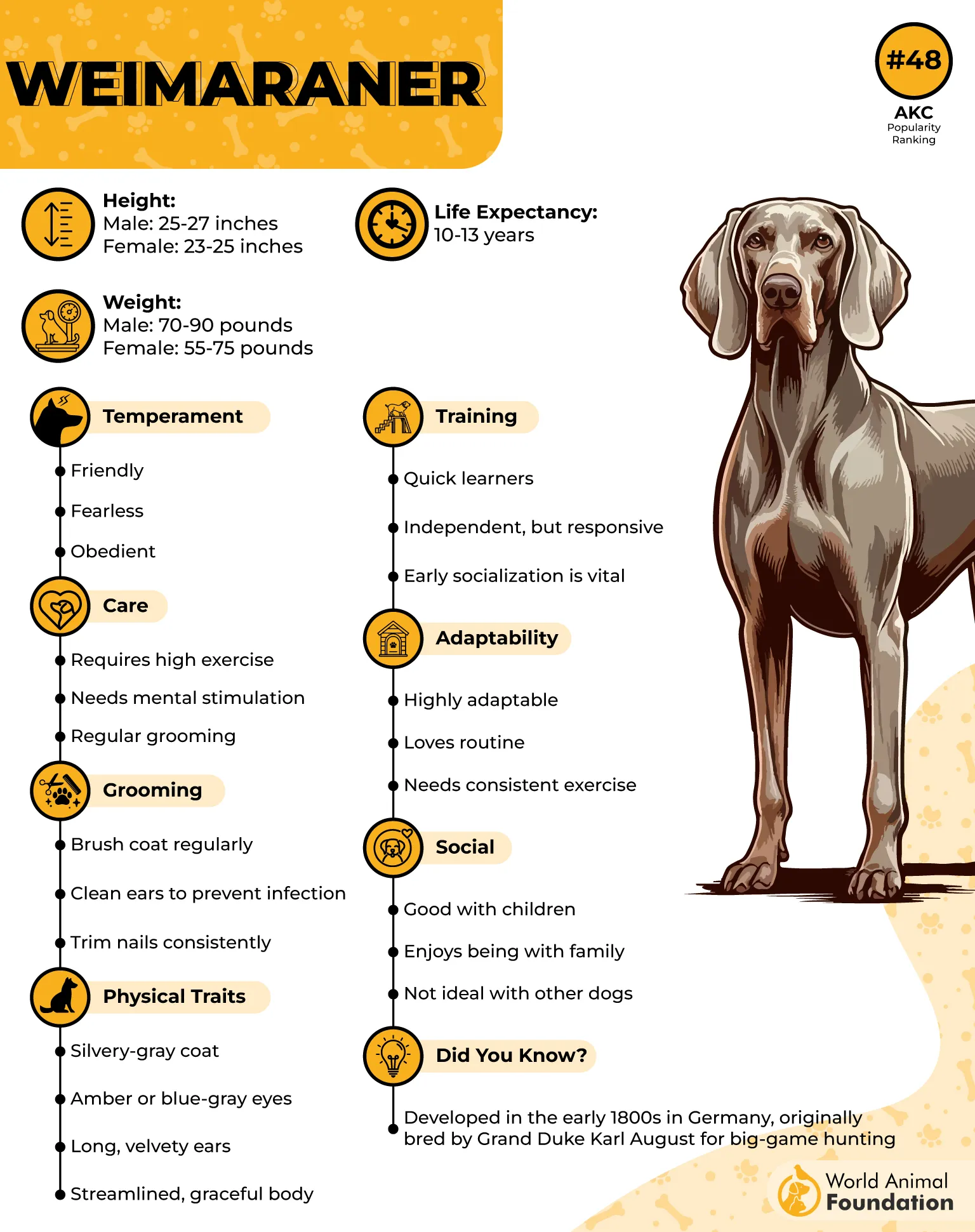
Weimaraner emerged in 19th-century Germany as an all-purpose gun dog, bred to pursue game ranging from deer to bear across demanding hunting grounds. Bloodhounds, Schweisshunds, and pointer breeds contributed to the lineage that helped shape the modern Weimaraner.
A Powerful Chase Instinct
Weimaraner has a particularly strong prey drive because its original work involved tracking, chasing, and retrieving game. A rabbit, cat, bird, or sudden movement can trigger that instinct quickly, so off-leash freedom requires secure fencing and dependable recall.
A few practical precautions matter here:
Keep walks on a secure leash
Separate the breed from small pets
Practice recall around distractions
Serious Stamina
This high-energy breed can remain active for long stretches and may happily jog beside a person or trot alongside a bicycle, as noted by Omlet. Young dogs can retain puppy-like behavior through roughly their first 18 months, while early socialization helps them interact more appropriately with other dogs.
3. Rhodesian Ridgeback
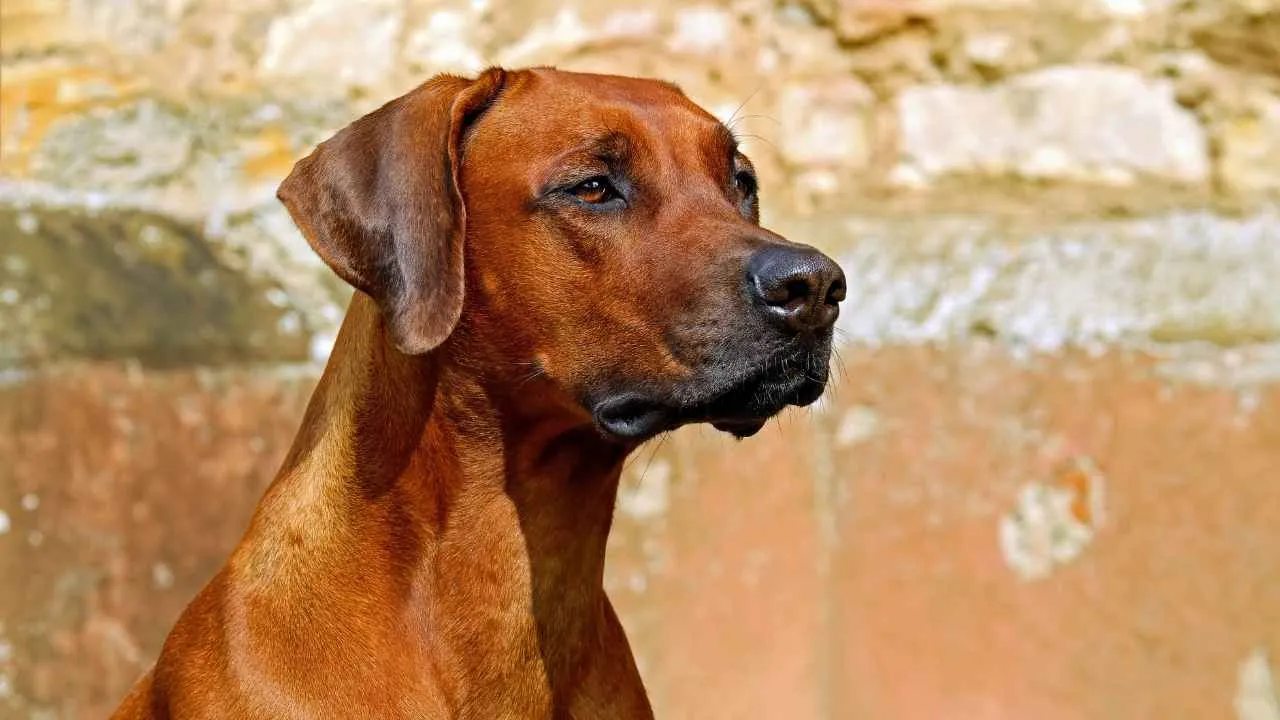
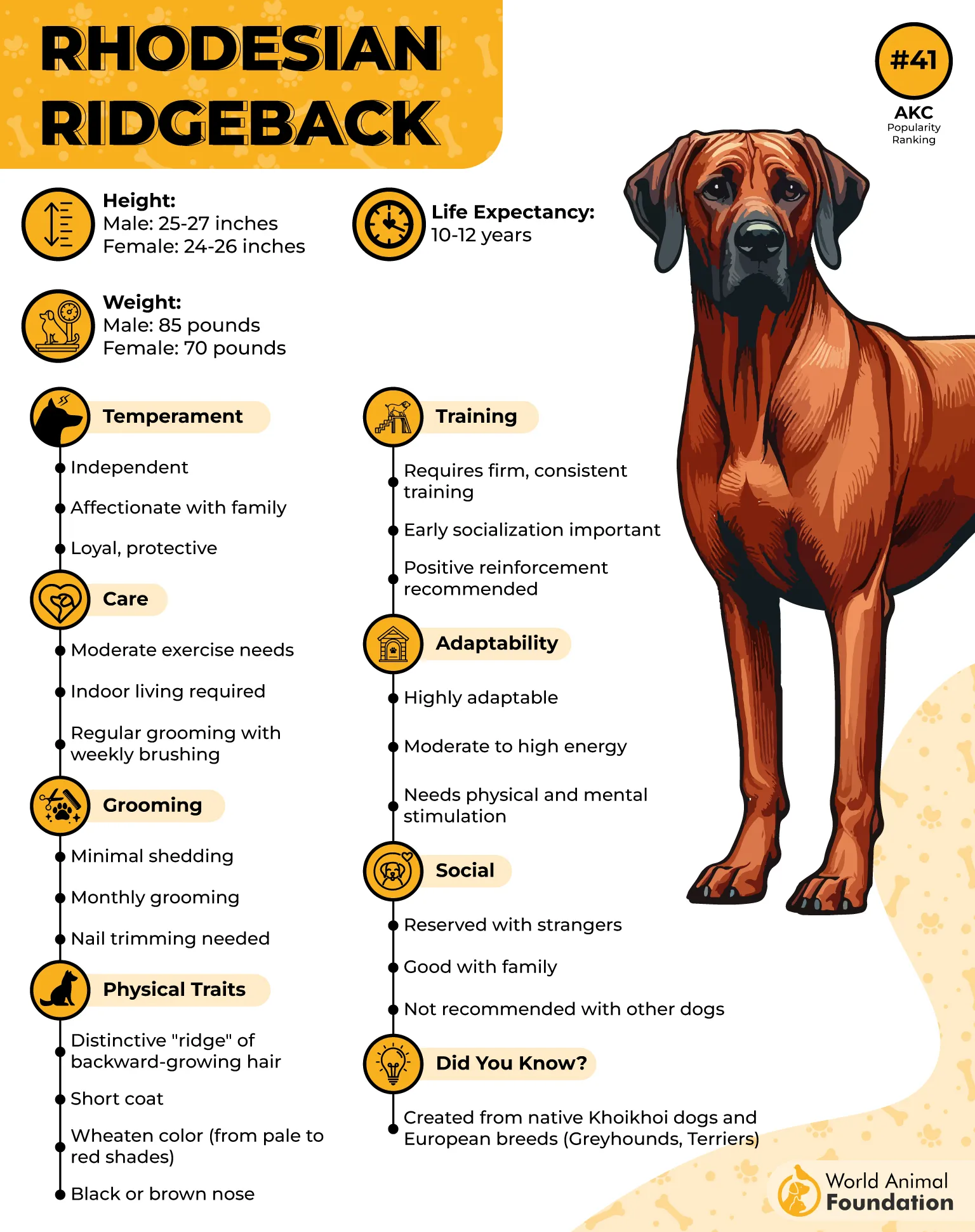
Rhodesian Ridgeback emerged from crosses between European breeds such as Mastiffs, Bloodhounds, Great Danes, Pointers, and Greyhounds with native hunting dogs in southern Africa. By the late 1800s, these dogs were taken to Rhodesia, now Zimbabwe, where they tracked lions and held them at bay for hunters.
Instinct in Motion
The high prey drive of this working dog can switch on instantly when movement or scent catches its attention. Chasing can become an automatic response, while its independent hunting nature means it may act before looking to a person for direction.
The following traits make that instinct especially important:
Fast enough to pursue rabbits and squirrels
Strong scenting ability for tracking
Keen eyesight for spotting distant activity
A Powerful Chase
Rhodesian Ridgeback can accelerate quickly after smaller animals, making unsecured outdoor areas risky for off-leash freedom. Secure fencing and a physical leash are important around open spaces, while recall work needs high-value rewards and repeated practice.
4. Plott Hound
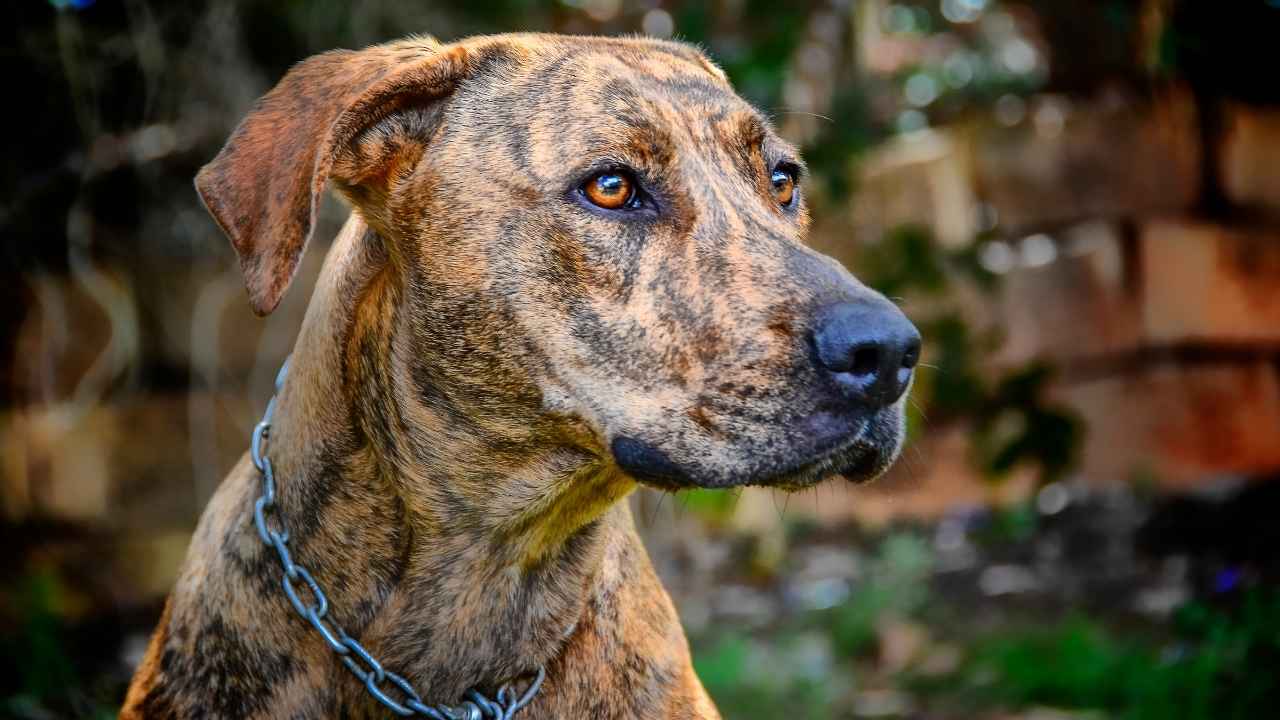
Plott Hound traces its American lineage to 1750, when German immigrant Johannes Plott brought five Hanoverian Schweisshunds to North Carolina. His family selectively bred them in the Appalachian Mountains for tracking wild boar, black bears, and other large game.
Built for the Chase
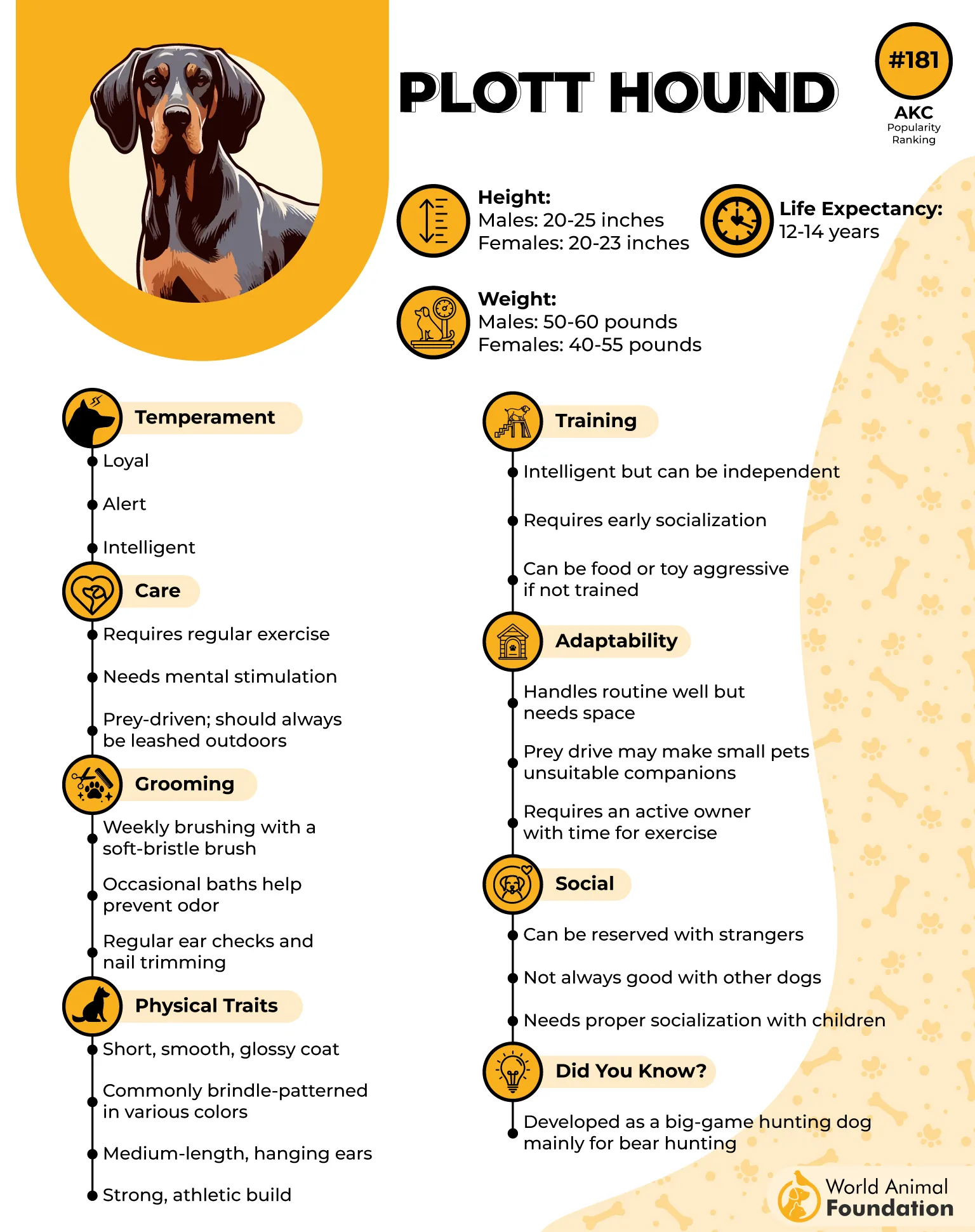
Plott Hound has strong instincts to chase, shaped by generations of big-game hunting, with scent serving as a major trigger for pursuit. Its courage, stamina, intelligence, and determination were selected alongside an exceptional ability to follow challenging trails.
Its hunting abilities also shape its care routine:
High-energy breed suited to active households
Low-maintenance coat needs simple grooming
Needs meaningful daily activity to stay engaged
Around Family
Plott Hound can be affectionate with children and devoted to familiar people, while unfamiliar visitors may receive a more reserved response, as reported by WebMD. Its protective nature and intense interest in prey make early socialization particularly important around strangers and smaller animals.
5. Beagle
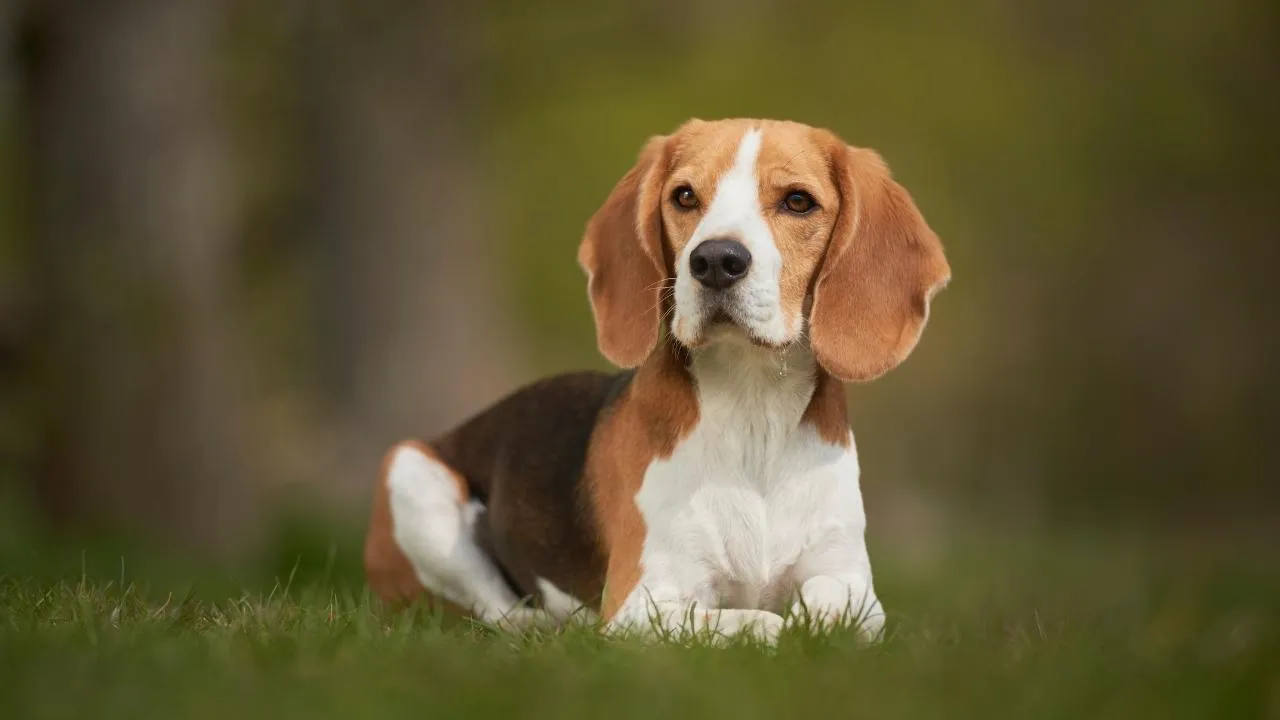
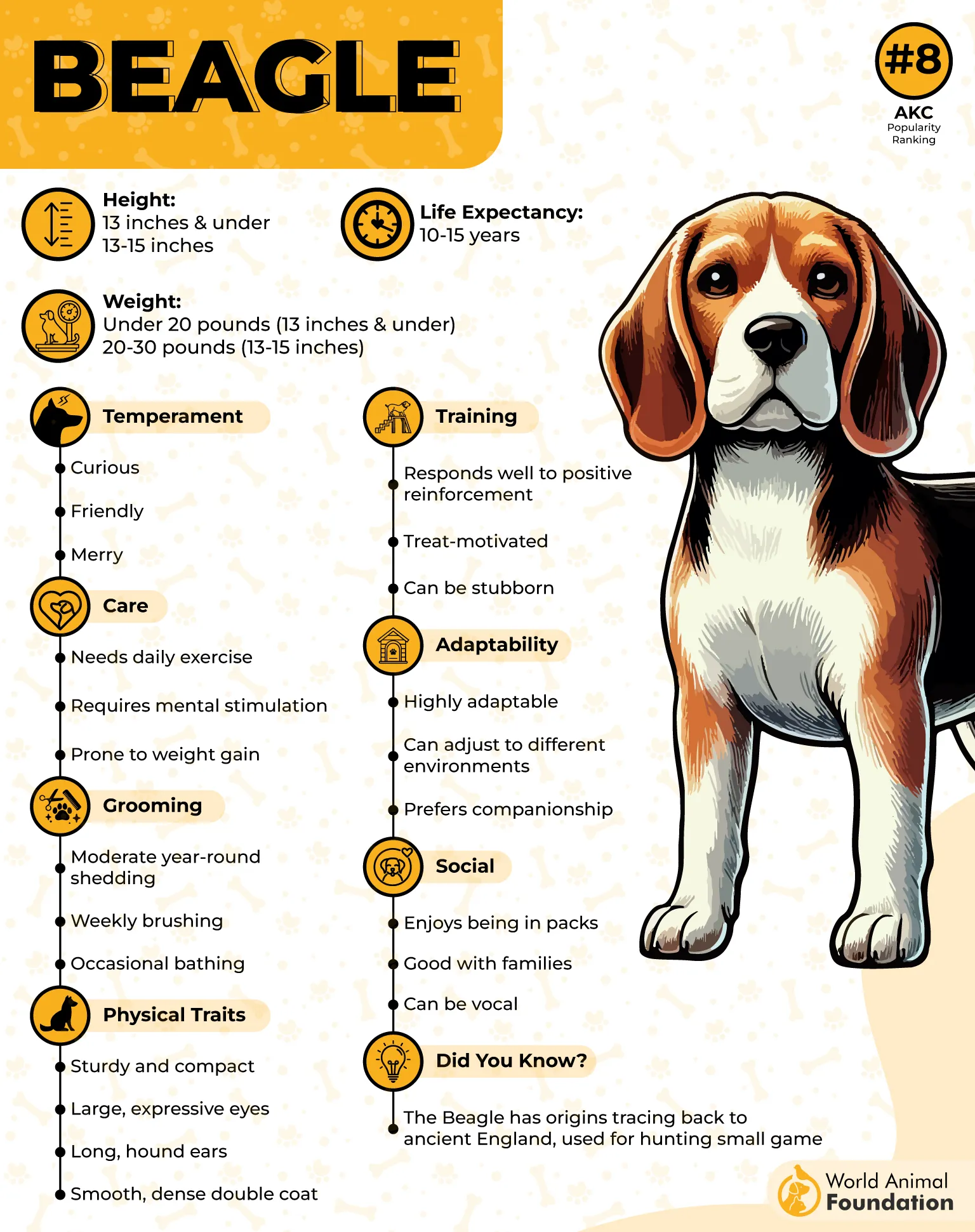
Beagle dates to 14th-century England, when hare hunting was a popular sport and early versions looked quite different from today’s breed. By the late 1800s, the familiar Beagle had become established, and packs were used to pursue foxes, hares, and rabbits across the countryside.
Nose Before Everything
Beagle can lock onto an interesting scent so intensely that ordinary obedience cues may lose their pull. Its hunting role required dogs to work ahead of people and make decisions independently, which can make unrestricted off-leash freedom especially challenging.
Its powerful instincts also influence how it stays busy:
Enjoys scent games, nose work, and tracking
Benefits from short, focused training sessions
Learns “leave it” and emergency recall with rewards
Secure the Escape Routes
Beagle needs careful management in open areas because a compelling scent can draw its attention away from people and familiar surroundings. Secure fencing at home and a leash or long-line outdoors can help prevent an exciting trail from turning into an unsupervised pursuit.
6. Greyhound
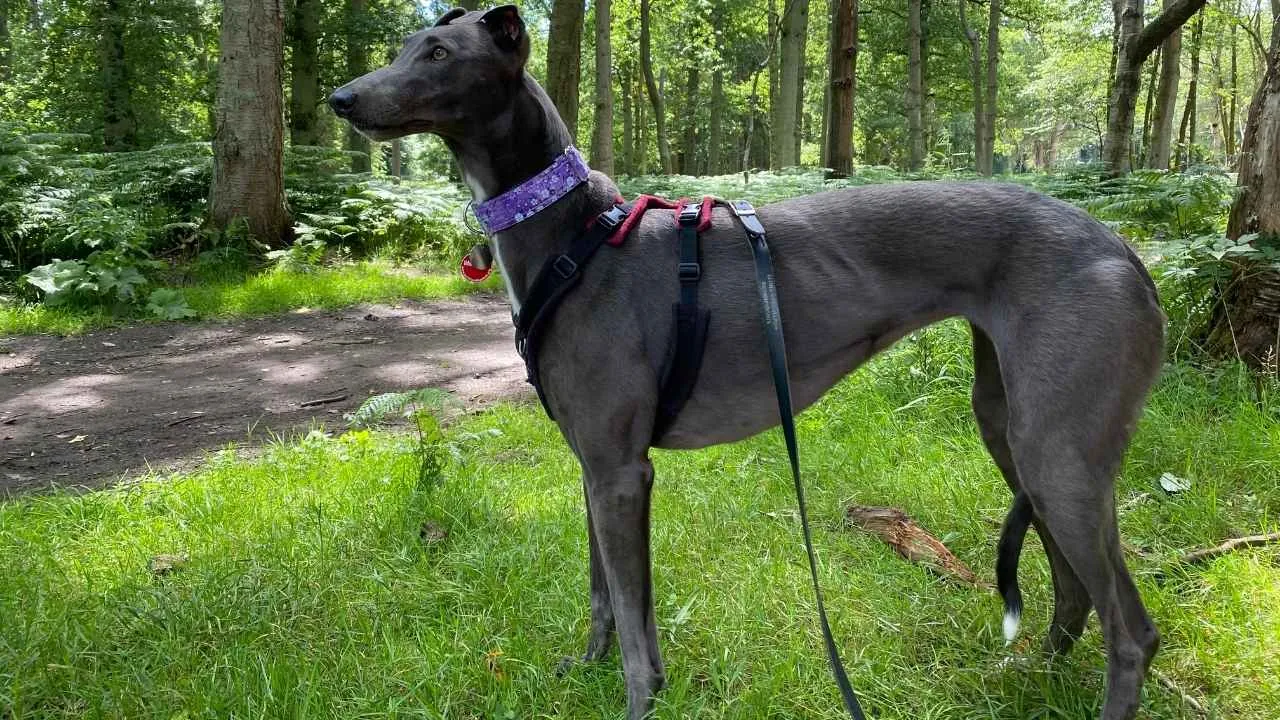
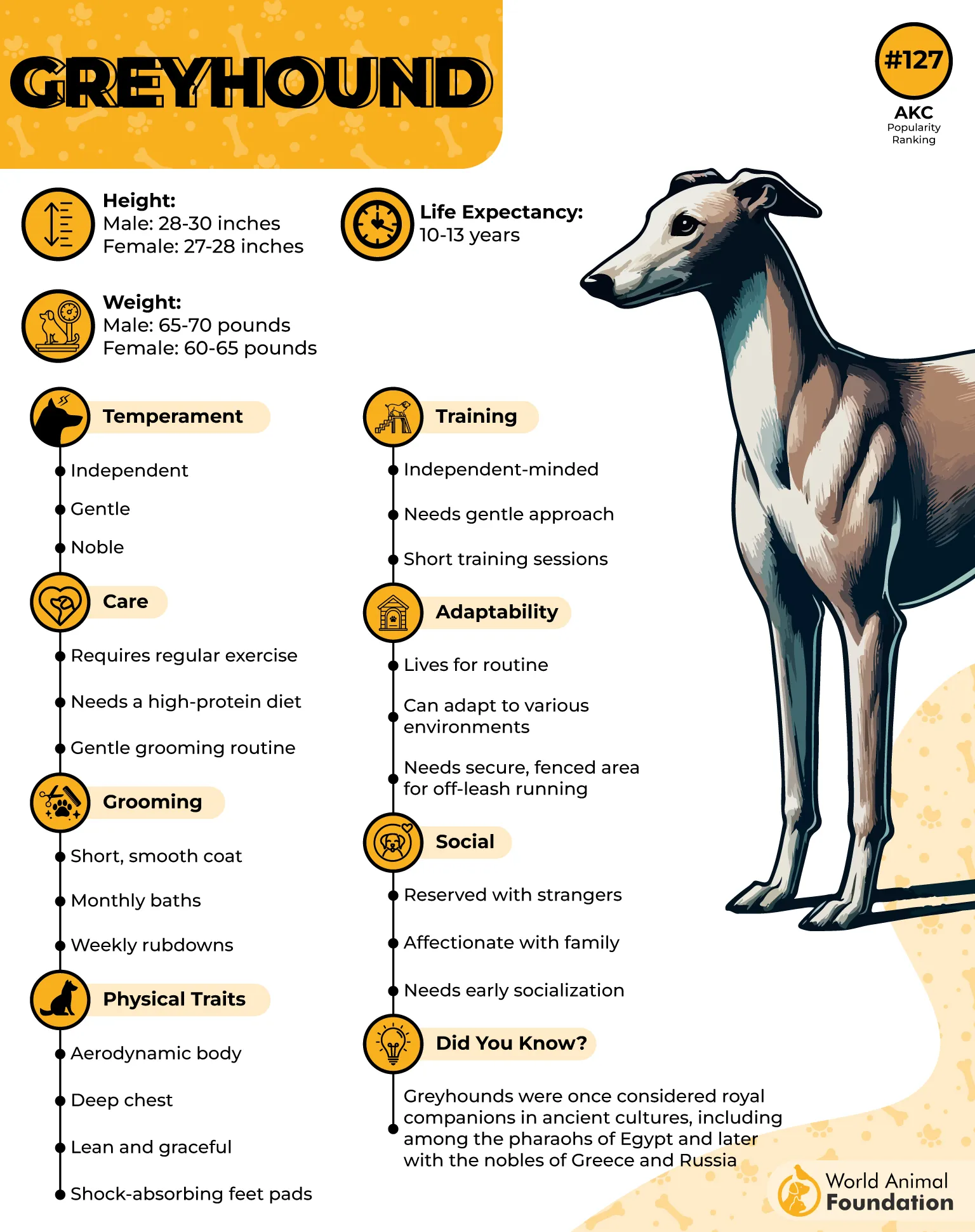
Greyhound traces its story to ancient Egypt, where images of similar dogs appear in the Great Pyramids, and pharaohs reportedly used them to pursue wild game. Centuries later, European nobility prized the breed, while Renaissance paintings further reflected its elite status.
Eyes on the Chase
Greyhounds belong to the sighthound group, using vision rather than scent to locate and pursue quarry. That visual hunting style can create sudden fixation when a small, fast-moving animal catches its attention, especially when adrenaline rises.
The following situations can change its response quickly:
Can switch from relaxed to fast-paced activity
Enjoys running when given room to sprint
Lure coursing suits its speed and agility
Around Smaller Animals
Greyhounds can live peacefully with small dogs, cats, or birds, although individual responses differ and some need structured introductions and careful management. During intense excitement, leash-based calm walking and distance from the trigger can help the dog regain focus.
7. American Foxhound
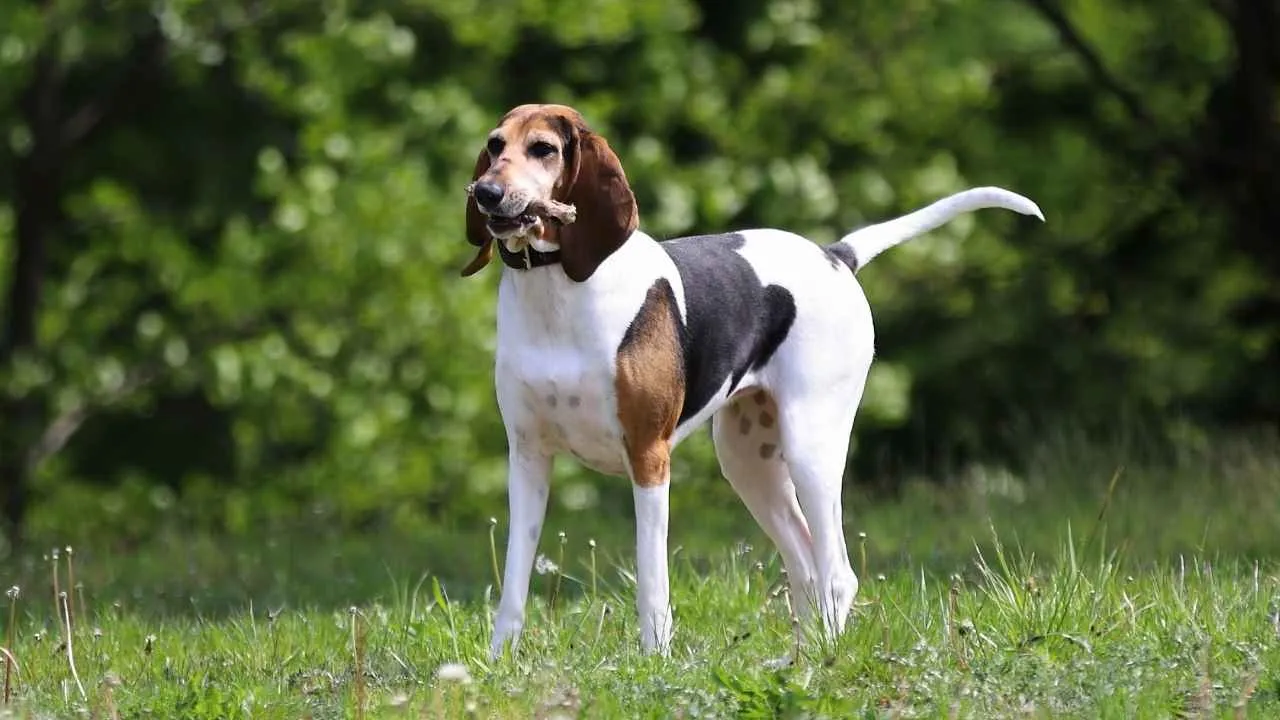
American Foxhound was among the early breeds recognized by the American Kennel Club, with records dating to 1886. George Washington kept hounds descended from British imports and later crossed them with French stock from Marquis de Lafayette.
A Nose That Takes Charge
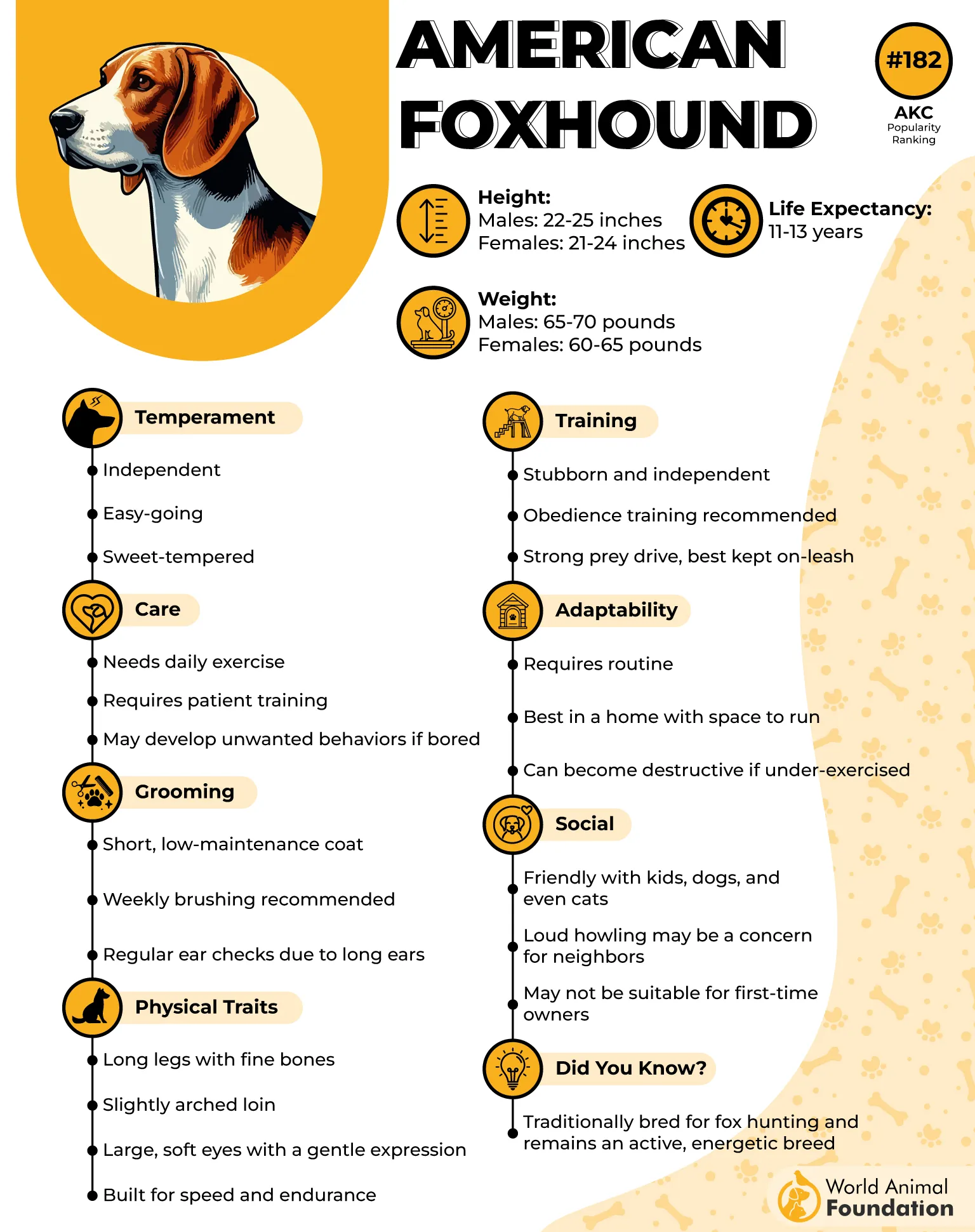
American Foxhound combines speed, endurance, and a powerful prey drive that can quickly take over when a scent catches its attention. That instinct makes wildlife, especially small animals, an important consideration for anyone living with this breed.
That chasing instinct comes with a few safety needs:
Tall, escape-proof fencing
Close supervision around cats
Secure leash use near roads
Plenty to Do
This breed needs substantial physical activity and mental stimulation, with sports such as Fast CAT offering a controlled way to use their natural abilities. Obedience and AKC Rally can also provide useful challenges, while insufficient activity may lead to destructive behavior or low mood.
Conclusion
Strong prey drive can make a high prey drive dog remarkably focused, fast, and determined, but those instincts also shape everyday life. A squirrel, rabbit, cat, bird, or unfamiliar scent can quickly become more interesting than anything else nearby. Secure fencing, reliable leash habits, strong recall, and careful supervision can help reduce risky pursuits.
A pet parent should also provide useful outlets such as scent work, tracking, retrieving, agility, or structured games that keep natural abilities occupied. Before bringing one home, consider other pets, nearby wildlife, exercise needs, and your experience with training different breeds. Good management helps turn strong hunting instincts into safer, useful behavior around other animals.
