




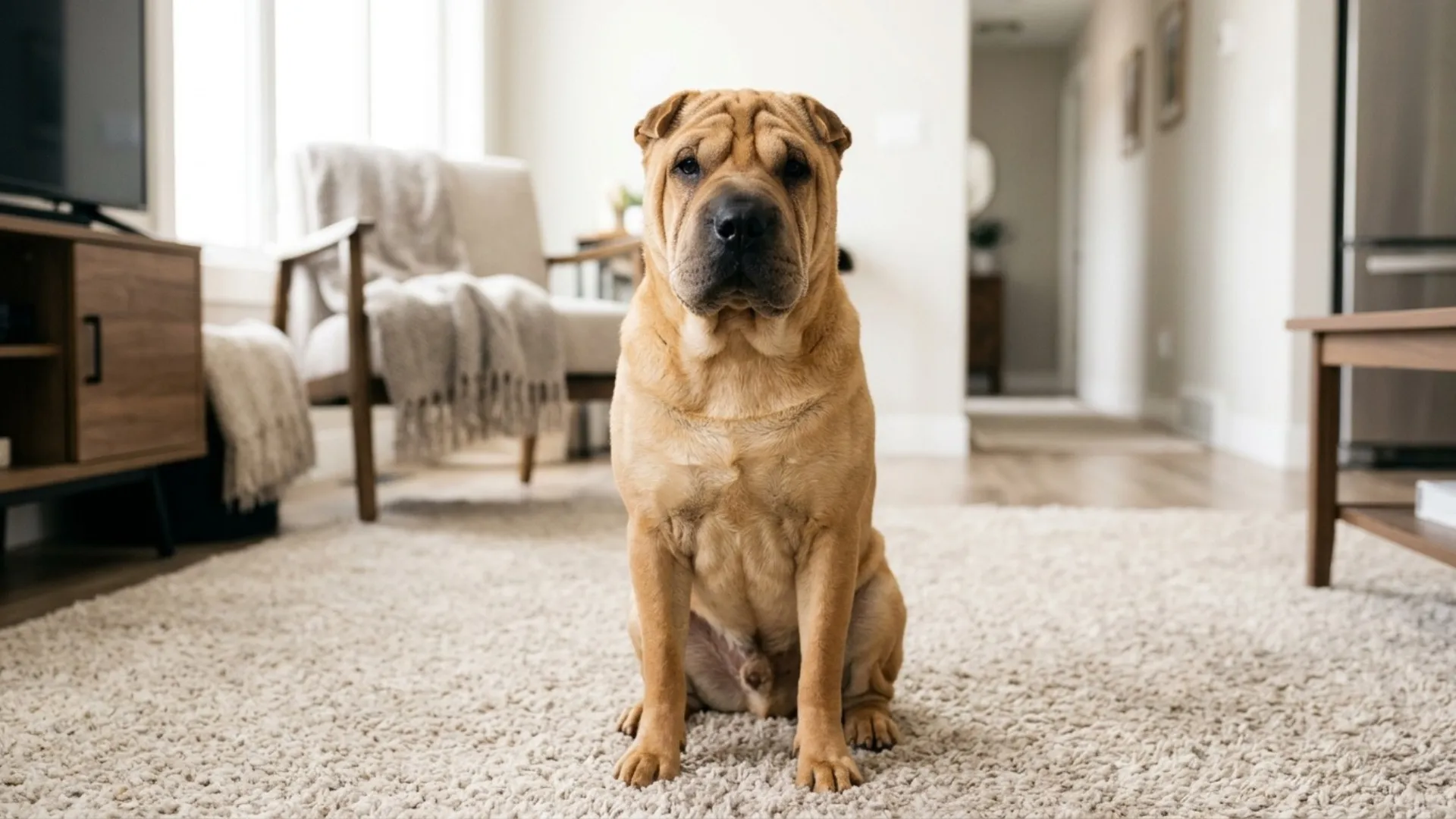
Working full-time doesn’t mean you have to give up on the dream of having a dog. But if your daily routine keeps you away from home for several hours, choosing a furry companion who can handle some alone time is an important first step.
The good news is that some dogs are naturally more independent and can settle into a predictable routine with the right preparation.
Of course, even the most independent dog breed needs attention, exercise, mental stimulation, and plenty of affection. No dog should be expected to spend an entire day alone without proper care, and every pup has different needs.
Gradually teaching your dog to feel comfortable alone, providing a safe environment, and arranging breaks when needed can make a big difference in preventing boredom and separation-related stress.
In this article, we’ll explore seven of the best dogs that may handle short periods alone more comfortably, helping you find a companion who fits your routine without compromising their well-being.
Versatile Dog Breeds That Can Be Left Alone Safely
1. Greyhound
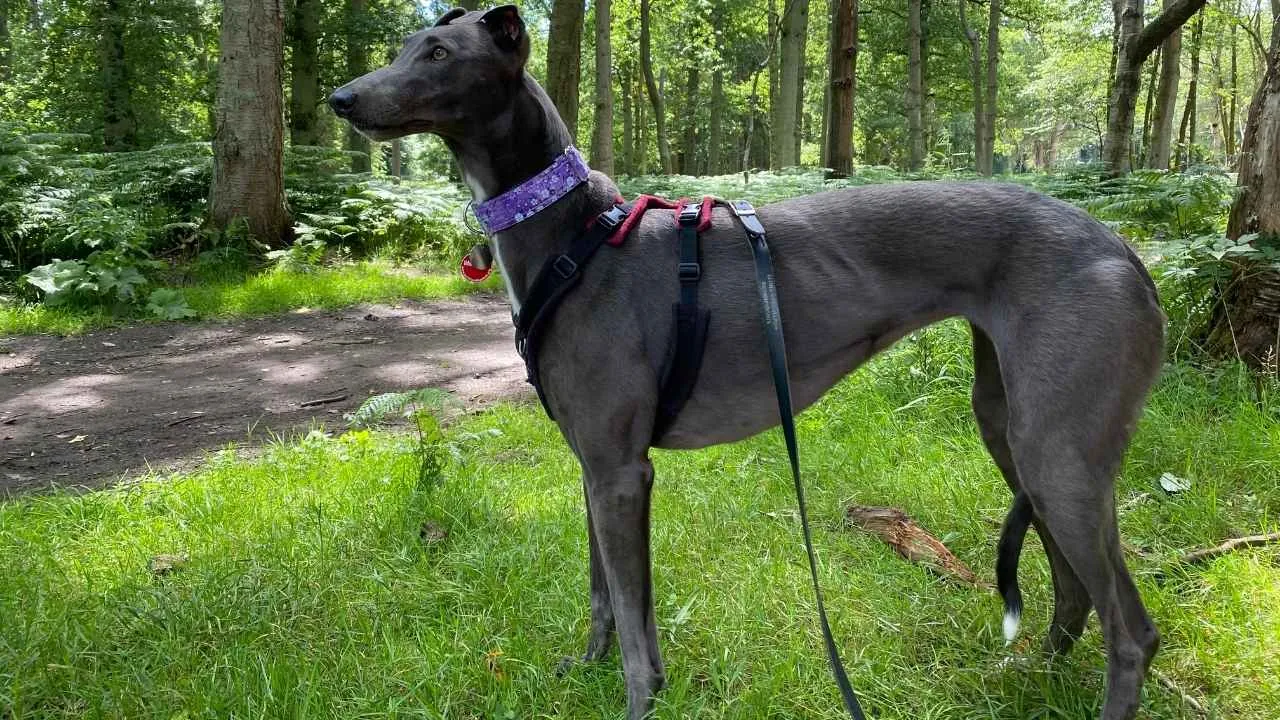
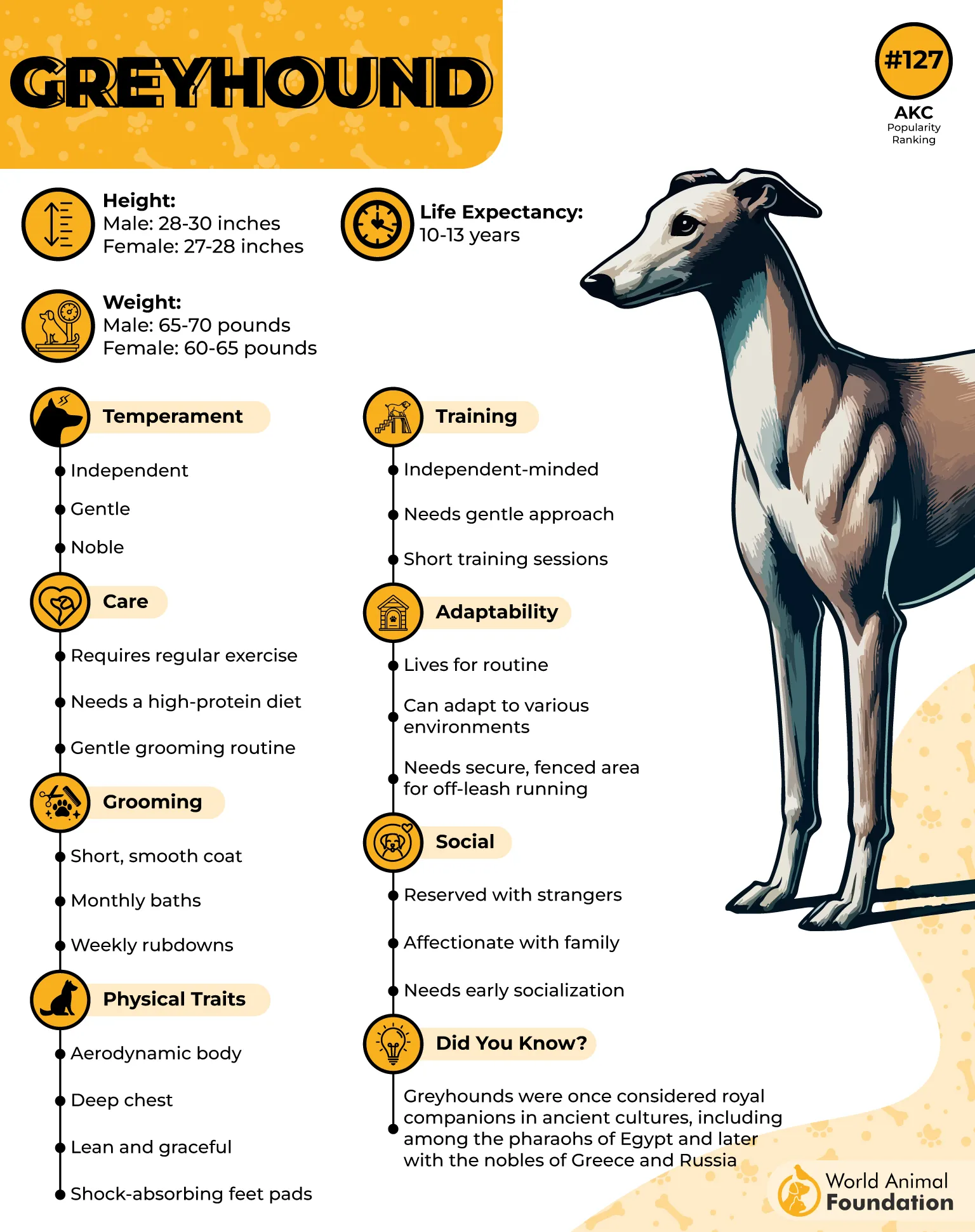
Greyhounds are known for their incredible speed, but they are often calm and easygoing at home. Despite their athletic build, these dogs enjoy relaxing with their families just as much as running, as noted by the AKC.
Their independent nature may help them settle during short periods alone, although they can still prefer having their loved ones nearby.
Temperament and Family Life
These affectionate dogs can suit mature families and quieter households. They are generally gentle with children, rarely aggressive, and often respond well to strangers.
However, they are sensitive and need patient training and kind handling. Their short coats are also easy to maintain, making grooming relatively simple.
Exercise and Daily Care
Greyhounds were bred to chase moving animals, so they have a strong prey drive. They may pursue cats or wildlife and should be kept on a leash during walks.
Daily exercise is important, but their relaxed nature can make them wonderful companions at home. Although they may manage short periods alone, they should gradually learn to feel comfortable on their own rather than being expected to cope with long absences.
2. Boston Terrier
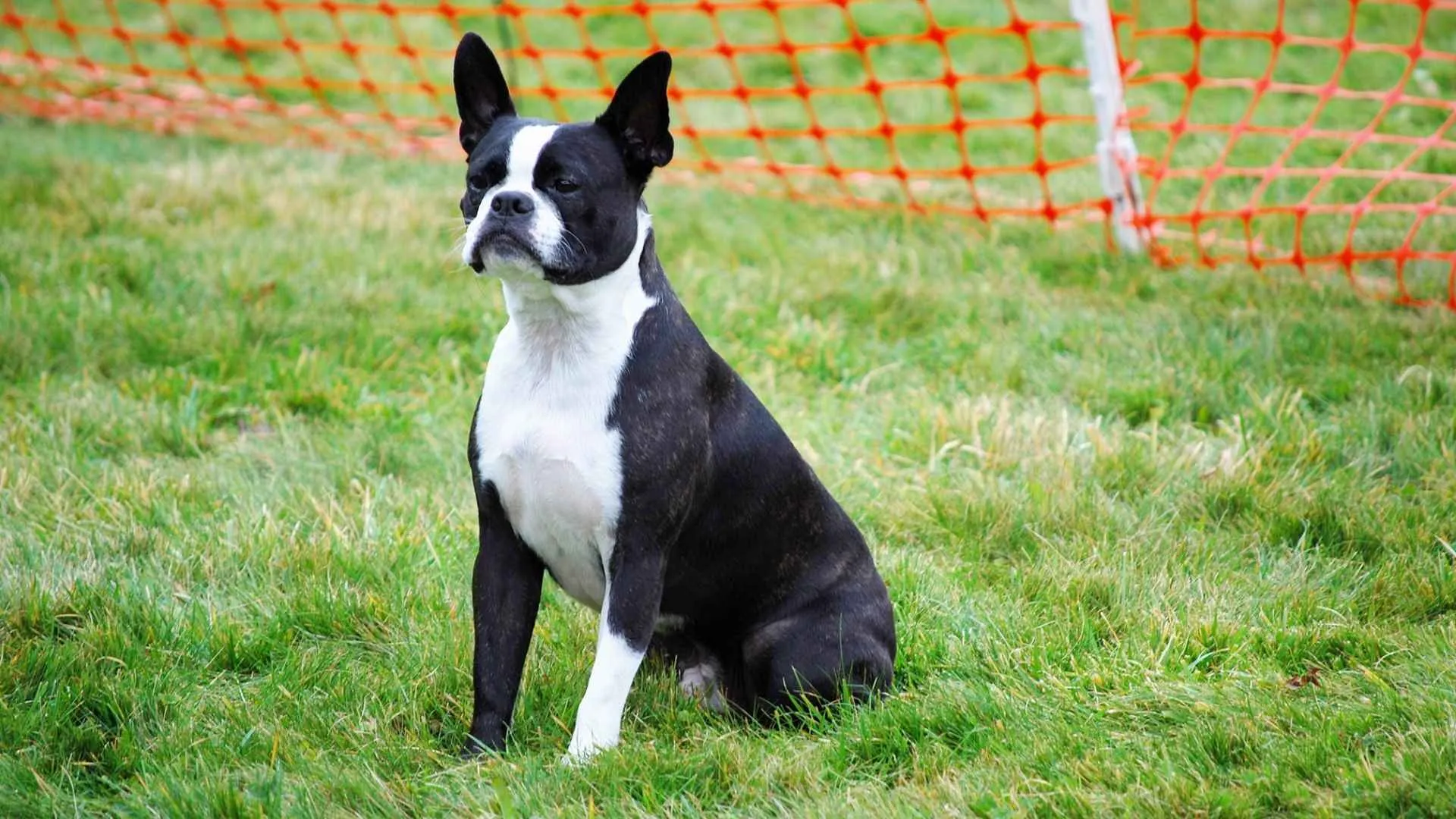
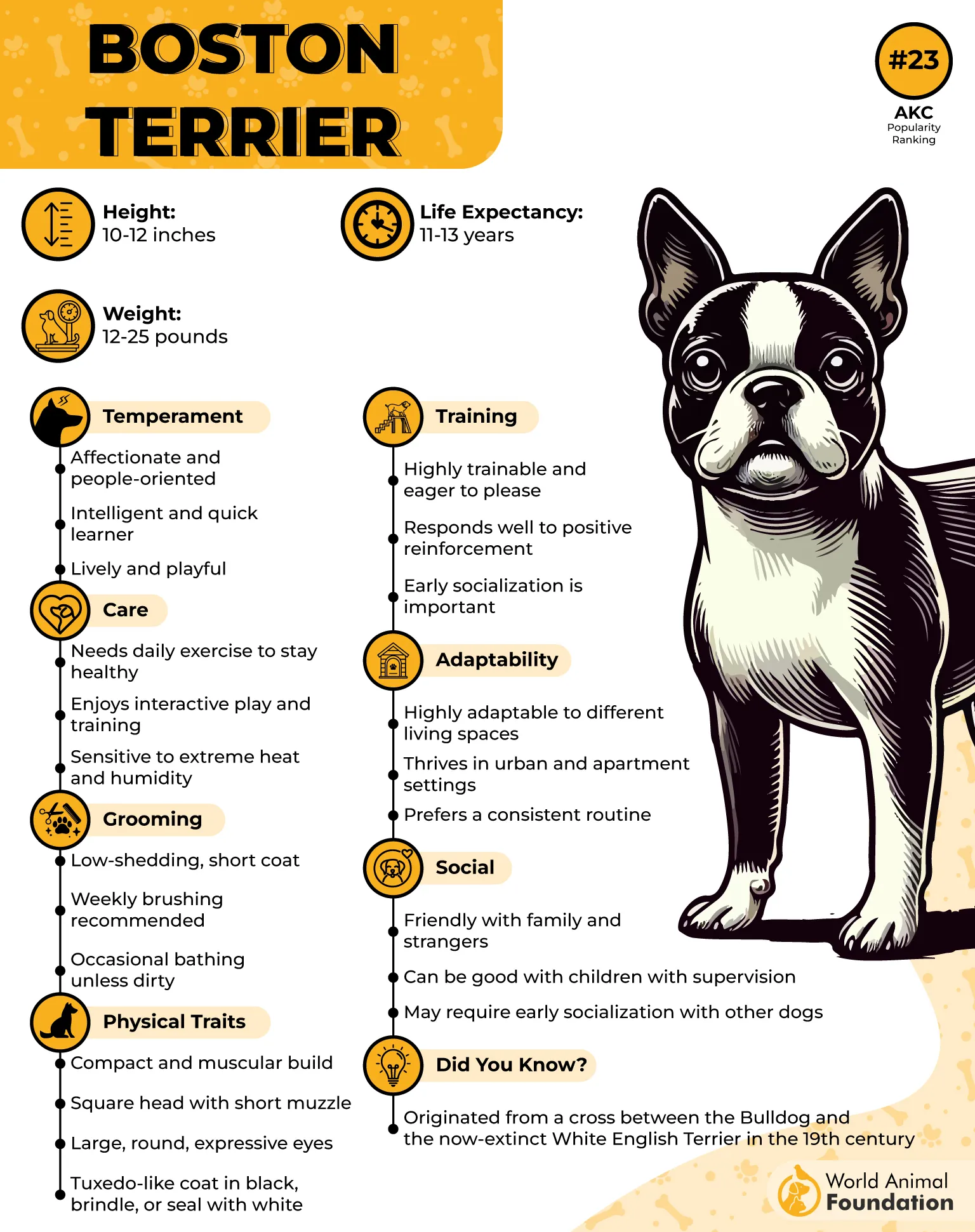
Boston Terriers, often called the “American Gentleman,” are known for their black-and-white tuxedo coats, round eyes, and friendly personalities.
These lively small dogs love being part of family activities and can adapt well to apartment living. They enjoy playing and going for walks but generally do well with moderate daily exercise.
Temperament and Family Life
Boston Terriers are affectionate, outgoing, and playful. They usually get along well with children and other pets, including cats, especially when raised together.
However, their enthusiasm can make playtime rough, so children should interact with them gently. These dogs love human company, so they need gradual training to become comfortable when left alone for short periods.
Exercise and Daily Care
Boston Terriers enjoy walks, games of fetch, and spending time with their families. Their short coats are easy to care for, but their flat faces can cause breathing difficulties, especially during hot weather or strenuous exercise.
Keep outdoor activities moderate and avoid excessive heat. Although their adaptable nature suits many homes, they still need companionship, daily activity, and a safe environment when you’re away.
3. Basenji
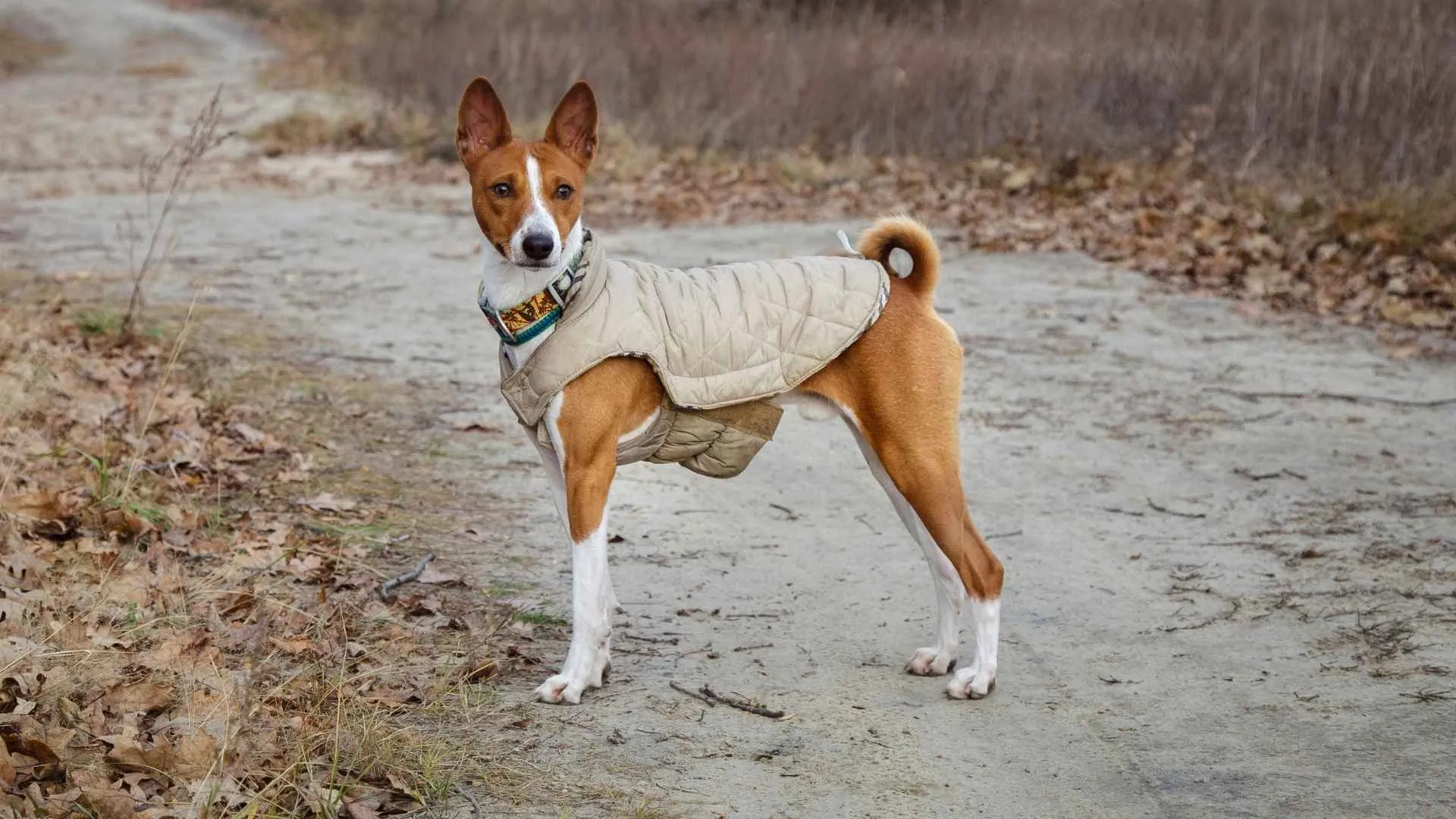
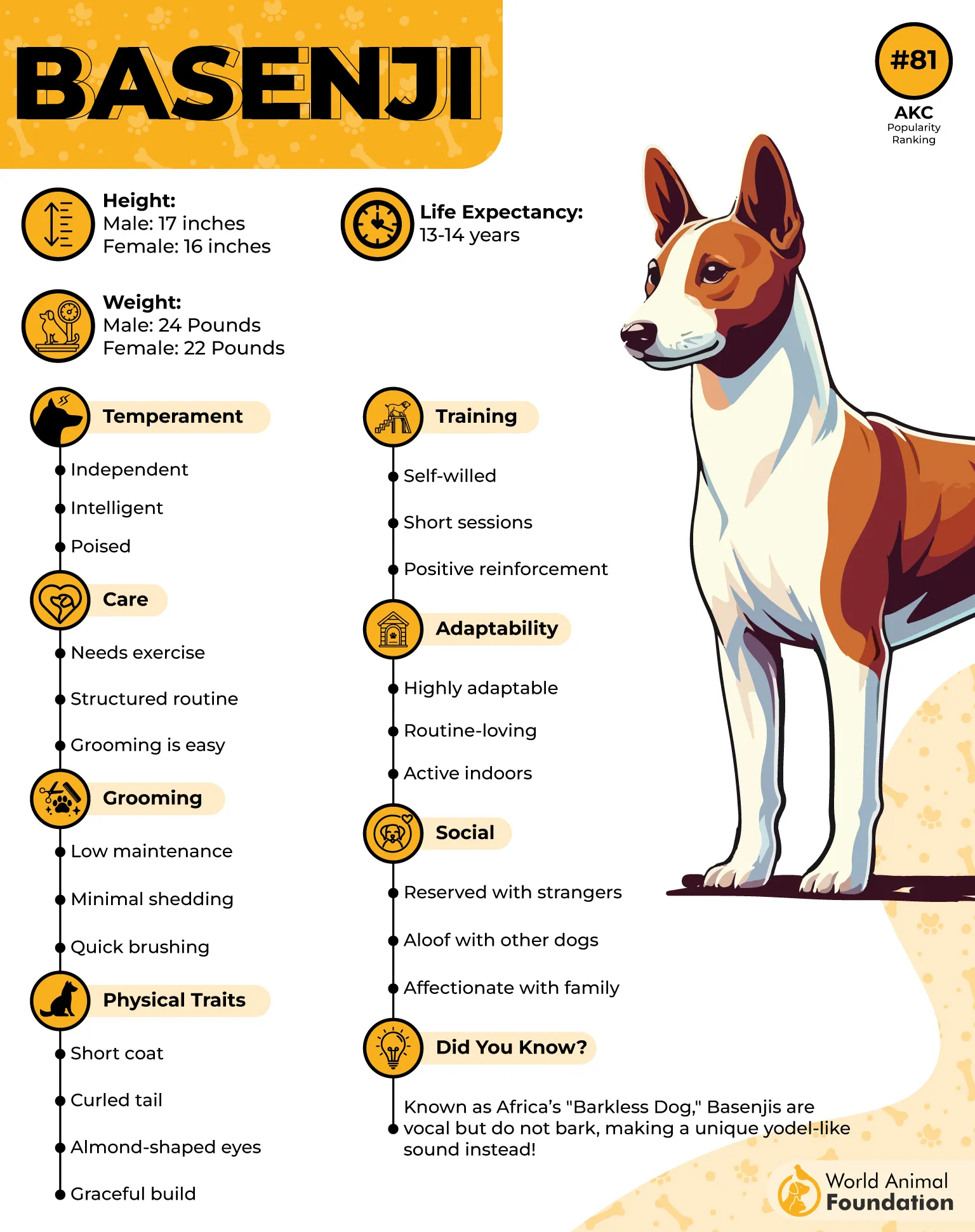
Basenjis are ancient African hunting dogs known as the “barkless dogs” because they rarely bark. Instead, they make unusual yodel-like sounds to express themselves.
With their short coats, tightly curled tails, and alert expressions, these graceful dogs have a distinctive appearance. Their independent nature and curious personalities make them fascinating companions.
Temperament and Training
Basenjis are intelligent, playful, and full of curiosity, but they can also be stubborn and easily bored. They may be reserved around strangers and have a strong instinct to chase smaller animals.
Patient, reward-based training works better than harsh handling. They also need secure outdoor spaces, as they are skilled climbers and fast runners.
Exercise and Daily Care
Basenjis need daily exercise, play, and activities that keep their minds busy. Without enough stimulation, they may show destructive behavior or find their own ways to stay entertained.
Their short coats require little grooming, and they often clean themselves like cats, as PetMD notes. Providing engaging toys, consistent training, and a comfortable home environment can help keep these clever dogs content while you are away for short periods.
4. Basset Hound
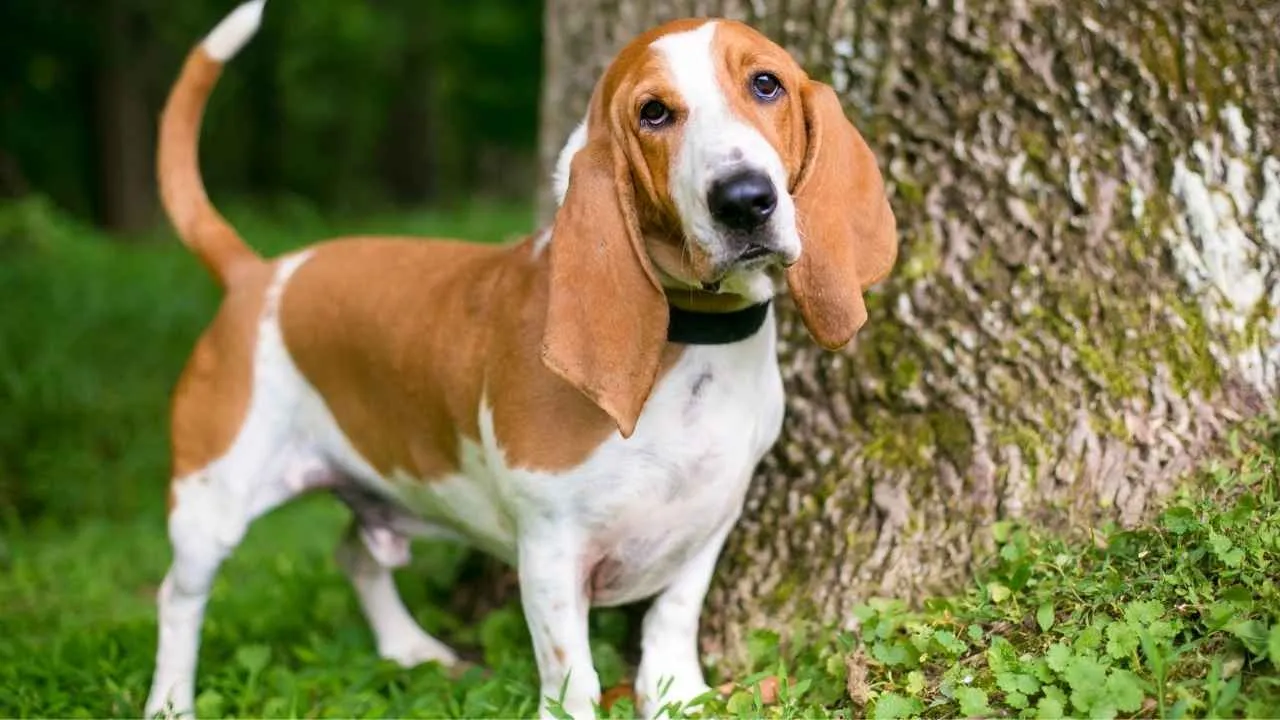
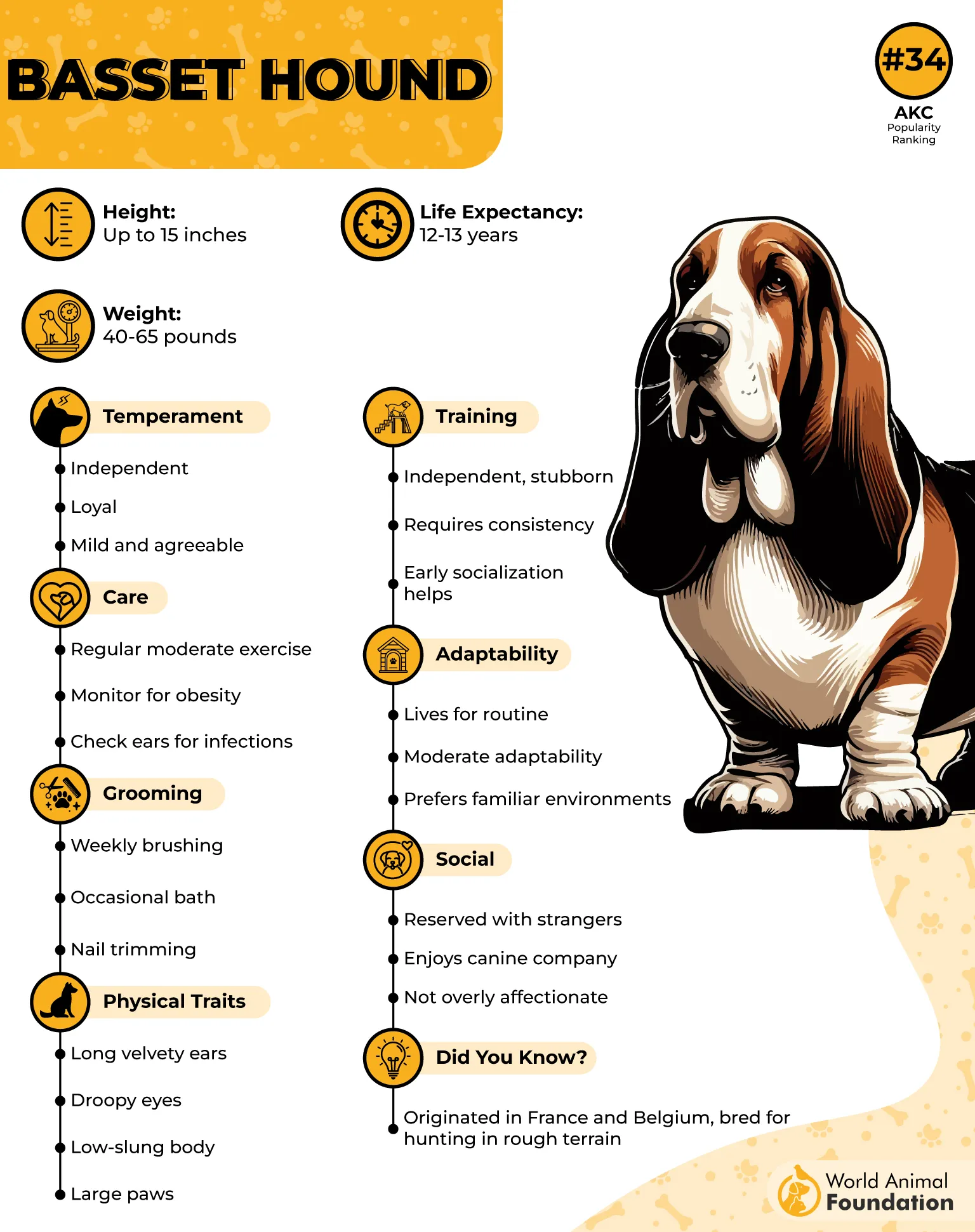
Basset Hounds are recognizable by their long, floppy ears, short legs, wrinkled faces, and soulful eyes. Originally bred in France to hunt rabbits and hares, these sturdy dogs have an excellent sense of smell and a strong instinct to follow scents.
Despite their hunting background, they are generally calm, friendly, and relaxed at home, making them appealing companions for quieter households.
Temperament and Family Life
Basset Hounds are sociable, patient, and loyal to their families. They usually get along well with children and other dogs, and they can learn to live with other household pets through training.
Although affectionate, they may be reserved around unfamiliar people. Their stubborn streak can make training challenging, while their loud bark and tendency to howl may be worth considering in shared living spaces.
Exercise and Daily Care
These low-energy dogs enjoy relaxing but still need daily walks to stay active and maintain a healthy weight. Their powerful noses can lead them to follow interesting scents, so keep them on a leash or in a secure yard. Their short coats need little grooming but shed regularly.
5. Shiba Inu
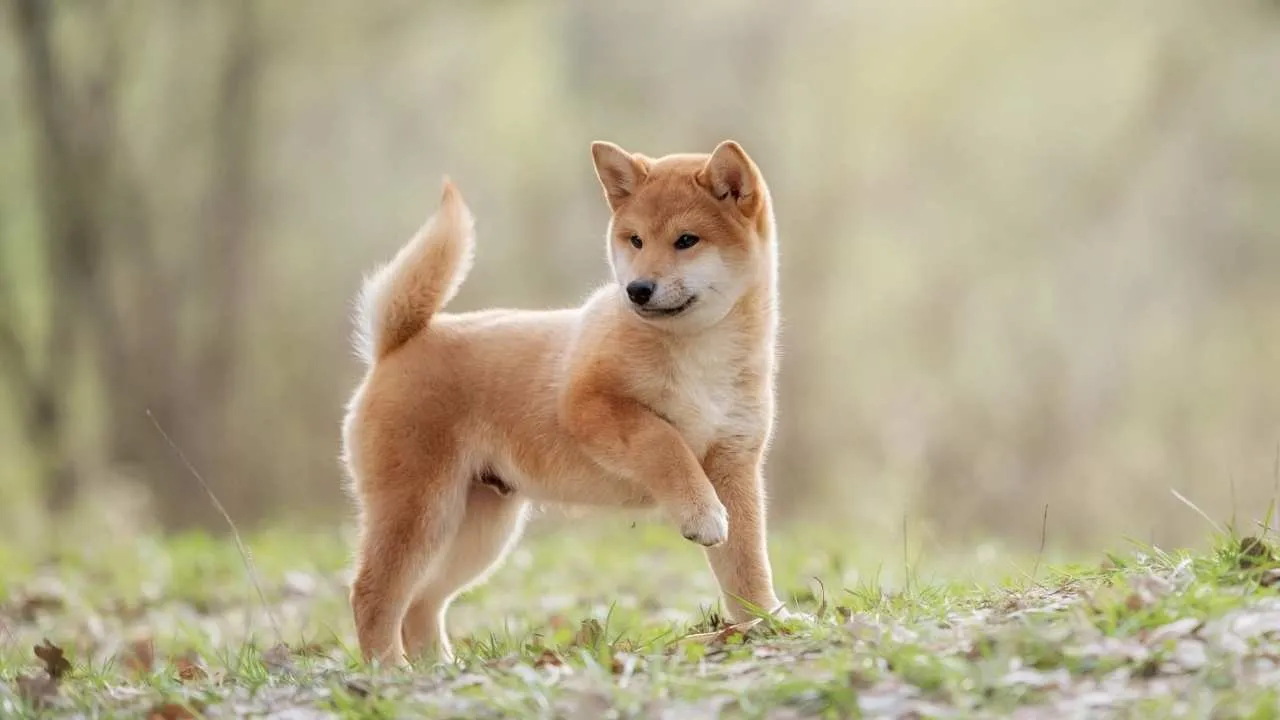
Shiba Inus are ancient Japanese hunting dogs known for their foxlike appearance, muscular build, and alert expressions. Their coats come in red, red sesame, and black and tan, often with white markings.
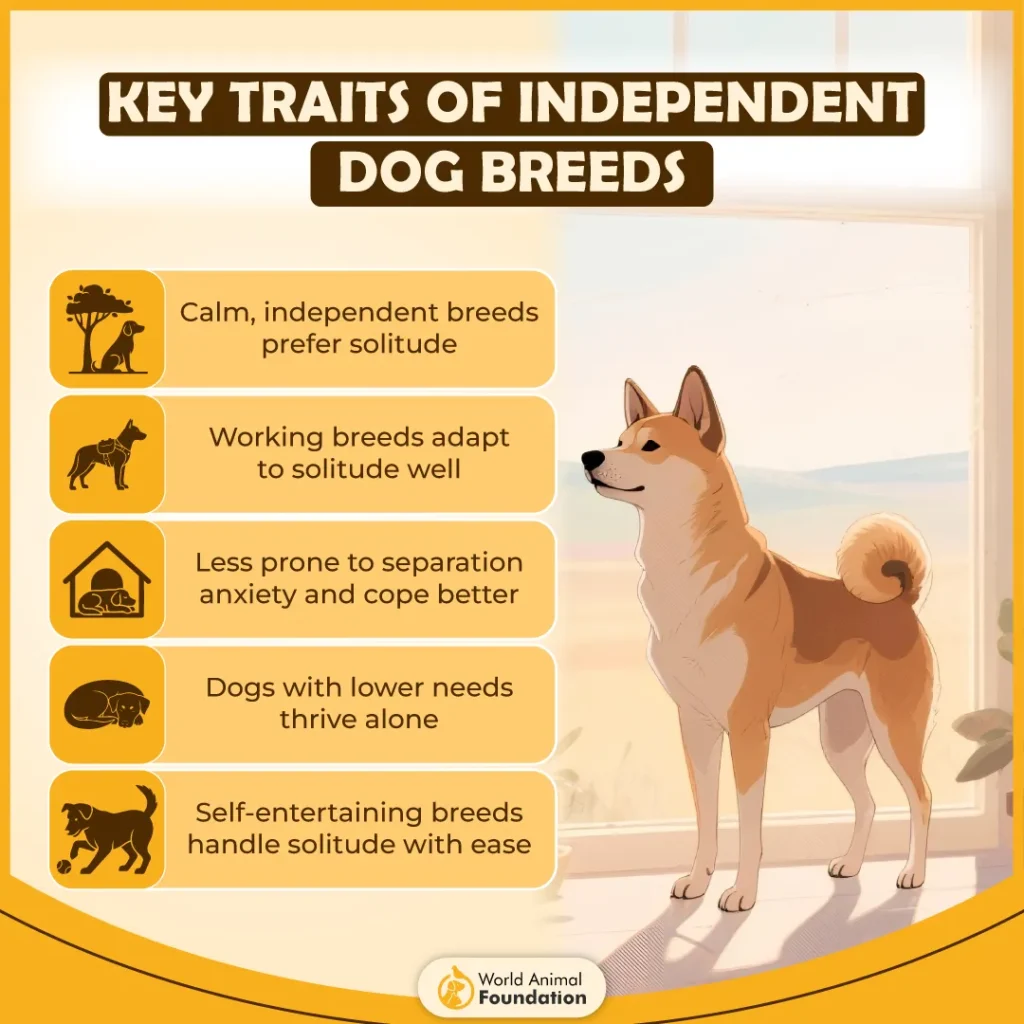
These adaptable dogs can live comfortably in town or the countryside. Their independent nature and clean habits can make them easier to manage at home, provided they receive proper training and attention.
Temperament and Training
Shiba Inus are intelligent, loyal, playful, and confident. They form strong bonds with their owners but often prefer affection on their own terms.
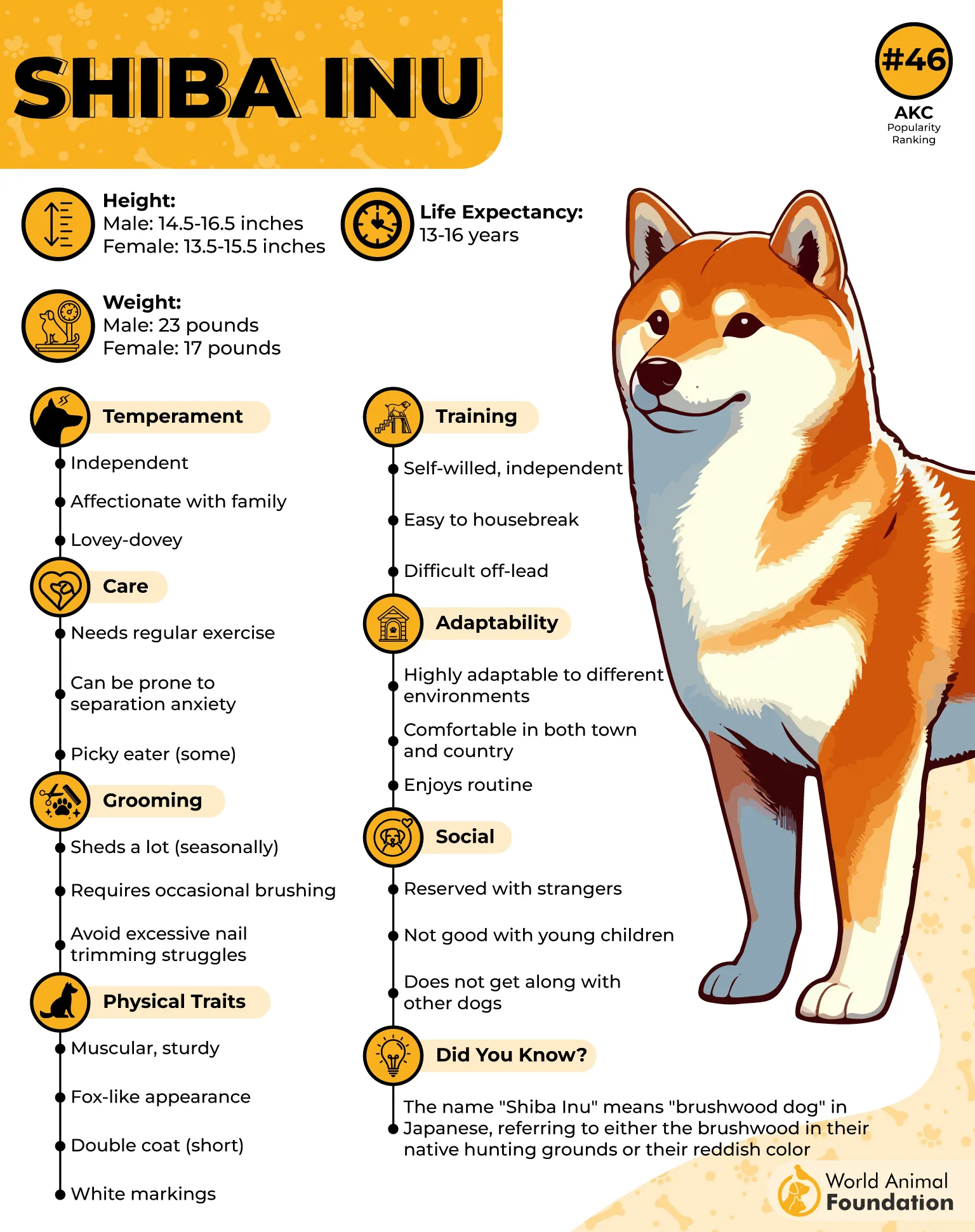
Their stubborn streak can make obedience training challenging, so early training and positive reinforcement are important. PetPlan mentions they can also be territorial and vocal, using yodels and other unusual sounds to communicate.
Exercise and Daily Care
Shiba Inus have strong hunting instincts and may chase smaller animals, so keep them on a leash outdoors and provide a secure fenced area.
They appreciate a consistent routine and need regular exercise and mental stimulation. Crate training from puppyhood can help create a safe, comfortable space for short periods of solitude.
6. Chinese Shar-Pei
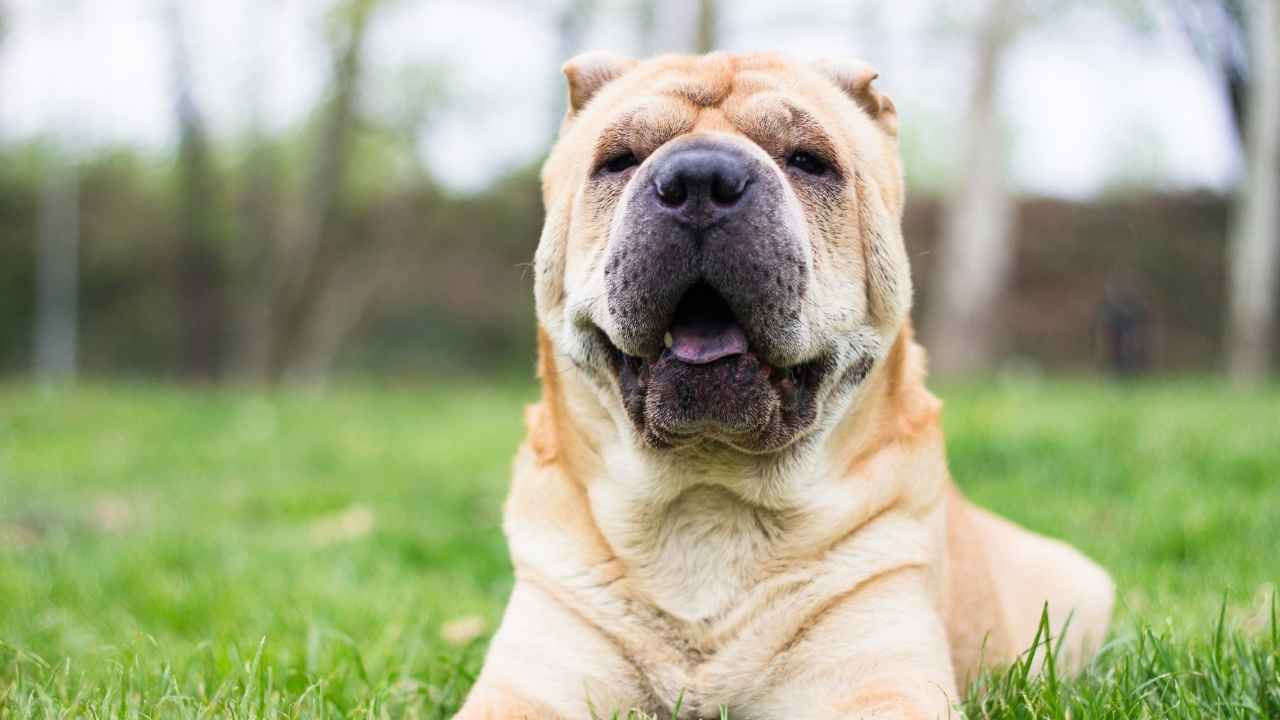
Chinese Shar-Peis are distinctive dogs known for their wrinkled skin, small triangular ears, and broad muzzles. Originating in China, they were bred for guarding property and hunting.
Their harsh, bristly coats and loose skin folds give them a unique appearance. These dogs are generally calm and independent, forming strong bonds with their families while remaining watchful around unfamiliar people.
Temperament and Training
Shar-Peis are intelligent, devoted, and protective. They can be affectionate with familiar people but are often reserved around strangers and may react aggressively toward unfamiliar dogs.
Their strong-willed nature can make training challenging, so early socialization and consistent training are essential. They are generally serious rather than highly playful and can make capable watchdogs.
Exercise and Daily Care
Chinese Shar-Peis have moderate energy levels and do not require constant activity. Regular exercise and mental stimulation help keep them engaged. Their independent nature may help them settle into a predictable home routine, but they still need human attention and proper care.
7. Chow Chow
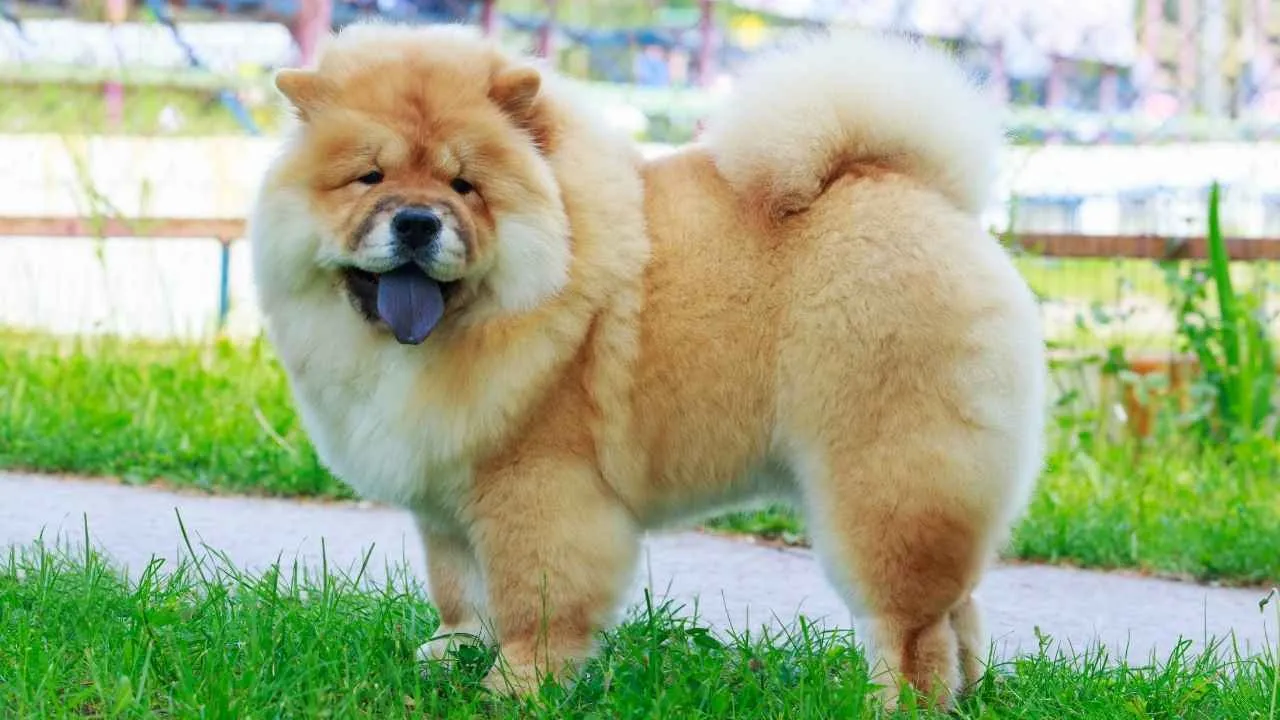
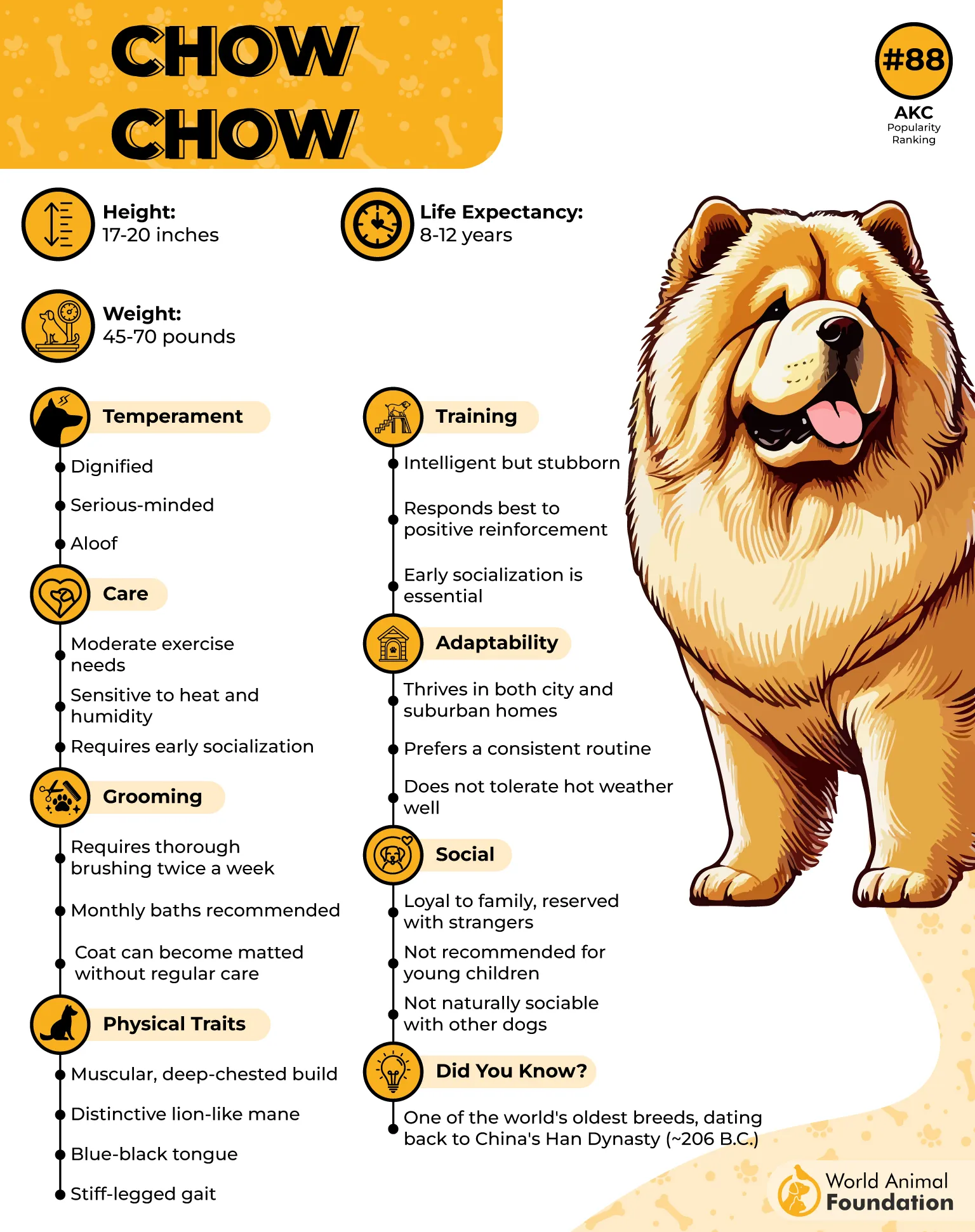
Chow Chows are ancient Chinese dogs known for their lion-like manes, blue-black tongues, and serious expressions. Their thick coats come in several colors, including red, black, blue, cinnamon, and cream.
These dignified dogs are loyal to their families but tend to remain aloof rather than seek constant affection. Their independent nature can make them comfortable spending time on their own.
Temperament and Family Life
Chow Chows are calm, reserved, and strong-willed. They often remain wary of strangers but can develop better social habits through early socialization.
They are not particularly playful and may prefer keeping their distance rather than receiving frequent cuddles. Consistent training and choosing a responsible breeder are important when raising a well-adjusted companion.
Exercise and Daily Care
Chow Chows adapt well to city living and do not have especially demanding exercise needs. They are also known for their clean habits and can be relatively easy to house-train. However, their thick coats make them vulnerable to overheating in hot weather, which can also increase irritability.
Conclusion
Choosing independent dog breeds that can handle short periods alone comes down to more than breed alone. From calm, independent companions to clever, self-reliant dogs, each breed has its own personality, exercise needs, and approach to companionship.
The key is finding a dog whose temperament fits your lifestyle while ensuring they still receive the care and attention they deserve. Before bringing a dog home, consider your daily schedule, prepare a comfortable space, and gradually teach your new companion to feel safe when alone.
Remember, independence doesn’t mean a dog needs less love. With the right preparation and routine, you can build a happy life together, even when work keeps you away for a few hours.
