




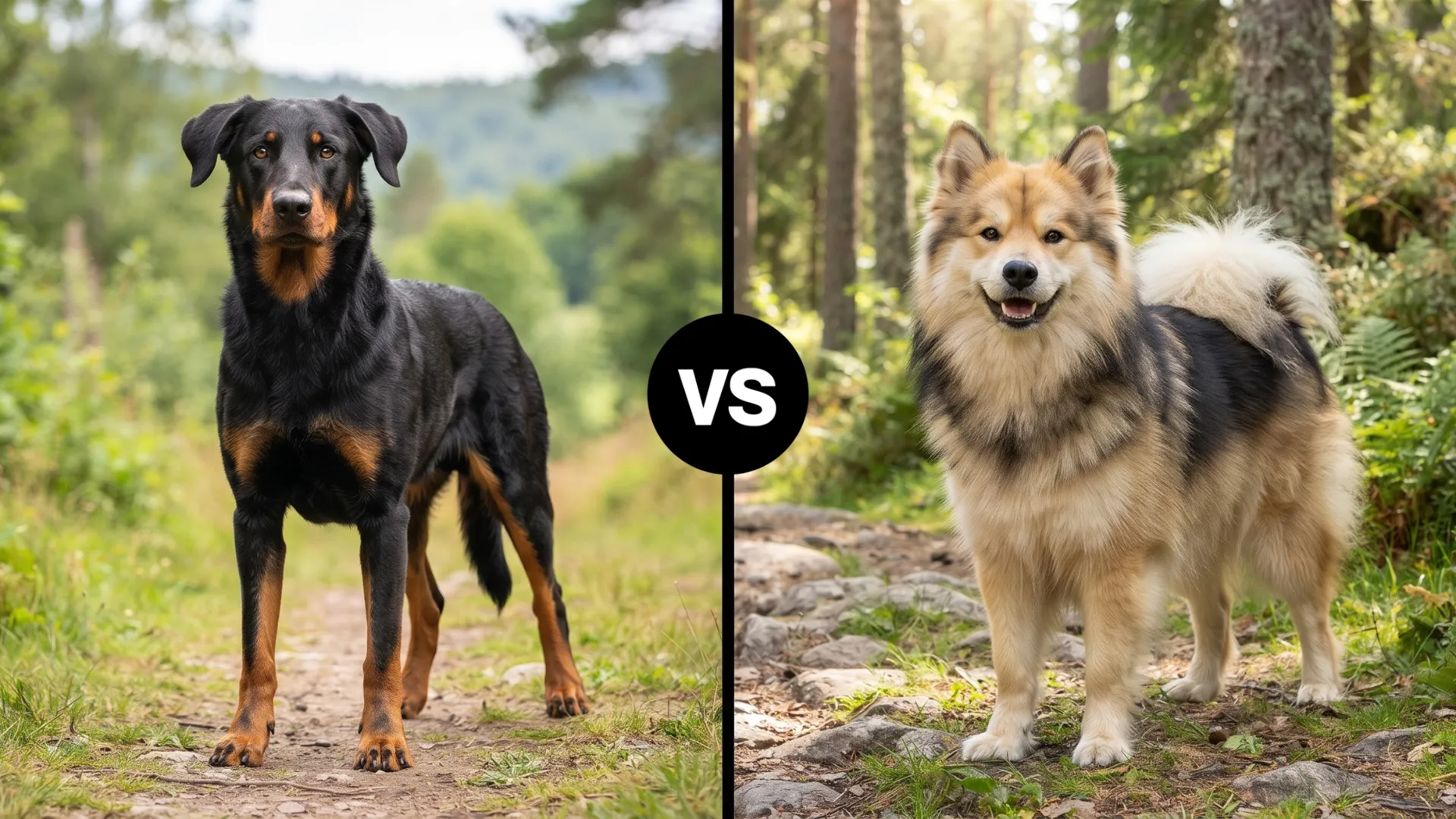
Two dogs can share a reputation for intelligence, loyalty, and impressive working ability while approaching everyday life in surprisingly different ways.
One may be happiest when given a demanding task, clear direction, and regular training. The other may bring a more sociable nature, a thick coat built for cold weather, and a strong connection to family life. Those differences can be easy to overlook when you focus on photographs or broad descriptions of each breed.
Size alone will not tell you which dog is easier to train, how much grooming its coat needs, or whether its temperament suits your household. The real distinction often becomes clearer when you examine the reasons behind each breed’s original purpose and the instincts that remain today. That is where this comparison gets interesting.
We will look at the qualities that separate these two breeds, from their physical features and personalities to their exercise requirements, training challenges, and suitability as family companions.
Key Takeaways
Two dogs can be equally loyal and intelligent, yet living with them can feel very different once their daily needs come into play.
The Beauceron stands out for its history as a French farm dog and wartime service companion, while the Finnish Lapphund has roots in reindeer herding near the Arctic Circle.
That history still shows in their exercise needs, training styles, and behaviour at home, with one demanding considerably more daily activity than the other.
Keep reading to see how their grooming, personalities, and health needs compare before deciding which breed suits your lifestyle.
Beauceron vs. Finnish Lapphund: Key Differences in Dog Breeds
1. Origins & Purpose
From French Farms to Military Service
The Beauceron is one of France’s oldest sheepdogs, with historical records dating back to the 1500s. It worked across French farms herding sheep and cattle, helping farmers manage livestock across open fields, while its double rear dewclaws distinguish it from many other working breeds.
During both world wars, Beaucerons served the French army as messengers, trackers, and mine-detection dogs. Their working roles later extended to police and search-and-rescue operations, helping preserve their reputation as versatile service dogs.
From Arctic Herds to Modern Homes
The Finnish Lapphund traces its history to Lapland, near the Arctic Circle, where thick-coated spitz-type dogs helped people hunt and later herd reindeer. Their agility and quick reactions helped them avoid the animals’ powerful hooves and antlers.
A formal breed standard arrived in the mid-1900s, and the American Kennel Club recognized the Finnish Lapphund in 2011. The breed remains popular in Finland, where some still work with reindeer, although it is less common in North America.
2. Size & Build
A Powerful Frame Built for Work
Beaucerons are large, muscular dogs with males standing around 27 inches tall and females slightly shorter at 25 to 27 inches. Their sturdy legs, broad chest, and substantial bone give them a strong, athletic outline without making them look overly bulky.
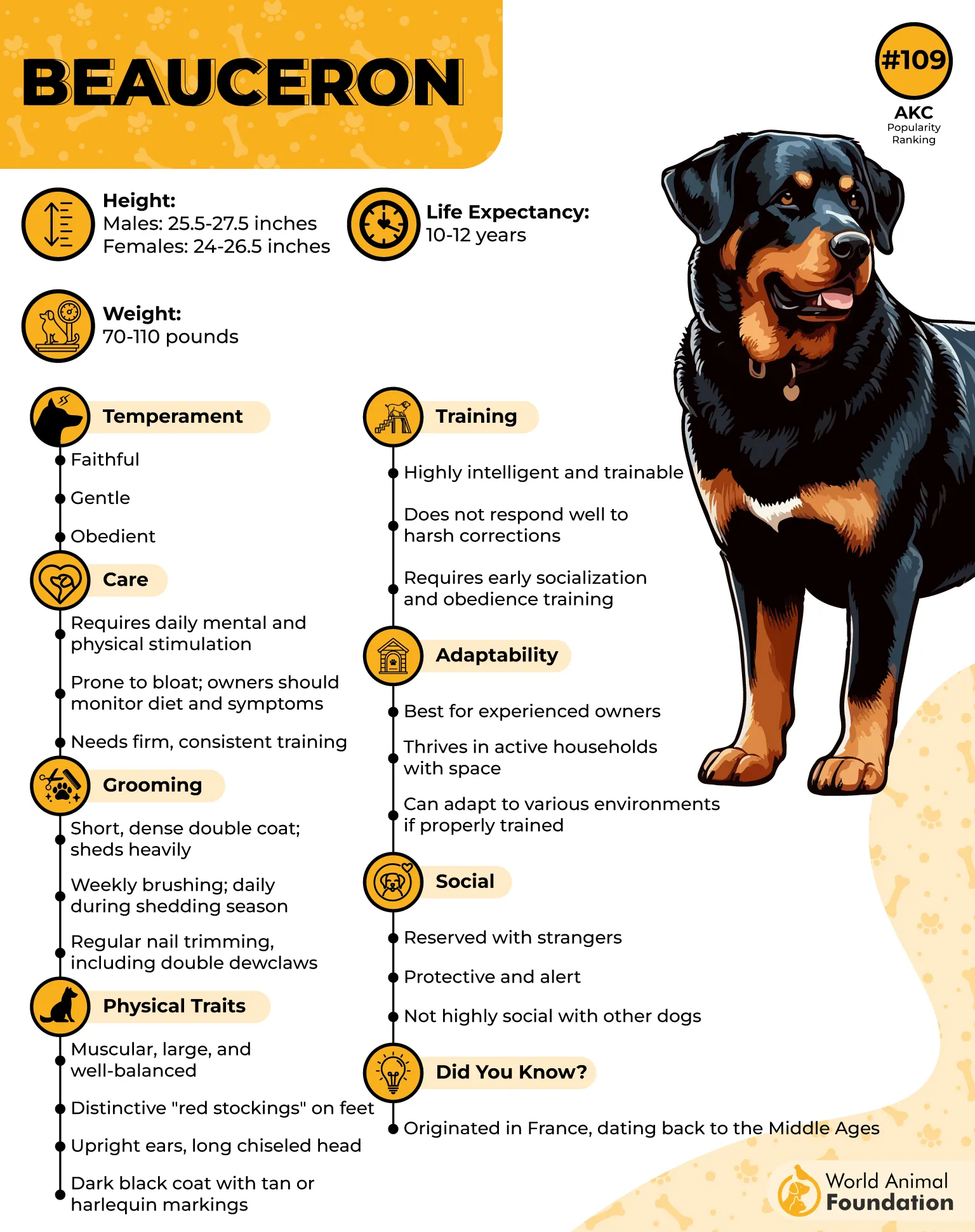
Males typically weigh 71 to 110 pounds, while females range from 66 to 86 pounds. Males generally have broader heads, thicker necks, and heavier muscle, whereas females tend to have a slightly lighter, more streamlined frame while retaining the same strength.
Compact Size With a Fluffy Outline
Finnish Lapphunds are considerably smaller, with males standing around 18 to 20 inches tall and females around 16 to 19 inches. Their balanced, sturdy bodies and thick double coats give them a fuller appearance, with males often showing a more prominent neck ruff and tail plume.
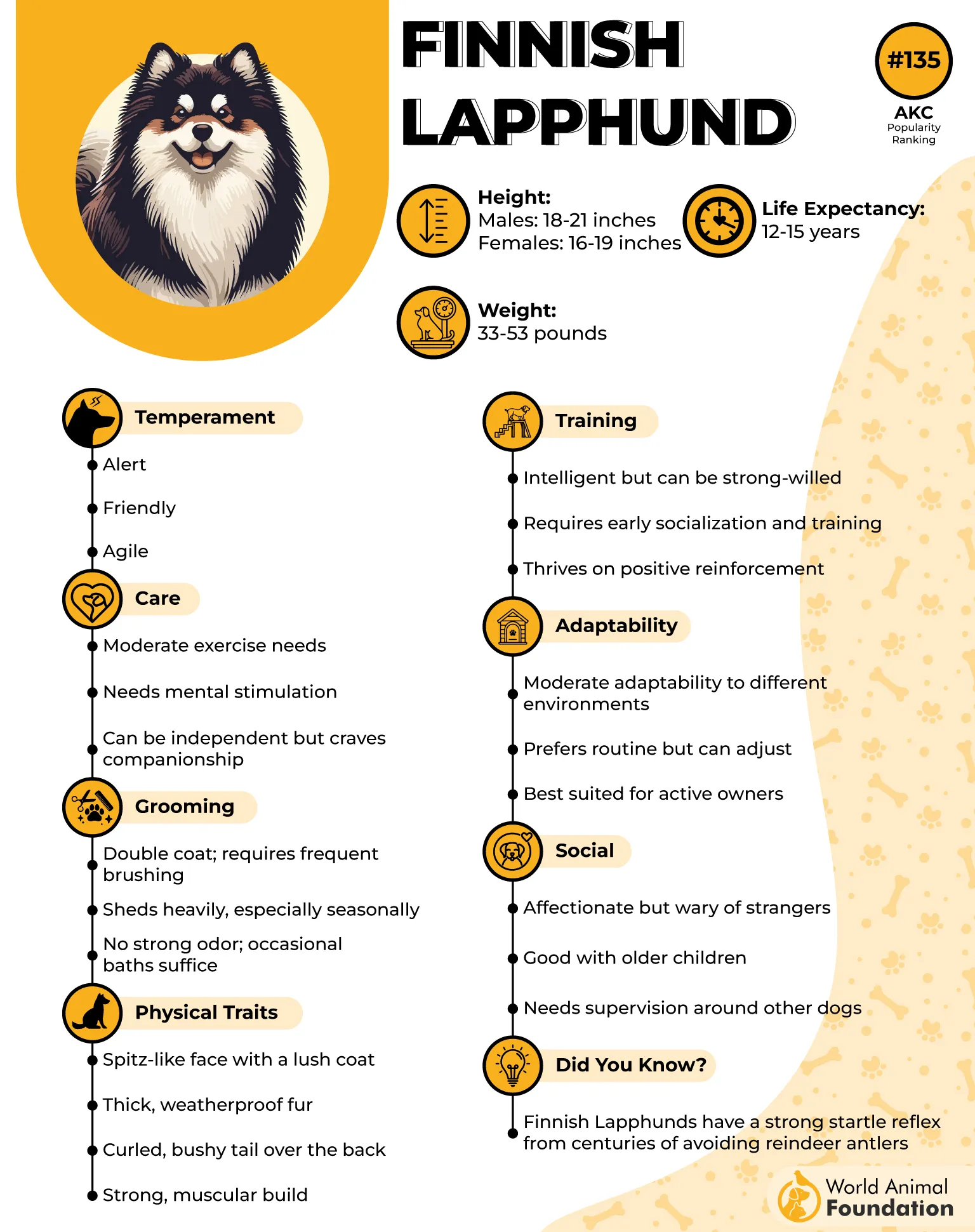
Males usually weigh between 37 and 57 pounds, while females range from 33 to 53 pounds. Males tend to have broader heads and heavier bone, whereas females have a finer frame and a more refined outline beneath their thick coat, giving each a slightly different overall appearance.
3. Pricing & Availability
A Rare Breed With a Premium Price
Beauceron puppies typically cost $2,000 to $2,500 or more from breeders, and finding one may take time because the breed remains uncommon in the United States. Adoption is another option, so check large-breed rescues and local shelters for available dogs.
Finding a Finnish Lapphund Puppy
Finnish Lapphund puppies generally cost $1,500 to $3,500 in North America, with reputable breeders often charging $2,000 to $3,000. The breed is uncommon, so expect limited litters or waiting lists. The Finnish Lapphund Club of America and screened breeder directories can help you find available puppies.
4. Temperament & Personality Style
Bold Loyalty With a Cautious Side
Beaucerons are energetic, playful companions who form strong bonds with their families and respond closely to their owners’ moods. They can be reserved around strangers, taking time to decide whether someone deserves their trust, as claimed by Orvis.
Their size and strong herding instincts require careful handling around children, especially younger ones who may not recognize their boundaries. They may also struggle to share a home with other pets because of their dominant nature and tendency to view smaller animals as potential prey.
Friendly Nature With a Watchful Edge
Finnish Lapphunds are sociable, intelligent dogs that often get along well with children, older adults, and other household pets. They are generally welcoming toward strangers, although unfamiliar people, places, and sounds can trigger their tendency to bark
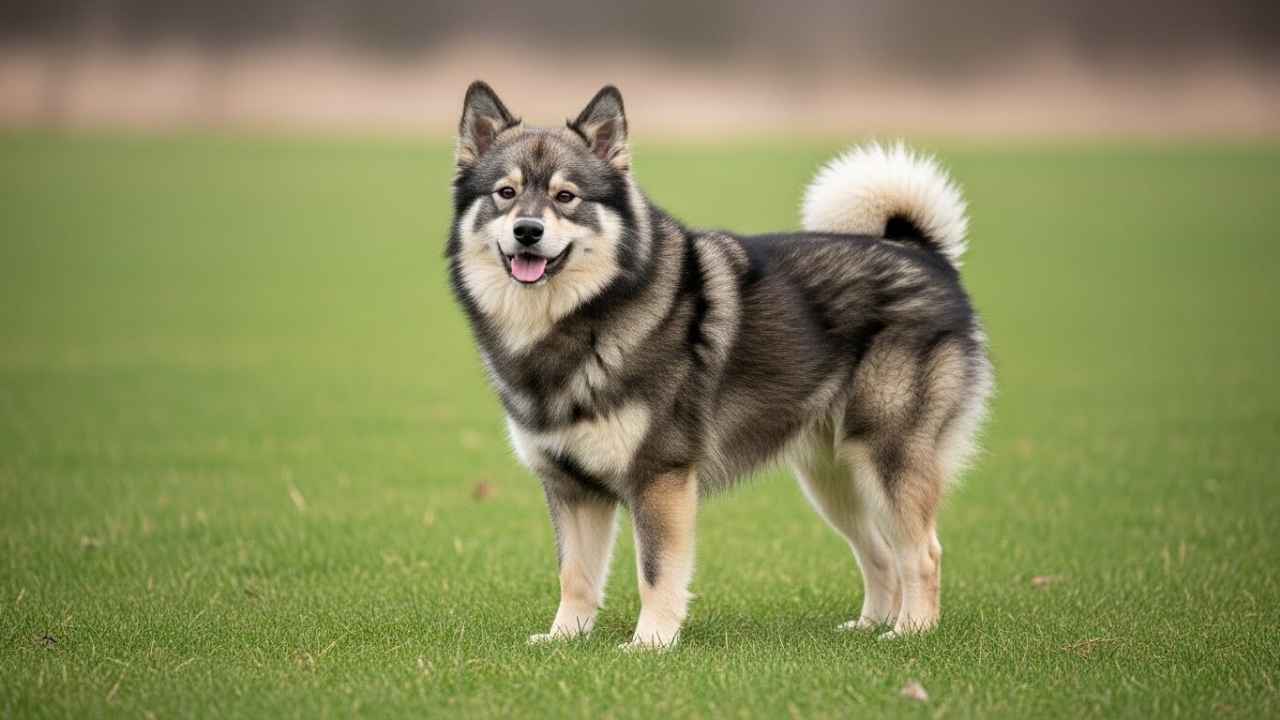
Their playful personalities come with an independent streak, so early socialisation and consistent training are important, as noted by the AKC. They may try to herd children or other dogs and need daily walks, playtime, and mental activities to stay content.
5. Exercise Needs & Energy Level
High Energy With a Need for Variety
Beaucerons need around two hours of daily exercise, with jogging, hiking, and long walks helping burn their considerable energy. They also need mental challenges, so scent work and varied outdoor routes can keep their sharp minds occupied.
For experienced owners, agility, treibball, and protection sports offer extra ways to keep these athletic dogs mentally stimulated and physically engaged. Their stamina and intelligence mean a simple walk around the block is unlikely to meet their daily exercise needs.
Moderate Activity With a Playful Side
Finnish Lapphunds generally need around 30 to 60 minutes of active exercise each day. A brisk walk, a game of fetch, or playtime with another dog can meet much of their physical needs, especially when paired with activities that keep them thinking.
Agility, obedience, tracking, and scent work provide welcome mental stimulation without requiring hours of intense exercise. During hot weather, plan walks for cooler times and use indoor games when needed, as their thick coats can make overheating a concern.
6. Trainability & Obedience
Confident Guidance and Consistent Lessons
Beaucerons need a confident, patient trainer who uses positive reinforcement and sets clear boundaries. Teaching basic cues such as sit, stay, and come helps establish good manners while giving these self-assured dogs clear direction.
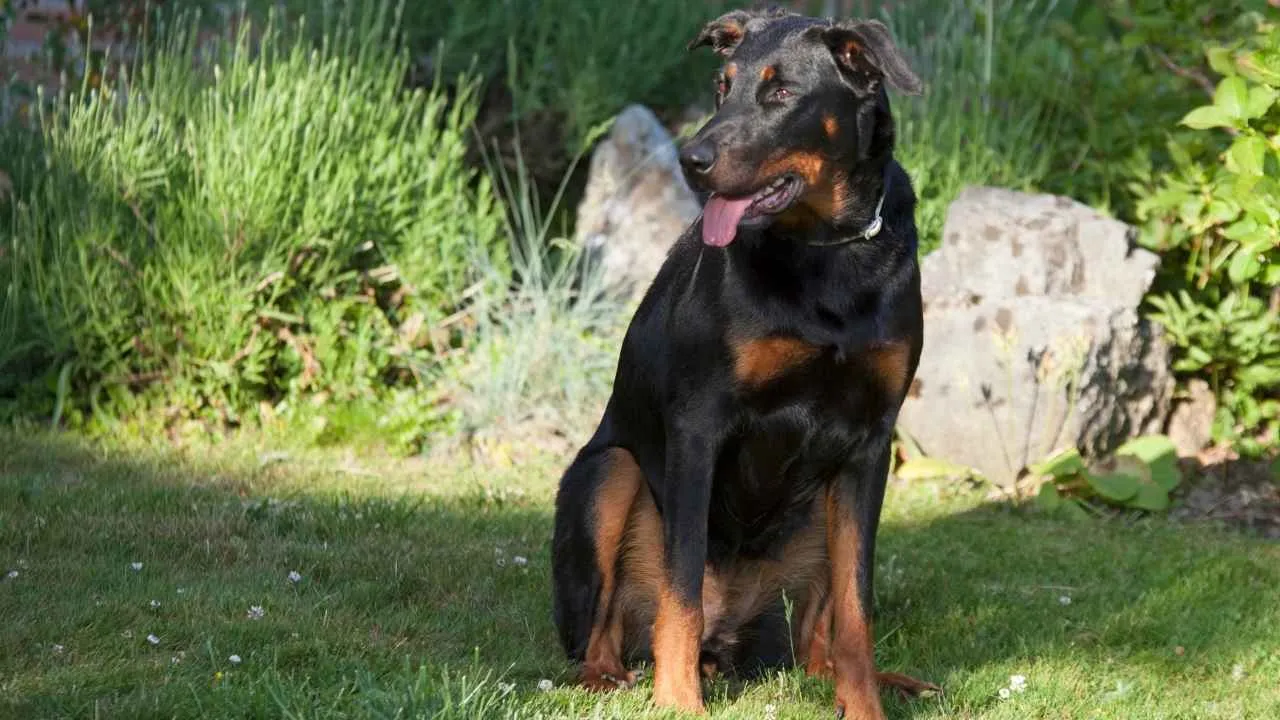
Early socialization is equally important for helping them handle unfamiliar people, places, and situations calmly. Consistent lessons and gentle guidance around others can help prevent their independent nature from turning into difficult behaviour.
Smart Learners Who Need Variety
Finnish Lapphunds are intelligent, food-motivated, and eager to please, making training enjoyable when lessons stay interesting. Their natural herding ability and athleticism also make retrieving games, jumping exercises, and agility activities rewarding ways to learn.
Repetition can quickly bore them, while harsh feedback may discourage their sensitive nature. Use treats, praise, and varied exercises to maintain their interest, and introduce new people, sounds, and situations early while teaching a reliable quiet cue to manage their tendency to bark.
7. Grooming Needs & Shedding
A Short Coat With Heavy Shedding
Beaucerons have a short, dense double coat that needs regular brushing to control loose hair. Brushing once or twice a week with a suitable grooming brush helps remove dead fur, while daily brushing during spring and fall manages heavier shedding.
Bathing about once a month is usually enough unless outdoor adventures leave the coat dirty. Regular nail trimming is also important, including the double dewclaws on the rear legs, to keep walking and running comfortable.
A Fluffy Coat That Sheds Seasonally
Finnish Lapphunds have a thick, water-resistant double coat that often sheds dirt as it dries, so frequent baths are rarely necessary. An occasional bath is generally enough unless the coat becomes particularly dirty or smelly after an outing.
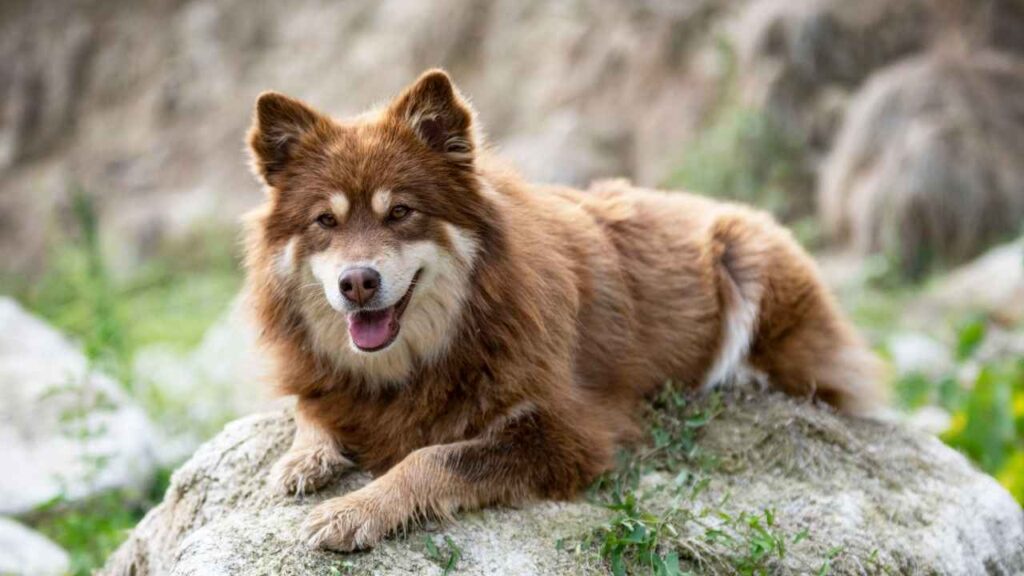
Weekly brushing helps manage loose fur, but daily sessions may be needed during spring and fall shedding seasons. Their dense coat should never be shaved, as it helps regulate body temperature in both warm and cold weather.
8. Herding & Work Drive
A Strong Drive to Move and Manage
Beaucerons have a powerful herding instinct and use their size, movement, and confidence to control livestock. That same drive can show up at home as circling people, nudging children, or trying to direct other pets, so structured activities and consistent guidance help keep these behaviours under control.
Their independent thinking allows them to anticipate movement and make decisions without waiting for every command. Agility, lure coursing, and obedience give them useful outlets for both their physical energy and quick minds, especially when everyday life offers too little direction.
Gentle Guidance With a Vocal Edge
Finnish Lapphunds retain a strong herding instinct and often use nudging, body movement, and vocal signals to guide animals or gather family members. They can be affectionate and calm at home, but their habit of barking at unfamiliar sights and sounds may need consistent training to prevent excessive noise.
Their history of working around reindeer called for quick reactions and independent decisions, traits that can still show in their behaviour today. They may respond rapidly to sudden movement and prefer to assess situations for themselves, so engaging training and clear cues help channel their instincts.
9. Health & Lifespan
Staying Healthy Through the Years
Beaucerons typically live 10–12 years. Their large, deep chest makes them vulnerable to bloat, a life-threatening emergency. Responsible breeders screen for hip dysplasia, heart conditions, eye problems, and allergies to help reduce inherited health risks.
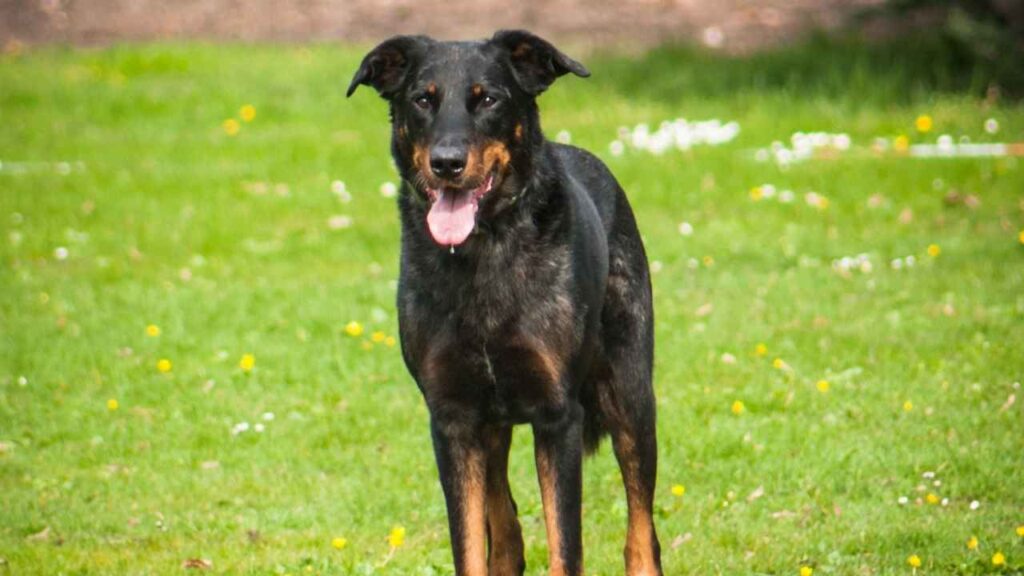
Regular ear checks and tooth brushing are also important throughout their lives, as noted by WebMD. Hip, cardiac, and eye evaluations are recommended, helping owners stay alert to potential problems and support their dog’s long-term health.
A Longer Life With Preventive Care
Finnish Lapphunds generally live 12–15 years and are considered a healthy breed overall. However, hip and elbow dysplasia can affect mobility, while progressive retinal atrophy may lead to vision loss. Health screening helps identify these risks.
Routine ear checks and regular tooth brushing remain important. Recommended screening includes hip, elbow, and patella evaluations, eye examinations, and DNA tests for Pompe disease, degenerative myelopathy, and progressive retinal atrophy.
10. Which Dog Breed Matches Your Lifestyle?
Room for a Strong, Working Partner
The Beauceron suits owners who enjoy structured training, outdoor activities, and a dog that needs a clear role in daily life. Its size, guarding instincts, and independent thinking make it a better match for someone confident handling a powerful working breed.
A More Easygoing Everyday Companion
The Finnish Lapphund may suit you better if you want an active dog with a softer, more sociable side. It still needs regular exercise, mental stimulation, and coat care, but its friendly nature can make it a more approachable choice for households that enjoy including their dog in everyday family activities.
Which One Would You Enjoy Living With?
Think honestly about the dog you want to come home to each day. A Beauceron can be rewarding if you enjoy taking the lead in training and keeping a capable, watchful dog engaged.
A Finnish Lapphund may feel like the better fit if you prefer a cheerful companion who can join family outings and enjoy time together without the same level of handling demands.
Neither is automatically easier for every household, so your experience, routine, and expectations matter more than appearance alone.
Conclusion
Both dogs bring intelligence, loyalty, and a strong connection to their working roots, but their everyday needs can lead to very different experiences. One demands more physical activity and confident handling, while the other may suit households that prefer a friendly companion with a thick coat and a sociable nature.
Neither is a low-effort choice, since training, exercise, grooming, and routine health care remain important throughout life. Your decision should reflect the time you can give, the environment you provide, and the behavior you feel prepared to manage. A thoughtful choice makes it easier for both you and your dog to settle into a comfortable routine.
