




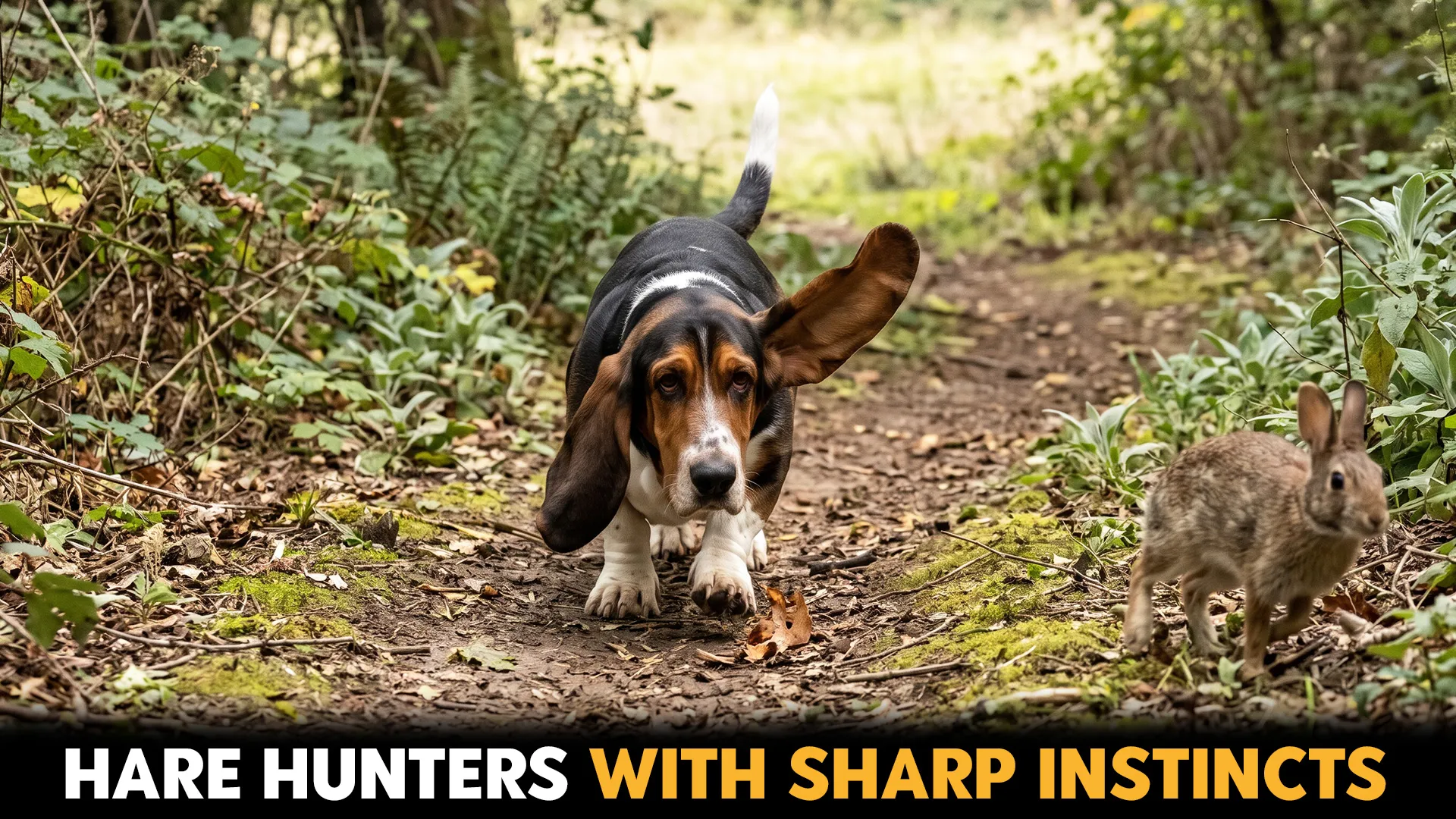
A dog does not need hunting training to become intensely interested in a rabbit. The instinct can already be there, shaped by generations of selective breeding for finding, chasing, flushing, or catching small game.
Rabbits and hares were valuable quarry for hunters because they are quick, wary, and difficult to follow through changing terrain. That work encouraged the development of dogs with sharp senses, quick reactions, stamina, and a strong desire to pursue moving animals.
Some dogs were expected to locate hidden quarry, while others followed a scent trail or gave chase once the animal broke cover. Those differences created hunting styles still recognized today. A dog may express the same instincts during a walk, especially when wildlife suddenly crosses its path.
If rabbit and hare hunting fascinates you, the breeds in this article today offer a closer look at the dogs whose abilities were shaped around this demanding kind of pursuit for hunters.
Key Takeaways
Spotting a rabbit is easy enough. Following where it went is where these dogs show what generations of hunting work gave them.
The Beagle uses its nose and distinctive bay to keep hunters informed, while the Harrier brings the stamina needed for a long pursuit.
A Basset Hound stays close to the ground as it follows a scent, and the Drever uses its powerful nose and clear voice to keep a winding trail traceable.
From dense French undergrowth to the final breed on the list, these dogs reveal just how different rabbit and hare hunting can look.
Remarkable Dog Breeds Instinctively Hunt Rabbits and Hares
1. Beagle
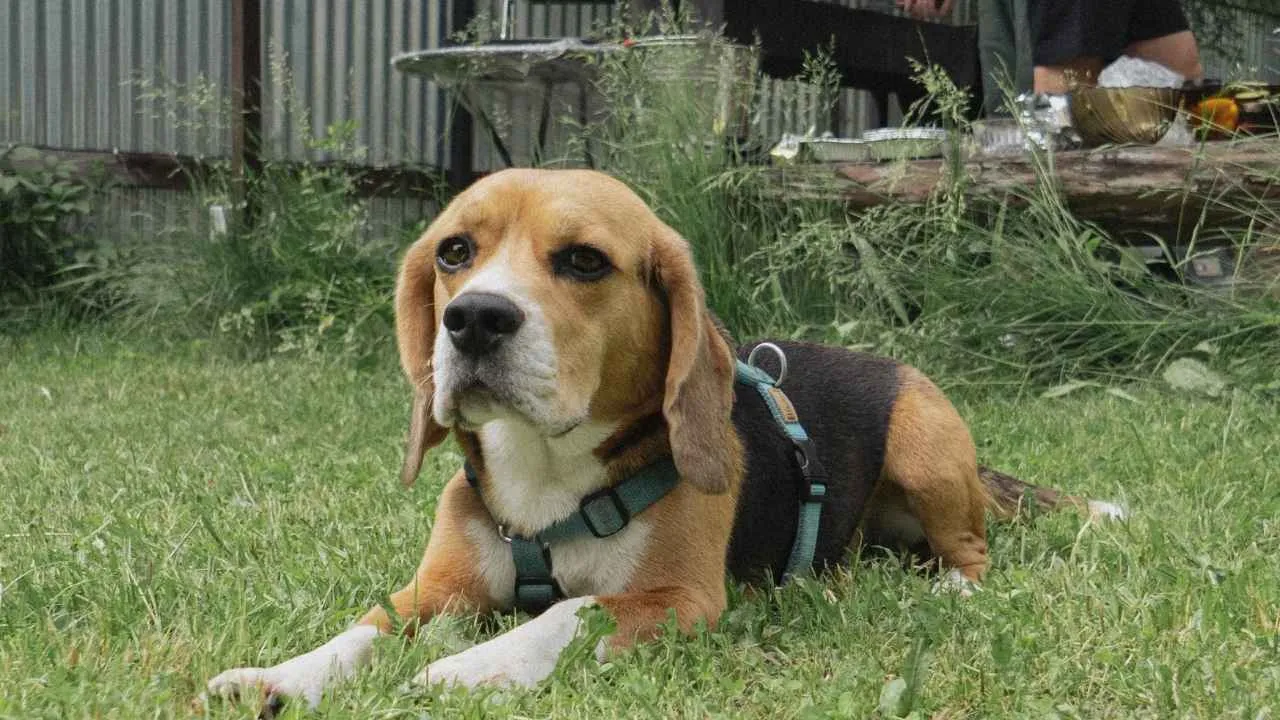
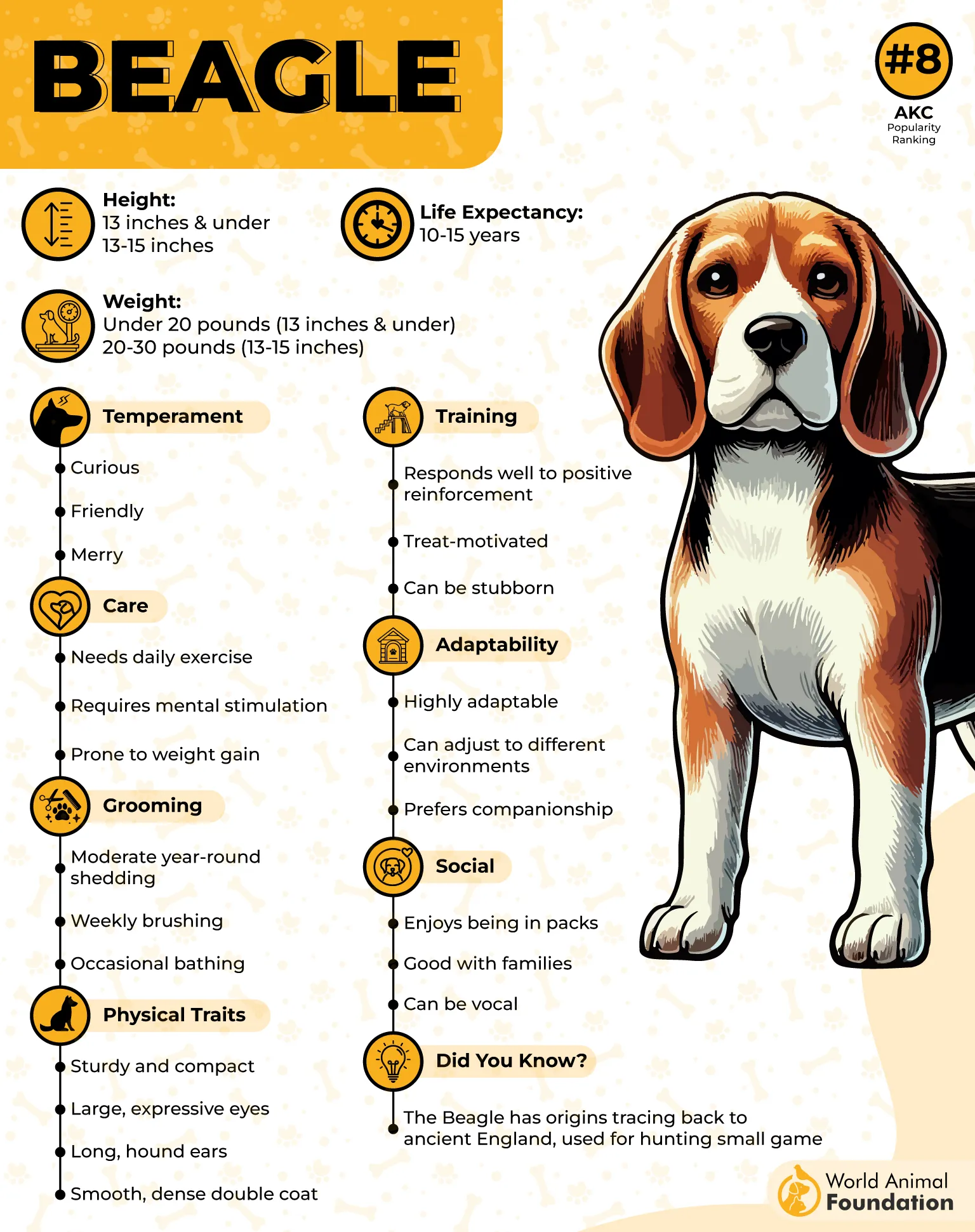
Beagle dates to 14th-century England, when hare hunting had become a popular sport and small hounds were used to pursue game, as mentioned in Omlet. By the late 1800s, the familiar type was established, with packs working after foxes, hares, and rabbits across the English countryside.
Through the Thickets
This classic rabbit dog can slip through dense brush while using its keen nose to locate snowshoe hares and Eastern cottontail rabbits. Once a rabbit is found, the hound gives a prolonged bay to alert the rest of the pack and the hunters.
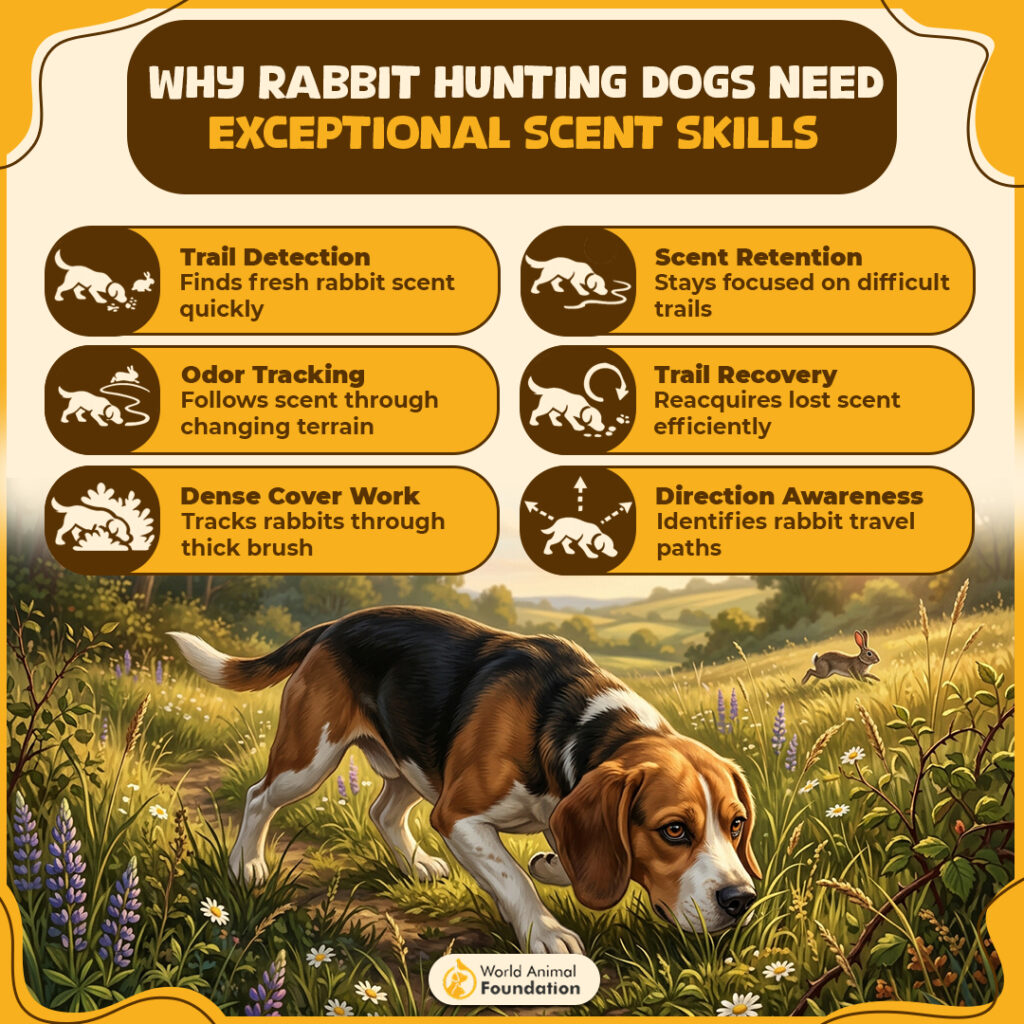
These details make its hunting method especially distinctive:
Works closely in packs
Uses baying to signal a find
Can follow a fading scent
Field Safety
The hunting with the beagle breed traditionally involves careful planning around thickets, with experienced hunters choosing areas that provide clear openings or shooting lanes. Bells and tracking collars can also help hunters locate and retrieve dogs when dense vegetation makes them difficult to see.
2. Harrier
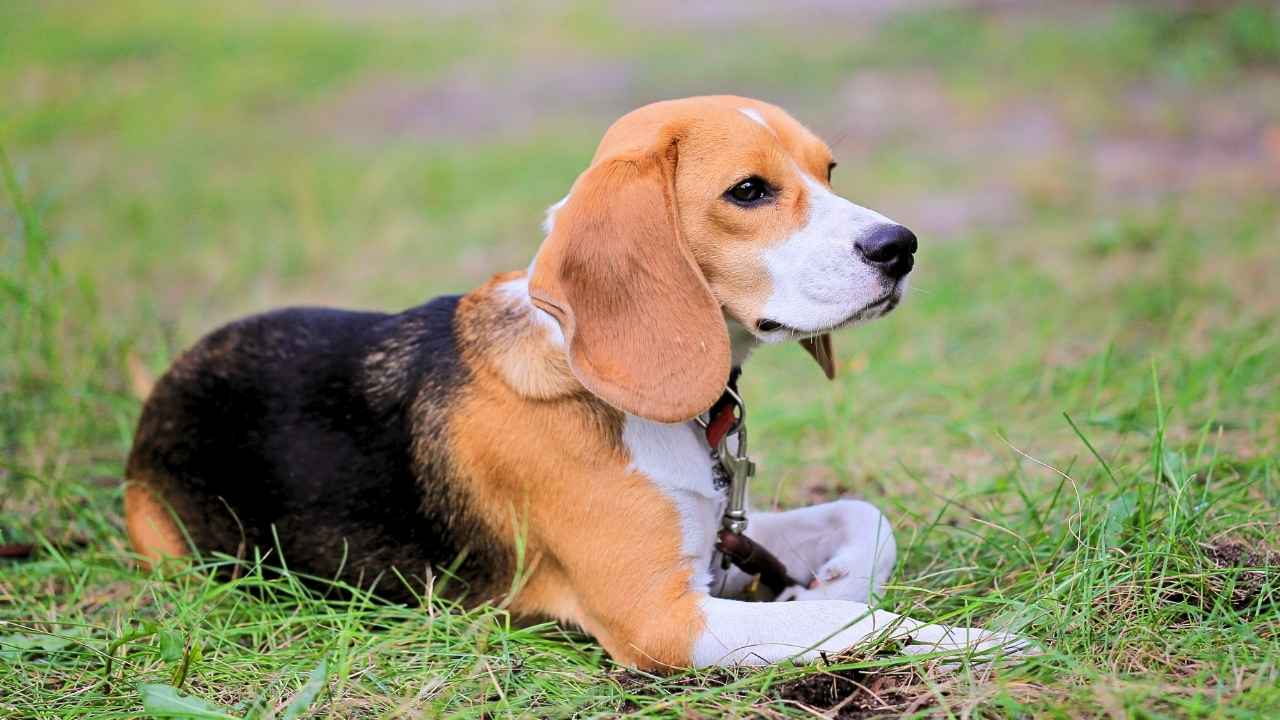
Harrier’s story reaches back to England in the 1200s, when similar hounds were used in packs to pursue hares and other quarry. The breed’s exact origins remain uncertain, with theories linking it to Bloodhounds, Basset Hounds, and smaller English Foxhounds.
Built for the Chase
They were bred with hares and rabbits in mind, using their smaller size to work where larger fox-hunting hounds were less suited. Hours of running were part of its original job, giving this scent hound the stamina needed for prolonged pursuits across open ground.
Three practical details matter for rabbit and hare work:
Strong scent-following instinct
Pack-friendly temperament
Quick pursuit of fresh trails
Channeling That Energy
This hunting dog needs around two hours of daily exercise, with hiking, jogging, cycling, tracking, and agility offering different ways to use its abilities, as CKCUSA claims.
Positive-reinforcement training with treats and praise can help manage its occasional stubbornness while early puppy classes build basic obedience and social skills.
3. Basset Hound
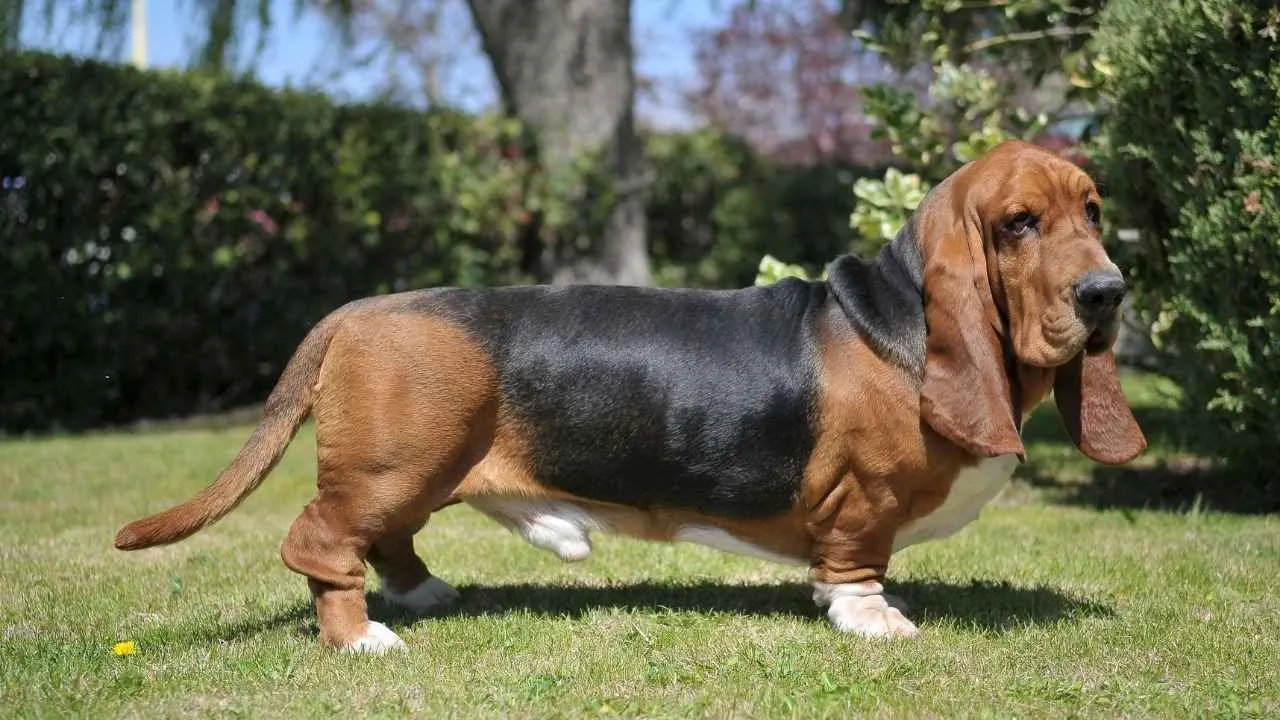
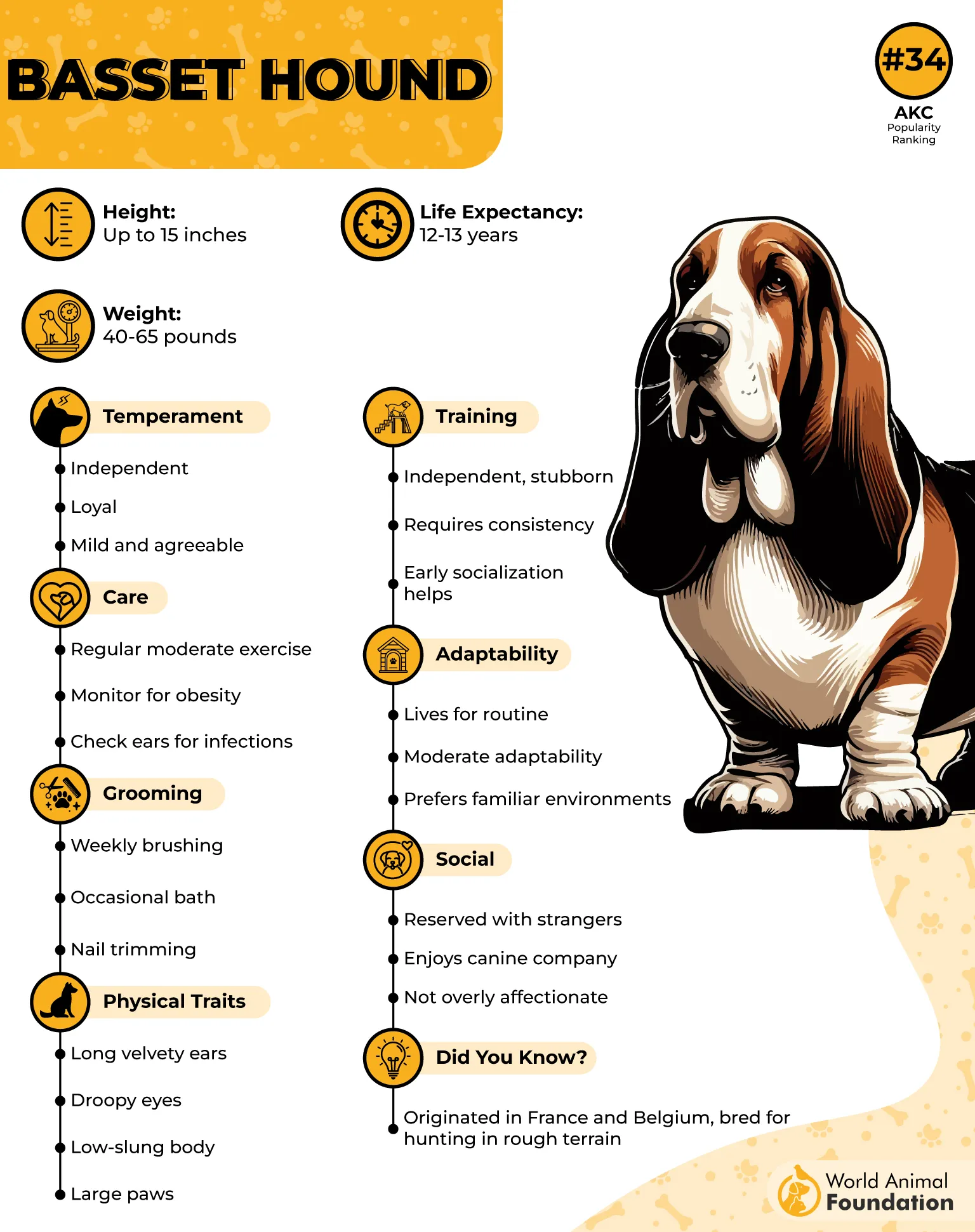
Basset Hound has French roots and was originally bred for following rabbits and hares through hunting grounds where a strong nose mattered more than speed. The name comes from the French word bas, referring to something low or dwarf-like, fitting its close-to-the-ground build.
Nose to the Ground
This rabbit hunting breed can pick up a scent beneath thick bushes and dense forest cover, then follow that trail with remarkable persistence, as reported by Orvis. Its low frame puts its nose close to the ground, making scent work a natural fit for rabbit and hare hunting.
That hunting style comes with some very specific habits:
Often hunts as part of a pack
Can suddenly follow an interesting scent
May bay loudly when excited by a trail
Food and Freedom
Basset Hounds have a strong appetite and may seize an unattended opportunity for food, making portion control important for weight management.
Off-leash freedom also requires care because a tempting scent can send this dog farther than expected, while secure areas or lead walks offer greater control.
4. Drever
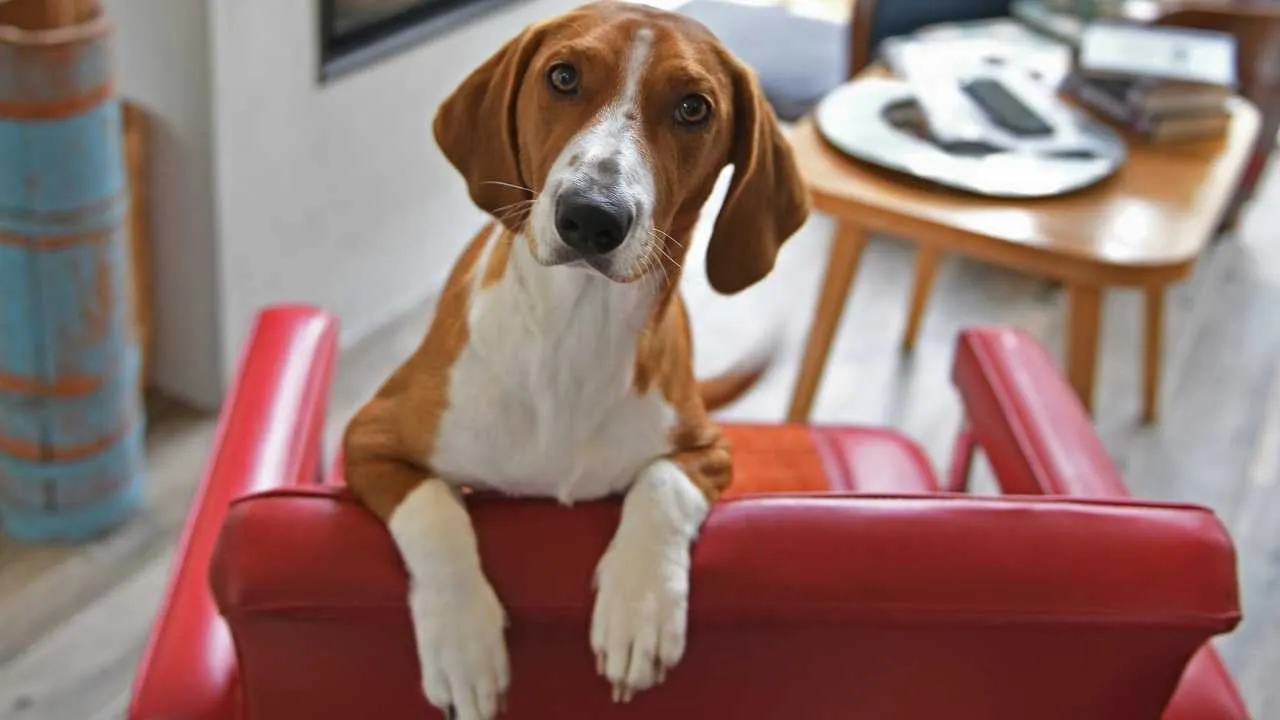
Drever began with the Westphalian Dachsbracke, a German hound brought to Sweden around 1910 for tracking work in the country’s forests and rugged terrain.
Its Swedish form received the name Drever in 1947, then gained official recognition as a Swedish breed in 1953, establishing its place among Sweden’s recognized hunting dogs.
A Low-Level Chase
Drever was shaped for game that needs careful pursuit, using its short legs to keep its nose close to the ground while following scent. Its deliberate pace can keep rabbits and hares moving steadily rather than sending them scattering in sudden bursts.
These details make its hunting method especially distinctive:
Deep, clear baying helps hunters follow the chase
Long body and short legs measure about 30 to 40 cm tall
Exceptional scenting ability follows winding trails
A Solo Tracker
Drever often works independently in front of the hunter rather than relying on a pack, using its strong nose and distinctive voice to keep the pursuit traceable through wooded areas. Daily walks, hiking, agility, rally, and lure coursing give this energetic scent hound useful outlets.
5. Basset Fauve de Bretagne
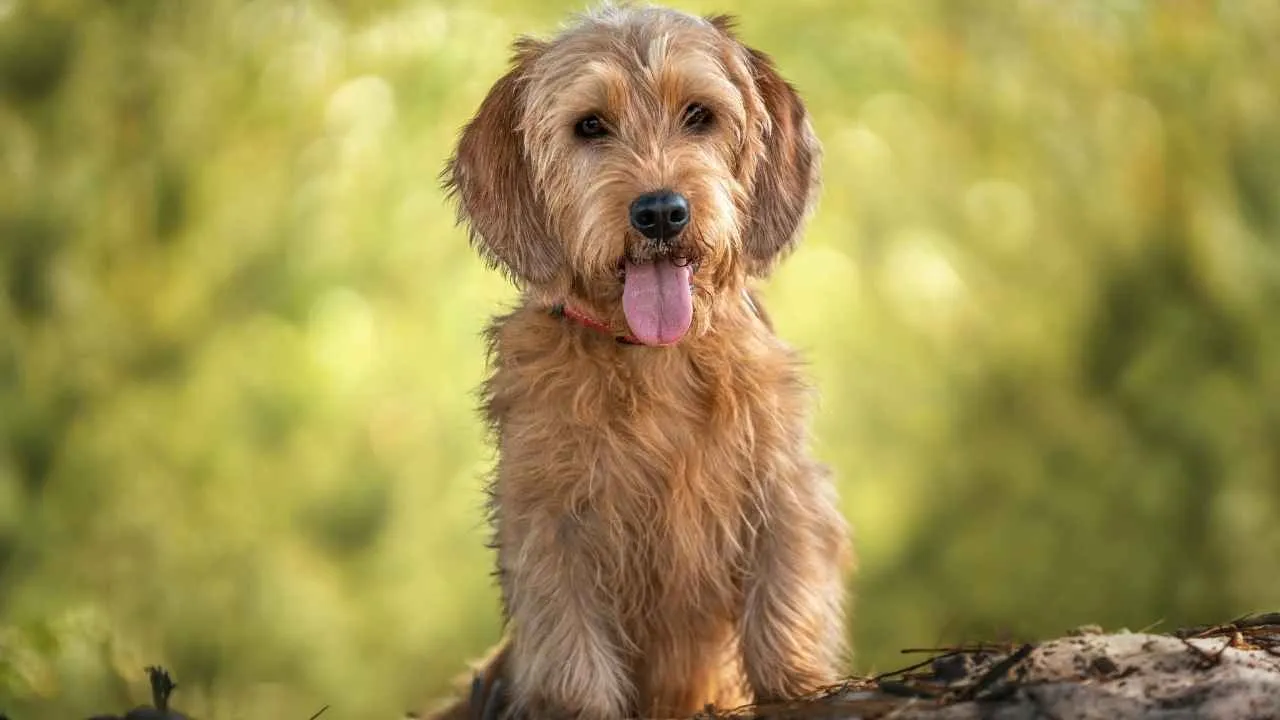
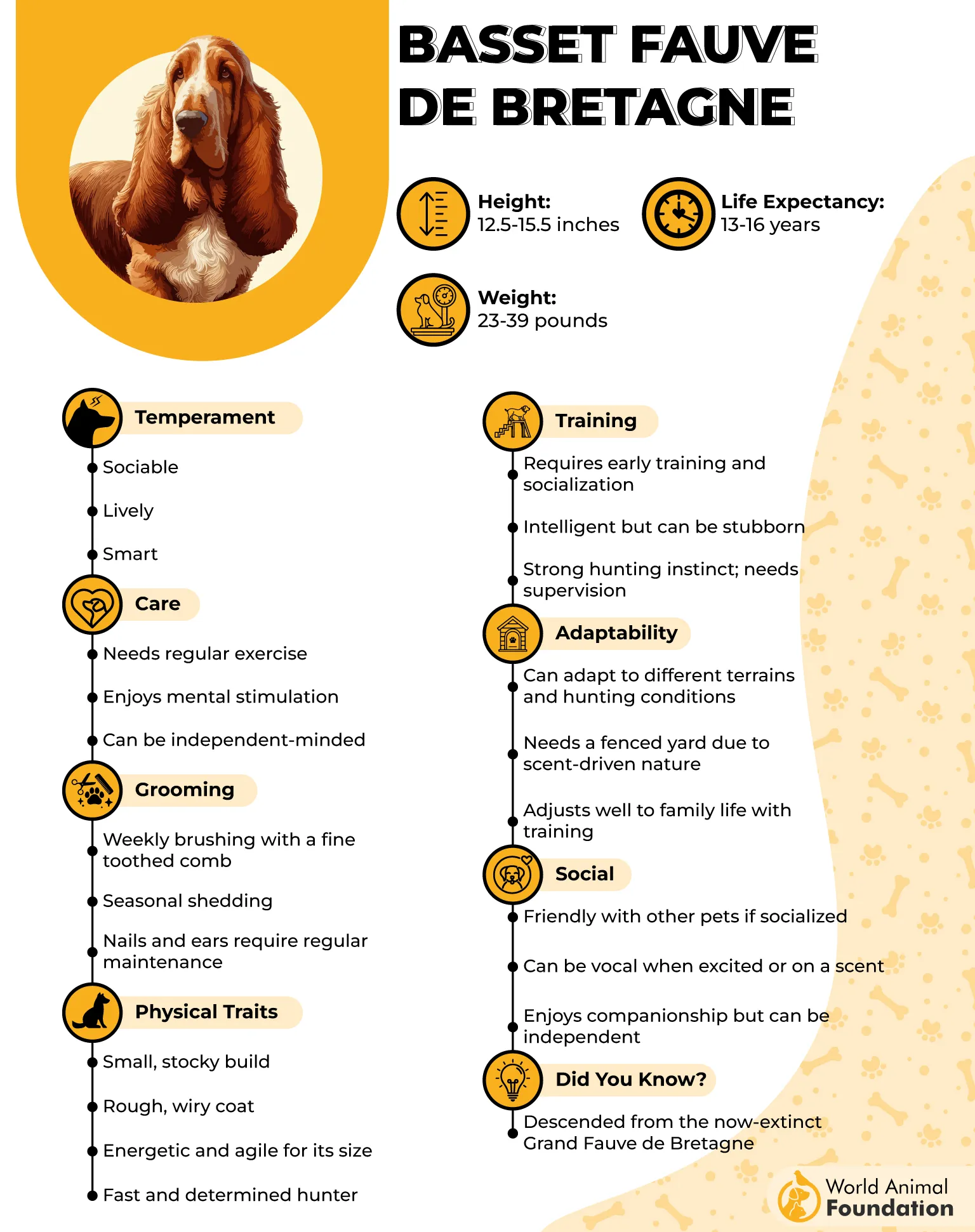
Basset Fauve de Bretagne emerged in France from the now-extinct Grand Fauve de Bretagne, gaining importance when hunting opened to commoners after the French Revolution. Hunters on foot needed a shorter-legged hound they could follow through the countryside without the pace of larger dogs.
Made for Rabbit Trails
Basset Fauve de Bretagne uses an exceptional sense of smell to follow rabbit scent through dense briars, brambles, and thick undergrowth. The compact frame of this breed helps it work through places where taller hounds can struggle.
These characteristics make its field work especially interesting:
Can hunt in small packs of about four
Has earned top honors in French rabbit-hunting trials
Can track small game across long distances
Quiet at Home
Basset Fauve de Bretagne can be inactive indoors while still wanting to participate in family activities throughout the day. It generally gets along with children, dogs, and cats when raised with them, and may give a warning bark when someone arrives at the door.
6. Petit Basset Griffon Vendéen
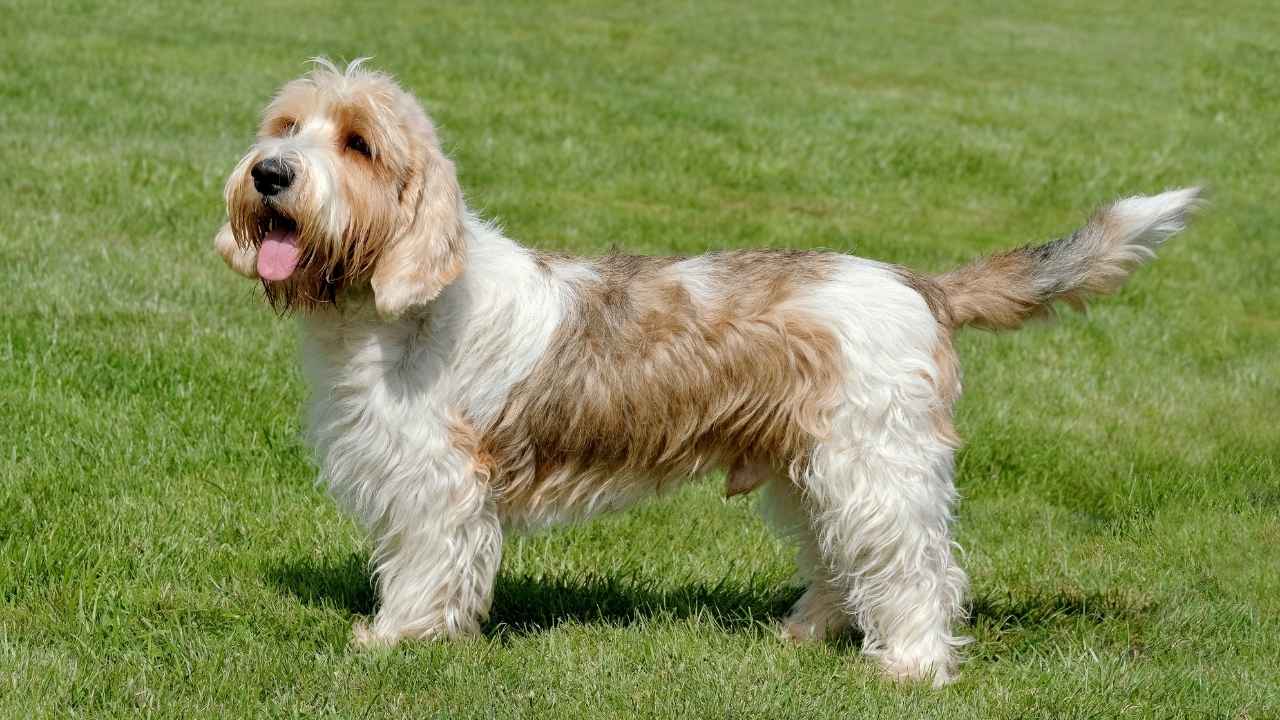
Petit Basset Griffon Vendéen originally developed in the Vendée region of France during the 1600s, where rough coastal terrain shaped its early working role.
By the 1950s, French breeders had separated the smaller variety from the Grand Basset Griffon Vendéen, and the American Kennel Club recognized it in 1990.
Made for Dense Cover
This hunting companion was refined into a short-legged scent hound that could follow rabbits, hares, and other small game through thick undergrowth while hunters traveled on foot. Its low build lets it work beneath tangled brush where taller dogs would struggle.
These working details make that design easier to picture:
Exceptional stamina for scent work
Loud voice for locating quarry
Powerful nose for tracking
A Nose With a Mission
Petit Basset Griffon Vendéen can become completely absorbed after catching an interesting scent, following it with the determination expected from a purpose-bred hound. Its lively, curious personality also brings plenty of mischief when nothing is engaging to investigate.
7. Portuguese Podengo
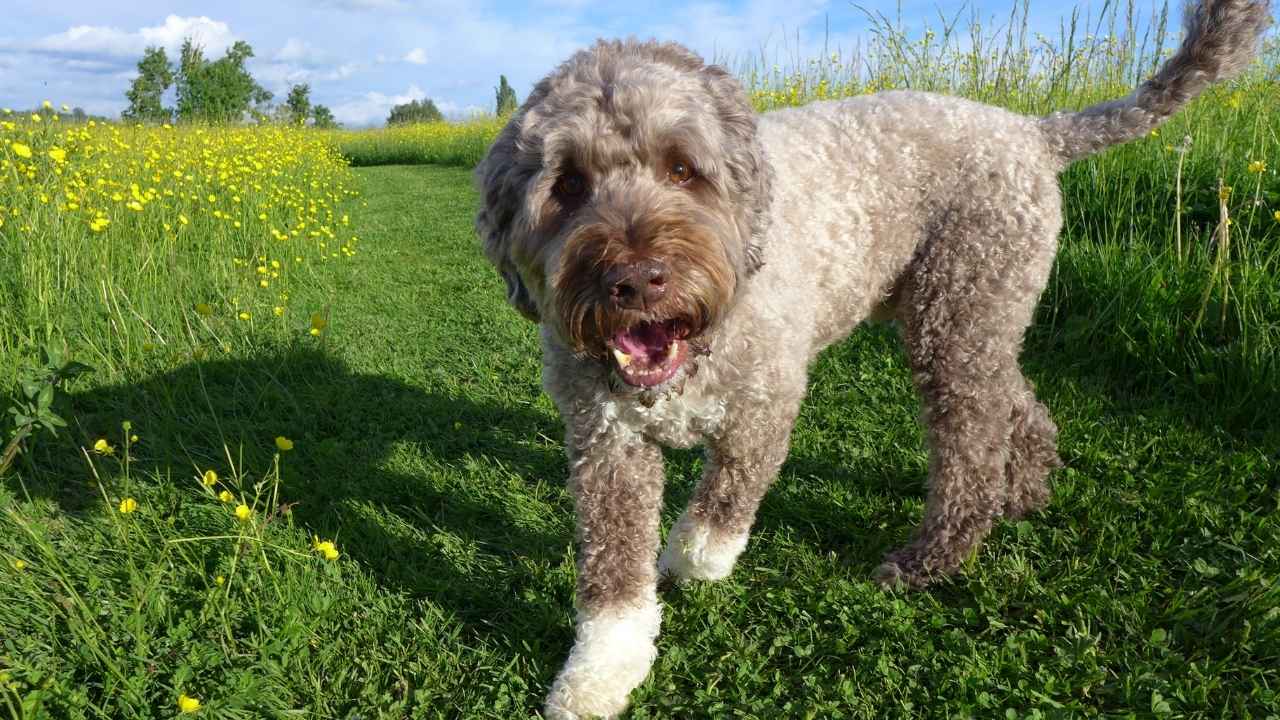
Portuguese Podengo comes in three sizes and two coat types, with the smooth variety dating to the 5th century. The wire-haired type appeared much later, emerging in the 20th century through crossbreeding, giving this breed a long connection with Portuguese hunting traditions.
Rabbit Specialist
Portuguese Podengo’s smaller varieties were used specifically for rabbits and hares, working through rocky ground and thorny cover with a lean frame, nimble feet, and powerful hindquarters. Their large upright ears help them pick up directional sounds while searching through dense scrub.
Here’s a closer look at their versatile hunting abilities:
Quick zigzags through thick brush
Sudden pauses when movement catches attention
Persistent searches when quarry disappears
Alert Around Home
This versatile working dog also brings its sharp awareness indoors, often barking when someone approaches the property. Young dogs can be shy with unfamiliar people, while early introductions help them become more comfortable around strangers, children, other dogs, and household pets.
Conclusion
Dogs bred for rabbit and hare hunting can have different ways of doing the same job. Some stay close to the ground and follow scent, while others use speed, sharp hearing, or persistent searching to keep quarry moving. These dogs hunt with strong instincts that can remain even when they live as a family pet, making secure outdoor areas and reliable leash habits important.
Pet parents should also provide exercise and activities that use the dog’s nose, body, or problem-solving abilities. Before bringing one home, think about wildlife nearby, other pets, training experience, and daily routines. Dogs bred to trail rabbits may need good management to use their abilities safely around wild animals.
