




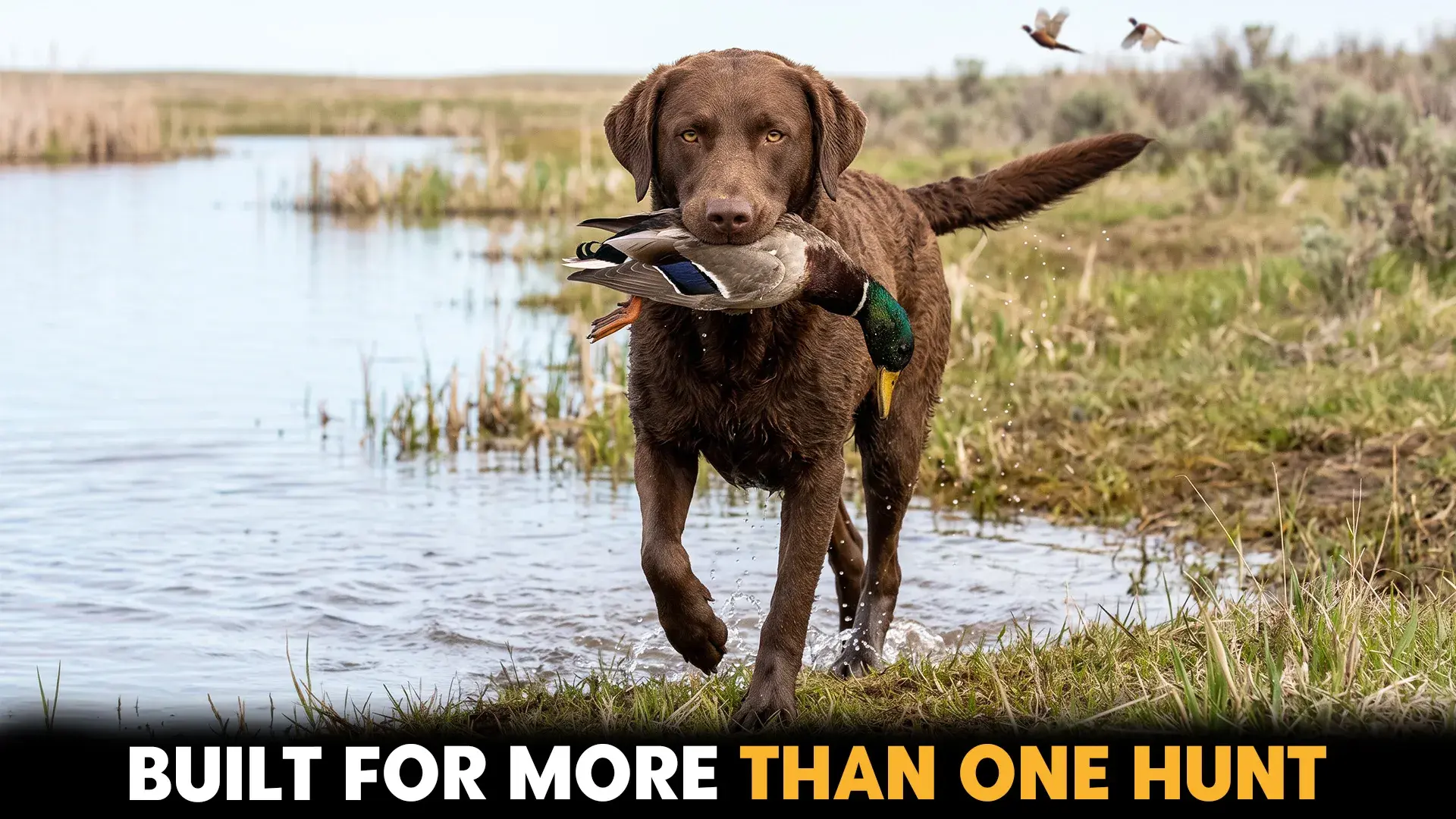
A truly versatile hunting dog is more than a specialist with one impressive party trick. The best all-around field partners can locate game, remain steady near gunfire, follow wounded quarry, and retrieve from challenging cover or water.
Yet versatility looks different across breeds. Some point upland birds and retrieve waterfowl, some flush game from dense cover, and others pursue small quarry using sight, scent, and high speed. Coat, range, prey drive, trainability, water confidence, and working style determine which hunting environments each dog handles best.
Here are seven breeds whose field histories and adaptable skills make them compelling partners for more than one kind of hunt.
Versatile Dog Breeds That Excel at Multiple Hunts
1. Chesapeake Bay Retriever

Ice forming along the shoreline is not a cancellation notice for the Chesapeake Bay Retriever; it is basically a calendar invitation. Developed around Maryland’s Chesapeake Bay, the breed retrieved waterfowl through cold water, strong tides, wind, and demanding weather.
Their dense woolly undercoat and short, oily outer coat help prevent cold water from reaching the skin while allowing rapid drying. Powerful hindquarters provide swimming propulsion, webbed feet improve movement through water, and strong jaws can carry large birds with a controlled hold.
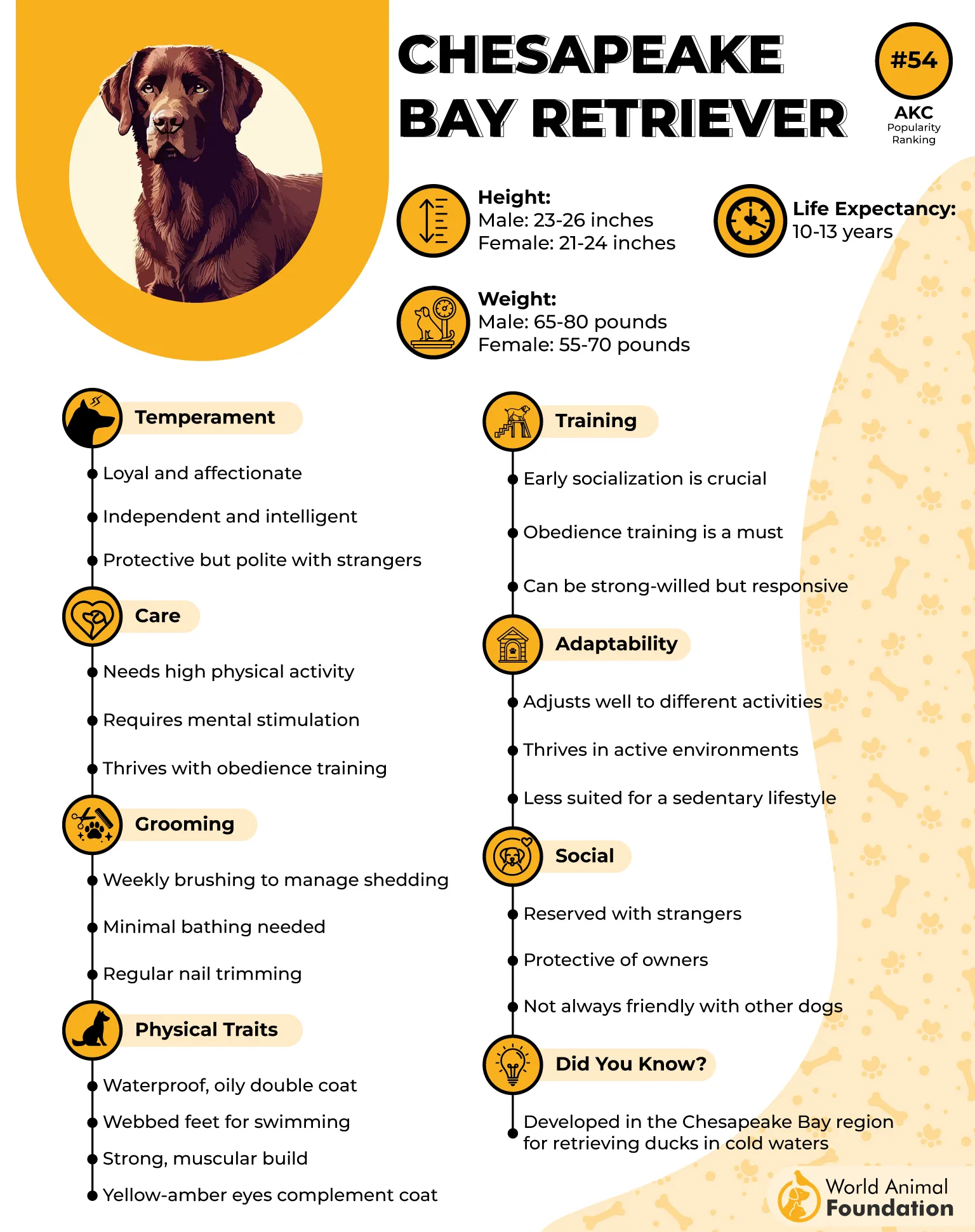
Waterfowl work is their signature skill, but trained Chessies can also retrieve pheasants, grouse, quail, and other upland birds. Their keen sense of smell helps locate runners or fallen birds hidden among reeds, grass, and brush, while endurance supports repeated searches.
Begin training with engagement, recall, delivery to hand, and simple marked retrieves before adding distance, cover, boats, decoys, or gunfire. Progress to memory retrieves and directional casting on land, then introduce shallow water before asking for cold or difficult swims.
Skills That Help It Excel at Multiple Hunts
An oily double coat, webbed feet, and muscular hindquarters support repeated duck and goose retrieves in demanding conditions.
A strong nose and determined search style help locate, flush, and recover pheasants, grouse, and quail.
2. Boykin Spaniel
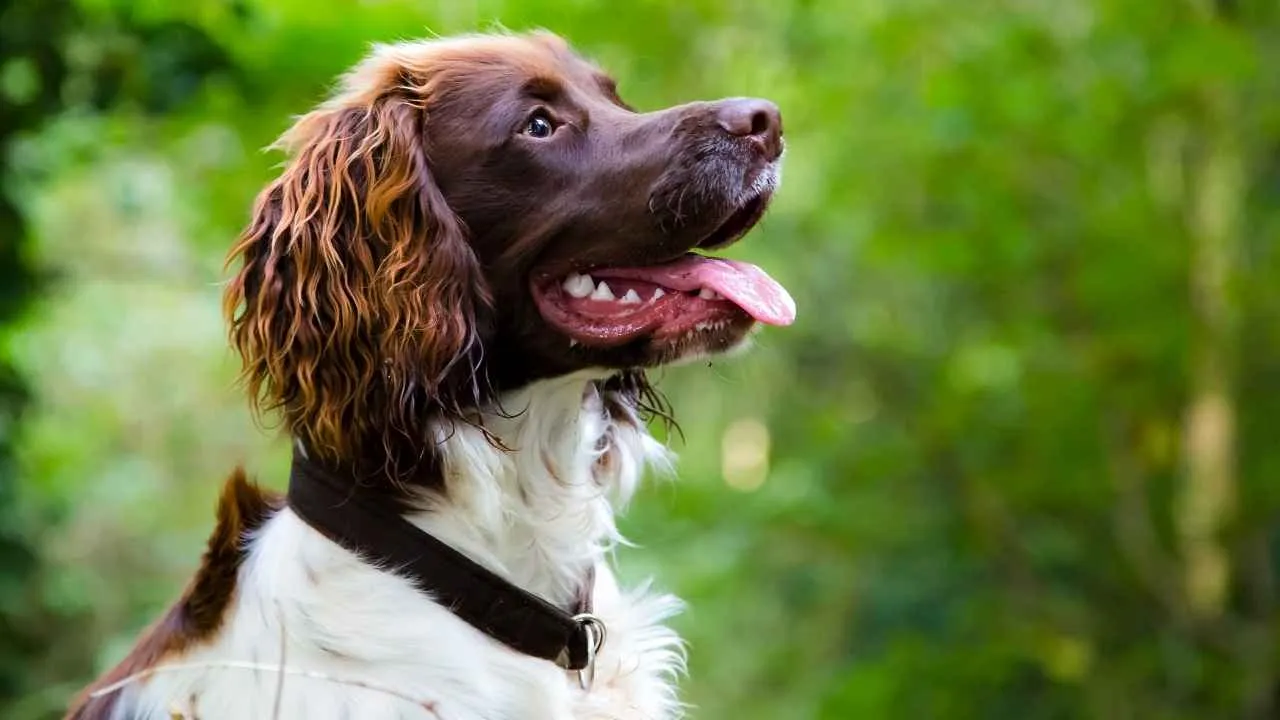
The Boykin Spaniel is an eager, trainable flushing-and-retrieving dog that remains mellow indoors and tenacious in the field.
Unlike a pointing breed, the Boykin searches within practical gun range and pushes birds into flight once scent leads it to them. That pattern works well for pheasant, quail, woodcock, and other upland birds hiding in grass, reeds, or tangled vegetation.
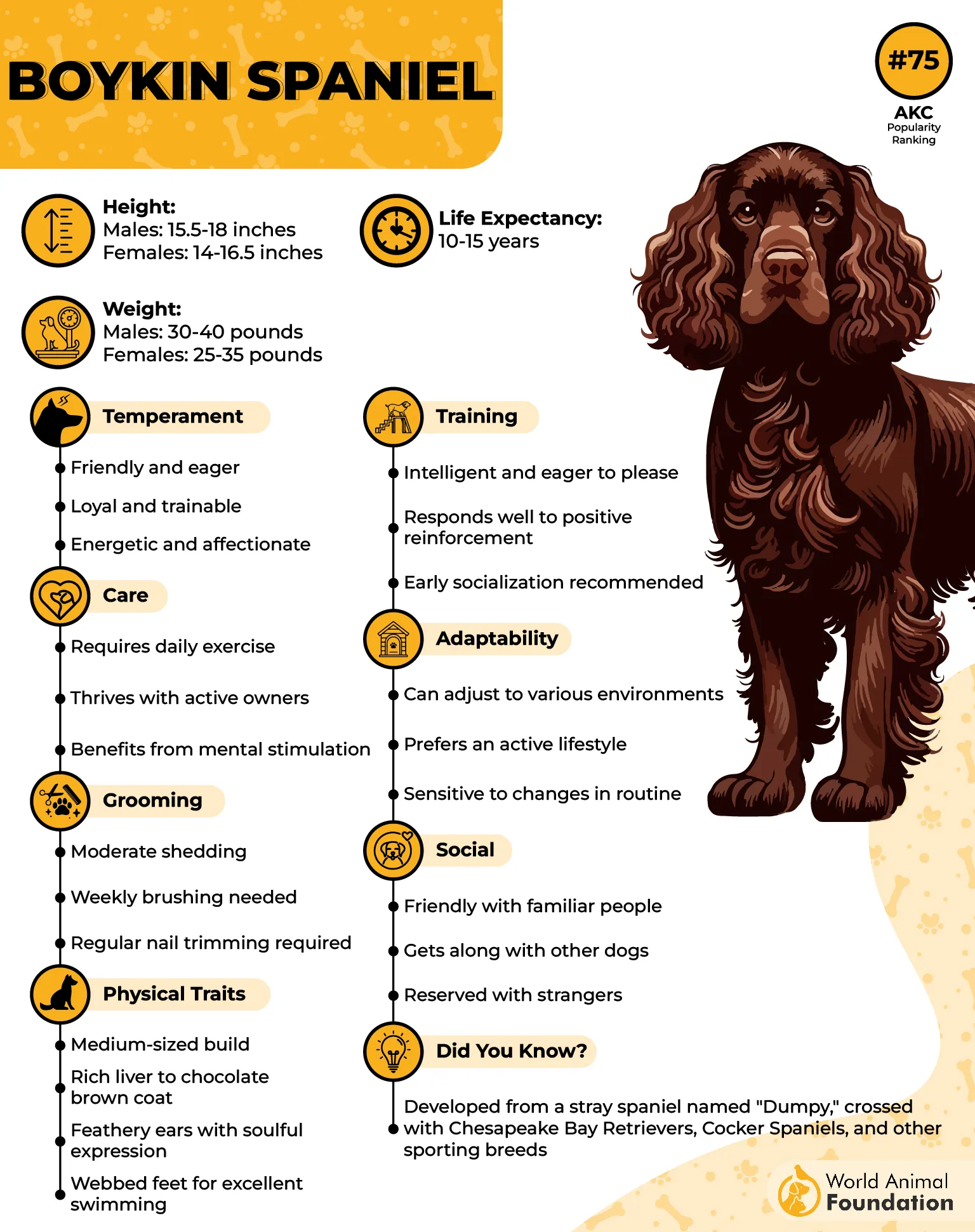
In wet environments, this Spaniel’s webbed feet, manageable body, and retrieving instinct become major assets. Hunters use the breed to mark falls, enter water decisively, and retrieve ducks or other game without occupying the space a larger retriever would.
The breed’s original turkey work adds an interesting layer to its hunting versatility. Traditional methods involved locating and scattering a flock, then waiting quietly with the hunter while the birds regrouped and called.
Skills That Help It Excel at Multiple Hunts
Compact proportions enable efficient operation from small boats while preserving sufficient power for marsh and upland cover.
Controlled flushing creates shooting opportunities for pheasant, quail, and woodcock hiding close to the hunter.
3. Vizsla
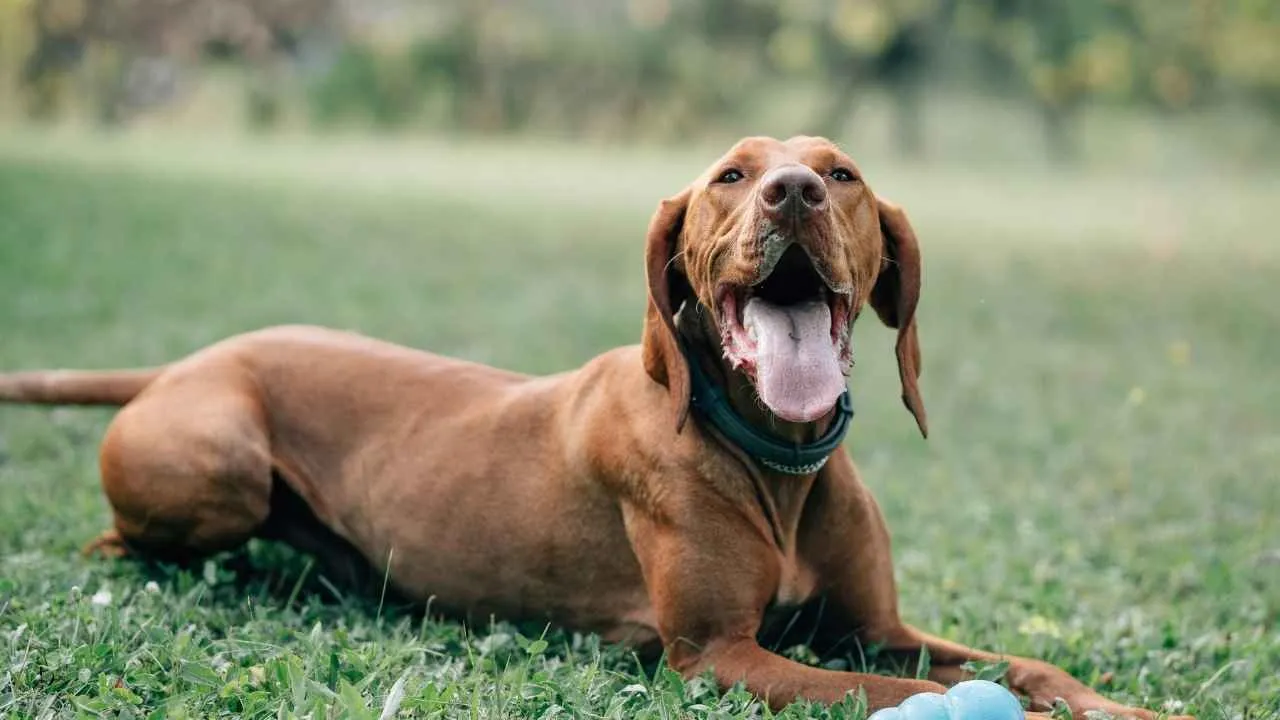
The Vizsla is a sleek Hungarian gun dog built for speed, endurance, and very strong opinions about personal space. It is a versatile gundog capable of handling long days in the field.
Its nose and fluid search pattern suit hunts for pheasant, quail, grouse, partridge, and other upland birds. Compared with some wide-ranging pointing breeds, many Vizslas naturally work at a more manageable distance and check in regularly.
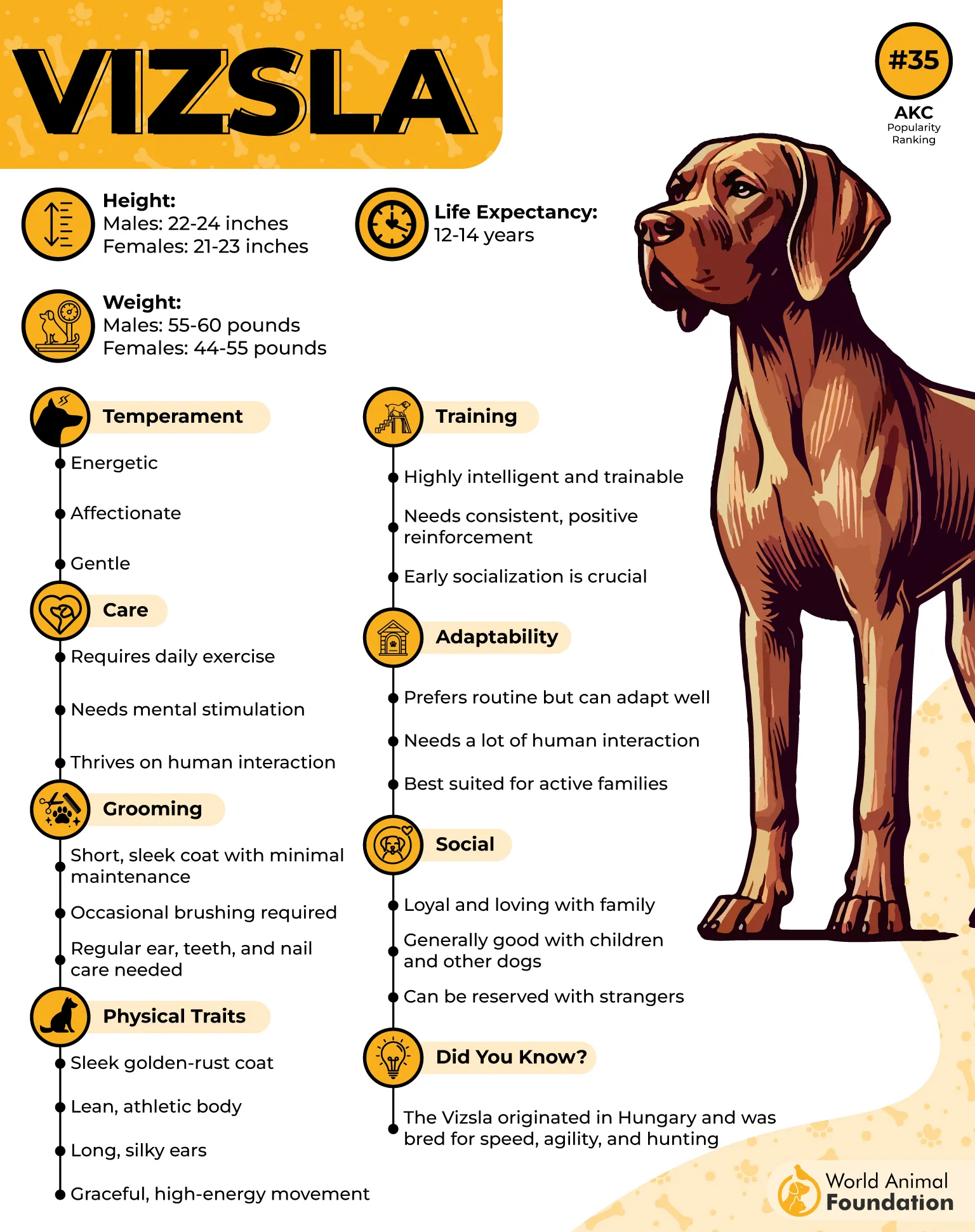
After the shot, a properly trained Vizsla can track, locate, and retrieve fallen birds on land or from moderate water. The breed can also follow scent trails from wounded game where local laws permit canine recovery work.
Purina says that training should emphasize cooperation, impulse control, and gradual exposure to birds, water, terrain, and gunfire. Their sensitivity makes force-heavy methods particularly risky, while reward-based repetition typically builds confident performance.
Skills That Help It Excel at Multiple Hunts
A combination of pointing, tracking, and retrieving lets one dog assist through several stages of a hunt.
Natural handler focus supports responsive work in fields where close communication and directional changes matter.
4. Irish Setter

Developed as an upland bird dog, the Irish Setter historically used its nose to locate game and “set” low so hunters could capture birds with nets before firearms became common. The breed later adopted a more upright point and became capable of retrieving shot game.
These dogs commonly hunt pheasant, grouse, quail, woodcock, and other upland birds across fields, moorland, and light woodland. Their speed, endurance, and wide-ranging search help them cover extensive ground, while a keen nose detects birds hidden inside vegetation.
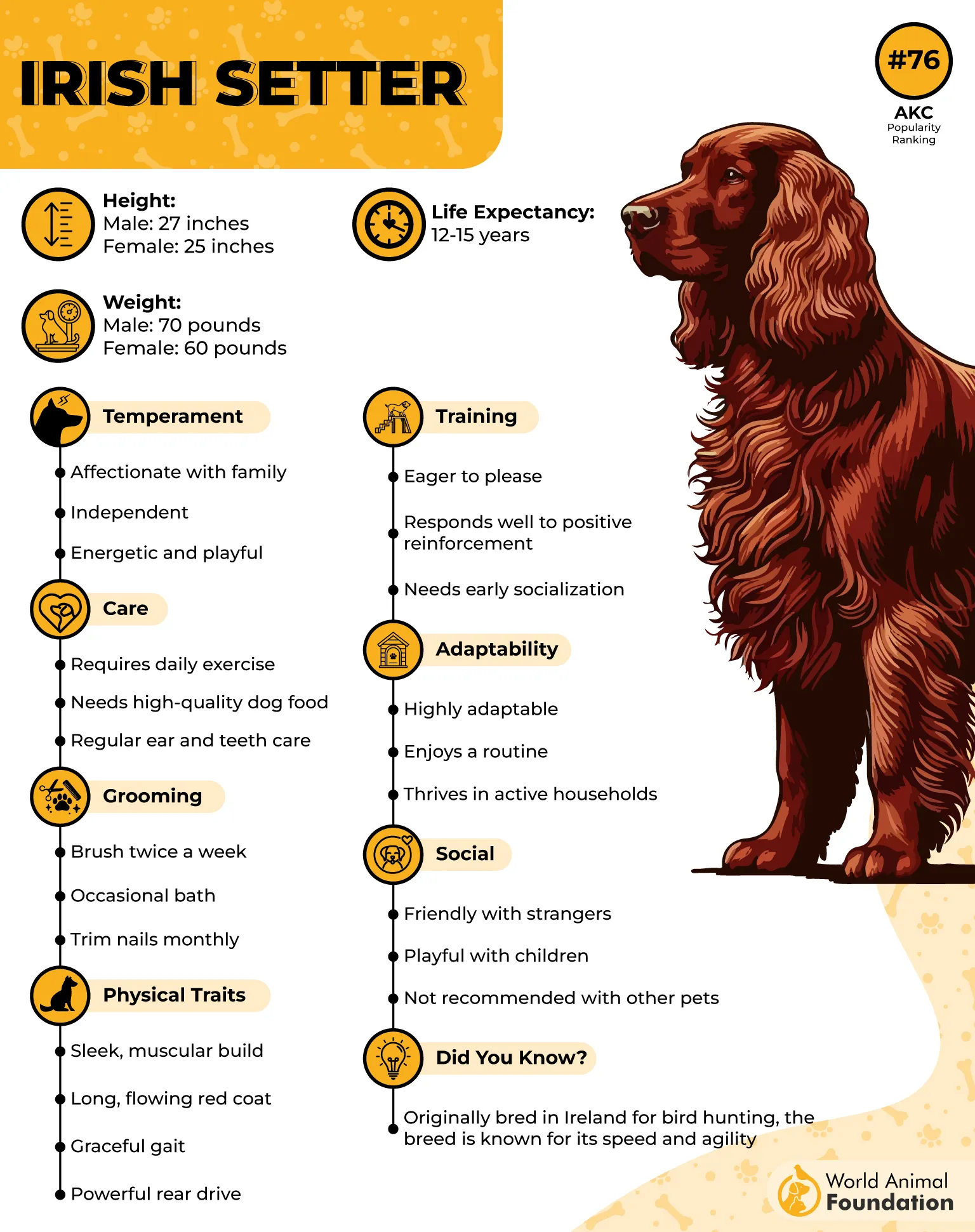
Versatility comes from combining search, pointing, tracking, and trained land retrieval within one athletic dog. Some individuals will also retrieve from water, but their feathered coat and lighter insulation make them less suitable for repeated icy-water work than specialized cold-weather retrievers.
Start training with recall, whistle response, quartering, and a reliable “whoa” cue before adding live birds or greater distance. Introduce birds in controlled settings, reward steady points, and teach delivery to hand using short retrieves before progressing to thicker cover.
Skills That Help It Excel at Multiple Hunts
Speed, endurance, and an efficient field pattern help locate pheasant, grouse, quail, and woodcock across varied upland terrain.
A strong nose, readable point, tracking instinct, and trained retrieve support several stages of the hunt.
5. Nova Scotia Duck Tolling Retriever
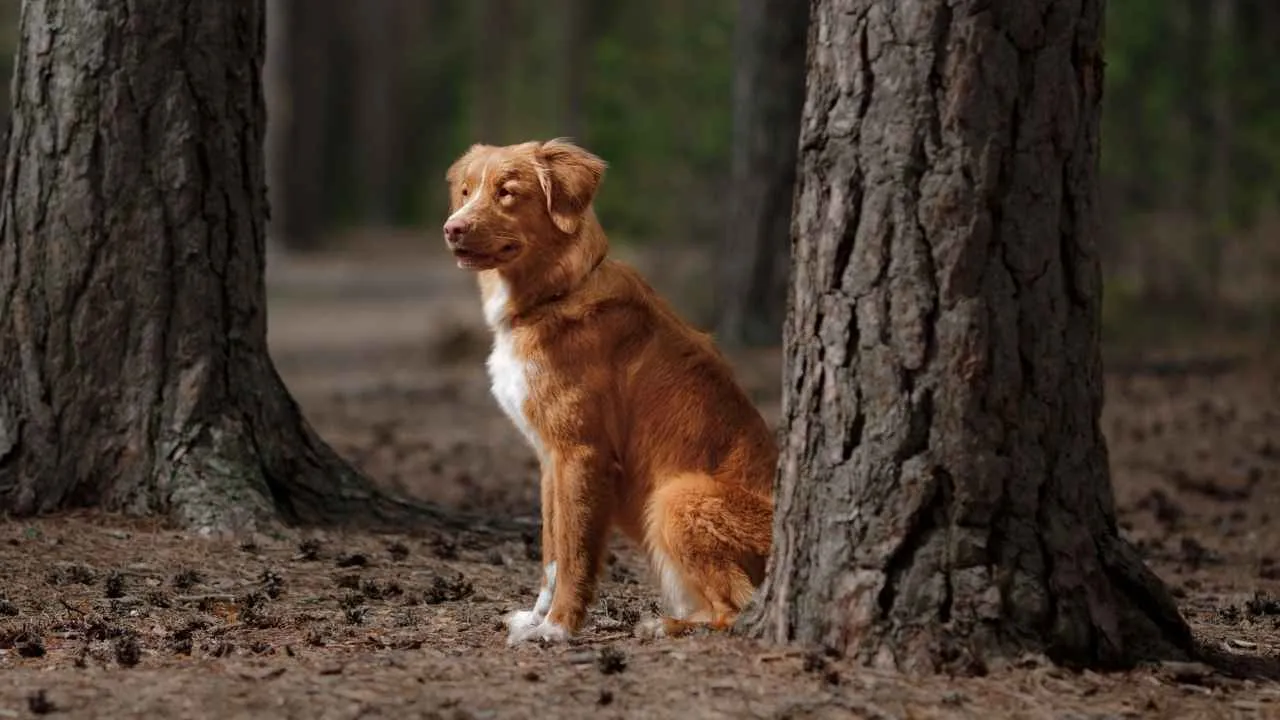
The Nova Scotia Duck Tolling Retriever performs one of hunting’s most unusual jobs: attracting waterfowl before retrieving them. Hunters encourage the dog to run and play along the shoreline, where its foxlike movements spark curiosity and draw ducks within range.
Tolling requires more than random zoomies beside a pond. WebMD claims that the dog repeatedly appears and disappears while retrieving a stick or bumper, responding precisely to a concealed handler without becoming distracted by nearby birds. Once the shot is taken, it changes its role and retrieves downed waterfowl from the cold water.
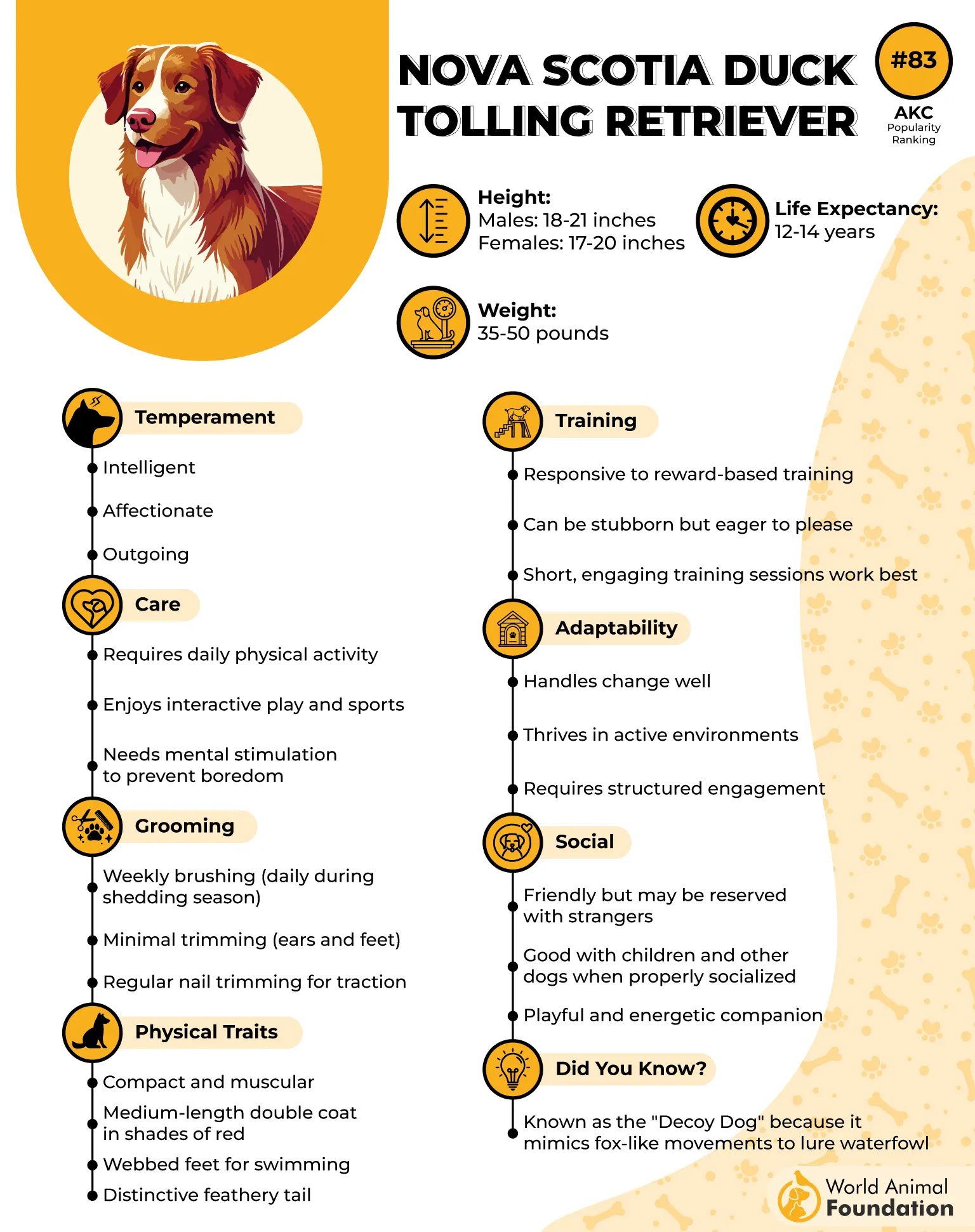
That talent extends beyond ducks, as trained Tollers can retrieve geese and work upland birds such as pheasants and grouse. Their compact, athletic bodies move efficiently through marsh edges, woodland, fields, and boats without sacrificing swimming ability.
The water-resistant double coat provides useful protection but needs rinsing, drying, and brushing after wet or muddy work. Because Tollers can remain intensely active past the point of good judgment, conditioning, warmups, hydration, and recovery deserve careful planning.
Skills That Help It Excel at Multiple Hunts
Water-resistant insulation, swimming strength, and marking ability support dependable waterfowl recovery in cool conditions.
Compact agility and a capable nose allow the same dog to transition into selected upland-bird hunts.
6. Weimaraner
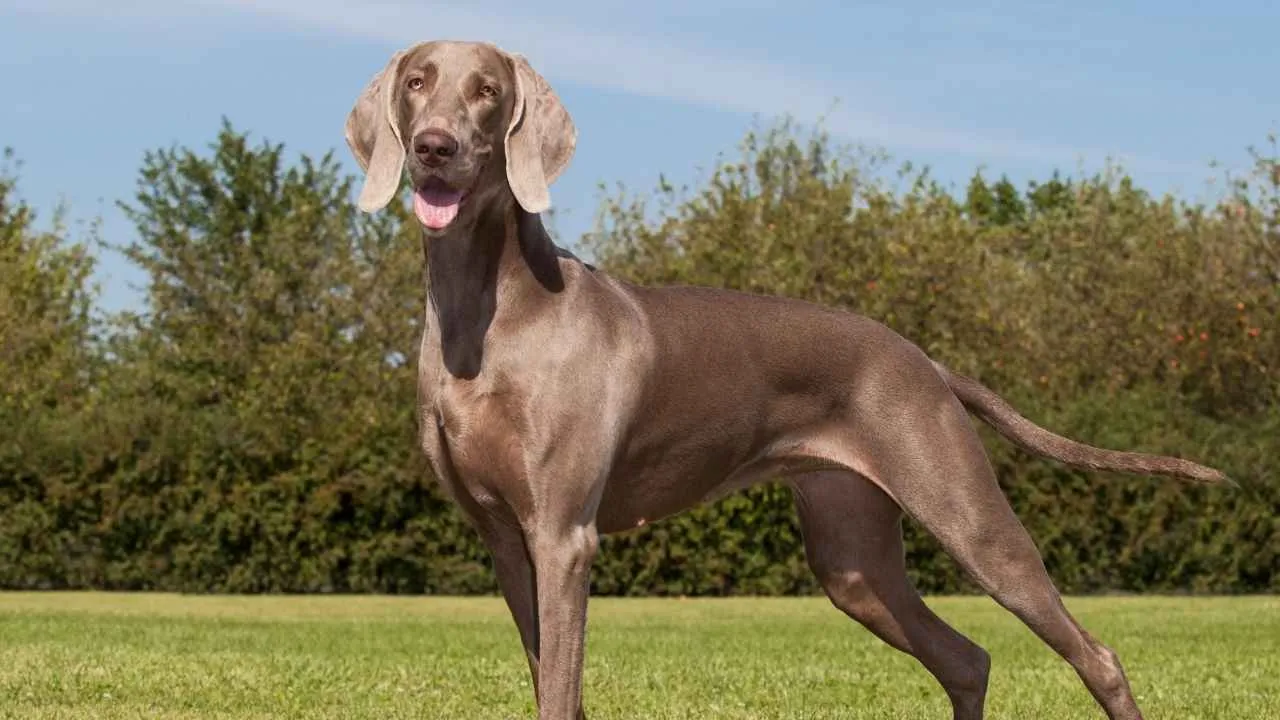
The Weimaraner was developed in Germany for hunters who wanted a single elegant dog capable of tackling a variety of game. Early dogs were associated with the pursuit of large animals such as boar, deer, and bear before breeding emphasis expanded toward birds and smaller quarry.
Modern Weimaraners can search for upland birds, establish a point, track scent, and retrieve after the shot. Depending on training and local hunting laws, they may work pheasant, quail, grouse, rabbit, and wounded-game recovery assignments.
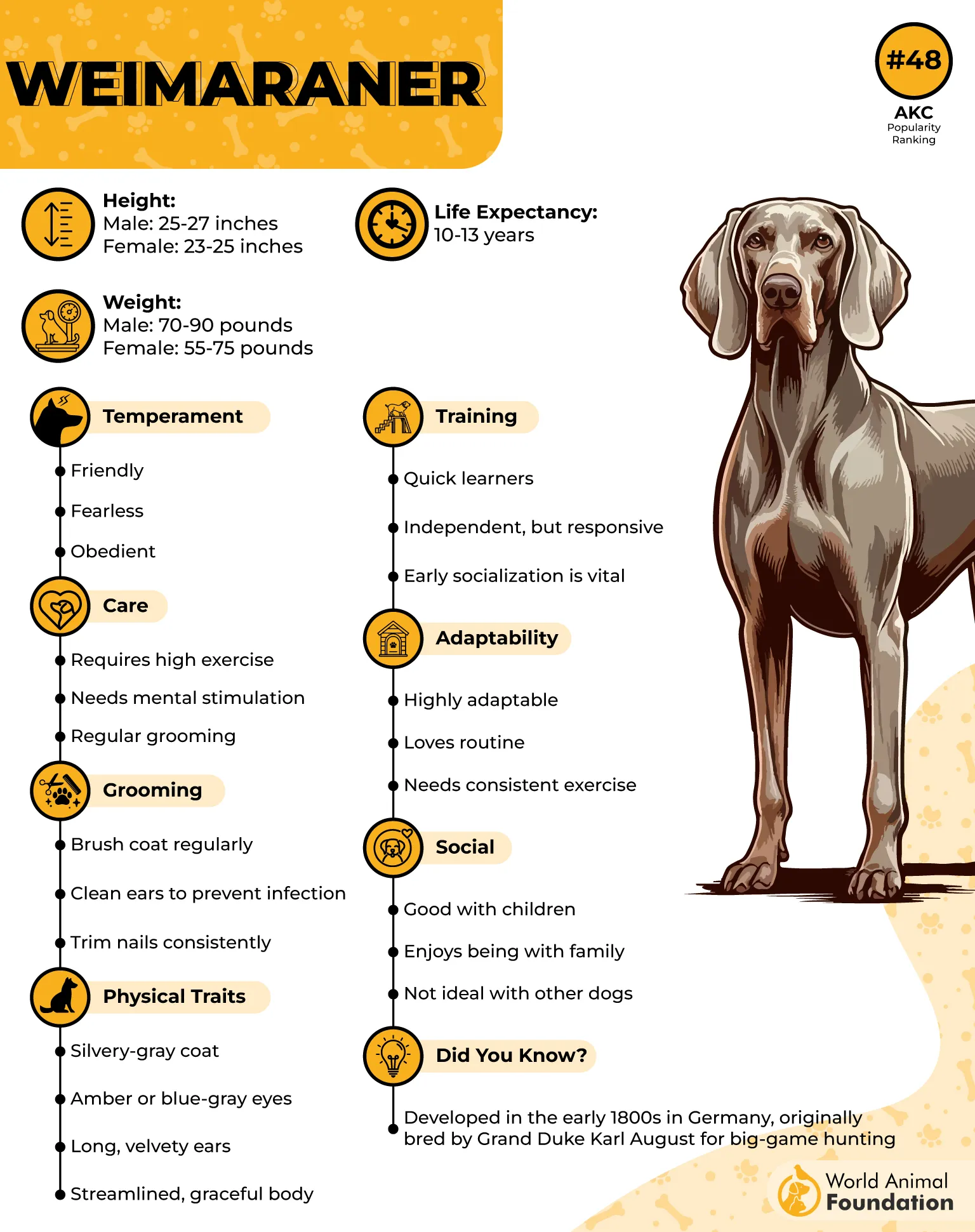
Long legs and a muscular frame let the breed cover open country quickly and remain productive during demanding outings. A strong nose also proves useful in woodland, fields, and recovery work where scent may be faint or aged.
Experienced owners often describe young Weimaraners as affectionate athletes with absolutely no factory-installed off switch. These hunting dogs need substantial physical exercise, structured training, and problem-solving work rather than an occasional stroll around the block.
Skills That Help It Excel at Multiple Hunts
Its continental hunting heritage supports pointing, retrieving, scent tracking, and recovery work in one athletic package.
Long-striding speed helps cover open ground, while a capable nose remains valuable in woodland and other thick habitat.
7. German Shorthaired Pointer
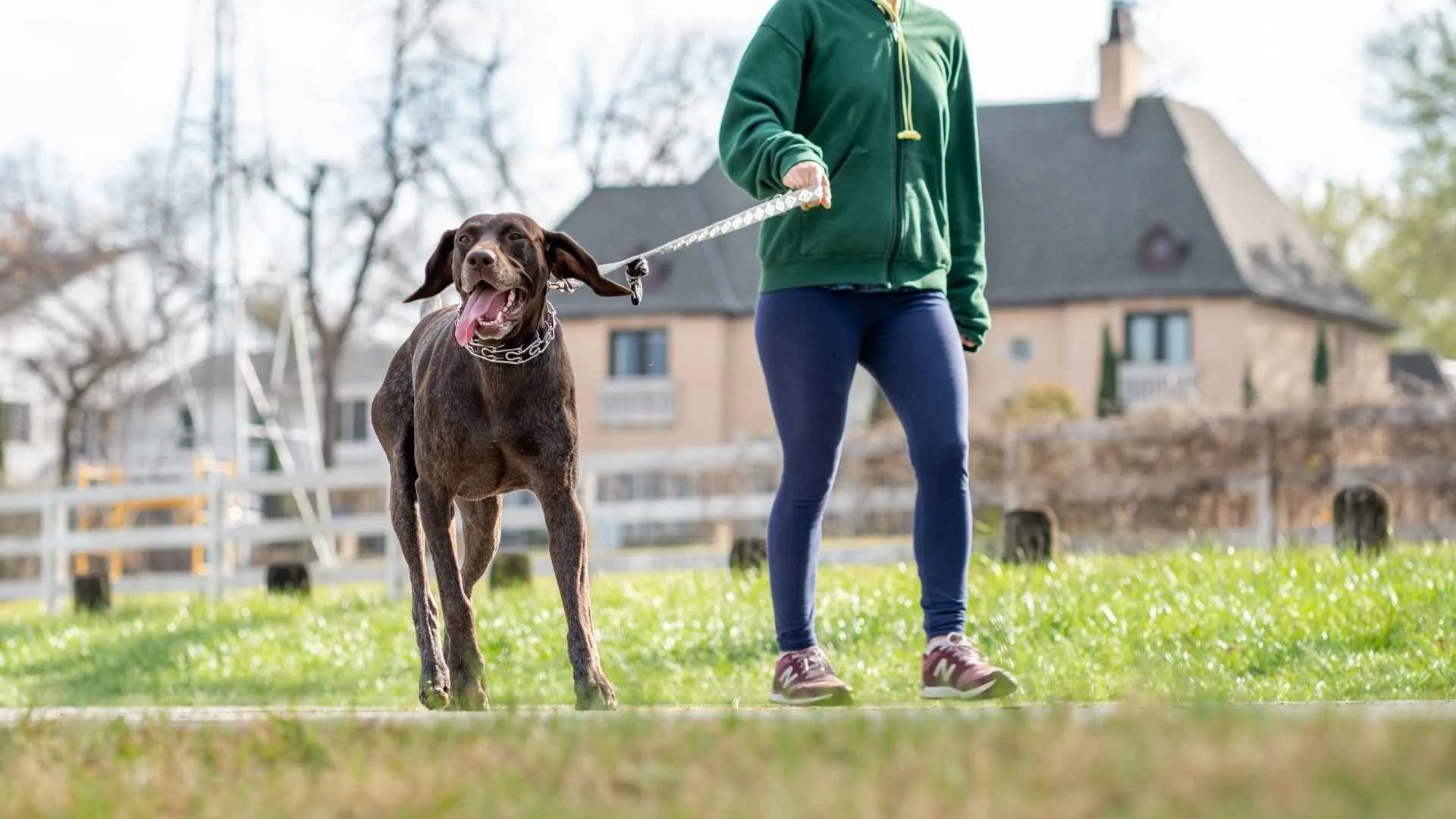
The German Shorthaired Pointer was bred to find, point, track, and retrieve varied game across land and water.
Field range varies by breeding and preparation, making pedigree research essential for hunters with specific terrain or distance preferences. After the shot, many GSPs enthusiastically retrieve from fields, cover, or water and can follow wounded-game scent trails. Their webbed feet and powerful build support swimming.
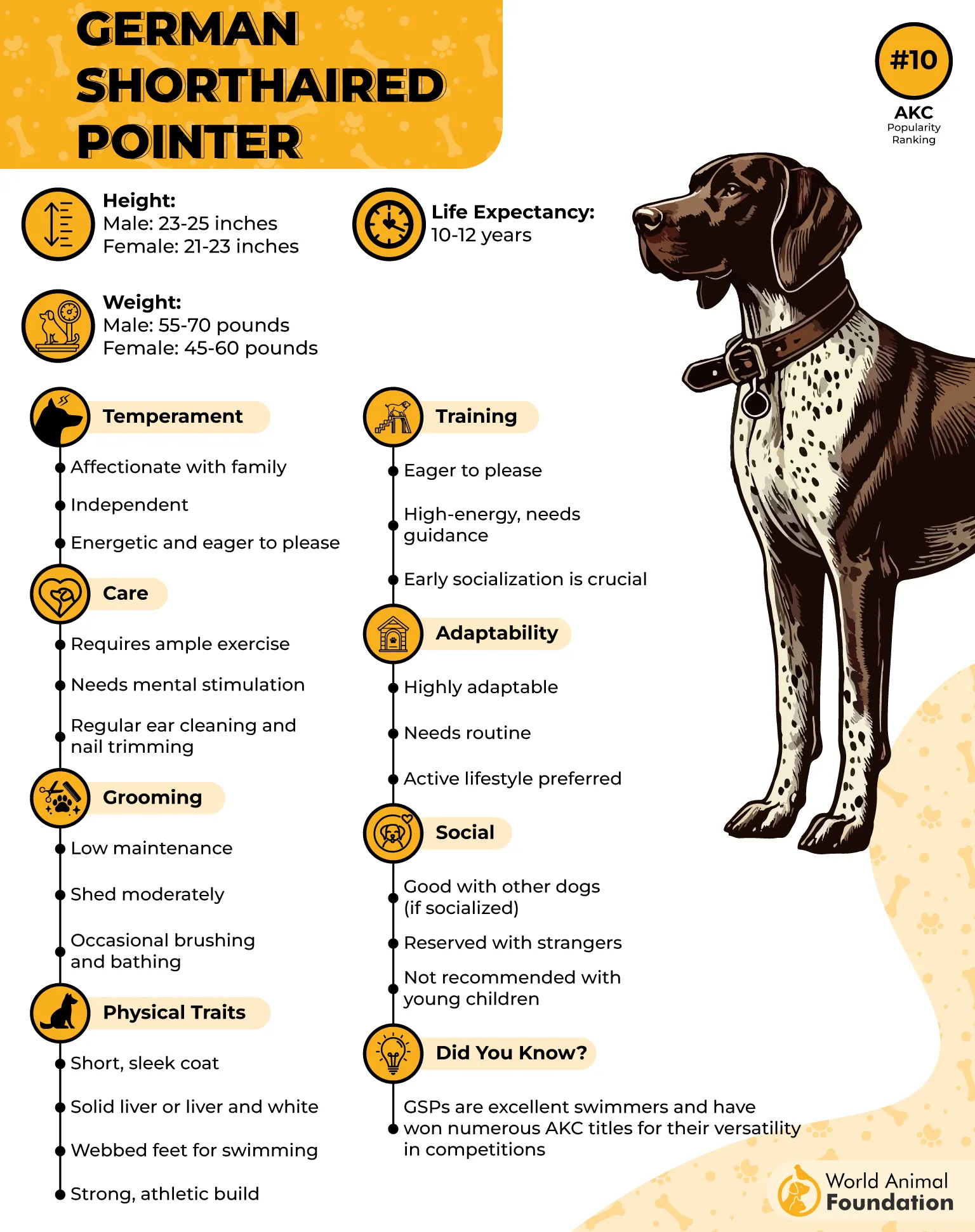
Versatility also depends on mental durability, and this Pointer dog brings serious drive to almost every task. Hunters frequently praise the breed’s willingness to work all day, then warn that an underworked adolescent can turn an ordinary home into an obstacle course.
Begin with recall and cooperation before layering in quartering, pointing, steadiness, gun introduction, tracking, and retrieving. Consistent positive training channels enthusiasm without dulling the boldness that makes the dog useful in difficult cover.
Skills That Help It Excel at Multiple Hunts
Pointing identifies hidden upland birds, while trained steadiness keeps the opportunity controlled for the hunter.
Retrieving and swimming ability extend its usefulness beyond dry fields into marshes and moderate water conditions.
Conclusion
Versatile hunting dogs do not all approach the job in the same way. The right breed depends on what you hunt, where you hunt, and how closely you want the dog to work.
No puppy arrives fully programmed for safe, reliable hunting. Genetics, a breeder’s field-tested lines, observing adult dogs, and investing in recall, steadiness, conditioning, and controlled gun introduction matter more than chasing a famous breed name.
