




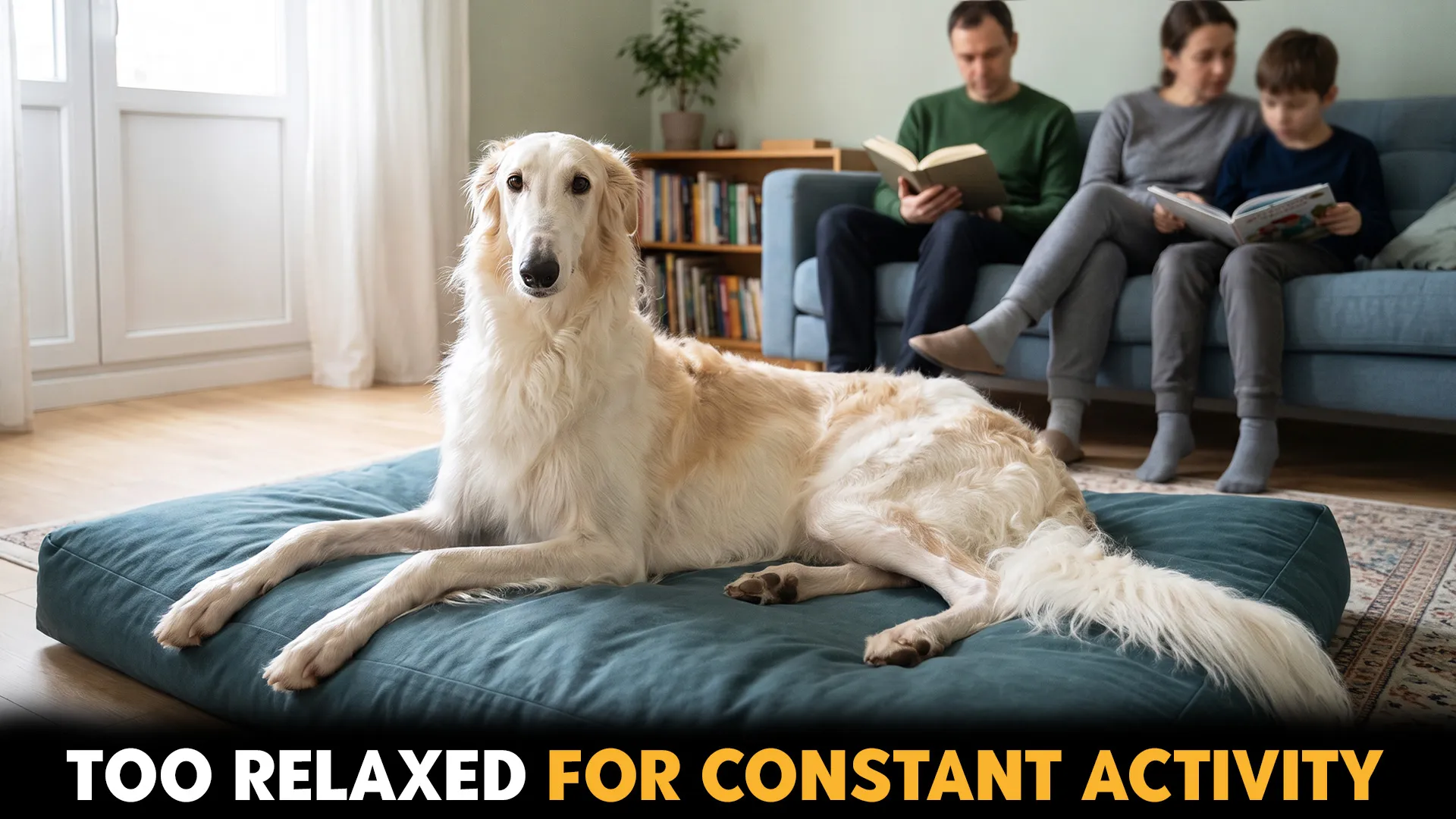
A dog’s bark can hit 80 to 100 decibels, roughly as loud as a motorcycle revving in your living room. If you have ever wondered why some homes stay peaceful while others sound like a construction site, the answer usually comes down to breed.
Not every dog is a big barker. Some breeds are practically silent, generally quiet by nature, and built for calm behavior rather than constant noise.
For pet parents chasing a slower pace of life, that matters more than most people realize. A low-energy, even-tempered quiet dog can turn a chaotic house into a genuinely restful one, no matter how many family members are underfoot.
The tricky part is finding your perfect match, since quiet looks different from one dog to the next. Curious which calm dogs actually deliver on that promise?
Quiet Dog Breeds Perfect for Quiet, Rest‑Focused Families
1. Borzoi

Borzois rarely bark and might stay silent even when a stranger walks up. A stray squirrel is really the only thing that gets them talking. Off duty, this breed loves claiming the softest cushion on the couch as its own.
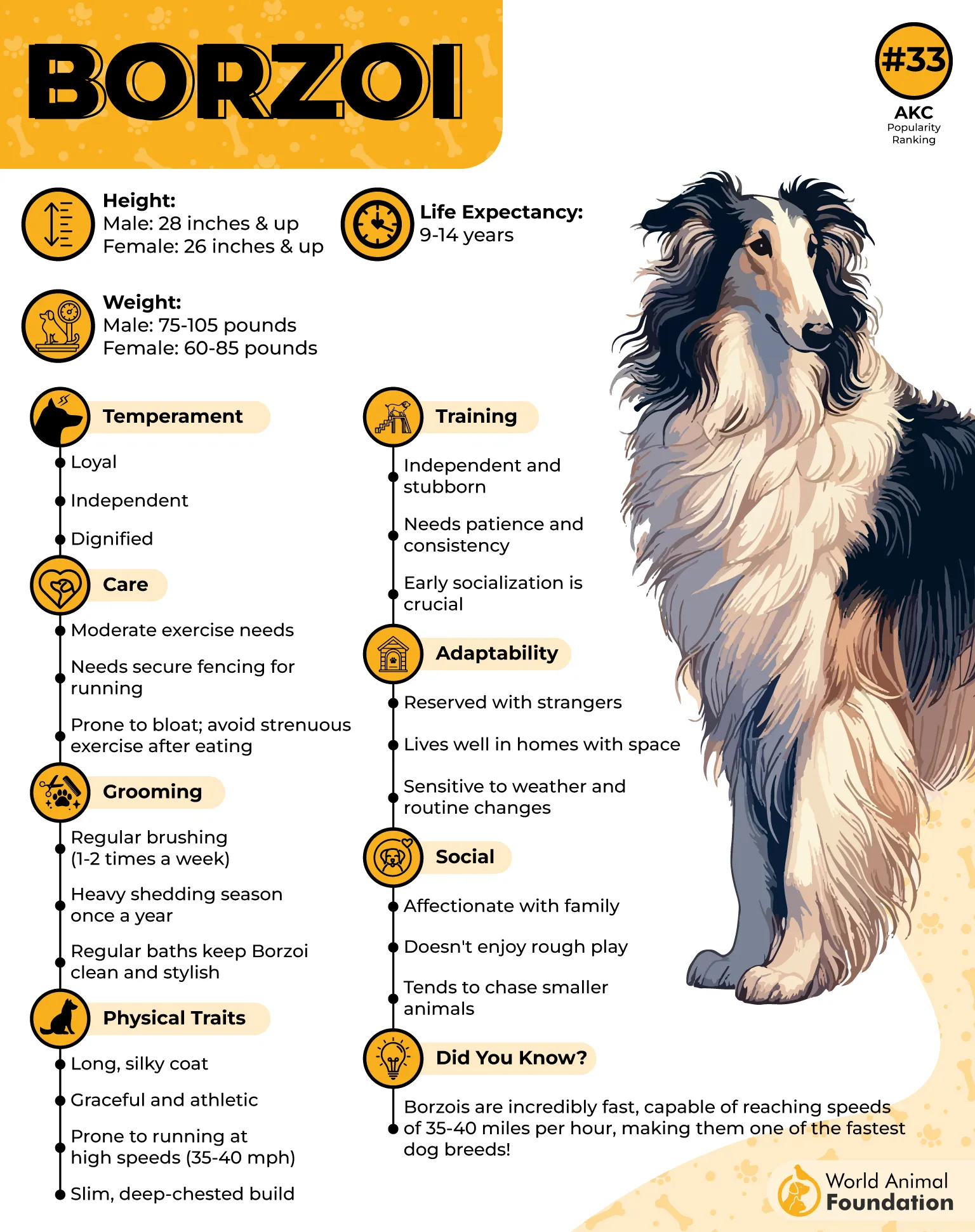
This dog bonds closely with the whole family, kids included, as long as play stays gentle. Borzois are not big energy dogs indoors and would rather rest than run. One easy walk a day usually keeps them calm and content.
Bred by Russian nobility for elegant hunts, this breed has always paired short bursts of speed with long stretches of rest. That old rhythm still shows up in how a Borzoi spends its day.
Orvis points out that a strong chase instinct means a secure yard still matters.
2. Saluki
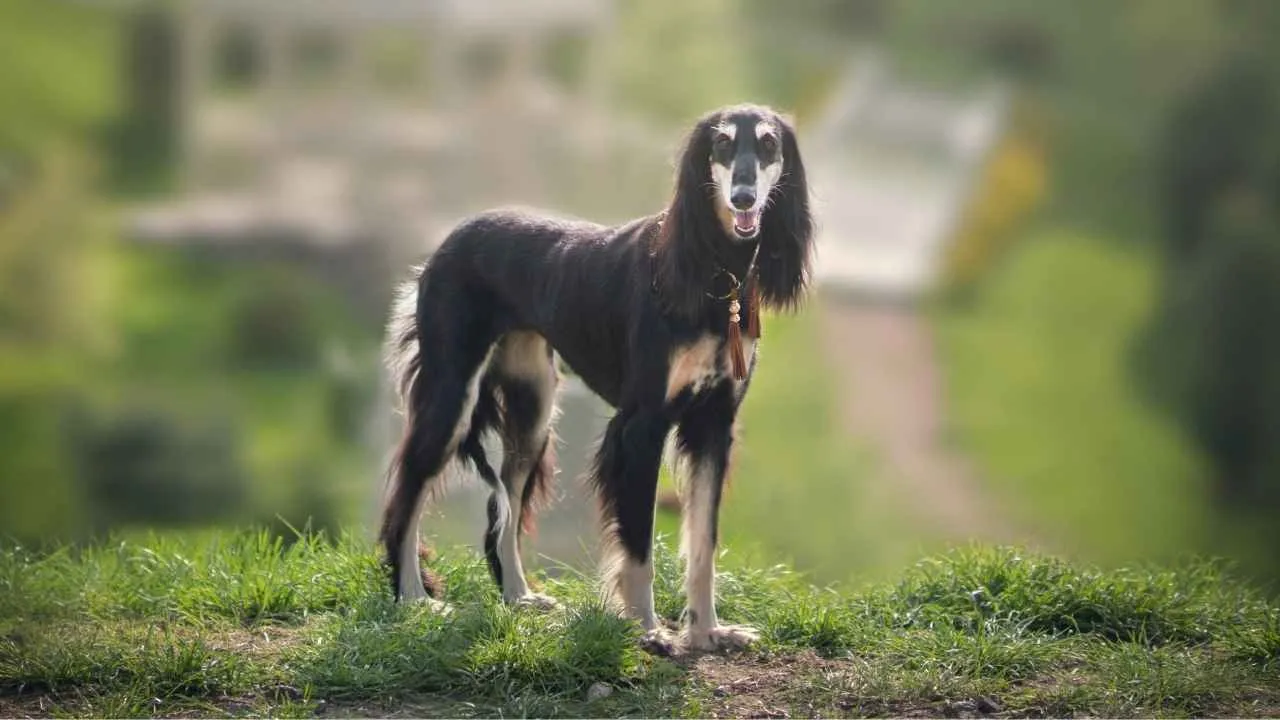
Salukis keep a low profile and rarely bark without good reason. They might notice a stranger walking by and simply say nothing about it. Their quiet way of watching the world has earned them comparisons to cats.
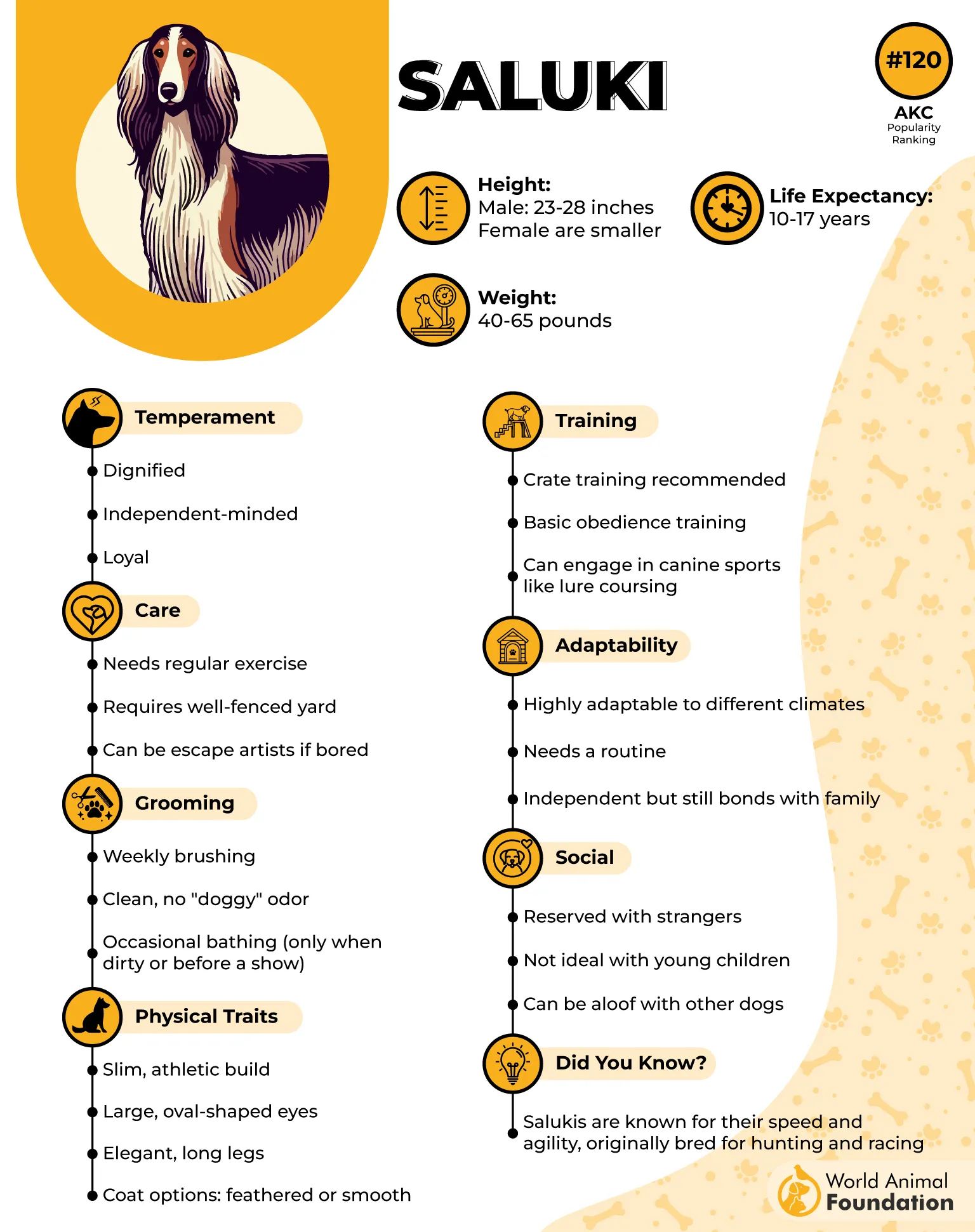
This breed stays reserved with strangers but forms a deep bond with its own family. Salukis are not high energy at home and prefer to lounge for most of the day. Regular exercise still matters, since they need room to stretch their legs and run.
Ancient hunting hounds of the Middle East, Salukis spent their working hours in fast bursts of speed followed by long rest. That balance of activity and stillness is baked into the breed.
One caveat: This independent dog needs a secure space to run, since its chase instinct can take over fast.
3. Greyhound
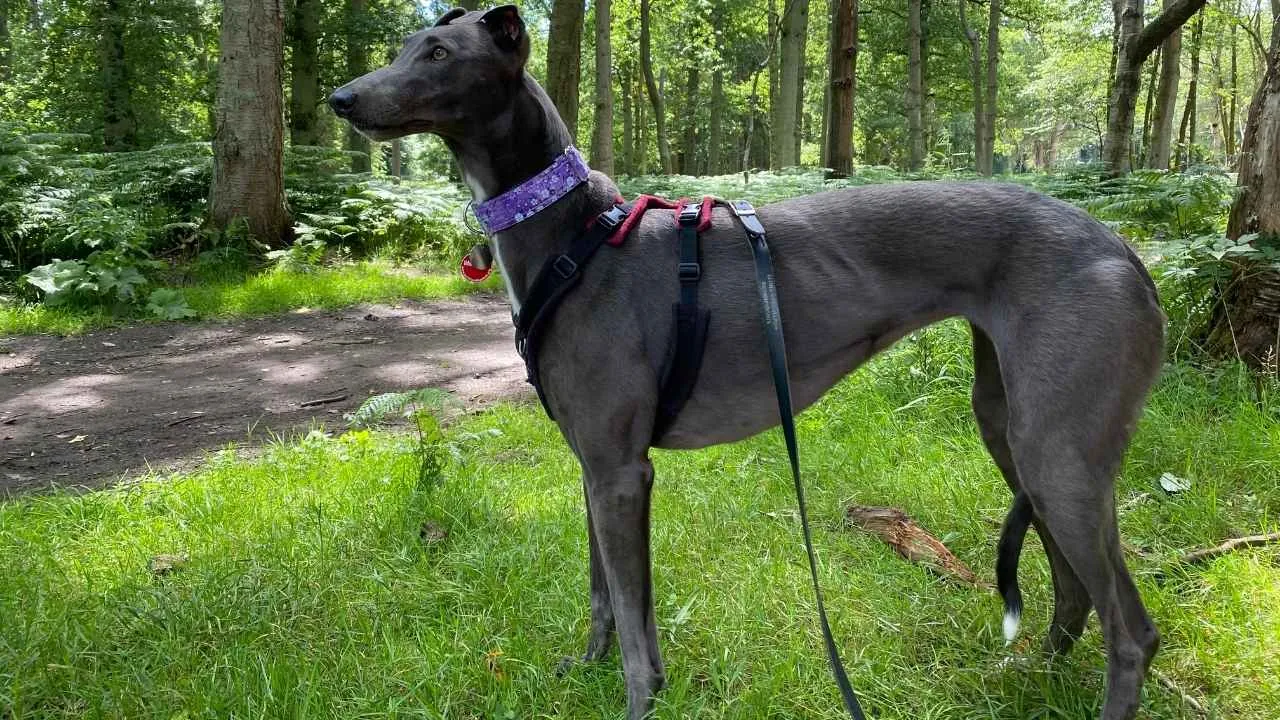
Greyhounds are known as a quiet breed and rarely bark without a real reason to. Instead of loud alerts, many communicate through a soft whine or cry. This is the dog nicknamed the forty-mile-an-hour couch potato for good reason.
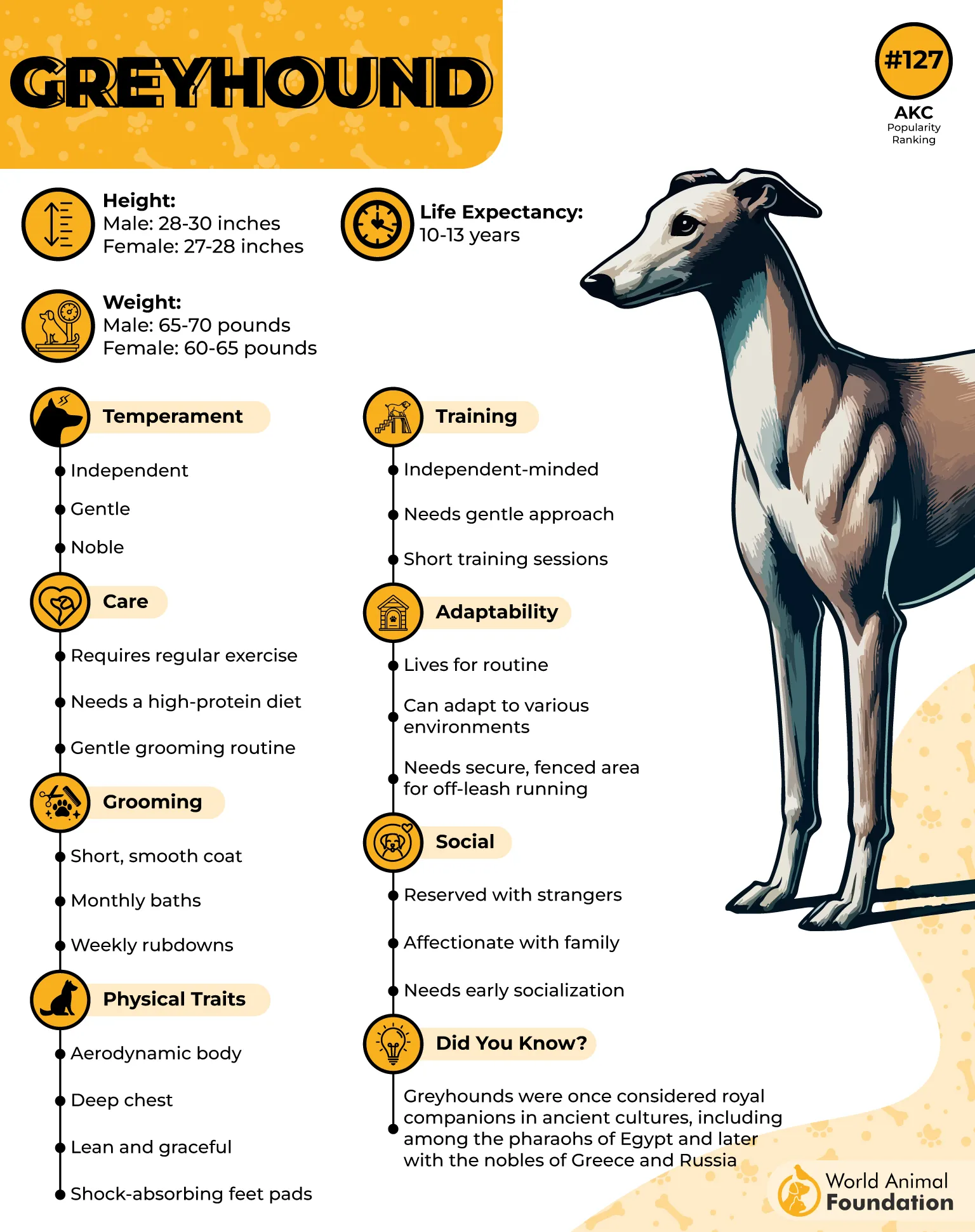
At home, this gentle giant stays affectionate with family but tends to be a bit aloof with strangers. Energy-wise, they are calm indoors and satisfied with a short daily walk. PetMD notes that once their exercise needs are met, they settle right back onto the couch.
Bred for racing and coursing, this breed learned early to save its energy between short sprints. That built-in rhythm of go hard, then rest hard, carries over into everyday life.
A secure yard is still worth having, since a fast-moving squirrel can turn a lazy afternoon into a full sprint.
4. Whippet
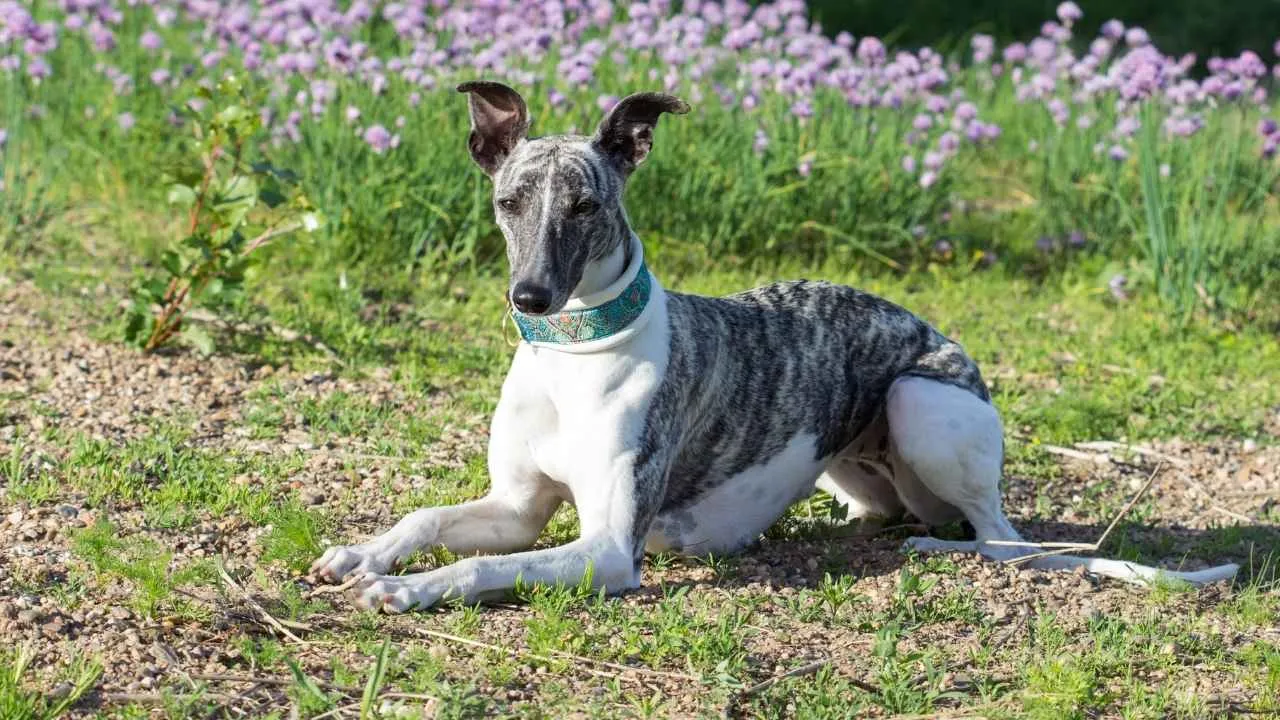
Whippets are famously quiet, and some owners say their dog barely barks at all. They might vocalize during play, but alarm barking is not really their style. Watching one sprint and then instantly curl up on the couch is half the fun of owning one.

This breed is deeply affectionate with its own family, though it tends to stay reserved around new people. Energy comes in short bursts, followed by long stretches of calm indoors. A solid run once a day is usually enough to keep a Whippet settled, even in smaller homes.
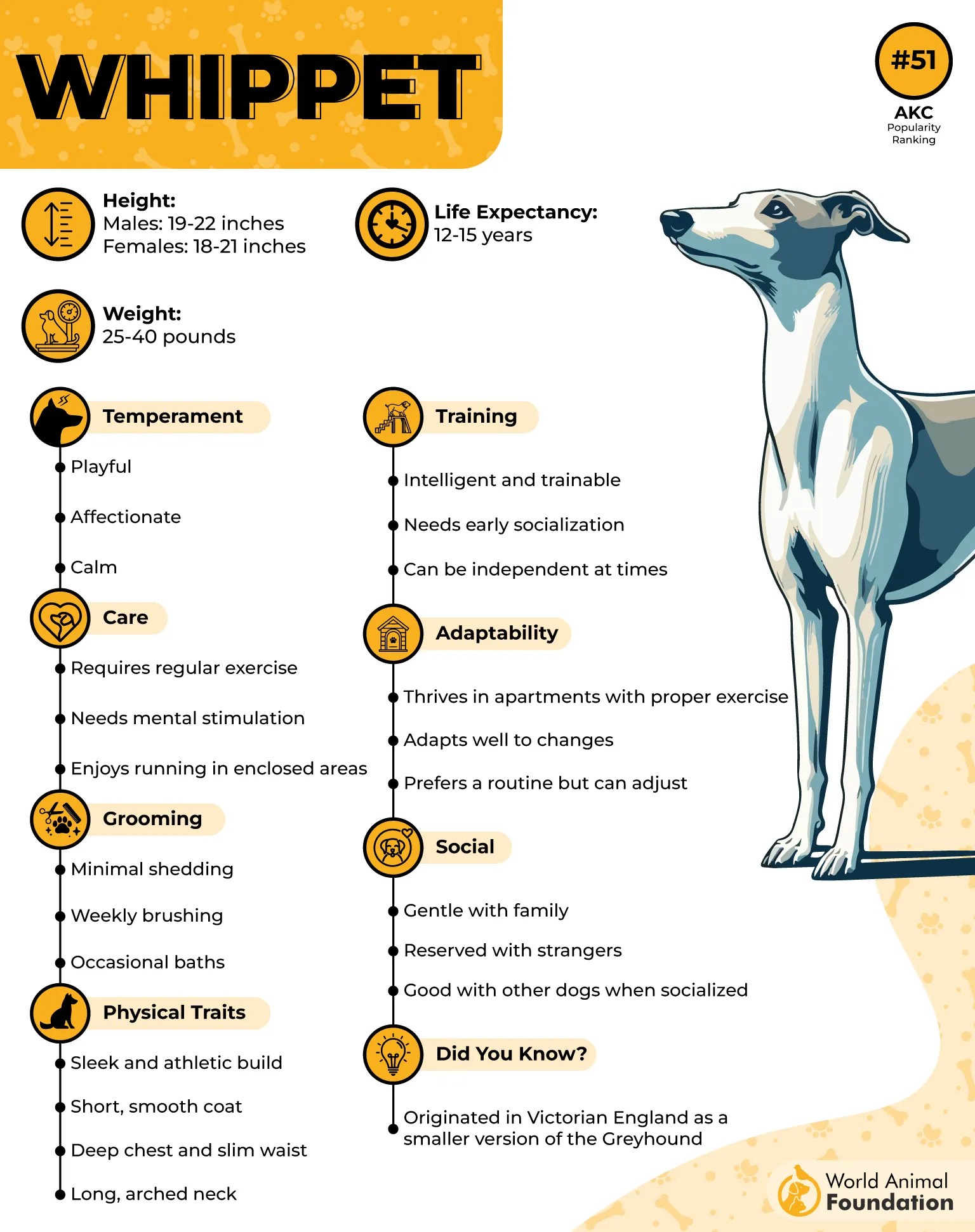
Originally bred for quick chases across the English countryside, Whippets have always balanced fast work with plenty of rest afterward. That same rhythm shows up in a home setting today.
One thing to plan for: this thin-coated dog gets cold easily and needs a warm, cozy spot to settle.
5. Coton de Tulear
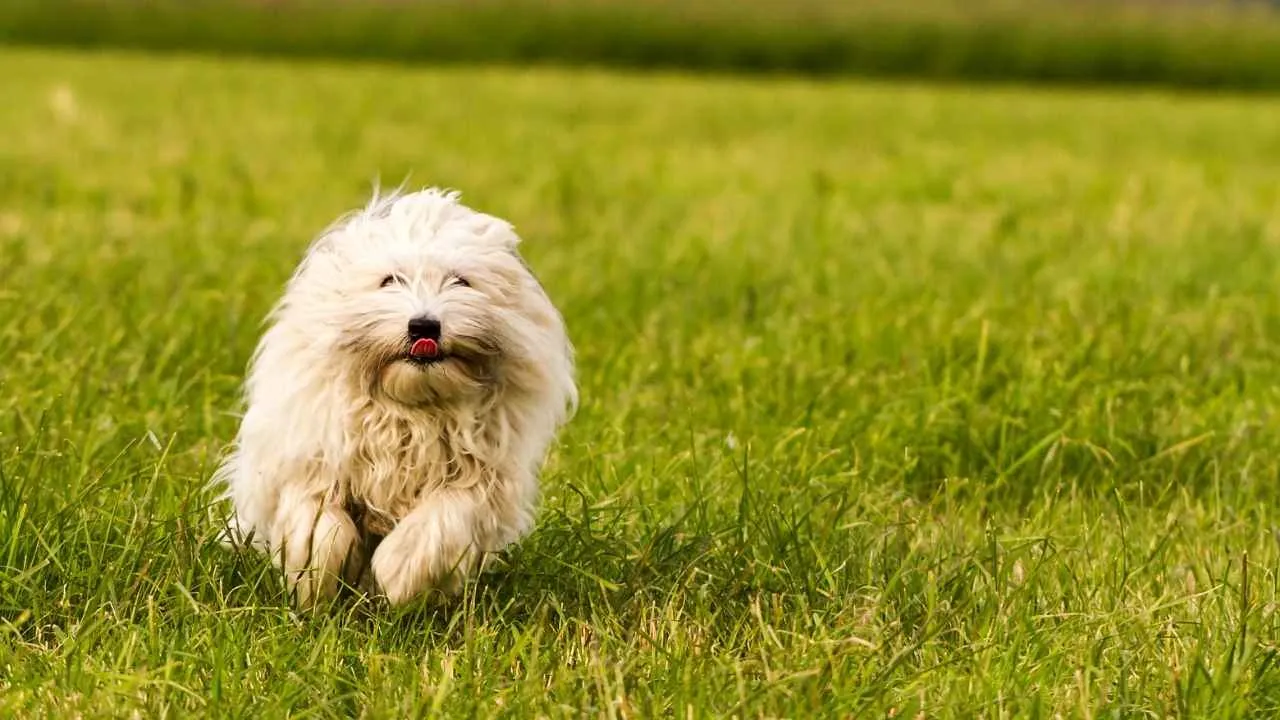
Cotons keep barking to a minimum, usually saving it for the doorbell or something genuinely unusual. This is not a yappy little dog by any stretch. Its favorite pastime is clowning around and following its favorite human from room to room.
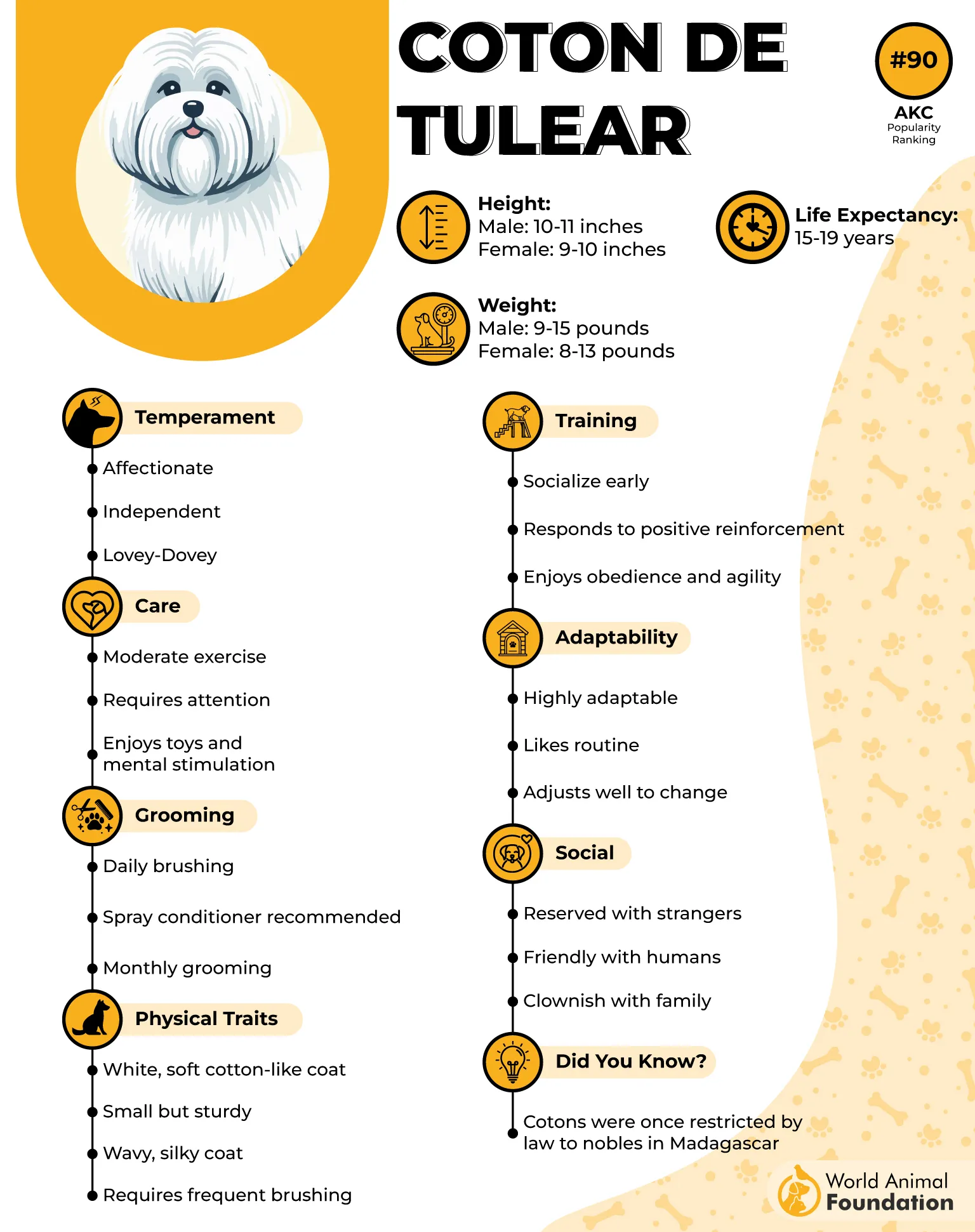
This breed is wonderful with children who know how to be gentle and usually gets along well with other pets, making it a perfect match for young families. Energy needs stay moderate, with a daily walk and a bit of play being plenty. The AKC describes this companion as adaptable to nearly any home setup.
Nicknamed the Royal Dog of Madagascar, this breed has always been a companion first and a worker never. That relaxed history lines up nicely with its low-key personality today.
Just be aware that Coton de Tulear dogs crave company and can struggle with long stretches of being left alone.
6. Pug
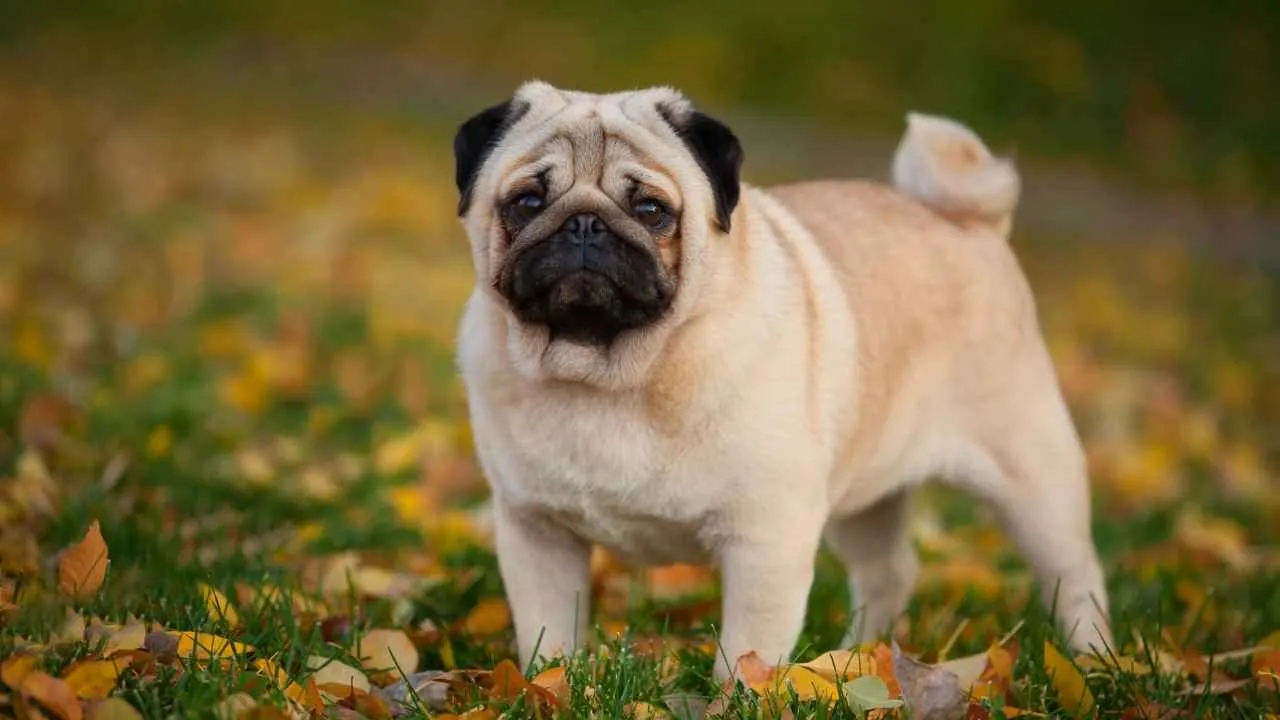
Pugs are not big barkers, but do not expect true silence either. Their short snout makes for plenty of snoring, snorting, and grunting instead of vocal alerts. It is a different kind of quiet, more background noise than nuisance barking.
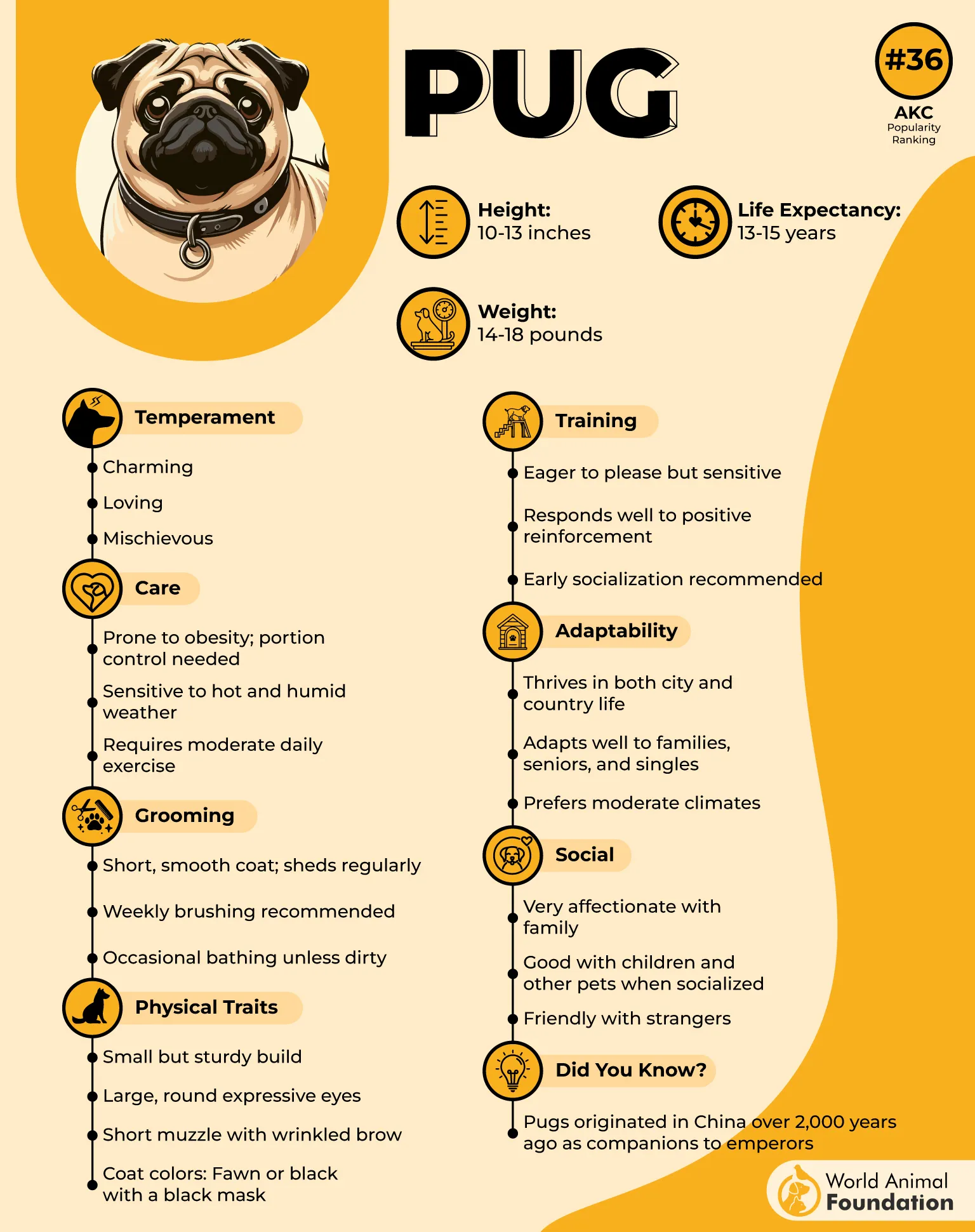
This breed is affectionate and loves being close to its people, so it does not do well left alone for long. Energy stays low, and short gentle walks are all a Pug really needs. Mental stimulation keeps this smart pup content, something pet parents quickly learn to build into the routine.
Bred as a lap companion for royalty, the Pug has spent centuries perfecting the art of doing very little. That heritage explains why a Pug is happiest curled up next to its favorite person.
PDSA mentions that this breed’s flat face brings real breathing difficulties, so overheating and heavy exercise are serious risks worth planning around.
7. Cavalier King Charles Spaniel
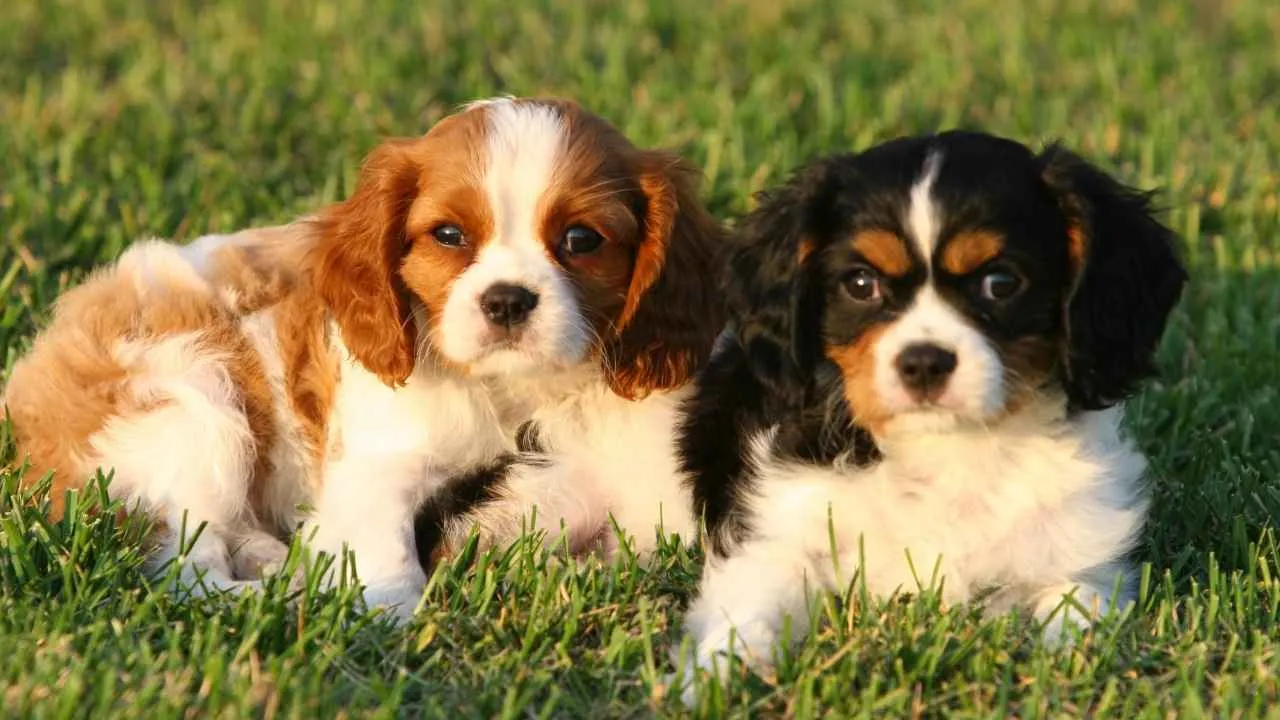
Cavaliers are not big barkers, though they may let out a friendly alert when someone comes to the door. Most of the time, this breed keeps things calm and even-tempered around the house. Its melting, gentle expression is basically the breed’s signature feature.
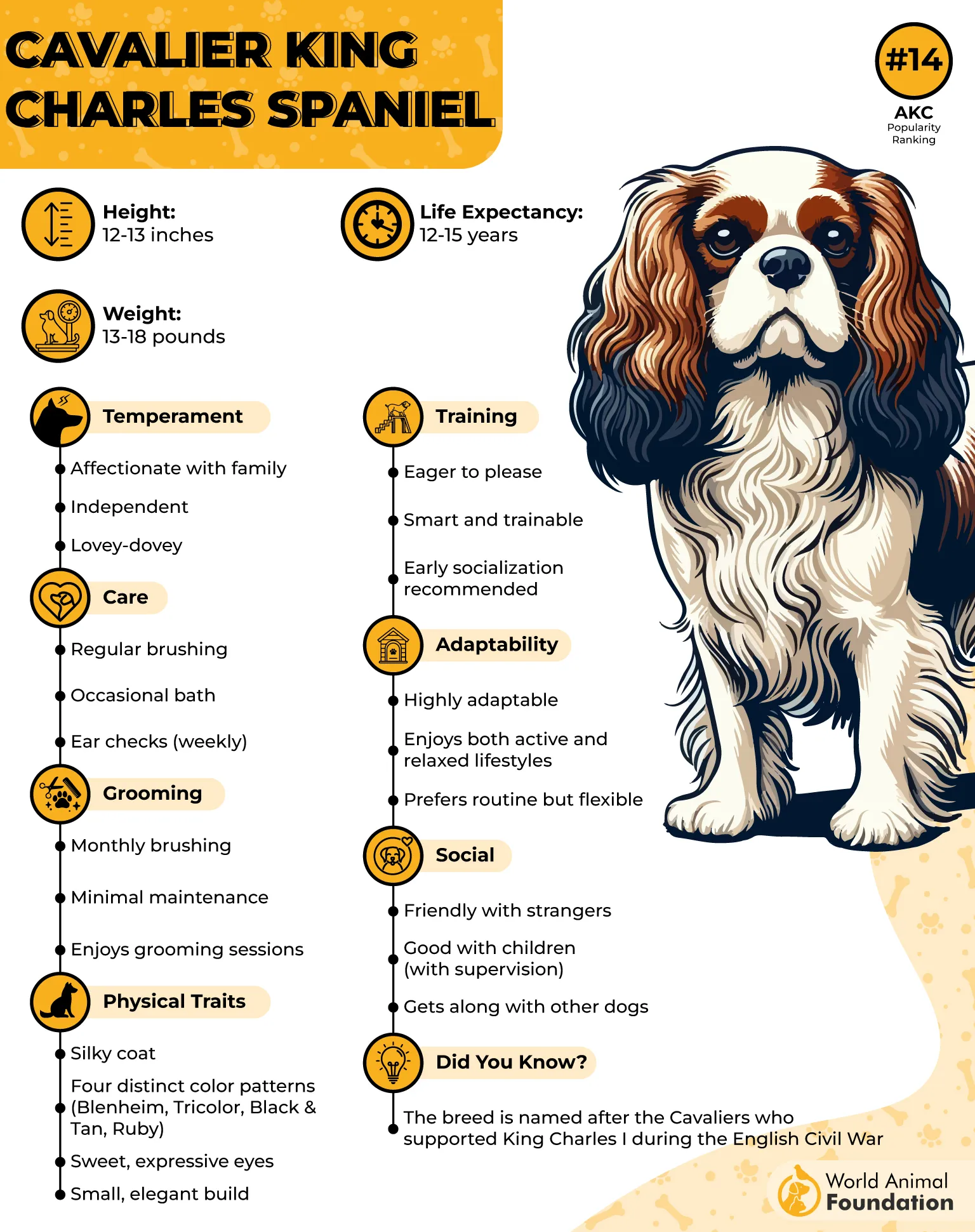
This dog’s gentle, patient nature makes it one of the great therapy dogs, getting along beautifully with kids, seniors, and even cats. Britannica notes its energy level stays moderate, with playful moments balanced by plenty of downtime. Daily walks and a little playtime are usually enough to keep this companion satisfied.
Bred to warm laps in drafty castles and chilly carriages, this breed has been a resting companion since the very beginning. That role has barely changed today, since a Cavalier is happiest curled up beside its favorite person.
One caveat worth knowing: This breed is prone to a common heart condition called mitral valve disease, so regular vet checkups matter.
Conclusion
So there you have it, seven calm dogs that prove quiet is not the same as low energy or low personality. From the gentle giants of the group to the smaller dogs that somehow bark even less, each of these calmest dog breeds brings its own chill nature to a rest-focused home.
The real trick is matching noise, energy, and temperament to your own pace of life, not just picking the cutest pup in the litter. Ready to find your perfect match? Spend some time with a few of these breeds in person and let their calm behavior speak for itself.
