




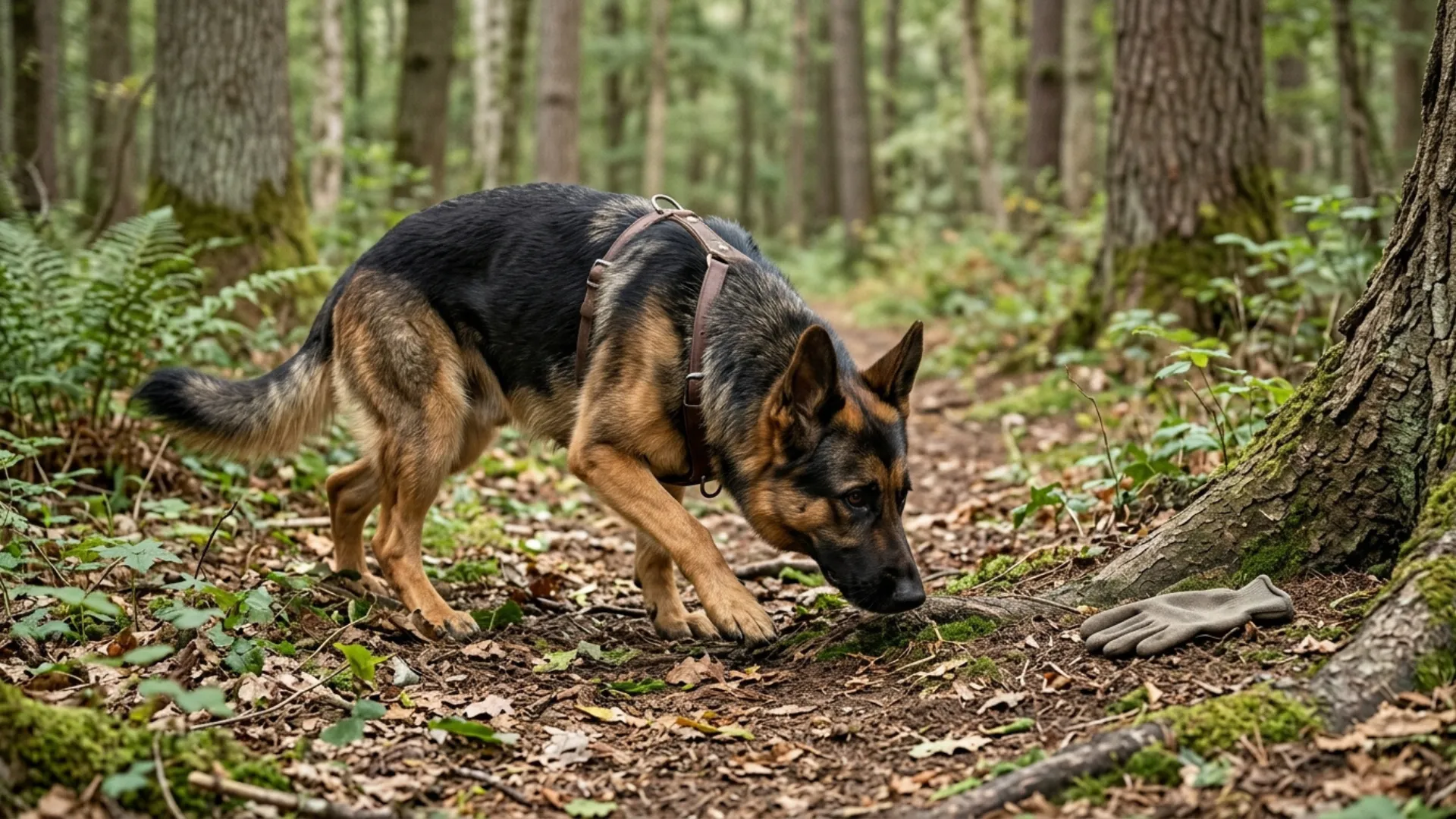
Ever wonder how your furry friend can sniff out a single dropped crumb days later, or recognize your scent clearly across a parking lot? That’s canine olfaction at work, and it’s wilder than most owners realize.
Humans have about 5 to 6 million scent receptors. According to the AKC, dogs have up to 100 million or more scent receptors in their noses, depending on the breed, which explains why a dog’s nose picks up scent molecules we’d never notice.
Various dog breeds have taken that powerful sense and specialized it even further. Some are built to track scents across long distances, while others handle detection work, search and rescue, or law enforcement.
Nose shape, ear length, and instincts all play a part, and understanding them is the first step to choosing the right fit for your everyday life. Keep reading to see which breeds made the cut, and why their noses are simply unmatched.
Dog Breeds With the Most Acute Smell Abilities
1. Bloodhound
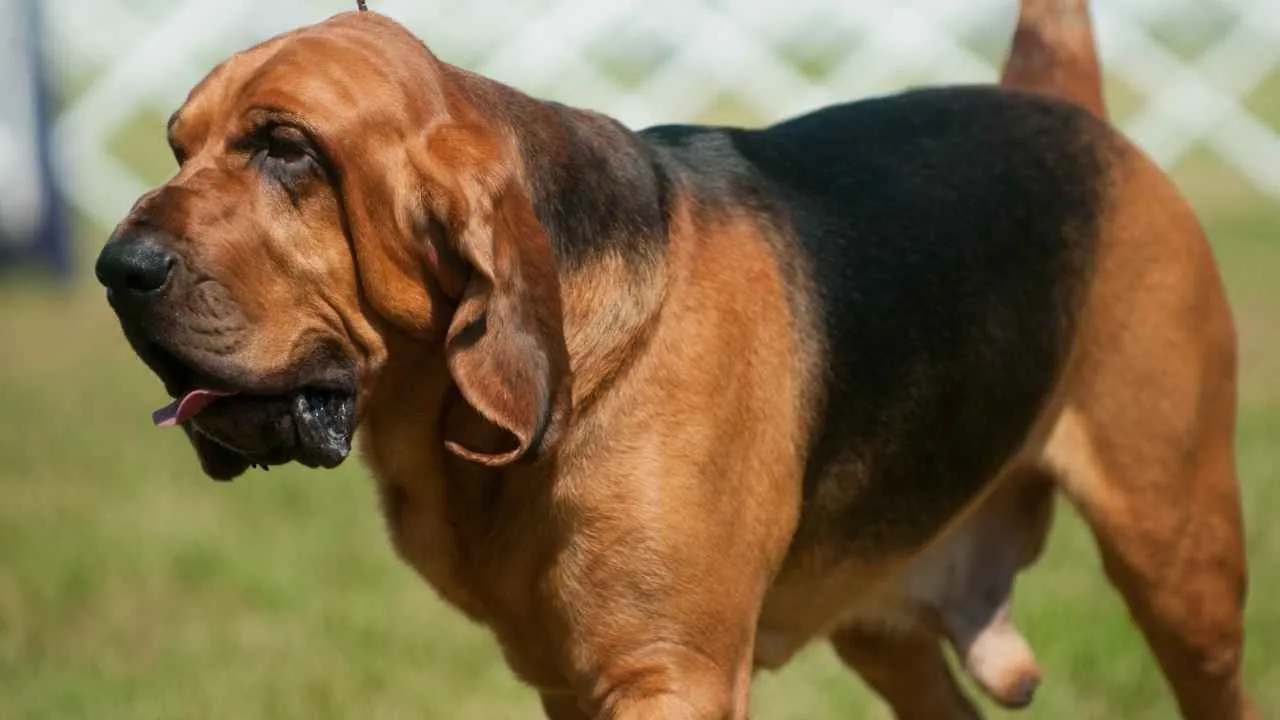
The Bloodhound has the best sense of smell of any hound breed, built to follow a scent trail for days, not hours. Monks in medieval Europe originally bred this dog to trail wounded deer through thick forest. That old job shaped a nose unlike anything else in the dog world.
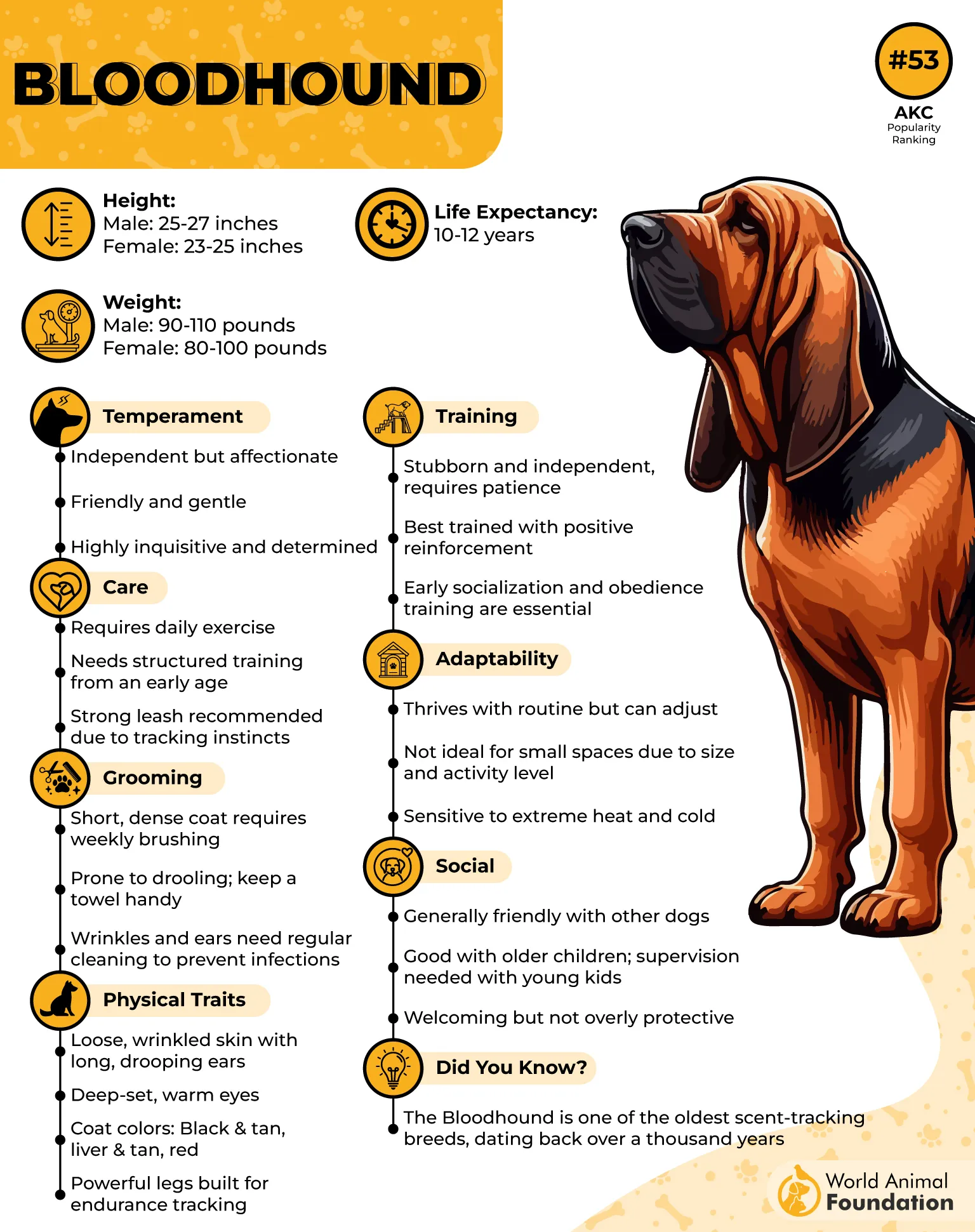
Today that same nose makes the Bloodhound a top pick for search and rescue missions and police work. Handlers trust this breed to follow one person’s trail across long distances, through crowded streets, and over rough terrain. Few other breeds can match that level of focus once a trail is picked up.
Nose structure: An unusually long muzzle packs in far more scent receptors than most dogs carry.
Ear shape: Long, low ears drag along the ground and stir scent molecules upward toward the nostrils.
Skin folds: Loose, wrinkled skin around the face traps scent close to the nose for longer.
Here’s a fun one. A Bloodhound’s trail has actually held up as evidence in court. That’s a serious resume for a dog best known for droopy ears and a permanently worried expression.
2. Beagle
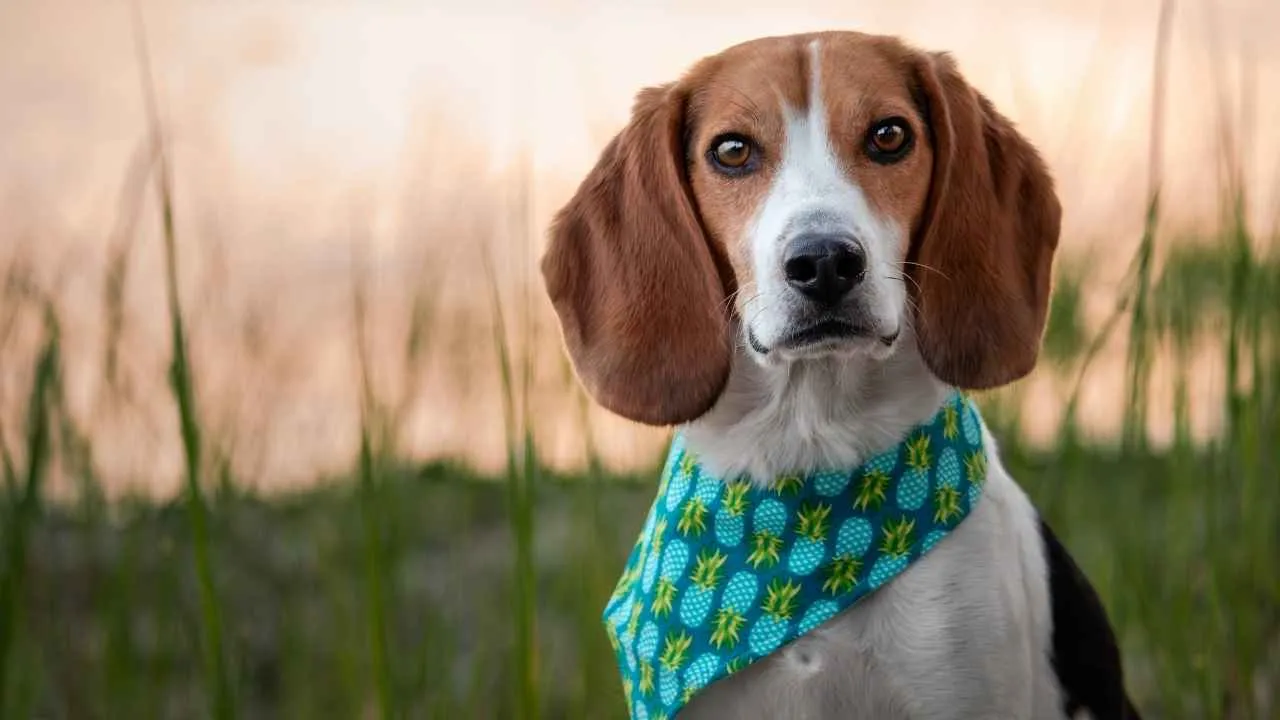
Beagles pack a surprisingly sharp sense of smell into a small, friendly frame, and that combination made them one of the most recognizable hound breeds around. Hunters originally bred them to trail rabbits in packs, working low to the ground and calling out the moment they caught a scent. Centuries later, that instinct never faded.
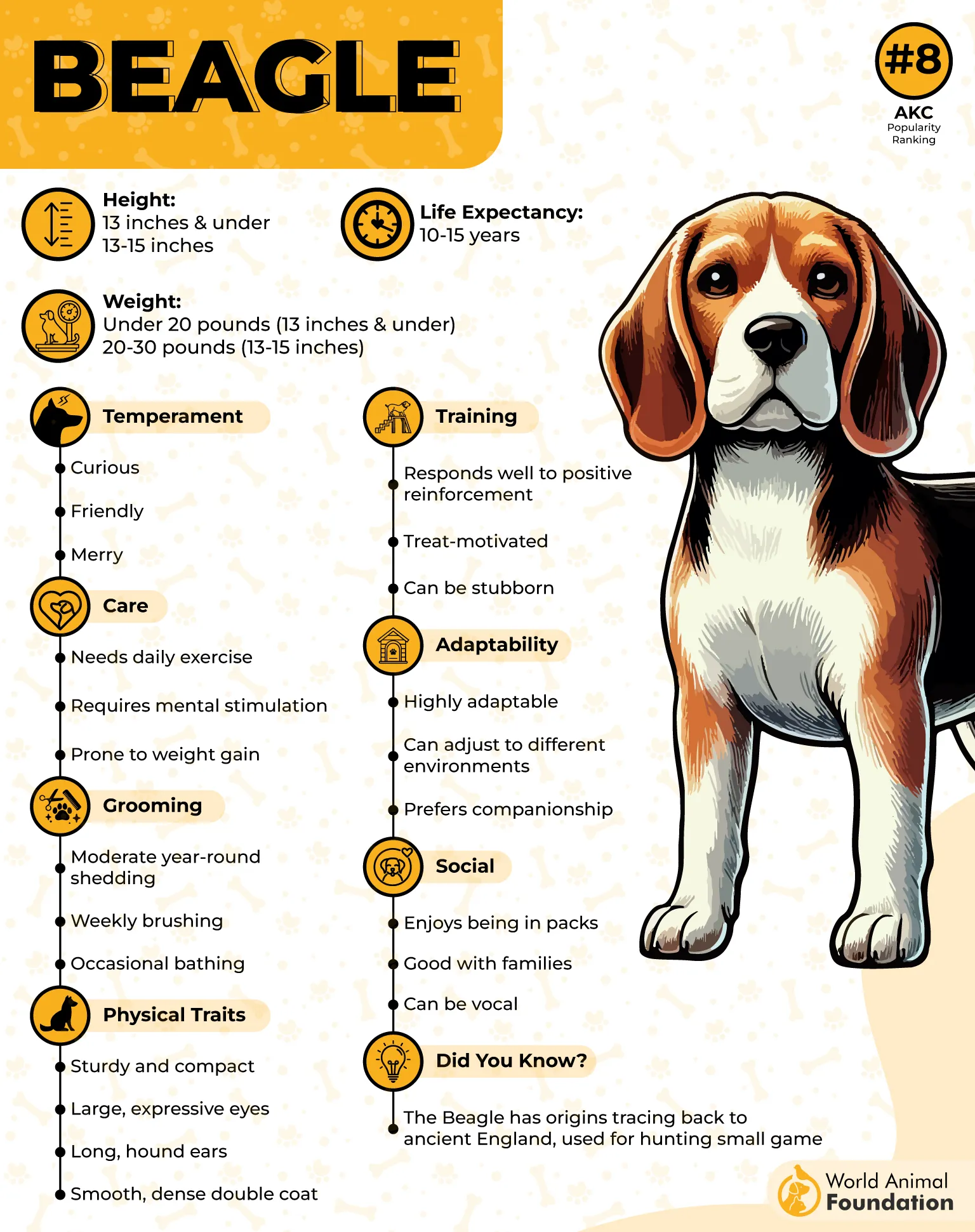
That same drive now makes the Beagle a natural fit for detection work in tight, busy spaces. Airports rely on Beagles to sniff out food and agricultural items in luggage, since their friendly personality puts travelers at ease. It’s a job that rewards a dog’s eagerness as much as its nose.
Nose structure: A broad snout with a large surface area inside helps trap and sort scent efficiently.
Body build: A compact, low frame keeps the nose close to the ground while tracking.
Ears: Long, soft ears help funnel scent toward the nose as the dog moves.
Beagles are sometimes called the detection dogs with a disguise. Their cheerful, non-threatening look makes them far easier to work around crowds than bigger, more serious-looking breeds.
3. Basset Hound
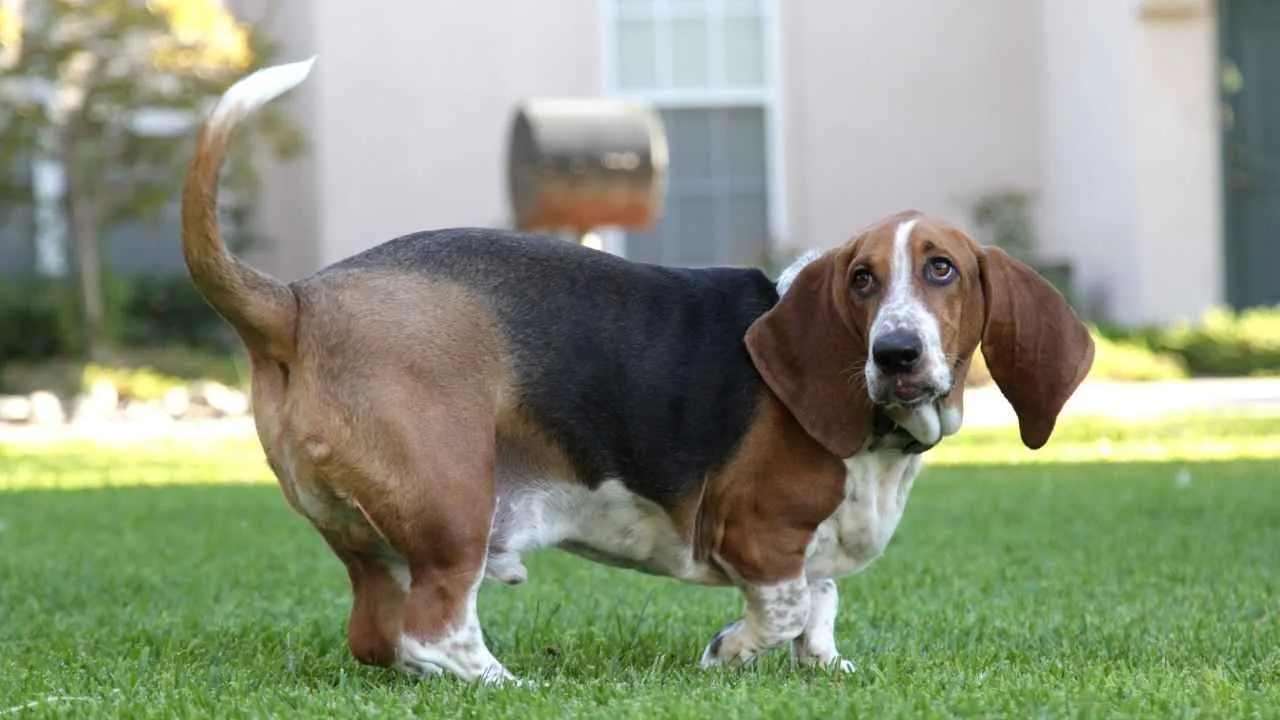
The Basset Hound carries the second-best nose in the hound world, right behind its cousin the Bloodhound. According to Britannica, the breed was developed in France to hunt on foot alongside hunters moving at a walking pace. That slower hunting style shaped a dog built for patience over speed.
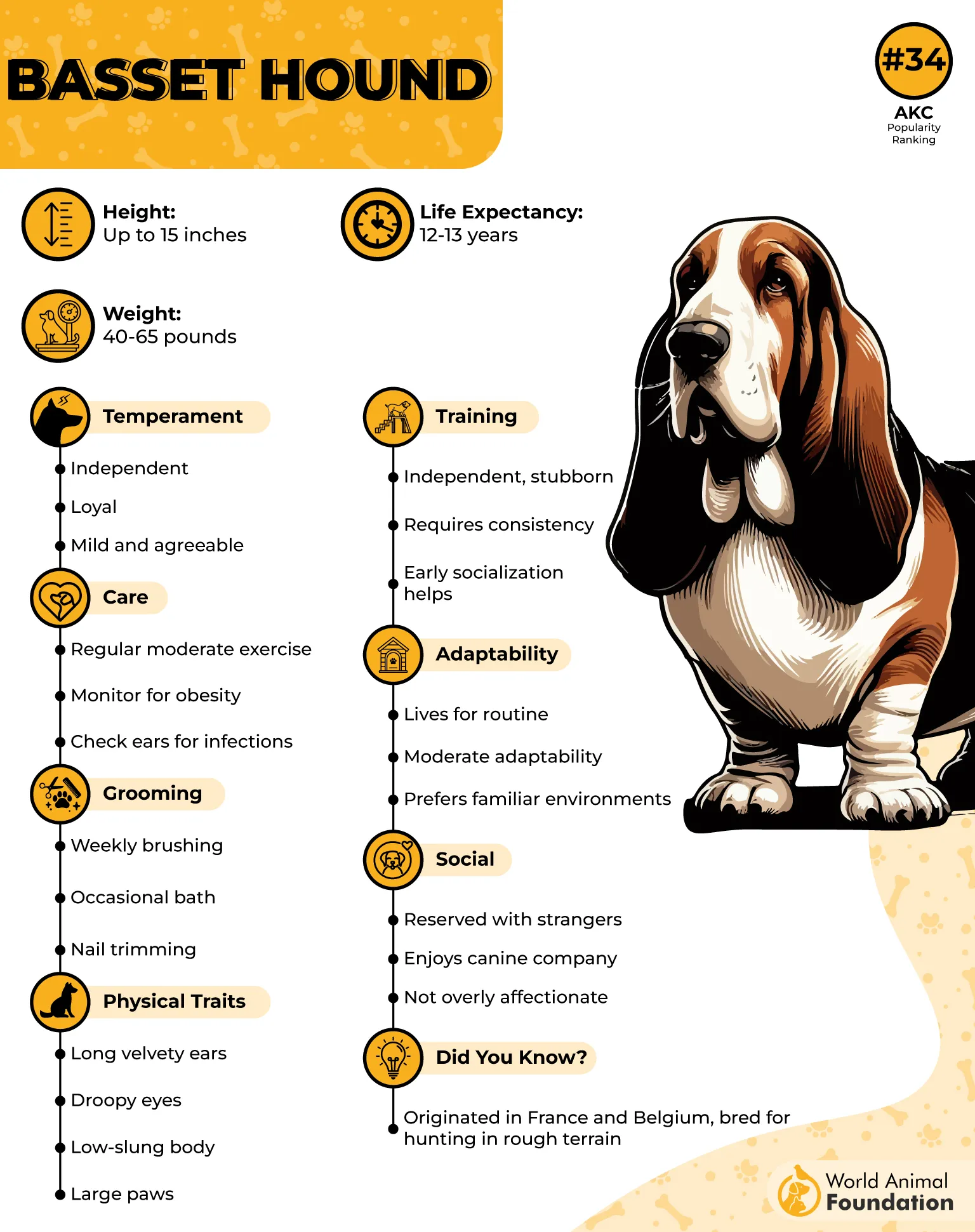
This breed still shines at tracking scents across difficult terrain, since its short legs keep its nose pinned to the ground at all times. Hunters once used Bassets to trail rabbits and other small game through thick brush. That same low, steady gait makes it an excellent nose-work companion today.
Ear shape: Extremely long ears sweep the ground and push scent molecules up toward the nostrils.
Skin folds: Loose skin around the face and neck holds scent in place longer.
Body build: Short legs and a heavy frame keep the nose close to the trail at all times.
Despite the slow waddle, a Basset Hound on a scent trail can be surprisingly hard to call off. Once that nose locks on, the rest of the dog tends to follow without question.
4. German Shepherd
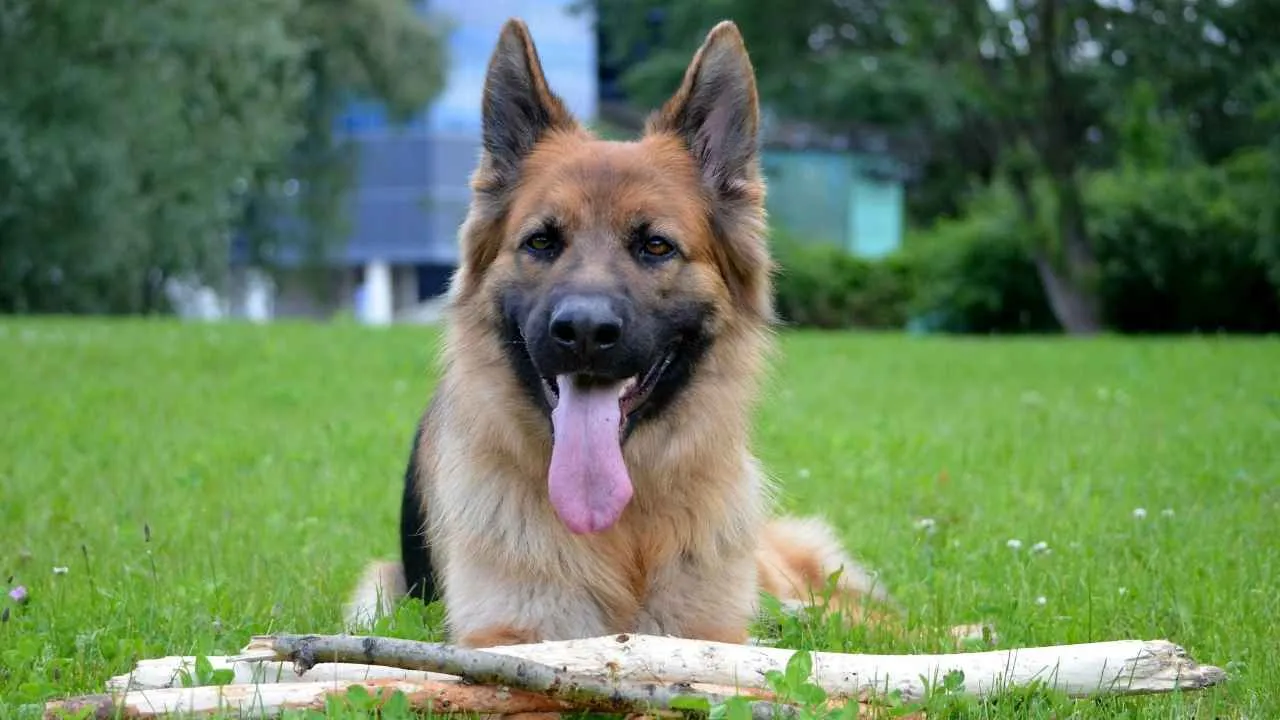
German Shepherds are among the most versatile scent hounds working today, trusted across law enforcement, military, and search and rescue roles. Developed in Germany originally as herding dogs, the breed’s intelligence and trainability made it a natural choice once handlers noticed its scenting ability. That shift from farm to fieldwork changed the breed’s whole future.
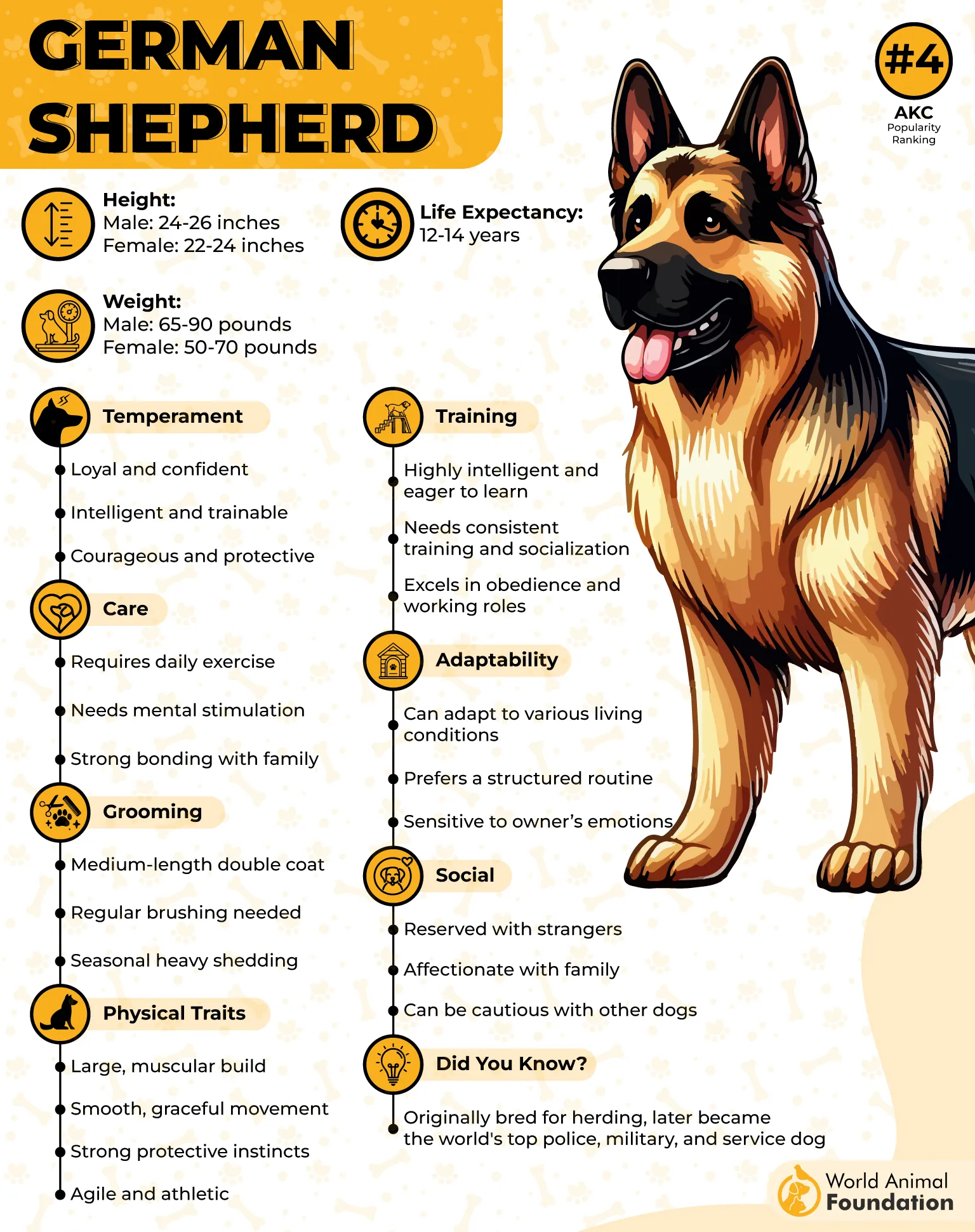
This breed’s nose now handles everything from detecting explosives and narcotics to locating missing people after disasters. Police forces and border patrol teams rely on German Shepherds because they combine a strong nose with obedience under pressure. That mix of skill and discipline is hard to find in one dog.
Nose structure: A long, straight muzzle houses a large number of olfactory receptors.
Build: A strong, athletic frame supports long hours of active search work.
Coat: A dense double coat allows the dog to work outdoors in tough weather without losing focus.

German Shepherds can be trained to detect specific diseases in human breath samples. Researchers are still exploring how far that ability could go in medical settings.
5. Belgian Malinois
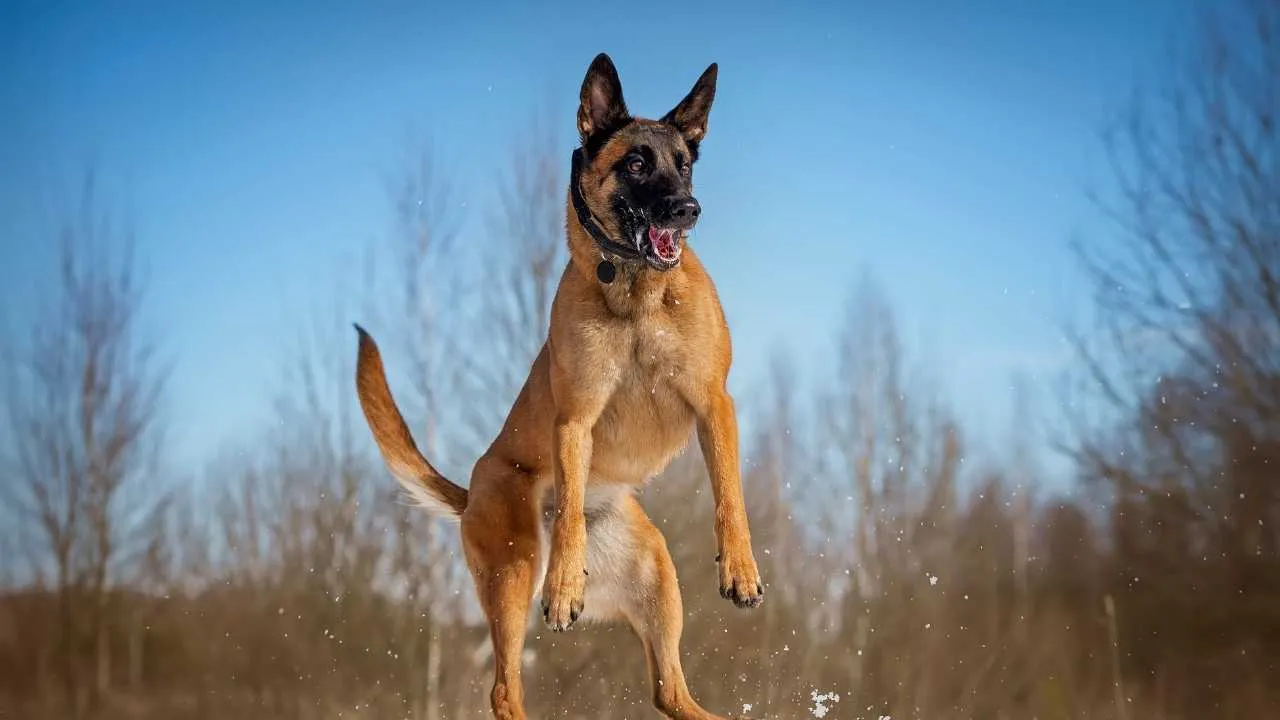
The Belgian Malinois has quietly become one of the most sought-after detection dogs in the world, especially at airports and border crossings. Originally bred in Belgium for herding livestock, the breed’s sharp focus and high energy eventually caught the attention of military and police trainers. That natural drive turned out to be perfect for detection work.
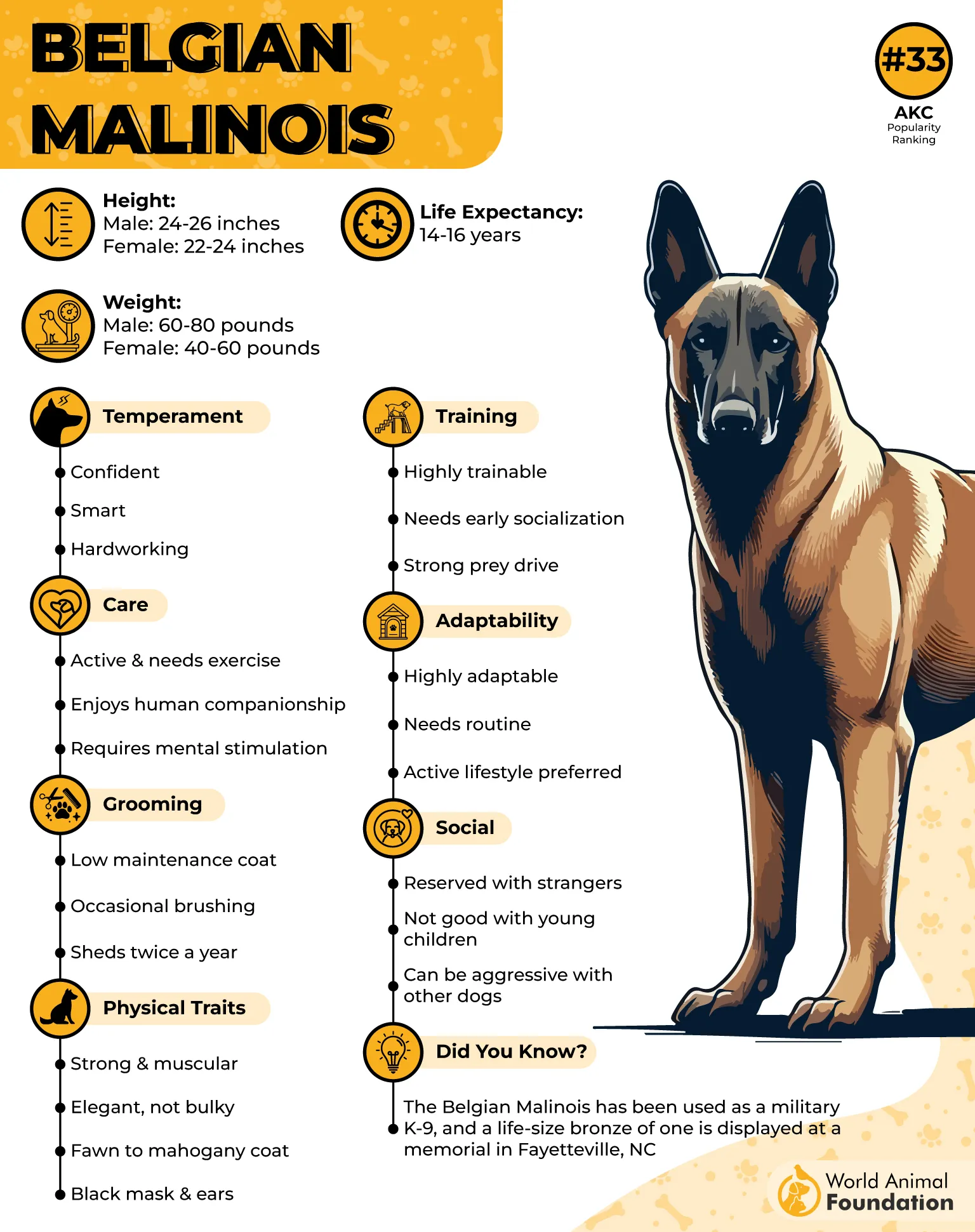
Today, Malinois dogs are a favorite choice for sniffing out explosives in airports and other high-security locations. Their stamina lets them work long shifts without losing accuracy, which matters when a single missed scent can be costly. According to PetMD, the breed’s trainability makes it a top pick for specialized detection teams.
Nose structure: A narrow, well-proportioned muzzle gives strong airflow for quick scent sampling.
Body build: A lean, muscular frame allows fast movement between search points.
Ears: Upright, triangular ears stay alert and mobile during active search work.
Many people confuse the Belgian Malinois with a German Shepherd at first glance. In the detection world, though, this breed has carved out its own reputation entirely.
6. Bluetick Coonhound
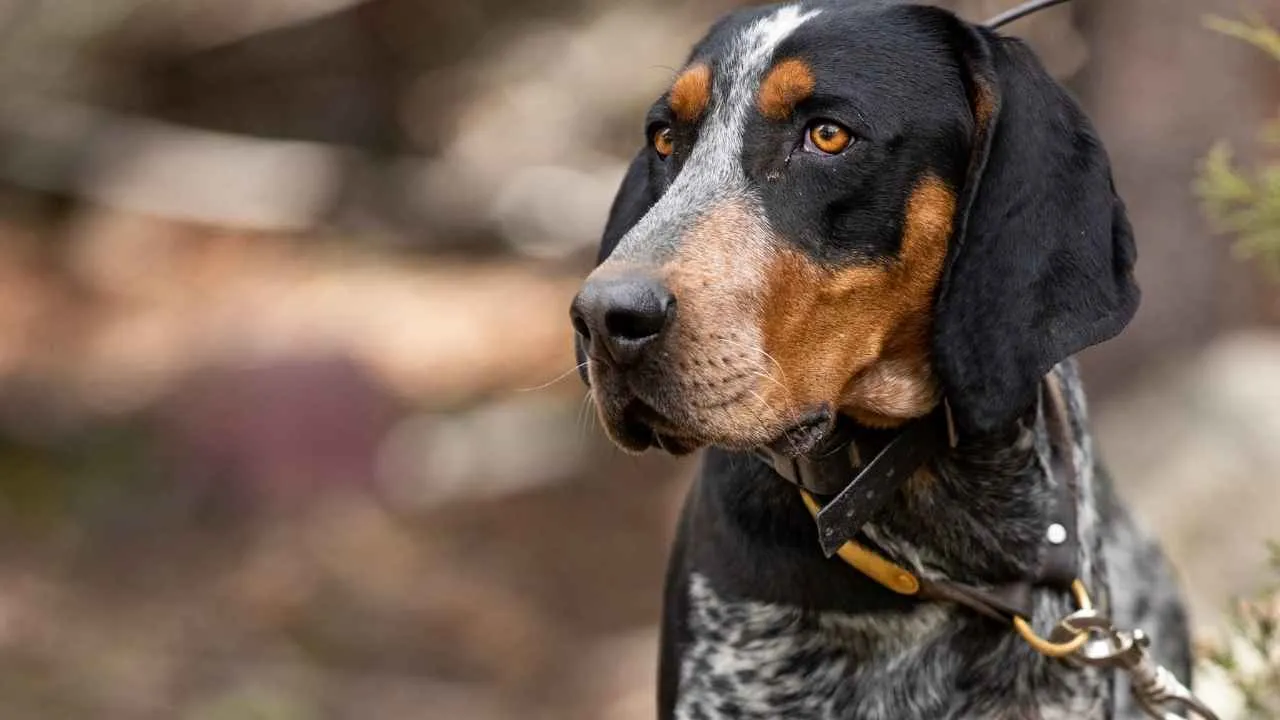
The Bluetick Coonhound was built for one job above all others: tracking raccoons through the dark. Hunters in the American South developed this breed specifically for nighttime scent trails, and its nose still reflects that history. Few breeds commit to a single trail as stubbornly as this one.
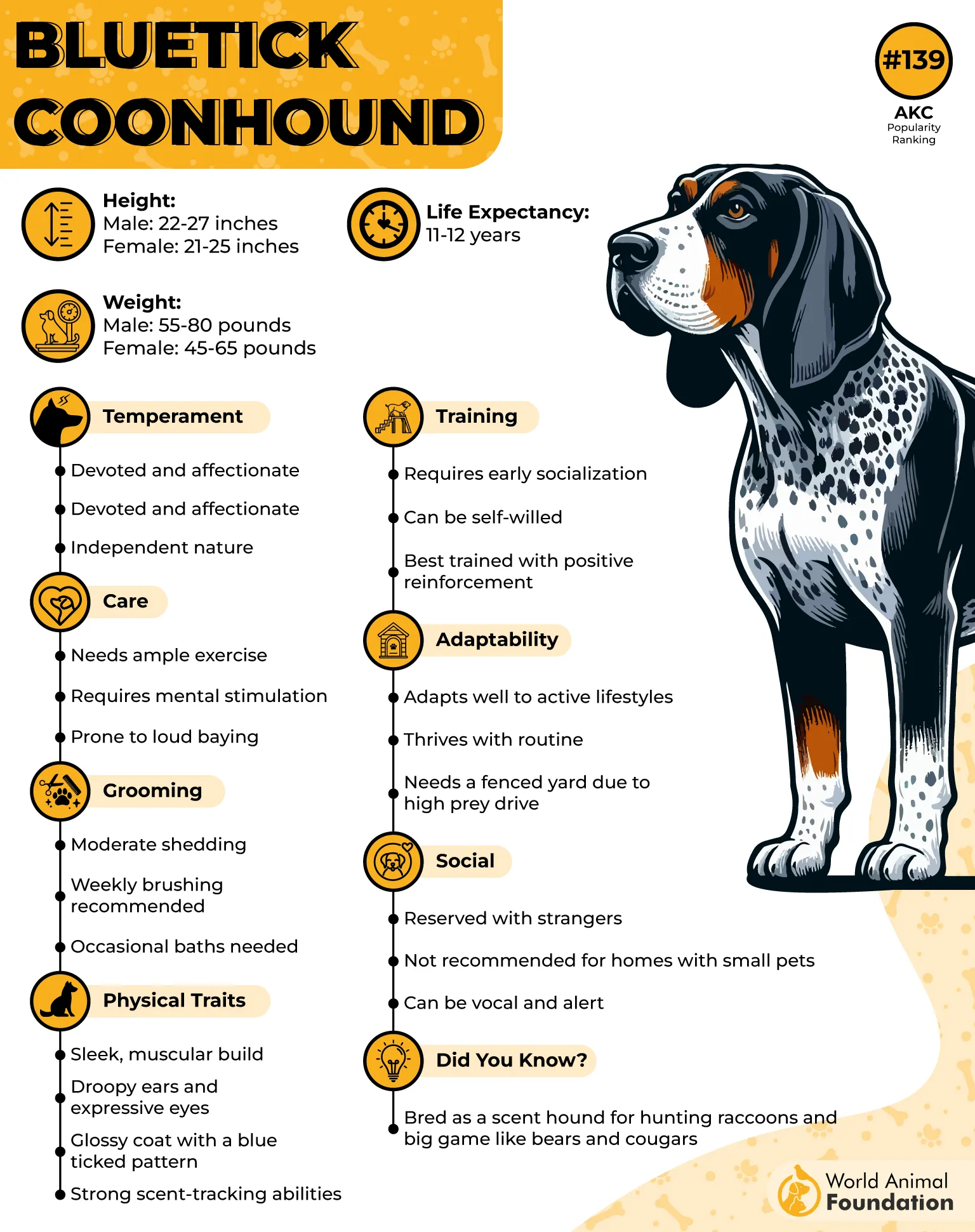
This hound thrives on long hunts through rough, wooded terrain where a scent trail can twist for miles. Its deep, howling bark lets hunters follow its progress even when the dog is out of sight. That combination of nose and voice made it a favorite among serious hunters.
Nose structure: A broad muzzle with a wide nasal cavity helps the dog hold a scent for hours.
Ear shape: Long, drooping ears stir up ground scent as the dog moves.
Body build: A sturdy, muscular frame supports hours of nonstop tracking through dense brush.
A Bluetick Coonhound’s bark actually changes tone once it’s locked onto a fresh trail. Experienced hunters can tell exactly what the dog has found just by listening.
7. English Springer Spaniel
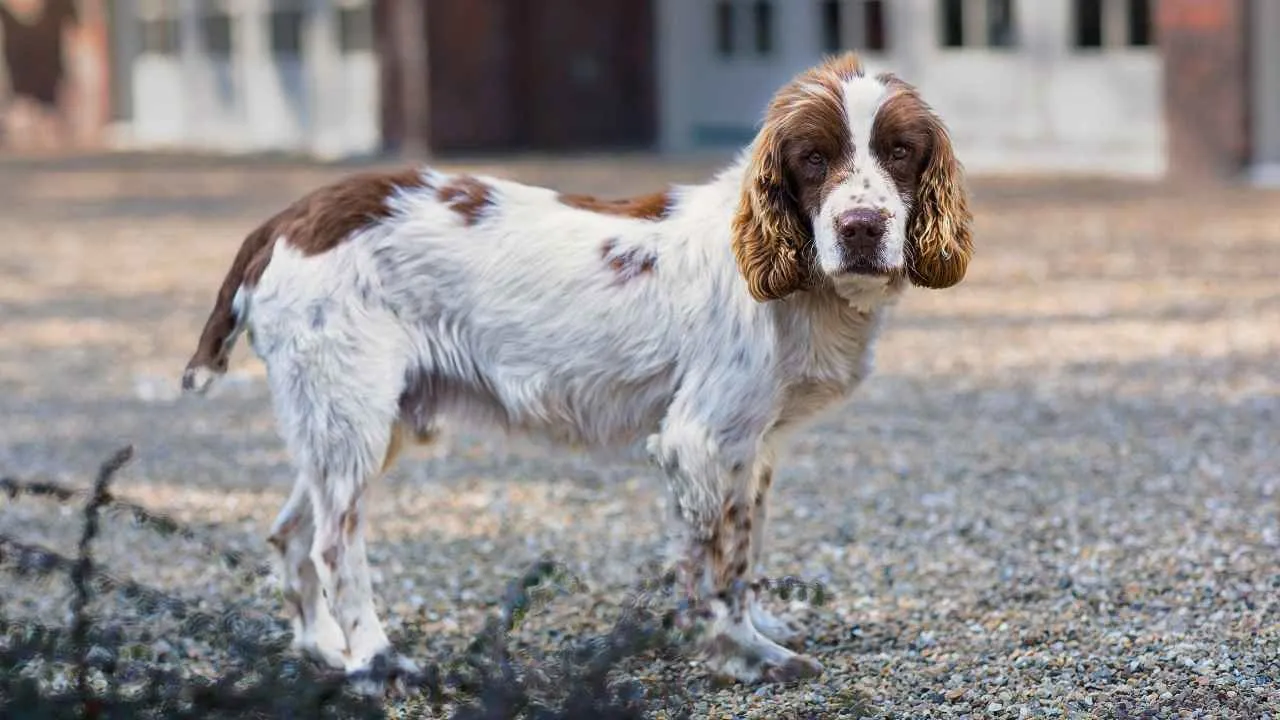
English Springer Spaniels were originally bred to flush game birds from thick cover, a job that demanded a sharp nose and quick reflexes working together. That flushing instinct, paired with strong scenting ability, eventually made the breed useful far beyond the hunting field. Few sporting breeds manage that same crossover so well.
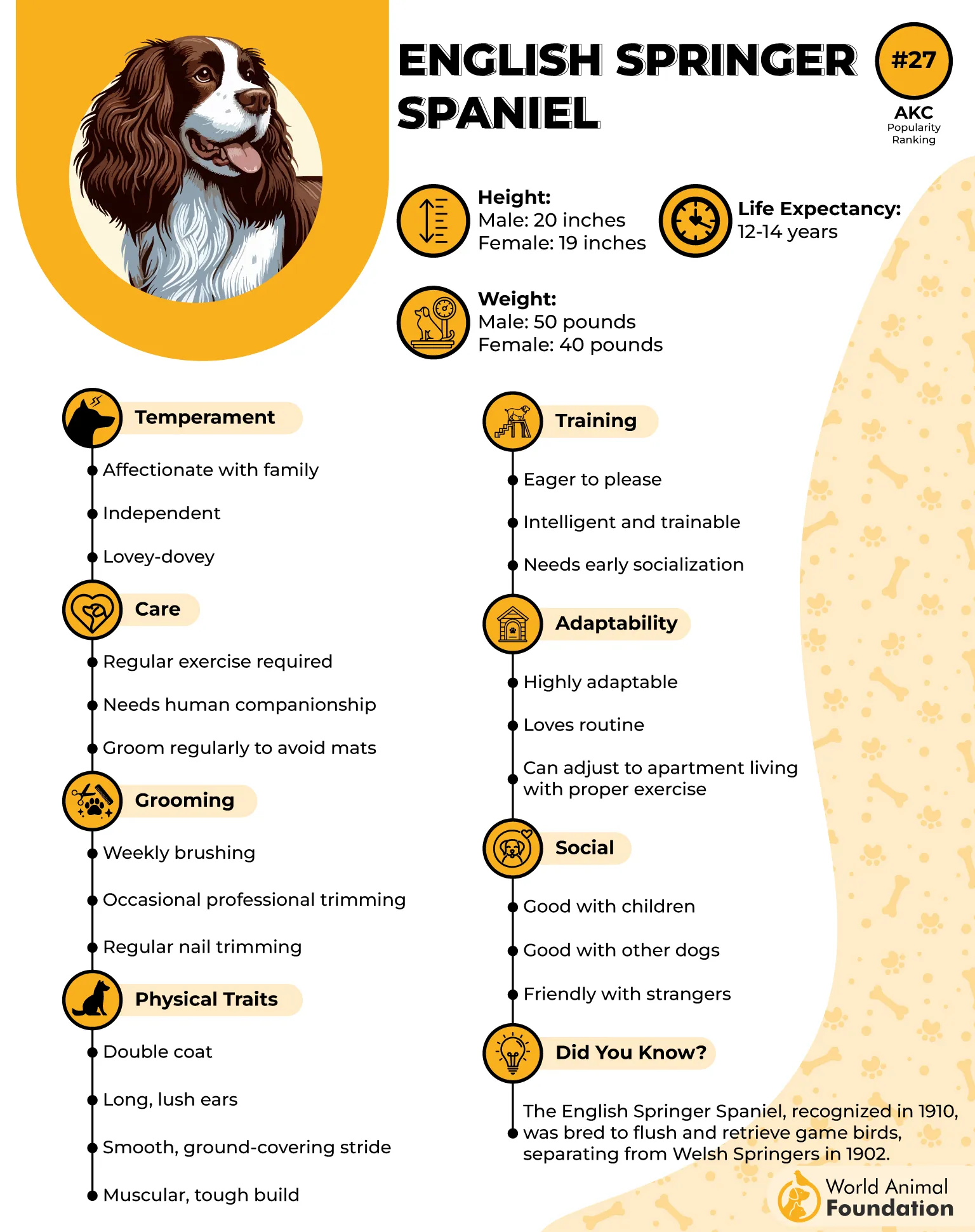
Today, Springer Spaniels are widely used in detection work, including narcotics searches at airports and border checkpoints. According to VCA, their friendly, approachable nature makes them easier to deploy in crowded public spaces than more intimidating breeds. That balance of skill and temperament keeps them in steady demand.
Nose structure: A moderately long muzzle gives solid airflow for picking up faint scents.
Ears: Long, feathered ears help draw scent toward the nose while the dog is active.
Body build: A compact, energetic frame allows quick bursts of movement between search spots.
Springer Spaniels get their name from their original job of springing birds into the air for hunters. That same burst of energy now shows up every time one of these dogs catches a scent.
8. Dachshund
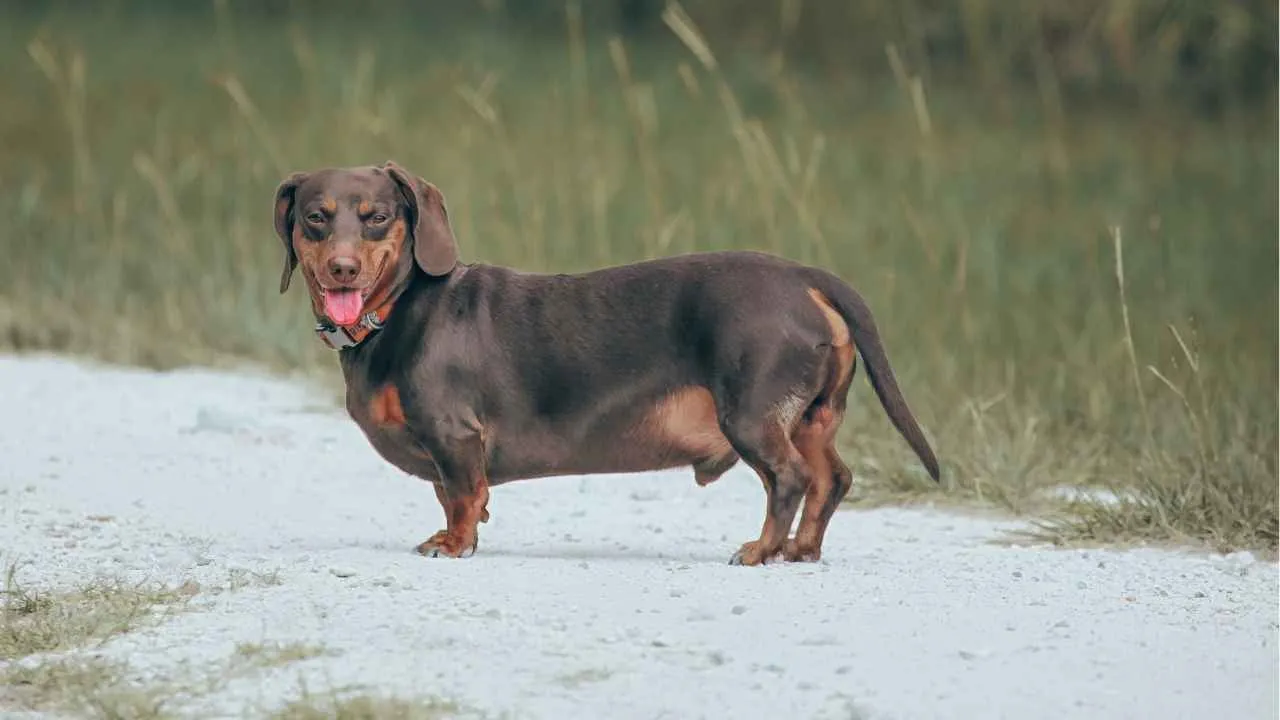
The Dachshund may be small, but its nose was built for serious work underground. German hunters originally developed the breed to hunt badgers through narrow tunnels, which meant the dog needed a strong scenting ability in a low, compact body. That underground hunting history still shapes the breed’s instincts today.
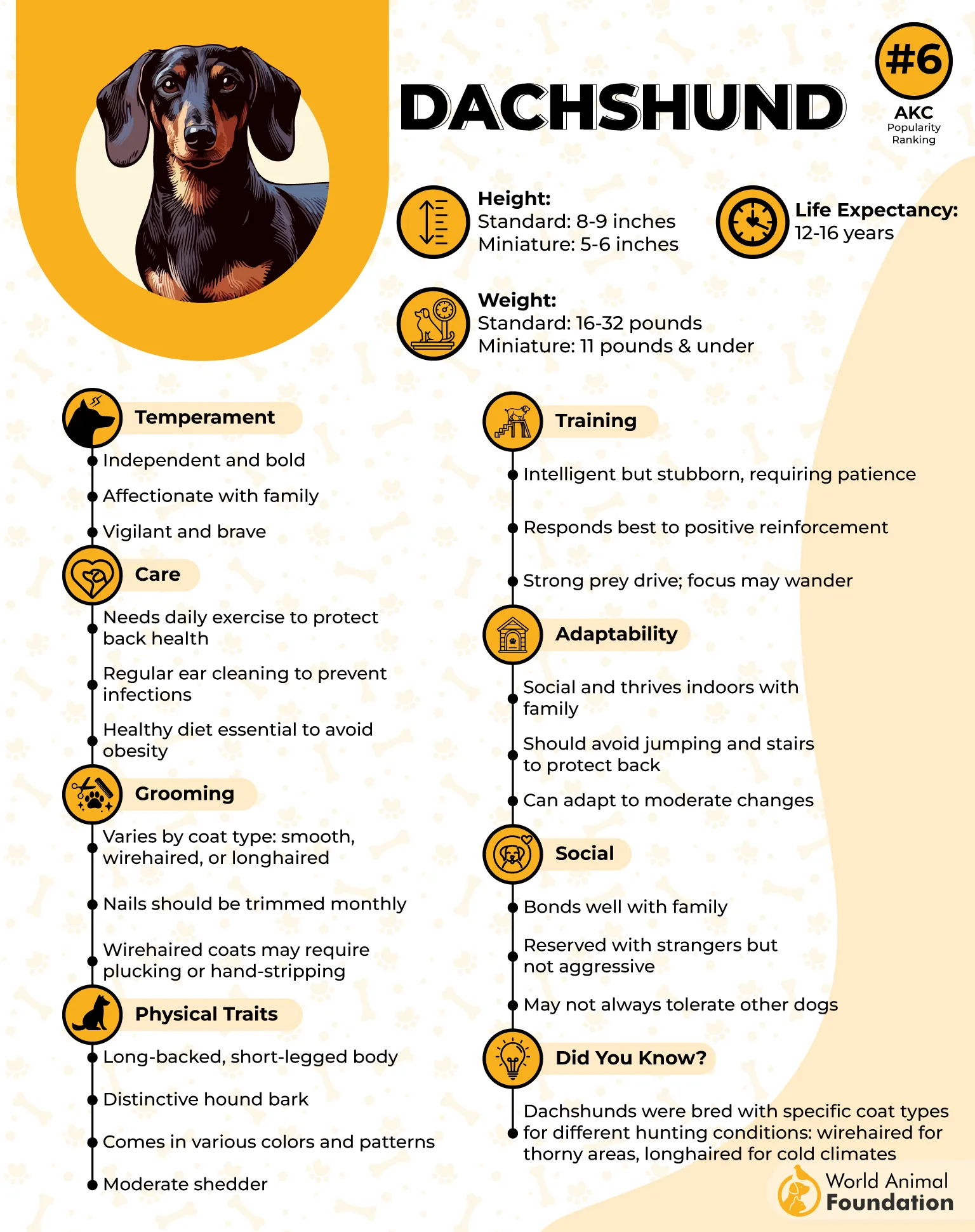
This breed’s determination makes it well suited to tracking prey into burrows and tight spaces most other hunting dogs can’t reach. Its low build was never an obstacle, since it allowed the dog to follow a scent trail directly into a den. That combination of size and drive made it a specialist rather than a generalist.
Body build: A long, low frame allows easy movement through narrow tunnels and burrows.
Nose structure: A pointed muzzle gives strong scent-tracking ability for its size.
Paws: Large, paddle-shaped paws help the dog dig while following a scent underground.
A Dachshund’s stubborn streak often traces straight back to this background. A dog bred to chase prey into a dark tunnel alone was never going to be the type to give up easily.
9. Labrador Retriever
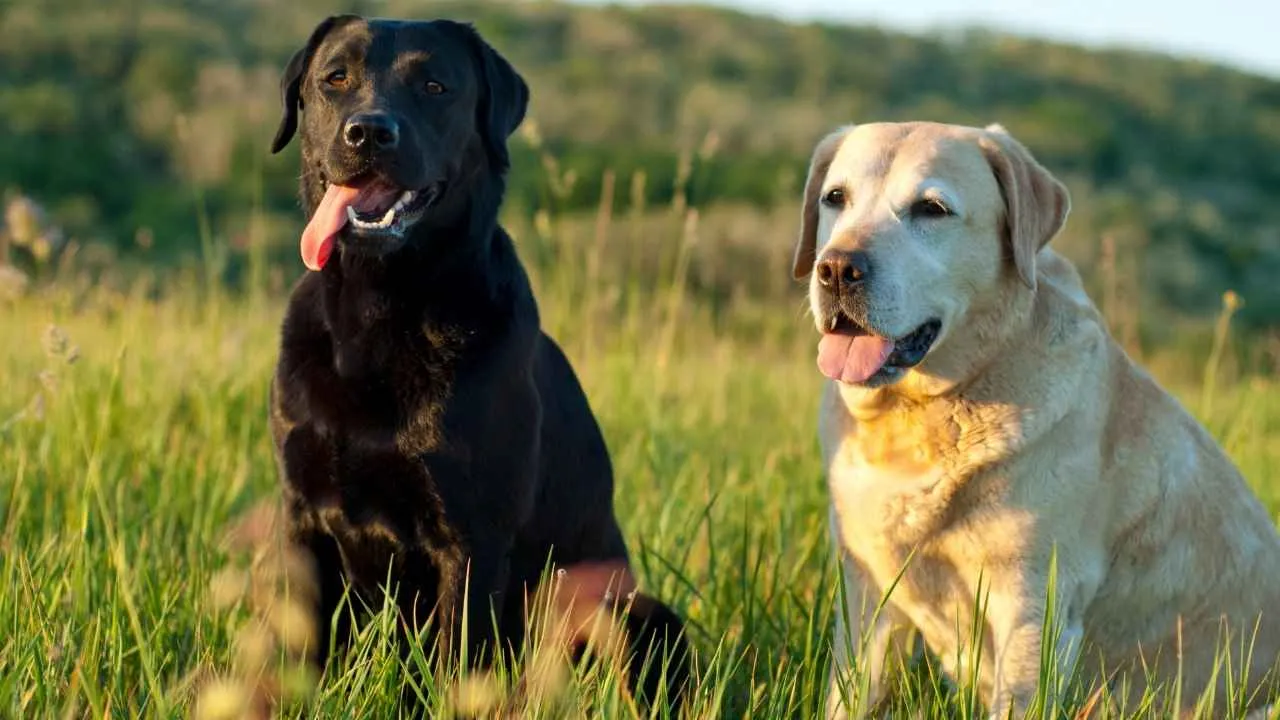
The Labrador Retriever is one of the most widely used detection dogs on the planet, trusted across airports, border posts, and search teams worldwide. Originally bred in Newfoundland to retrieve fishing nets and waterfowl, the breed’s willingness to work closely with people made it an easy fit for scent-based jobs later on. Trainability remains one of the breed’s defining traits.
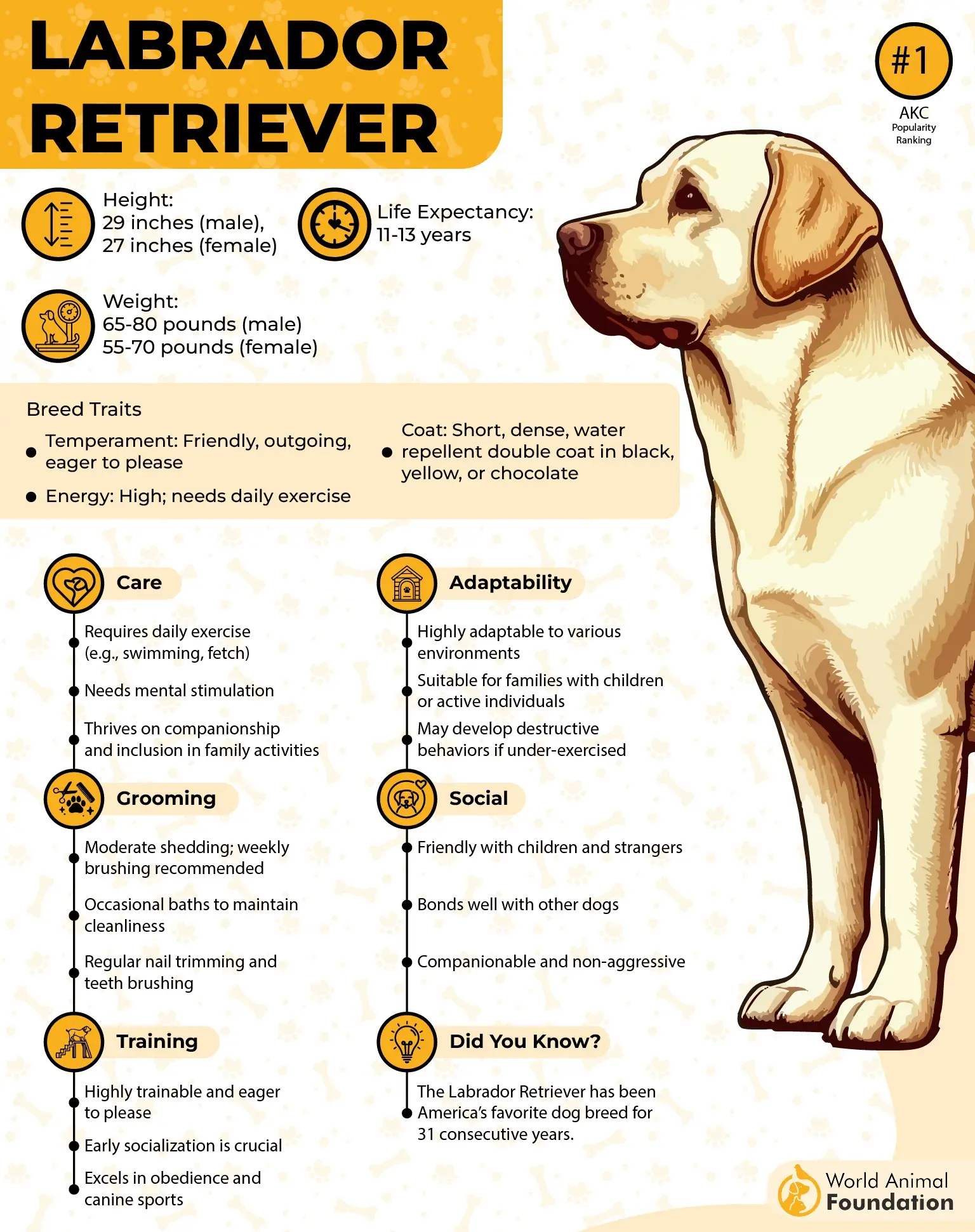
Labradors now handle everything from detecting explosives to locating missing people during search and rescue missions. Their calm temperament and eagerness to please make training easier compared to more independent breeds. That blend of nose and personality explains why Labradors remain a top choice across so many detection fields.
Nose structure: A wide muzzle holds a high number of scent receptors for its size.
Build: A strong, athletic frame supports long hours of active fieldwork.
Coat: A short, dense coat sheds water easily during wet or muddy searches.
Labrador Retrievers consistently rank among the most popular family dogs, yet their working resume reads like a specialist’s. Few breeds balance a demanding job and a relaxed home life quite this well.
Conclusion
From Bloodhounds with their court-worthy trails to Dachshunds squeezing through burrows, these nine breeds prove that a keen sense of smell isn’t one fixed trait. It’s a mix of nose structure, instincts, and sheer determination, and each breed manifests it in its own unmatched way.
Whatever draws you in, a dog’s nose has secrets worth exploring, whether that means watching your own furry friend follow a scent trail in the backyard.
Ready to put that nose to work? Try a simple nose-work game at home and watch instinct take over.
