




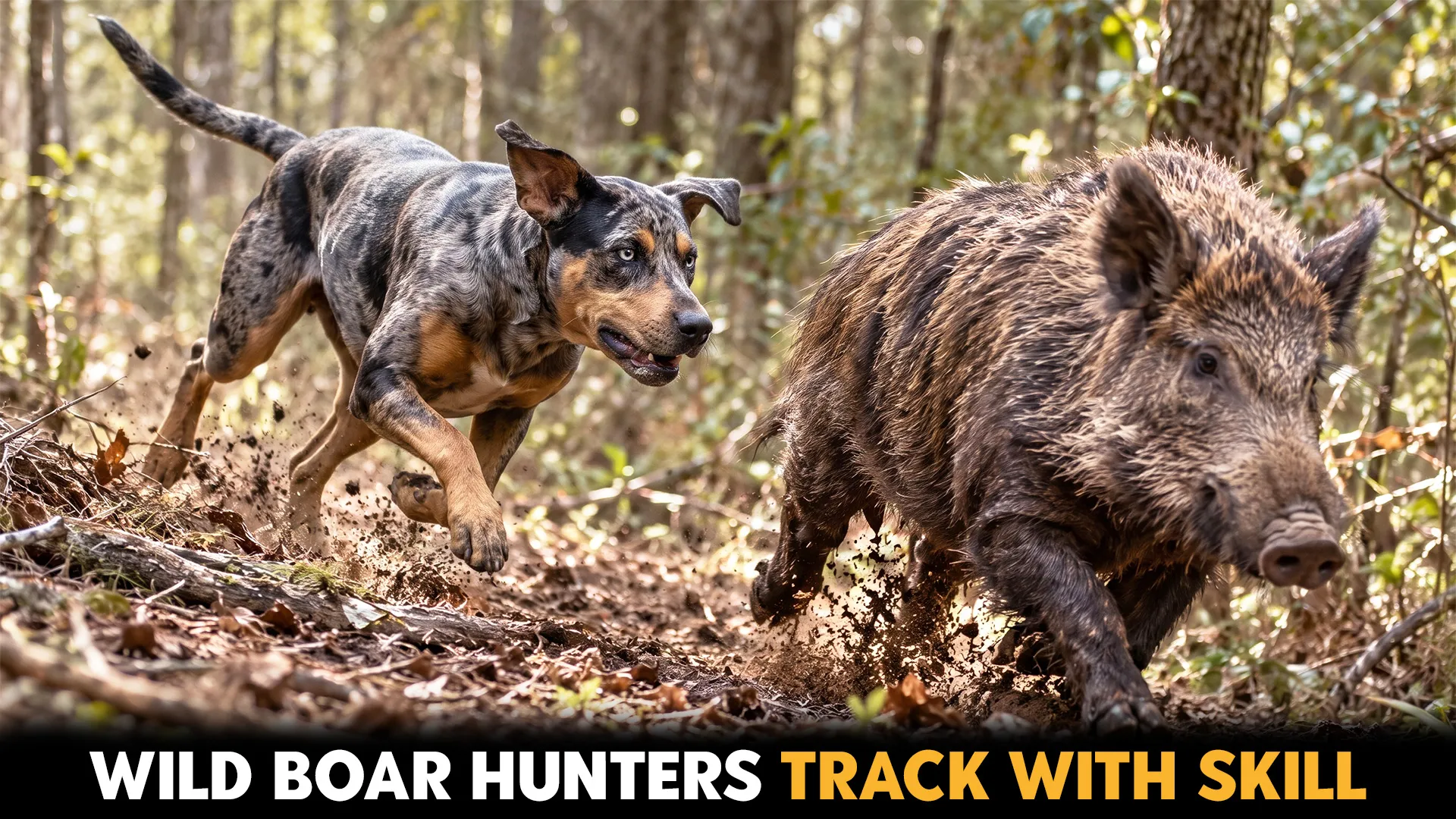
Tracking wild boar isn’t your average walk in the woods, and these powerful animals definitely aren’t interested in playing hide-and-seek. With sharp tusks, unpredictable movements, and an impressive ability to disappear into dense vegetation, wild boars present serious challenges even for experienced hunters.
That’s where specialized hunting dogs come in, bringing extraordinary noses, athletic stamina, and centuries of working instincts to the adventure.
Here are seven remarkable dog breeds tied to wild boar tracking and big-game hunting traditions, along with what makes each tracking style unique. We’ll explore their scenting abilities, historical backgrounds, physical advantages, and personalities beyond the wilderness.
Just remember that wild boars can seriously injure dogs, so tracking should never involve encouraging unnecessary confrontations or ignoring local hunting and wildlife regulations.
Dog Breeds Ideal for Tracking Wild Boar on the Hunt
1. Black and Tan Coonhound
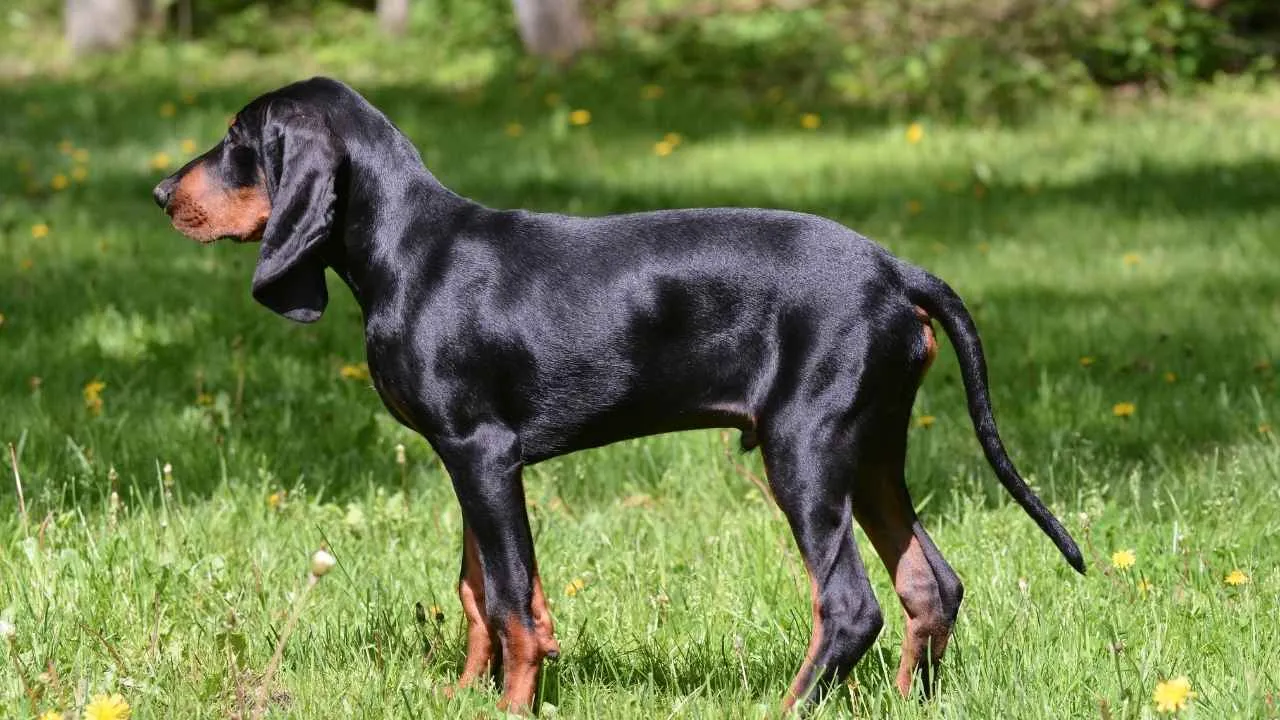
Originally developed in America to track raccoons, the Black and Tan Coonhound is a powerful hound with a history of pursuing larger game, including deer, bears, and mountain lions.
What makes this breed especially interesting for wild boar tracking is its traditionally methodical, nose-to-the-ground tracking style. Rather than relying primarily on speed, a Black and Tan Coonhound may carefully investigate scent deposited on vegetation, soil, and other surfaces while working through complicated terrain.
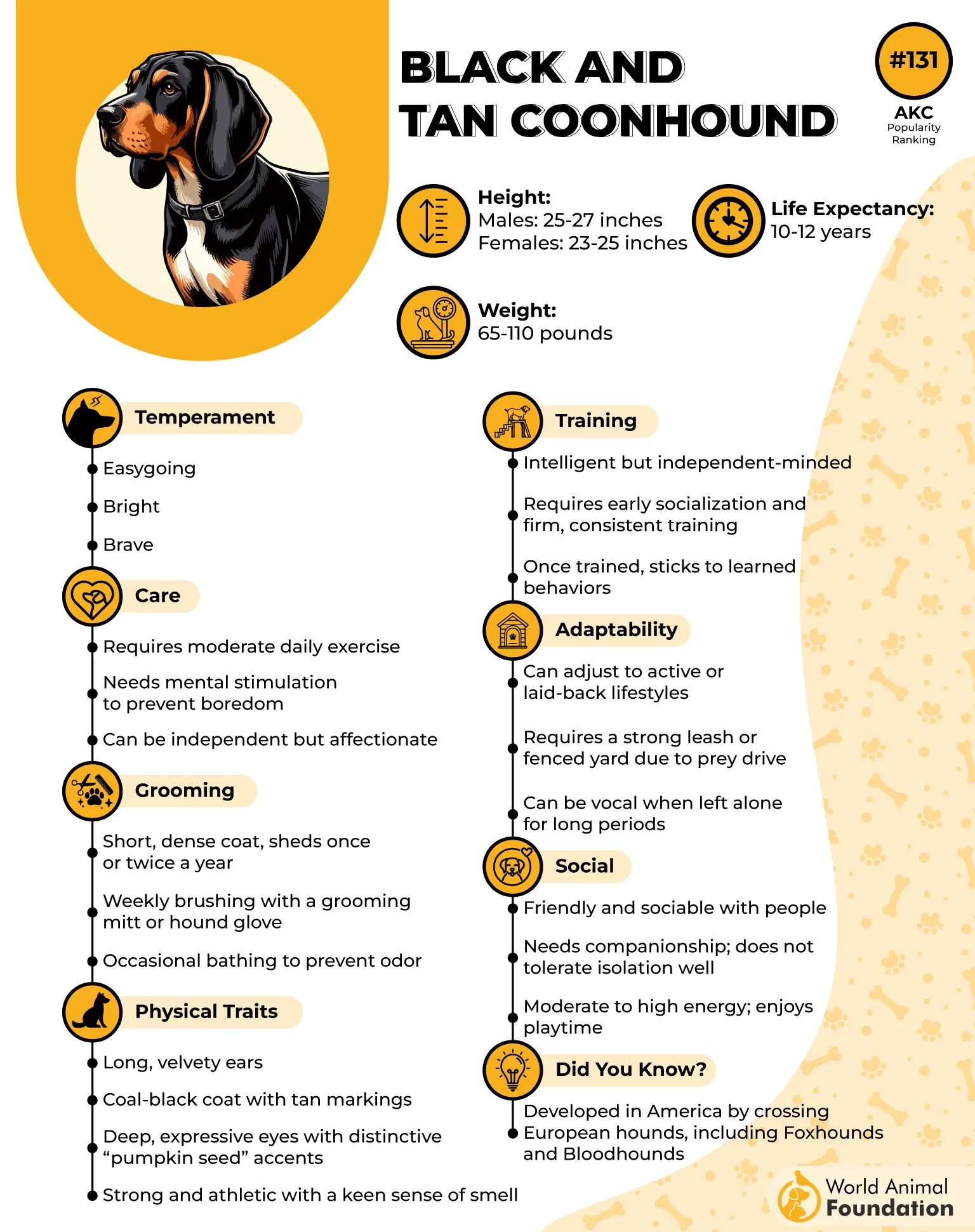
Its ability to follow faint trails helps when searching for signs of wild pigs that have already moved through an area, though scent-trail performance varies by dog.
One of the coolest things about these hog-hunting hounds is their unmistakable, deep, musical bay, which historically helped hunters follow their progress through dark forests. Their working history is closely connected to rural Southern and Midwestern American hunting traditions, where dogs followed trails during the cooler nighttime hours.
Training this independent scent specialist takes patience because these dogs can become completely absorbed by whatever their noses find. Food rewards, positive reinforcement, and carefully supervised scent games can build cooperation while helping the dog learn to distinguish target odors from everyday distractions.
2. Plott Hound
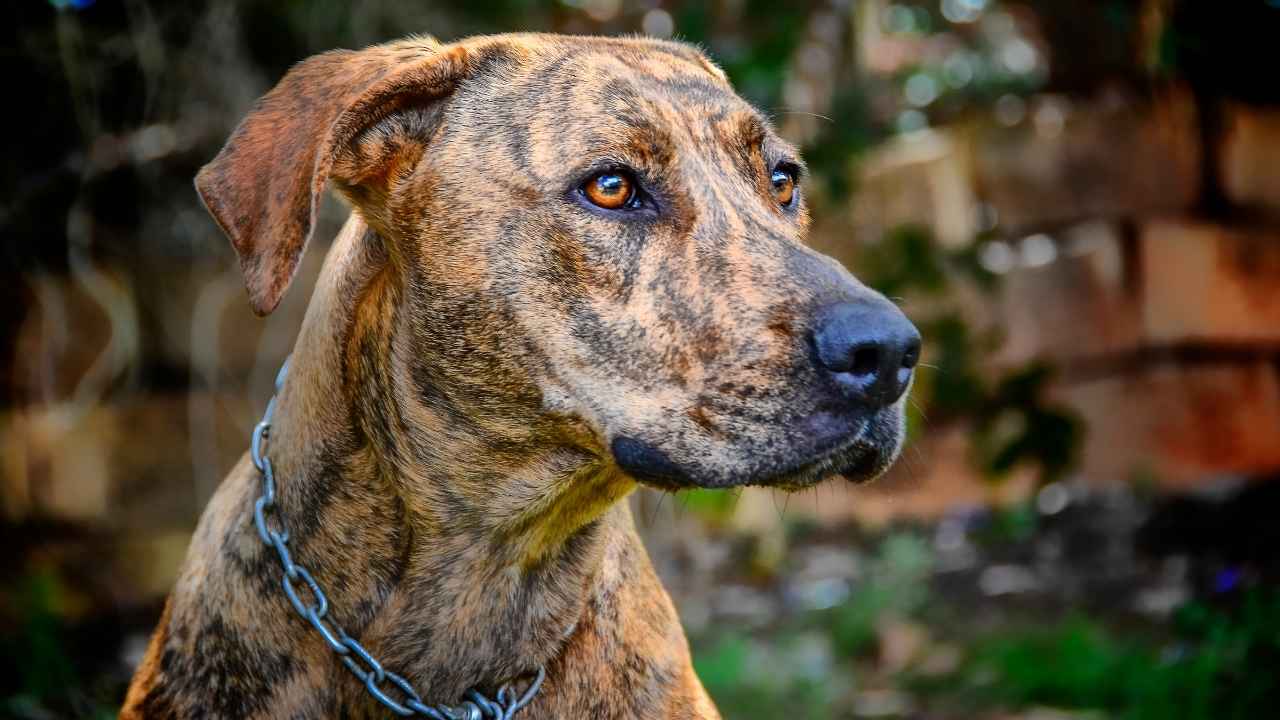
Meet the Plott Hound, an Appalachian hunting legend whose family history practically reads like an adventure movie. Unlike most American coonhounds, which descend primarily from British foxhounds, Plotts trace their ancestry to German hunting dogs Johannes Plott brought to North Carolina in 1750.
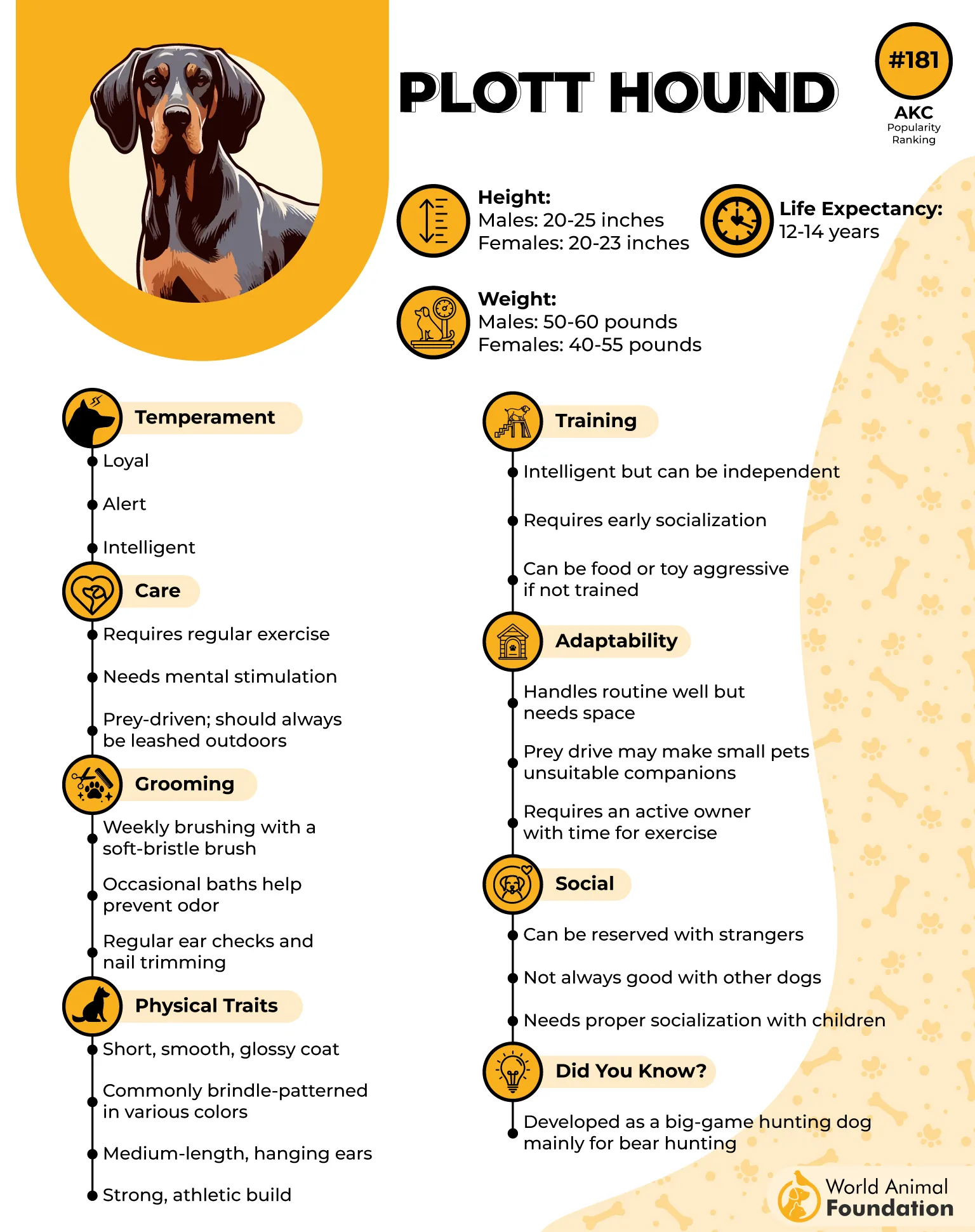
The AKC specifically identifies wild boar and bear among the large animals this courageous breed historically hunted, making its connection to big-game tracking particularly well documented.
Plott Hounds traditionally combine scent trailing with baying, a behavior in which a dog vocalizes after locating game or while maintaining awareness of its position. Their ringing voices can help experienced handlers determine where a dog is working, particularly in thick Appalachian woodland where visibility is limited.
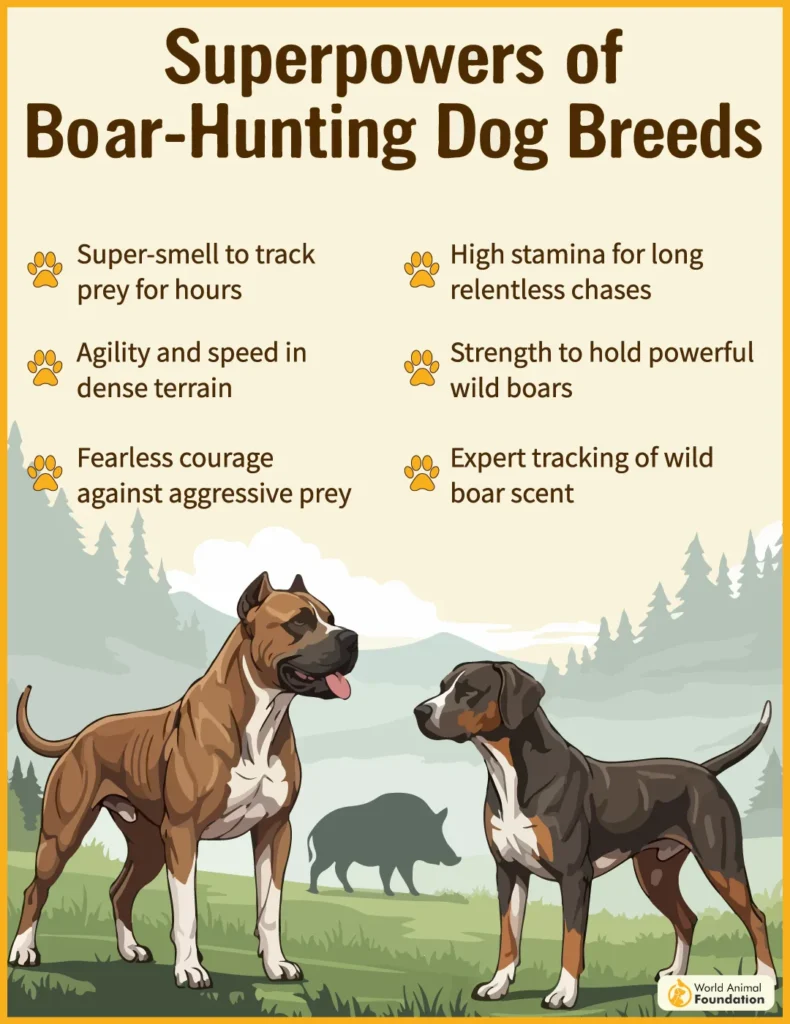
For boar tracking, the Plott’s persistence and ability to move across rugged ground are valuable, though safe fieldwork should prioritize locating game over risking dangerous physical contact.
These athletic dogs have strong limbs, well-developed muscles, and a relatively streamlined body that helps them negotiate steep slopes and uneven terrain. Their short, often brindle-patterned coats require comparatively little grooming, which is convenient after outdoor adventures involving mud, brush, and wet vegetation.
3. Catahoula Leopard Dog
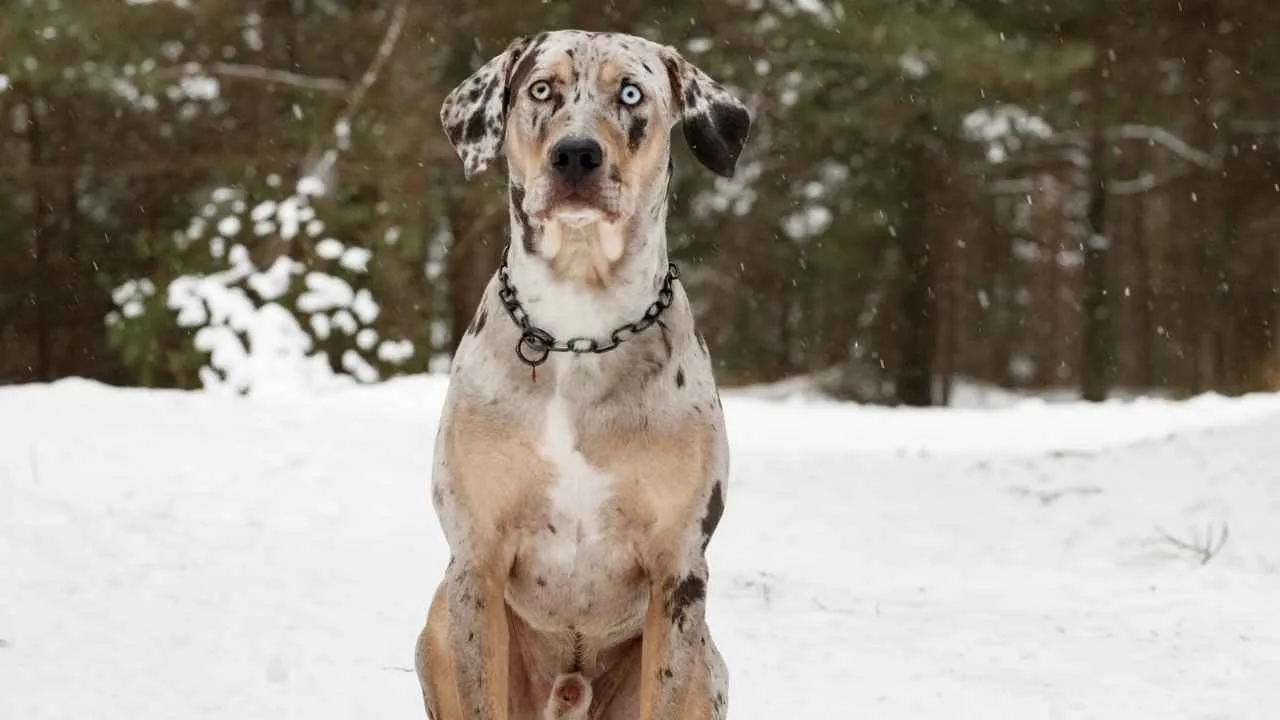
Known for striking merle patterns, unusual eye colors, and a strong working mentality, this Louisiana breed has long been associated with managing livestock and hunting feral hogs.
Its traditional reputation comes from practical farm and hunting work rather than appearance alone, making it one of America’s more distinctive multipurpose working dogs.
Unlike classic coonhounds that emphasize prolonged scent trailing, these hounds are valued for combining tracking ability with independent movement and stock-handling instincts. In traditional hog-dog work, Catahoulas may locate feral pigs through scent and help maintain awareness of their position through movement and vocalization.
This working style requires judgment and cooperation between dog and handler, since a cornered wild pig can defend itself aggressively and create serious injury risks.
Catahoulas are famous for their independent personalities, which makes sense given how often their ancestors had to make decisions while managing difficult livestock. Owners commonly describe these dogs as intelligent, observant, and deeply invested in whatever task captures their attention.
4. American English Coonhound
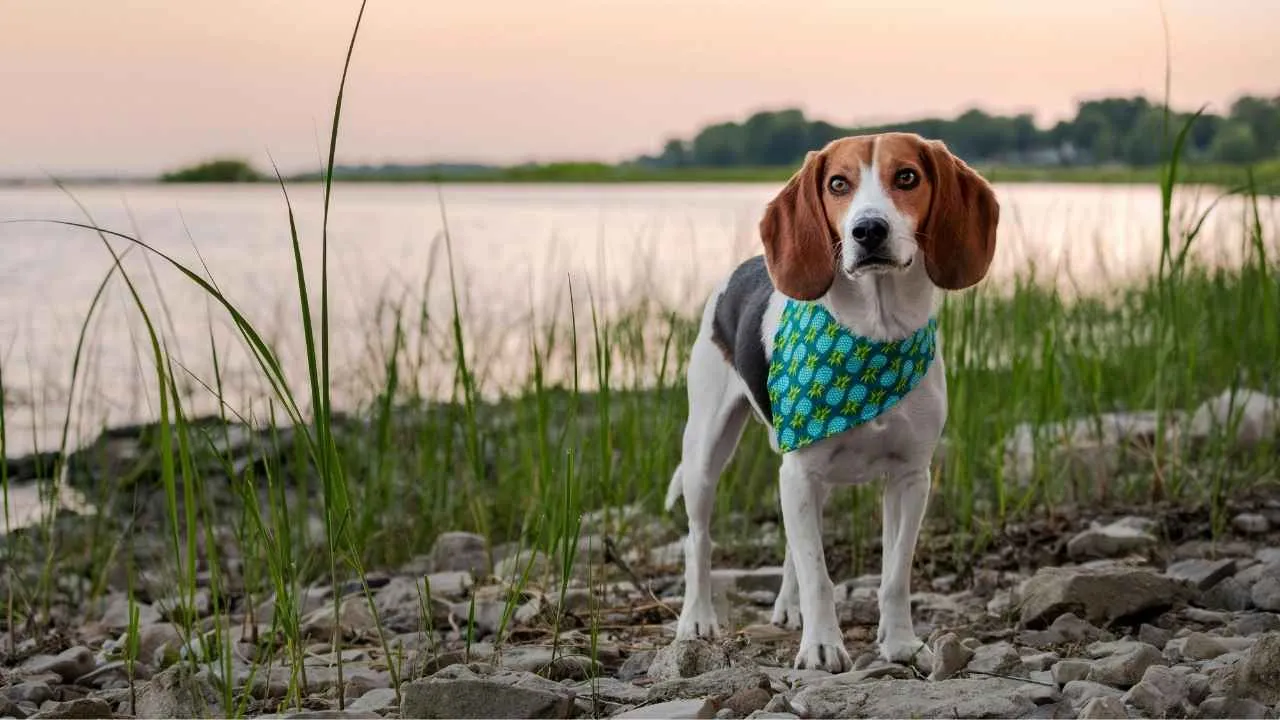
The American English Coonhound treats a scent trail like an exciting mystery that absolutely needs solving before bedtime. Descended from foxhounds brought to North America, this energetic breed developed into a capable tracker known for speed, endurance, and a loud, carrying voice.
One distinctive advantage of this breed is its traditional association with relatively fresh, or hot, scent trails rather than focusing exclusively on older tracks. WebMD explains that American English Coonhounds developed a racier build that lets them pursue newer trails faster than some heavier scent hounds.
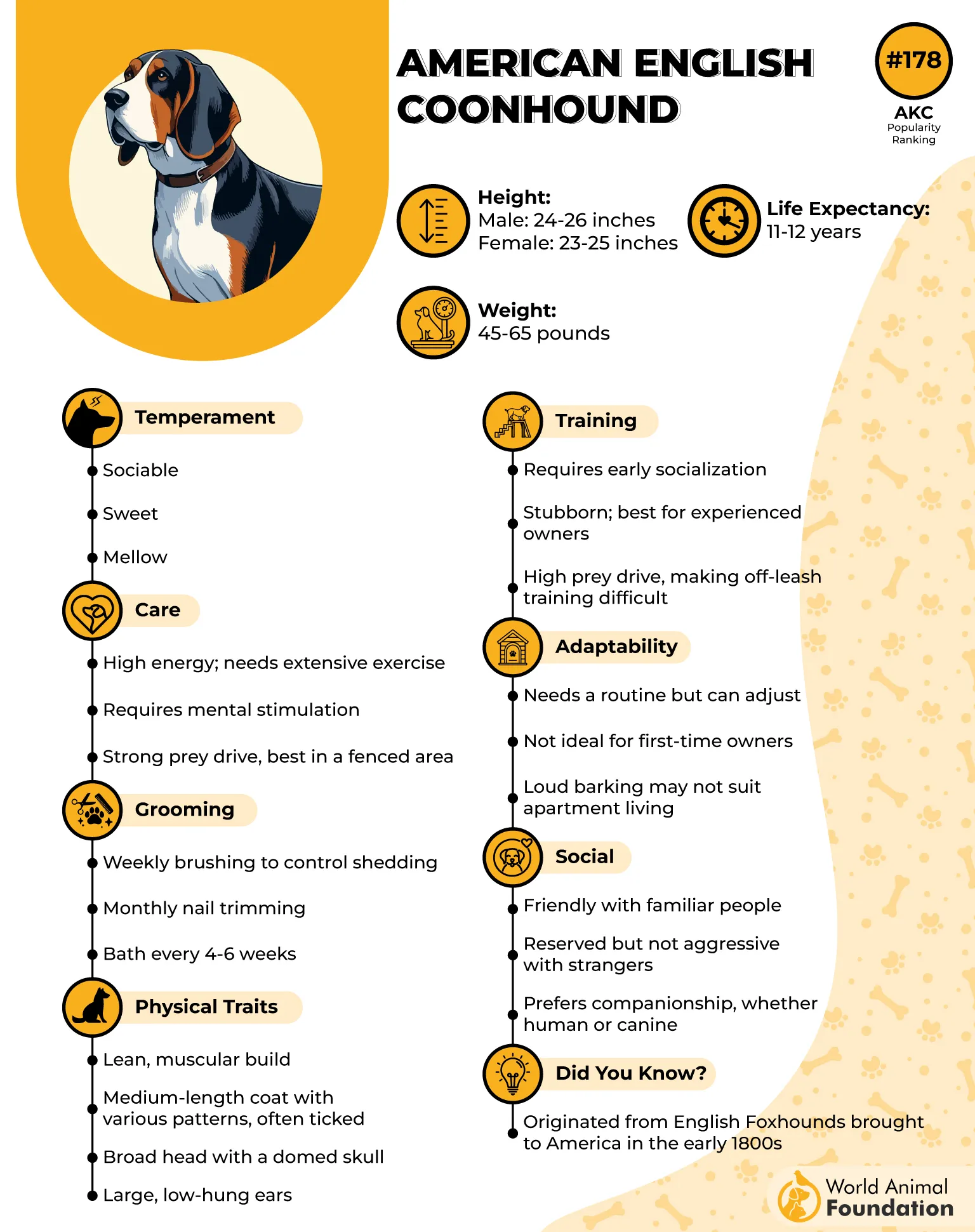
When tracking wild boar, this combination of mobility and scent interest may help suitable working individuals investigate recent animal movement, although specialist training and line-specific ability are essential.
Their long legs, deep chests, and muscular bodies support sustained movement through woodland, while their flexible working style helps them explore complicated scent patterns. These hounds also communicate vocally, including prolonged bawling calls and shorter barking patterns that experienced hunters traditionally interpret in the field.
Traditional hunting folklore also includes the idea of an honest-mouthed hound. In hunting terminology, this generally describes a dog whose vocalizations reliably reflect scent or game rather than constant, unrelated barking, making the dog’s sounds more informative to its handler.
5. German Shorthaired Pointer
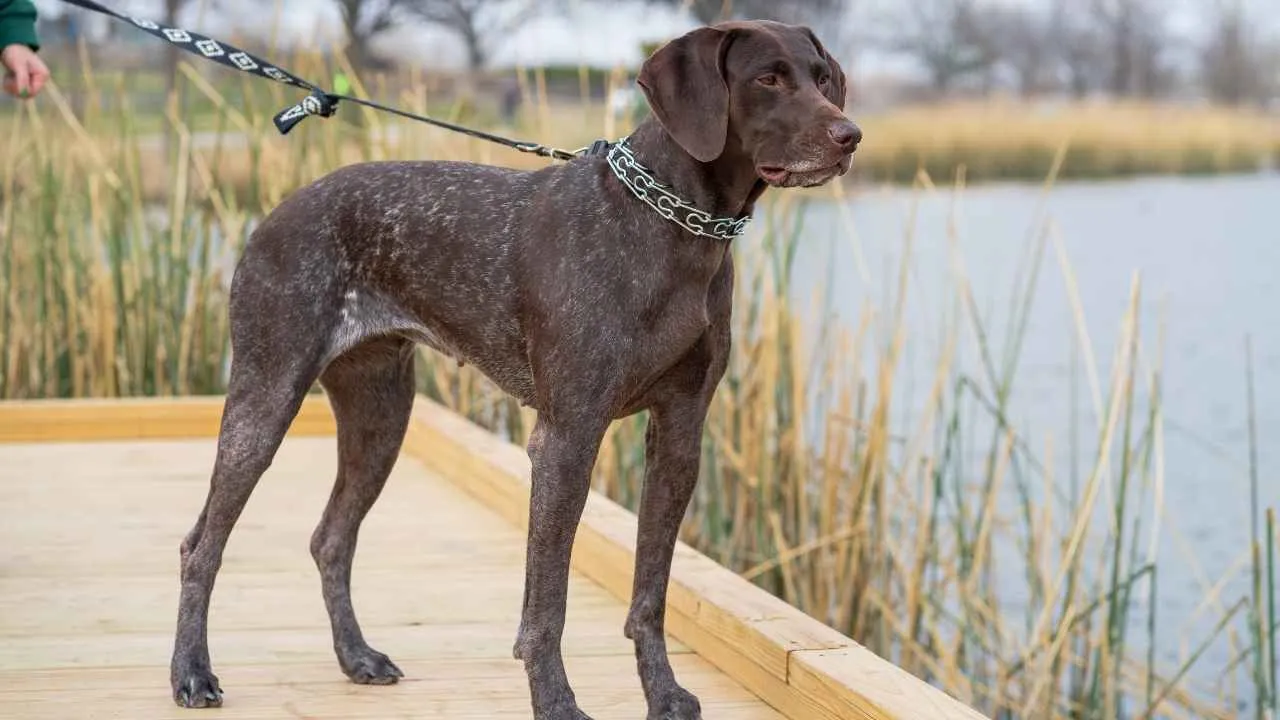
Developed in Germany during the nineteenth century, the German Shorthaired Pointer is an athletic sporting breed that was created to perform multiple hunting tasks, including searching, pointing, tracking, and retrieving.
Purina says that this dog approaches scent work differently from many traditional ground-trailing hounds because it can search using both ground scent and airborne odor. Its broad searching movements, strong nose, and responsiveness to training make it useful for finding game across open terrain and varied vegetation.
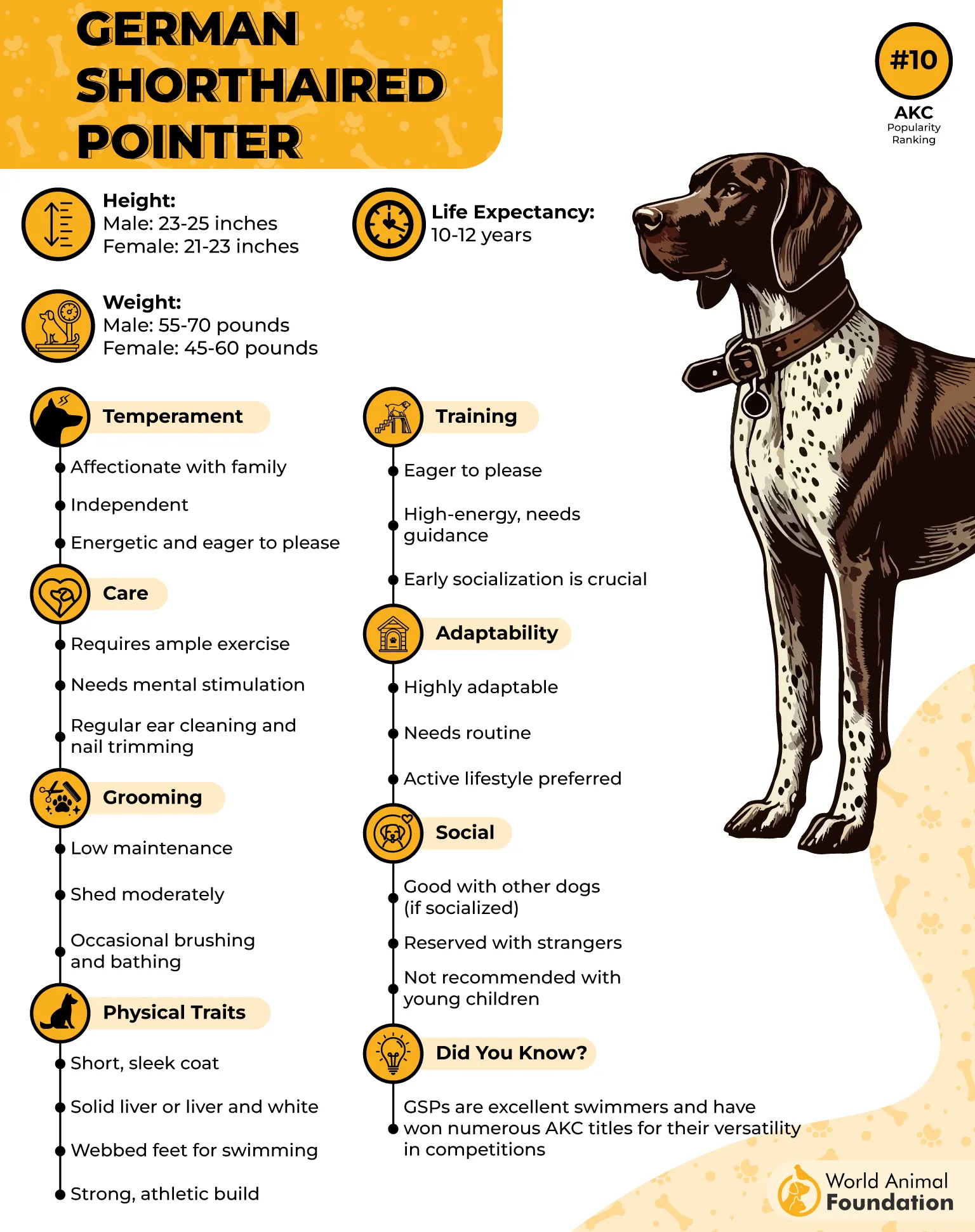
In some European hunting traditions, properly trained versatile pointing dogs also help track wounded larger game, including wild boar, where controlled scent following and handler cooperation matter more than confrontation.
One of the most fascinating things about German Shorthaired Pointers is how early many puppies begin displaying natural pointing and scenting behaviors. Experienced gundog owners often notice youngsters pausing, investigating bird scent, or retrieving objects before advanced training begins, although these instincts don’t automatically make a puppy a reliable hunting companion.
6. Airedale Terrier
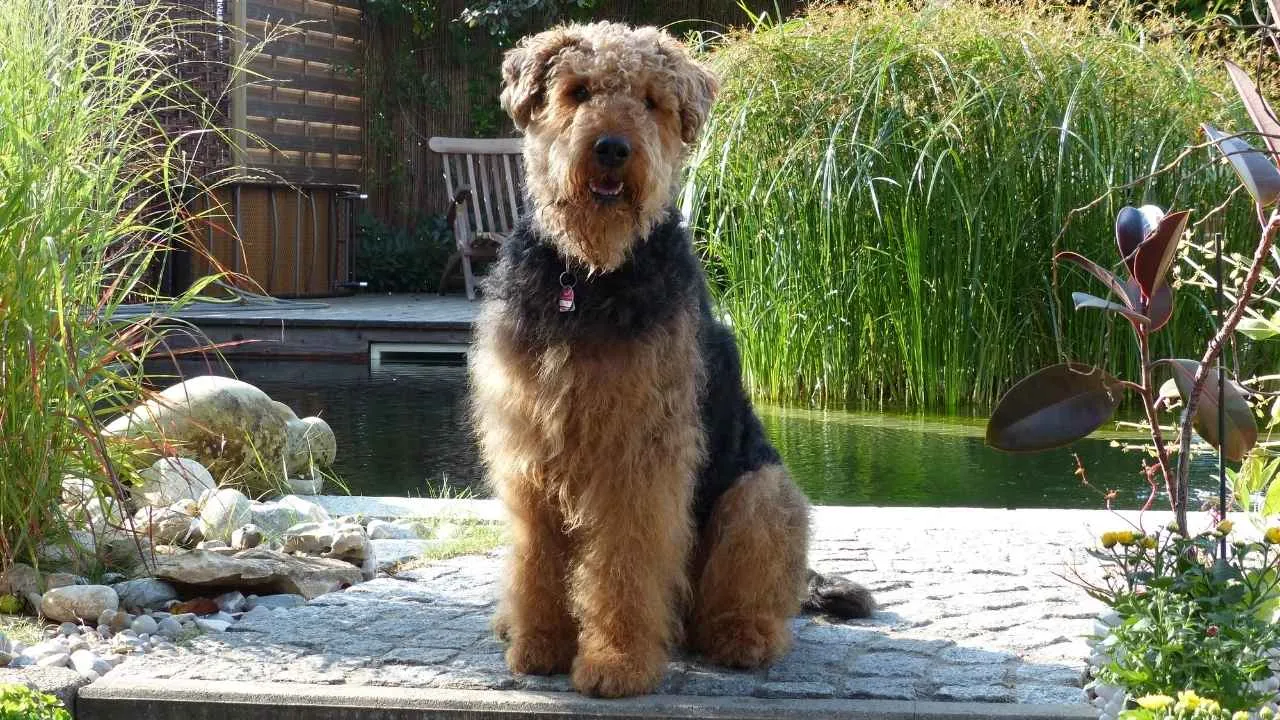
Nicknamed the King of Terriers because it is the largest traditional terrier breed, the Airedale Terrier originally developed in England’s Aire Valley for hunting and general outdoor work.
Airedales have historically been versatile rather than specializing in a single tracking method. Some working individuals search using airborne scent, while others investigate ground trails or react strongly to visible animal movement, reflecting the breed’s varied hunting background.
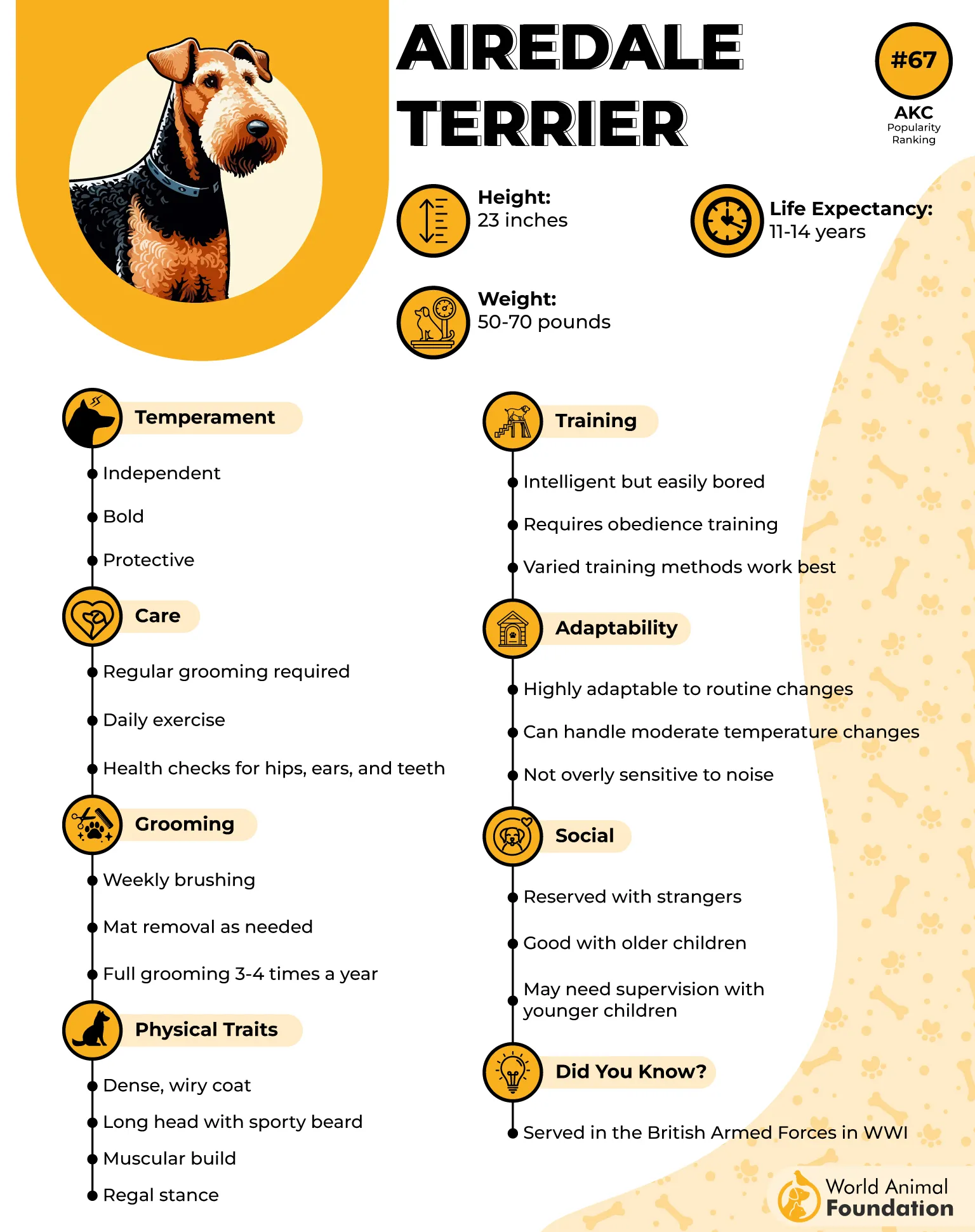
For wild boar tracking, an experienced handler needs to develop controlled scent-following behavior and dependable disengagement, rather than relying on the terrier’s natural inclination to chase or confront game.
Their athletic construction includes long, straight legs, a relatively compact body, powerful jaws, and a tough, wiry outer coat. This distinctive coat can provide some protection from environmental debris and rough vegetation, although it cannot prevent injuries from sharp tusks or dangerous encounters.
One especially entertaining part of Airedale history is how these resourceful dogs became favorites among working-class hunters who needed one dog capable of performing several jobs. VCA Animal Hospitals describes their early connection to Yorkshire river-rat hunting, where people valued dogs that could locate quarry, work near water, and respond quickly to movement.
7. Mountain Cur
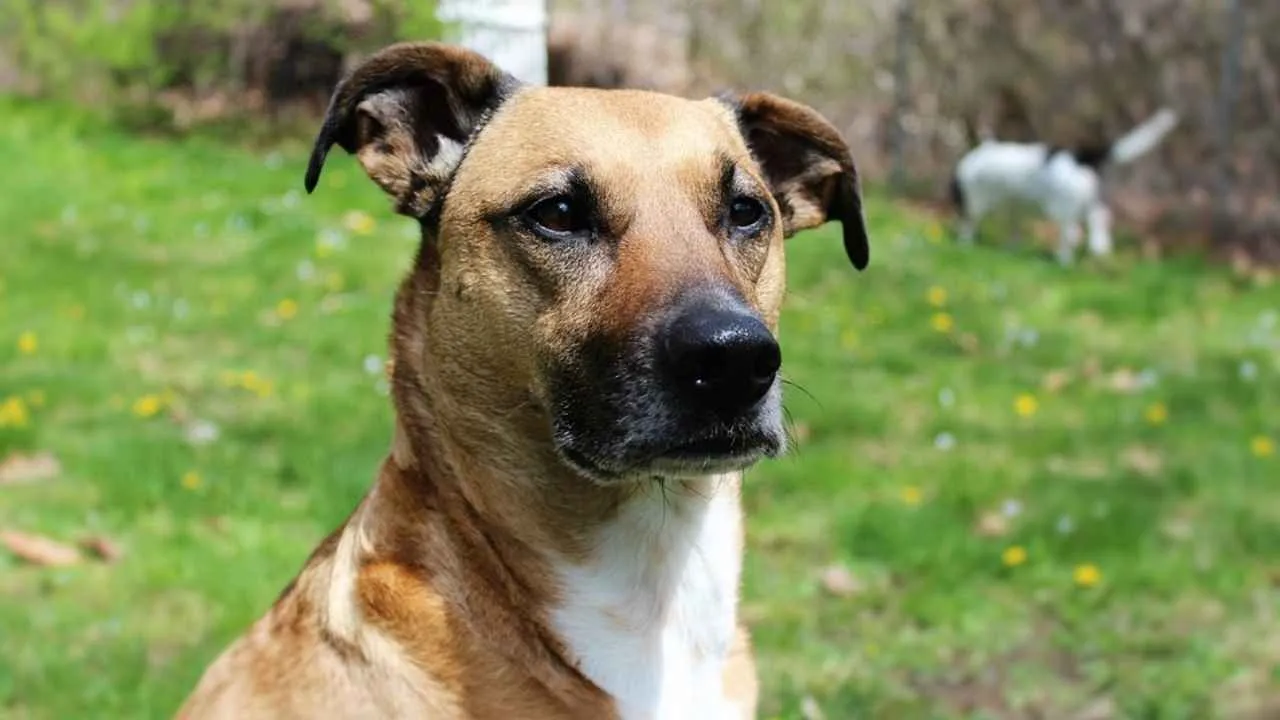
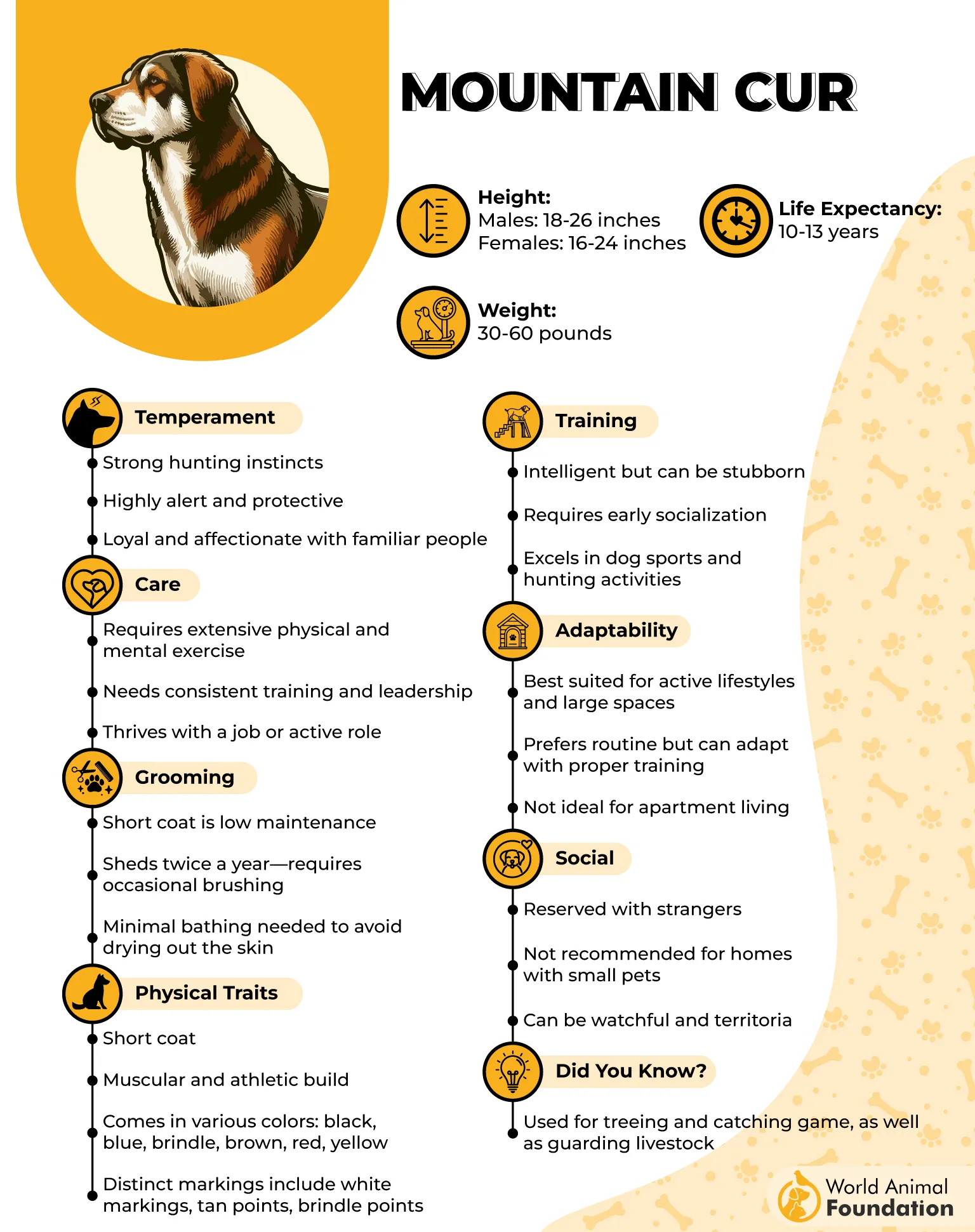
Mountain Curs are tough, energetic dogs that historically helped rural families hunt, protect property, and handle other demanding farm responsibilities.
These hog-hunting dogs have particularly interesting tracking behavior, including raising their heads to investigate scent moving through the air. The United Kennel Club notes that they may circle or drift along an older trail to find fresher scent, and individuals can work silently or vocalize at different points during a track.
For boar-related scent work, these traits can help an appropriately trained dog investigate changing scent conditions, although tracking ability should never be confused with permission to engage dangerous wildlife.
This large dog’s physical build reflects generations of practical selection for useful movement across steep Appalachian hills, rocky slopes, and forested valleys. Its well-developed shoulders, muscular thighs, firm back, and sturdy paws help support quick directional changes and prolonged activity on rough surfaces.
Mountain Curs are typically energetic, intelligent, and closely connected to the people who provide them with meaningful work. Their natural prey drive and tendency to investigate wildlife mean owners should start with secure boundaries, well-developed recall, and controlled socialization early.
Conclusion
Choosing a dog for wild boar tracking involves much more than finding the strongest animal or the breed with the most impressive hunting reputation. Proper socialization, reward-based training, conditioning, veterinary care, experienced handling, and respect for wildlife all play essential roles in responsible fieldwork.
Other active dogs known for hunting big game include the American Pit Bull Terrier, Black Mouth Cur, German Hunting Terrier, Labrador Retriever, Dogo Argentino, and American Bulldog.
Wild boars can inflict severe injuries, and safe tracking practices should prioritize controlled searches, risk assessment, appropriate protective measures, and compliance with local laws rather than unnecessary animal confrontations.
The best part is that these extraordinary dogs don’t need to encounter wild boars to demonstrate the instincts that make them special. From recreational nose work and search games to hiking and organized canine sports, owners can give their remarkable natural abilities satisfying outlets.
