




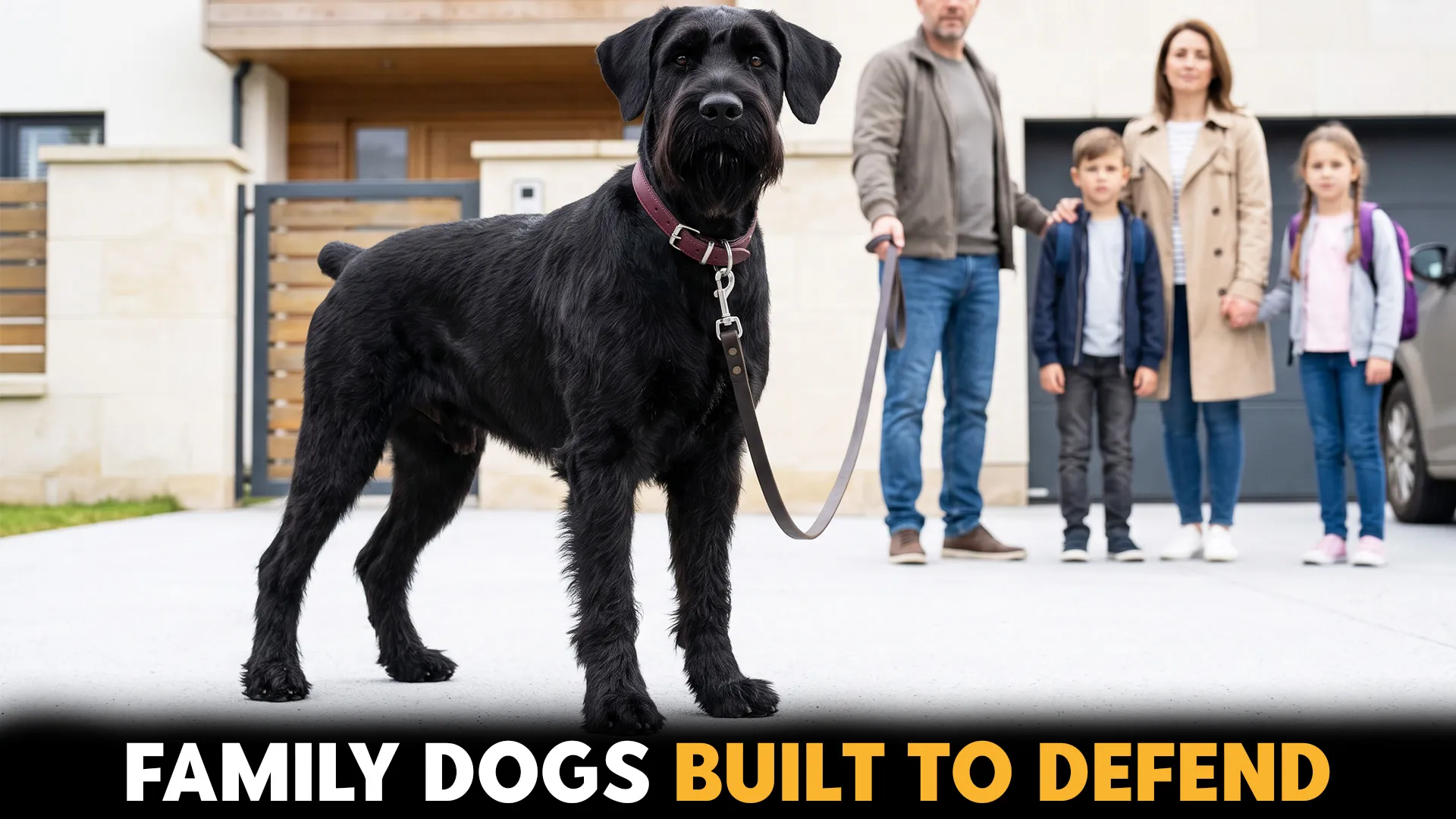
It’s 11 p.m. The kids are asleep, the TV is on low, and you’re half dozing on the couch.
Then there’s a noise outside. Before you even sit up… your dog is already at the window. Body stiff. Ears forward. A low, rumbling growl you didn’t even know they had in them. That, right there, is protective instinct.
A great guard dog is NOT the same thing as an aggressive dog. The best guard dogs are calm, confident, and incredibly loyal. They know the difference between the mail carrier and a real threat. They are gentle with small children, patient with family members, and only flip into protection mode when needed.
That balance is what separates excellent guard dogs from dogs that are just plain scary.
Many of these canines were originally bred to guard livestock, protect property, or work alongside handlers as military and police dogs. That lineage gave them sharp instincts, a strong work ethic, and deep loyalty to their people. But it also means they need a family that knows what it’s signing up for.
We are covering the family guard dogs with great protective instincts, the breeds that can be loving family pets on Sunday afternoon and a serious deterrent at 2 a.m.
Family Guard Dogs With Great Protective Instincts
1. German Shepherd
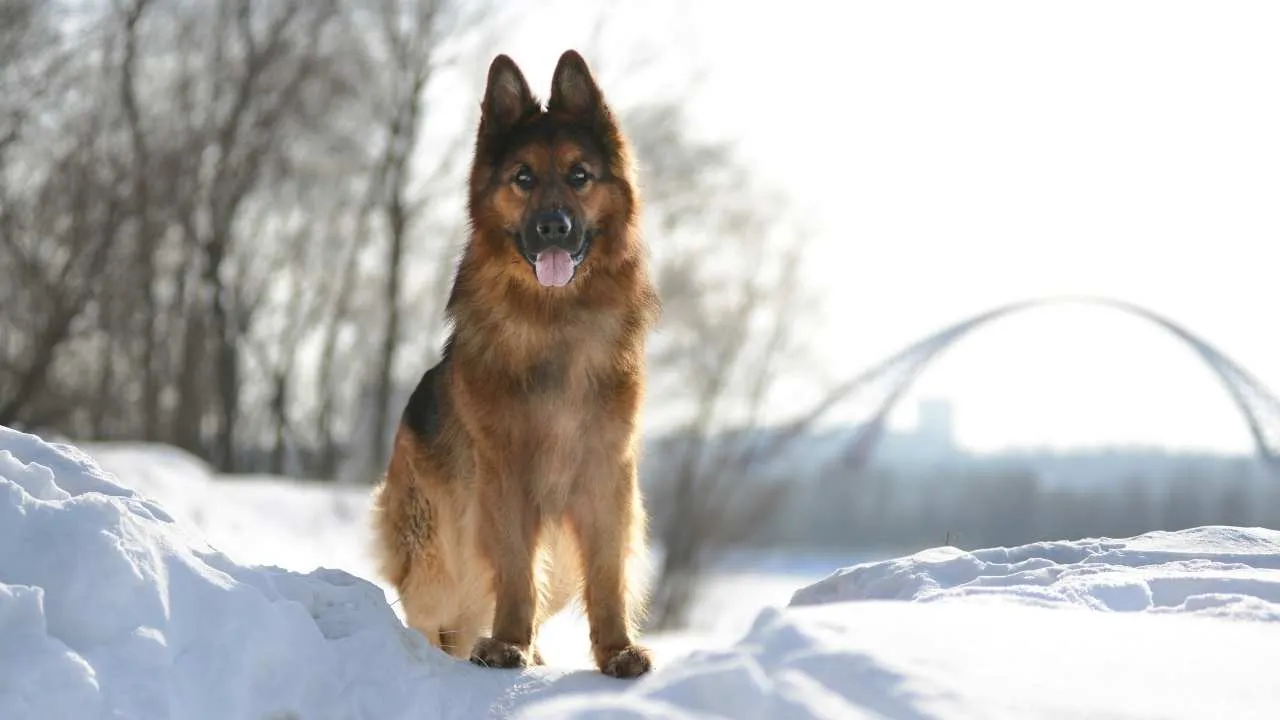
There’s a reason the German Shepherd is the first breed most people picture when they hear “guard dog.”
The breed was developed in Germany in the late 1890s by a cavalry officer named Max von Stephanitz. His goal was simple. He wanted the perfect working dog.
And yes, he came pretty close.
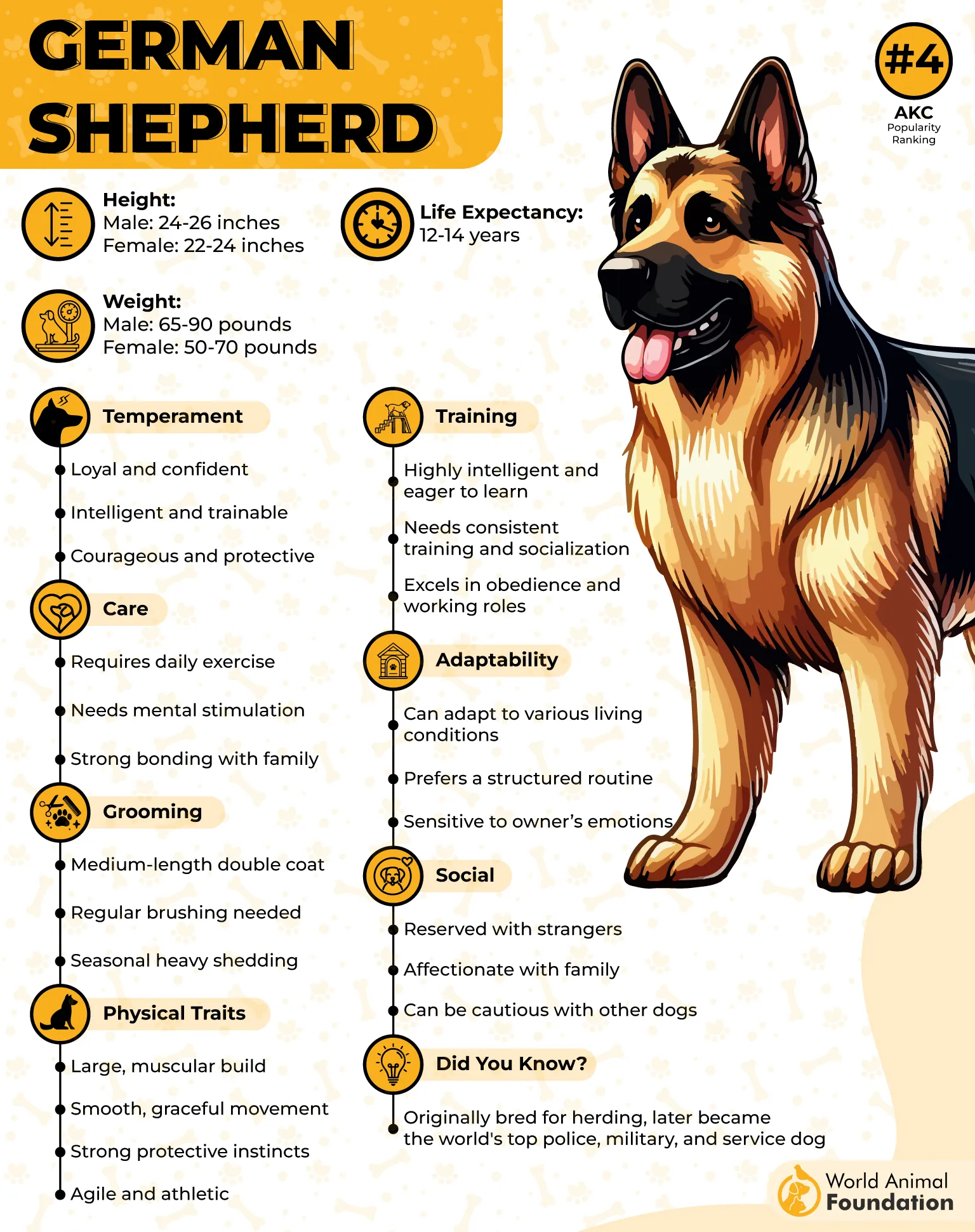
German Shepherds were originally bred for herding, but their intelligence and trainability made them a natural fit for almost any job you can think of. Today, they are among the most widely used military and police dogs on the planet.
These Shepherd dogs are highly intelligent, extremely loyal, and deeply bonded to their family. They are naturally wary of strangers without being reckless about it, which makes them a great guard dog and better watchdogs than most.
They also come with high energy levels, because the American Kennel Club says they are an athletic and very active breed. A German Shepherd that doesn’t get daily exercise and mental stimulation will find its own entertainment, and you probably won’t like what it picks. (Goodbye, couch cushions.)
Early training and positive reinforcement obedience training go a long way with this police dog breed. They WANT a job. Give them one.
Grooming is a thing, too. That double coat sheds year-round, and twice a year it basically explodes. Invest in a good vacuum.
2. Boxer
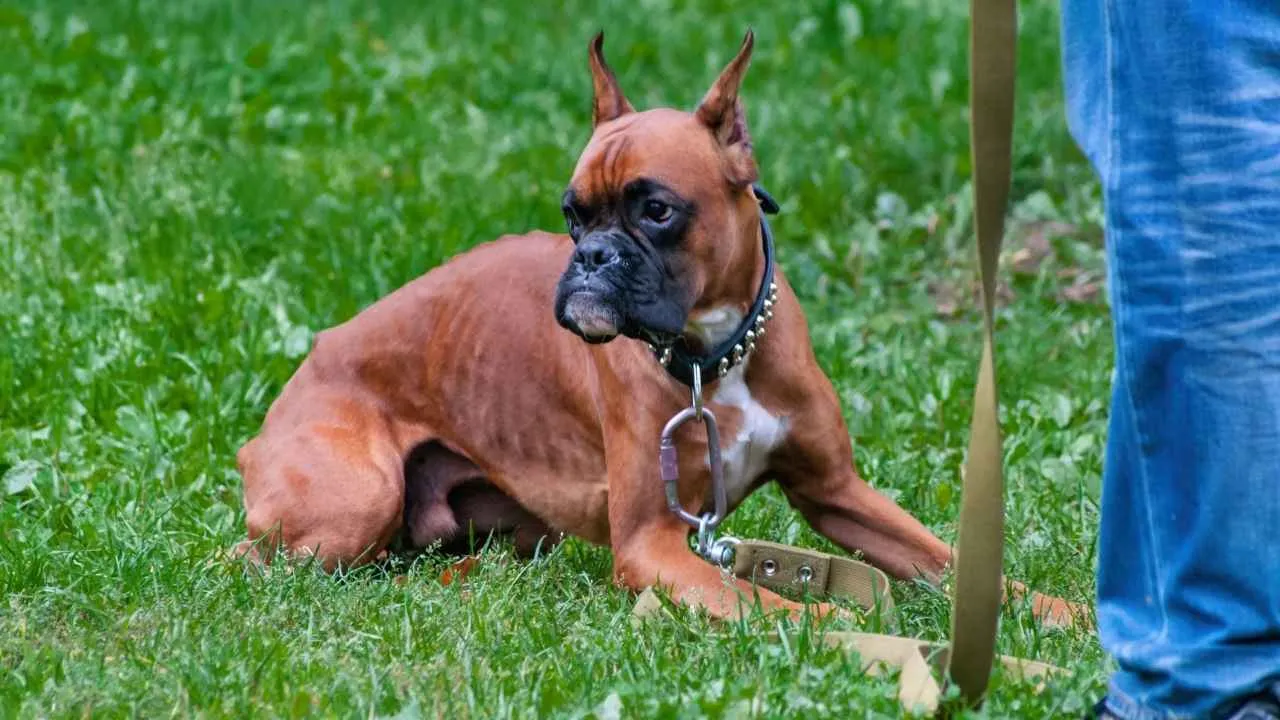
Boxers might be the goofiest dogs on this list. They wiggle, bounce, and make faces.
So why are they here?
Because underneath all that silliness is a seriously courageous dog.
Boxers trace back to Germany, where their ancestors were used to hunt large game like boar and bear. Later, during World War I, Boxers served as messenger dogs, guard dogs, and pack carriers.
Not bad for a dog that looks like it’s always smiling.
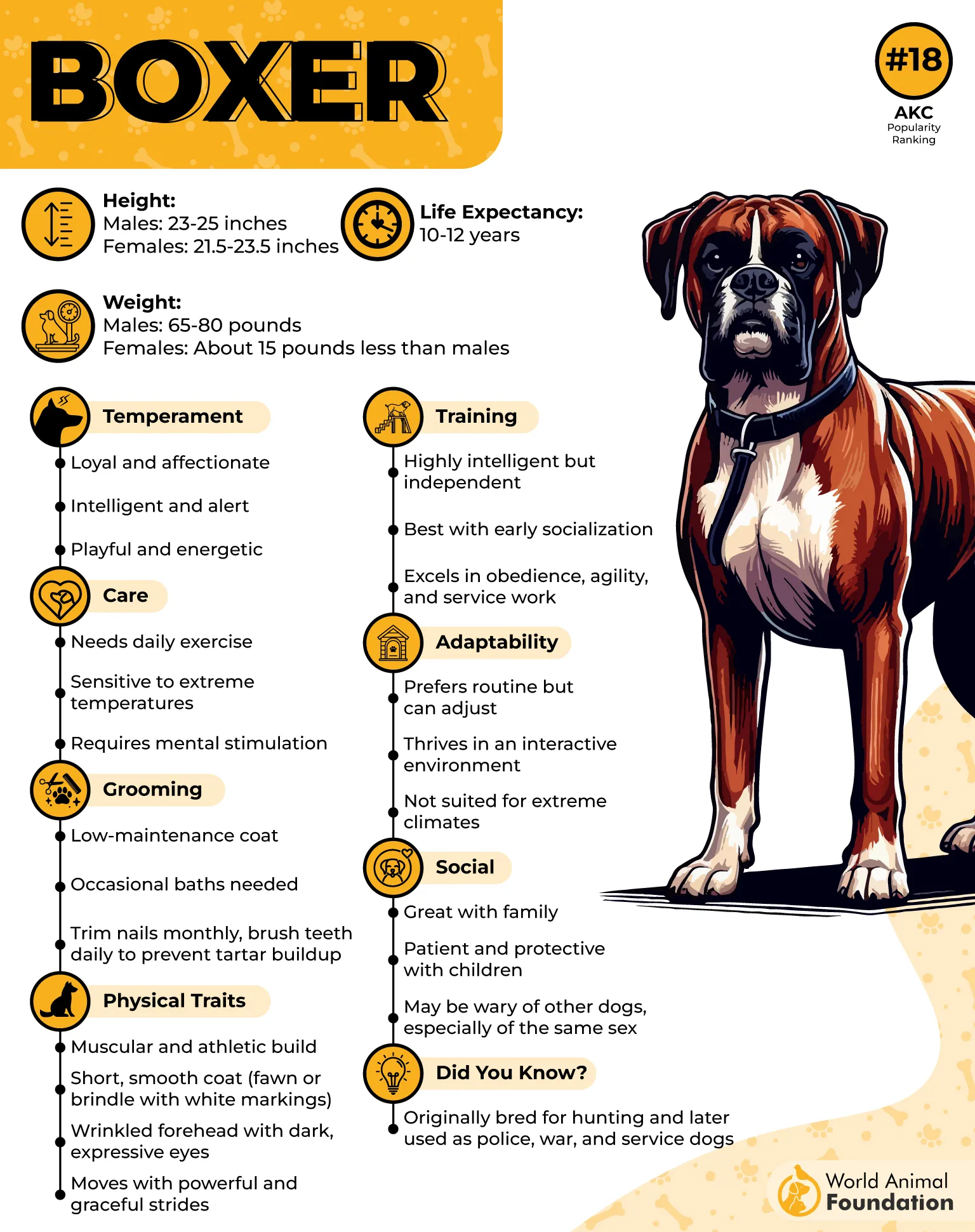
Boxers are famously good with kids. They are patient, playful, and fiercely protective of their family members, mostly small children and other pets, as noted by Britannica.
Many Boxer owners will tell you their dog appointed itself the kids’ personal bodyguard on day one.
They are alert, and they will let you know when someone’s at the door. But they are friendly once they see you are okay with the visitor.
Boxers are athletic and full of energy, so they are ideal for active families, according to Britannica. A short stroll around the block won’t cut it. They need regular exercise, playtime, and some proper obedience training to keep all that bounce under control.
3. Doberman Pinscher
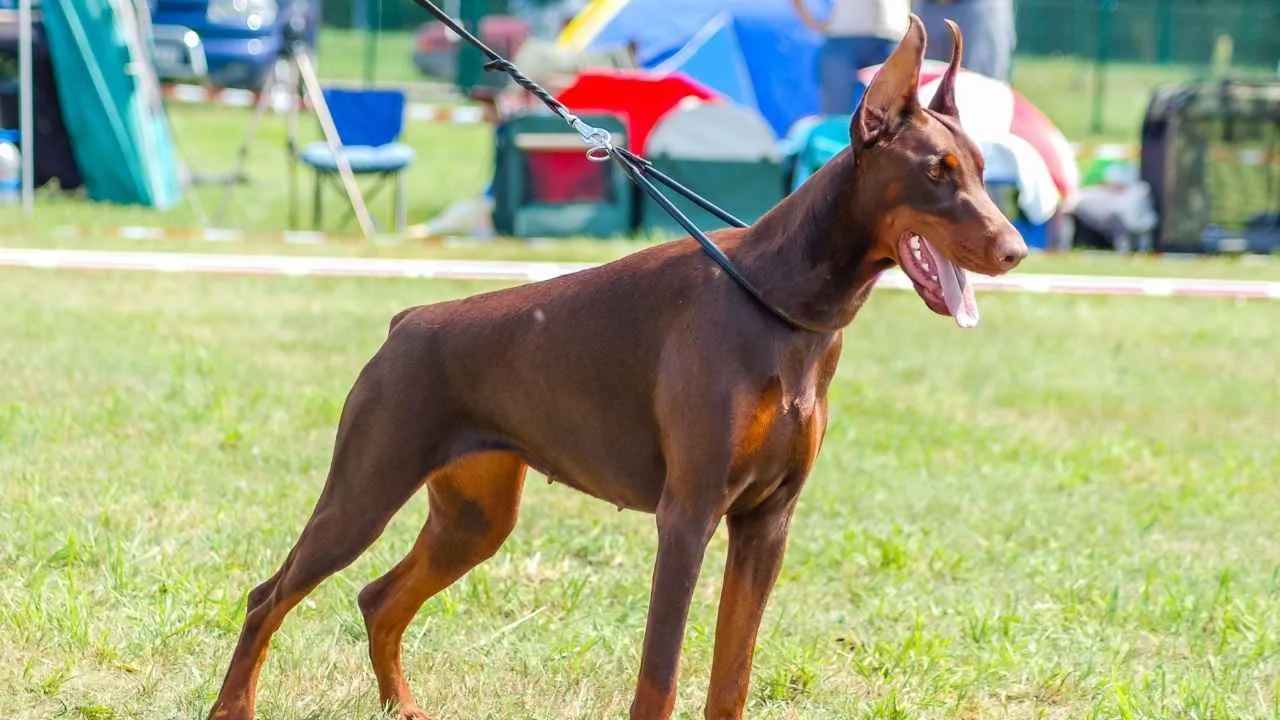
Want to hear a great origin story?
The Doberman Pinscher was created in the 1890s by a German tax collector named Louis Dobermann.
It is among the fastest dog breeds, bred to be fearless and intimidating at first glance. And it worked. The breed later served with the U.S. Marine Corps in World War II.
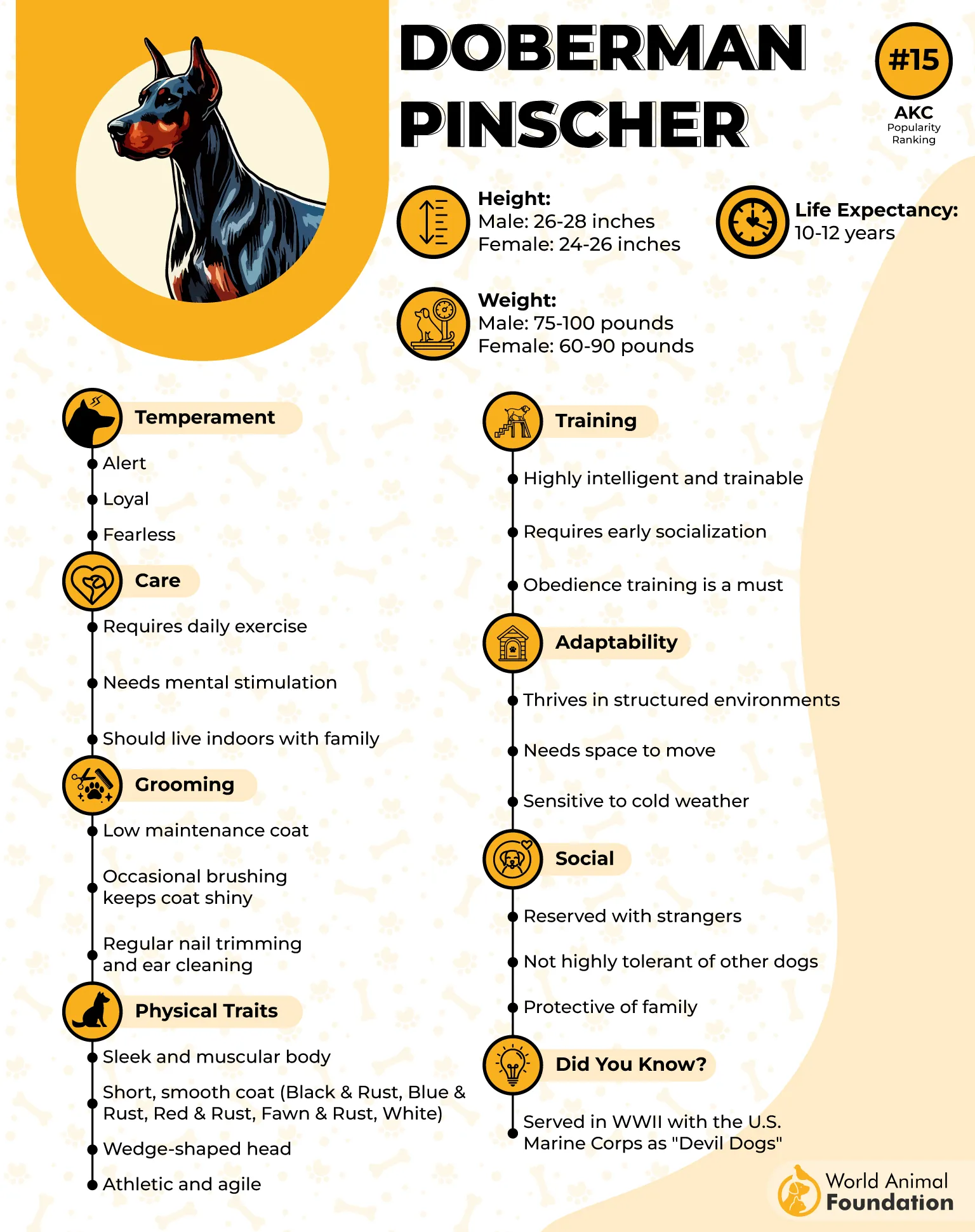
Dobermans are total sweethearts with their own family. Velcro dogs. They will follow you from room to room and lean their whole body on your legs.
But they are naturally alert, naturally protective, and take their job seriously.
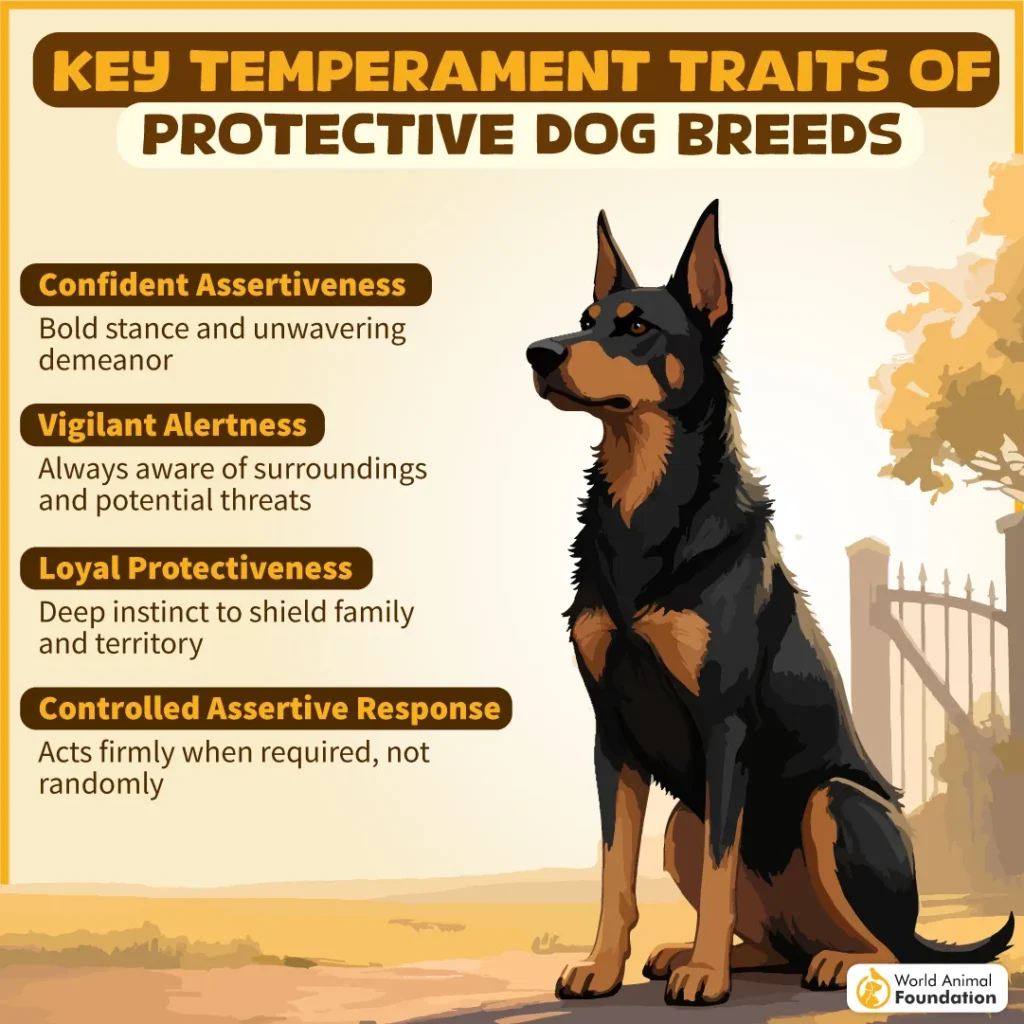
Doberman Pinschers are elegant, agile, and highly intelligent dogs. They learn fast. Good habits and bad habits. Early training and socialization with other dogs, other animals, and strangers is a MUST.
They are also sensitive. Harsh training backfires. Positive reinforcement works beautifully.
4. Cane Corso
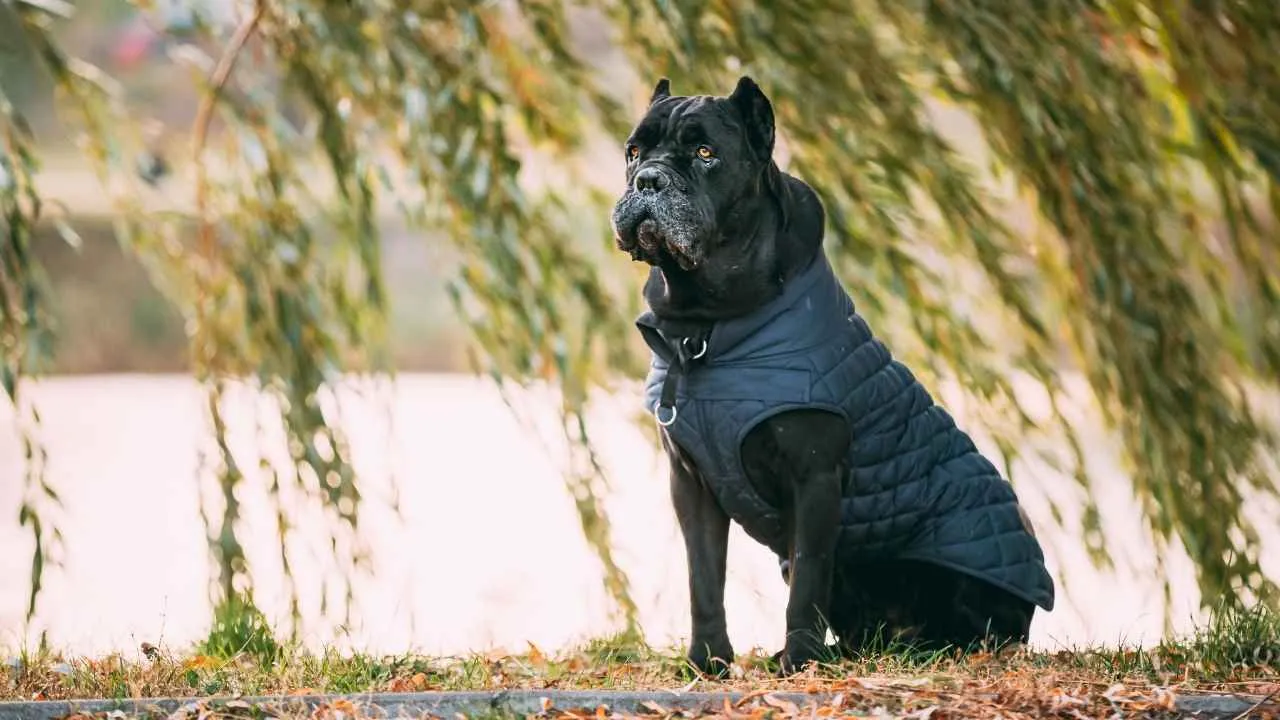
The Cane Corso is an Italian Mastiff with roots going all the way back to ancient Rome, where its ancestors worked as war dogs.
After that, the breed settled into farm life. Cane Corsos were used to guard livestock, protect property, and even hunt large game like wild boar.
So yeah, this dog has been on the job for a long time.
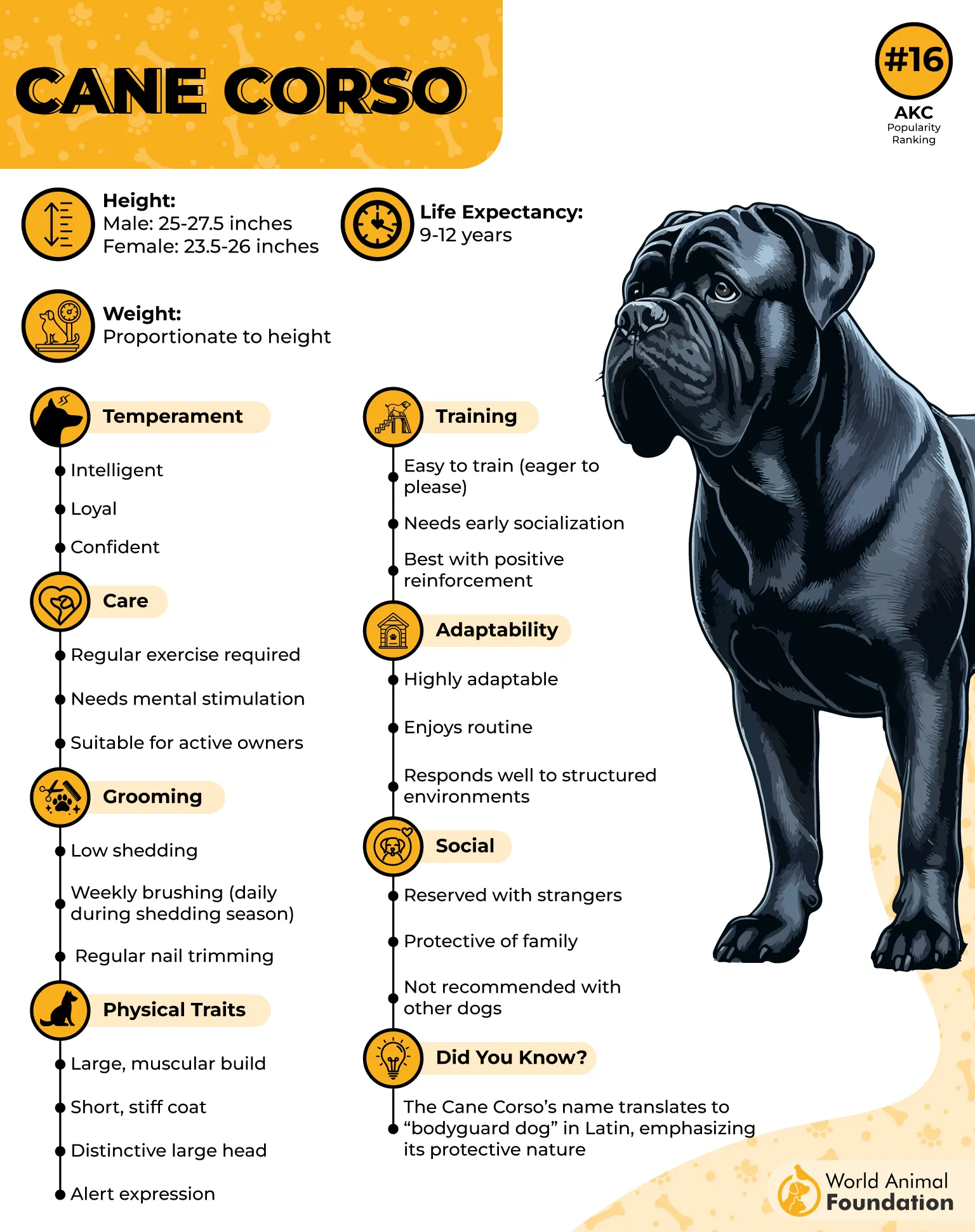
The Cane Corso is a powerful, muscular dog with an intimidating appearance. Most people will think twice before walking up your driveway.
At home, a well-raised Cane Corso is calm indoors, quiet, and devoted to its people. They tend to pick a favorite family member but protect the whole household.
This is NOT a breed for beginners.
Cane Corsos can be dominant and territorial, and they are naturally wary of unfamiliar dogs and people. These Italian dogs need experienced owners, consistent obedience training, and early socialization.
With the right guidance, they are incredible.
5. Rottweiler
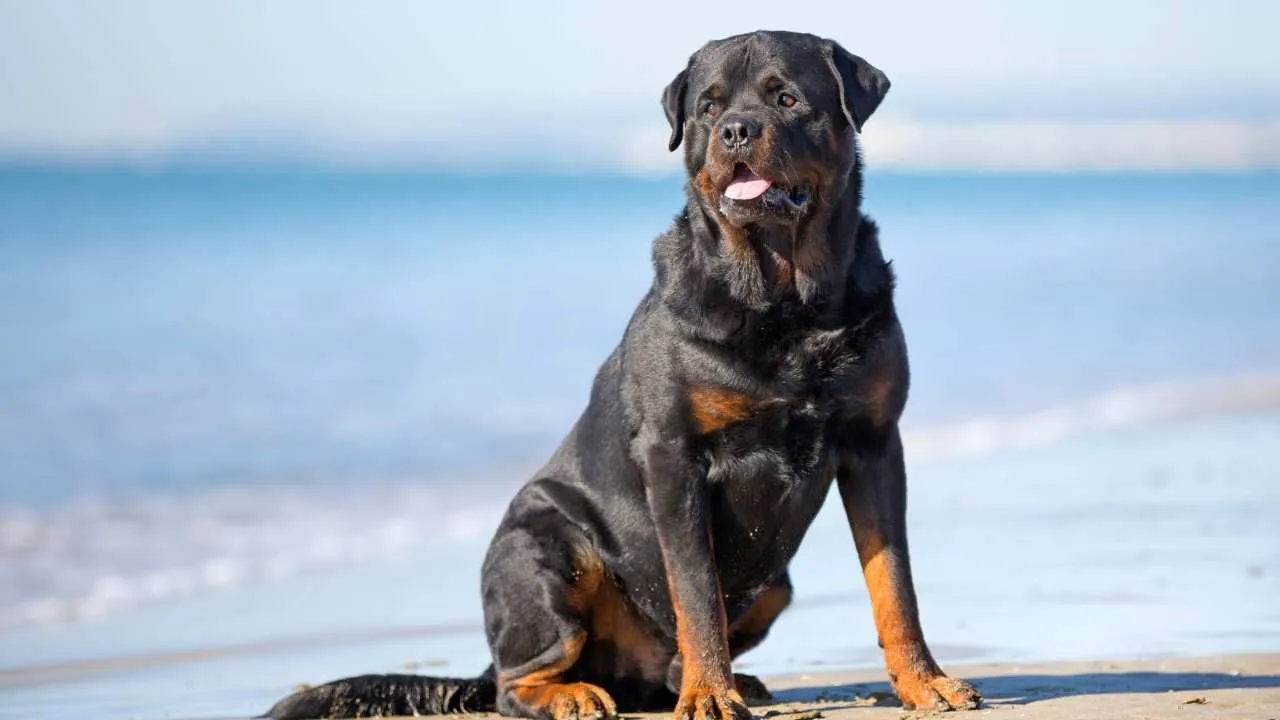
The Rottweiler’s story starts with Roman armies, too. As the legions marched across Europe, they brought along Mastiff-type dogs to drive and protect livestock and cattle that fed the troops.
Some of these dogs ended up in a German town called Rottweil.
There, they became butcher’s dogs, herding cattle to market and guarding the cash on the way home. According to The Gale Review, butchers would tie their money pouches around the dogs’ necks.
Good luck stealing that.
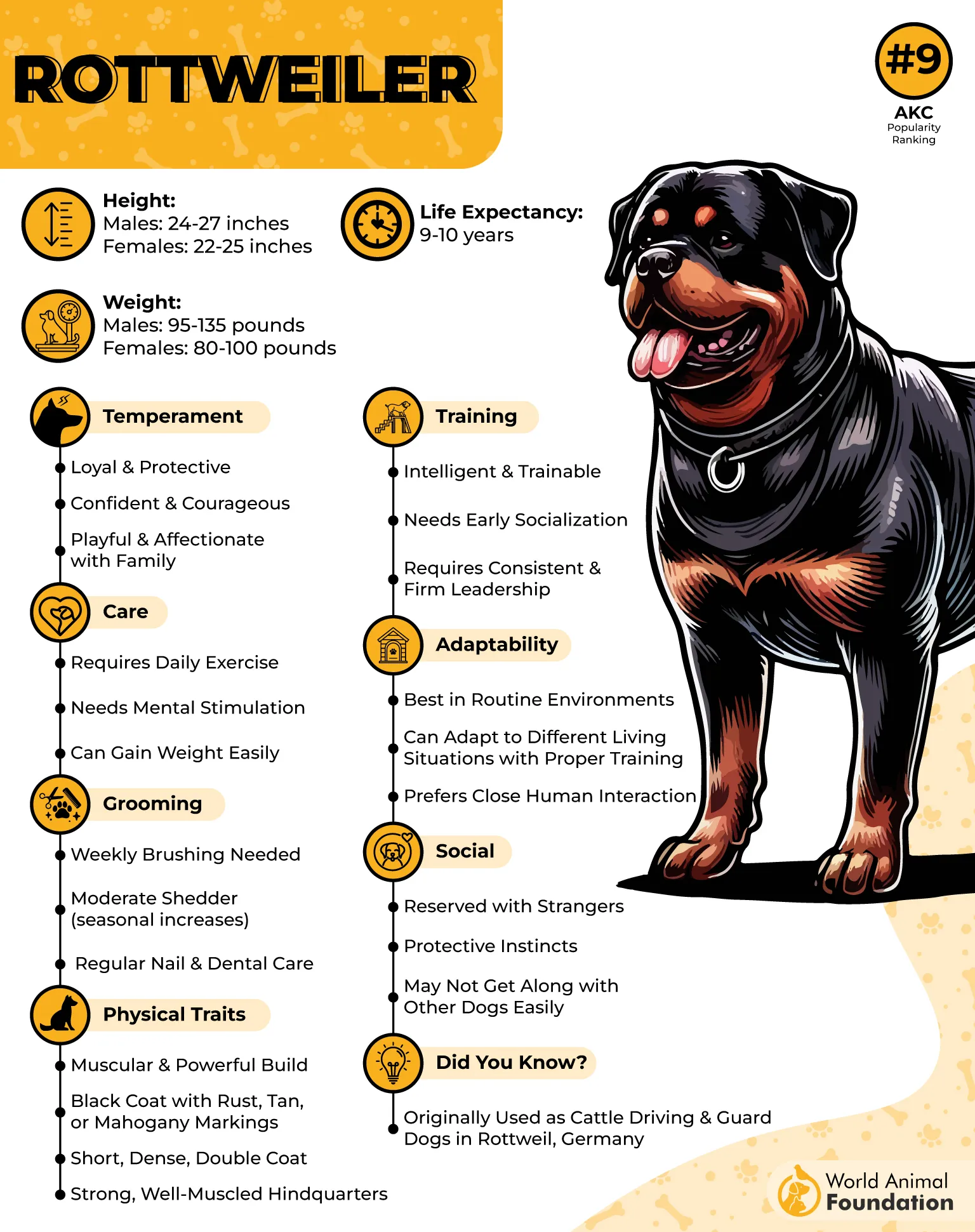
Rottweilers are confident, calm, and extremely loyal dogs. They are one of the most popular police dogs and guard dog breeds.
They have a strong bond with their family and a natural instinct to protect. They are also smarter than people give them credit for.
But Rotties are powerful.
After proper training, they are loving family pets that are great with kids. Poorly trained, they can be a handful. Start obedience training early.
Daily exercise, mental stimulation, and a firm but kind handler bring out the best in them. And ultimately, they become one of the best guard dog breeds around.
6. Bullmastiff
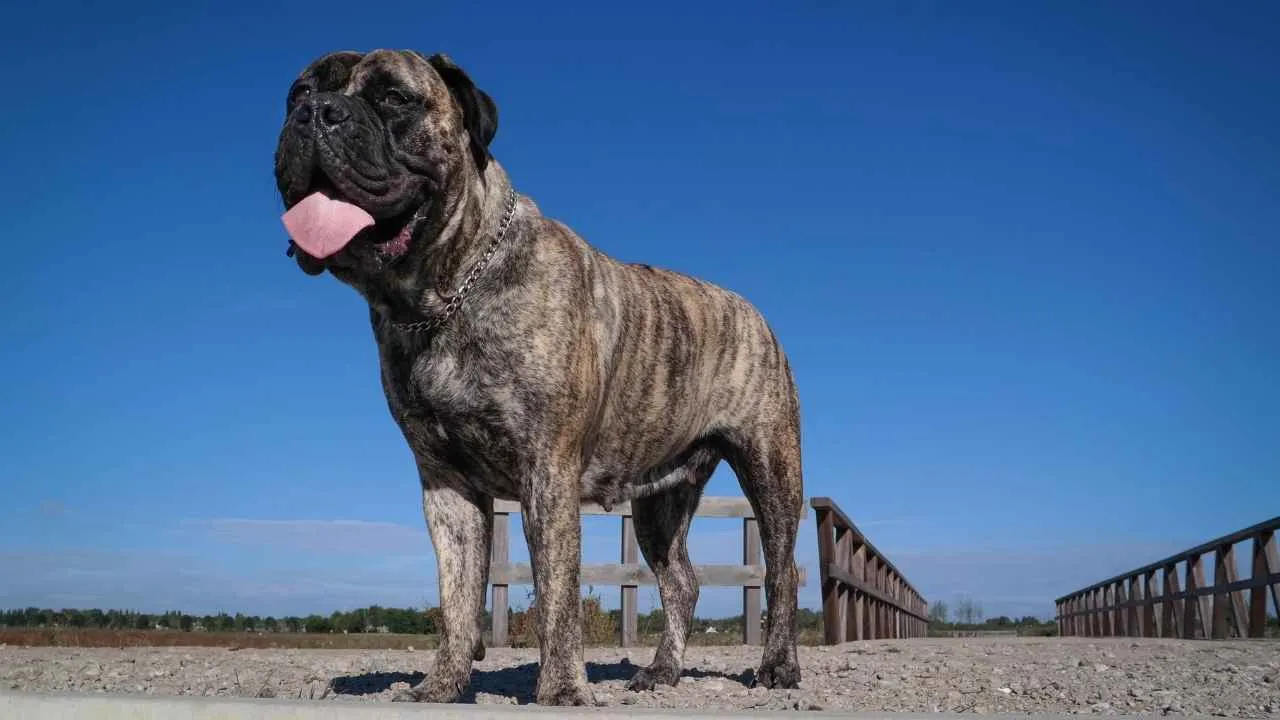
Back in 19th-century England, poachers were a big problem on large estates. Gamekeepers needed a dog that could track down an intruder at night, knock him down, and hold him there without mauling him.
The answer was a BULLMASTIFF.
They were nicknamed the “Gamekeeper’s Night Dog”
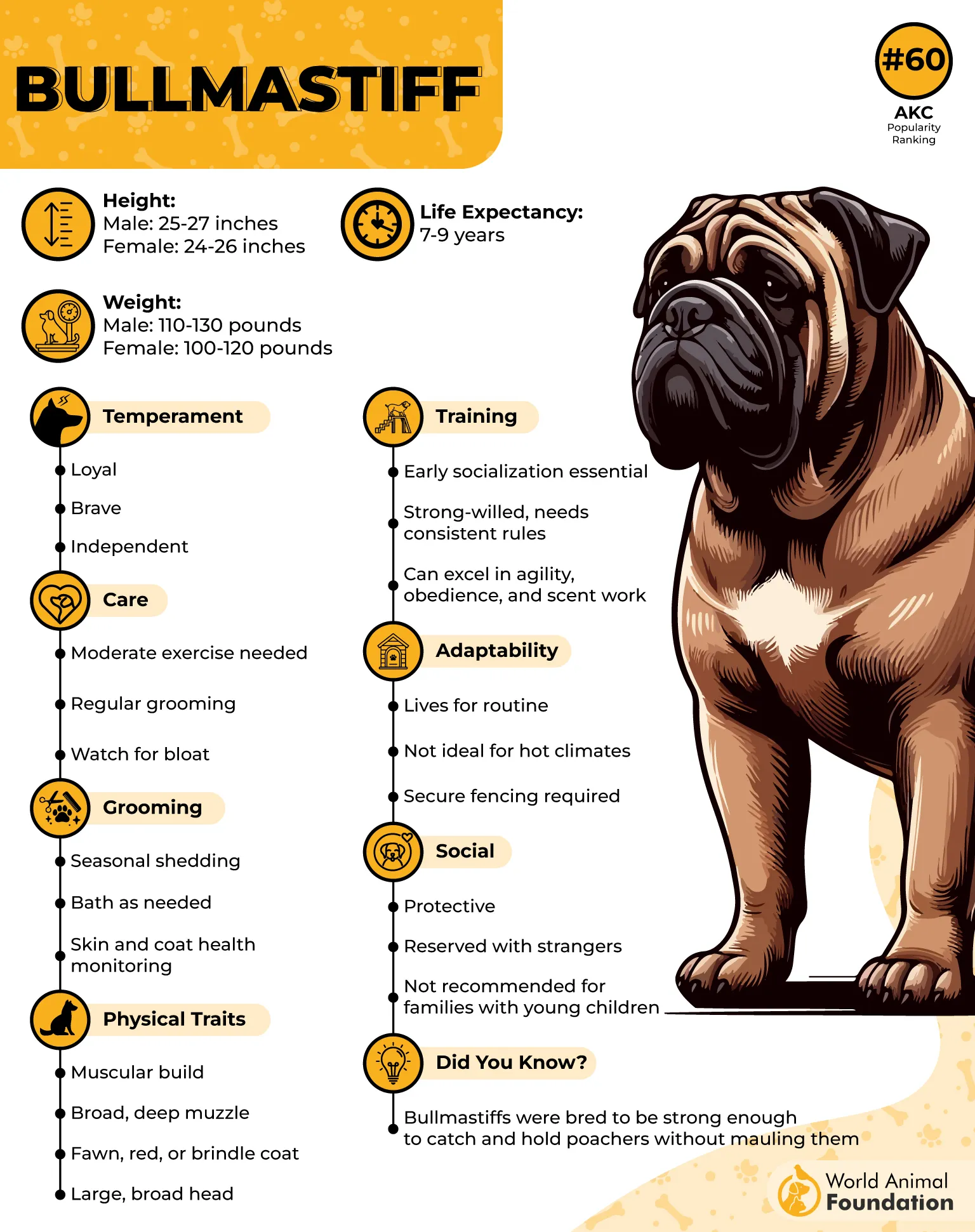
Bullmastiffs are not big barkers, but when they do bark, it is a loud bark that rattles windows. They have a steady, calm demeanor, and they are a little lazy, if we are being honest. They are gentle giants with their families and good in family environments.
Couch-potato vibe is a mood. But when something feels wrong, these large dogs move FAST.
Bullmastiffs can be stubborn, so proper training and early socialization with children and other pets are important. They also drool a lot. Keep a towel handy.
7. Rhodesian Ridgeback
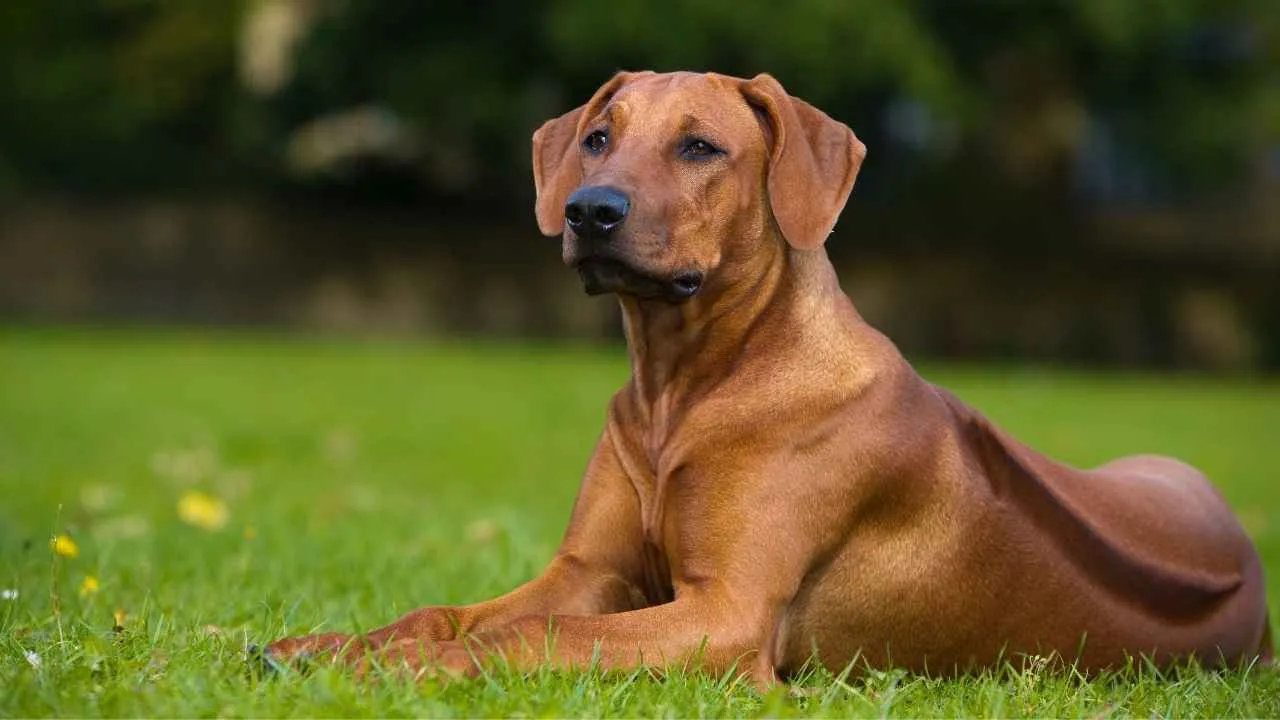
You will recognize this breed by the strip of hair running backward along its spine. That “ridge” is the breed’s signature.
Historically, Rhodesian Ridgebacks originated in Southern Africa to track lions and hold them at bay until hunters arrived.
Lions. YES!
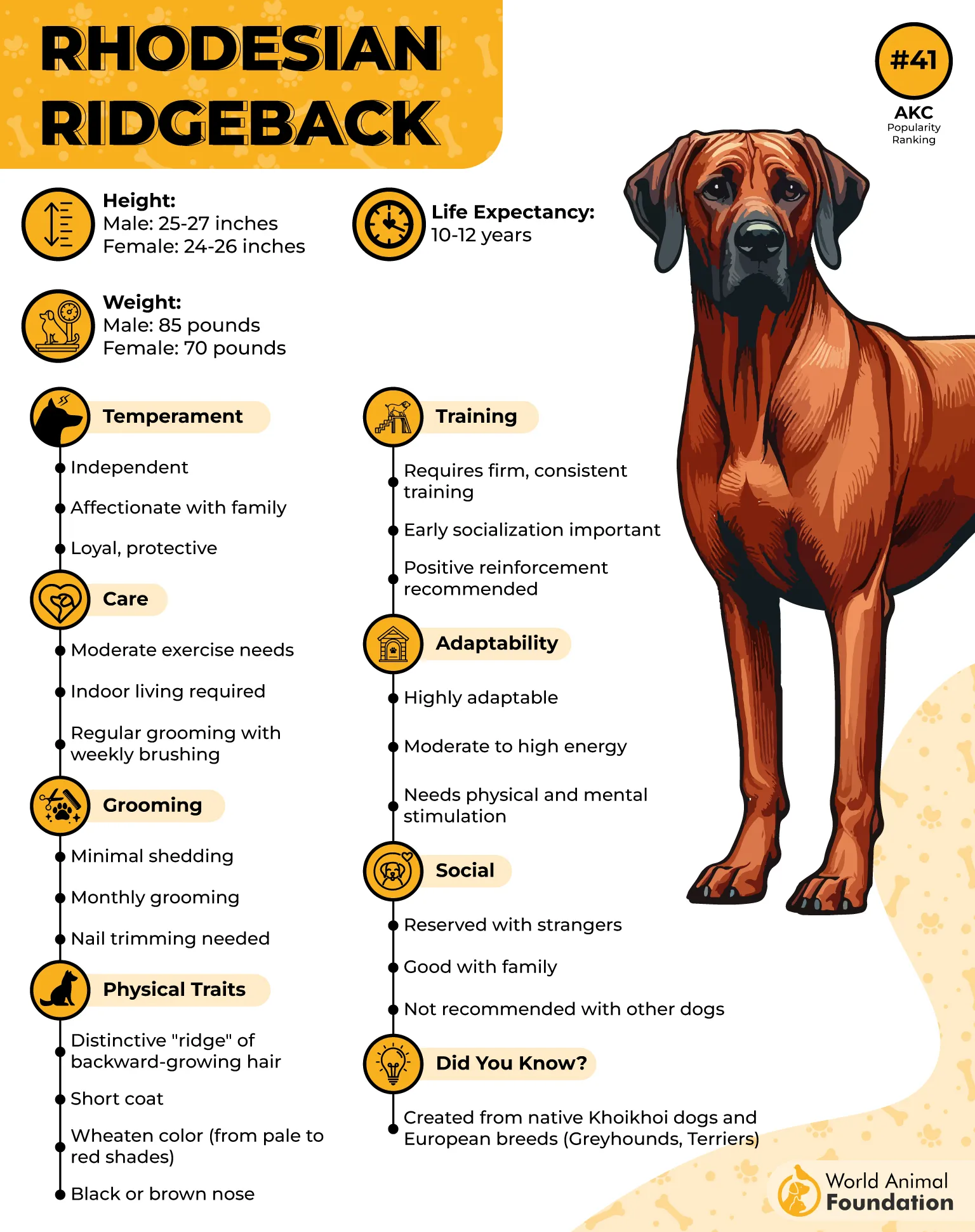
Rhodesian Ridgebacks are dignified, independent, and naturally wary of strangers. They don’t usually greet every visitor with a tail wag. These hunting dogs watch first, decide later.
With their own family, though, they are loyal and affectionate.
They are athletic dogs with stamina, perfect for active families who hike or run. They need regular exercise and mental stimulation to stay balanced.
Their independent streak can make training tricky. Patience, consistency, and positive reinforcement work best.
Conclusion
A great guard dog is NOT a mean dog.
It’s a loyal one. It’s a dog that loves its family so much that it’s willing to step between them and anything that feels like a threat.
But protective instincts need direction. Proper obedience training. Early socialization. Daily exercise. Plenty of mental stimulation. Skip those, and even the best guard dog breeds can become anxious, pushy, or way too reactive.
Do it right, and you get the best of both worlds. A calm, friendly companion on the couch… and a fearless family guardian when the lights go out.
Other dogs, such as the Bernese Mountain Dog, Caucasian Shepherd Dog, Giant Schnauzer, Belgian Malinois, and Great Dane, also provide personality, strength, security, the right temperament, and a muscular frame. All of these dogs need experienced handling from the beginning.
Know your breed. Respect the instinct.
And give that dog the training it deserves as a priority.
