




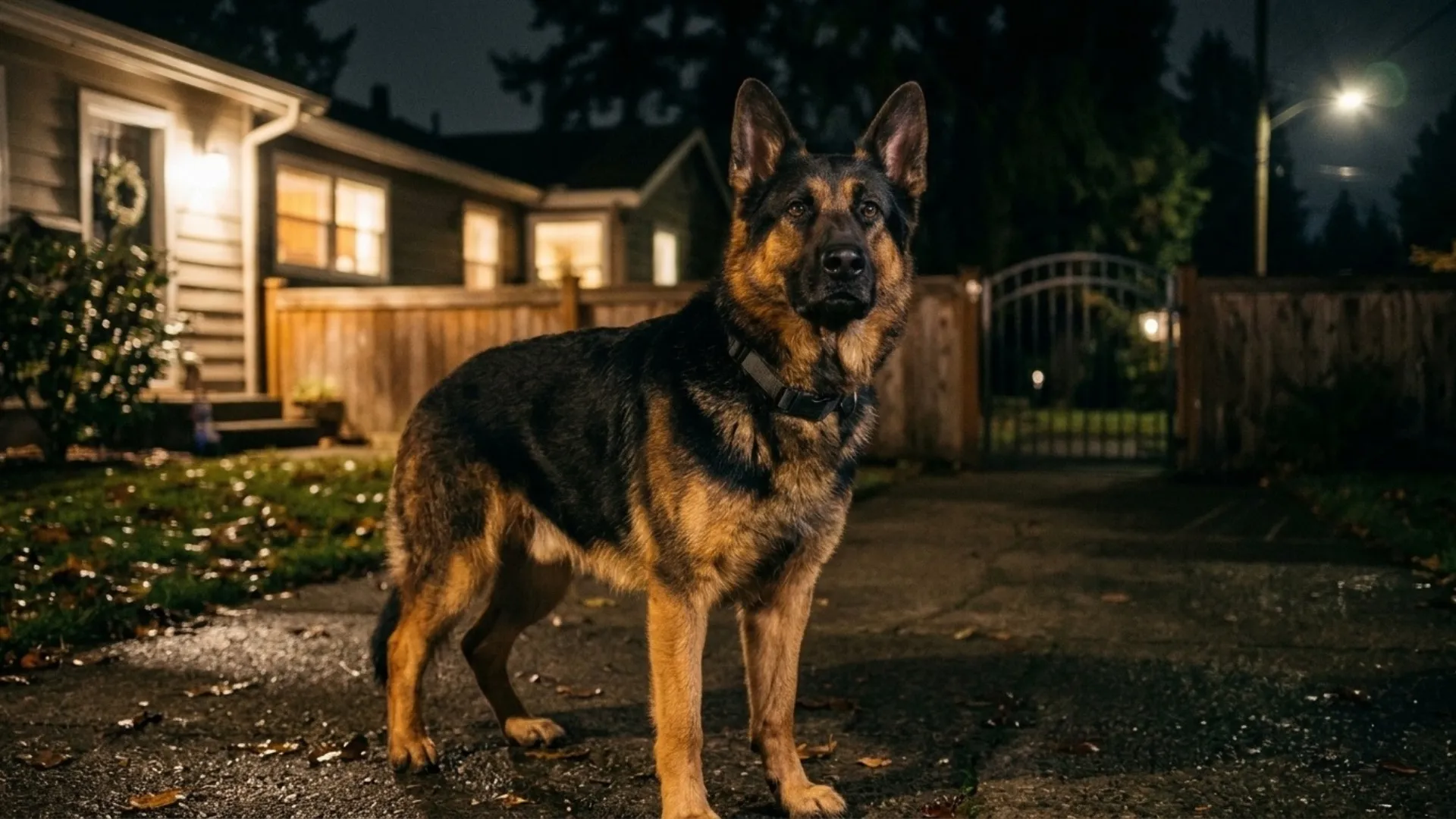
There is something completely comforting about knowing a loyal dog is awake while the rest of the house sleeps. A good guard dog does more than bark at strange noise. It watches, thinks, and reacts when something feels out of place. As actor Robert De Niro once said, “Dogs do not judge people. They judge situations.”
That simple truth explains why the right breed can become an incredible nighttime protector. Still, every great guard dog needs proper training, early socialization, and responsible ownership.
This guide explores nine remarkable breeds known for staying alert after dark. Each one protects in its own way, making it easier to find a four-legged guardian that truly fits your home and lifestyle.
Top Dog Breeds for 24/7 Nighttime Protection
1. German Shepherd
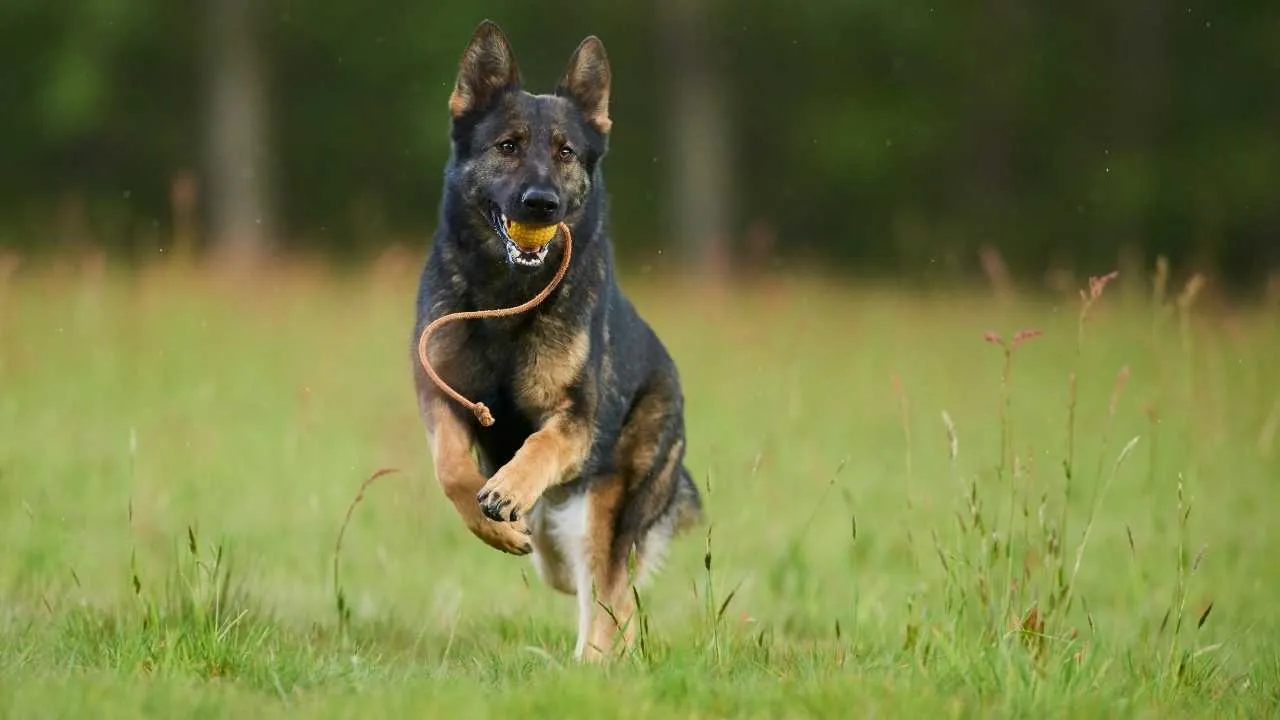
A cavalry officer, Max von Stephanitz was so impressed by the speed and agility of the local German herding dogs that he developed a perfect breed by crossing these breeds in 1899 to protect sheep and property, according to Pooch & Mutt.
It has a pack mentality and loves to protect the family and widely serves as a service animal. The breed also excels in bomb detection, search and rescue missions, and guiding the blind. Despite not being naturally aggressive, it is aloof with strangers.
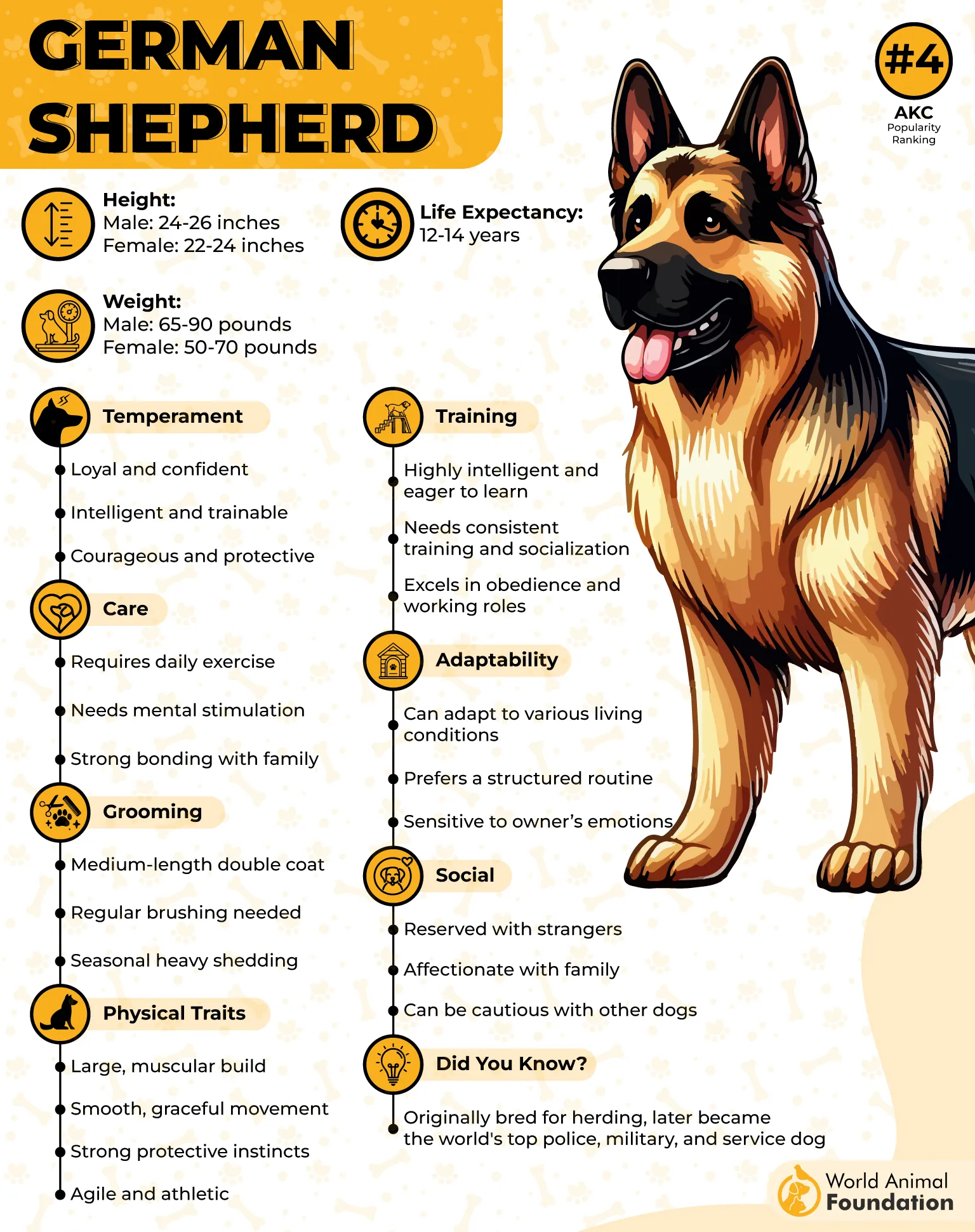
The active breed needs 1-2 hours of daily exercise and mental stimulation to prevent boredom: long walks, fetching, agility training, and obedience training. Teach impulse control to the breed because of the razor-sharp instincts.
2. Rottweiler
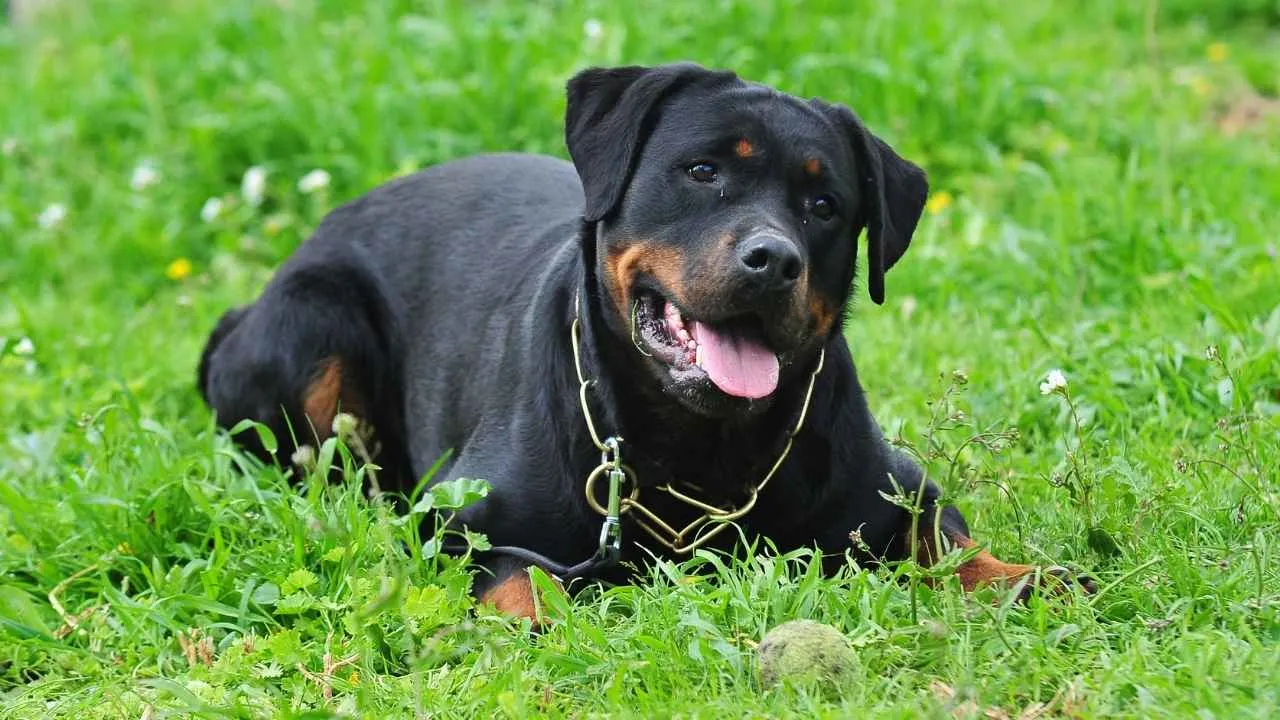
The history begins in ancient Rome, where the Mastiff-like cattle dogs, called ‘Molossers,’ were used to herd livestock. This dog later ended up in Southern Germany and then bred with local breeds, resulting in the Rottweiler, which was used to pull heavy carts and for protection.
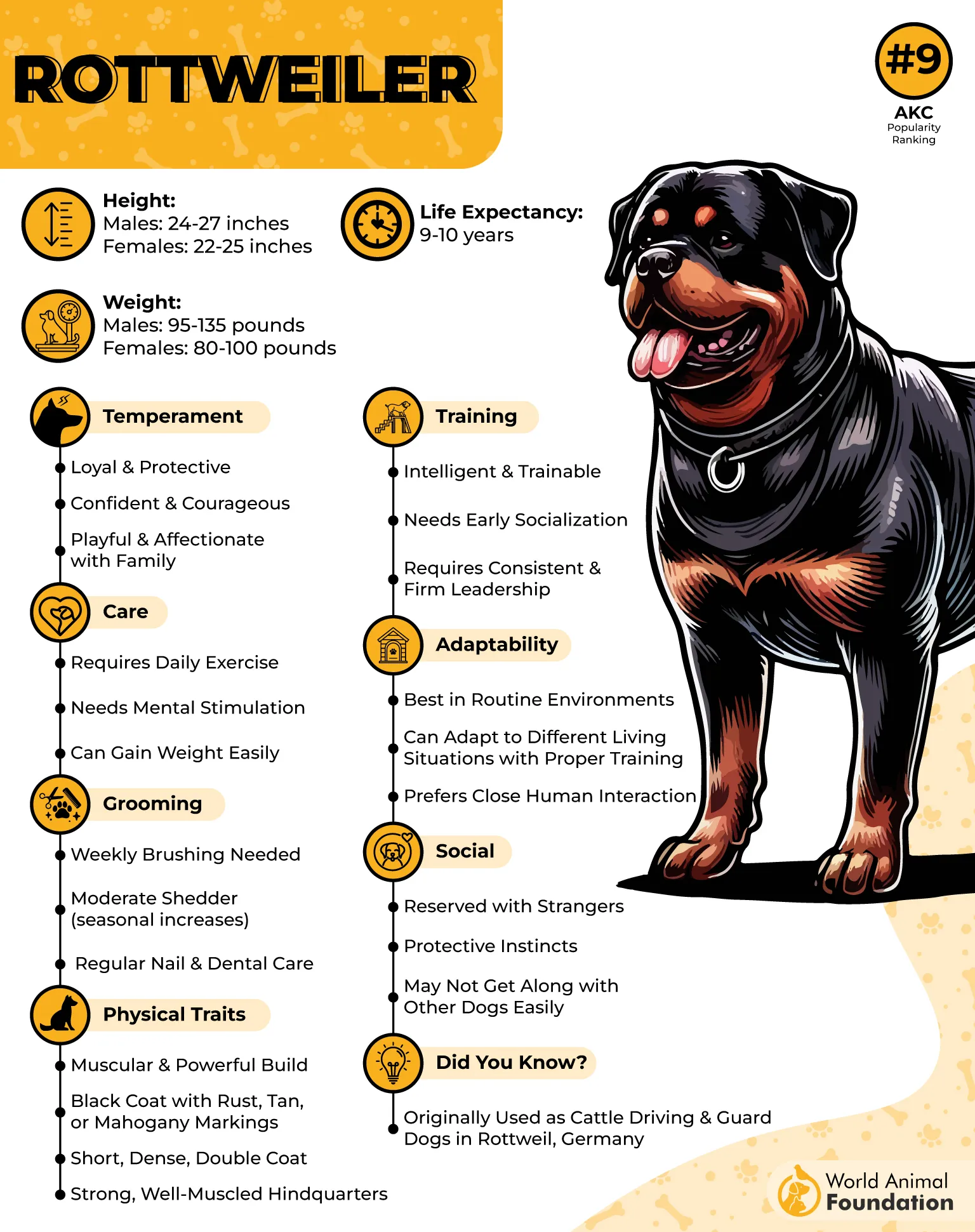
Because of its strong protective instincts, it was widely used as a guardian of the butcher’s money. It can lead to poor bleeding because of its territorial and protective nature; thus, it is banned in the United Kingdom. It has a powerful, calm, and dependable nature, making it ideal as a family dog.
If left alone for too long, it will develop destructive behavior, such as chewing and digging. The breed has two lineages: the German and the American. The German Rottweiler is considered to be more protective than the American Rottweiler. Its sharp focus has opened its way to other departments, including police, military, and customs work.
3. Doberman Pinscher
A German tax collector named Louis Dobermann developed this breed by crossing the Old Shorthaired Shepherd, the Rottweiler, the German Pinscher, and the Black and Tan Terrier. It is the fifth most intelligent dog breed in the canine kingdom.
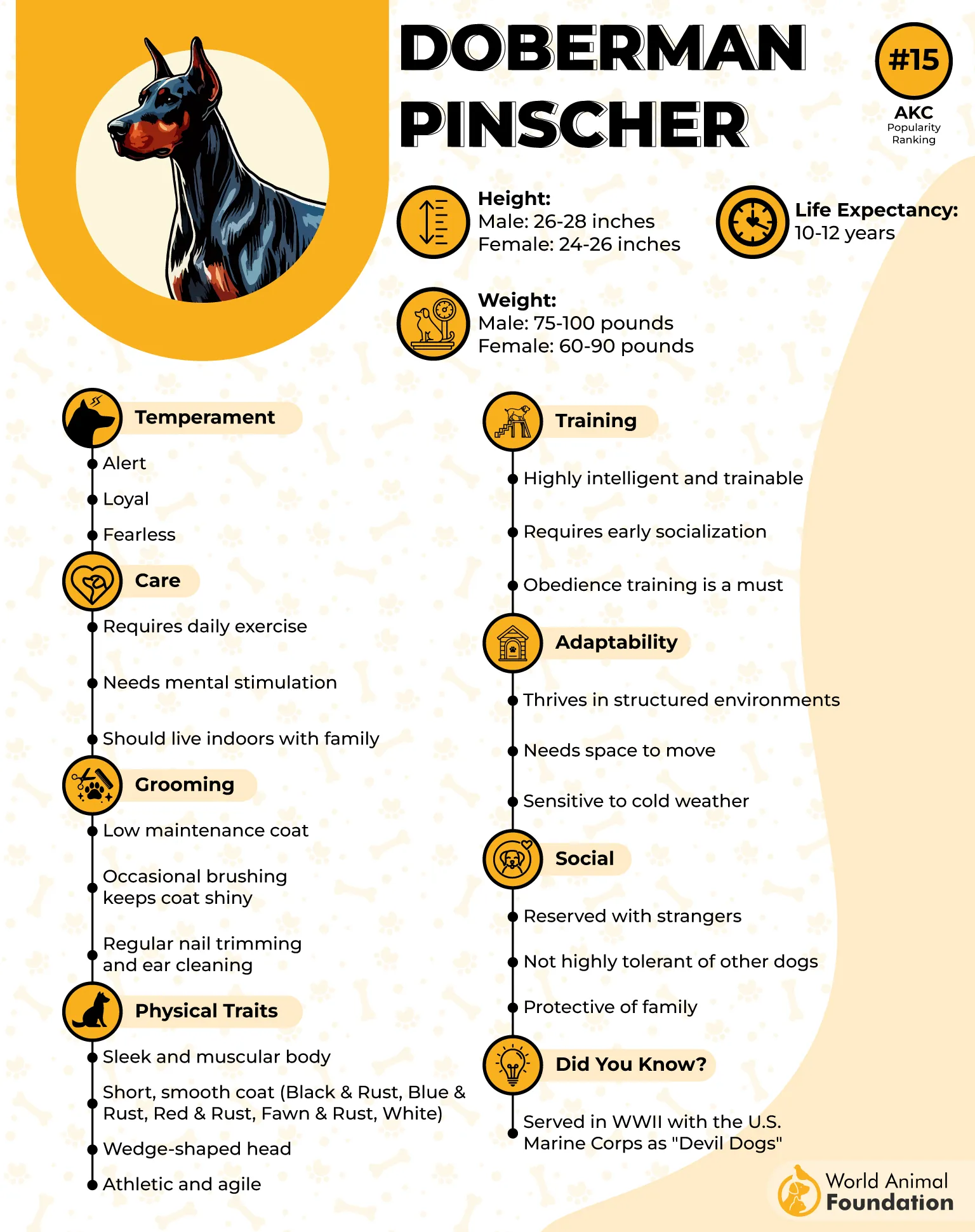
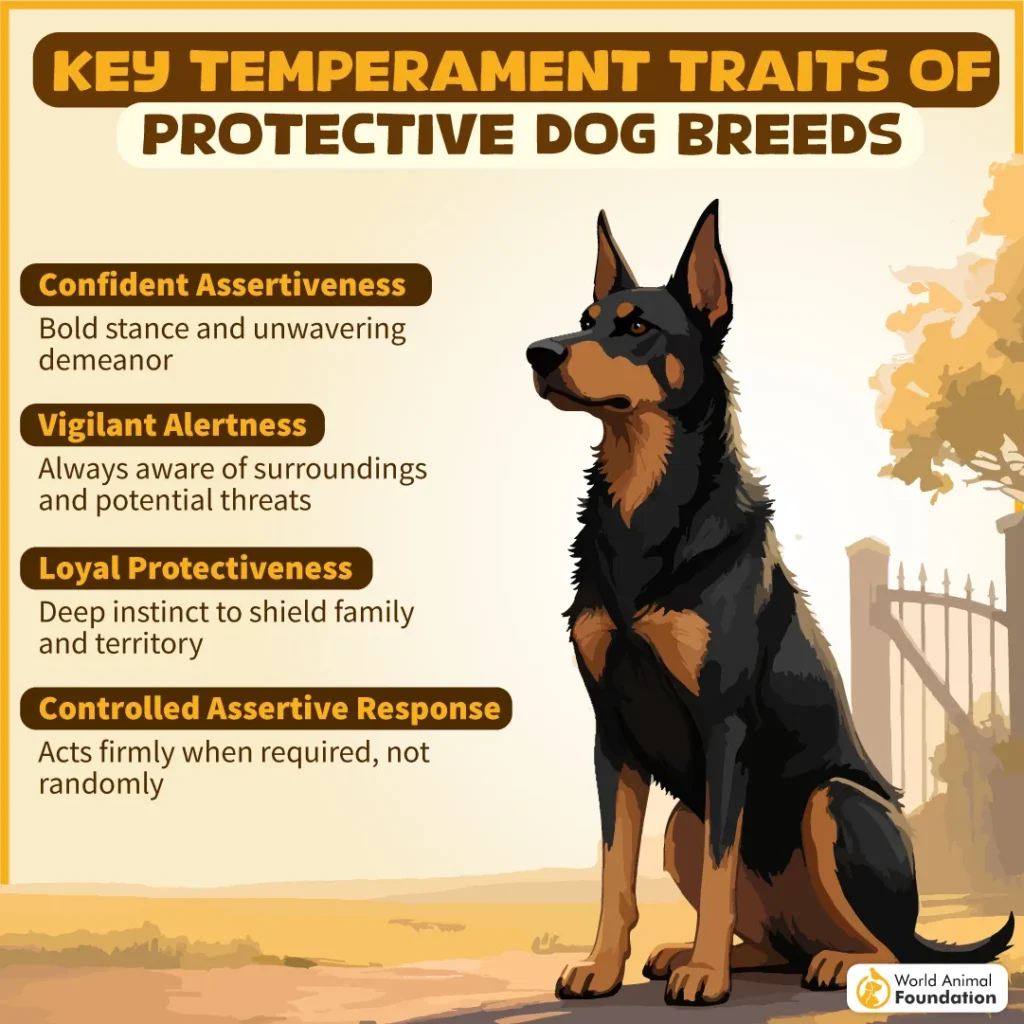
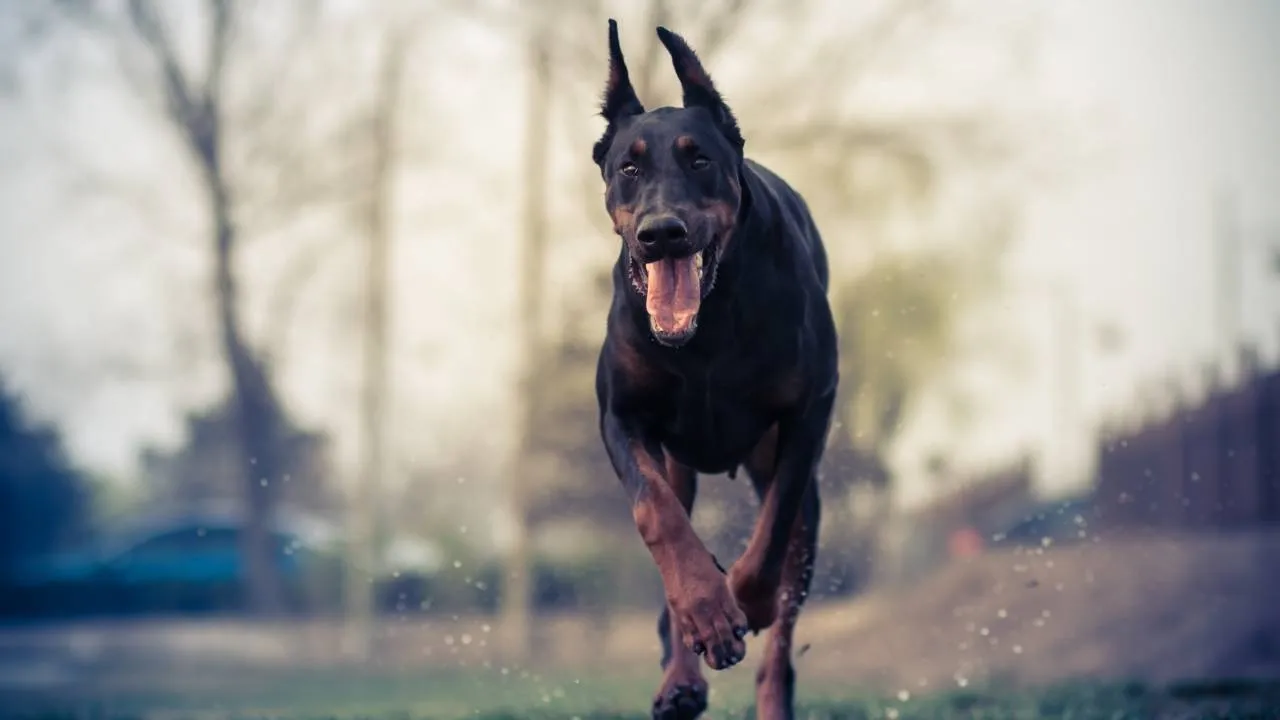
It has lean muscles, a square body, and a sleek frame that contribute to power and speed. It keeps its head high and uses its almond-shaped brown eyes to keenly observe its surroundings. It becomes aggressive and vocal when it feels threatened. It was prized as a police and military dog because of its intelligence, fearlessness, and obedience
It needs regular exercise: obedience training, fetching, brisk walks, running, and interactive play sessions. It has a short coat and low body fat, making it temperature sensitive.
4. Belgian Malinois
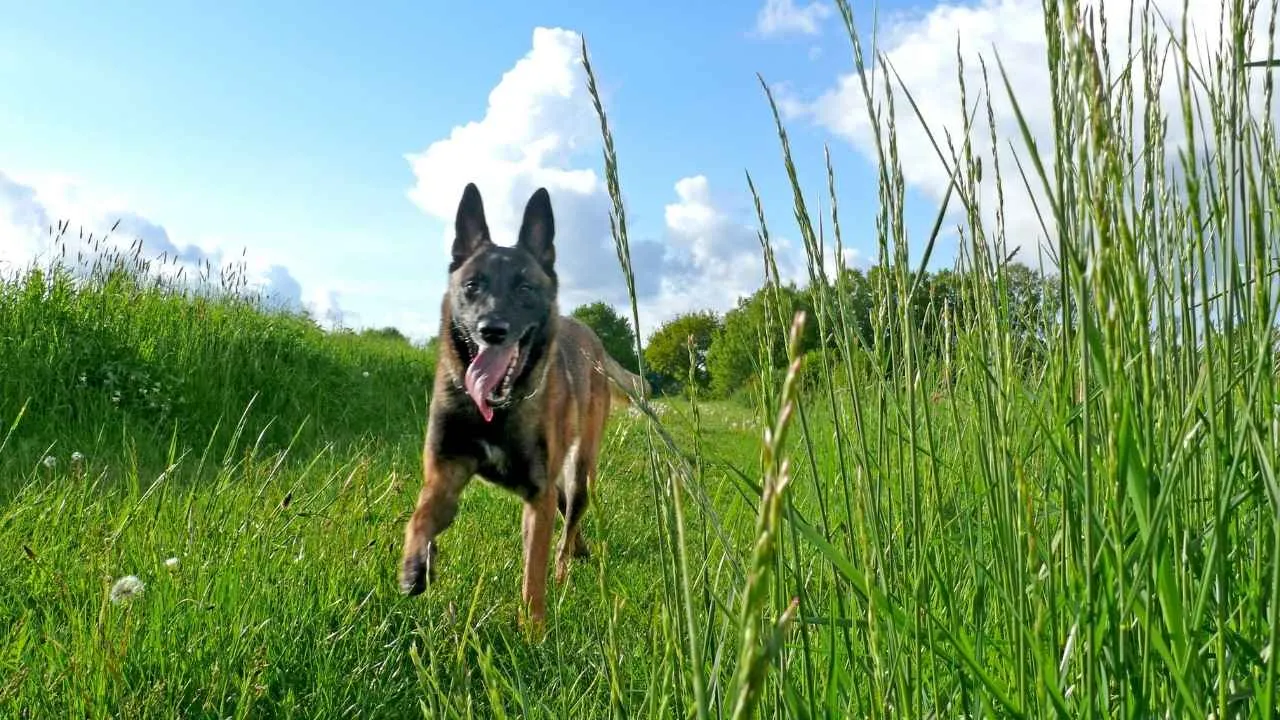
This giant breed comes from an ancient sheepherding dog, ‘Chien de Berger Belge.’ The Malinois was split into different varieties in the 20th century because of different coat types and colors. It became popular as a war and police dog in the same century because of its sharp intelligence, as per Orvis.
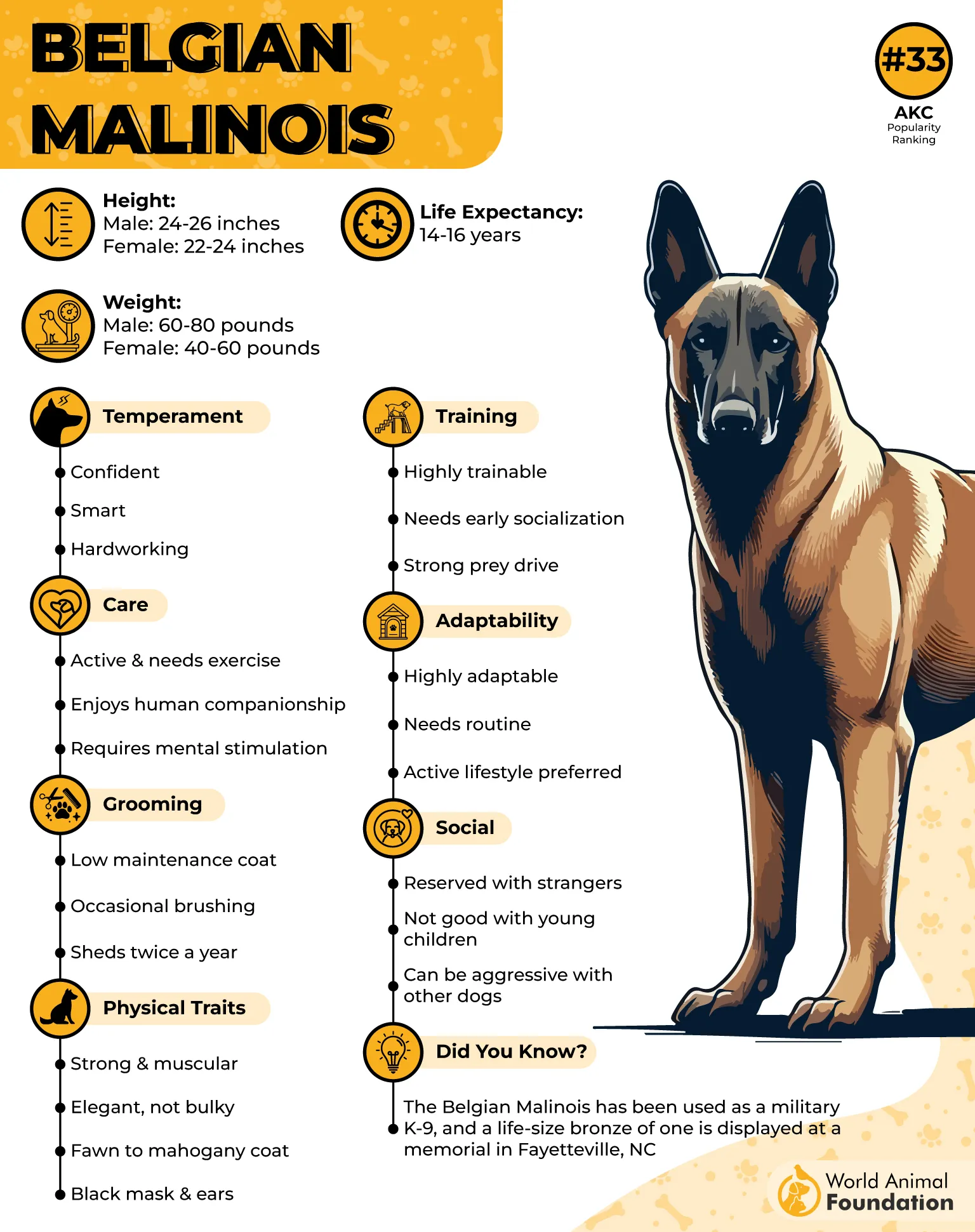
Known for its ferocity in K-9 units, it works tirelessly for long hours. It is also known as the Maligators, which is a mash-up of Malinois and alligator because of its powerful bite force. The solid build conveys an underlying agility. It tends to run in a curved path rather than in a straight line, making patrolling easier.
The guard dog breed tries to wrangle children and small objects because of herding instincts and a high prey drive. The intimidating presence and a loud bark make it an excellent watchdog.
5. Cane Corso
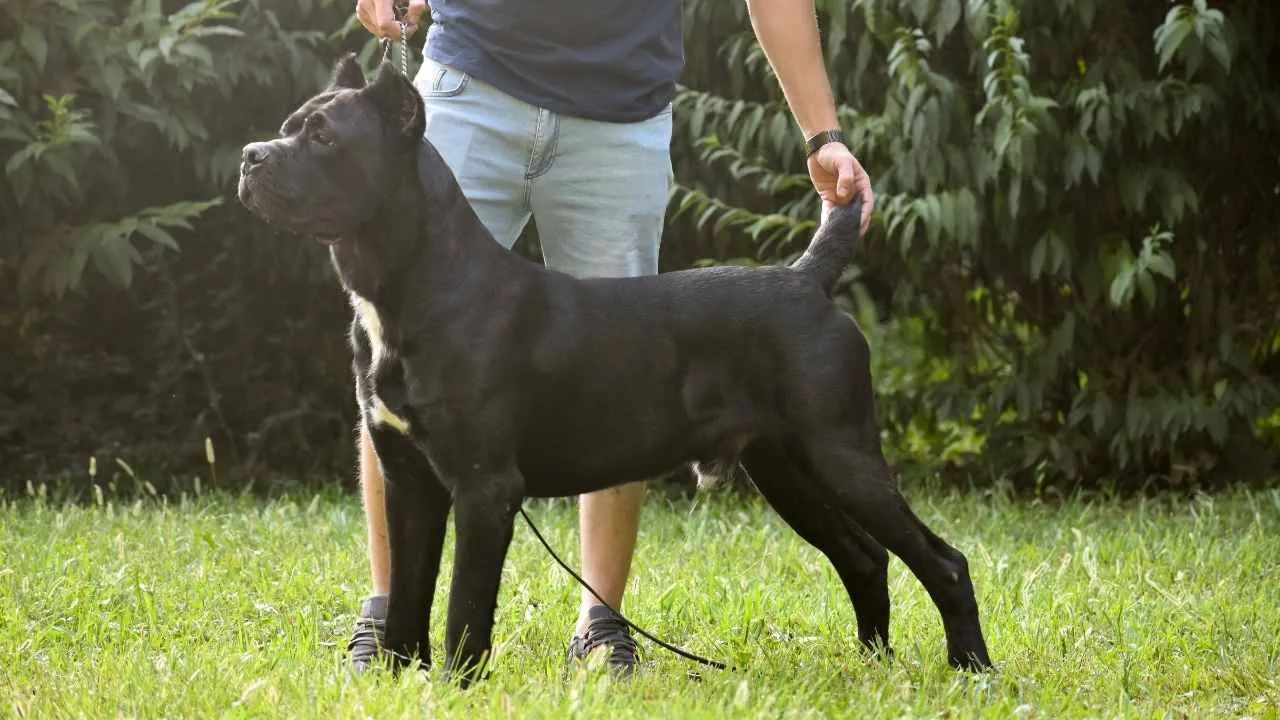
This Mastiff-type dog was originally bred in Italy from the Roman war dogs, ‘Canis Pugnax.’ The name ‘Cane Corso’ comes from an Italian word that means ‘a bodyguard dog.’ It primarily served as a catch dog to catch wild boars and hunters.
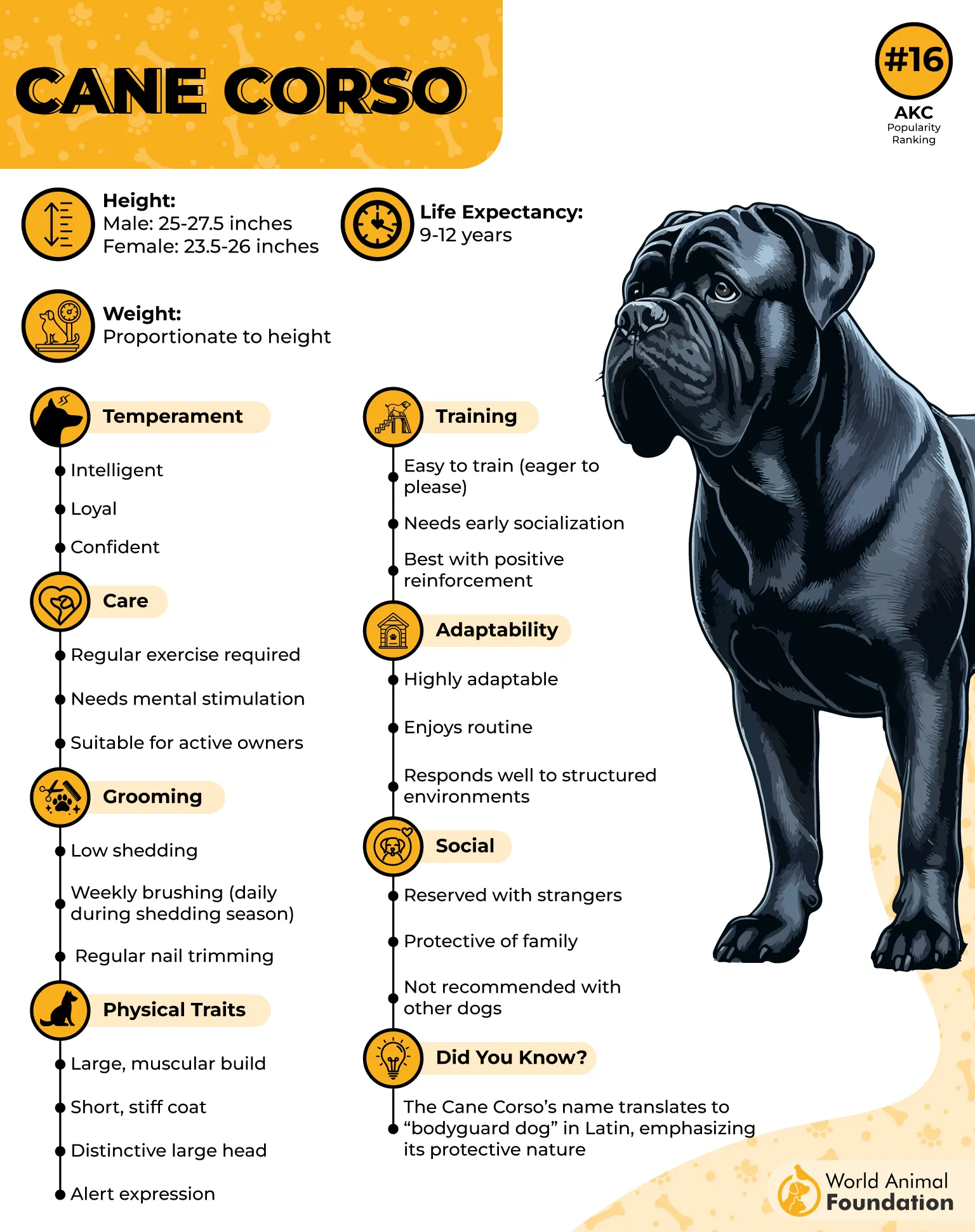
This massive breed would catch the prey and force it to the ground, and keep on barking till the handler arrives. It remains alert even if it is napping on the couch. Because of its thick, short, and water-resistant coat, it thrives in water as well. The body has rectangular proportions and large bones.
The triangular ears give an alert expression. Because of its independent streak, it may develop destructive behavior; thus, early training and proper socialization are non-negotiable.
6. Akita
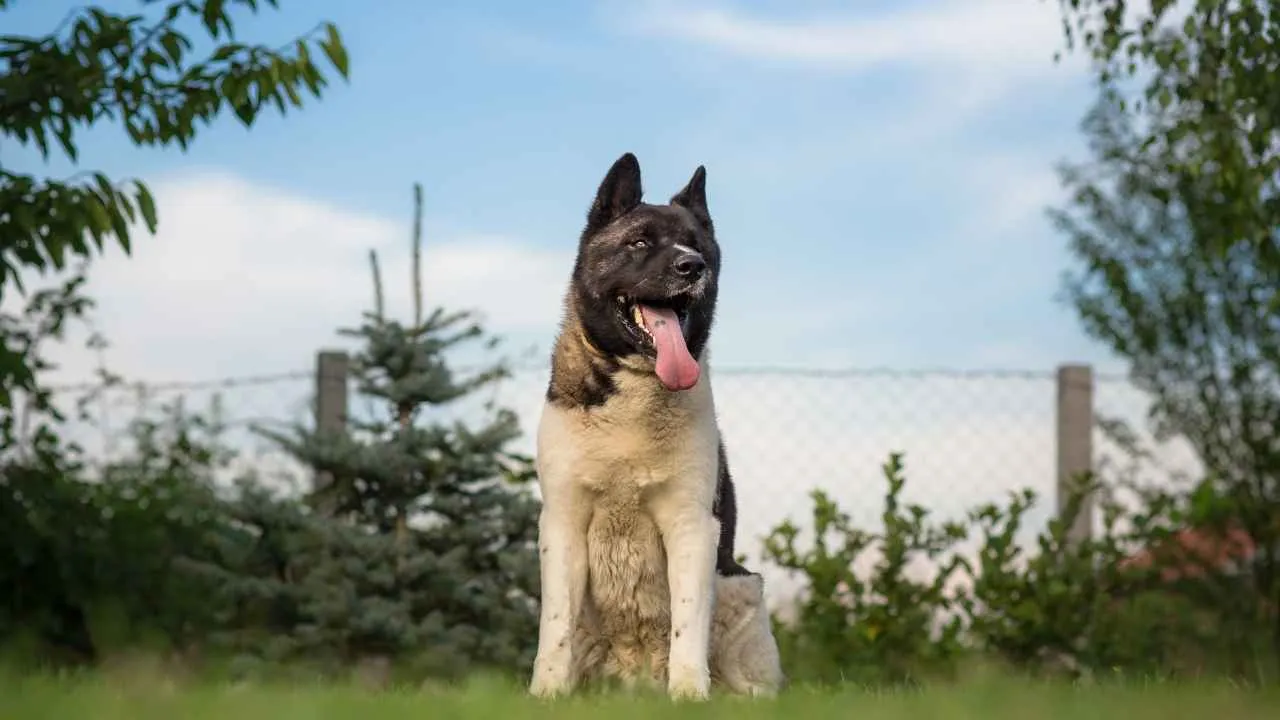
Developed in Japan as a hunting dog some millennia ago, the Akita used to be a royal guardian. A story is associated with a loyal Akita named Hachiko that waited for its owner to return at Tokyo Station for 10 years, not knowing that he was already dead.
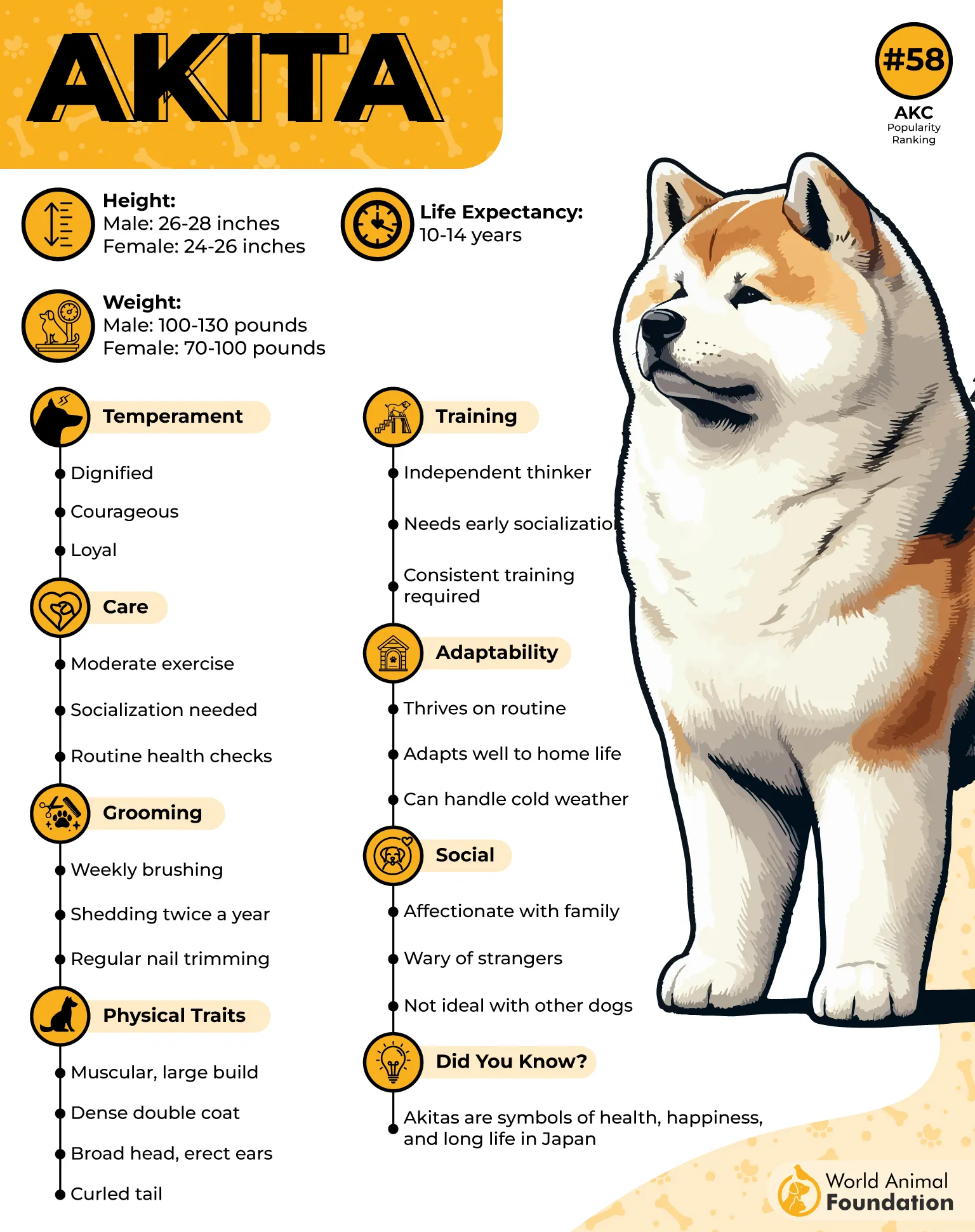
The protection dog has erect and triangular ears, a large head, a thick neck, and small eyes. It carefully watches for the signs of trouble and waits for the commands from the owner. It may become overprotective of its favorite human when a play gets boisterous.
Since it does not have a ‘yappy’ nature, it only barks to alert the owner. Even when a stranger is welcomed by the owner, it remains reserved if not aggressive. It has moderate energy levels, but needs vigorous exercise daily.
7. Bullmastiff
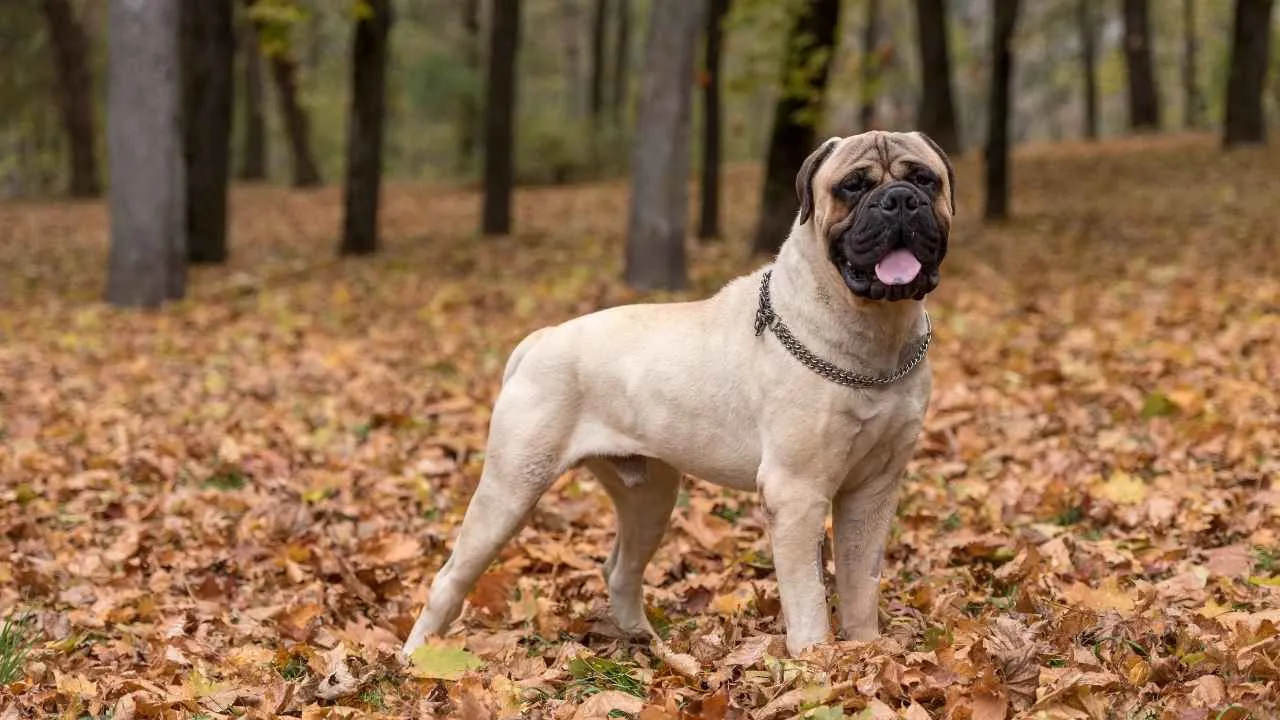
This domestic guard dog was developed in England in the 19th century. Also known as the ‘Gamekeeper’s Night Dog,’ it is a mix of the English Mastiff and Old English Bulldog, as reported by WebMD. The primary purpose of this excellent guard dog was to catch poachers.
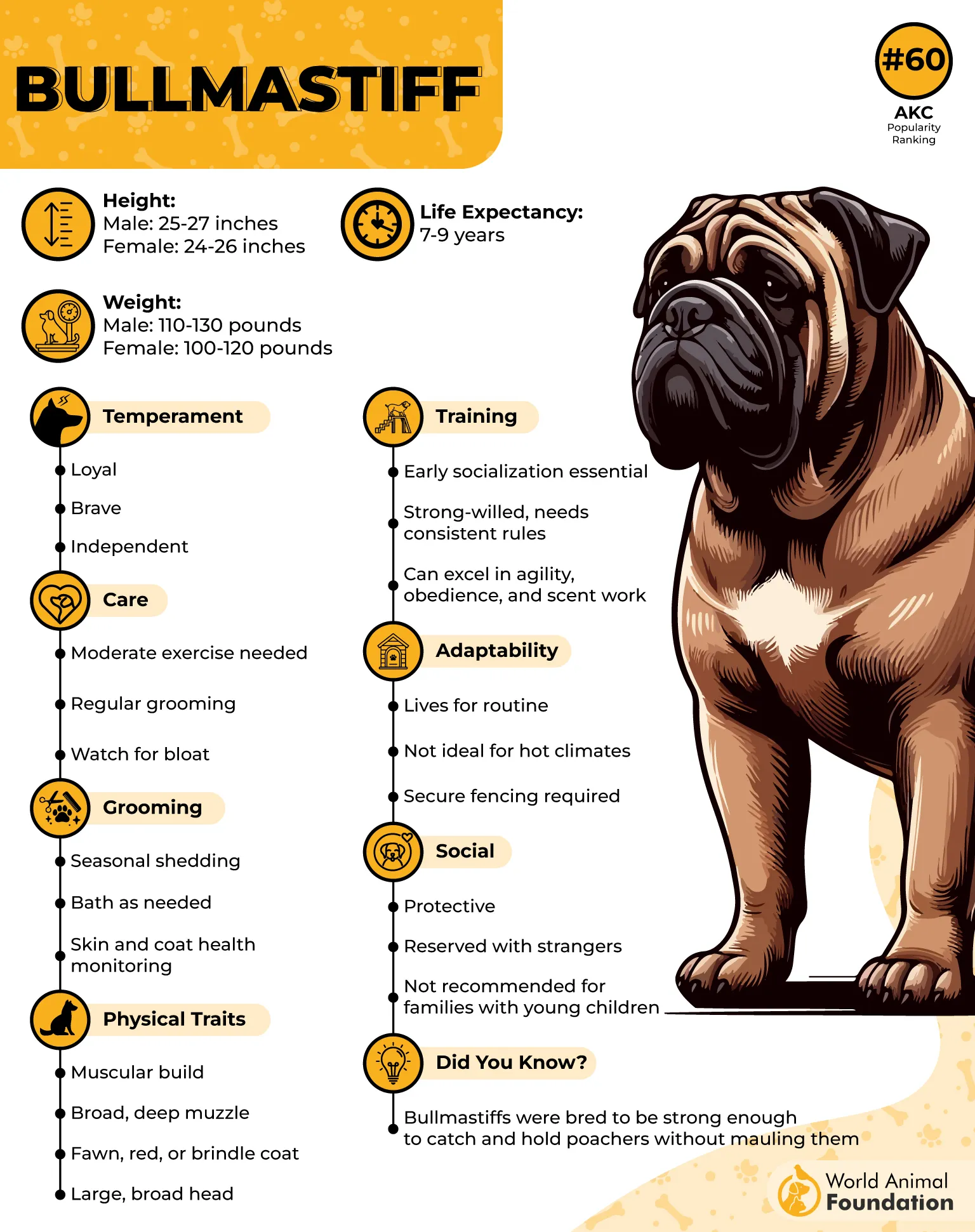
It has a deep muzzle, V-shaped ears, a large head, dark eyes, and a short coat. It silently follows the intruder from behind and then jumps on them. It then pins them to the ground and puts its heavy mass on their chest and keeps on barking till the handler comes and takes charge.
Because of its high energy level, it thrives in daily physical activities, such as long walks, hiking, fetching, tug-of-war, flyball, and rally. It is prone to certain health conditions: lymphoma, PRA, and arthritis.
8. Giant Schnauzer
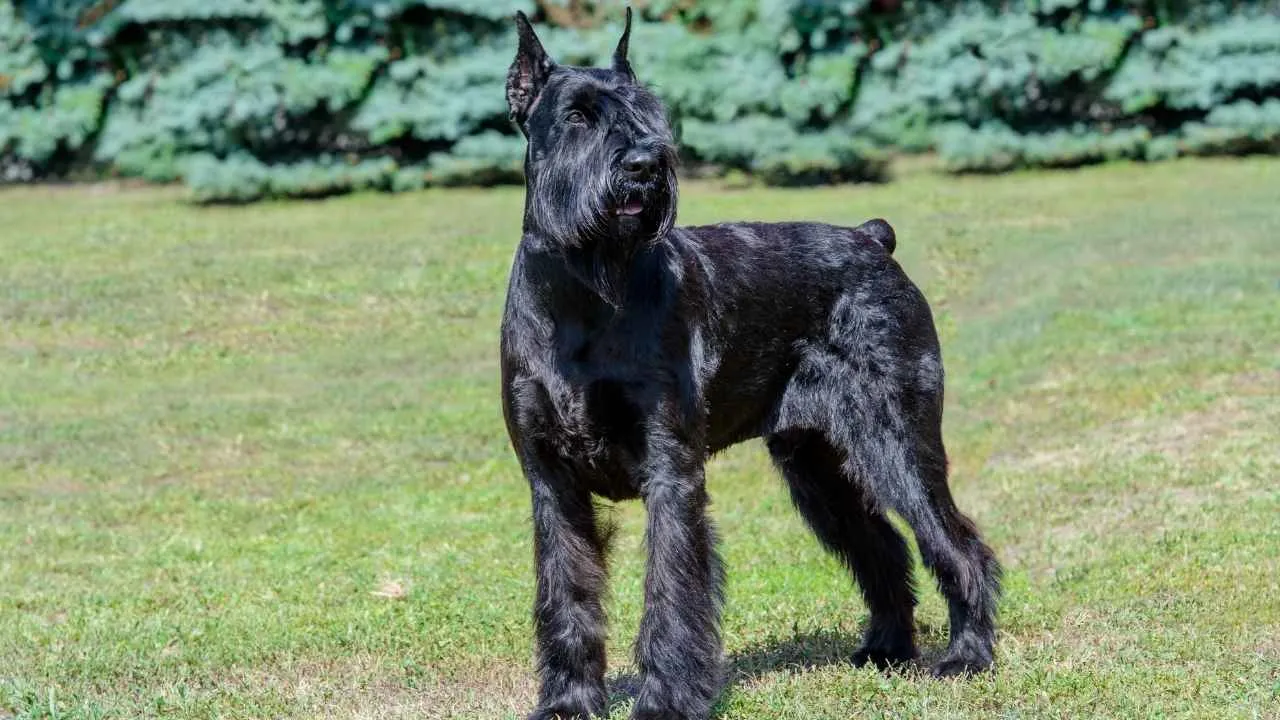
The history of this massive breed starts in Bavaria, Germany, in the 18th century. It was developed by crossing the Standard Schnauzer, Black Great Dane, and Bouvier des Flandres. The primary purpose was to guard farms and herd cattle.
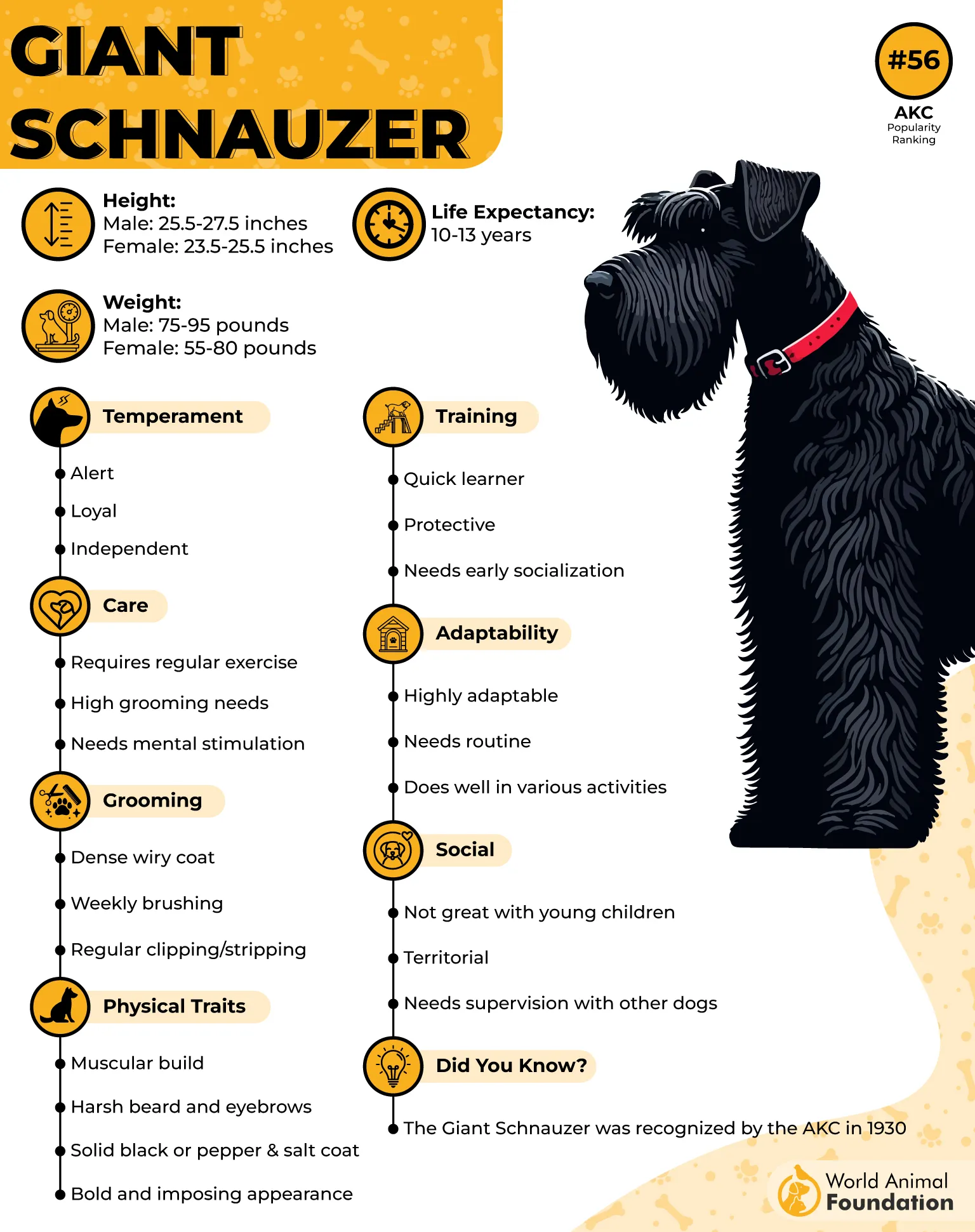
It is a highly trainable working dog and tries to be the leader of the pack because of its intelligence, confidence, and independent nature. It generally has a bold and playful temperament and needs supervision around young kids.
Keep the training sessions short and non-repetitive since it can easily get bored. Outdoor activities must be held in a secure area as it tends to roam and hunt small animals. It is a medium-sized dog that needs at least 2 hours of daily exercise.
9. Tibetan Mastiff
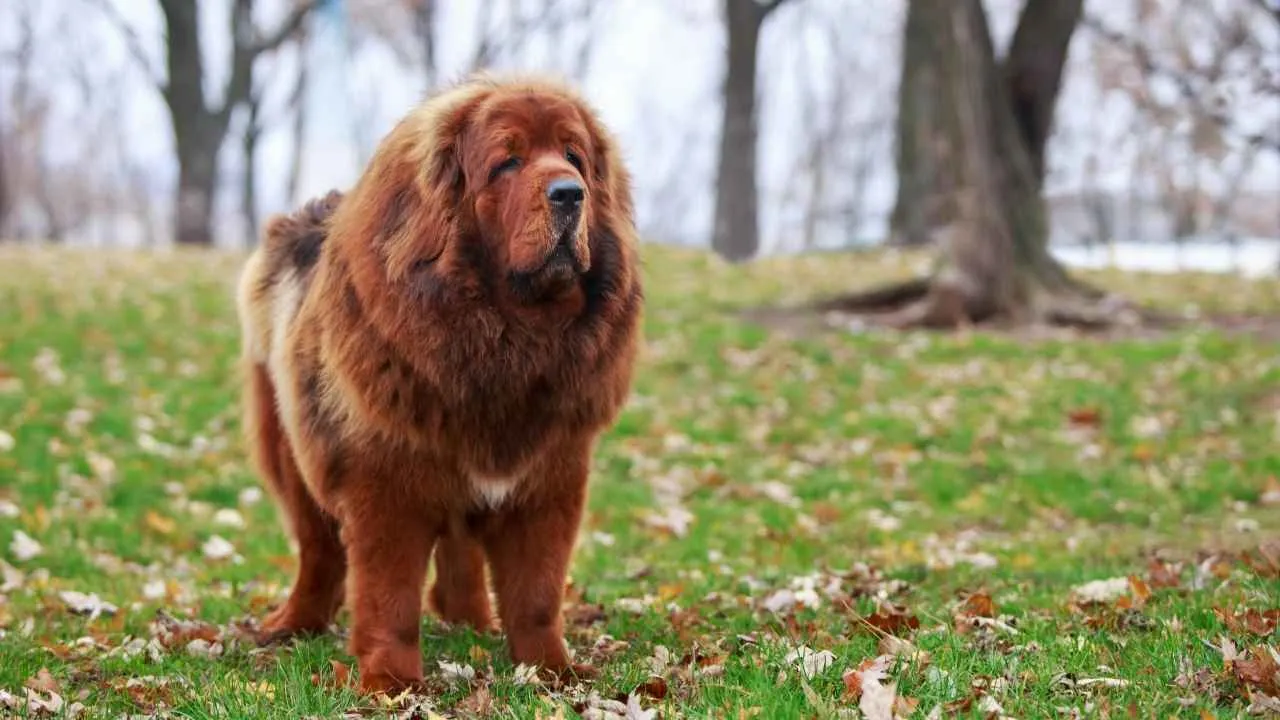
The modern-day Tibetan Mastiff was developed in the Himalayas to protect monasteries and villages. It was a cross of the Great Pyrenees, Bernese Mountain Dog, and Saint Bernard. Queen Victoria received one of them as a gift from India in 1874.
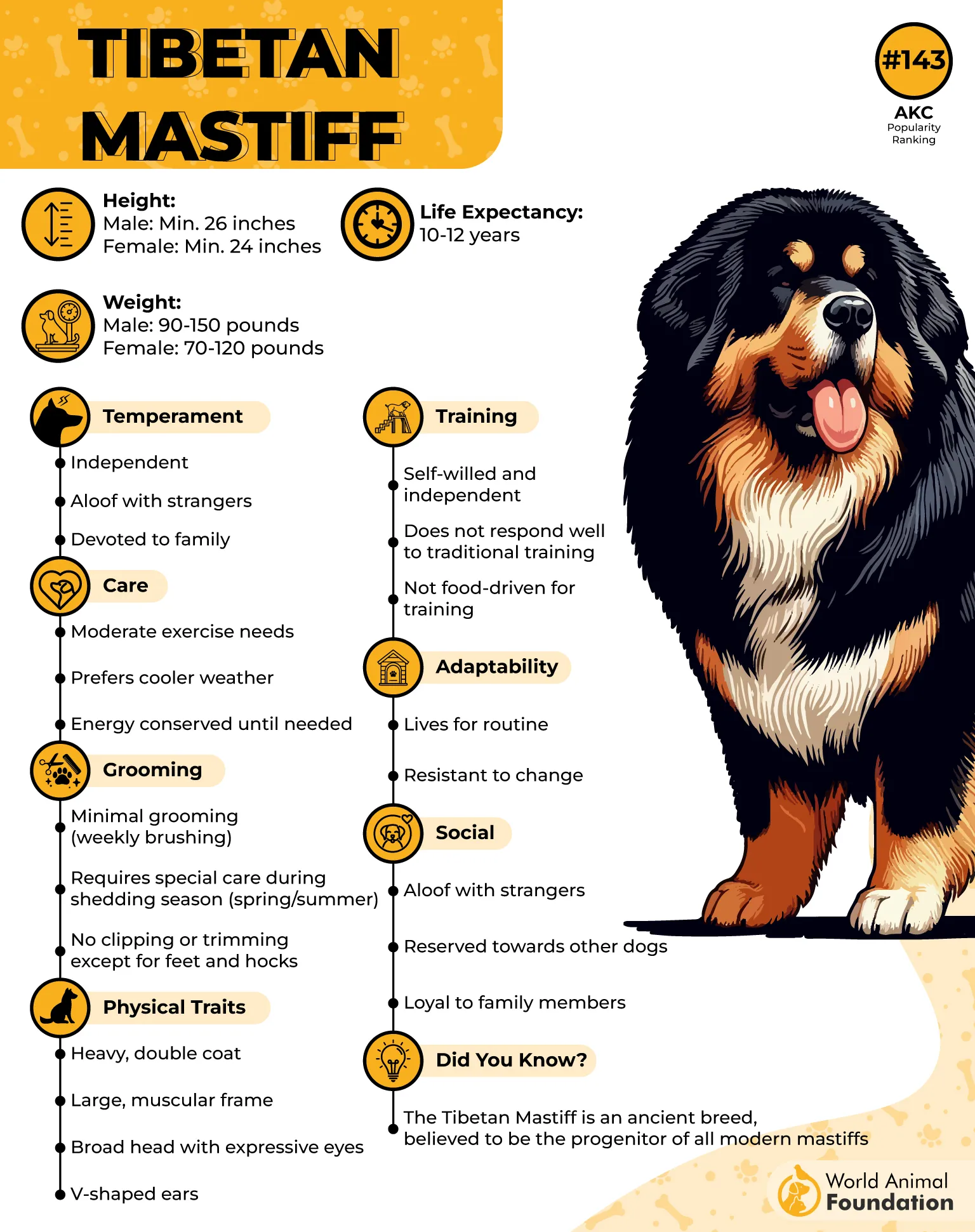
It has calm, reserved, and watchful instincts and steps in when it senses a potential threat. It has a thick mane around its neck that protects it from the harsh weather and predators’ bites. The feathered tail is curled over the back, giving it an alert expression.
It usually makes good friends with family members, children, and other dogs; however, it is aloof with strangers. It naturally patrols the territory at night. It has a moderate energy level and needs 1-2 hours of daily exercise.
Conclusion
The best nighttime protection does not come from the biggest dog. It comes from the right match between a breed, its training, and the family it protects. Some dogs rely on speed, others on strength, while the few simply make intruders think twice before stepping closer.
No matter which breed you choose, remember that a confident, well-socialized dog is always more reliable than one raised with fear or aggression.
Give your companion daily exercise, consistent training, and plenty of love, and you will earn something priceless in return. At the end of every long day, knowing your loyal friend is quietly standing guard can bring the kind of peace of mind that no security gadget can replace.
