




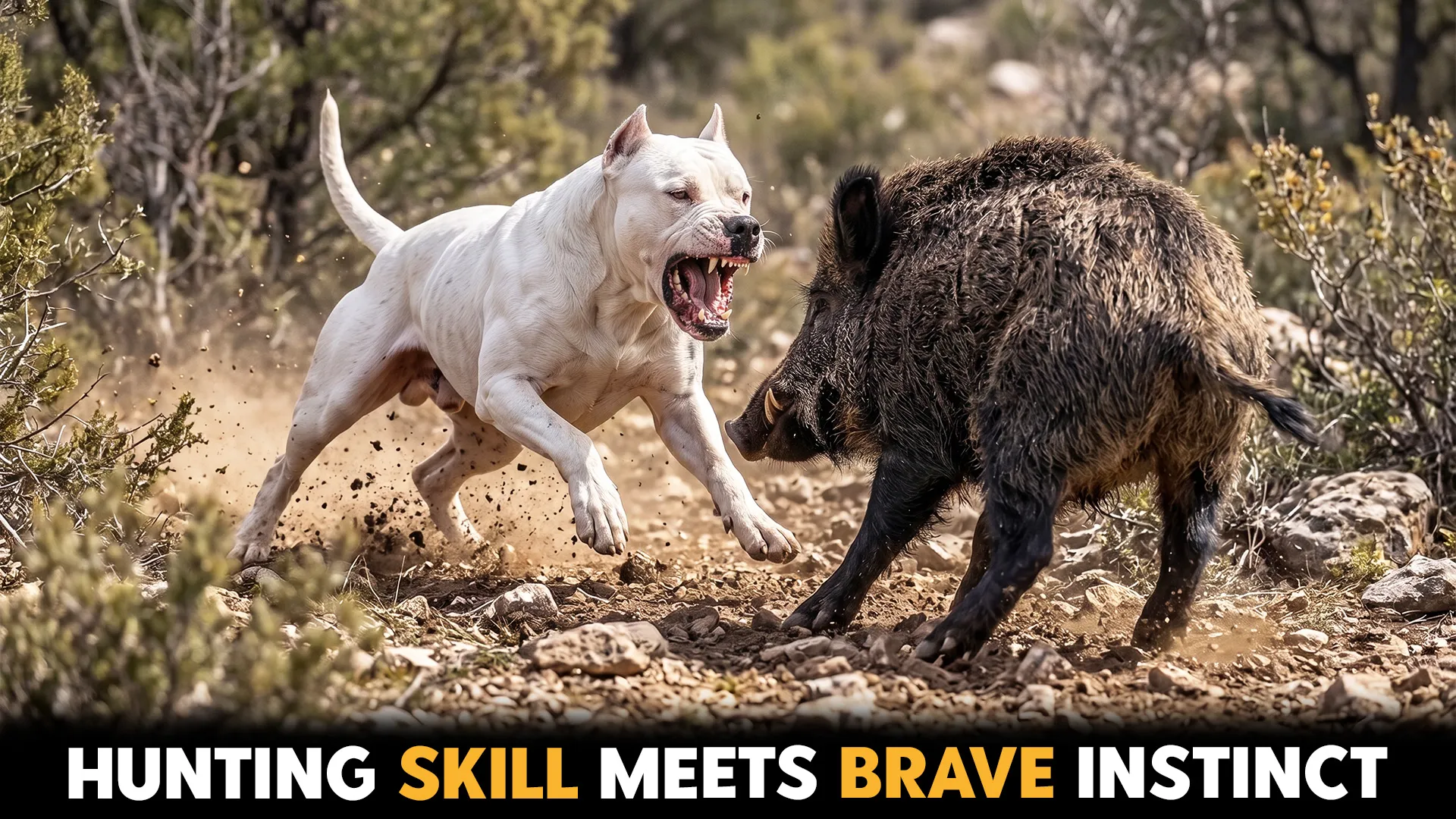
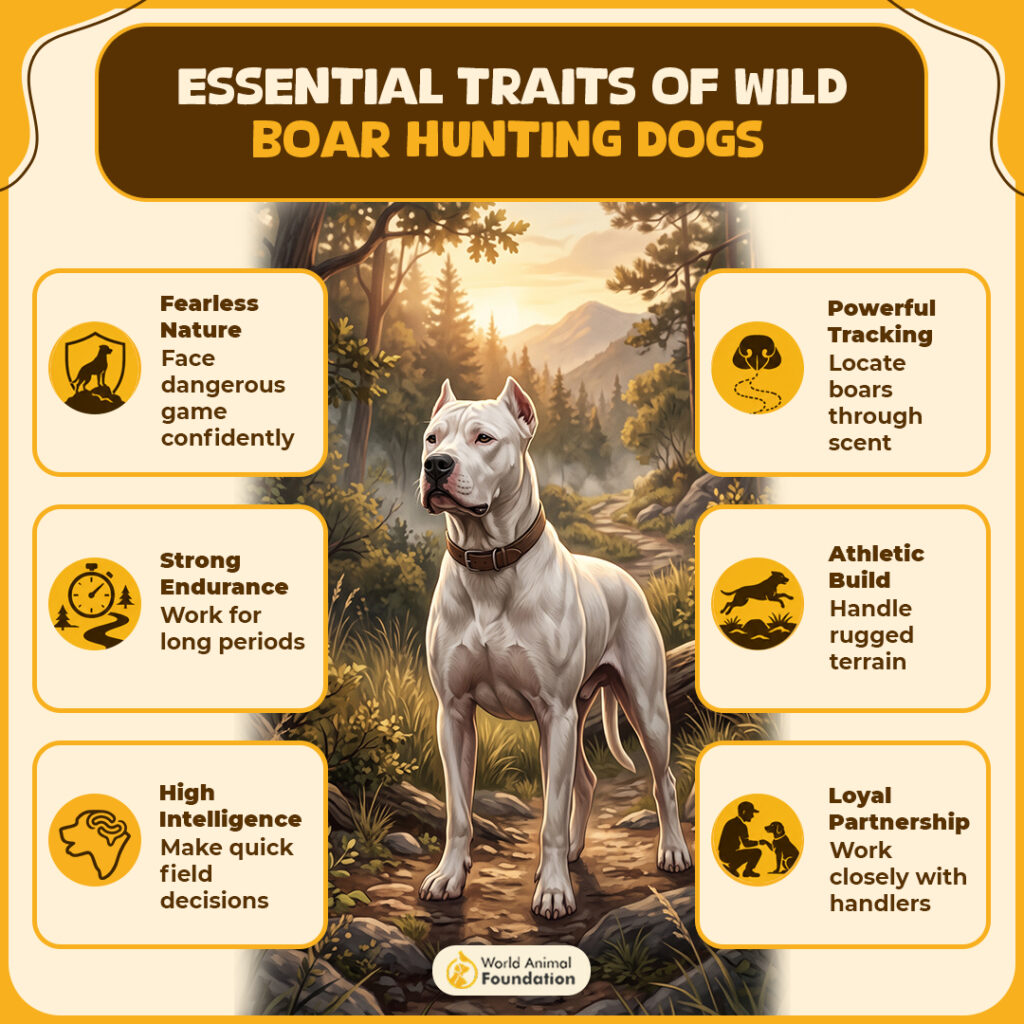
Wild boar hunting tests a dog’s nose, stamina, courage, and ability to respond to its handler when the terrain gets difficult. Thick brush, dense cover, and uneven ground add extra challenges, making the right hunting partner an important part of a well-prepared team.
Across the southern United States, hog hunters work with different dog breeds depending on their hunting style. Some dogs follow scent trails over long distances, others locate and bay their quarry, and specially trained catch dogs perform a separate, more hazardous role. The distinction matters because a great hunting dog needs more than strength or a fearless attitude.
The following seven breeds offer different working abilities, from the Plott Hound’s big-game heritage to the Dogo Argentino’s muscular build. Understanding each breed’s strengths, training needs, and limitations will help you choose a suitable companion for demanding outdoor work.
Top Dog Breeds to Hunt Wild Boars with Confidence and Skill
1. Plott Hound
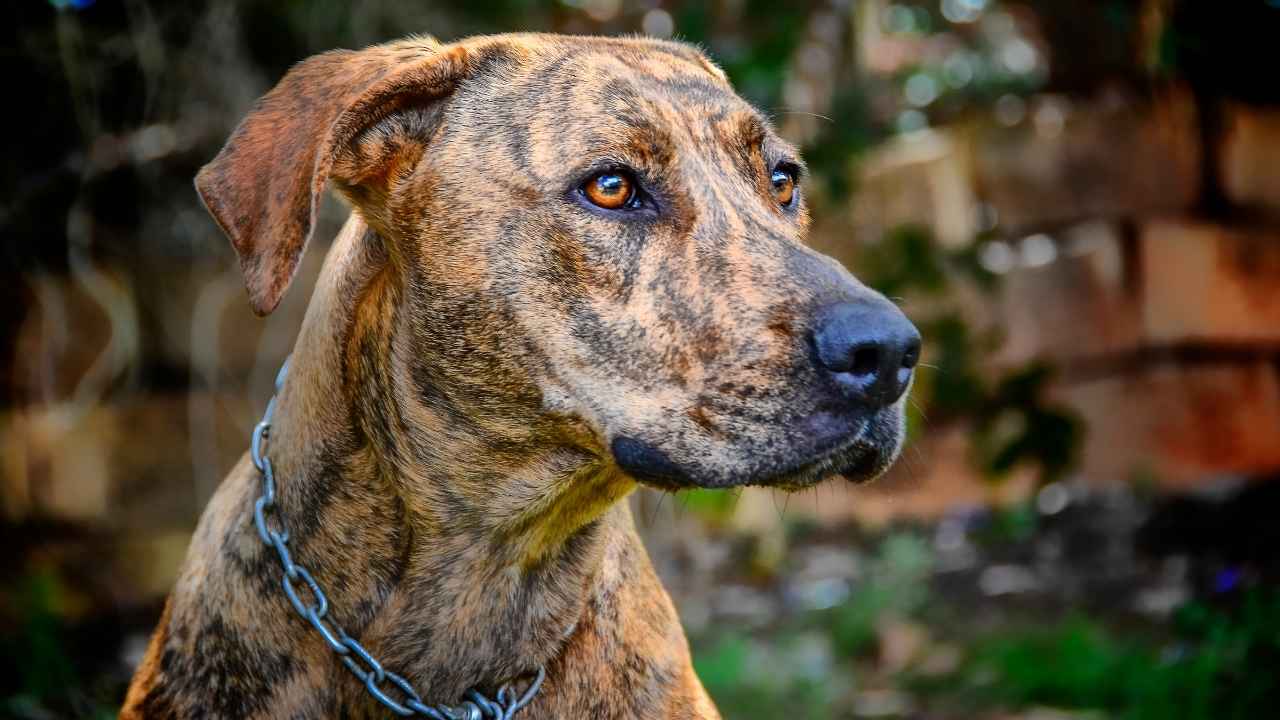
Tackling thick woods and harsh landscapes with true grit, the Plott Hound never quits on a trail. Originally bred in North Carolina from German hound stock, this brave tracker built a strong legacy trailing bears and feral pigs.
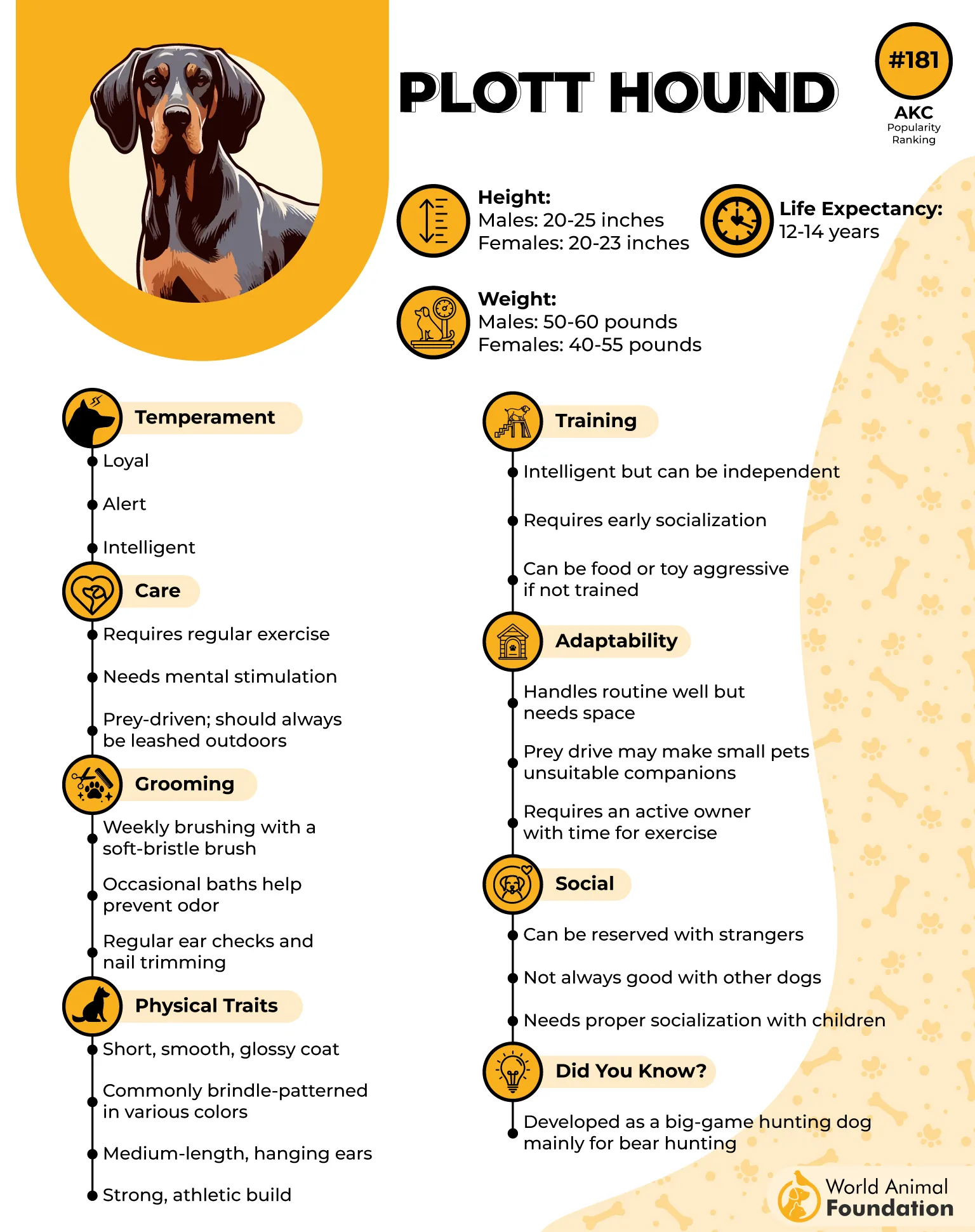
Wearing a sleek brindle coat over an athletic body, this dog stays easy to spot in dense woods. Driven by a super keen nose, it follows faint smells across rough trails without slowing down. Rather than trying to rush through thick brush, it relies on calm focus to keep moving forward.
WebMD mentions that working with such an independent dog means you need clear rules and steady practice. Strong determination keeps this hound going, but its strong nose means it needs quick responses to your calls.
Field Safety and Guidance
Early socialization, steady training, and reliable recall help prepare a Plott for controlled fieldwork. Regular physical activity builds endurance, while supervised scent exercises sharpen its natural abilities.
Hunters should also use protective vests when appropriate, carry first aid supplies, and prevent dangerous close encounters with large game. Even a seasoned hound faces serious risks around an injured or charging boar.
2. Catahoula Leopard Dog
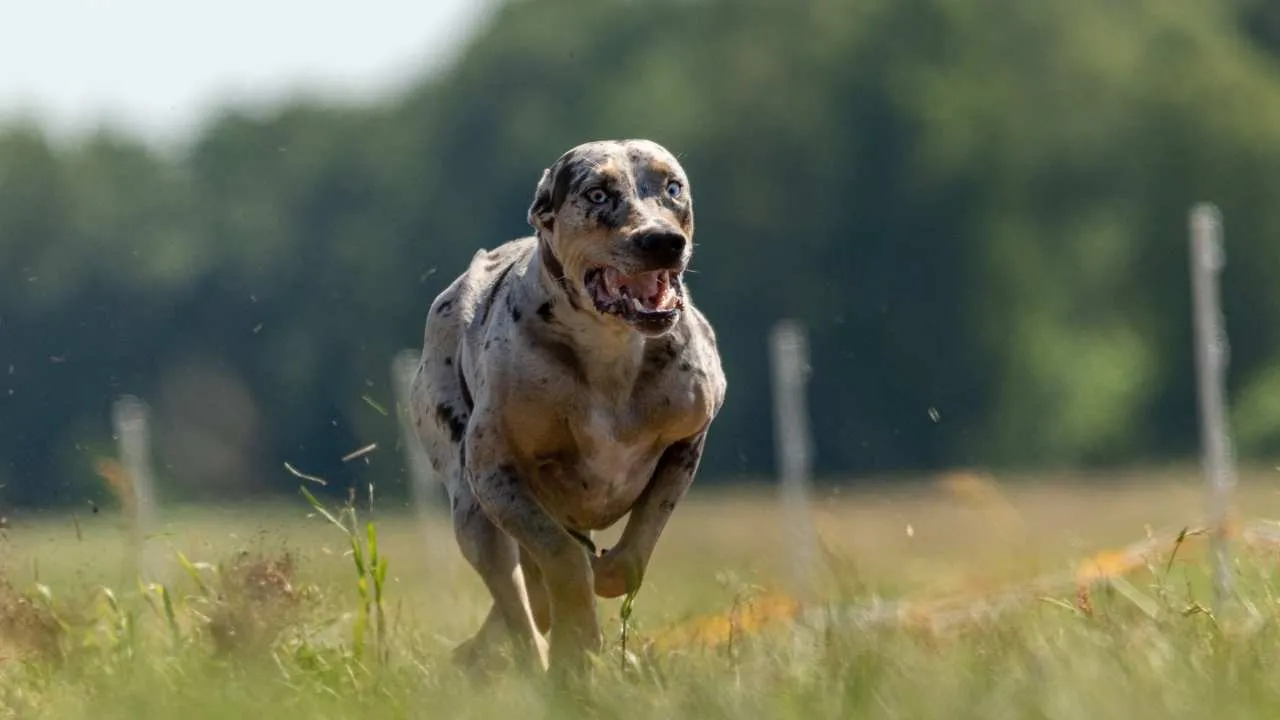
Sprinting through dense swamps and thick brush, the Catahoula Leopard Dog stands out as a versatile worker with deep roots in hog hunting. Raised in Louisiana, this nimble breed has long managed farm animals and trailed wild swine.
Showing off an eye-catching spotted coat, bright eyes, and strong muscles, it commands attention right away. Unlike traditional hounds that look down at trails, this energetic worker uses good eyesight and quick moves to spot animals. Well-trained dogs locate game quickly and bark loudly to show handlers where to go.
Holding a boar at a safe distance is very different from grabbing one directly. Keeping an animal cornered requires smart positioning and loud barking so the hunter can step in safely. Real success relies on patient guidance, calm behavior, and careful handling instead of wild aggression.
Field Safety and Guidance
Catahoulas need structured exercise, clear boundaries, and consistent obedience work. Their independent nature makes dependable recall particularly important in dense cover. Handlers should assess environmental hazards before entering unfamiliar ground and use suitable protective equipment.
Experienced handlers must also recognize when a situation has become unsafe and withdraw rather than allow the dog to pursue dangerous contact.
3. Bloodhound
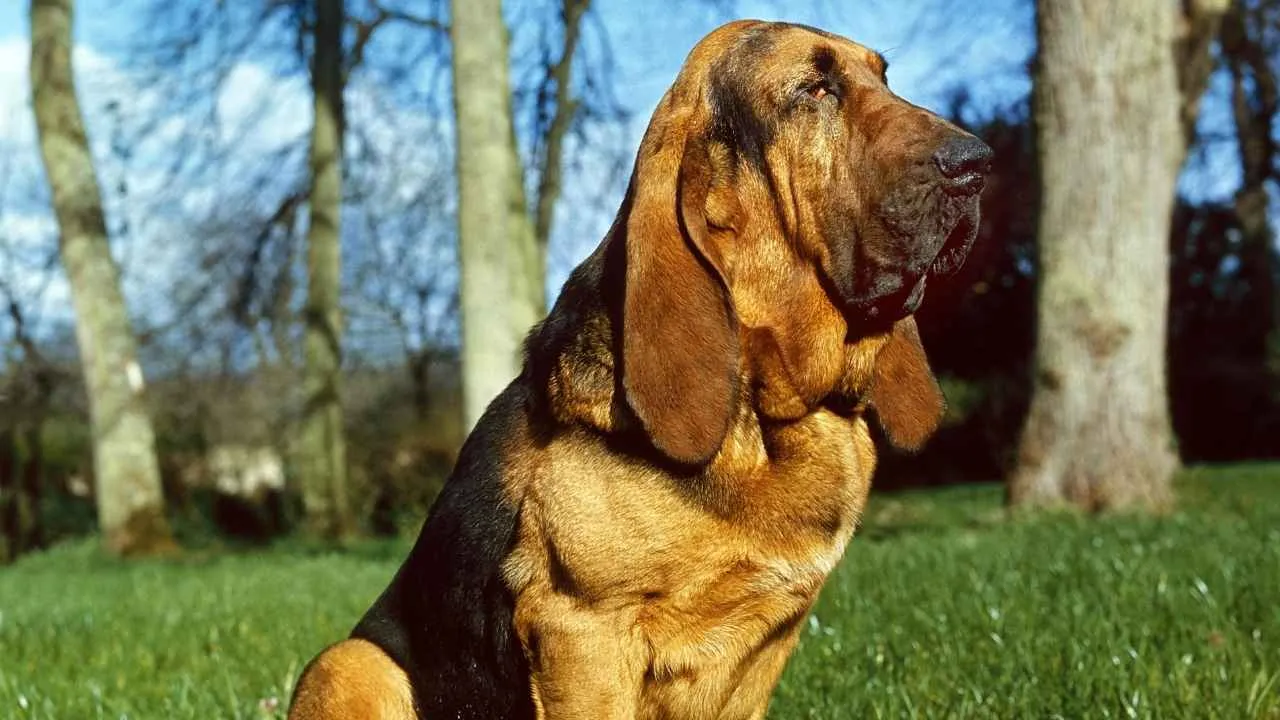
When tracks get faint and hard to see, the Bloodhound brings unmatched sniffing skill to the hunting team. Famous for incredible focus and a powerful nose, this gentle giant helps hunters find game that other dogs miss.
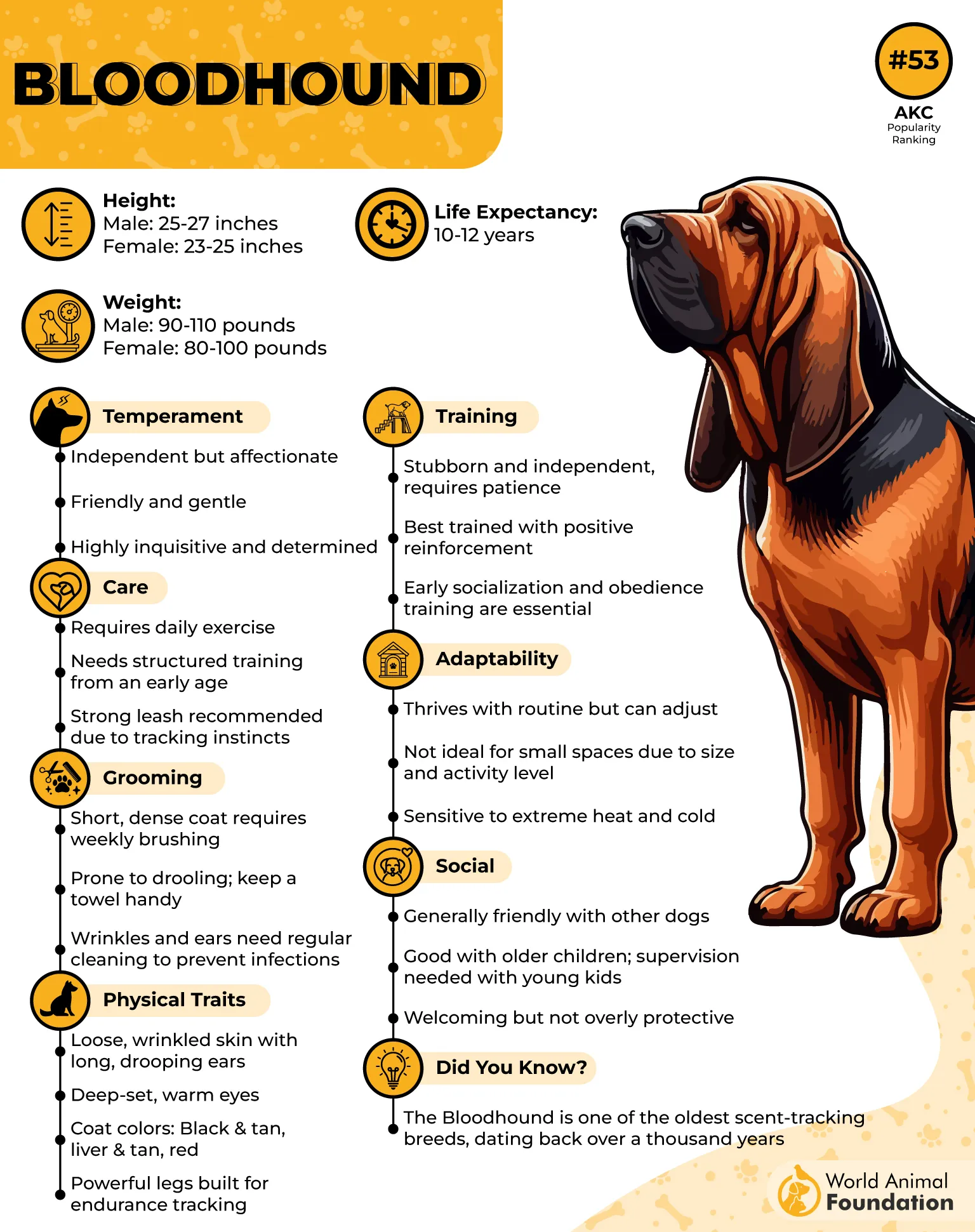
Long floppy ears, soft wrinkled facial skin, and a large frame set this hound apart from all others. Relying entirely on smell, it follows old paths at a steady pace without needing great speed or fighting. Building up good stamina allows it to walk long distances without getting tired.
Finding animals without starting a fight is where this tracking specialist truly shines. Locating lost or wounded game becomes much easier when you have a skilled worker trained for quiet trailing.
Field Safety and Guidance
PetMD states that Bloodhounds benefit from scent-based exercises, leash training, and reliable recall around distractions. Handlers should monitor their ears and skin folds, provide water during strenuous outings, and watch for overheating.
GPS collars help locate a dog that travels beyond immediate sight, but they never replace supervision. A controlled tracking assignment also keeps the dog away from unnecessary contact with dangerous quarry.
4. Redbone Coonhound
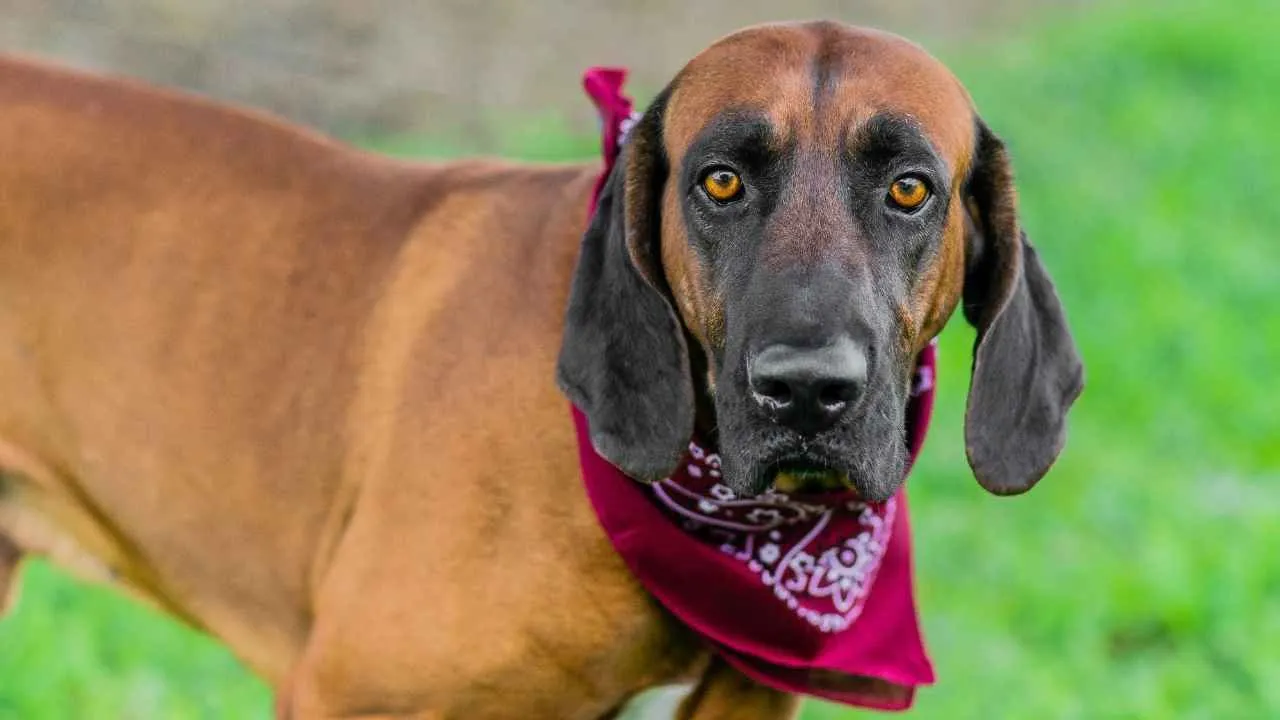
Crossing steep hills and rocky paths with ease, the Redbone Coonhound brings tons of energy to every single hunt. Developed in the United States, this eager worker earned fame by trailing raccoons and game across varied terrain.
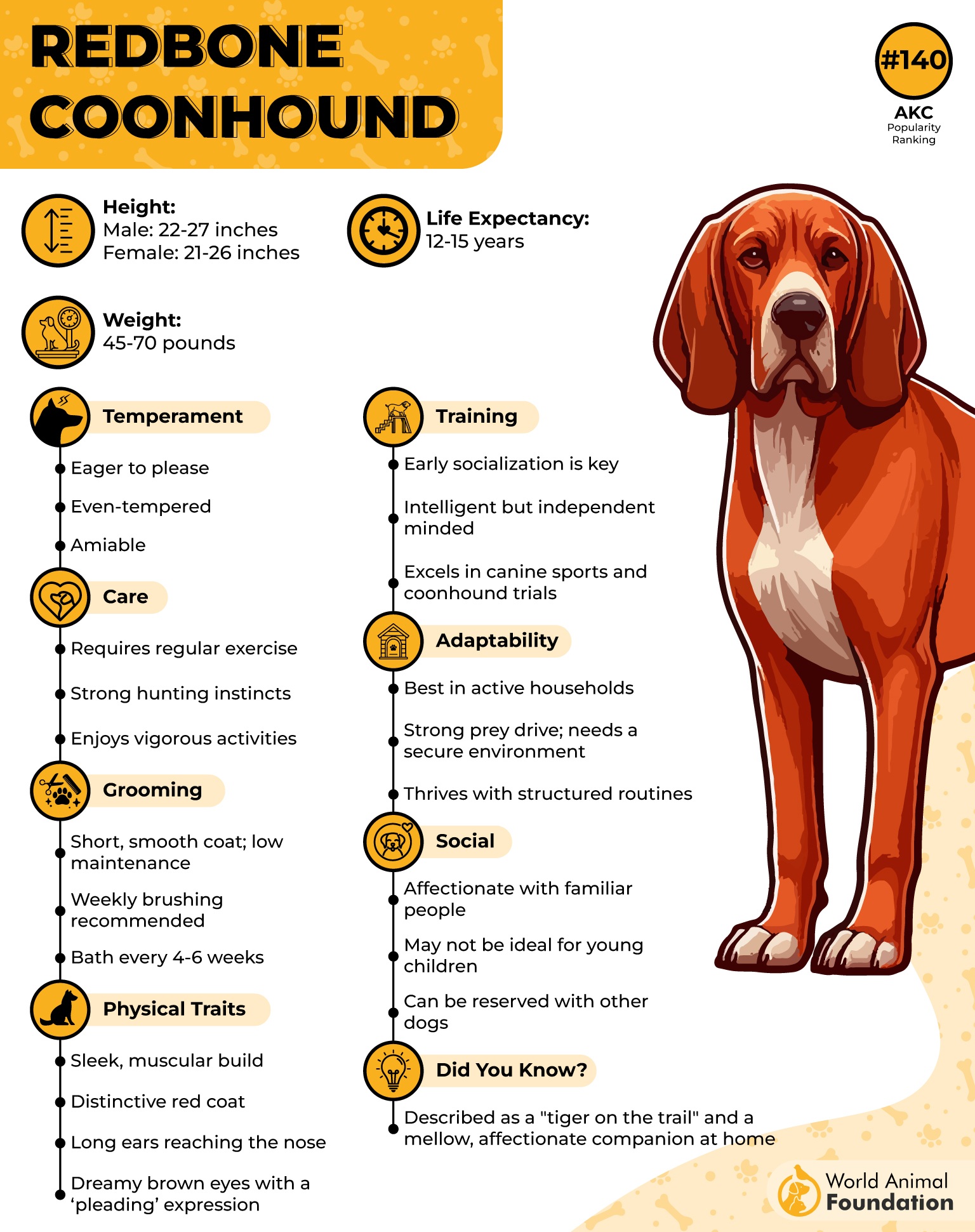
A smooth red-chestnut coat, long ears, and a lean body give this friendly dog a classic look. Following scent trails comes naturally, whether going through wet swamps or climbing up hillsides. Singing out with a clear voice helps handlers follow along from far away.
Adapting well to bigger tasks comes easily to this breed, even though it started with smaller game. Following a smell does not mean a dog should fight large animals, so handlers must pick workers based on tested skills.
Field Safety and Guidance
Redbones need regular exercise, scent work, and consistent obedience practice. A secure training area provides room to develop control before fieldwork begins. Inspect the dog’s ears after muddy outings and check its paws for cuts or debris.
During a hunt, handlers should maintain communication, monitor fatigue, and keep the dog away from hazardous encounters with large animals.
5. Black and Tan Coonhound
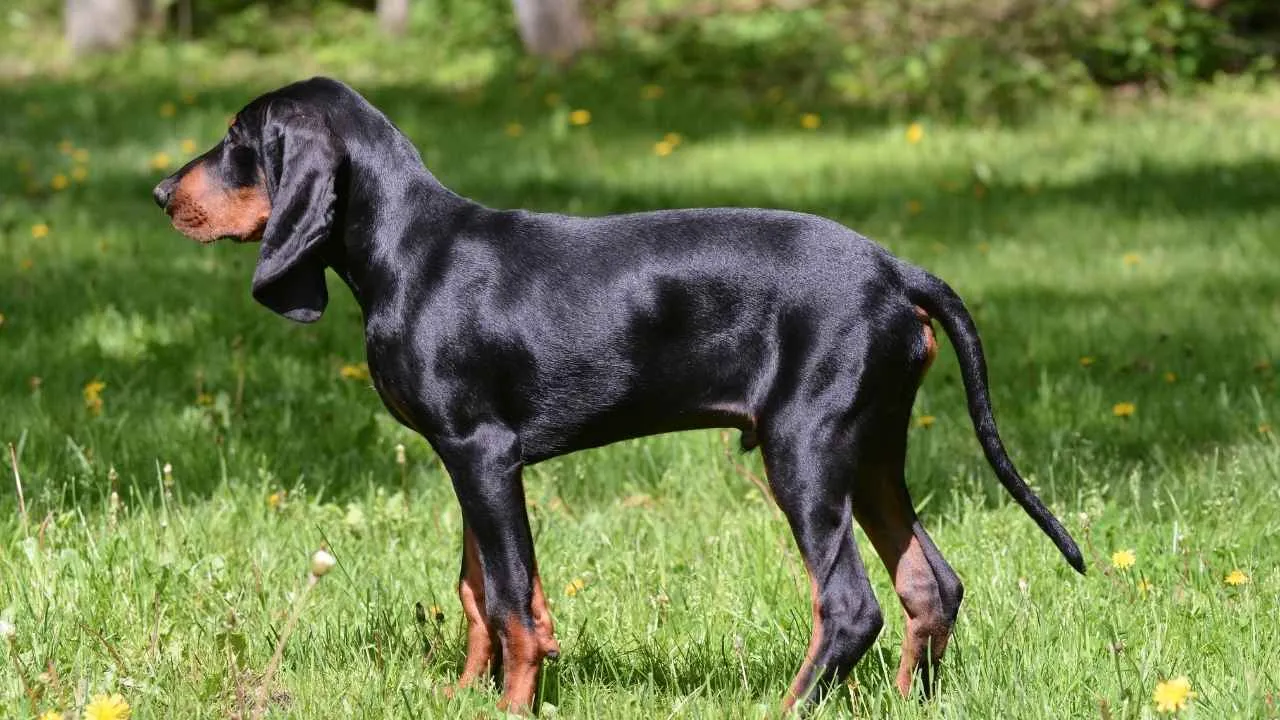
Working slowly along tricky paths, the Black and Tan Coonhound uses patience to figure out tough trails. Descended partly from bloodhounds, this American breed gained fame by trailing game through dark woods.
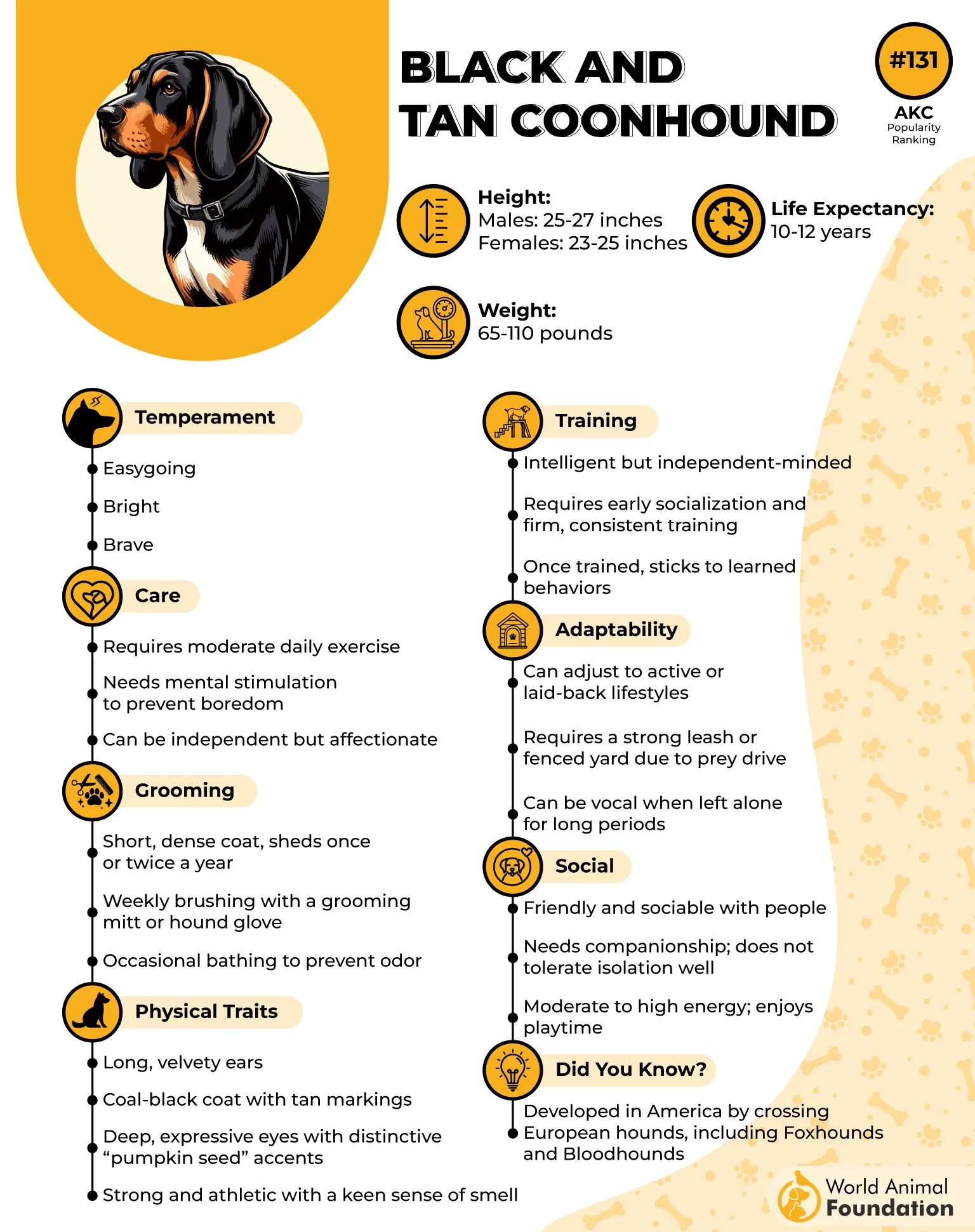
A shiny dark coat with tan spots and long drooping ears makes this dog easy to recognize anywhere. Inside that handsome frame lies a passionate tracker that relies on smell to guide every step. Deep baying sounds echo through thick trees so you always know where your dog is working.
Using this hound for scent work fits its background well, but its main skills differ from dogs that hold boars up close. Knowing what your dog does best helps you assign the right job before heading into the field.
Field Safety and Guidance
Black and Tan Coonhounds respond best to consistent practice, structured scent games, and clear commands. Their tracking instincts require special attention to recall, especially around tempting trails. Regular ear inspections, adequate hydration, and paw checks support outdoor health. GPS collars and a well-stocked first aid kit also provide useful precautions for demanding outings.
6. Dogo Argentino
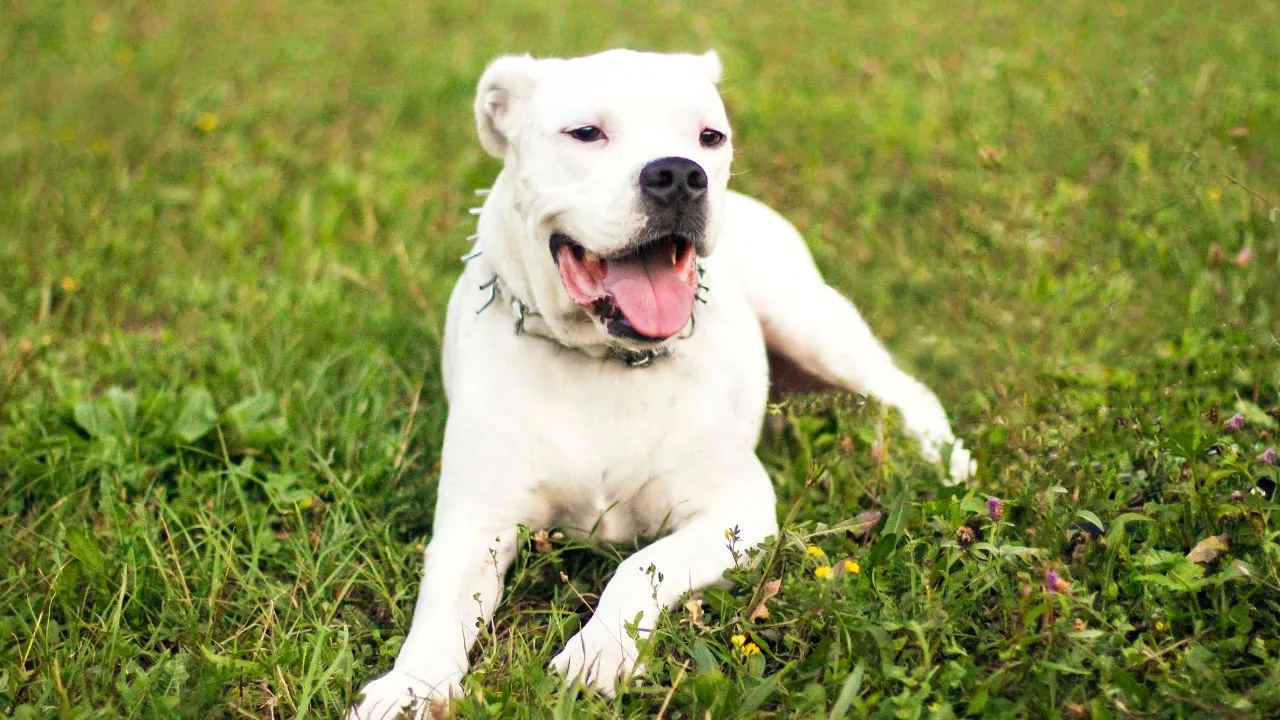
Packing huge power and quick speed, the Dogo Argentino was created in Argentina to hunt big game like wild boars and pumas. Built for heavy action, this athletic worker acts differently from typical trail hounds.
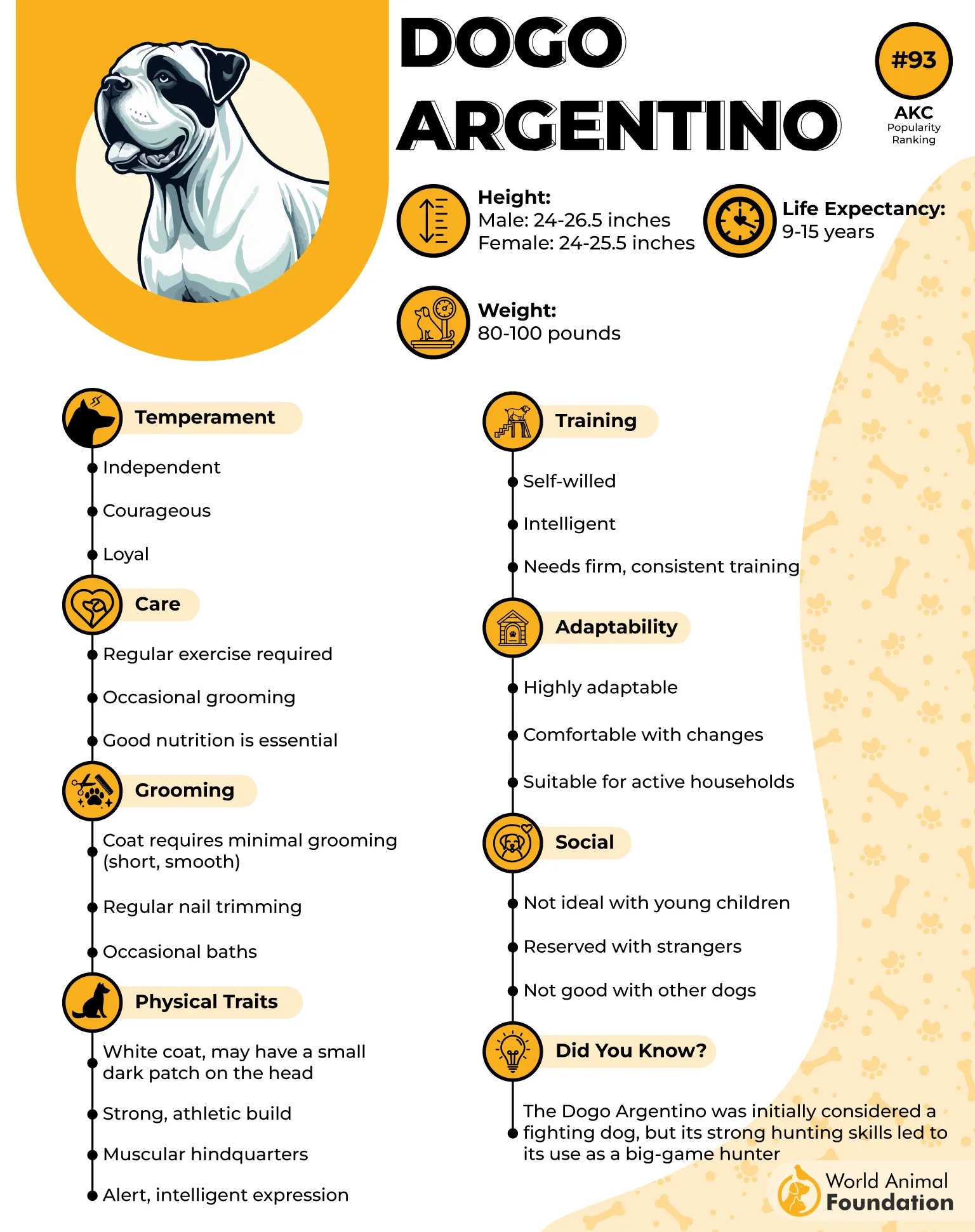
A clean white coat, deep chest, and solid muscles give this large dog a very powerful look. Moving quickly despite its size, its strong body handles the tough demands of big game work. Possessing great courage helps in the field, but power alone will not keep a dog safe.
Holding dangerous animals physically is a job some teams give to catch dogs, but it brings a high risk of injury. Learning about this breed’s background helps hunters understand its strength, but smart training and firm guidance remain essential.
Field Safety and Guidance
Dogo Argentino requires early socialization, consistent obedience, and experienced handling. The AKC suggests structured exercise to support fitness without replacing specialized training. Handlers should use suitable protective equipment, carry a comprehensive aid kit, and maintain a clear plan for emergencies.
Close engagement with a wild boar carries substantial danger, so responsible hunters must prioritize control, legal requirements, and animal welfare over displays of strength.
7. Airedale Terrier
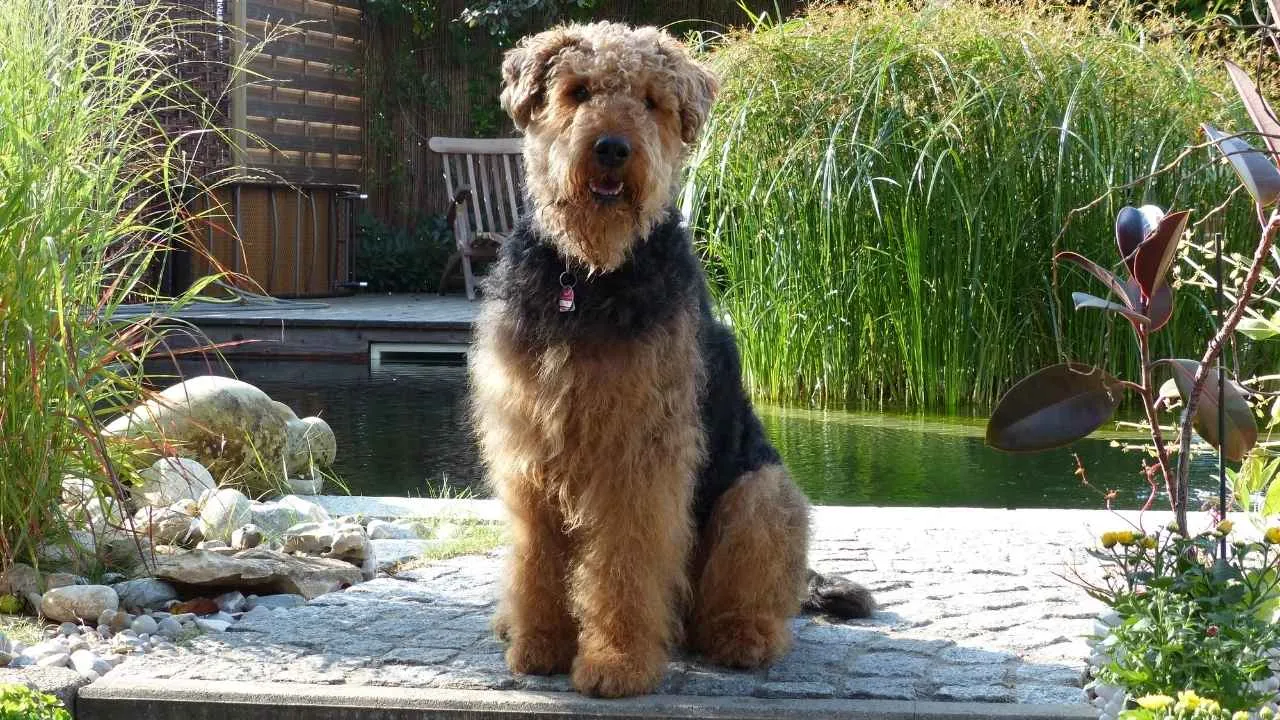
Proving that small size can still do big work, the Airedale Terrier brings clever thinking and high energy to outdoor trips. Raised in England for hunting otters, this active terrier performs well in many different field tasks.
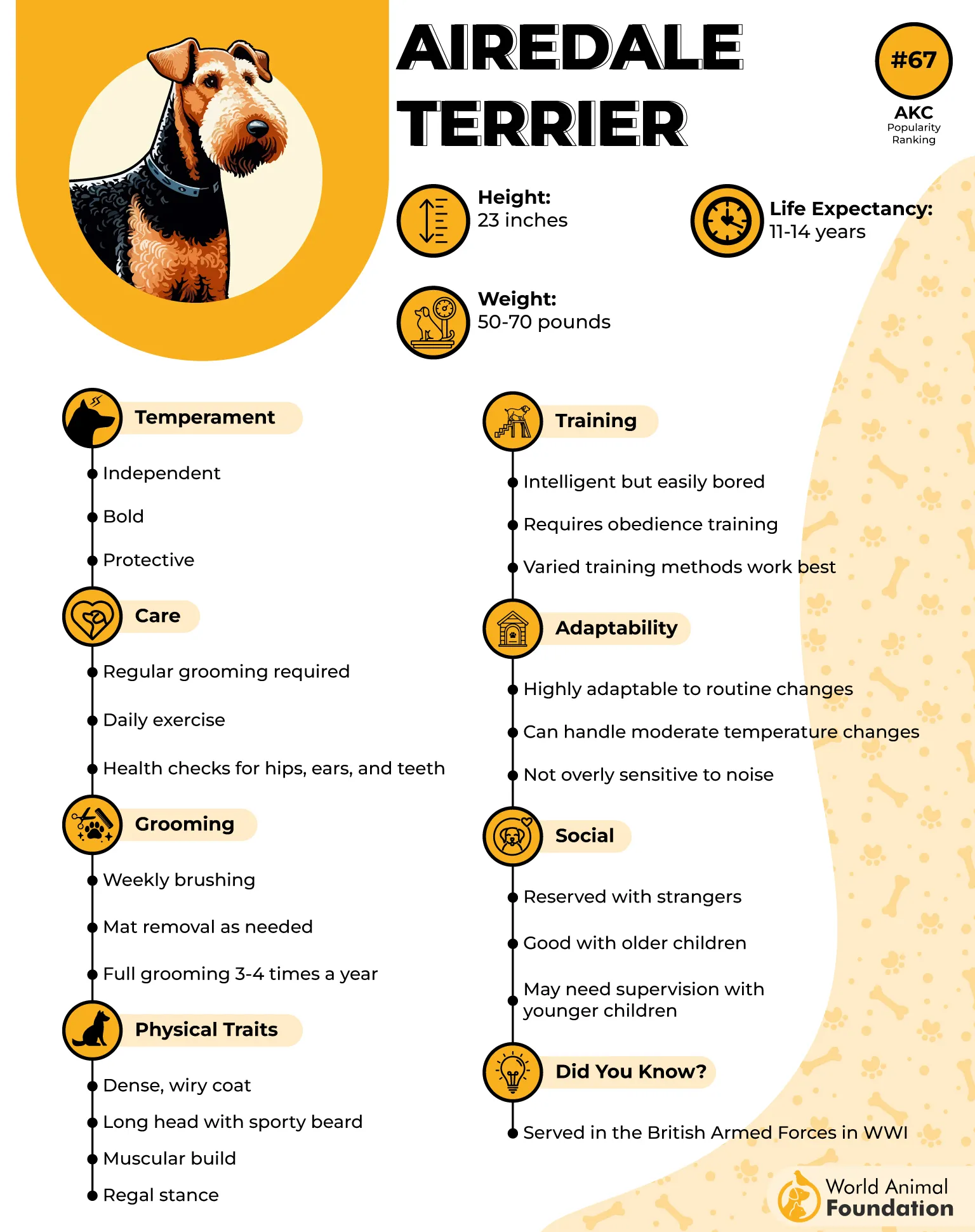
A wire-haired coat, dark back markings, and a cute little beard give this breed a fun look. Combining an alert mind with high curiosity, it loves checking out new smells along the trail. Long legs and a sturdy body help it run across rough ground with ease.
Learning new trailing skills comes naturally to this smart worker, even if it lacks the deep hog-hunting history of Plotts or Catahoulas. Smart thinking makes it a fun partner, but hunters should never confuse quick learning with real experience around dangerous game.
Field Safety and Guidance
Airedales benefit from mental stimulation, structured scent exercises, and rewarding obedience sessions. Their independent thinking makes clear boundaries particularly important. Provide regular physical activity and opportunities to work through challenging tasks.
Before any field assignment, assess the dog’s experience, the terrain, and the risks posed by nearby wildlife. A trained dog that responds reliably to its handler is better prepared for demanding work than one encouraged to act on instinct alone.
Conclusion
Building a successful hunting team always starts with matching a canine’s unique natural strengths to the specific task required in the field. Every step of the hunt demands a clear focus, whether trailing distant scents, holding quarry at a safe distance, or providing tactical backup.
Relying on a dog’s general popularity or physical appearance is never enough when facing unpredictable, harsh outdoor environments. Responsible handlers must evaluate their own field experience, local hunting laws, and land permissions well before heading into the brush.
Ultimately, clear communication and careful planning between handler and dog guarantee a smooth, safe, and successful hunting expedition every time.
