




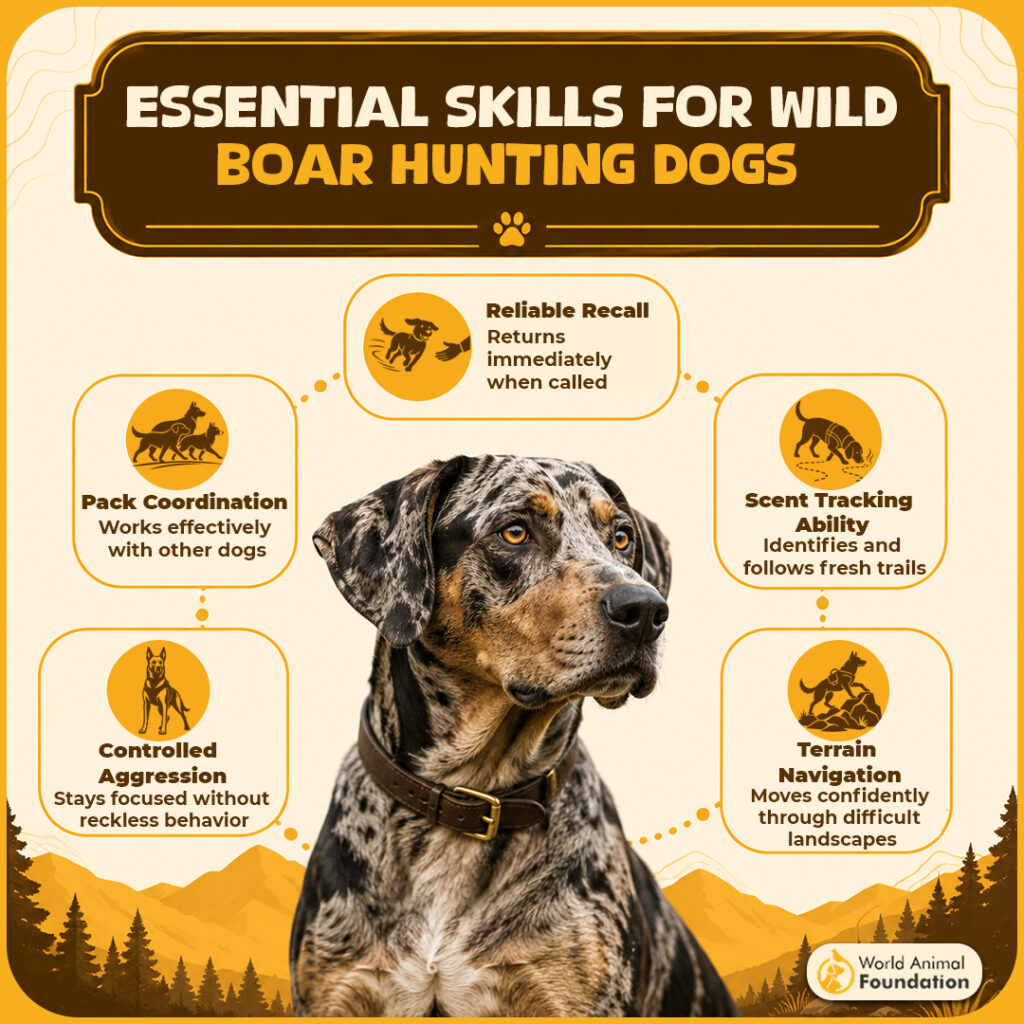
Wild boar hunting isn’t for the timid. Hunting wild pigs is dangerous due to the thick brush, uneven ground, and the nature of pigs. Good hog hunting dogs need stamina, a good nose, smarts, and focus. Some hunting dogs can follow a scent and alert hunters by howling, or “baying,” while other hog hunting breeds were bred to hold large game for experienced hog handlers.
Hog hunting calls for dogs with the right combination of courage, stamina, strength, and determination. Across the U.S., different hunting regions and terrains favor different breeds, each bringing unique instincts and abilities to the hunt.
From tracking hogs through dense brush to holding their ground when faced with challenging game, these hog hunting dog breeds stand out for their specialized skills, working temperament, and hunting heritage.
Tracking, or “baying,” can be accomplished by different hog hunting breeds and can also be accomplished in combination with different hog hunting breeds to get better results. A hunting team of different hog hunting breeds may get the best results in hog hunting.
Top Dog Breeds That Emerge Victorious in Boar Hunts
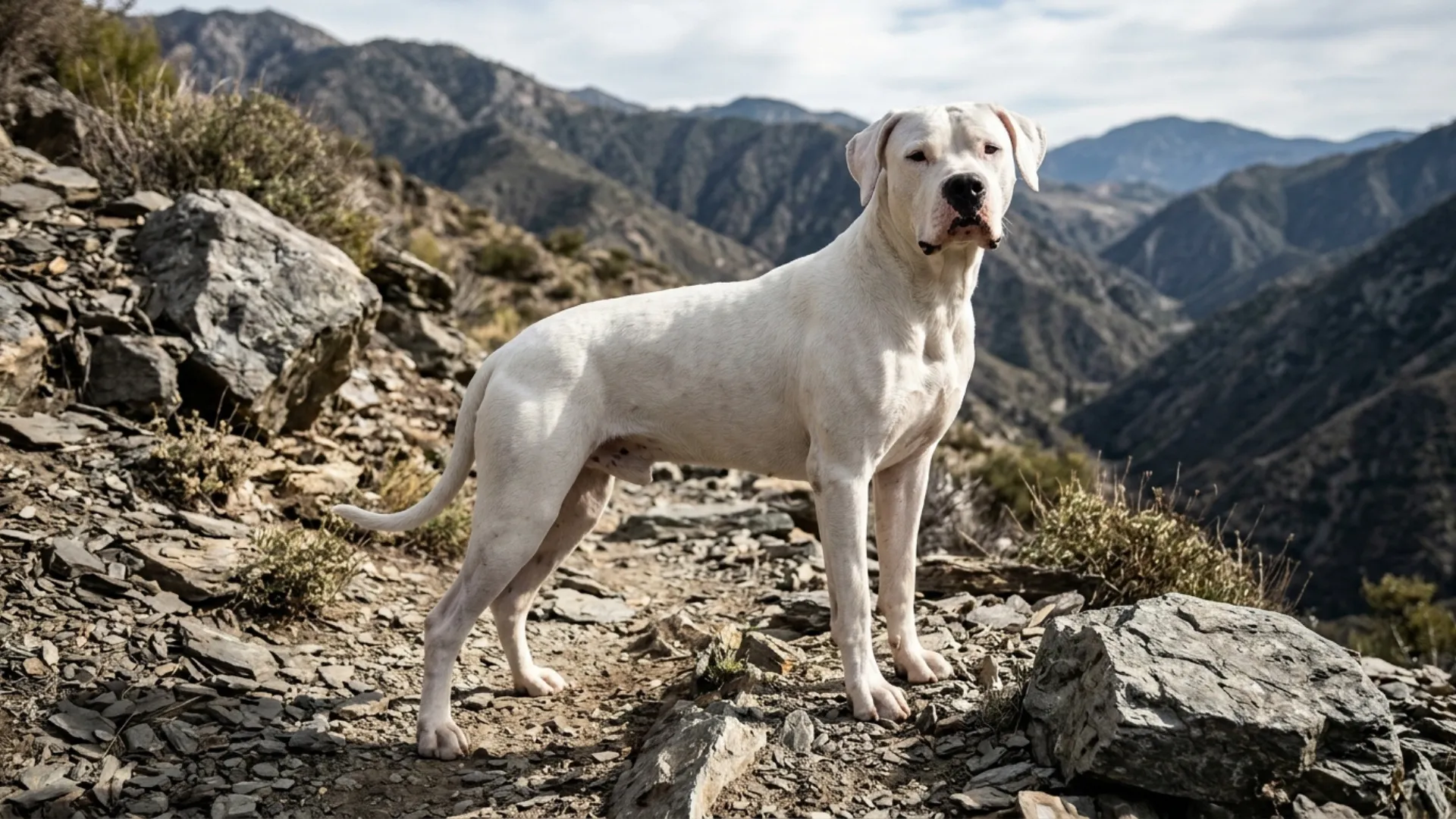
1. Dogo Argentino
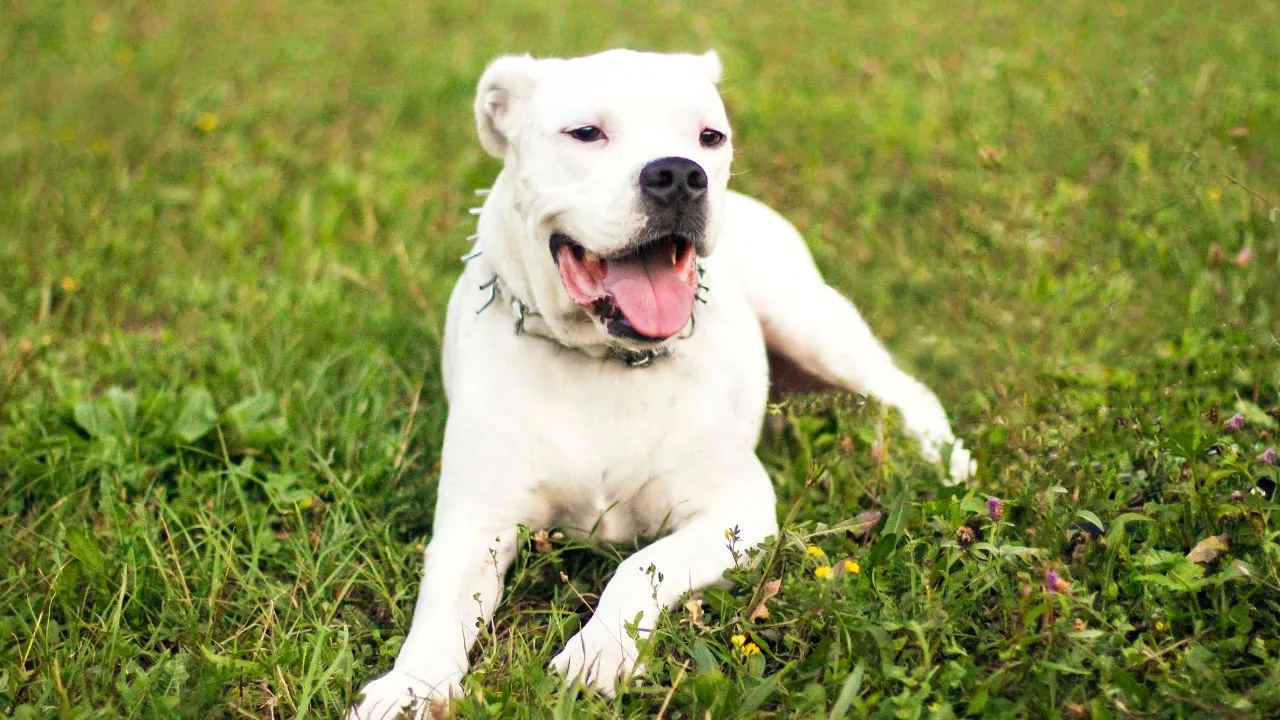
The Dogo Argentino was bred to hunt game in Argentina, and for good reason. They have great, quick, athletic moves and are incredibly brave, making them ideal hunting companions in even the toughest outdoor situations. And their short white coat makes this powerful breed extremely easy to see in almost any situation you encounter while hunting, even though visibility changes according to where you are.
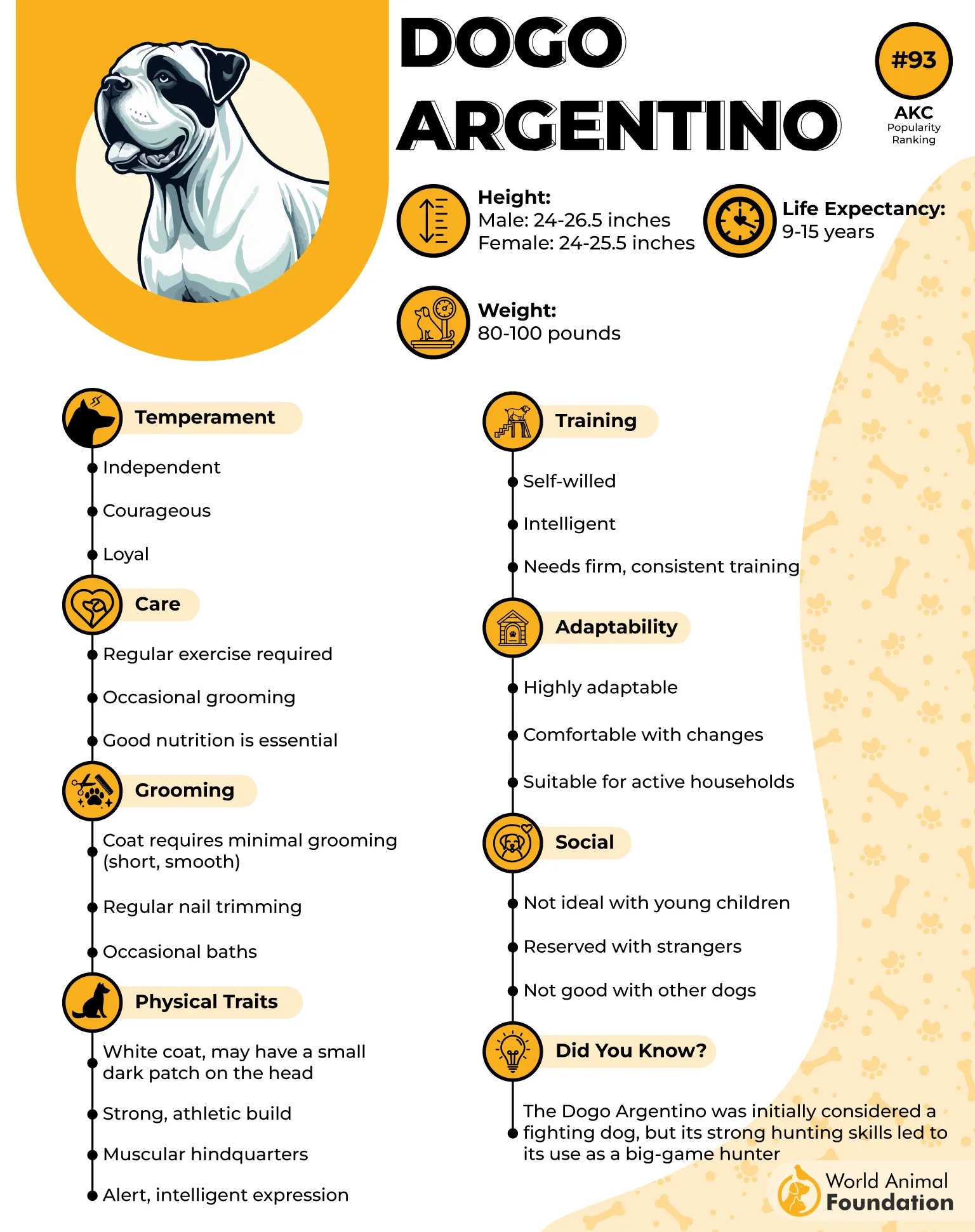
A Dogo Argentino has the potential to follow game but requires strength, stamina, and a strong sense of smell to hunt in difficult conditions and the agility to respond quickly. Because wild boar can cause severe damage even to a strong dog, hunters must carefully consider their safety and use experienced handlers.
The American Kennel Club lists the Dogo Argentino as a breed of powerful hunting dogs. This explains why hunting dog breeders may decide this breed of dog is suitable for more challenging outdoor tasks.
2. Catahoula Leopard Dog
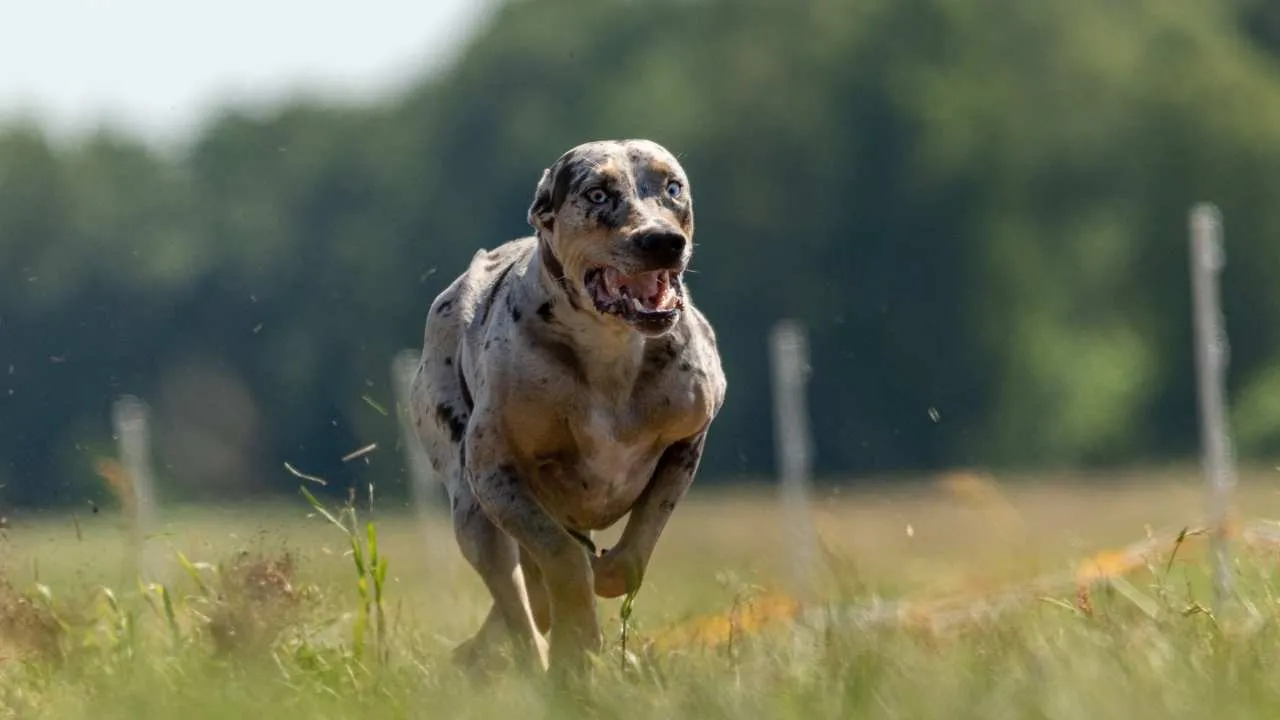
In Louisiana, the Catahoula Leopard Dog earned a reputation for being an effective hunting dog that would chase wild pigs and herd cows. Catahoula Hog Dogs, as the name suggests, were used for hog hunting and are noted for being energetic, independent, and having the ability to travel over difficult terrain. Working ability matters much more than appearance.
During hog hunting, Catahoulas use their strong hunting instincts to find wild pigs; they follow the pigs while barking to let their hunters know where they are. In fact, their sharp hunting instincts and need for constant, intense work help keep their hunting masters busy and happy.
Catahoulas can get bored if they don’t have enough stimulating work to keep them occupied, which can then lead to them creating their own entertaining but likely unwanted and destructive behaviors. This hunting breed needs lots of daily exercise and lots of activity. According to PetMD, Catahoulas need regular exercise and mental stimulation to stay healthy and well-behaved.
3. Plott Hound
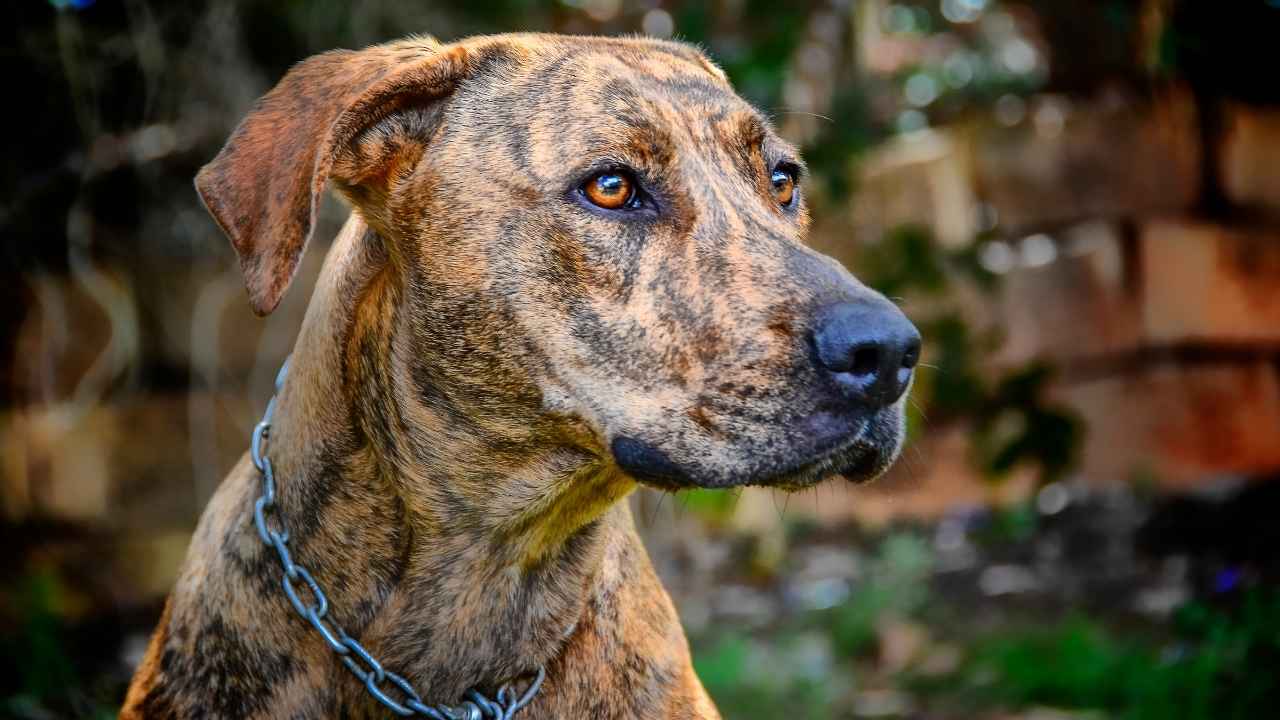
There are many things to like about the Plott Hound, but its long history as a working dog and companion makes it a special part of American hound heritage. Most Plott Hounds are found in North Carolina. These dogs were developed to hunt large game, and their natural abilities reflect that purpose. The Plott Hound has an exceptionally strong sense of smell, sharp focus, and a muscular frame.
Unlike many other breeds of dogs that require more focus on the strength and energy aspects of a breed to be an effective hunter, the Plott Hound’s main working tools are scent focus and tenacity. The Plott Hound also requires the opportunity to use its natural abilities to hunt on a regular basis, through various types of hunting games.
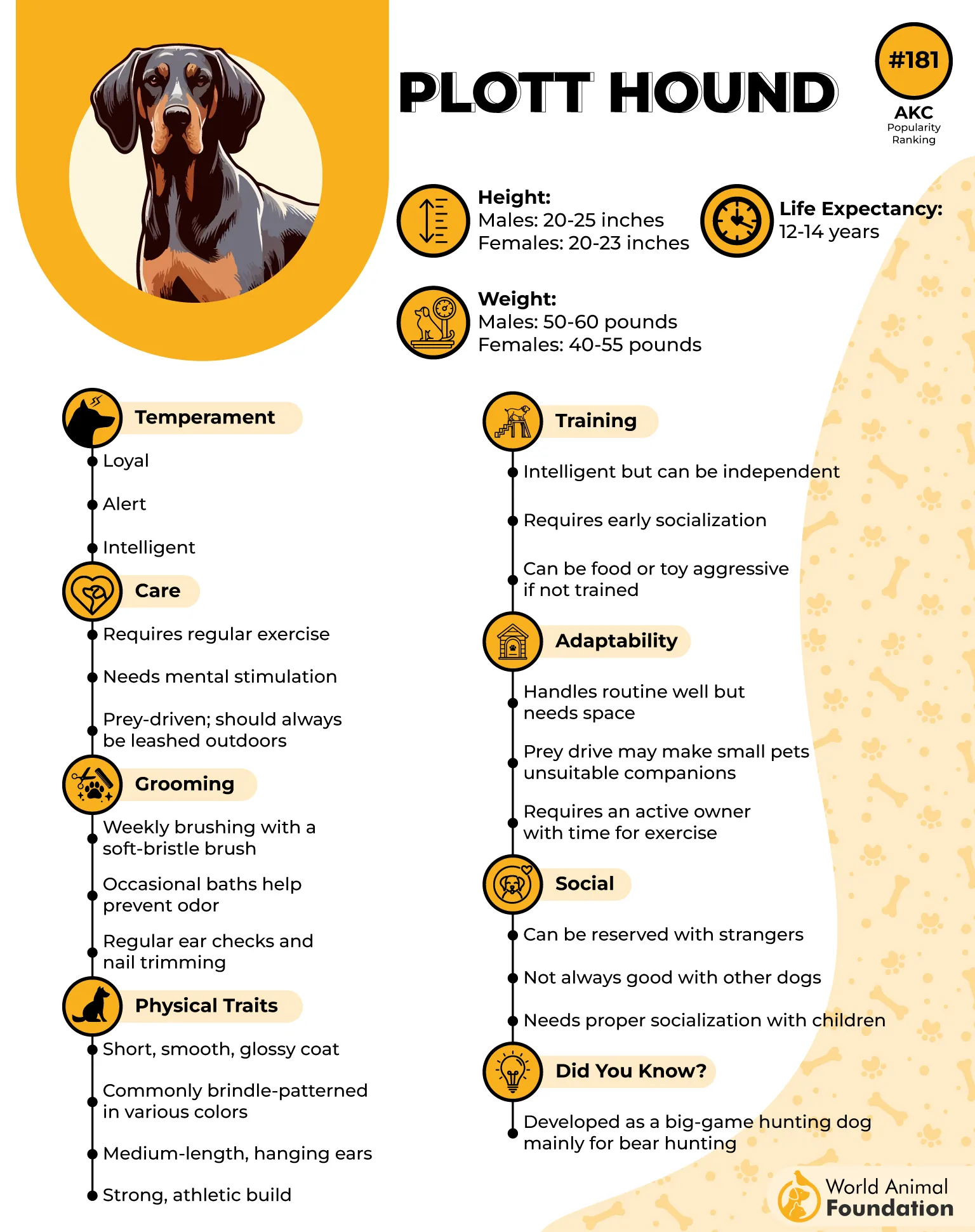
This hunting dog is great for all sorts of people. Plott Hounds can develop a strong bond with all members of a family. They are very accepting of other dogs when socialized at an early age. Plott Hounds have hunting instincts. It is always important to remember this and supervise when other small, young, and unfamiliar pets are in the same environment.
4. Black Mouth Cur
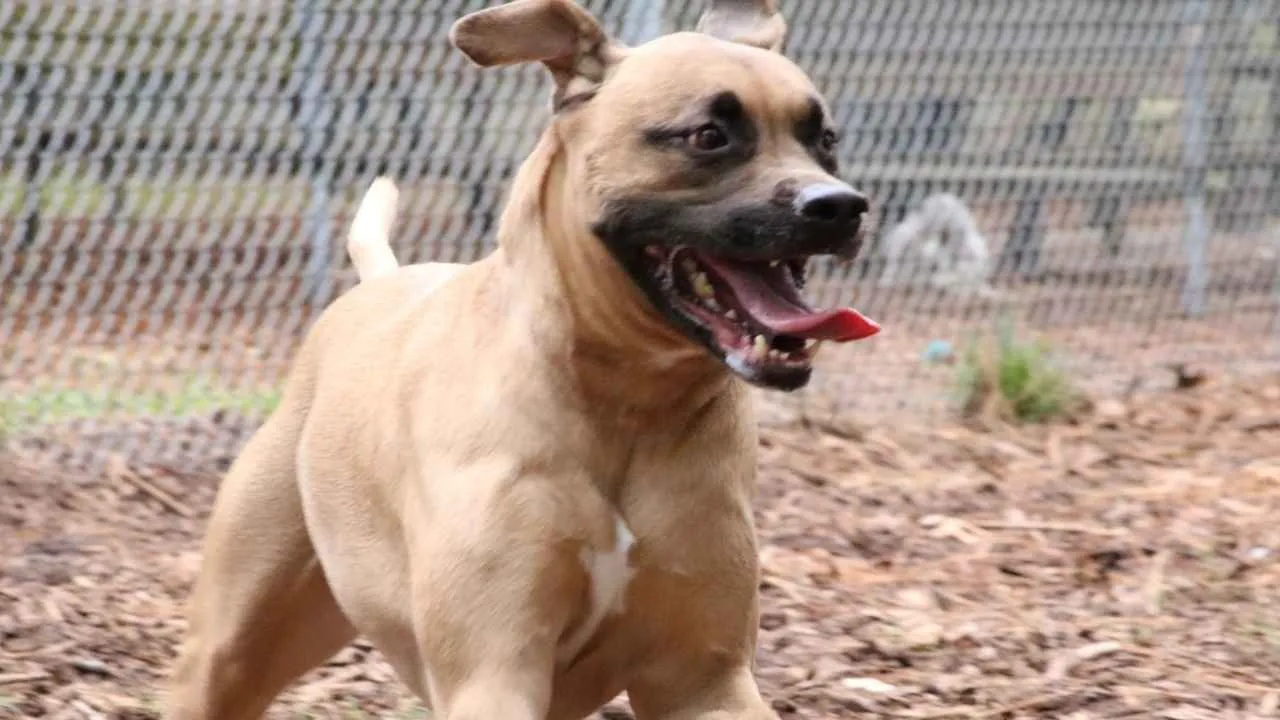
There are many different types of cur dogs, but most were associated with working on farms in the American South. The dark muzzle the dog possesses often provides the inspiration for its name, though variations exist in all markings.
Their typical working role involves hunting, herding, or general working duties, but in every instance they have proved loyal and hardworking. Black Mouth Curs often accompany hog hunters by barking to signal the position of the tracked game. These athletic dogs can work long hours traveling through harsh conditions.
These dogs also thrive when given lots of love, consistent training, and socialization, especially around new people and other animals. A Black Mouth Cur loves to have a clearly defined responsibility. Because hunting isn’t something they can do every day, games and training can help give the dog purpose.
5. Mountain Cur
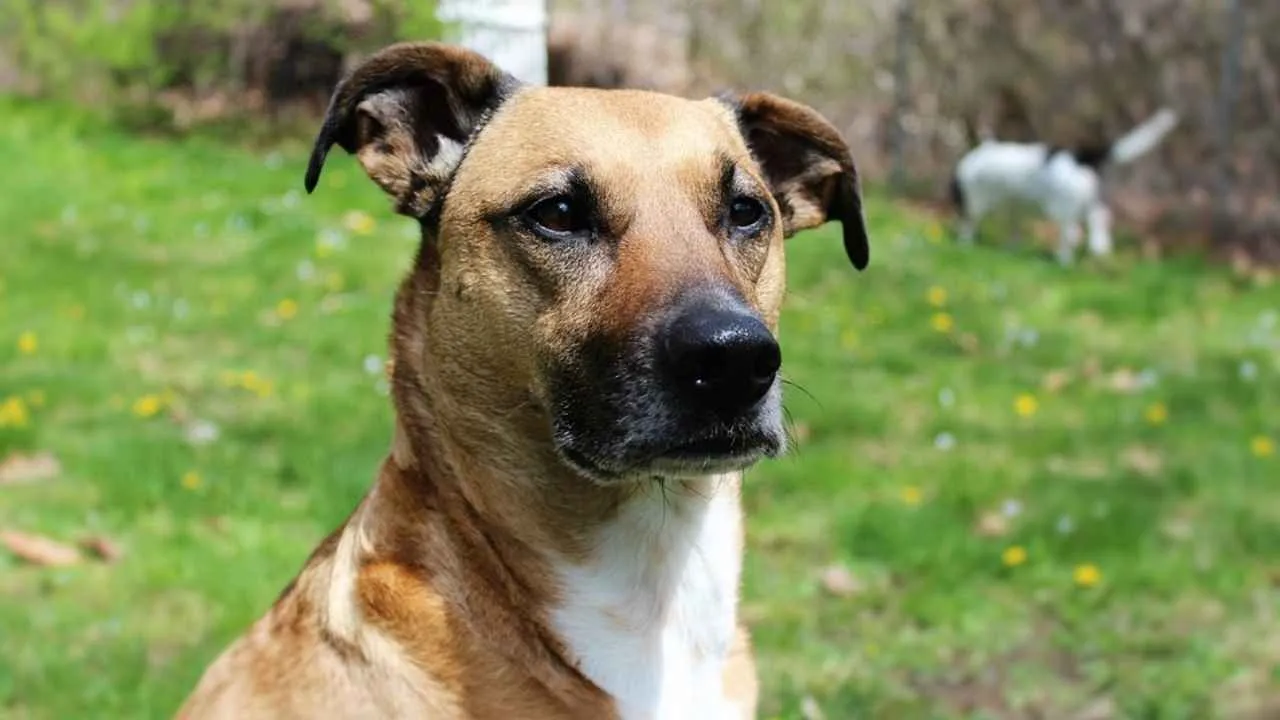
A variety of roles and responsibilities earned the breed its name in early America as settlers put the dogs to work on farms and on hunts. This sturdy, tracked animal helps to game in dense and difficult-to-access environments and areas. With the dog’s tracking ability, the Cur is useful in many situations.
During hog hunting, a Mountain Cur will track, chase, bark to alert, and stay with the moving hog. As it may be necessary, Curs love a variety of challenges, and working on the breed’s natural tendency for hog hunting can keep them focused and attentive, especially when they need to pay attention to their handler and follow commands.
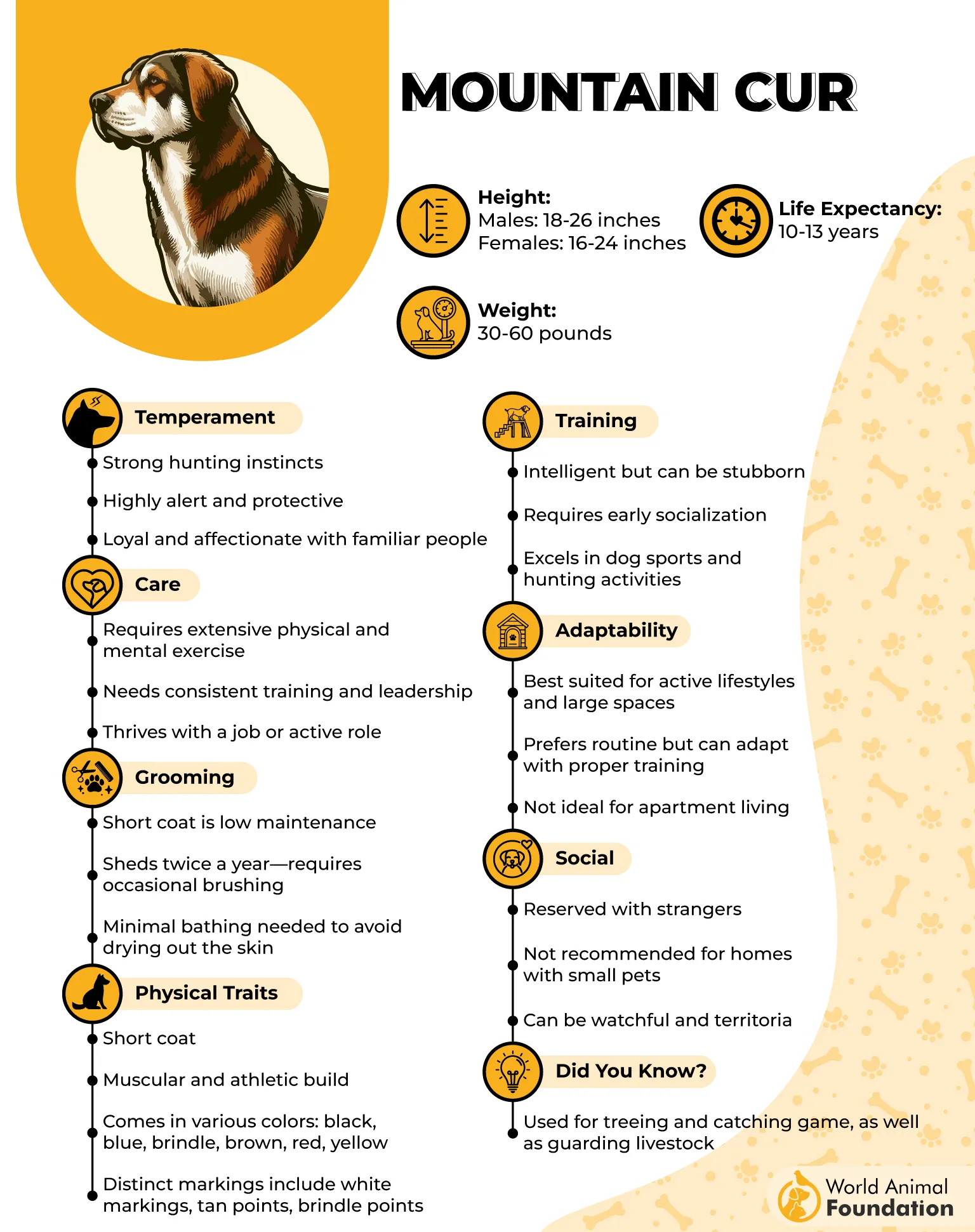
Regular positive training can help in the control and compliance of this breed. Mountain Curs take some time to become familiar with new people, and can become loyal with proper socialization. They are best in active households as opposed to less active households.
6. American Bulldog
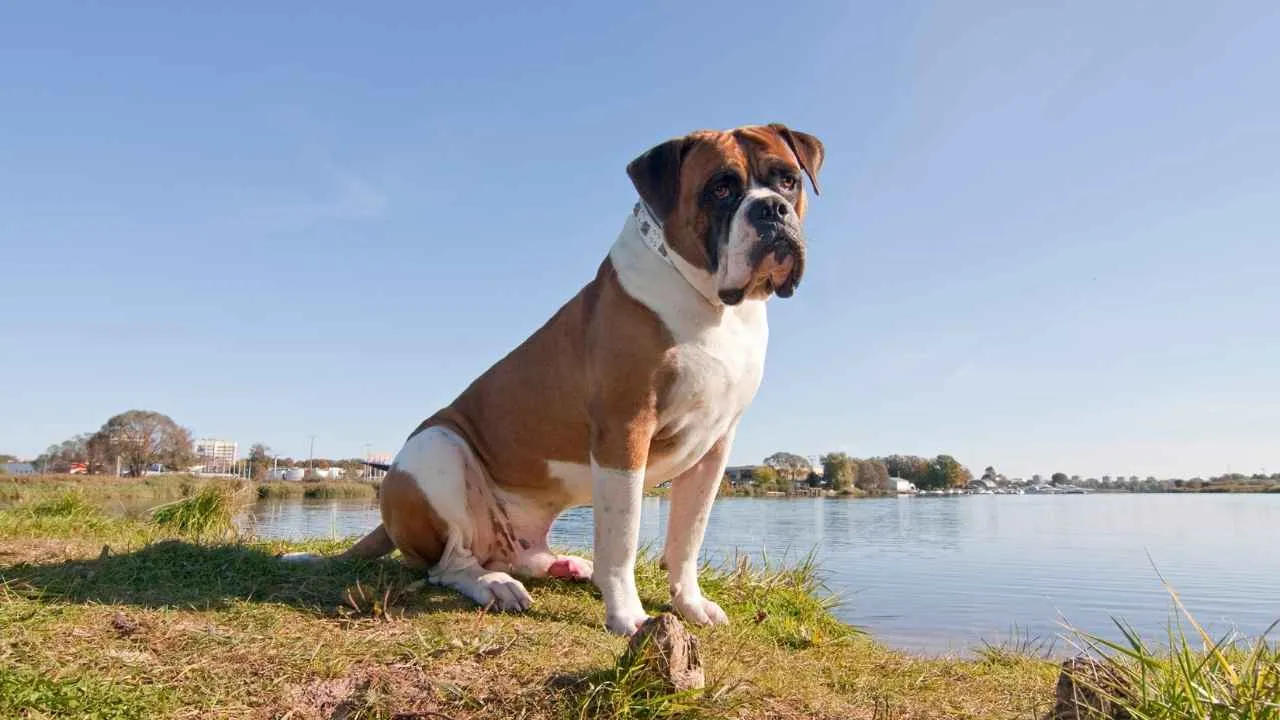
The American Bulldog is characterized by its broad and strong body. They are working breeds used for hog catching and holding that require close partnerships with experienced owners. This role demands strength and courage.
While strong, even a well-trained American Bulldog is no match for a wild boar. There are risks that go along with having your dogs hunt wild pigs, as these beasts can attack and seriously harm your dogs.
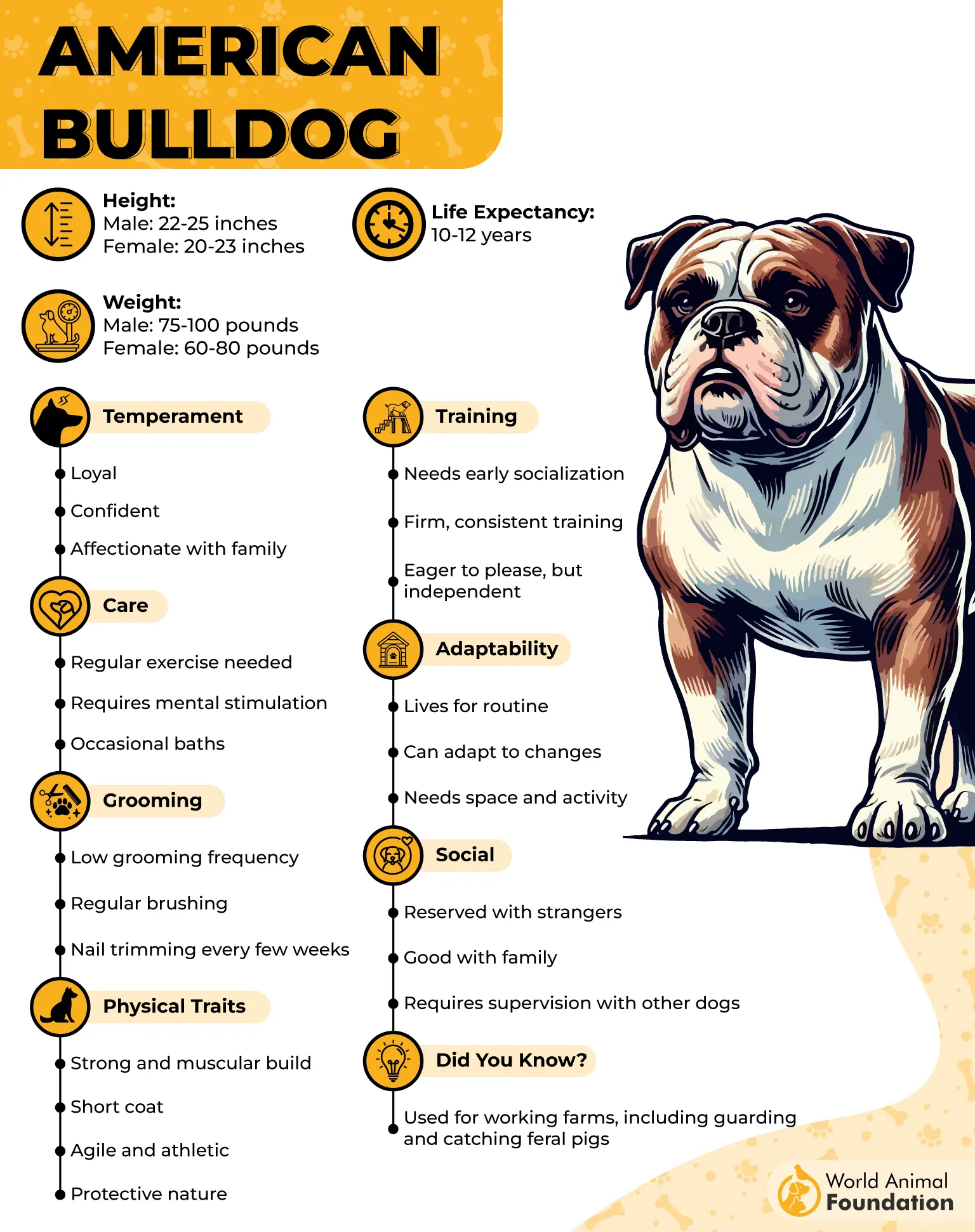
This is why you need to have good control of your dogs at all times and have protective gear on hand and a plan of action. This is a protective breed, and should you choose to have them in your home, you will need to put a lot of work into obedience training, as it needs to be ongoing.
7. Jagdterrier
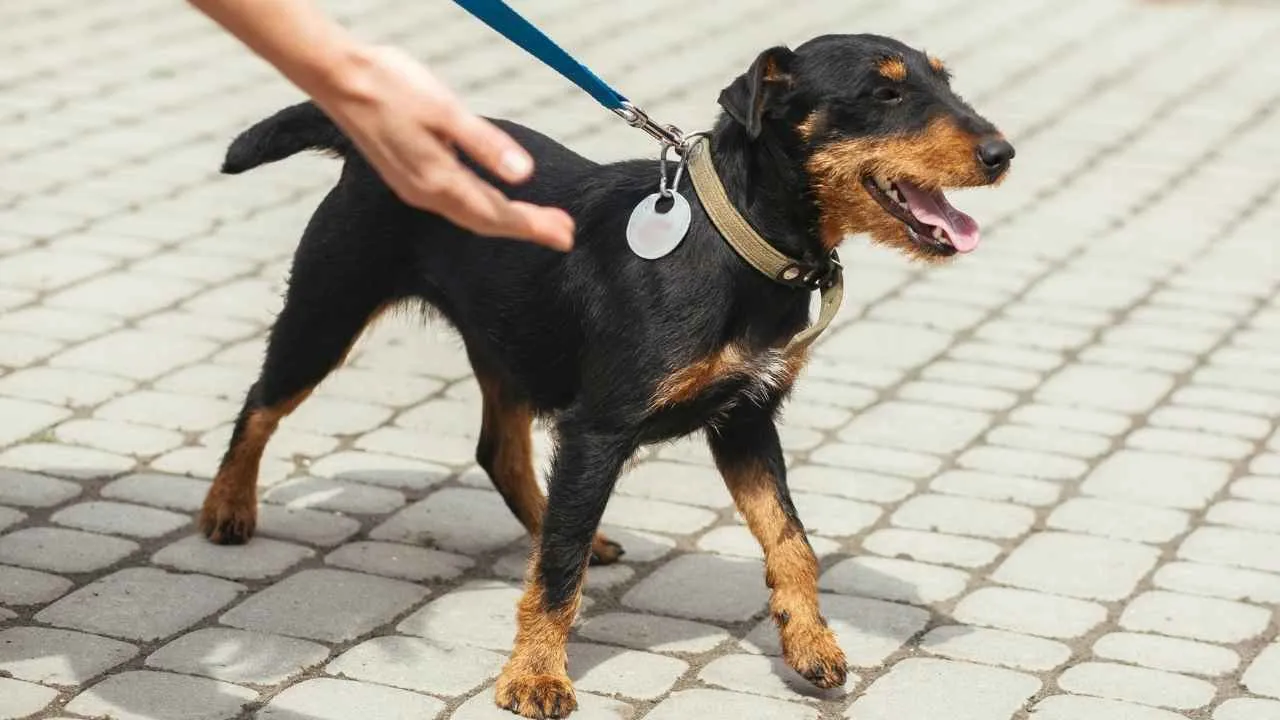
The Jagdterrier is a German breed developed for work in the field. Don’t let its smaller size fool you: this breed possesses both great focus and incredible courage. This breed was also bred with the purpose of chasing prey in arduous conditions and thus possesses great energy, particularly when faced with a difficult task.
A Jagdterrier can aid the hunter by both scent tracking and traversing thick cover. While the breed’s smaller stature allows it to maneuver through small spaces, it is not recommended to use it with wild boar, and so great discretion is required of the breed’s owner.
This is a working breed that needs to be with a knowledgeable owner who can provide plenty of mental and physical activities. In the absence of physical and mental exercises, this breed is prone to developing disruptive behaviors and will be hard to manage in most family households.
8. Transylvanian Hound
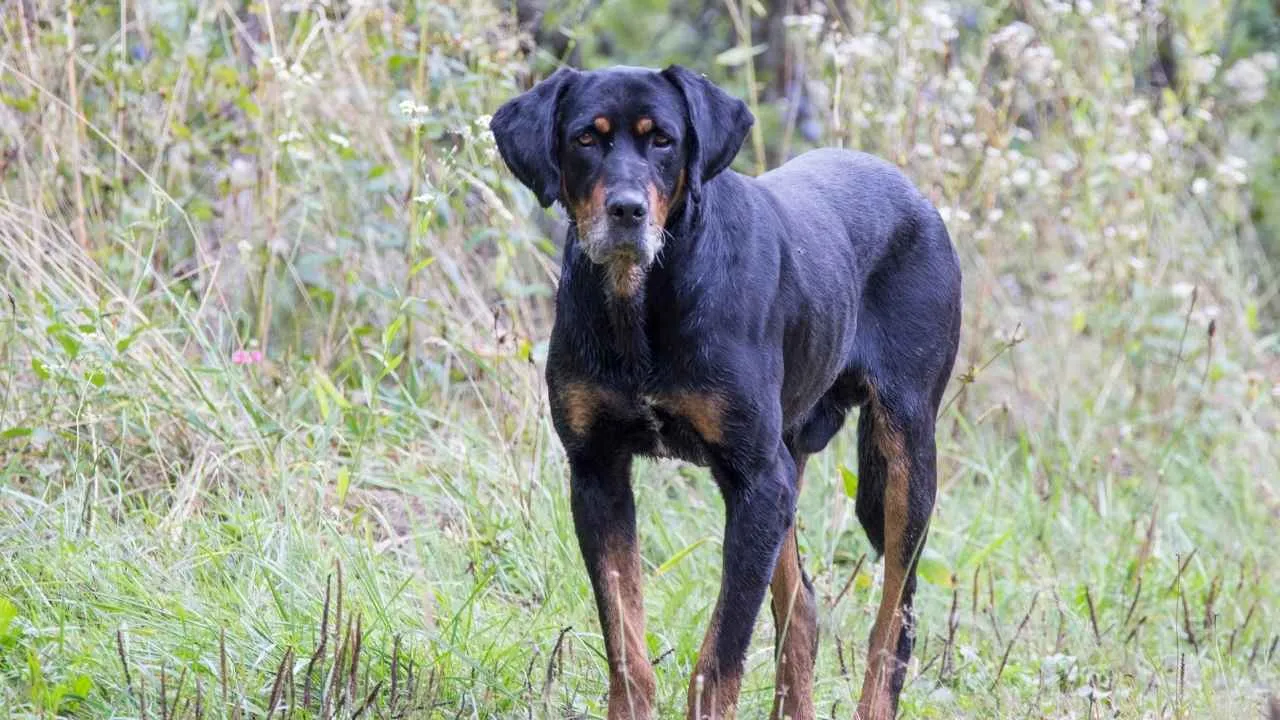
The Transylvanian Hound originates in the mountain and forest regions of the Carpathians and has been bred in Hungary to aid in tracking on foot. Because they hunt large animals like deer and elk, Transylvanian Hounds are developed for long periods of strenuous movement.
While working outdoors, these hounds can follow a scent and use a booming bark to alert hunters to their location. Because these hounds like to think independently and will follow a scent even if it leads away from the hunters, training is time-intensive and needs a steady, disciplined hand.
Although this breed can be a gentle companion animal, its activity requirements need to be met, as a bored hound is a troublesome housemate. The requirements of this breed include daily exercise, training games, and the ability to wander and explore on a leash or in a confined secure space.
9. West Siberian Laika
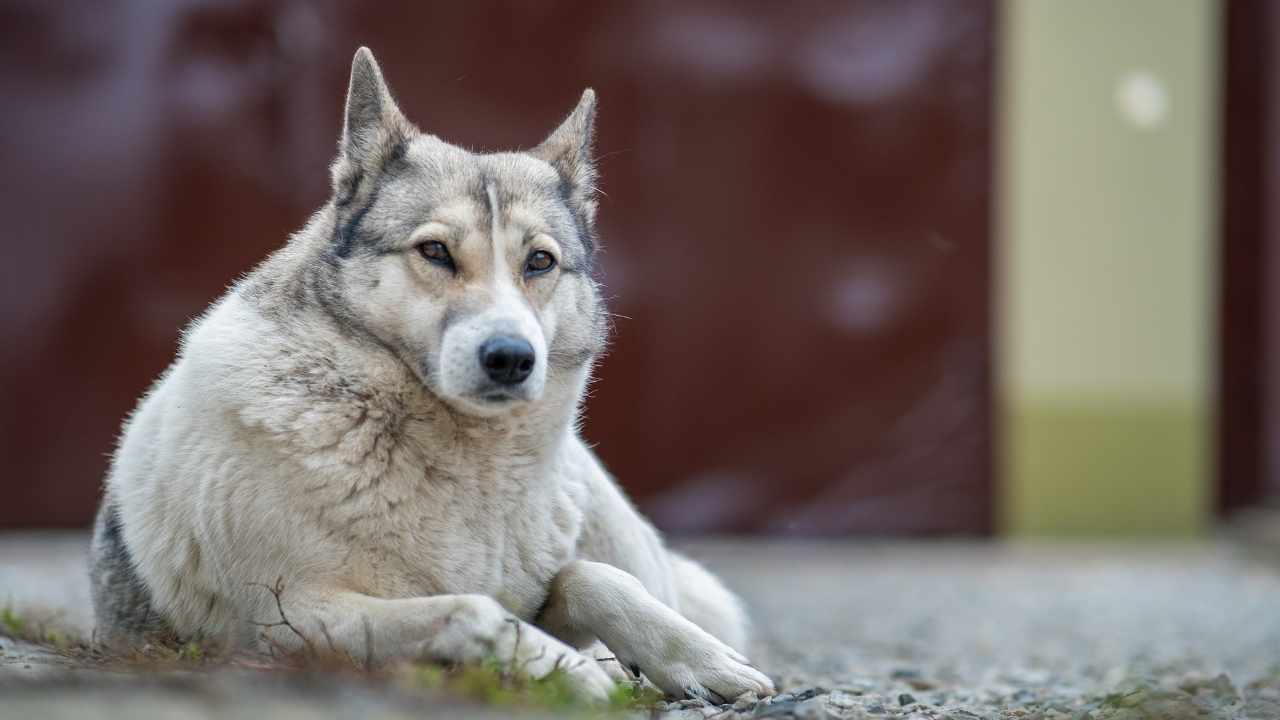
Originating in Russia, Laika breeds are cold-weather tracking dogs that work with trackers and hunters. The Laika have large ears and a muscular build for strength, and a long, thick, and warm coat to keep them warm and dry when working. With a wide-ranging working background, Laikas are large tracking dogs.
For hog hunting, this scenting ability and endurance, as well as the constant vigilance of a Laika, are all positive traits to search for in hunting companions. Laika will also tend to alert hunters by barking once they have spotted a game animal.
West Siberian Laikas require mental stimulation in addition to regular exercise, as noted by the Continental Kennel Club. The dense coats of these dogs shed, and it’s essential that the coat be brushed frequently. Active owners that are able to provide structure and space will be the most suitable fit.
10. Karelian Bear Dog

The Karelian Bear Dog was used to hunt large game in its homeland of Finland, and it’s a courageous breed with a keen, dedicated working nature. It has thick, black-and-white hair and an upright, tail-curled appearance. With such a long hunting history, this breed’s reputation is that of being a fast, flexible, and alert dog in the woods.
With their breed name suggests they work only with bear, this large courageous hunting dog possesses traits that make it very good at large-game hunting. The breed has a keen sense of tracking and alerting.
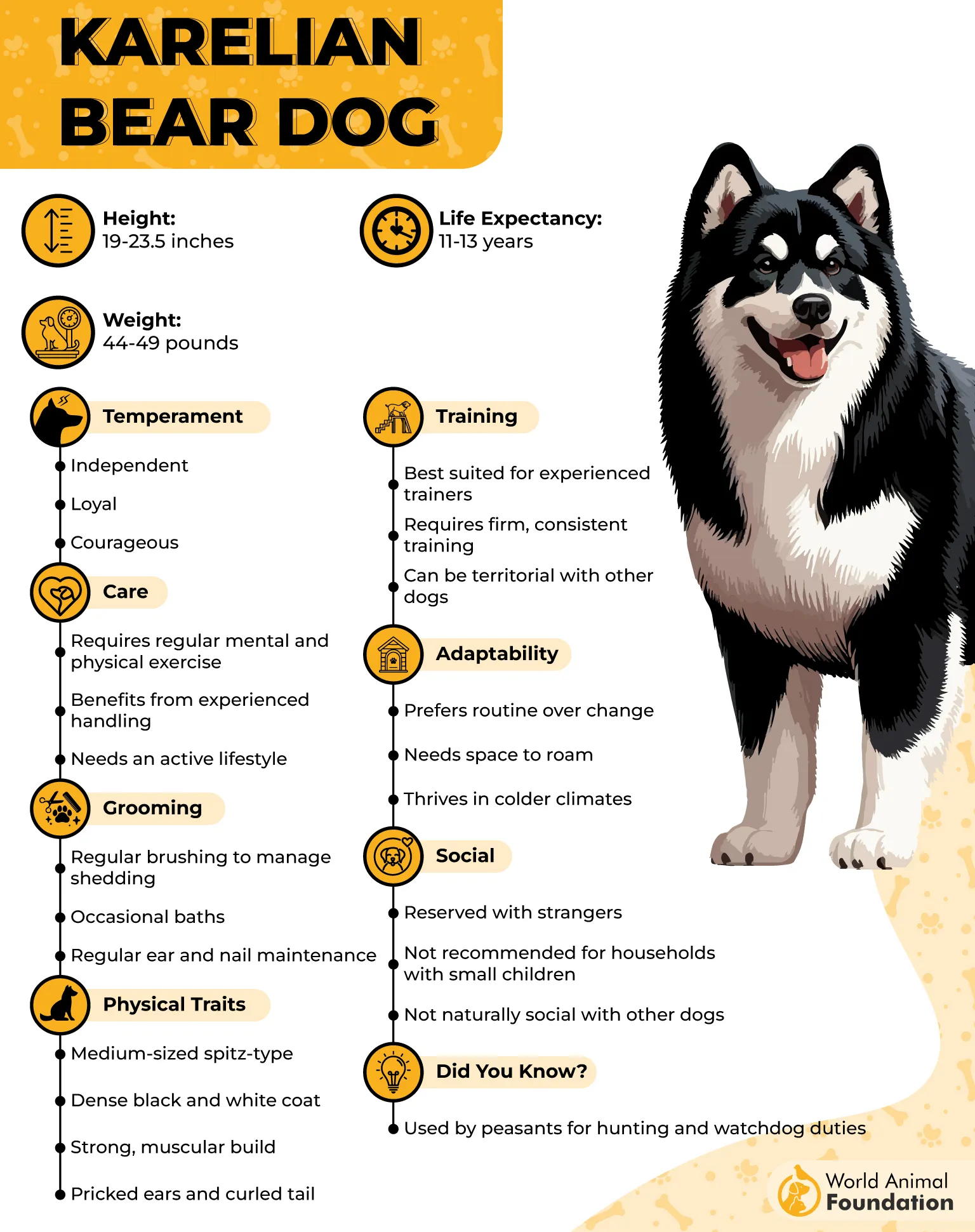
The Karelian Bear Dog should not be considered for owners without experience, and this is true of almost any large working breed dog. It is important to remember this breed needs lots of activity, social time, and plenty of training to learn control. Proper training and activity are essential for this breed.
Conclusion
Of the ten hound dog breeds we will consider, all offer unique advantages in the sport. Scent hounds like the Plott Hound rely solely on their nose to track, but there are some other hound dogs like the Catahoula Leopard Dog and Mountain Cur that track and perform other tasks as well.
Though physical strength is very important in hog hunting, a dog with a lot of strength will still not be effective in hunting if not accompanied by a lot of smarts and training.
A dog owner who is planning to go on a hunt should always evaluate the area of the hunting site, the dog’s physical health, its training, and the part the dog will play in the hunting expedition. Having the right hunting dog equipment is also a very good idea.
For example. GPS hunting collars, hunting dog first aid kits, and information on a local veterinarian will not eliminate every hunting-related accident but will greatly minimize them.
