




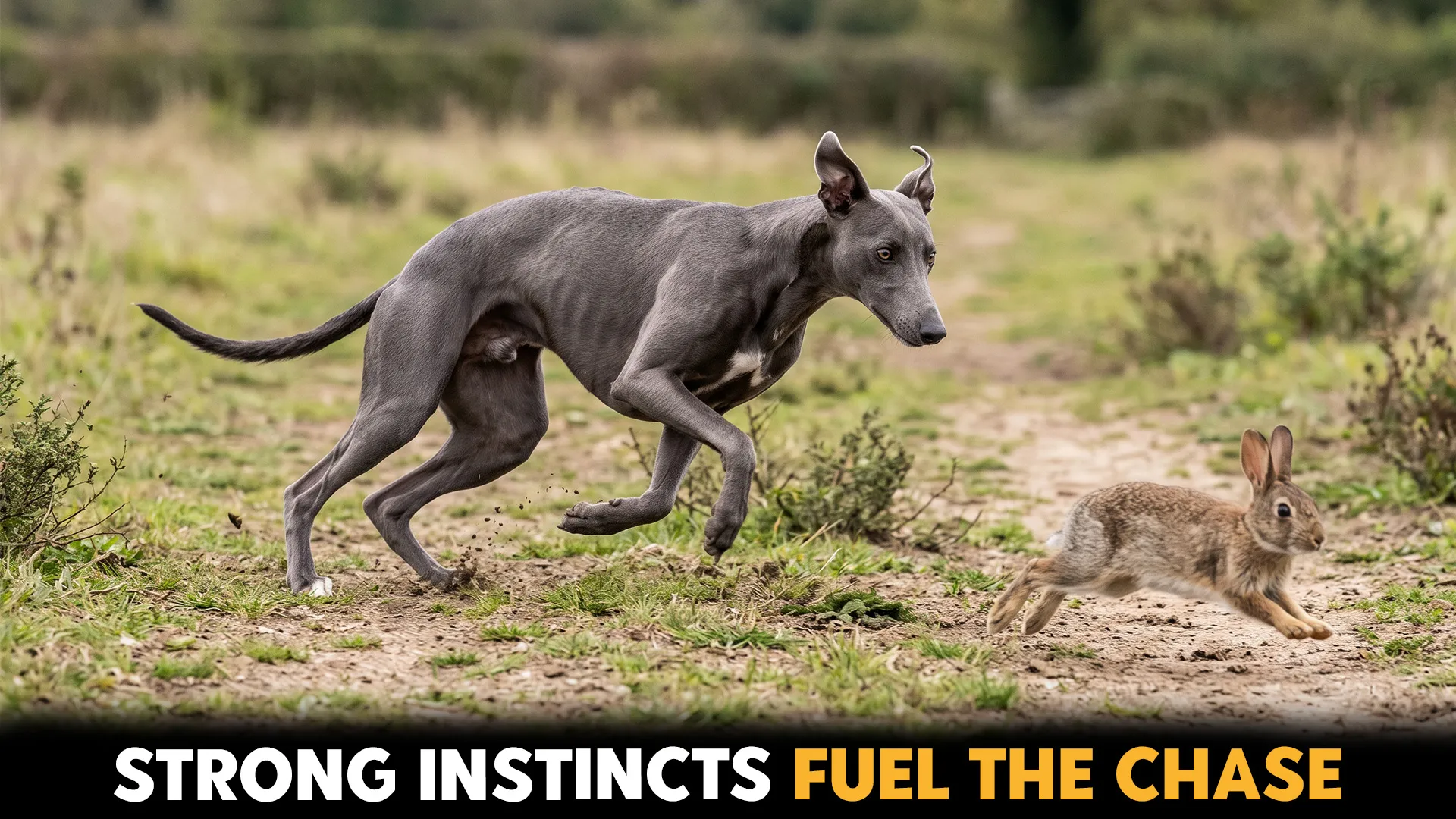
Researchers once showed a room full of dogs two shapes chasing each other on a screen, expecting the born hunters among them to lock on instantly. Surprisingly, they didn’t.
A 2022 study in Scientific Reports found breeds long selected to chase prey showed no clearer pull toward the chasing shape than breeds bred to simply retrieve it.
Turns out this powerful instinct is stranger, older, and more individual than a simple breed checklist suggests, rooted in basic survival behaviors long before dogs ever curled up as household pets.
Some modern dogs will take off after anything that moves; others need a scent, a squeak, or a sprint to flip the switch.
Keep reading to find out which dogs carry this instinctive urge strongest, and how to spot it before it becomes a problem.
Top Dog Breeds Driven by a Strong Prey Drive
1. Greyhound
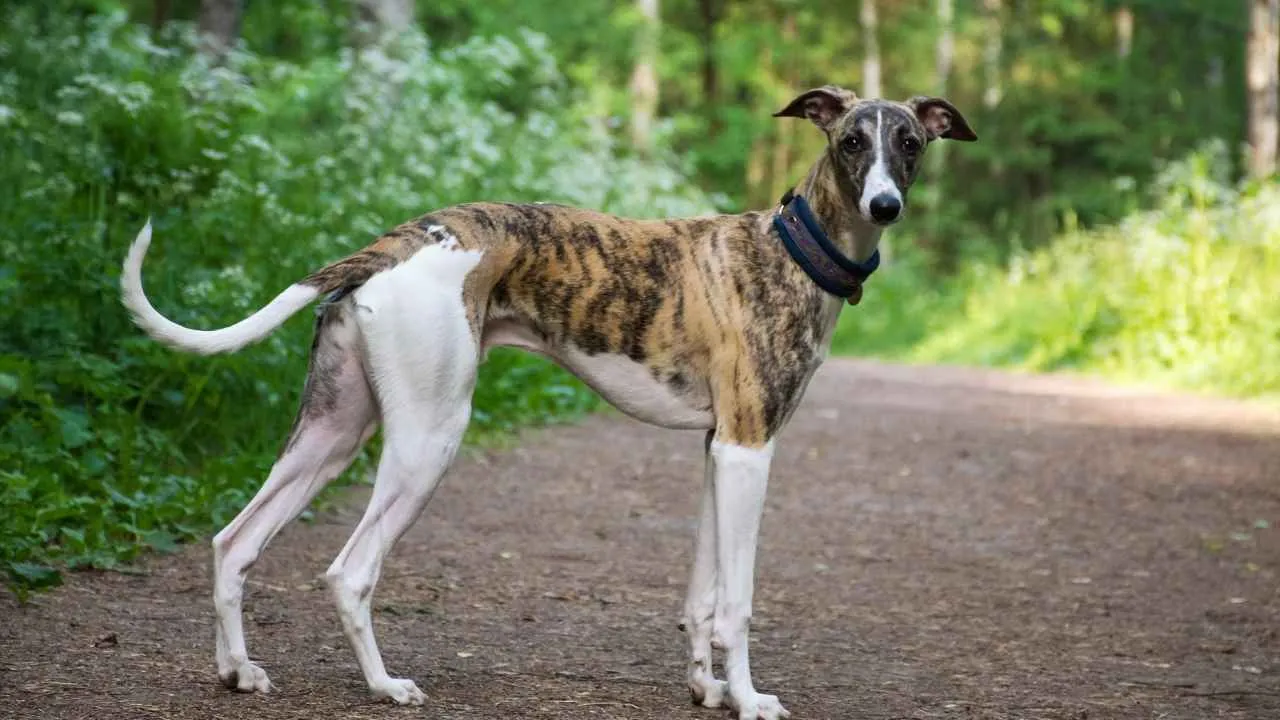
Egyptian and Middle Eastern hunters bred the Greyhound to chase hares across open plains at top speed. Centuries of selective breeding stripped away anything that slowed the chase. What’s left is a dog built purely to catch what runs.
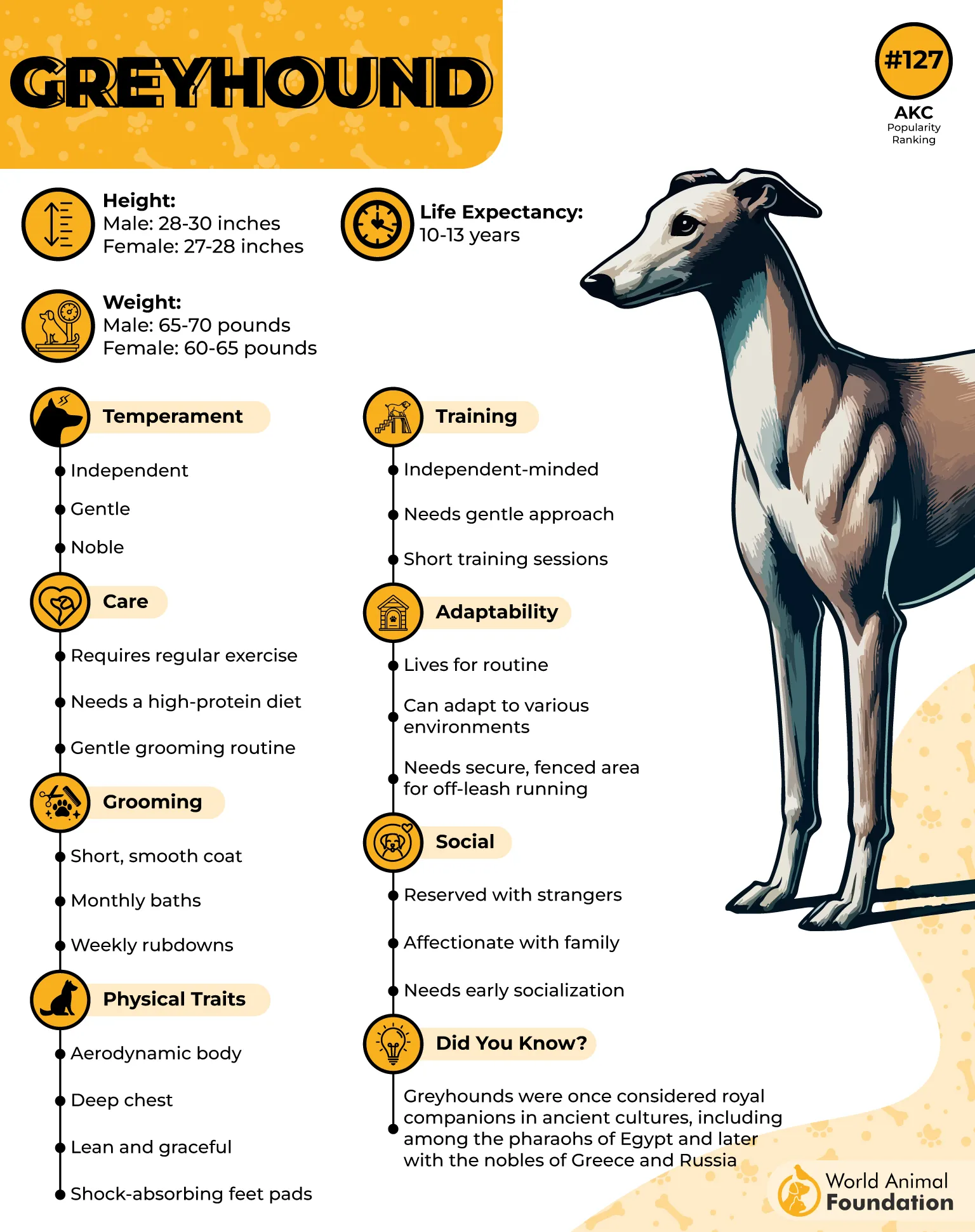
An active owner who loves sprints and skips small pets at home is the right fit. A household with rabbits or cats running loose should think twice, since that chase instinct never really switches off.
Trigger: Sight. A squirrel, a cyclist, or a stray bag in the wind can flip this dog into full pursuit in seconds, as per the AKC.
Lure coursing gives this breed a legal way to sprint at top speed, and a securely fenced yard keeps backyard time safe. Skip off-leash parks unless recall is rock solid, since a chasing Greyhound tunes out everything else.
2. Saluki
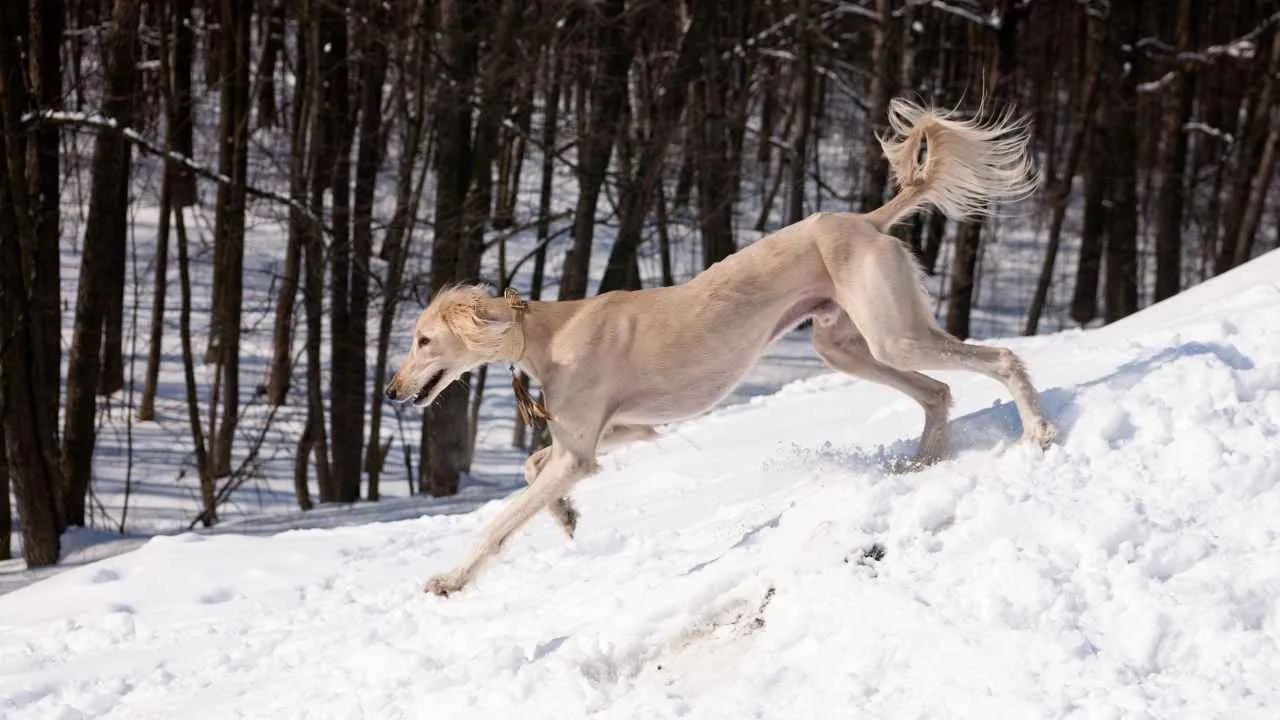
Bedouin hunters bred the Saluki over thousands of years to run down gazelle across open desert. Stamina mattered as much as speed, since the chase could stretch for miles. That ancient job left a dog with serious endurance and a sharp eye for movement.
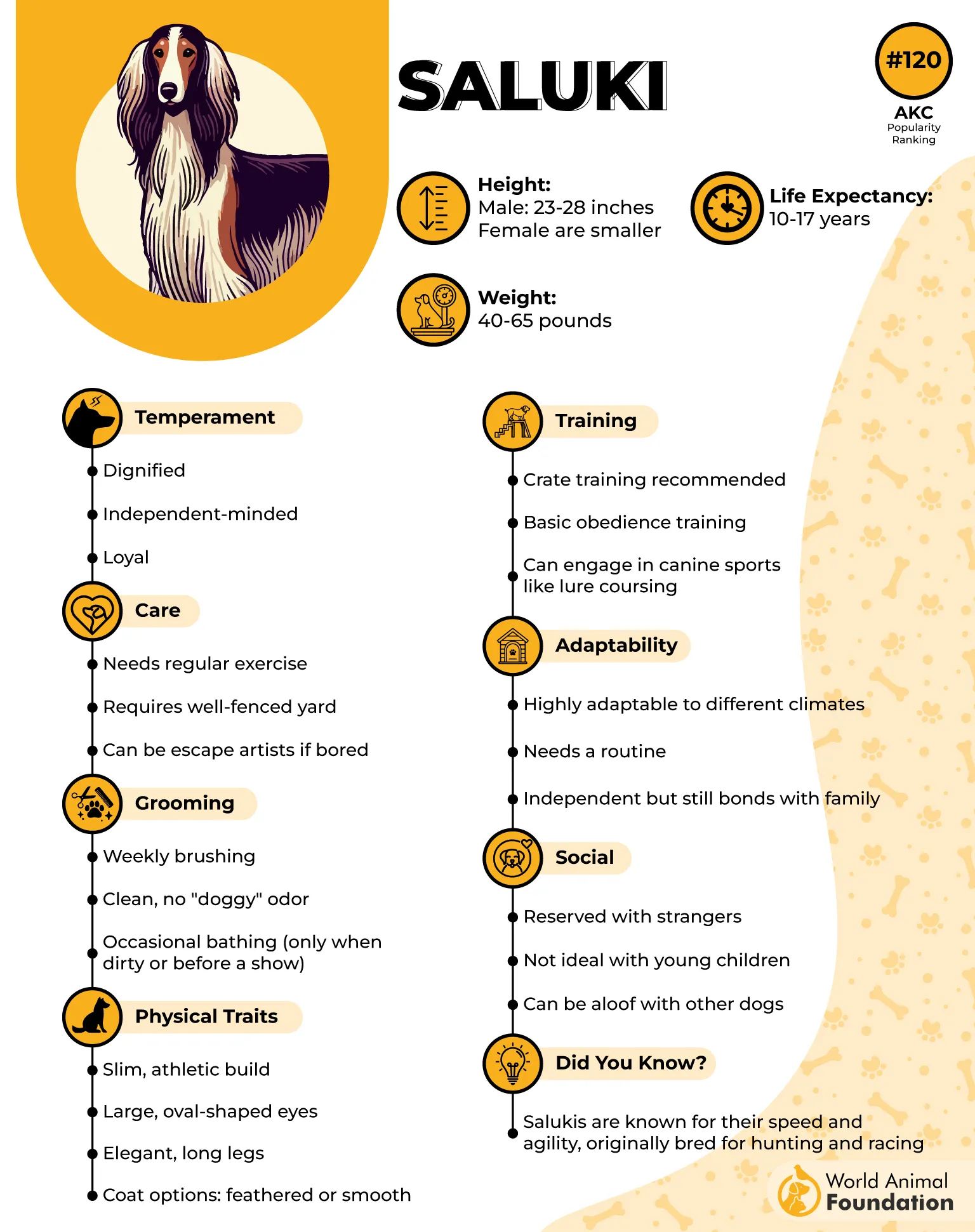
This breed suits an owner with space to run and patience for an independent streak. A yard with chickens or a resident cat is asking for trouble, since this dog’s instincts rarely bend for small housemates.
Trigger: Sight, tuned for anything fast and far off. A hare bolting across a field sets off the same drive a desert gazelle once did.
Long, securely fenced runs and structured lure coursing give this dog a legitimate outlet for its drive. Skip unleashed walks near open fields, since a Saluki locked onto something distant will not hear you calling.
3. Jack Russell Terrier
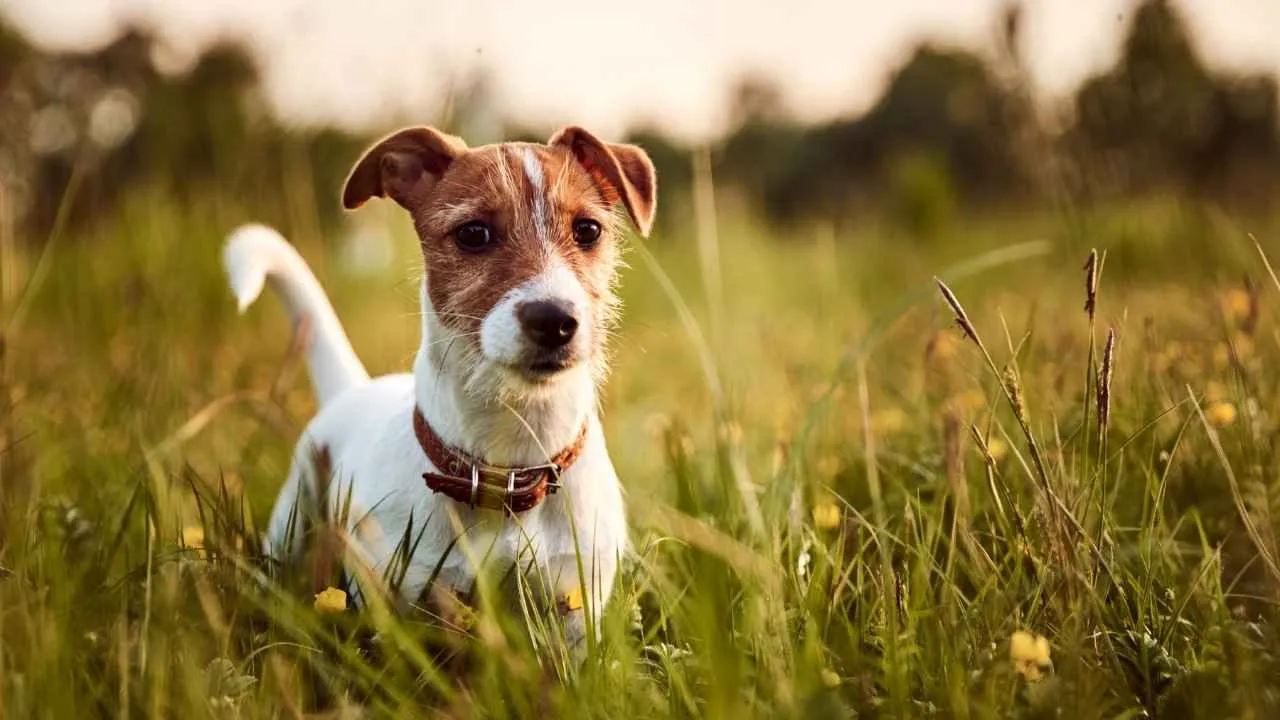
English hunters bred the Jack Russell Terrier to chase foxes to ground and clear farms of rats. Its small size lets it follow quarry straight into burrows no bigger dog could reach. That digging job still shapes how it treats every hole in the yard.
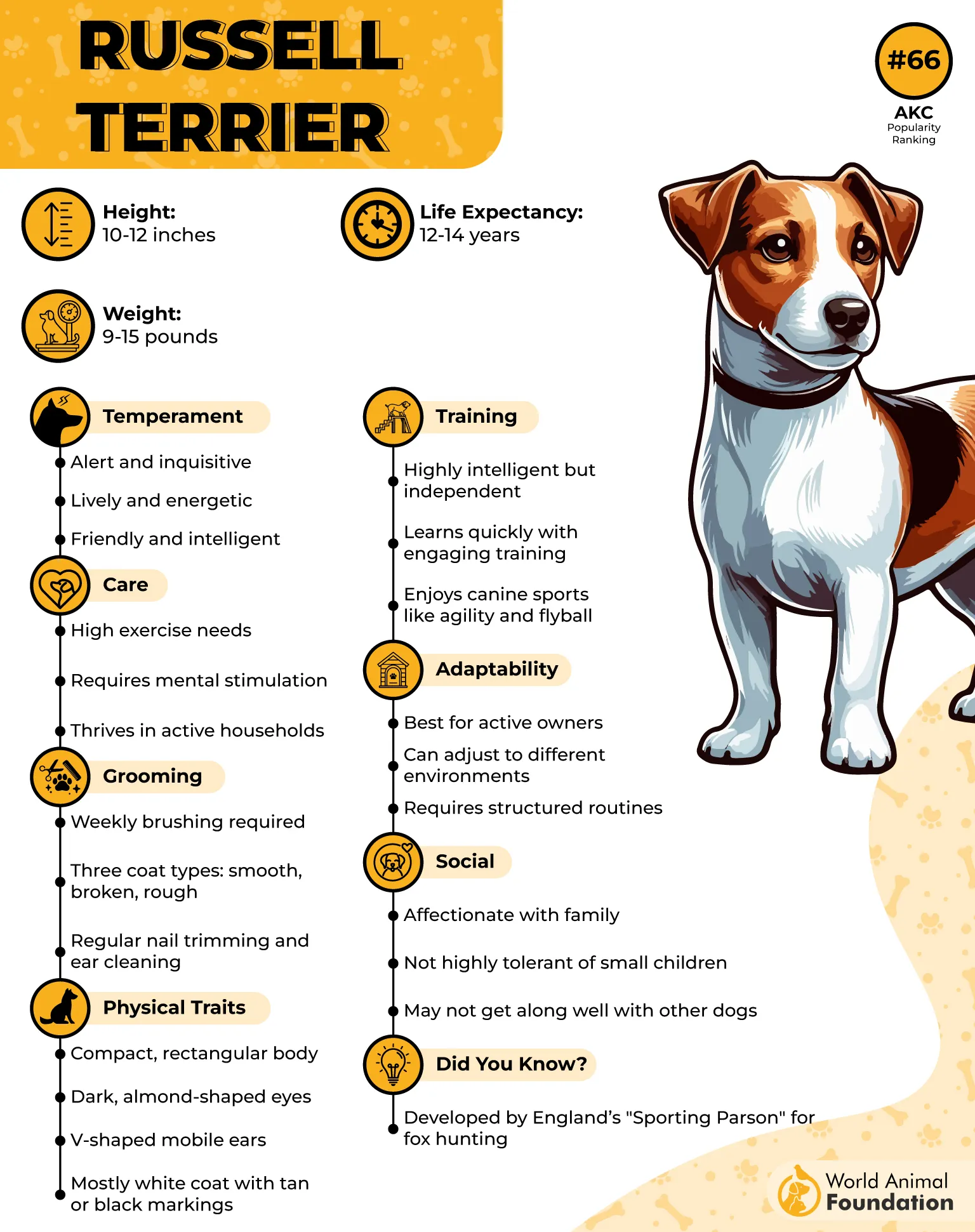
An active owner who enjoys training games and skips pet rodents is a strong match. A home with guinea pigs, hamsters, or a nervous cat should think twice, since this terrier was built to hunt exactly that.
Trigger: Motion and scent together. A chipmunk darting under the porch pulls this dog in by nose and eye at once.
A flirt pole or a dedicated digging pit channels the chase-and-burrow urge without sacrificing the garden. Recall training backed by positive reinforcement helps, since a bored Jack Russell will happily dig under a fence.
4. Whippet
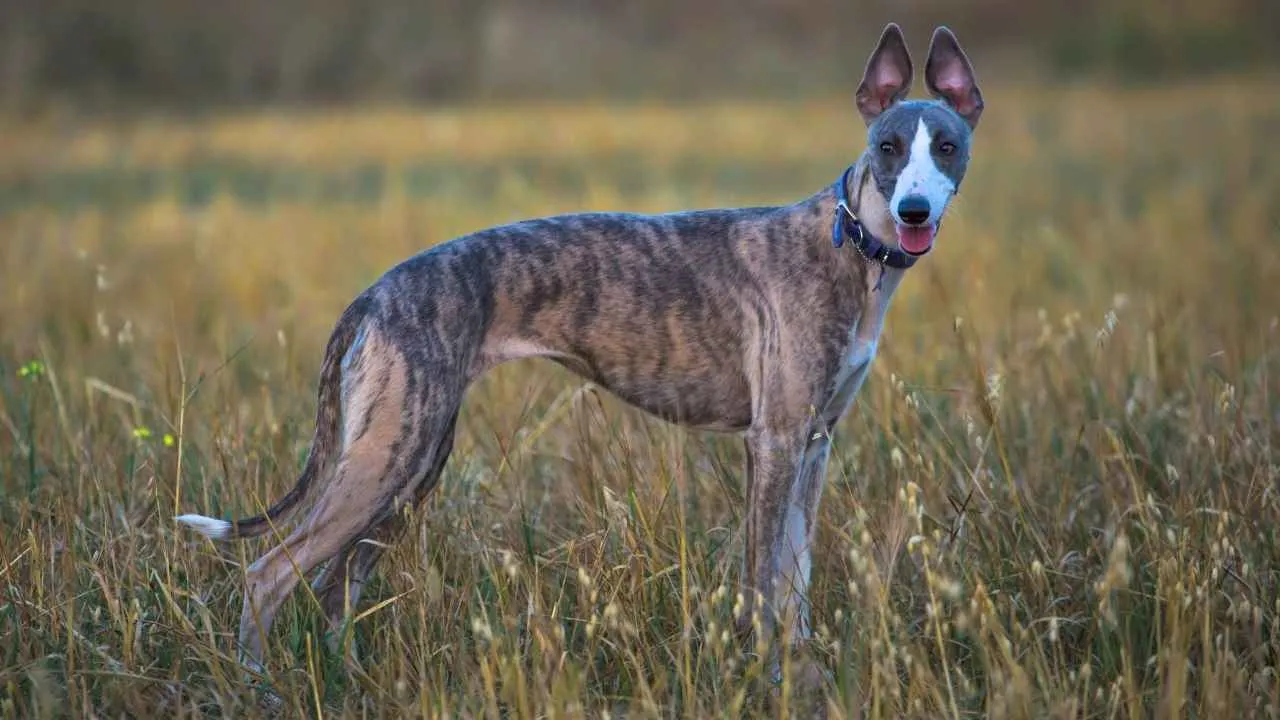
English workers bred the Whippet as a smaller, cheaper alternative to the Greyhound, built for racing and catching rabbits. It had to launch from standstill to full speed in an instant, since open ground wasn’t always guaranteed. That burst-speed heritage still shows whenever it spots something small and quick.
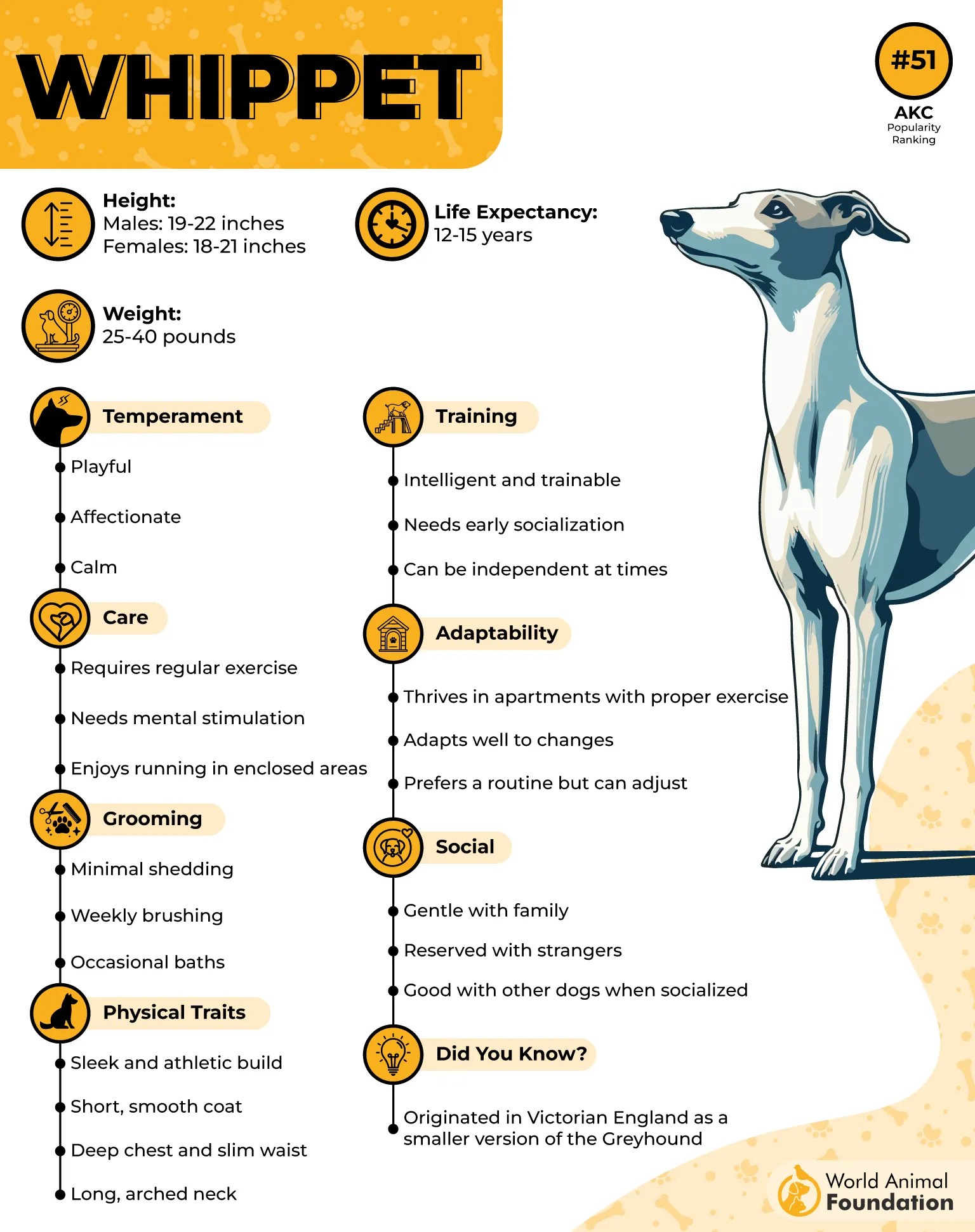
A calm household with a securely fenced yard suits this breed, since Whippets are surprisingly mellow indoors between bursts of energy. A home with free-roaming rabbits or cats is riskier, since that chase instinct hasn’t faded with age.
Trigger: Sight, especially quick movement at ground level. A squirrel crossing the yard flips the switch instantly.
Flirt poles and short sprint games in a fenced space satisfy this breed’s need to chase with no real risk. A secure enclosure does more of the safety work here than training ever will.
5. Afghan Hound
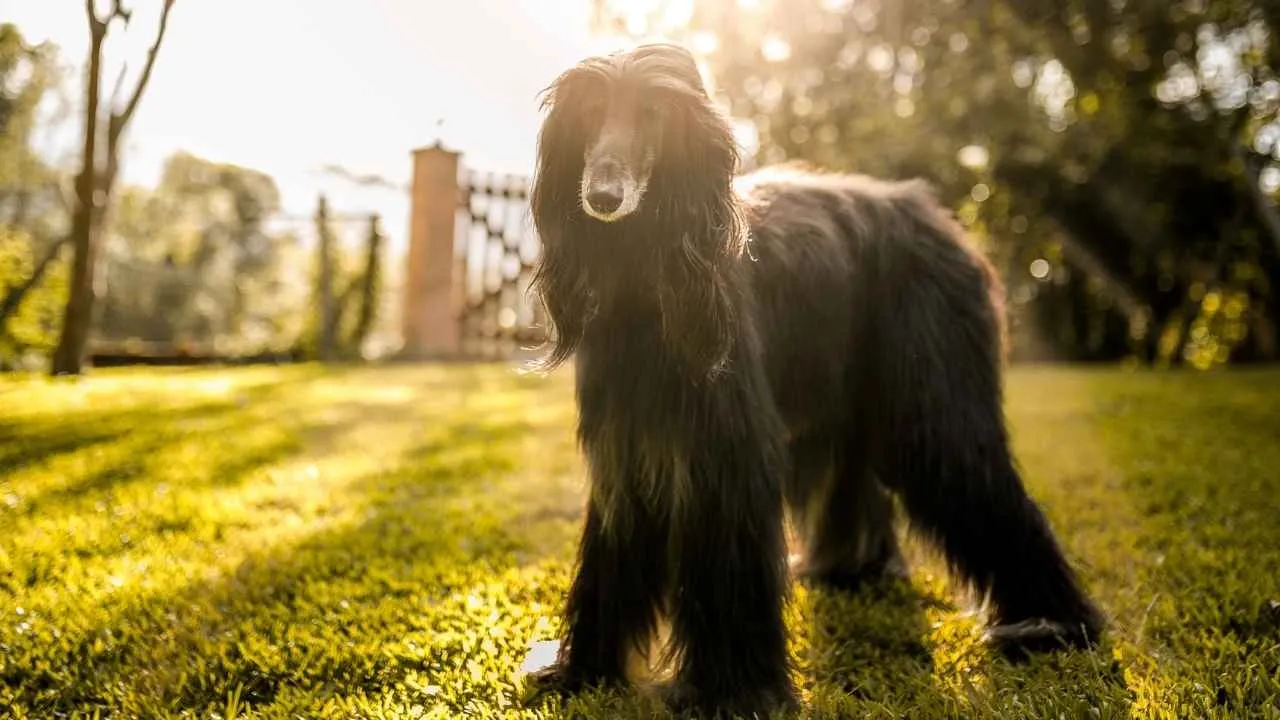
Mountain hunters in Afghanistan bred this sighthound to course hare and gazelle across steep terrain. The job demanded endurance and quick direction changes on unstable ground. Centuries of that work left a dog with real independence and a stubborn streak.
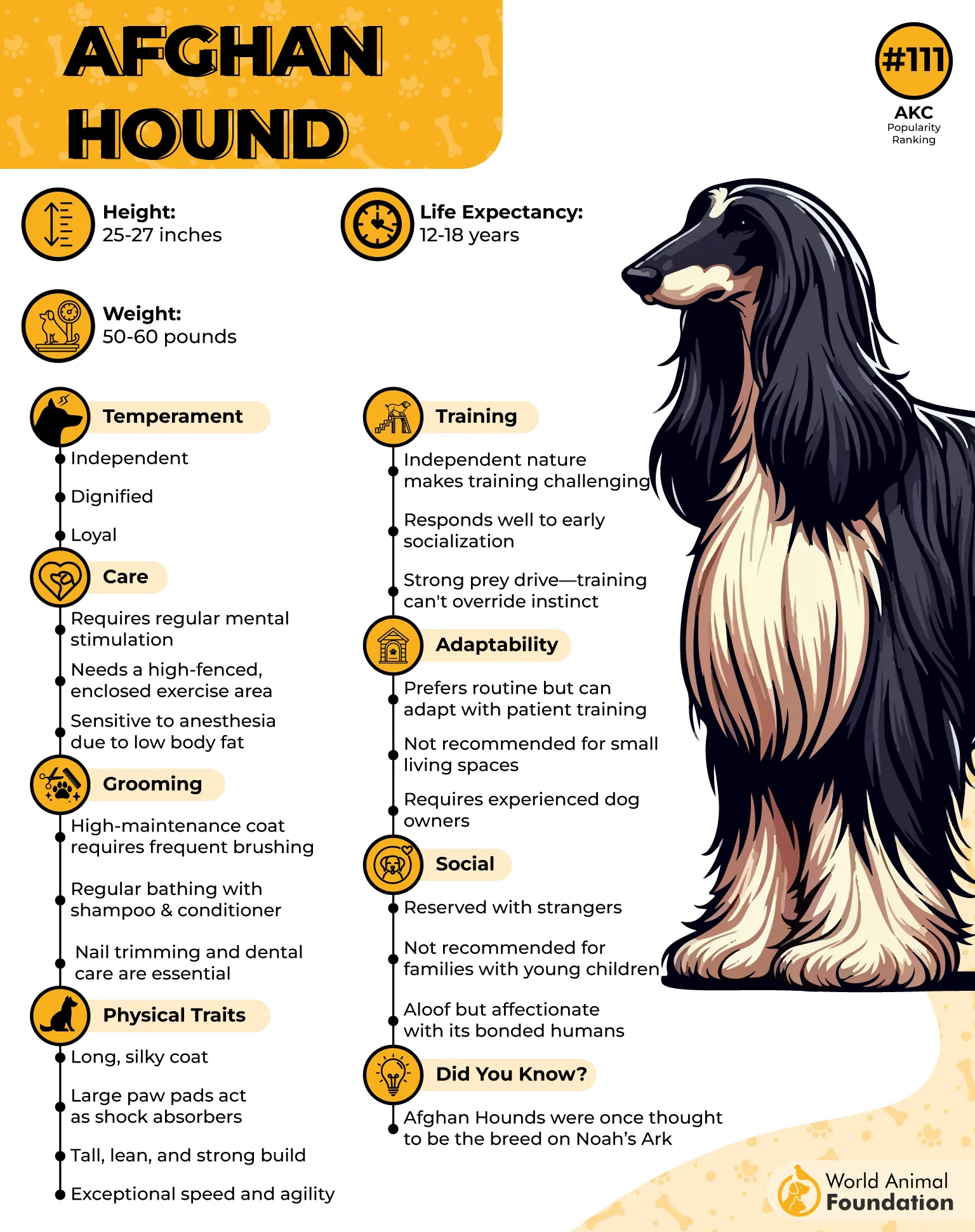
An owner who enjoys an aloof, dignified companion and keeps secure fencing is the right match. A home with small pets or loose cats is a poor fit, since this hound’s chase instinct was bred for that exact target.
Trigger: Sight, particularly fast or erratic movement at a distance. A bird taking flight across a field is enough to set this hound running.
Lure coursing and large, securely fenced spaces give this breed a safe outlet for its chase drive. Recall training helps on the margins, but most owners lean on fencing first, since this hound rarely looks back mid-chase.
6. Weimaraner
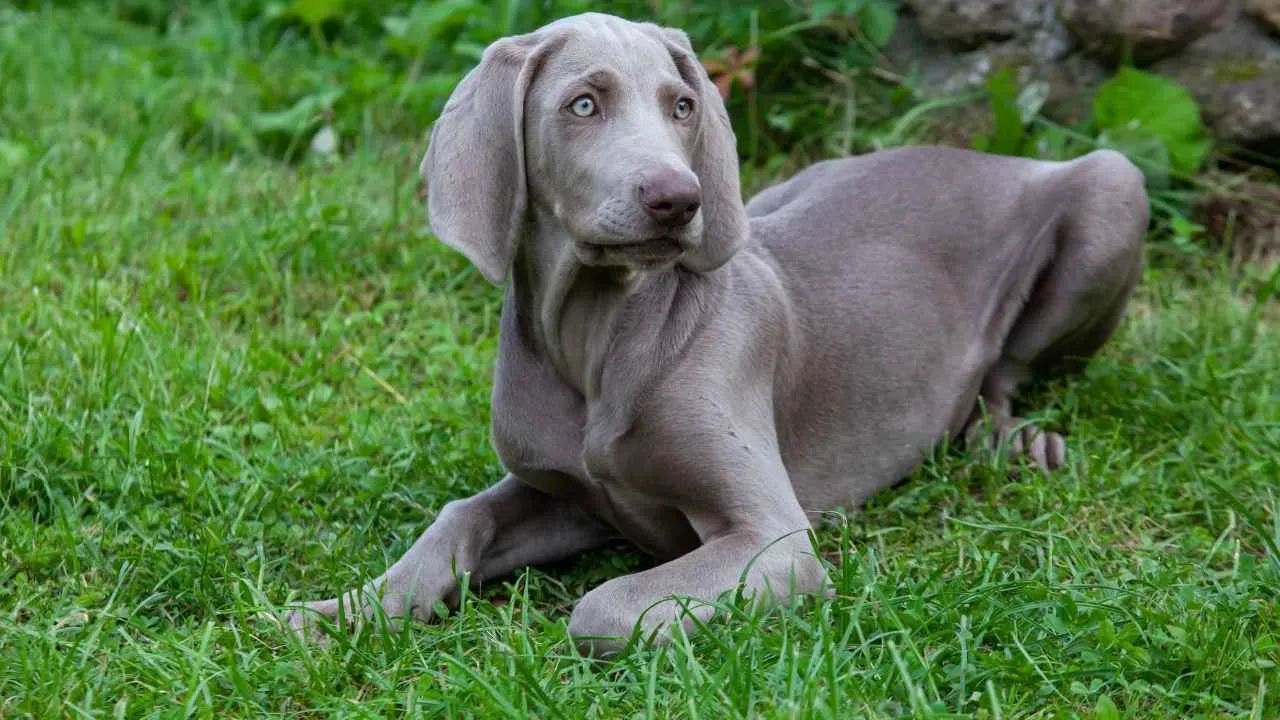
German hunters in the 1800s bred the Weimaraner as an all-around gundog, able to track game from birds to boar, according to VCA. That do-it-all hunting job left behind a nose-driven dog with real stamina.
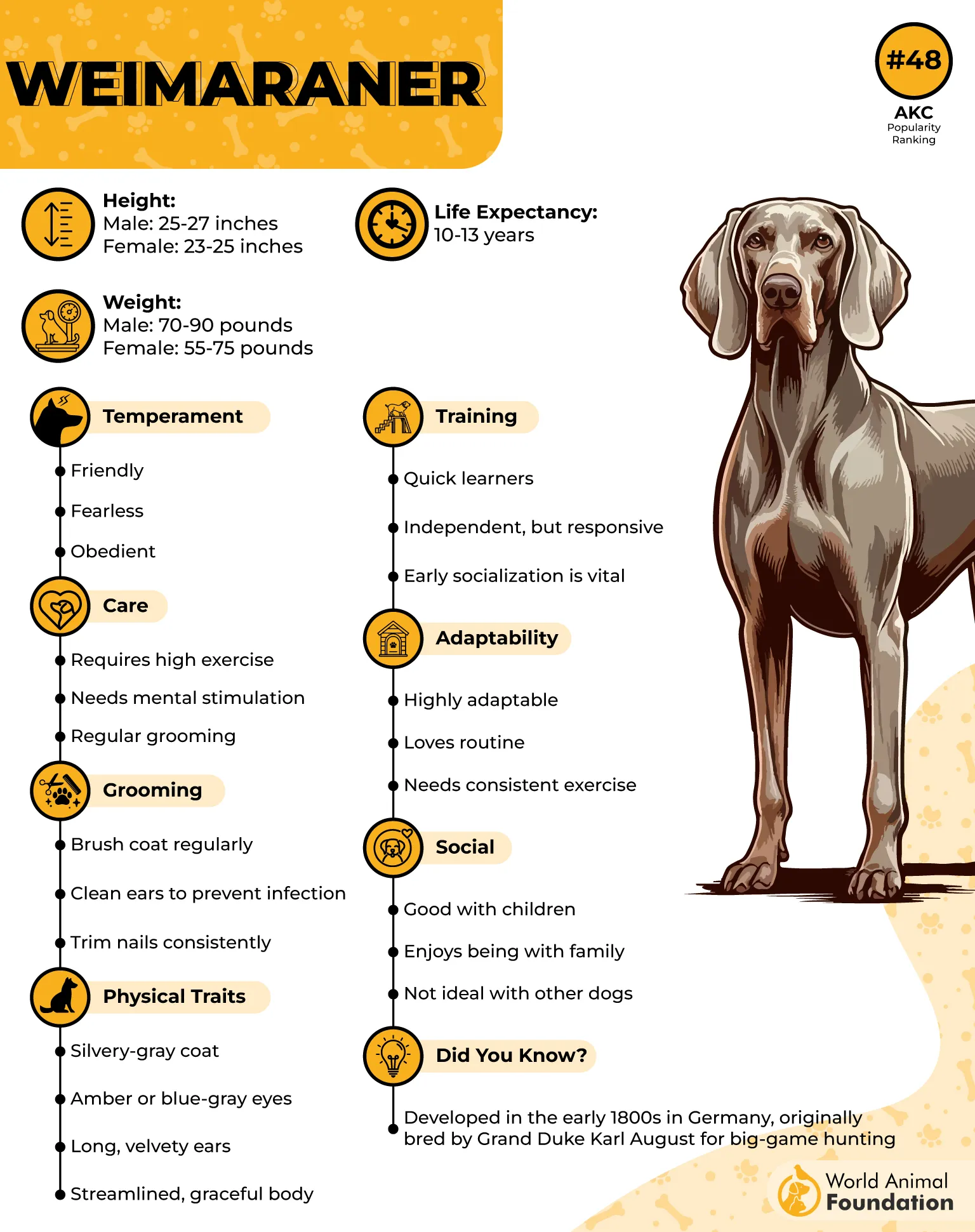
An active owner looking for a hunting partner or a dedicated running buddy is the ideal match. A relaxed, low-exercise household is the wrong fit, since a bored Weimaraner invents its own less welcome jobs around the house.
Trigger: Scent first, then sight. This breed often tracks a smell to its source before chasing whatever made it.
Scent work, tracking games, and long hunting-style hikes give this breed a legitimate outlet for its drive. A securely fenced yard matters too, since a nose-led Weimaraner can wander off without ever noticing it left the yard.
7. Rhodesian Ridgeback
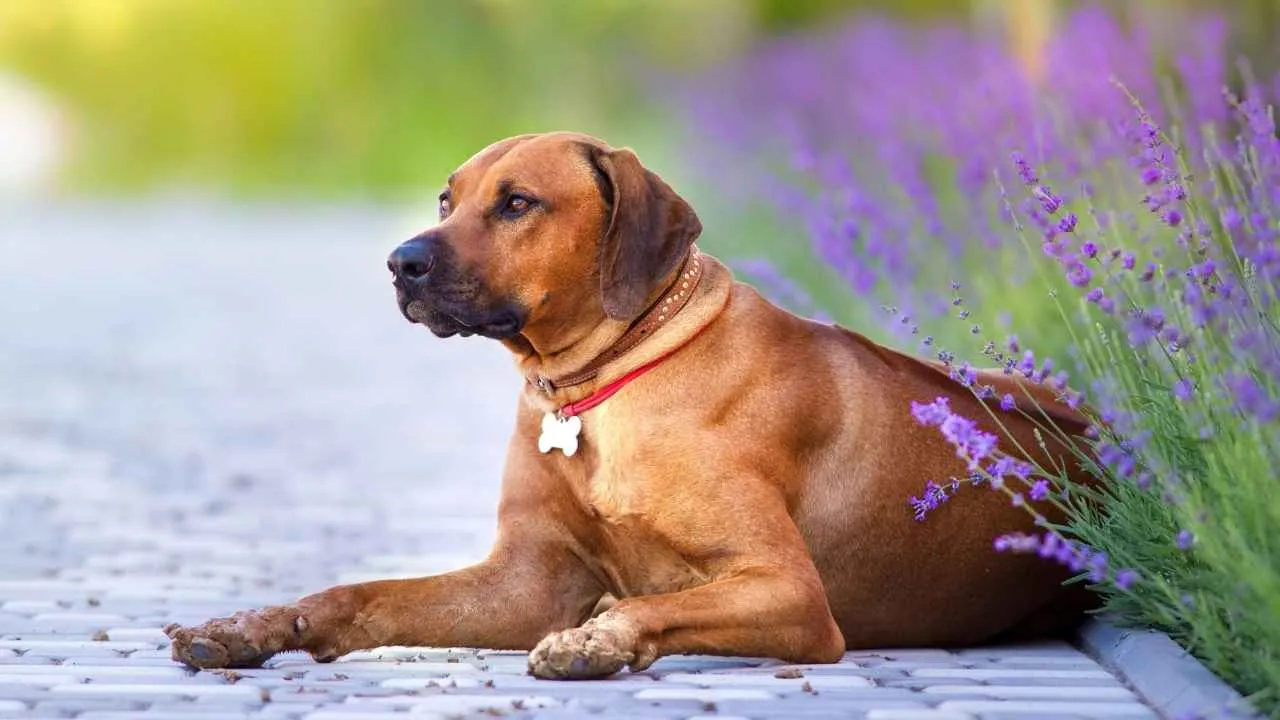
Settlers in southern Africa bred the Rhodesian Ridgeback to track and bay lions, holding them at bay until hunters arrived, according to Britannica. The job demanded courage and the discipline to corner prey without engaging it directly. That controlled instinct still shows today.
A confident, experienced owner with room to roam suits this breed, since it thinks independently and needs firm guidance. A first-time owner hoping for an easygoing lapdog should think twice, since this breed’s size and drive need real structure.
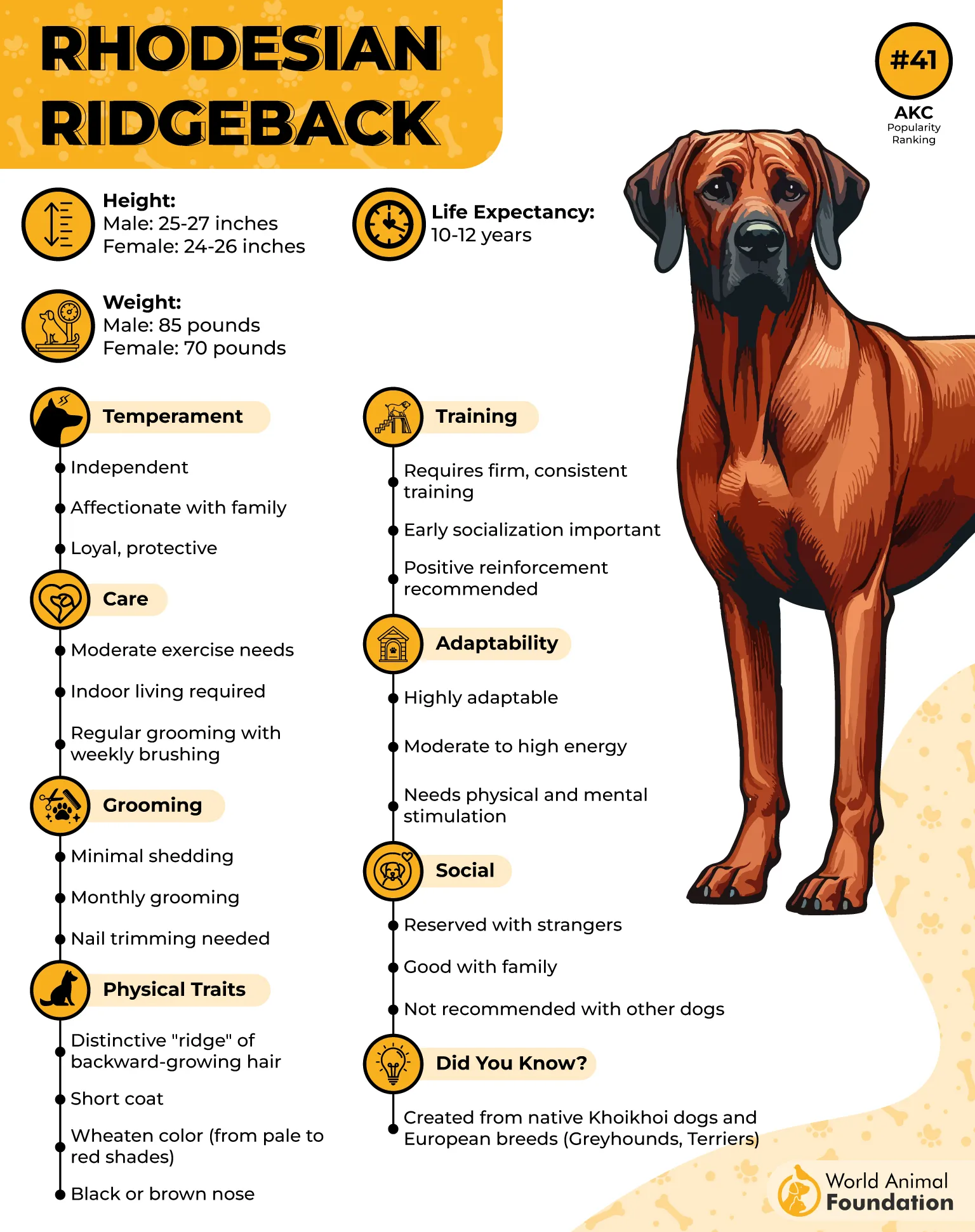
Trigger: Scent and sight together. A Ridgeback often picks up a trail by nose before its eyes lock onto the source.
Structured tracking games and secure, high fencing honor this breed’s hunting background without putting other animals at risk. Scent-based activities work especially well, since they tap the same instinct the breed once used on lions.
8. Australian Cattle Dog
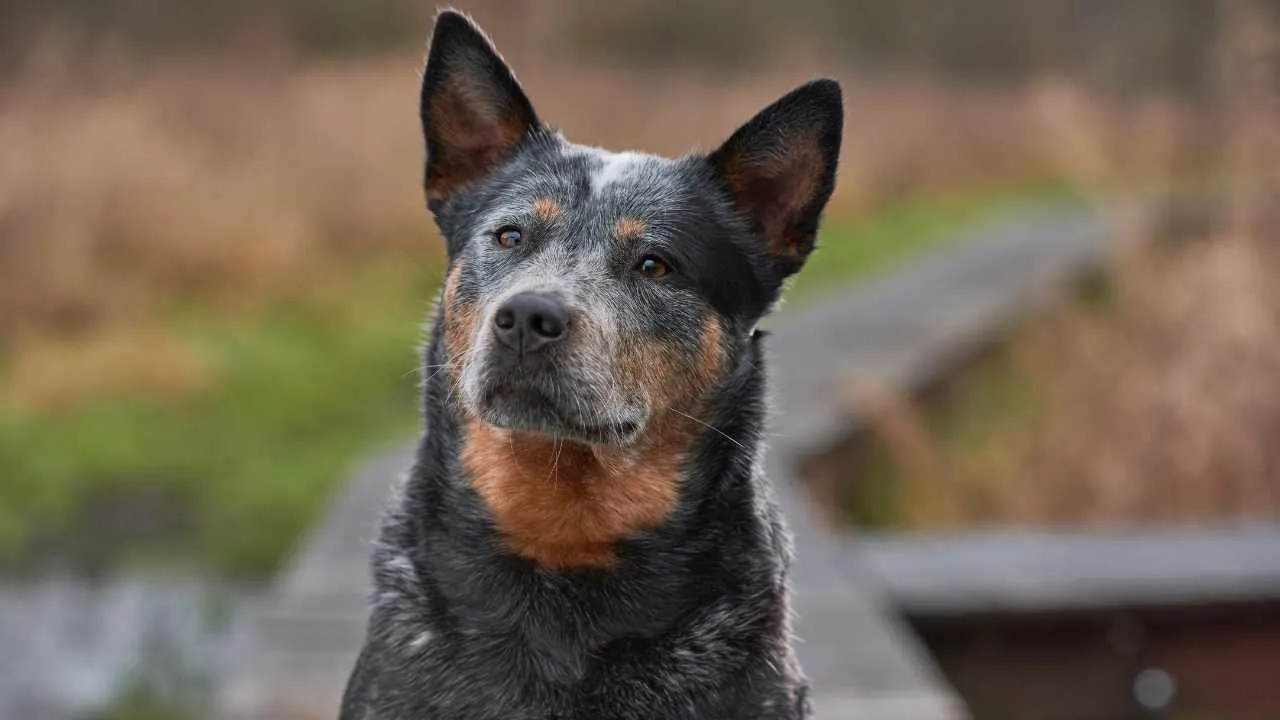
Australian settlers in the 1800s bred the Cattle Dog to move stubborn cattle across rugged ranches with sharp heel nips, according to PDSA. Dingo blood in the mix added toughness and drive. That livestock job still shows in a dog built to herd anything nearby.
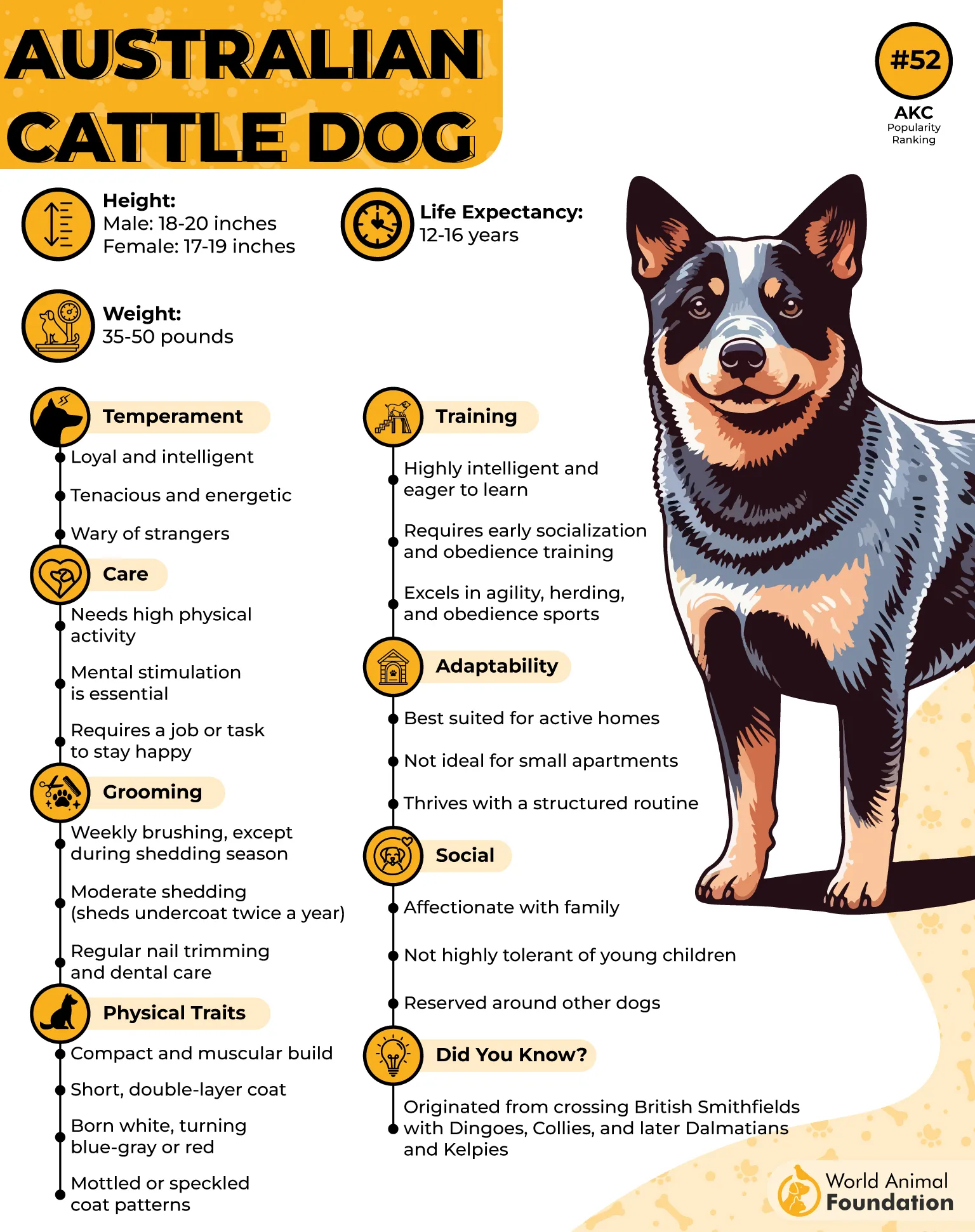
A working-style owner with a job for this dog, like agility or structured chores, is the best match. A busy household with running kids should think twice, since heel-nipping at anything fast-moving comes with the breed, children included.
Trigger: Motion and herding instinct. Anything that runs, from a jogger to a cyclist, can set off the nip-and-chase response.
Herding balls, agility, and flyball all give this breed a job that satisfies its urge to control movement. Early training around kids and other pets matters too, since redirecting the nip response early heads off bigger problems.
9. Beagle
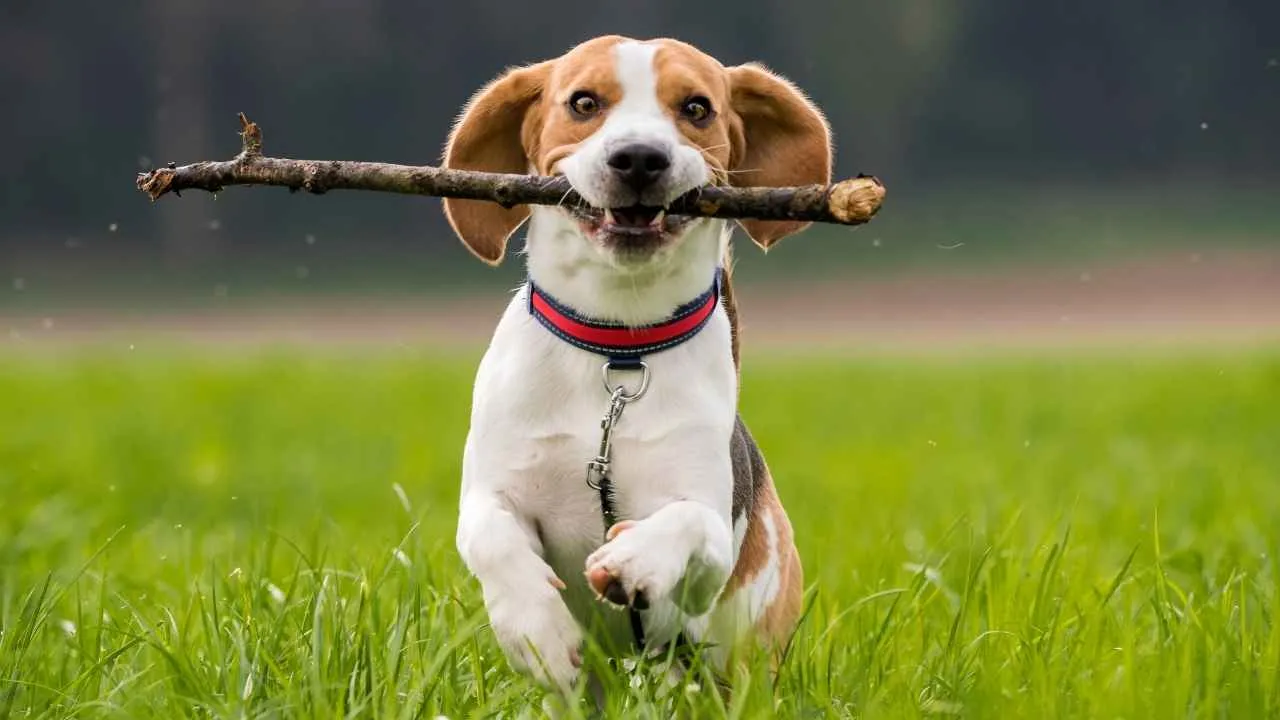
English hunters bred the Beagle to trail rabbits and hare by scent, working in packs that could be followed on foot rather than on horseback, according to PetMD. Its nose did the real work while hunters simply kept pace. That scent-first hunting style still runs this breed’s daily life.
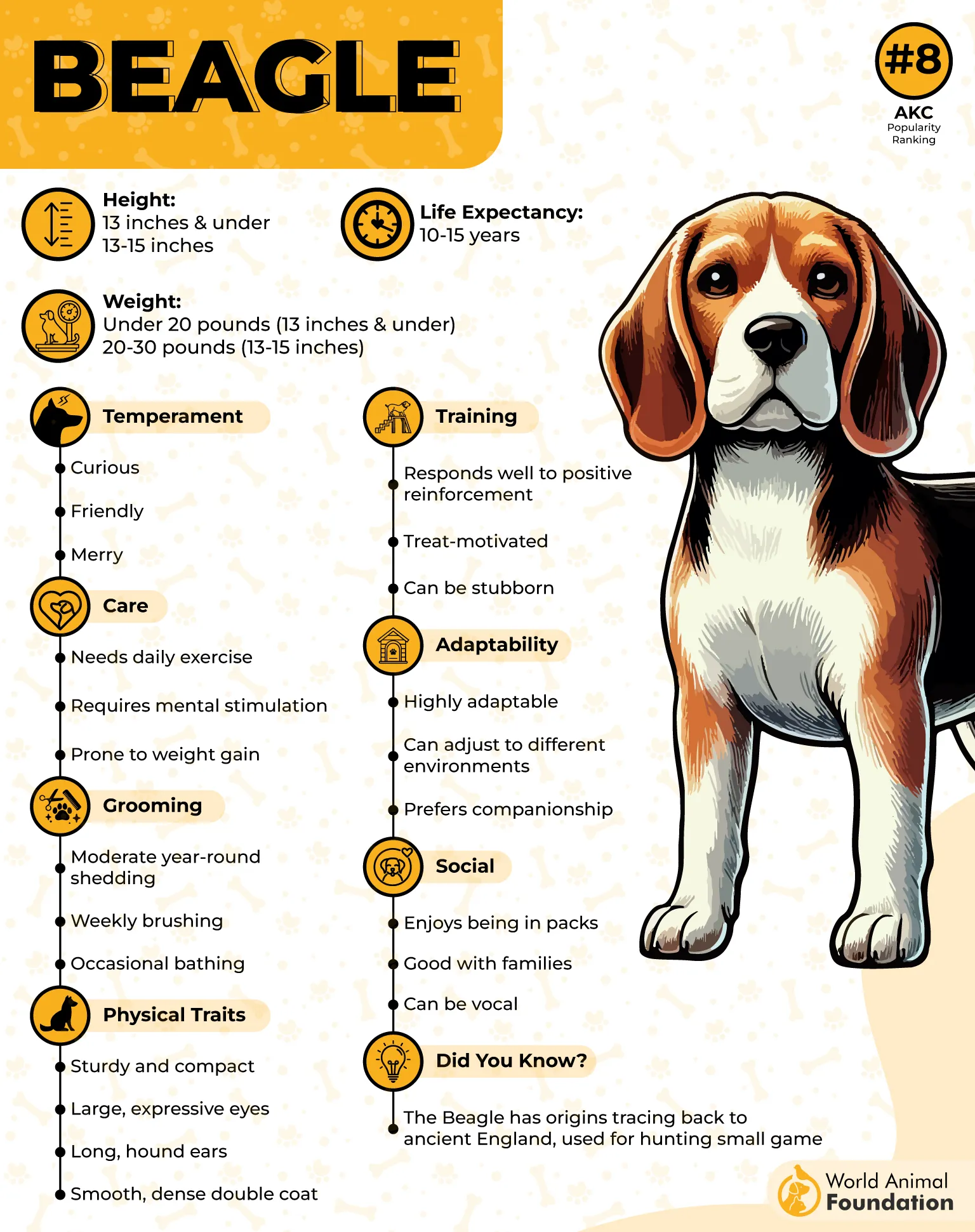
A patient owner who enjoys scent games and nose work is a great match. A home without a secure fence is a poor fit, since a Beagle following a good smell will walk straight out of an open gate.
Trigger: Scent above all else. An interesting smell on the ground can override every command this dog knows.
Scent walks, snuffle mats, and structured tracking games give this breed’s nose a job to do on purpose. A secure, buried-edge fence also matters, since this hound will dig under an ordinary one to follow a trail.
Conclusion
A powerful instinct like this one isn’t a flaw to train away; it’s natural behavior shaped by centuries of purpose. Picking the right dog means matching that drive to your household, not pretending it doesn’t exist.
With the right outlets, a little guidance from a dog trainer, and some attention to safety around smaller pets, even the most driven hound settles in as a loyal, happy companion. Ready to find your match? Start with the breed that fits how you actually live, not just how it looks.
