




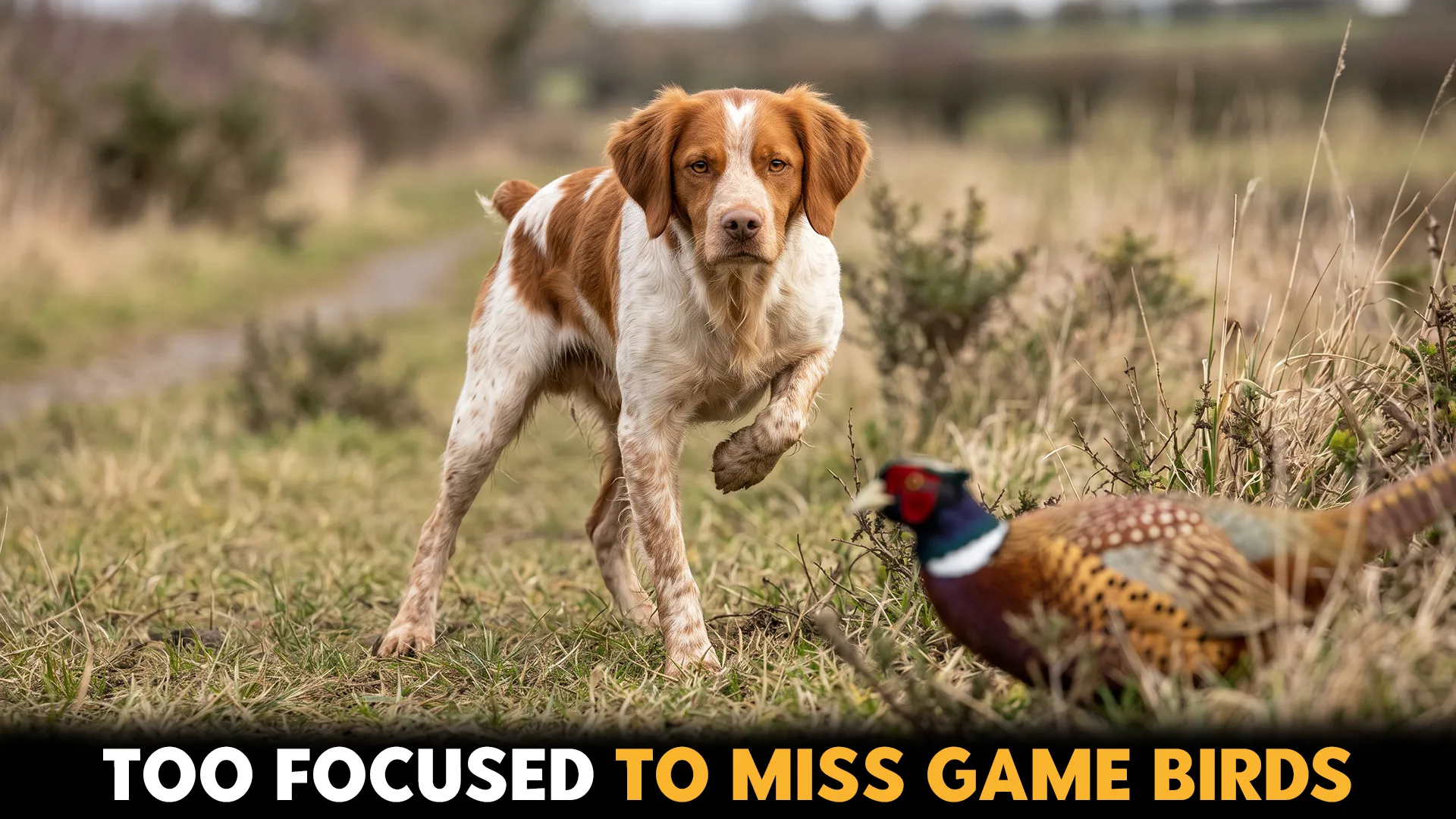
Long before hunting became a sport, dogs and humans formed a partnership built on trust, cooperation, and survival.
Over thousands of years, selective breeding helped develop dogs with specialized abilities, including the remarkable skill of locating game birds and holding a steady point until the hunter approaches.
These qualities make pointing breeds valuable companions for upland bird hunting, where a sharp nose, focus, and teamwork matter. Unlike dogs bred to chase or flush birds into flight, pointing dogs signal where birds are hiding, giving hunters time to prepare.
Different breeds bring their own strengths, from covering open fields to working carefully through challenging terrain. However, instincts alone are not enough; suitable training, regular exercise, and responsible ownership help these dogs perform at their best.
For hunters seeking a reliable bird dog, understanding these working abilities is an important first step toward choosing the right companion.
Key Takeaways
Pointing and setting dogs use their keen noses and instincts to locate game birds.
Different breeds have unique hunting styles, energy levels, and field abilities.
Speed and stamina help hunting dogs cover large areas of open ground.
Weather-resistant coats can help dogs work in challenging outdoor conditions.
Natural pointing instincts allow dogs to locate birds and signal their presence to hunters.
Best Dog Breeds for Pointing and Setting Game Birds
1. German Shorthaired Pointer
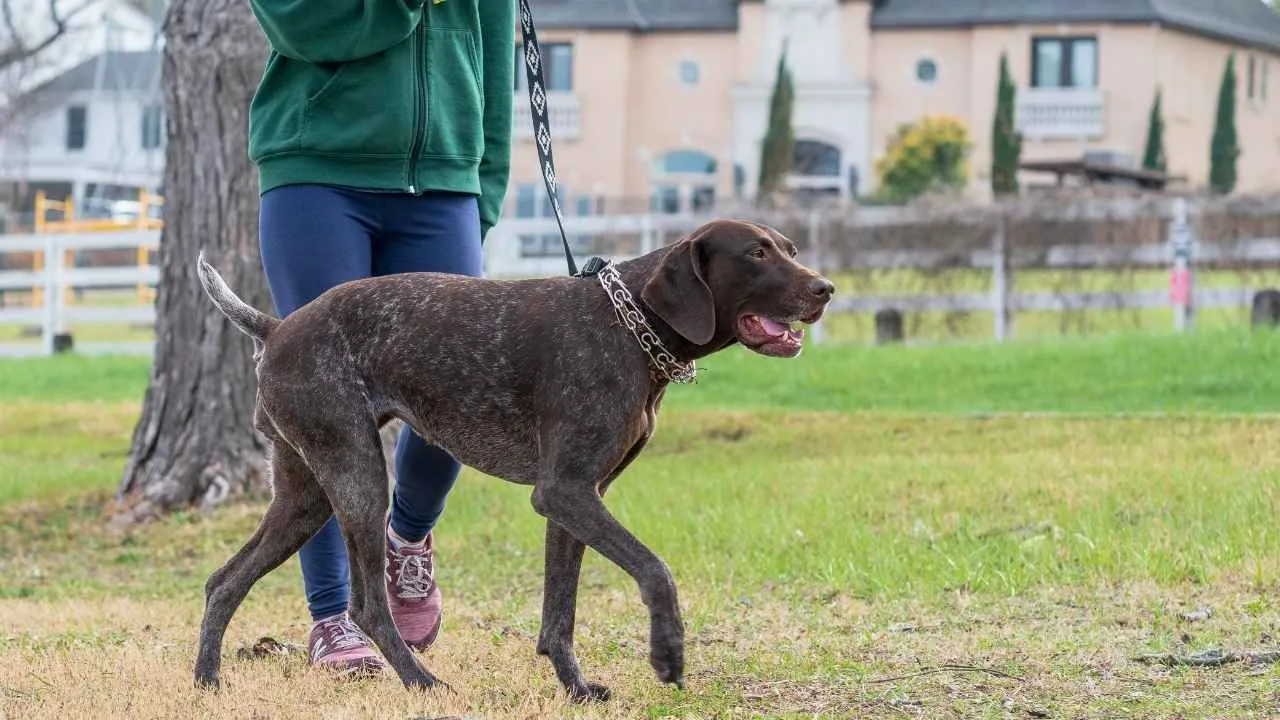
The German Shorthaired Pointer (GSP) is a natural choice for hunters who need a dog with speed, stamina, and a keen instinct for finding game birds.
Athletic and energetic, this versatile breed is built for long days in the field, moving swiftly across varied terrain while staying alert to its surroundings.
Its strong hunting instincts and intelligence make it well suited to pointing work, helping hunters locate birds and indicate their presence before they take flight.
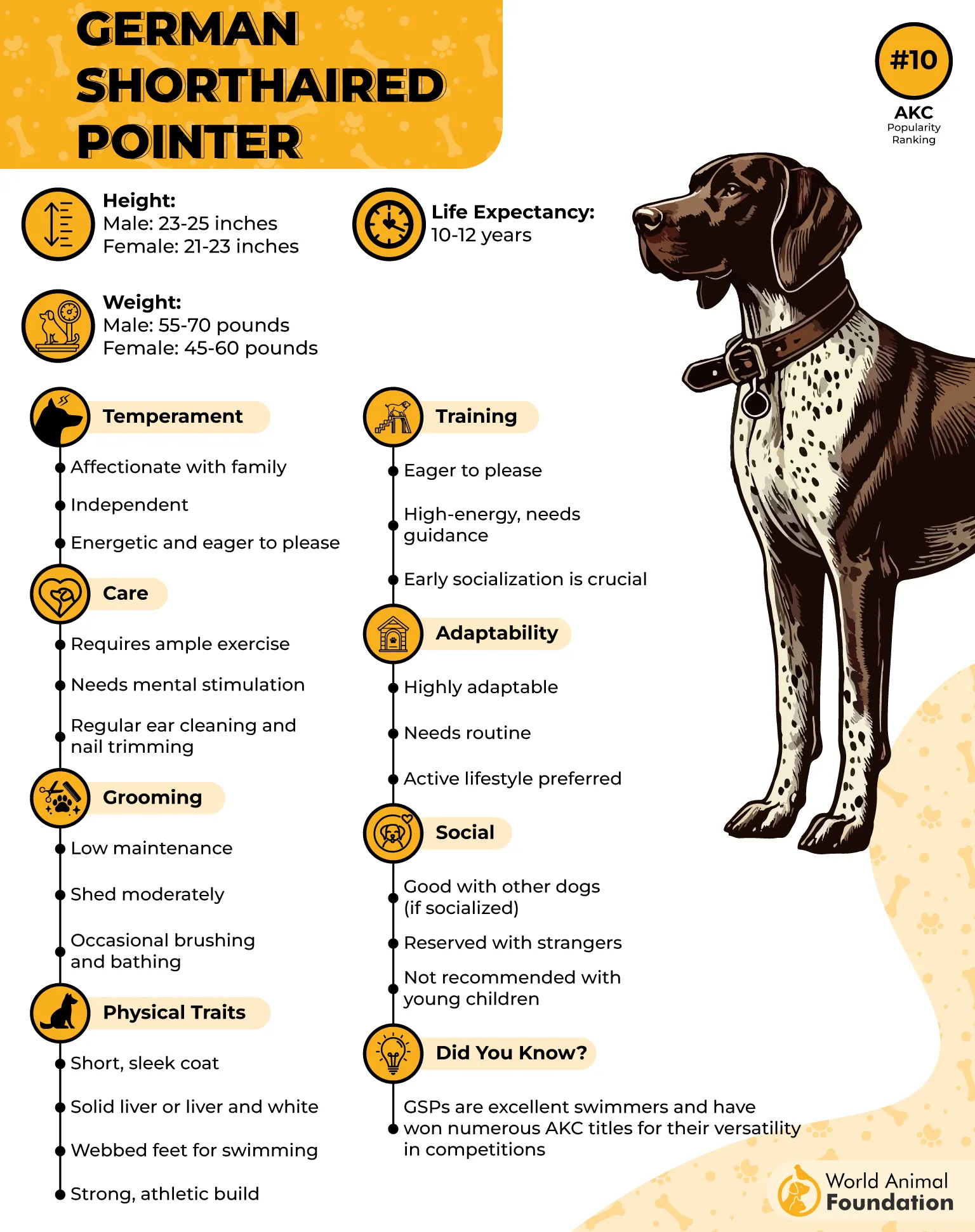
With consistent training and early socialisation, a GSP can develop into a responsive, reliable hunting companion, according to the American Kennel Club.
Beyond its field skills, this pointer dog has a friendly, affectionate personality and forms strong bonds with its family. However, its high energy level and strong prey drive mean it needs plenty of exercise, mental stimulation, and purposeful activity.
For active hunters seeking a capable working dog that also enjoys close companionship, the German Shorthaired Pointer offers an appealing combination of drive, athleticism, and loyalty.
2. English Setter
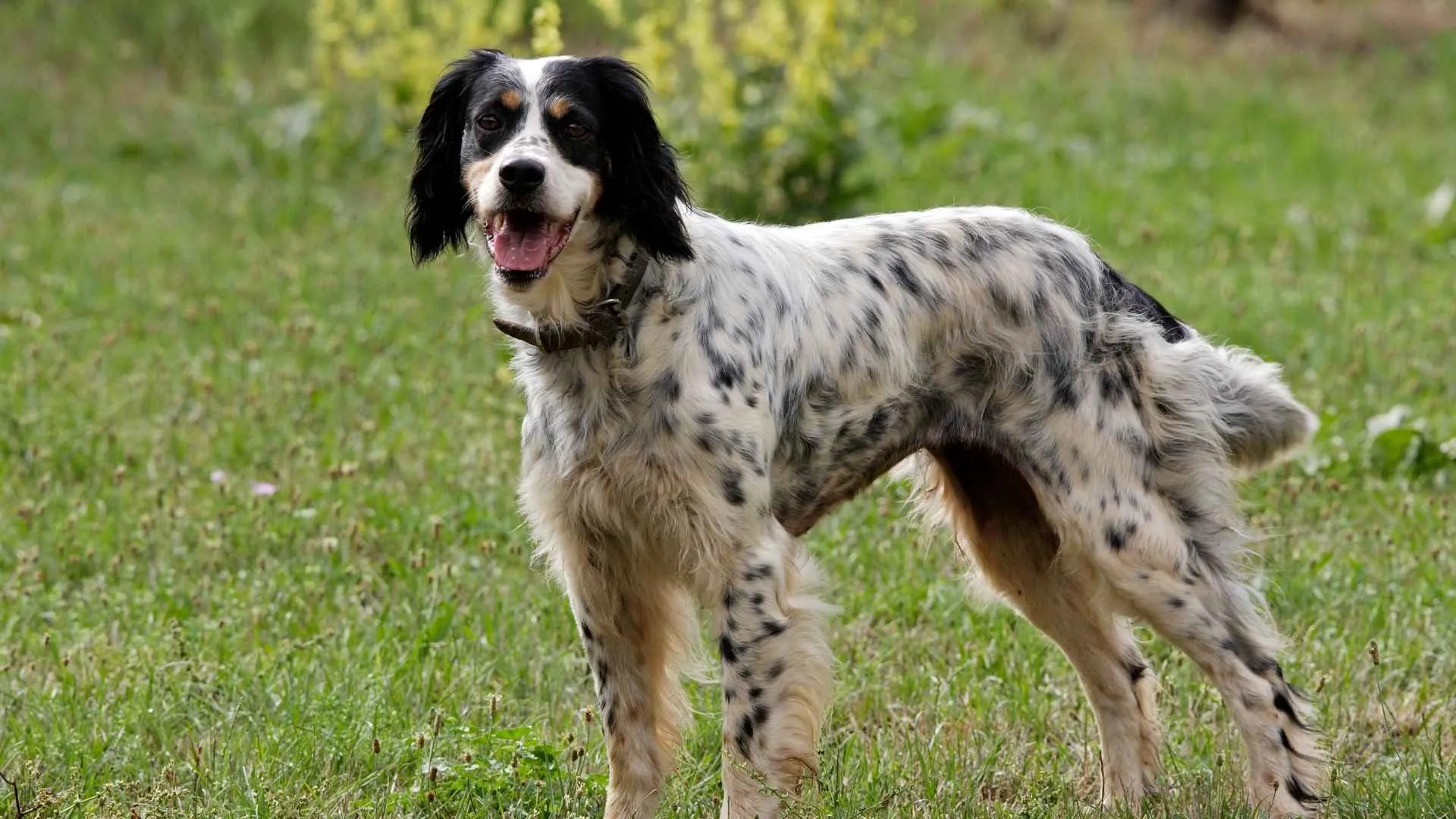
The English Setter stands out as a skilled bird dog, known for its distinctive hunting style and instinct to locate game.
Rather than rushing toward birds, it can crouch low in a characteristic behaviour called “setting,” signalling their presence to the hunter.

This makes the breed particularly suited to hunters seeking a dog that can help locate game birds with patience and precision.
Its athletic build and remarkable energy allow it to explore open terrain, while its curious nature encourages it to follow scents and investigate its surroundings.
However, these instincts need direction through consistent training, regular exercise, and mental stimulation. English Setters also form close bonds with their families, bringing a gentle, affectionate nature to life beyond the field.
They are best suited to active owners who can meet their exercise needs and provide companionship. With the right guidance, this elegant breed can be both a dedicated hunting partner and a loving companion.
3. Brittany
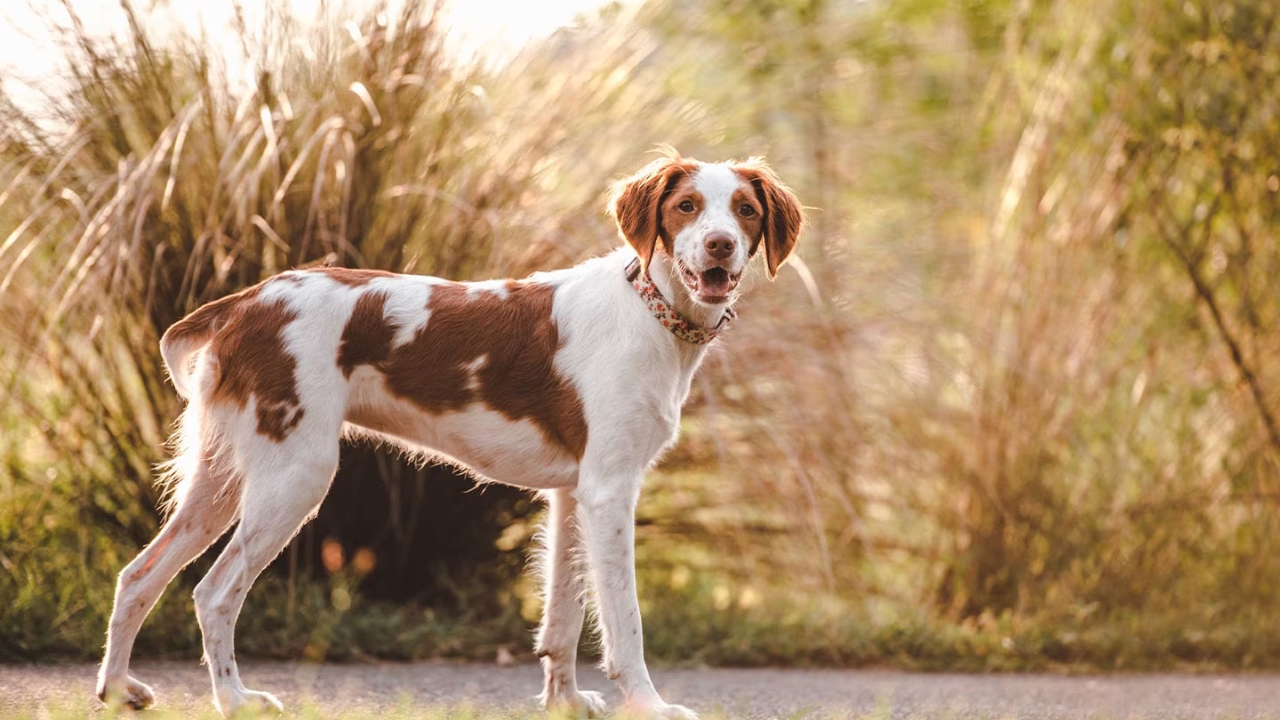
The Brittany is a standout choice for hunters seeking an energetic, versatile partner for pointing and retrieving game birds.
Originally developed in France, this medium-sized breed combines speed, stamina, and a keen hunting instinct, making it particularly well suited to upland bird hunting.
Its sharp sense of smell helps it locate birds, while its natural pointing ability allows it to signal their presence to the hunter.
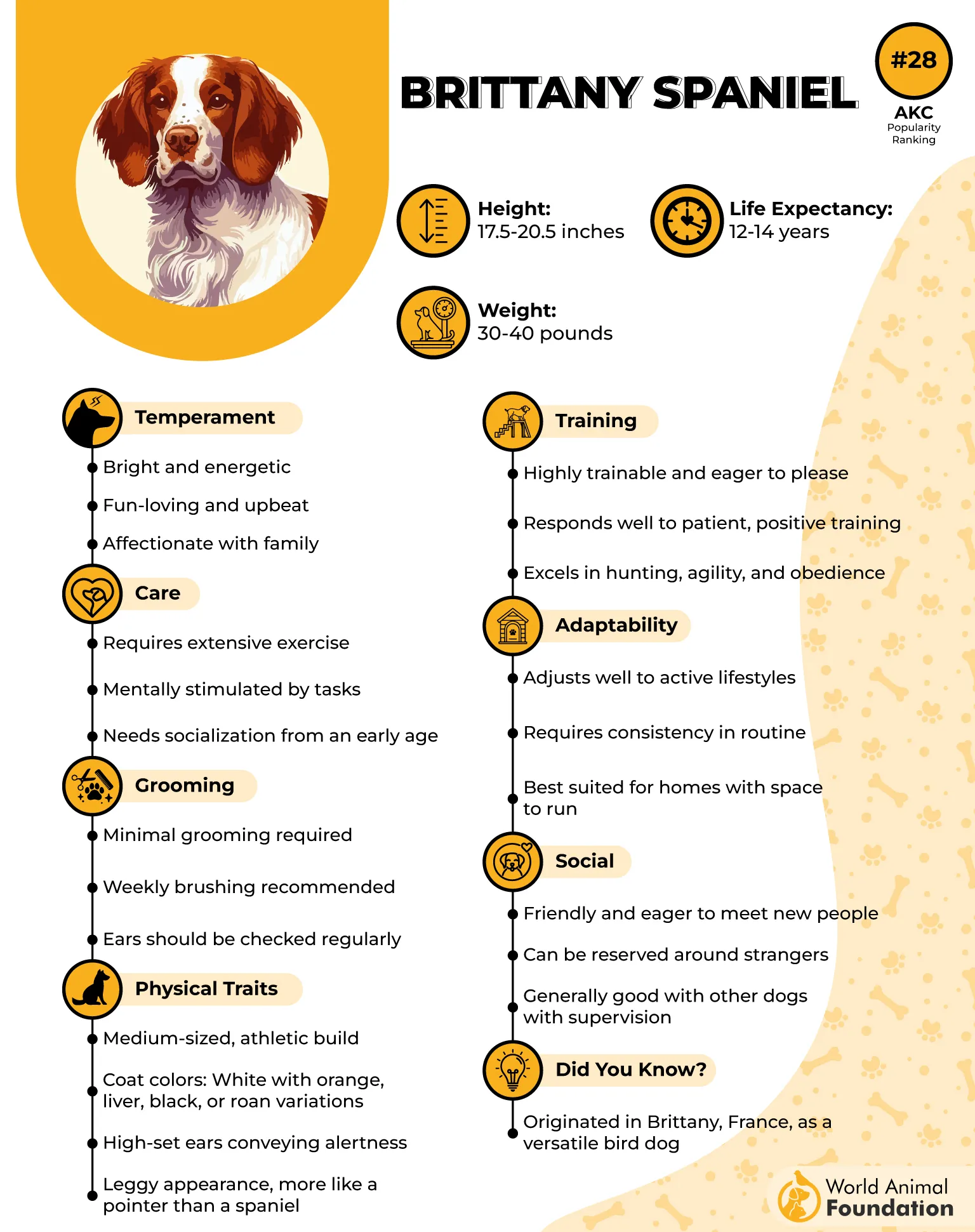
Whether tracking pheasants, grouse, or other upland game, the Brittany brings enthusiasm and agility to the field. Its intelligence and willingness to learn also make consistent training rewarding, helping shape its natural abilities into dependable hunting skills.
Away from the field, the Brittany is affectionate, sociable, and eager to spend time with its family, as stated by Purina.
However, its high energy levels demand regular exercise and mental stimulation. For active hunters who want a capable working dog with a warm, playful personality, the Brittany offers an appealing balance of field performance and companionship.
4. Gordon Setter
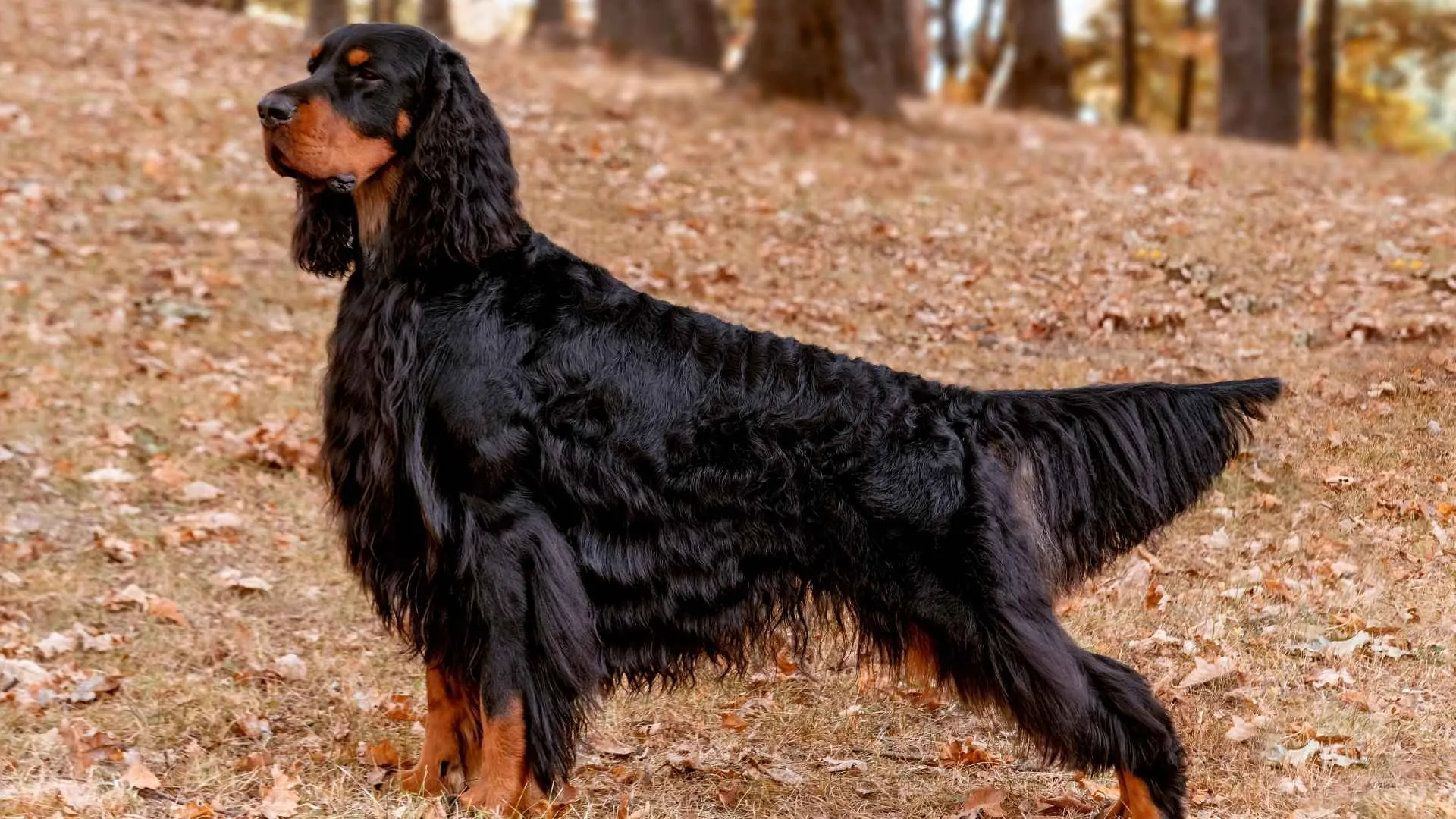
The Gordon Setter is a strong contender for hunters seeking a dependable partner for pointing and setting game birds.
Developed in Scotland for hunting in rugged terrain, this robust setter combines stamina, confidence, and a keen sense of smell to work across fields and woodland.
When it detects game birds, it can adopt the characteristic pointing stance of setters, remaining still and indicating the bird’s location so the hunter can prepare for the next move.
Its hunting abilities extend to searching, flushing, and retrieving, making it a versatile companion in the field. Intelligent and self-assured, the Gordon Setter responds best to patient, consistent training that channels its instincts into controlled work.
Beyond hunting, it has an affectionate, playful side and forms close bonds with its family.
However, its substantial exercise needs and strong hunting drive make it better suited to experienced owners who can provide regular outdoor activity, purposeful training, and plenty of companionship.
5. Irish Setter
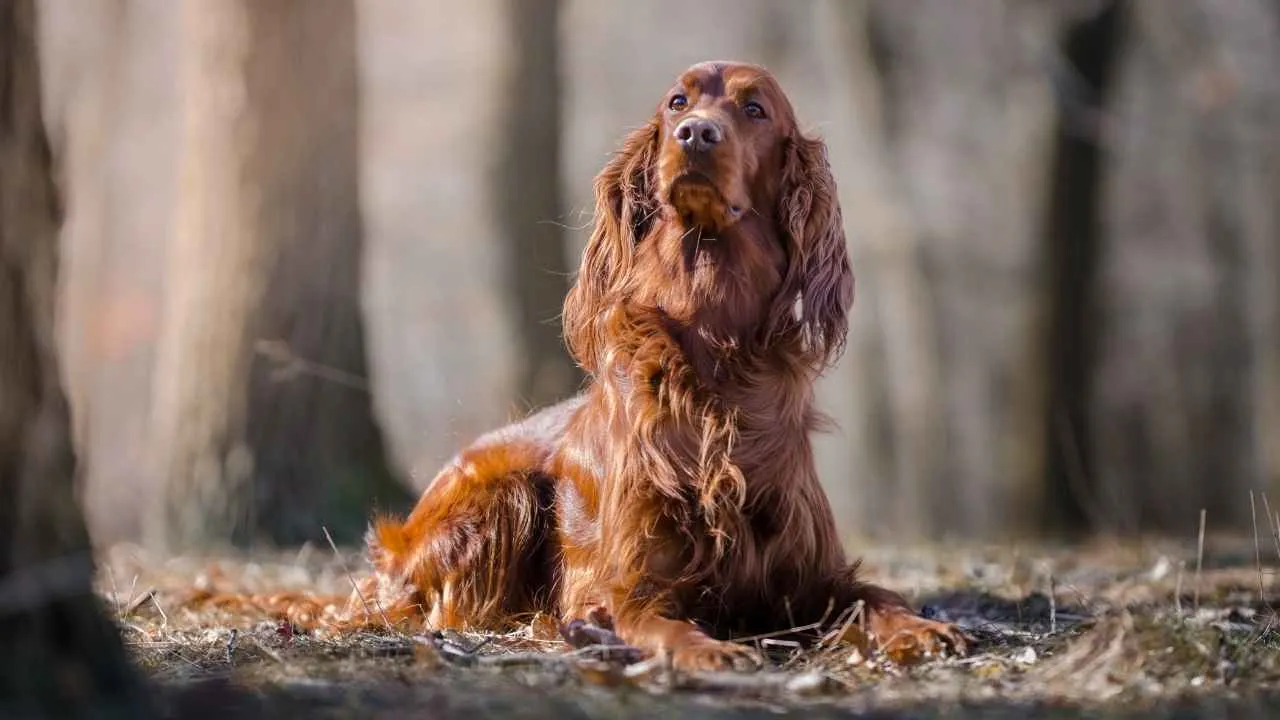
The Irish Setter’s striking red coat may catch the eye, but its true appeal for bird hunters lies in its speed, instinct, and determination in the field.
Originally bred in Ireland as a gun dog, this sporting breed has a long hunting history. Although show breeding affected some lines, dedicated breeders have worked to restore the Irish Setter’s natural field abilities.
Field-bred Irish Setters can hunt swiftly across open ground, using their keen senses to locate game birds before striking an elegant, high-tailed pointing stance.
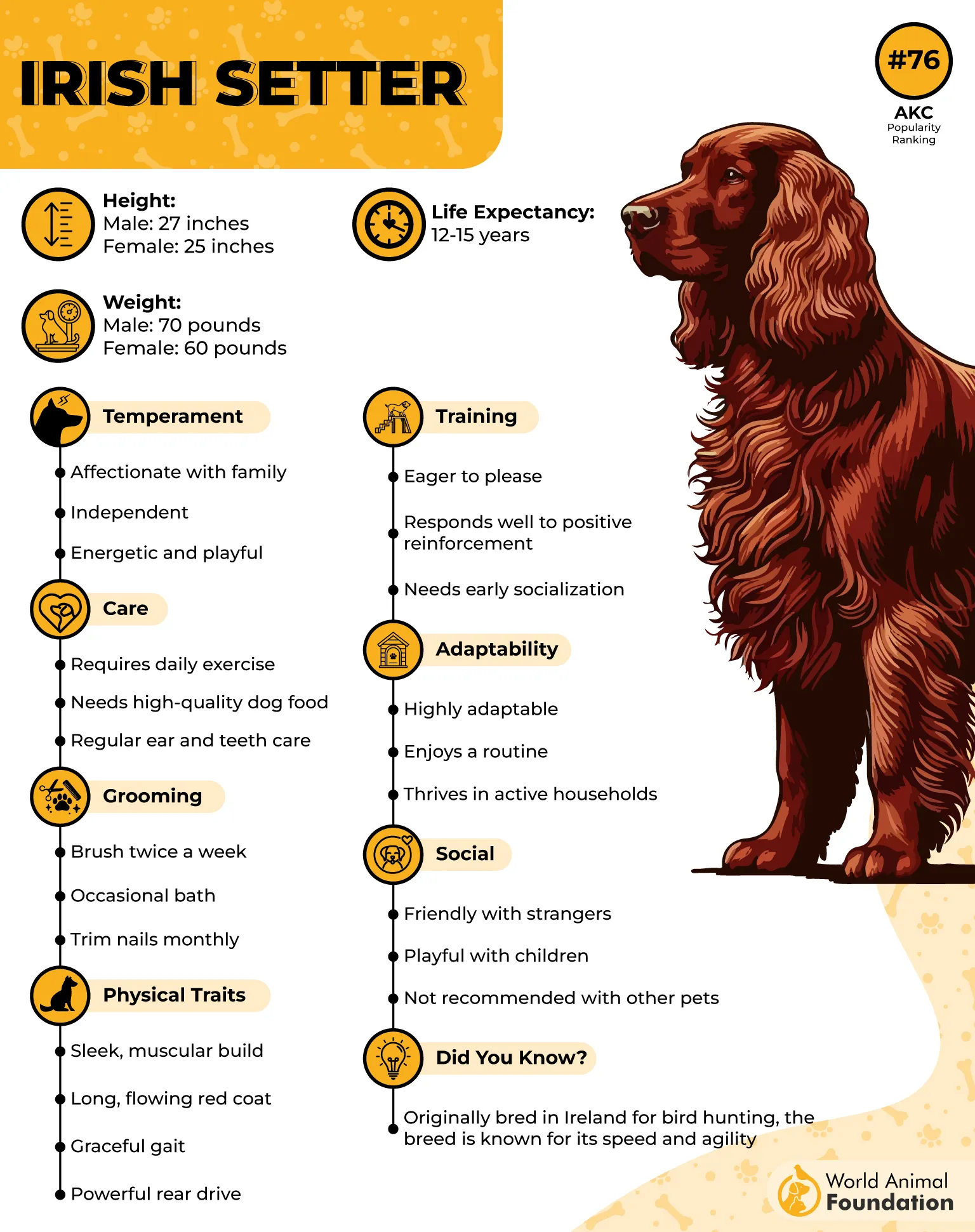
Their quick movements and ability to adjust to different birds make them valuable partners when pursuing species such as Hungarian partridge, sharptail grouse, and ruffed grouse.
They also form strong bonds with people, thriving when treated as companions rather than simply working dogs, as explained by Gun Dog.
These energetic dogs need regular exercise, consistent training, and mental stimulation. For hunters seeking a lively, affectionate partner with genuine field ability, the Irish Setter deserves consideration.
6. Wirehaired Pointing Griffon

The Wirehaired Pointing Griffon, also known as the Korthals, was developed in the Netherlands during the 19th century to be a hardy, versatile hunting companion.
What makes this breed stand out is its thoughtful, methodical approach to finding game birds. Rather than ranging far ahead, it works close to the hunter, carefully covering the ground and locating birds that faster dogs might overlook.
Once game is found, its natural pointing ability makes it a valuable partner for hunters on foot. Its wiry, weather-resistant coat also helps it work through thick brush and challenging outdoor conditions.
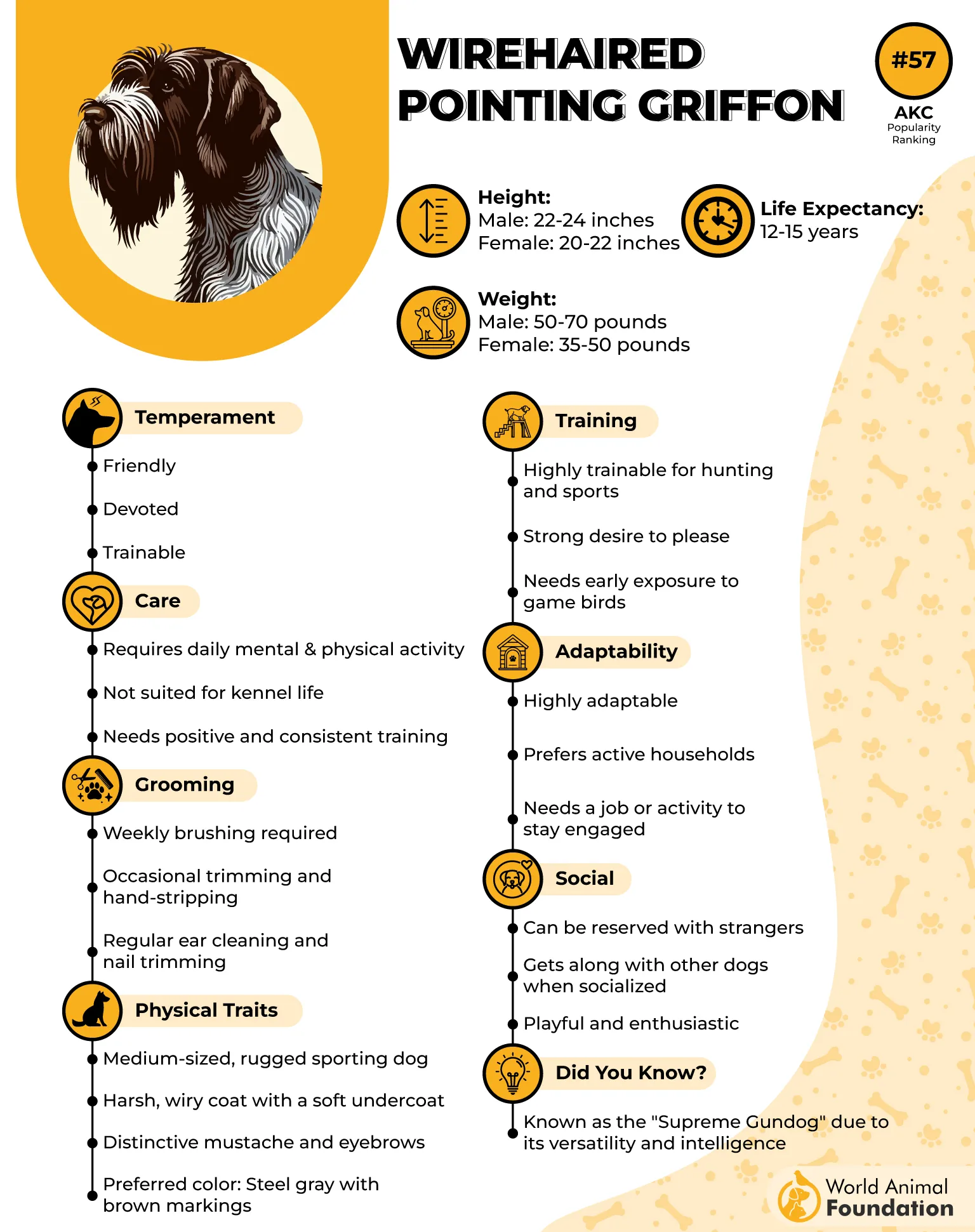
Beyond pointing, the Griffon can retrieve downed birds, including from water, making it useful across different hunting environments.
Intelligent and eager to please, it responds best to patient, consistent training rather than harsh correction.
Affectionate and people-oriented, this energetic dog thrives when given meaningful work, regular exercise, and a close place in its family’s life.
7. Vizsla
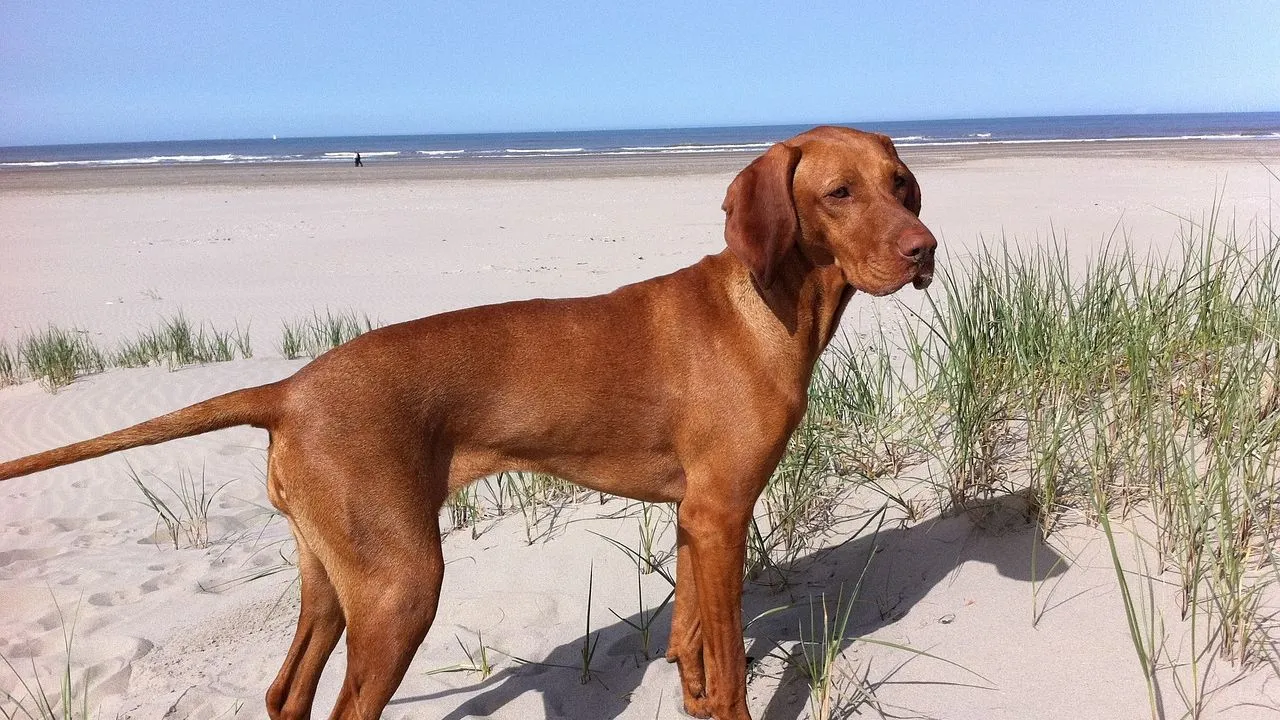
The Hungarian Vizsla is a graceful yet hardworking hunting dog whose natural pointing instincts make it a valuable partner for game bird hunters.
Developed in Hungary, this energetic breed combines speed, stamina, intelligence, and a strong desire to work alongside its owner.
When it catches the scent of a bird, its instinct to point helps the hunter locate game before it takes flight.
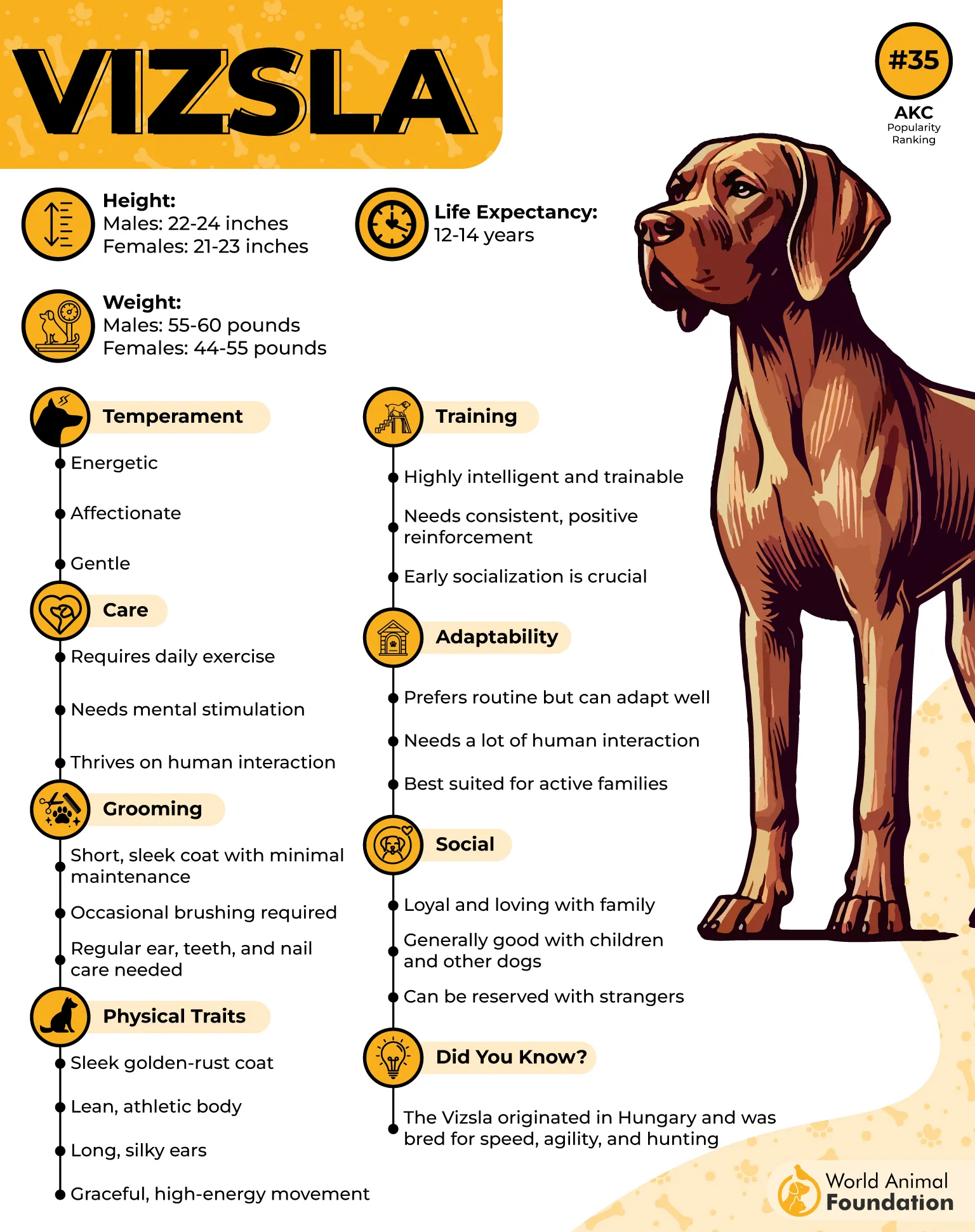
Vizslas typically work at close to medium range, making them well suited to hunters who prefer a dog that stays connected to them in the field. Their natural retrieving ability and talent for tracking wounded game add to their versatility beyond pointing alone.
However, hunting ability can vary between breeding lines, so choosing a dog from proven working stock is important, according to Project Upland.
Beyond the field, Vizslas are affectionate, people-oriented companions that respond best to gentle, consistent training. With regular exercise and meaningful work, they can thrive as both dedicated bird dogs and loyal family members.
Conclusion
Choosing the right dog for pointing and setting game birds means looking beyond appearance or breed popularity. A successful bird dog needs a keen nose, natural hunting instincts, patience, and the ability to work closely with its handler.
Breeds such as the Irish Setter, Wirehaired Pointing Griffon, and Hungarian Vizsla each bring their own strengths to the field, from covering open ground to carefully locating and pointing birds. However, a dog’s working ability also depends on its breeding, training, experience, and individual temperament.
Before choosing a companion, consider the type of game you hunt, the terrain you explore, and the time you can devote to exercise and training. The best match is a dog whose natural abilities suit your hunting needs and whose personality fits your everyday life.
With consistent guidance and a strong bond, the right dog can become a dependable hunting partner and a cherished member of your family.
