




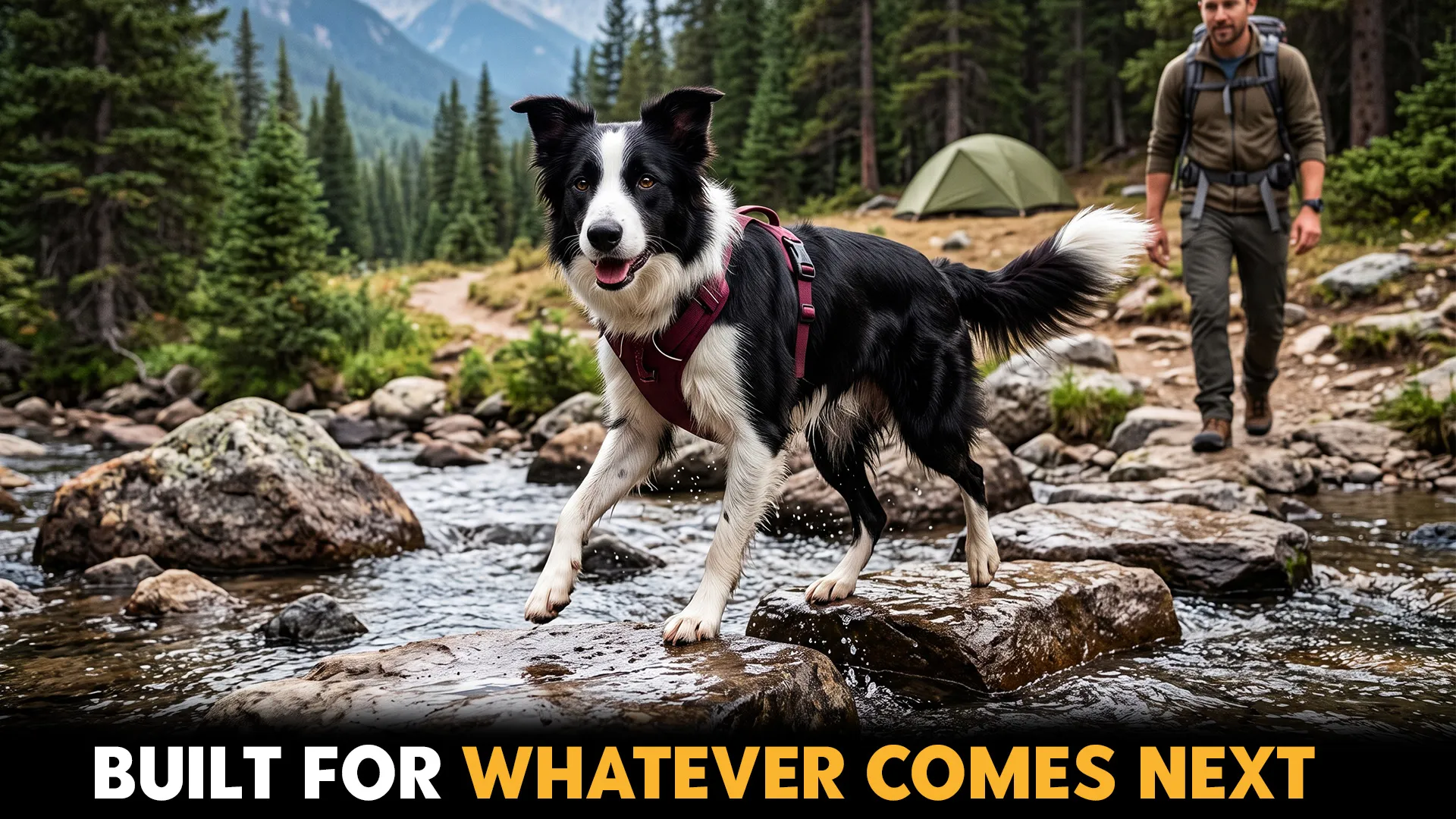
Some dogs are happy with a quick walk around the block. Others seem to look at the hiking trail and think, ‘Well, what are we waiting for?’
The seven breeds in this guide belong to that second group. They were developed for a demanding job, such as herding cattle, pulling sleds, tracking, and hunting, so their stamina and working instincts run deep.
The Siberian Husky, for example, was bred to pull loads across vast frozen distances, while the Australian Cattle Dog was developed for difficult cattle work in Australia.
But being adventurous is not just about having four strong legs. These dogs also need training, mental stimulation, exercise, and an owner who can keep up with their pace.
Amazing Dog Breeds Ready to Tackle Any Adventure
1. Australian Cattle Dog
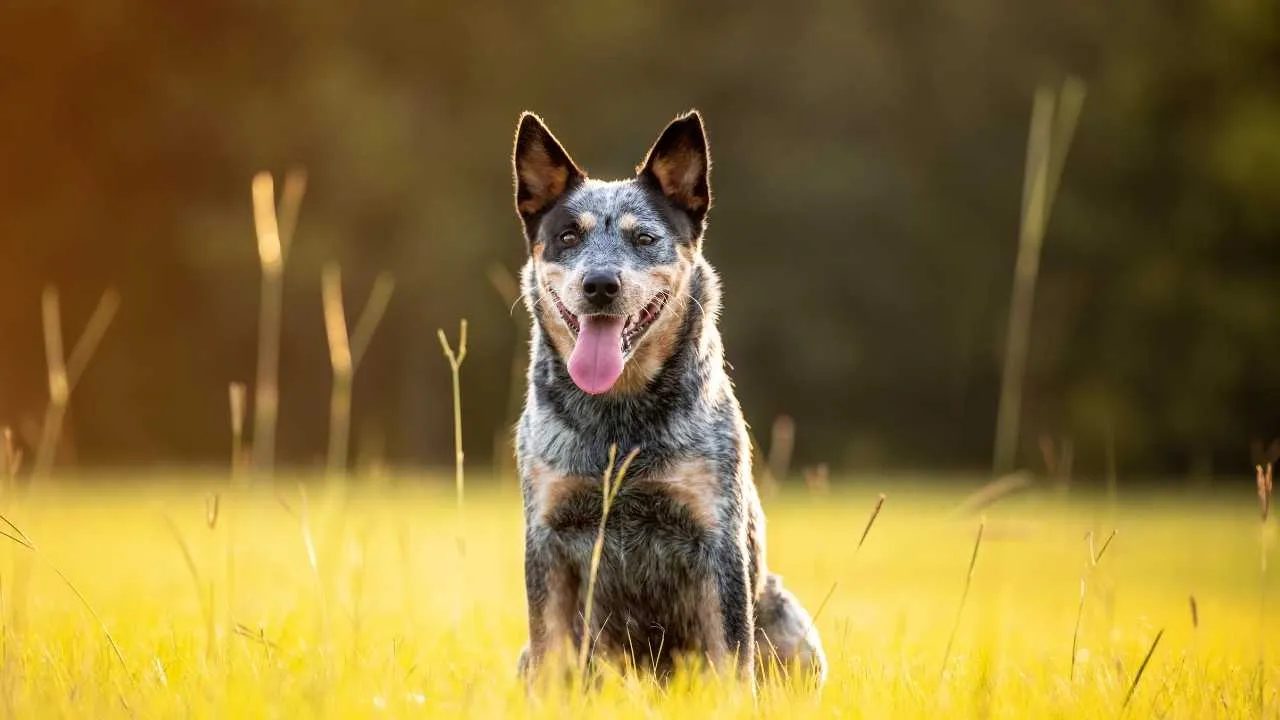
Australian ranchers in the 19th century noticed that the Collies brought from Britain to Australia were not sturdy enough to handle bold livestock and Australian weather conditions. They crossbred Collie, Dingo, sheepdog, Dalmatian, Bull Terrier, and Kelpie for 60 years to develop the ACD we know today, says Purina.
Bred to dodge explosive kicks from cattle, this herding dog has quick reflexes and fast-twitch muscle fibres. It has strongly sprung ribs and a muscular chest that allows optimal lung expansion. The weather-resistant double coat protects the breed from the external environment. With its strong sense of smell, it can detect faint sounds before humans do.
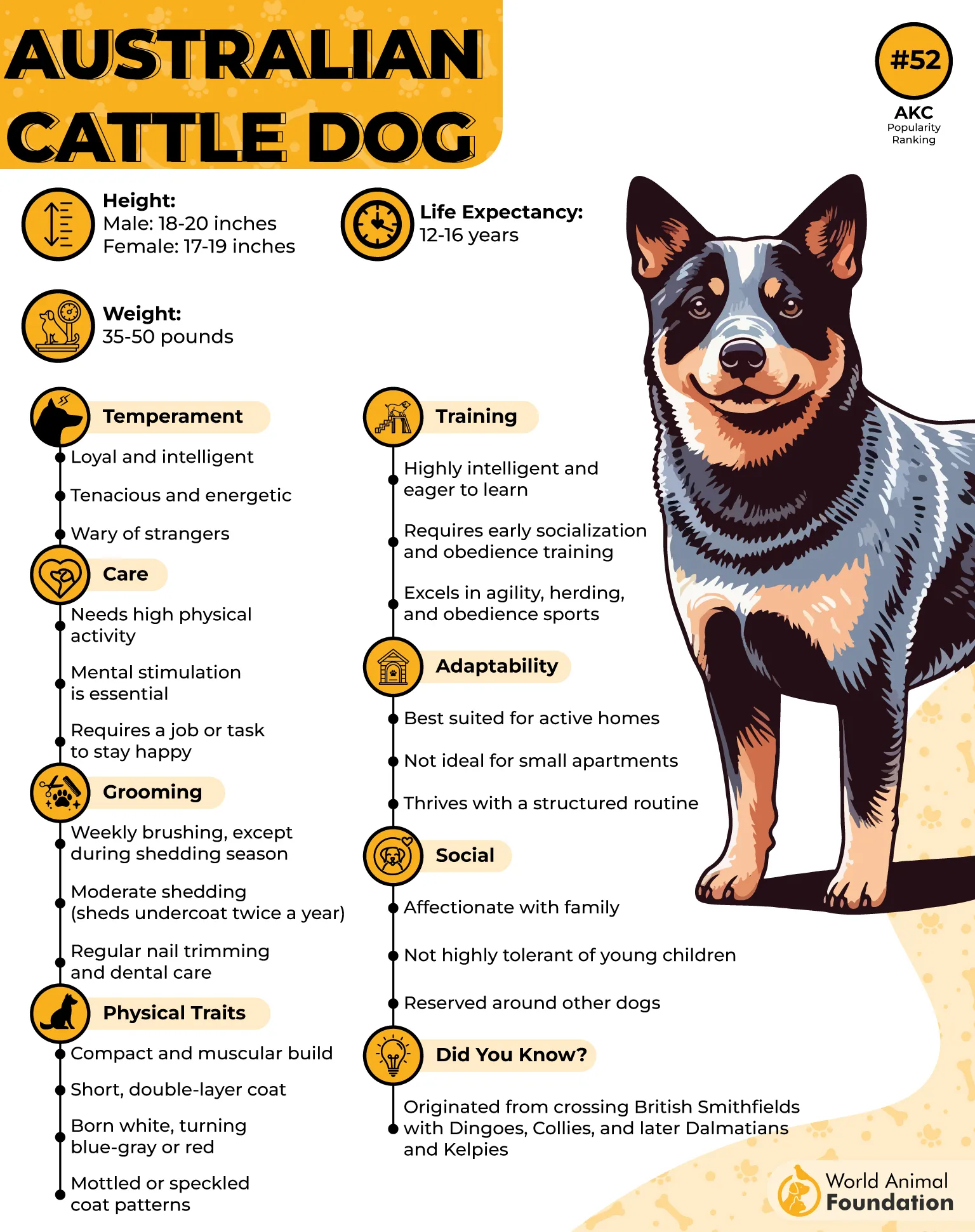
The active dog breed has a high pain tolerance and independent thinking. Hence, it is a great problem solver and excels in wilderness trekking, high-speed dog sports, action-driven mushing and wheeling, cognitive sports, and complex trick training.
2. Siberian Husky
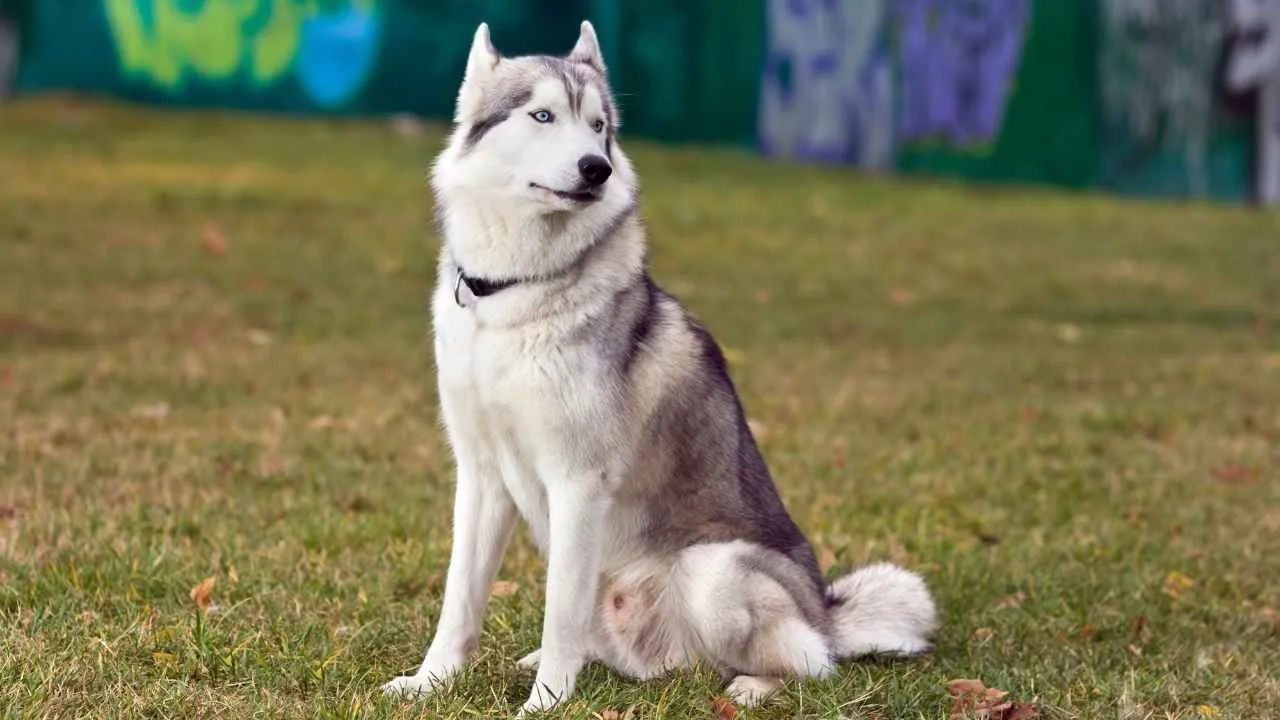
The history of one of the oldest dog breeds dates back 4,000 years. It was developed by the Chukchi people to pull heavy sleds over long distances in freezing climates. Having an affectionate nature, the large dog breed is known for cuddling kids at night to warm them.
With its advanced countercurrent heat exchange system, it transfers warm blood to the paws and cold blood directly to the heart before it reaches the extremities, regulating body temperature. This adventure dog has a low-impact stride that conserves energy for days. It has a non-aggressive temperament and makes good friends with all people.
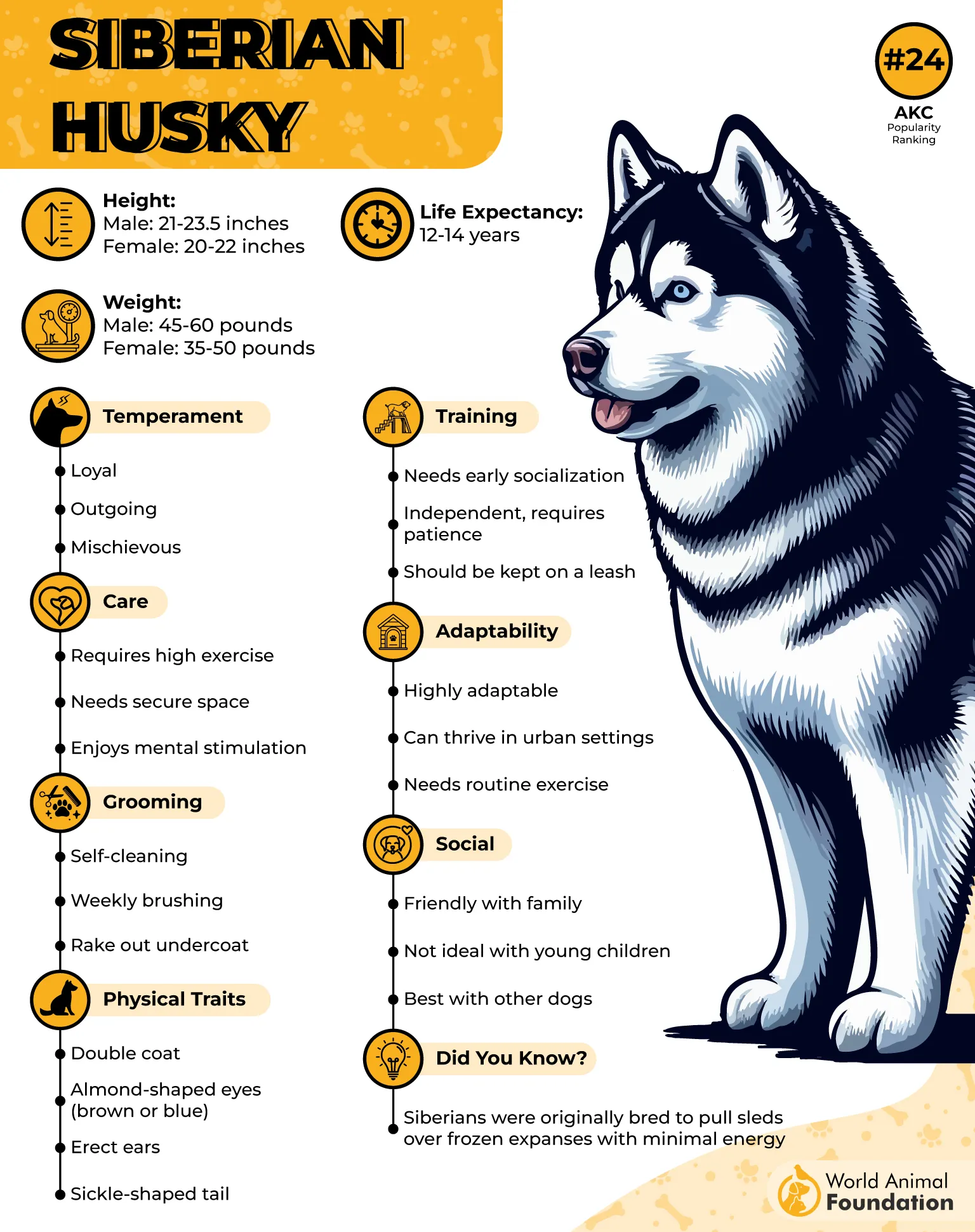
The thick coat helps it survive in cold temperatures (down to -50 degrees). It generally has a curious nature and makes a great hiking companion. It also excels in dryland mushing, joring sports, dog backpack, dog sports, and nose work.
3. Border Collie
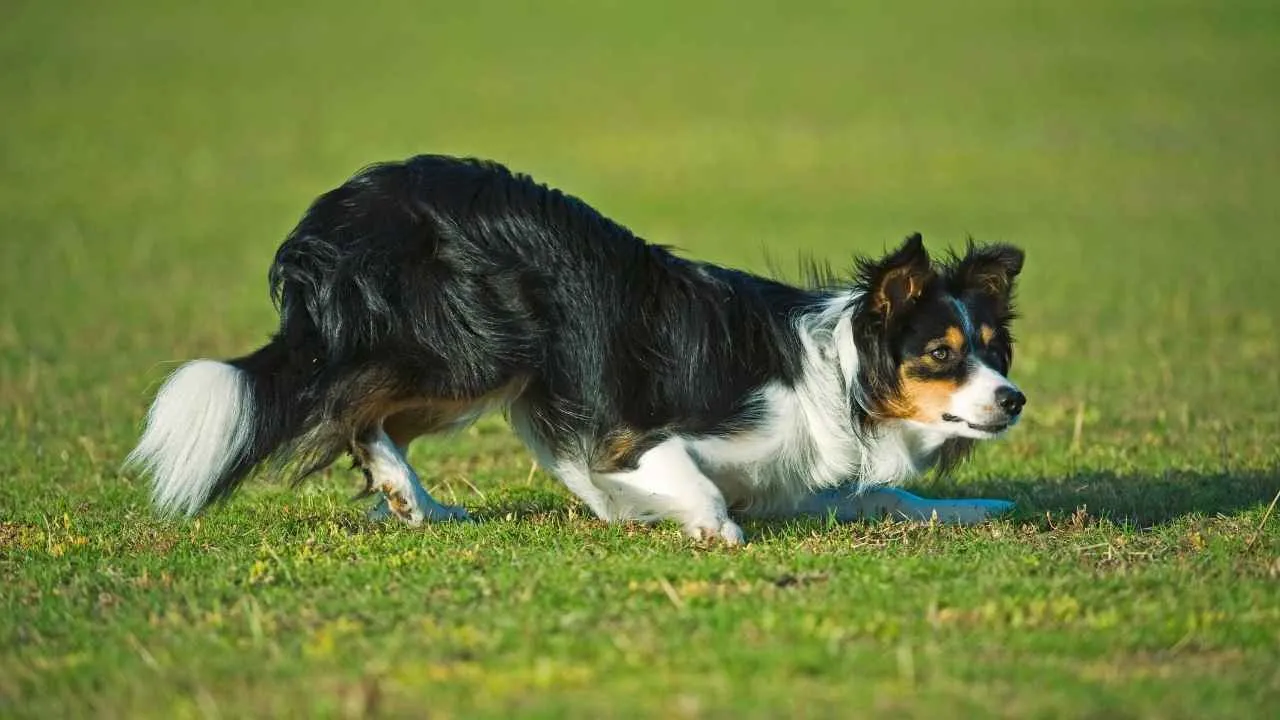
The breed was originally bred in Northumberland, a border between Scotland and England, in the 18th century. Adam Telfer developed the breed by crossing local sheepdogs and only selecting the dogs that excelled in herding ability. This resulted in the most intelligent breed in the canine kingdom, says Pooch & Mutt.
It has laid-back shoulders and deeply turned knees, acting as a shock absorber and providing maximum stride extension. With its hypnotic stare, it is known to detect microscopic changes in the environment. The athletic breed has a high prey drive, making it intensely focused on the field.
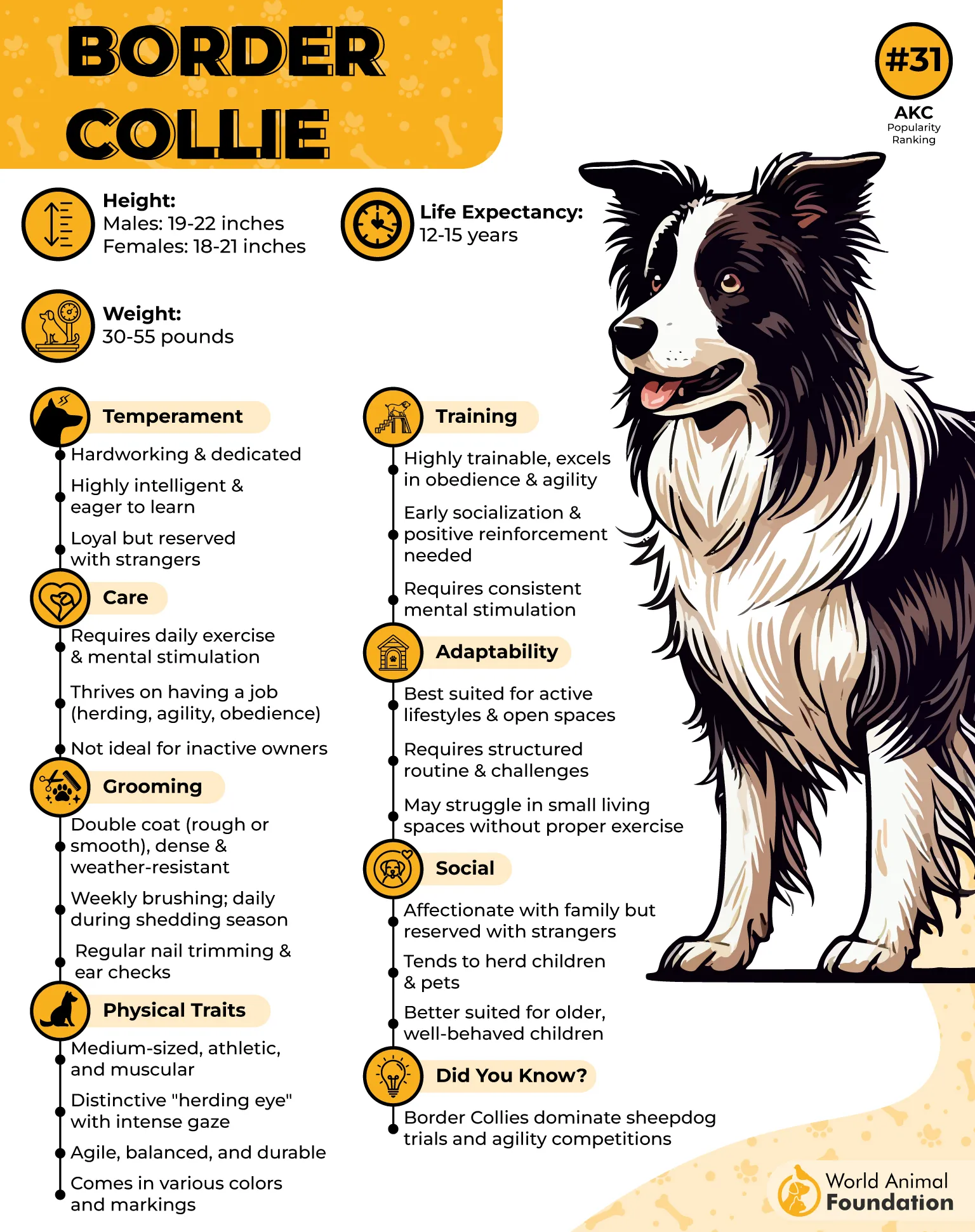
It reads the handler’s body language very well and acts accordingly. It needs a constant job and enjoys high-speed agility courses, backcountry hiking, disc dog, flyball relay racing, and herding trials.
4. Australian Shepherd
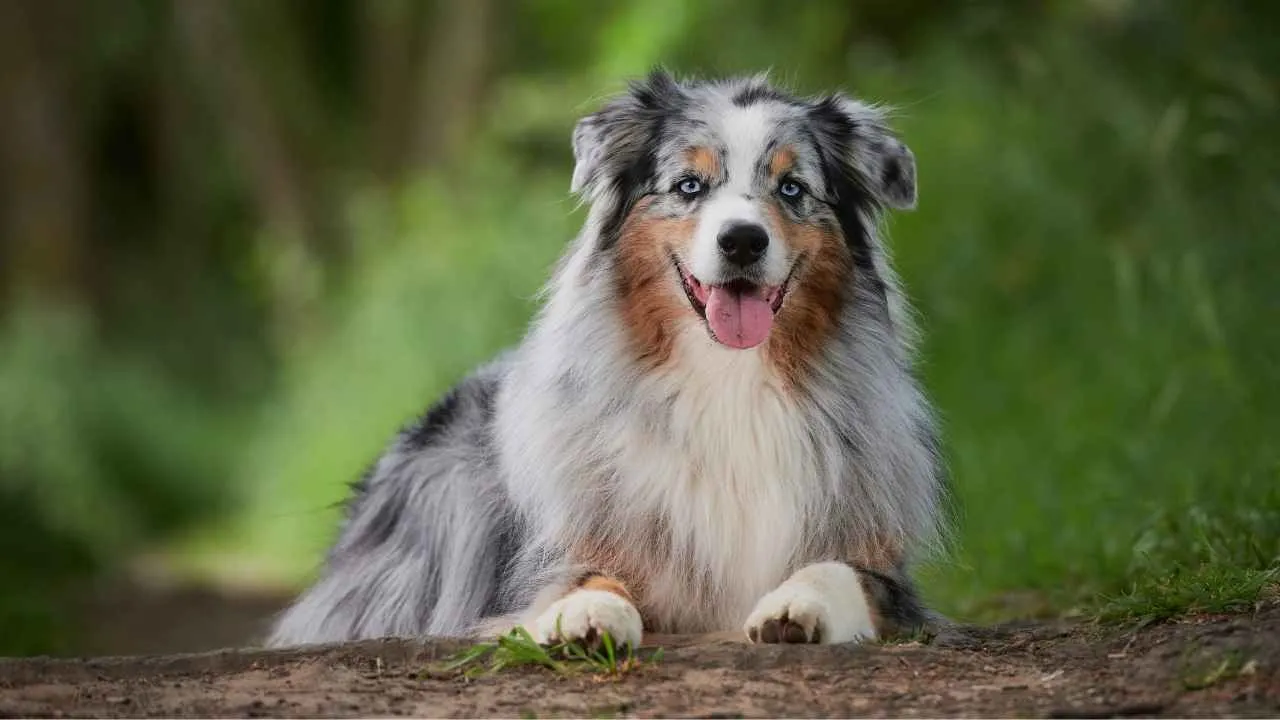
Developed in the United States, the Australian Shepherd is descended from the European herding dogs. These Basque dogs were crossed with the Border Collie and other dogs in Australia, and the resultant breed was refined in the U.S.
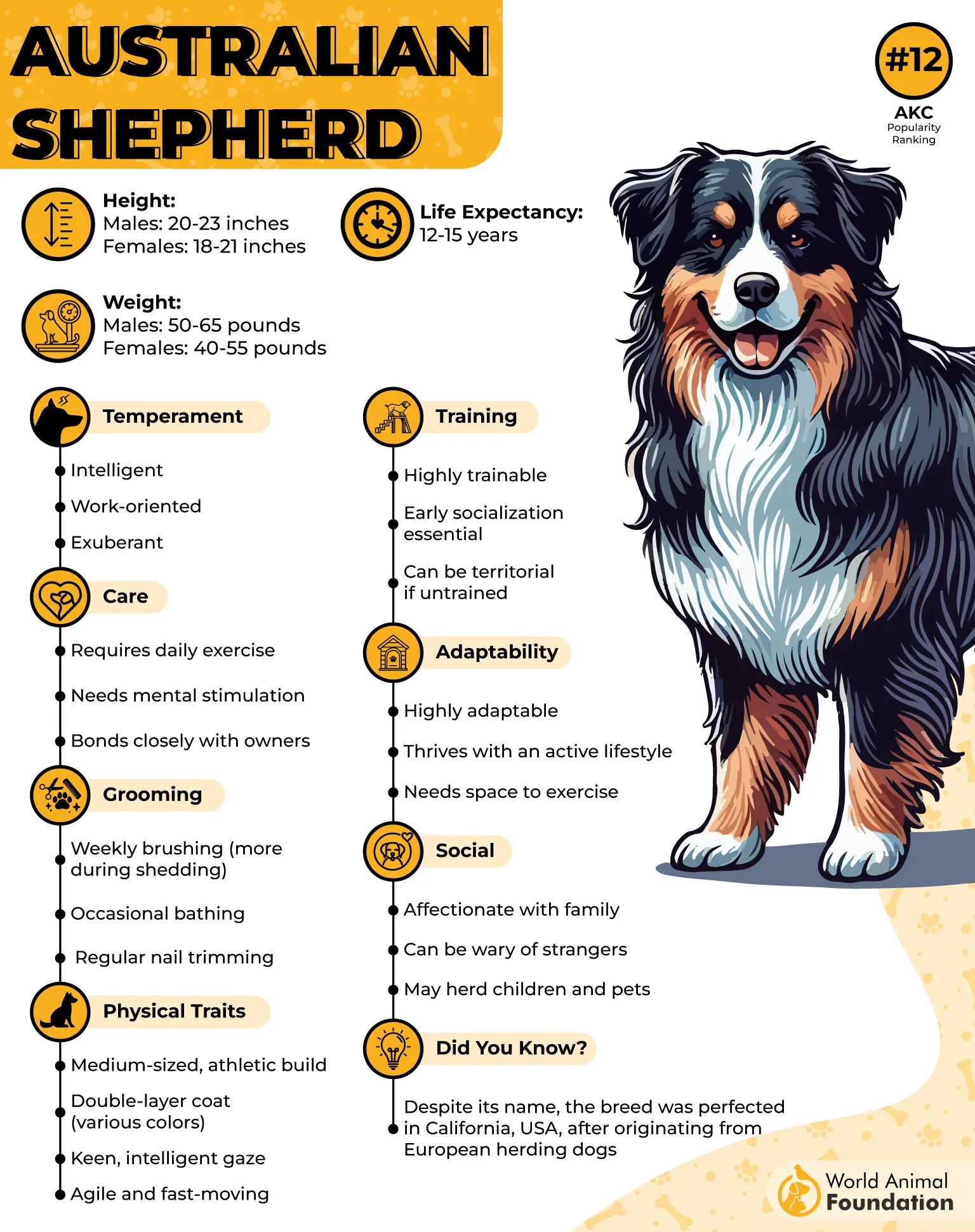
Its front and back legs cross over during a full stride, resulting in ‘off the edge’ swiftness. It has a low pounce reflex and can jump over 4 ft. The short ‘bob tail’ is docked to prevent injuries while navigating dense bushes. The breed is naturally alert and stays reserved around strangers, making it a great watchdog.
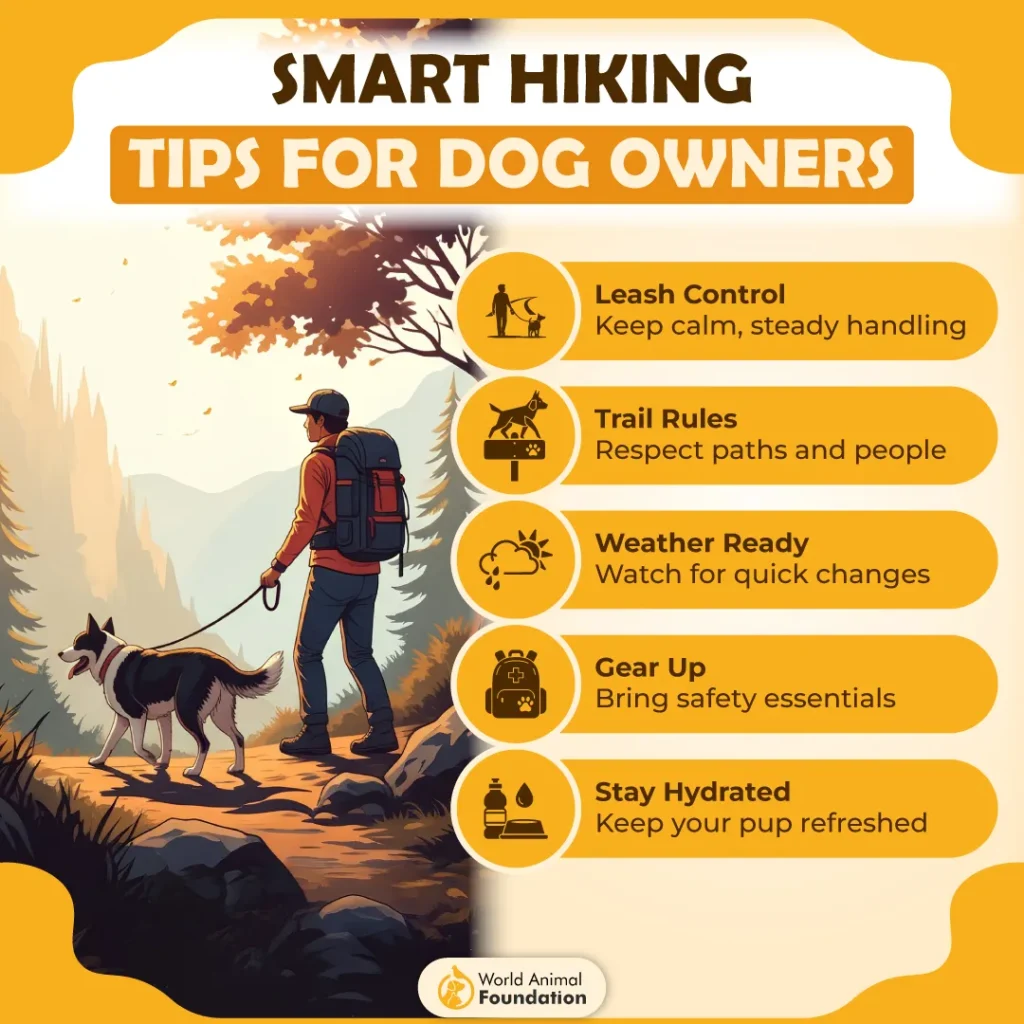
The velcro dog loves to stay closer to the owner. It excels in high-altitude hiking, competitive dog agility, urban herding, treibball, disc dog, advanced scent work, swimming, dock diving, and search and rescue operations.
5. German Shorthaired Pointer
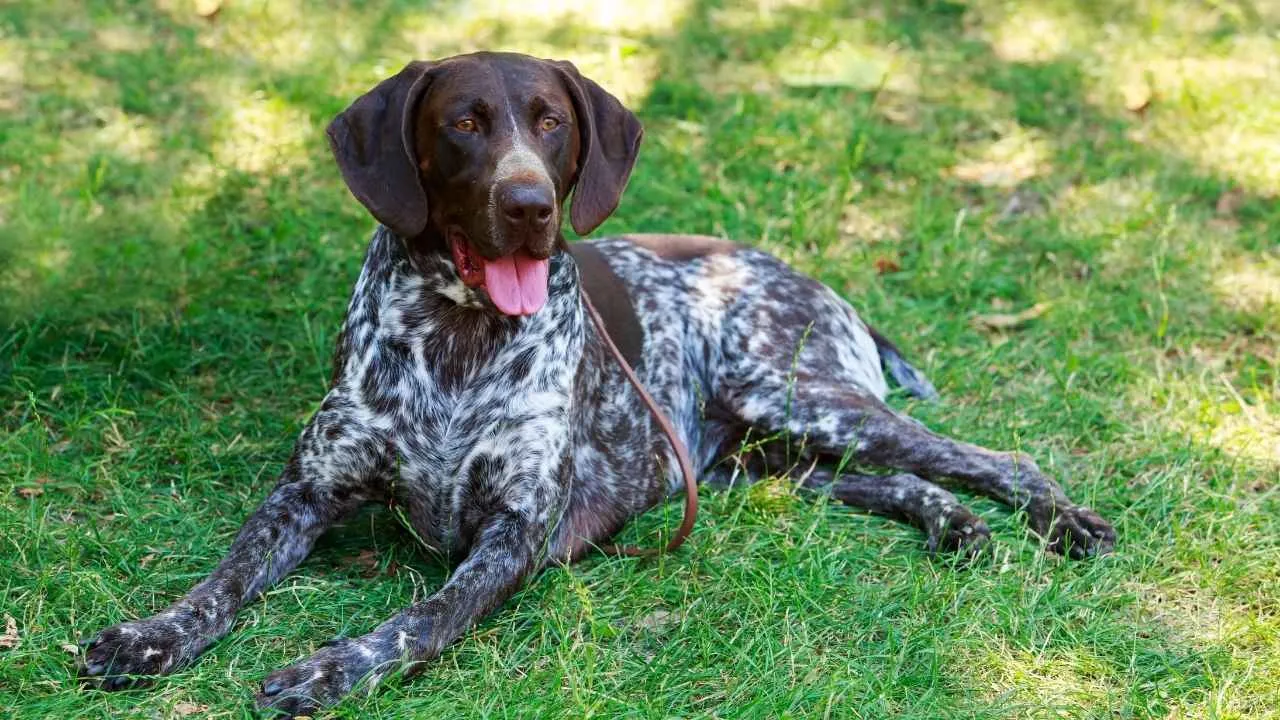
This multi-purpose hunting dog was developed in the mid-to-late 19th century by crossing the Bloodhound and the Spanish Pointer. It was refined in England to work in both water and on land. It was then selectively bred by Prince Albrecht zu Solms-Braunfeld to be leaner and more athletic.
The streamlined shape prevents internal organ compression when the dog is jumping or sprinting. With its long and broad muzzle. This allows it to retrieve heavy game for long distances without restricting its nasal breathing pathways. It has webbed feet that act as paddles in water and provide stability across mud.
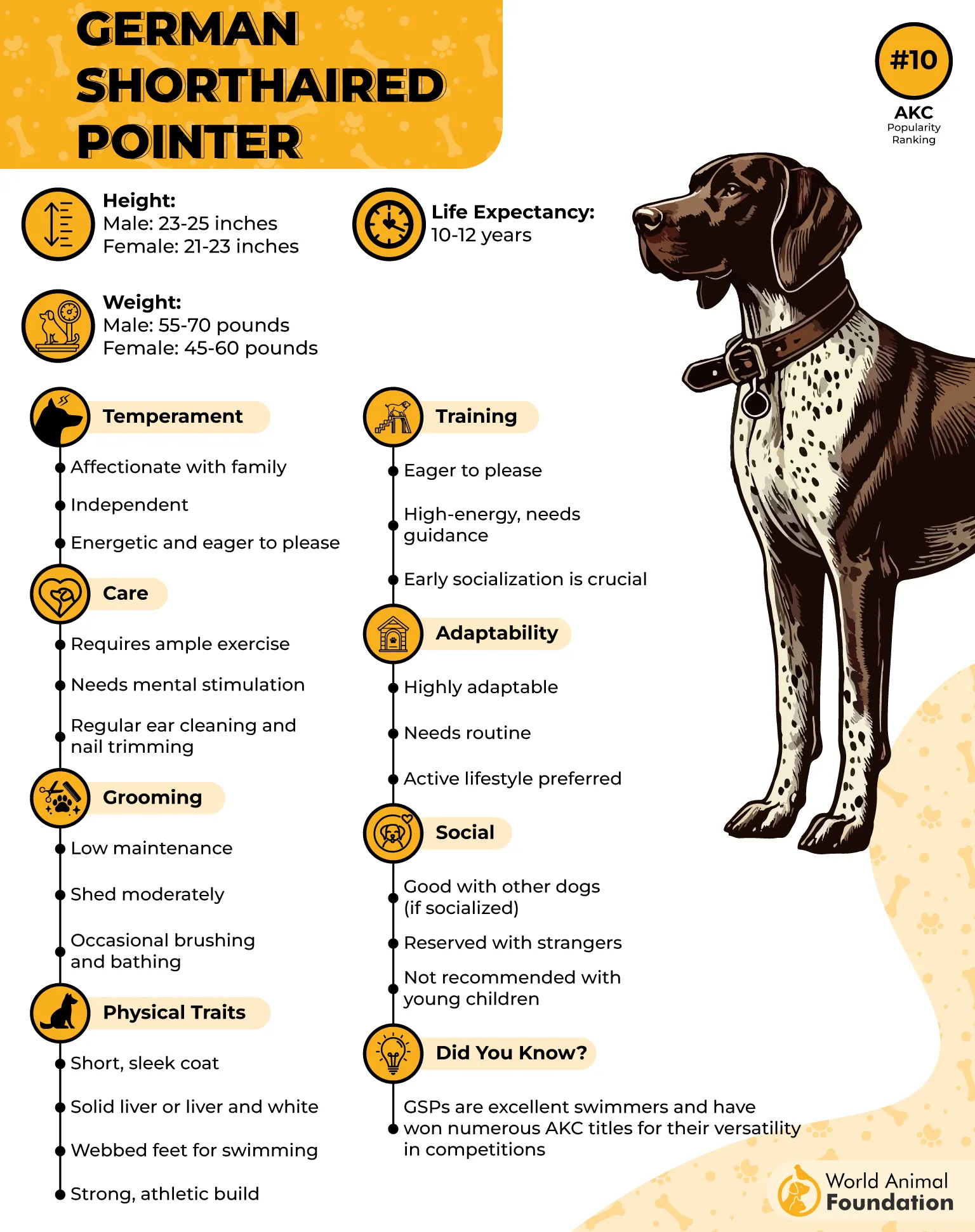
Instead of blindly running off, the sturdy dog is highly biddable. It thrives in field sports, hunting, pulling activities, canine sports, canicross, bikejoring, waterfowl retrieval, and tracking wounded game.
6. Rhodesian Ridgeback
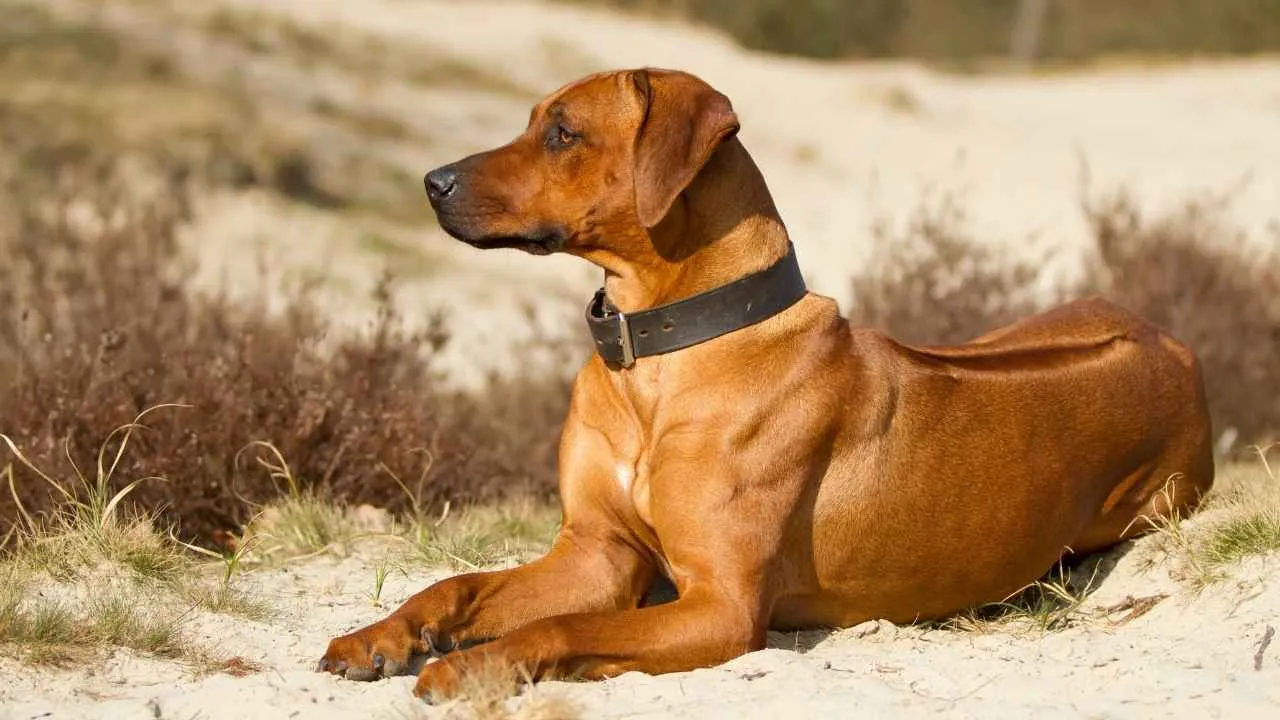
The semi-wild dog was originally bred in South Africa and was developed by the European settlers in the 17th century by crossing Bloodhound, Mastiff, Bulldog, Great Dane, Greyhound, and Terrier groups. The modern-day breed was developed in Rhodesia (now Zimbabwe) in the 19th century.
It has a rectangular physique and a flexible spine that acts like a spring to drive maximum stride length. With its round feet and arched toes, the mixed breed prevents joint damage and protects the feet from hot or cold climates. The breed has slow-twitch fibres that provide great endurance rather than short bursts.
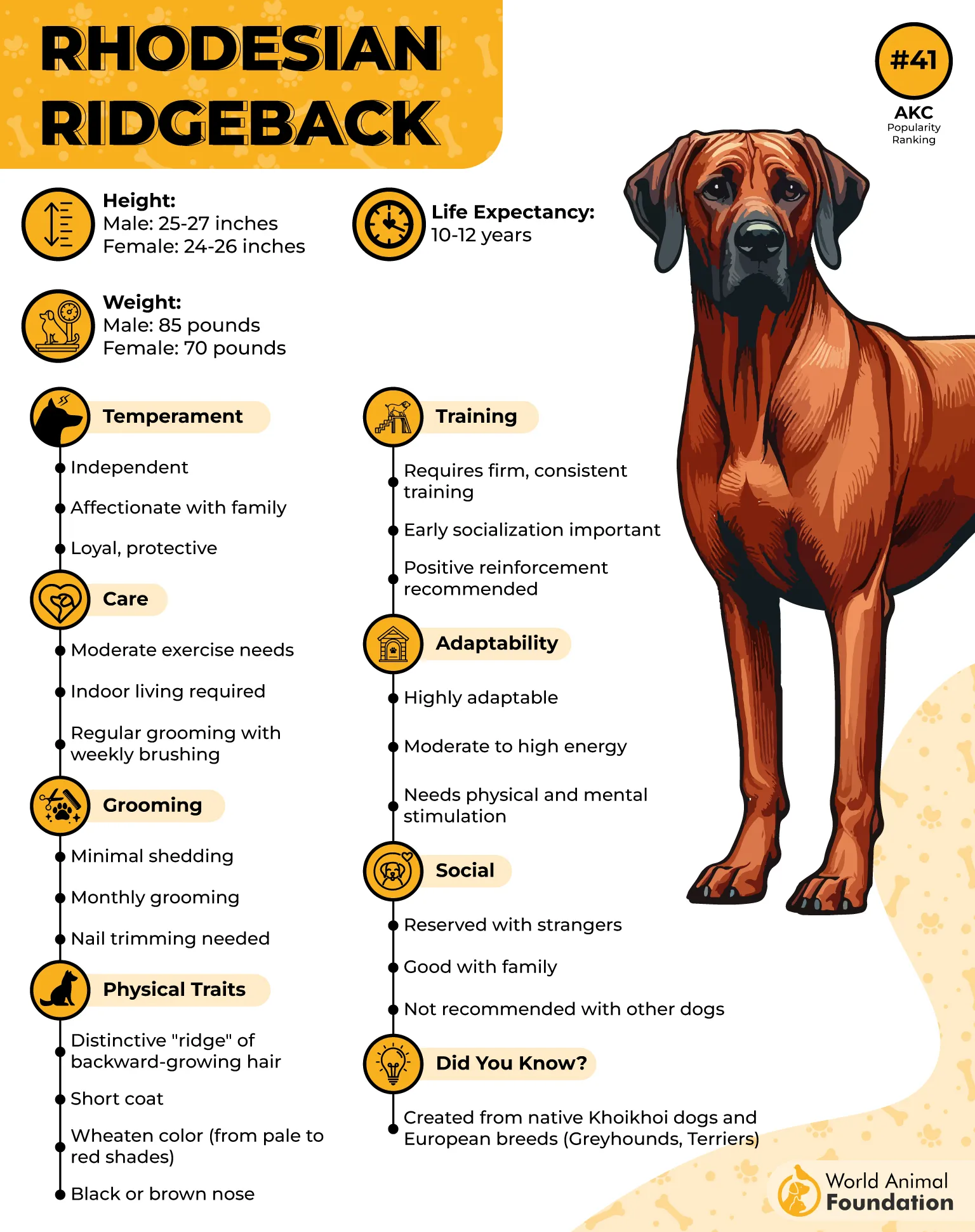
It does not get panicked easily because of a strong nervous system. The athletic breed can run over 30 mph and actively participates in high-speed lure coursing, wilderness hiking, canicross, off-road jogging, agility courses, nose work, and backpacking.
7. Vizsla
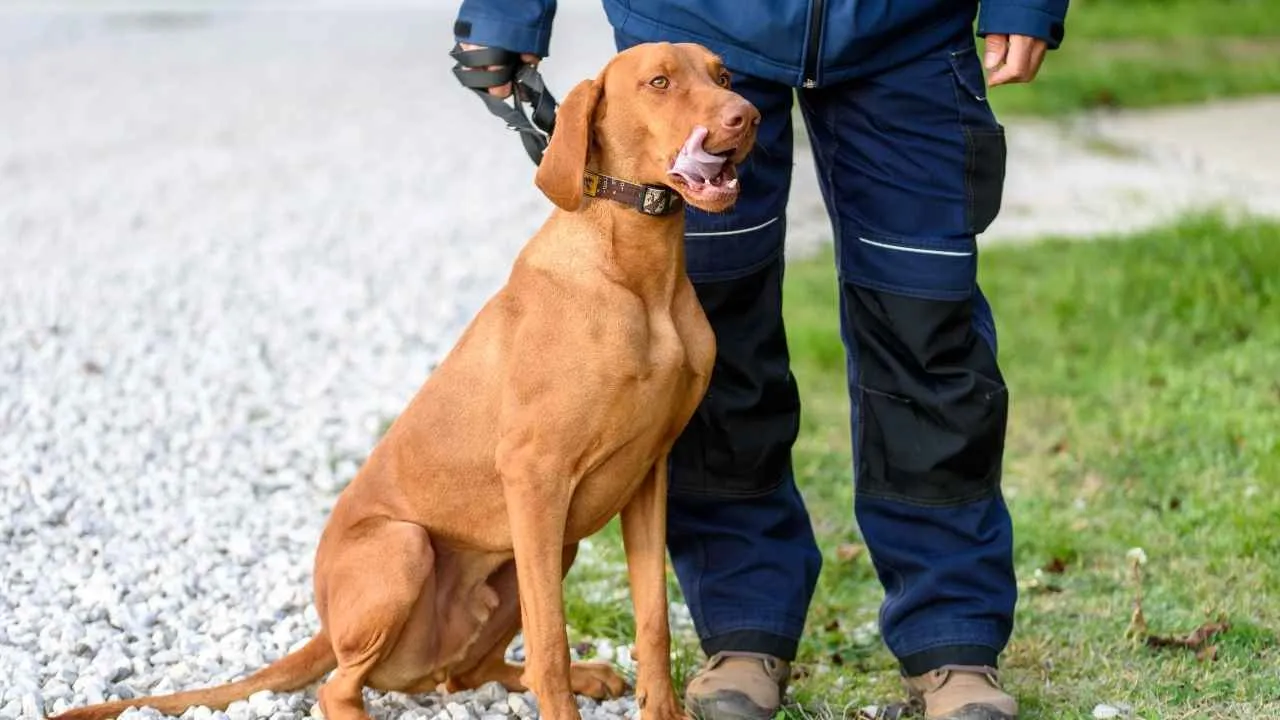
The breed was originally developed in Hungary as a hunting breed. It works by tracking, pointing, and retrieving in a pattern and loves to work closely with its favorite human, as noted by WebMD. It gained global recognition after World War II and was given the name Hungarian Pointer or Hungarian Vizsla.
The breed has a balanced centre of gravity that prevents early fatigue. The ground-covering gallop is the result of energy transfer from angulated hindquarters to the back. The breed does not carry excess body fat and can cover 3-5+ miles per day easily. The V-shaped ears direct scent molecules to the nose.
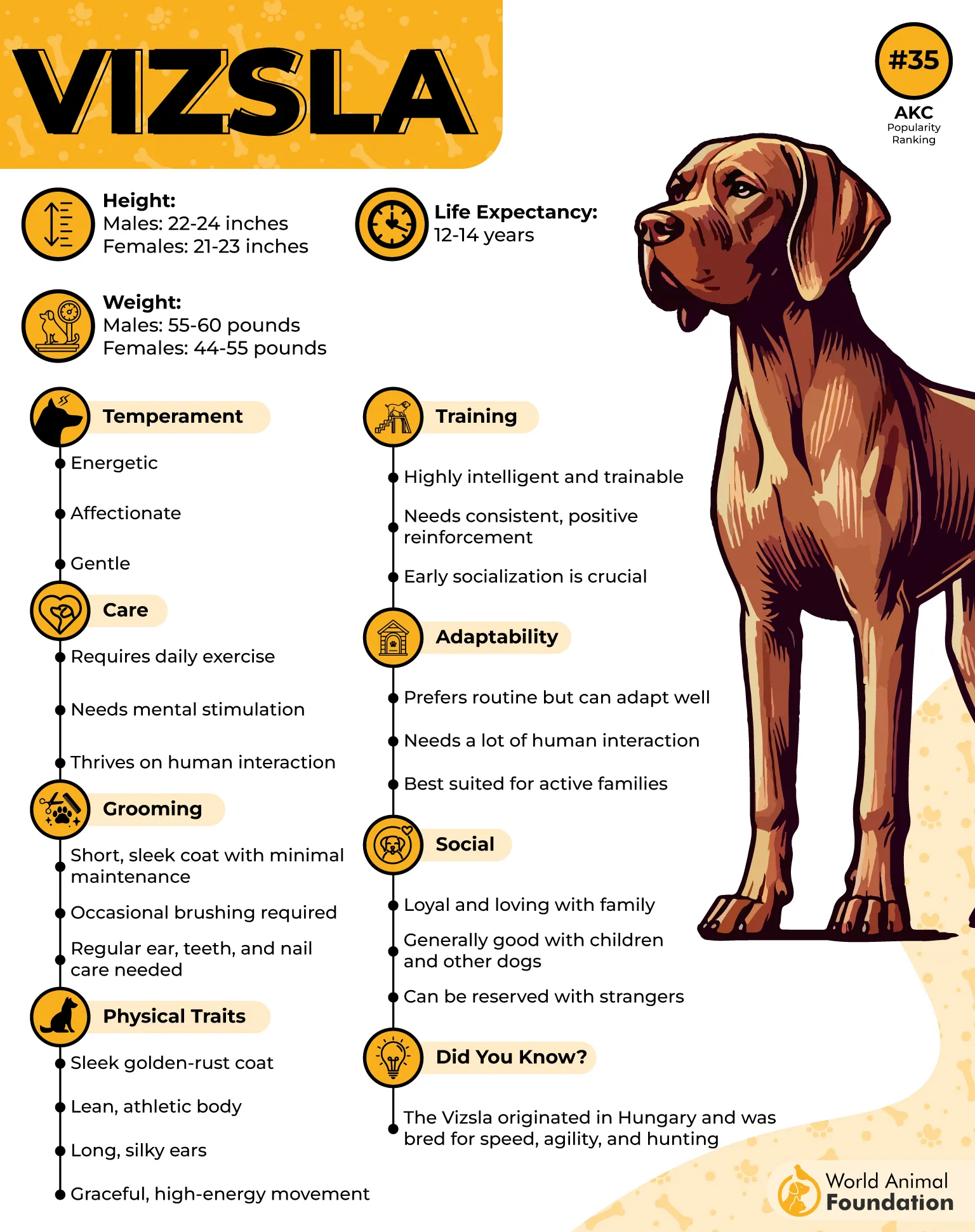
The big dog can reach up to 40 mph and thrives in outdoor activities, such as trail running, canicross, multi-day hiking, backpacking, water retrieving, dock diving, advanced scent work, high-speed agility, and lure coursing.
Coclusion
The best adventure dog is not simply the one who can run the farthest or climb the highest. It is the one whose natural abilities fit the kind of life you want to share. A Husky may love cold weather hiking, while a Border Collie may thrive when an adventure includes training and problem-solving.
Before choosing any breed, think beyond the Instagram-worthy hikes. Consider exercise needs, training demands, climate, temperament, and how much time you can truly give your dog. The right match can turn ordinary weekends into something special
