




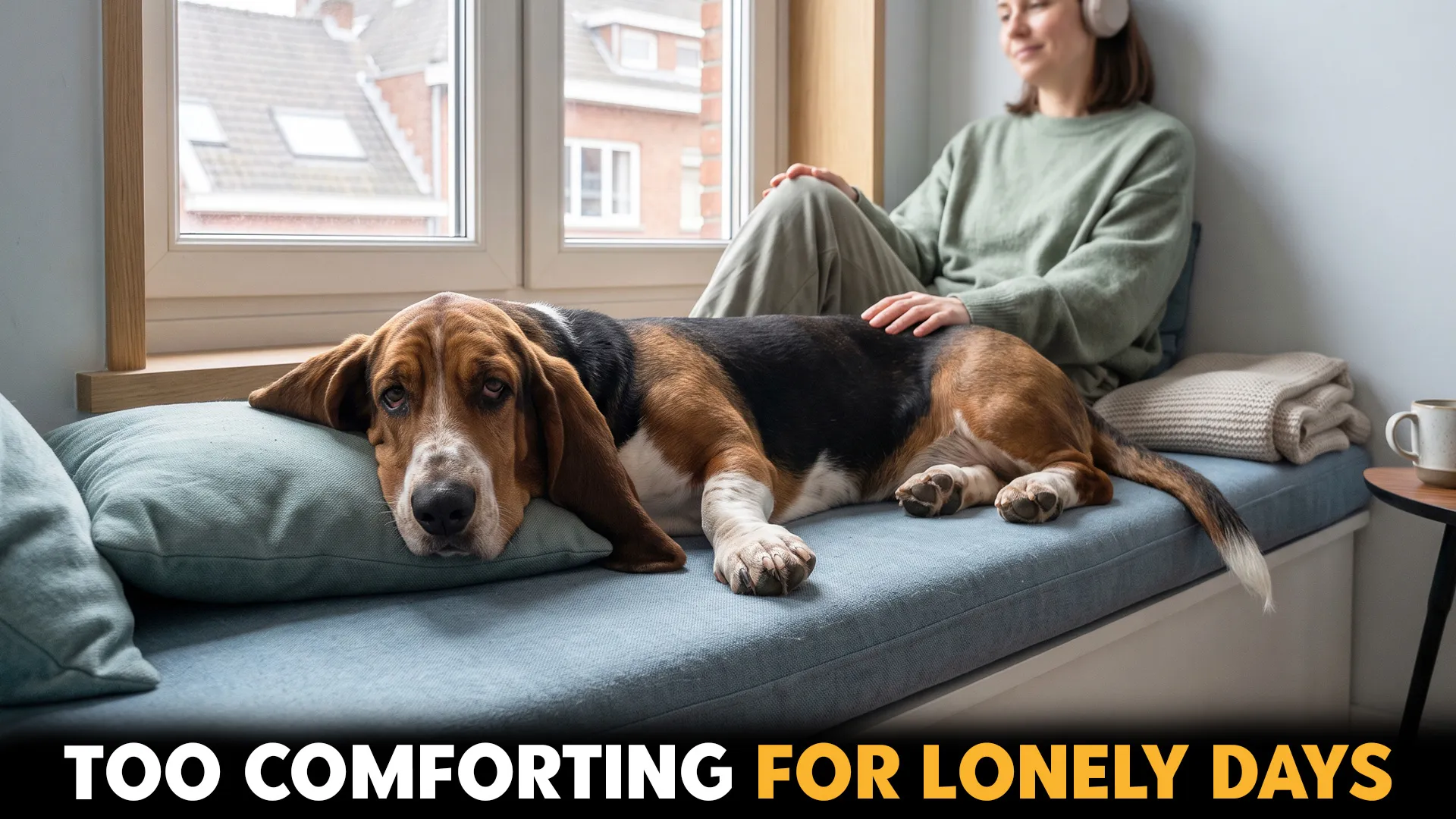
For an introvert, home is often more than a place to sleep. It can be where you recharge, read, work, watch a movie, enjoy a hobby, or let the day go quiet.
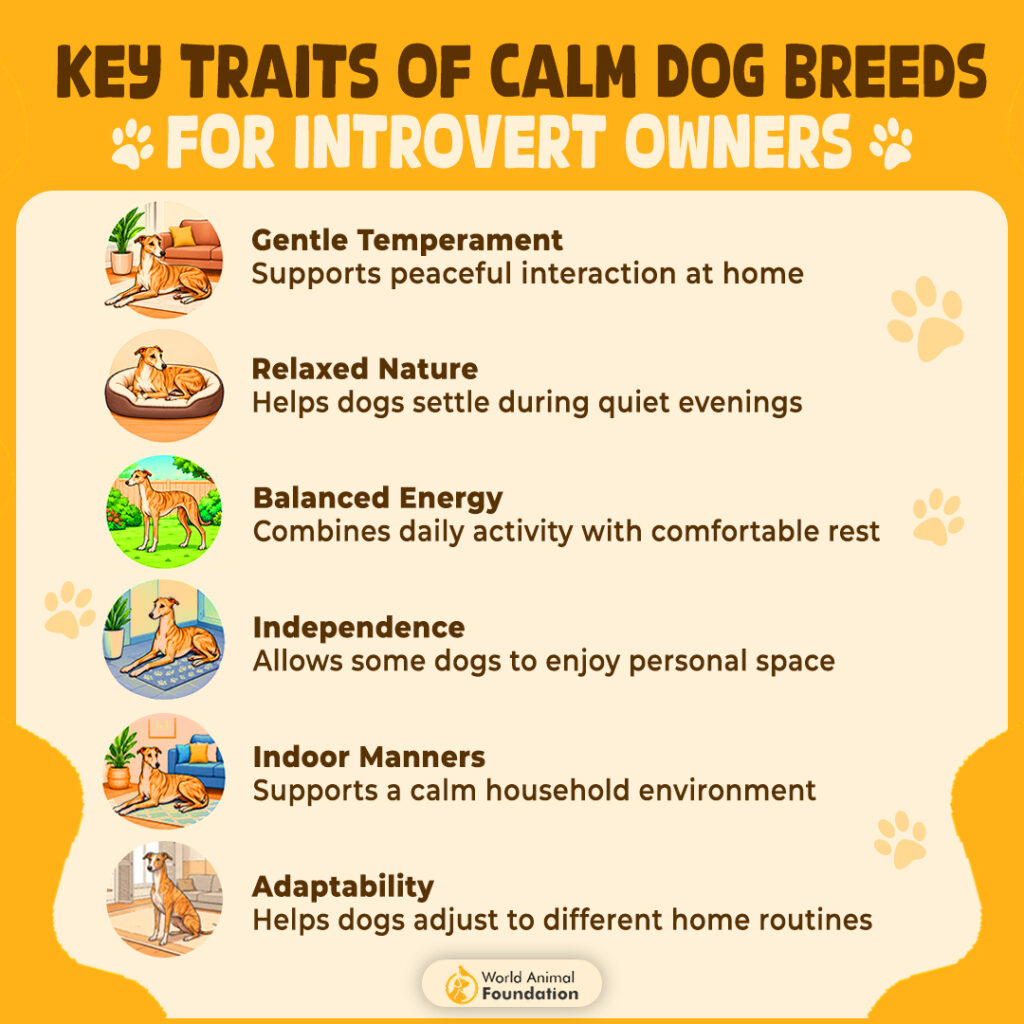
Adding a dog to that environment works best when the animal’s natural rhythm fits yours. Breed tendencies can influence activity levels, sociability, trainability, grooming needs, and how readily a dog settles after exercise. Individual personality still matters, so no breed can guarantee a calm housemate.
A good match comes from combining those tendencies with your schedule and the amount of attention you can provide. Cozy dogs can be companions for people who enjoy affection without constant excitement, especially when their needs are met through regular walks, play, training, and time together.
That balance creates a home where the dog gets engagement, and the person gets the peaceful company they wanted. Here are the personalities worth knowing before you choose.
Key Takeaways
A dog that can happily spend hours curled up beside you can make a quiet home feel a little less quiet in the best way.
Chinese Crested starts the list with its love for close company, followed by the tiny but surprisingly opinionated Chihuahua.
Then come the nap-loving Pug, the deeply devoted Pekingese, and a Basset Hound that can sleep for up to 20 hours a day.
The Dachshund and French Bulldog bring their own personalities to the mix, so read through to see which one feels closest to your kind of home.
Cozy Dog Breeds Perfect for Low-Key Introverts
1. Chinese Crested

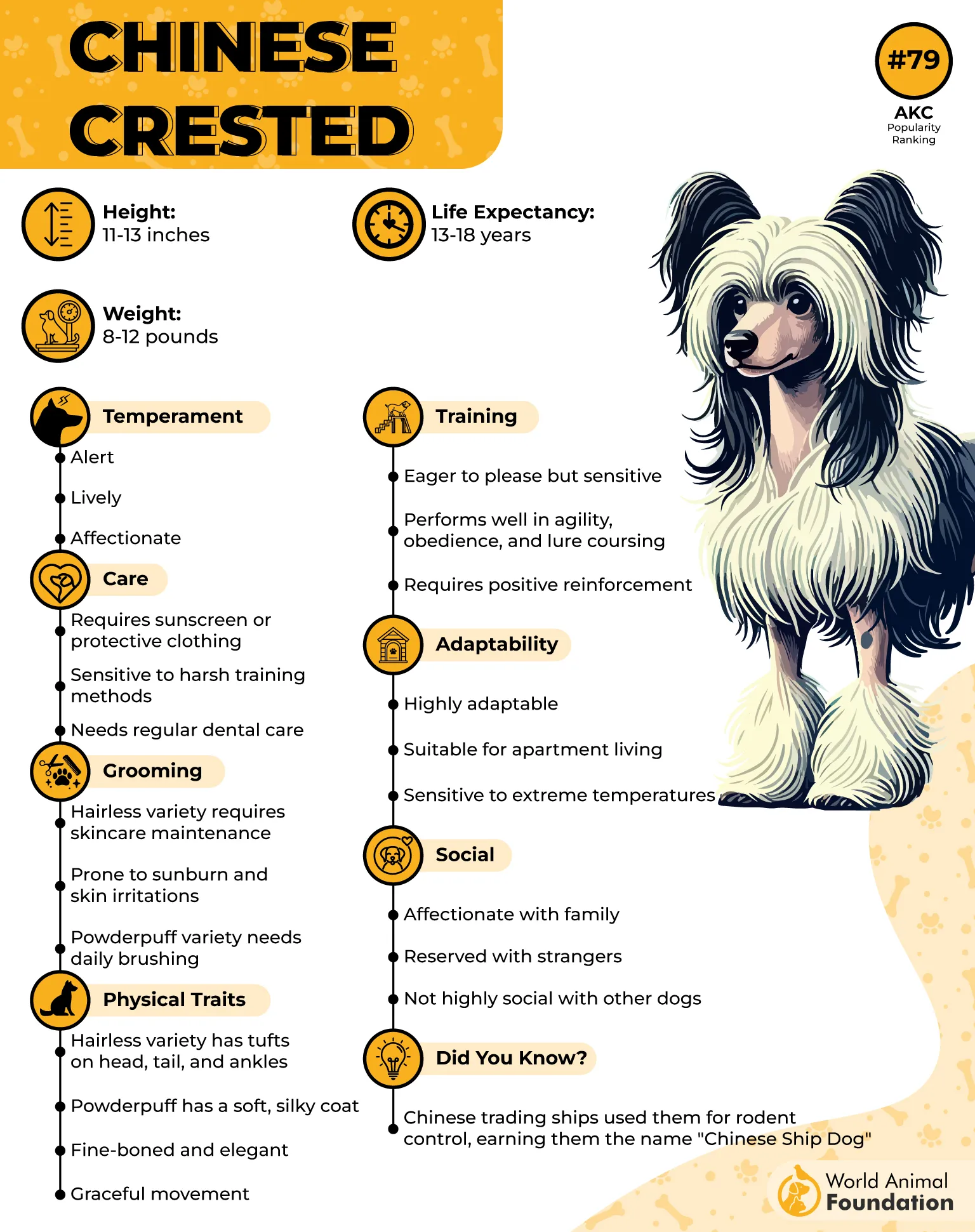
Chinese Crested has an unusually mysterious origin, with one theory suggesting larger hairless dogs from Africa were brought to China and gradually bred to a smaller size.
According to WebMD, similar efforts during China’s miniature-dog breeding era also produced breeds such as the Shih Tzu and Pekingese.
A Quiet Fit
Chinese Crested has moderate energy needs, with about 30 minutes of daily walking or some light indoor play often enough for its routine. That makes a relaxed evening at home much easier to enjoy without needing long outings or busy dog parks.
These breed characteristics make its lifestyle especially distinctive:
Often perches on furniture backs
Can cuddle for hours on a lap
Prefers observing unfamiliar people quietly
Sensitive by Nature
Chinese Crested is affectionate, playful, and highly responsive to the way people treat them, so harsh criticism can affect this sensitive dog deeply. It also tends to seek plenty of one-on-one time with its favorite people, often following them closely around the home.
2. Chihuahua
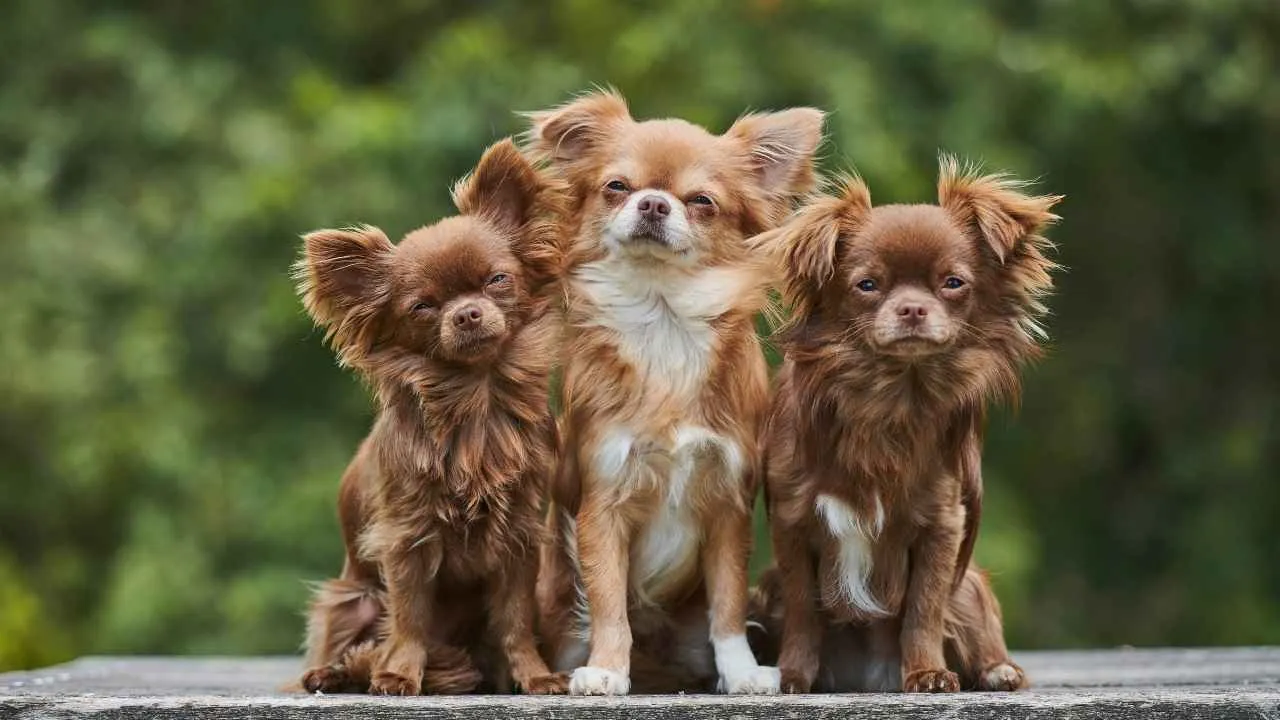
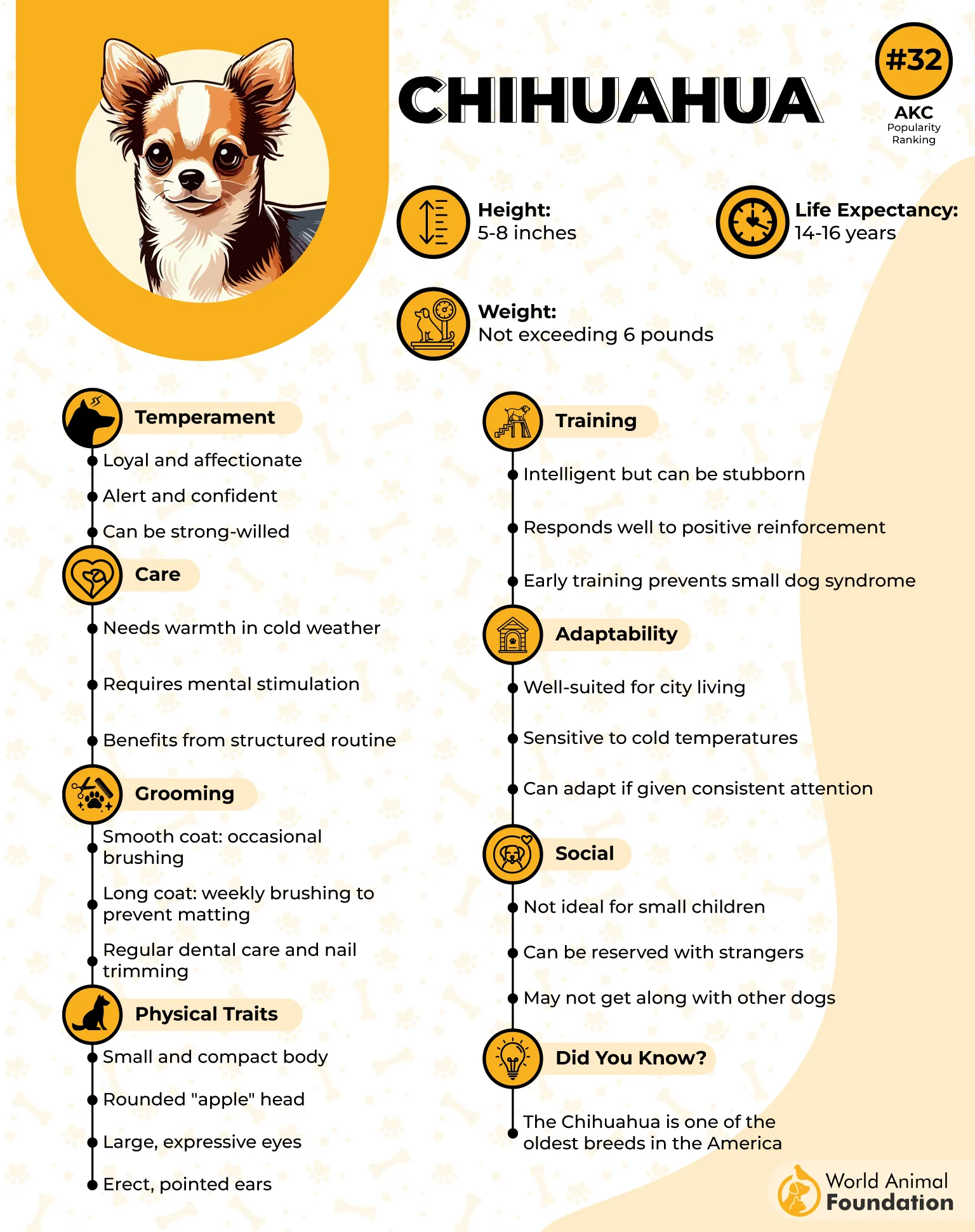
Chihuahua takes its name from the Mexican state where the breed was discovered around 1850, although its earlier story remains uncertain. Some theories connect these tiny dogs with the Aztecs or Incas, while others link them to Spanish dogs documented as far back as the 1500s.
Made for Quiet Homes
For a low-key introvert, a Chihuahua fits neatly into an indoor routine, with most activity coming from short 20-to-30-minute walks or simply trotting around the house.
At roughly six pounds, this small breed also needs very little physical room and can spend much of the day close to its favorite person.
These characteristics make that setup especially appealing:
Naturally cautious around unfamiliar people
Comfortable with very limited outdoor space
With early guidance, they can live well with unfamiliar dogs
Plenty of Personality
Chihuahuas may be small enough for a lap yet remain active, confident dogs that like having something to do. Its sassy nature and independent streak can make this tiny companion surprisingly opinionated about how it wants to spend its time.
3. Pug
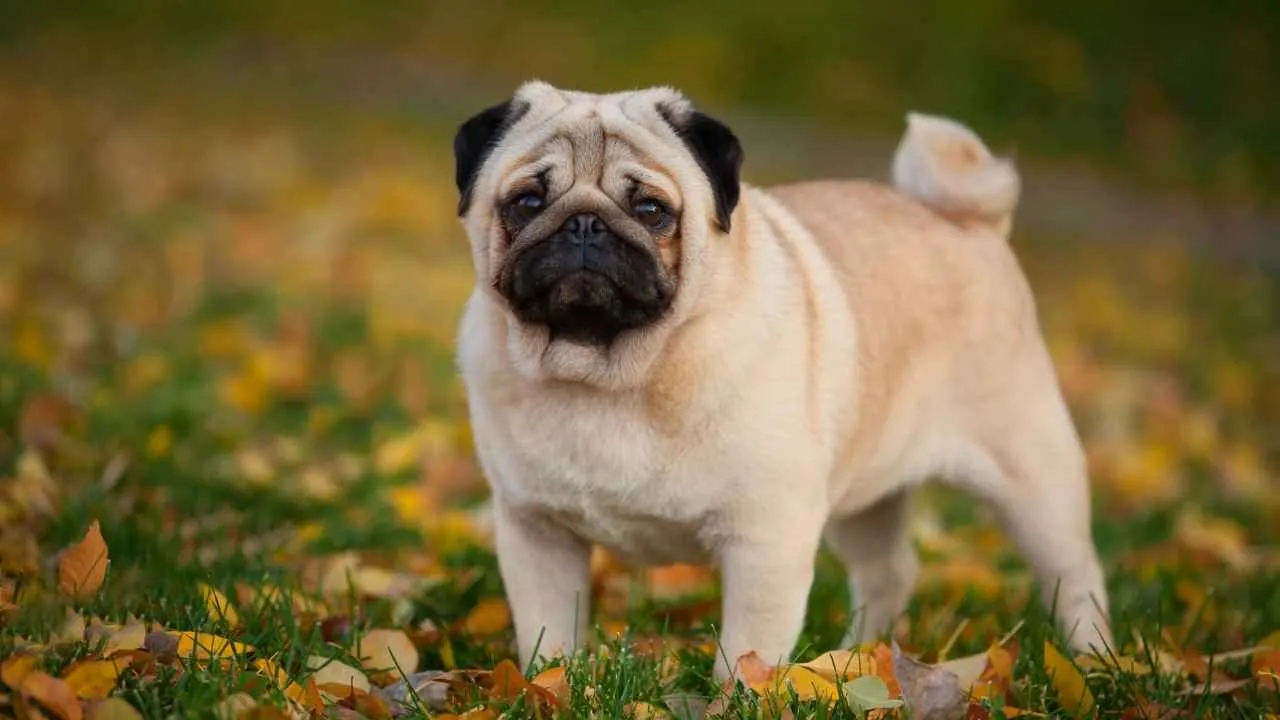
The pug originated in China during the Han Dynasty, from 206 BC to 200 AD, with evidence of pug-like dogs also found in ancient Tibet and Japan. Chinese emperors prized these compact companions so highly that they lived in royal luxury under the protection of soldiers.
Made for Quiet Homes
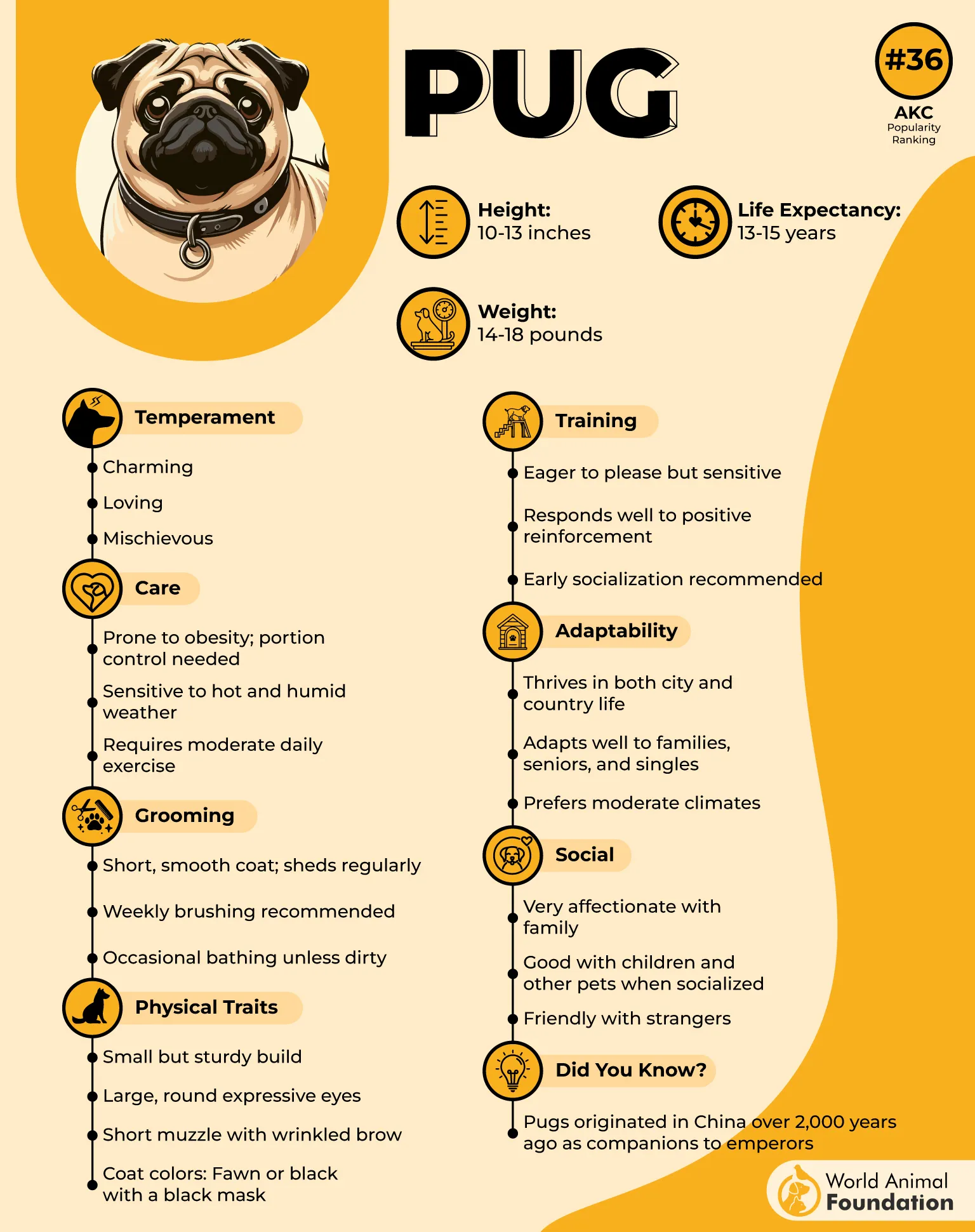
Pugs are especially suited to relaxed indoor routines, spending much of the day napping and needing less than an hour of daily exercise. Short 15-minute walks or brief indoor games can fit their lower energy level far better than demanding outdoor activities.
Their compact lifestyle is even easier to understand with these traits:
Apartment-friendly size and build
Speed typically limited to 5 to 10 mph
Usually quiet around visitors
A Little Personality
Pugs spent generations as lap companions, and their playful, childlike personality can bring plenty of entertainment into an otherwise quiet household. The old phrase “multum in parvo,” meaning “a lot in a little,” captures how much character this small dog can pack into one stout frame.
Note: The breed’s short muzzle and tiny nostrils also make heat and humidity a serious concern, with high temperatures associated with potentially fatal heat stroke, as Greencross Vets claimed.
4. Pekingese
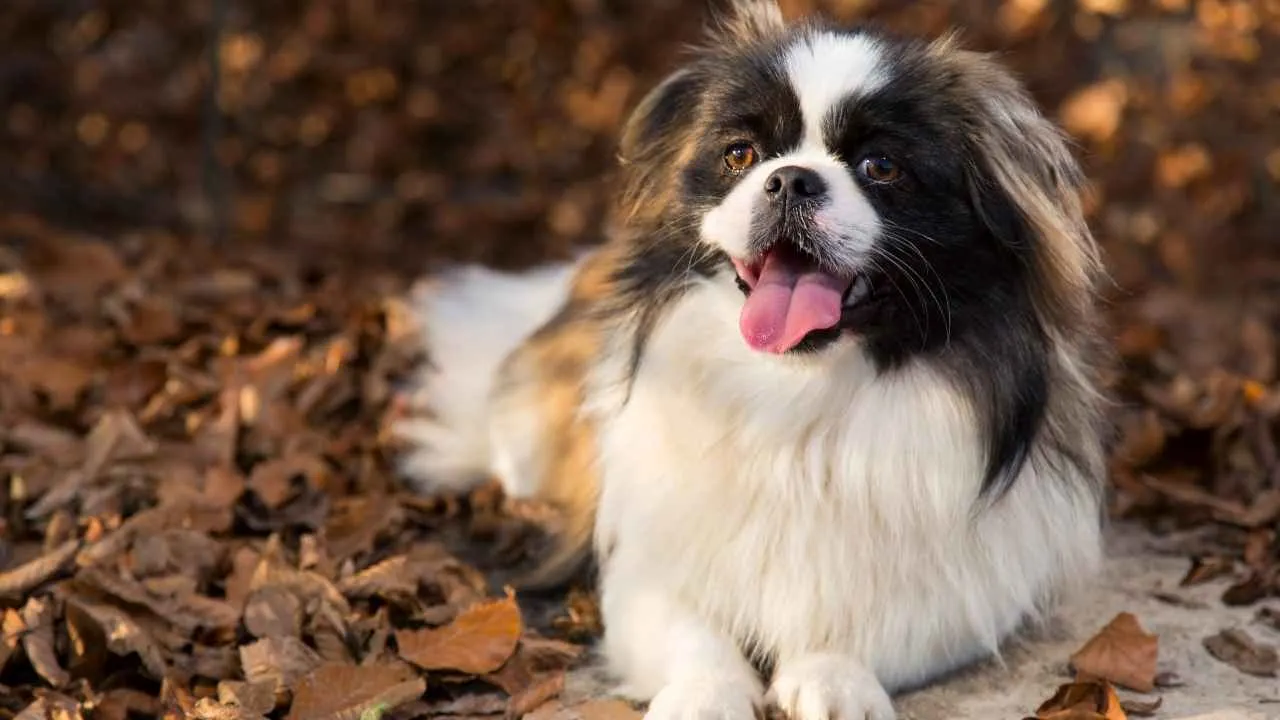
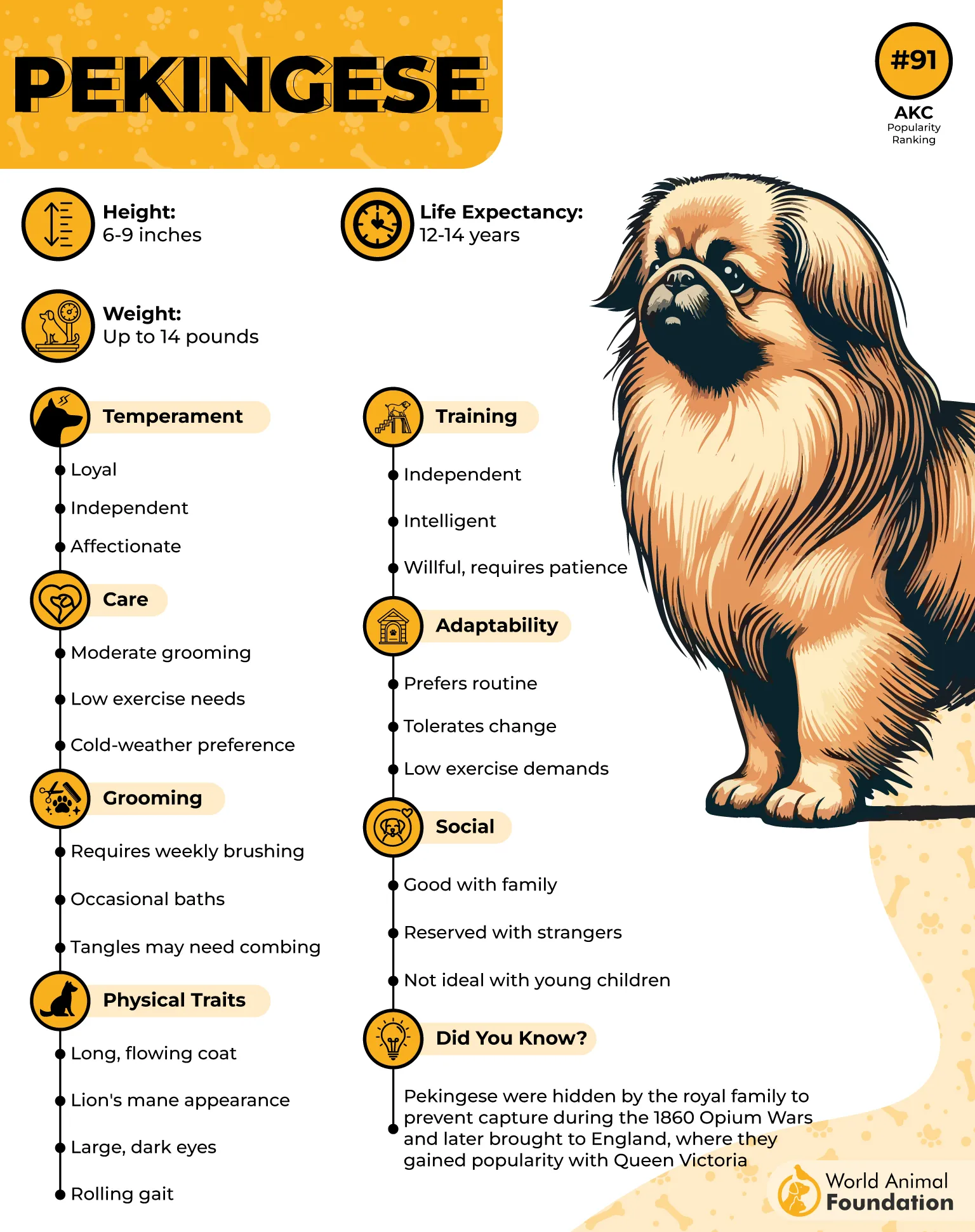
Pekingese belongs to one of the oldest recognized dog lineages, with DNA evidence placing the breed in China for at least 2,000 years. A famous Buddhist legend says the breed began as a lion reduced to dog size, while another explanation points to deliberate breeding by Chinese royalty for a smaller companion.
Made for Smaller Homes
They have moderate energy and need only limited daily exercise, making a compact home a practical setting for this short-legged breed. One or two 20- or 30-minute walks can provide enough activity, while longer outings may become difficult because of its build.
A few practical details matter for day-to-day life:
Comfortable spending hours indoors alone
Prefers couch time to strenuous outings
Needs protection from extreme heat
A Chosen Person
Pekingese can become especially devoted to one person in the household, following that individual closely and directing its strongest loyalty their way.
It can also live with children and other pets, although gentle handling and early socialization are important when introducing younger family members or animals.
5. Basset Hound
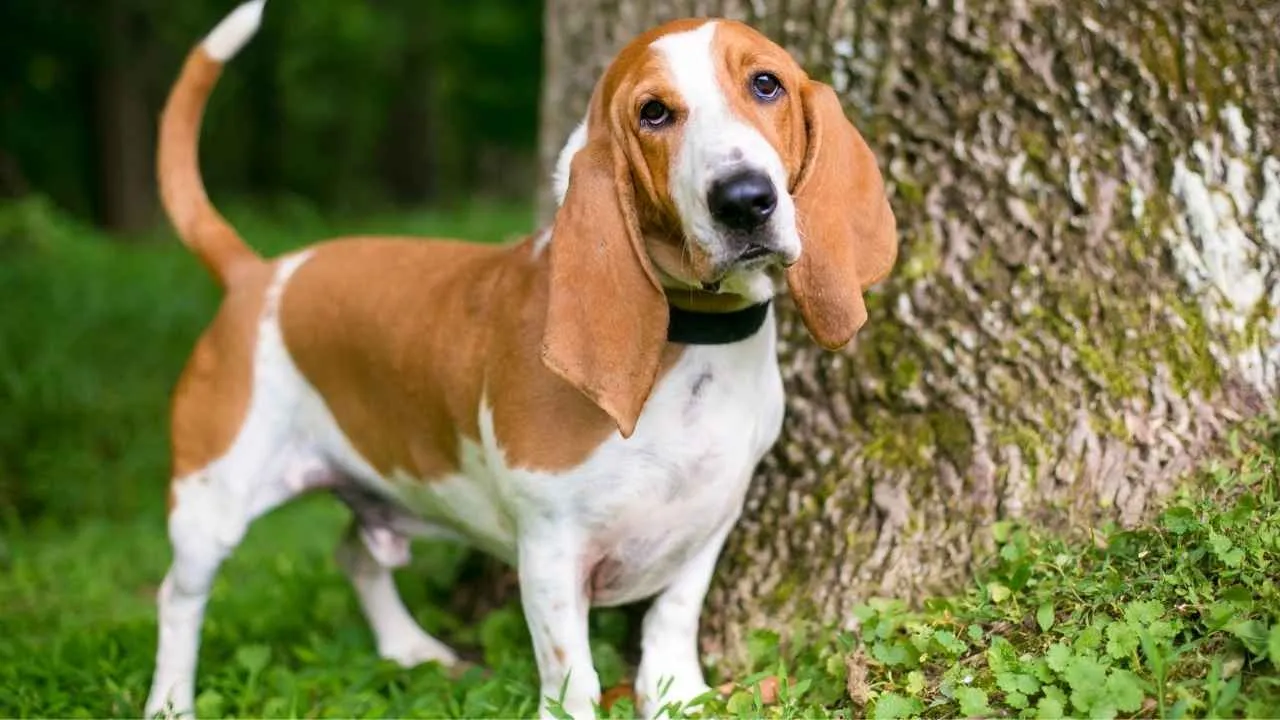
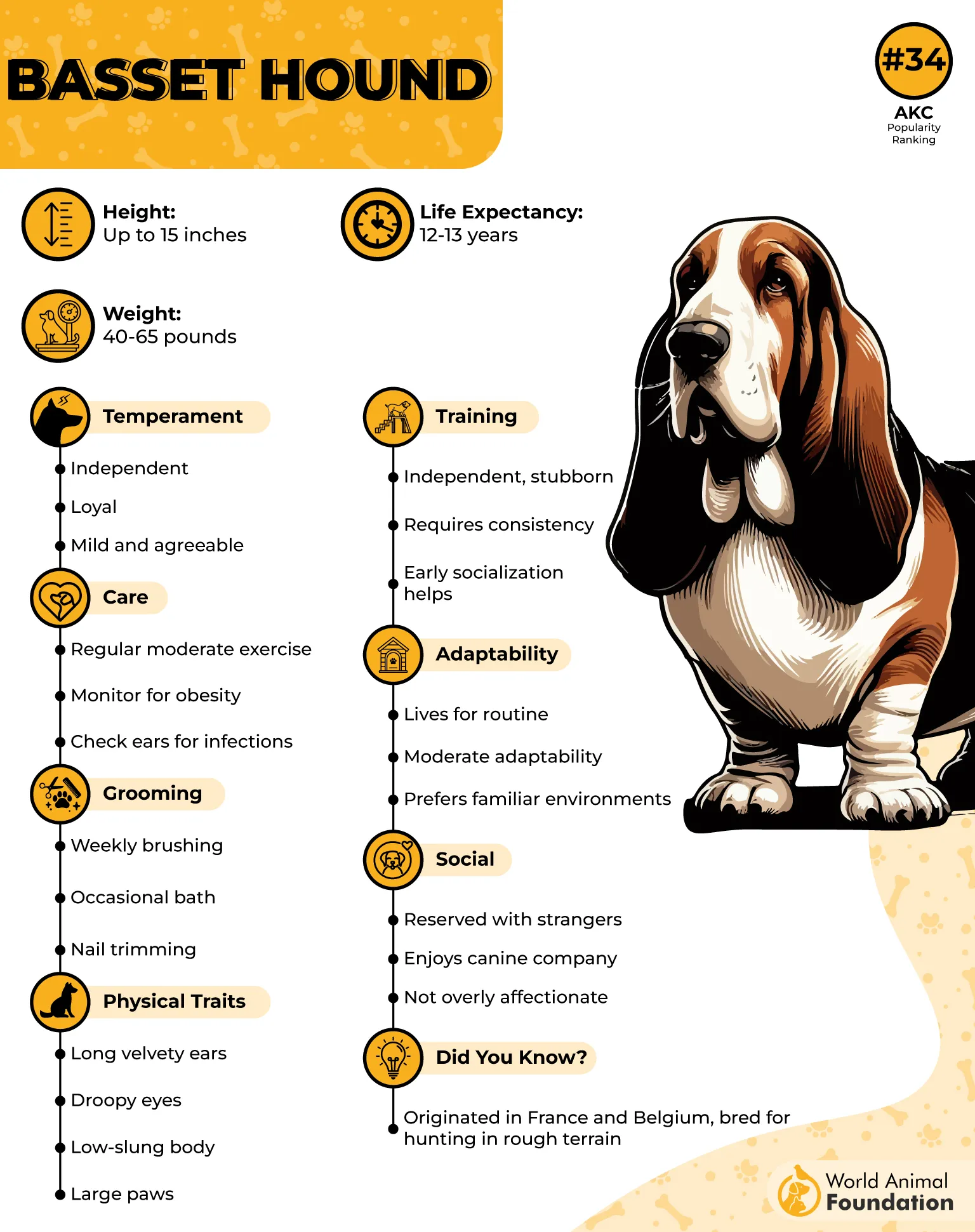
Basset Hound was originally bred in France and Belgium, where friars associated with the Abbey of St. Hubert are believed to have created a low-built scent hound from older French breeds. The name itself reflects that design, as “bas” means “low” and sometimes “dwarf” in French.
Made for Foot Hunts
This calm dog was bred to hunt rabbits and deer across rough ground while a human hunting partner walked behind. Its short legs kept it close to the ground, while accurate scent tracking made it useful for hunters on foot.
Away from the field, it is quite different:
Patient and affectionate with family
Can get along well with children
Enjoys company without constant attention
Quiet Company
Basset Hounds have a relaxed temperament that suits peaceful households and spend much of their day resting rather than seeking intense activity. These adult dogs can sleep for up to 20 hours a day, making long stretches of quiet time part of their routine.
6. Dachshund

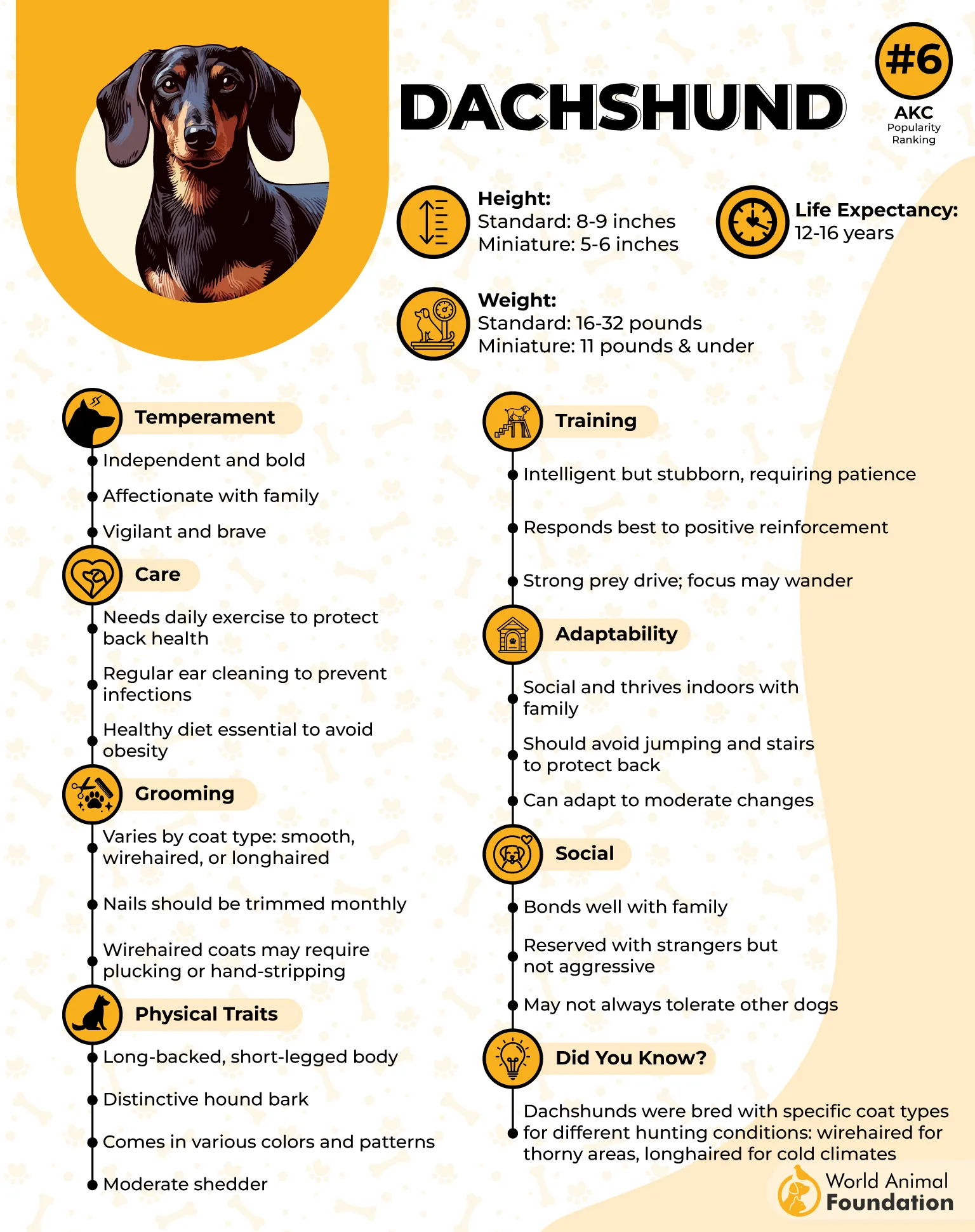
Dachshund originated in Germany as a hunting dog, with roots reaching back to the 15th century and more focused breeding efforts beginning in the 17th century. Its German name translates to “badger dog,” reflecting the specific quarry it was bred to pursue.
Quiet Company
Dachshunds can suit a low-key routine particularly well, with short 10-to-20-minute walks offering a simple way to satisfy their daily activity needs. At home, their compact frame also makes indoor play and stimulation practical when outdoor plans are limited.
This is what adds more personality without changing that easygoing rhythm:
Long-coated varieties tend to be calmer
Wire-coated varieties are more playful and outgoing
Smooth coats tend to have livelier temperaments
A Selective Social Circle
Dachshunds can be suspicious of unfamiliar people and other dogs, while forming particularly intense attachments to one or two favorite humans. Its clever, persistent nature can also bring plenty of determination into everyday interactions, especially when it has decided what it wants.
7. French Bulldog
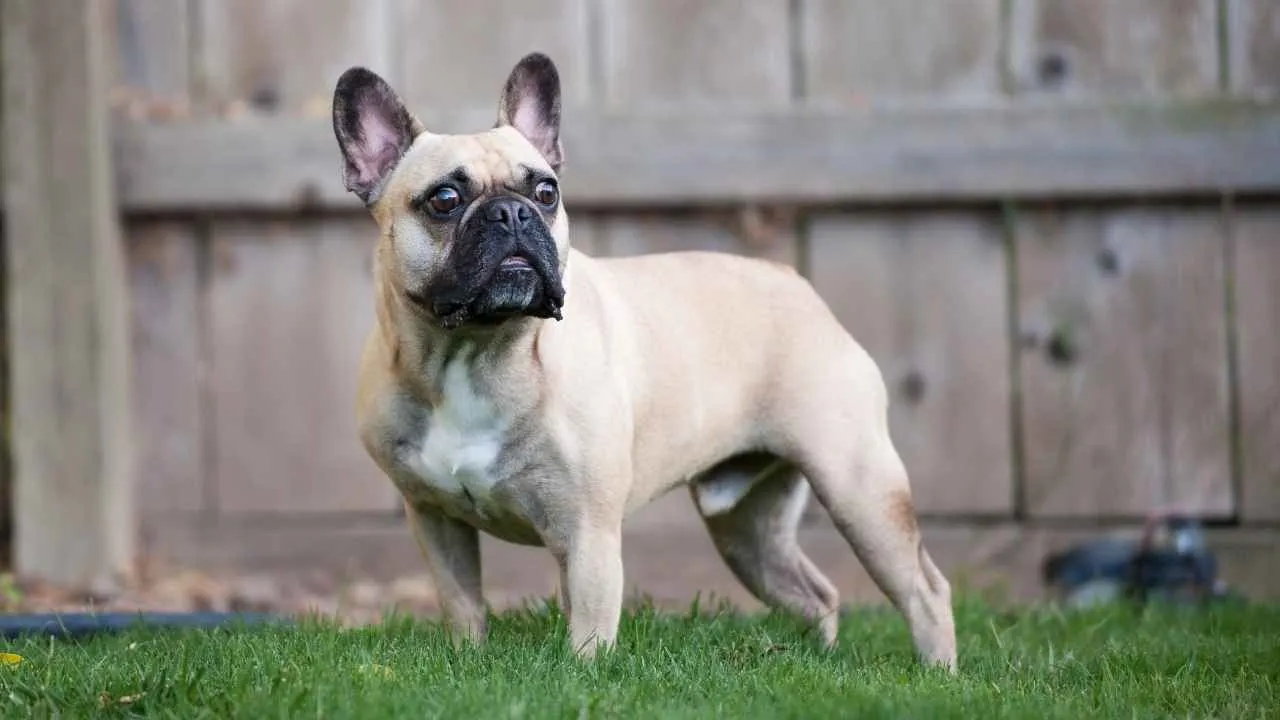
French Bulldog began in England as a smaller version of the Bulldog, gaining favor among lace makers before accompanying workers who emigrated to France. By the late 1800s, the breed had reached the United States, where it quickly attracted attention among upper-class women.
Quiet Apartment Companion
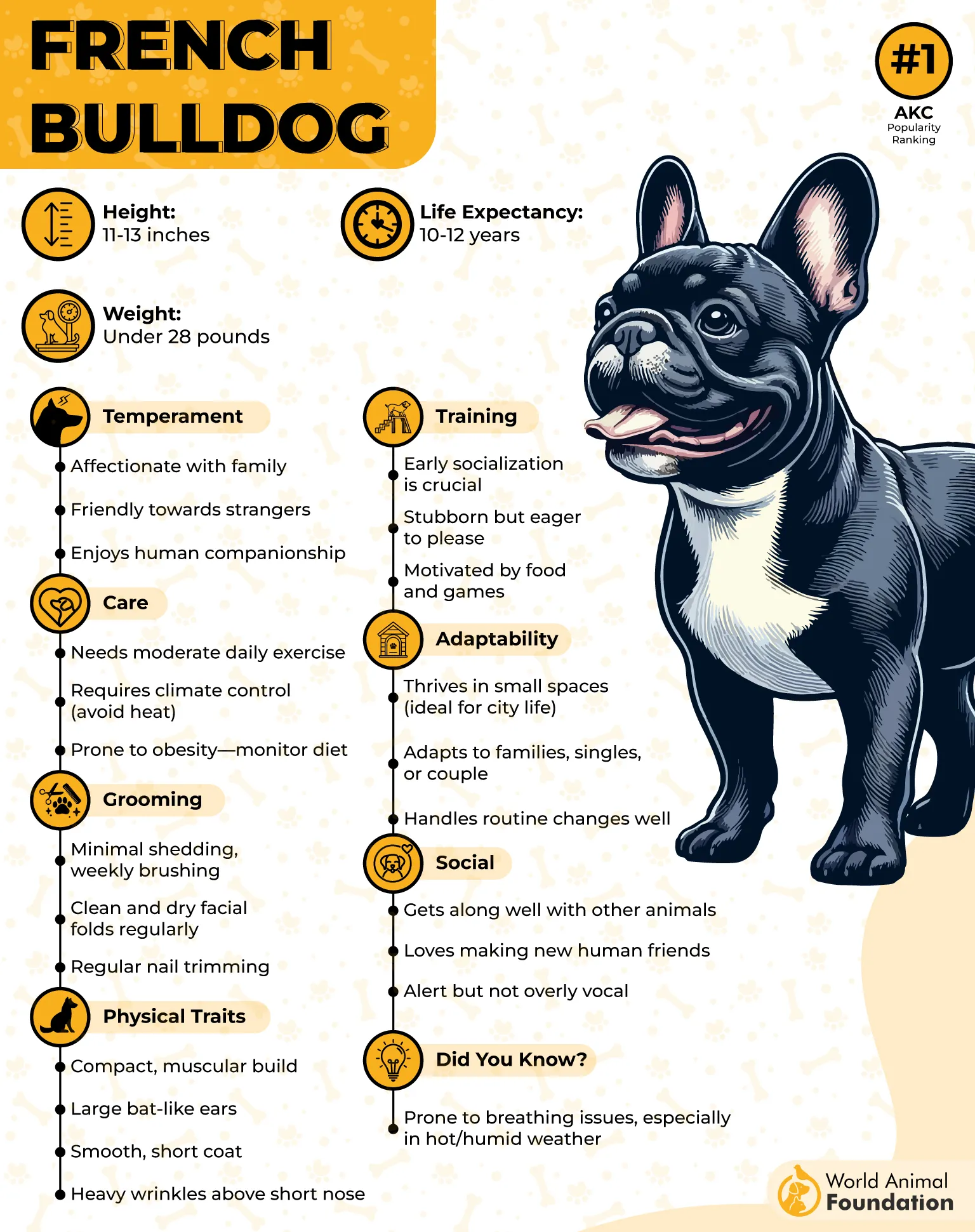
Frenchies live well in quieter homes because it needs only modest daily activity, with several brisk 15-minute walks or a few short play sessions often enough for their routine. Their low tendency toward excessive barking can also suit apartment living.
This is what makes its compact lifestyle especially practical:
Happy with a few hours on the couch
Enjoys short games of fetch
Generally enjoys the company of different ages and children
A Playful Personality
French Bulldogs can switch between a relaxed lap companion and an eager playmate, giving introverted households room for both calm evenings and occasional bursts of fun. Consistent training, patience, encouragement, and treats can help channel its strong personality into household routines.
Conclusion
The best dog breed for a quiet dog person is not necessarily the one that wants to sleep all day. A better fit may be a companion that enjoys gentle activity, appreciates affection, and knows how to settle when the house becomes calm. Those qualities can make everyday companionship feel natural instead of demanding.
Regular walks, play, training, social interaction, and balanced dog food still matter, even with a relaxed personality. Looking across the dog world can help avoid a poor match, since even couch potatoes need proper care and attention. With the right balance, peaceful days at home can still offer plenty of companionship without feeling overwhelming.
