




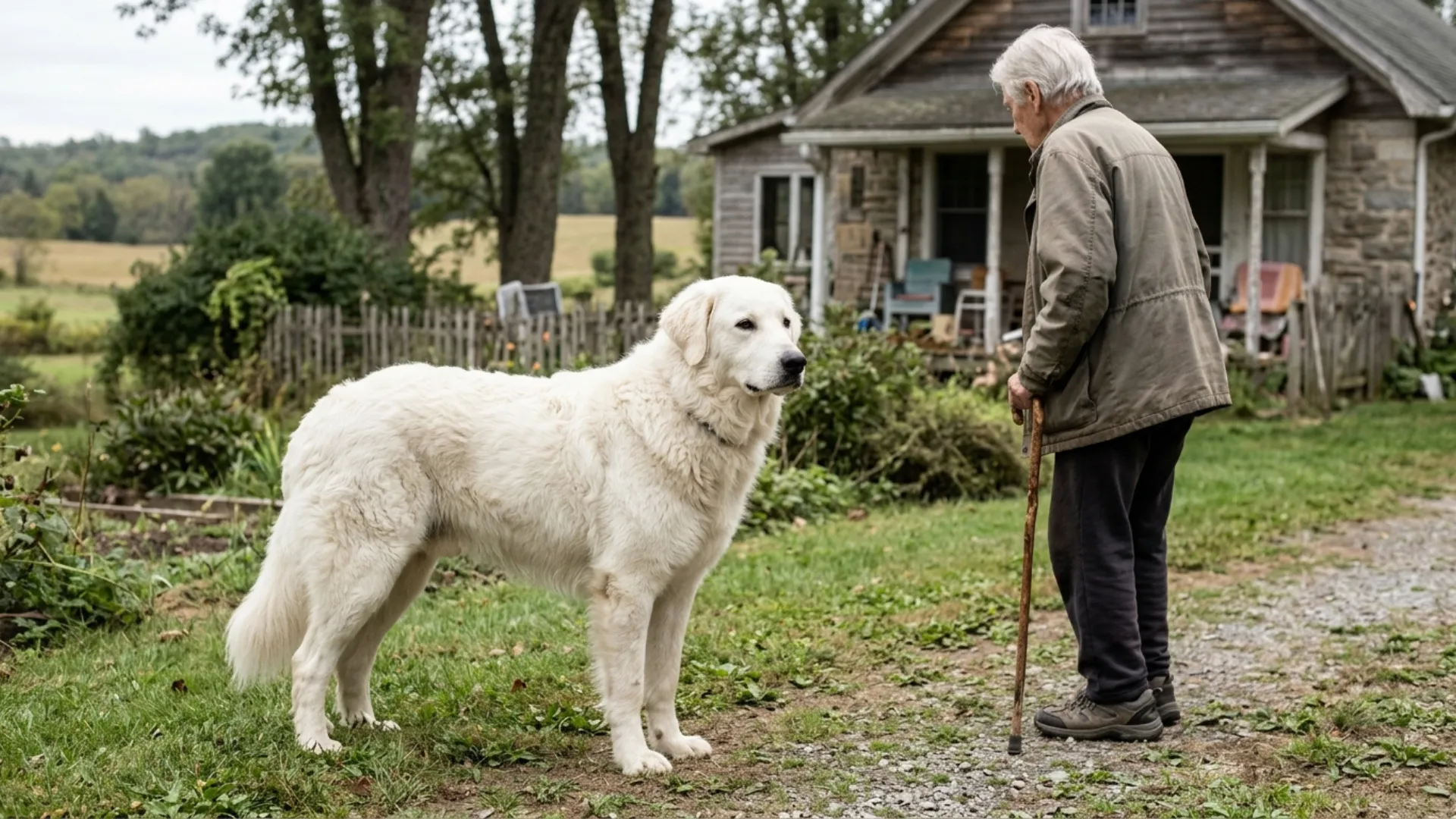
For many older adults, feeling secure at home comes down to everyday details. Someone approaching the front door, a noise outside after dark, or the prospect of walking alone can make a familiar routine feel less comfortable.
A well-matched dog can bring reassurance through companionship, awareness, and predictable behavior. Dogs also need regular walks, feeding schedules, grooming, and veterinary attention, so their care must fit the owner’s physical abilities and available support.
Seniors who experience joint pain or difficulty maintaining balance may benefit from considering a dog’s adult size, leash manners, and energy level before making a commitment. Temperament deserves equal attention because protective behavior without reliable control can become difficult to manage.
The breeds featured in this article offer different combinations of resilience, companionship, and watchfulness for senior households.
Key Takeaways
Feeling safe at home can start with a dog that knows its surroundings, notices unusual activity, and stays close to the people it trusts.
The Newfoundland is famous for its water rescue abilities, while the Kuvasz once earned the trust of a Hungarian king who reportedly relied on these dogs more than some people around him.
The Great Pyrenees brings centuries of livestock-guarding experience, and the Broholmer adds a deep bark and a naturally watchful presence to the mix.
Keep reading to discover which other powerful breeds offer a reassuring presence at home and what seniors should consider before bringing one into their lives.
Resilient Dog Breeds That Protect Seniors Calmly
1. Newfoundland
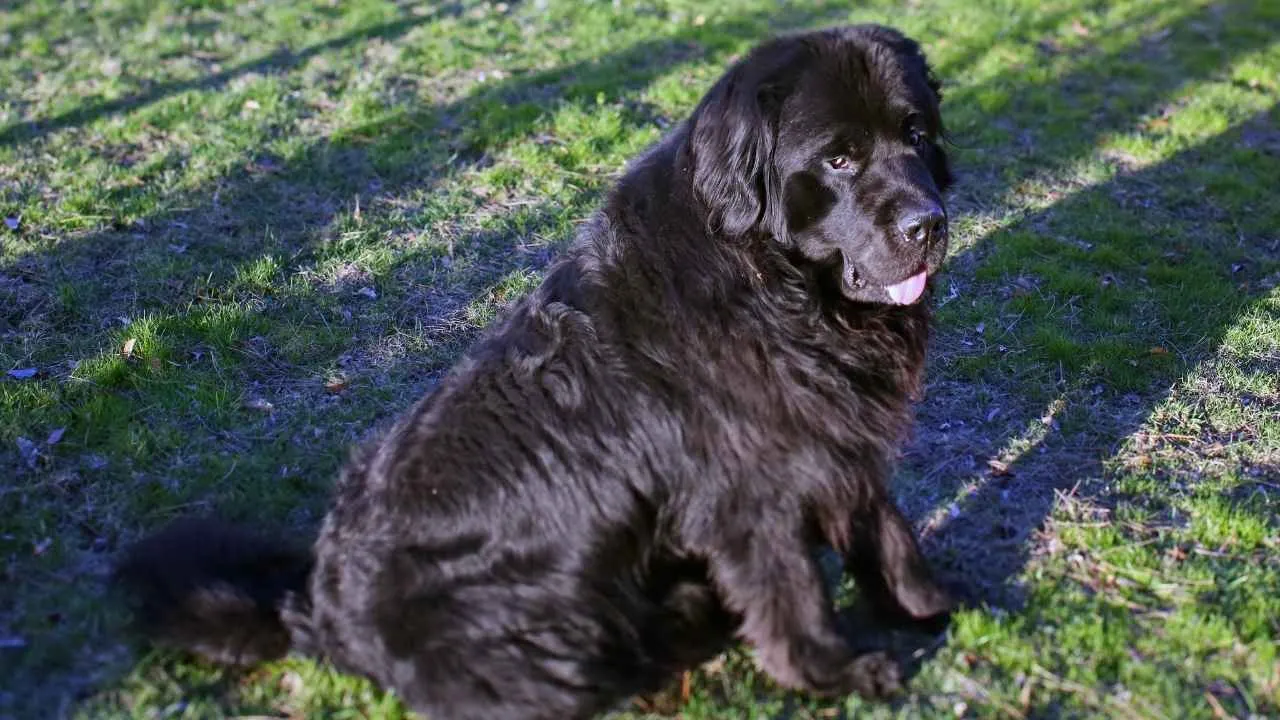
Newfoundland has a long history on the Canadian island of the same name, where its strength and swimming ability made it valuable to fishermen working in cold waters. The first written record of the breed dates to 1775, though its early history is not fully known
A Natural Protector
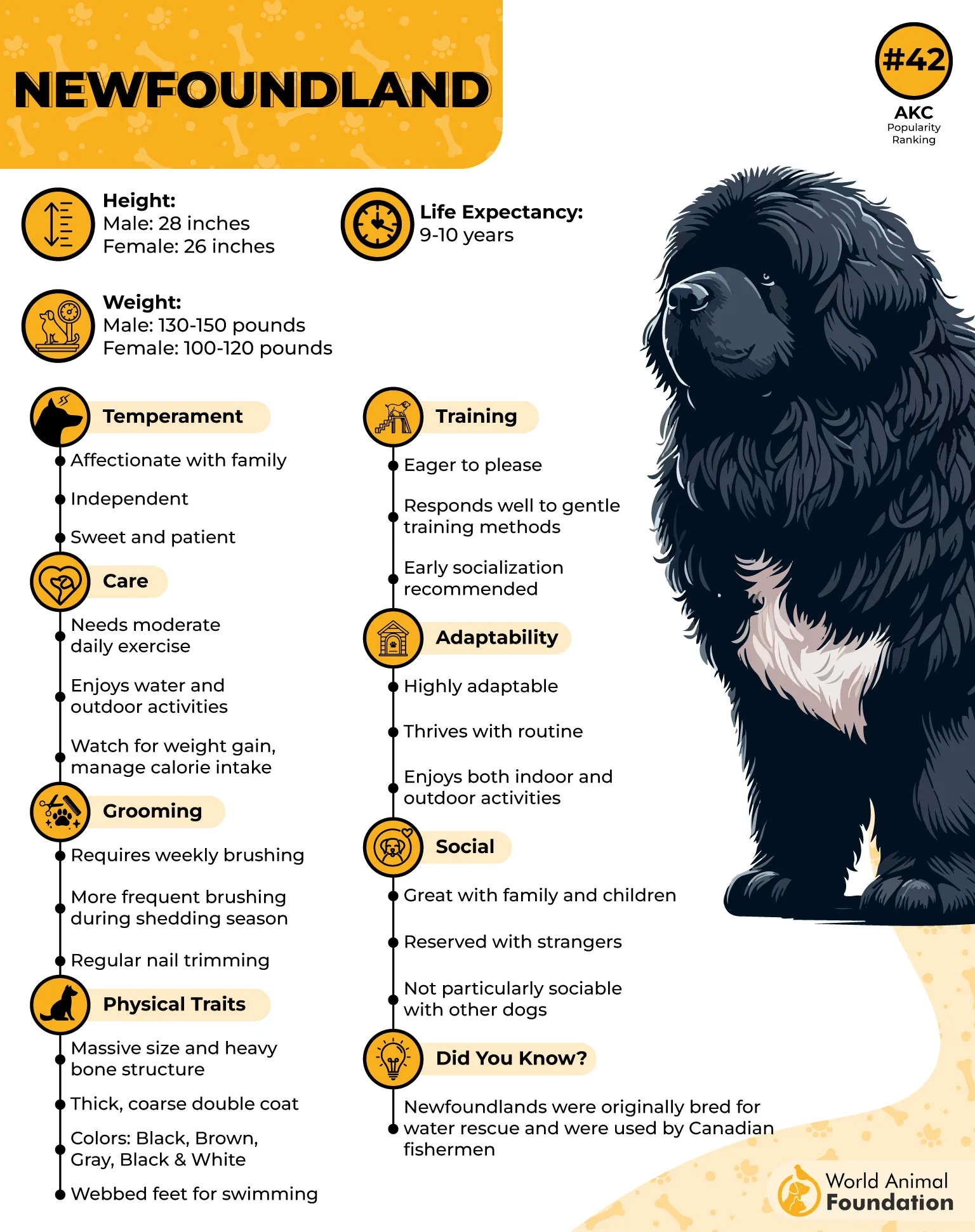
This guard dog breed has a broad chest, webbed feet, and a thick, water-resistant double coat that helps it handle cold-water conditions, as Hill’s Pet describes.
Its strength and swimming ability are especially valuable in water rescues, where Newfoundlands have become famous for helping distressed swimmers reach safety.
Three physical features deserve particular attention:
Webbed feet suited to swimming
Dense coats in black, brown, gray, or Landseer coloring
Broad chests and sturdy frames
Calm but Watchful
Newfoundlands are generally preferred for quiet guardianship and may only alert their family members when something seems wrong. If a threat arises, it may position itself between a loved one and danger, while its enormous size requires care around very small pets that could be injured accidentally.
2. Kuvasz
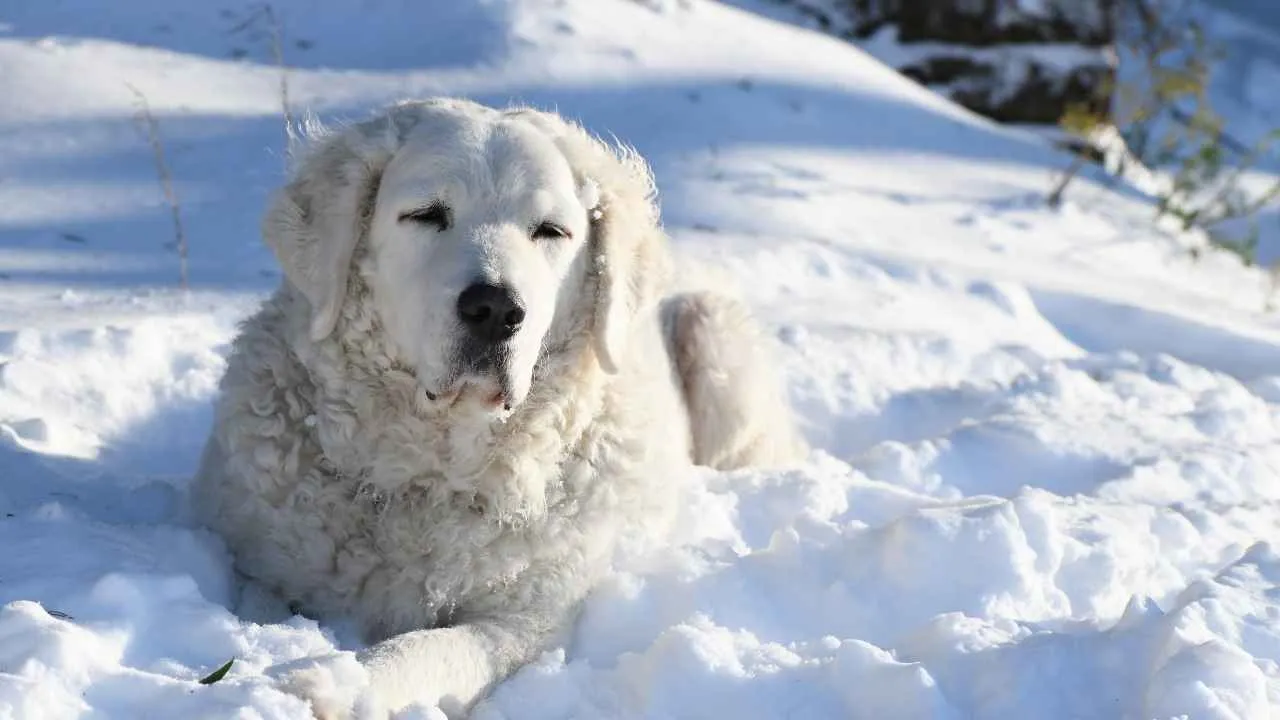
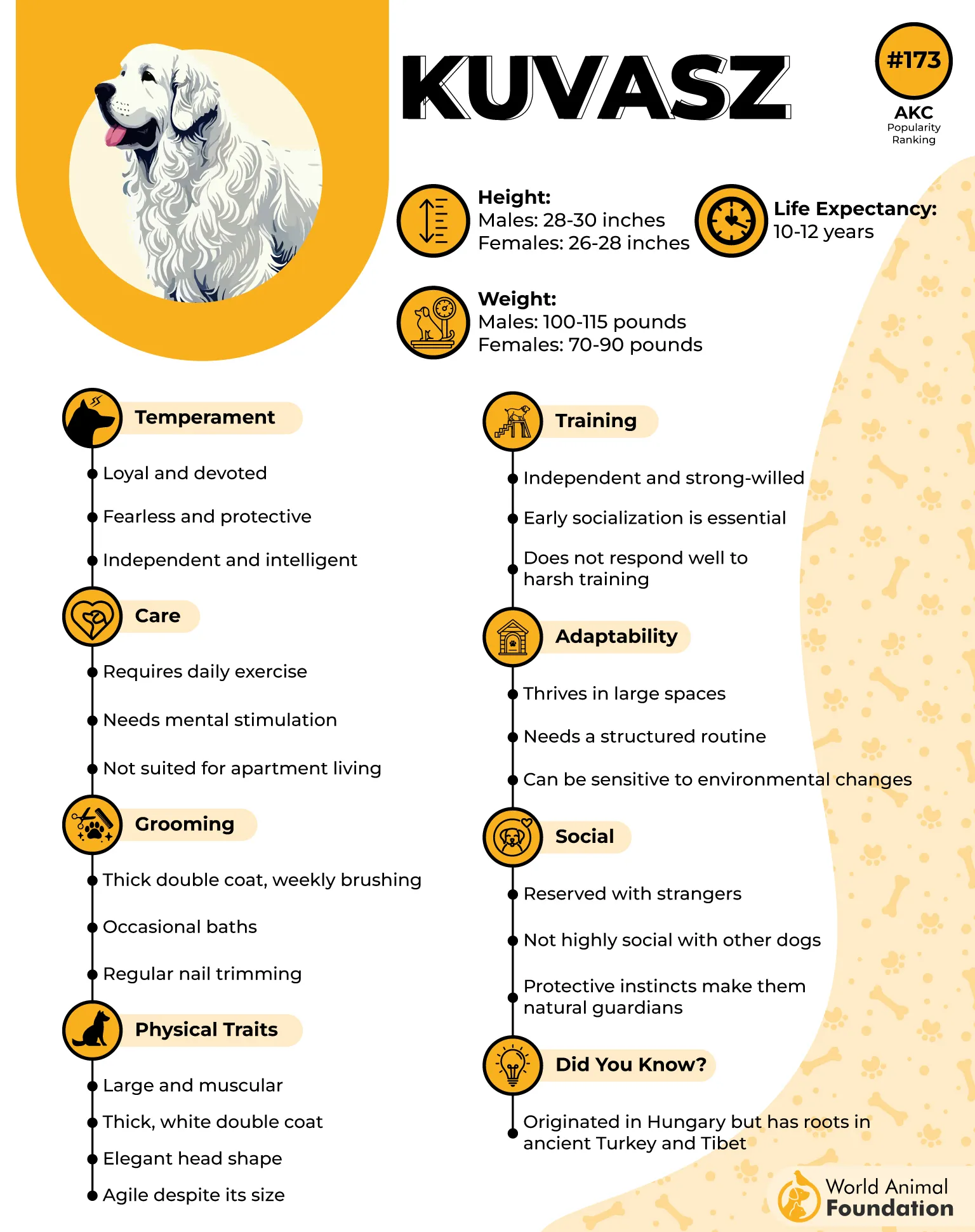
Kuvasz has a long journey behind it, with roots believed to reach Tibet before the breed passed through Turkey and eventually became established in Hungary.
By the 15th century, King Matthias reportedly trusted his Kuvasz dogs so deeply that he placed greater confidence in them than in some people around him.
A Watchful Presence
This guard dog was bred to protect livestock across open pastures, using its keen senses and independent judgment to assess unfamiliar activity.
Its thick white double coat provides insulation outdoors, while its pale coloring helps shepherds distinguish the dog among their sheep.
Here’s its approach to guarding:
Checks familiar fence lines and territory
Becomes particularly alert after dusk
May place itself between loved ones and unfamiliar visitors
Calm Until Concerned
Kuvasz can be composed around ordinary farm activity, yet unfamiliar people entering its territory may trigger deep, persistent barking. Careful socialization from puppyhood helps it become more comfortable with visitors and familiar animals while learning appropriate responses to potential threats.
3. Broholmer
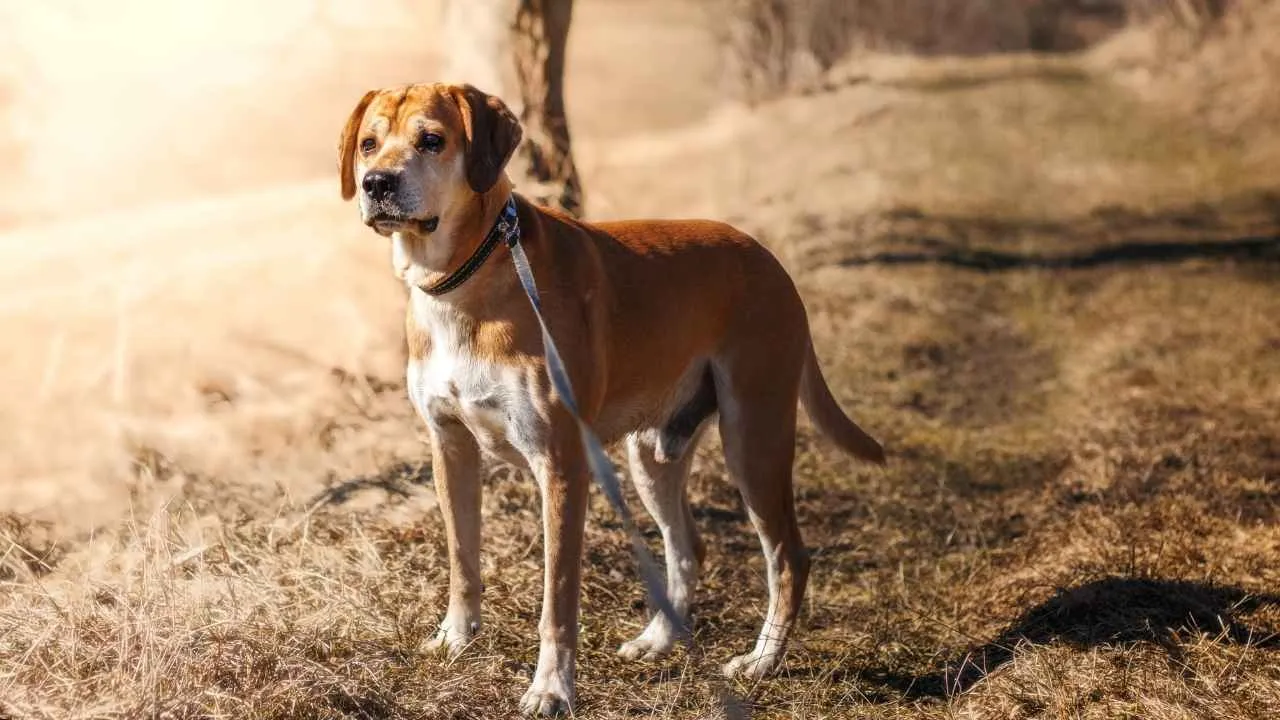
Broholmer has served Danish communities since the Middle Ages, first assisting with stag hunting before taking on guarding duties at farms and large estates.
By around 1800, it was common enough near Copenhagen to earn the nickname “butcher’s dog,” often seen resting outside local butcher shops.
A Calm Household Guardian
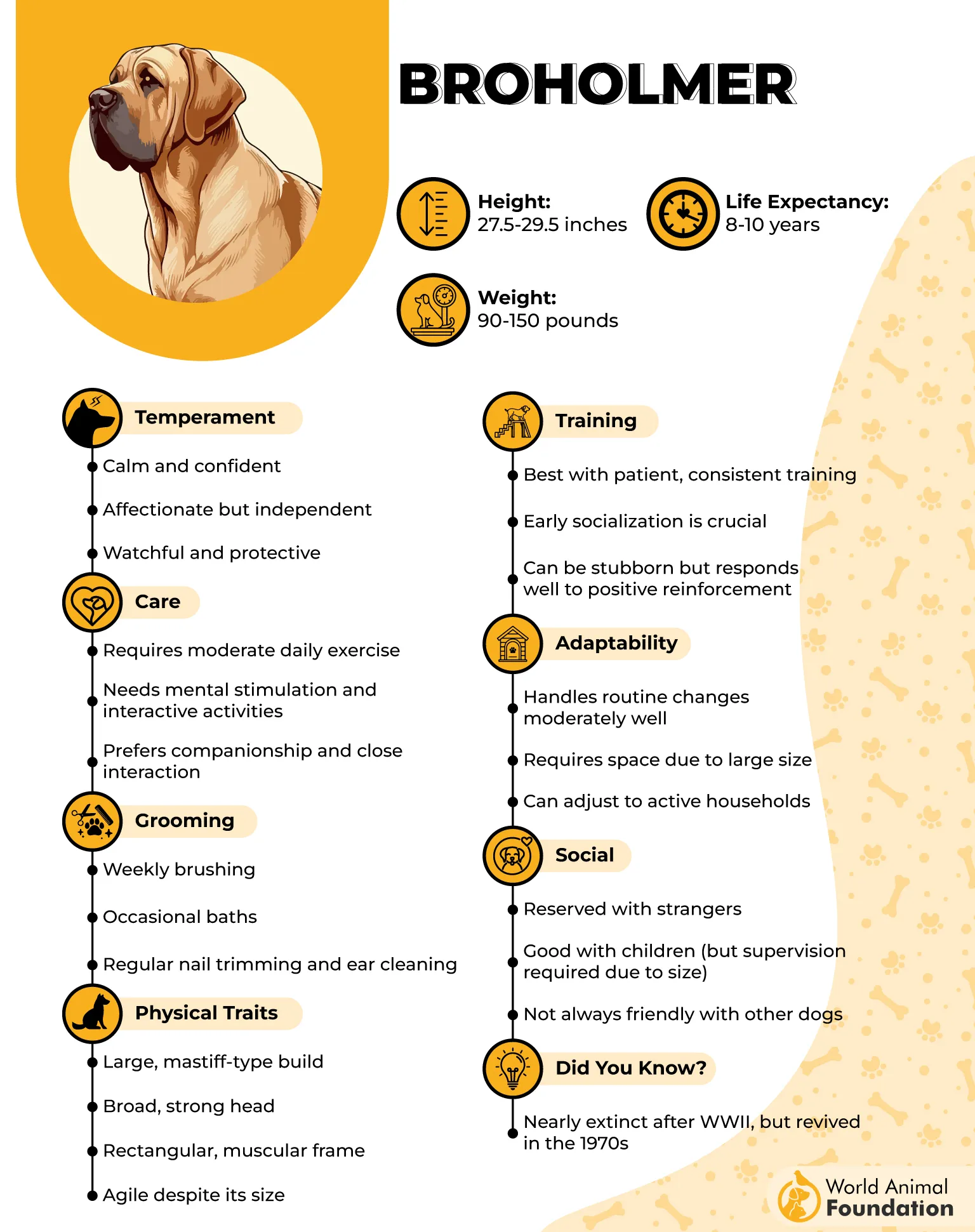
For seniors seeking a reassuring presence at home, the Broholmer’s naturally affectionate nature is an important consideration, as noted by the AKC. It tends to be composed around familiar people while remaining attentive to unfamiliar visitors approaching its home.
Three details help explain its guarding role:
Deep bark that can deter unwanted visitors
Mastiff-like build with a broad, powerful head
Naturally alert posture when attentive or excited
Training Needs
This great guard dog is intelligent and self-assured, but its stubborn streak calls for consistent handling and proper training into adulthood. Its substantial size makes reliable leash manners and clear household rules especially important for people with limited strength or balance.
4. Great Pyrenees
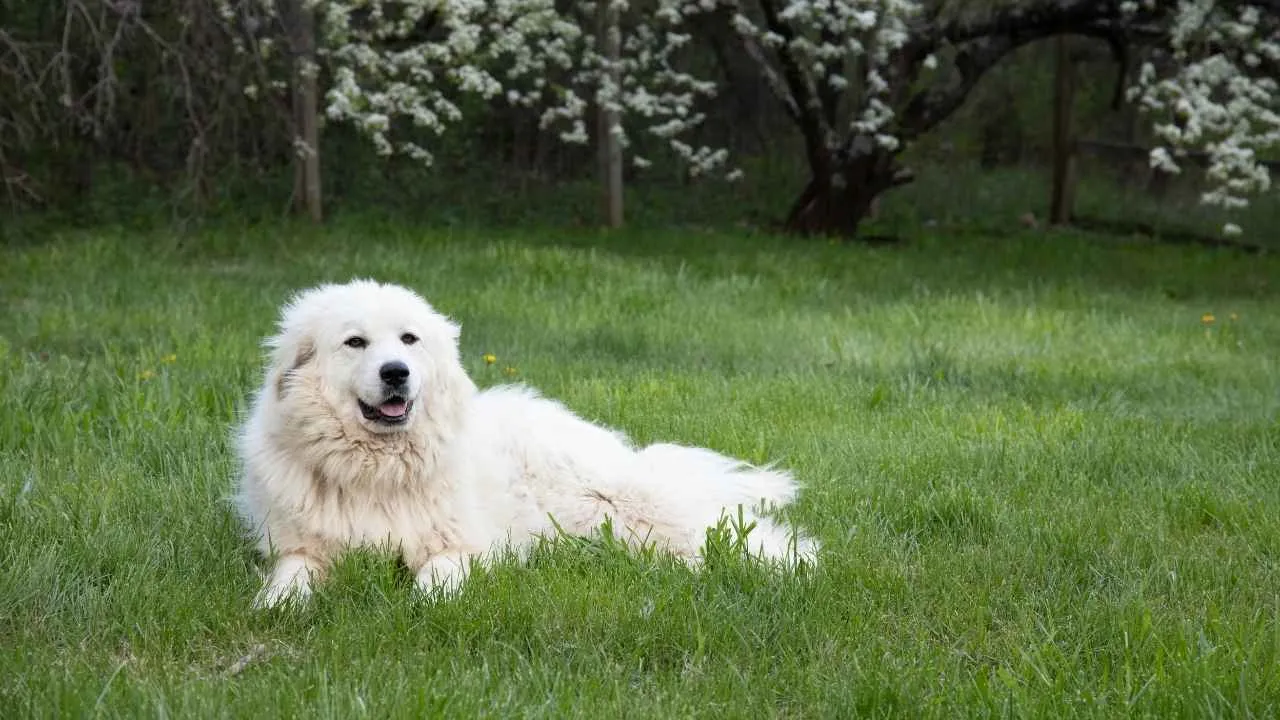
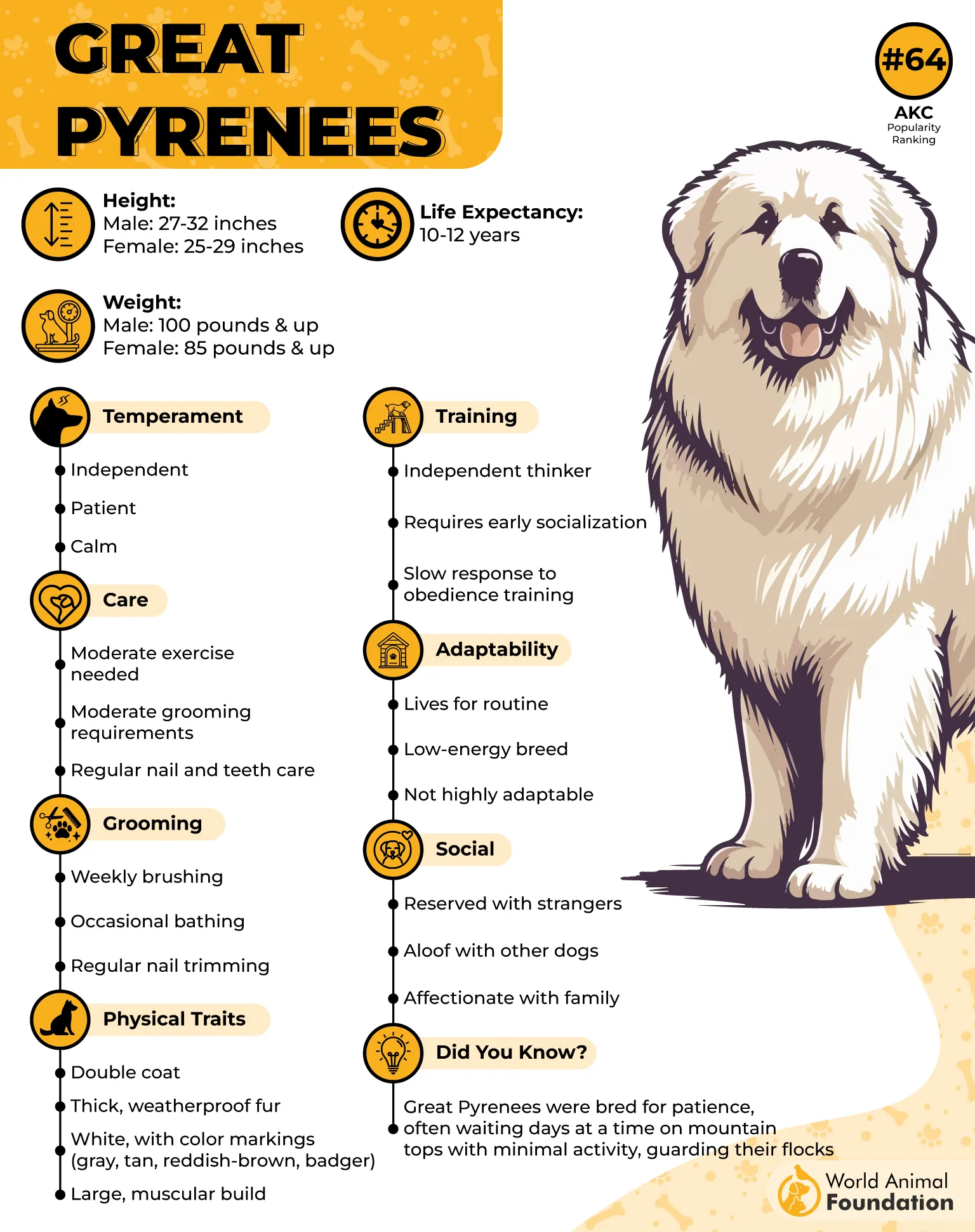
Great Pyrenees guarded sheep and goats for centuries in the Pyrenees Mountains, where its job required patience and independent judgment. In 1675, King Louis XIV named it the royal dog of France, bringing a mountain livestock guardian into the spotlight of French court life.
A Watchful Presence
This naturally protective breed often assesses unfamiliar activity before reacting, using its deep bark and imposing size to discourage unwanted approaches.
Its thick double coat provides insulation against cold, wind, and snow, while its strong territorial instincts suit a home with clearly defined boundaries.
Three details help explain its protective style:
Often more alert after dusk.
Revisits familiar edges of its territory.
Has rear double dewclaws, a distinctive breed feature
Gentle With Family
Great Pyrenees is often affectionate with children and can be careful around smaller animals, reflecting its traditional role among vulnerable livestock, as the UKC reported.
Its commanding presence calls for sensible supervision during play, while early socialization helps it respond appropriately to visitors and unfamiliar dogs.
5. Rhodesian Ridgeback
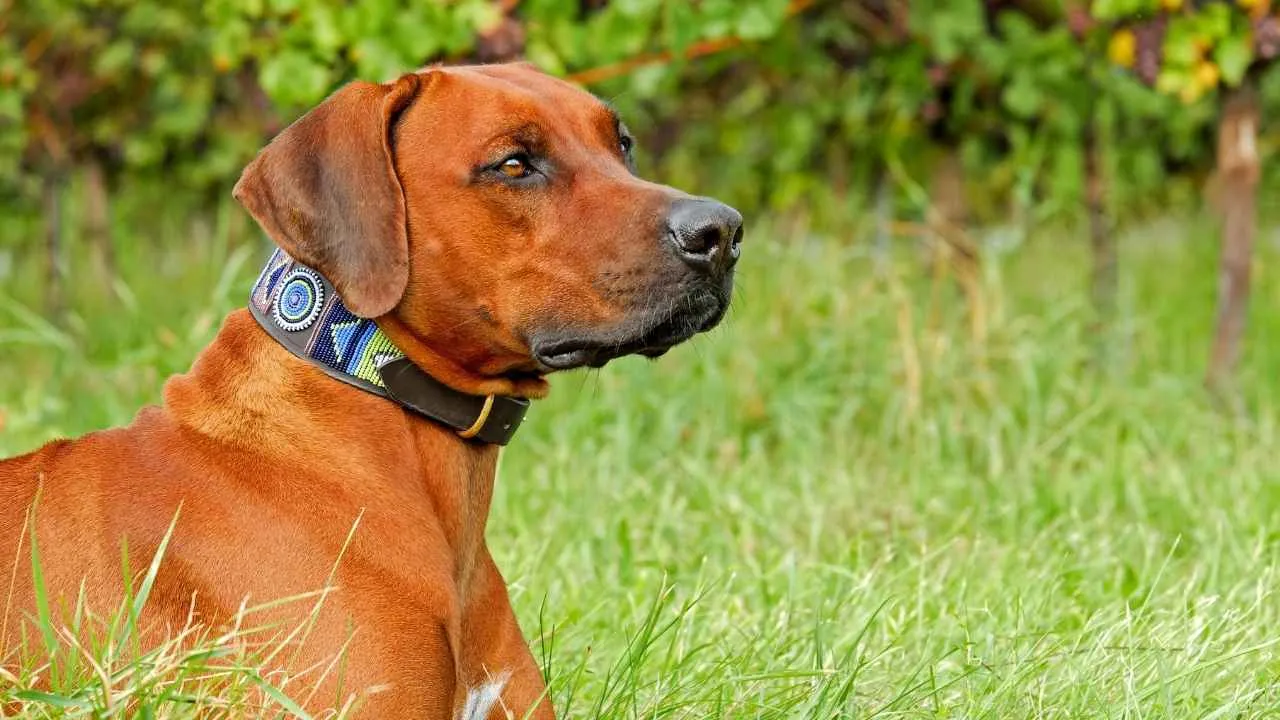
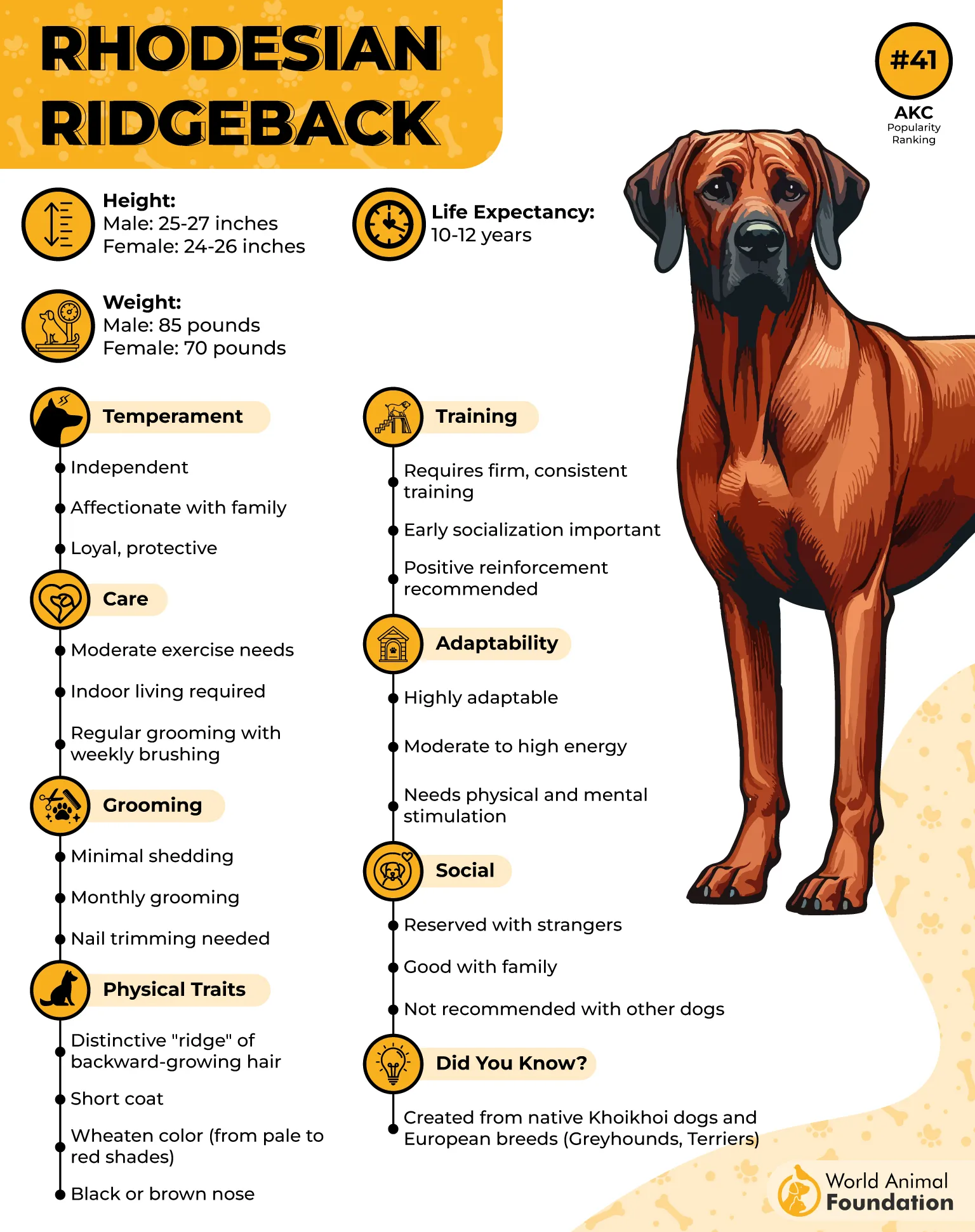
Rhodesian Ridgeback traces its early development to crosses between European dogs brought by settlers in the 16th and 17th centuries and native African hunting dogs. By the late 1800s, these powerful dogs were being used in Rhodesia, now Zimbabwe, to track and hunt lions.
A Watchful Companion
This breed has keen eyesight and a strong sense of smell, helping it notice unfamiliar activity around the home. Its reserved response to strangers, combined with a deep, occasional warning bark, can suit a household that needs a calm but attentive companion for an older adult.
The following details matter when considering this breed:
Strong chase instinct around fast-moving animals
Early socialization with visitors
Consistent boundaries during firm training
Changing With Age
Young Rhodesian Ridgebacks often have plenty of energy and can make excellent jogging partners for active seniors who enjoy regular outdoor exercise.
As they grow older, many become more relaxed at home, while their short, dense coat requires relatively little grooming and does not have heavy feathering that readily collects outdoor debris.
6. Boerboel

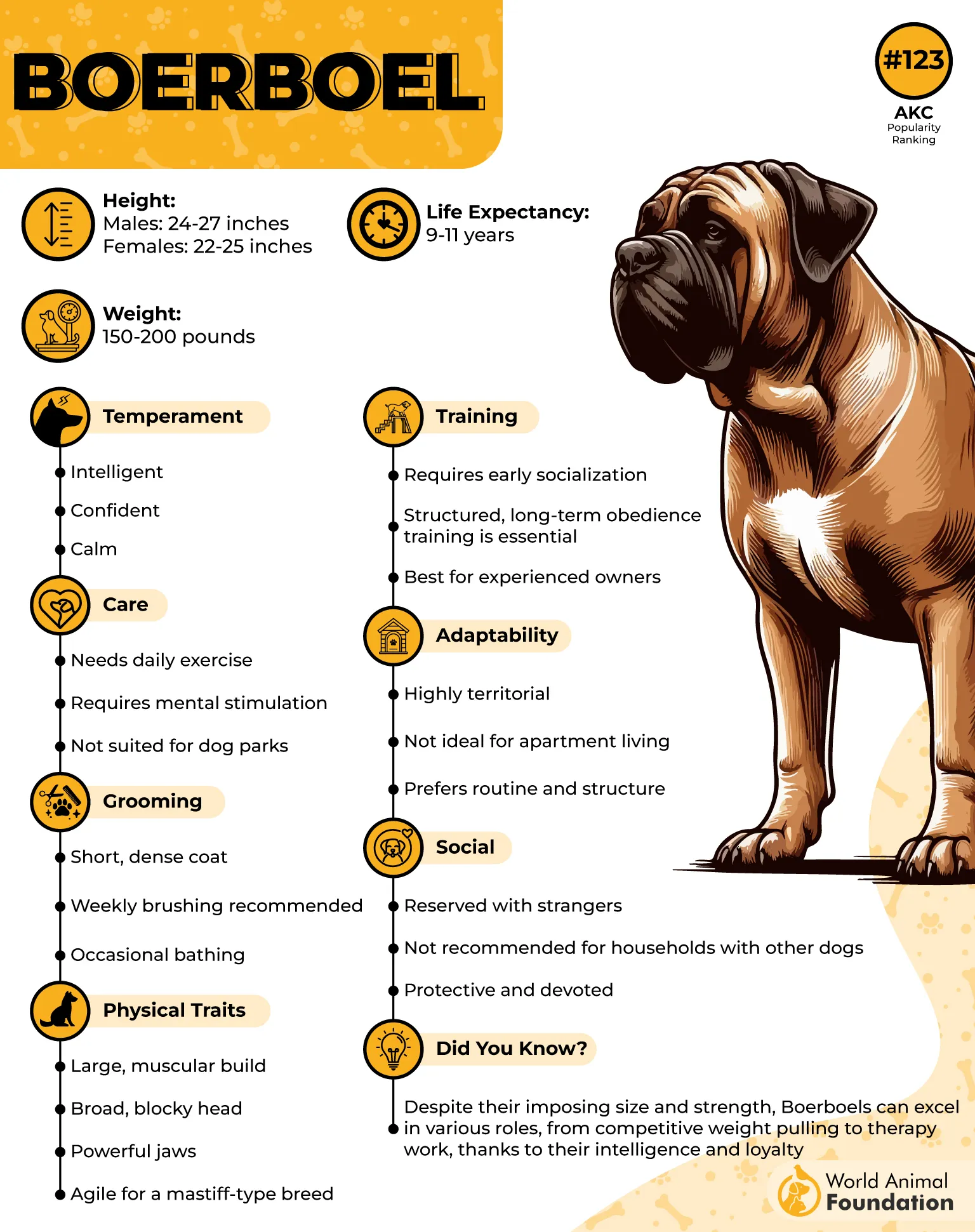
Boerboel was originally bred in South Africa after Dutch, German, and Huguenot settlers arrived during the 1600s with large dogs used for guarding and hunting.
Crossbreeding with dogs possibly including Bullmastiffs, Rhodesian Ridgebacks, English Bulldogs, and local South African dogs helped shape the breed.
A Serious Guardian
Boerboel takes its protective role seriously, often relying on its imposing size and watchful nature rather than frequent barking. Around older adults, its guarding instincts require careful management, firm handling, and early socialization to help it respond appropriately to visitors.
These considerations shape life with this massive-sized breed:
Begin obedience and socialization while young
Introduce unfamiliar people carefully
Usually unsuitable for homes with other pets
An Experienced Handler
Boerboel is intelligent and willing to please, but its strong-willed nature calls for a confident person who can provide consistent direction throughout its life.
For seniors considering this breed, its substantial strength and serious protective instincts make previous experience with powerful guardian dogs particularly valuable.
7. Mastiff
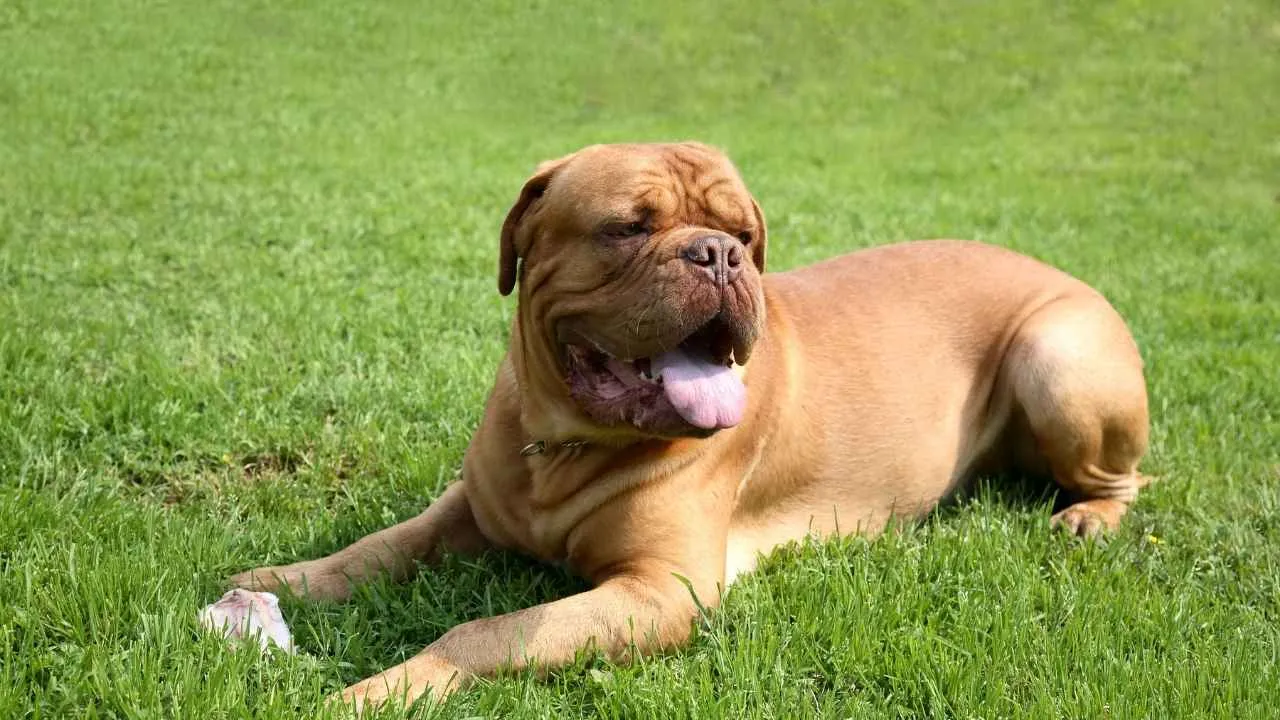
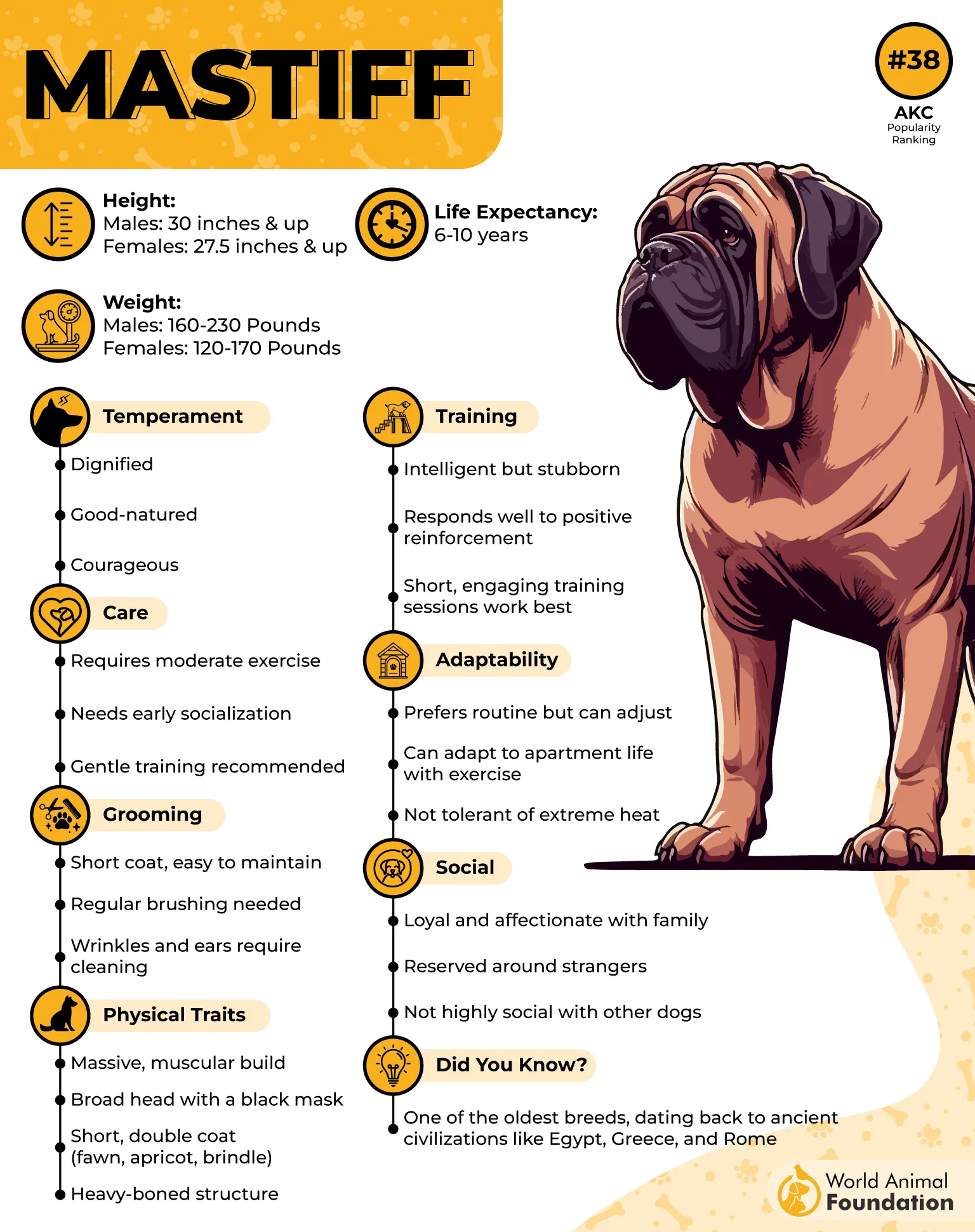
Mastiff developed in England, with ancestry linked to ancient Molosser dogs believed to have come from Asia thousands of years ago. English Mastiffs once served as war dogs and guards, and were used in bull and bear baiting before those blood sports were outlawed in the 1800s.
A Powerful Presence
The enormous frame and deep, booming bark of this formidable protector can alert an older person to unfamiliar activity around the home without constant noise.
The breed generally barks to warn its family about strangers or unusual sounds, although its suspicions may sometimes be misplaced.
Three details matter when considering this breed:
556 PSI bite force: A reported measurement of its powerful jaws.
Its considerable strength makes early training important
Needs enough room to turn, lie down, and pass through household spaces comfortably
Careful Introductions
Mastiffs may approach unfamiliar visitors, delivery workers, or unexpected guests with suspicion because of their protective instincts. Early socialization and reward-based training help teach the dog how to respond appropriately when friends visit or unfamiliar people approach the house.
Conclusion
For older adults, a dependable dog can bring reassurance without making everyday life more difficult. A watchful dog with a strong protective instinct may alert you to someone approaching the house, while an incredibly affectionate companion can support your mental well-being and make quiet evenings feel less lonely. Still, the dog’s size, strength, energy level, and temperament deserve careful attention.
Walking a powerful animal or managing its reactions to visitors can become challenging without proper training and support. A properly trained dog is easier to manage, but you should still consider your physical abilities, available help, and daily schedule before committing. A good match should provide companionship and awareness while remaining manageable throughout the dog’s life.
