




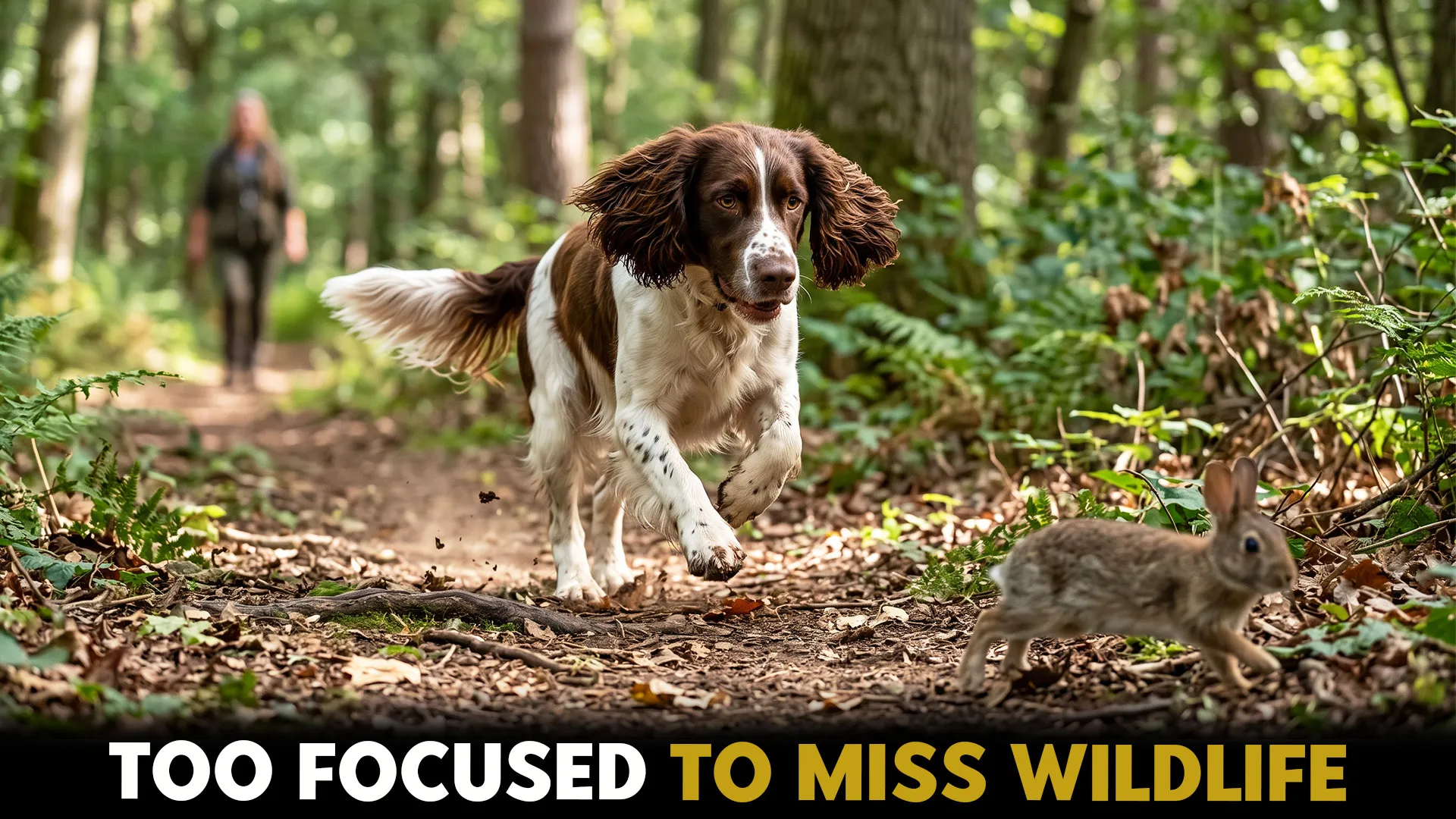
A dog’s nose can uncover a world of information that humans simply cannot detect. For generations, people have relied on canine scenting abilities to follow trails, locate game, and navigate environments where visual clues are limited.
The best tracking dogs combine powerful noses with endurance, focus, obedience, and a strong working drive. Physical traits such as low-set noses, long ears, or loose skin can also support their scenting abilities, depending on the breed.
From following subtle trails through dense forests to locating elusive wildlife across rugged terrain, these breeds demonstrate remarkable tracking skills. Their specialized instincts and determination make them fascinating working companions in the field.
Top Tracking Dog Breeds That Excel at Tracking Wildlife
1. Weimaraner
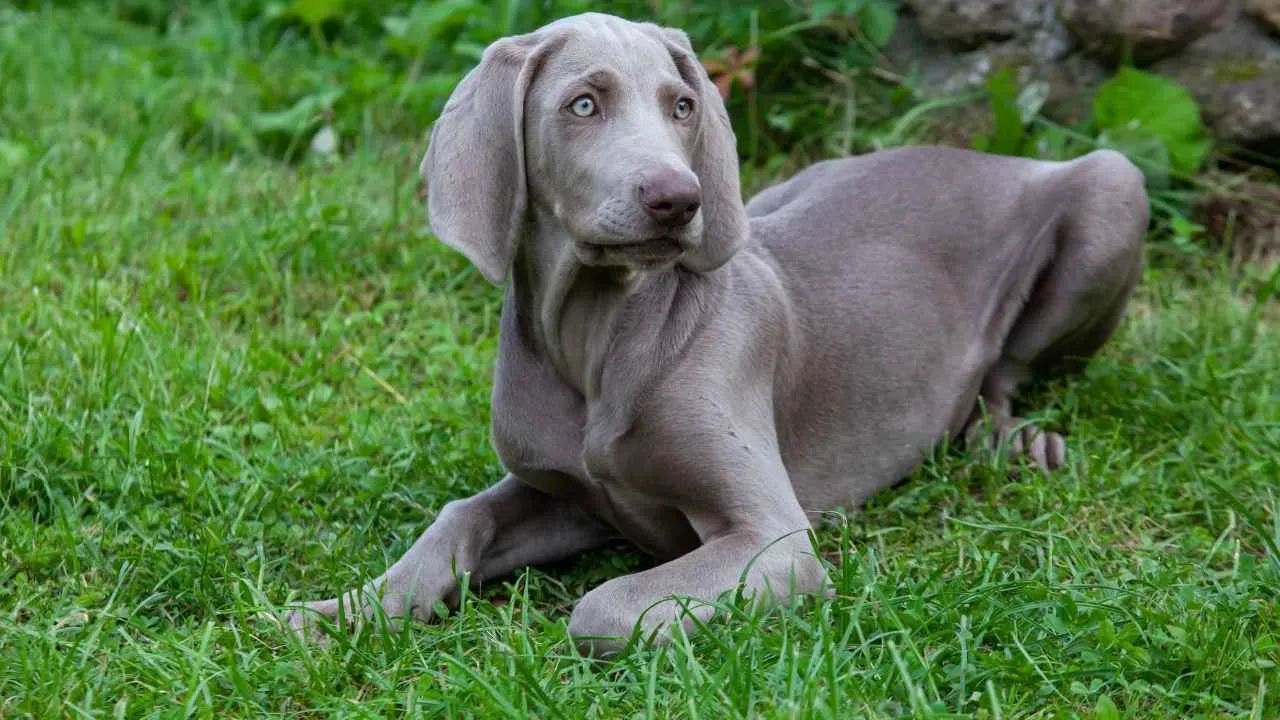
The Weimaraner is a sleek German hunting breed originally developed by nobility for pursuing large game. Its intelligence, powerful build, and strong working drive helped it track and confront quarry such as deer, boar, and bear, while its stamina supports demanding outdoor pursuits.
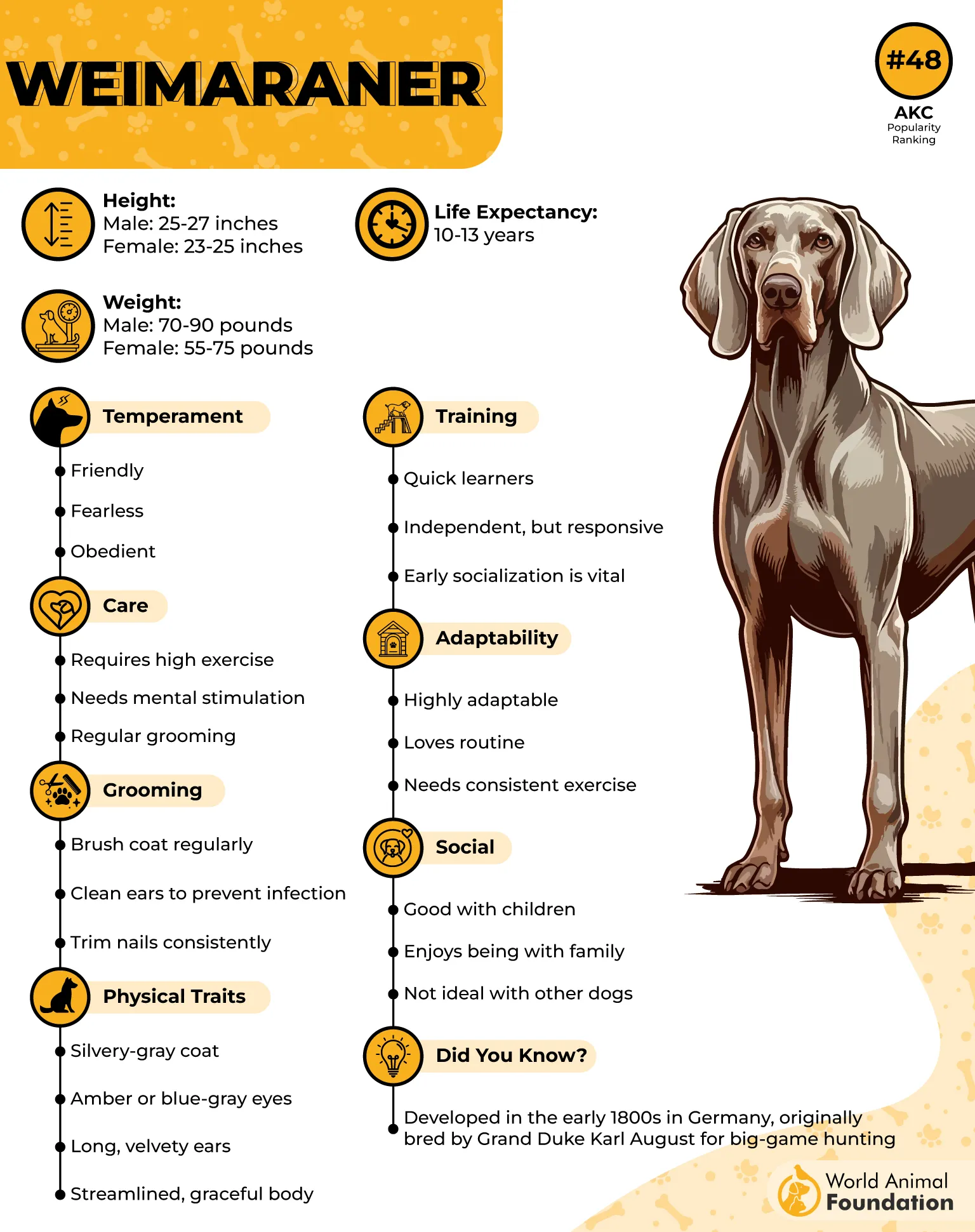
Fast and eager to work, the Weimaraner also excels in upland hunting, where speed and endurance are valuable. This intelligent breed needs plenty of daily exercise and mental stimulation, with running, scent games, and structured training providing useful outlets for its energy and preventing boredom.
How This Breed Stands Out
Tracks larger quarry: Its hunting heritage includes tracking and pursuing substantial game such as deer, boar, and bear.
Athletic long-range pursuit: Strong stamina, speed, and an athletic build allow the Weimaraner to handle demanding hunts and extended outdoor activity.
2. Brittany
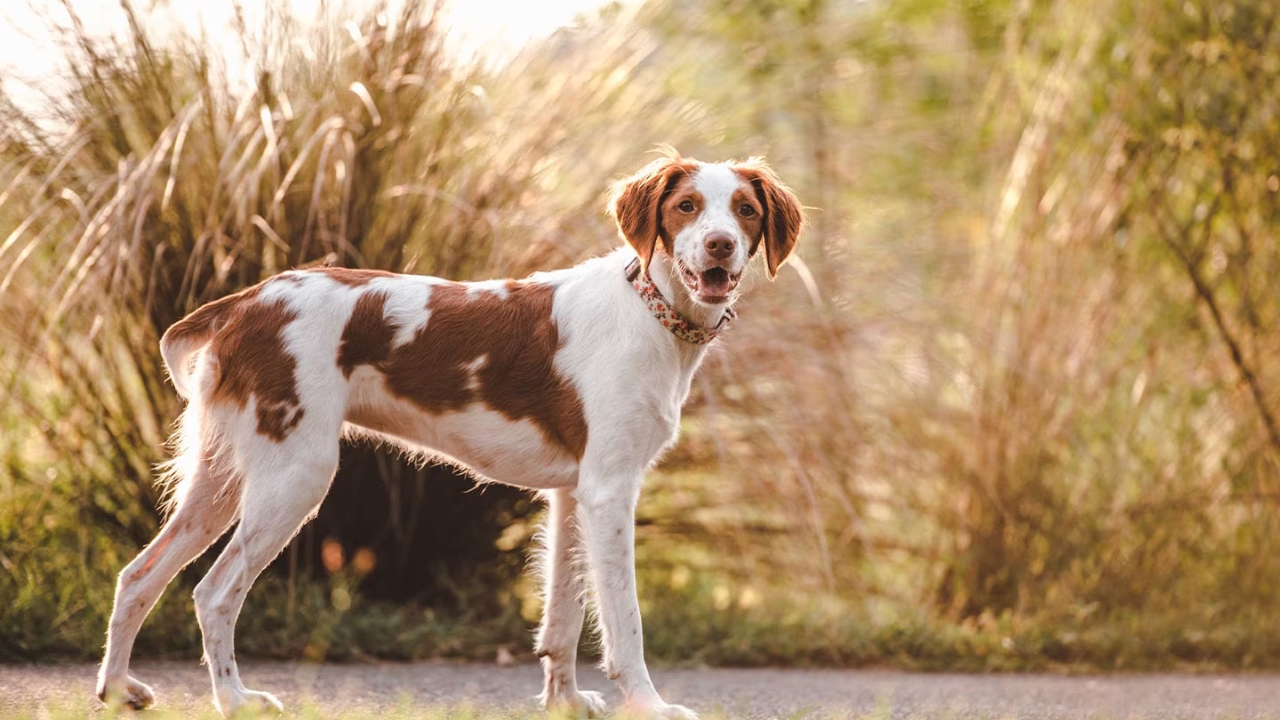
The Brittany is a tireless, intelligent gun dog developed as a versatile bird hunter. Its agility and enthusiasm help it cover upland terrain efficiently, while its ability to point and retrieve makes it useful for hunters seeking a well-rounded field companion.
According to the AKC, the Brittany can suit families looking for a versatile hunting companion, an enthusiastic partner for dog sports, or an active companion for an outdoorsy lifestyle.
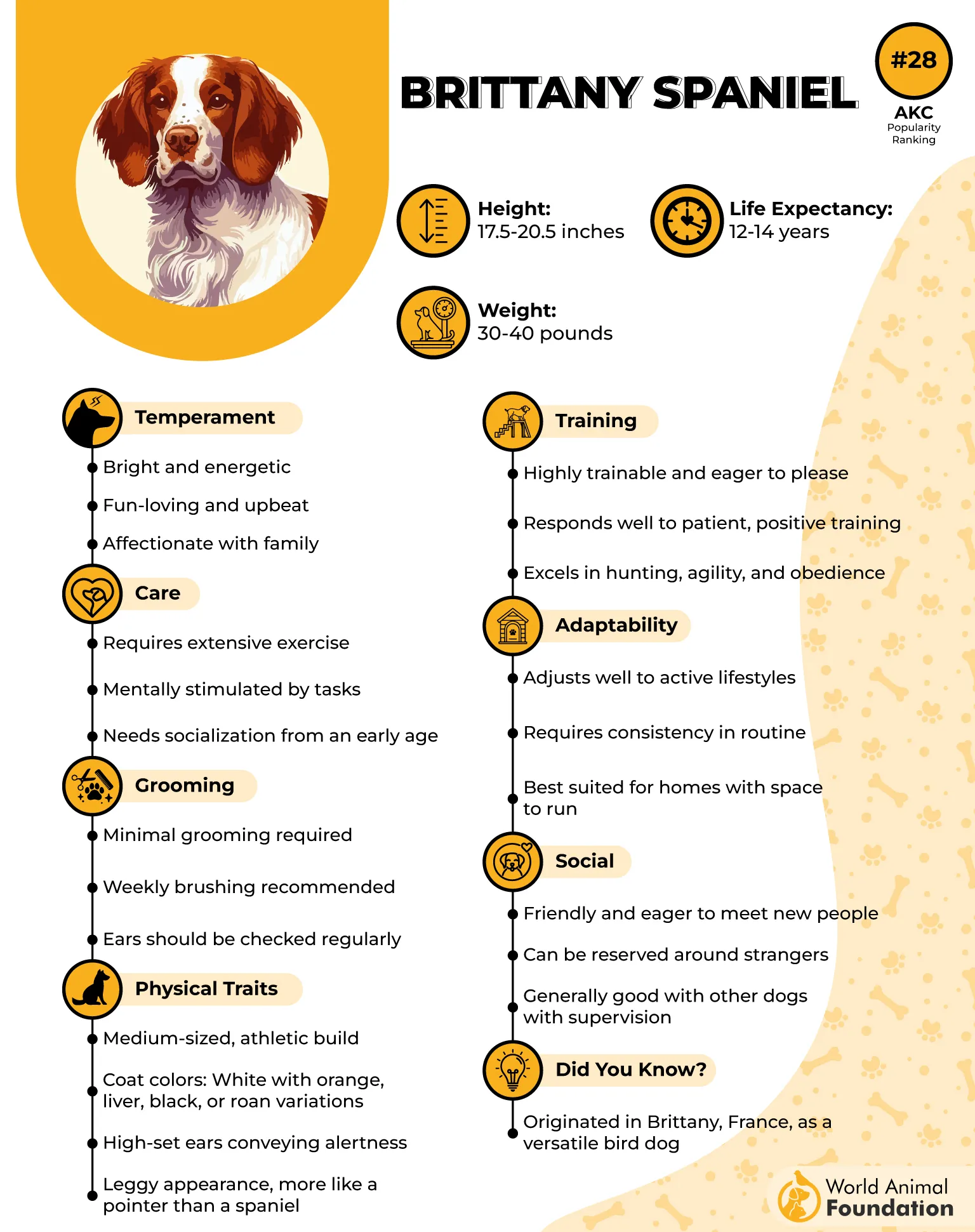
Highly energetic and devoted to its people, the Brittany gained popularity among hunters for those traits and remains a strong fit for active homes.
Its strong desire for companionship also means extended periods alone can be difficult, so it suits households that can provide regular interaction alongside opportunities for active outdoor work.
How This Breed Stands Out
Precise upland bird detection: Its pointing ability helps identify the location of upland game birds for hunters.
Quick, close-range searching: Speed, agility, and enthusiasm allow the Brittany to search field terrain efficiently while staying engaged in the hunt.
3. American Foxhound
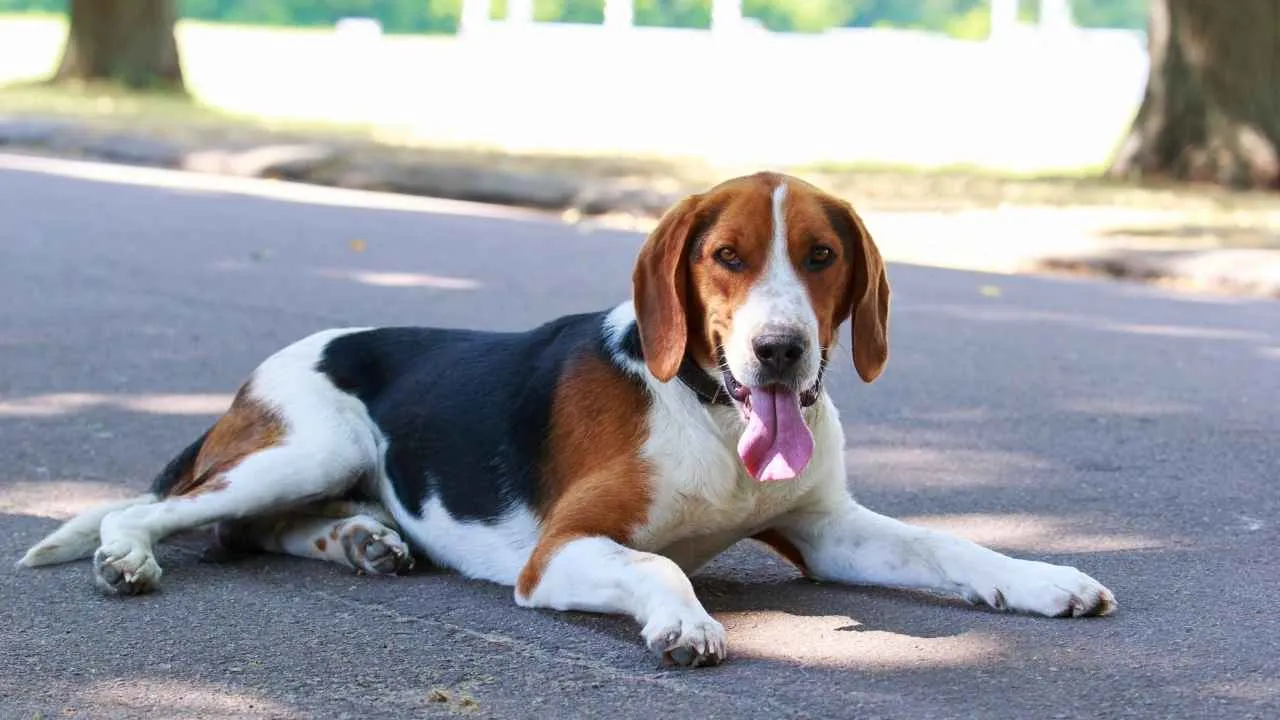
The American Foxhound is a determined scent hound built around the thrill of the chase. Developed from English Foxhounds and originally used primarily for fox hunting, this breed later became involved in deer hunting, relying heavily on its exceptional ability to follow scents.
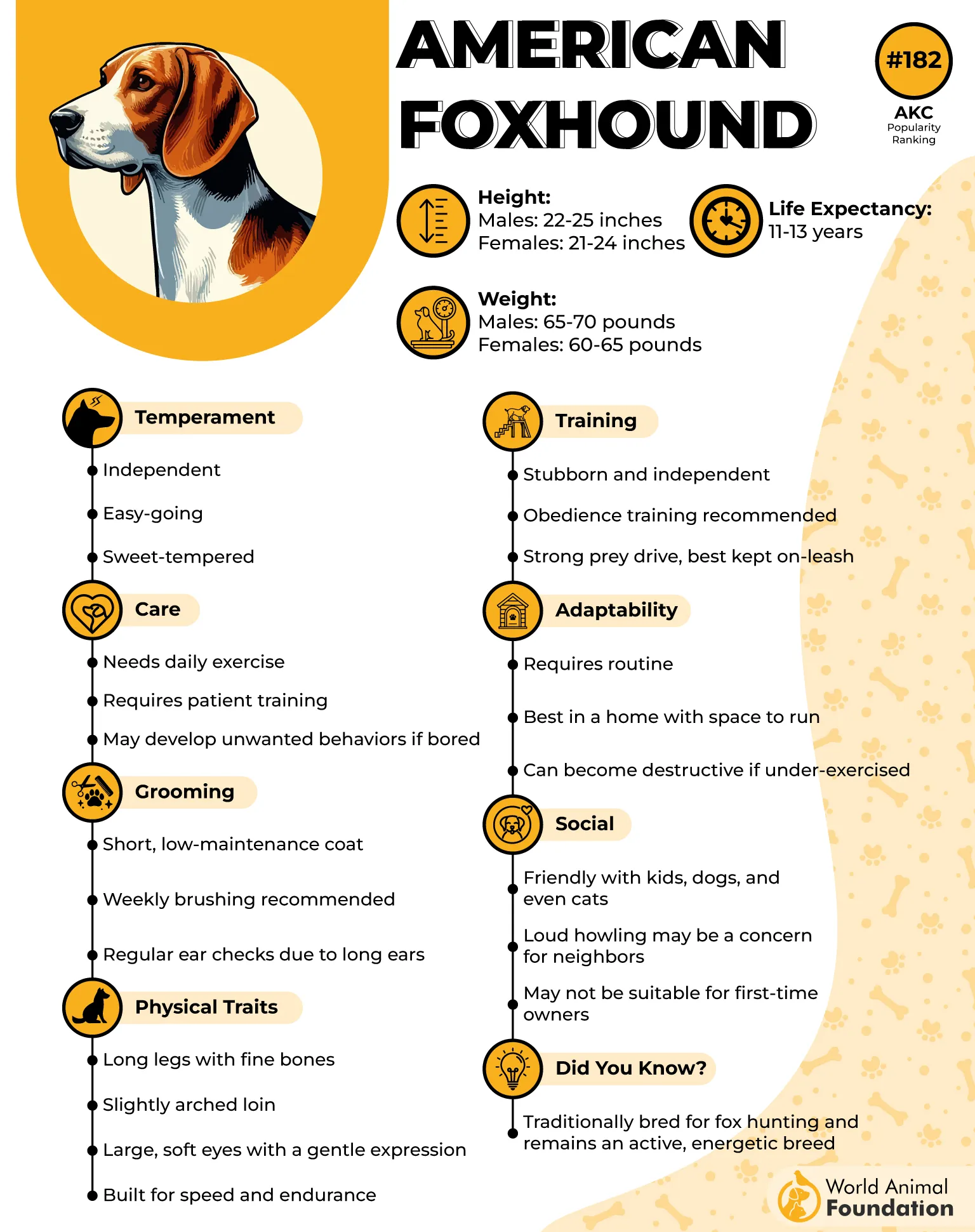
Outdoors is where the American Foxhound truly thrives, with its powerful nose allowing it to pursue a trail over long distances. Its high energy and endurance also support prolonged pursuits, although these qualities mean it needs substantial daily exercise to remain content.
How This Breed Stands Out
Exceptional long-distance trailing: Its powerful scenting ability allows the American Foxhound to follow a trail for extended distances without easily losing its target.
Remarkable running stamina: High endurance and a strong drive to chase help it maintain demanding pursuits over long periods.
4. English Springer Spaniel
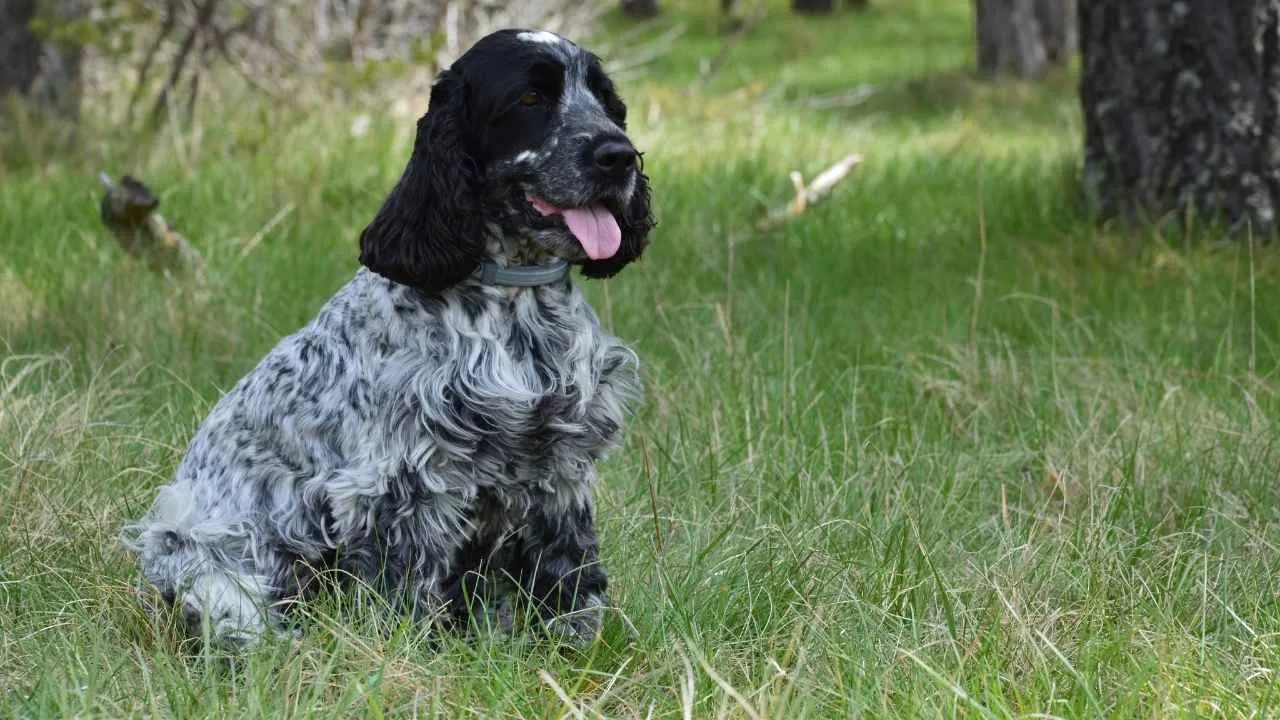
The English Springer Spaniel was developed in England to flush game from dense cover, making it a capable partner for upland bird hunters. Its smaller size allows it to move through tighter spaces with ease, while strong retrieving ability adds versatility during hunting work.
According to PDSA, they can make good family companions, enjoying participation in household activities and generally getting along with children and other pets. Their coat needs brushing once or twice a week, along with professional clipping every three months.
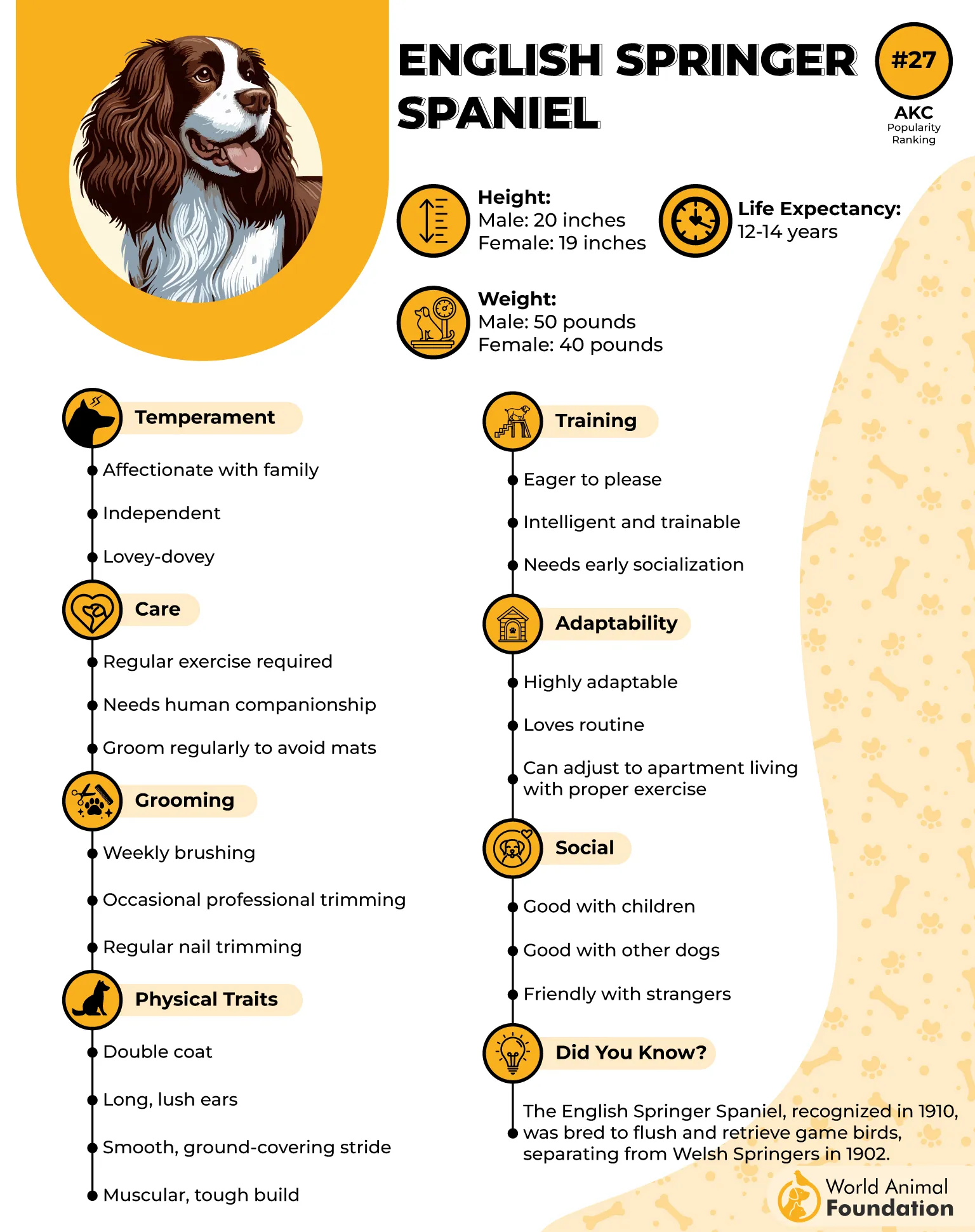
Quick-footed, agile, and eager to please, the Springer responds well to commands and brings considerable enthusiasm to field activities. Outside hunting, it can be a cheerful family companion, but daily exercise and mental stimulation are important to prevent boredom and restlessness.
How This Breed Stands Out
Flushes wildlife from cover: Its original purpose was to drive game out of dense vegetation so hunters could pursue it.
Agile woodland movement: Its compact build and quick, nimble movement help it navigate confined woodland areas efficiently.
5. Basset Hound
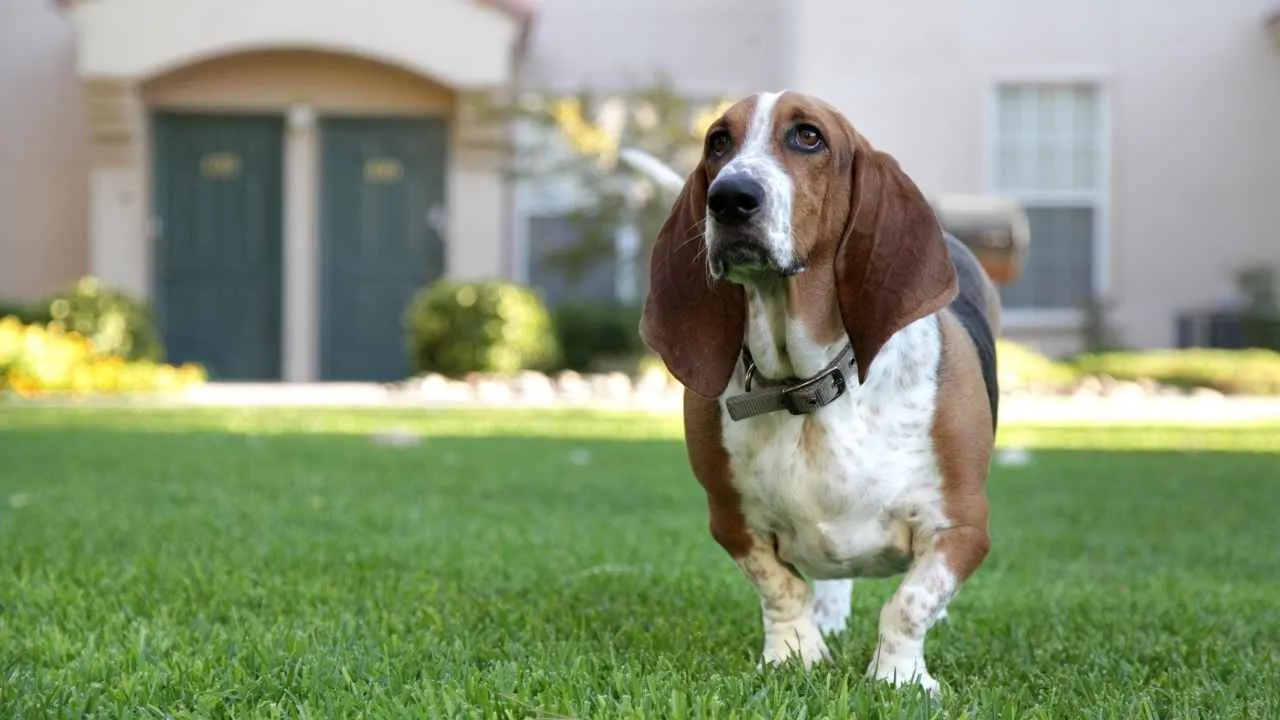
The Basset Hound may be low to the ground, but its scenting ability is remarkably powerful, helped by the fact that tracking breeds devote a larger area of the brain to processing smell.
With long ears, loose skin, and a tracking heritage developed over generations, this determined hound can follow trails with impressive accuracy while using its strong endurance rather than relying on speed.
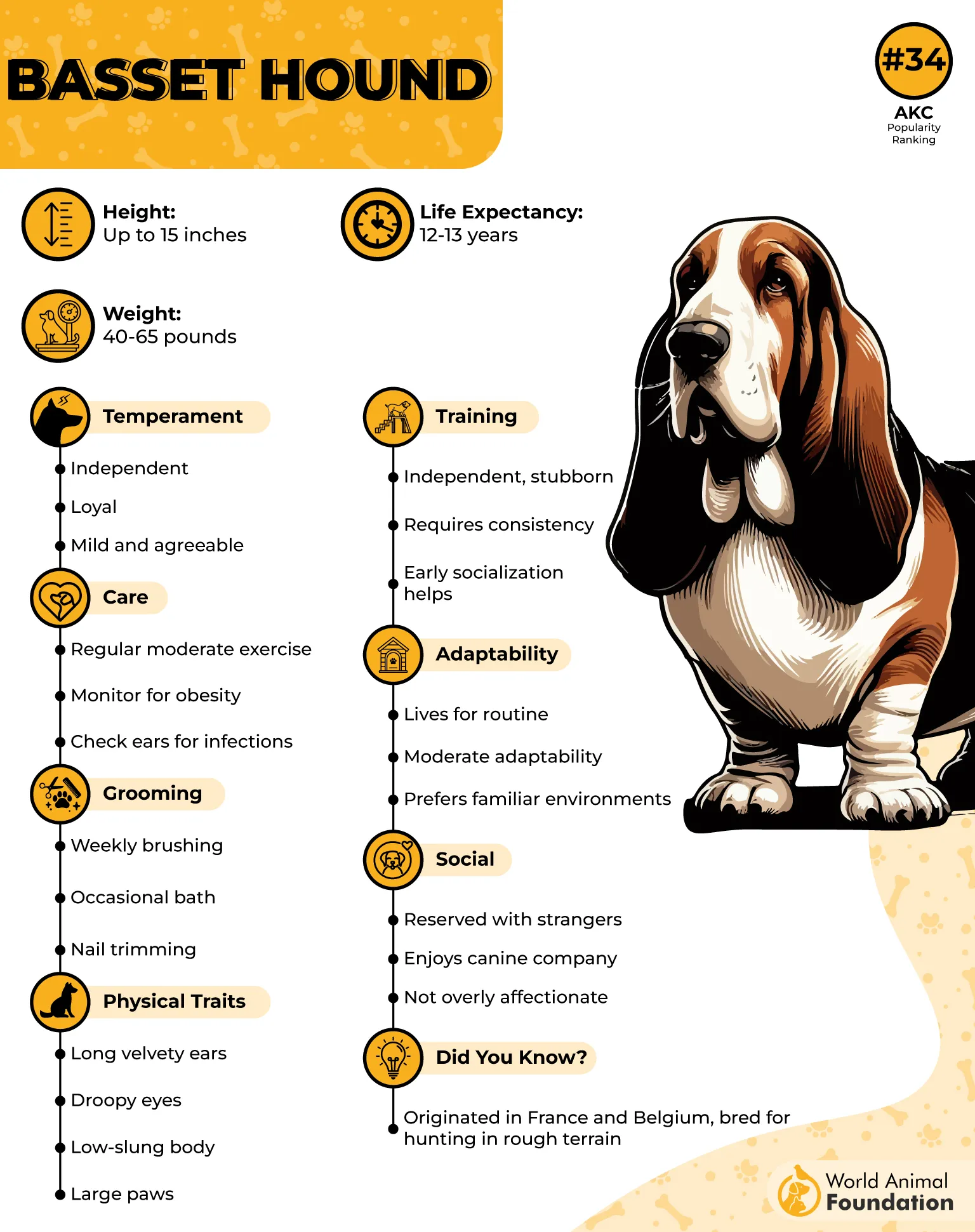
Originally bred to work alongside other dogs, the Basset can steadily pursue a scent without easily losing focus. Its deliberate pace and independent nature make it persistent on the trail, while consistent training and positive reinforcement can help channel its natural tracking instincts.
How This Breed Stands Out
Follows ground-level scent trails: Its low-slung build keeps its exceptional nose close to the ground, helping it investigate and follow scent trails.
Exceptional scent persistence: Once it picks up an interesting trail, the Basset Hound can remain determined and focused throughout the pursuit, showing real perseverance on a trail.
6. Redbone Coonhound
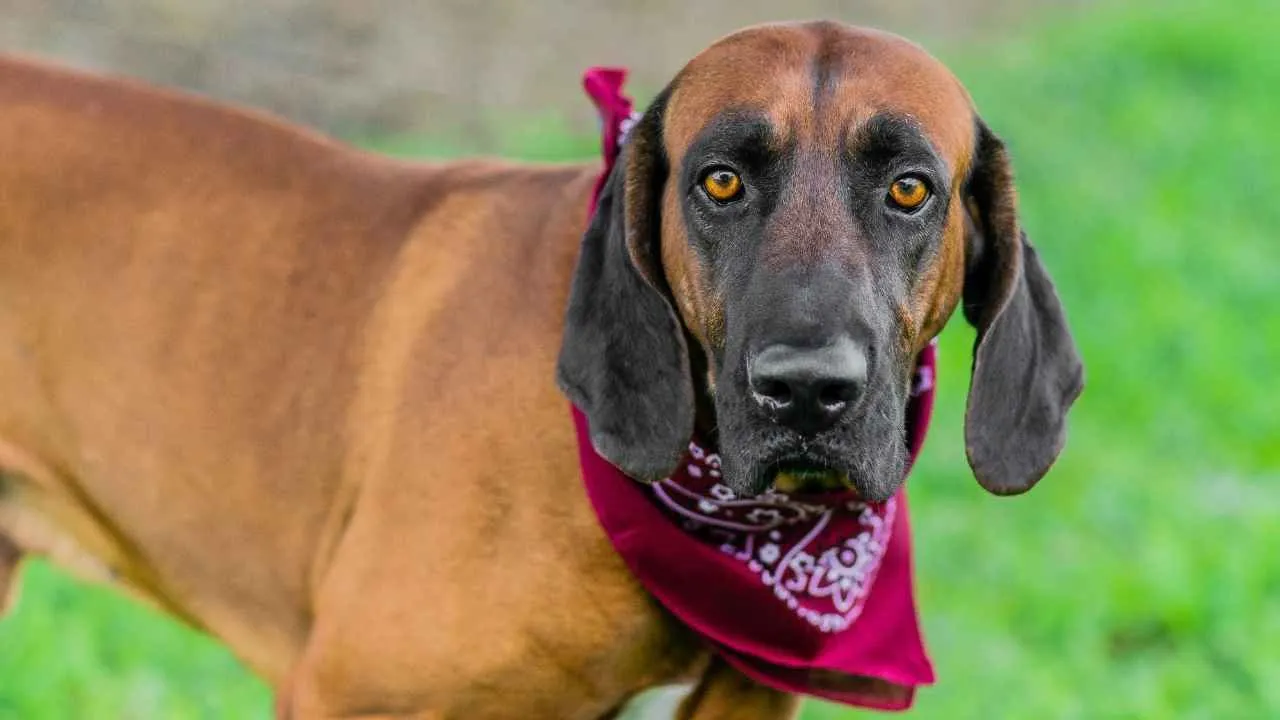
The Redbone Coonhound is a streamlined scent hound developed for pursuing raccoons and other quarry. Its powerful nose, stamina, and sure-footed movement make it a hard worker on trails through challenging terrain, and its energetic nature helps this adaptable breed stay engaged during demanding hunts.
According to PetMD, Redbone Coonhounds are friendly and loyal dogs with high energy levels that need regular exercise and plenty of mental stimulation.
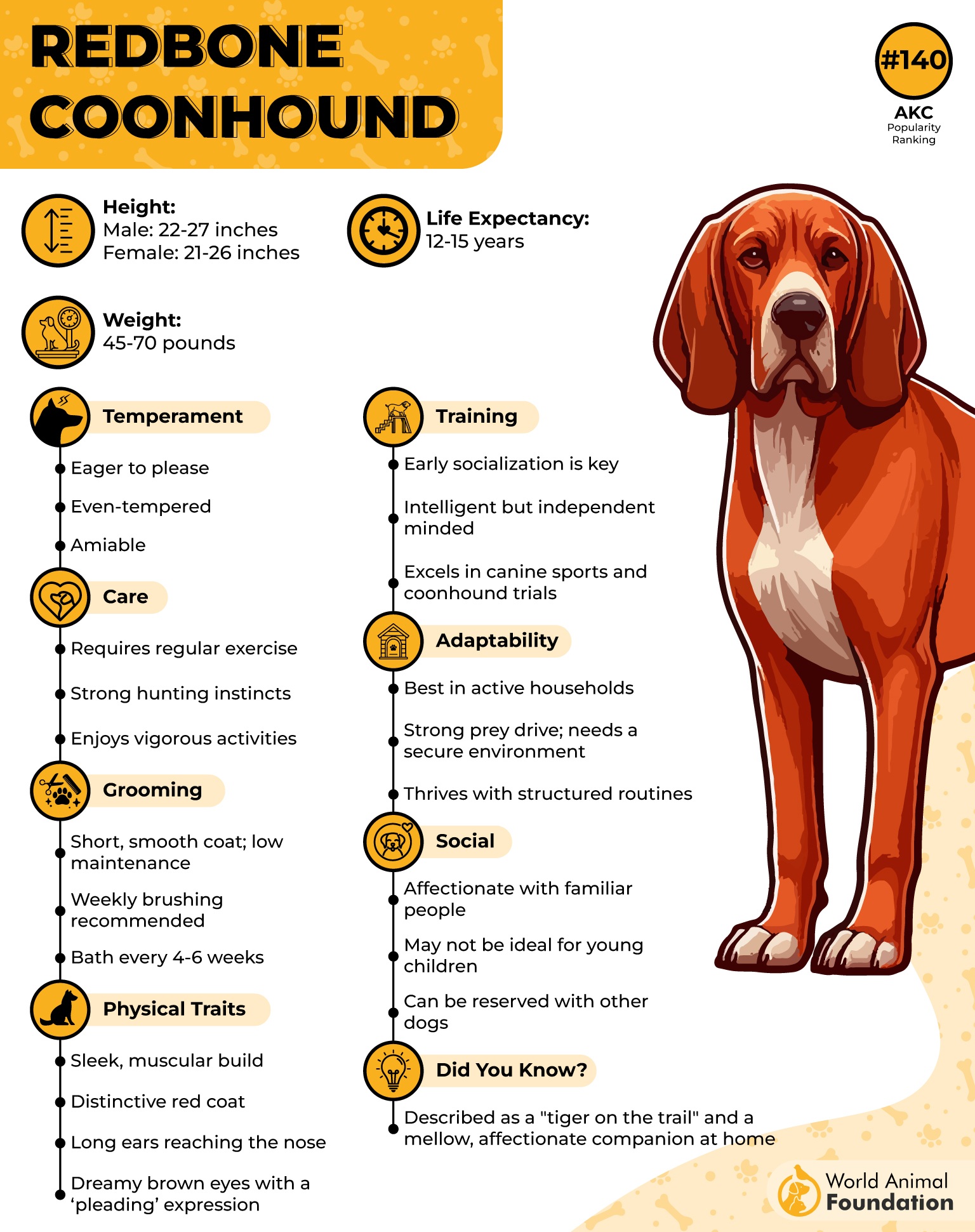
At home, this American breed is generally easygoing and devoted, but its hunting instincts become pronounced once it catches an interesting scent. Redbones need plenty of physical activity and should be kept on a leash in uncontrolled areas because this tracking dog may instinctively pursue prey once it catches scent.
How This Breed Stands Out
Strong nighttime tracking: Its exceptional scenting ability and persistence make it well suited to following wildlife trails at night.
Confident swimming ability: Swimming fits naturally into its active working lifestyle, adding another way it can navigate and pursue through varied environments.
7. Beagle
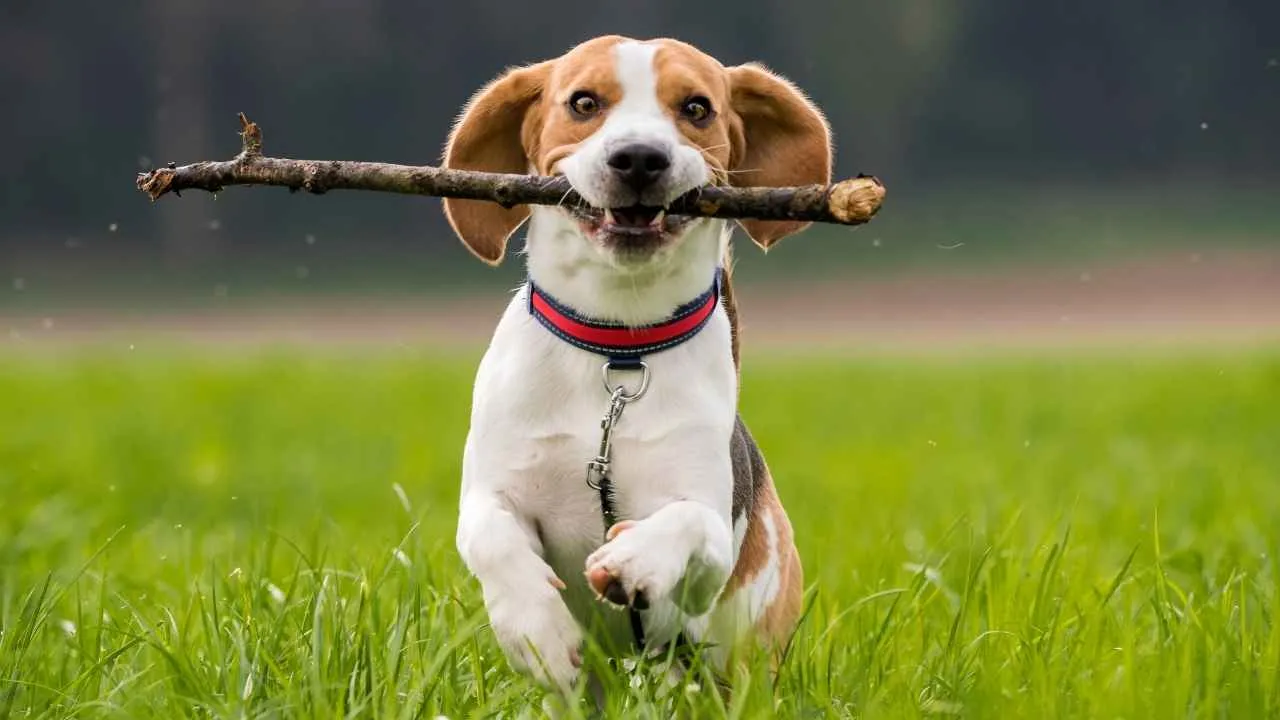
The Beagle may be compact, but its exceptional nose and determination make it a capable wildlife tracker. Originally developed in England for hunting, this scent hound is particularly skilled at following trails left by rabbits, hares, and other small game.
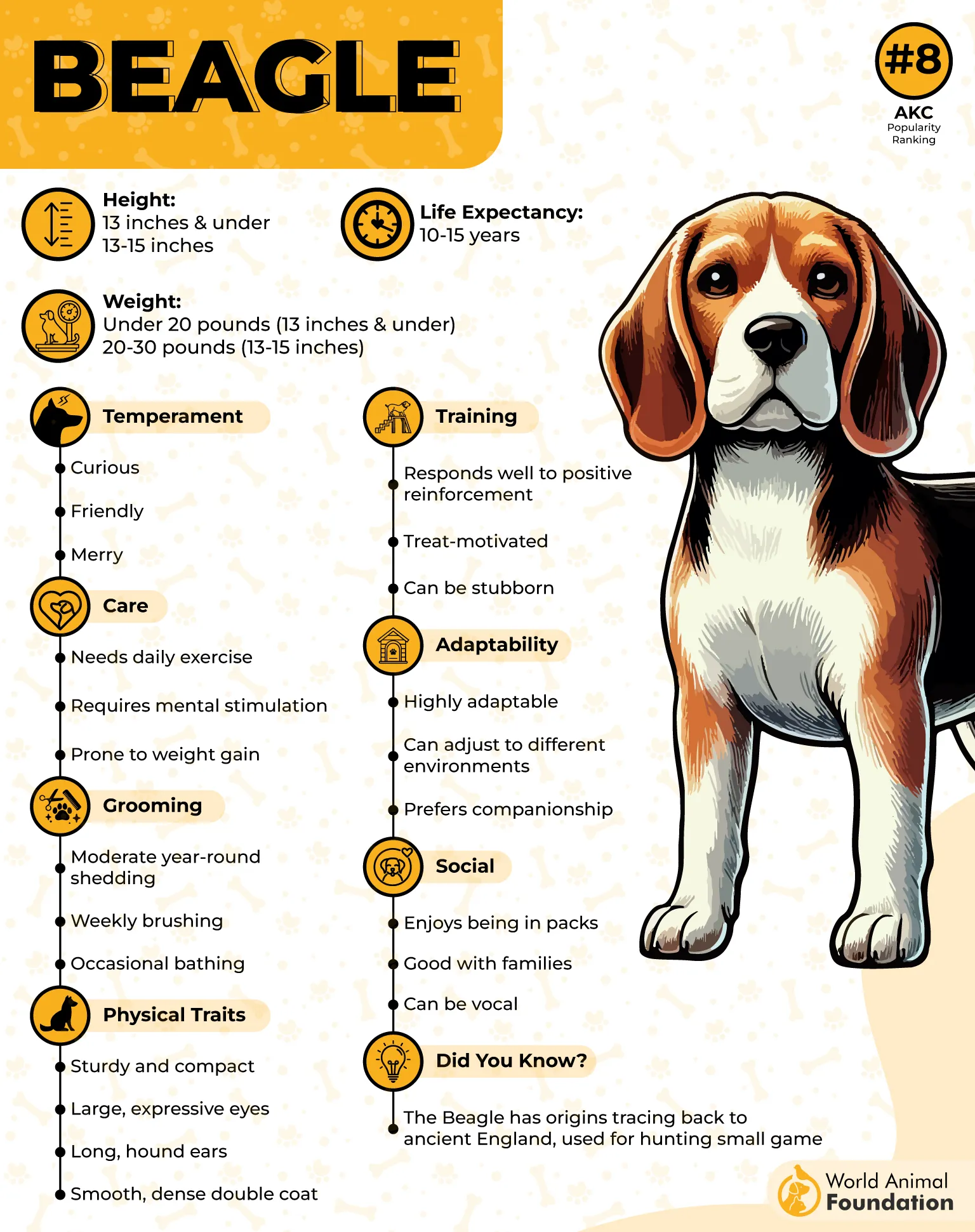
With an ability to distinguish scents and follow trails that are hours old, Beagles can remain focused until they locate their quarry. Their persistence is balanced by a cheerful, sociable temperament, although their independent streak can sometimes make training challenging.
Owners can begin with simple scent trails to develop tracking skills. A strong voice also helps them communicate during tracking work.
How This Breed Stands Out
Extraordinary scent discrimination: Its highly developed nose allows the Beagle to distinguish and follow individual scent trails with impressive accuracy and precision.
Persistent small-game tracking: Bred to pursue rabbits and hares, it can stay committed to a trail until the target is found.
8. Pharaoh Hound
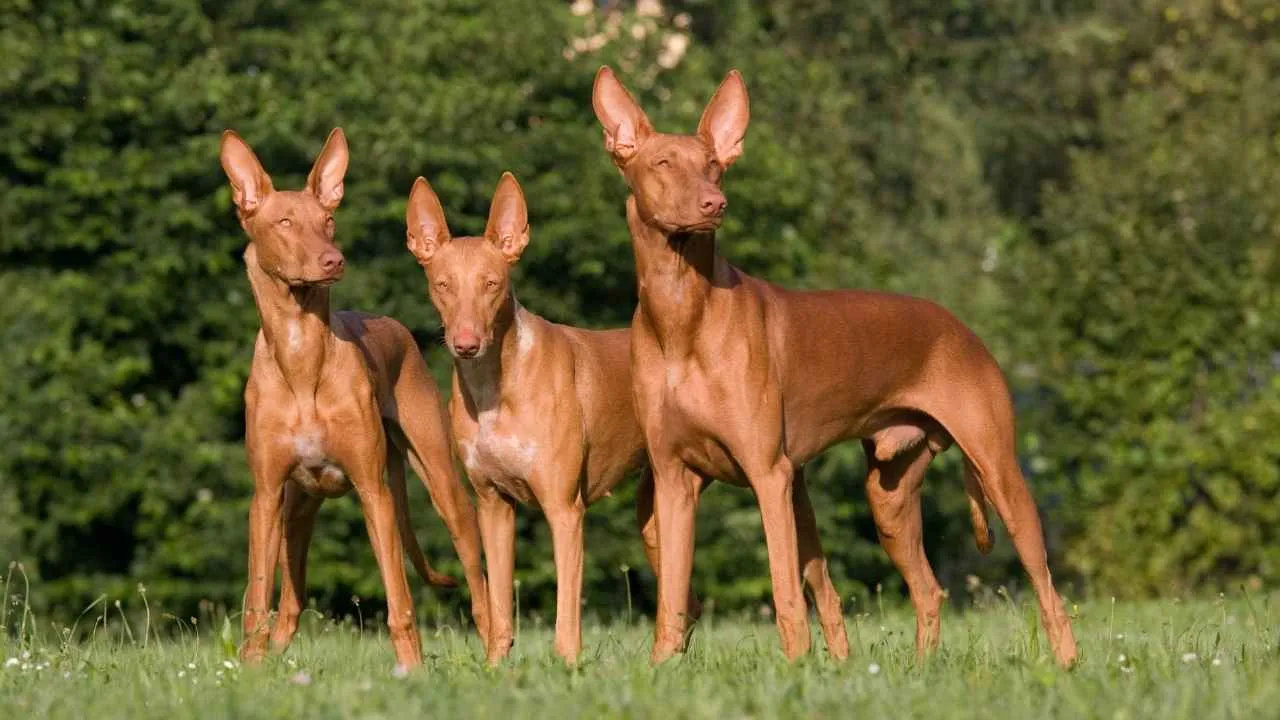
The Pharaoh Hound is a sleek, athletic sighthound renowned for combining keen vision with remarkable speed. Native to Malta, this ancient breed was developed to pursue small game across rugged terrain, particularly rabbits, using its sharp eyes and rapid acceleration to maintain the chase.
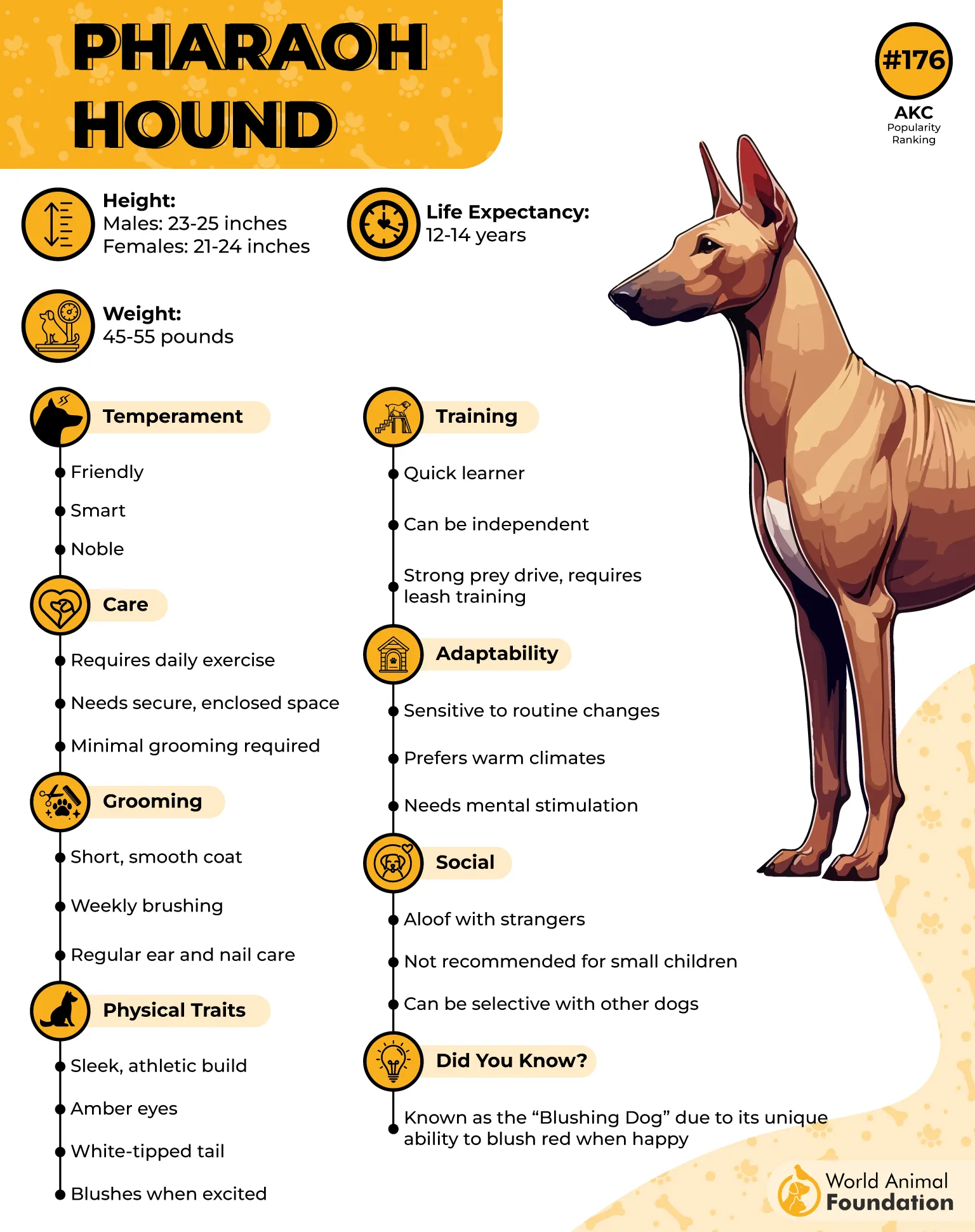
Built for high-speed movement, the Pharaoh Hound is agile and tenacious when pursuing quarry. It learns quickly and can be eager to please, but its powerful hunting instinct remains difficult to overcome, making secure enclosed areas essential for exercise and outdoor activity.
How This Breed Stands Out
Exceptional visual tracking: Its sighthound heritage gives it keen eyesight for spotting and following moving wildlife across open terrain.
Swift desert pursuit: Its streamlined, athletic build allows it to chase small game rapidly across challenging, rocky landscapes.
9. Boykin Spaniel
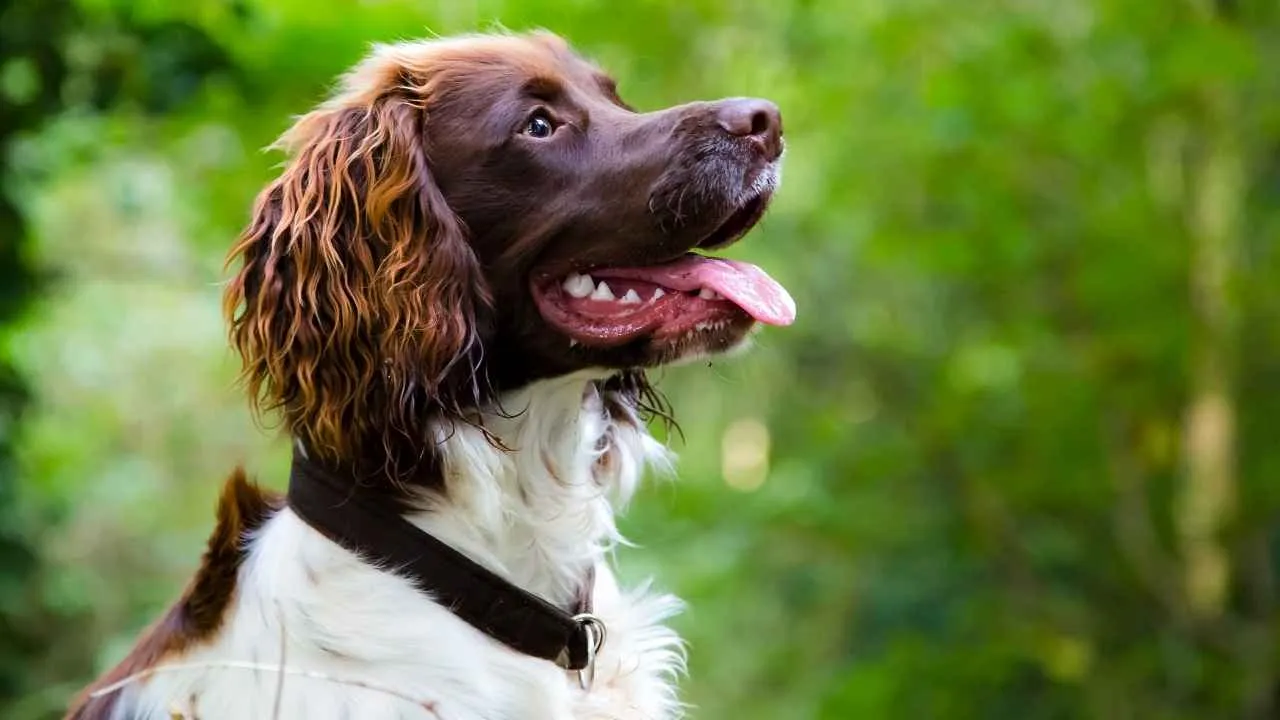
The Boykin Spaniel is a compact American hunting breed developed in South Carolina for working in swamps and wetlands. Its small, agile frame makes it well suited to boats, while its energy and water skills allow it to navigate lakes and marshy terrain with ease.
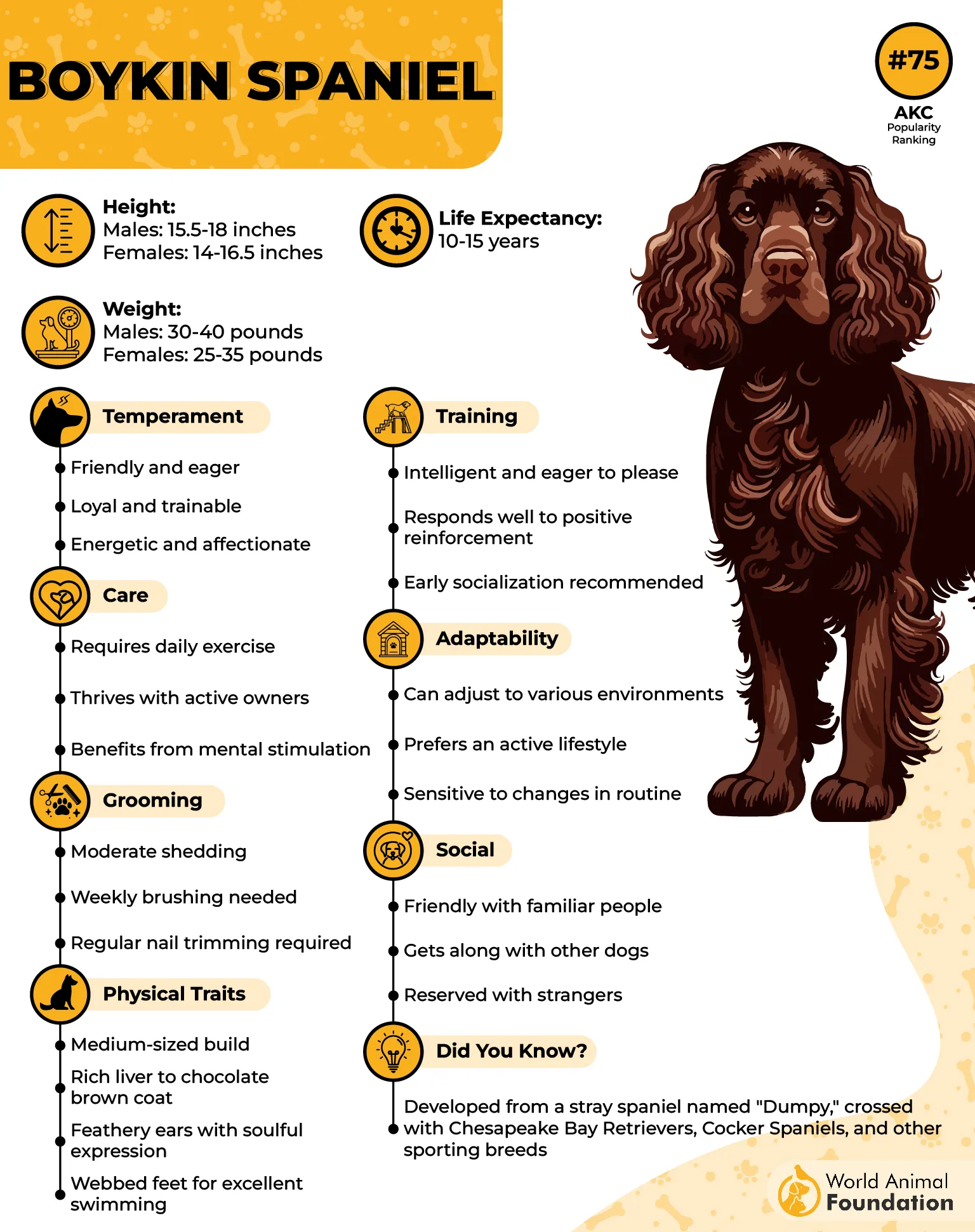
Boykin Spaniels are versatile hunting dogs, equally capable of retrieving waterfowl and flushing upland game. Their keen noses, stamina, and enthusiasm make them valuable partners in a variety of hunting environments.
Intelligent and attentive during training, it needs plenty of physical activity and mental stimulation. When properly exercised, it can be an easygoing companion at home.
How This Breed Stands Out
Compact wetland tracker: Its small build allows it to navigate boats, swamps, lakes, and other challenging wetland environments comfortably.
Skilled flushing ability: Bred as an all-around gun dog, it can locate and flush game from cover before helping retrieve it.
10. Treeing Walker Coonhound
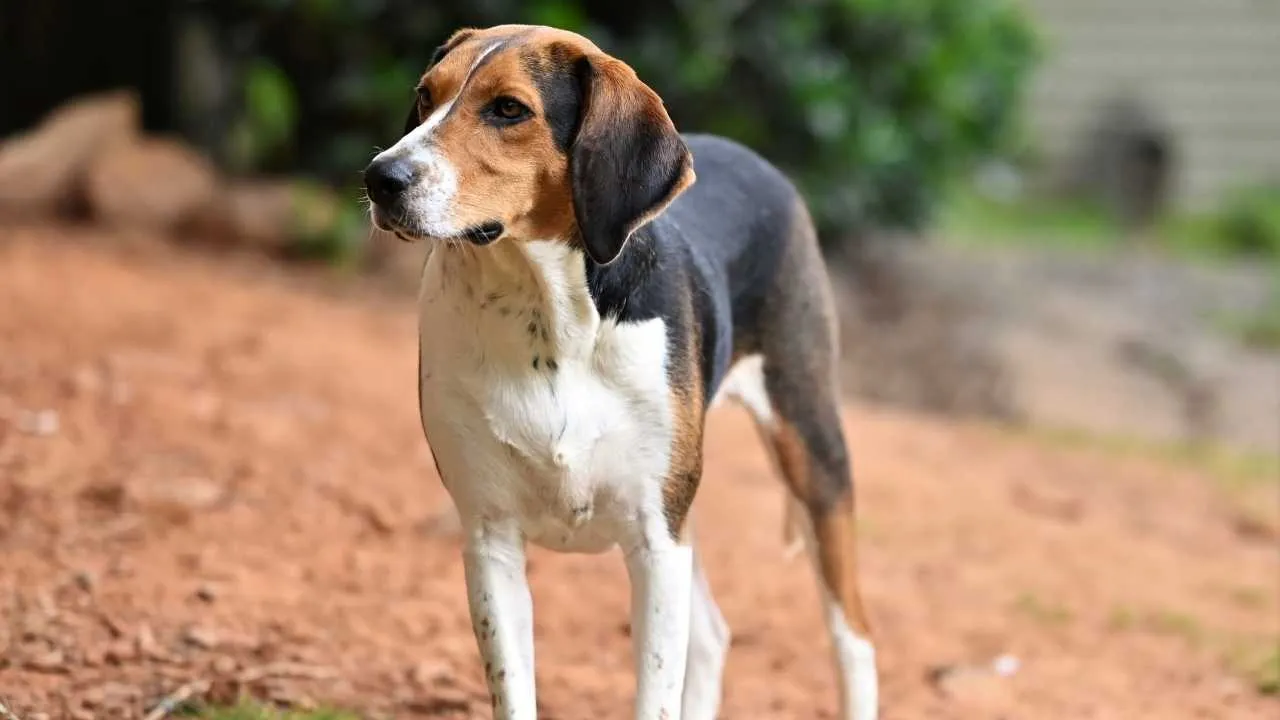
The Treeing Walker Coonhound is a fast, energetic hunting breed renowned for tracking raccoons and other small woodland animals; it is especially valued for speed on fresh trails. Its sharp nose allows it to follow game trails quickly, while its speed helps it pursue quarry through challenging terrain and drive it toward the safety of a tree.
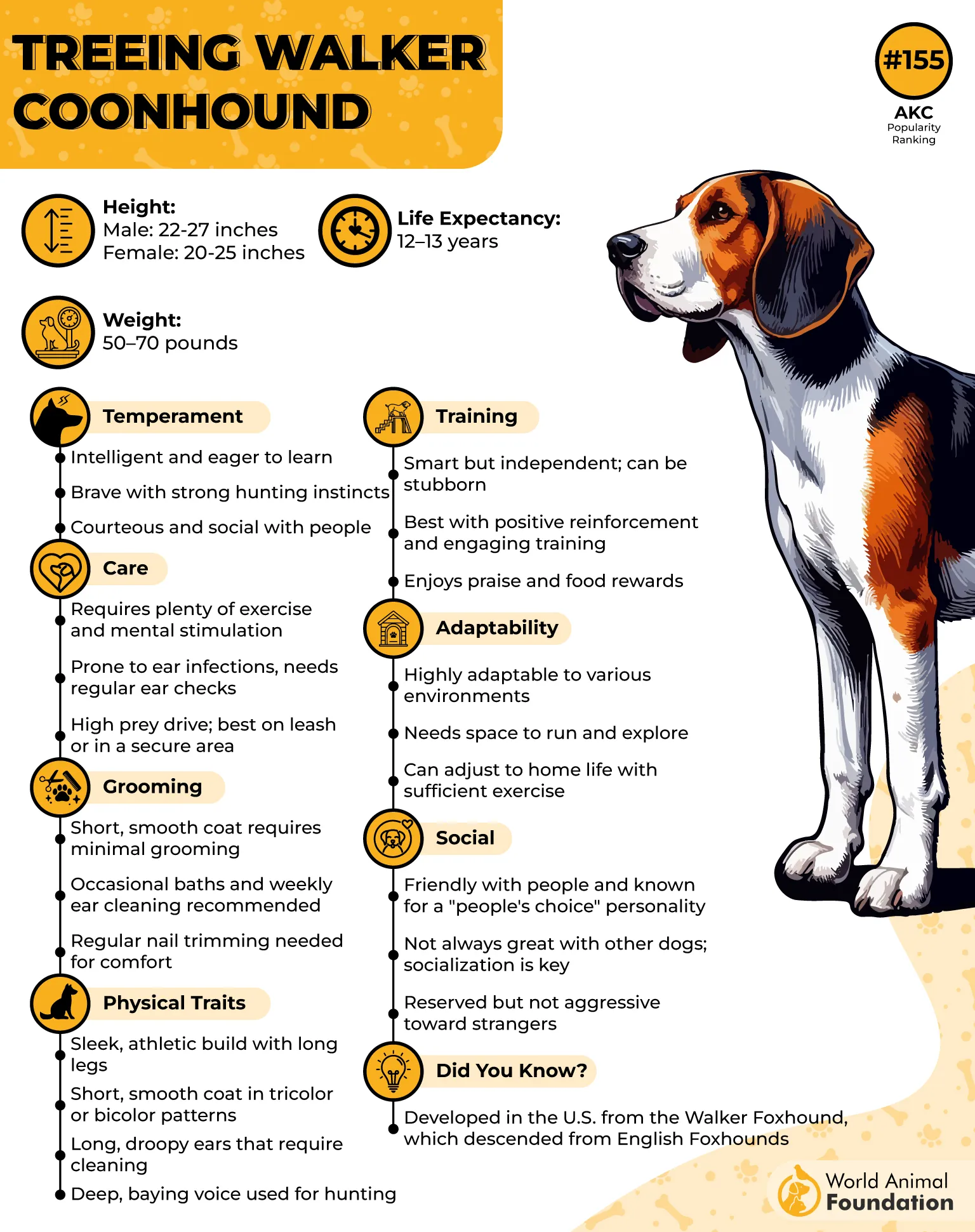
Once the quarry is treed, the Walker uses its distinctive voice to alert its handler, and coonhounds are known for their distinctive baying voice. Highly driven and competitive in the field, this breed needs substantial daily exercise and mental stimulation. Without enough activity, it may become restless and vocal, but when its needs are met, it can be a playful and loving companion.
How This Breed Stands Out
Rapid scent trailing: Its exceptional nose enables it to quickly follow raccoon and small-game scent trails during a hunt.
Skilled quarry treeing: It is particularly adept at chasing quarry into trees and signaling its location with persistent barking.
Conclusion
Wildlife-tracking breeds stand out for scenting skill, stamina, and the focus needed to stay on a trail in changing conditions. Many are especially prized for a dog’s ability to combine nose work, endurance, and concentration across different hunting tasks.
Sporting breeds and hounds can both excel, but the right fit depends on terrain, quarry, and handling style. German Shorthaired Pointers are known for their high energy levels, which is a good reminder to compare exercise needs as closely as tracking talent.
Some dogs are better suited to cold trailing, while others shine on fresher scent or in more versatile field work. Training is most effective when dogs are gradually introduced to real hunting scenarios.
Choosing the right tracking companion comes down to matching natural drive, trainability, and physical endurance to the kind of game and environment you hunt most often. With the right breed and consistent development, a capable tracking dog can become a reliable partner in the field.
