




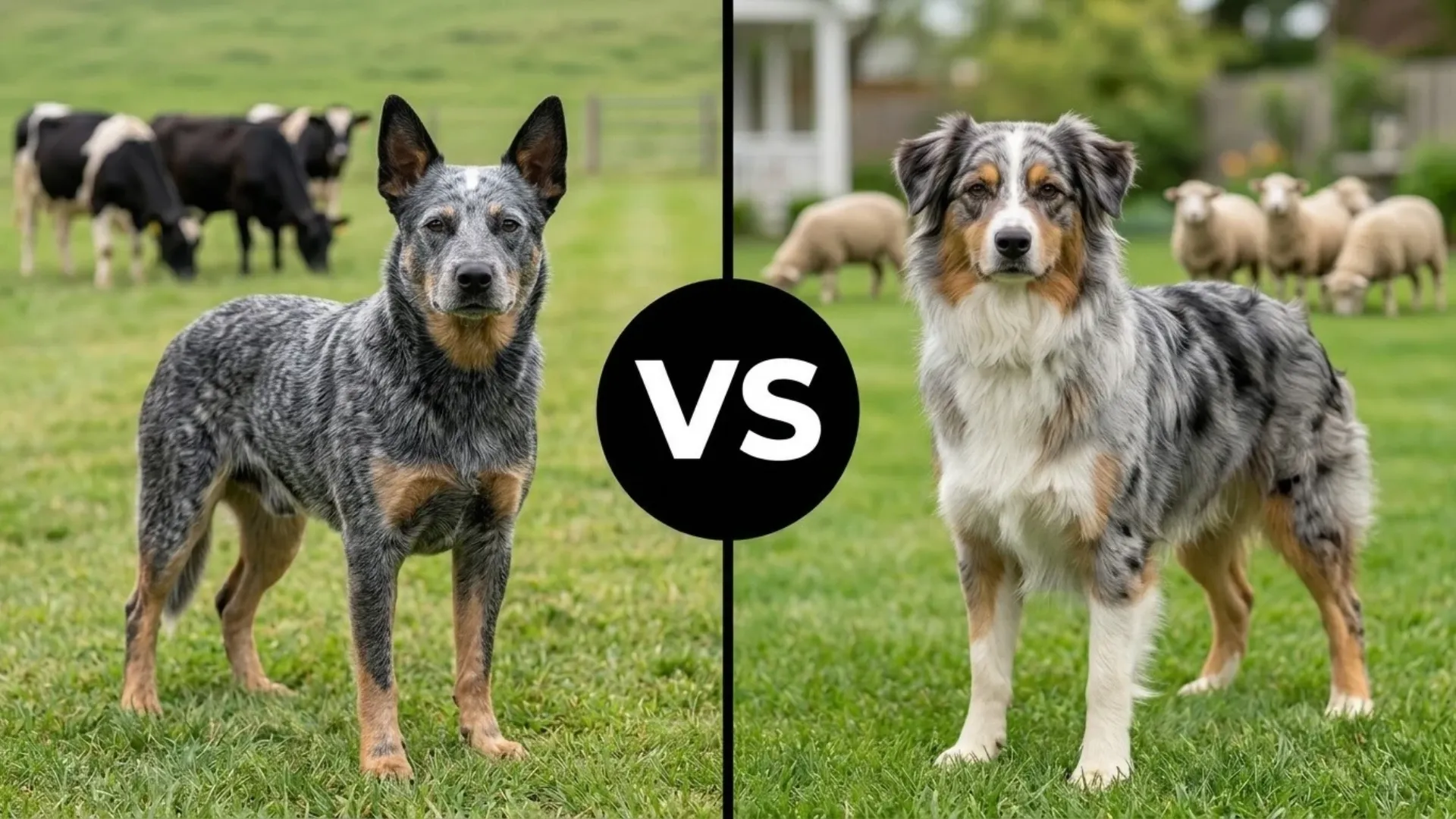
Ever looked at a Blue Heeler and an Australian Shepherd and thought, “Okay, but which one is actually going to match my chaotic lifestyle?” Both breeds are ridiculously intelligent, high-energy, and basically born with an internal alarm clock that screams, “Time to get moving!”
But beneath their adorable faces and impressive athleticism, these herding superstars have seriously different personalities, working styles, and everyday needs.
The Blue Heeler is a tough, compact cattle-moving expert that approaches life with determination, independence, and almost unbelievable stamina. Meanwhile, the Australian Shepherd is an energetic, people-focused herding dog that learns complicated tasks quickly and turns ordinary activities into exciting adventures.
Let’s explore what makes these two hardworking breeds so special and discover which one deserves a place in your daily routine.
Blue Heeler vs. Australian Shepherd: Dog Breeds Examination
1. Origins & Purpose
The Blue Heeler, officially known as the Australian Cattle Dog, has a fascinating history that feels like a tough, working-class legend. Developed in nineteenth-century Australia, these dogs helped ranchers move stubborn cattle across enormous properties where extreme heat, rough terrain, and long working days were part of everyday life.
One particularly interesting detail is how Blue Heelers earned their famous nickname through their distinctive herding technique. Rather than circling livestock from a distance, these determined dogs could nip at cattle heels to encourage movement while avoiding dangerous kicks.
Both breeds share a genuine agricultural background, but their original jobs shaped noticeably different approaches to everyday life. Blue Heelers often show the persistence and self-reliance needed to control heavy cattle, while Australian Shepherds commonly display enthusiastic teamwork and responsiveness.
2. Size & Build
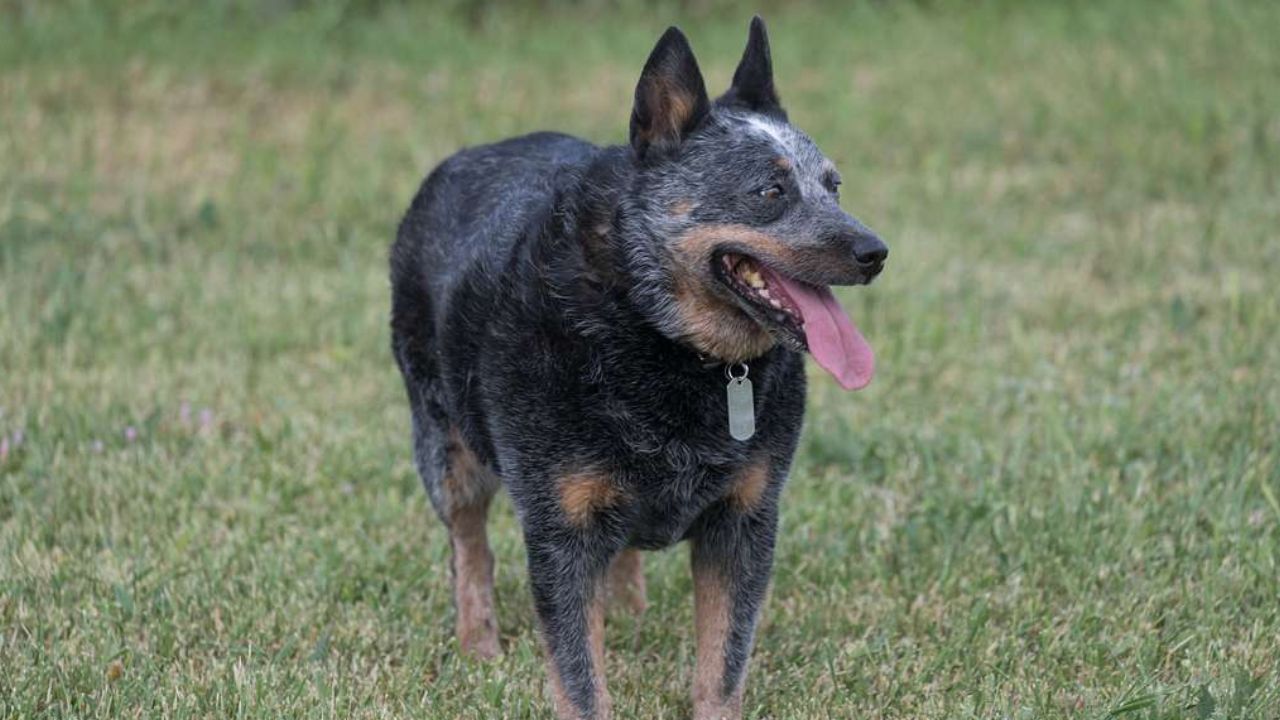
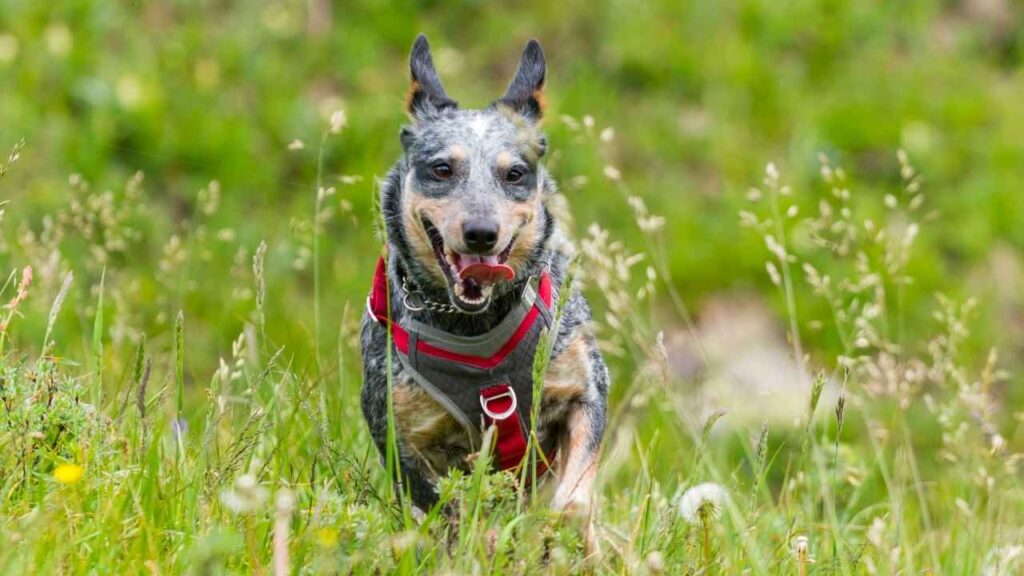
Don’t let the Blue Heeler’s medium size fool you; this dog is a compact athlete with impressive muscle definition. They generally weigh 35-50 pounds, with males standing 18–20 inches tall and females measuring about 17–19 inches. Their strong shoulders, sturdy legs, and balanced proportions support quick movement and sustained physical effort across challenging terrain.
Some dogs’ physical structures emphasize practical strength rather than decorative appearance, and the Blue Heeler is one of them. Its relatively compact frame allows sharp turns, efficient acceleration, and the agility required to avoid moving cattle while remaining close enough to control their direction.
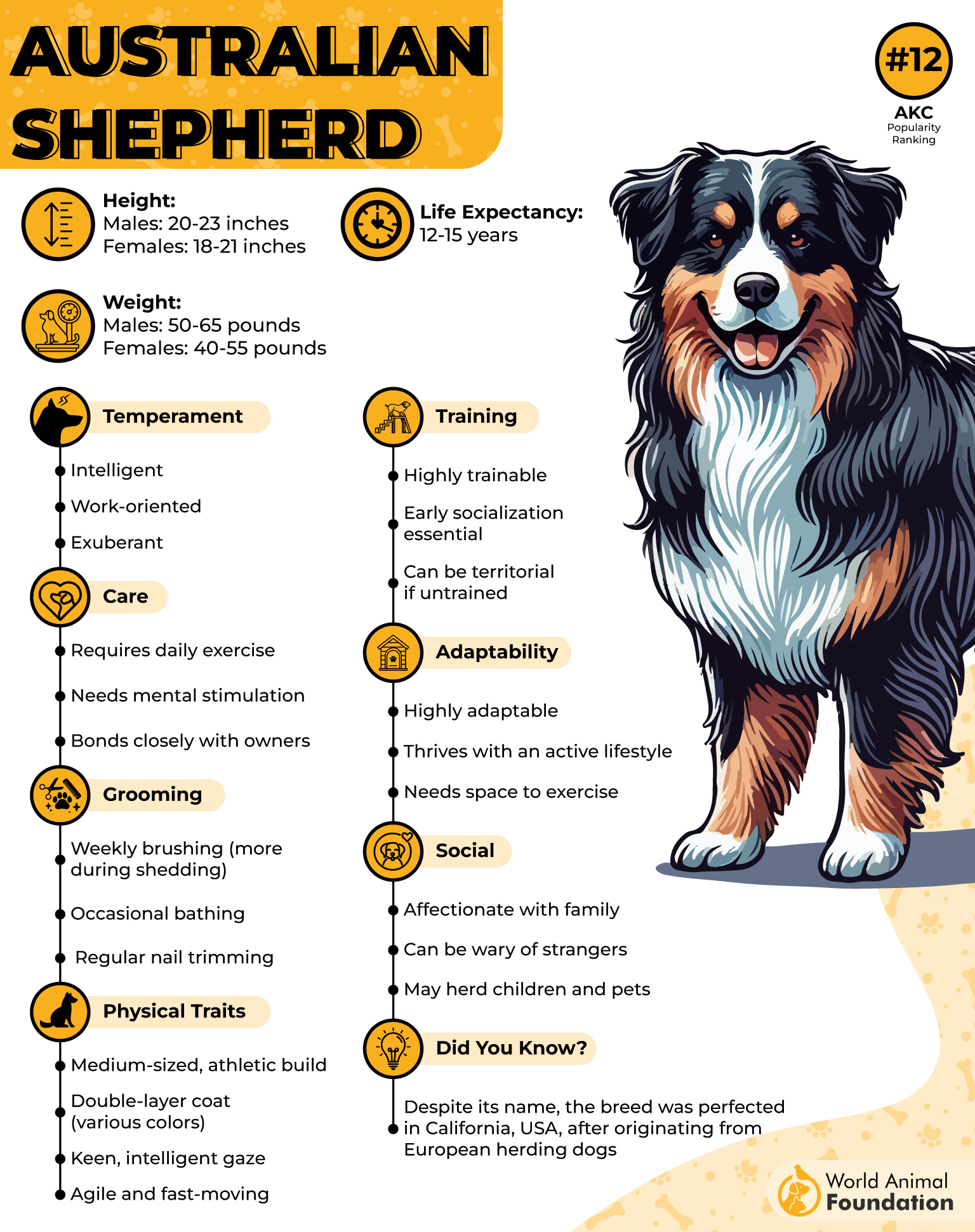
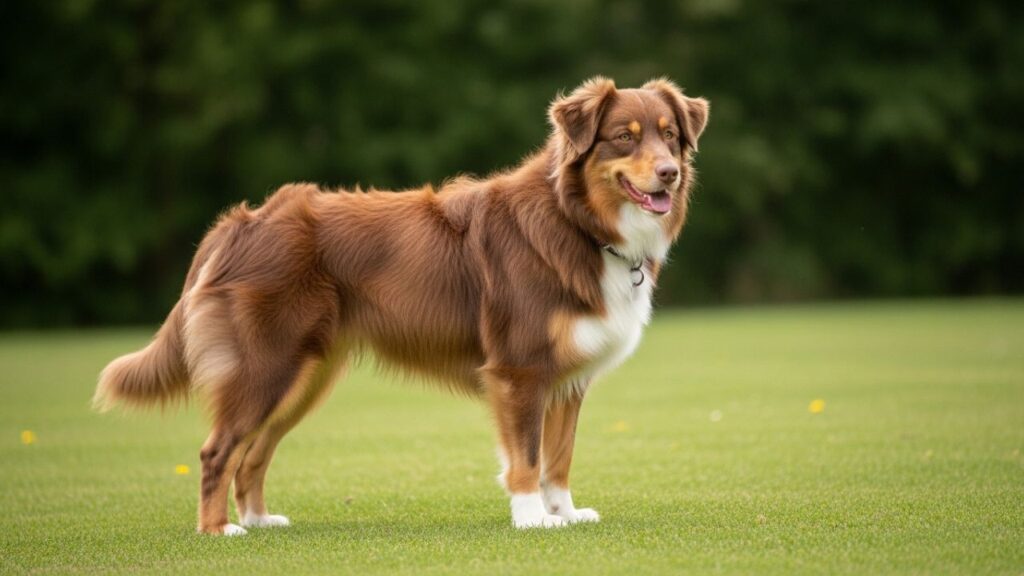
Australian Shepherds are generally taller and often heavier, giving them a slightly larger physical presence without sacrificing athletic coordination. Adult males typically stand 20–23 inches and weigh 50–65 pounds, while females usually reach 18–21 inches and weigh approximately 40–55 pounds.
When choosing between them, remember that size affects everything from handling equipment to household space and the force of an excited leash pull. A Blue Heeler may feel easier to manage physically because of its smaller frame, but its determination can still make controlling an untrained adult surprisingly difficult.
3. Pricing & Availability
Buying a Blue Heeler might seem relatively straightforward, especially in regions where cattle farming and working dogs remain popular. However, prices can vary dramatically depending on location, breeder reputation, pedigree, health testing, training, and whether a puppy comes from established working lines.
PetMD estimates Australian Cattle Dog puppies from reputable breeders at approximately $12.99 and Australian Shepherd at $500–$2,000. That range helps you understand one regional market, but it shouldn’t be mistaken for a universal price or a guaranteed quote from every breeder. Working-line availability also depends on local livestock operations, breed clubs, waiting lists, local animal shelter prices, and the qualities responsible breeders prioritize.
The purchase price is only the opening chapter of ownership expenses, and both breeds can become surprisingly costly when their energetic lifestyles are considered. Food, vaccinations, parasite prevention, training classes, veterinary care, and potential dog-sport activities all need to fit in your budget.
4. Temperament & Personality Style
Blue Heelers often bond closely with familiar people and show attentiveness, determination, and a strong need to know what’s happening around them.
Their independence can surprise owners who expect a dog that automatically enjoys socializing with every visitor or animal. A Blue Heeler may prefer to observe unfamiliar situations before getting comfortable, and some develop strong preferences for particular family members or routines.
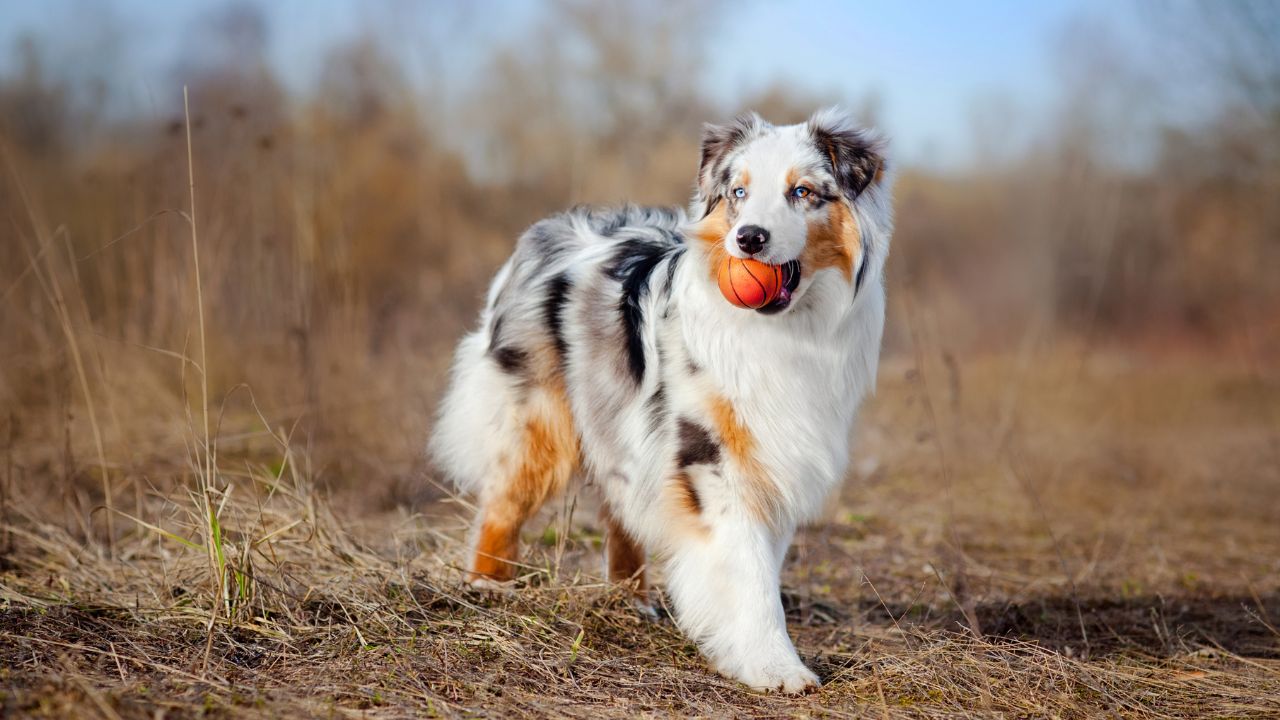
Australian Shepherds usually bring a different social energy, often acting like enthusiastic project managers who desperately want everyone to join their latest idea. These shepherd dogs tend to be expressive, attentive to human communication, and eager to engage in activities with people they know well.
Around children, neither breed should be expected to understand that small humans aren’t livestock automatically. Their herding instincts may lead to chasing, circling, or unwanted nipping, so supervision and proper behavior training are especially important.
5. Exercise Needs & Energy Levels
A Blue Heeler is basically a walking reminder that the phrase “I’m tired” doesn’t exist in every dog’s vocabulary. These working athletes were developed for long hours of physically demanding activity, so a quick trip around the block rarely provides sufficient stimulation for a healthy young adult.
For many healthy adult Blue Heelers, roughly 60–120 minutes of appropriately varied daily activity is a useful starting point, not a rigid requirement. Hiking, structured retrieving, scent games, controlled running, and canine sports provide different forms of stimulation that can help reduce boredom.
Australian Shepherds are equally enthusiastic about movement, though many especially enjoy activities that involve constant communication with their owners. Purina says that an Aussie may happily participate in agility, obedience competitions, trick training, hiking, and interactive games that require quick decisions.
The biggest practical difference is how owners choose to meet each breed’s preferred activity style. Blue Heelers often thrive when exercise includes purposeful movement, problem-solving, and chances to use their remarkable stamina. At the same time, Aussies may especially enjoy coordinated games and frequent interaction with their handler.
6. Trainability & Obedience
Training a Blue Heeler can feel like teaching a ridiculously intelligent student who occasionally questions whether your instructions are actually worth following. These wonderful pets are excellent problem-solvers, capable of learning complex routines, remembering patterns, and making independent decisions in challenging situations.
One major advantage of the Blue Heeler is its ability to remain focused on purposeful activities for extended periods. Because the breed historically worked around large, unpredictable cattle, it developed strong concentration, quick reactions, and the confidence to act without waiting for constant direction.
Australian Shepherds often approach training like enthusiastic overachievers who are determined to earn the highest possible grade. As per Omlet, their responsiveness to human movement, verbal instructions, and reward-based teaching makes them particularly well suited to advanced obedience, agility, trick training, and coordinated dog sports.
The biggest difference between these two canine geniuses lies in how they approach cooperation, not in their capacity to learn. Blue Heelers often benefit from training that rewards thoughtful decisions and encourages voluntary cooperation, while Australian Shepherds frequently excel when lessons involve clear communication and interactive teamwork.
7. Grooming Needs & Shedding
The Blue Heelers have a grooming advantage. Their coats are short and dense, offering protection from outdoor conditions without requiring complicated trimming or extensive professional styling.
However, don’t assume that short hair automatically means a completely fur-free household, because Blue Heelers can shed surprisingly heavily. Their undercoat typically sheds more noticeably in seasonal periods, during which loose hair may accumulate on furniture, clothing, and practically every surface imaginable.
Australian Shepherds bring a completely different grooming experience, thanks to their beautiful medium-length double coats and feathering around the legs, chest, and hindquarters. Their fur needs more attention because longer strands can trap loose undercoat, collect outdoor debris, and tangle in friction-prone areas.
When comparing everyday convenience, the Blue Heeler is usually the more practical choice for people who prefer relatively quick grooming sessions. Australian Shepherds need more brushing time and may benefit from occasional professional grooming, especially when seasonal shedding becomes hard to manage at home.
8. Herding & Work Drive
When it comes to herding, the Blue Heeler doesn’t mess around, because its ancestors were developed to move powerful cattle that weren’t always interested in cooperating. Its traditional working style includes close positioning, persistent movement, and controlled nipping at livestock heels when necessary.
That strong instinct can show up in surprisingly ordinary situations, even when a Blue Heeler has never worked on a farm. Some individuals become intensely interested in running children, moving bicycles, joggers, or household pets because their inherited behavioral tendencies make movement especially exciting.
Australian Shepherds demonstrate a versatile herding style that commonly emphasizes coordinated movement, positioning, and responsiveness to their handlers. Although often associated with sheep, the breed has also been used to work cattle and other livestock, making it considerably more adaptable than its name might suggest.
The difference becomes especially fascinating when you watch professionally trained working dogs perform traditional herding tasks. Blue Heelers may rely more heavily on direct pressure and determination when controlling difficult cattle. In contrast, Australian Shepherds can use a combination of body positioning, movement, eye contact, and handler-directed pressure.
9. Health & Lifespan
Blue Heelers are energetic canines with a reputation for toughness, and their relatively long expected lifespan appeals to people seeking an active companion for many years. The American Kennel Club lists a typical life expectancy of approximately 12–16 years, although actual longevity depends on genetics, medical care, nutrition, and individual circumstances.
Important health concerns in Australian Cattle Dogs include hip and elbow dysplasia, progressive retinal atrophy, primary lens luxation, and congenital deafness. Recommended health screenings include orthopedic evaluations, ophthalmologist exams, relevant DNA testing, and the Brainstem Auditory Evoked Response test (BAER) for hearing.
Australian Shepherds typically live about 12–15 years, placing them in a similar longevity range despite their larger average size. They can develop inherited eye conditions, orthopedic disorders, epilepsy, and genetic variations linked to sensitivity to certain medications.
For either breed, maintaining an appropriate body condition is one of the most practical ways to protect long-term mobility and overall health. Regular veterinary exams, dental care, parasite prevention, appropriate nutrition, and age-appropriate exercise all support a healthier daily routine.
10. Blue Heeler vs. Australian Shepherd: Which Herding Breed Is Right for You?
Choosing between a Blue Heeler and an Australian Shepherd is basically choosing between two incredibly intelligent athletes with different approaches to the same exciting lifestyle. A Blue Heeler may suit someone who appreciates a compact, independent, determined companion and enjoys providing consistent structure alongside demanding outdoor activities.
An Australian Shepherd may be a better match for someone who wants an enthusiastic partner in obedience, agility, hiking, or interactive training. These dogs often enjoy frequent communication with their owners and can develop impressive abilities when their mental and physical needs are properly supported.
If you live in an apartment, don’t automatically rule out either breed because of limited square footage. However, access to safe outdoor exercise, enrichment opportunities, quiet rest areas, and predictable daily routines matters far more than having enough floor space.
The smartest way to decide is to meet well-socialized adult representatives of both breeds and speak with people who handle them regularly. Visiting responsible breeders, attending dog-sport events, or contacting breed-specific rescues can reveal practical details about energy, behavior, coat maintenance, and training that photos never capture.
Conclusion
Compared with other breeds, Blue Heeler and Australian Shepherd are two genuinely extraordinary herding breeds, and choosing between them is about more than deciding which adorable face deserves a permanent spot in your camera roll.
Blue Heelers stand out for their compact strength, persistent work ethic, relatively simple grooming, and confident independence. At the same time, Australian Shepherds offer impressive versatility, responsive teamwork, and an enthusiastic approach to learning.
If you love purposeful outdoor adventures and feel comfortable managing an independent, determined companion, the Blue Heeler could become an incredible addition to your life. If you’re drawn to interactive sports, advanced training, and a dog that often looks to you for its next assignment, the Australian Shepherd may be the perfect adventure partner.
