




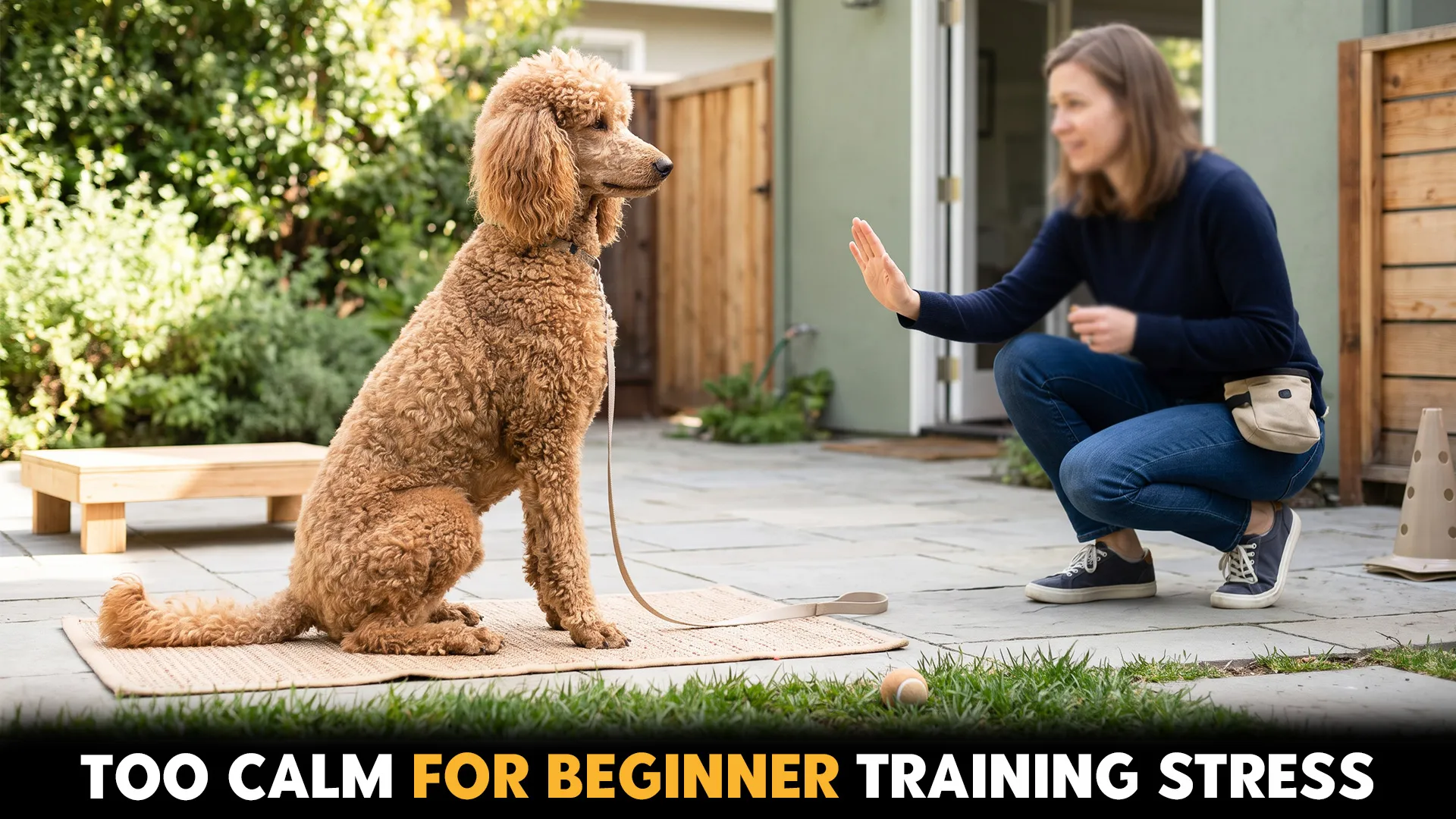
Bringing home your first dog is exciting, but it can also come with plenty of questions. Will your new companion be easy to train? How much exercise will they need? And what happens when you’re still learning the ropes of dog ownership?
The good news is that some dogs are naturally more adaptable, sociable, and responsive to training, making the journey a little easier for first-time owners.
Patience is a big part of the process, too. Even the most beginner-friendly dog needs time to learn house rules, build trust, and settle into a new home. You’ll have good days, a few messy moments, and plenty of adorable memories along the way.
Ready to find a patient, loving companion to start this journey with? Let’s explore some of the best dog breeds that can make wonderful first pets.
Best Patience-Ready Dog Breeds for First-Time Owners
1. Golden Retriever
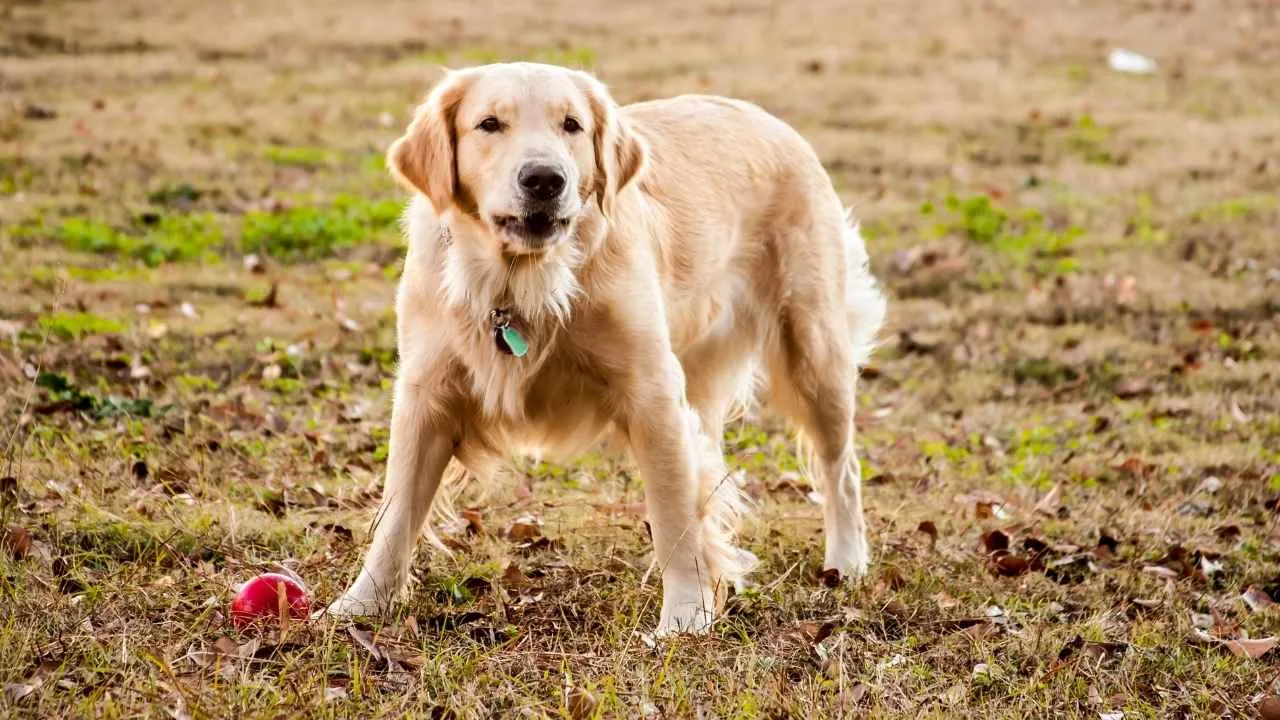
Golden Retrievers are friendly, loyal dogs that can make wonderful companions for first-time owners. They are affectionate with their families and usually get along well with children and other pets when socialized from puppyhood.
Their outgoing nature also makes them welcoming toward strangers and other dogs. They enjoy being part of family life, whether indoors or outdoors.
Training and Temperament
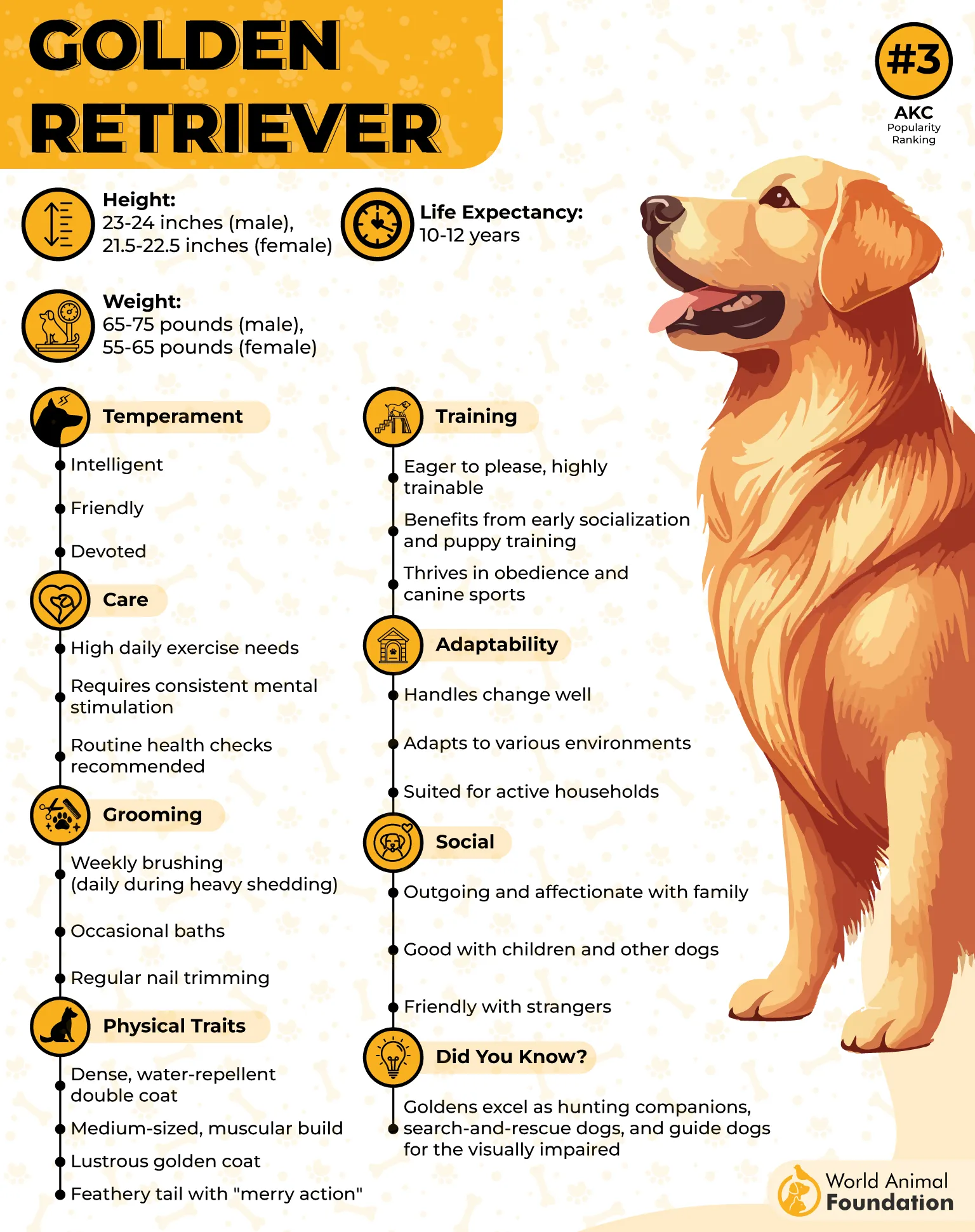
Golden Retrievers are intelligent and eager to please, which helps them learn commands and routines. However, their excitement and curiosity can make early training challenging.
They may pull on the leash or become distracted by new sights and sounds. Patient, gentle training helps them develop good manners. Their sensitive nature means harsh handling should be avoided.
Exercise and Grooming Needs
Daily activities: They enjoy long walks, running, retrieving games, and swimming. They suit active owners who love spending time outdoors.
Coat care: Their thick, double coats shed heavily and can develop mats behind the ears and on the hind legs. Regular brushing and grooming help keep their coats healthy.
Safety and companionship: They love carrying objects in their mouths and need supervision around water. They also enjoy being around people, so they suit homes where they can take part in daily activities.
2. Labrador Retriever
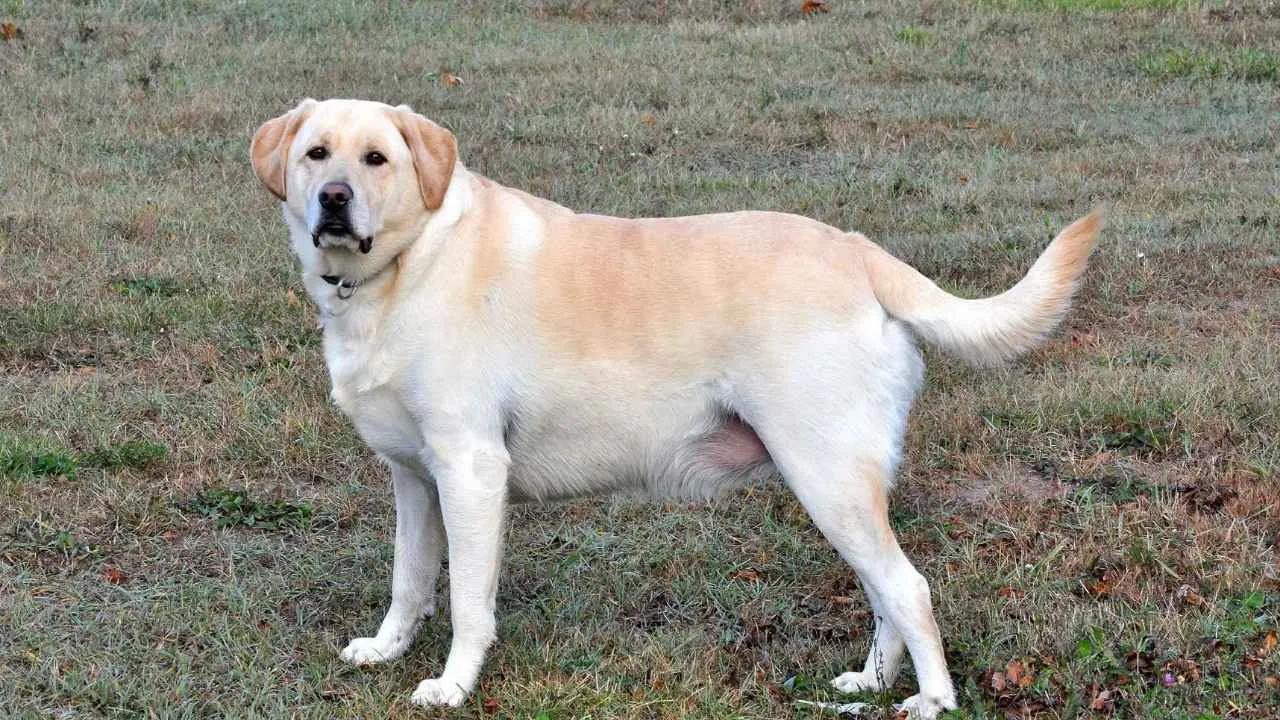
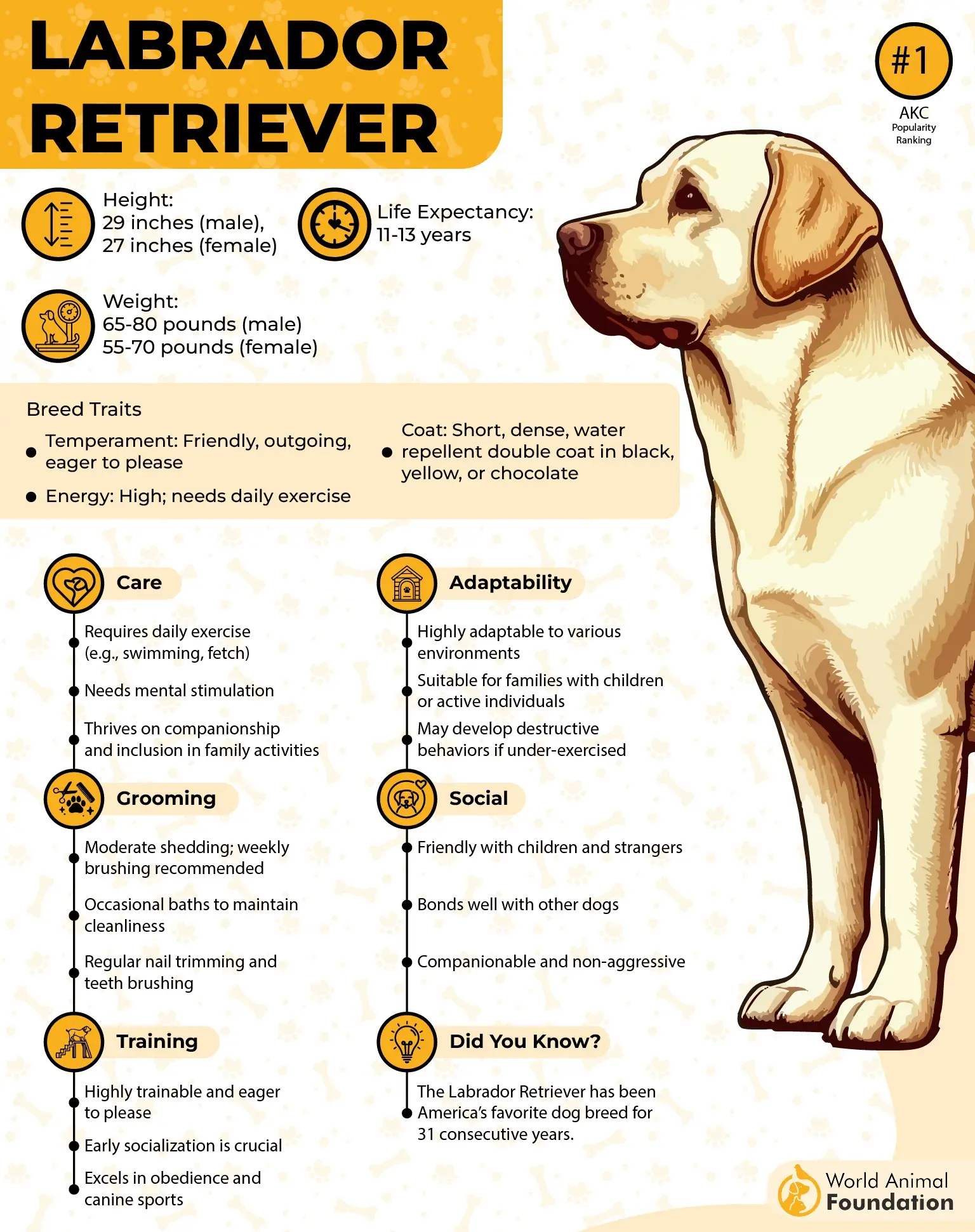
Labrador Retrievers have a long history as working dogs. They originated in Newfoundland, Canada, where they helped fishermen retrieve nets from cold waters.
Later, they became popular as gundogs and are now loved as family pets. Their friendly nature makes them suitable for homes with children and other pets, especially when they are socialized properly.
Training and Temperament
Labradors are intelligent, affectionate, and eager to please. They usually learn commands quickly and respond well to positive, reward-based training. However, young Labs can be boisterous and strong-willed.
Purina says their love of food can also help with training, but owners must manage treats carefully. Teaching them to release objects they pick up is important because they have a strong retrieving instinct.
Exercise and Care Needs
Daily exercise: Labradors need plenty of activity, with a couple of hours a day being ideal for healthy adults. They enjoy long walks, running, games, and swimming.
Coat care: Their water-resistant double coats shed heavily, so regular brushing helps manage loose hair.
Space and supervision: These active dogs benefit from a spacious home, a garden, and access to outdoor activities. Supervise interactions with young children and teach everyone to treat each other gently.
3. Cavalier King Charles Spaniel
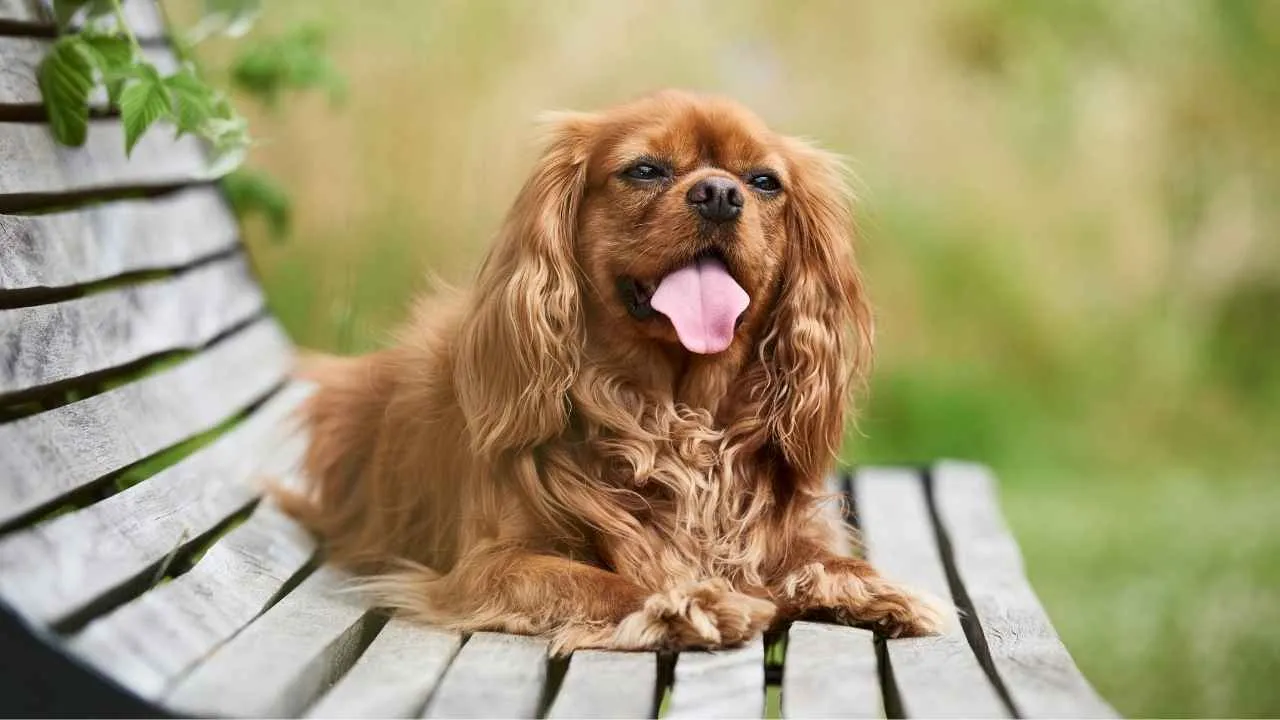
Cavalier King Charles Spaniels have a royal history dating back to 17th-century Britain. King Charles I and his son, Charles II, loved these dogs and often took them wherever they went.
Bred as lap companions, Cavaliers remain devoted to their families and love spending time with people. Their gentle nature and friendly personality make them excellent companions for new dog owners, children, and seniors.
Temperament and Training
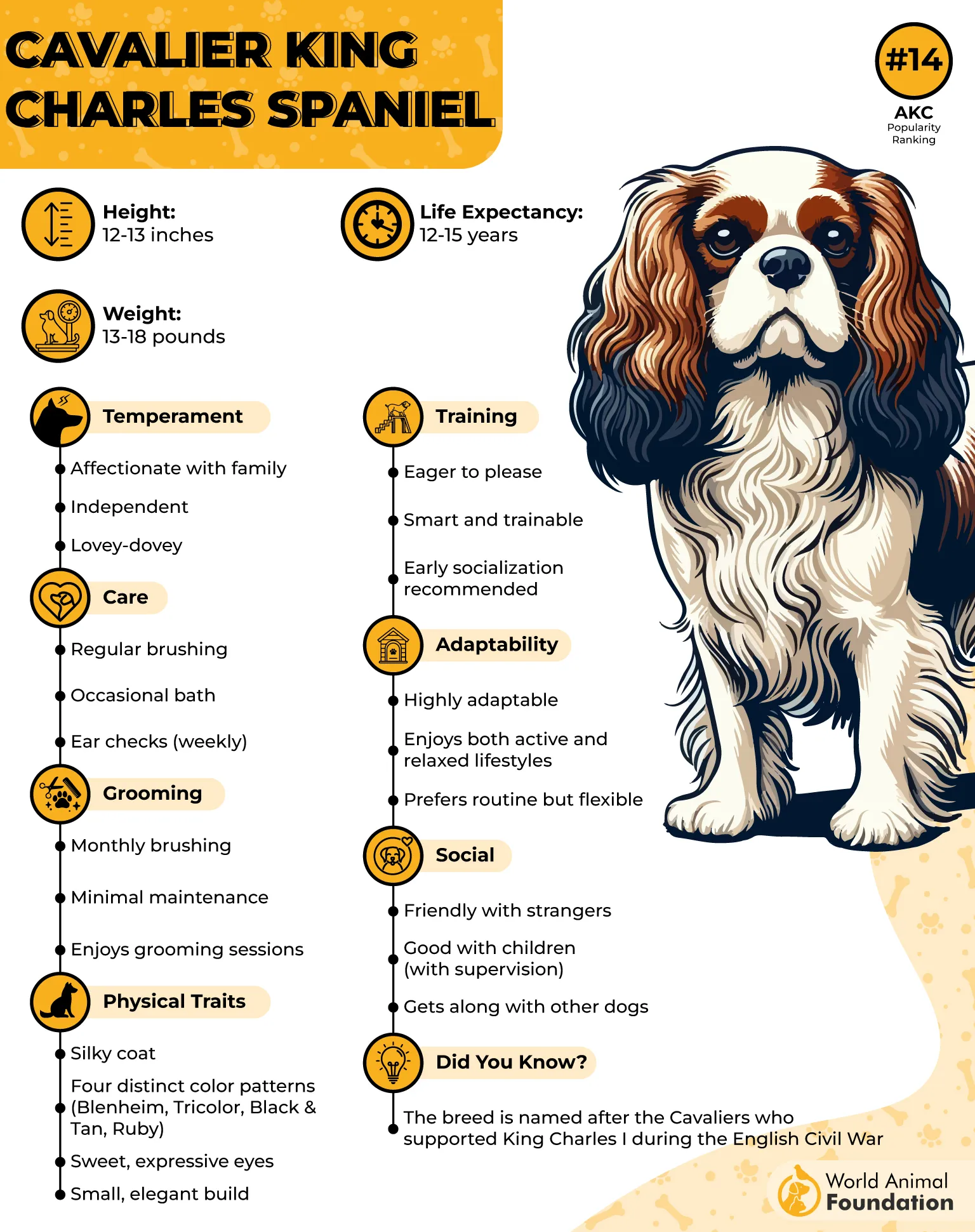
Cavaliers are cheerful, patient, and eager to please. They are generally friendly toward strangers, children, and other animals, including cats.
Their playful yet laid-back nature helps them adapt to different households. They are also relatively easy to train with positive reinforcement. Although they enjoy meeting new dogs, they may feel shy around larger breeds at first.
Exercise and Grooming Needs
Daily activities: Cavaliers need moderate exercise, including regular walks and outdoor play. They are equally happy relaxing at home with their owners.
Coat care: Their long, silky coats need regular brushing to manage loose hair and keep them looking neat.
Companionship: These dogs thrive on human interaction and love staying close to their families, so they suit owners who can give them plenty of attention.
4. Standard Poodle
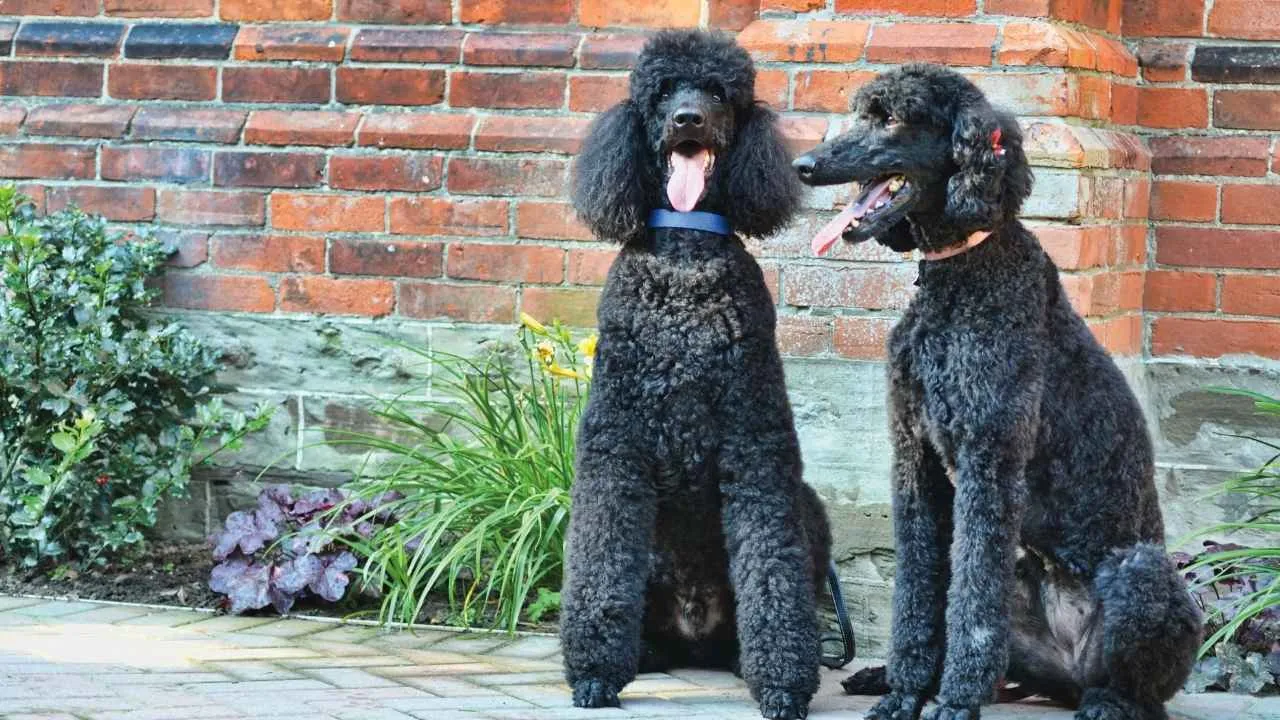
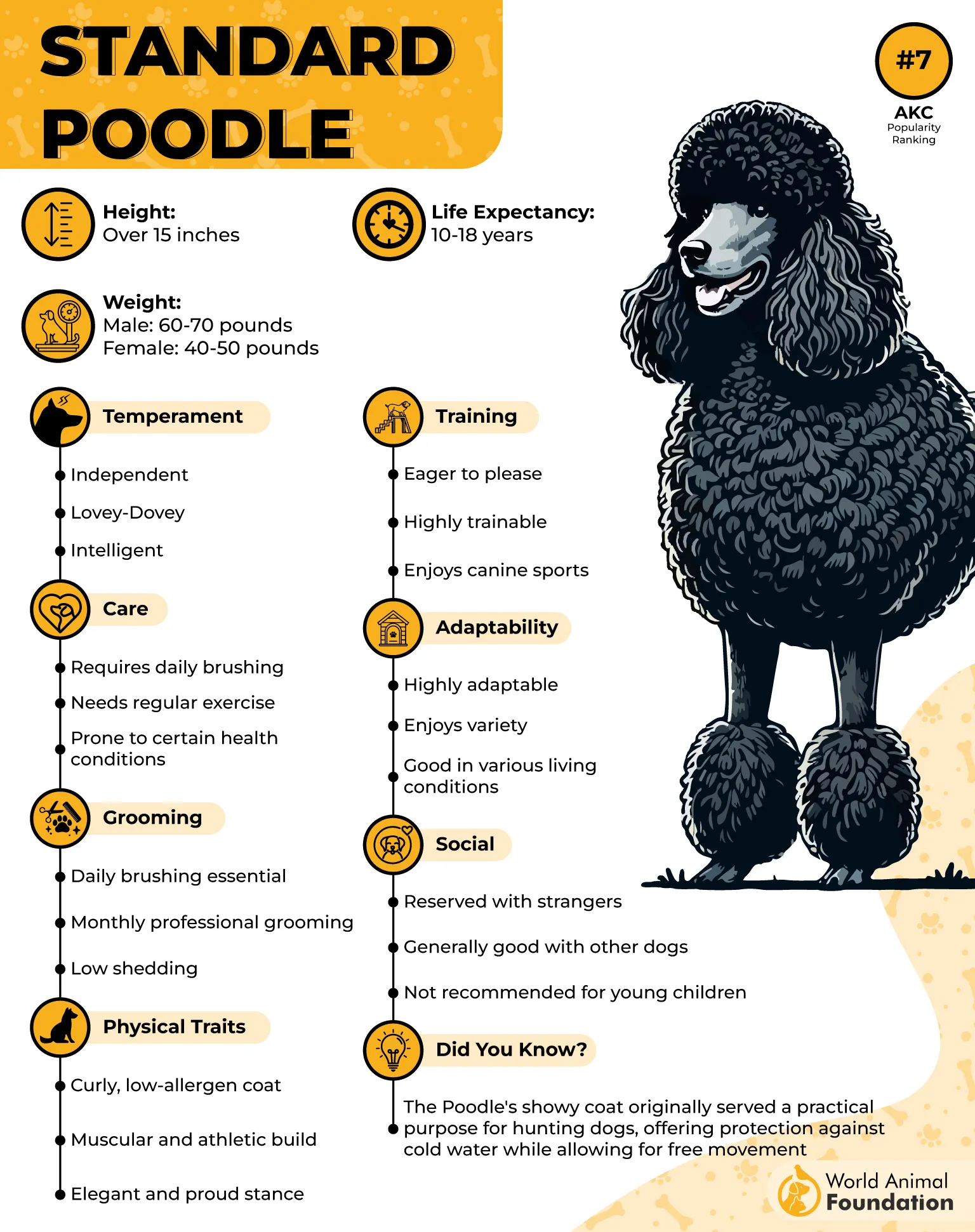
Standard Poodles were originally bred as water dogs to retrieve waterfowl. Despite their fancy appearance, they are athletic, playful, and highly intelligent. They are quick thinkers and enjoy learning new things.
Their good-natured temperament also makes them wonderful family companions. As Chewy notes, Standard Poodles can adapt to different households and generally get along well with children, cats, and other dogs.
Training and Temperament
Standard Poodles are confident, intuitive, and eager to work with their owners. Their intelligence makes training and obedience rewarding, even for first-time dog owners who are ready to stay consistent.
They can also adjust their energy to different situations. These versatile dogs enjoy activities such as hiking, agility, hunting, and obedience training. They also make good watchdogs.
Exercise and Grooming Needs
Daily activities: Standard Poodles need regular exercise and mental stimulation to stay happy. They enjoy active games and learning new skills.
Coat care: Their soft, curly coats come in colors such as black, white, red, silver, and brown. Their hair can mat easily, so regular brushing and professional grooming are important.
Family life: These sociable dogs enjoy spending quality time with their families and can adapt to different lifestyles when their exercise, training, and companionship needs are met.
5. Newfoundland
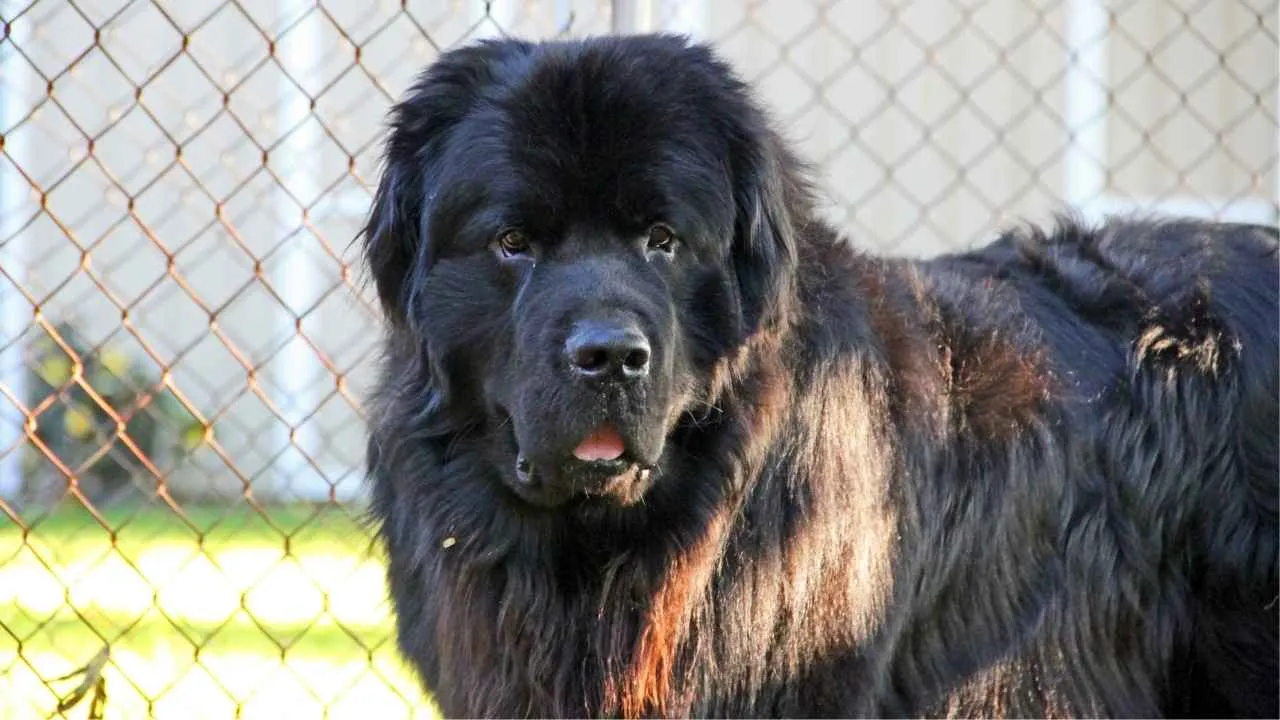
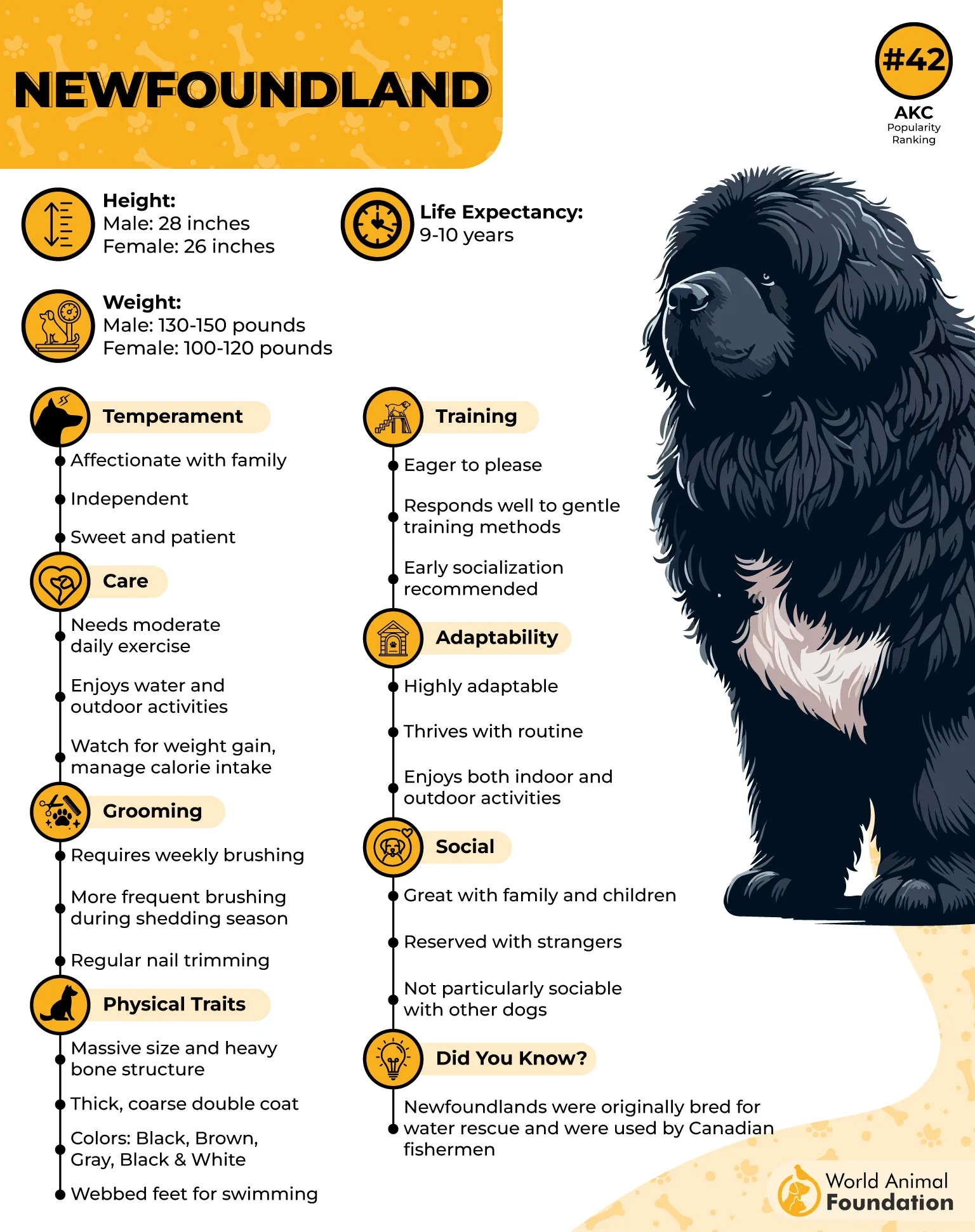
Newfoundlands, often called Newfies, originated in Newfoundland, Canada, where they worked alongside fishermen and helped with water rescues. These giant dogs are known for their sweet nature, calm temperament, and devotion to their families.
They are affectionate with strangers, other dogs, and household pets. Their patience around children has even earned them the nickname “nanny dogs.” However, their size and strength mean they may be difficult for children and seniors to manage.
Training and Temperament
Newfoundlands are willing to please and generally easier to train than many other giant breeds. However, they can be slow to respond and sometimes prefer to think for themselves. Consistent training from an early age helps them develop good manners and respect boundaries.
Early socialization also helps them become comfortable around new people and animals. Their protective nature makes them effective guard dogs, while their gentle temperament helps them settle into family life.
Exercise and Grooming Needs
Daily activities: Newfoundlands enjoy outdoor walks and swimming. Their webbed paws make them natural swimmers, while their thick coats help protect them in cold water.
Coat care: Their thick double coats shed throughout the year and need regular brushing.
Daily upkeep: These dogs tend to drool, so owners should be prepared for regular cleanup. They can also overheat in centrally heated homes.
6. Bernese Mountain Dog
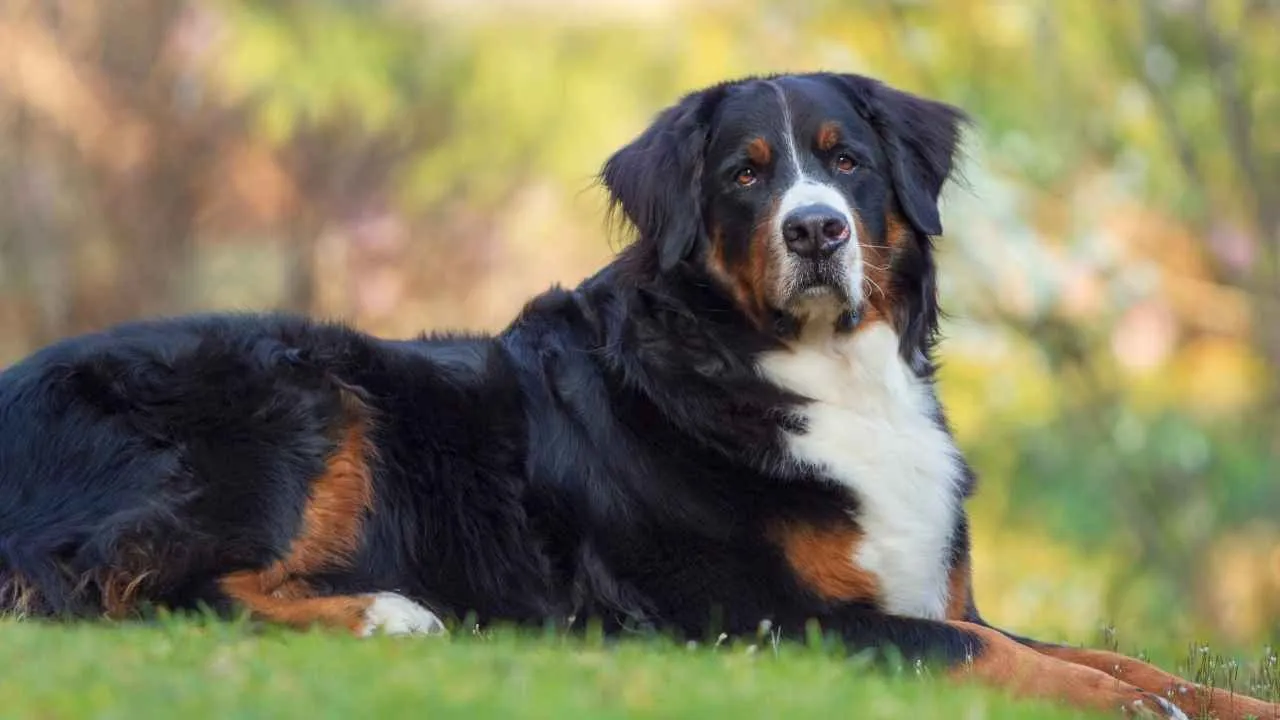
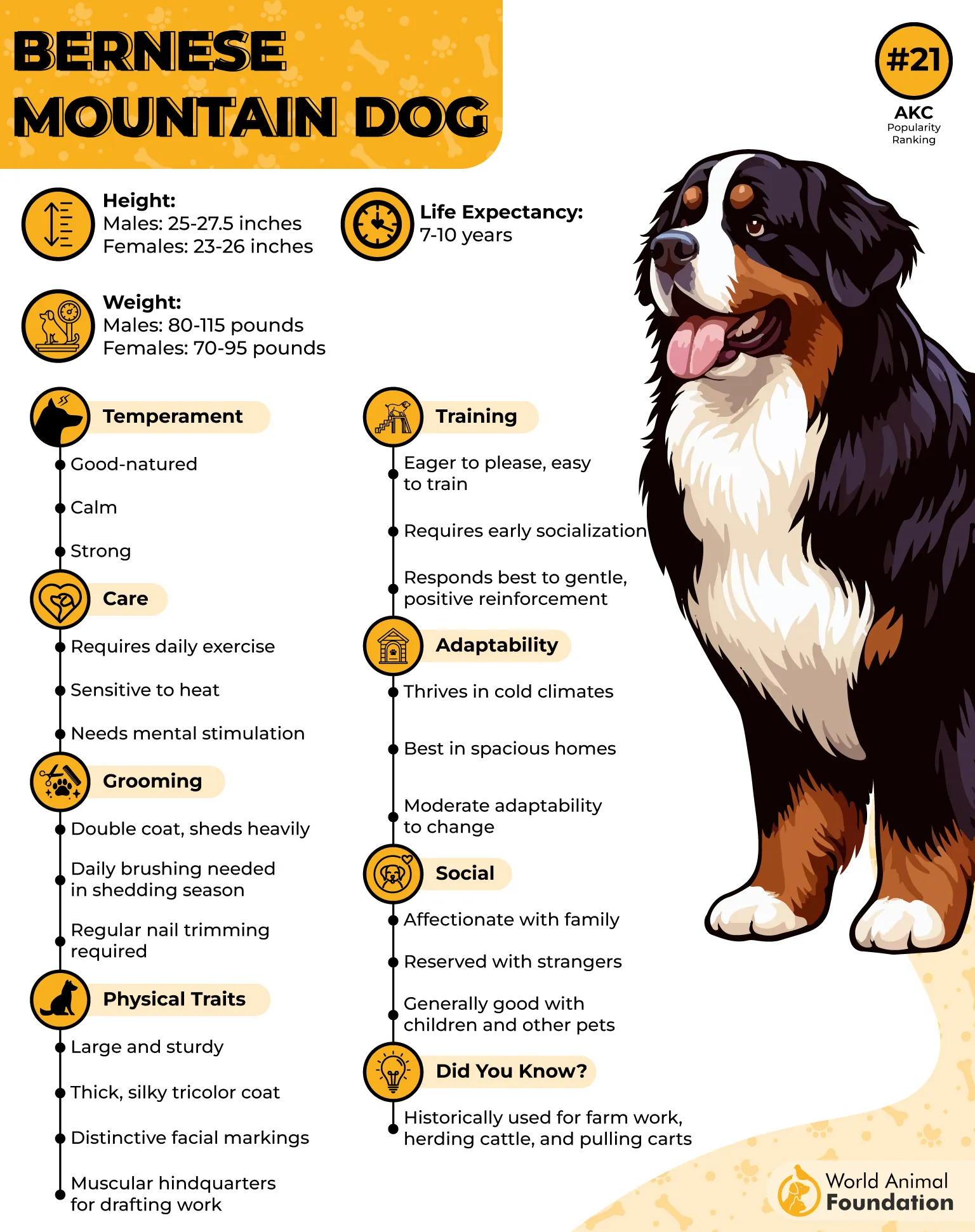
Bernese Mountain Dogs originated in Switzerland, where they worked as farm dogs. Today, these gentle giants are beloved family companions.
They are affectionate, patient, and generally friendly toward strangers, children, other dogs, and household pets. Although they are one of the more active giant breeds, they have a fairly calm nature compared with many dogs.
Training and Temperament
Bernese Mountain Dogs are intelligent and eager to please, which makes obedience training easier. They enjoy spending time with their families rather than being left alone in the yard.
Britannica says these dogs can make intimidating watchdogs because of their deep bark, but they are not known for excessive barking. Early socialization helps them feel comfortable around strangers and in unfamiliar situations. Their size and strength still require careful handling around children and seniors.
Exercise and Grooming Needs
Daily activities: Bernese Mountain Dogs need consistent, moderate exercise. They enjoy long walks, hikes, fetch, scent walks, and agility activities, followed by relaxing with their families.
Coat care: Their thick, double coats have a black, white, and tan pattern. They shed heavily throughout the year and need regular grooming.
Family time: These affectionate dogs thrive on companionship and enjoy being included in family activities.
7. Irish Setter

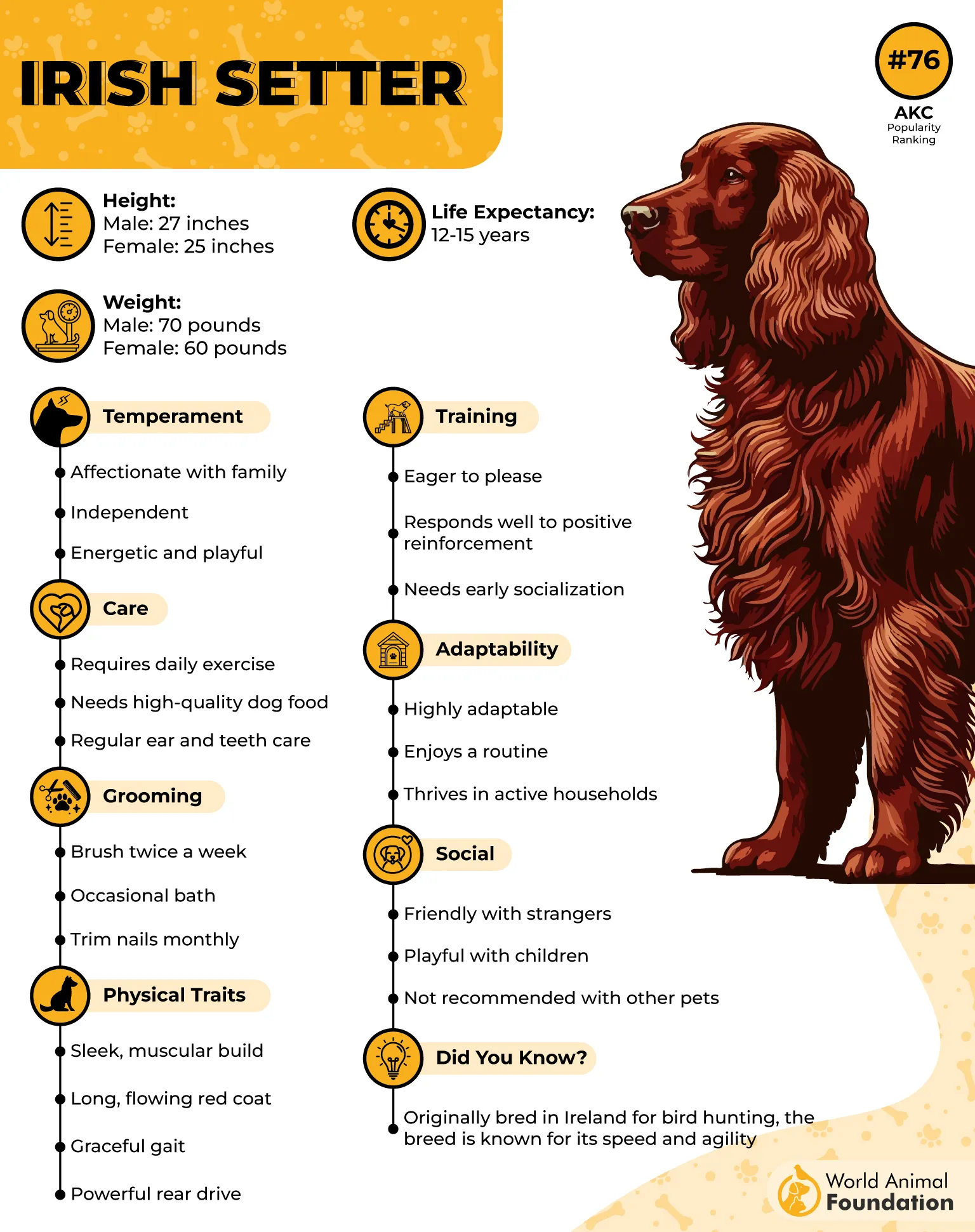
Irish Setters were originally bred as hunting dogs in Ireland and remain popular sporting dogs today. Their glossy red coats catch the eye, but their sweet nature and playful personalities make them beloved family companions.
They are friendly toward strangers and generally get along well with other dogs and animals. These cheerful dogs enjoy being around people and can make wonderful companions for active owners who have plenty of time to spend with them.
Training and Temperament
Irish Setters are intelligent, eager to learn, and responsive to training. However, their playful nature can make them easily distracted. They can also become overexcited, especially when young, so consistent training is important.
Once trained, they are gentle with children and other household pets. They may be too boisterous for toddlers, though, and are not effective protection dogs due to their welcoming nature.
Exercise and Grooming Needs
Daily activities: Irish Setters need plenty of exercise to stay happy and avoid boredom. They enjoy active outdoor adventures and need secure spaces to play safely.
Coat care: Their long, glossy red coats need frequent, often daily, brushing to prevent mats and remove burrs.
Companionship: These sociable dogs need regular human interaction and plenty of time with their families. They do not enjoy being left alone for long periods.
Conclusion
Choosing the right dog for your first home comes down to more than a friendly face. From affectionate, easygoing companions to energetic dogs who love outdoor adventures, each breed has different needs for training, exercise, grooming, and attention.
The best fit is one whose personality and daily care requirements match your lifestyle and experience.
Before bringing a dog home, take time to research your favorite breeds and consider the commitment involved. Be ready to offer patience, consistent training, and plenty of love as your new companion settles in.
Remember, you don’t have to be a perfect dog owner from day one. With time and understanding, you and your furry friend can learn and grow together.
