




Wild boar hunting demands more than speed and strength, and some dog breeds stand out for it. For hunters, outdoor enthusiasts, and anyone choosing a capable hog dog, the right breed can improve tracking success and safety in dense woodland, tangled undergrowth, and other hard terrain where wild pigs are difficult to find and dangerous at close contact.
Different breeds bring distinct advantages, from a keen sense of smell and long-range stamina to the size, grit, and control needed for hog hunting.
Some work best as bay dogs that locate and hold wild pigs by barking, while others are better suited to close catch work, where the risk from tusks is much higher and reliable recall, experienced handlers, and the right collars matter when dogs range out of sight.
Below, we look at seven top breeds, the physical and behavioral traits that make them effective, and the hunting styles they are commonly used for.
Elite Dog Breeds that Excel in Wild Boar Hunting
1. Catahoula Leopard Dog
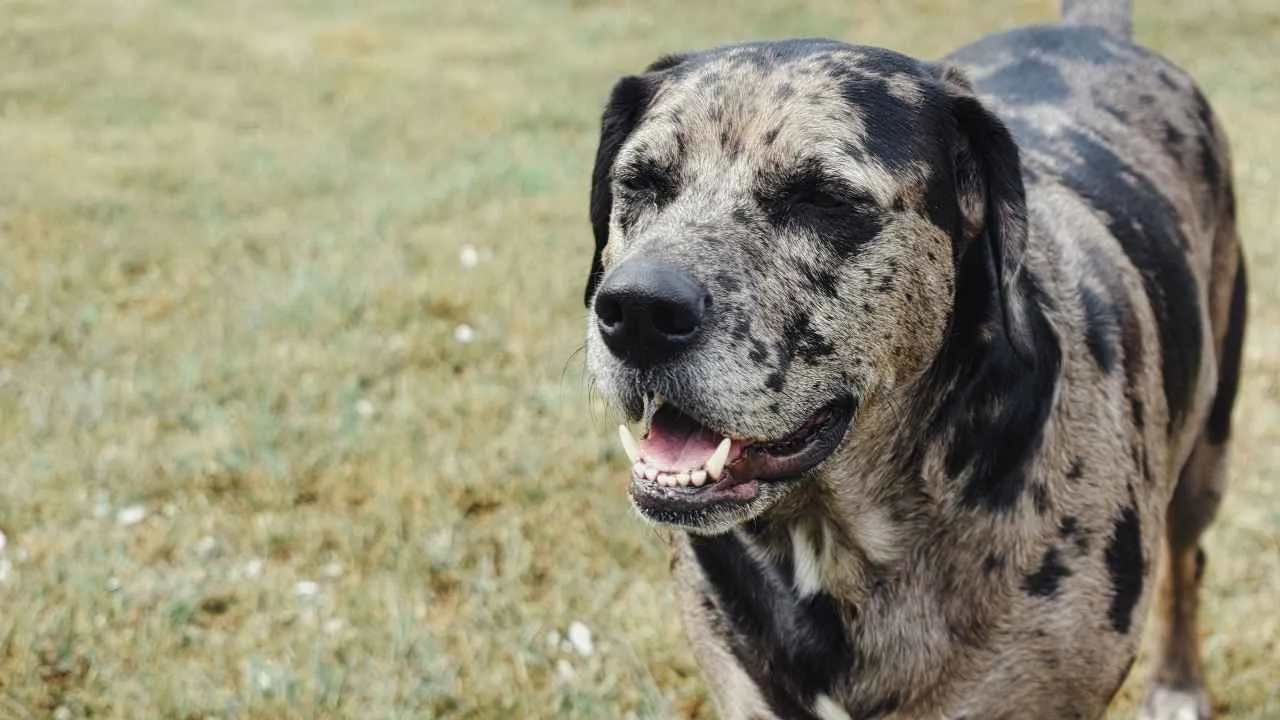
The Catahoula Leopard Dog is a powerful, versatile hunting breed with deep roots in Louisiana, where it was used to track wild hogs and manage cattle. Its intelligence, stamina, and determination make it well suited to demanding work in challenging terrain.
According to Purina, Catahoula Leopard Dogs are energetic and need plenty of physical exercise and mental challenges to stay engaged and healthy.
Its muscular build, strong hips, and ability to change direction quickly help it navigate muddy ground and dense brush. Webbed paws provide an advantage in swampy conditions, while its distinctive baying voice helps hunters locate it when it corners or holds wild boar until assistance arrives.
Highly alert and independent, the Catahoula needs purposeful activity and consistent guidance. Without a suitable outlet for its energy, it may dig, attempt escapes, or become overly focused on its surroundings.
How This Breed Stands Out
Brush-navigating agility: Its powerful frame and quick movements help it maneuver through rough hunting terrain.
Baying voice: As one of the classic bay dogs, it can track and bay hogs, alerting hunters with barking.
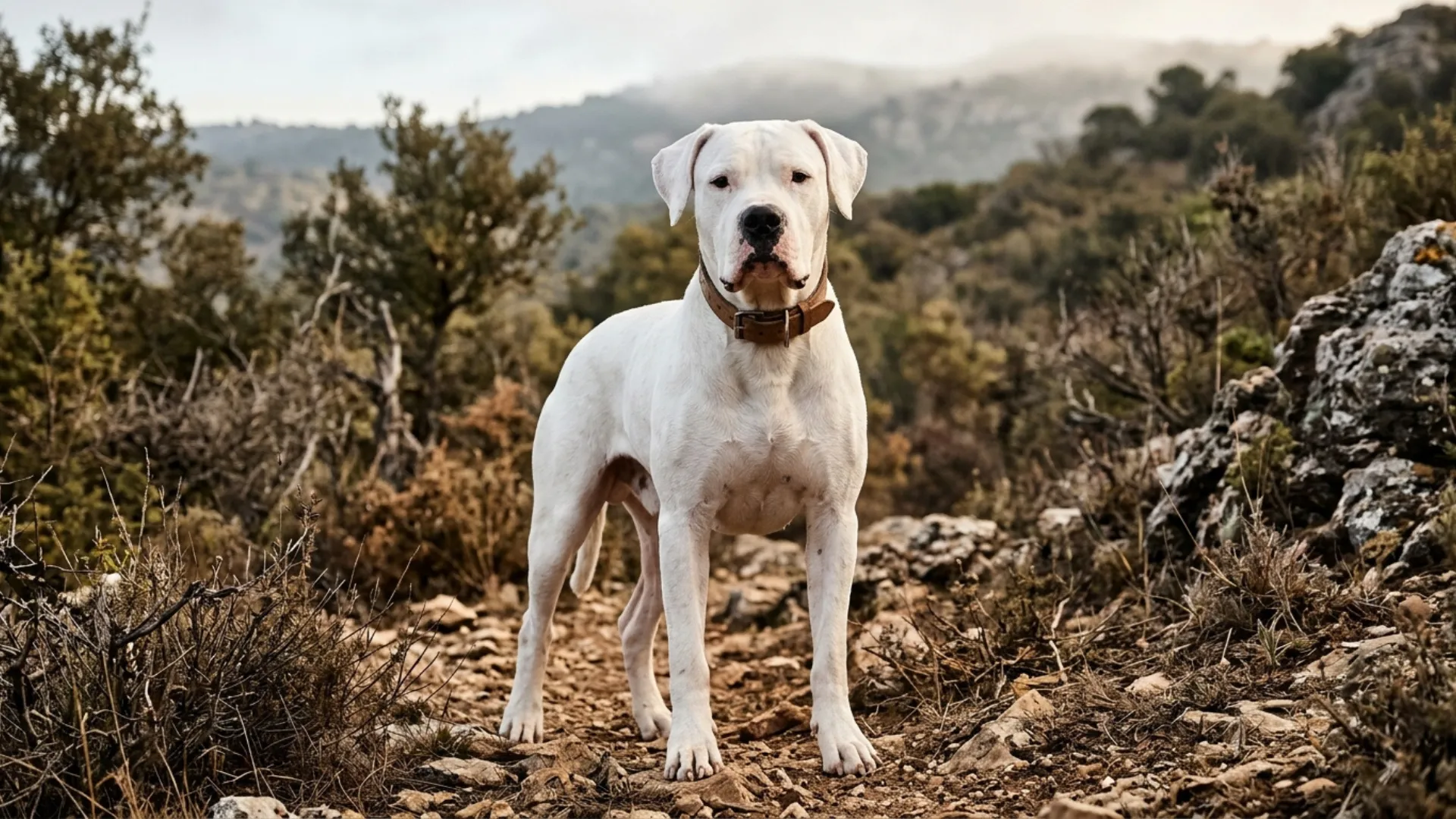
2. Dogo Argentino
The Dogo Argentino originated in Argentina, where it was developed for hunting wild boar and other formidable prey.
According to PetMD, Dogo Argentinos can stand up to 27 inches tall at the shoulder and typically weigh between 80 and 100 pounds.
Its muscular shoulders, broad head, and powerful neck give it the strength needed to seize and hold large animals during demanding hunts, supported by a reported bite force of 500–550 PSI. For big game work, that physical power is most effective in the hands of an experienced handler with reliable obedience.
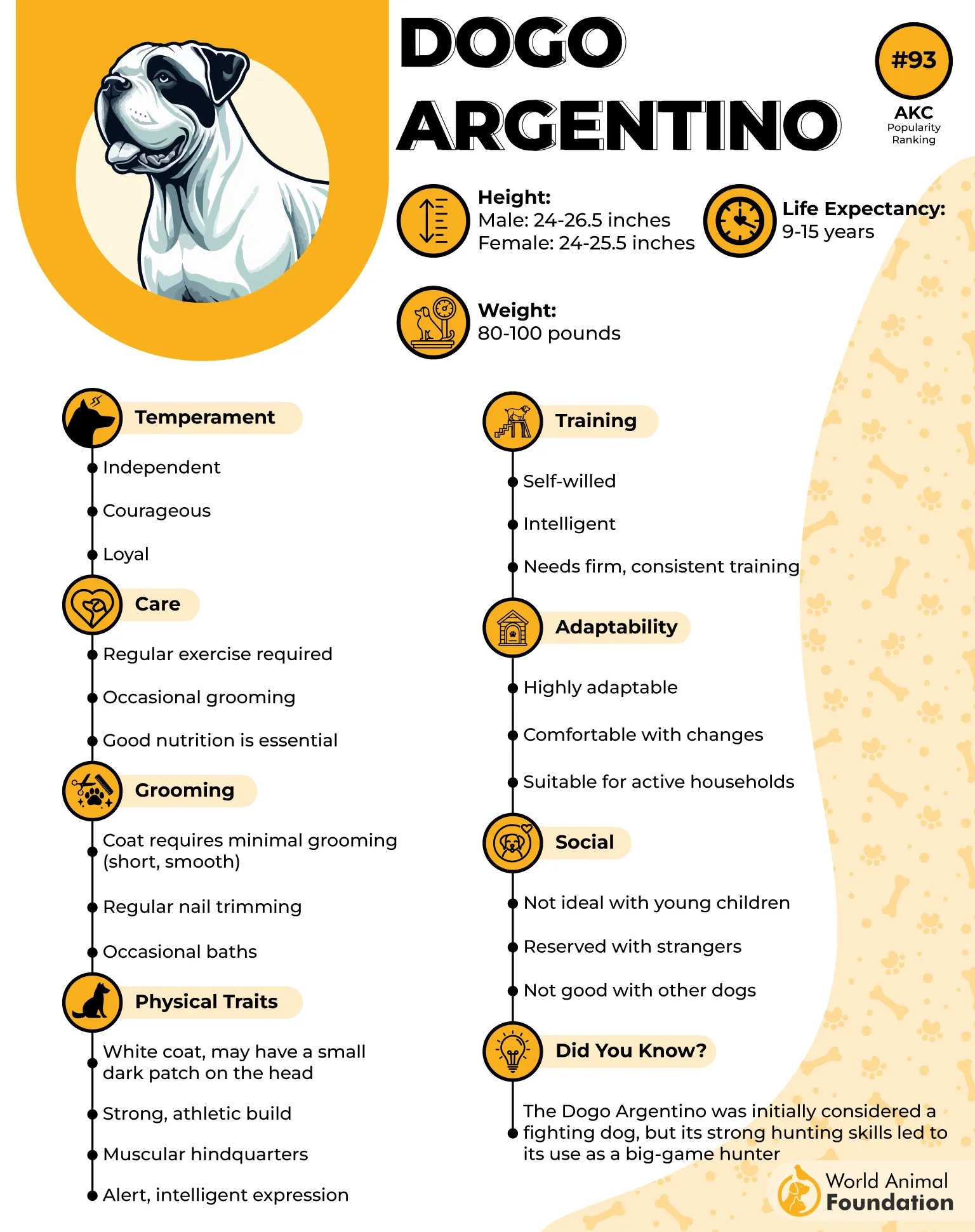
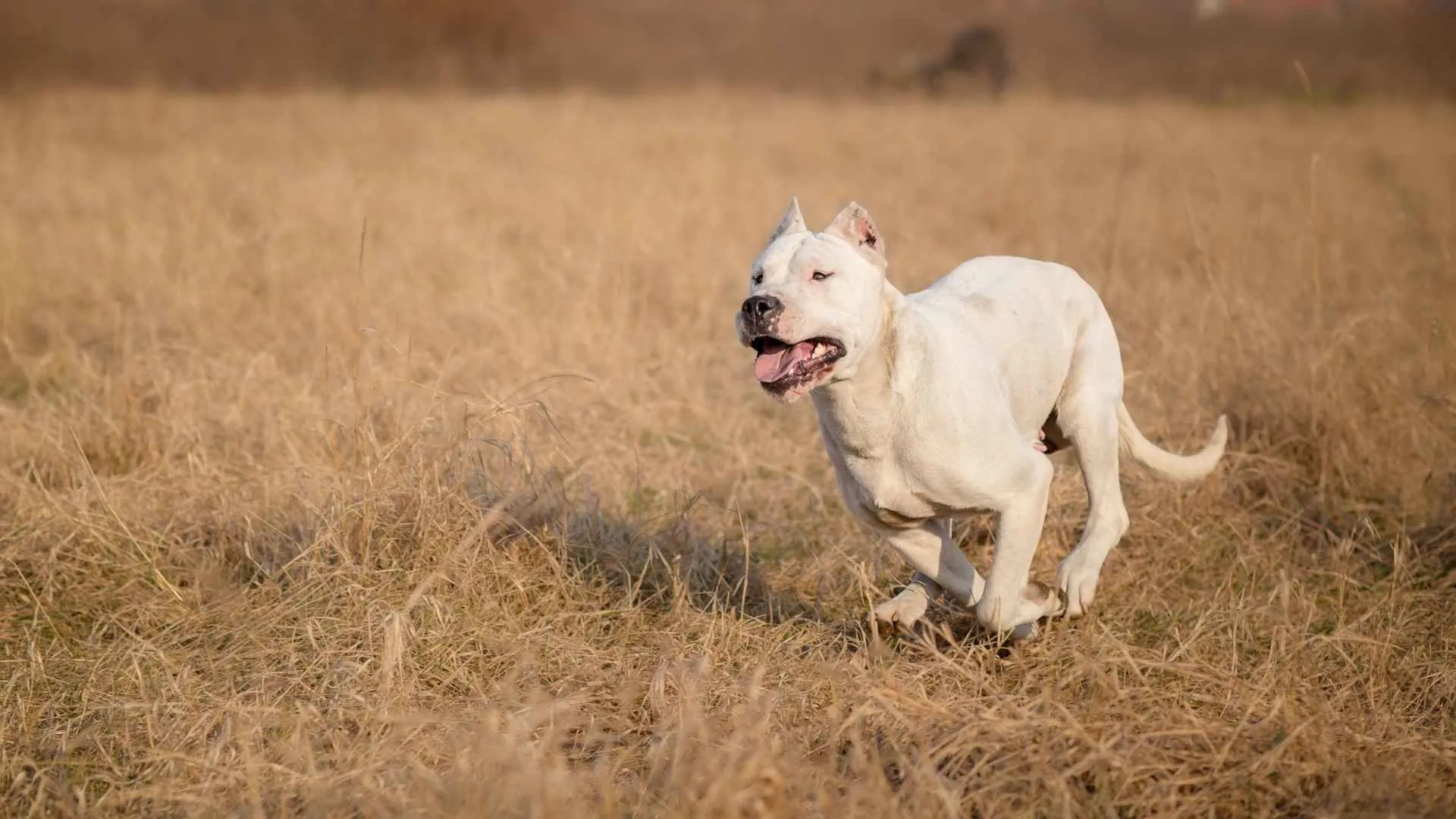
Unlike breeds developed primarily for fighting, the Dogo was selectively bred for hunting. It combines explosive speed with impressive physical power, making it a strong choice for big pursuits while still allowing it to pursue boars through challenging terrain.
Despite its formidable hunting instincts, the Dogo Argentino can be affectionate and friendly with its family. However, its strong prey drive may create difficulties around smaller pets, particularly without early familiarity, and regular exercise helps maintain its athletic condition.
How This Breed Stands Out
Muscular, athletic build: Powerful shoulders and a sturdy frame support demanding catch work as a hog dog, where catch dogs are trained to bite and hold wild pigs.
Fearless hunting drive: Bred to confront formidable quarry, it often works closely with bay dogs during hunts and shows determination when pursuing and holding wild boar.
3. Alano Español
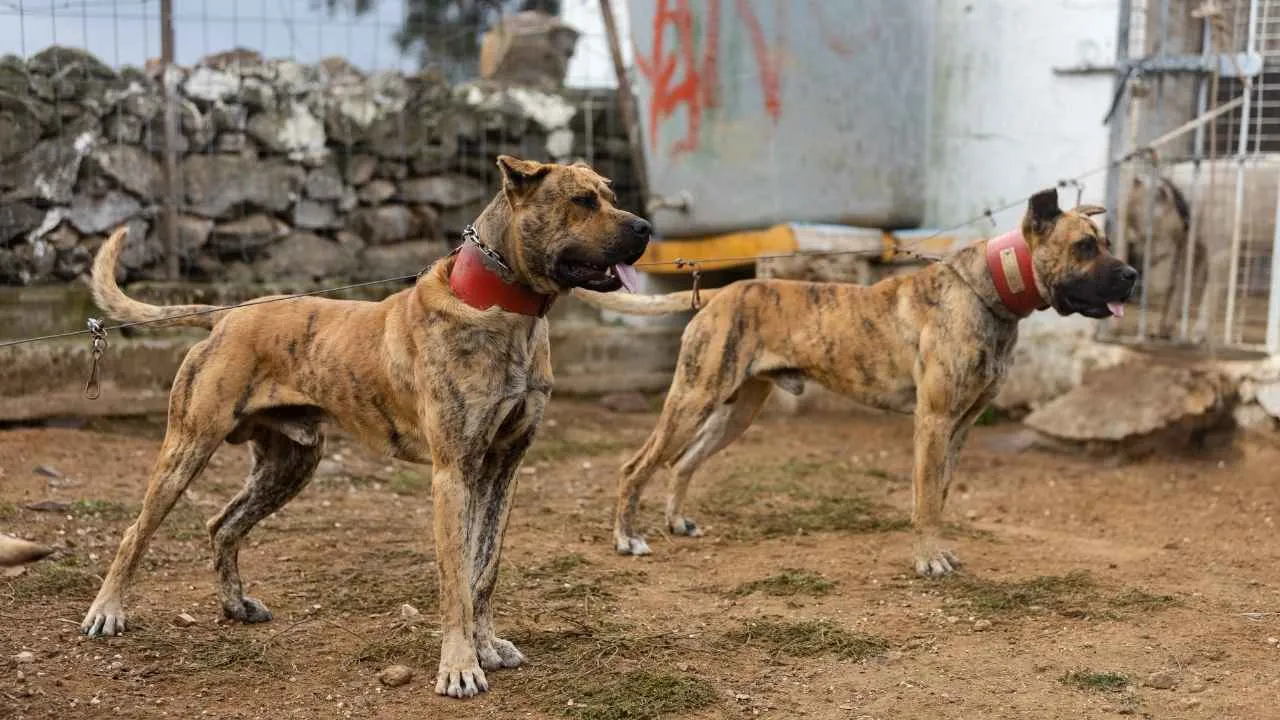
The Alano Español is a robust Spanish working breed traditionally used to catch wild boar, deer, and manage cattle. Unlike scent-tracking hounds, it works at close range, relying on physical strength, speed, and control to restrain large animals.
Despite its solid build, this breed is remarkably agile and can maintain a steady pace over long distances. Its powerful shoulders, well-developed hindquarters, and flexible movement help it navigate obstacles and make sharp turns during demanding pursuits.
Confident and devoted to familiar people, the Alano can be obedient and steady when handled by an experienced owner. Its determination and high pain tolerance have historically helped it hold formidable quarry, but responsible training and socialization remain important for controlled behavior.
How This Breed Stands Out
Spanish catch-dog heritage: Traditionally developed for close-range work with wild game and cattle rather than scent tracking.
Powerful jaws: Its strong bite helps it grip and hold large animals until directed to release.
4. Plott Hound
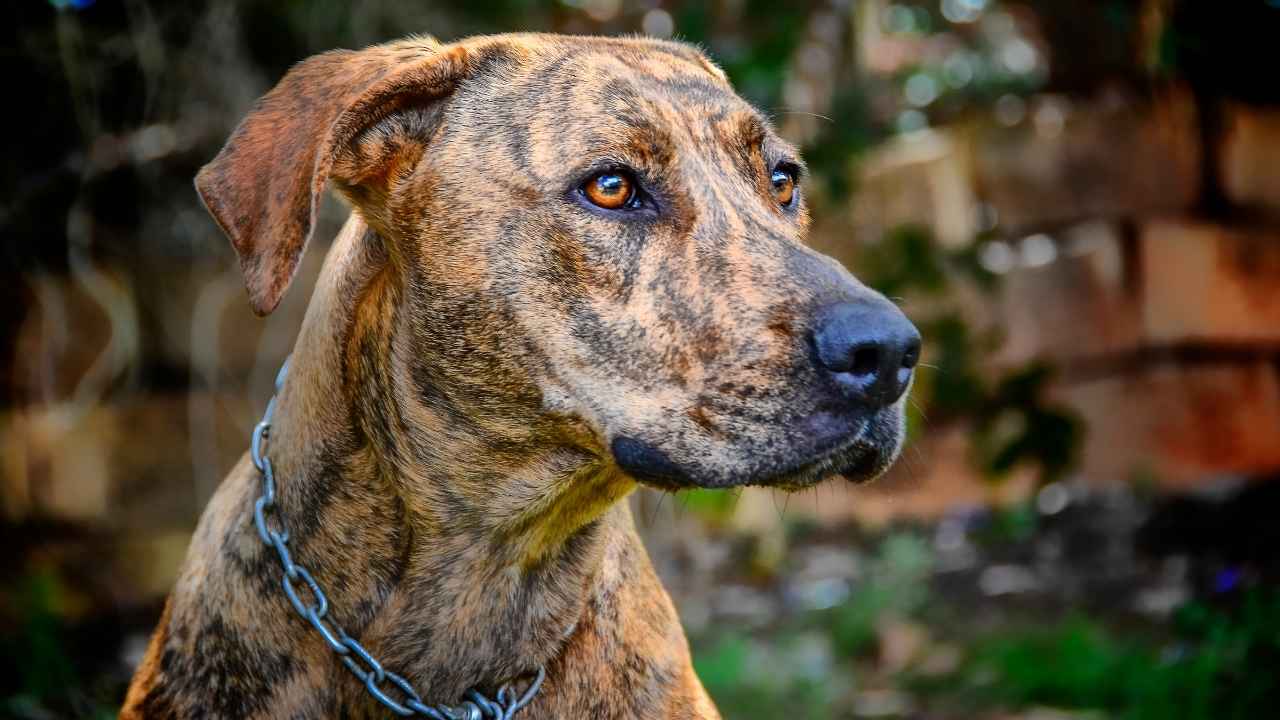
Developed in the United States from German hunting hounds brought to North Carolina in the 1700s, the Plott Hound earned recognition for pursuing large game across rugged mountain country. Its strong scenting ability makes it particularly valuable when tracking wild boar through dense woodland.
According to WebMD, Plott Hounds are large scent-tracking dogs originally developed for wild boar hunting, known for their intelligence, confidence, and bold hunting instincts.
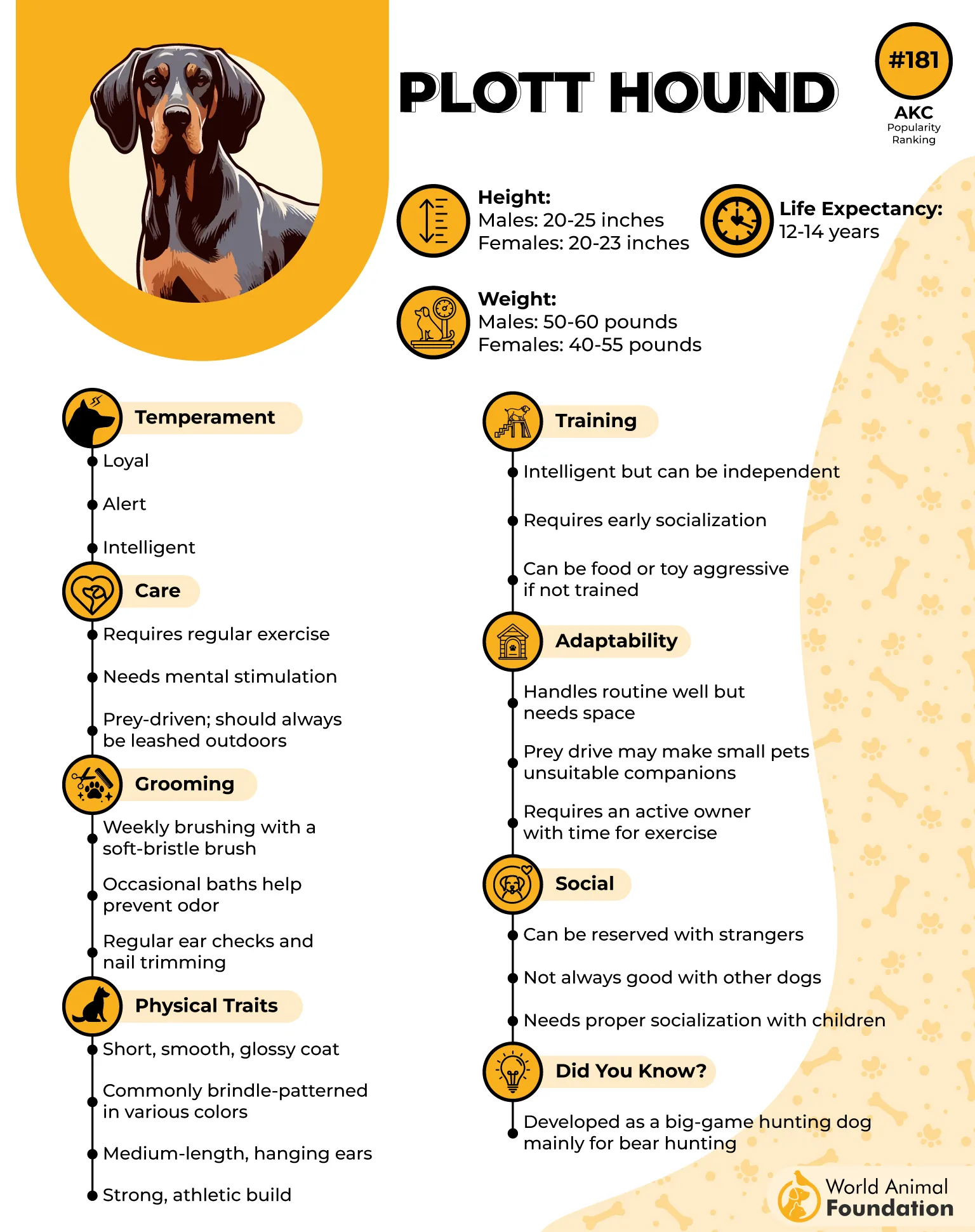
Rather than giving up when a trail becomes difficult, this determined hound can search for a fading scent and pick it up again over long distances. Its athletic build and impressive stamina support extended hunts, while its deep, distinctive bay helps hunters follow its progress in thick cover.
Intelligent and confident, the Plott Hound needs regular exercise and purposeful activity to channel its hunting instincts. Consistent training and early socialization are important, especially because an enticing scent can distract it from its handler.
How This Breed Stands Out
Brindle coat: Its distinctive brindle pattern gives the breed a recognizable appearance.
Persistent tracking: A keen nose and determination help it follow challenging scent trails across rough terrain, and when a scent hound ranges out of sight, GPS collars help monitor dogs during hog hunts.
5. Slovenský Kopov
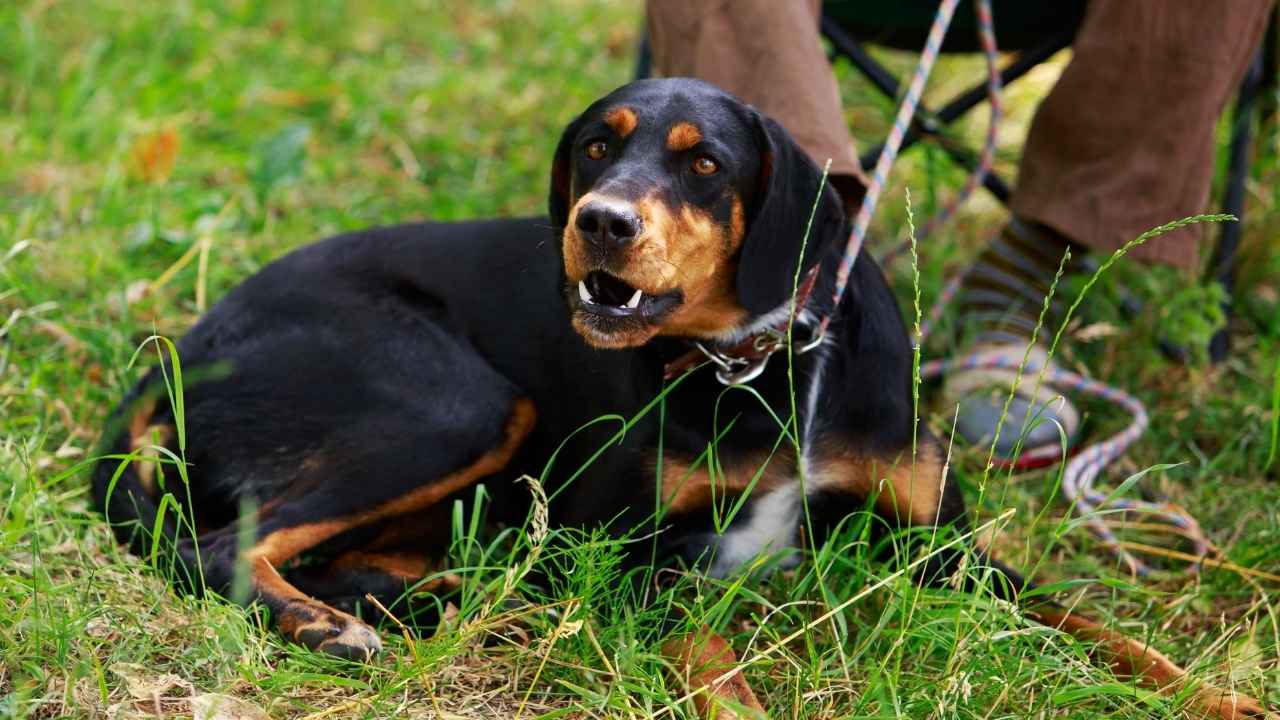
The Slovenský Kopov, also called the Slovakian Hound, was developed in Slovakia for wild boar hunting. This hardy scent hound combines a solid yet agile frame with remarkable courage, making it capable of pursuing game through dense woodland and rugged terrain.
Its exceptional nose and sense of direction allow it to follow scent trails for hours without easily losing focus. Persistent in the field, it relies on endurance to keep moving through demanding hunts, while its deep, resonant bay helps hunters locate it as it follows its quarry.
Recognizable by its short black coat with tan markings, the Slovenský Kopov is intelligent, energetic, and naturally vocal. It can also be stubborn, so consistent handling and positive reinforcement help channel its determination into productive work.
How This Breed Stands Out
Sharp woodland scenting: Its keen nose helps it follow challenging trails through thick forest cover.
Deep tracking voice: Its loud, distinctive bay allows hunters to follow its progress during a pursuit.
6. Black Mouth Cur
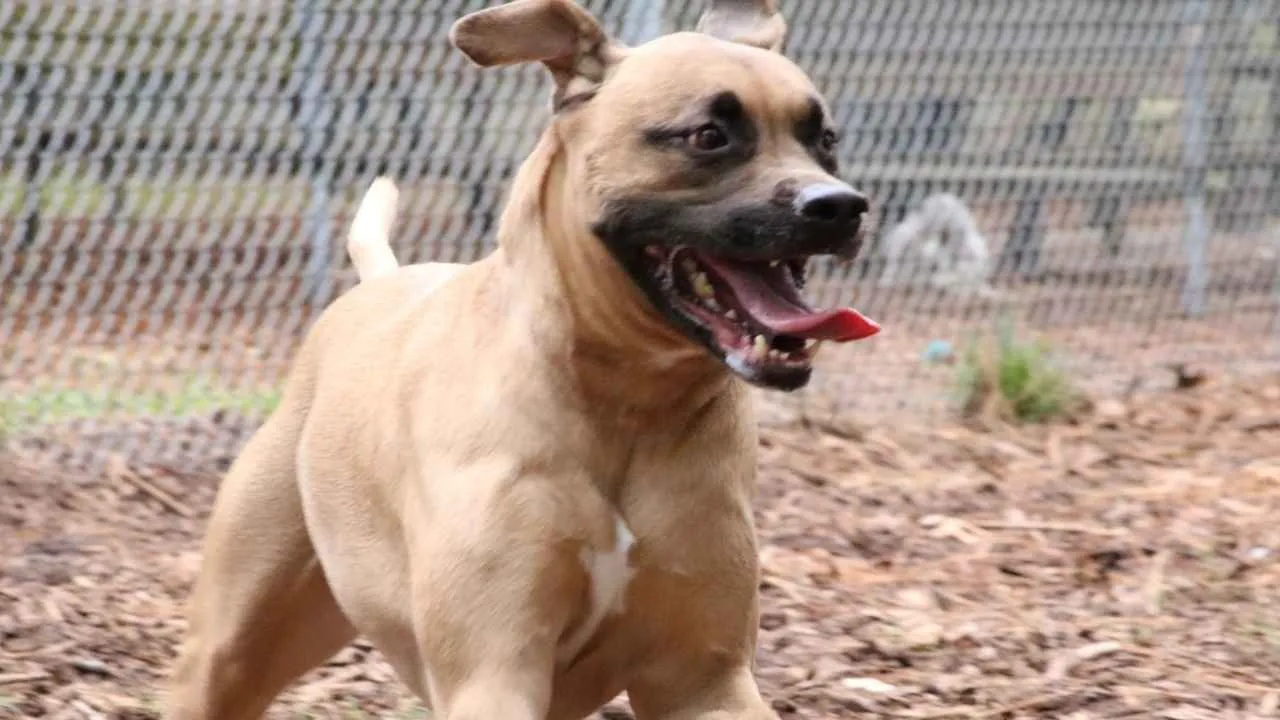
The Black Mouth Cur has long served as an all-purpose working dog across the American South, where generations of families relied on it for hunting, herding livestock, catching hogs, and guarding property. Its exact origins remain uncertain, but its reputation as a dependable farm and hunting companion is well established.
Its versatility makes it useful for both tracking and close-range work, while its sturdy build supports demanding tasks across rough terrain and makes it ideal for covering ground on hunts for wild pigs. A versatile hog dog should also be trained to avoid chasing non-target species.
Black Mouth Curs are loyal and confident, but their energy needs require attention. Regular physical activity and purposeful work help channel their instincts, though endurance should be built gradually through conditioning rather than sudden hard exertion, while supervision around young children is sensible because their energetic play can be rough.
How This Breed Stands Out
Versatile hunting instincts: Its tracking and catching abilities make it adaptable to different stages of a hog hunt. Bay dogs commonly wear thick cut collars, designed to help protect against tusks.
Rugged, hardy frame: A well-muscled body helps it handle demanding work and challenging outdoor conditions. Catch dogs often wear cut vests and other protective gear to reduce injury risk.
7. Transylvanian Hound
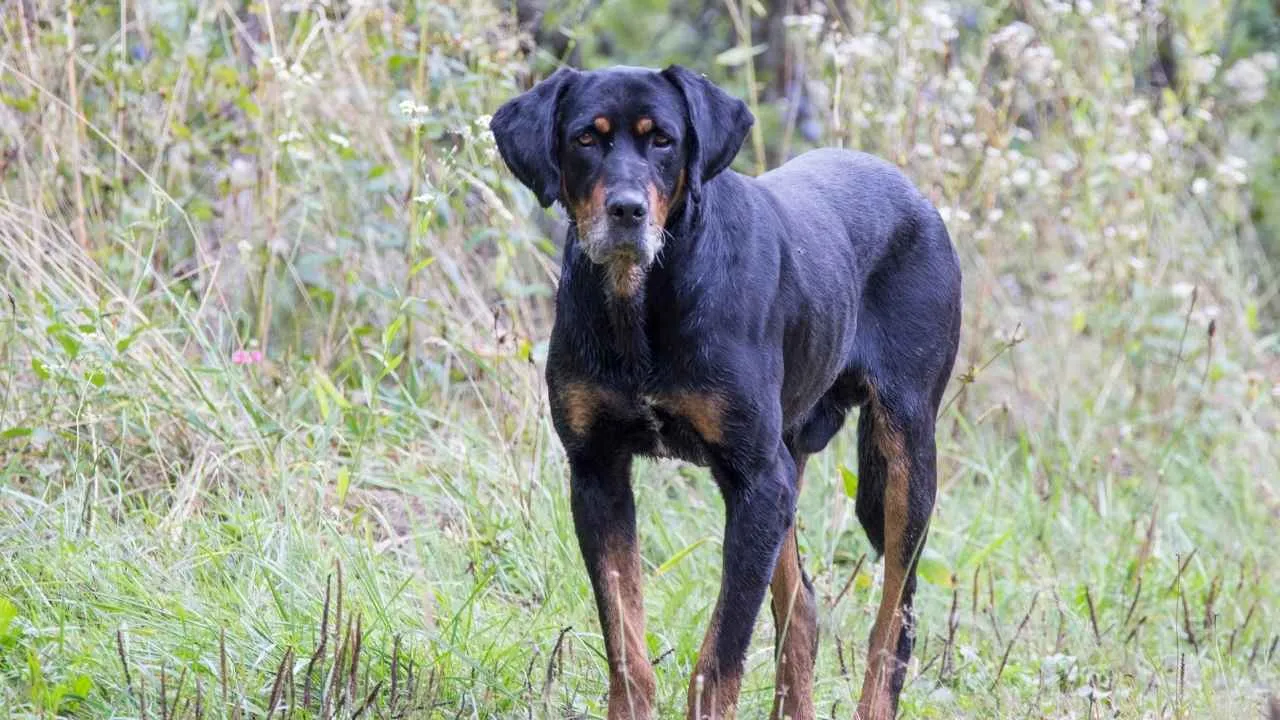
Originating in Hungary’s Carpathian Mountain region, the Transylvanian Hound developed into a skilled hunting companion prized for pursuing deer, wild boar, and other challenging game. Its keen nose and courageous nature made it well suited to the demanding hunts of rugged mountain country.
This scent hound can follow wildlife across wooded slopes and uneven trails, using its sustained tracking ability to stay on a quarry’s path. Its long-striding movement helps cover extensive ground, while its resonant bay allows hunters to locate it when dense vegetation obscures their view.
Despite its determination in the field, the Transylvanian Hound is generally good-natured and responsive to its handler. It enjoys physical activity and mental challenges, although an intriguing scent may test its focus during outdoor excursions.
How This Breed Stands Out
Mountain-trail tracking: Its powerful nose helps it follow game through wooded slopes and rugged terrain.
Long-distance stamina: Endurance and efficient strides support extended pursuits over challenging hunting routes. Because dogs may work far from help, a well-stocked first aid kit is critical for hog hunting; carry basic aid supplies so treatment can stabilize injuries until a veterinarian is within reach.
Conclusion
Choosing a dog for wild boar hunting means looking beyond strength alone. The best hunting companions combine courage, endurance, scenting ability, and the determination to work through challenging terrain.
The Dogo Argentino and Alano Español bring powerful builds and gripping ability, while the Black Mouth Cur offers versatility in tracking and catching game. The Catahoula Leopard Dog adds agility, and the Plott Hound excels at following persistent scent trails.
The Slovenský Kopov and Transylvanian Hound are valued for their keen noses, stamina, and distinctive voices that help hunters follow their progress through dense woodland and mountainous landscapes.
Each breed has its own working style, exercise requirements, and temperament. Responsible handling, consistent training, and suitable working conditions are essential for channeling these natural instincts and supporting safe, controlled hunting practices.
