




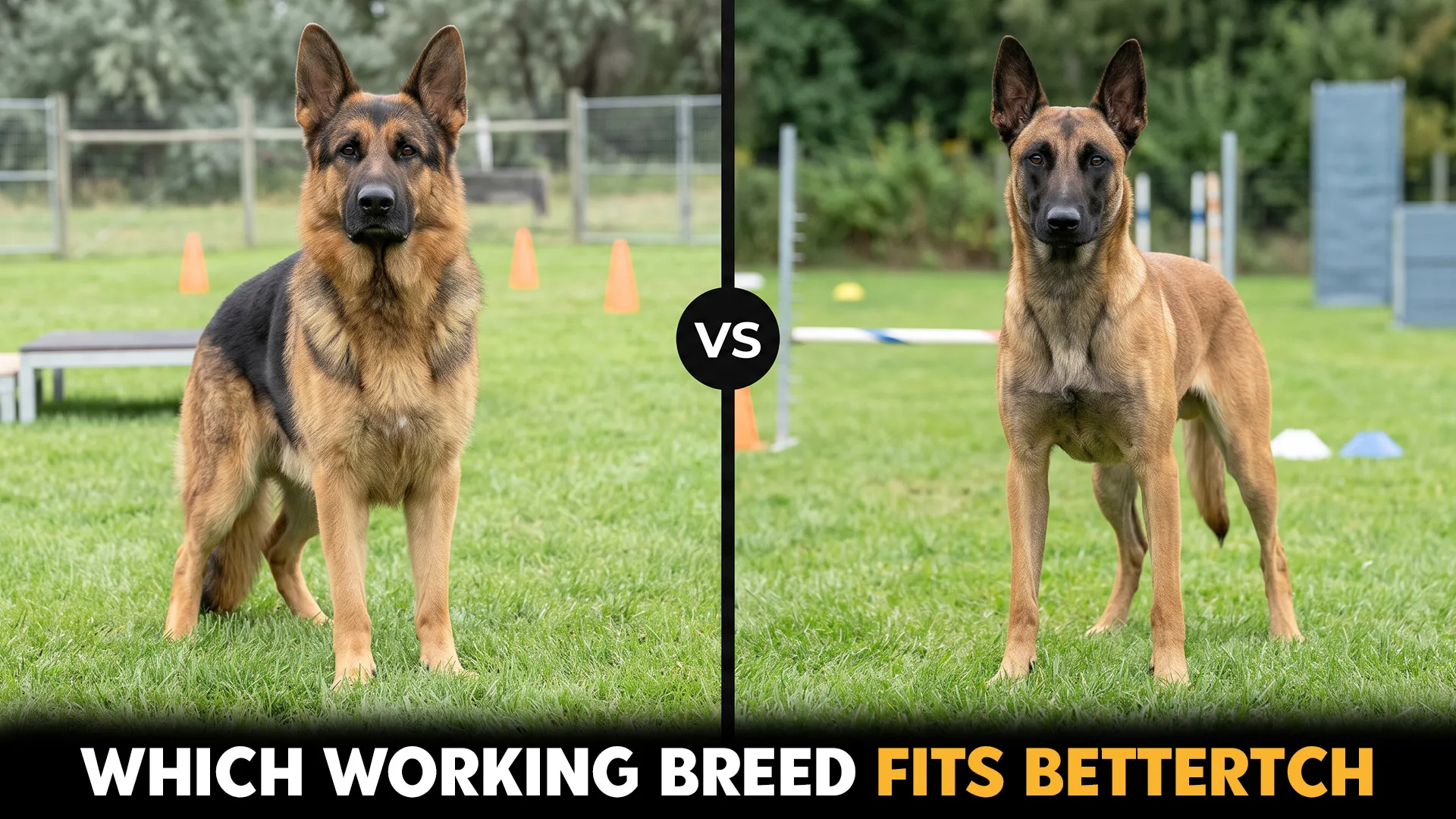
German Shepherds and Belgian Malinois are among the first few names that come to mind when we think of K-9 or search-and-rescue dogs. Originally bred as herding dogs, both GSDs and Belgian Malinois share many physical and behavioral similarities.
Both pooches are very hardworking and intelligent and respond well to positive reinforcement-based training. They are incredibly loyal to their humans and tend to have a protective nature. Both make incredible guard dogs.
With their pointy ears, intense gaze, and incredible stamina, the two breeds look like twins at first glance. However, some key differences set them apart.
Here are some German Shepherd vs. Belgian Malinois must-know differences.
German Shepherd vs. Belgian Malinois: Must-Know Differences Before Choosing
Origins & Purpose
Both German Shepherds and Belgian Malinois were originally bred for a similar purpose, but hail from different parts of the world.
German Shepherds were primarily developed in Germany by a German cavalry captain, Max Von Stephanitz, as herding and farm dogs. While breeding these dogs, Stephanitz focused on their working ability more than appearance.
Belgian Malinois were originally bred as tireless workers and named after the city of Mechelen (pronounced as Malines in France). They were bred as all-round farm and herding dogs.
The Malinois is one of the four Belgian breeds, the other three being Belgian Tervuren, Belgian Laekenois, and Belgian Sheepdog.
Size & Build
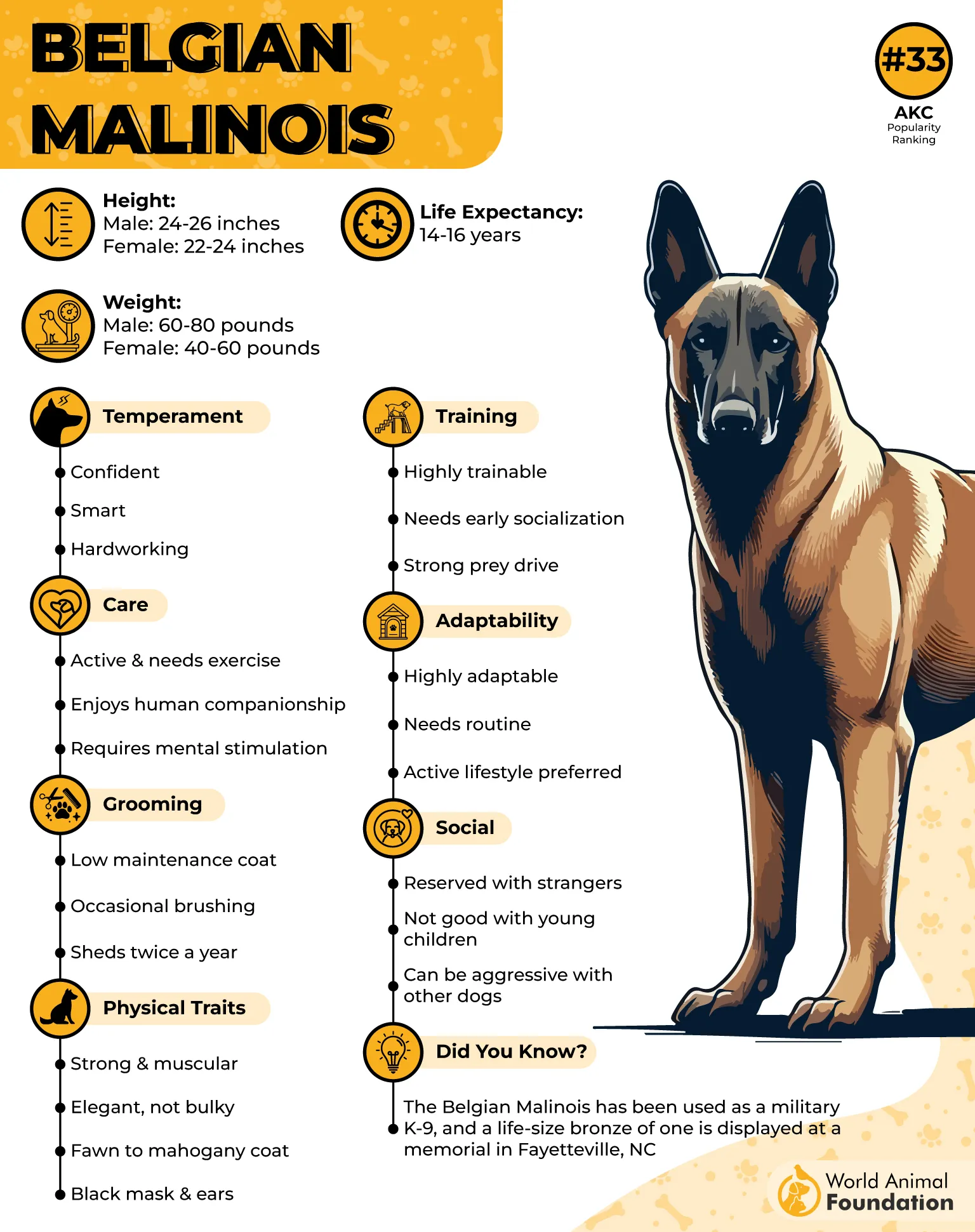
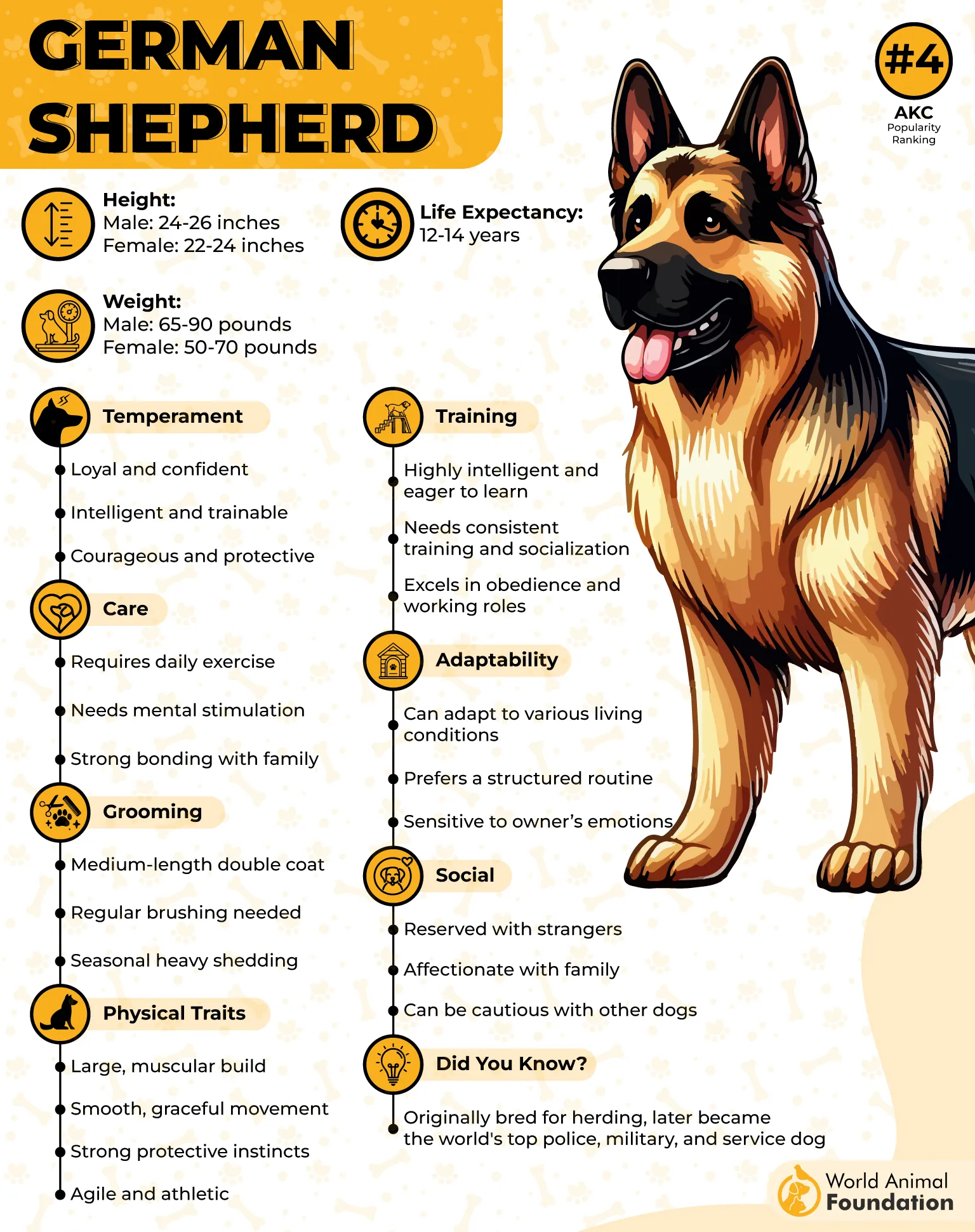
German Shepherds and Belgian Malinois both have the same height. However, there are some visual differences between the two breeds. GSDs are relatively larger and heavier canines.
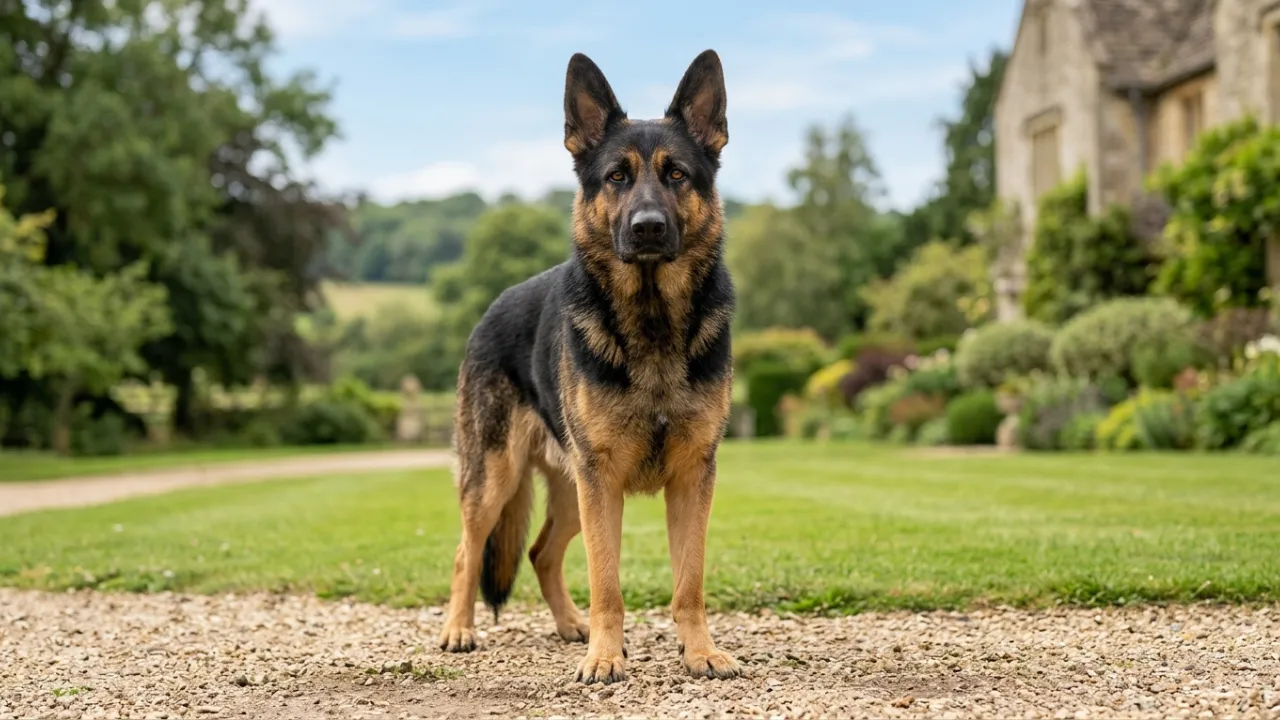
German Shepherds are large and muscular dogs weighing between 50 and 90 pounds. Females are smaller than males. GSDs have smooth curves and tend to be longer than they are tall. This gives them a lankier appearance than Belgian Malinois.
Mals are lighter and leaner than German Shepherds. They weigh between 40 and 80 pounds. Their medium-sized square bodies and dark brown eyes cast a lasting impression.
Pricing & Availability
Both Belgian Malinois and German Shepherds are among the most popular dog breeds in the United States.
The price of a German Shepherd puppy can vary between $2000 and $4000 if you purchase from a reputable breeder. You can also adopt a German Shepherd from nearby shelter homes to save some money.
Purebred Belgian Malinois prices can vary greatly depending on bloodline, age, and whether your dog has received professional training. Belgian Malinois puppies purchased from a reputable breeder vary between $1200 and $3500.
Temperament & Personality Style
Since both were developed as herding dogs, German Shepherds and Belgian Malinois are very smart and hardworking.
German Shepherds are unwaveringly loyal, courageous, and confident dogs. They form strong bonds with their humans and are known for having strong protective instincts. These steadfast guardians can willingly sacrifice their lives in defense of their loved ones, according to the AKC.
Thanks to their territorial nature and wariness towards strangers, GSDs make excellent guard dogs. German Shepherds are known to be gentle around their family and good with kids. However, all dog-child interactions should be strictly supervised.
Because of their historical roots, German Shepherds have a strong prey drive. It is important to keep them on a leash or in a securely fenced area.
Belgian Malinois are smart, people-oriented dogs. They also form unbreakable bonds with their pet parents. Like German Shepherds, they not only make good herding dogs but also serve as family protectors. Mals have strong protective instincts and a territorial nature.
Exercise Needs & Energy Levels
Both German Shepherds and Belgian Malinois are very high energy, active, and athletic dogs. The two breeds require plenty of daily exercise for physical and mental stimulation.
German Shepherds are four-legged athletes that thrive on activities that challenge their minds and bodies. A dog that is not exercised enough can develop destructive behaviors like excessive chewing and barking.
PetMD recommends at least one to two hours of daily exercise for their physical and mental enrichment. Participating in canine sports like agility, obedience, tracking, herding, and dock diving is a good way to channel their energy in a positive direction.
Like German Shepherd dogs, Belgian Malinois are also very active and energetic dogs. They are slightly more athletic than GSDs and require around two hours of vigorous daily exercise to stay healthy and content.
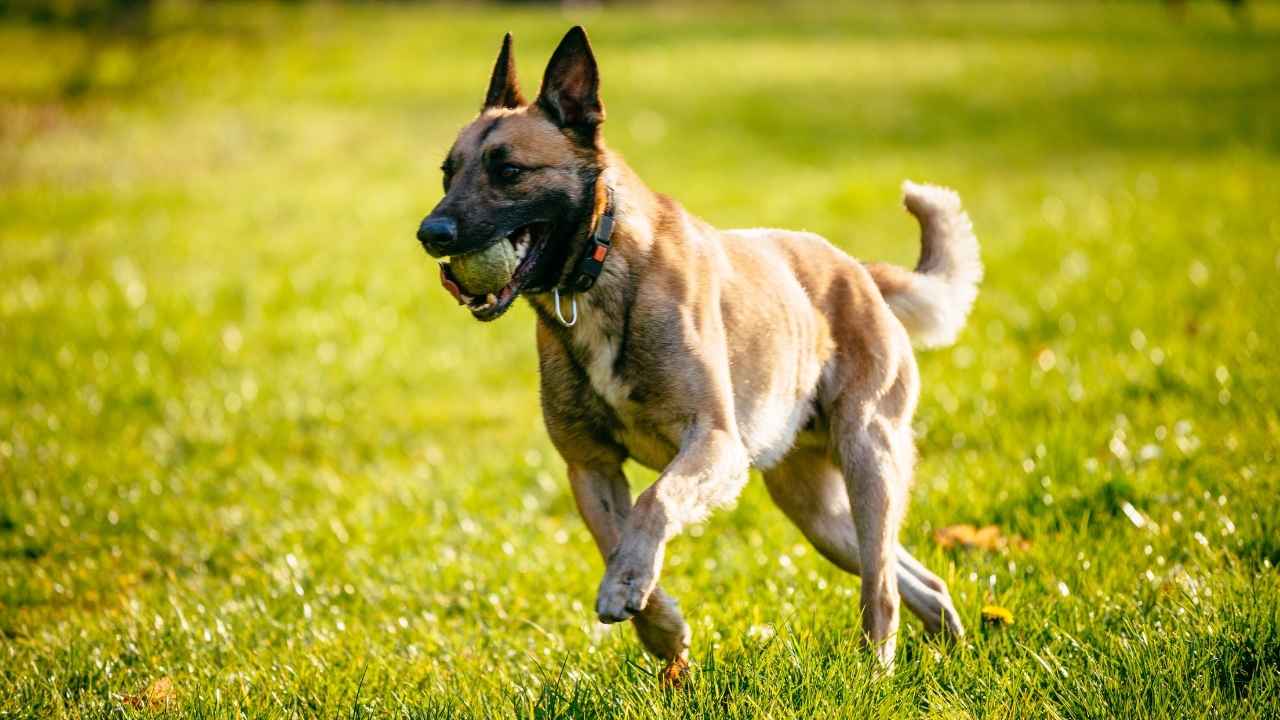
Fun activities for Belgian Malinois include herding, obedience, tracking, sledding, agility, and fetch.
Trainability & Obedience
German Shepherds and Belgian Malinois are both very smart dogs that pick up on new commands quickly and respond well to obedience training.
Ranking third on the American Kennel Club’s list of the smartest dog breeds, German Shepherds surpass Belgian Malinois in terms of intelligence. These highly trainable dogs excel in obedience training.
If you want to teach tricks to your furry friend or let them participate in dog sports, German Shepherds can be a safer choice for you.
Belgian Malinois also possess high brain power. They pick up on training cues quickly. However, their strength and raw power make them a bit challenging to train. Like GSDs, they also take part happily in competitive obedience.
Without having a job, the two breeds can get bored or exhibit destructive behaviors like excessive barking or chewing. So, it is crucial to keep them engaged.
Grooming Needs & Shedding
Both herding dog breeds have double-layered, waterproof coats that require plenty of daily grooming to keep looking good.
The German Shepherd coat comprises two layers. A longer outer coat and a soft and dense undercoat that provides insulation. Their coat sheds profusely, especially during shedding season, when extra grooming is required.
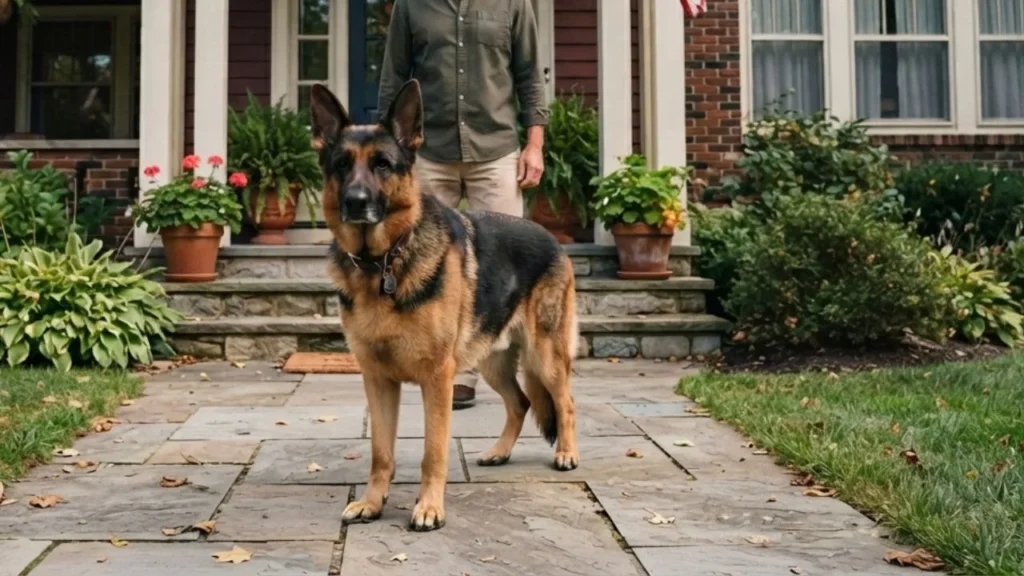
Brushing your German Shepherd’s coat every day using a pin brush helps manage shedding and reduce the amount of fur that ends up on your floor and furniture.
Belgian Malinois have a short coat that sheds twice a year seasonally. The ‘blowout’ of their undercoat lasts two to three weeks and allows them to prepare their bodies for the next season. Occasionally brushing their coat with a medium-bristle brush would generally suffice for them.
Herding & Work Drive
German Shepherds and Belgian Malinois are high-energy dogs that were bred for working alongside humans. They have a high drive and strong herding instincts.
German Shepherds balance power and control while managing livestock, which makes them top-notch herding partners. They are versatile, intelligent, and dependable dogs. They not only make good herding dogs, but can also be trained for a variety of other tasks.
German Shepherds can be trained to serve as guard dogs, police dogs, military dogs, and search-and-rescue dogs.
As mentioned above, Belgian Malinois were primarily developed to herd cattle and sheep over rugged terrain. This history is reflective of their strong work drive. Like GSDs, Mals also possess natural herding instincts.
Their protective and territorial nature enables them to serve as guard dogs. Mals also excel at police and military work. Thanks to their keen senses, they are a part of many search and rescue operations.
Health & Lifespan
Having an average life expectancy of 12 to 14 years, German Shepherds are healthy and hardy dogs. During their lifetime, they are vulnerable to health issues like degenerative myelopathy, cancer, hip and elbow dysplasia, bloat and GDV, allergies, and heart disease.
Belgian Malinois live slightly longer than German Shepherds. They have an average lifespan of 14 to 16 years. They are prone to certain health problems like bloat, epilepsy, hip and elbow dysplasia, eye conditions, and hyperthyroidism, according to WebMD.
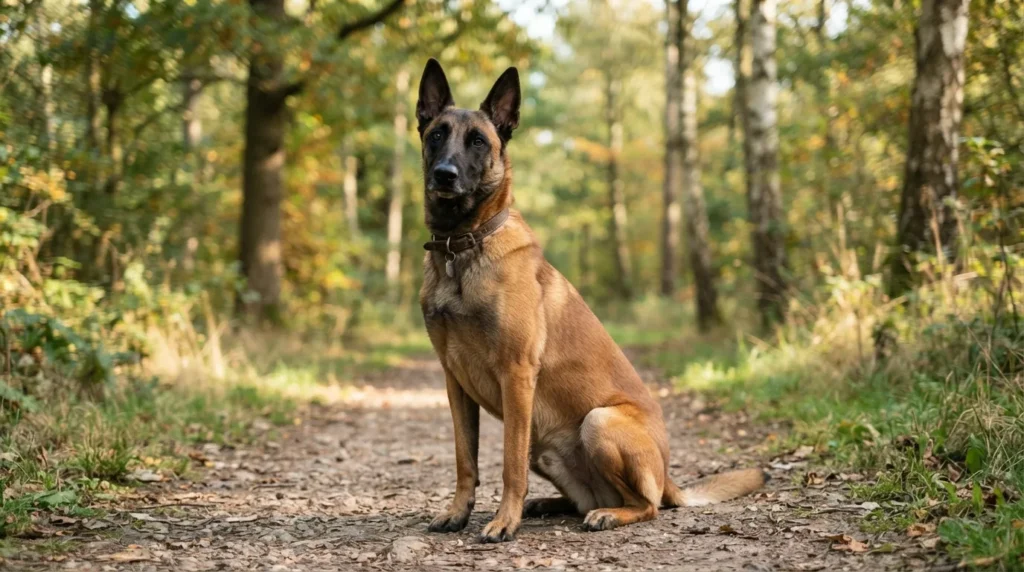
German Shepherd vs. Belgian Malinois: Which Loyal Protector Fits Your Lifestyle?
German Shepherds and Belgian Malinois, both are blessed with natural protective instincts and make loyal protectors of your home and family. These large working breeds are better suited for experienced pet parents.
Since both are active and athletic, they do best in homes where they can get plenty of regular exercise and mental stimulation to stay fit.
Conclusion
Belgian Malinois and German Shepherds both make wonderful guard dogs and loving family companions. Both were primarily bred as herders, but hail from different parts of the world. German Shepherds are slightly heavier than Belgian Malinois.
Both dogs are highly energetic and require lots of daily exercise for physical and mental enrichment. The two breeds are also very smart, but GSDs outshine Mals in intelligence.
Both make wonderful guard dogs. However, the final breed choice depends on your lifestyle and personal preference.
