




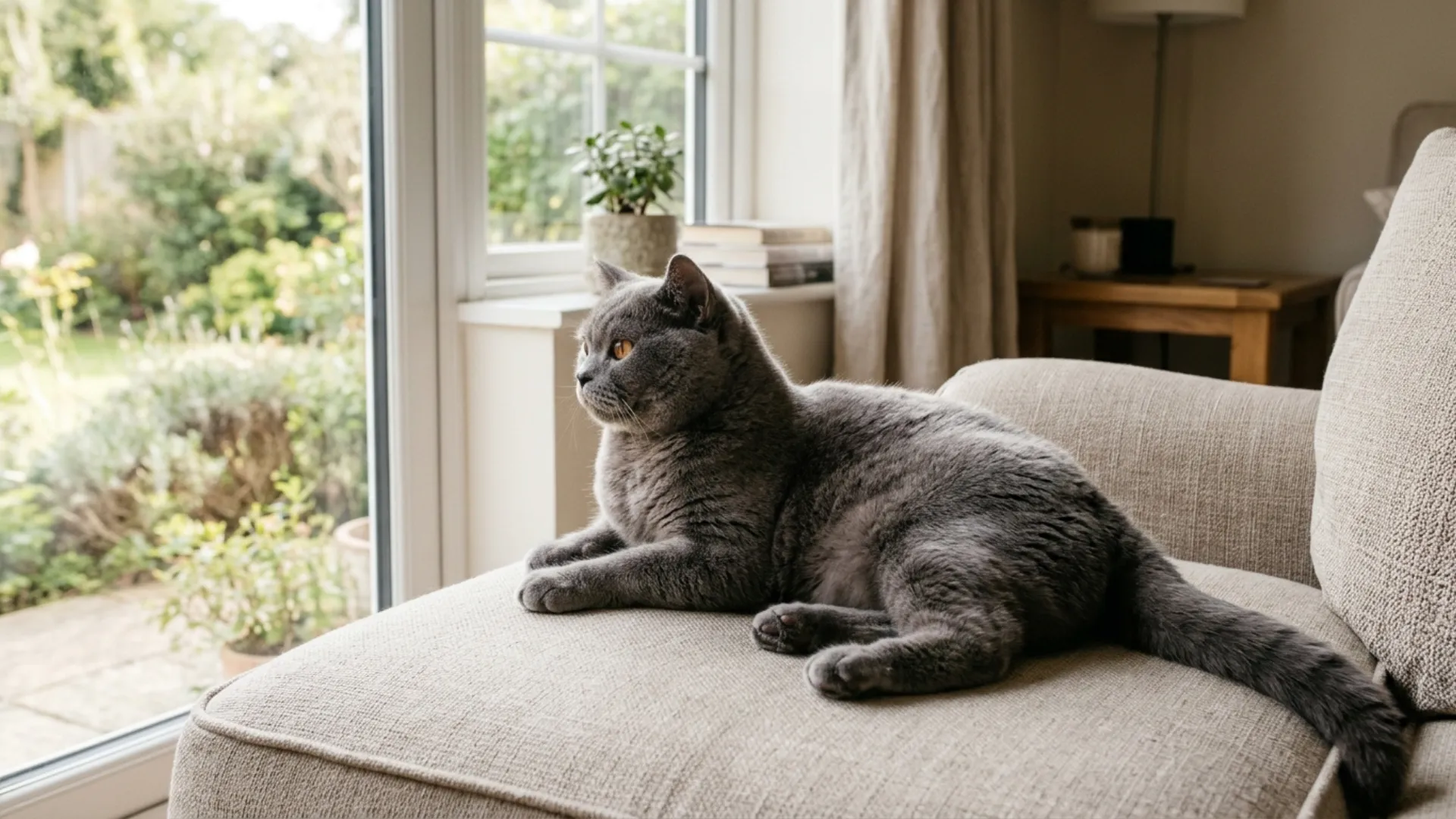
Ever walked out of the room and caught your cat not even blinking? Turns out, science backs up that signature shrug.
A University of Lincoln study found that cats, unlike dogs, don’t form a secure attachment to the people who feed them, and most stayed perfectly unbothered when their favorite human disappeared, according to the study.
No, this doesn’t mean your cat is secretly plotting against you. It just means feline minds run on a completely different operating system than ours.
Attention needs aren’t one neat little box either. A mix of instincts decides how much interaction a cat actually craves, and figuring out which ones apply helps you pick a companion who matches your pace, not just your Pinterest board.
Want to meet the cats wired for exactly this kind of easygoing, low-key companionship? Keep reading.
Best Cat Breeds With Low Attention Needs
1. Russian Blue
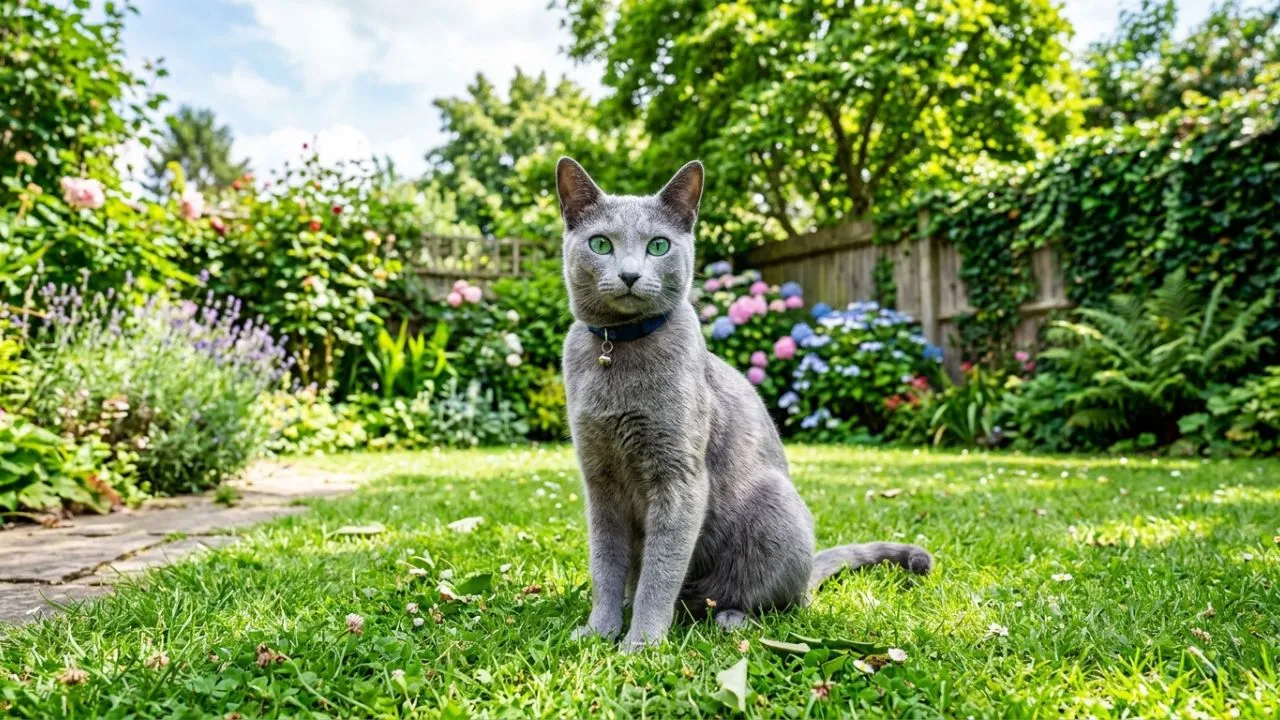
Russian Blues trade constant cuddling for small, deliberate gestures, like a soft headbutt or a quiet sit nearby. Self-entertainment comes naturally too, since a toy mouse or a sunny windowsill can hold this cat’s attention for a long stretch.
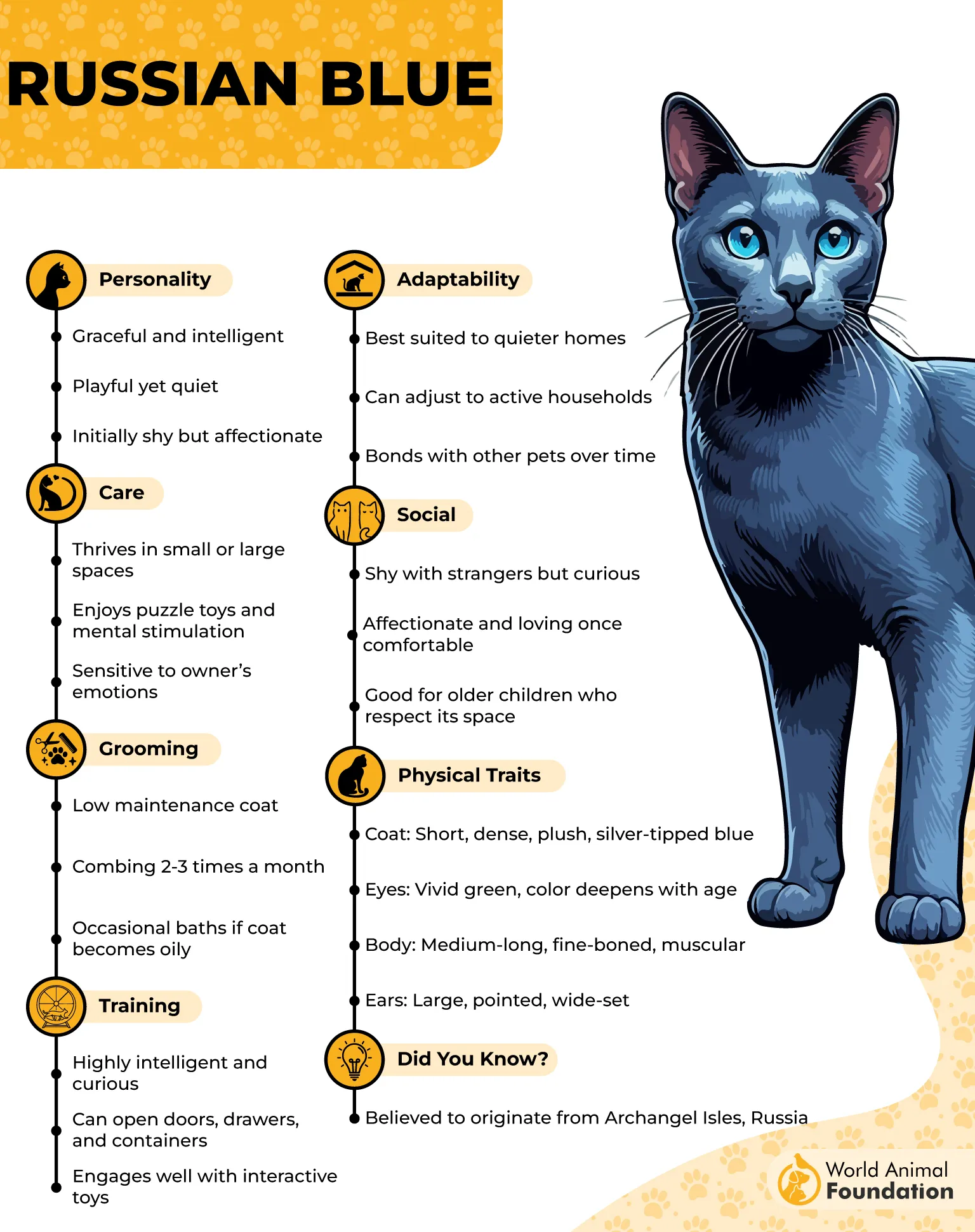
A reserved personality and a near-silent voice define this breed’s low attention needs, and Russian Blues rarely meow to ask for anything, according to WebMD. They handle roughly 8 hours alone with ease, making them one of the more independent cat breeds on this list.
Kittenhood: Young Russian Blues want more active play before settling into their calm adult temperament.
New environments: A move or a new pet can make this usually steady cat need extra reassurance.
This breed suits people with long, structured workdays who still want a loyal companion at home. Quiet households and apartments fit a Russian Blue’s easygoing personality better than busy, noisy ones.
2. Norwegian Forest Cat
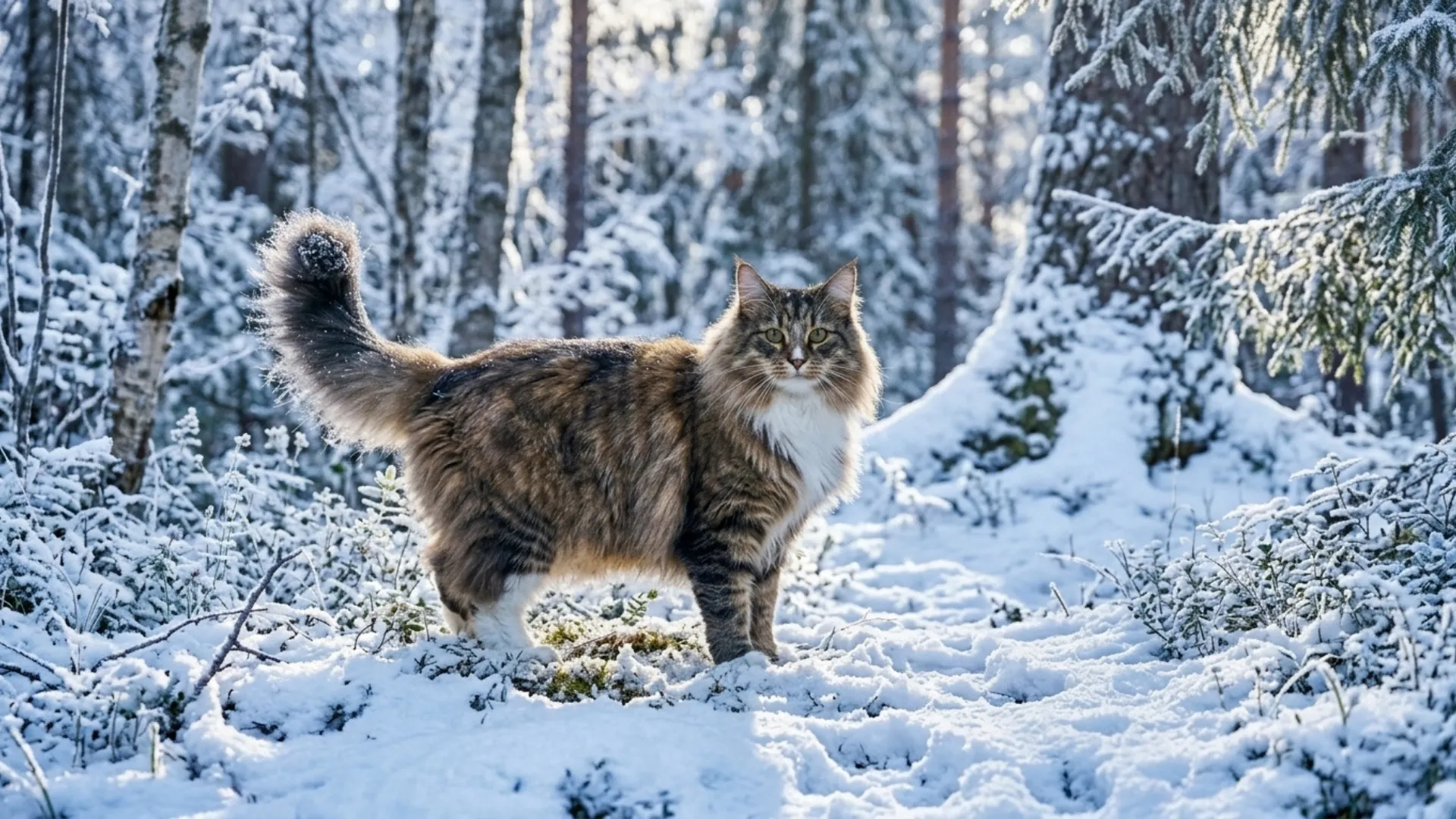
This gentle giant shows love by simply being present, settling nearby while you work rather than climbing into your lap uninvited. Climbing trees, exploring high shelves, and hunting toy mice around the house keep a Norwegian Forest Cat entertained without any help from you.
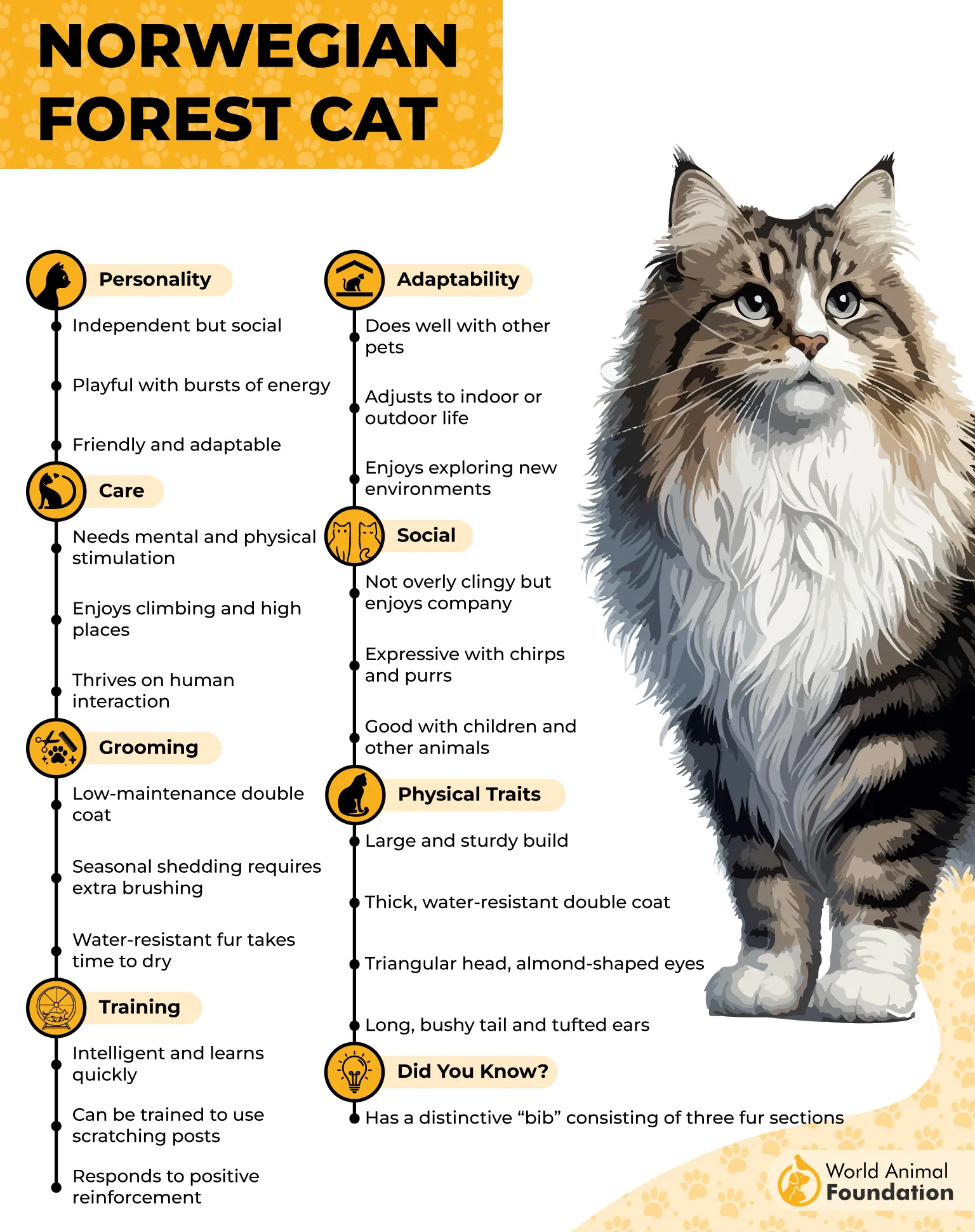
Bred as a working farm cat in Norway, this breed’s independence runs deep, and it rarely pesters anyone for attention, according to PDSA. It can thrive through an 8-hour workday alone, especially with a tall cat tree to climb.
Kittenhood: Kittens of this slow-maturing breed stay playful and people-focused well past a year old.
Illness or injury: A sick or recovering cat will seek out company far more than usual.
Owners with an active, hands-off lifestyle and a bit of vertical space suit this breed best. A Norwegian Forest Cat’s laid-back personality thrives in homes that let it explore and entertain itself on its own schedule.
3. Scottish Fold
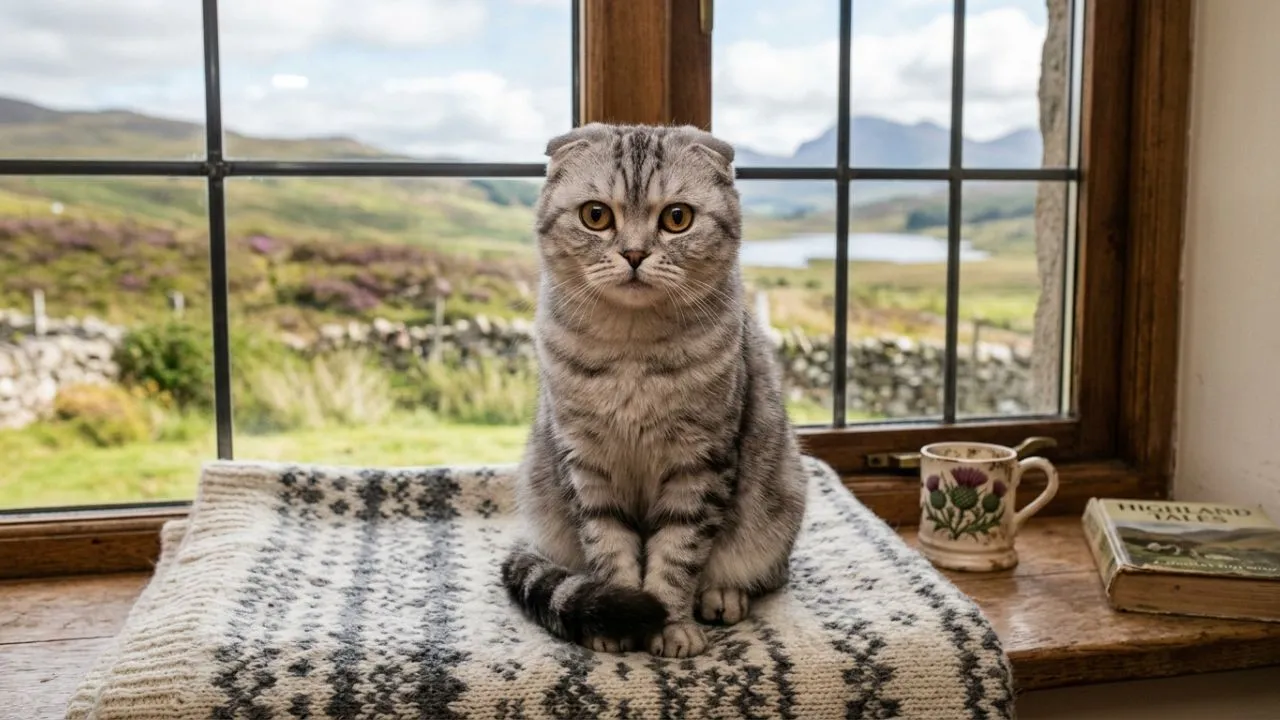
A Scottish Fold shows affection through presence rather than noise, often choosing to sit near you in silence instead of meowing for attention. Left alone, this cat entertains itself with simple games, batting a crumpled paper ball or watching the world outside a window.

This breed’s low attention needs come from a naturally quiet voice and an easygoing, undemanding temperament. A Scottish Fold can handle around 7 hours alone comfortably, adjusting well to a predictable daily routine.
Kittenhood: Fold kittens stay curious and clingy until their calm adult personality settles in.
Boredom: Long stretches without any toys or stimulation can turn this easygoing cat restless.
This breed fits people who want a calm, undemanding companion rather than a constant shadow. A Scottish Fold’s adaptable nature makes it a solid choice for quiet apartments and first-time cat owners alike.
4. Maine Coon
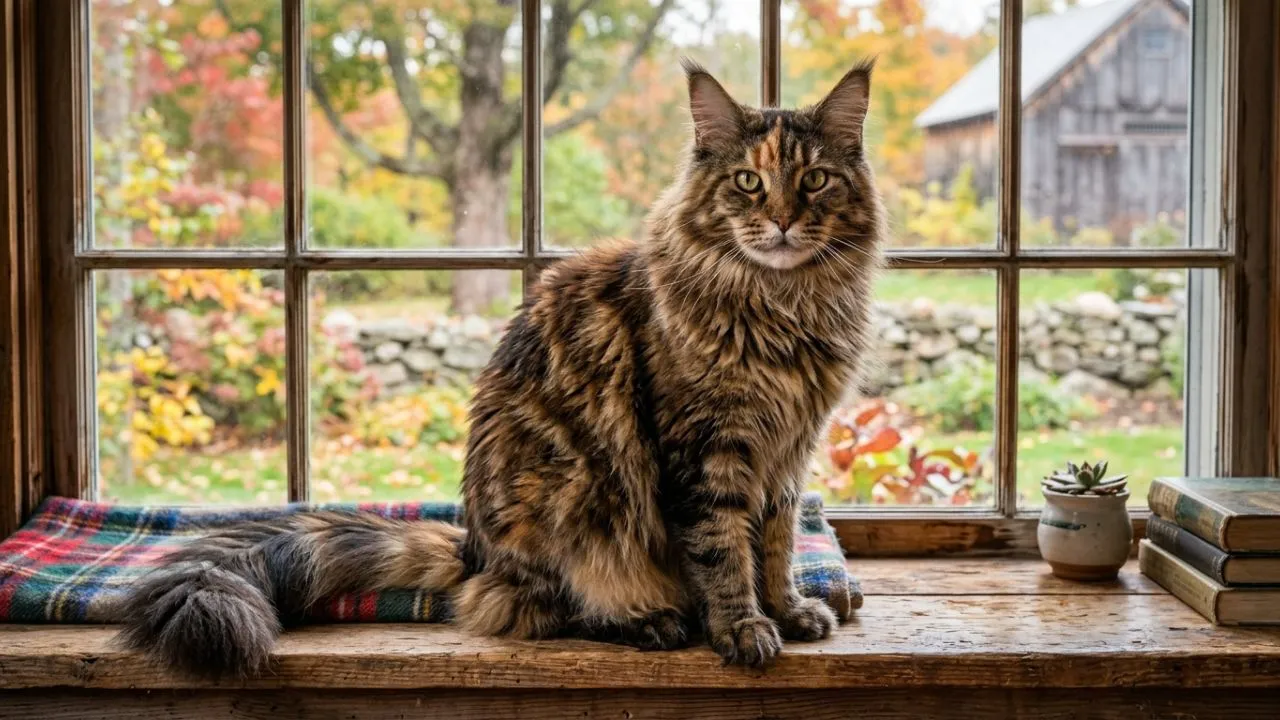
Maine Coons show affection on their own terms, following you from room to room without ever becoming a lap cat. This huge breed is also one of the most entertaining self-players around, chasing toys, climbing cat trees, and inventing games with whatever is nearby.
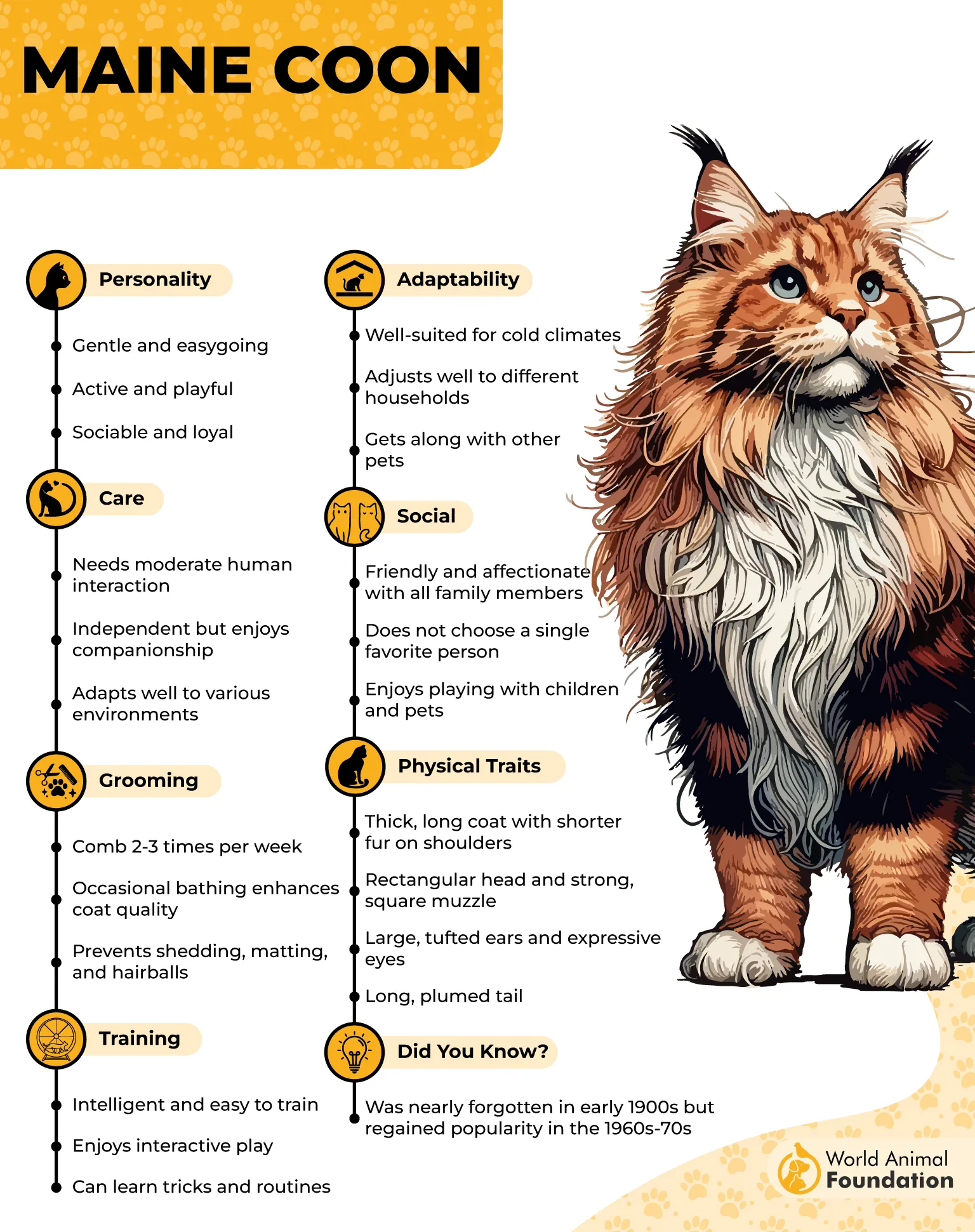
Independent and spirited by nature, Maine Coons are happy in their own company and rarely pester an owner for attention, according to Omlet. This breed can comfortably handle 8 to 9 hours alone, especially with a window perch or two to patrol.
Kittenhood: Maine Coon kittens stay playful and attached to their owners well into young adulthood.
New pets: Introducing another animal can make this usually independent cat seek extra reassurance for a while.
Active owners who want a companion rather than a lap warmer will find a Maine Coon’s personality a great match. Homes with space to climb and explore suit this breed’s independent, curious nature best.
5. American Shorthair
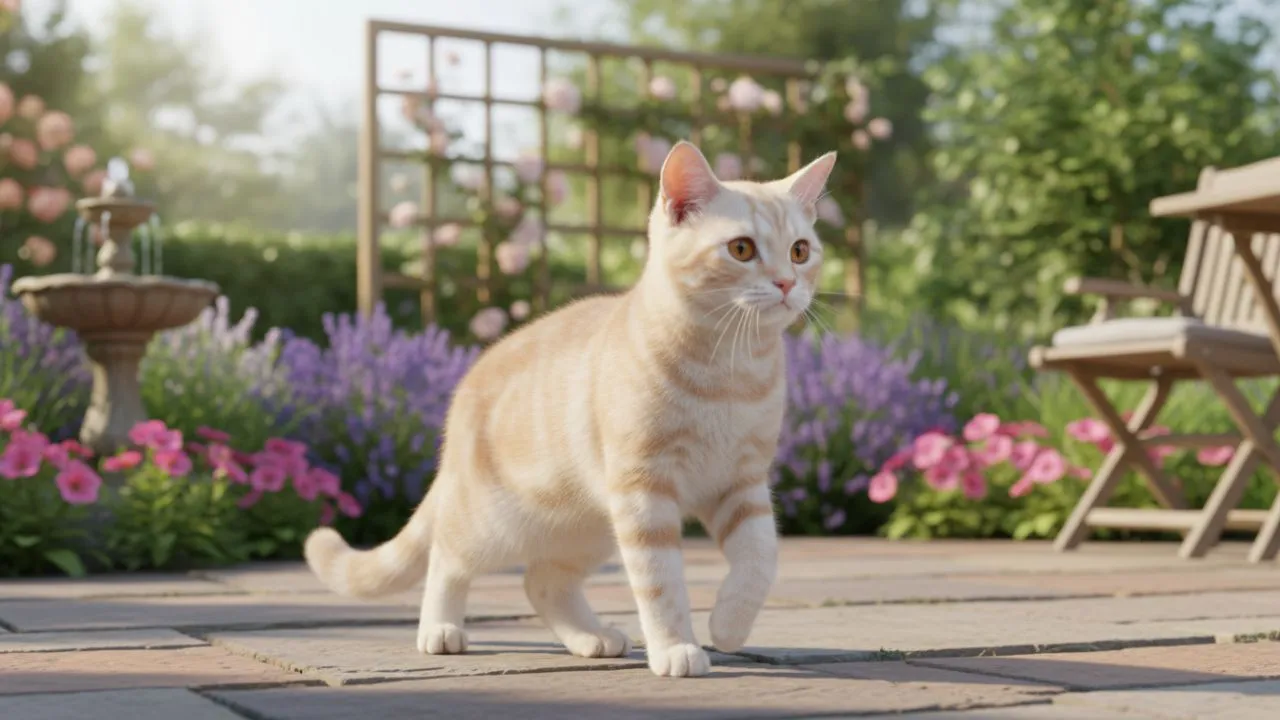
An American Shorthair shows affection through calm companionship, choosing to nap nearby rather than demand constant petting. This breed’s self-entertainment instincts run deep, rooted in generations of working as skilled mousers who hunted and played without any human help.
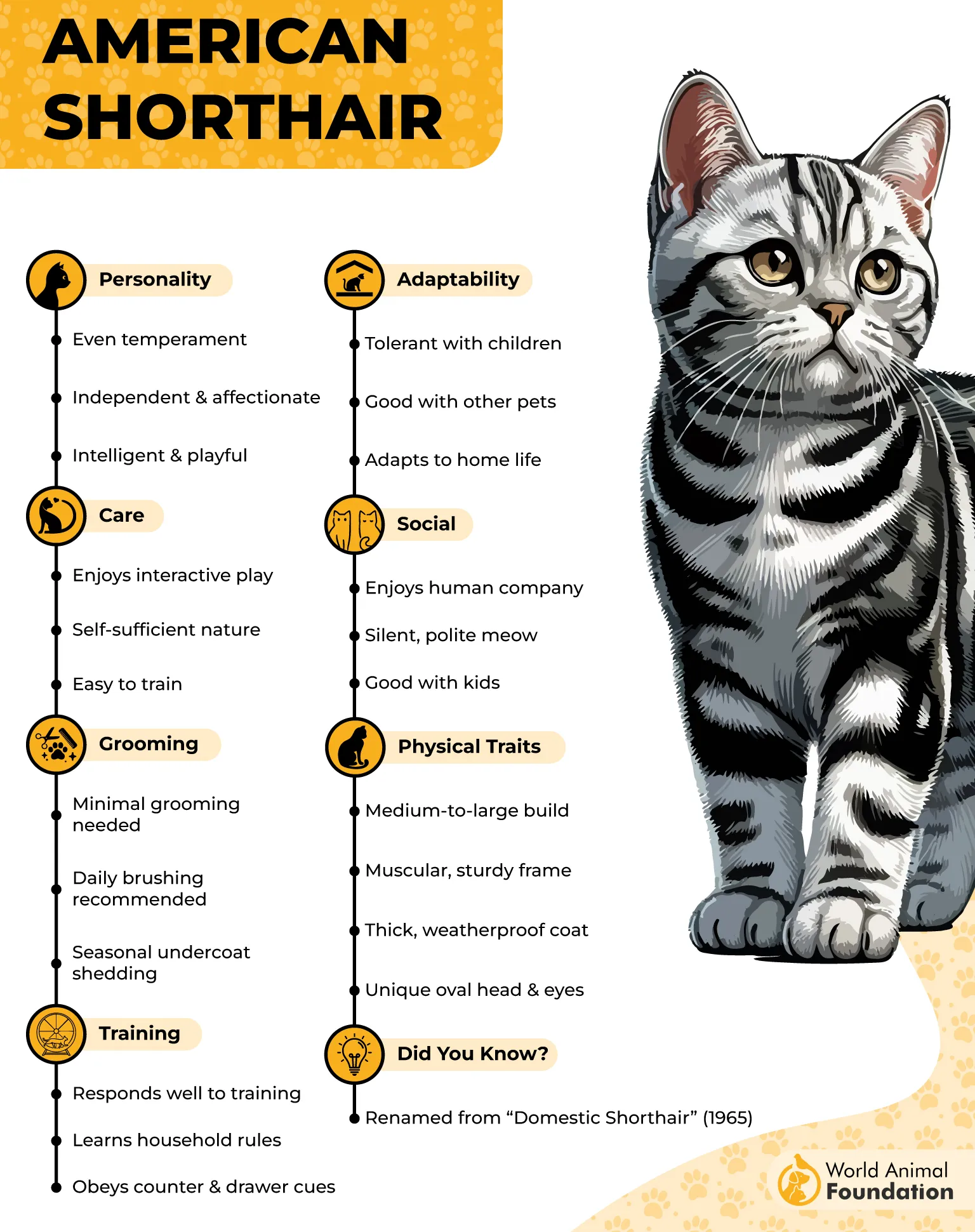
Low attention needs come naturally to this breed thanks to its independent, working-cat heritage and its undemanding personality. An American Shorthair handles about 8 hours alone without trouble, settling into a predictable daily routine with ease.
Kittenhood: Young American Shorthairs are noticeably more playful and people-focused than they are as adults.
New environments: A recent move can make this usually confident cat cling more than normal for a while.
This breed is considered one of the most adaptable cat breeds, suiting busy professionals and first-time owners alike. An American Shorthair’s easygoing personality makes it a reliable companion for people who value a calm, low-maintenance home.
6. Persian
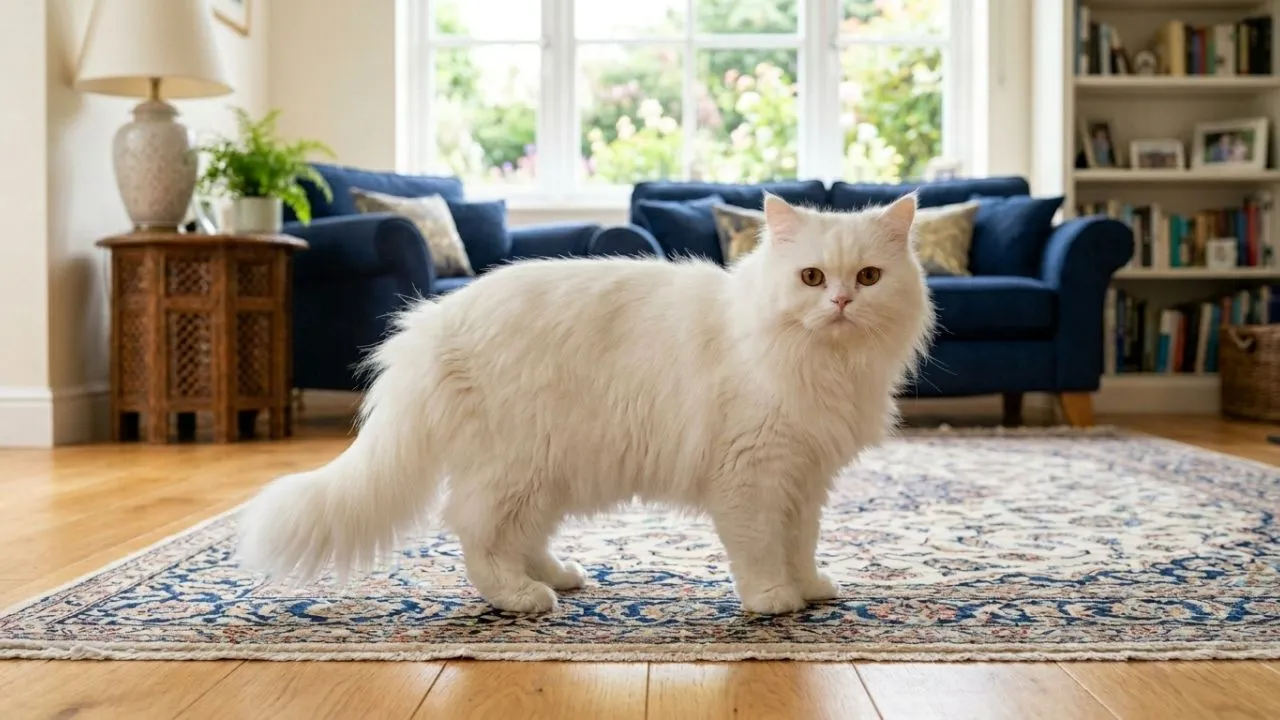
A Persian shows affection quietly, settling into a sunny spot near you rather than demanding to be held. Self-entertainment for this breed looks like slow, gentle play, batting a soft toy for a few minutes before returning to a favorite cushion.
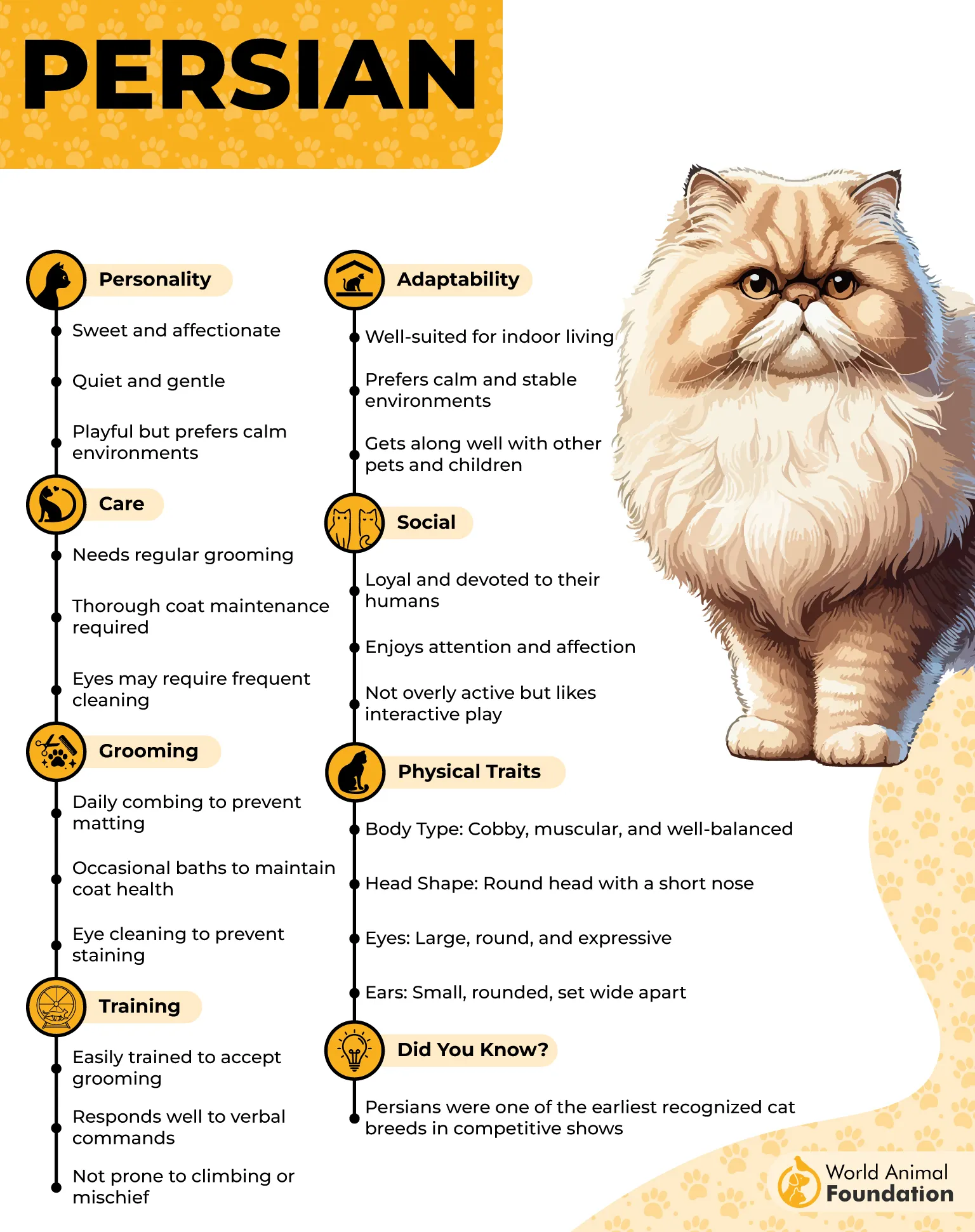
This breed’s low attention needs stem from a famously placid temperament and a soft, rarely-used voice, and Persians are known for a gentle, laid-back nature according to Hill’s Pet. A Persian can handle around 8 hours alone, as long as its environment stays calm and predictable.
Kittenhood: Persian kittens show quick bursts of playful energy before settling into their calm adult pace.
Sudden changes: New furniture, new pets, or a loud household can unsettle this sensitive breed and raise its need for reassurance.
Persians suit people who want a quiet, home-loving companion rather than an active playmate. A calm household with a steady routine helps this breed’s gentle personality thrive long term.
7. British Shorthair
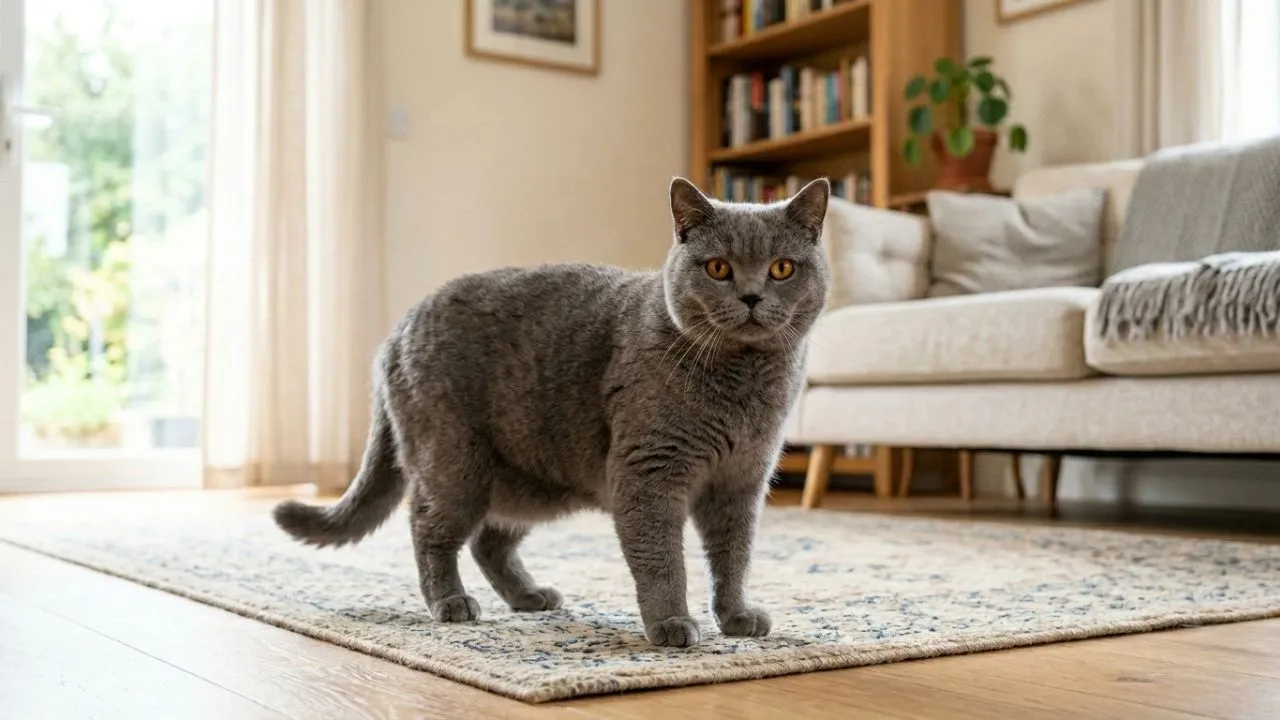
A British Shorthair shows affection on its own terms, happy to curl up beside you rather than climb into your lap. This breed’s self-entertainment comes easily too, often spending quiet stretches people-watching or batting a toy across the floor alone.
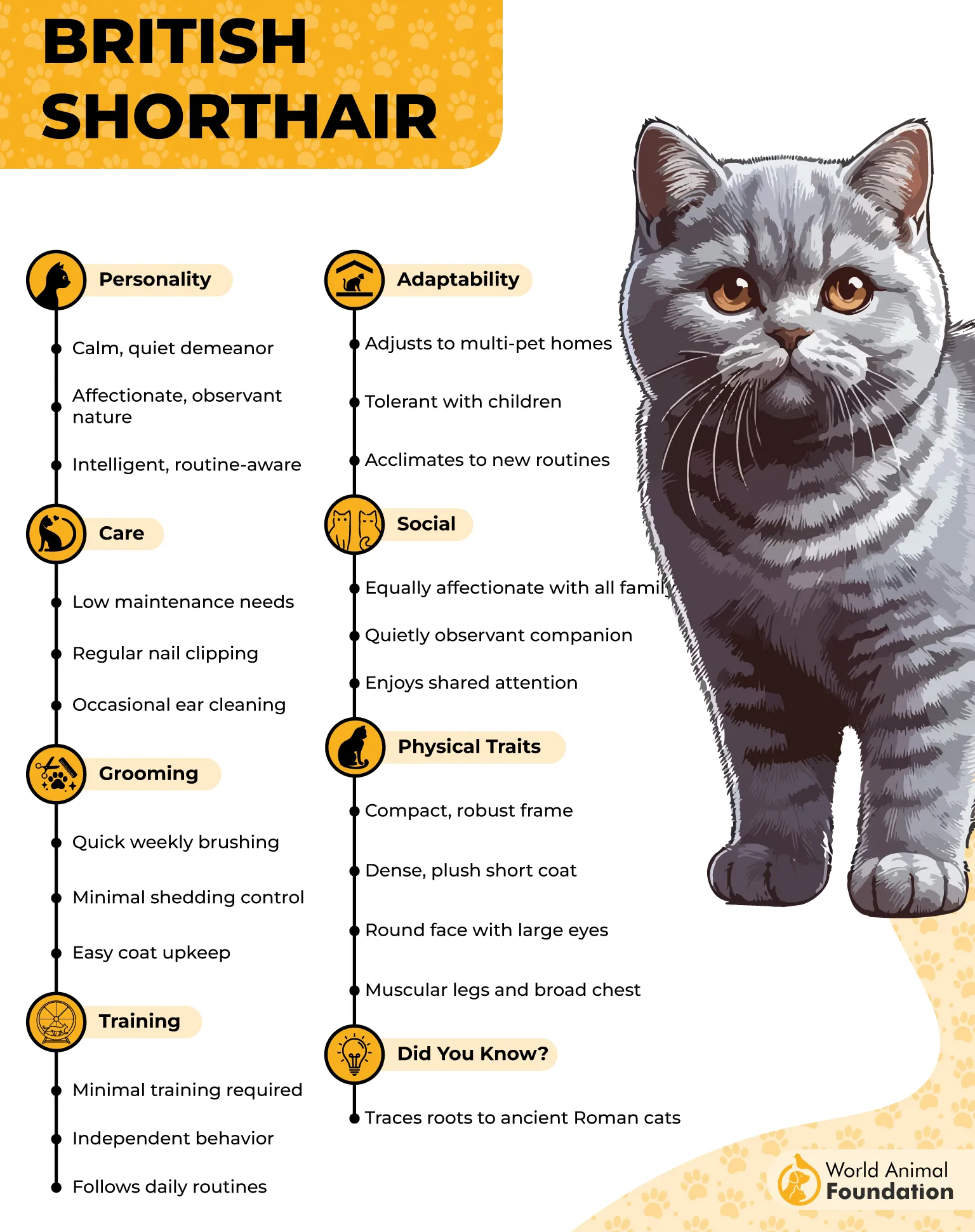
Reserved and independent by nature, this breed rarely demands anything, and it is affectionate without being clingy, according to Purina. A British Shorthair can handle 8 to 9 hours alone comfortably, making it one of the most low-maintenance cat breeds around.
Kittenhood: British Shorthair kittens stay noticeably more playful and attached before their calm adult temperament sets in.
Illness or stress: A cat that is unwell or anxious will seek out company far more than its usual reserved self.
This breed suits busy households that still want a loyal, low-key companion waiting at home. A British Shorthair’s steady, easygoing personality makes it an excellent choice for apartments and calmer lifestyles alike.
Conclusion
Low attention needs were never about neglect. They come down to choosing the right cat whose independent nature matches your lifestyle, and these 7 breeds prove that companionship and quiet independence can thrive together under one roof, each offering its own blend of warmth, personality, and playful curiosity.
Before you adopt, spend time researching which personality truly suits your routine, since the right match makes all the difference for years to come. If you’re ready to welcome a low-maintenance companion who still shares plenty of love, start exploring adoption options near you today.
