




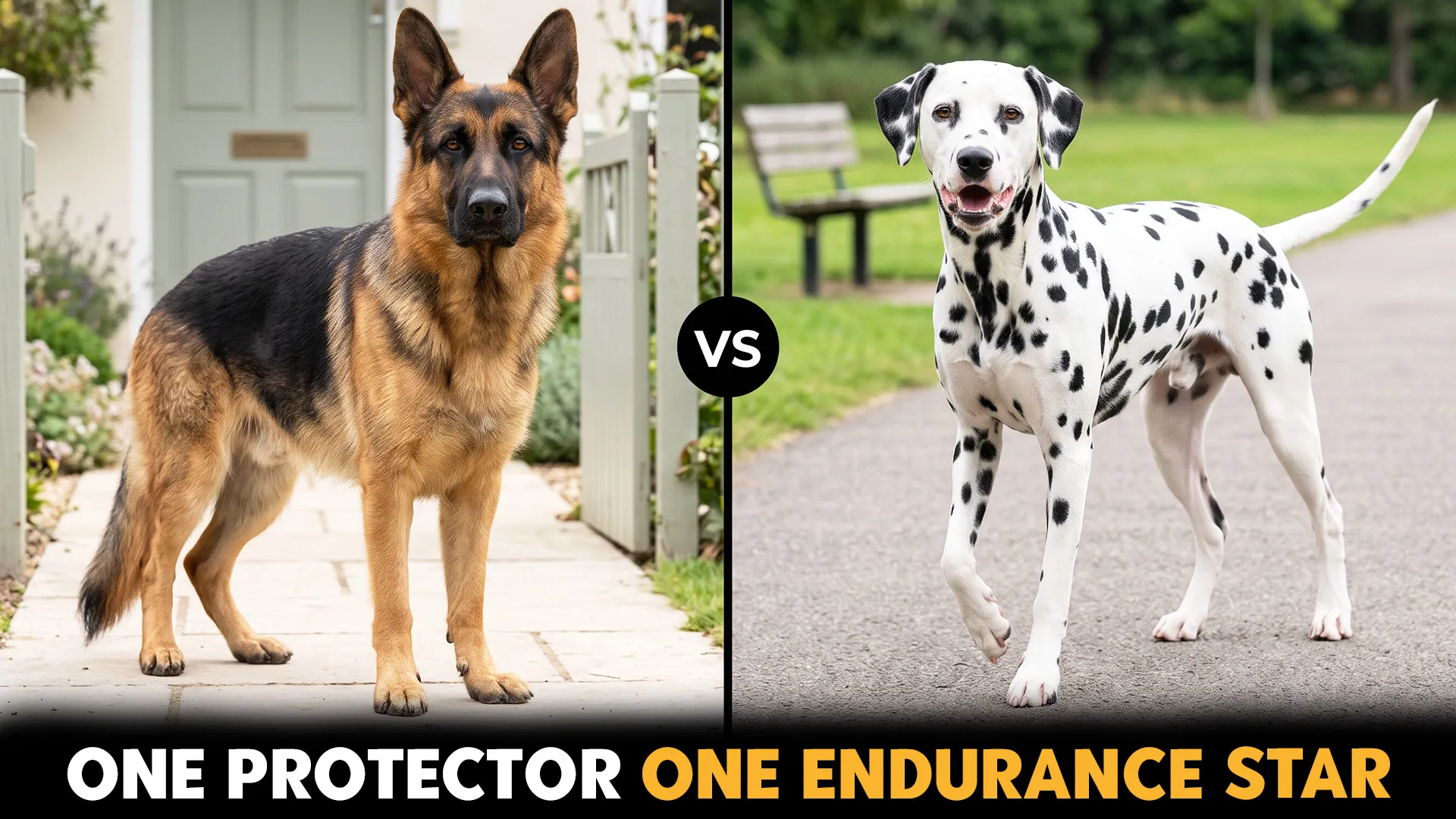
A powerful working companion and a spotted endurance athlete can both steal your heart, but sharing your home with each one brings a very different rhythm.
One grew from a world of herding dogs, demanding work, and close cooperation with people. The other spent generations racing beside horses, developing the stamina needed for life on the road.
That history still echoes through modern homes. The German Shepherd Dog carries a purposeful presence and an instinct to stay involved, whereas the Dalmatian brings athleticism, curiosity, and plenty of personality to the mix.
This German Shepherd vs. Dalmatian explores their origins, build, cost, temperament, exercise, training, grooming, working instincts, and health so you can understand what everyday life with each breed actually involves.
German Shepherd vs. Dalmatian: A Complete Breed Comparison
1. Origins & Purpose
Long before the German Shepherd became associated with police work, its story began in Germany, where breeders selected regional shepherd dogs for usefulness rather than showy looks.
The aim was a dependable companion capable of managing livestock, responding quickly to direction, and handling demanding tasks. Those qualities eventually carried the German Shepherd far beyond farms and into military, search-and-rescue, detection, and assistance roles.
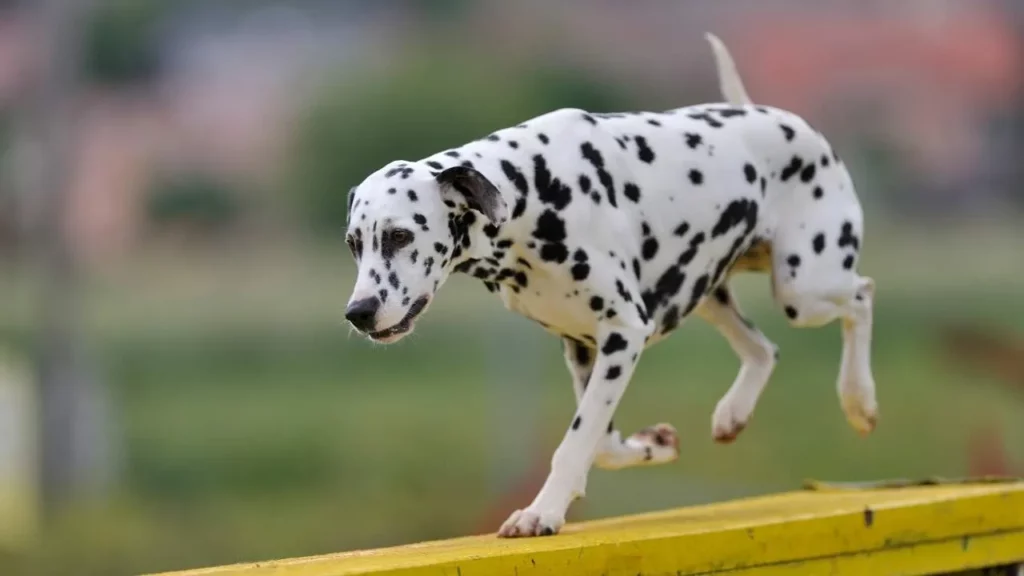
The Dalmatian followed a road of its own. These carriage dogs travelled beside coaches, helping guard passengers and horses during long journeys. Their striking markings were never the reason for their working reputation; stamina, awareness, and the ability to stay alongside moving vehicles mattered far more.
That makes their early purpose surprisingly revealing. One was shaped around close human direction and versatile work; the other developed through travel, guarding, and sustained movement.
2. Size & Build
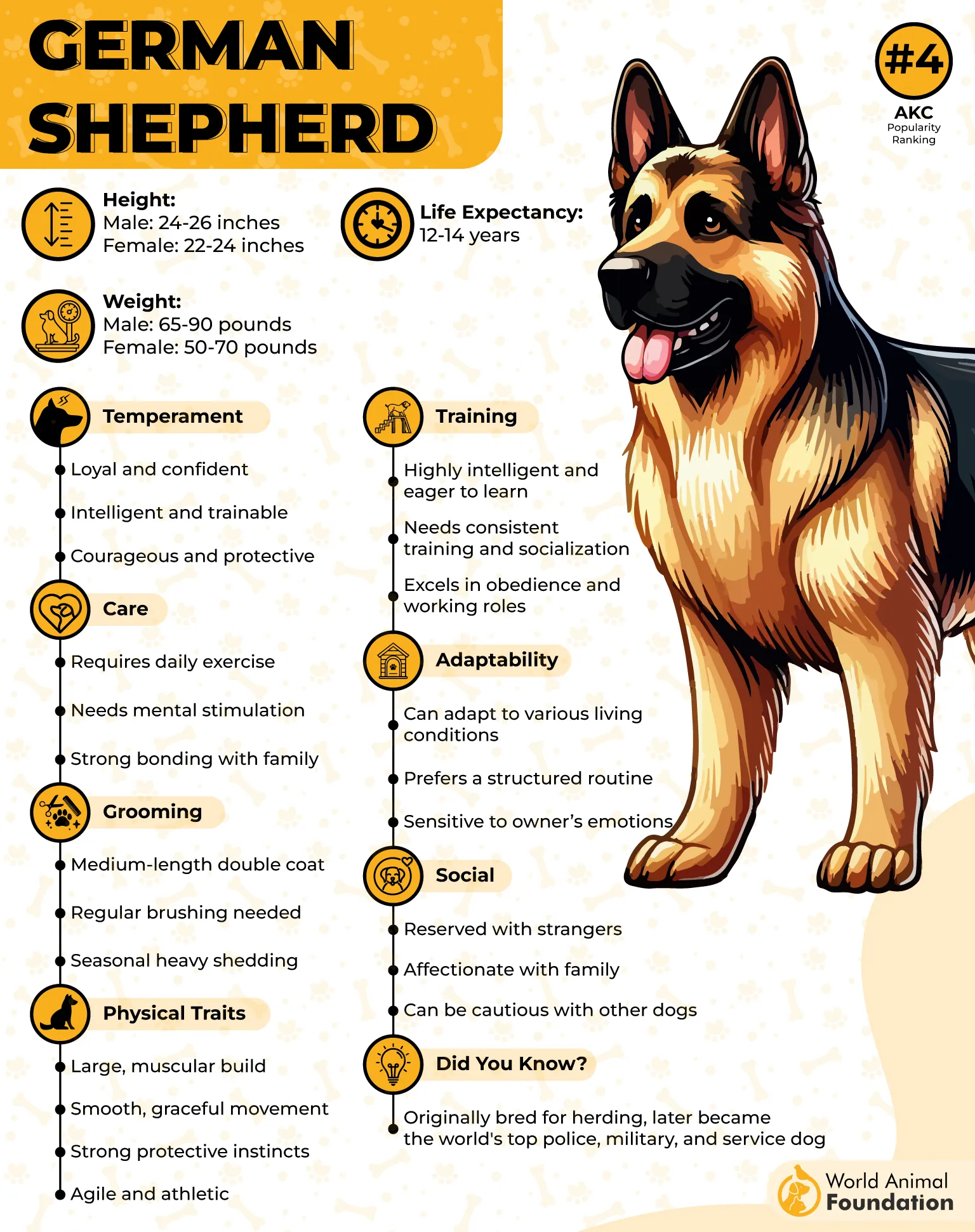
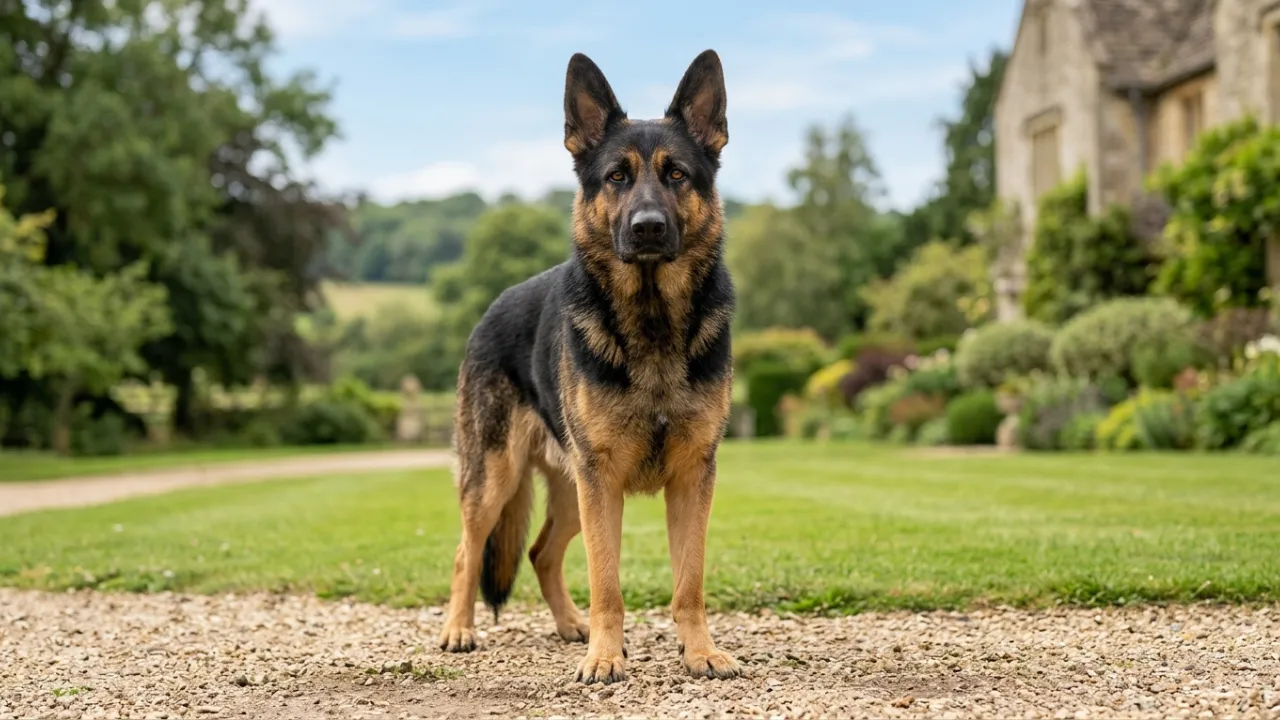
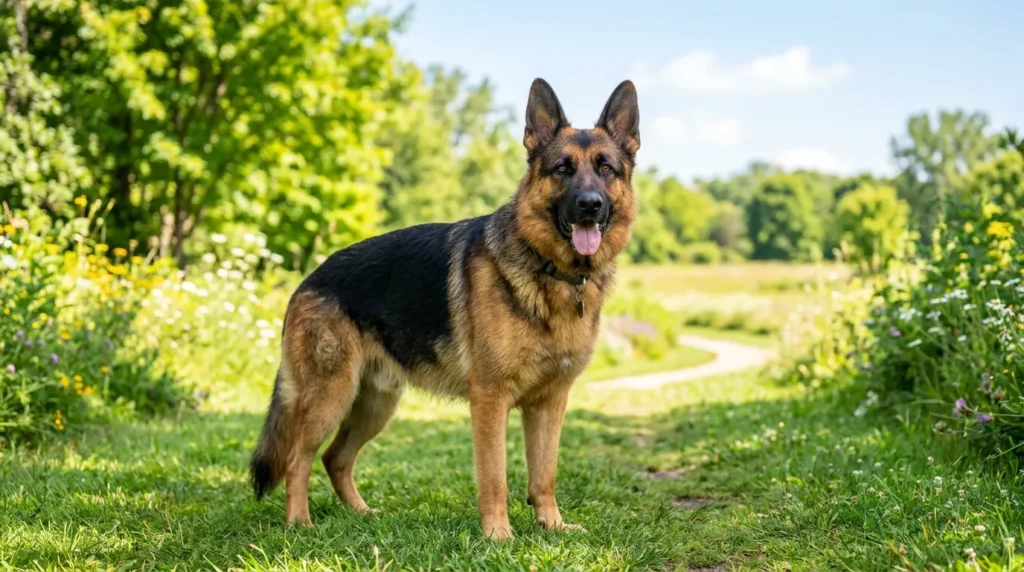
A German Shepherd fills a room with presence before it even starts moving. Males generally stand around 24–26 inches and weigh roughly 65–90 pounds, with females usually reaching 22–24 inches and 50–70 pounds. Its muscular frame, powerful hindquarters, and balanced proportions reflect a body designed to handle demanding physical tasks.
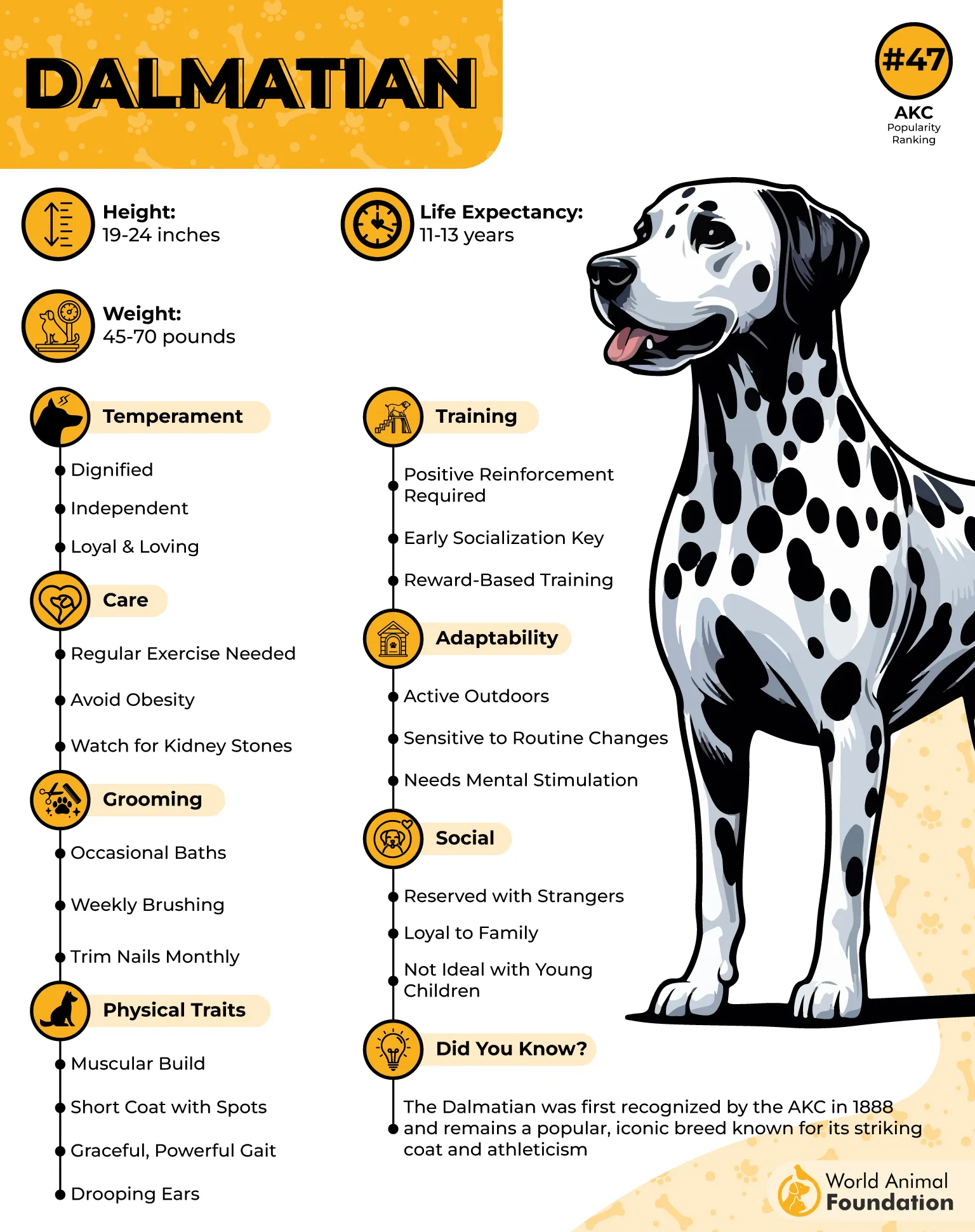
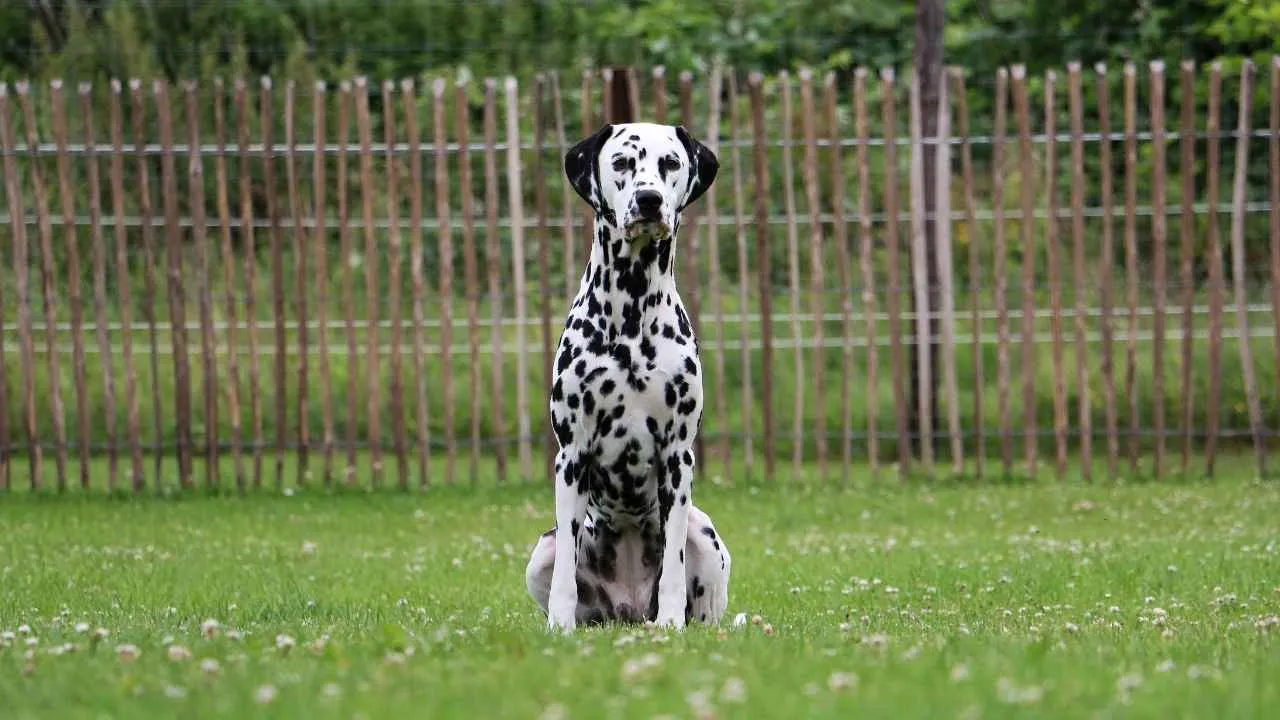
The Dalmatian takes a leaner route. It generally stands around 19–24 inches and weighs approximately 45–70 pounds, with a sleek outline and strong legs suited to covering distance efficiently.
Look closely, and the contrast becomes clear: the German Shepherd has the substantial structure of a versatile utility dog, whereas the Dalmatian carries the lighter, streamlined frame of an endurance athlete.
3. Pricing & Availability
The price attached to a puppy is only the opening figure. For a German Shepherd, PetMD currently puts reputable-breeder pricing around $2,000–$4,000.
Dalmatians can come at a wider range. The purebred puppies are listed at around $500–$2,000, although exceptional bloodlines or particular breeders can push the figure as high as $5,000.
Location, pedigree, breeder reputation, registration, age, and veterinary care can all shift the final cost. Both breeds are widely recognized, although finding a responsibly bred puppy depends on your region.
A reputable breeder should be open about parentage, genetic testing, veterinary records, and health screening. Those conversations might feel less exciting than choosing a puppy, but they can tell you far more about what you are bringing home.
Remember the expenses that continue after purchase, too. Food, veterinary visits, grooming, equipment, training, and unexpected care all become part of your long-term commitment to your pet.
4. Personality & Temperament
Some dogs seem to enter a room and immediately check who is there. The German Shepherd has that quality. It tends to be devoted to its family, observant around unfamiliar people, and highly responsive to changes in its surroundings. Given the right upbringing, that attentiveness can become a wonderful household quality rather than an exhausting one.
According to Britannica, the Dalmatian brings a livelier social spark and fun-loving temperament. These large dogs are affectionate, playful, sensitive, and spirited, with enough independence to keep you guessing from time to time. Its expressive personality tends to shine brightest when it receives companionship, structure, and something interesting to do.
Neither dog arrives with a personality written entirely in stone. Genetics provide a foundation, but environment, handling, early socialization, and everyday experience all help shape the adult companion you eventually know.
5. Exercise Needs & Energy Level
A stroll followed by a nap is unlikely to satisfy either of these athletes.
The German Shepherd thrives when its body has somewhere to put its energy. A walk can be followed by retrieving games, scent work, hiking, agility, or purposeful tasks that keep its mind occupied as well as its muscles. Without enough daily exercise, boredom can turn into unwanted habits surprisingly quickly.
Purina mentions that the Dalmatian needs serious physical outlets of its own. Long walks, running, hiking, interactive games, and safe opportunities to stretch those long legs suit its naturally energetic nature. Its activity level can feel demanding if your routine is mostly sedentary.
The better question is not which one needs less. It is whether your lifestyle genuinely leaves room for an active companion every day.
6. Trainability & Obedience
Training feels different when your dog is genuinely interested in figuring out what you mean.
That is one reason the German Shepherd has excelled in complex jobs for generations. Its highly intelligent nature allows it to absorb commands, patterns, and multi-step tasks quickly, especially when lessons have a clear purpose. Keep the work varied and rewarding, and that intelligence has plenty of room to shine.
The Dalmatian can be just as mentally engaging, although its independent streak can make some lessons more interesting than others. Short, rewarding sessions, clear expectations, and plenty of variety help keep its attention from wandering.
For either dog, consistent training works best when it feels like communication rather than correction. Teaching useful behaviors, manners, recall, and engaging tricks gives both breeds something constructive to think about.
8. Grooming Needs & Shedding
The floor may occasionally tell you which breed lives in the house.
A German Shepherd comes equipped with a double coat designed to offer protection in changing conditions. Regular brushing removes loose fur and keeps the coat manageable, but anyone hoping for a fur-free sofa should reconsider. This is a dog that sheds year-round, with seasonal periods capable of making the loose hair even more noticeable.
The Dalmatian keeps its grooming routine much simpler. Its short, smooth coat needs less brushing, although those tiny hairs can still find their way onto furniture and clothing.
Whichever companion comes home, routine care extends beyond the coat. Nail trims, ear checks, bathing when necessary, and regular attention to the teeth all belong on the maintenance list.
9. Working Background & Protective Instincts
Here, their different histories start showing up in modern behavior.
The German Shepherd’s versatility made it valuable wherever humans needed a dependable partner. Its ability to observe, respond, and remain engaged helped it move naturally into demanding professional roles. That heritage also contributes to the protective instincts many individuals display, making the breed a natural candidate for families interested in a guard dog.
The Dalmatian’s working identity developed differently. Life beside coaches demanded confidence around traffic, unfamiliar surroundings, and constantly moving horses. Rather than being bred primarily for modern protection work, it developed qualities that helped it accompany people safely over long journeys.
Both can be watchful, but good ownership means teaching them when that alertness is useful. Encouraging unnecessary aggression can create problems; clear boundaries and appropriate handling give those instincts a healthier direction.
10. Health & Lifespan
Every breed has its vulnerable points, and knowing them before bringing home a puppy gives you a much better starting position.
German Shepherds have an average lifespan of around 7–10 years. Hip and joint problems can affect the breed, with elbow dysplasia among the concerns worth discussing with a breeder. Degenerative myelopathy, a progressive neurological condition that can interfere with movement, is another issue associated with the breed.
Dalmatians generally live around 10–13 years. Their unusual uric acid metabolism can increase the risk of urinary stones, making urinary health an important consideration. Congenital deafness is another recognized concern, so responsible breeders may use appropriate hearing assessments when evaluating puppies.
Good breeding cannot promise a completely problem-free future. Still, choosing carefully, maintaining preventive veterinary care, managing weight, and responding promptly to changes in behavior or mobility can give your companion a stronger foundation for a healthy life.
11. German Shepherd vs. Dalmatian: Which One Should You Choose?
Forget the spots for a moment. Forget the impressive German Shepherd silhouette, too.
Think about the kind of relationship you want with your dog.
A German Shepherd tends to suit someone who enjoys teaching, practicing, and giving a companion meaningful responsibilities. Its working background can make everyday activities feel purposeful, especially for owners who enjoy structured interaction and an involved dog.
A Dalmatian brings a different kind of companionship to the table. Its history lends itself to an active routine, but its individuality also means you need patience, engagement, and a willingness to understand its particular tendency toward independence and excitement.
Your home matters as well. Existing pets, children, visitors, space, and your ability to provide appropriate socialization should all enter the conversation. If you already have cats or other dogs, introductions deserve patience and supervision rather than assumptions based solely on breed reputation.
In the end, the choice is less about finding a universally superior dog and more about finding the companion whose needs match the way you actually live. Knowing those needs clearly gives you the information to make your own decisions with confidence.
Conclusion
The German Shepherd and Dalmatian may share athletic bodies and an impressive history of working alongside people, but their stories took very different paths. One grew from livestock work into a remarkably versatile service companion; the other built its reputation on roads, coaches, and endurance.
Before choosing either, spend time with adult dogs, speak honestly with responsible breeders or rescue groups, review available health records, and consider what your normal week really looks like.
The right match is not simply the one that catches your eye. It is the one whose needs, habits, and temperament make sense for the life you can genuinely provide.
