




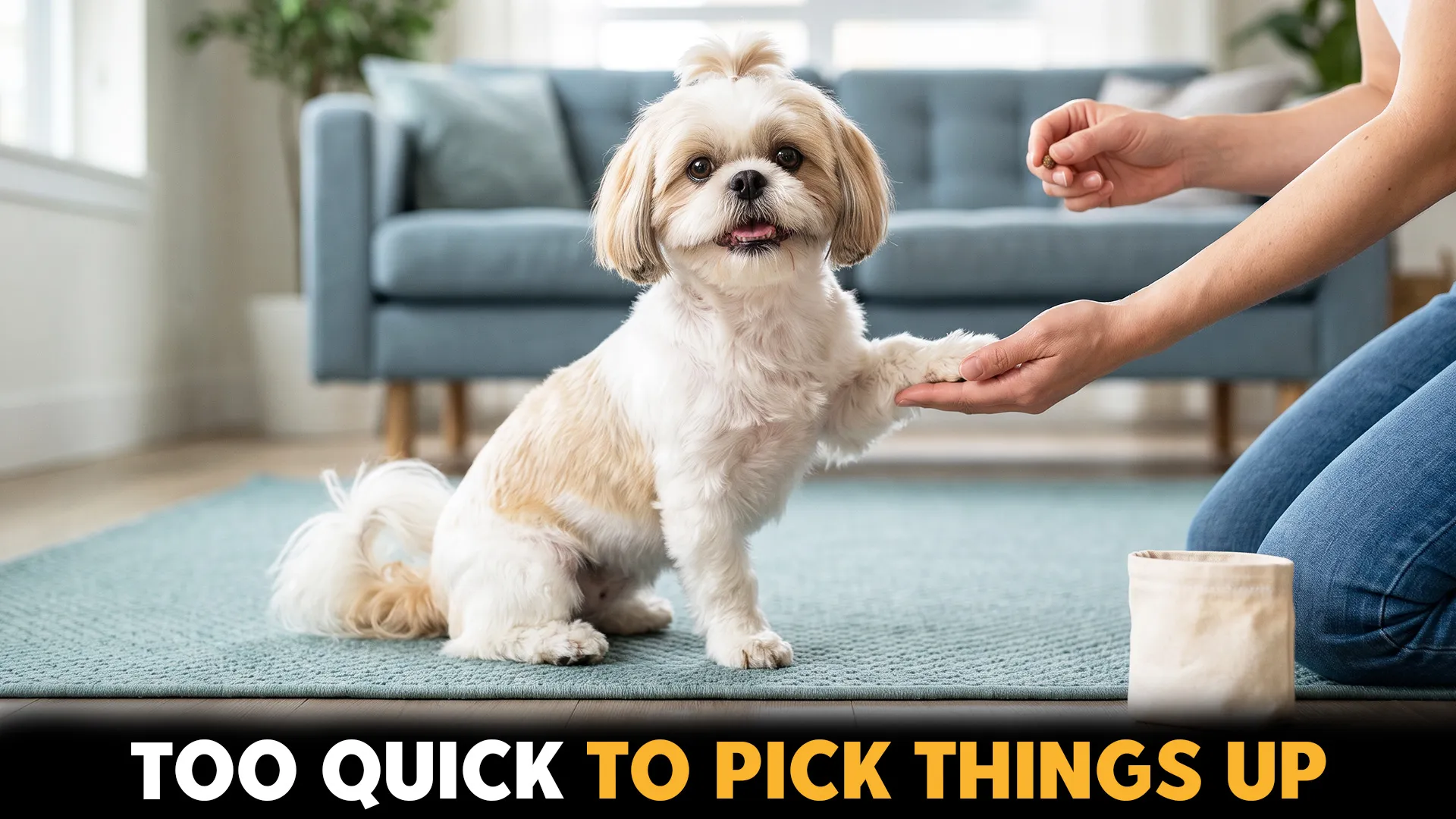
Let’s talk about a little secret most small dog owners won’t admit.
A lot of tiny dogs are… not exactly trained.
They jump on guests, bark at the TV, and pee on the rug and then look at you like YOU did something wrong. And everyone laughs it off. “Oh, he’s little. It’s fine.”
Small dogs are capable of learning like bigger dogs. Some of them are honestly smarter than half the big dogs at the dog park. They need someone to teach them.
The good news is some small dog breeds make that job WAY easier.
They pick up commands fast, they love to please, and they actually enjoy training sessions because, hey, there are treats involved.
So if you want a pup that’s cute AND well-behaved, you are in the right place.
We are covering the best miniature dog breeds with easy learning, what makes each one so trainable, and a few tips to help you along the way.
Let’s go.
Did You Know?
Small dogs aren’t naturally “worse behaved.” Often, it’s the training.
A 2010 study published in Applied Animal Behaviour Science surveyed more than 1,200 dog owners in Austria. Researchers found that owners of small dogs tended to be less consistent with training and rules than owners of larger dogs. And that inconsistency was linked to more behavior problems.
In other words, a lot of “small dog attitude” might really be “small dog never got trained.”
So yeah… it’s not them. It might be us.
Best Miniature Dog Breeds with Easy Learning
1. Cavalier King Charles Spaniel
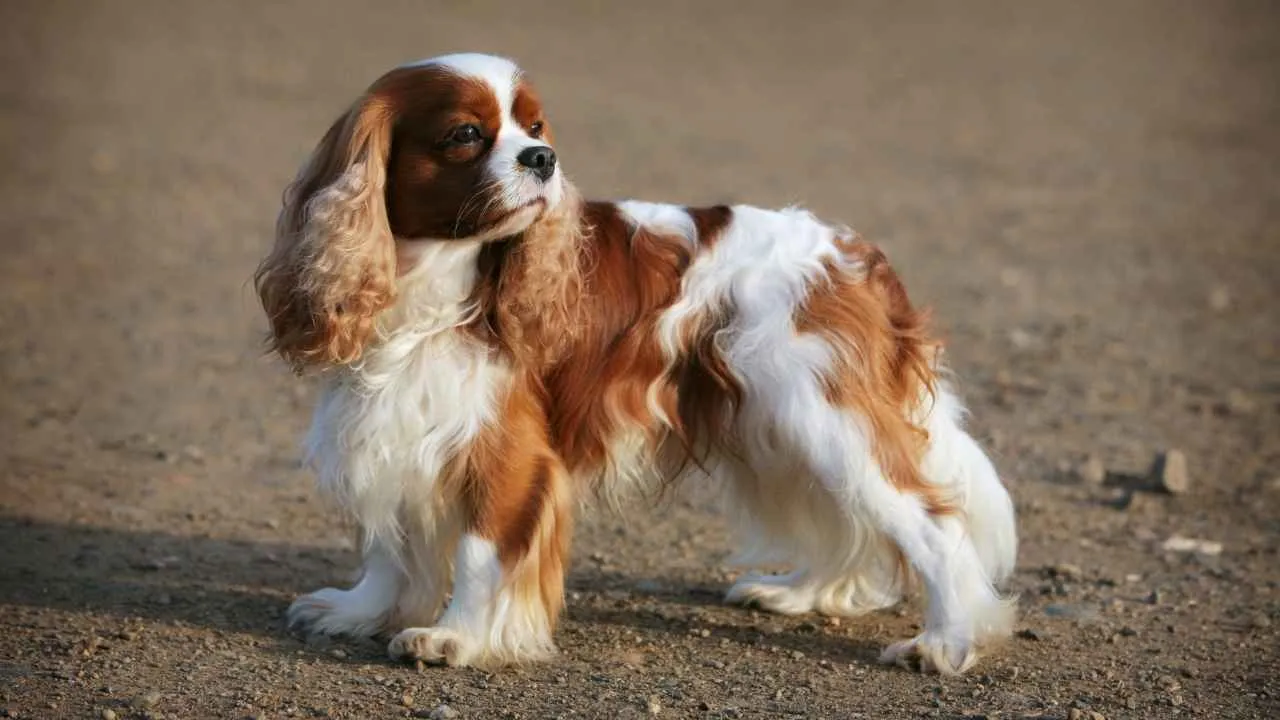
If you want an easy first dog, the Cavalier King Charles Spaniel is about as good as it gets.
These dogs want nothing more than to make you happy. That makes them a dream to train.
Cavaliers are sweet, gentle, and great with kids, seniors, and other pets. They also make wonderful emotional support and therapy dogs because they have a calming way about them.
Fun FACT!! President Ronald Regan and First Lady Nancy Reagan had a Cavalier named Rex in the White House.
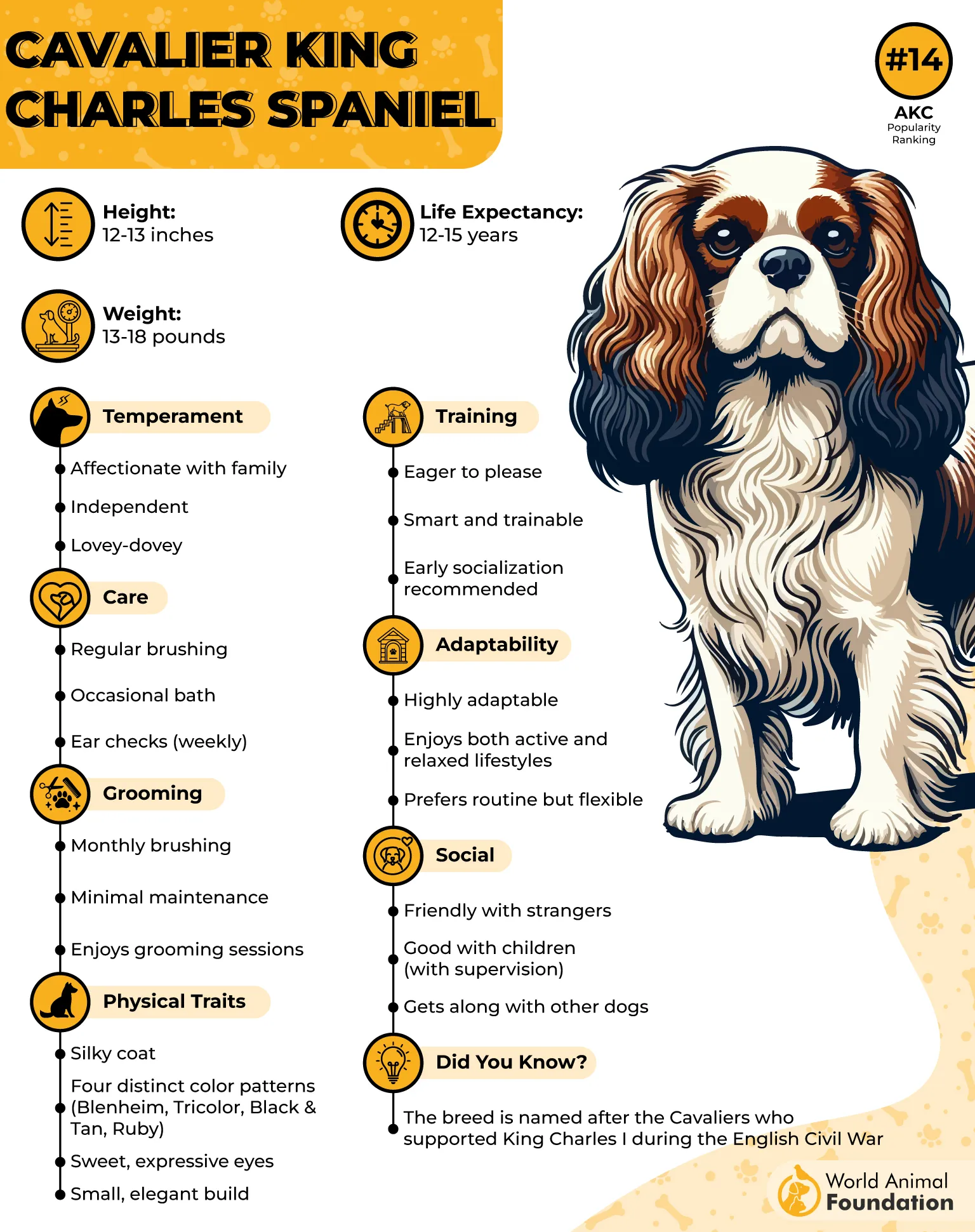
These Spaniel dogs respond best to positive reinforcement. Praise, treats, and a happy voice go a long way. They don’t appreciate harsh corrections. They are sensitive souls. According to PetMD, they have a very gentle nature.
One heads-up, though. Cavaliers LOVE food. Use small treats and watch their weight. They are also prone to certain health issues, so choose reputable breeders.
2. Toy Poodle
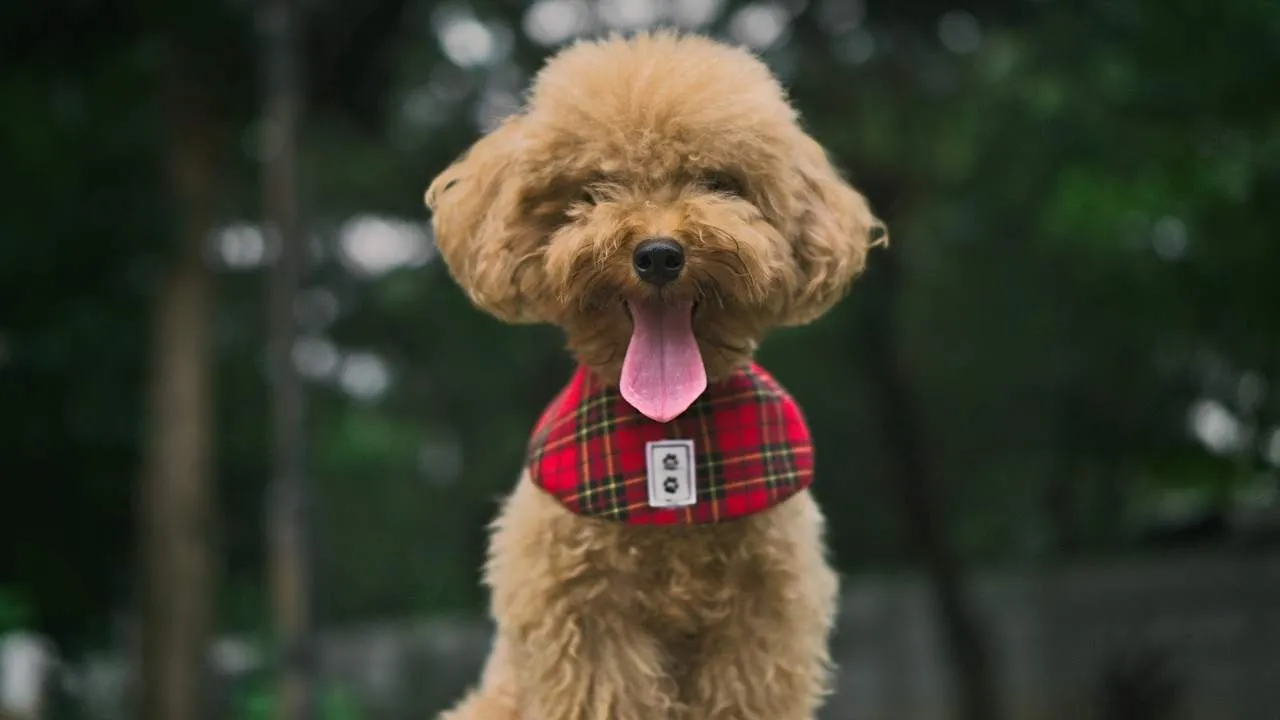
The Toy Poodle might be the brainiest little dog on this list.
In psychologist Stanley Coren’s famous ranking of dog intelligence, the Poodle breed landed at number two, right behind the Border Collie. According to the American Kennel Club, dogs in that top intelligence group can learn a new command in fewer than five repetitions.
FIVE. That’s it.
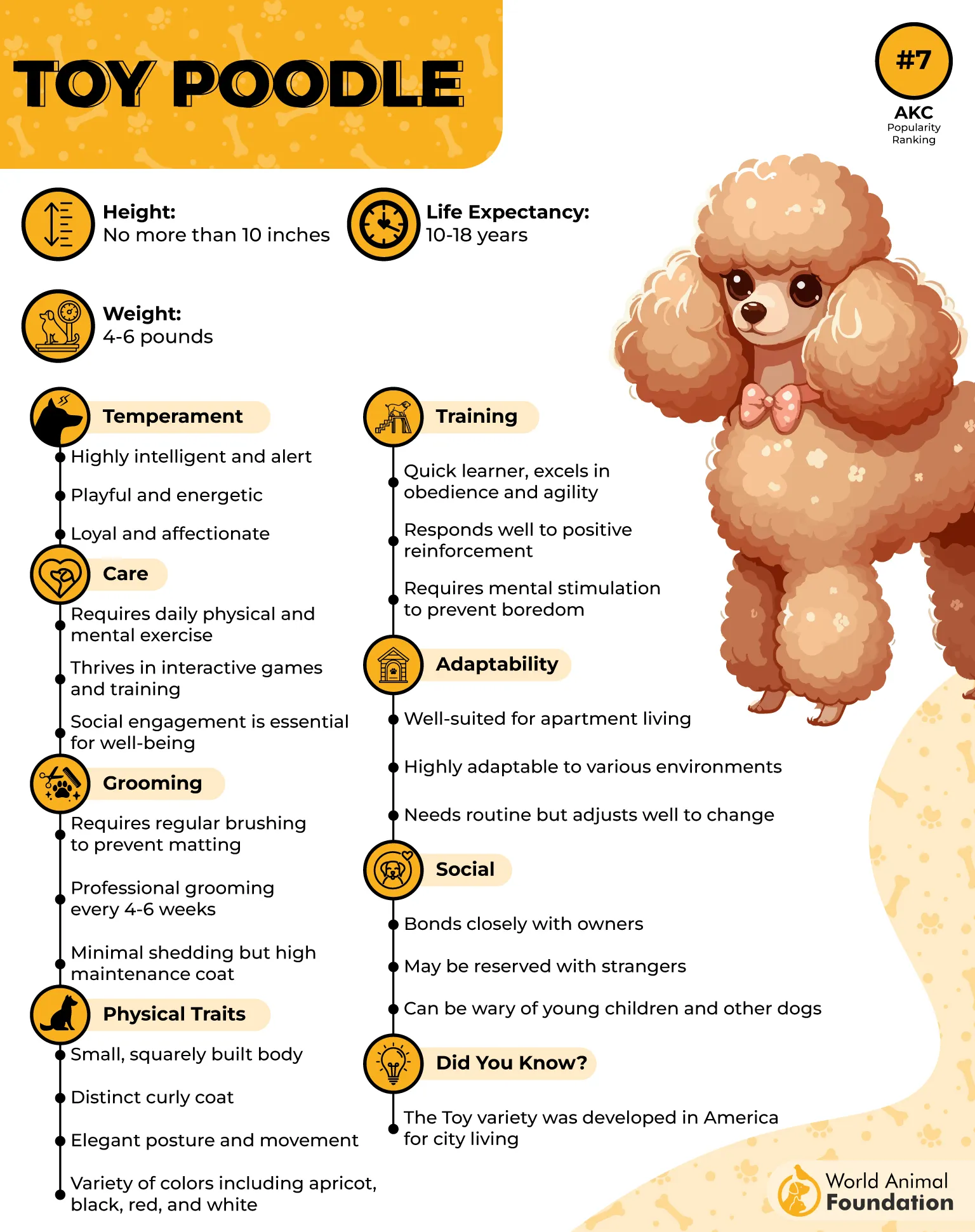
Toy Poodles learn quickly, love tricks, and do great in obedience training and agility competitions. They are like little honor students.
But that brain needs a workout. A bored Toy Poodle can get pretty creative. Puzzle toys and short daily lessons help a lot.
Their curly coat sheds very little, but it needs professional grooming every few weeks. Many owners keep it in an easy puppy cut. Want a little more size? The Miniature Poodle is just as smart.
No matter which type of Poodle you get, they all make excellent family dogs.
3. Shih Tzu
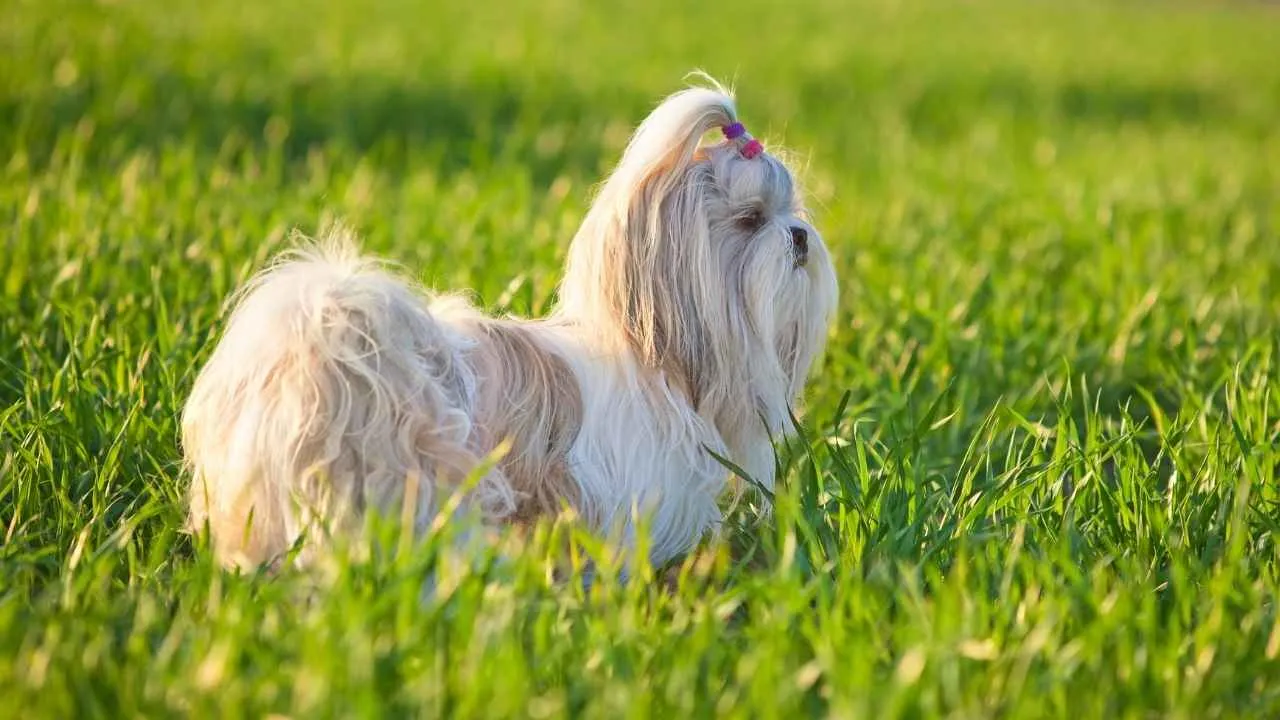
The Shih Tzu was originally bred in China as a palace companion. And you can tell. These Asian dogs are happiest snuggled next to their people.
Now, let’s be honest. Shih Tzus are not the fastest learners on this list. They can be a little stubborn, and potty training sessions sometimes take extra patience.
But these toy dog breeds are eager to please, and with consistent training, they do really well.
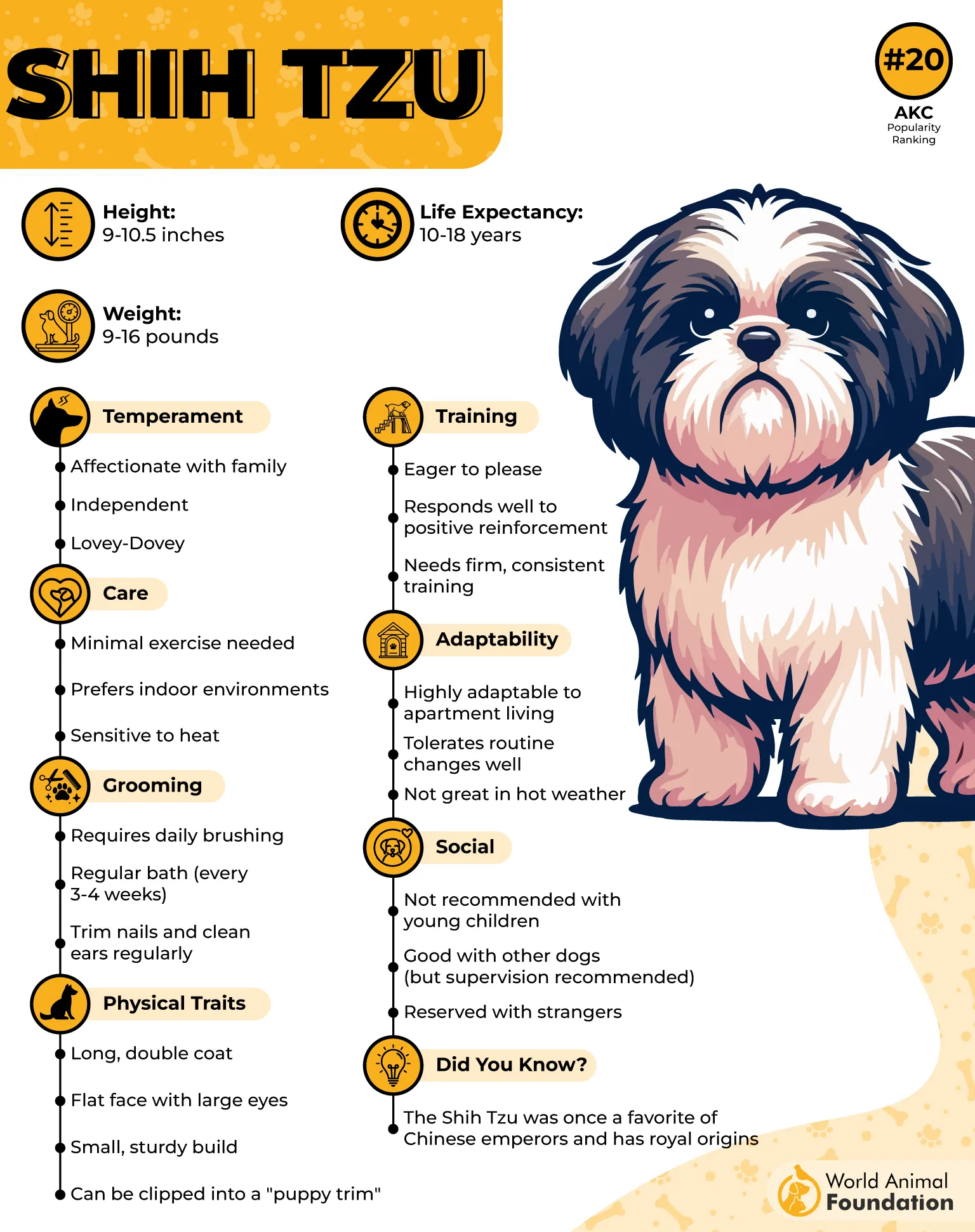
Let us tell you the trick to training a Shih Tzu. Keep sessions short, fun, and full of rewards. Five to ten minutes at a time is plenty. Plus, positive reinforcement is the best way to treat these small dog breeds.
Shih Tzus have a calm energy level, which makes them perfect for apartment dwellers. They are also friendly with children and other dogs.
But keep in mind that their silky coat needs regular brushing or a short trim to stay tangle-free.
4. Brussels Griffon
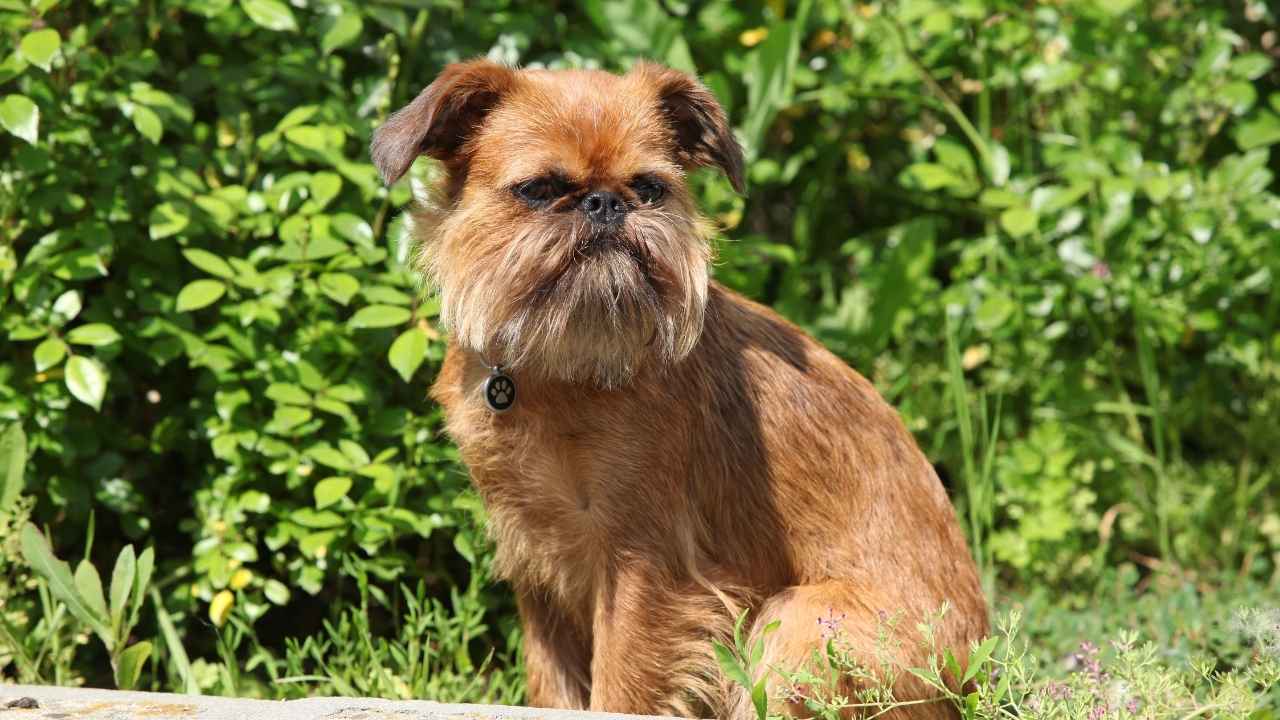
Ever seen the movie “As Good as It Gets”? That scruffy little dog that wins over Jack Nicholson’s grumpy character is a Brussels Griffon.
And YES, that’s pretty much what owning one feels like.
Brussels Griffons were originally bred in Belgium to catch rats in horse stables. Today, they are full-time companions with huge personalities and big, almost human-like eyes. Plenty of fans swear they look like Ewoks.
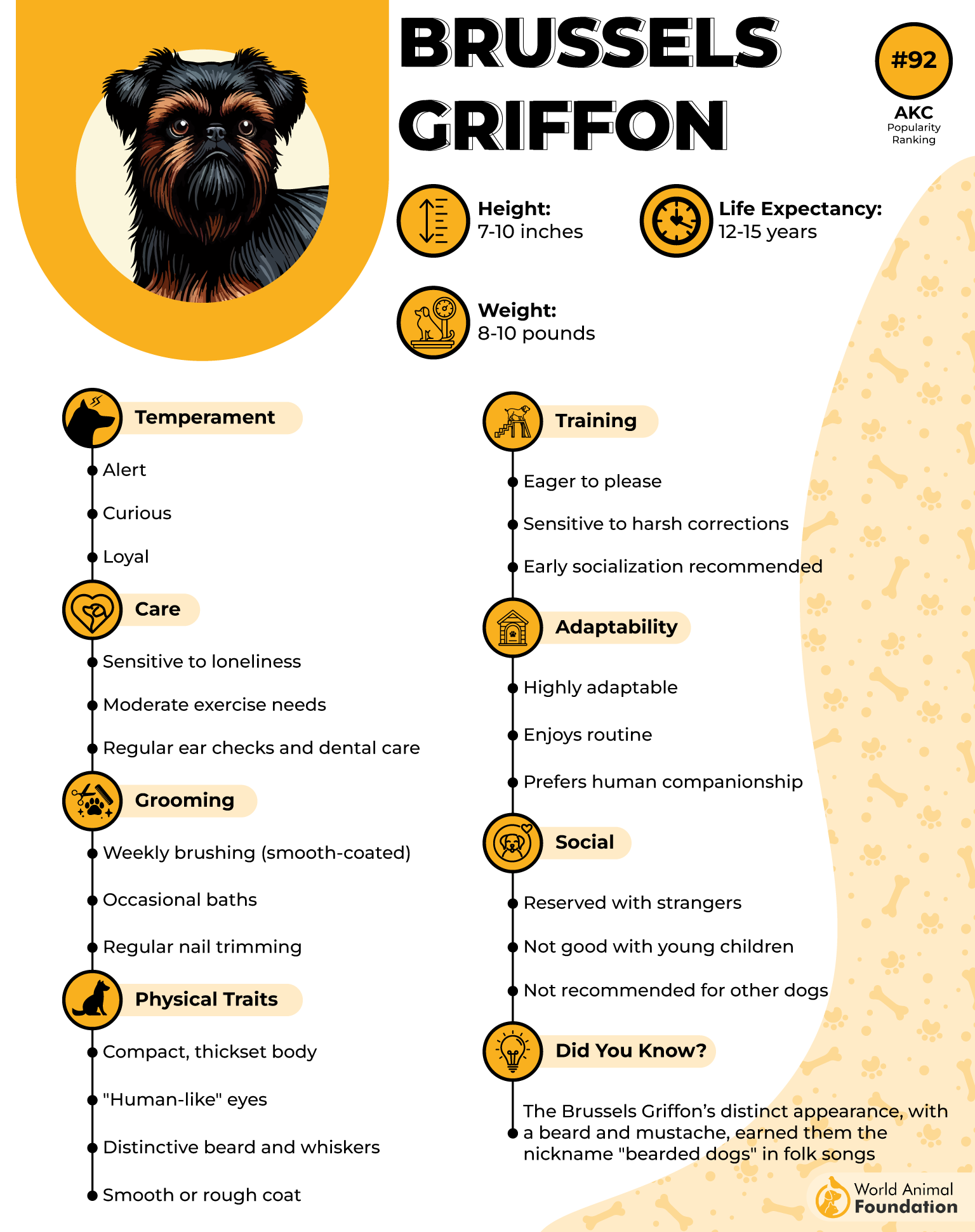
These bearded dogs are smart and catch on quickly. They are also very sensitive, so positive reinforcement works best.
One thing to know. Griffons get REALLY attached to their people. That can lead to separation anxiety if they are left alone for too long, as noted by Orvis. Practice short alone-time sessions early on.
Great for owners who are home a lot and want a little shadow.
5. Havanese
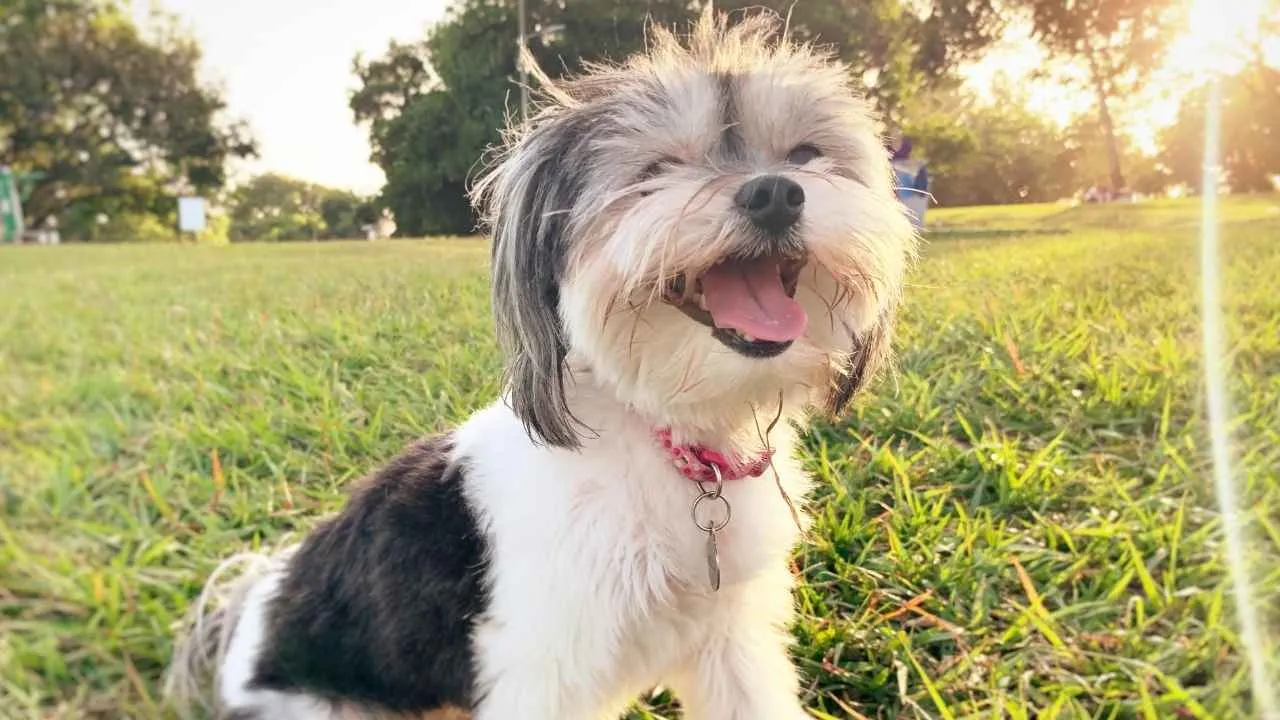
This Cuban dog breed always seems happy.
And that cheerful attitude makes training a breeze.
Havanese are smart, playful, and eager to learn. These small dog breeds pick up tricks quickly and love showing off. Many even do well in agility and therapy work.
They are great companions for families, and they get along with almost everyone. Kids, cats, other dogs, the mailman… You name it.
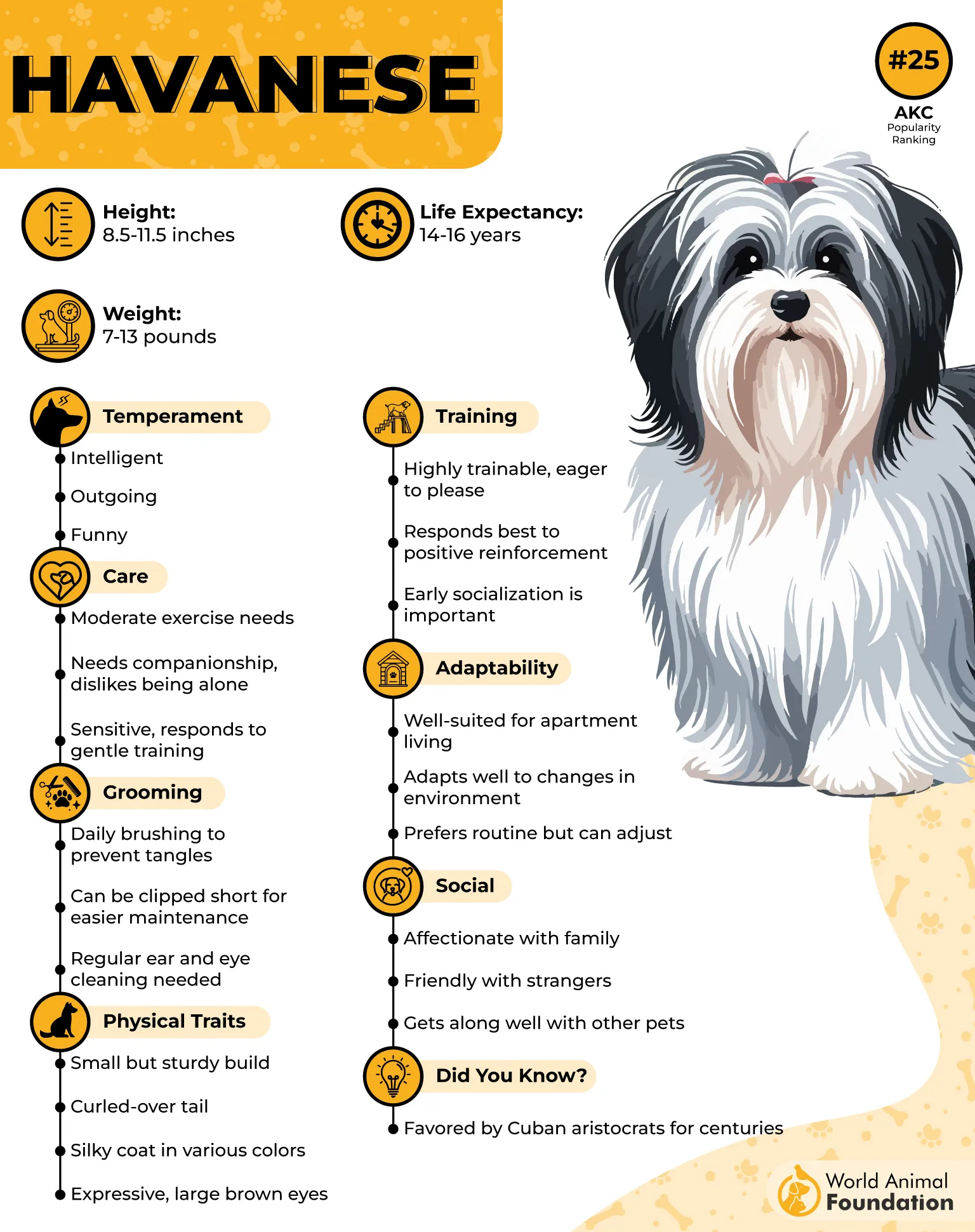
Like many small breeds, Havanese can be a little slow with potty training. Stick with a routine, reward every success, and be patient.
These beautiful white dogs have a silky coat. That coat needs regular brushing. Plenty of owners go for a shorter puppy cut to make life easier. And yes, they prove to be one of the easiest small dog breeds.
6. Papillon
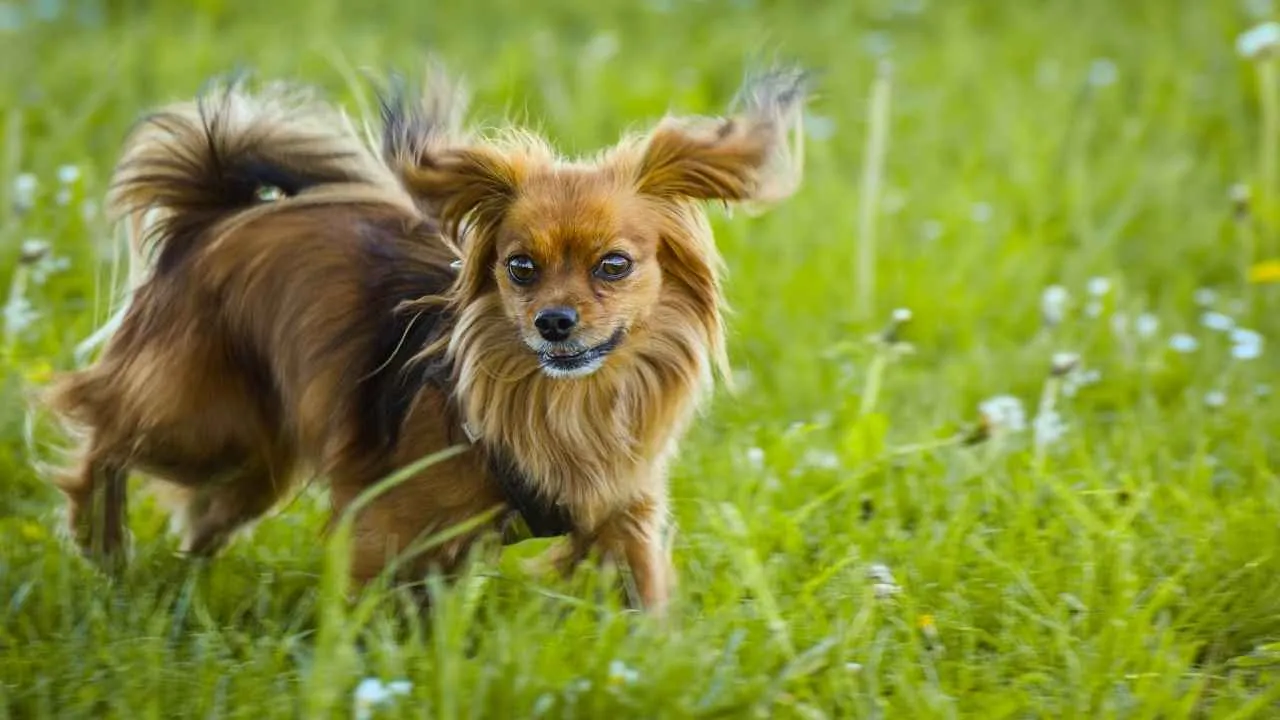
Don’t let the butterfly ears and cute face fool you. The Papillon is a serious athlete.
Papillons are one of the most popular small dog breeds in agility competitions. They are fast, focused, and they LOVE having a job to do.
And the reason is obvious.
These are among the smartest dog breeds, and their energy level is OFF the charts. They learn quickly and enjoy just about any kind of training, from basic obedience to fancy tricks.
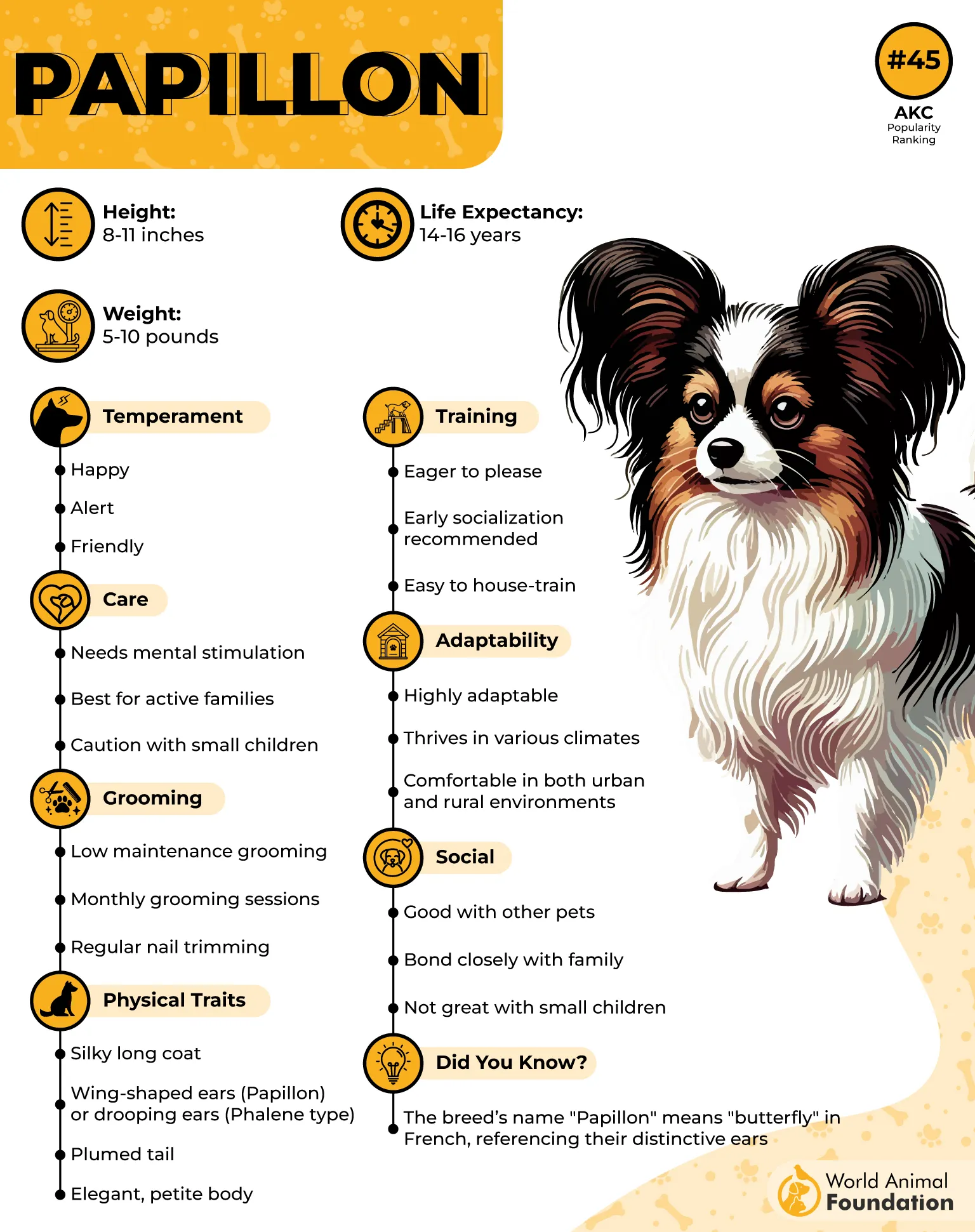
With high energy levels for their size, they need daily walks and play. Mental exercise is super-important. Teach them a new trick every week, and they will be thrilled.
Pappillons do well with other pets, though they can be a little bossy with bigger dogs. Supervise playtime, since they sometimes forget how tiny they are.
7. Japanese Chin
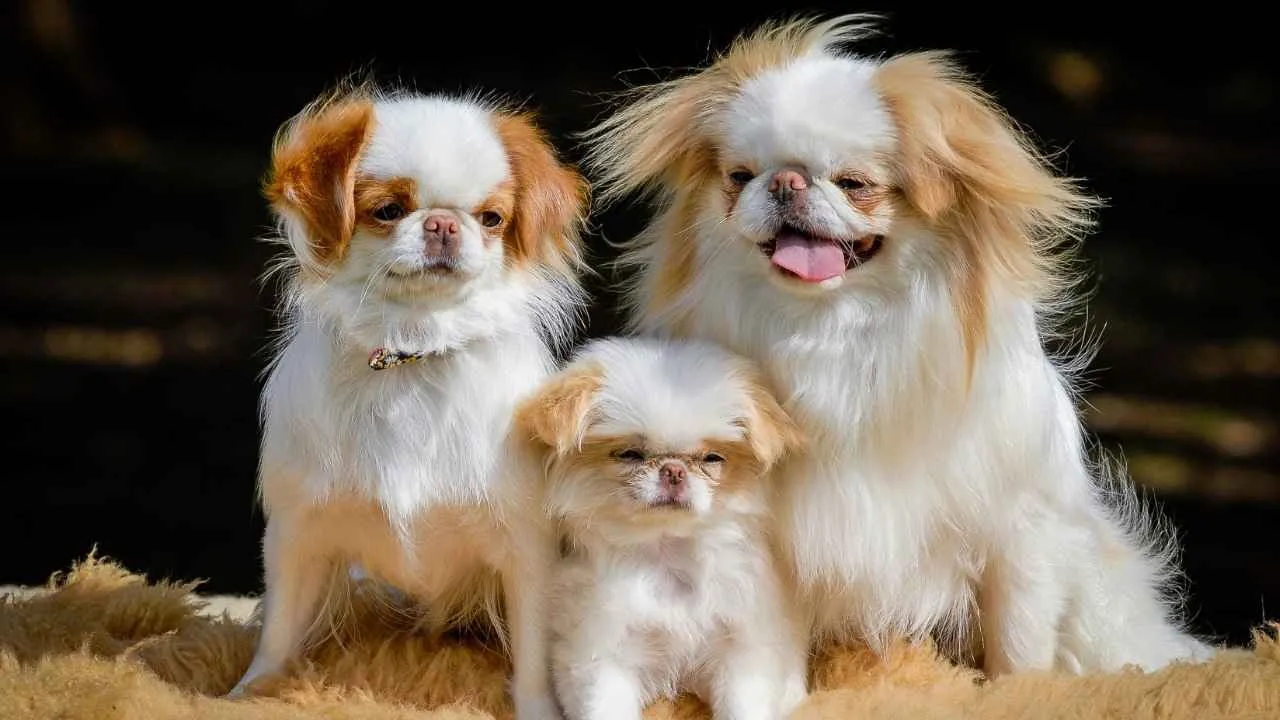
The Japanese Chin isn’t your typical “do whatever I say” dog.
But it’s smart. Really smart.
These Japanese dogs learn quickly, but they do like things their way. You can think of them less like a soldier and more like a clever cat. And we aren’t saying that for the sake of propriety. According to Omlet, they are fastidious and cat-like in the way they clean themselves. They will learn, as long as it’s fun and worth their time.
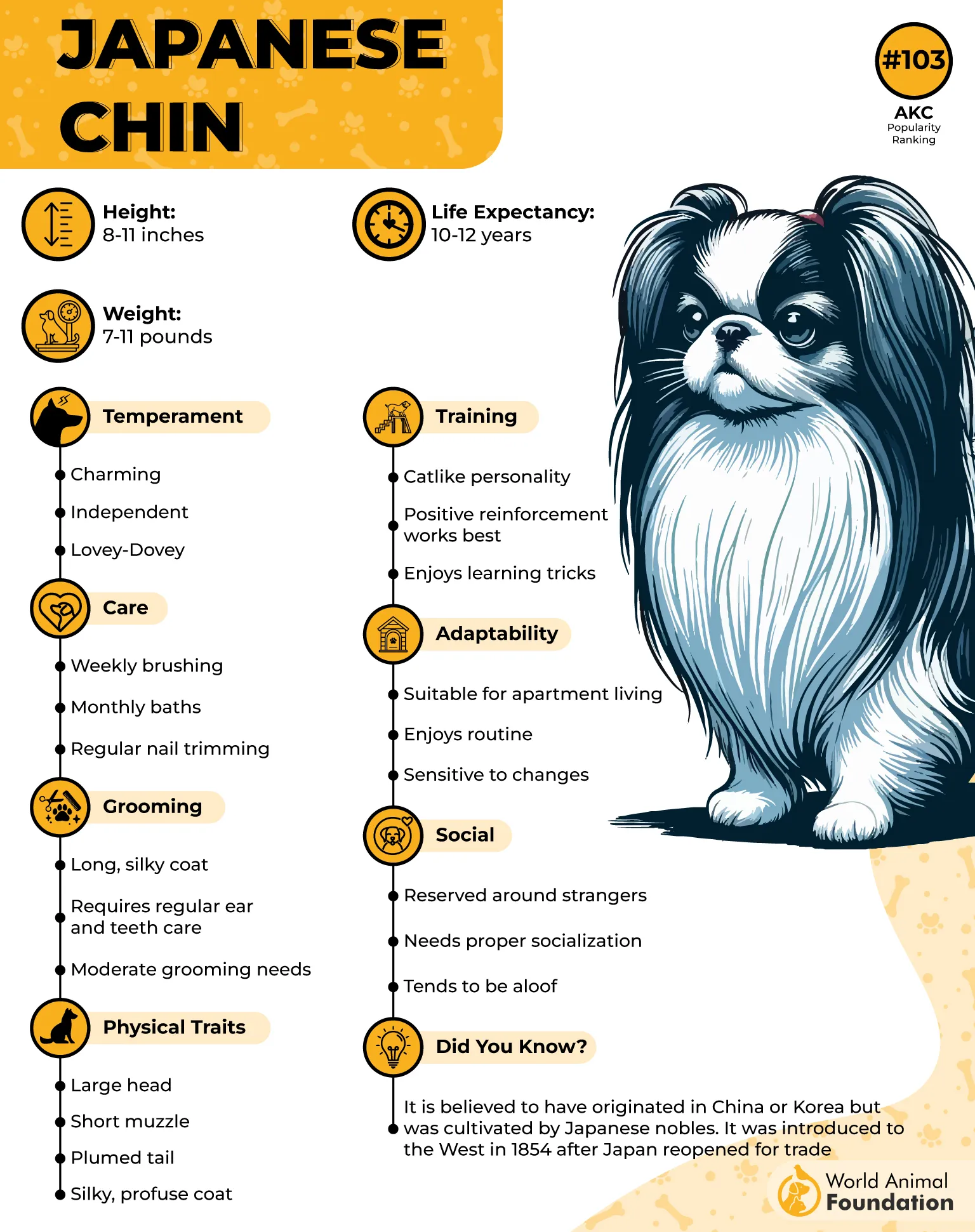
They have a built-in party trick. Lots of Chins do something fans call the “Chin Spin,” spinning in circles when they are excited. Basically, they come pre-loaded with a dance move.
They are quiet, clean, and calm, which makes them excellent companions for apartment living. They also bond closely with their family.
Use gentle, positive training. Chins don’t respond well to pressure.
8. Yorkshire Terrier
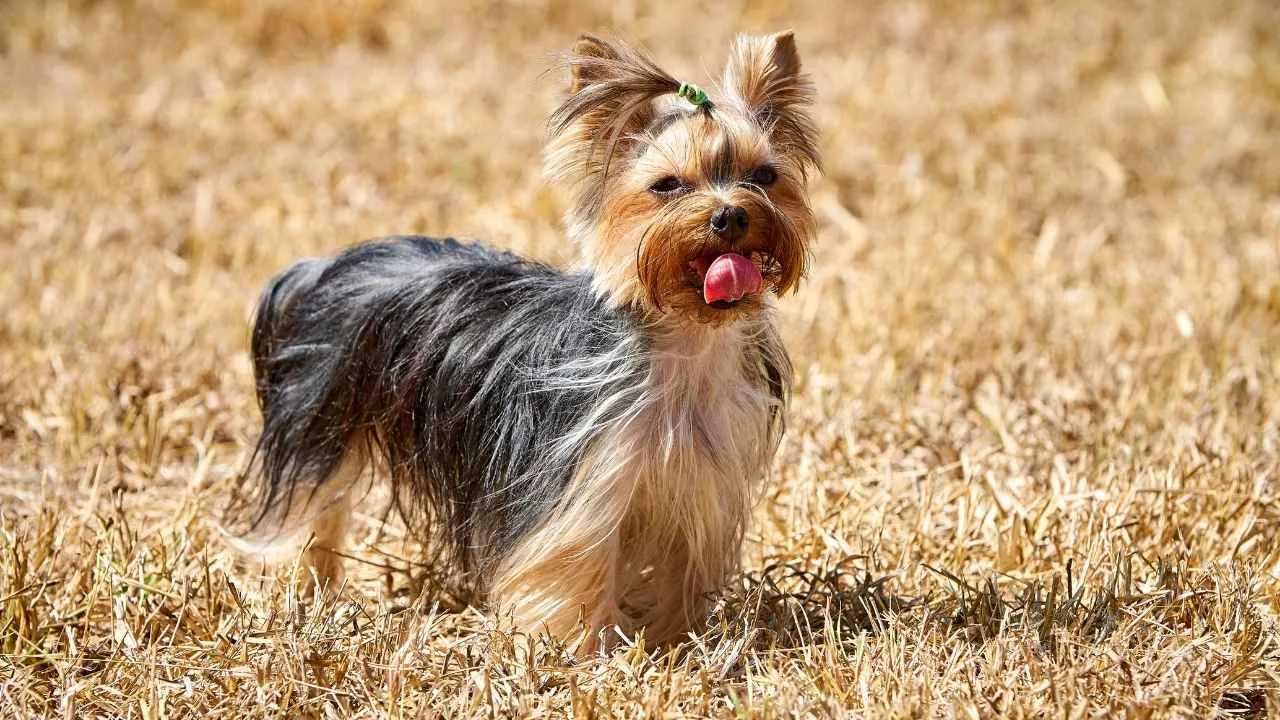
Yorkies may be tiny, but they have a lot of brainpower.
Want a wild fact? The smallest Yorkie ever recorded was Sylvia, who lived in England in the 1940s. She stood just about 2.5 inches tall at the shoulder.
Yorkies today are a little bigger than that, usually around 7 pounds. But they are still bold and curious, and quick to learn.
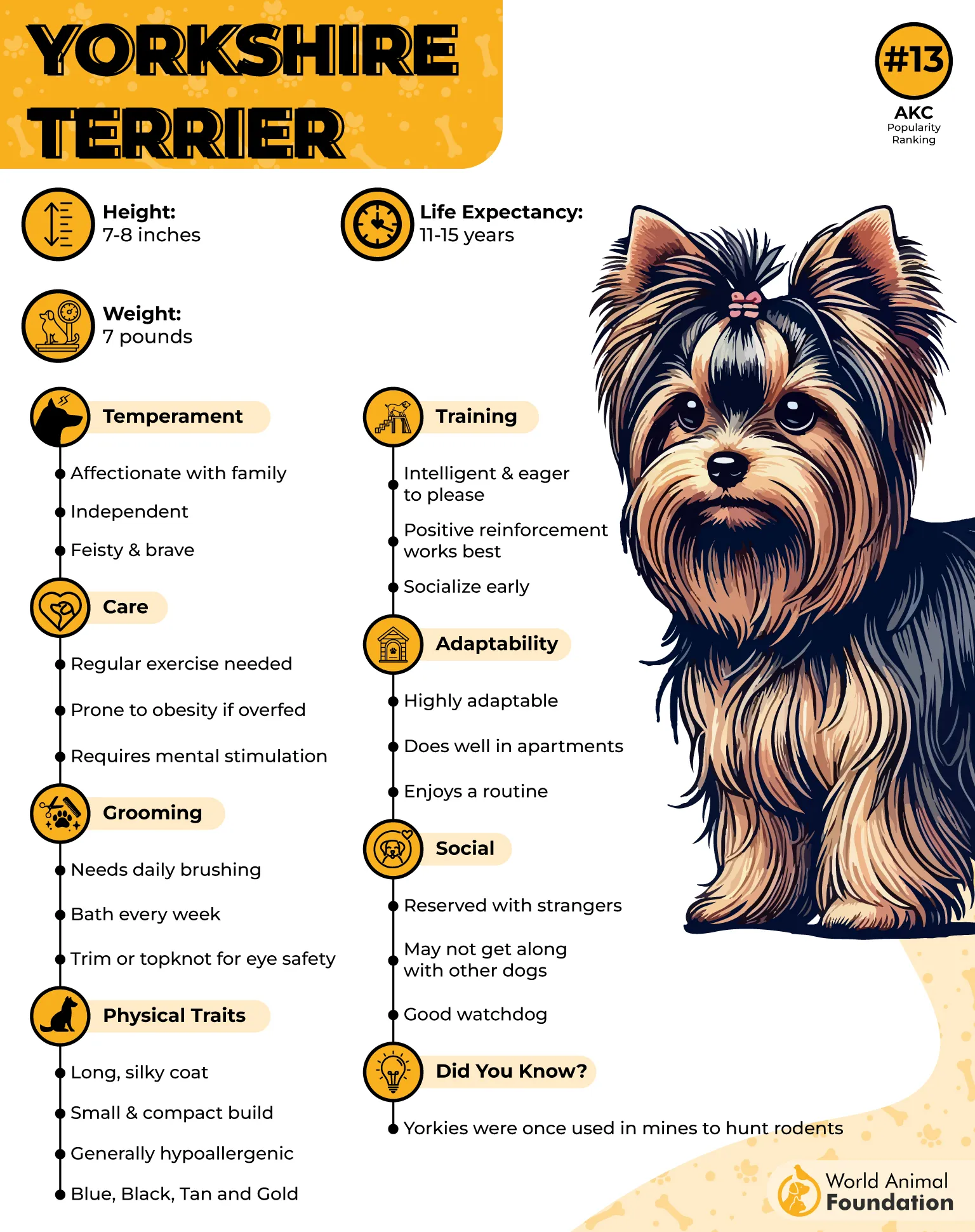
These hunting dogs of the past do great with obedience training when it starts young. Positive reinforcement and plenty of praise work wonders.
Potty training can be tricky, so consistency is key. They can also be barky, so teaching a “quiet” command is a smart move.
9. Silky Terrier
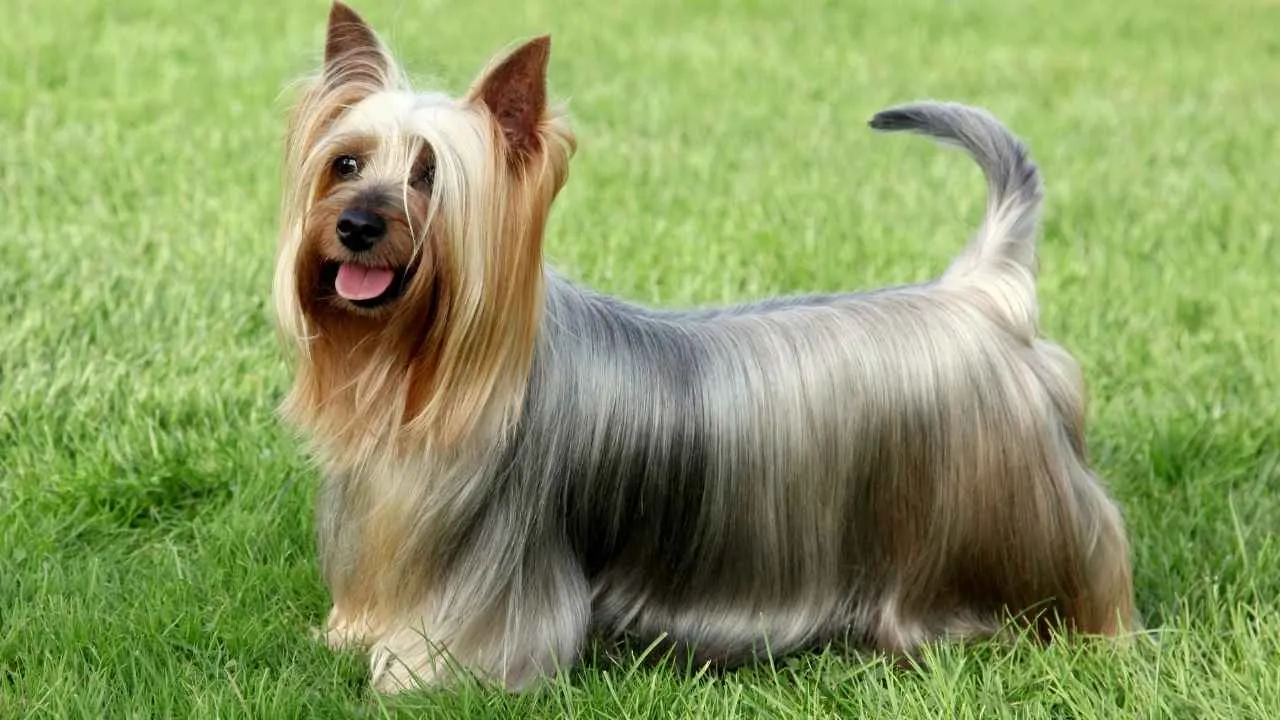
Last up, a breed that doesn’t get nearly enough love.
The Silky Terrier.
The Silky was developed in Australia in the late 1800s by crossing Yorkshire Terriers and Australian Terriers. For a while, it was even called the “Sydney Silky.”
At first glance, it looks a lot like a Yorkie. But the Silky is a little bigger, sturdier, and more of a classic Terrier.
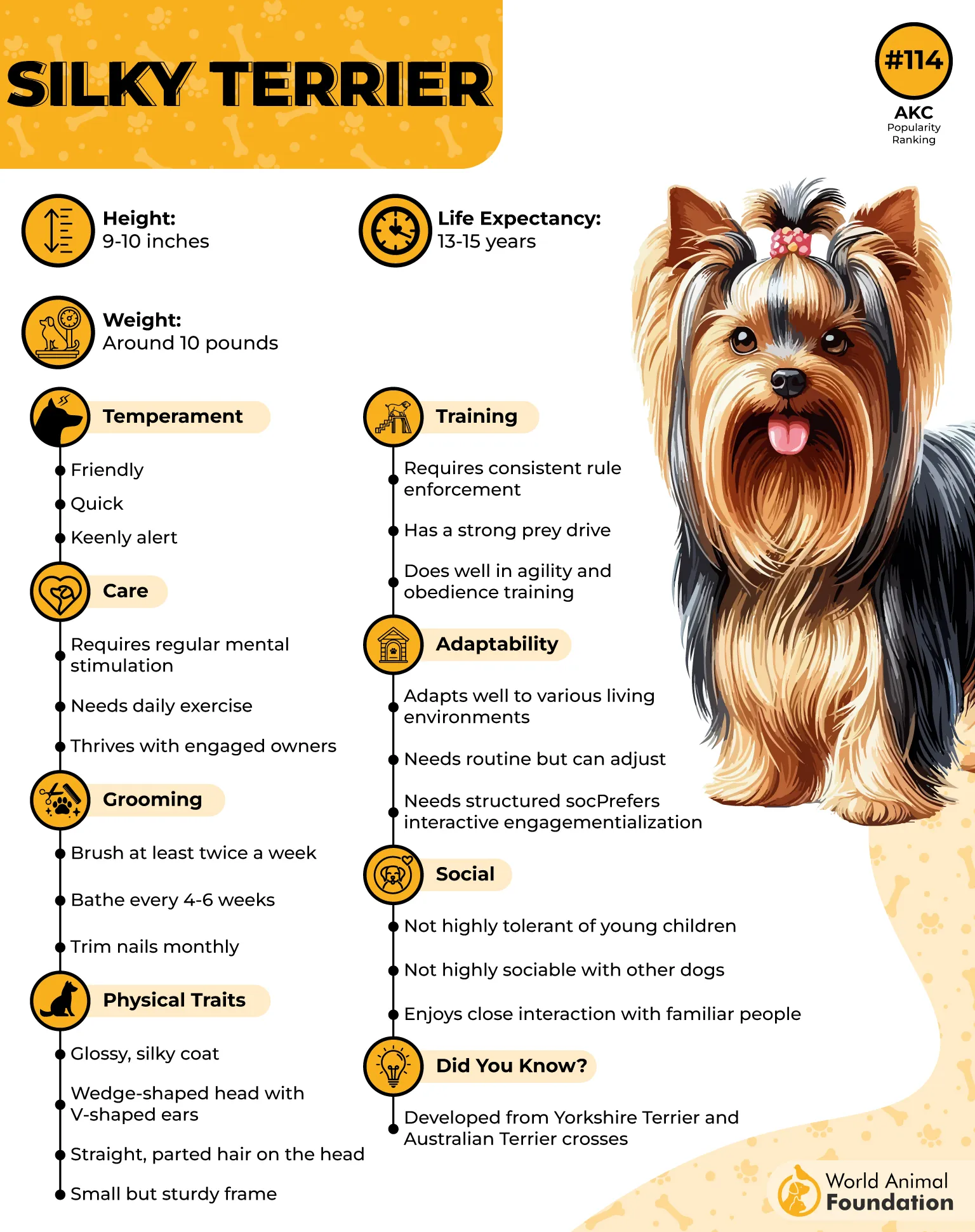
Silky Terriers are smart, alert, and curious. They learn quickly and enjoy training when it involves games or rewards.
They do have that terrier drive, though. Squirrels, birds — YEAH, they will want to chase them.
That silky coat needs regular brushing, but it doesn’t shed much.
Conclusion
Small dogs can learn just as much as bigger dogs.
Sometimes even more.
The best small dog breeds on this list are smart, eager, and ready to learn. But even the easiest small dog breeds still need YOU to show up. Be consistent. Be patient. Keep training fun.
Training a small dog isn’t just about manners; it builds trust and a bond, and it makes life way more fun for both of you. So grab some treats and start small.
And enjoy the rewarding experience of raising a well-behaved little friend.
