




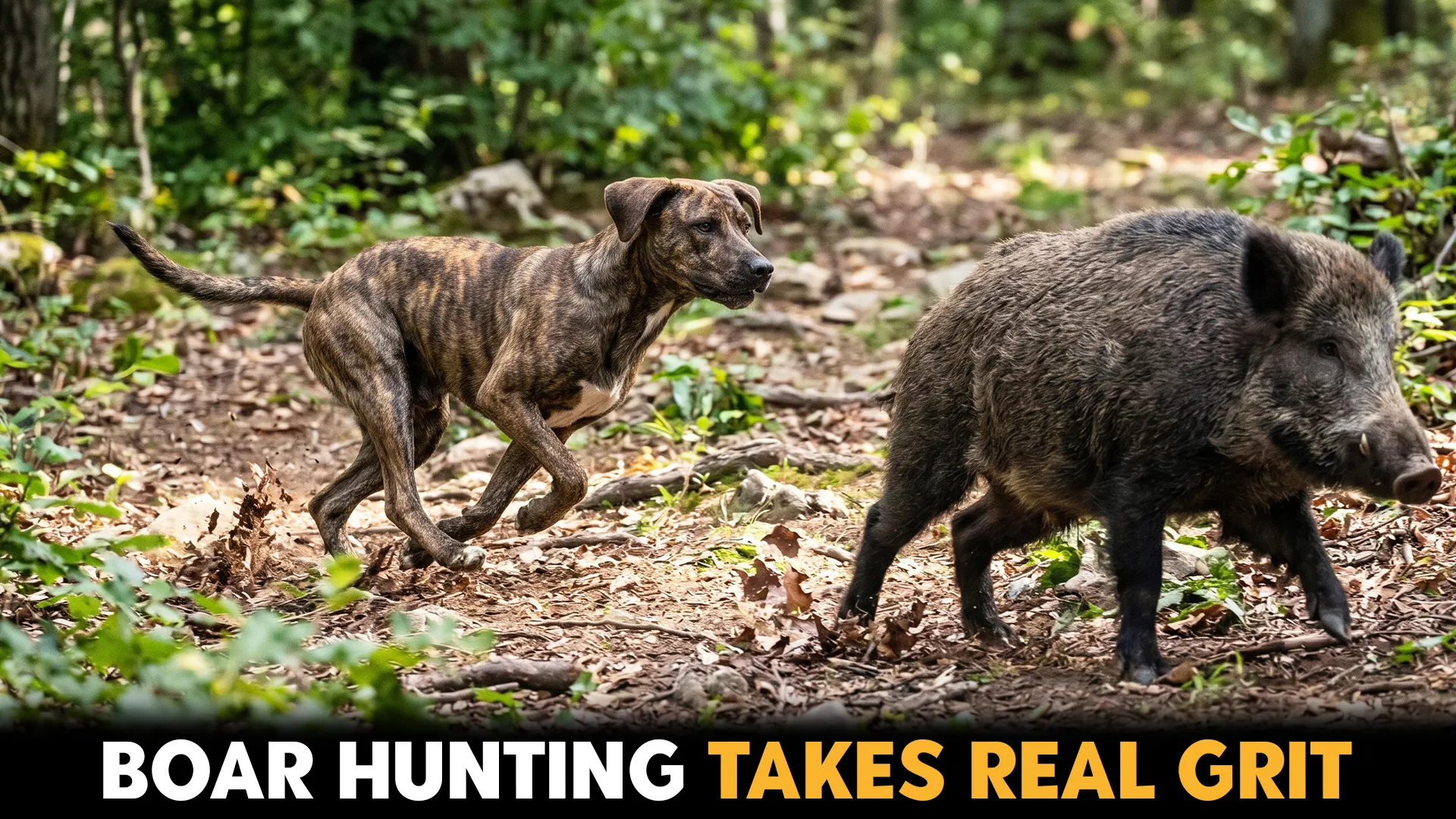
Wild boar hunting demands more than speed. Hunters need canine partners with a powerful nose, remarkable stamina, and the confidence to work through thick brush and dense cover. These powerful animals move quickly across rough and varied terrain, making tracking, communication, and careful handling essential during the chase.
These hunting dog breeds dominate the wild boar battlefield with their unique strengths. Some hunting dogs follow scent trails over long distances, others help hunters locate game through their distinctive bay, and certain working breeds bring agility and determination to challenging hunting environments. Their skills reflect generations of selective breeding for specific hunting tasks.
If you’re comparing hunting dog breeds for hog hunting, understanding their backgrounds matters. The Catahoula Leopard Dog, Plott Hound, and Mountain Cur have distinct working histories, but no single breed suits every situation. Training, temperament, and experience all influence performance when hunting wild hogs.
Top Hunting Dog Breeds That Dominate the Wild Boar Battlefield
1. Plott Hound
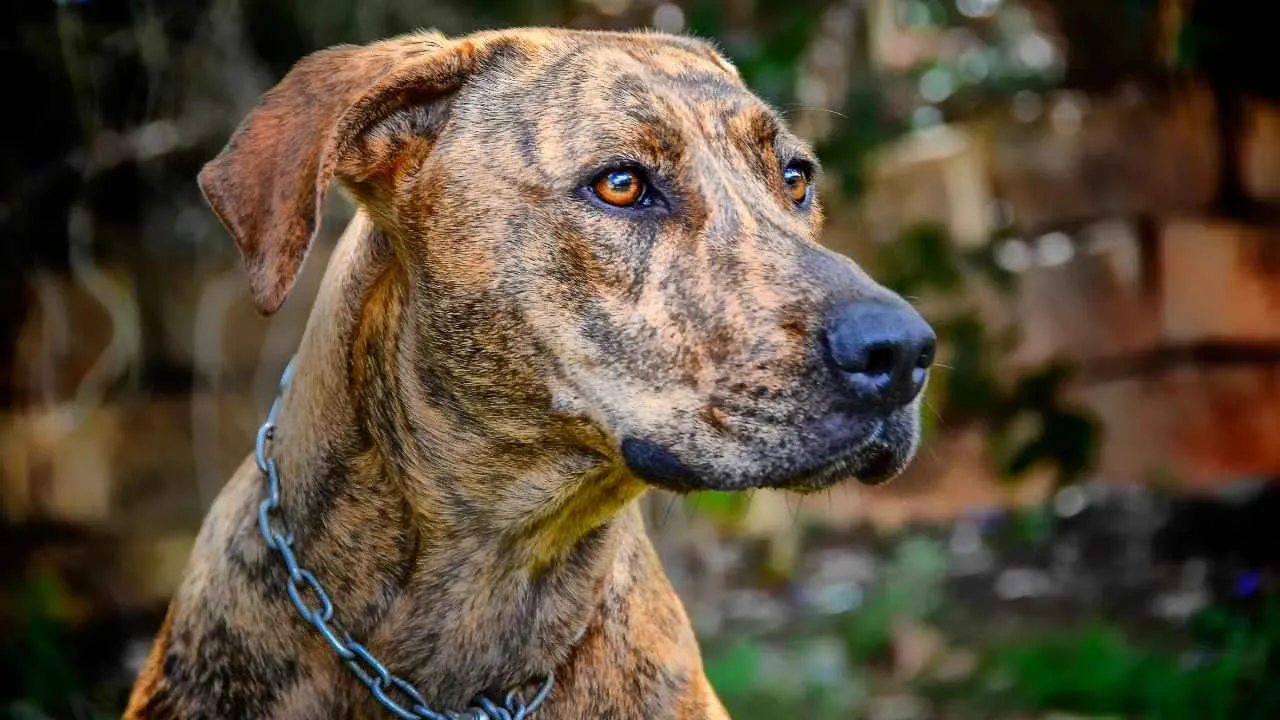
Deep in rough mountain woods, the Plott Hound shows why experienced hog hunters value this working breed so much. German immigrants brought its ancestors to North Carolina, breeding them to hunt big game like bears and wild boar.
That rich history created a hound with an amazing nose that can follow faint scent trails through heavy brush. Its strong body and steady stamina help it travel long distances without slowing down.
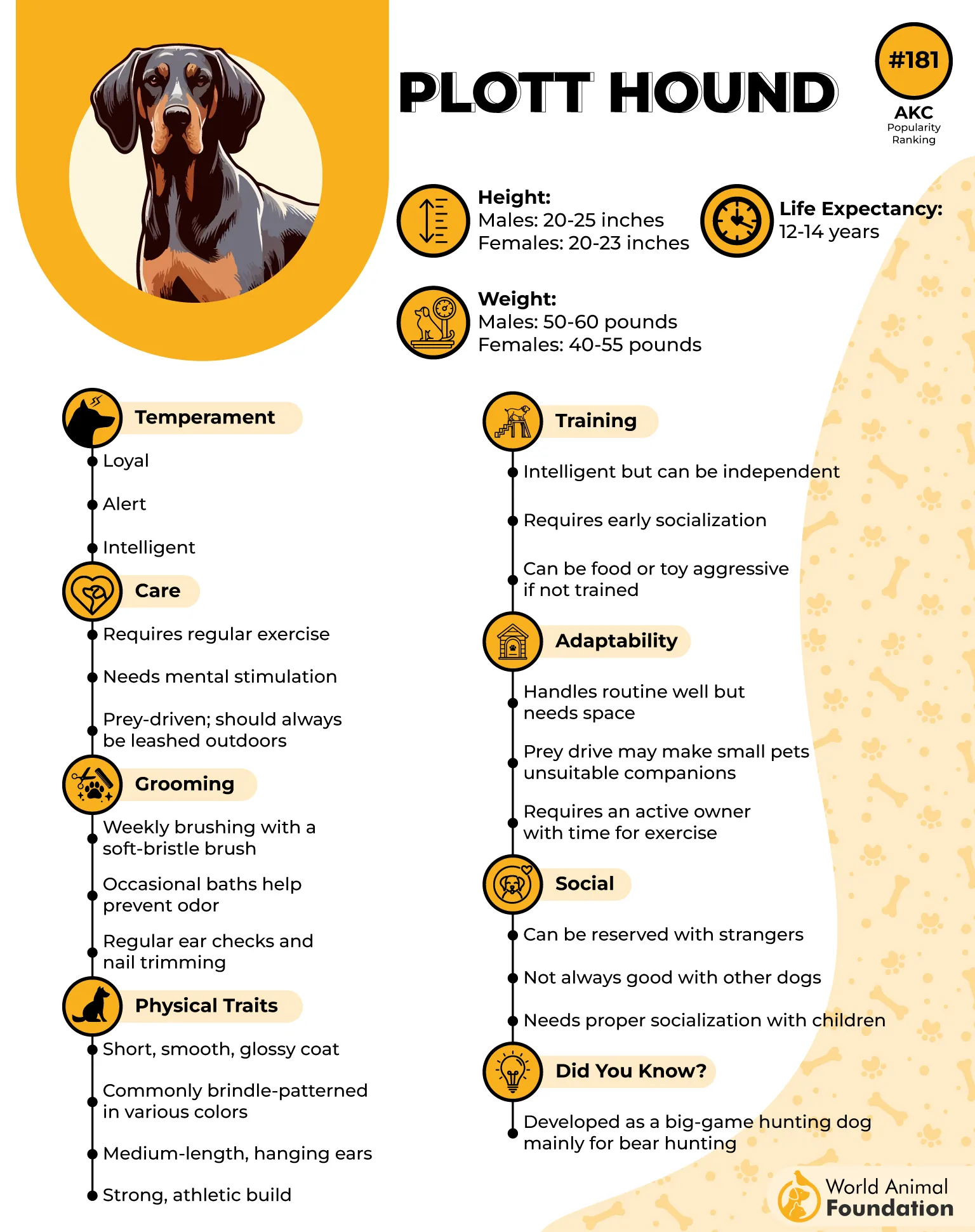
As they work, Britannica states that their deep bay gives hunters a clear audio signal, making it easy for handlers to track the dog even when trees block their view. Unlike catch dogs, which physically seize quarry, scent hounds primarily locate and pursue animals.
The Plott Hound’s tracking ability makes it valuable for locating game, but its individual training and experience determine its suitability for particular hunting tasks.
Strong scenting instincts, endurance, and persistence make the Plott Hound a notable choice for hunting big game. Experienced handlers still need reliable recall, appropriate protective gear, and close supervision. Their grit allows them to stand their ground against aggressively charging boars without backing down, buying valuable time for the hunting party to arrive.
2. Catahoula Leopard Dog
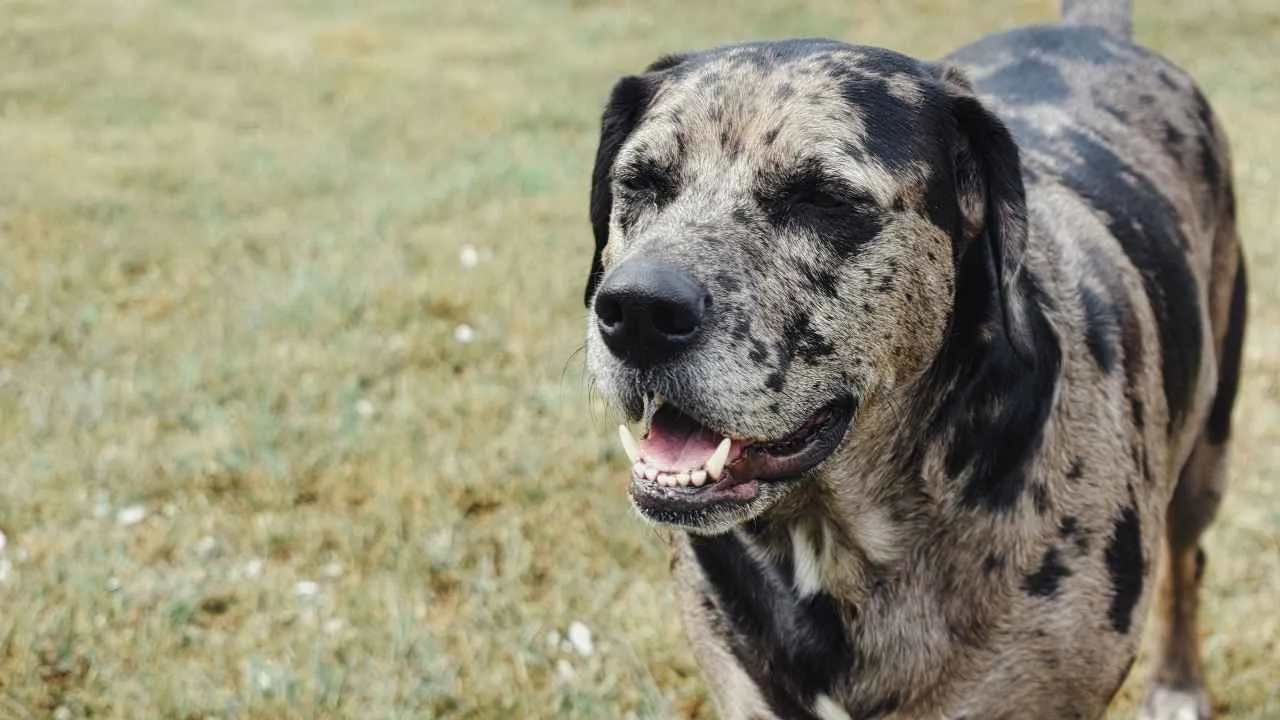
With a unique spotted coat and sharp focus, the Catahoula Leopard Dog blends eye-catching looks with real working strength. This versatile dog was developed in Louisiana to herd runaway cattle and help locals hunt feral hogs across tough ground.
Its athletic frame and quick instincts allow it to navigate thick brush, steep hills, and changing weather with ease. It uses a strong nose to trail game, but it relies just as much on clear eyesight and fast choices. Because it thinks on its feet, calm and consistent training is essential.
Among dog breeds used for hog hunting, the Catahoula has a particularly strong association with locating and holding the attention of quarry. Some trained individuals work as bay dogs, alerting handlers and keeping animals occupied rather than attempting to overpower them.
A leopard dog still needs careful control around powerful animals. Agility, confidence, and versatility make the Catahoula a recognized hog-hunting companion.
Early socialization helps develop steady behavior around people, livestock, and smaller animals. Their tactical circle-and-bark technique keeps razorback boars pinned in place while minimizing the risk of direct, dangerous contact.
3. American English Coonhound
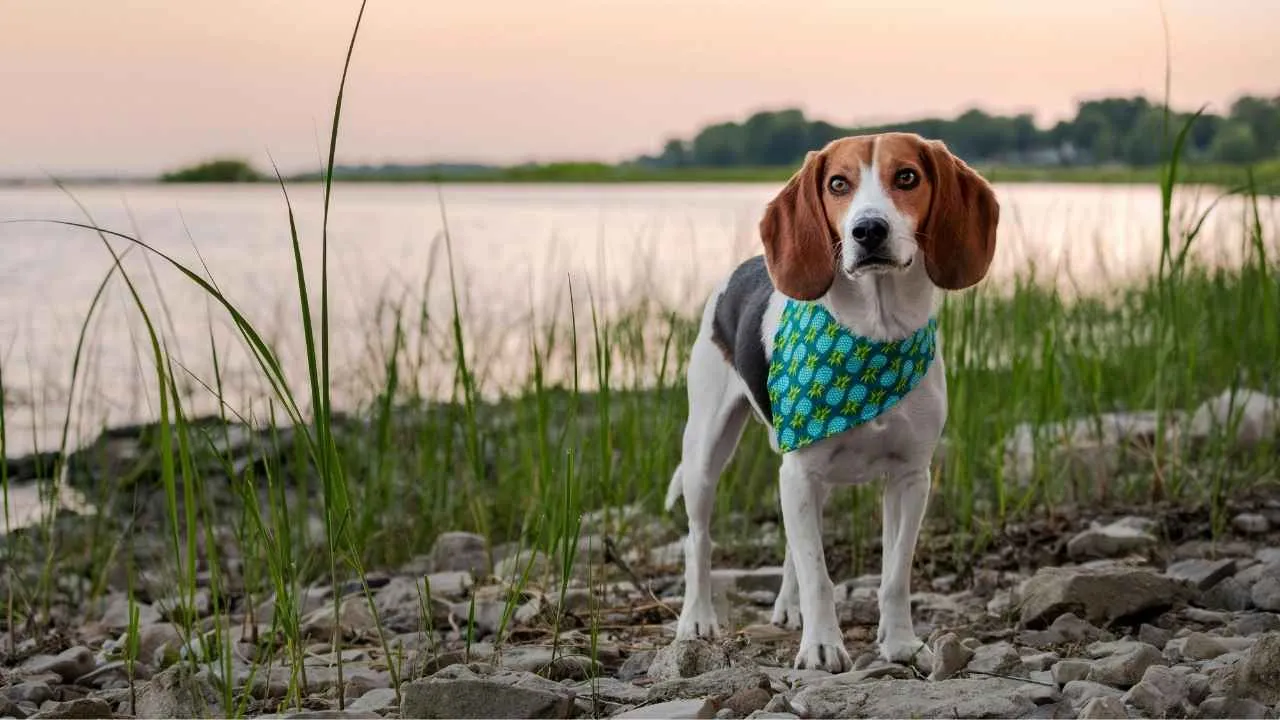
Just a faint smell on the wind is enough to get the American English Coonhound moving fast. Built in the United States from old English foxhound stock, this active breed has a deep history of chasing game by scent. Its long legs and lean body make running across open land look simple and effortless.
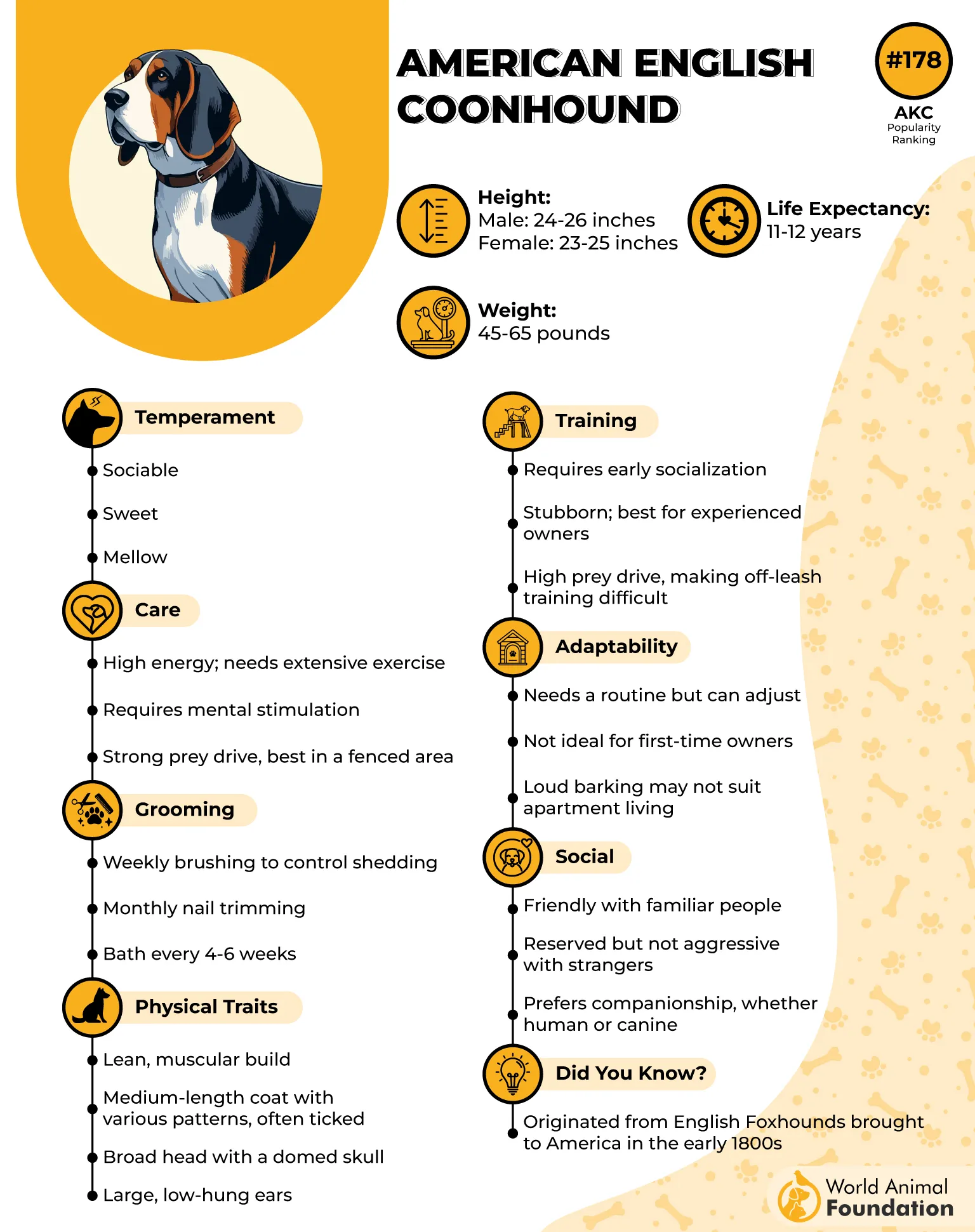
A keen nose helps it figure out tricky scent trails, while a booming howl lets handlers know where it is at all times. People often connect it with treeing raccoons, but its strong tracking instincts also pull in hunters chasing larger wild animals. Because of all that energy, WebMD mentions that these dogs need plenty of exercise and game-playing to stay calm at home.
Fun nose games, long walks, and positive training help direct their enthusiasm. GPS collars also provide a practical way to monitor working dogs over expansive hunting areas, especially when vegetation blocks visibility. Endurance, vocal communication, and persistence support the breed’s reputation as a capable tracker.
Its effectiveness in big-game hunts depends on suitable conditioning and specialized experience. Their exceptional heat tolerance keeps them pushing hard during long searches through humid, overgrown summer conditions.
4. German Shorthaired Pointer
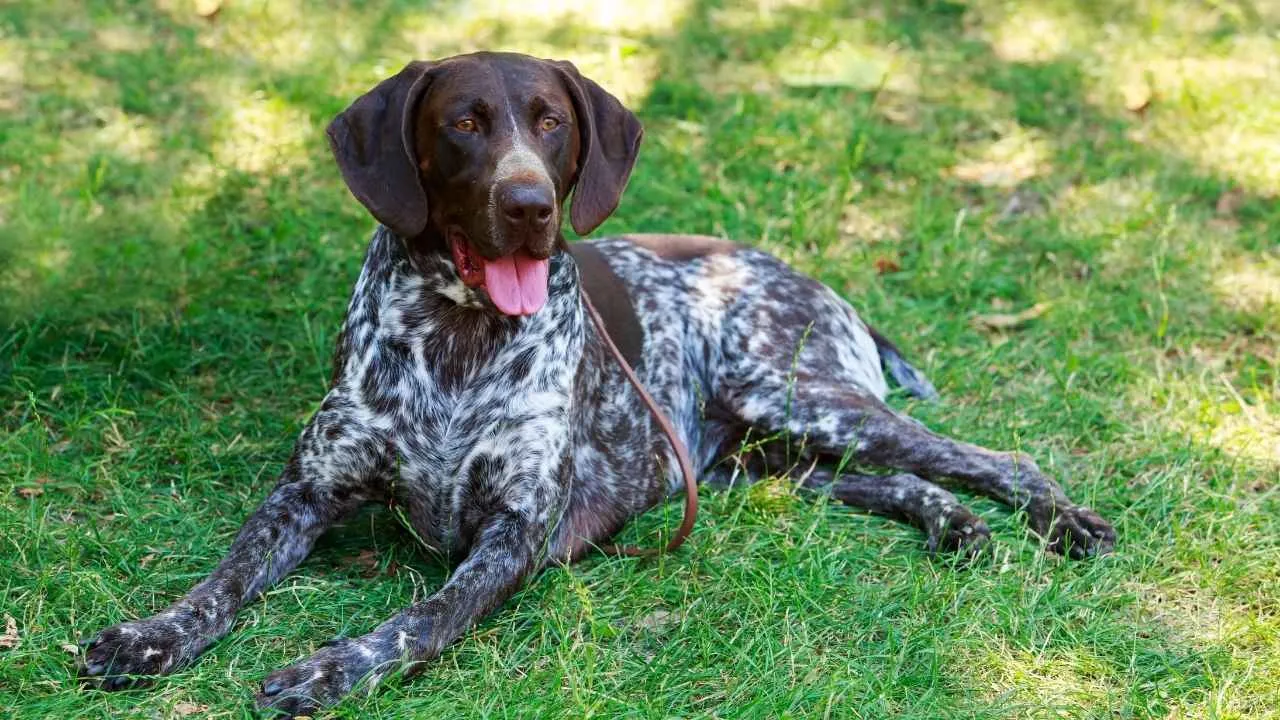
Always ready to run and eager to smell everything, the German Shorthaired Pointer brings great flexibility to any hunt. Hunters in Germany created this multipurpose sporting dog to point out upland birds and bring back waterfowl from the water.
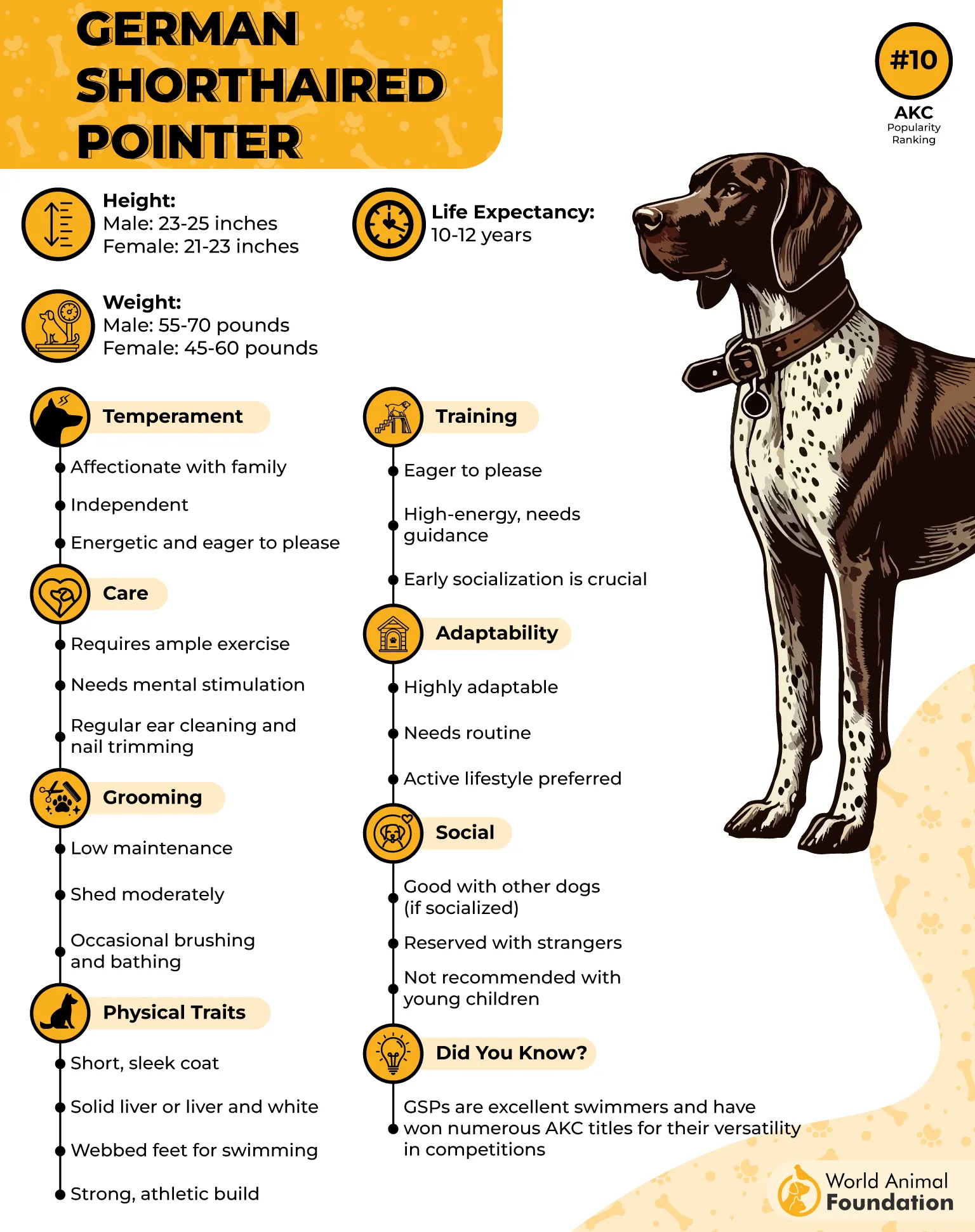
Its sleek body, water-resistant coat, and solid energy let it work comfortably in cold, wet, or dry environments. Even though it started as a bird dog, it combines quick speed with sharp scent skills. Those features allow it to adapt to broader tracking jobs when trained properly. However, hunting large quarry requires specialized preparation.
A German Shorthaired Pointer is not automatically equipped to handle wild pigs simply because it excels at bird work. Patient training, obedience, and an experienced handler matter far more than enthusiasm alone. Athleticism, intelligence, and adaptability make this breed useful across several hunting tasks.

Its established upland game background should guide expectations rather than assumptions about every type of large game. Their keen wind-scenting ability allows them to detect stationary boars hidden deep in bedded thickets from a safe distance downwind.
5. Airedale Terrier
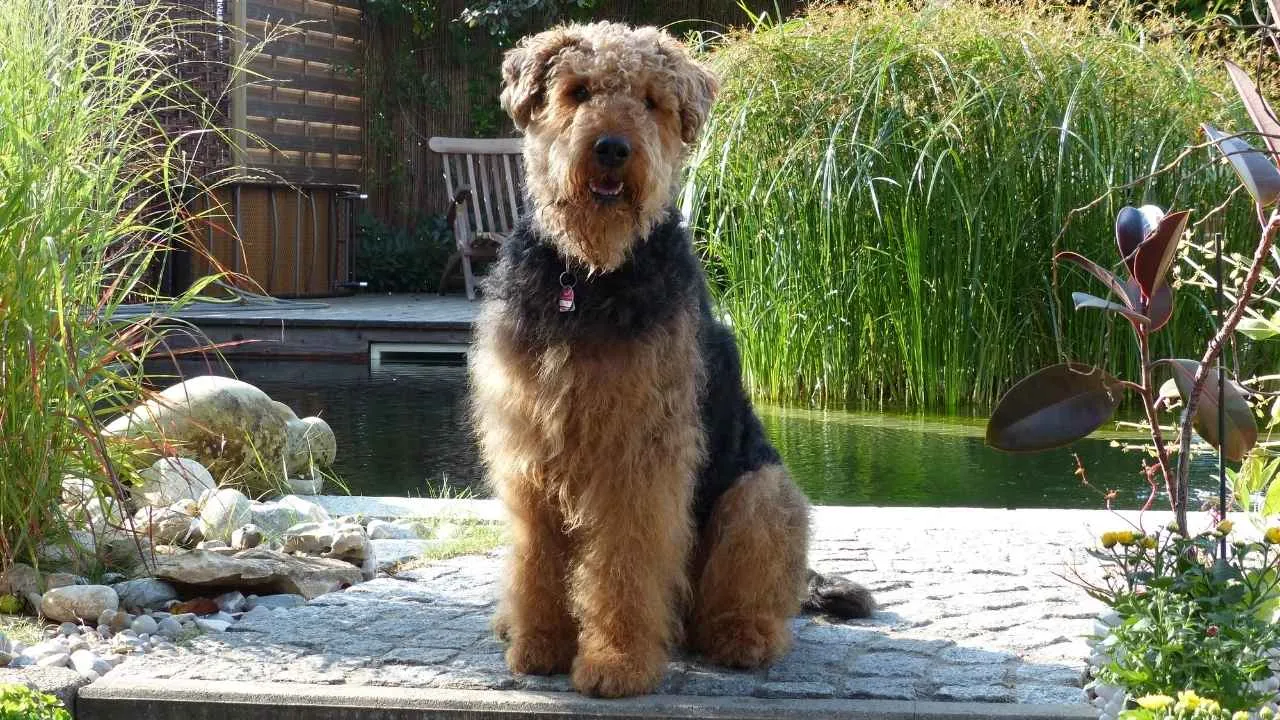
A brave attitude and a tough frame make the Airedale Terrier a reliable partner for outdoor work. As the largest terrier from England, it grew through years of farm work, small game catching, and fox hunting. Its hard, wiry coat protects its skin from thorns and sharp twigs, while its quick mind notices tiny sounds right away.
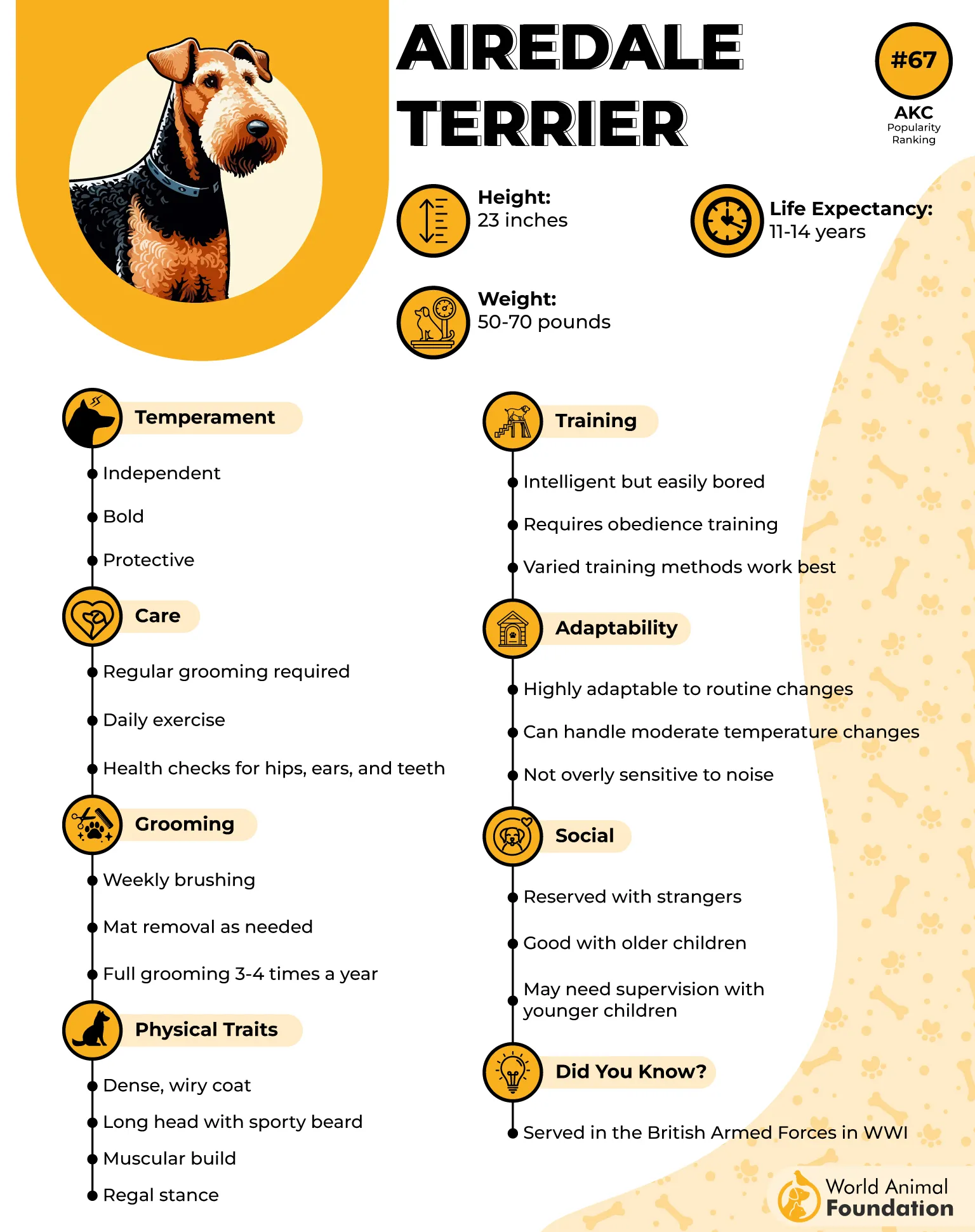
High energy and curiosity push it to explore thick fields, though those same traits can make it wander off if it smells something fun. To keep an Airedale well-behaved, Purina adds that handlers need to provide daily exercise and clear rules. Their smart, independent mind needs gentle guidance, especially when their prey drive kicks in.
The breed’s history demonstrates versatility, but hunting wild hogs presents different physical demands from its traditional pursuits. Confidence, athleticism, and a strong working instinct support the Airedale’s versatility. Specialist preparation is necessary before considering any terrier for dangerous quarry.
Their dense double coat acts as a natural shield against venomous snakebites and sharp briars while searching dense undergrowth.
6. Mountain Cur
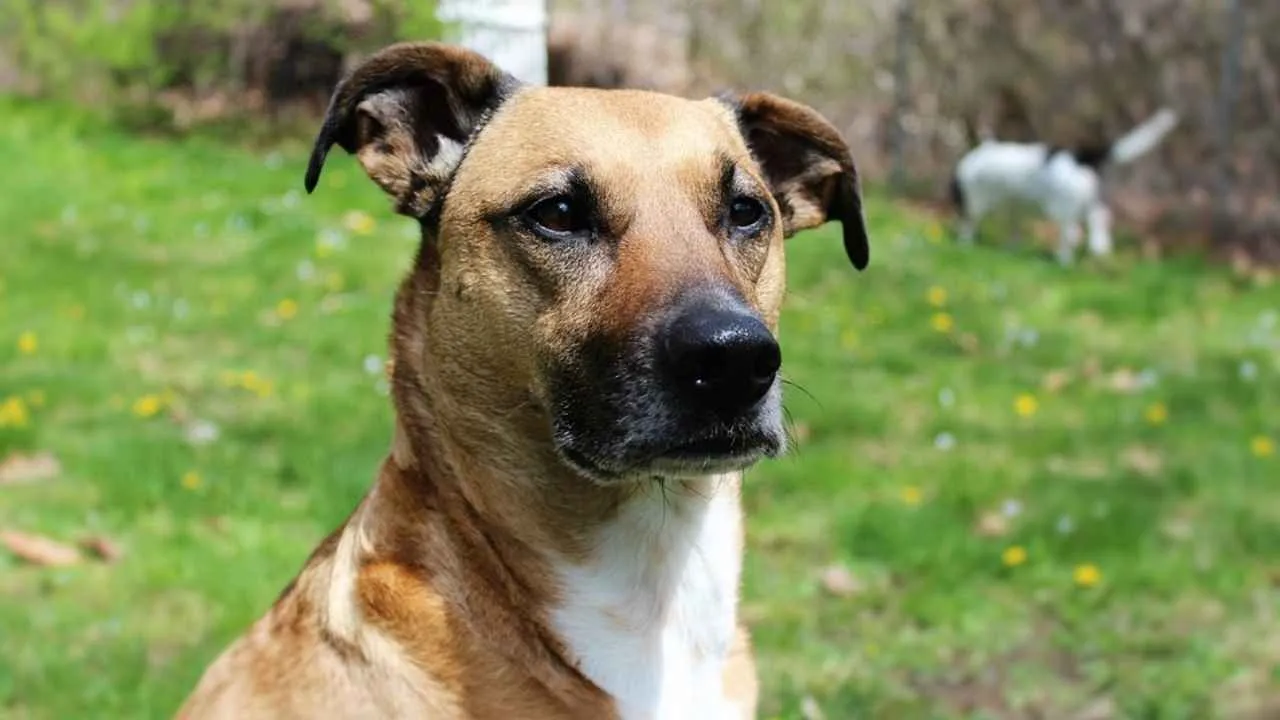
Tough, watchful, and built for outdoor life, the Mountain Cur is a big part of American pioneer history. Families living in the Appalachian mountains relied on this loyal worker to hunt wild game and guard their land. A thick, muscular frame lets it run over rocky hillsides, while a sharp nose finds old tracks quickly.
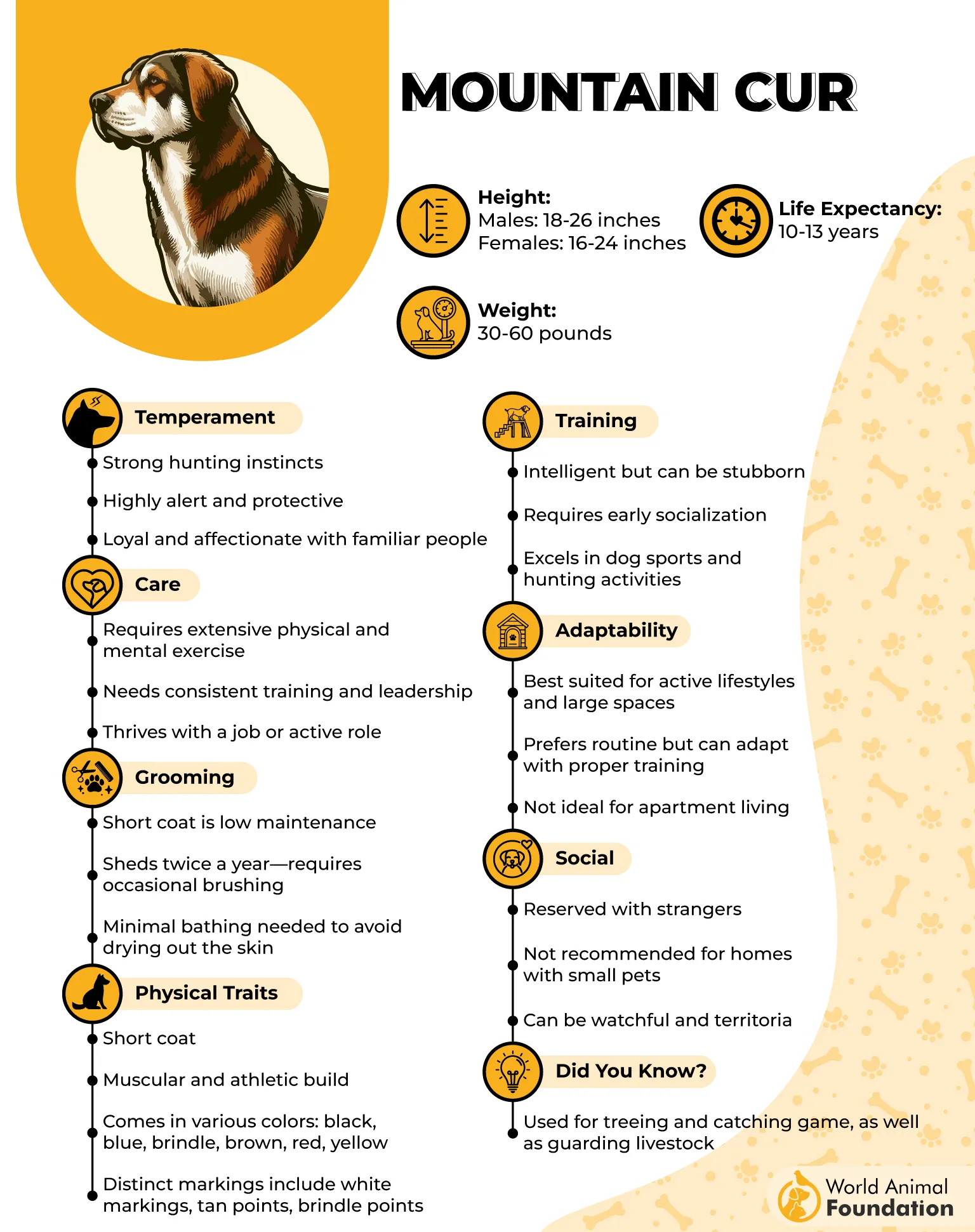
It was bred to be an all-around helper rather than a single-job dog, giving it a reputation for solving problems in difficult woods. That hardworking nature means it needs real activities beyond simple walks around the block. Daily exercise, scent games, and clear training keep its mind happy and productive.
The Black Mouth Cur shares a similar reputation as a multipurpose hunting companion, but the two are distinct breeds with different histories and characteristics. Stamina, tracking ability, and adaptability make the Mountain Cur appealing to experienced handlers.
Its suitability depends on proven working ability, temperament, and careful management around dangerous animals. Their natural treeing and ground-baying instinct gives them the quick reflexes required to dodge sudden tusk strikes in tight quarters.
7. Redbone Coonhound
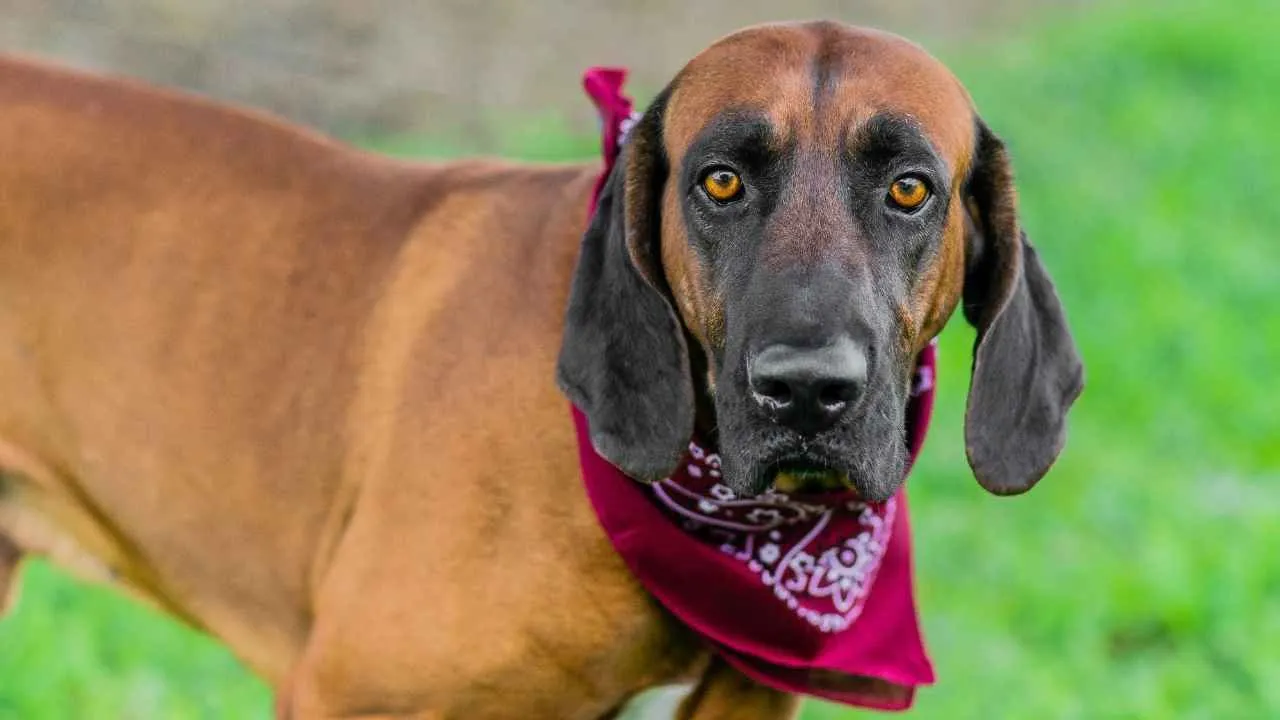
A smooth red coat makes the Redbone Coonhound easy to spot, but its talented nose is what truly makes it special. Developed in the American South, this hound has spent generations trailing animals through muddy woods and thick swamps. Its sturdy legs handle long paths without tiring, while its nose reads subtle scent trails through heavy ground cover.
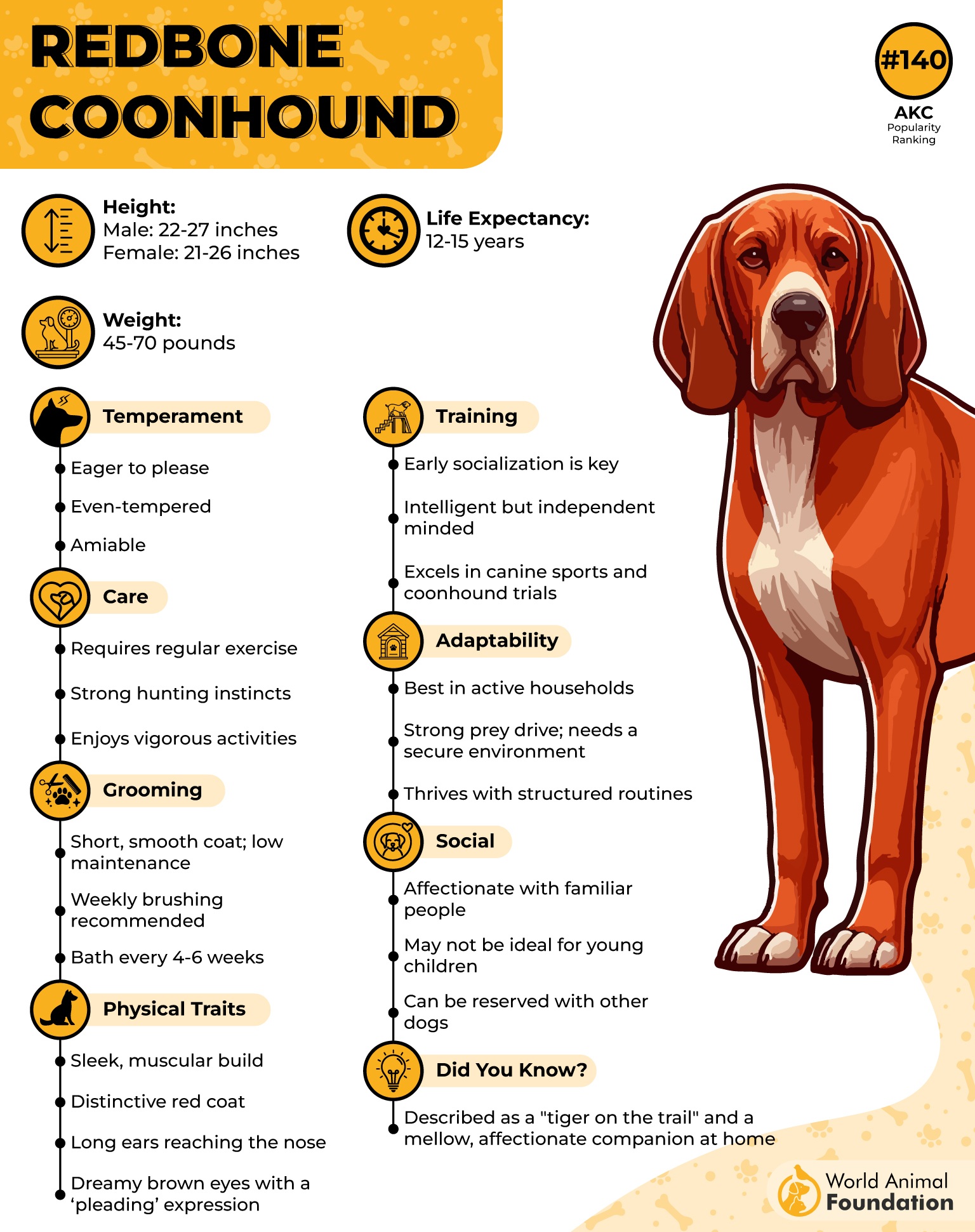
When it finds a fresh track, its loud bay tells handlers exactly where to go. Raccoons remain its main claim to fame, but it also has a long history with bigger game. Hunters should distinguish scent tracking from blood tracking, which involves following blood droplets or other signs left by an injured animal.
A dog’s suitability for that specialized work depends on its training and experience rather than its breed name alone. Persistence, stamina, and vocal tracking make the Redbone a capable scent hound.
Suitable conditioning, reliable recall, and experienced supervision remain essential when working in demanding conditions. Orvis mentions that their webbed toes give them a distinct advantage when swimming across flooded river bottoms to drive hidden boars out into the open.
Conclusion
Out on the hog battlefield, a dog’s pedigree means nothing without grit under pressure. The wild boar respects only raw instinct, relentless endurance, and tight tactical control. Whether leveraging the deep-woods trailing power of Plott Hounds and Redbone Coonhounds or the precise baying strategy of Catahoulas and Mountain Curs, success relies on matching the right hound to the terrain.
While heavy catch breeds like the Dogo Argentino bring brute force to the fray, muscle alone cannot overcome razor-sharp tusks and extreme environments. Solid obedience, protective gear, and proven field experience are non-negotiable.
Dominance in the wild requires a disciplined partnership. Know your dog’s limits, respect the hunt’s hazards, and prioritize preparation over impulse, because in high-stakes hog hunting, control is survival.
