




There is a special kind of heartbreak in buying a dark-colored couch, then realizing your dog has claimed it as a fur factory. You adore the muddy paws, the happy greetings, and the way they follow you from room to room. The loose hair? Not so much.
The seven breeds below each bring something different. Some are gentle snugglers. Others are goofy athletes or quiet shadow-dogs. A few need serious coat care, while one basically skips the fur conversation altogether.
Before you fall for a cute face, think about grooming time, energy, space, and your daily routine. The best dog is not just low-shedding; it is the one whose personality fits yours.
Excellent Dog Breeds for People Who Dislike Shedding
1. Whippet
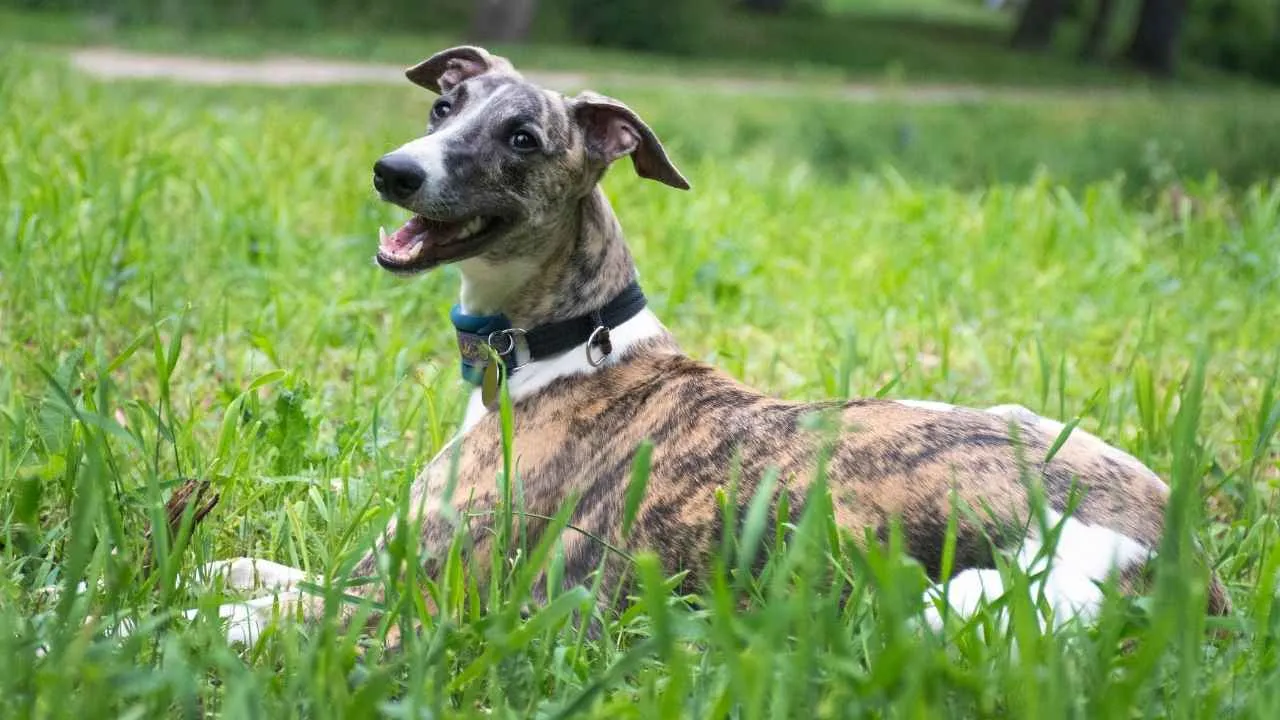
This medium-sized dog was developed as a sighthound in England in the 18th century by crossing the Greyhound and the Terrier. The primary purpose was to create an affordable, fast breed to hunt small game, such as rabbits, since coal miners could not afford the money and space to own a Greyhound, says Showsight Magazine.
The low-shedding dog breed possesses a single-layered coat with a smooth texture. The wirehaired breed is disqualified by the AKC. There must be no feathering on the tail. The coat comes in solid base colors (blue, black, cream, etc.), and there can be facial masks that come in black and blue colors.
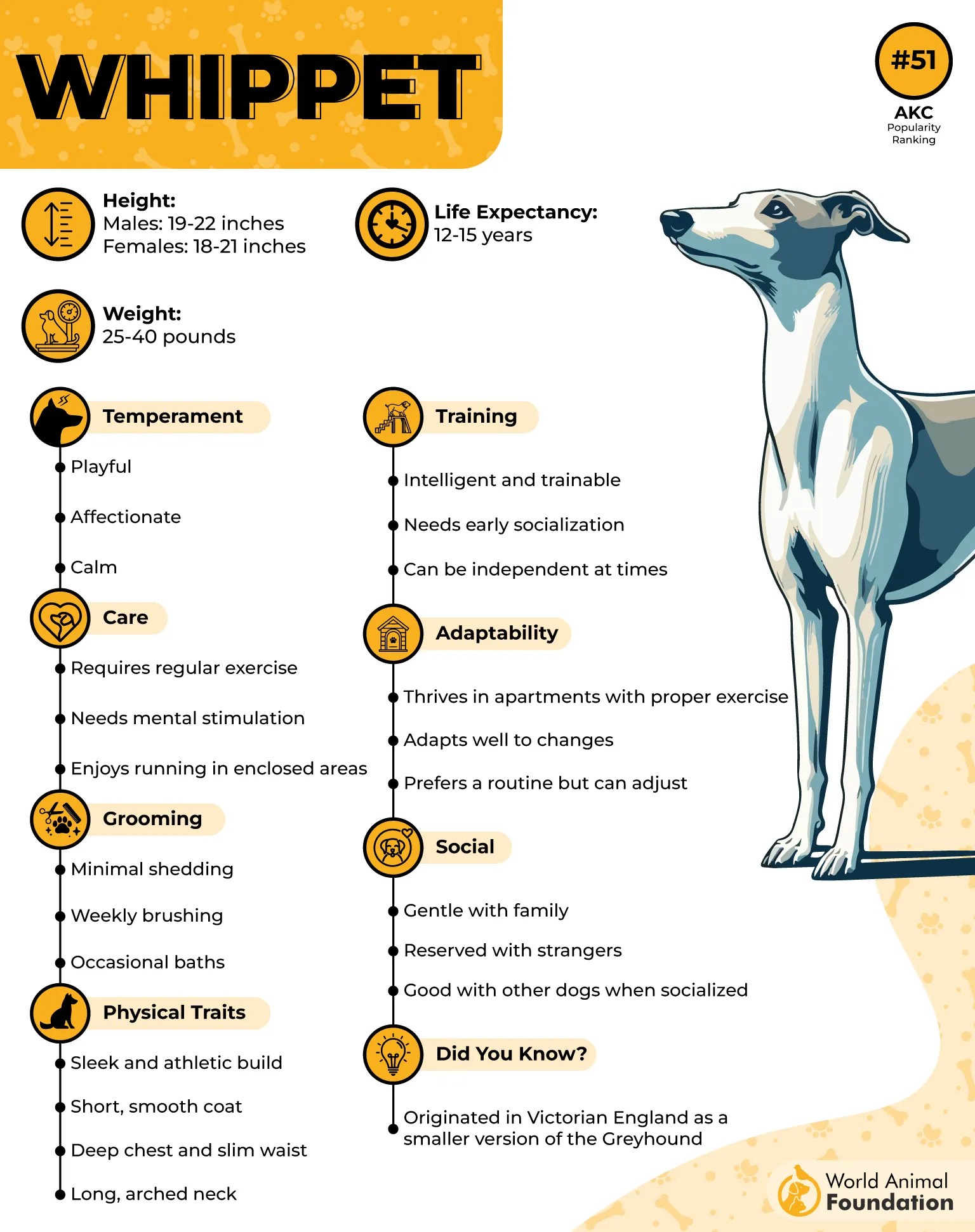
The hypoallergenic dog is a seasonal shedder and has minimal grooming needs: weekly brushing (1-2 times), monthly baths, and nail trimming (after 2-3 weeks). Check the chest, belly, and legs for skin tearing on a regular basis.
2. Dachshund
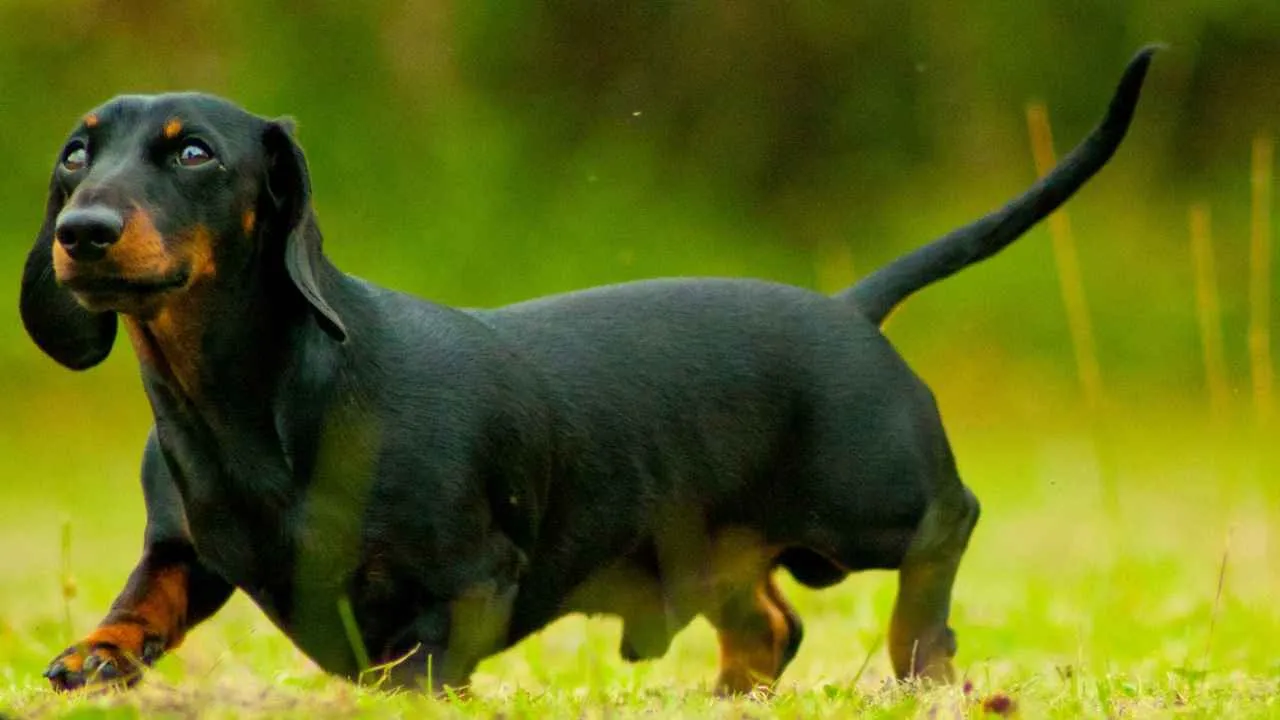
Also known as the Dackel, this short-legged breed was originally developed in Germany to track, chase, and flush out badgers and other small animals. The small dog has certain joint-related issues because of the flexible spine and short legs, such as IVDD; thus, jumping and stair climbing are not allowed.
The double coat comes in three types: smooth coat (short, shiny, and lies flat against the body), long coat (sleek, slightly wavy, and has distinct feathering under the chest, ears, neck, on the tail, and behind the legs), and wiry coat (thick, rough, and has bushy eyebrows with a prominent beard). The coat may come in one or two colors with markings.
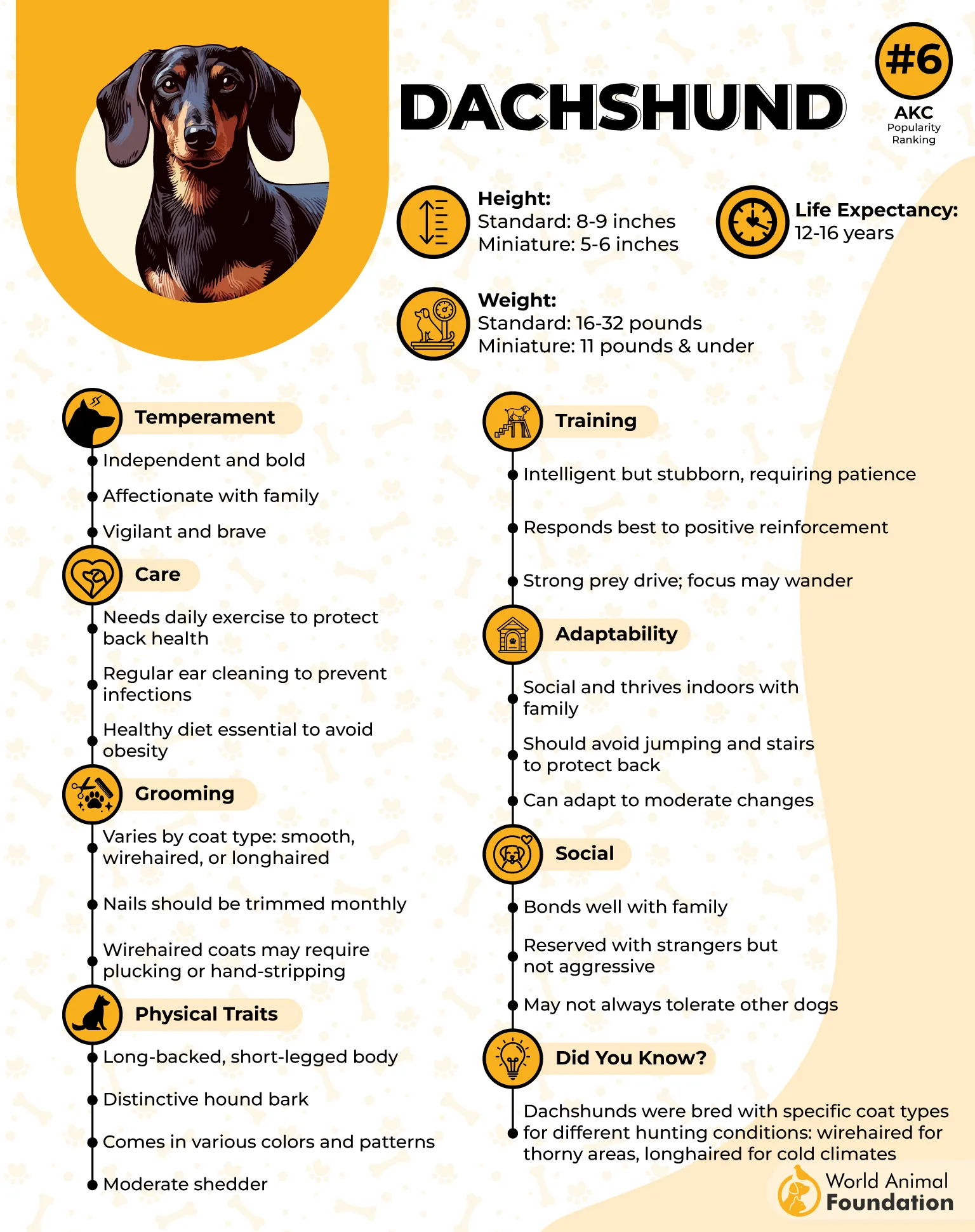
All three coats have different maintenance needs: the smooth coat requires low maintenance (weekly brushing), the long coat has high maintenance requirements (daily brushing), and the wiry coat sheds low-to-moderate and needs brushing 2-3 times a week.
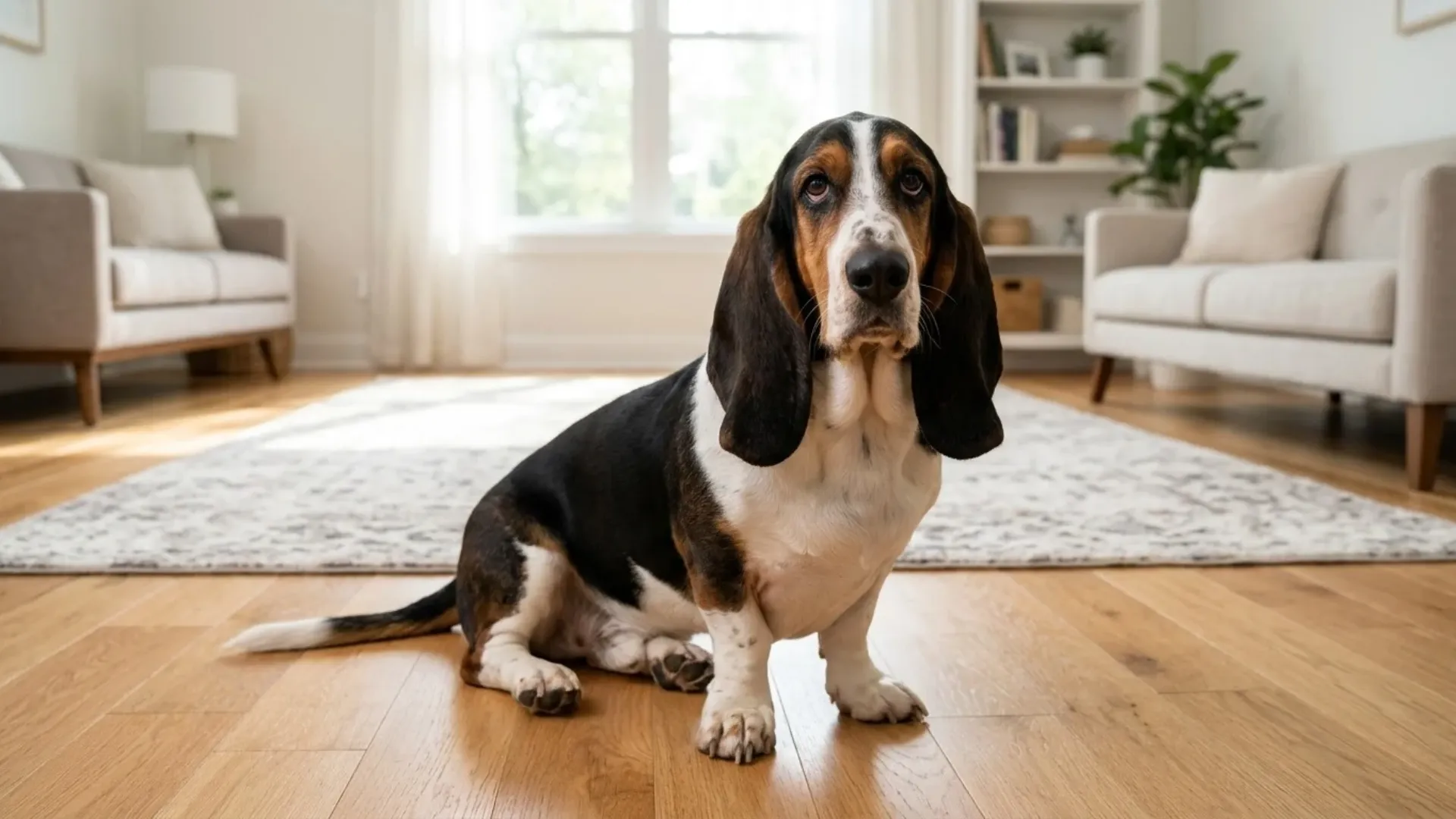
3. Basset Hound
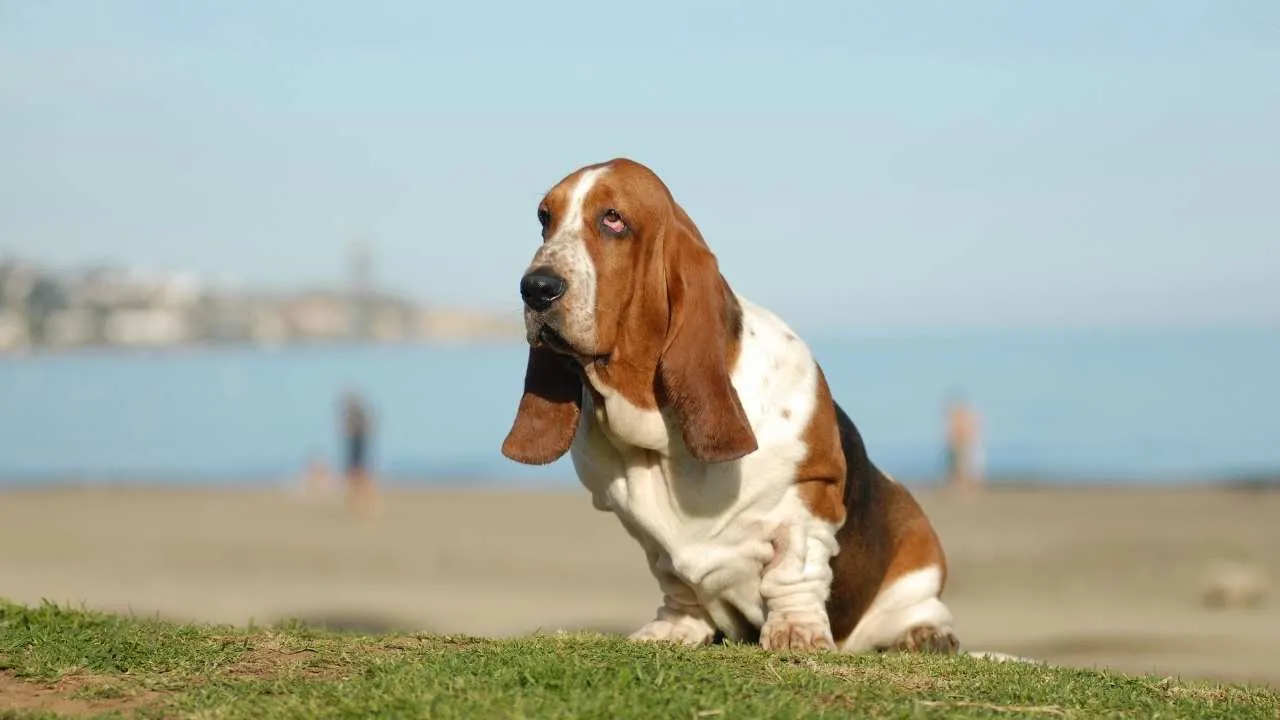
The scent hound was developed in Great Britain by crossing now-extinct French basset breeds. The primary purpose was to serve as a hunting dog for small and fast-moving animals. The dog carries the 2nd strongest nose in the canine world, as reported by Wikipedia.
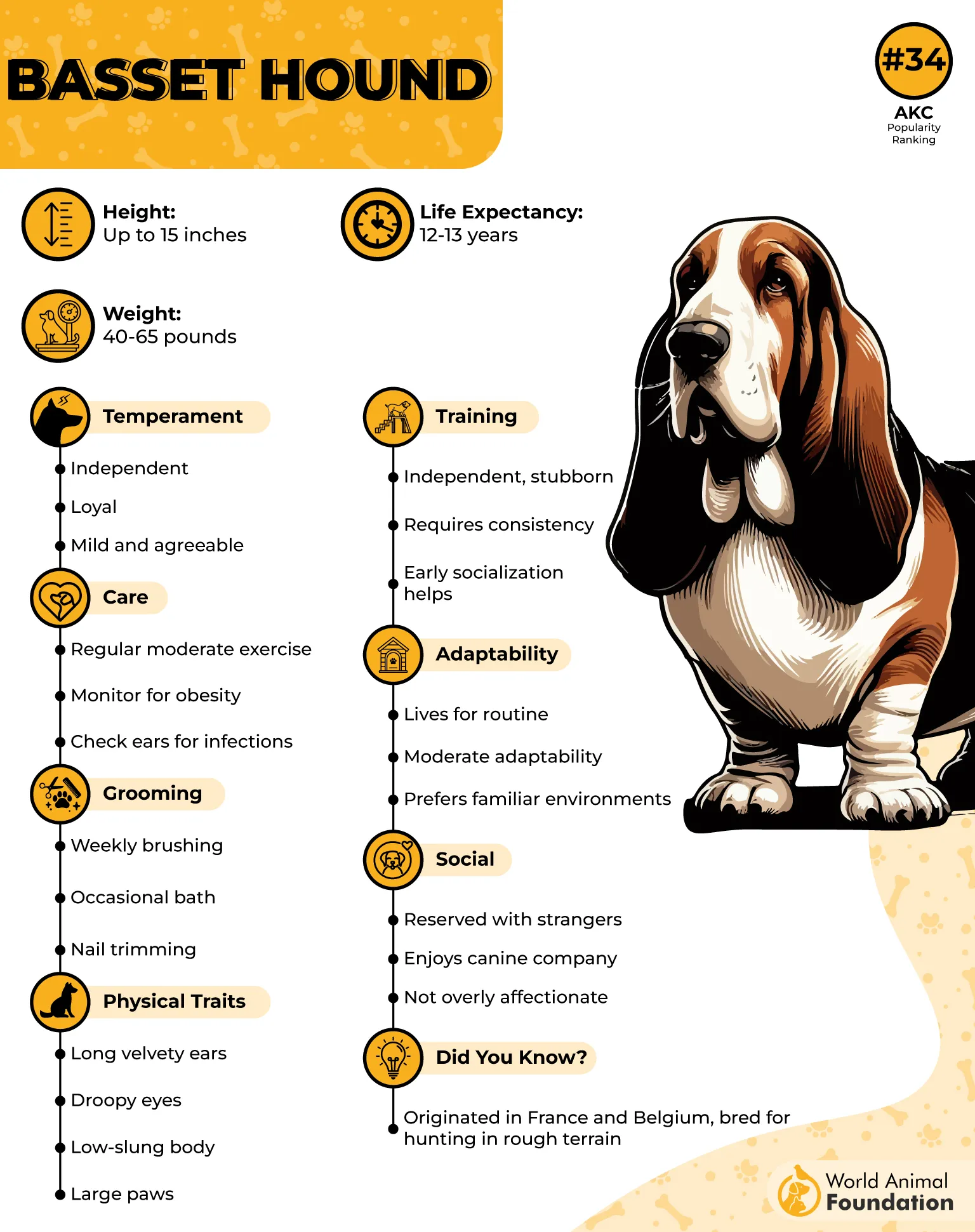
The short, smooth, and double coat acts as a protective shield against external stimuli and a thermoregulator. It has loose and wrinkled skin around the neck and on the face that traps the scent particles and directs them to the nose. The non-shedding dog comes in tri-color (black, tan, and white), bi-colors, and dilute colors.
Use a bristle brush, a rubber curry brush, or a short-hair refresh tool to gently remove the loose hair. Clean and dry skin folds on a regular basis to prevent infection. Monthly baths are recommended.
4. Bichon Frise
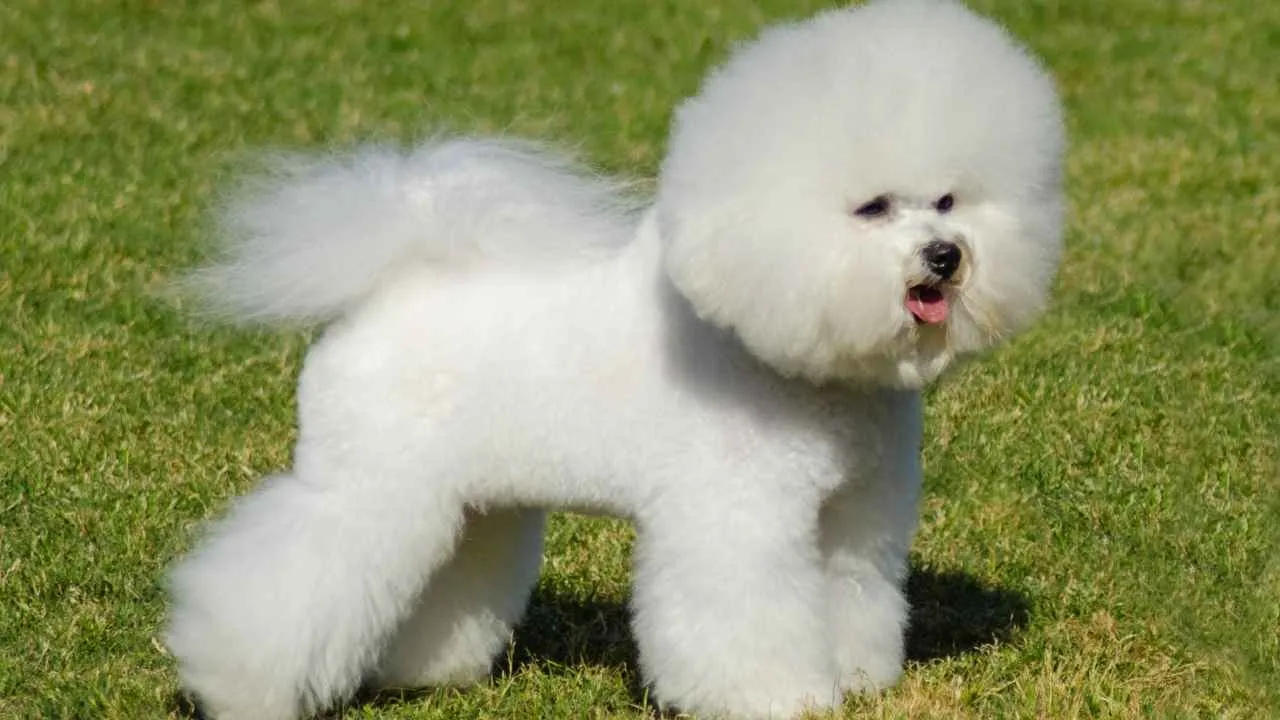
Descended from the Water Spaniel breed, this small white dog was developed in the Mediterranean region in the Middle Ages. It was brought to Europe by sailors for trading. Known for its even temperament, the hypoallergenic dog breed soon became a favorite of the European royalty.
The double coat consists of a thick and soft undercoat and a coarser and curlier outercoat. This creates a plushy or velvety texture and mainly comes in pure white. However, shadings of buff, cream, and apricot are acceptable around the ears or in some parts of the body.
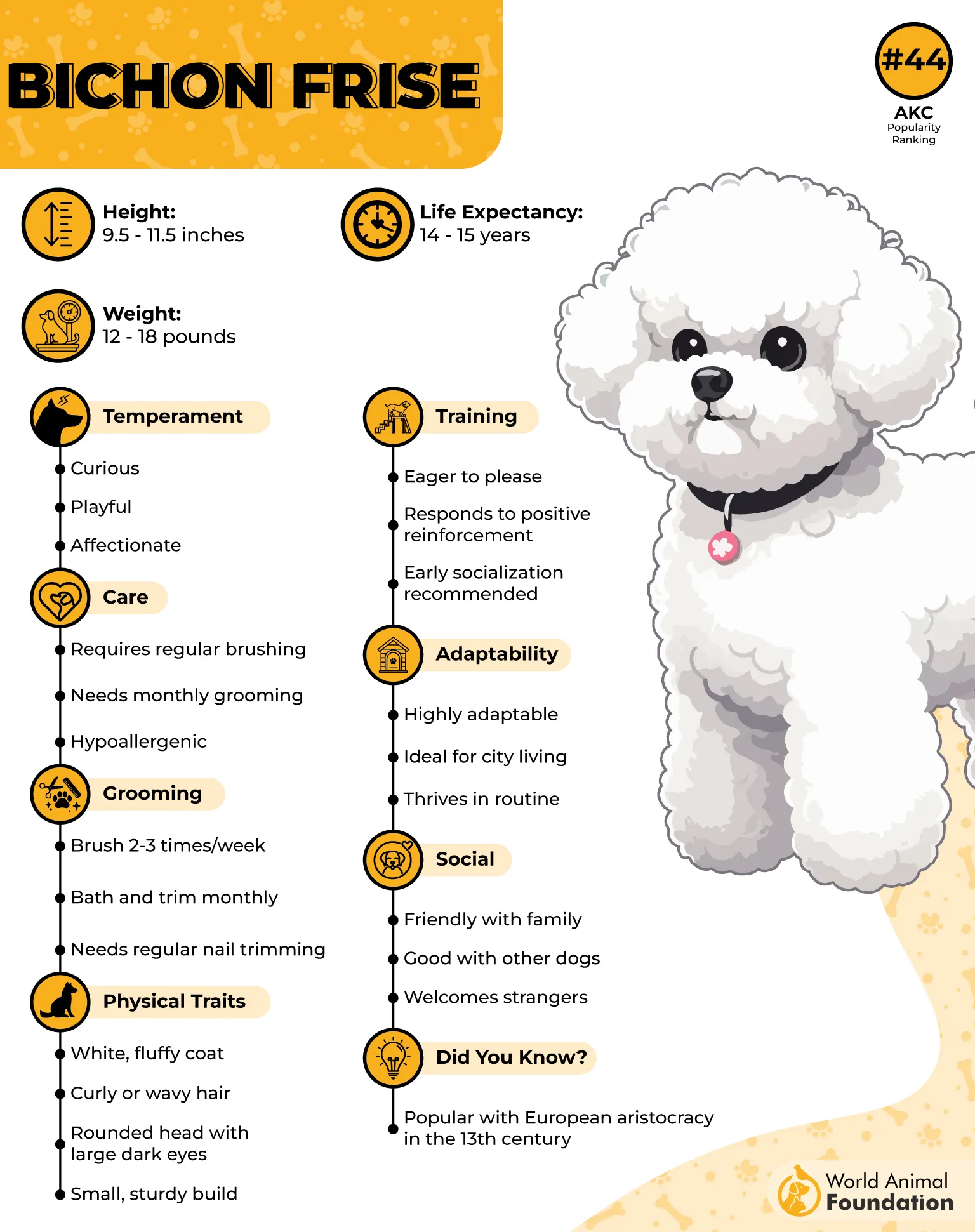
Use a dual-sided metal comb and a slicker brush to check for hidden mats. Though it needs regular grooming, the breed does not shed much and traps loose hair inside the coat, making it easier for allergy sufferers.
5. Shih Tzu
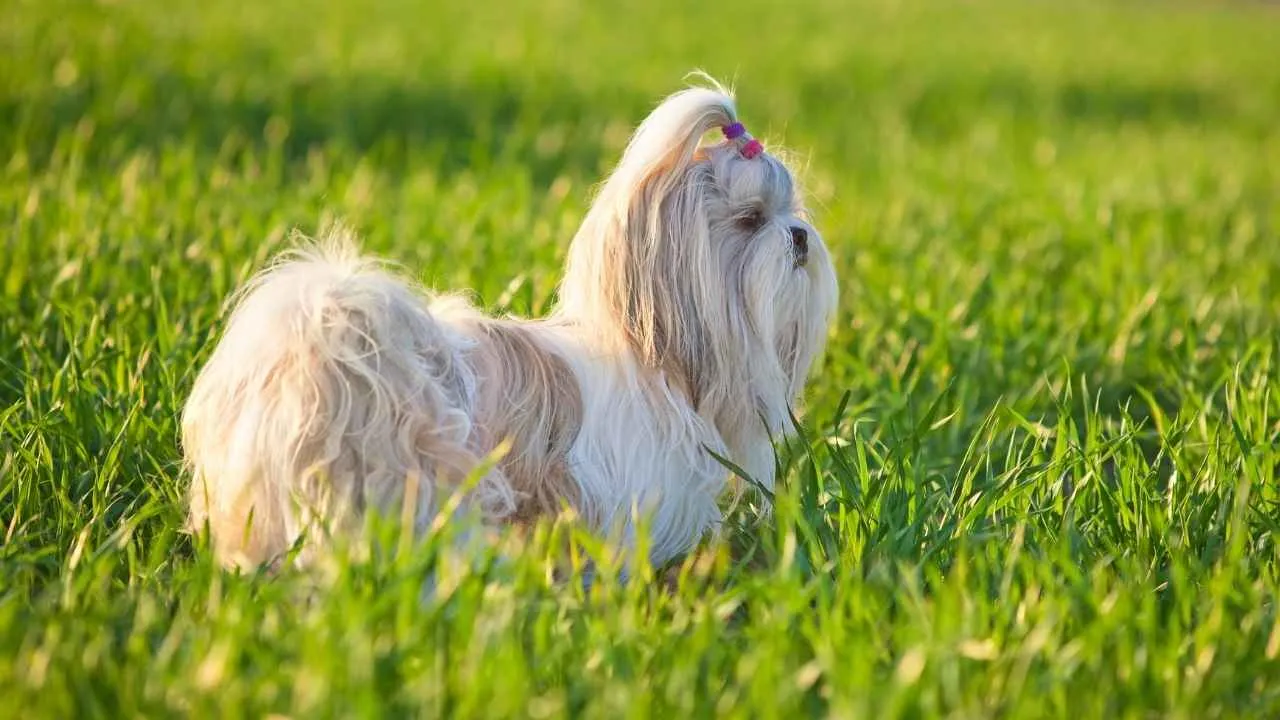
The ancient dog breed was developed by crossing the Lhasa Apso and the Pekingese in Tibet as an interior watchdog and a lap dog. Initially named the ‘Lhasa Lion Dog,’ the little lion made its way to England in the 1930s and became famous for its short muzzle and round skull, according to Purina.
The luxurious and long double coat consists of hair that grows continuously and does not shed like fur, making it a low-shedding dog. The breed changes its color between the ages of 8 and 12 months. Daily care is required during this phase as the coat is highly prone to matting.
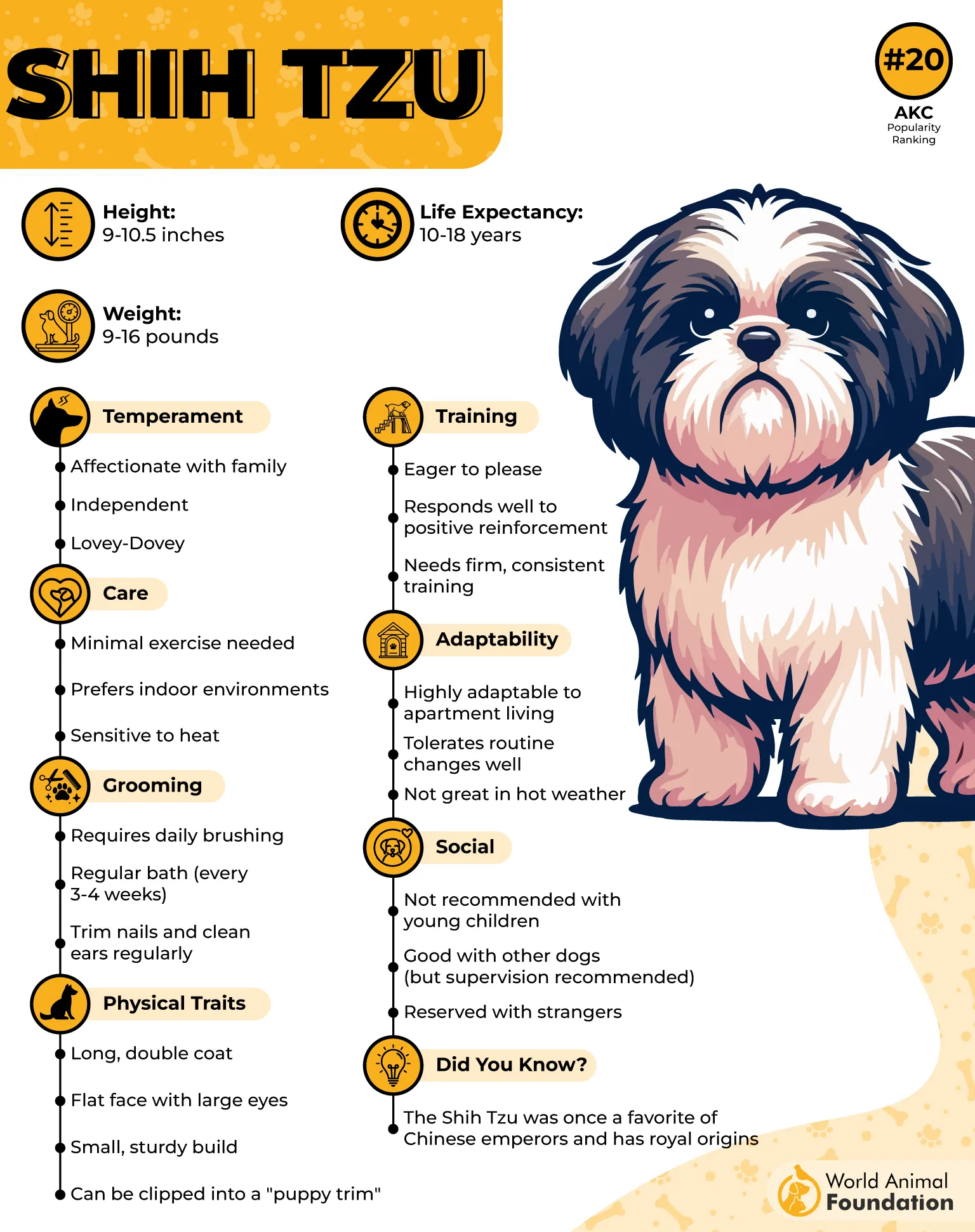
The dog needs weekly brushing for a puppy cut, while the long coat needs daily brushing to remove dead hair. Go for the line brushing technique and use a metal steel comb and a pin brush for brushing
6. Xoloitzcuintli

The old breed was developed some 3,500 years ago by selective breeding. The term ‘xolo’ is taken from the Aztec god Xolotl, who was associated with light, death, and fire. Hence, it was considered a sacred companion. The hairless breed made its way to Europe in the 15th century.
The breed comes in two coat types: the hairless and the coated. The hairless breed has a close-fitting protective skin. However, sparse tufts are allowed on the top of the head, limbs, and lower 1/3rd of the tail. The coated breed has a short and sleek coat with no undercoat
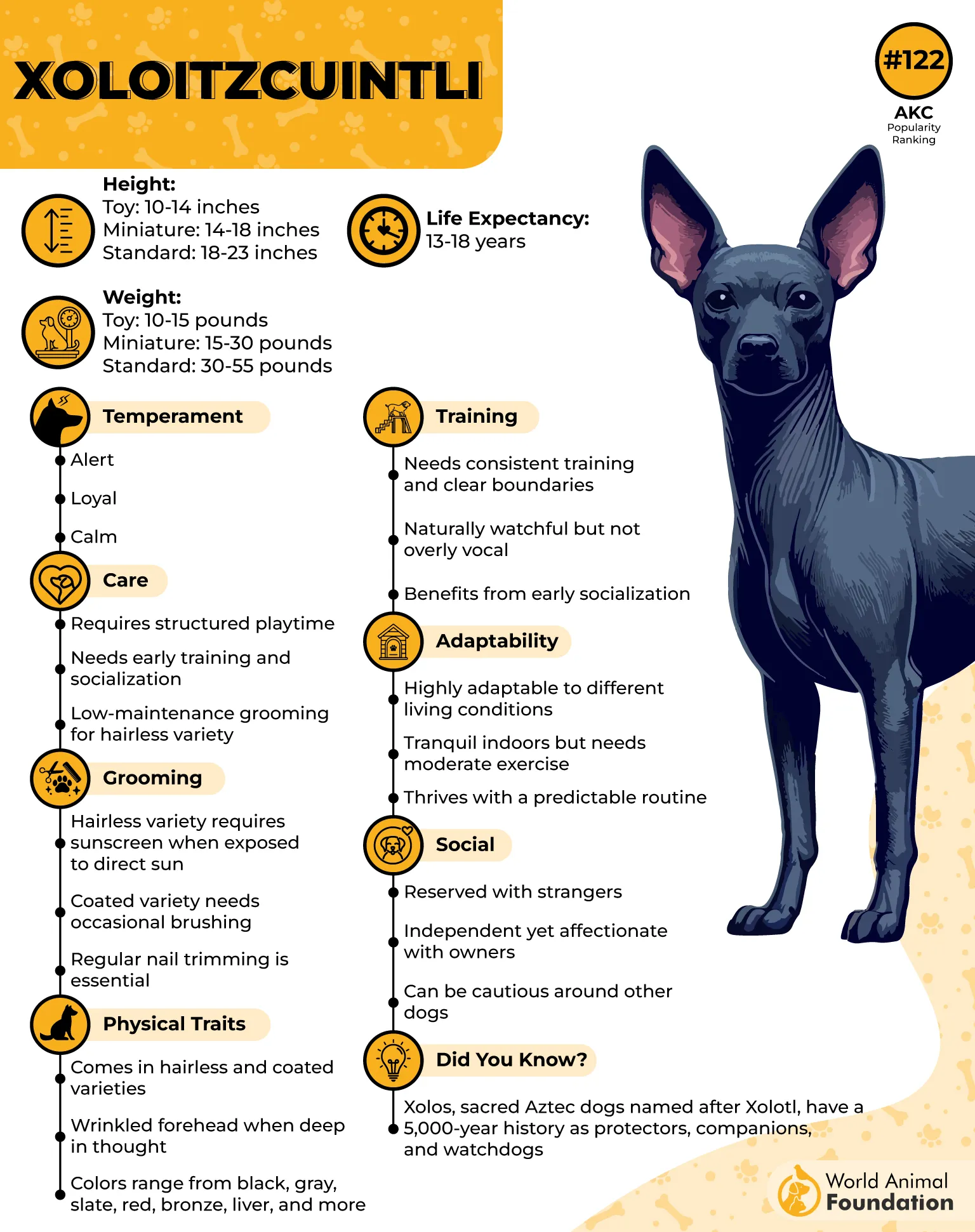
The low-shedding coat needs monthly baths, as over-bathing can lead to the stripping of natural oils. Apply sunscreen on the hairless dog to prevent sunburn in extremely hot weather.
7. Maltese
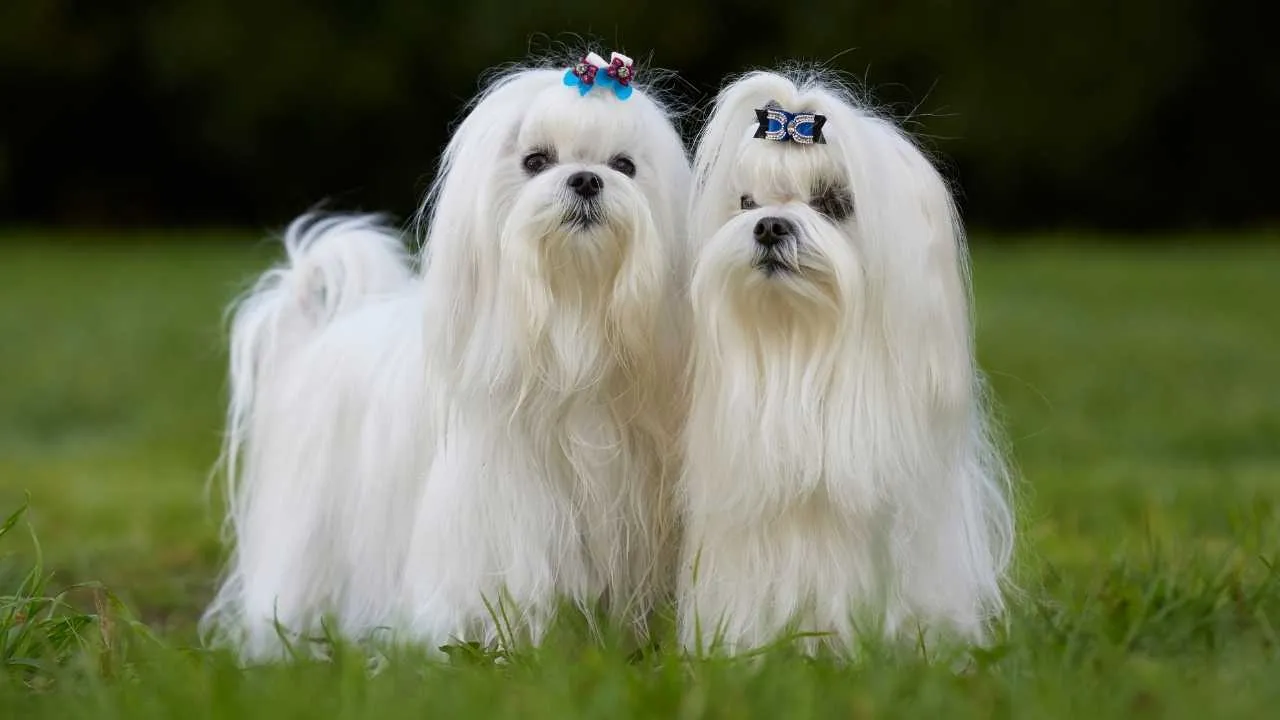
The roots of the ancient white dog are found in ancient Rome and were officially developed in Malta from a toy breed. The breed is genetically related to the Havanese, Bolognese, and the Bichon. Some people also suggest that the dog is descended from the Spitz dog.
The coat has a straight, flat, and silky texture and hangs heavily along the sides of the body. Pure white in color, the dog with lemon tinting or light tan on the ears is also acceptable. The dog is extremely sensitive to harsh weather. Regularly check the matting zones: behind the ears, lower belly, groin, and armpits.
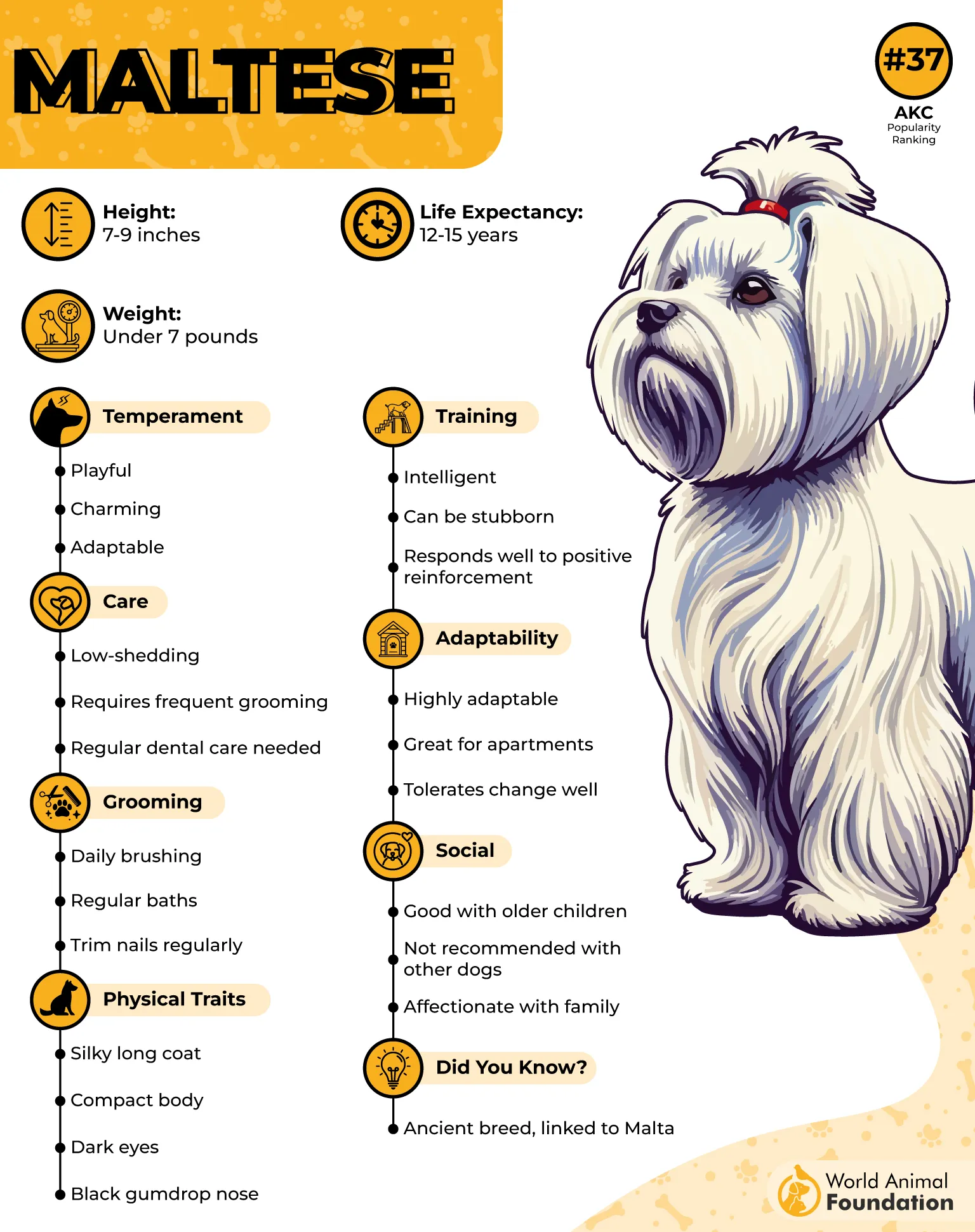
The single-layered coat needs weekly brushing (1-2 times) for a puppy cut (1-2 inches). The long coat needs brushing 3- 4 times a week. Never dry comb the coat, as it can lead to detangling.
Conclusion
A dog can turn an ordinary evening into something worth remembering: a warm body beside you, a nose nudging your hand, and a face that seems to understand every mood. Less shedding simply gives you more time to enjoy those moments instead of cleaning up after them.
Still, do not choose a breed based on fur alone. A calm dog may need more companionship than you expect. A small dog may have a big personality. And a silky coat may ask for more brushing than a shedding coat ever did. Be honest about your schedule, budget, and patience.
