




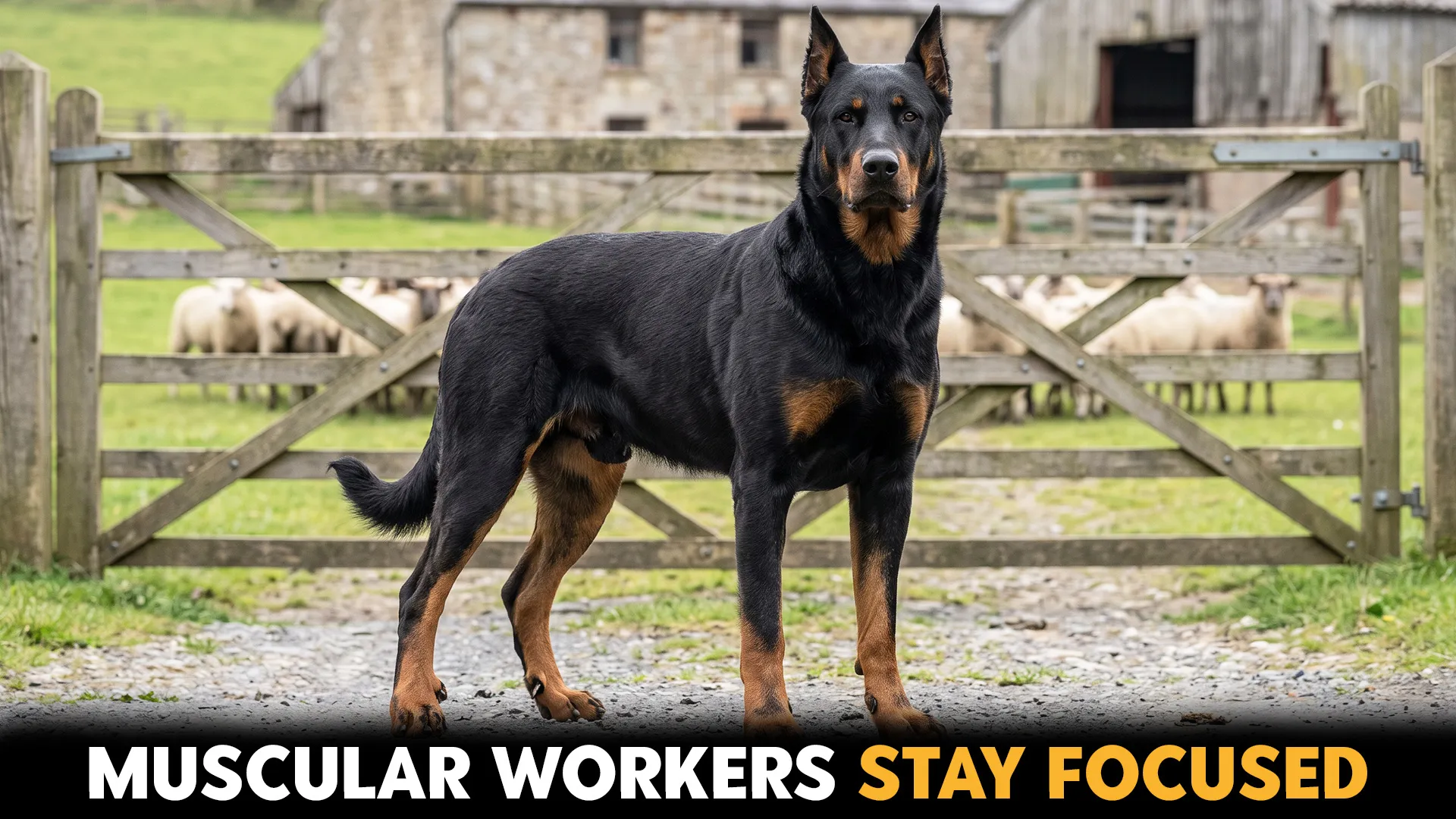
Imagine a dog that can move a herd across open fields, stand its ground against predators, and protect its family without backing down. Some dogs are built for more than strength alone.
With powerful bodies, impressive endurance, and strong protective instincts, these hardworking breeds have played an important role on farms and ranches for centuries.
But there is more to these dogs than their muscular build and imposing appearance. Herding dogs help farmers guide and control livestock, while guardian dogs stay close to the animals and protect them from potential threats.
Some breeds can perform both roles, combining athleticism with loyalty, intelligence, and a natural instinct to protect what matters.
So, what makes these dogs stand out, and which ones are worth knowing about? From powerful workers that thrive in the fields to devoted protectors that take their responsibilities seriously, we’re exploring nine muscular dog breeds known for herding, guarding, or both.
Ultimate Muscular Dog Breeds for Herding and Guarding
1. Bouvier Des Flandres
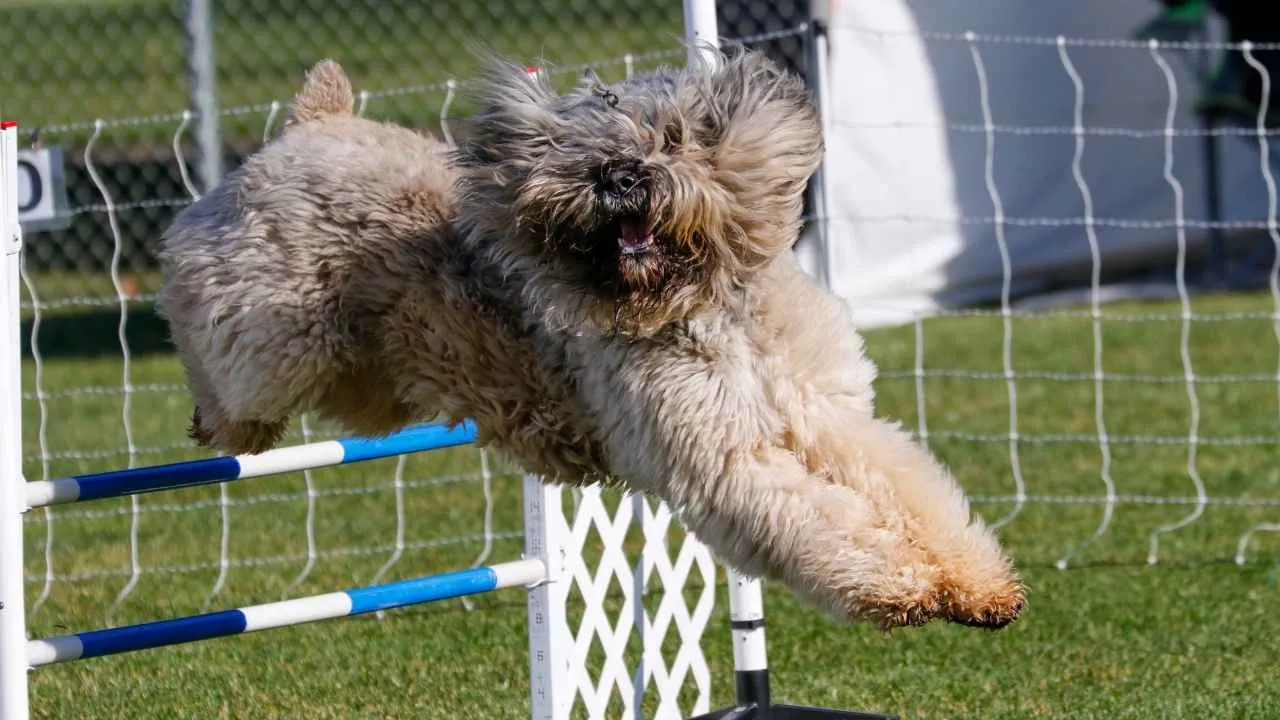
The Bouvier des Flandres is a muscular working dog from Belgium. Originally bred to herd cattle, these dogs also pulled carts and guarded farms.
Their strong bodies, rough double coats, and distinctive beards reflect their hardworking background. They are versatile workers with a natural ability to protect livestock and property.
Temperament and Training
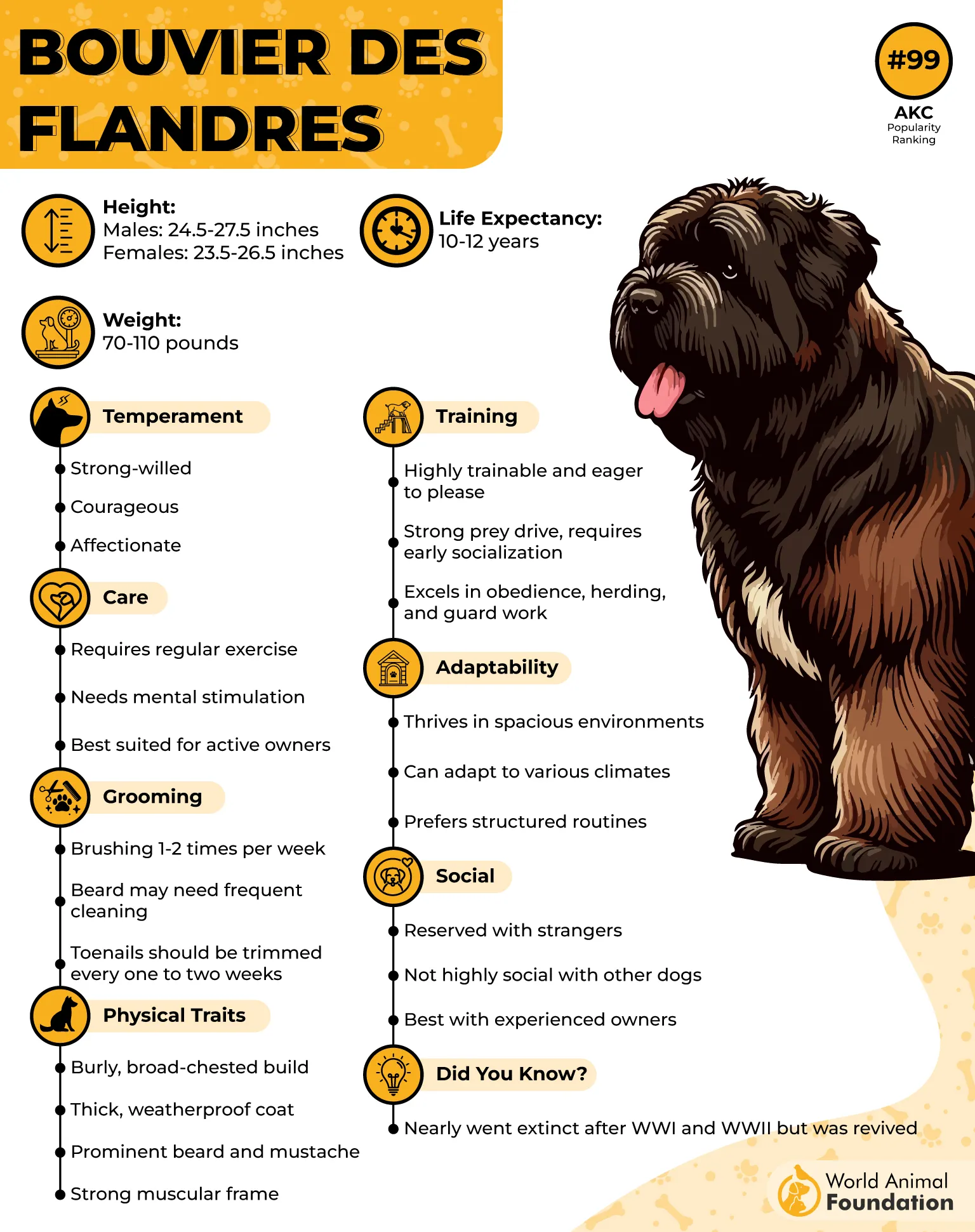
Despite their powerful appearance, Bouviers are affectionate and loyal family companions. They are often patient with children but can be reserved around strangers, as noted by Purina.
Their intelligence and strong-willed nature make early, consistent training important. They may also show dominance toward other dogs and a strong prey drive around cats.
Exercise and Grooming
Bouviers need around two hours of daily exercise and mental stimulation to stay happy. They enjoy having a job and can excel in herding trials and other dog sports.
Their rough outer coat and dense undercoat require brushing once or twice a week to prevent mats and manage moderate shedding. Their beards may need extra cleaning. Beyond farm work, these dogs can serve as watchdogs, police dogs, and service dogs.
2. Bergamasco Sheepdog

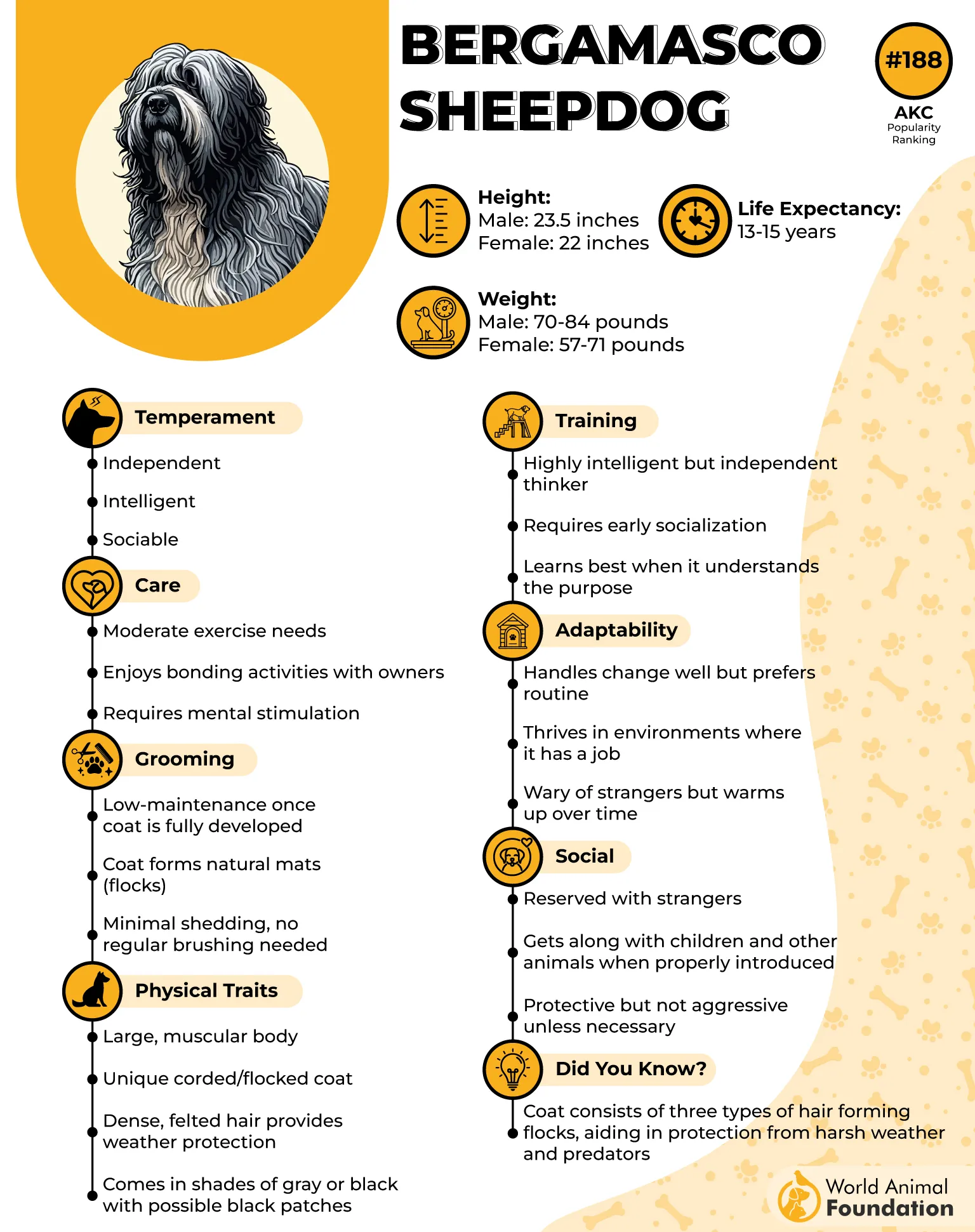
The Bergamasco Sheepdog is an ancient herding breed from the Italian Alps. Developed from Asian sheepdogs, these muscular, compact dogs were bred to herd and guard livestock in harsh mountain conditions.
Their most striking feature is their unusual coat, made up of three types of hair that form natural, felt-like mats called flocks. These thick layers protect them from cold weather and predators. Their coats are usually gray, black, or a mix of gray shades.
Temperament and Training
Bergamascos are intelligent, loyal, and devoted to their families. They are generally patient with children and other animals, while remaining watchful and protective. Although eager to please, they have an independent streak and can be stubborn.
They may also be wary of strangers until properly introduced. Early socialization and consistent training are important, as their herding instincts can lead to nipping, while their protective nature needs proper guidance.
Exercise and Grooming
Bergamascos are active working dogs, but they do not need excessive exercise. They thrive when given a job, such as herding livestock, and enjoy having a purpose. Despite their shaggy appearance, their coats become relatively low-maintenance once the flocks form and shed very little.
3. Briard
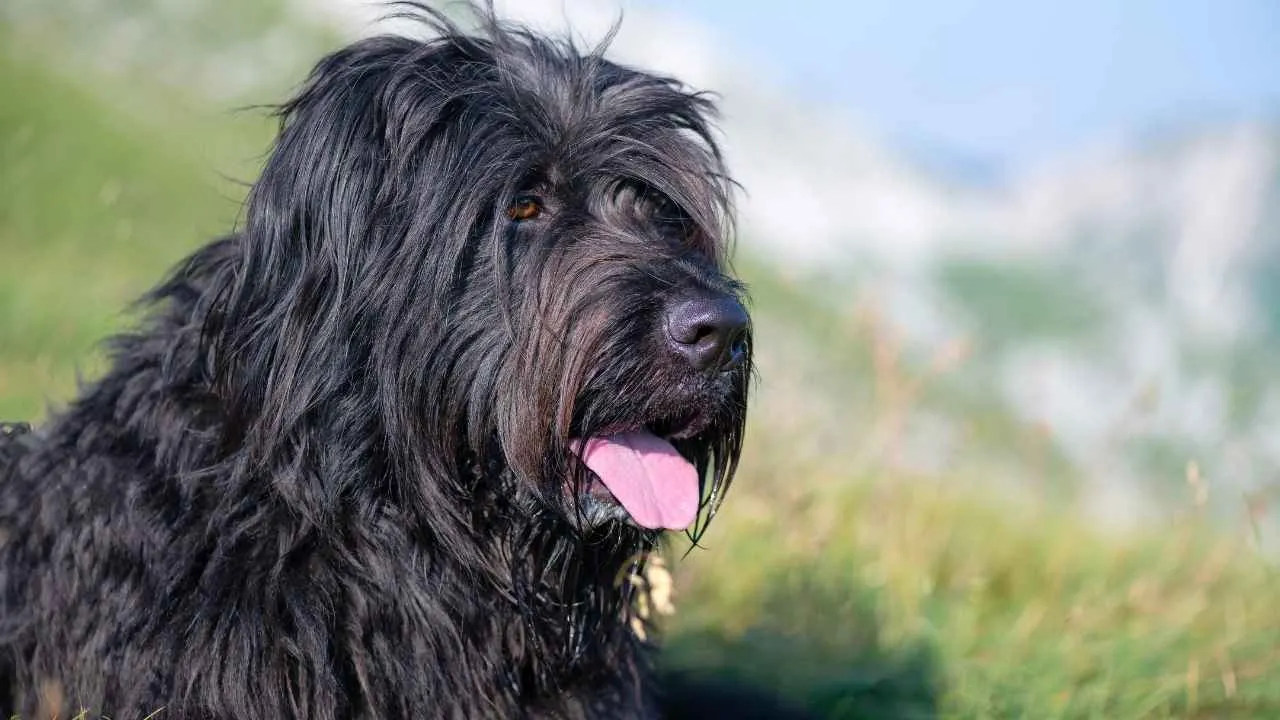
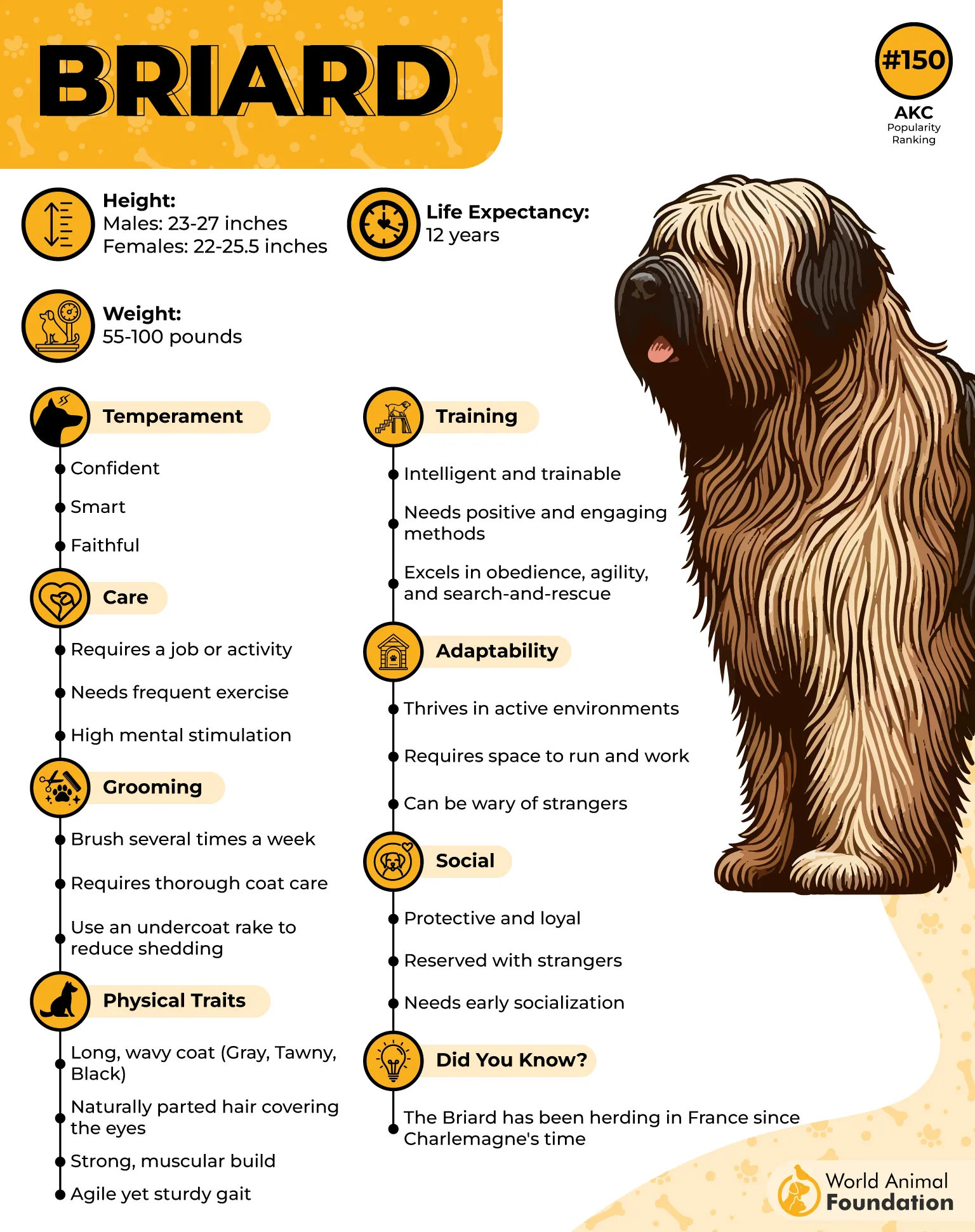
The Briard is an ancient French herding dog bred to guard and manage sheep. Also known as the Chien Berger de Brie, the breed dates back to at least the 8th century, according to PetMD.
These athletic, muscular dogs have a rugged appearance, a long coat, and a distinctive beard. Their strength, agility, and ability to make independent decisions made them valuable workers on farms.
Temperament and Training
Briards are affectionate, energetic, and devoted to their families. They enjoy being involved in family activities and are often protective of children. Their sharp hearing and alert nature also make them excellent watchdogs.
Although they can be reserved around strangers, they usually become more accepting once visitors enter the home. Early socialization and consistent, fair training are essential because these intelligent dogs can be independent and stubborn.
Exercise and Daily Care
Briards need regular exercise, mental stimulation, and companionship. They enjoy games, play, hiking, and other activities that give them a job to do.
Their herding instincts may lead them to try to herd children, so early training is important. They can also live with other dogs and cats when introduced properly from a young age.
4. Beauceron
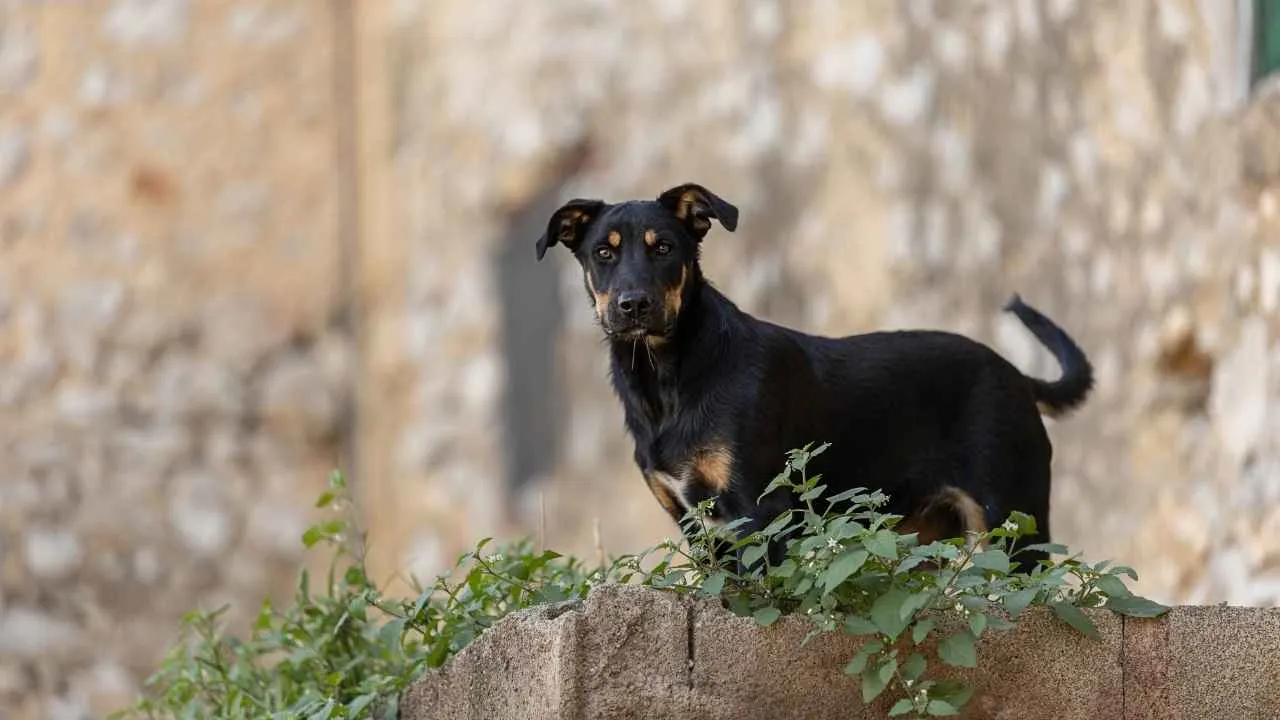
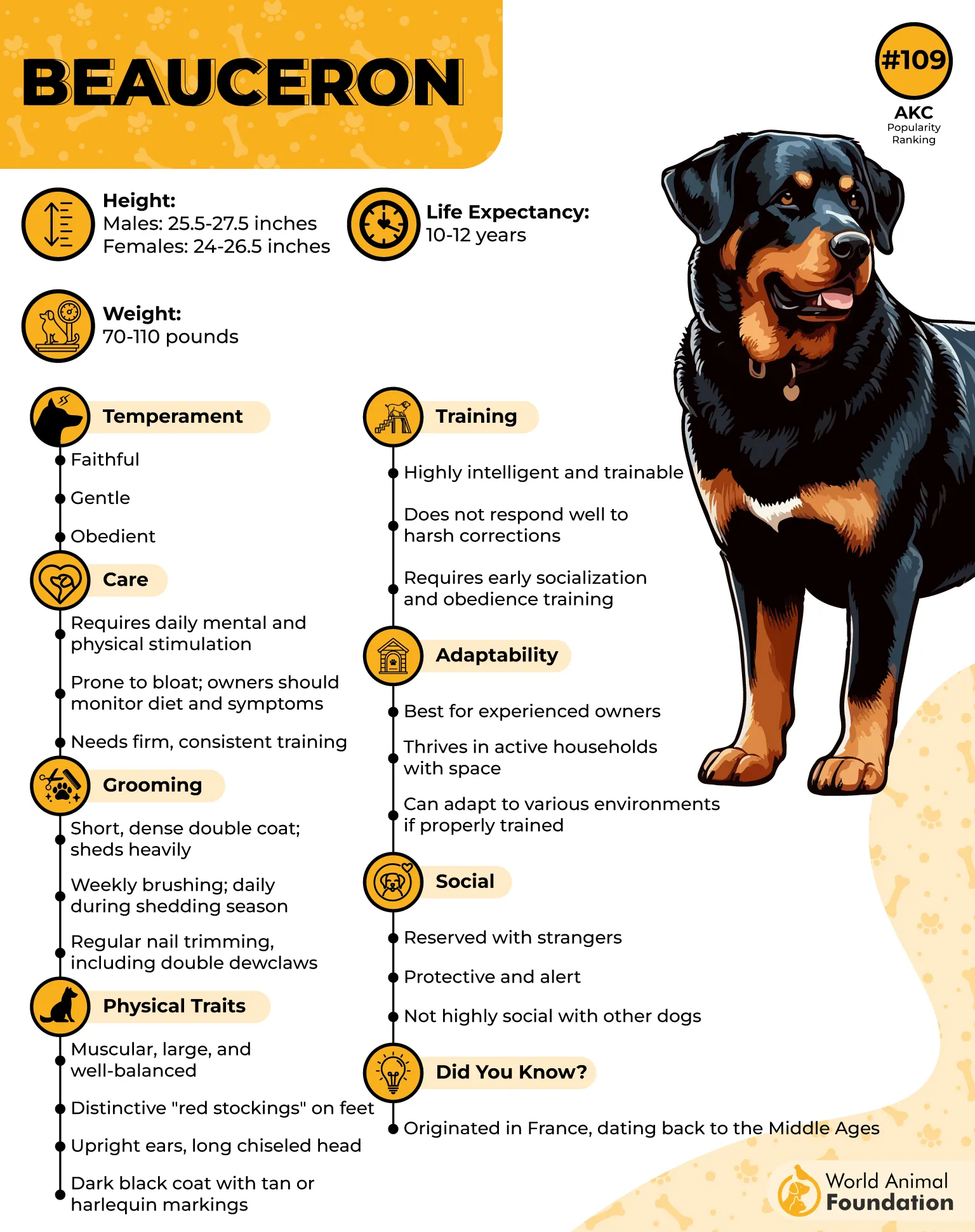
The Beauceron is a powerful French herding dog originally bred to protect and manage sheep. These muscular, athletic dogs are known for their strength, intelligence, and versatility.
Their short, dense double coats are usually black and tan, with distinctive reddish markings on their feet that earned them the French nickname Bas-Rouge, meaning “red stockings.”
Temperament and Training
Despite their imposing appearance, Beaucerons can be gentle, loyal, and affectionate family companions. They are protective of children and naturally alert around strangers, making them excellent watchdogs.
Their intelligence makes training easier, but their independent and strong-willed nature requires a confident, experienced owner. These dogs also need companionship and may become anxious or destructive if left alone or without enough mental stimulation.
Exercise and Daily Care
Beaucerons are energetic working dogs that need at least two hours of daily exercise. They enjoy exploring, learning new tasks, and participating in training activities.
Puzzle toys and interactive games can also keep their minds busy indoors. Their short, dense coats are relatively easy to maintain, but they shed heavily. Brushing once or twice a week helps manage loose fur.
5. Australian Cattle Dog
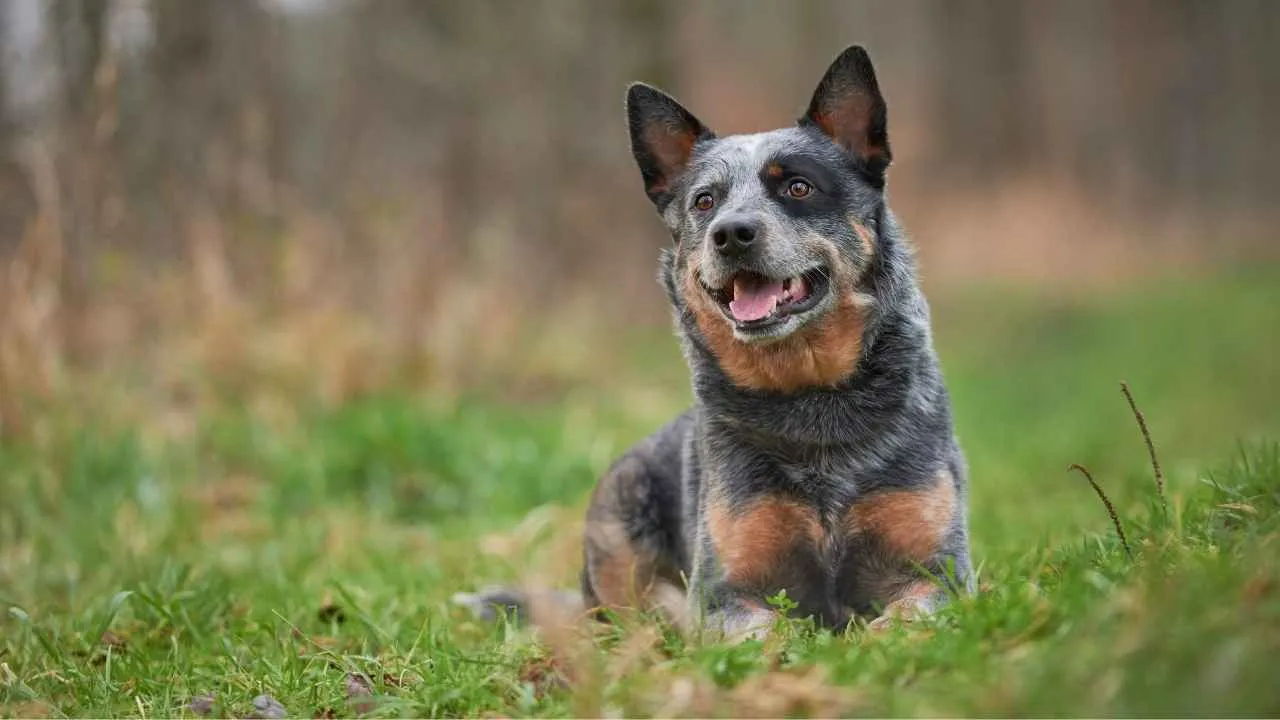
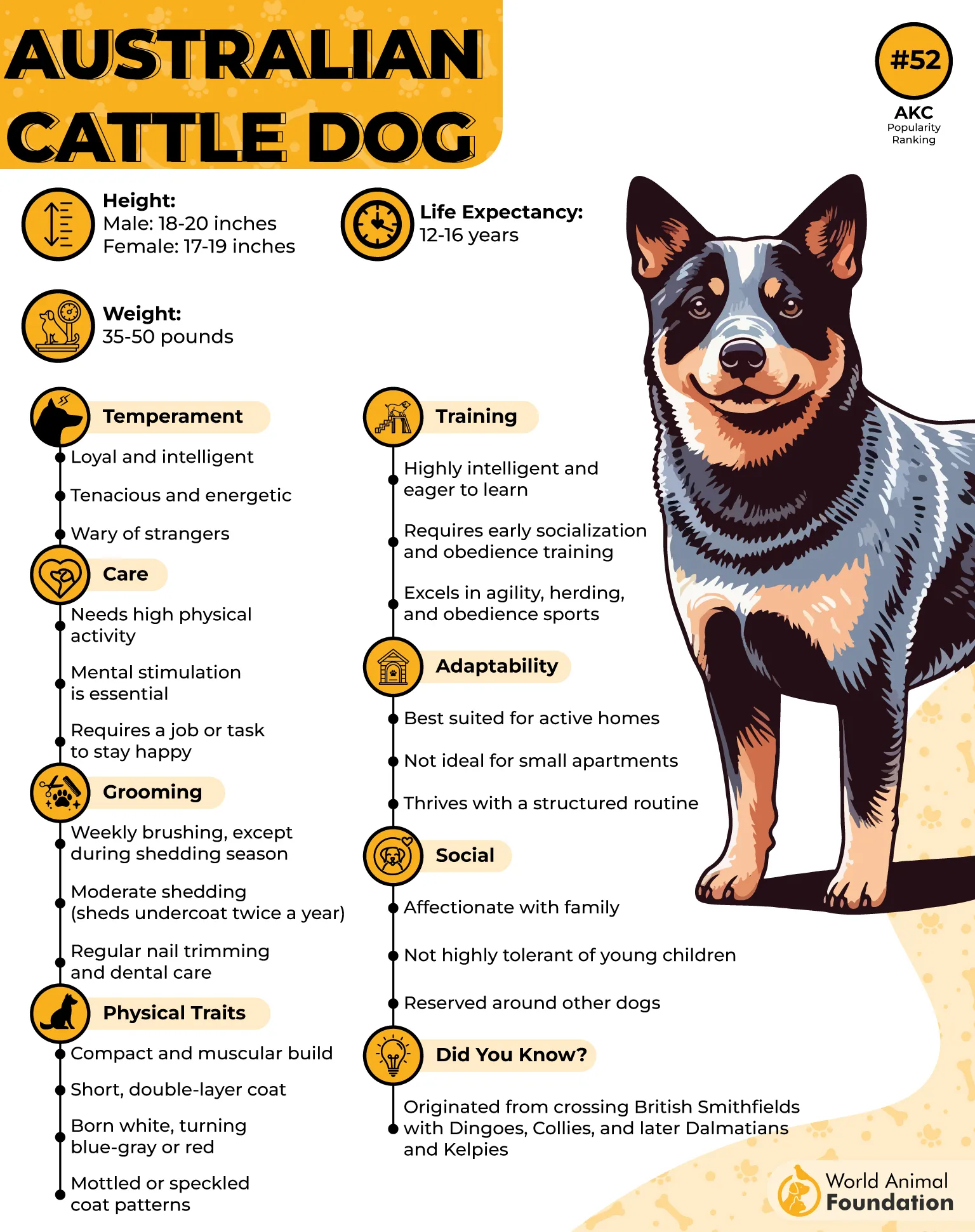
The Australian Cattle Dog, also known as the Blue Heeler, Red Heeler, or Queensland Heeler, is a compact, muscular herding breed related to Australia’s wild Dingo. These sturdy, agile dogs were bred to control and move livestock, using their teeth to nip at animals’ heels.
Temperament and Training
Australian Cattle Dogs are highly intelligent, alert, loyal, and tenacious. They often form strong bonds with their owners and can be affectionate with family members.
However, they may be wary of strangers and aggressive toward unfamiliar dogs, making them effective watchdogs and protection dogs. Their independent, headstrong nature requires firm, consistent training.
Exercise and Daily Care
Australian Cattle Dogs have immense energy and need regular physical and mental challenges to stay fit. They thrive with activities such as running, jogging, fetch, frisbee, and agility training.
Giving them a job or involving them in sports can help prevent boredom and mischief. These active dogs are better suited to owners who can provide plenty of exercise and space rather than small living environments.
6. Entlebucher Mountain Dog
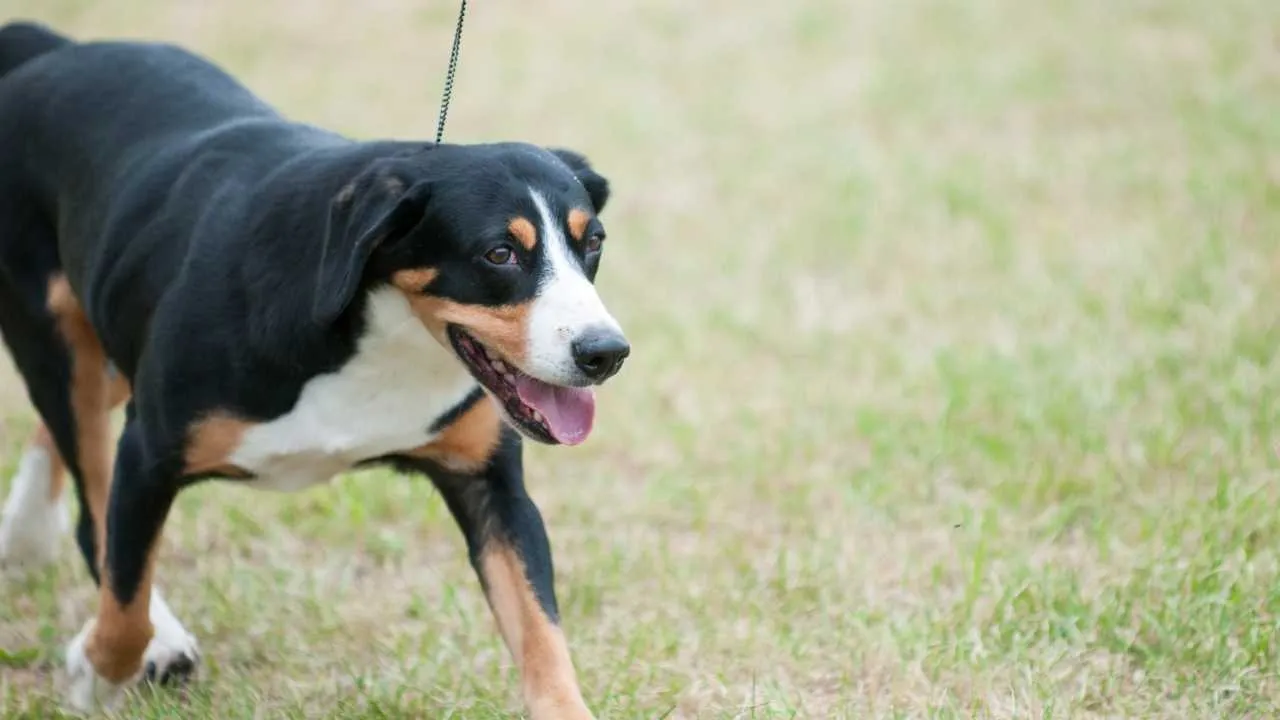
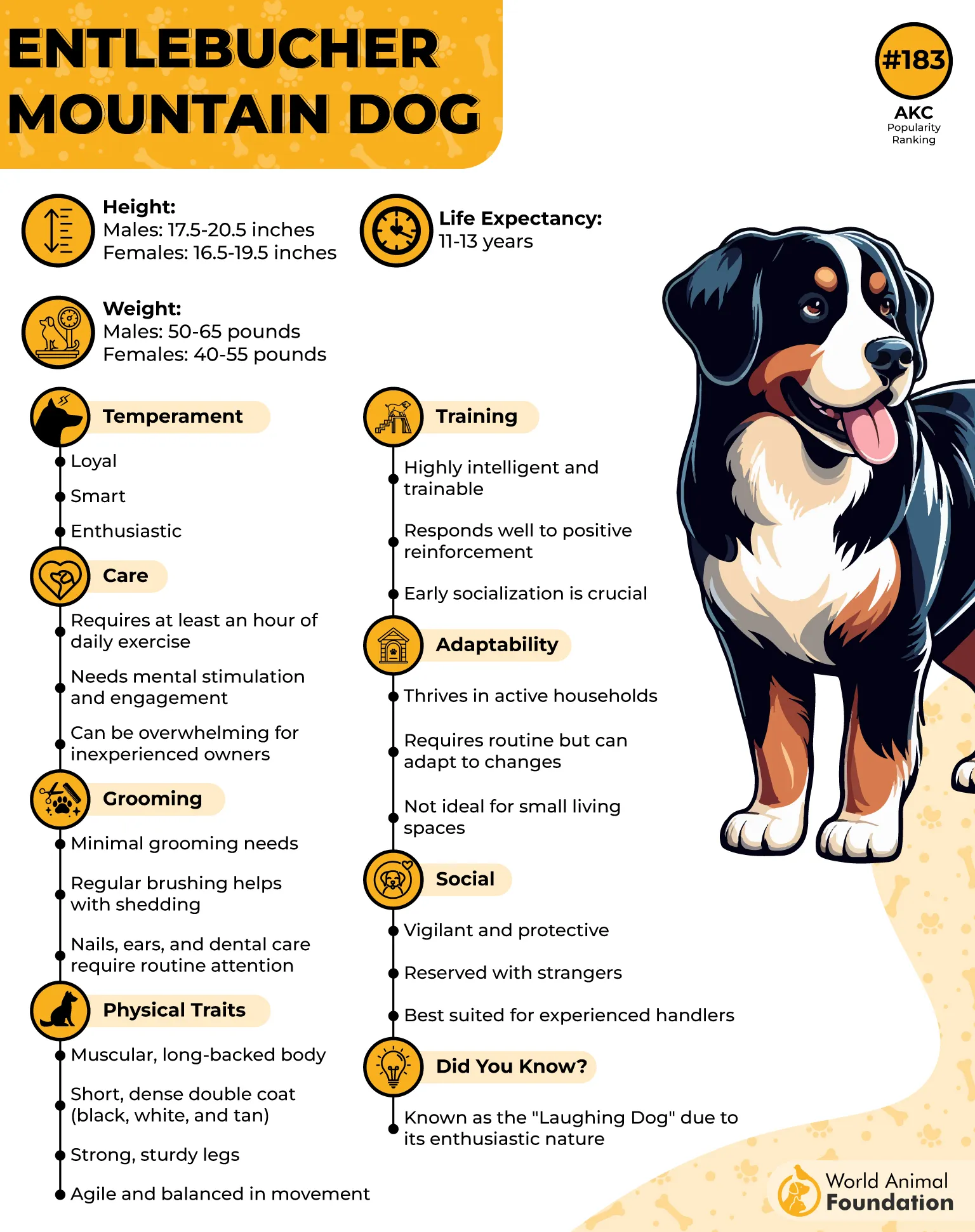
Entlebucher Mountain Dogs originated in Switzerland in the late 1800s, where they were bred to herd cattle across the rocky Swiss Alps. These muscular, sturdy dogs have long backs, strong bodies, and short legs that support their agility and balance.
Their striking black, white, and tan coats give them a distinctive appearance. They are determined workers known for their strength and fearless approach to moving cattle.
Temperament and Training
Entlebuchers are intelligent, energetic, and deeply devoted to their families. They are playful and affectionate with familiar people but may take time to warm up to strangers.
Their alert nature makes them vigilant protectors. They learn quickly but can be independent, so early socialization and positive reinforcement training are important.
Exercise and Daily Care
These active dogs need plenty of exercise, mental stimulation, and time with their families. They enjoy having a job to do and can take part in herding, agility, obedience, and other dog sports.
Without enough activity, they may become noisy or destructive. Purina mentions Entlebuchers also form strong bonds with their owners and do not do well when left alone for long periods.
7. Old English Sheepdog
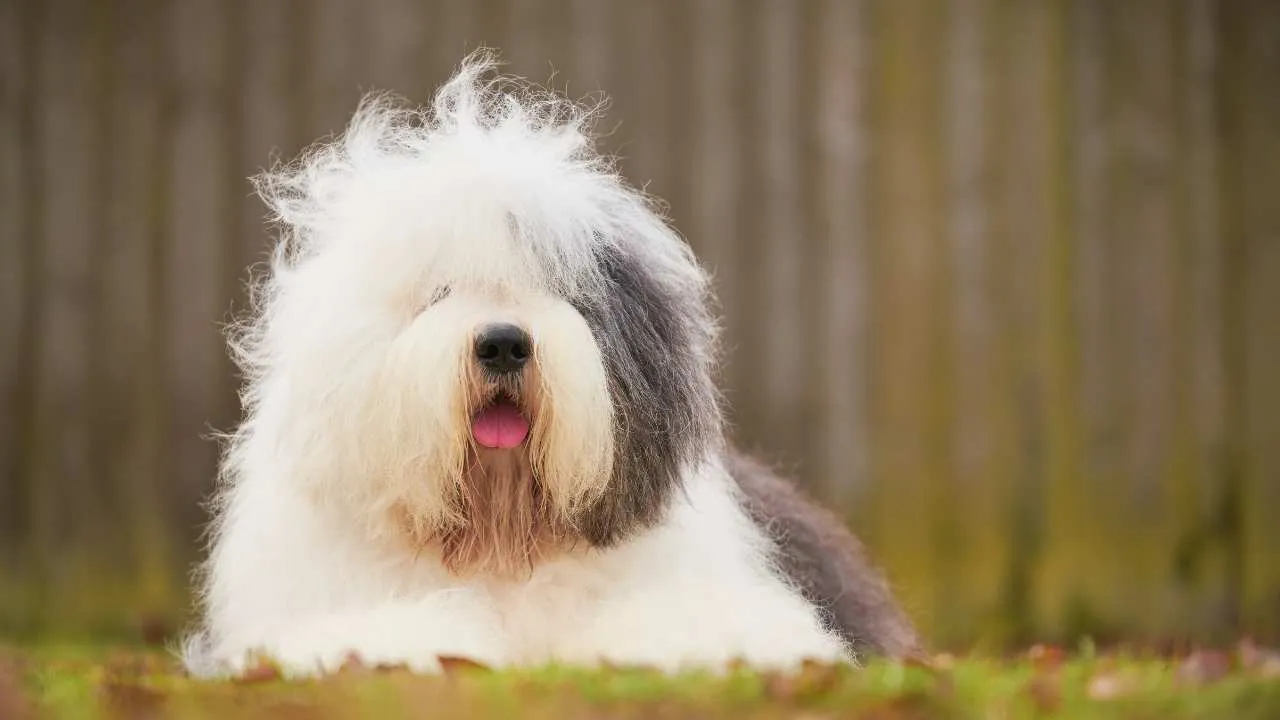
Old English Sheepdogs originated in England around 200 years ago and were bred to move sheep and cattle from farms to local markets. Beneath their famous shaggy double coats are muscular, compact bodies built for working. They have a distinctive bear-like gait but are surprisingly agile.
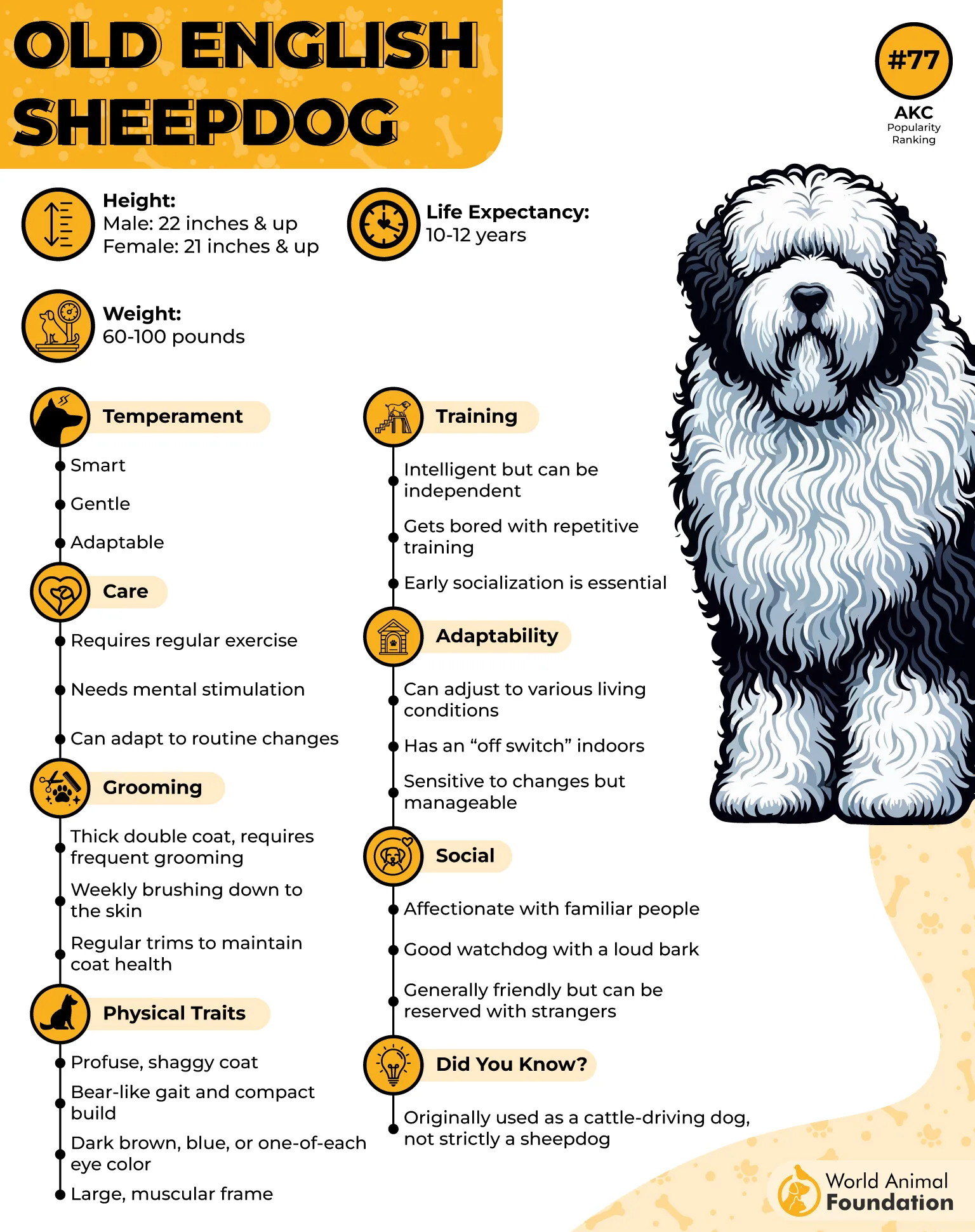
Temperament and Training
Old English Sheepdogs are cheerful, affectionate, and playful family companions. They are patient with children and can be protective of their families. Their loud, ringing bark makes them effective watchdogs.
However, their size and boisterous nature mean training should begin early. They are intelligent and enjoy obedience, agility, and herding activities.
Exercise and Daily Care
These energetic working dogs need daily walks, regular exercise, and mental stimulation to stay happy. They enjoy having tasks to complete and spending time with their owners, but they can also be relaxed home companions once their activity needs are met.
Their thick, shaggy coats require considerable attention, with at least three to four hours of grooming each week to remove debris and prevent matting.
8. Polish Lowland Sheepdog
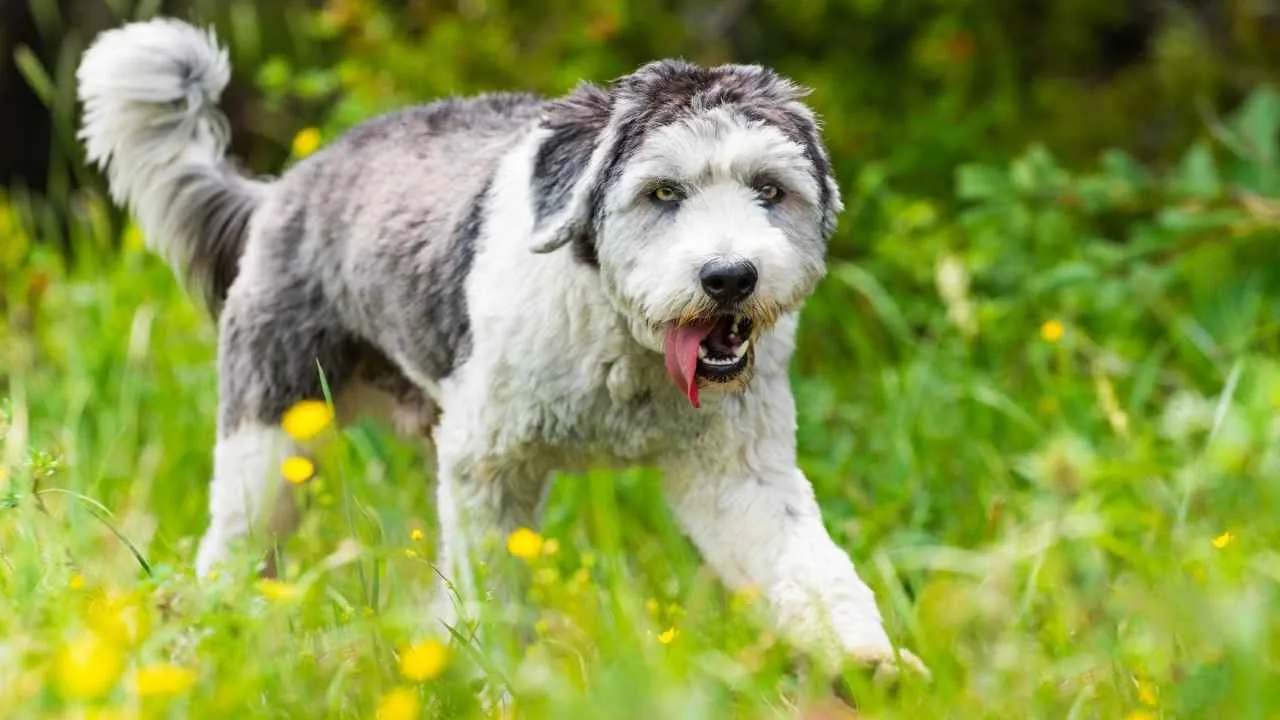
The Polish Lowland Sheepdog, also called the PON, originated in Poland, where it was bred to herd and guard sheep. These compact, muscular dogs have stocky bodies and long, shaggy double coats that protect them from harsh weather.
Temperament and Training
PONs are loyal, affectionate, and intelligent companions with strong personalities. They are generally good with children and other pets they grow up with, but may be reserved around strangers.
Their protective nature makes them alert to visitors, while their herding instincts may lead them to gather children or adults in one place. They learn quickly and respond well to positive reinforcement, but early socialization and consistent training are important because of their independent streak.
Exercise and Daily Care
Polish Lowland Sheepdogs need daily exercise, active play, and mental stimulation to stay content. They enjoy learning new tasks and excel at activities such as agility, obedience, and herding trials. These dogs love being involved with their families and may become bored or mischievous without enough to do.
9. German Shepherd
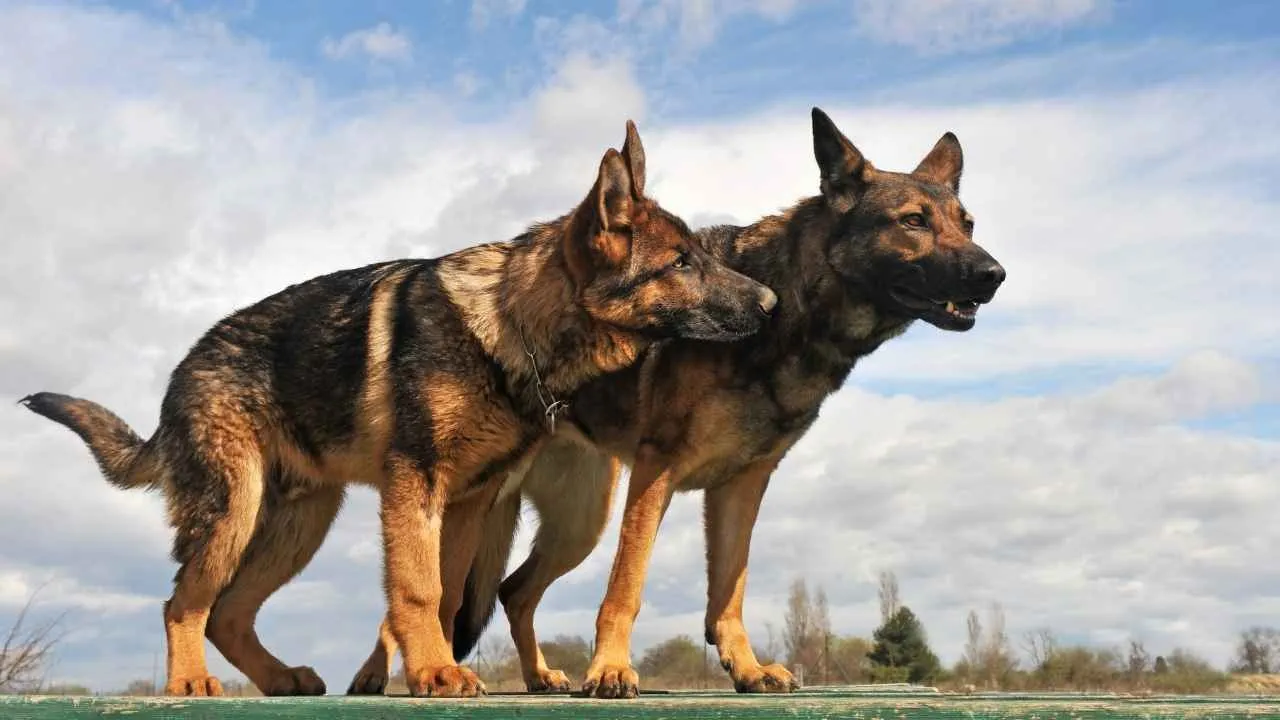
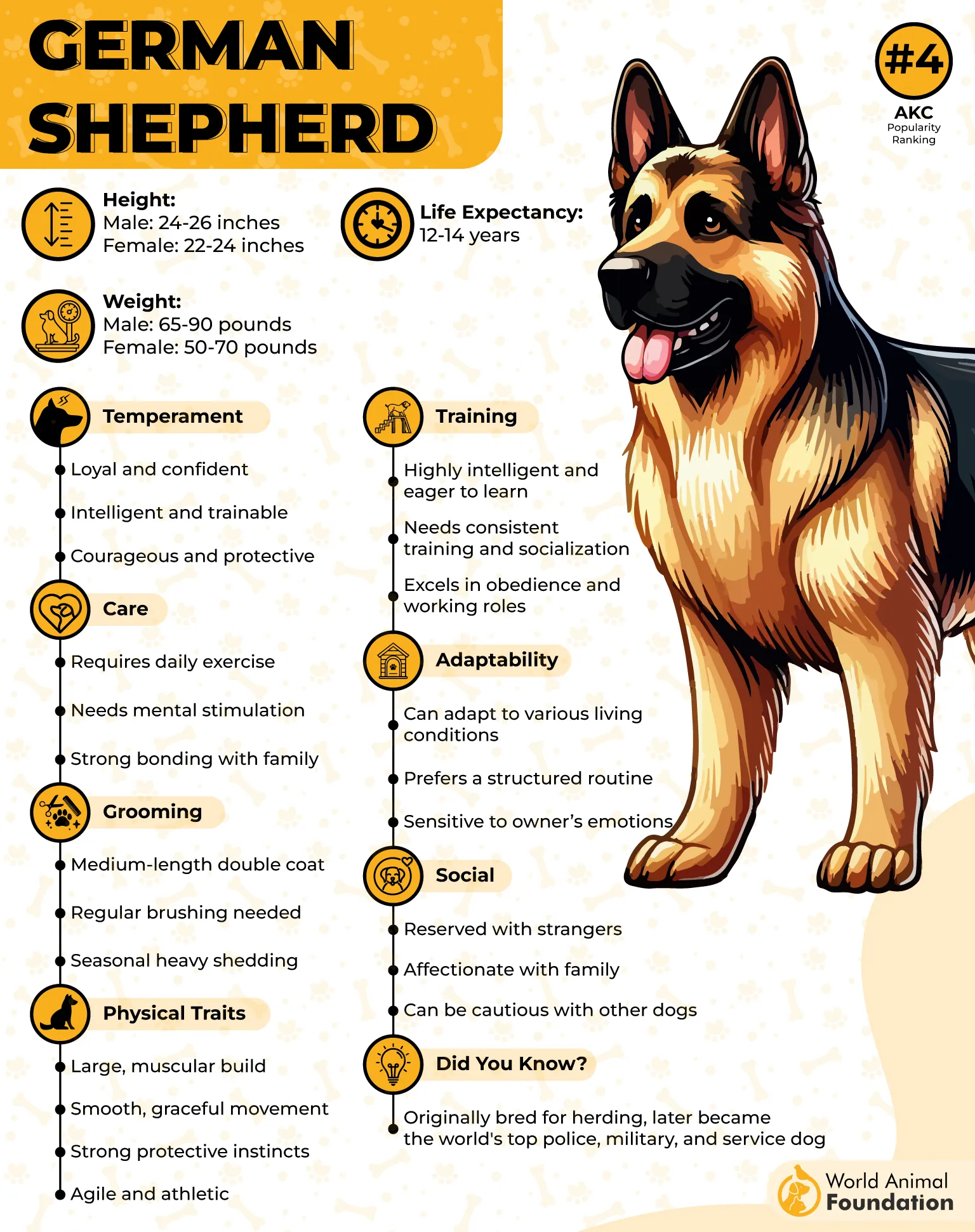
German Shepherds are large, muscular, and agile working dogs known for their intelligence and loyalty. Originally bred for herding and guarding, they are now widely used in police and military work, search and rescue, and service roles.
Their smooth, graceful movement allows them to cover ground quickly, while their strength and confidence make them versatile workers.
Temperament and Training
German Shepherds form strong bonds with their owners and are devoted, alert, and protective of their families. They can be gentle with children when properly trained and socialized, but are often reserved around strangers.
Positive reinforcement, patience, and early socialization help them develop into confident, well-mannered companions.
Exercise and Daily Care
These energetic dogs need one to two hours of daily exercise, along with mental challenges to prevent boredom and unwanted behavior. They enjoy having a job to do and respond well to regular training and structured activities.
German Shepherds have thick double coats that shed throughout the year, with heavier shedding during spring and fall. Frequent brushing helps manage loose fur.
Conclusion
Muscular herding dogs like the Bouvier des Flandres, German Shepherd, and Australian Cattle Dog combine strength, intelligence, and loyalty.
From guarding livestock to protecting their families, these breeds thrive when they have a purpose. Each has a different temperament, energy level, and care needs, so choosing the right breed means looking beyond appearance.
Before bringing one home, consider your lifestyle, experience with working dogs, and ability to provide daily exercise, consistent training, and mental stimulation. With the right care and guidance, these powerful dogs can become devoted companions and dependable guardians.
