




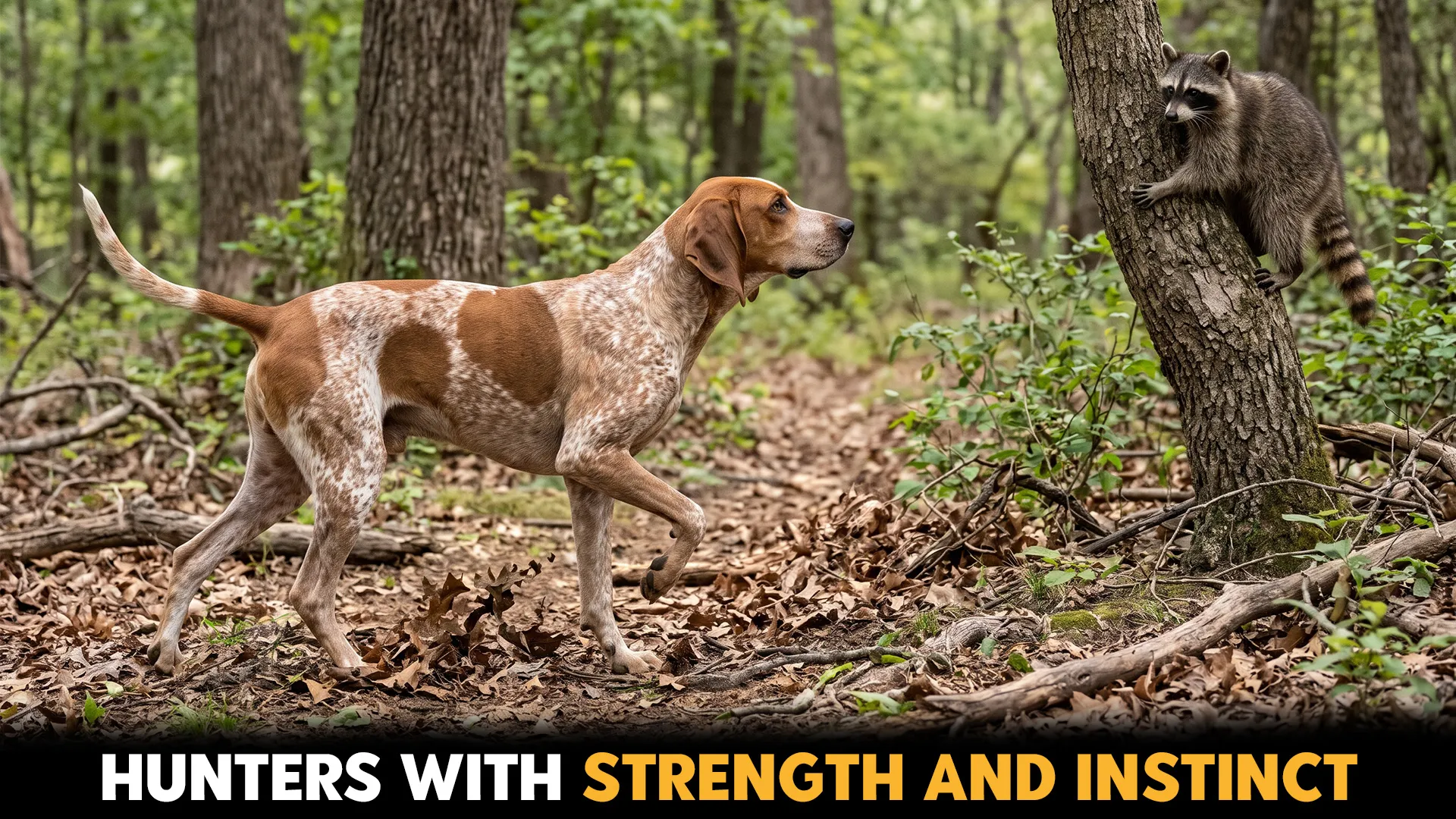
Strong hunting dogs are defined by far more than muscular bodies. Successful field dogs need stamina, confidence, sharp senses, determination, and the ability to remain focused when following challenging quarry. Many breeds were developed for specific hunting jobs, giving them instincts that are still clearly evident today.
An interesting fact is that “scent hounds can follow odor trails that are virtually impossible for humans to detect.” This remarkable ability explains why several breeds on this list became valuable partners for hunters pursuing raccoons and other game across forests, hills, and rough terrain.
The breeds below combine physical strength with specialized working abilities. Some are renowned for tracking, others for treeing game, while several can handle demanding environments with impressive persistence. Their instincts also mean that owners need to provide suitable exercise, training, and secure management.
Strong Dog Breeds With Excellent Hunting Abilities
1. Treeing Walker Coonhound
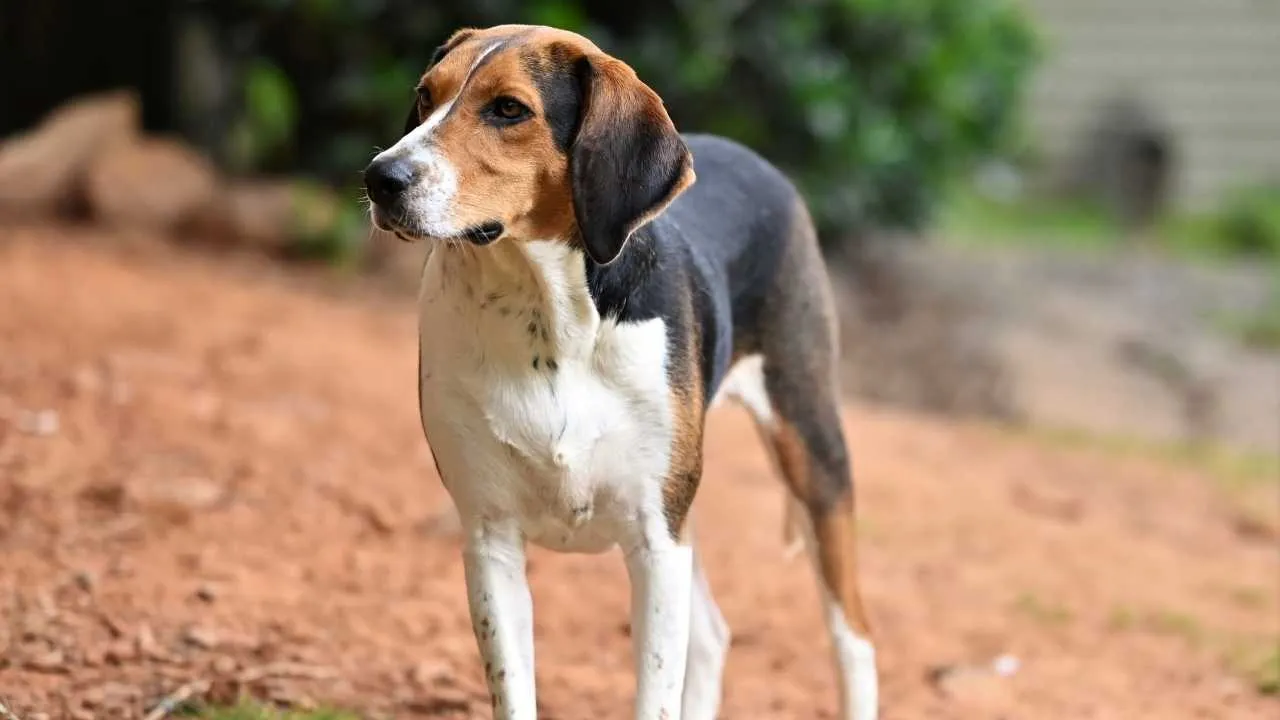
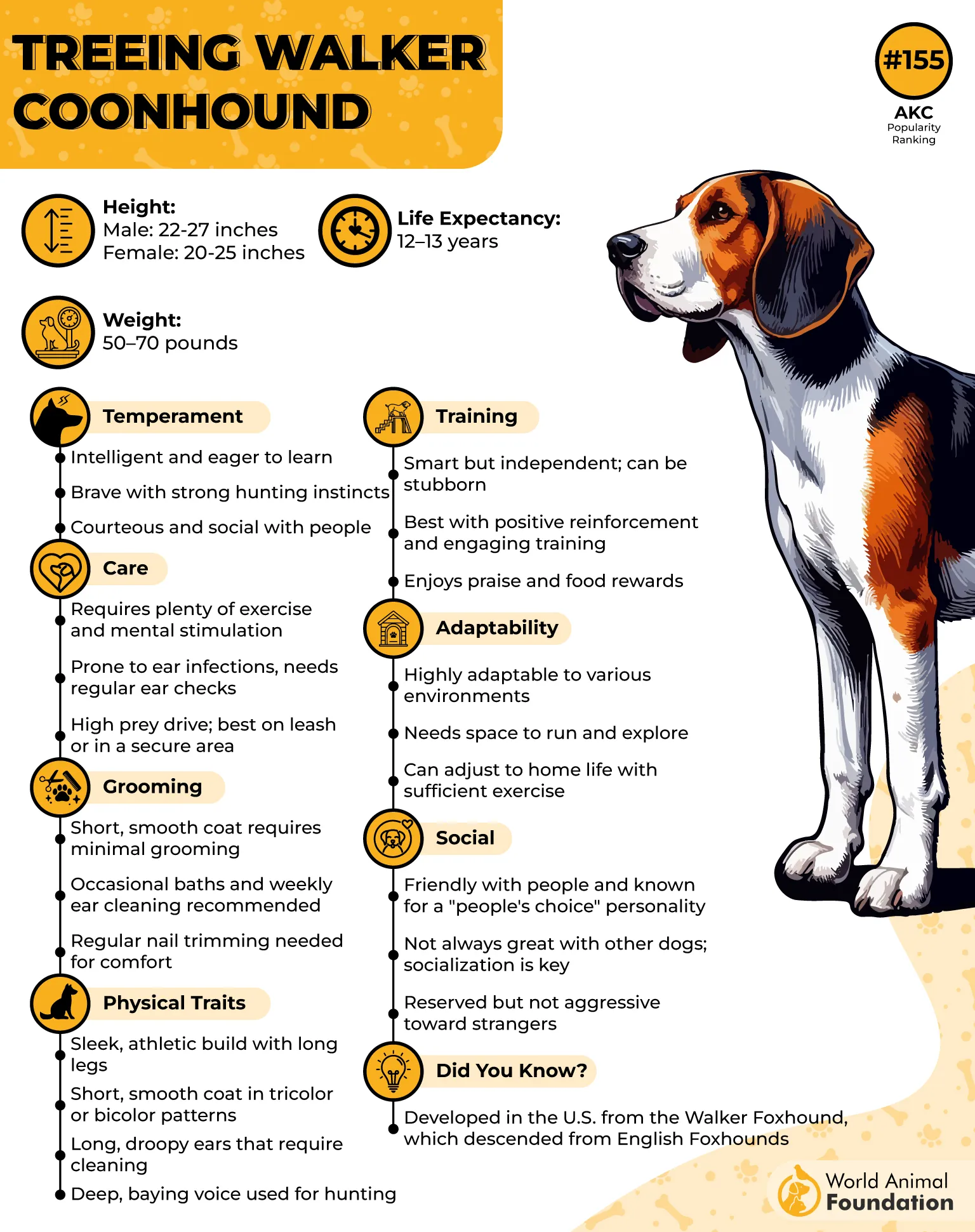
Treeing Walker Coonhounds were developed in the United States as fast and determined hunting dogs. They became especially valued for pursuing raccoons, using their noses to follow trails before driving quarry into trees.
Their athletic build allows them to cover ground quickly, while their distinctive hunting voice helps hunters locate them during fieldwork. The breed combines endurance with an impressive ability to stay focused on a trail.
Give Their Energy a Productive Direction
Treeing Walker Coonhounds require plenty of daily activity. Long walks, hiking, scent games, tracking exercises, and controlled running can provide appropriate outlets for their considerable stamina.
Training should emphasize recall, leash manners, and impulse control. A compelling scent can easily capture their attention, so owners should practice obedience around increasingly difficult distractions.
A Relentless Tracker With Strong Hunting Instincts
Their hunting ability comes largely from an exceptional nose and determination to follow quarry. Once a scent becomes interesting, the dog may continue tracking with remarkable persistence.
That drive makes the breed highly capable in appropriate hunting environments. At home, scent-work games and supervised tracking can offer useful alternatives to chasing wildlife or wandering after an unfamiliar trail.
2. Bluetick Coonhound
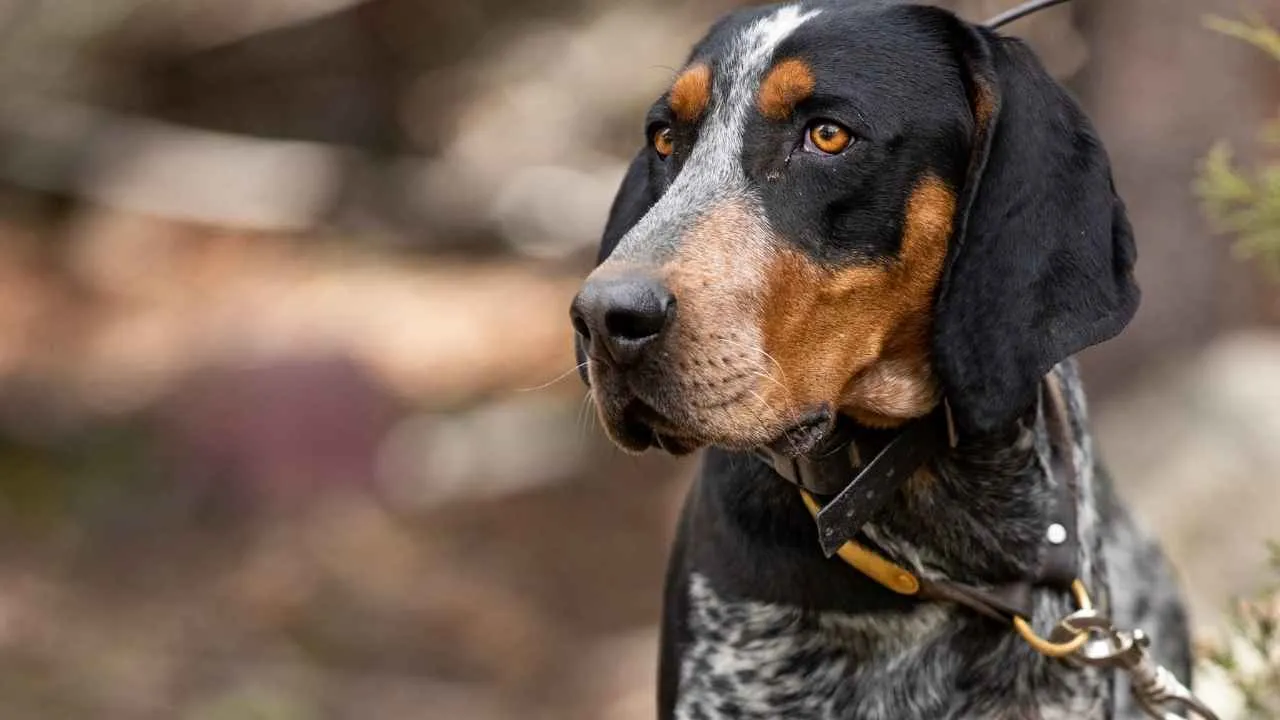
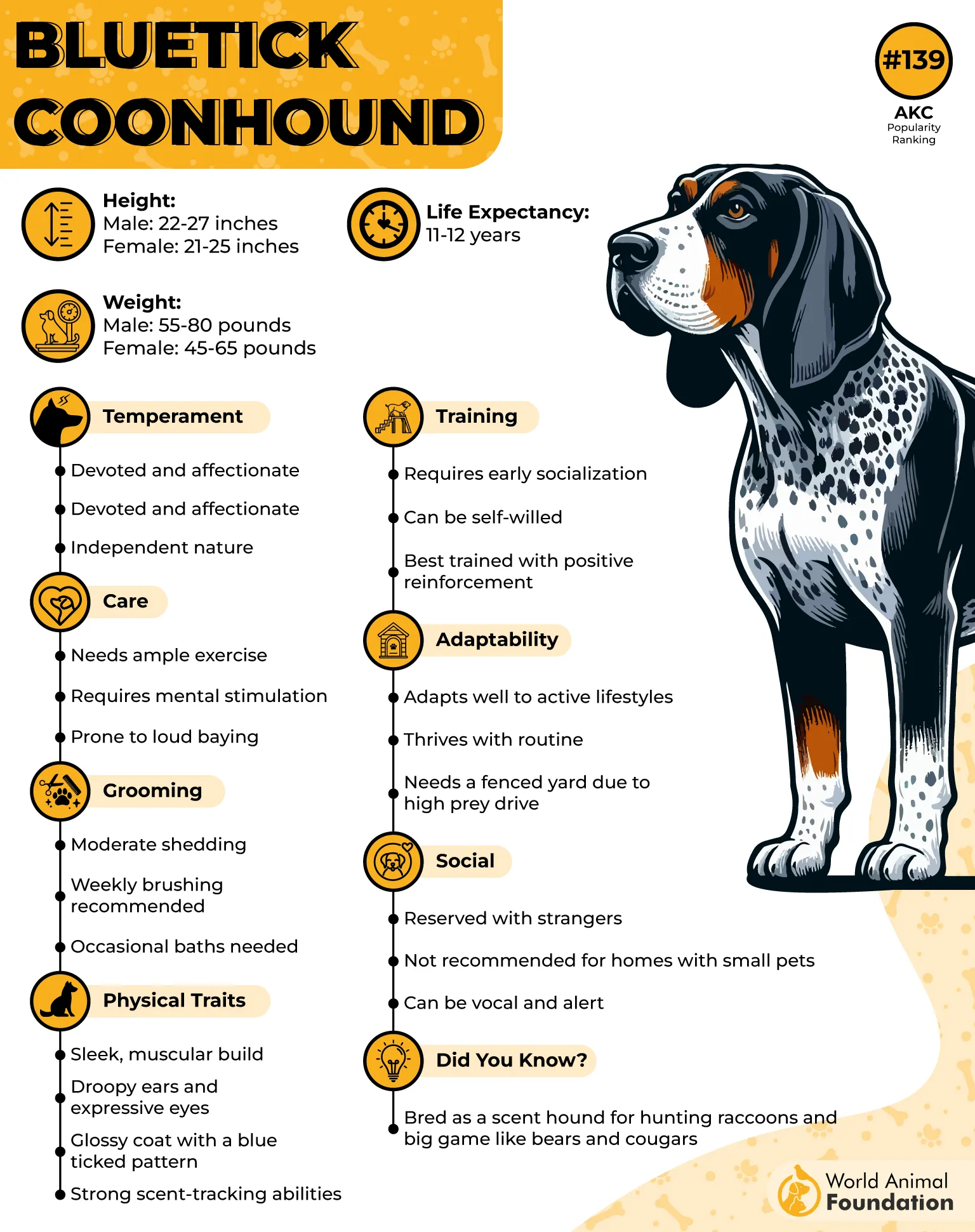
Bluetick Coonhounds are recognizable for their mottled blue-black coats and strong scenting abilities. They were developed in America as hunting companions, particularly for tracking raccoons and other quarry, as per PetMD.
Their working style depends heavily on patience and persistence. A Bluetick may follow a scent over challenging ground while maintaining concentration long after a less determined dog might give up.
Support Their Endurance With Active Exercise
Blueticks need regular physical and mental stimulation. Extended walks, hiking, scent puzzles, and tracking activities can help satisfy their natural curiosity and physical requirements.
Training should be consistent and reward-based. Reliable recall is particularly important because an interesting scent can become far more appealing than returning to the owner.
A Powerful Nose Behind Their Hunting Skill
The Bluetick’s greatest hunting asset is its scenting ability. Its strong nose allows it to investigate trails and remain committed to finding where they lead.
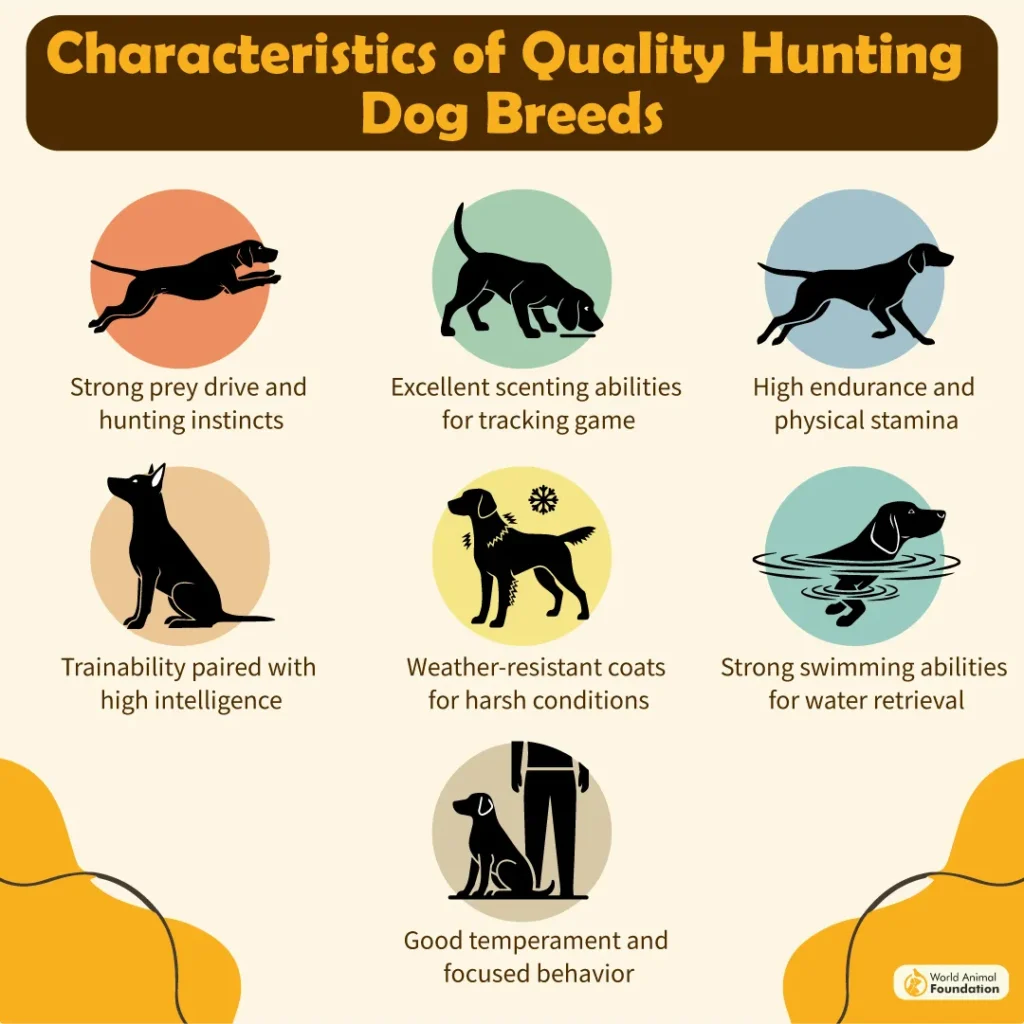
This instinct can be channeled into nose work and tracking games for companion dogs. Owners should provide secure boundaries because a determined hound may travel considerable distances when following an intriguing odor.
3. American English Coonhound
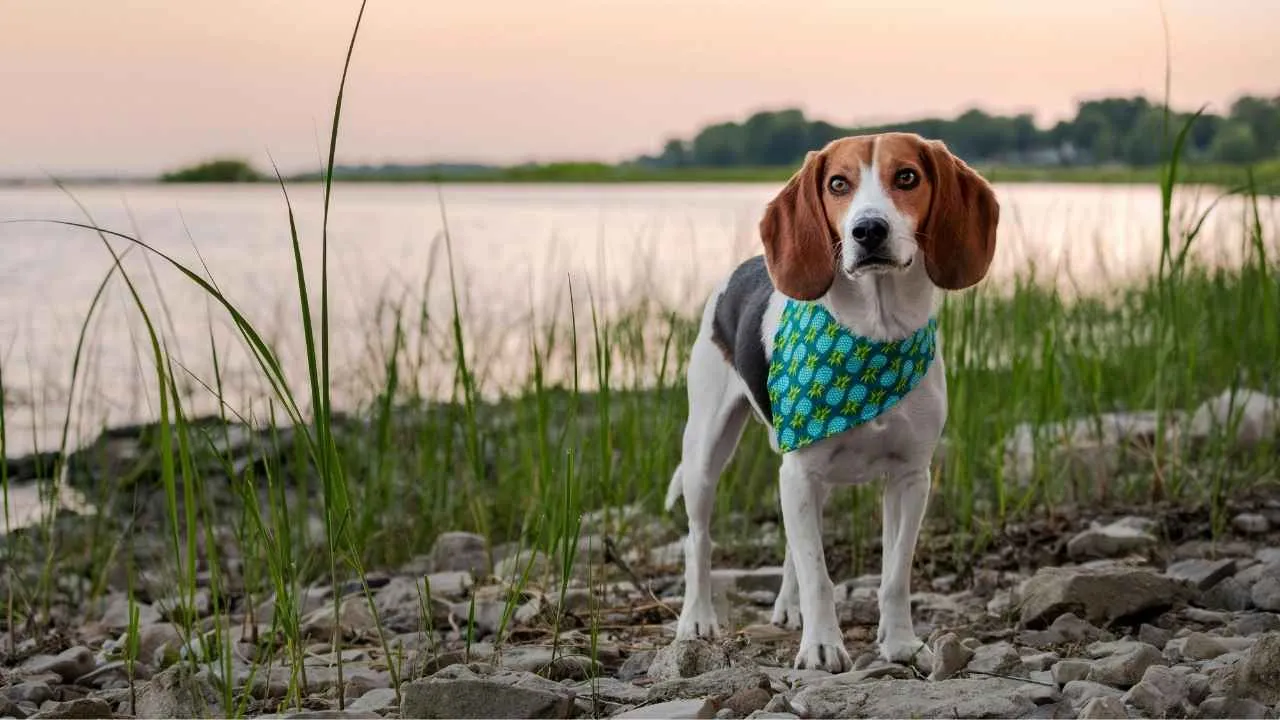
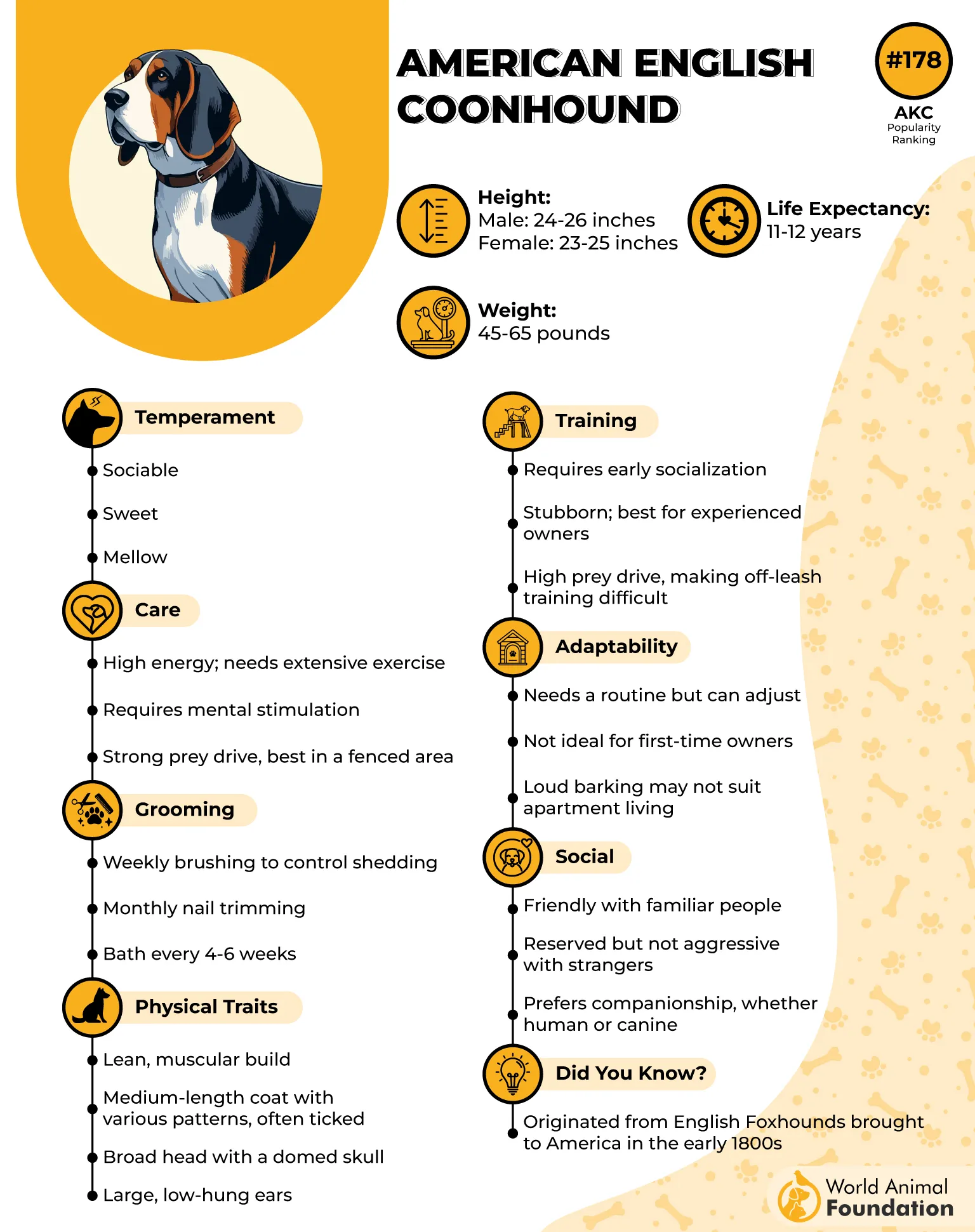
The American English Coonhound developed from hunting hounds brought to North America and was refined for pursuing game across varied terrain. The muscular breed is known for speed, endurance, and an impressive ability to follow scent.
It has traditionally been used for raccoon and other game hunting. Its athletic body and energetic temperament allow it to work for extended periods without quickly losing enthusiasm.
Combine Physical Work With Mental Challenges
American English Coonhounds benefit from active lifestyles. Hiking, long walks, tracking exercises, retrieving games, and other outdoor pursuits can help them use their energy appropriately.
Training should establish dependable responses before the dog encounters strong distractions. Owners should pay particular attention to recall because the breed’s tracking instincts can make an exciting trail difficult to ignore.
An Energetic Hunter Built for the Field
Their hunting ability comes from a combination of speed, stamina, and scenting talent. They can remain engaged with a trail while covering considerable distances in pursuit of quarry.
That determination is useful for hunting but requires responsible management in a companion home. Structured scent activities can provide a constructive outlet while secure fencing helps prevent unsupervised roaming.
4. Black And Tan Coonhound
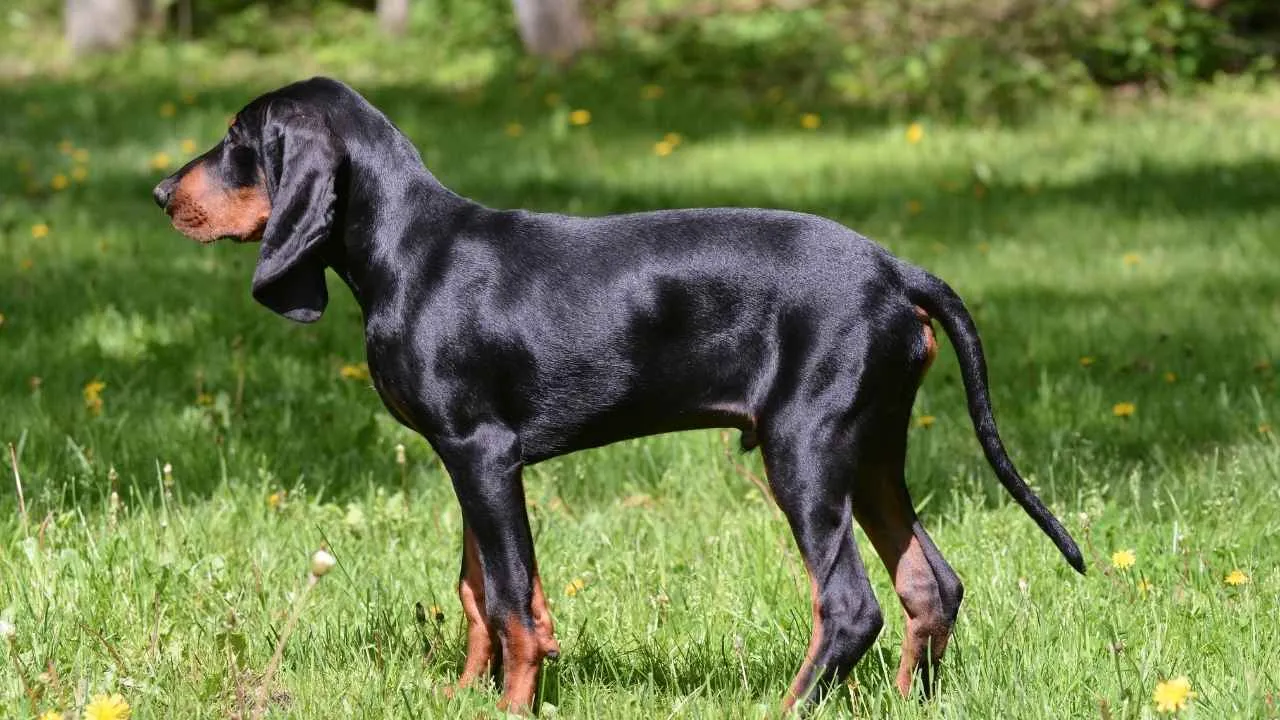
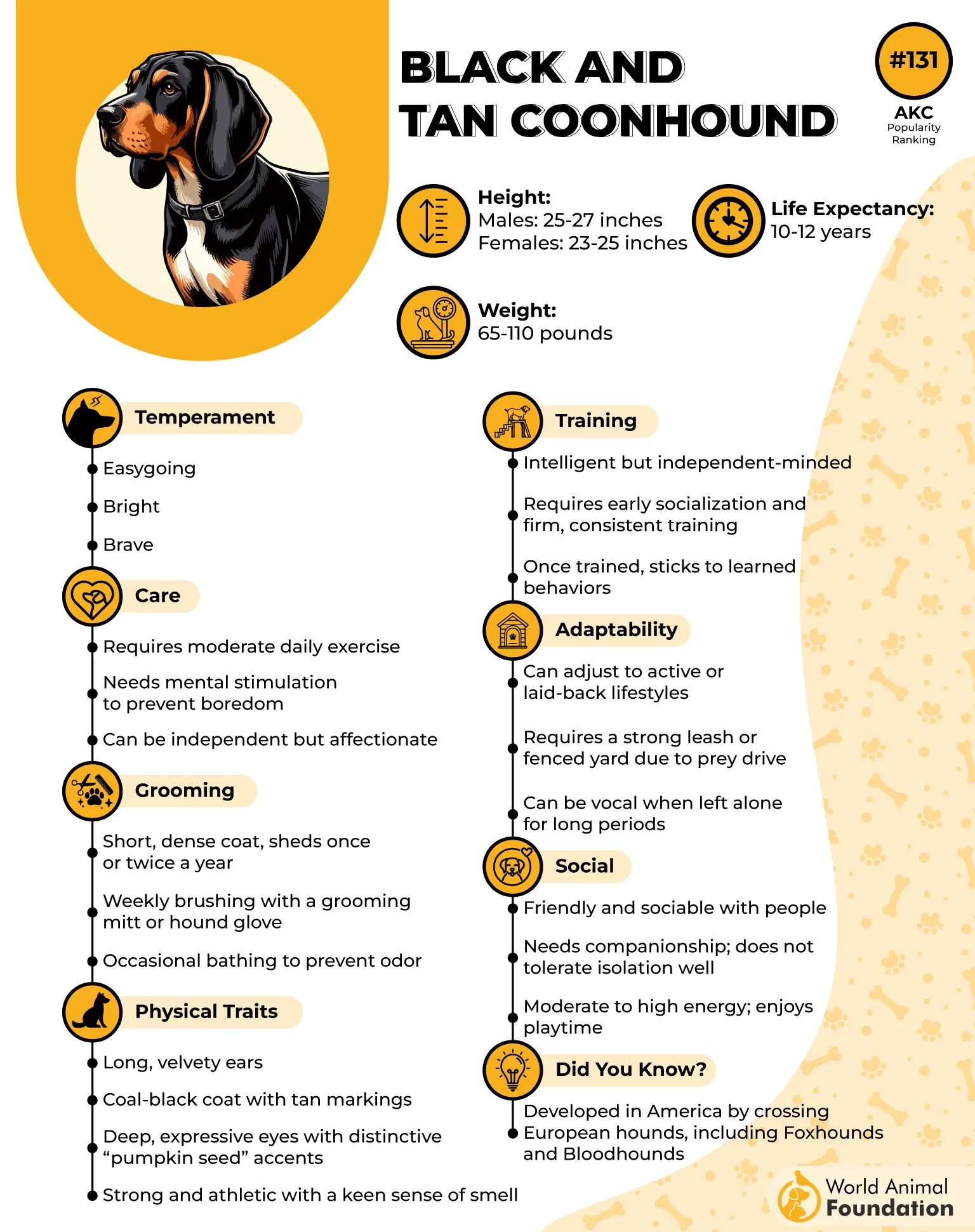
Black and Tan Coonhounds are among America’s established scent hounds and are particularly associated with tracking raccoons. Their long ears, powerful noses, and strong bodies reflect their purpose as persistent outdoor hunting companions, as per Hill’s Pet.
They were bred to work across challenging landscapes while maintaining contact with a scent trail. Their combination of strength and endurance makes them capable of prolonged field activity.
Keep Exercise Steady and Training Patient
Black and Tan Coonhounds benefit from regular walks, hiking, scent work, and opportunities for supervised exploration. Their exercise routine should provide enough activity to prevent restlessness.
Training can require patience because these dogs may become highly focused on scents. Reward-based lessons and dependable recall practice can help them remain responsive when something interesting catches their attention.
A Strong Scenthound With Impressive Persistence
Their hunting strength lies in their ability to locate and follow scent over substantial distances. They may continue investigating long after a human handler has lost any obvious indication of a trail.
This determination makes them valuable working dogs. For owners who do not hunt, tracking games and nose-work activities can satisfy part of that instinct while keeping the dog within controlled surroundings.
5. Mountain Cur
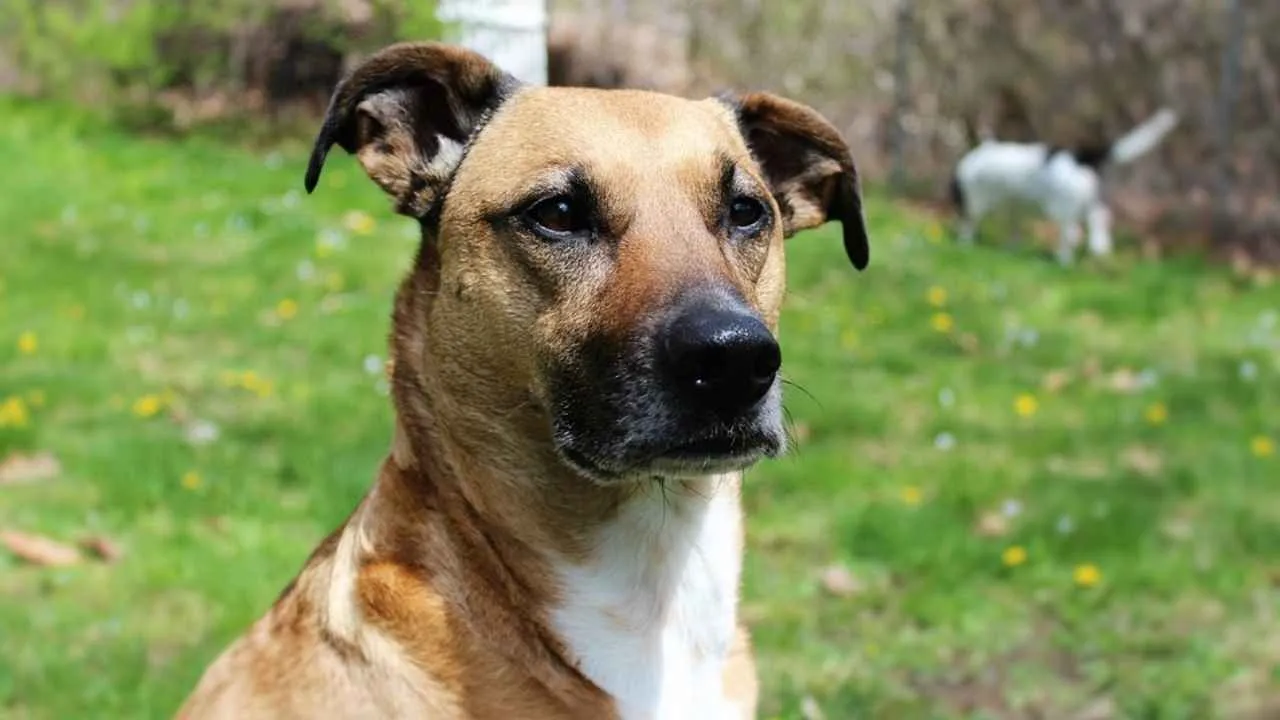
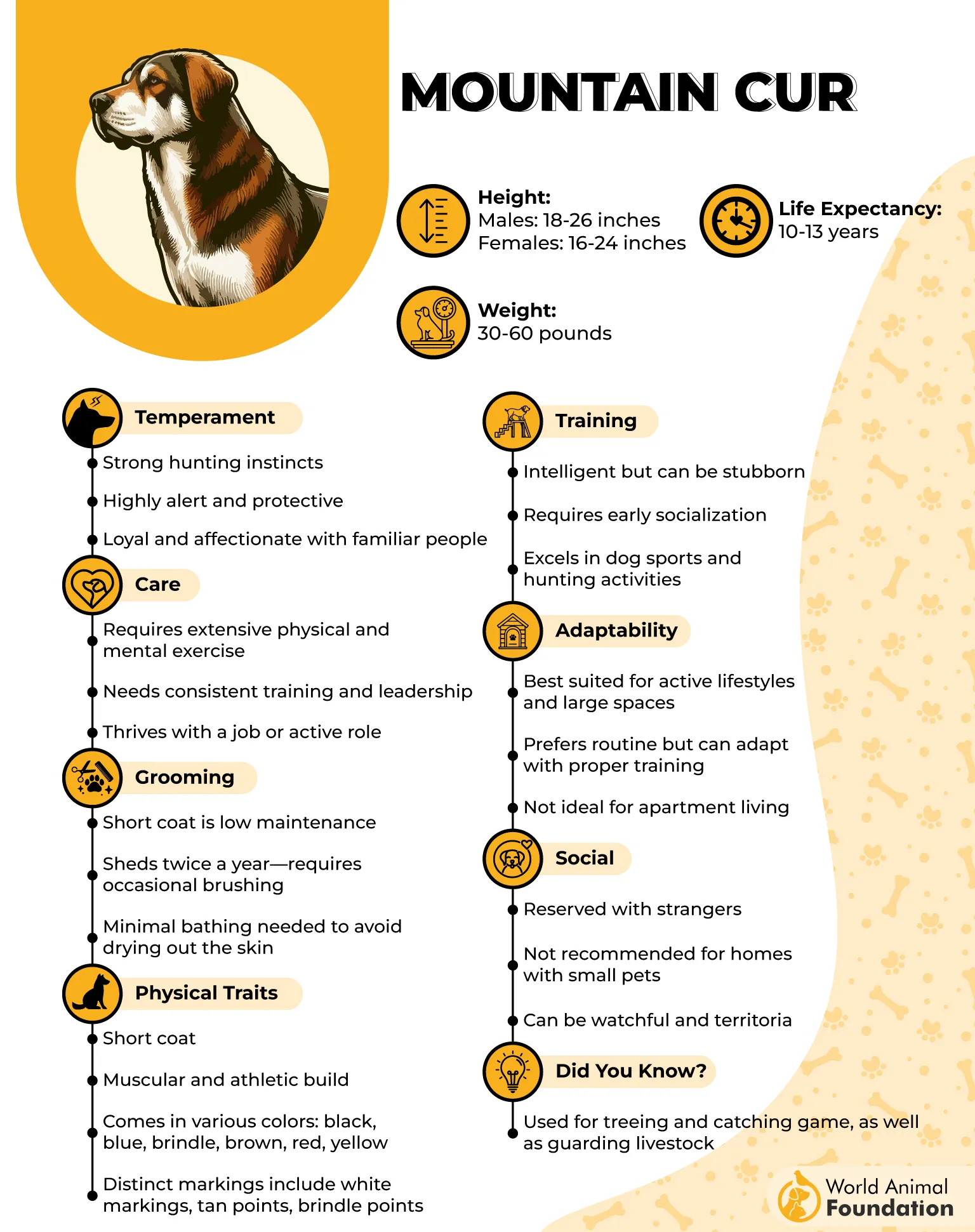
Mountain Curs originated in the United States and became valued as versatile working dogs among rural families, as per the AKC. They were used for hunting, treeing game, guarding property, and assisting with various farm tasks.
Their rugged build and adaptability made them suitable for demanding outdoor conditions. Unlike highly specialized hunting breeds, Mountain Curs developed a broad range of practical abilities.
Offer Physical Activity and Meaningful Tasks
Mountain Curs generally need plenty of exercise and mental engagement. Hiking, running, retrieving, obedience exercises, and supervised outdoor work can help satisfy their active nature.
Early training should establish boundaries and reliable responses. Socialization is also important because a confident working dog needs to learn how to behave appropriately around unfamiliar people and animals.
A Rugged Hunter With Versatile Instincts
Mountain Curs can demonstrate strong prey drive and determination when pursuing small game. Their courage and physical resilience allow them to work in environments that may challenge less rugged dogs.
Their versatility is a major part of their appeal. A well-trained individual can channel its instincts into hunting, scent activities, farm work, or structured outdoor pursuits rather than engaging in uncontrolled chasing.
6. Plott Hound
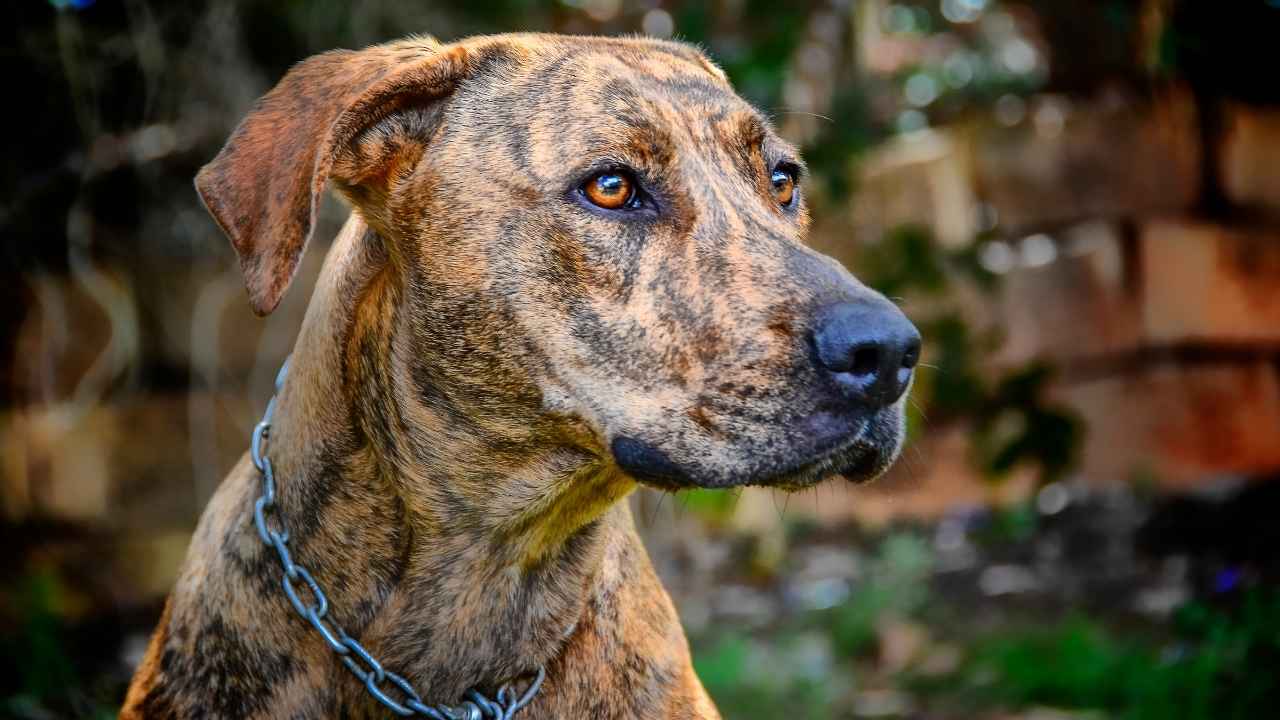
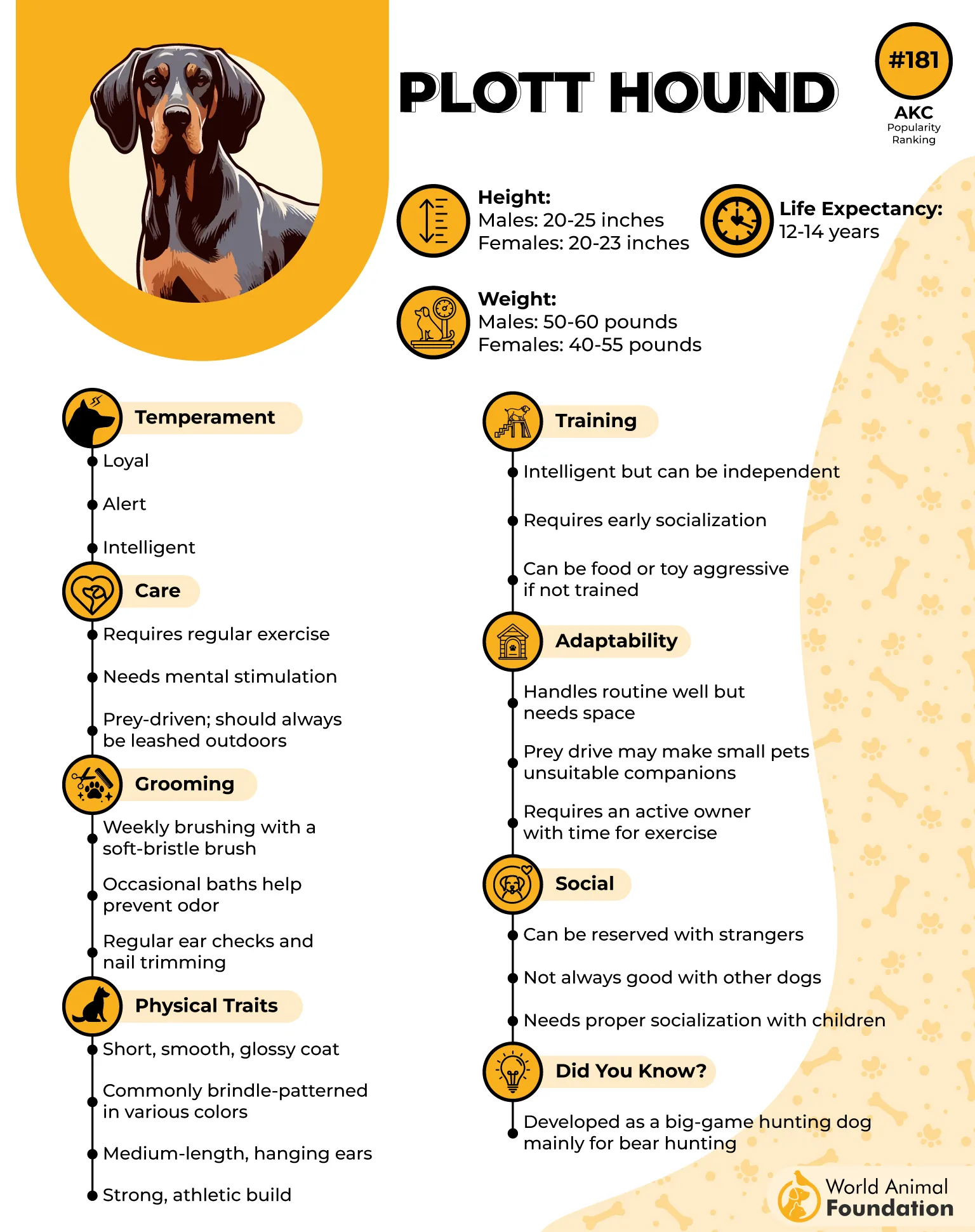
The Plott Hound has a distinctive American history and is the only coonhound breed whose ancestry does not trace primarily to foxhound stock. This tough breed was developed in North Carolina and became especially associated with hunting large game such as bear.
Its muscular body, endurance, courage, and determination reflect the demanding work for which it was developed. Plott Hounds can also be persistent scent trackers.
Match Their Strength With Purposeful Exercise
Plott Hounds need regular physical activity and mental challenges. Hiking, tracking, running, scent games, and advanced obedience can help satisfy their working instincts.
Training should focus on cooperation, recall, and impulse control. Because of their confidence and strength, consistent handling is important from an early age.
Courage and Determination in the Hunt
The Plott Hound’s hunting ability is closely connected to its courage and persistence. Its traditional work with large game required a dog capable of remaining focused under demanding circumstances.
That boldness can be impressive, but responsible owners must manage it carefully. Structured activities that involve scent and tracking can give the dog an appropriate outlet while reducing opportunities for uncontrolled pursuit.
7. Catahoula Leopard Dog
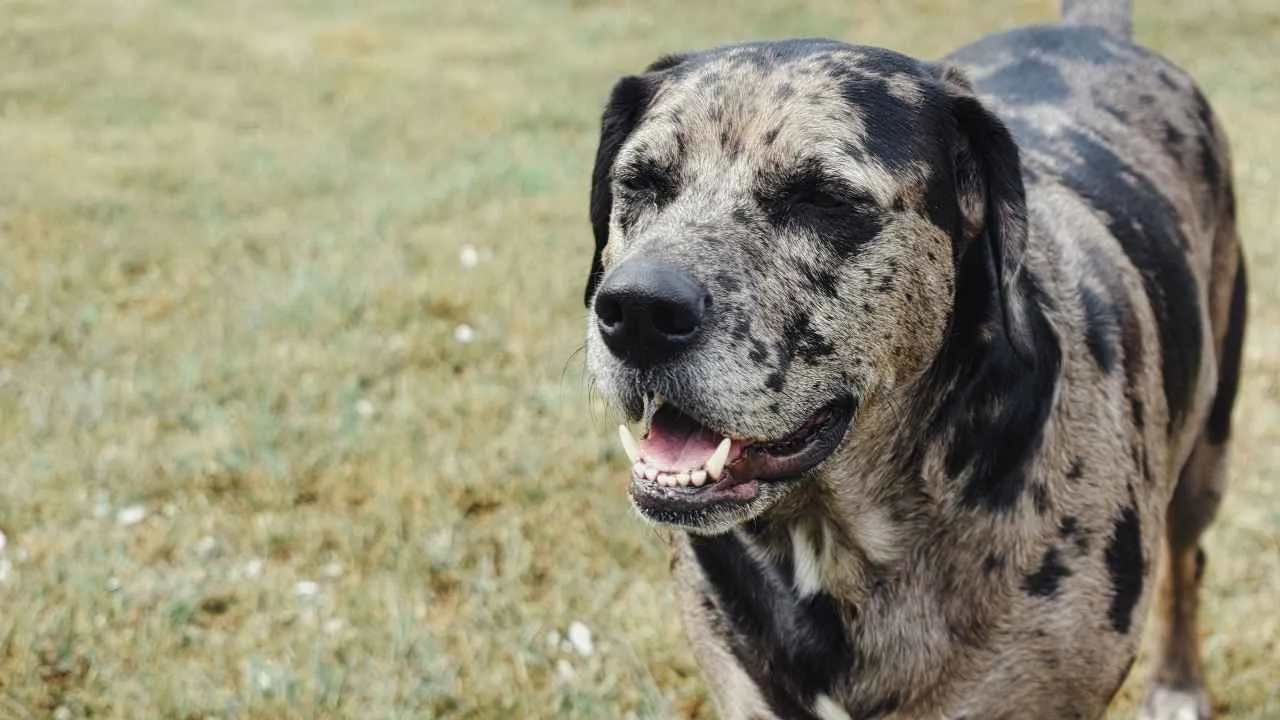
The Catahoula Leopard Dog originated in Louisiana and developed as a versatile working dog. It has been used for hunting, herding, and property work, giving it a reputation for adaptability and physical capability.
Its distinctive coat patterns are visually striking, but the breed’s working qualities are equally notable. Catahoulas tend to be energetic, intelligent, and determined when given a task.
Keep Their Active Minds and Bodies Engaged
Catahoula Leopard Dogs need substantial exercise and regular mental stimulation. Hiking, running, obedience training, scent games, agility, and other structured activities can help prevent boredom.
Training should be consistent and clear. Early socialization is particularly useful because confident working instincts need to be balanced with appropriate behavior around people and other animals.
A Determined Working Dog With Hunting Drive
Catahoulas can show strong interest in tracking and pursuing animals, reflecting their history as versatile rural working dogs. Their intelligence allows them to assess situations rather than simply reacting without thought.
Their combination of physical power and prey drive makes proper management essential. With suitable work and consistent training, they can direct their natural determination toward productive activities instead of uncontrolled hunting behavior.
Conclusion
Treeing Walker, Bluetick, American English, and Black and Tan Coonhounds demonstrate how powerful scenting ability can shape a hunting dog’s behavior. Mountain Curs, Plott Hounds, and Catahoula Leopard Dogs add versatility, courage, physical resilience, and independent working instincts to the group.
These breeds are not simply strong because of their physical builds. Their real working advantages come from endurance, sensory ability, determination, and generations of selective breeding for demanding hunting tasks.
For modern owners, those instincts require appropriate outlets. Regular exercise, scent-based activities, obedience training, socialization, and secure environments can help transform intense hunting tendencies into productive and manageable behavior.
