




Not every dog needs to be glued to your side all day. Some are happy to follow you from room to room, while others enjoy having their own space to nap, explore, or simply relax.
But what if you work full-time or have a busy daily routine? Does that mean having a dog is out of the question? Not at all!
Certain dogs may cope better with spending a few hours alone, especially when they have a comfortable space, enough exercise, and something to keep them occupied.
The trick is finding a dog whose personality fits your lifestyle. Versatile dogs that enjoy alone time can be a great fit for people who want a loving companion without constant demands for attention.
Ready to meet seven breeds that strike this balance? Let’s look at the dogs that can enjoy their own company while still making room for plenty of love and connection.
Versatile Dog Breeds That Enjoy Alone Time
1. Chow Chow
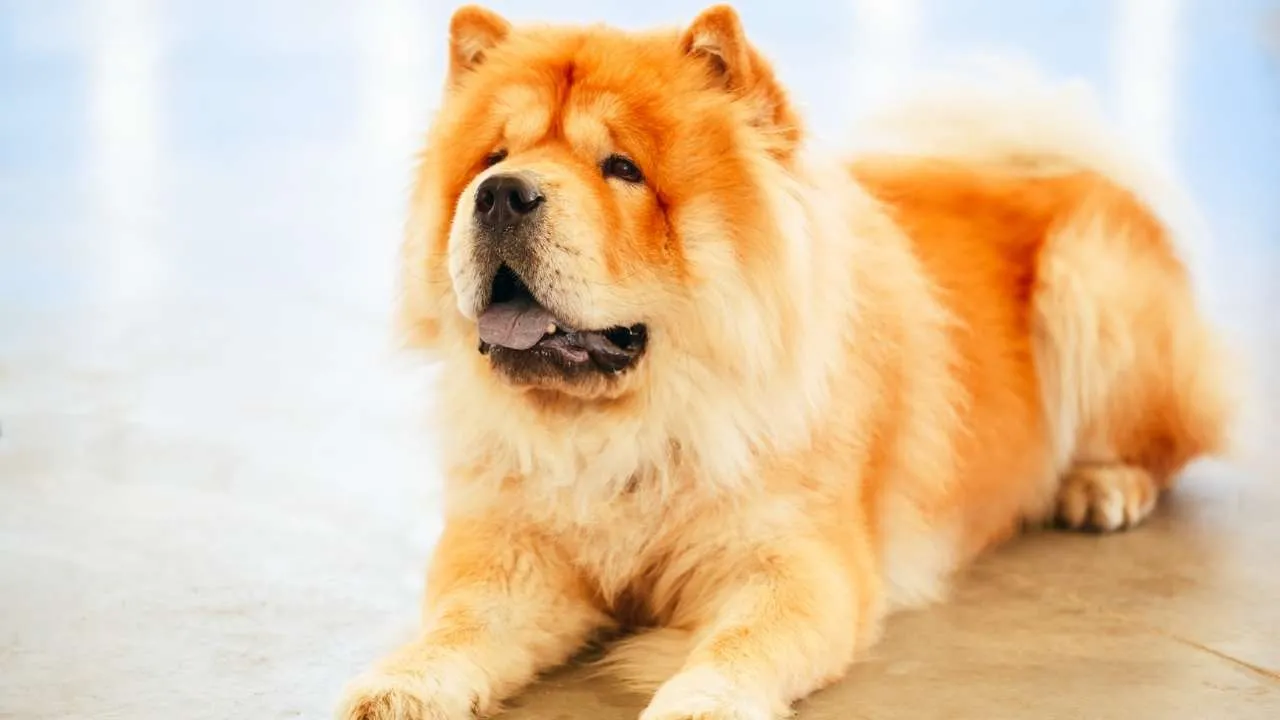
Chow Chows are ancient dogs from China, with roots dating back to the Han Dynasty (206 BCE to 220 CE), according to PetMD. Over the years, they have served as guard dogs, hunters, cart-pullers, and companions.
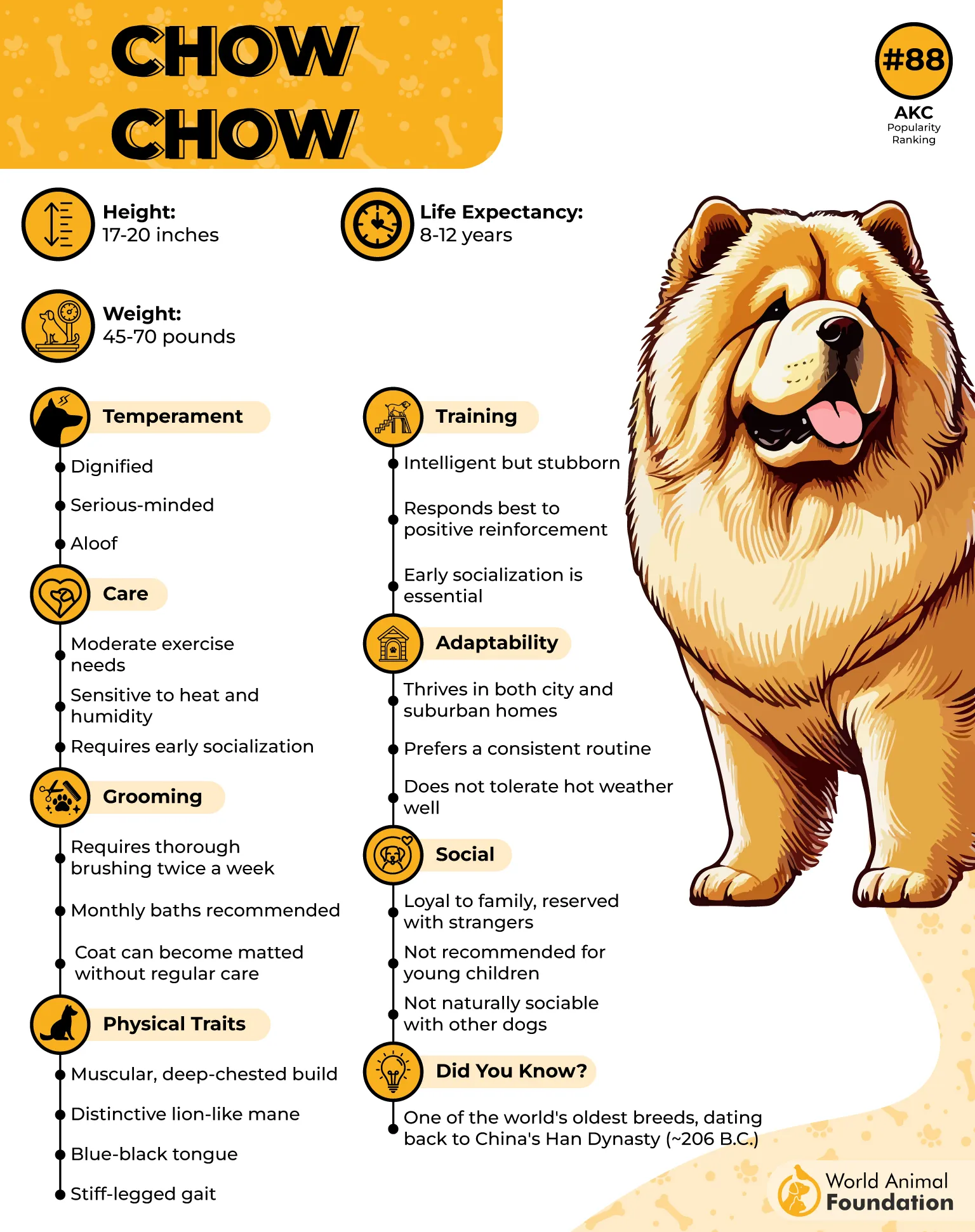
Known for their dignified nature, these dogs have a thick mane-like coat, deep-set eyes, and a distinctive blue-black tongue.
Personalities and Alone Time
Chow Chows are independent and reserved. They are deeply loyal to their families but often show affection on their own terms. They may form a particularly strong bond with one person and usually prefer having their personal space respected.
Their clean habits, low doggy odor, and ease of house-training are other appealing traits. They are also adaptable and can settle into city life without needing extensive exercise.
Care and Socialization
Socialization: Chow Chows can be wary of strangers and other pets. Early socialization and training help them become more comfortable around new people.
Grooming: Their thick double coats shed throughout the year, with heavier shedding in spring and fall. Regular brushing helps prevent mats and manage loose fur.
Family life: Although Chow Chows are not typically cuddly, they remain devoted to their loved ones.
2. Shiba Inu
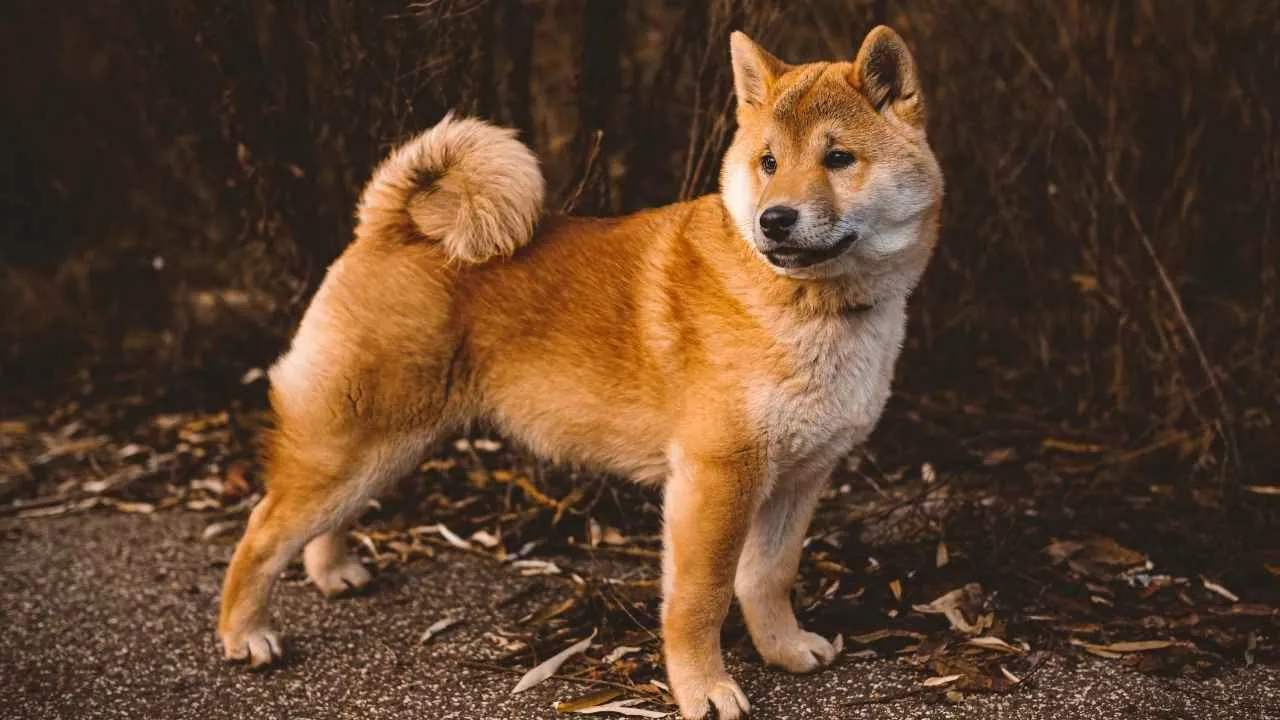
Shiba Inus are an ancient Japanese breed originally developed to hunt birds and small game, and sometimes wild boar.
Today, they are popular companion dogs in Japan and are gaining fans elsewhere. Their fox-like faces, upright ears, curled tails, and red, sesame, or black-and-tan coats make them easy to recognize.
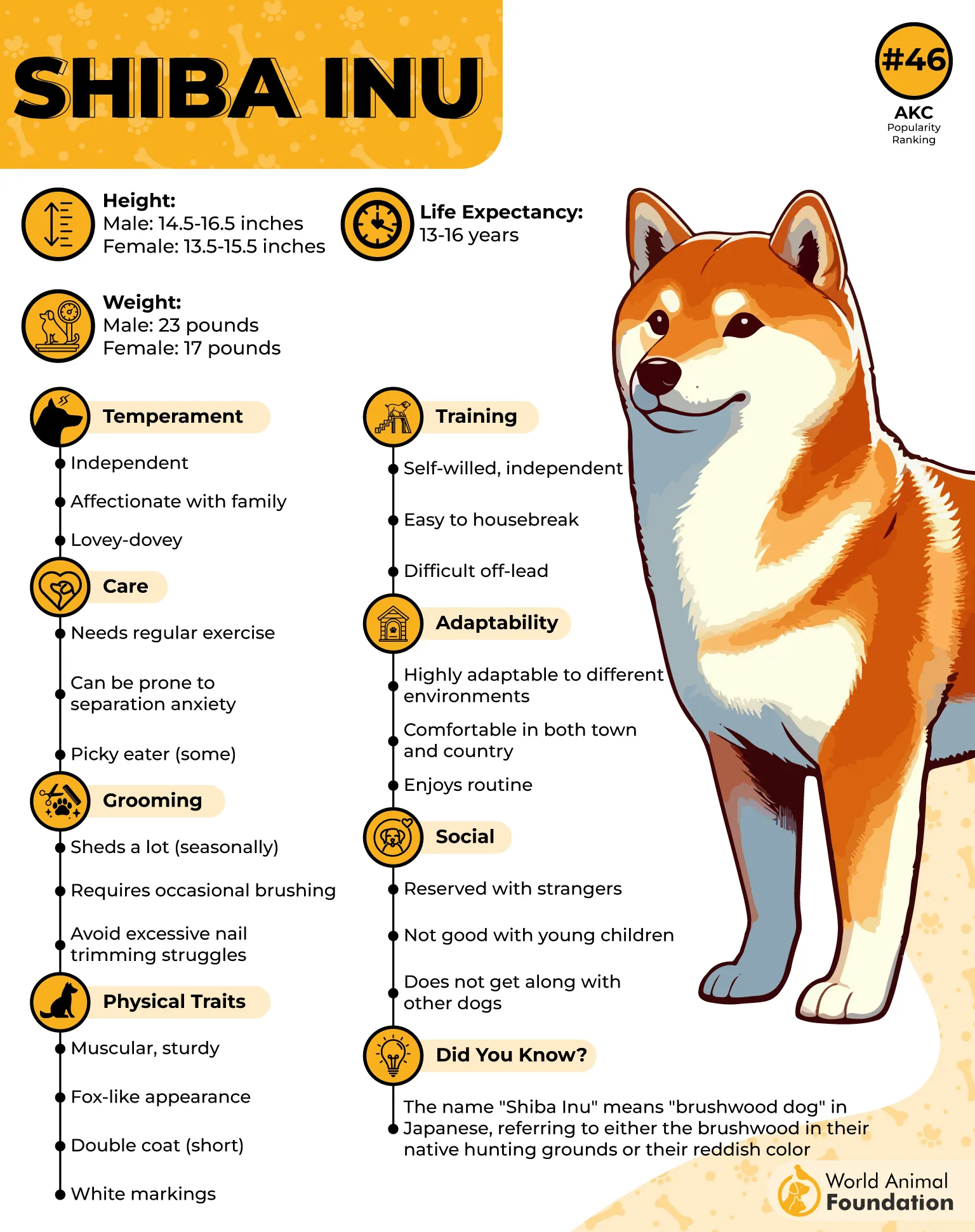
Personalities and Alone Time
Shiba Inus are confident, intelligent, and independent. They can be loyal and affectionate with their families but may act aloof around strangers. Their cat-like nature means they often enjoy doing things on their own terms.
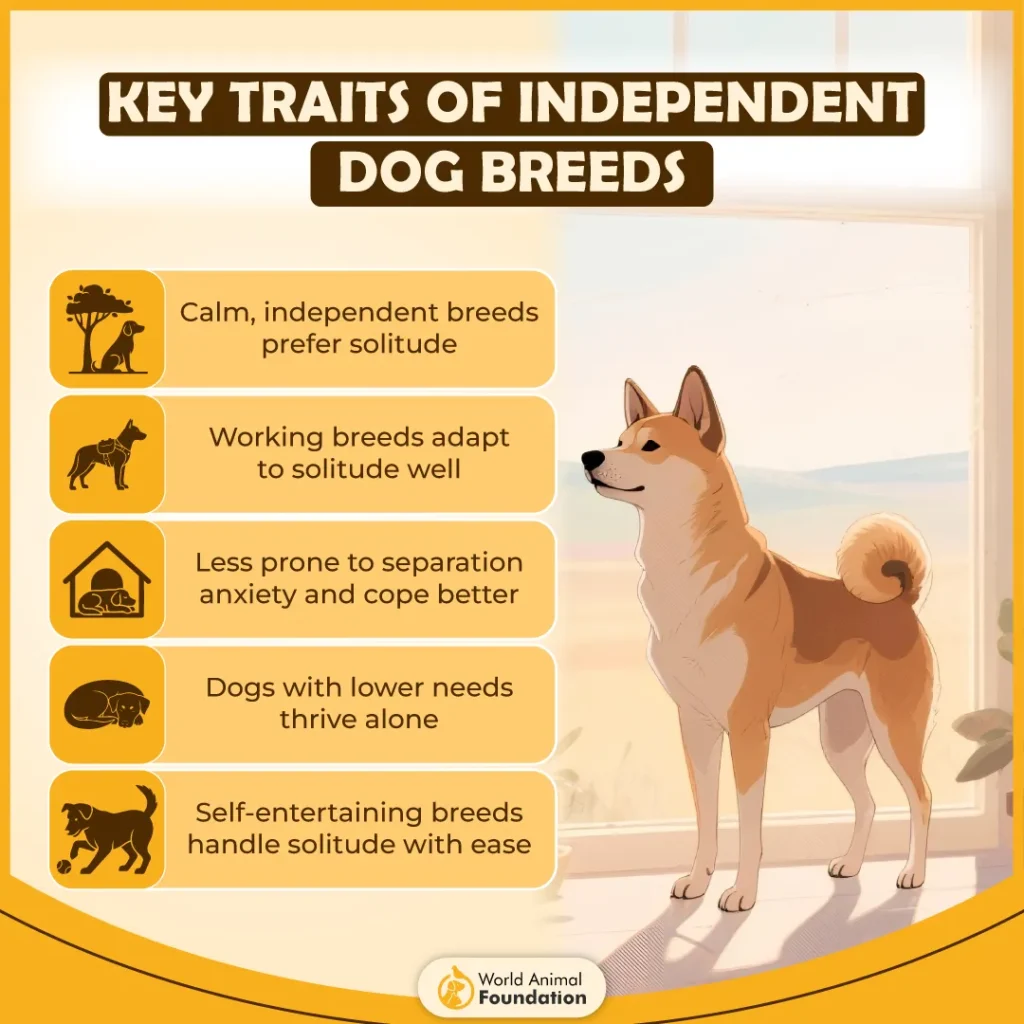
However, independence does not mean they can be left without proper care. These energetic dogs need plenty of exercise and mental stimulation to prevent boredom and anxiety.
Training and Daily Care
Training and socialization: Shiba Inus can be stubborn, so early training with positive reinforcement is important.
Grooming: Their thick double coats shed regularly and need routine grooming to stay healthy.
Family life: Shiba Inus can make loyal family companions when properly trained and socialized. They may do best as the only pet in the household, and children should learn to treat them gently.
3. Basenji
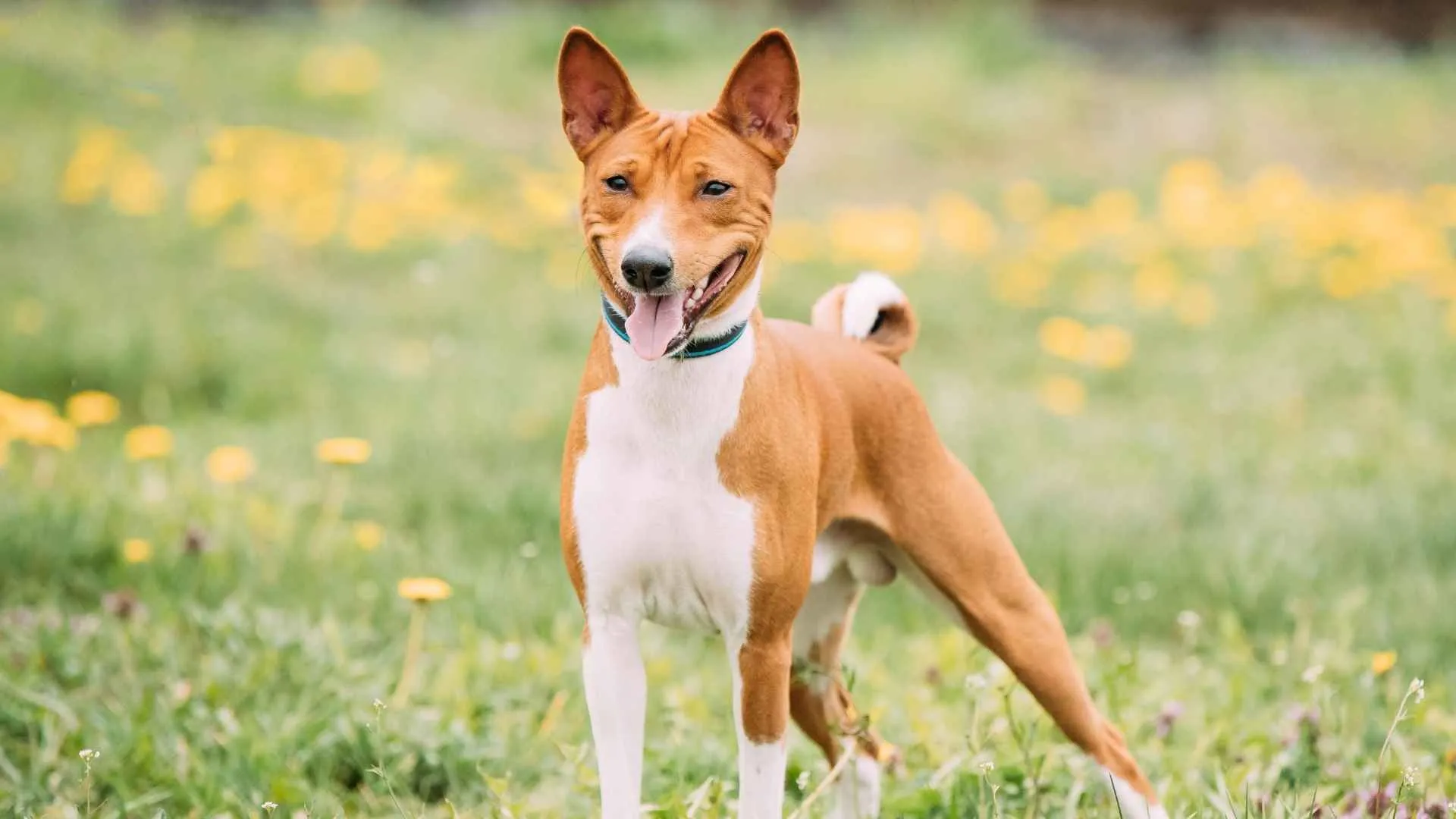
Basenjis are ancient hunting dogs from Africa, with depictions of similar dogs found in Libyan cave paintings dating back thousands of years. They are graceful, agile, and easy to recognize by their short coats, tightly curled tails, and wrinkled foreheads.
Often called Africa’s “barkless dogs,” they rarely bark but can make unusual sounds known as yodels or chortles when excited.
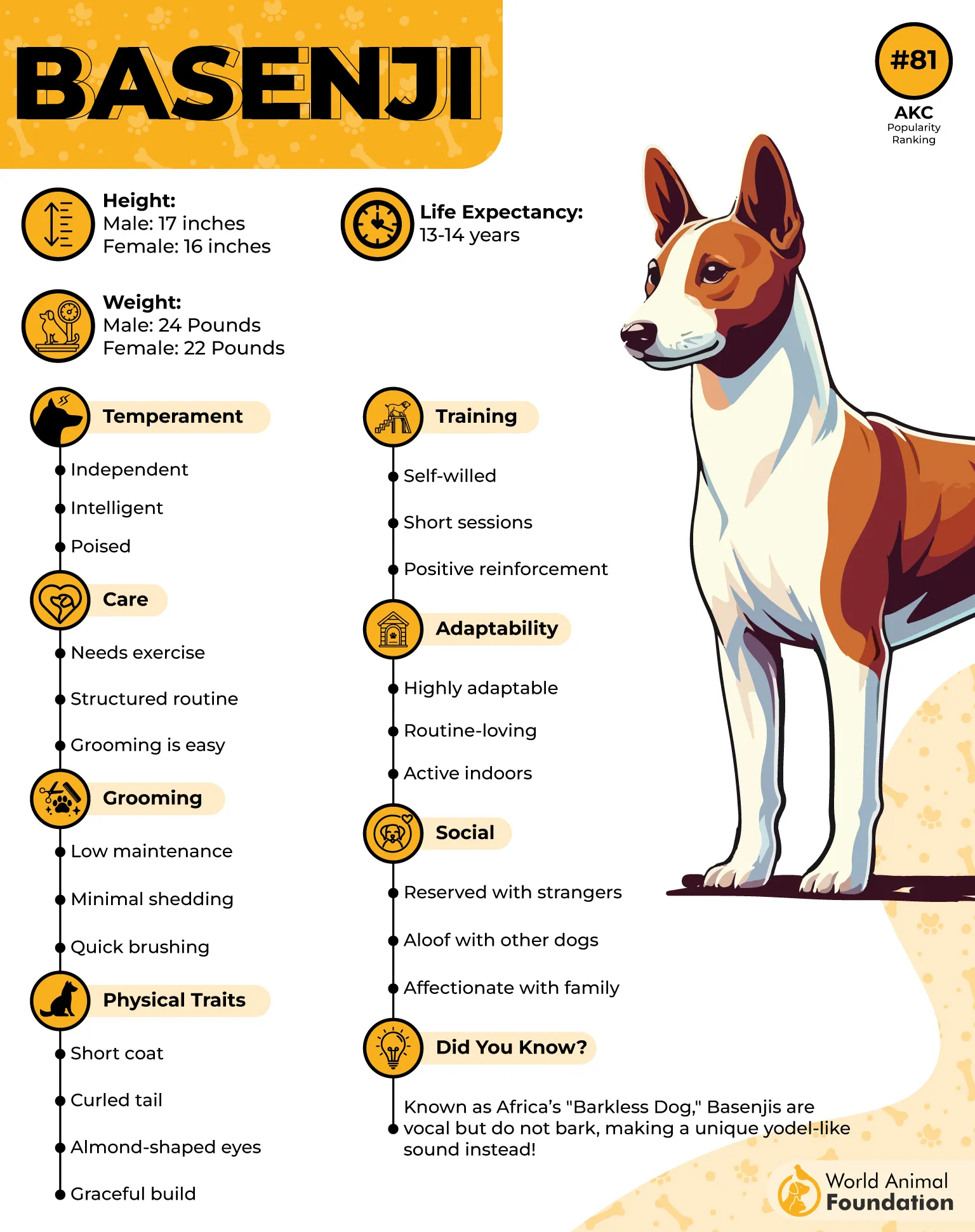
Personalities and Alone Time
Basenjis are intelligent, alert, and independent. These dogs are also known for their stubborn streak and high energy levels. They need daily exercise, playtime, and mental challenges to stay occupied.
Their climbing skills and strong hunting instincts mean they can escape gardens or chase small animals, so secure outdoor spaces and close supervision are important.
Training and Daily Care
Training and exercise: Basenjis can be challenging to train, so patience and consistency are essential. They respond well to treat-based rewards.
Grooming: Their short coats need only occasional brushing. They also keep themselves clean by grooming like cats, although many dislike going outside in rainy weather.
Family life: Basenjis can be devoted companions, but they may be wary of strangers and cautious around other pets.
4. Boston Terrier
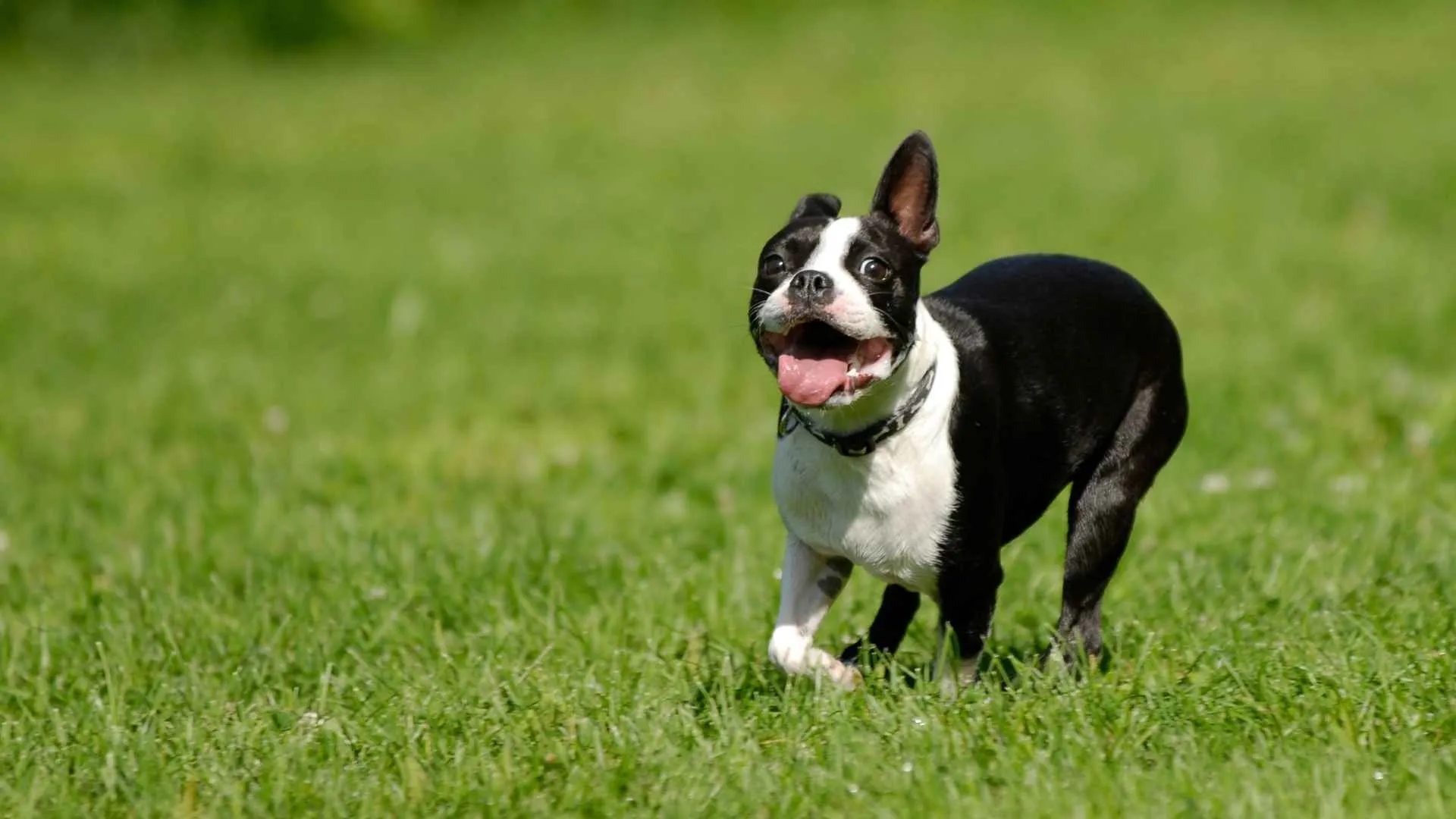
Boston Terriers originated in Boston, Massachusetts, and are often called the “American Gentleman” because of their neat, tuxedo-like coats and good manners.
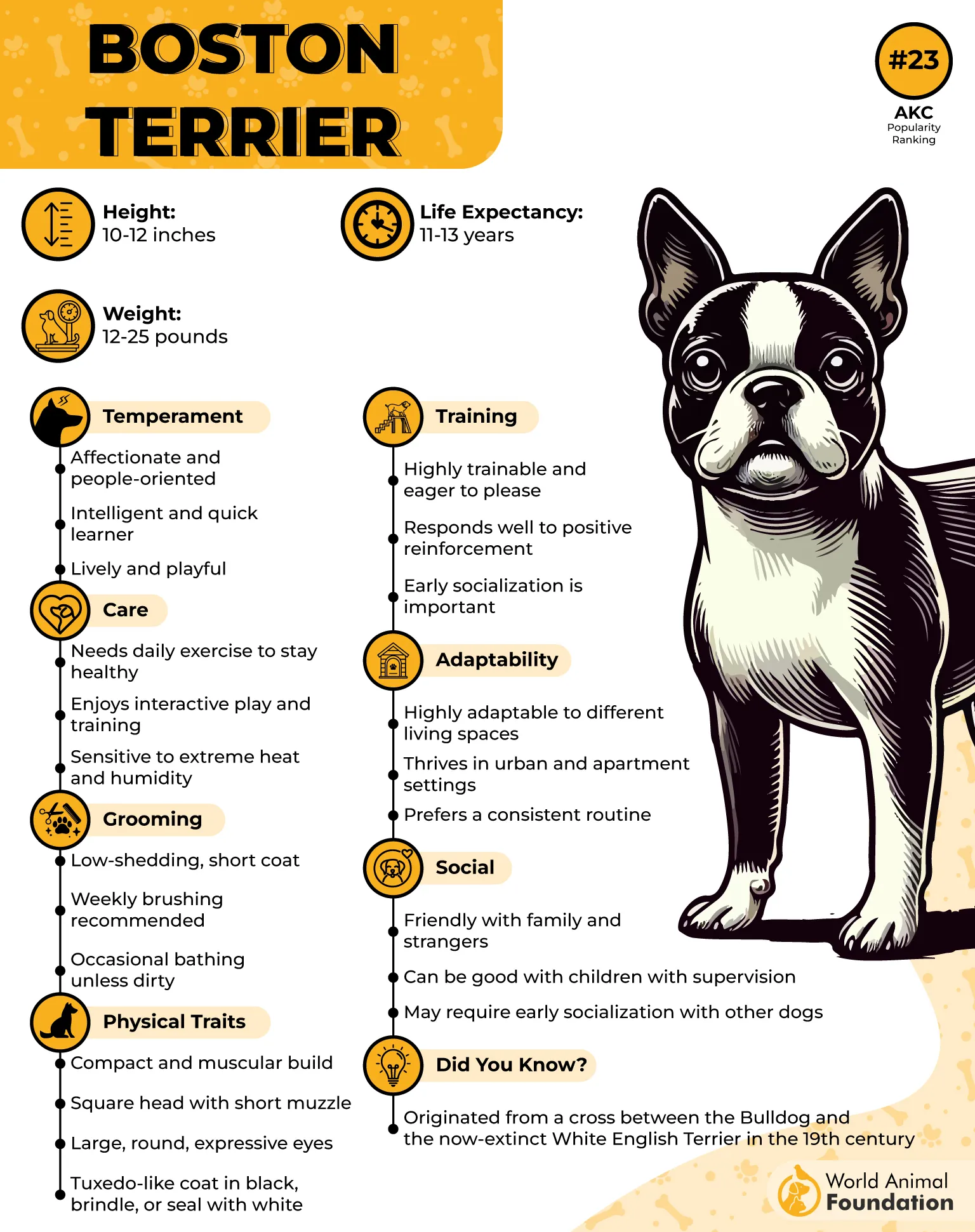
Their coats are usually black and white, brindle, or seal, and their large, round eyes give them an alert, friendly expression.
Personalities and Alone Time
Boston Terriers are affectionate, people-oriented dogs who love being part of family activities. They enjoy playtime but can also relax in a comfortable lap after a busy day.
Their cheerful personalities make them wonderful family pets, but they need regular interaction and attention. Britannica says they can also be stubborn at times, although their intelligence makes learning easier with treats and games.
Exercise, Training, and Care
Exercise: Boston Terriers need regular, moderate exercise, such as brisk walks and play sessions. Because their short muzzles can cause breathing difficulties, avoid strenuous activity and exercise during hot weather.
Training and socialization: These quick learners respond well to treats and games. Early socialization helps them get along with other pets.
Family life: Boston Terriers can be affectionate companions for people of different ages. They often get along well with children and cats, but children should play gently with them, and interactions should be supervised.
5. Whippet
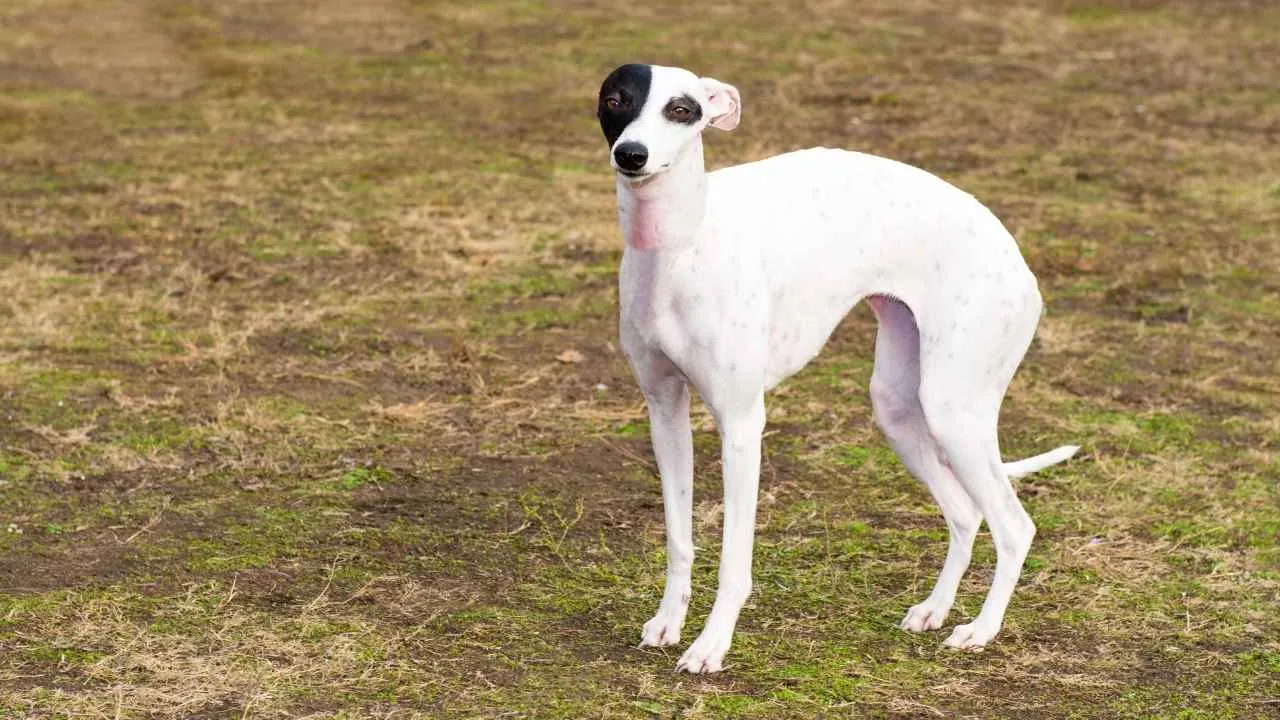
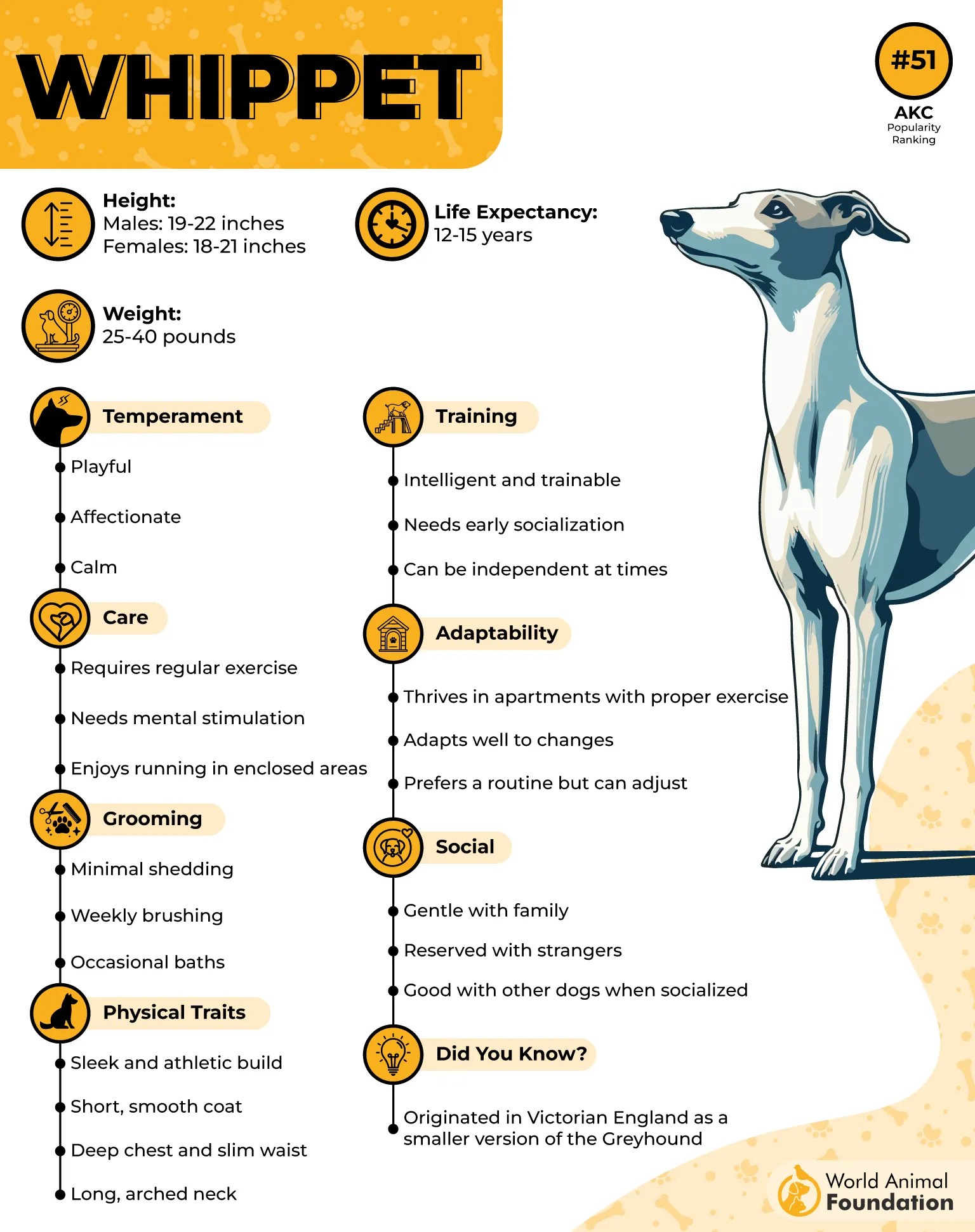
Whippets are sleek, graceful dogs often called the “Poor Man’s Racehorse” because of their incredible speed. They resemble smaller Greyhounds, with lean bodies, deep chests, and long legs built for running.
Originally bred for hunting, these dogs still love chasing moving objects and enjoy games that let them use their natural speed.
Personalities and Alone Time
Whippets are affectionate, patient, and sensitive dogs that enjoy spending time with their families. They rarely bark and are usually calm indoors after getting enough exercise.
They need companionship and can develop separation anxiety when left without support. After a good run or play session, they are often happy to stretch out on the couch or settle into their favorite bed.
Exercise and Daily Care
Exercise: Whippets love running, chasing games, and activities that challenge their minds. A securely fenced yard gives them room to run, while leash walks help prevent them from chasing small animals.
Training: These intelligent dogs are eager to learn but can be sensitive. Patient, understanding training helps them feel secure and build good habits.
Alone time: A dog walker or pet sitter can provide company and help meet their needs when their families are out.
6. Basset Hound
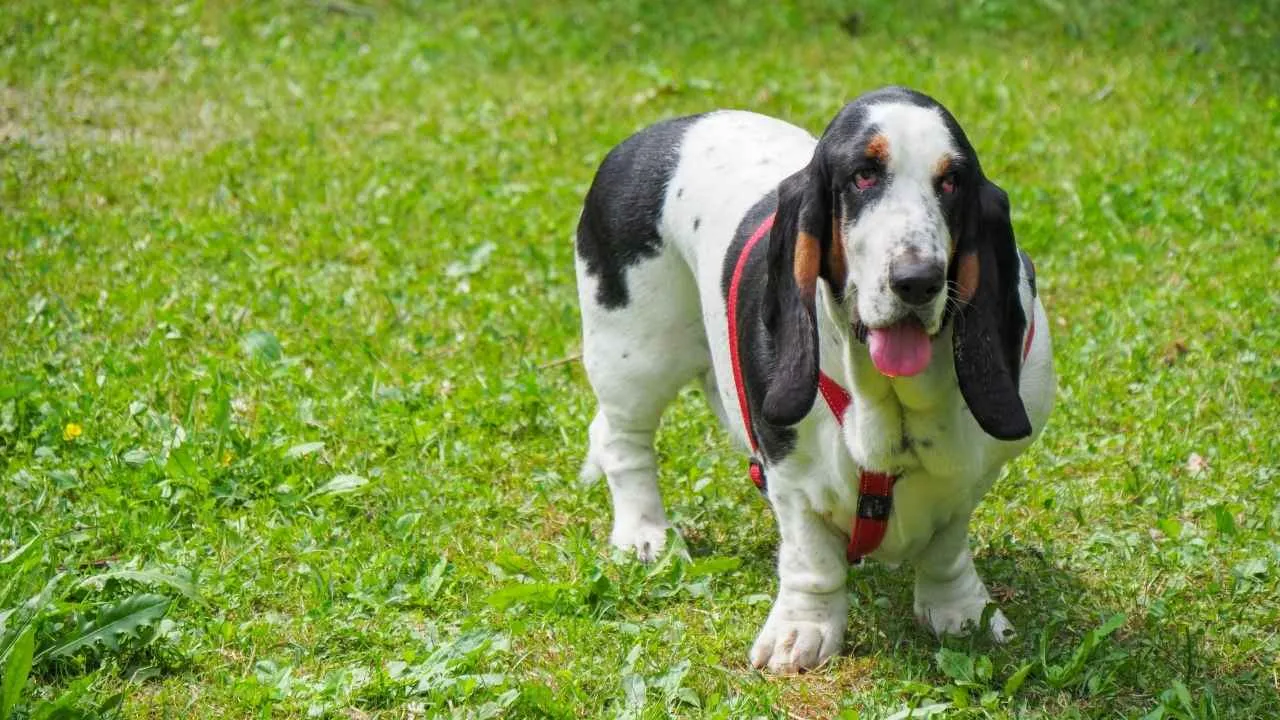
Originally bred in France to hunt rabbits and hares, Basset Hounds are known for their short legs, long, velvety ears, droopy eyes, and wrinkled faces. Their sturdy bodies and powerful noses make them excellent scent hounds.
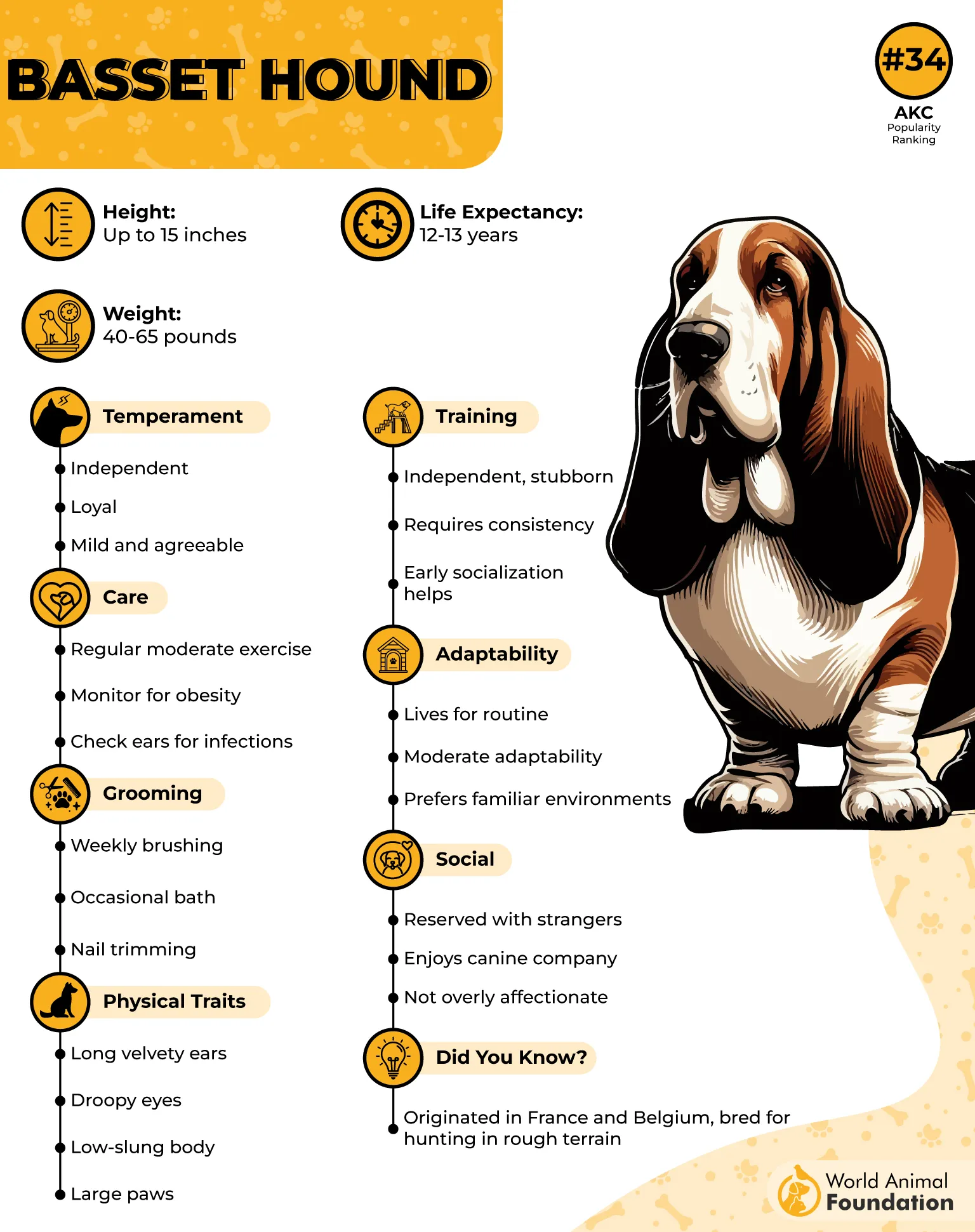
Personalities and Alone Time
Basset Hounds are gentle, loyal, and quietly playful. They are affectionate with familiar people and may be reserved around strangers.
Purina says they usually get along well with children and other dogs, and they can learn to live with other household pets through training. Although they have a relaxed nature, they still benefit from daily activity to stay healthy.
Training and Daily Care
Exercise: Basset Hounds have relatively low energy levels, but daily walks help keep them active. Their strong noses can lead them to follow interesting scents, so keep them secure outdoors.
Training: These dogs can be stubborn, so start training early and stay consistent. Treats can help motivate them to learn and follow instructions.
Grooming: Their short, smooth coats are easy to maintain, but regular brushing helps manage shedding. Their droopy faces and tendency to drool are also worth keeping in mind.
7. Greyhound
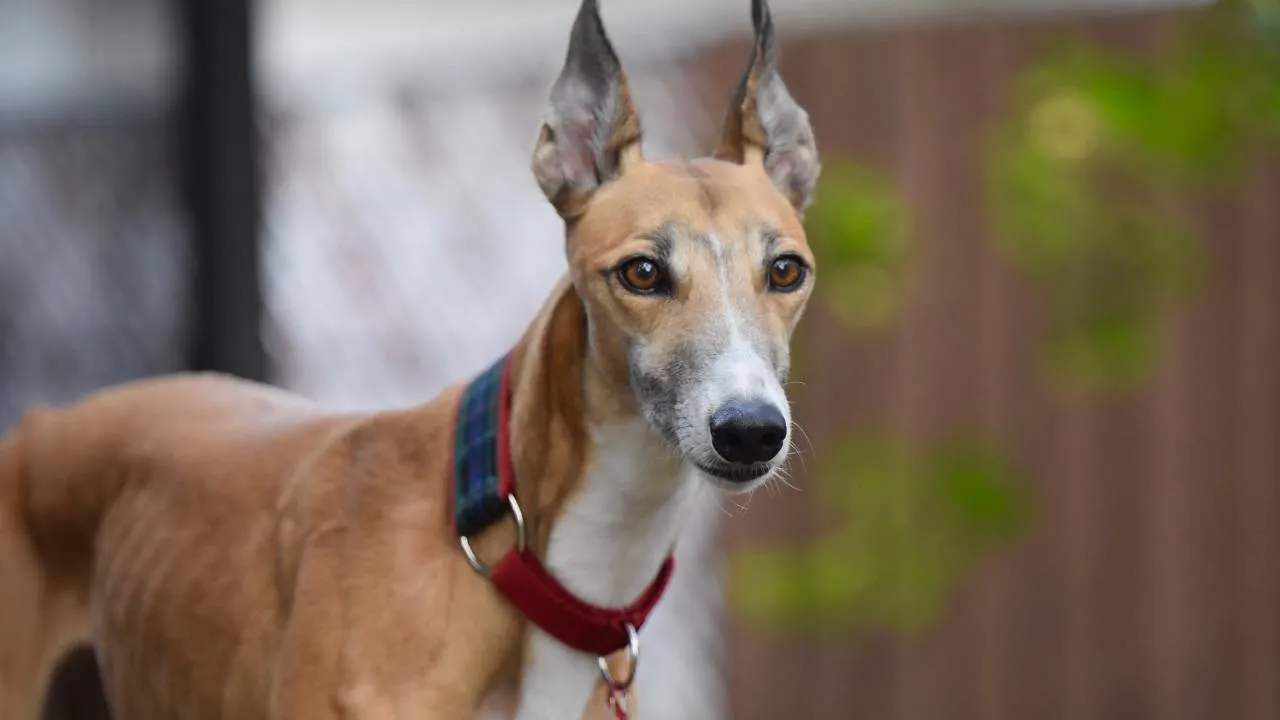
Greyhounds are graceful sighthounds known for their incredible speed and elegant appearance. Their lean bodies, deep chests, narrow skulls, and tucked waists are built for high-speed pursuit.
These dogs have fascinated artists, poets, and kings for thousands of years. Despite their athletic build, Greyhounds are gentle, friendly companions that can make loving family pets.
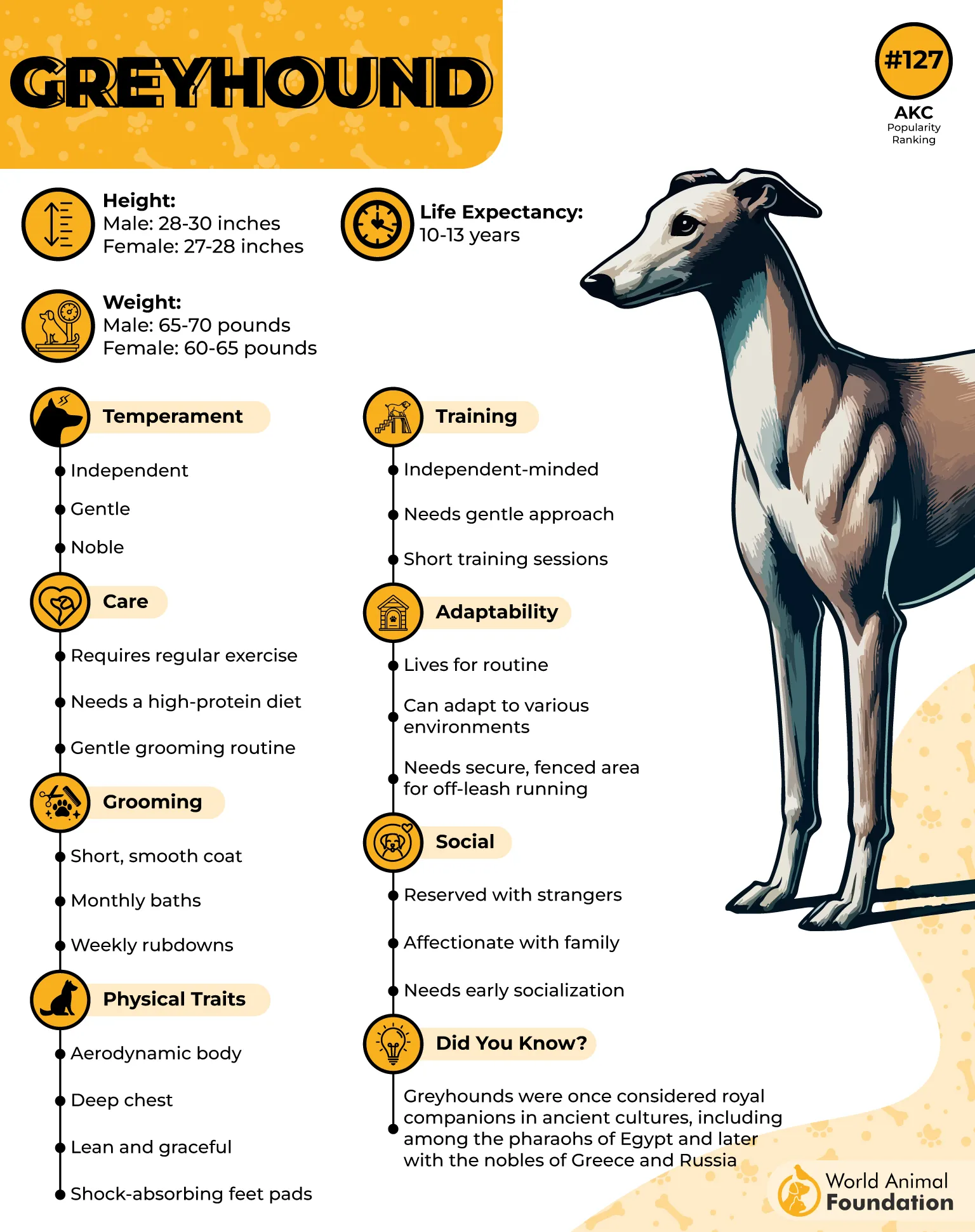
Personalities and Alone Time
Greyhounds have an independent streak and may sometimes seem aloof, especially around strangers. However, they are affectionate with their families and enjoy cuddles after exercise.
They often remain calm and relaxed indoors once they have had a chance to run. Their independent nature does not mean they should be left without attention, as they still need companionship and care.
Exercise and Daily Care
Exercise: Greyhounds love running and need opportunities to release their bursts of energy at their own pace.
Family life: They are usually gentle and social, and often get along with other dogs in the household.
Other pets: Their natural hunting instincts remain strong, so cat owners should exercise extreme caution.
Conclusion
Choosing a dog that enjoys some independence can make life easier for people with busy routines. Every dog is different, so consider each breed’s needs, energy levels, and temperament before making a decision.
Before bringing a dog home, think about how much time you can realistically spend with them each day. Even independent dogs need exercise, attention, and affection.
With the right match and a comfortable routine, you can enjoy a loving bond while giving your dog space to relax and enjoy their own company.
