




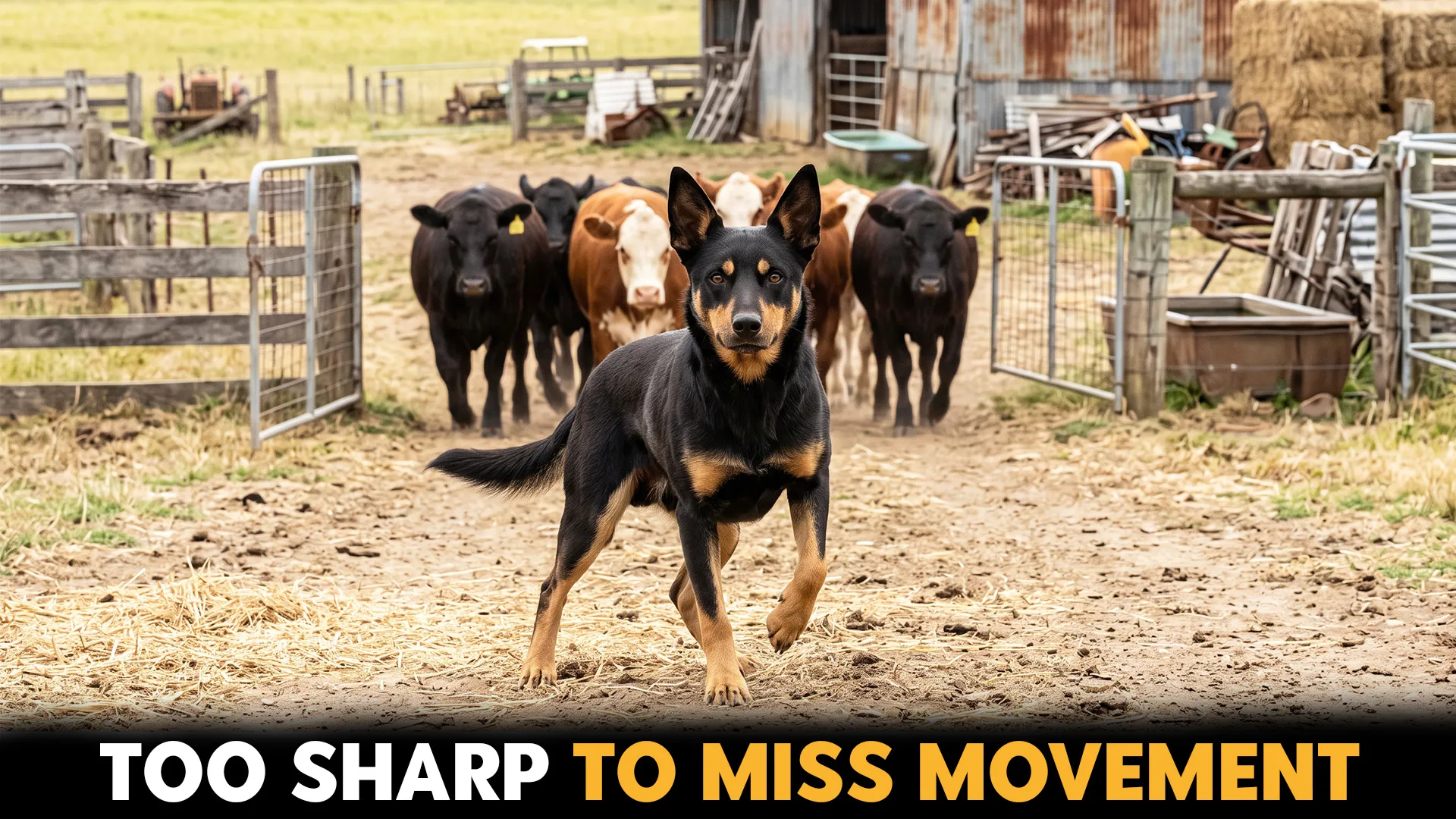
Successful livestock management requires patience, timing, and an understanding of animal behavior. Sheep may become stressed when moving from one pasture to another, and that is where a good herding dog can come in handy.
These dogs are instinctive, fast and focused. They can affect the movement of livestock. Other herding breeds are very close to their handlers and respond to advanced cues.
Many dog breeds are more independent and make quick decisions when dealing with difficult cattle or when covering extensive areas. They have strong herding instincts needed for herding cattle, herding sheep and herding livestock.
The most suitable option will depend on the animals you are housing, the size of your land, the nature of the land, and what kind of work you’re looking to get done. The following list of seven breeds will help you understand them better when it comes to their use in herding.
Top Herding Dog Breeds for Livestock Management
1. Border Collie
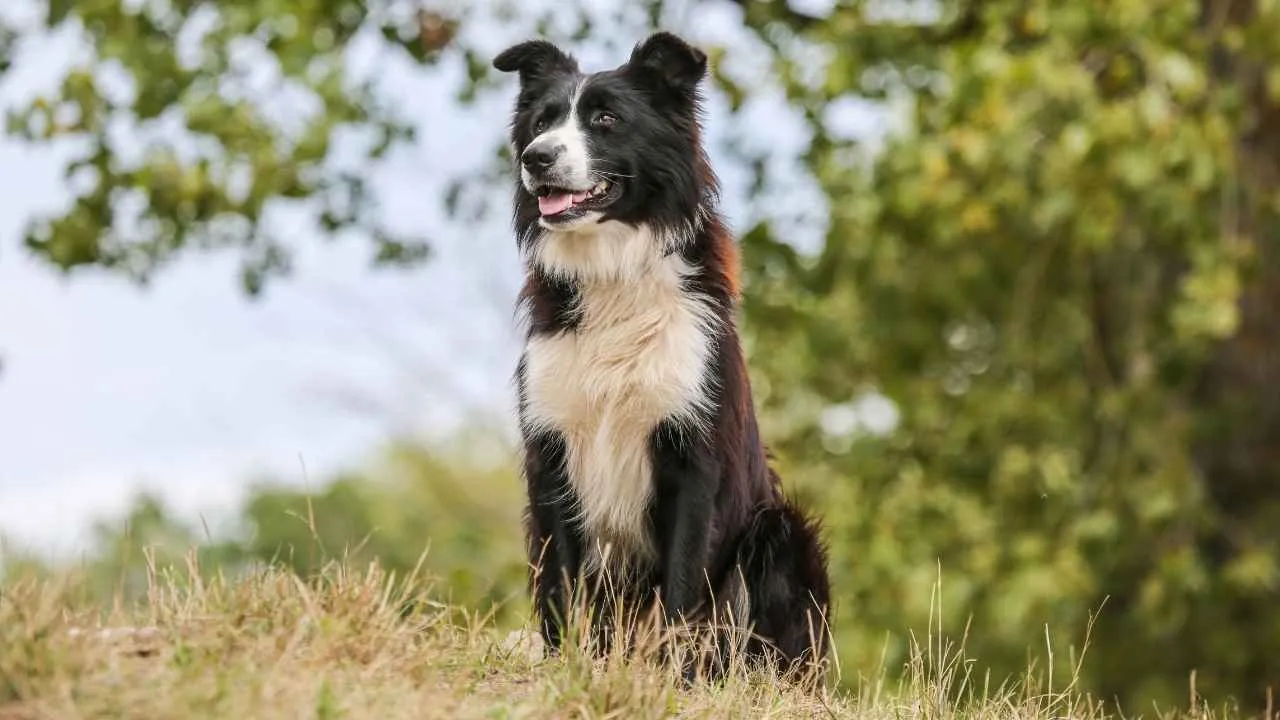
A Border Collie is known for its ability to direct livestock with its movement and with an intense stare, also known as the “eye”. It doesn’t use size for guidance; it uses positioning, speed, and pressure to move sheep toward the handler’s direction instead.
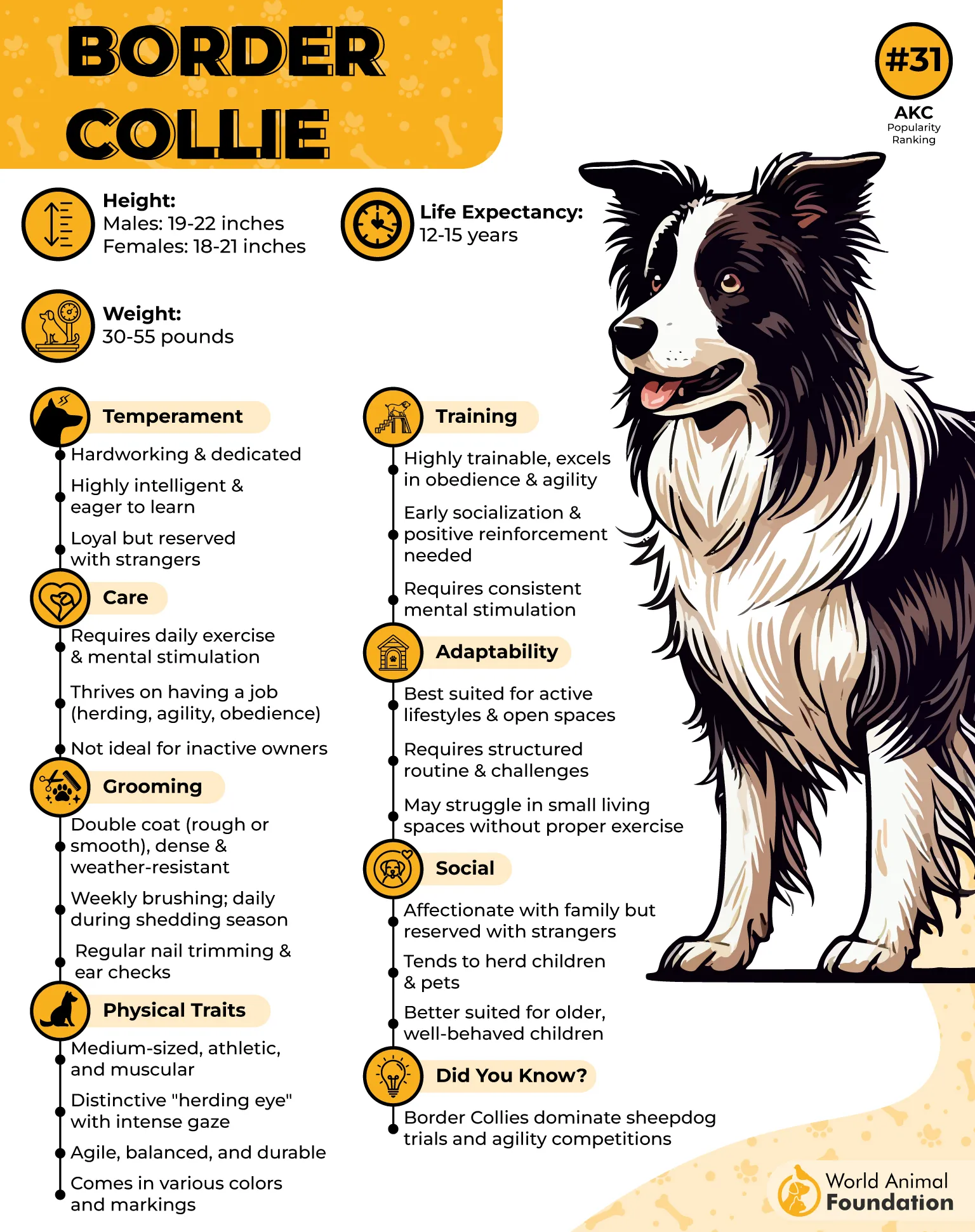
This breed is especially appreciated for driving a flock of sheep from a distance and toward the handler. It can turn quickly, can follow whistle commands, and can operate over long distances. These skills are beneficial on farms where livestock require frequent movement.

While very intelligent, Border Collies require proper development of their skills. Puppies should be taught to approach and back up from animals as well as to respond when called to specific actions. Intelligence is not the only criterion for a good working dog.
They require physical exercise, mental stimulation, and regular grooming as well. Border Collies without jobs can become destructive and difficult to handle according to the American Kennel Club.
2. Australian Shepherd
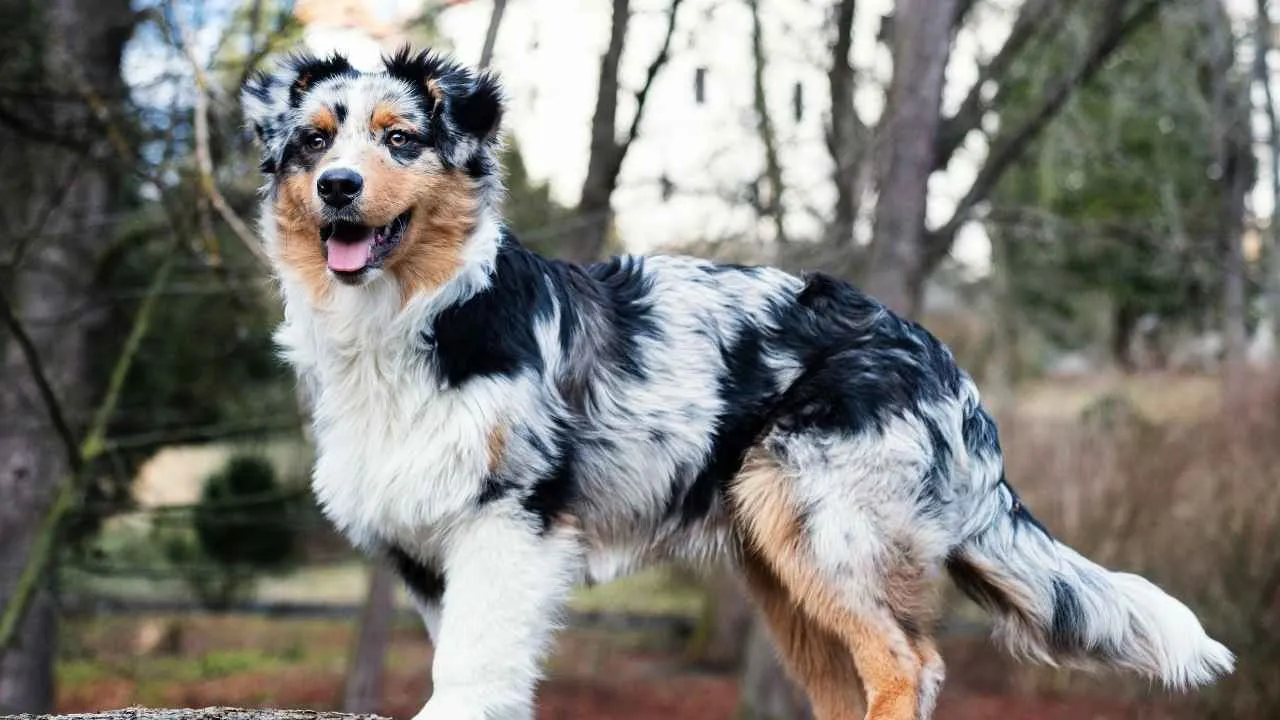
Australian Shepherds, also known as the Aussies, are versatile ranch dogs with a lot of energy and work ethic. Their name does not imply their origin; the breed was developed in the USA and was closely tied to ranching and livestock work.
Australian Shepherds can push sheep and cattle, follow a handler’s instructions, and react to changes in the movement of a herd. They are also agile and can move around on difficult terrain, and they are alert and not prone to distraction.
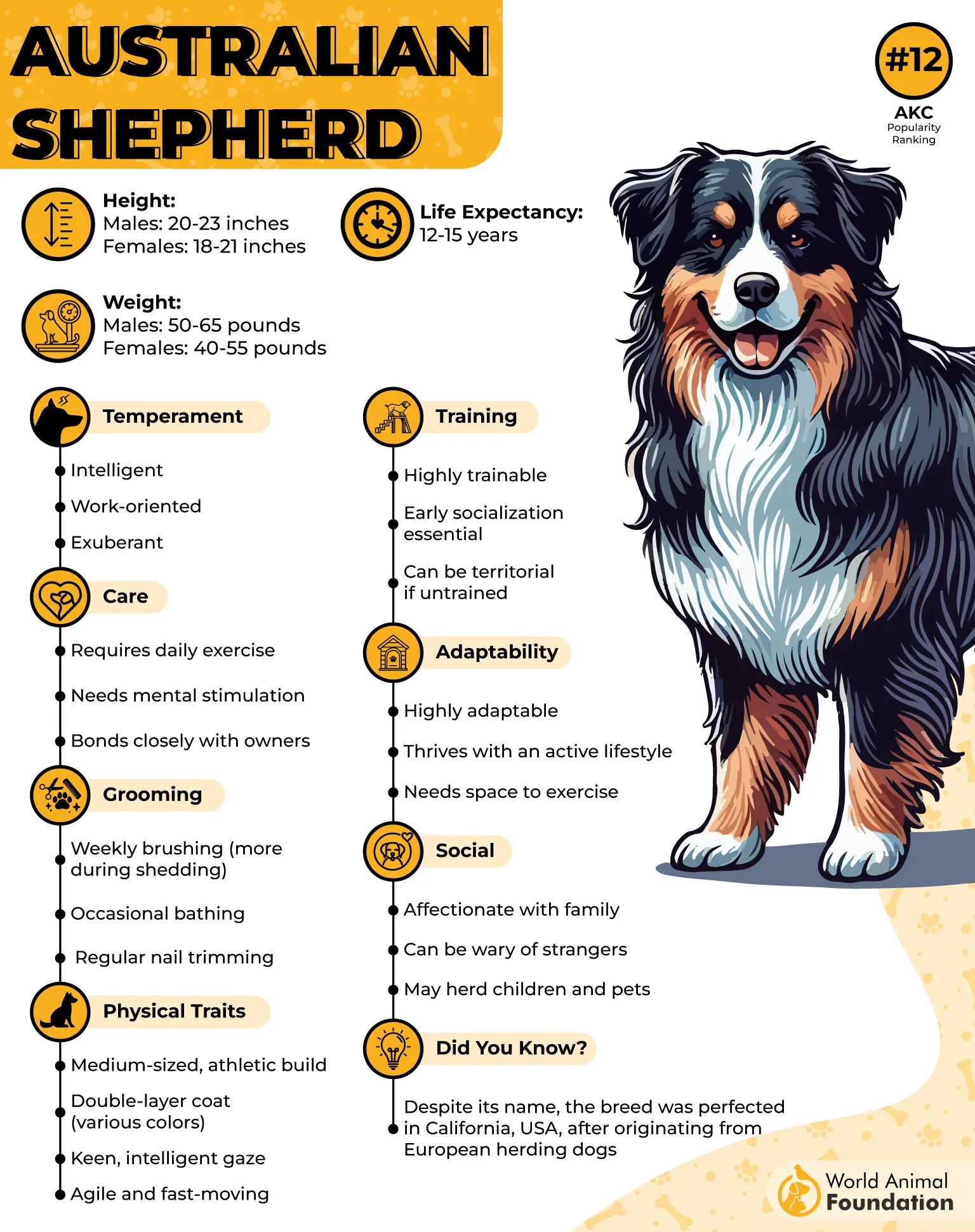
Aussies can prove to be very handy on a working farm where the dog will have to alternate tasks. Training enables them to recognize when to perform different tasks and to recognize that they need to look for their handlers’ cue for further instructions.
They have a thick double coat and require regular brushing, especially during shedding season. Daily exercise is important. If they are not given enough activity, they could be hard to handle, according to Purina.
3. Australian Cattle Dog
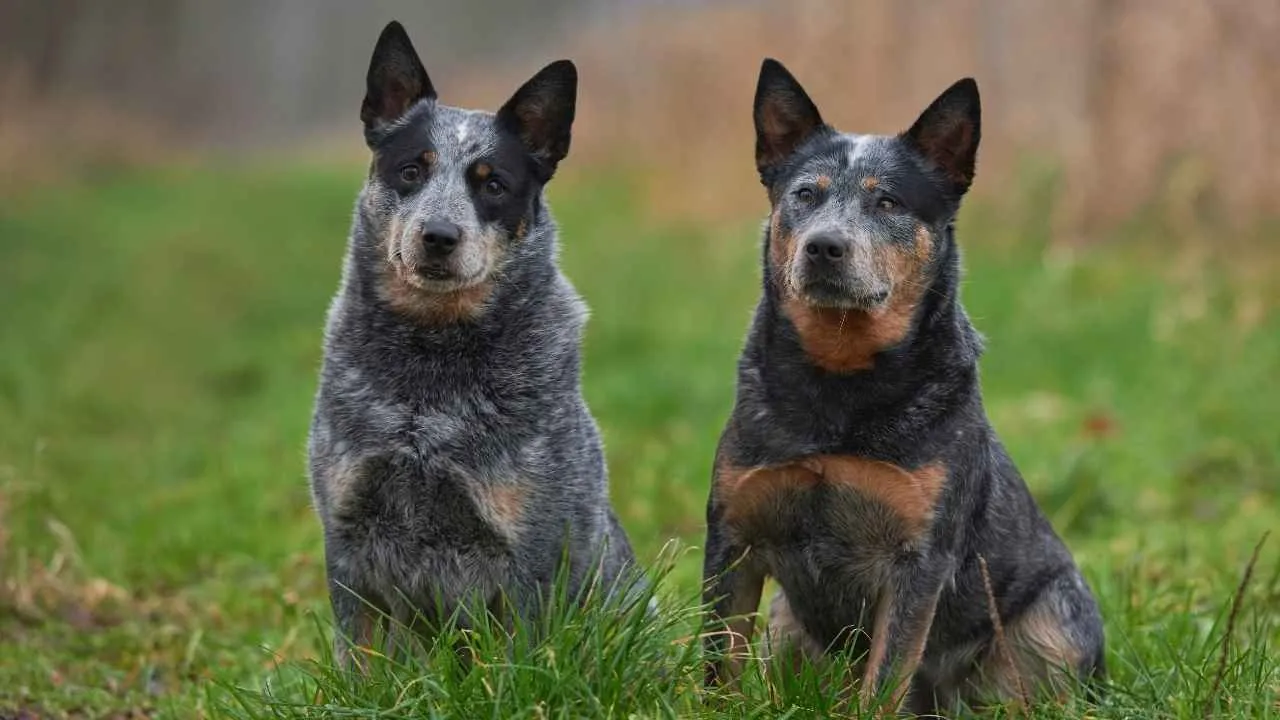
Known as being tough, alert, and having stamina, the Australian Cattle Dog was bred for cattle work. Cattle are more difficult to handle than sheep, and these dogs are perfect for the job.
They are also known as Blue Heelers and are known for their speedy movement and controlled heel nipping to move cattle. They have a low centre of gravity and an agile body, allowing them to take sharp turns and protect themselves from kicks while working close to large animals.
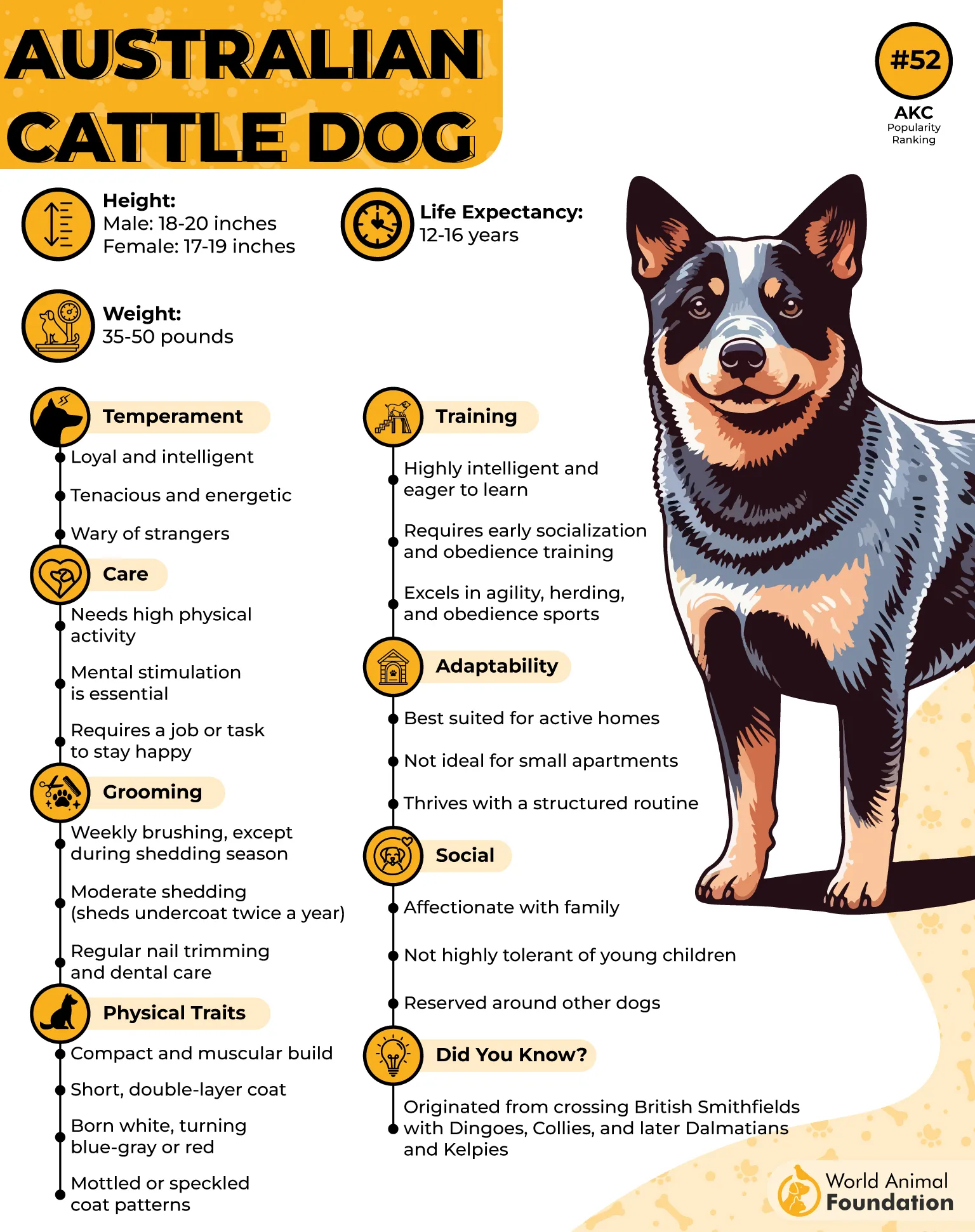
Australian Cattle Dogs do well on active farms where animals need to be moved around in the pasture or to work areas. Their endurance allows them to work for long periods, according to Dog Breed Info.
These dogs are independent and require structure and an experienced handler who knows how to lead them on pastures and farms.
4. Australian Kelpie
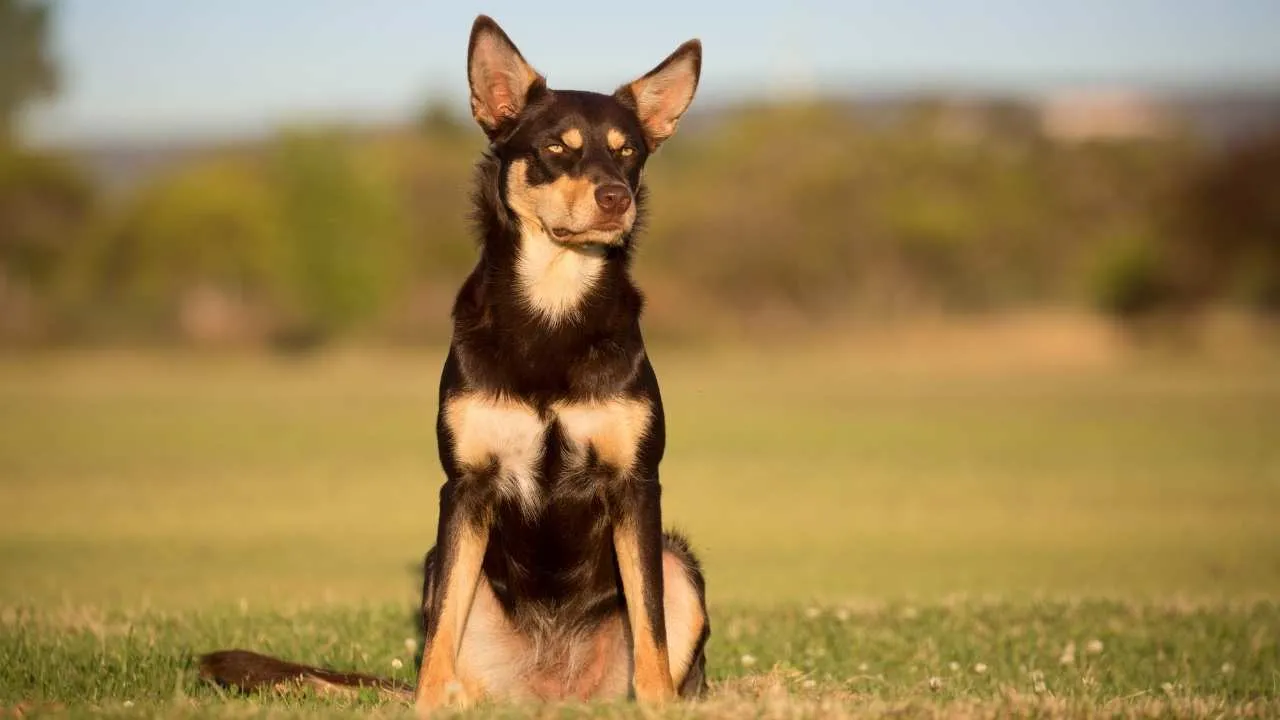
The Australian Kelpie has been designed for hard work on large areas. It was bred in Australia to control sheep and other types of livestock and is said to be hardy, agile and responsive when properly trained.
Kelpies can move large numbers across paddocks, are easily responsive to a handler and can move livestock to a specific area. They are light and agile, which enables them to change direction quickly. Their speed and stamina can be useful on farms.
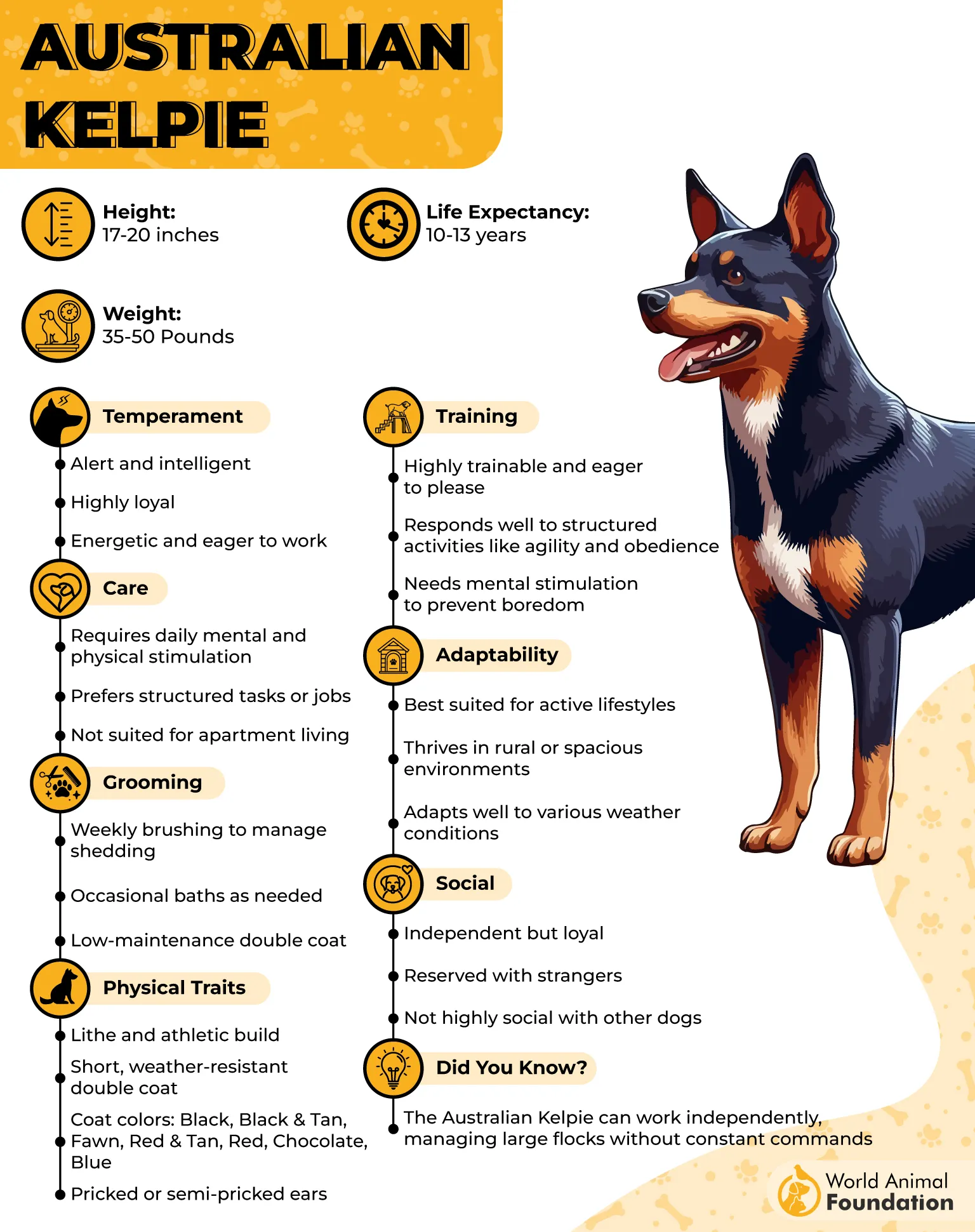
A well-trained Kelpie can work off-leash, but is still responsive to voice commands. Training and experience are essential to developing its ability. Young Kelpies need to be given time to work out how to approach livestock without disturbing the group and causing unnecessary stress.
It’s a dog breed that is the right fit for a seasoned handler who is looking for a hard-working dog.
5. Old English Sheepdog
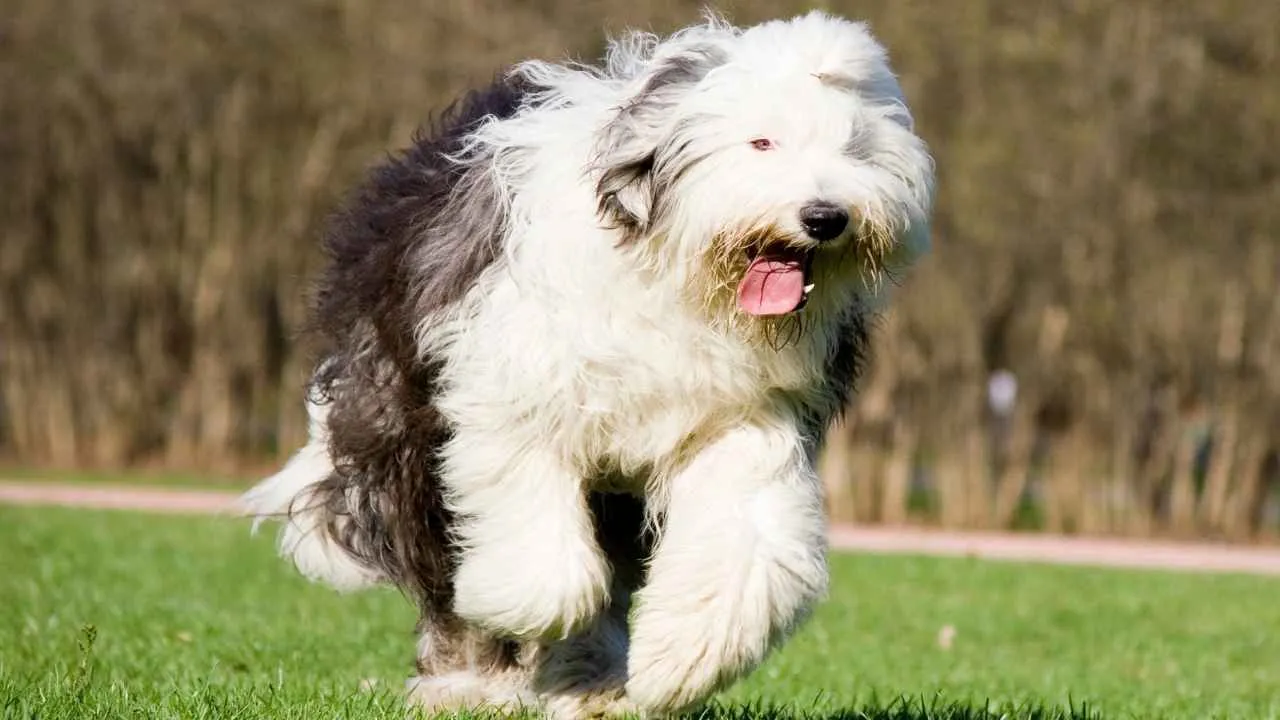
The Old English Sheepdog is distinctive among the other dogs on this list. They are quite large and have a very shaggy coat. Historically, these dogs were used to drive livestock on roadways and move them from one pasture to another. Their work was not only a matter of speed, but also of guiding animals.
Old English Sheepdogs are strong and have endurance. They have a history of droving and are therefore applicable to livestock management.
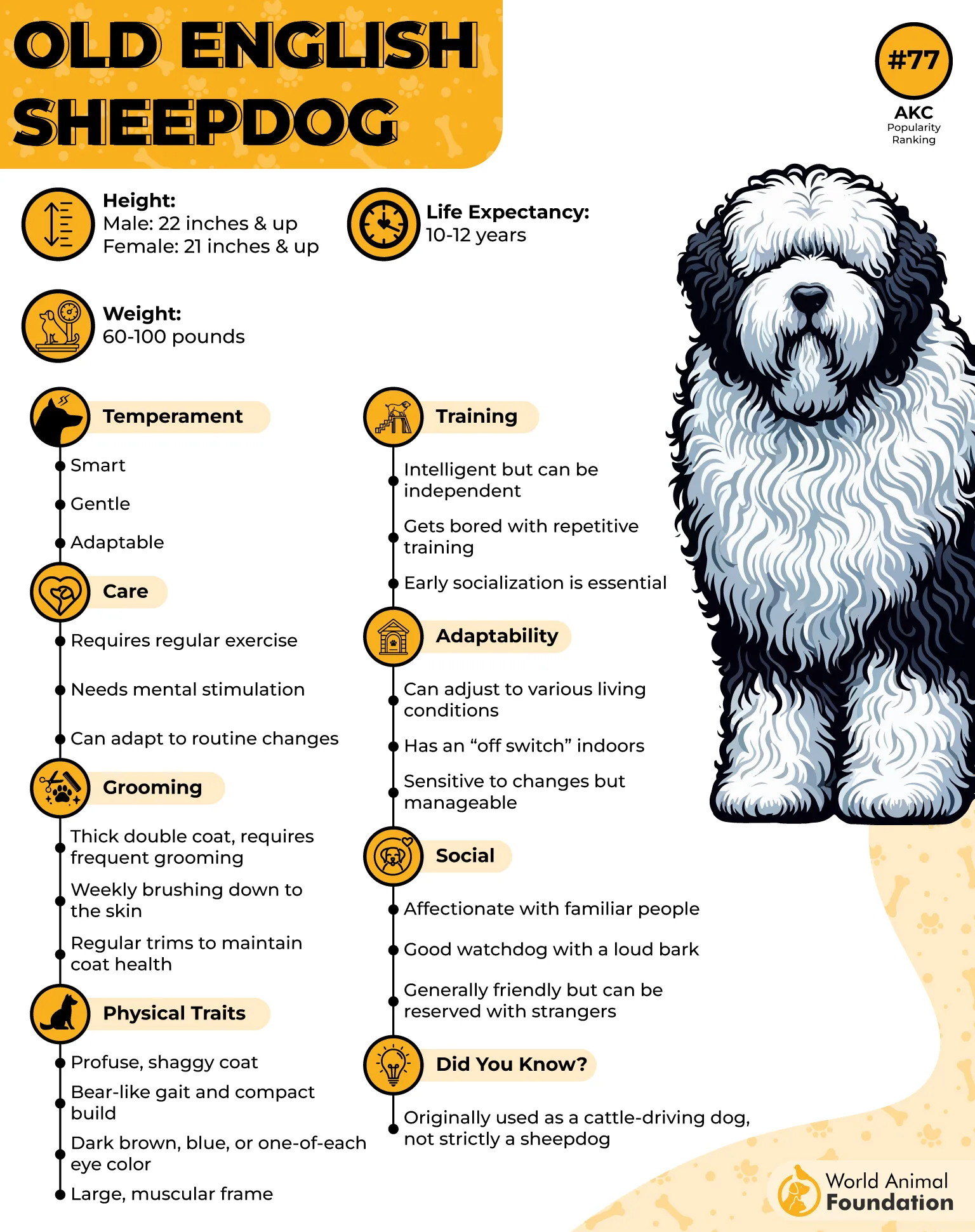
These dogs have a very thick coat, which should be regularly maintained. Mats can form from lack of grooming, particularly around dirt-collecting areas on their bodies. Grooming is essential as they can get mud and debris while working.
Training should also be provided for these dogs so they can move calmly and in a controlled manner around livestock. This breed is suitable for owners who enjoy a traditional droving dog.
6. Beauceron
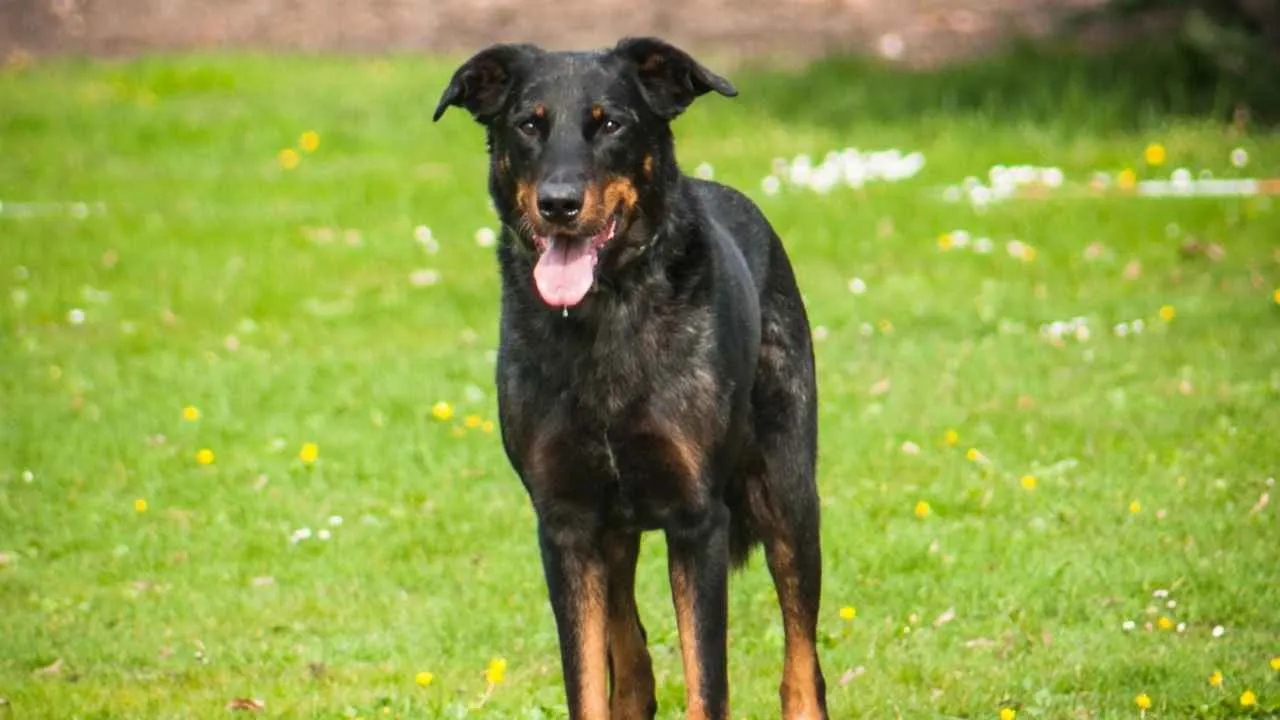
The Beauceron is a strong dog breed native to France and is a traditional breed used to herd and protect livestock. It is large, intelligent, and tough enough to be a valuable farm dog that is required to run around fields and deal with varying conditions.
If they are trained properly, they can be used to direct livestock and work with a handler. Beaucerons are smart and self-confident. They require stable leadership and guidance from an experienced handler, one capable of setting clear boundaries.
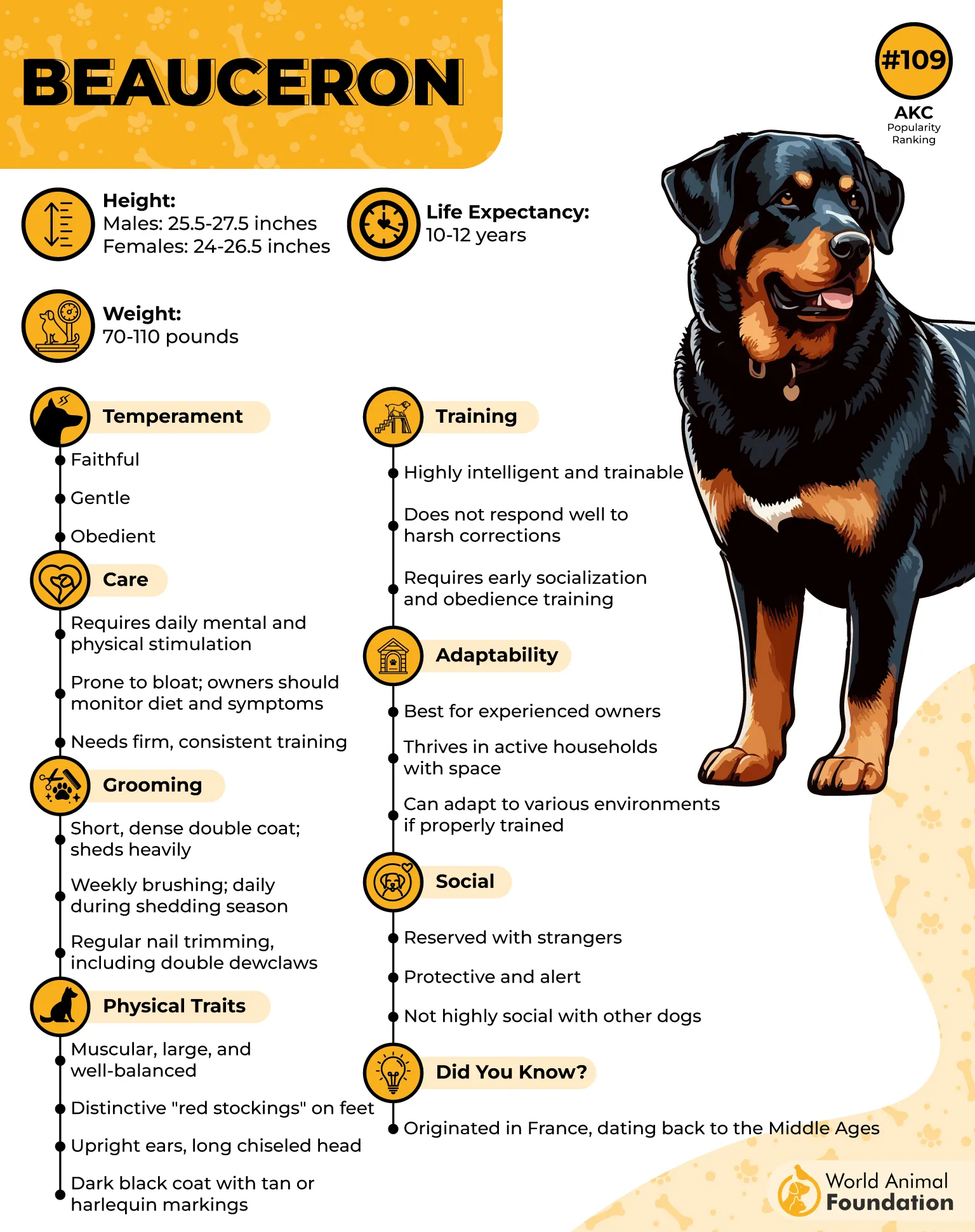
Early socialization also aids them in responding appropriately to new people, animals, and farm activity. They have a double coat which is fairly easy to take care of, but a good brushing will remove loose hair. They should be given a job daily as they enjoy working instead of being lazy.
7. Belgian Tervuren
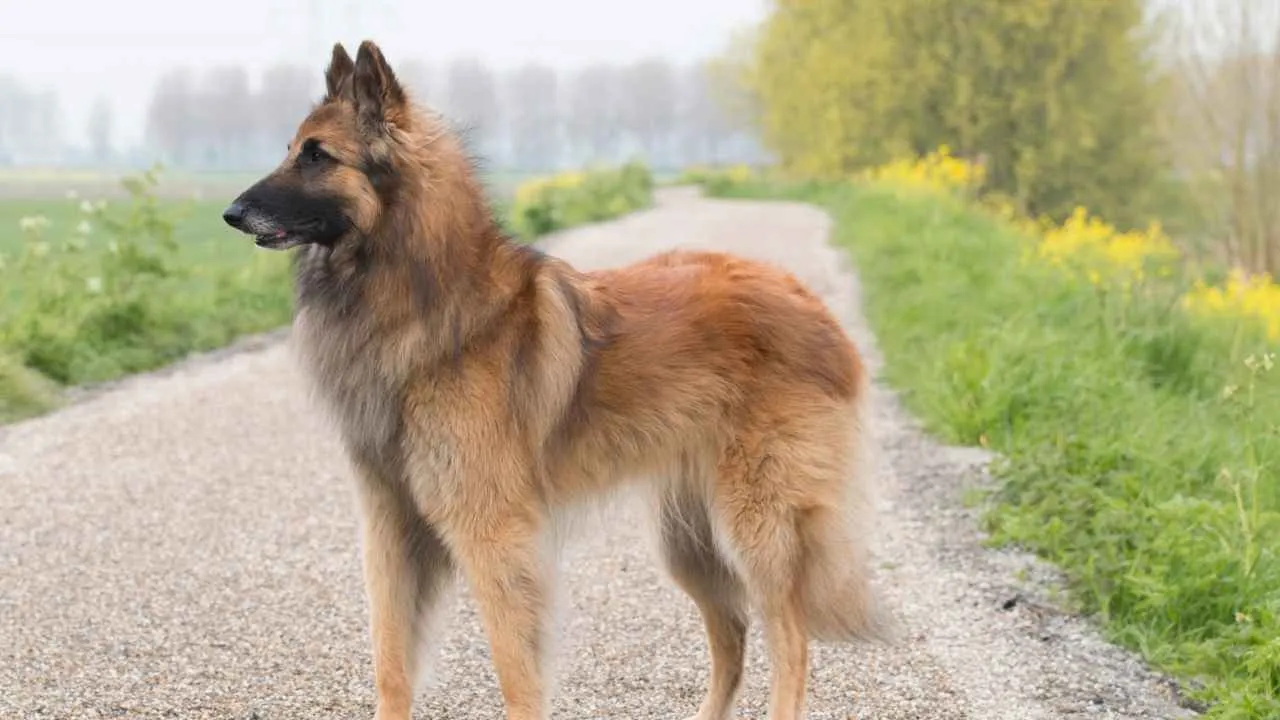
The Belgian Tervuren is a lively, intelligent, herding dog that has a long history of being a Belgian farm worker. It has been bred for handling livestock and is described as being alert, responsive, and close to its handler.
It has an athletic form which aids in rapid movement around the flock or herd. A well-trained Tervuren can obey commands, move around, and be aware of changes in livestock movement. These qualities can be beneficial in handling livestock that require gentle handling.
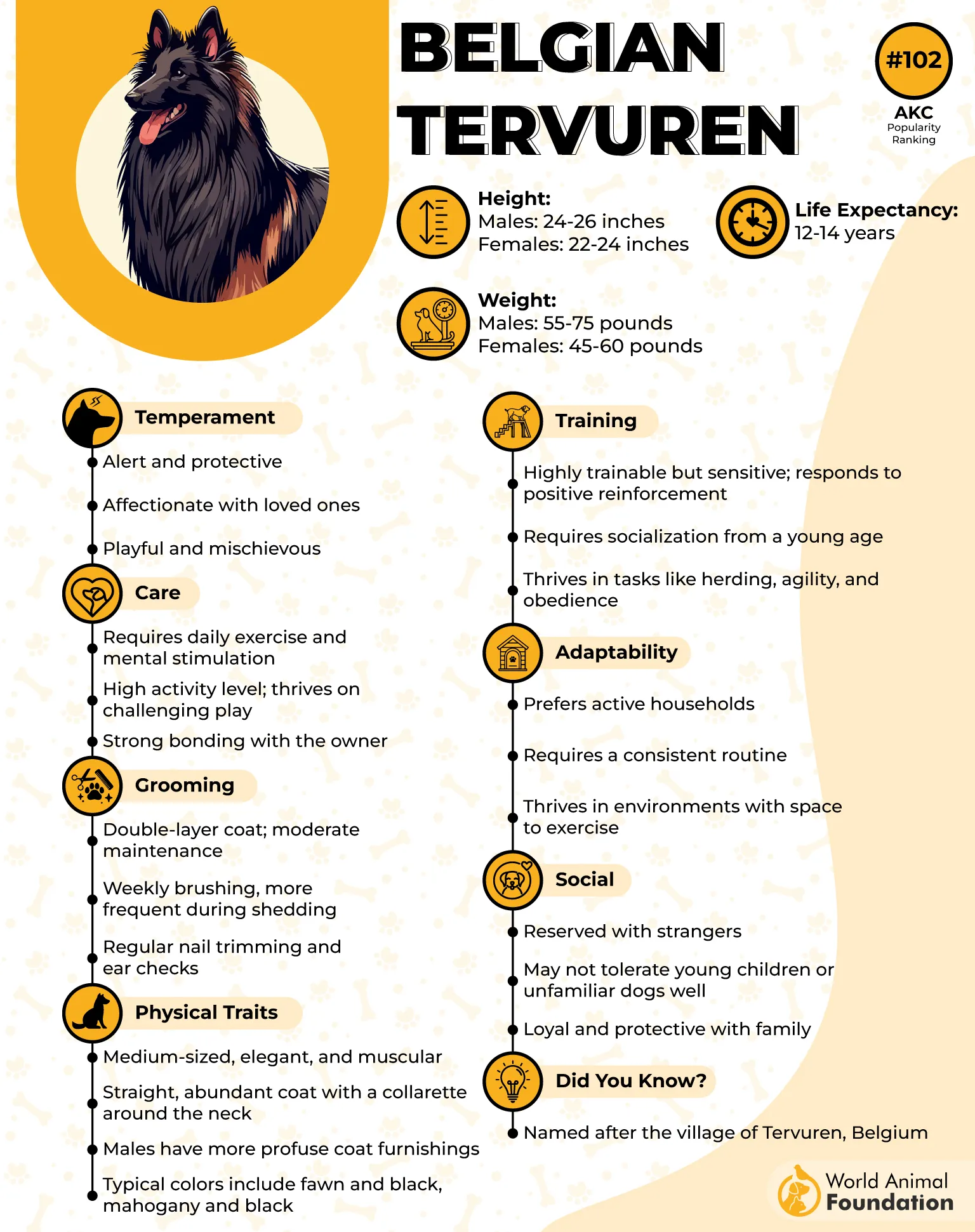
Belgian Tervurens are fast learners and require regular training and lots of exercise. They can be difficult to manage due to their sensitivity and energy if they are not well-instructed or are not given jobs.
The breed has a long double coat which should be brushed regularly to avoid tangles and excessive shedding.
These dogs are a good option for an experienced, active handler who desires a responsive herding breed.
Conclusion
A herding dog is not just a dog that runs back and forth and chases livestock. It should also be aware of livestock response, read animal movement, and coordinate well with its handler. The right breed can help save time and make life easier on the farm every day.
The best working farm dogs have the herding abilities and herding skills required to be good livestock guardians. Guarding livestock is not an easy job. It requires consistent training and strong protective instincts.
Just be sure to see whether your routines match the dog’s lifestyle so that they can feel at home from day one.
