




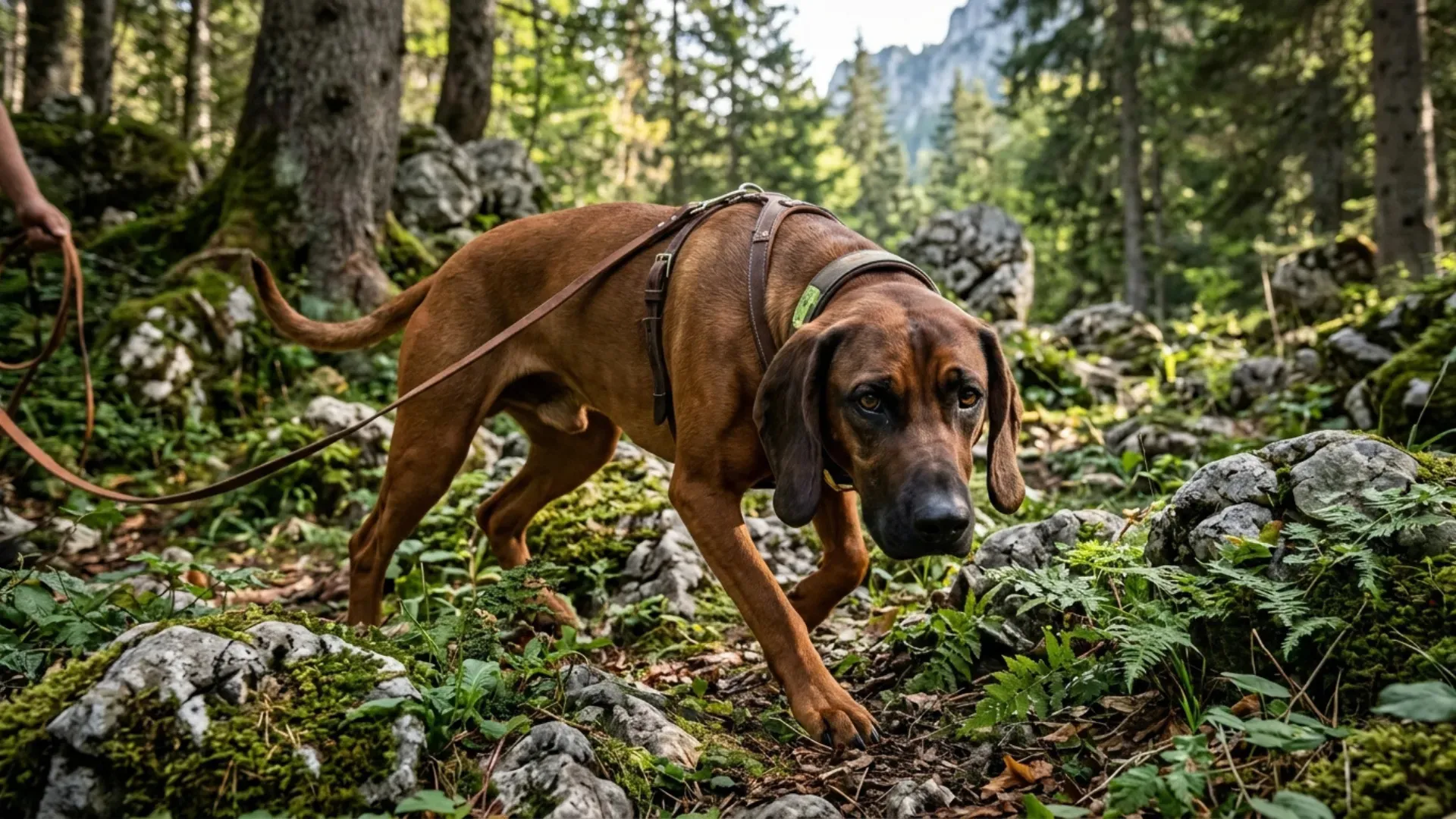
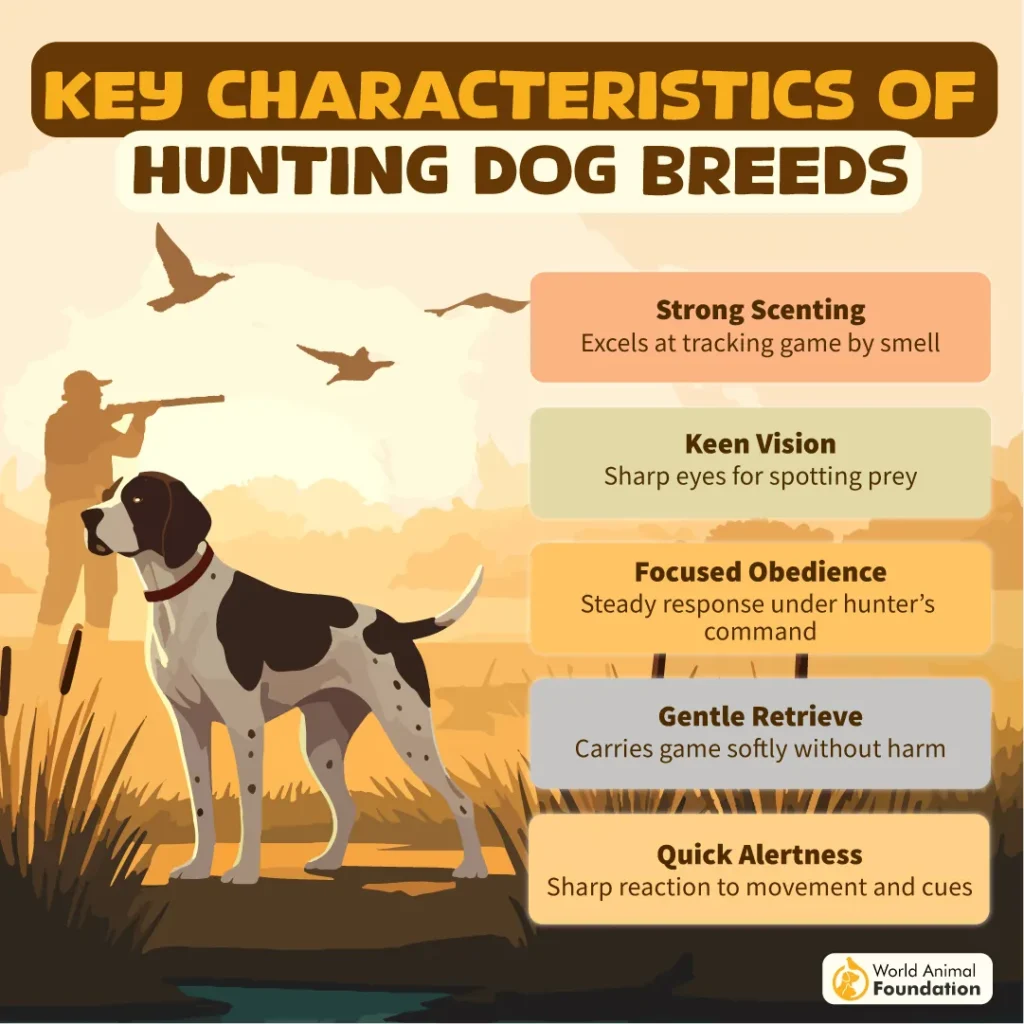
A dog’s nose holds a power almost too wild to picture. A dog’s sense of smell can be up to 100,000 times stronger than yours, which explains a lot about what happens once a hunting breed steps into the trees.
That kind of nose changes everything in dense cover, where sight fails fast, and scent becomes the only reliable map through the woods. Not every dog was built to read that map the same way.
Some hunting breeds track. Some bay. Some go quiet and point.
Curious which style actually gets the job done in real forest conditions?
Keep reading.
Incredible Dog Breeds Built for Forest Hunting
1. Bluetick Coonhound
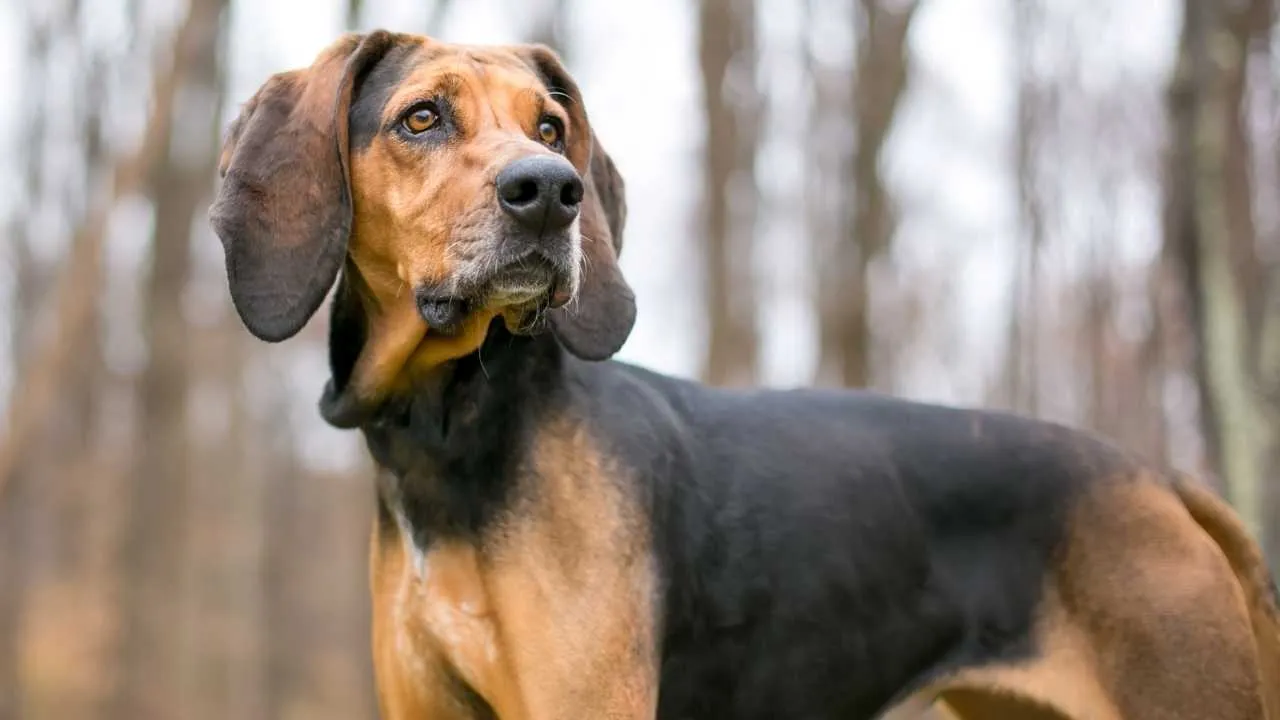
This scrappy hound’s story starts in the bayous of Louisiana and the hills of Tennessee, built from French Grand Bleu de Gascogne stock crossed with English Foxhound blood. Frontiersmen leaned on it for raccoon hunting, though packs of Blueticks also squared off against bear and wild boar in rough terrain.
Ask any old-timer about the cold nose. According to Orvis, a Bluetick can pick up a scent trail days after it went cold and still run it down. Pair that with a deep, rolling bay, and you always know where your dog stands, even buried in thick brush.
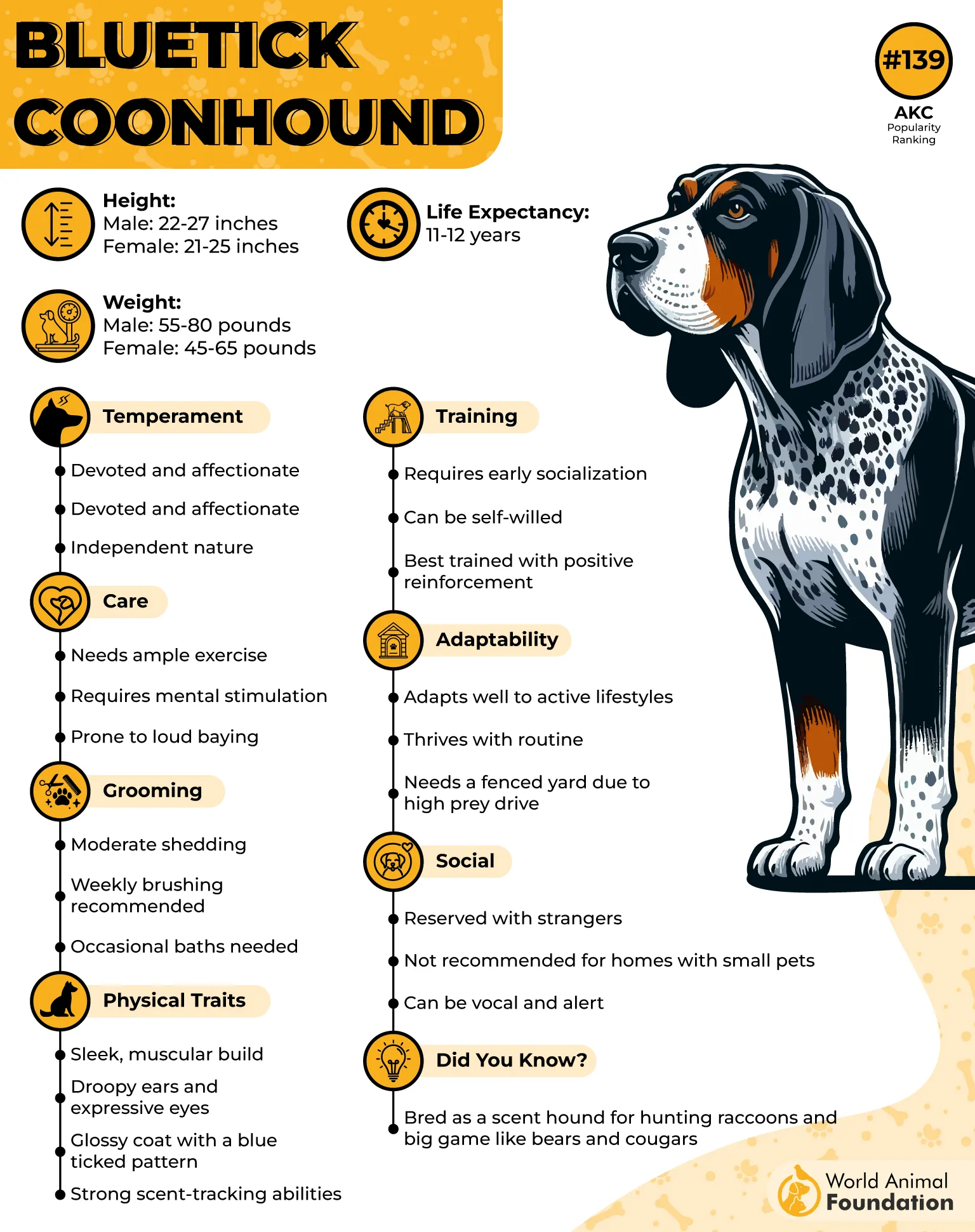
This is no couch dog. Blueticks need a job, tracking trials or coon hunts, something to burn off that drive. They are clever problem solvers too, which sometimes means they think their plan beats yours.
Fun fact: Legend ties the breed back to hounds gifted to George Washington by the Marquis de Lafayette, giving this coondog a surprisingly presidential family tree.
2. German Shorthaired Pointer
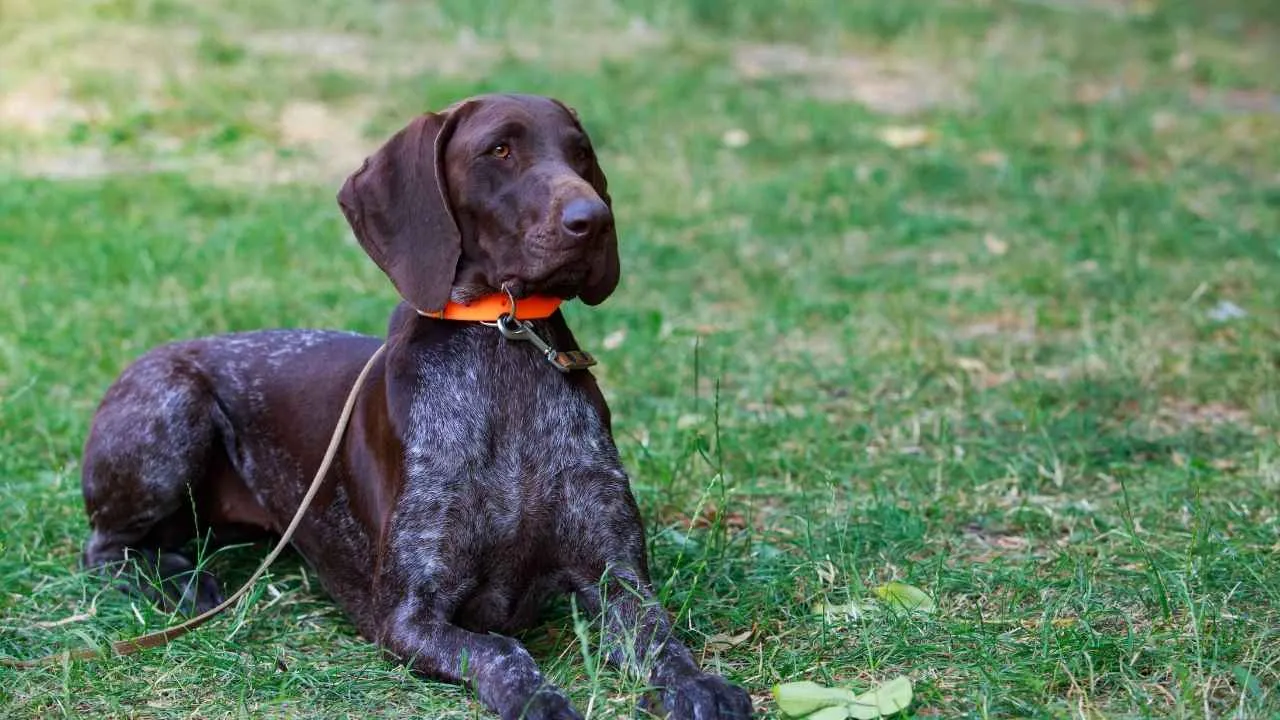
Germany wanted one pointer dog that could do it all, so breeders crossed the Spanish Pointer with local scenthounds, then added English Pointer blood for style. The result reached America in the 1920s and earned recognition in 1930, fast becoming a favorite bird dog for upland game hunters working mixed woods.
Versatility is the whole point here. According to the AKC, German hunters wanted a dog that could scent birds on the wind, trail furred game on the ground, and still stand fierce against predators. Few breeds switch gears between pointing, tracking, and retrieving this smoothly.
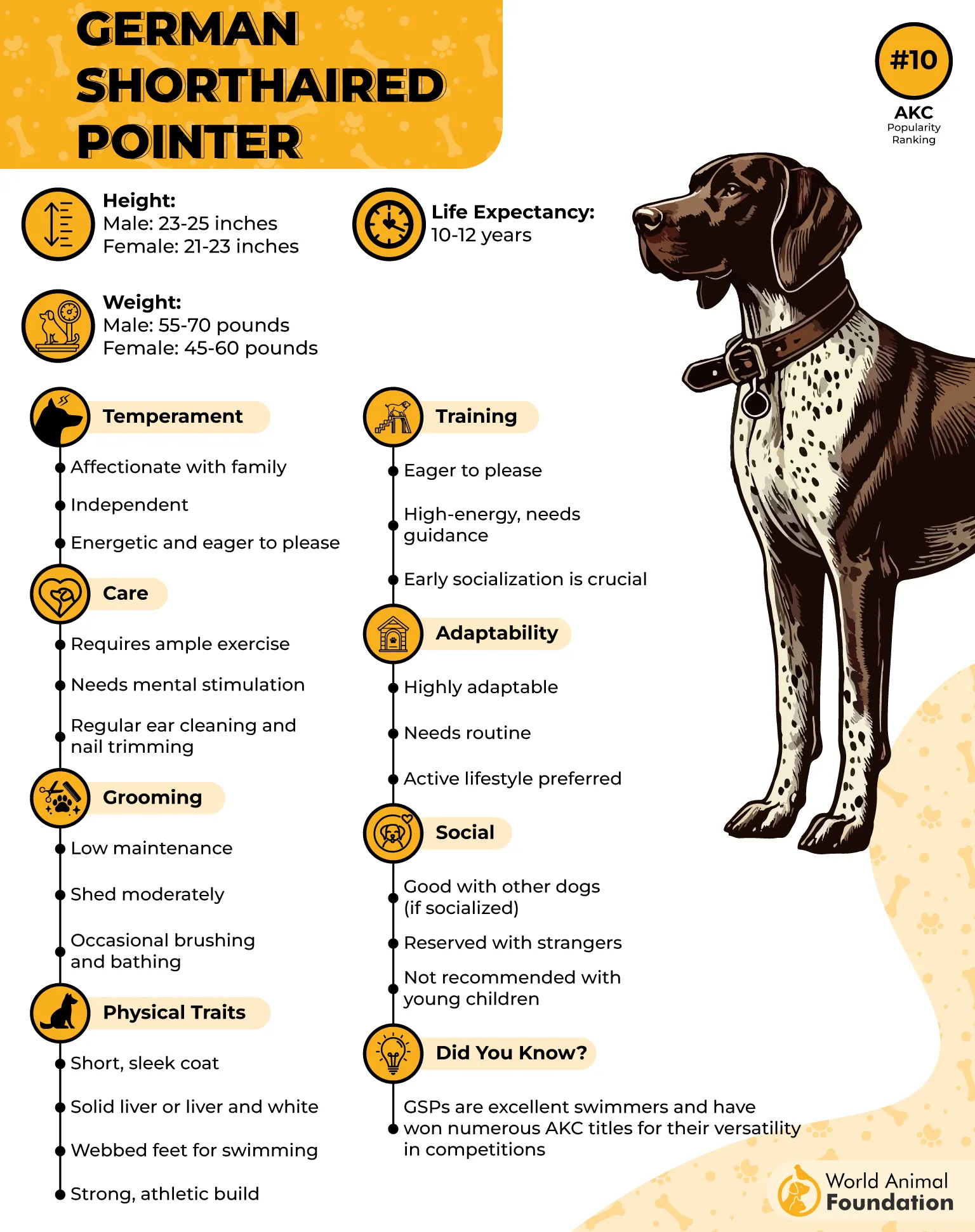
At home, a Shorthair is not a kennel dog. It wants to live indoors and get real daily exercise. Skip that, and this smart, eager breed finds its own project, usually one you did not approve.
Fun fact: Its water-repellent coat lets it move from soggy marsh to dry timber without missing a beat.
3. Mountain Cur
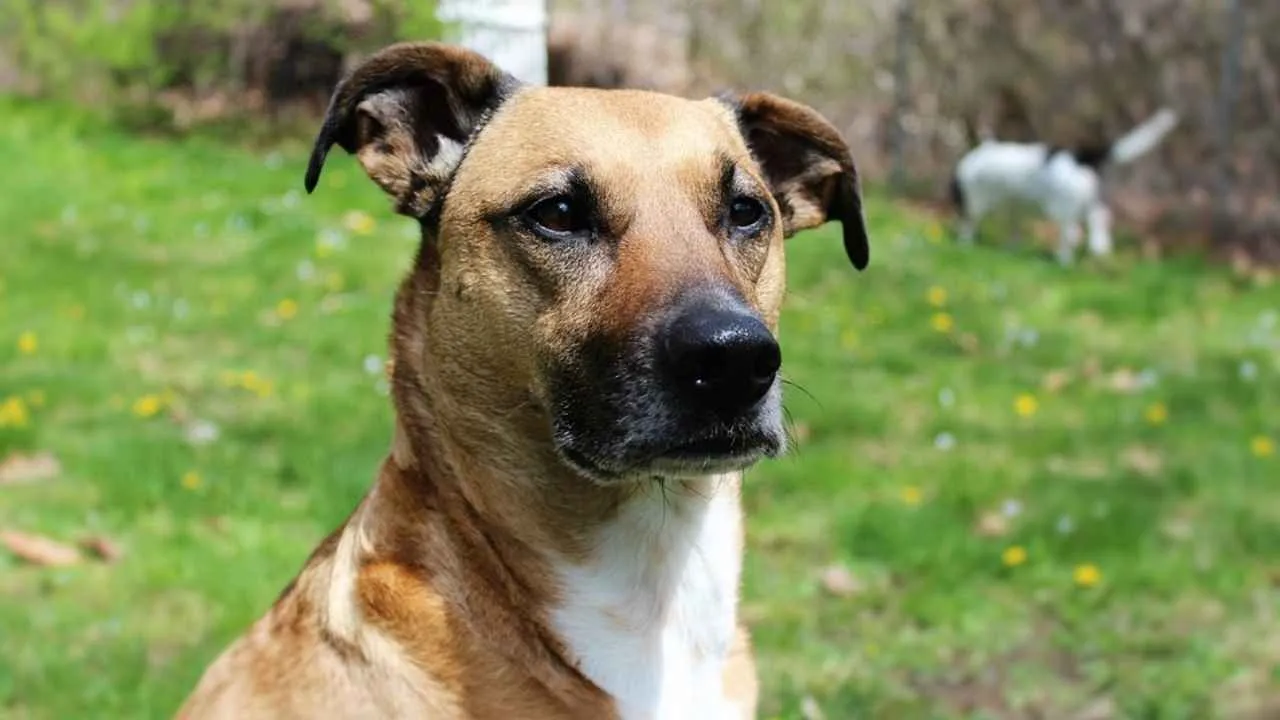
Nobody wrote down exactly where the Mountain Cur came from, which only adds to its charm. What is clear is that Appalachian settlers relied on this all-purpose farmhand to tree squirrels and raccoons, bay bear and boar, and guard the homestead after dark.
Its bark pulls double duty. That sharp, alert voice locates the dog through dense timber for the hunter following behind, and doubles as a built-in alarm at home. According to Purina, the breed still carries a notably high prey drive today.
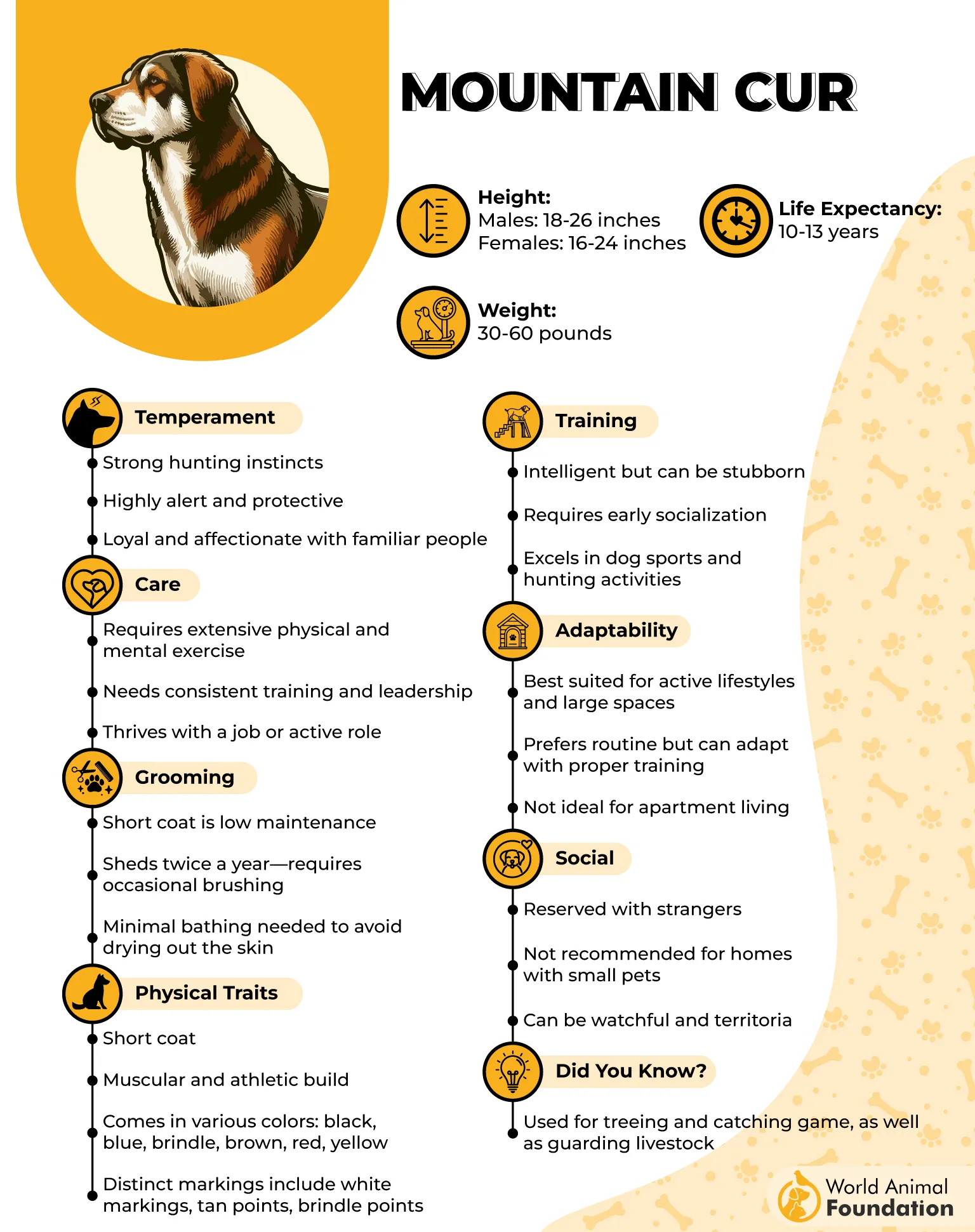
Owners should expect a high-energy, loyal companion, one that can be standoffish with strangers until it warms up. There is no official written breed standard, just generations of working lines bred for grit over looks.
Fun fact: The Mountain Cur nearly vanished after World War Two before a dedicated breeders association stepped in to save it in 1957.
4. Plott Hound
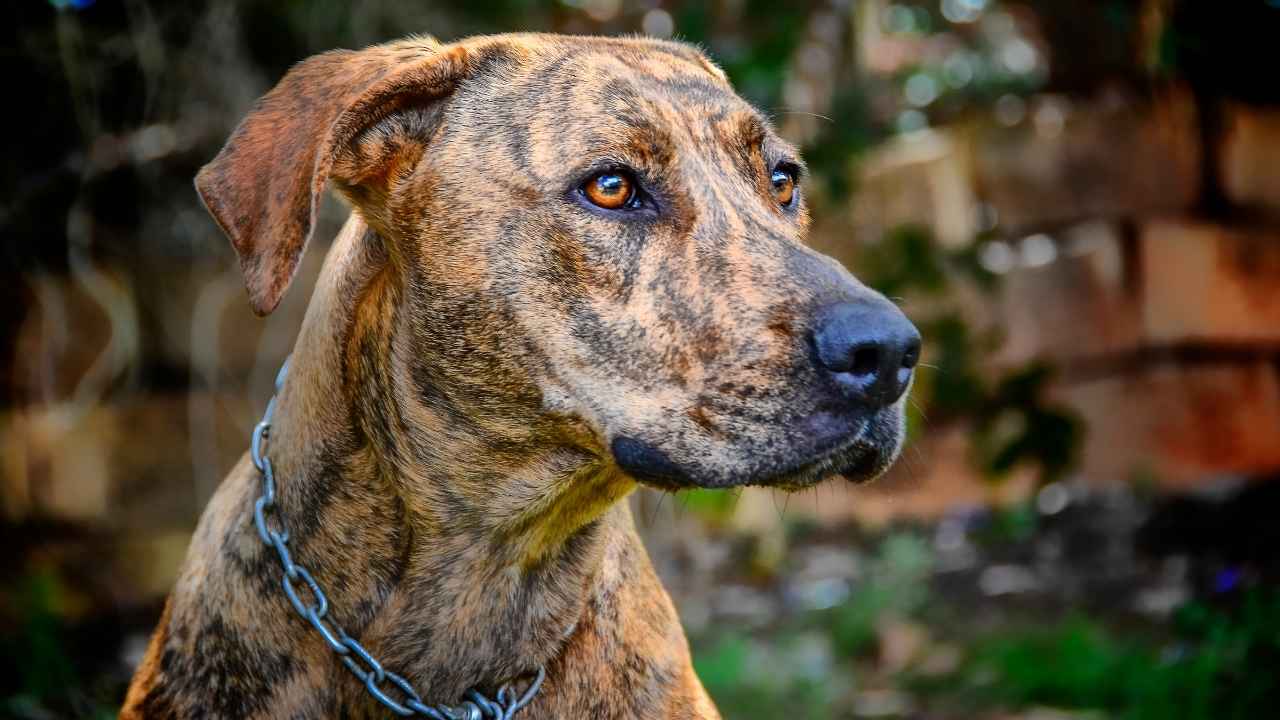
In 1750, a German immigrant named Johannes Plott carried five Hanover Hounds to North Carolina, dogs originally built for boar hunting back home. His descendants refined that stock for generations in the Appalachian Mountains, aiming squarely at bear and wild boar rather than smaller game.
That German bloodline shows in the Plott’s nerve. Where most coonhound cousins trace back to English Foxhounds, the Plott brings a baying instinct paired with real courage, enough to corner genuinely dangerous, large game and hold it until the hunter arrives.
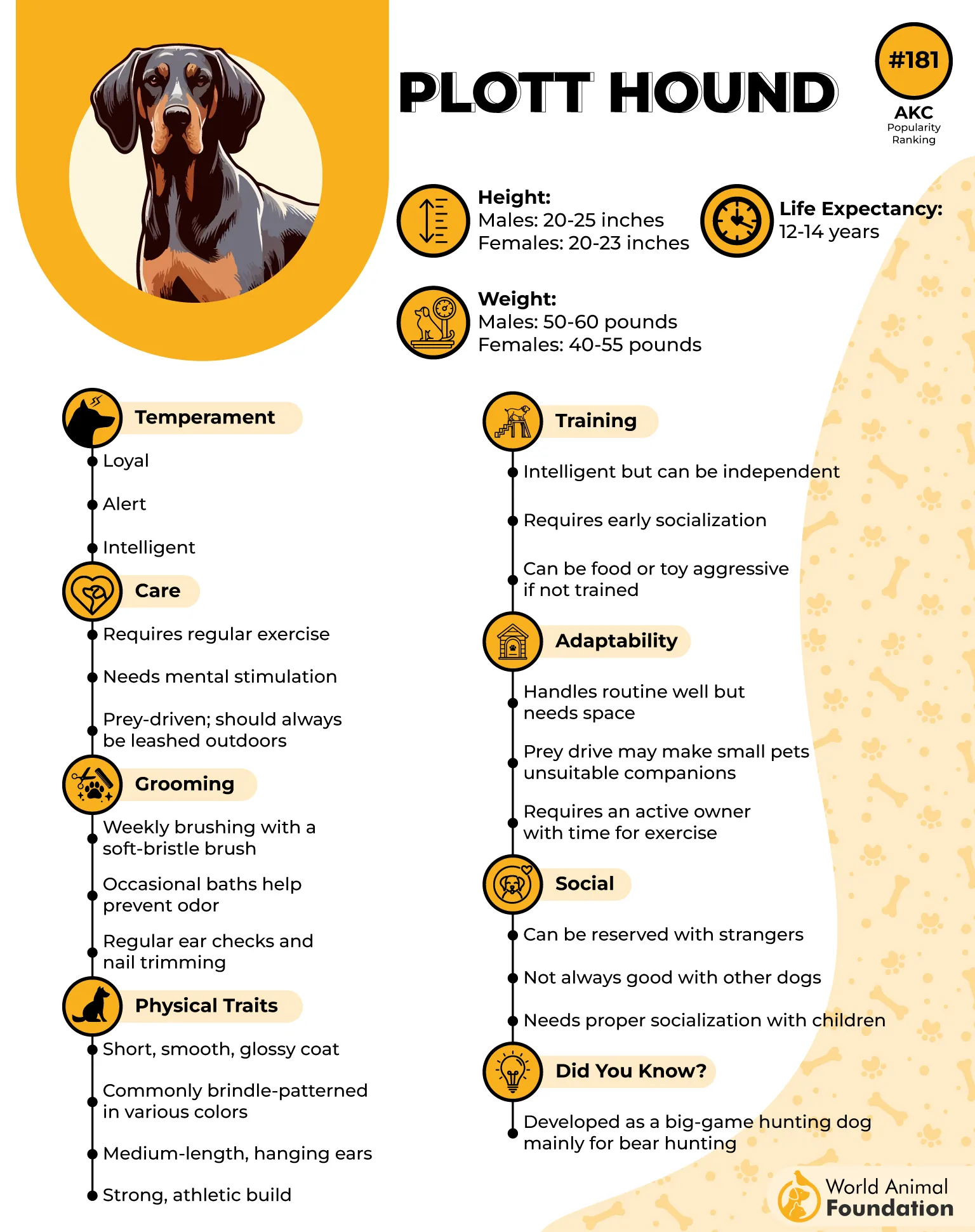
This is a breed for experienced hands only. A Plott needs real mental stimulation and an owner who understands what it takes to send a dog after a bear. Casual ownership tends to leave this one bored and restless.
Fun fact: The Plott is North Carolina’s official state dog, the only breed with purely German rather than English hound roots.
5. Treeing Walker Coonhound
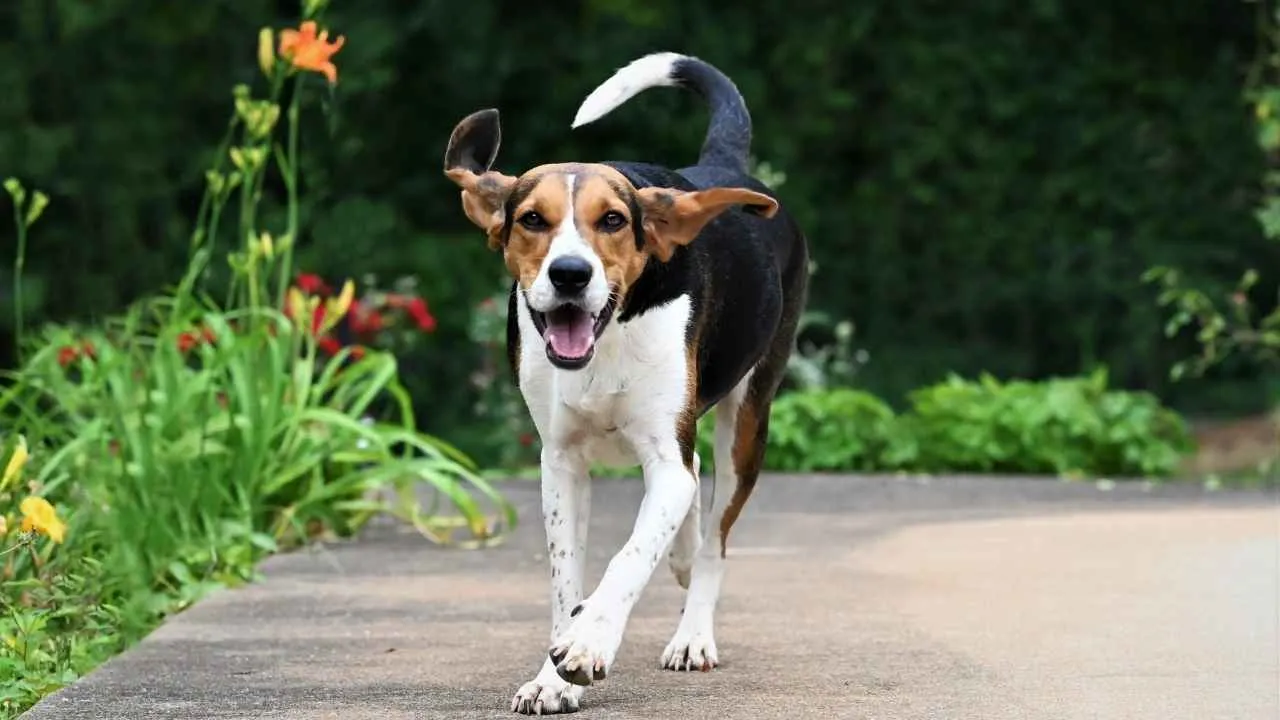
Born when a mystery dog named Tennessee Lead met a Walker Foxhound in the mid-1700s South, this breed only earned full recognition in 2012, decades after hunters already knew its worth. Raccoons were, and still are, its bread and butter.
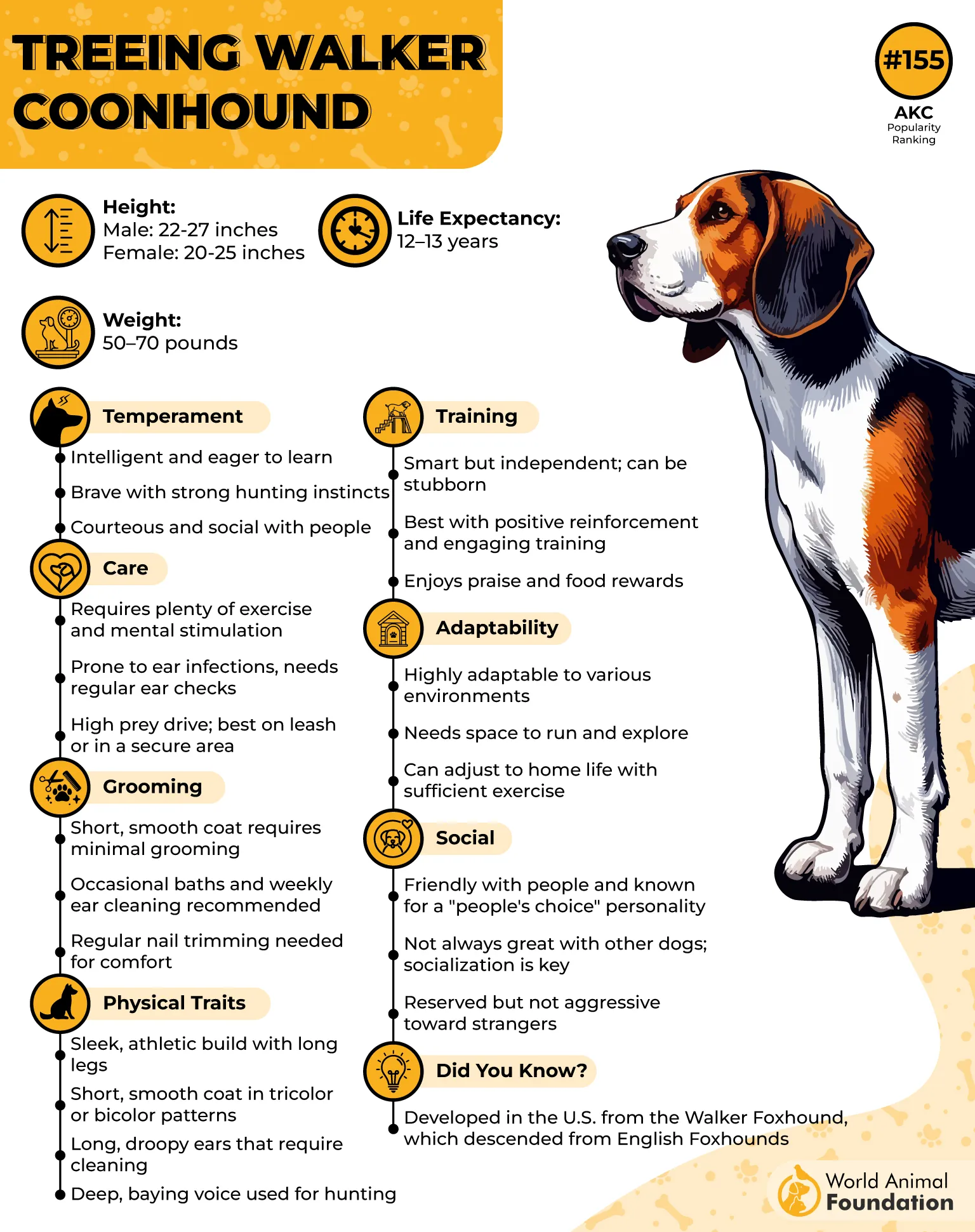
What sets it apart is a nose that drops an old trail the second a fresher one crosses it. Hunters call this hot-nosed, and it is a big reason the Treeing Walker often wins coon hunting competitions outright over its steadier, slower cousins.
Expect an energetic, driven dog that needs real exercise and an experienced hand. That dense coat holds up fine against briars in the field, but at home this hound is prone to loud, enthusiastic bouts of barking.
Fun fact: The phrase barking up the wrong tree traces directly back to this breed’s treeing habits.
6. American Foxhound
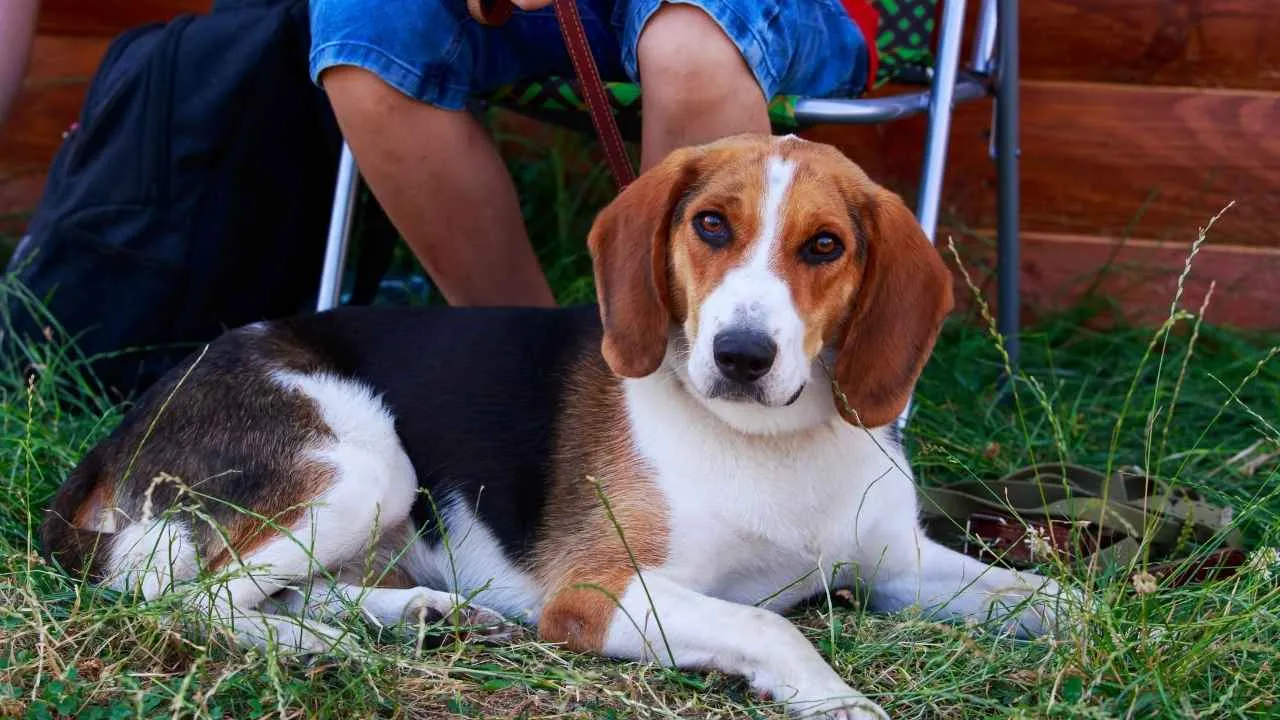
George Washington gets real credit here, crossing English hounds with French dogs gifted by the Marquis de Lafayette to build a faster, hardier fox hunter for the American colonies. The American Kennel Club recognized the result in 1886, making it one of the country’s oldest native breeds.
Everything about this dog serves the pack hunt. According to PetMD, those long, low-set ears help funnel scent straight to the nose, letting the Foxhound follow trails hours or even days old across open ground and dense timber alike.
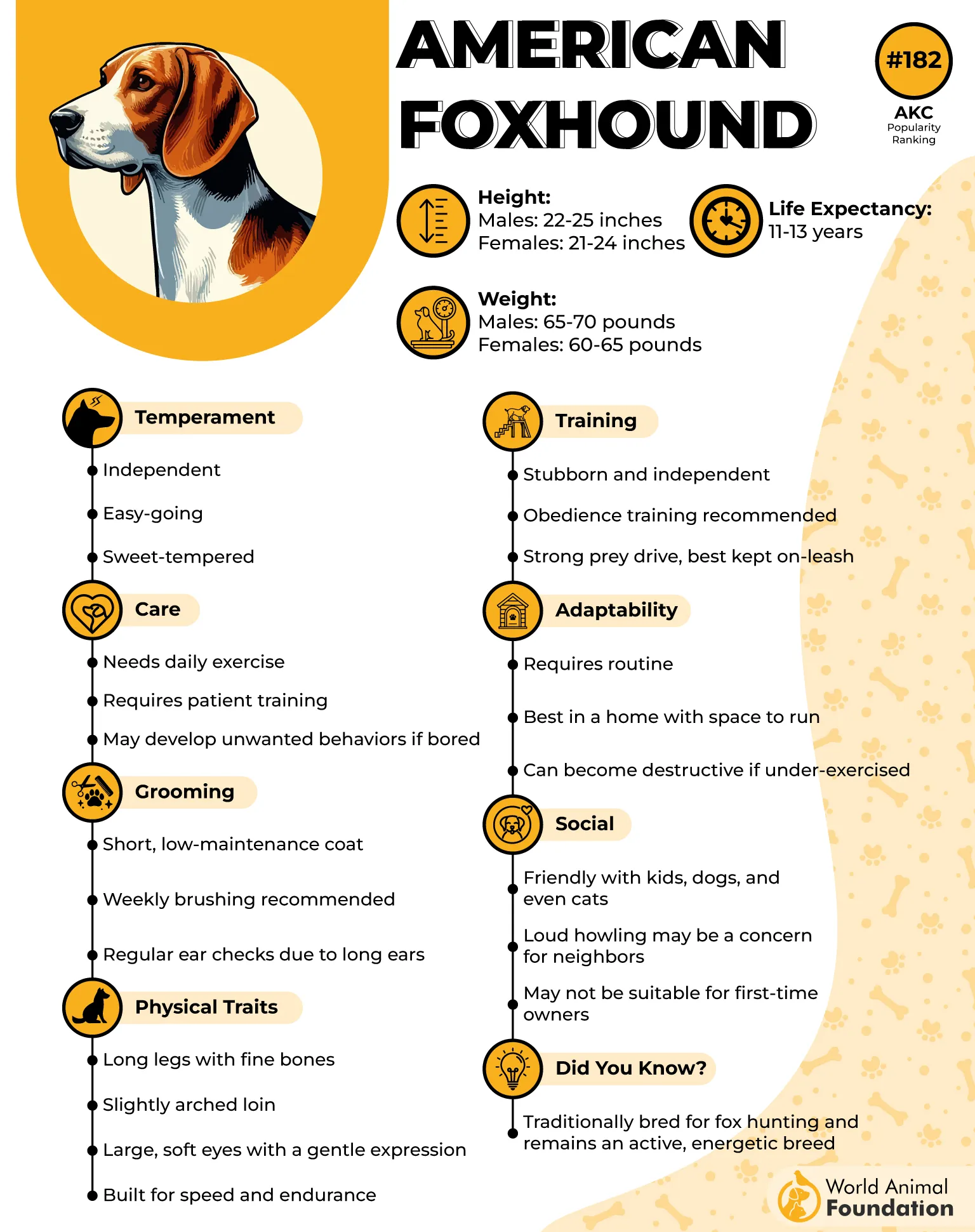
Independent does not begin to cover it. Once a Foxhound catches a scent, commands tend to fade into background noise, so patient, consistent training matters. Give it room to run and company, ideally other dogs, and it settles into a sweet, easygoing companion.
Fun fact: This founding father’s hound remains one of the least commonly registered breeds, even with its historic pedigree.
7. German Wirehaired Pointer
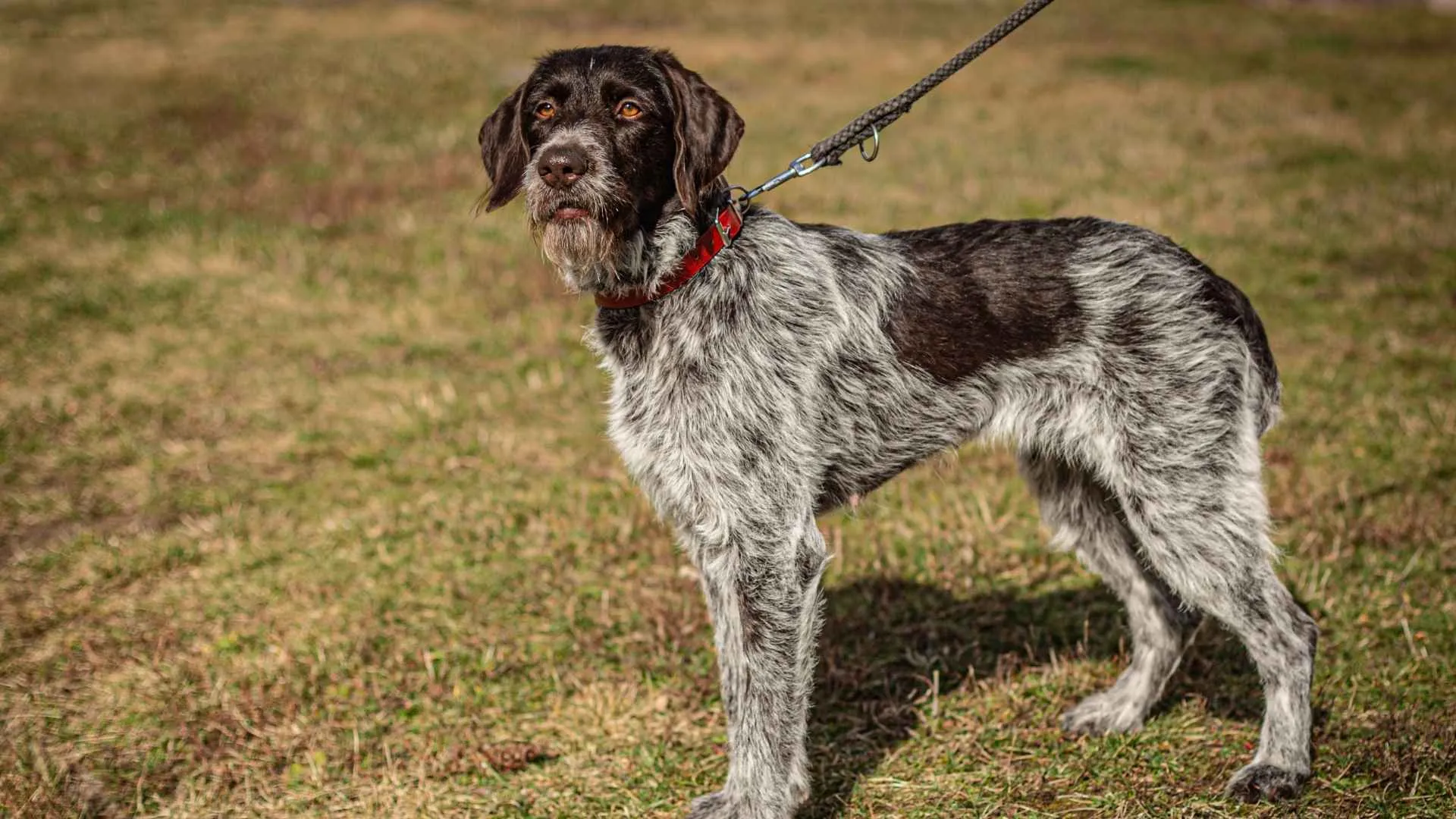
Late-1800s German breeders wanted one rugged dog for every job, so they crossed the German Shorthaired Pointer with the Wirehaired Pointing Griffon and a few other lines. The first breed club formed in 1902, and American hunters picked it up in the 1920s for upland game and waterfowl work alike.
The coat tells the whole story. According to Britannica, this all-weather hunting dog carries a harsh, wiry outer layer built to shrug off brush, brambles, and rough terrain that would shred a smoother coat.
This is a high-drive, high-intelligence breed that wants a job and plenty of daily exercise. Loyal and affectionate at home, it still needs an owner ready to keep its brain and body busy.
Fun fact: that trademark beard and bushy eyebrows are not just for looks; they shield the eyes and muzzle while pushing through thick cover.
Conclusion
What ties these dogs together is not their size or their coat, but the demands of forest terrain: a nose that will not quit, a voice that carries through timber, and the nerve to work far from the truck, out where visibility drops and instinct has to lead.
Before you commit to a breed, visit a responsible breeder or a local hunt club and watch a working hound run an actual trail. That hour will teach you more than any article can, and it is the fastest way to see if that drive matches your own.
