




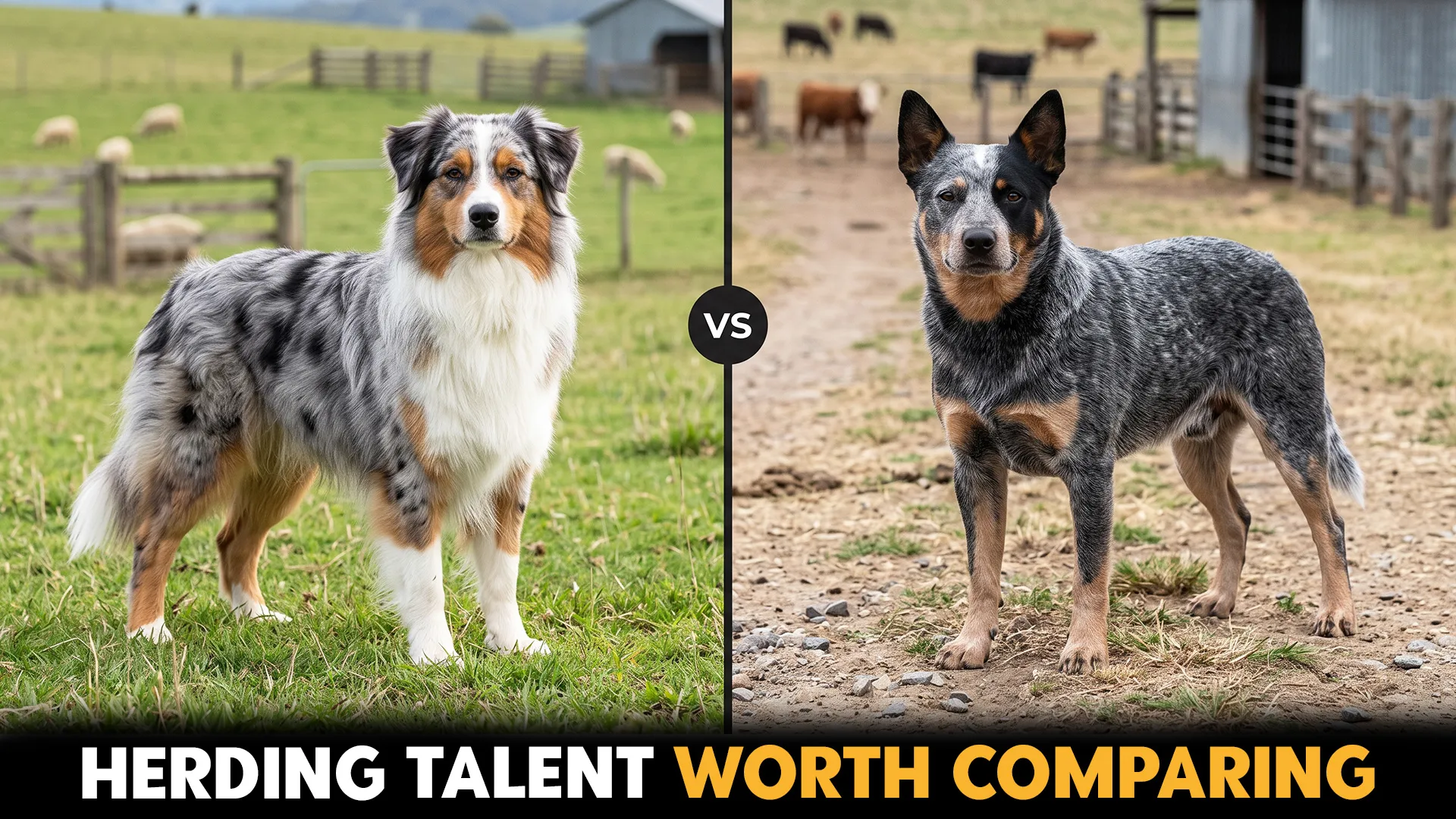
Two of Australia’s most famous herding dogs are about to go head to head, and only one of them can win your heart first.
Most people lump these breeds together as basically twins with different coats. That assumption is about to get wrecked.
From attitude to activity level, these guardian dogs could not be more different once you look past the name they share.
Pick the wrong one, and you could end up with way more dog than your lifestyle can handle.
Stick around. This comparison settles the rivalry once and for all, and the answer might not be the breed you expected.
Australian Shepherd vs. Australian Cattle Dog: Dog Breed Facts You Need
Origins & Purpose
Neither of these dogs actually started life in Australia, and that is the first twist in this story. The Australian Shepherd took shape in the western United States, bred from stock dogs whose own lineage traveled by way of the Pyrenees Mountains and Spain. Many names came before the one that stuck, including Spanish Shepherd, Pastor Dog, and California Shepherd.
The American Kennel Club officially recognized the breed in 1991, decades after ranch hands had already put the Aussie to work. It became a trusted hand for herding sheep, cattle, and goats across the American West.
The Australian Cattle Dog has a more direct claim to its name. Ranchers in 19th-century Australia crossed blue merle Collies with the wild Dingo, then added Dalmatian and Kelpie blood to build a dog tough enough for herding cattle across the outback. The result, nicknamed the Blue Heeler or Red Heeler, could push wild cattle over long distances without wilting in the heat.
Both breeds were originally bred for a single purpose: work. That strong work ethic still defines these herding dogs today, long after their duties expanded into family life and dog sports.
Size & Physical Build
6 inches. That is roughly the gap between the shortest Cattle Dog and the tallest Australian Shepherd, and it sets the tone for this whole category.
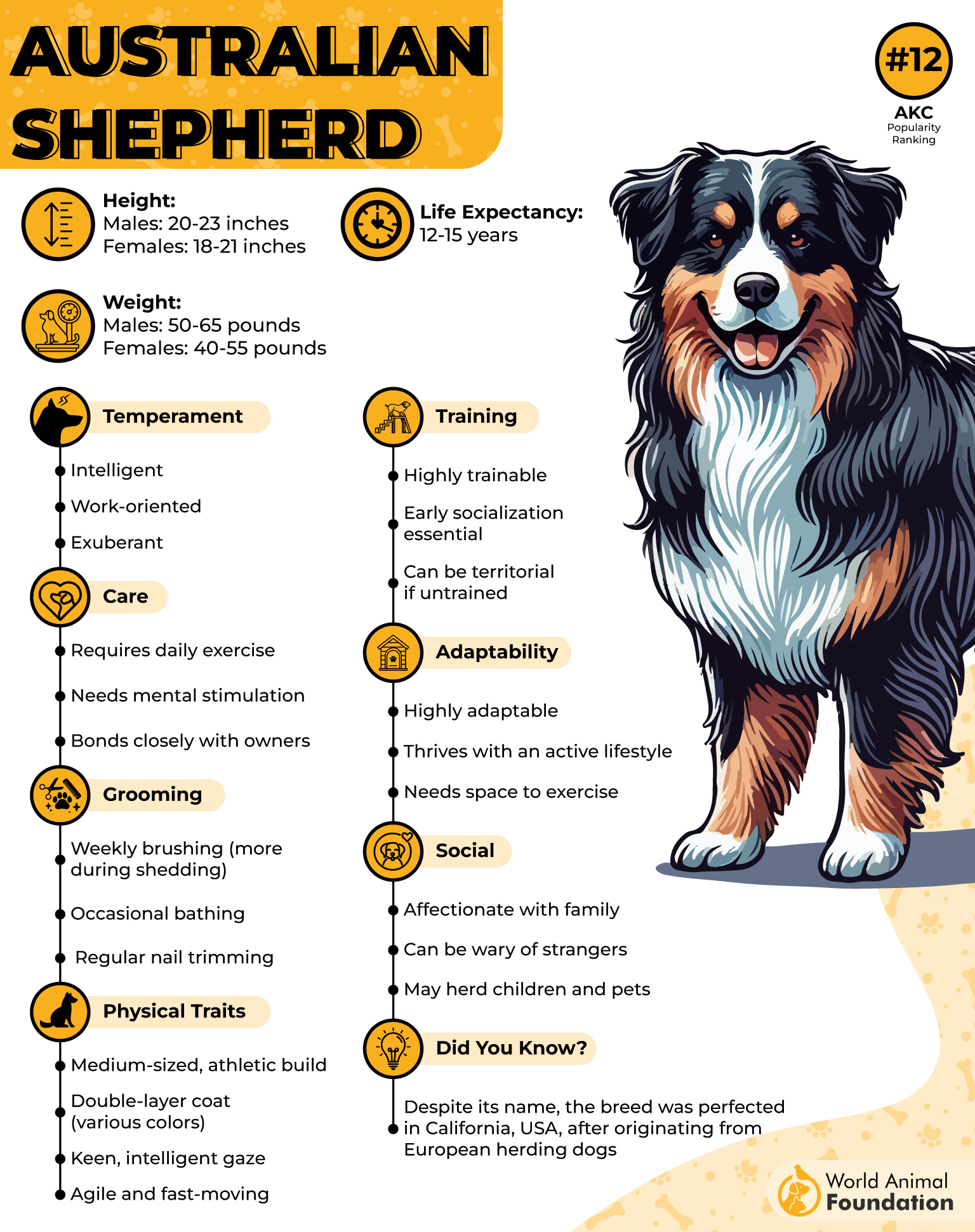
According to Hill’s Pet, the Australian Shepherd runs slightly larger across the board, standing 18 to 23 inches tall and weighing 40 to 65 pounds. That gives it a lean, athletic frame built for covering long distances.
The Australian Cattle Dog is more compact. VCA Animal Hospitals lists the breed at 17 to 20 inches tall and 35 to 45 pounds, with a dense, muscular build that favors strength over stride length.
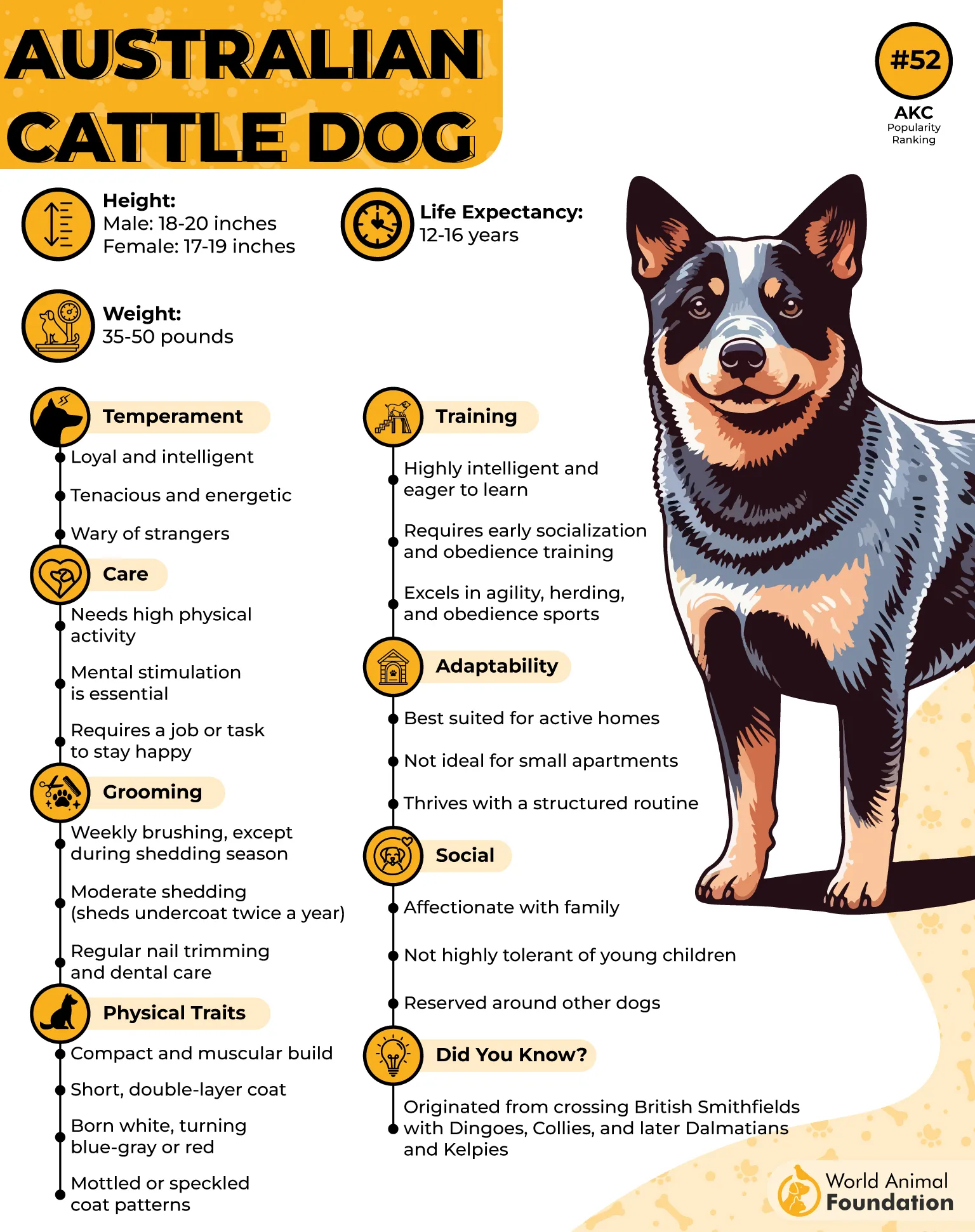
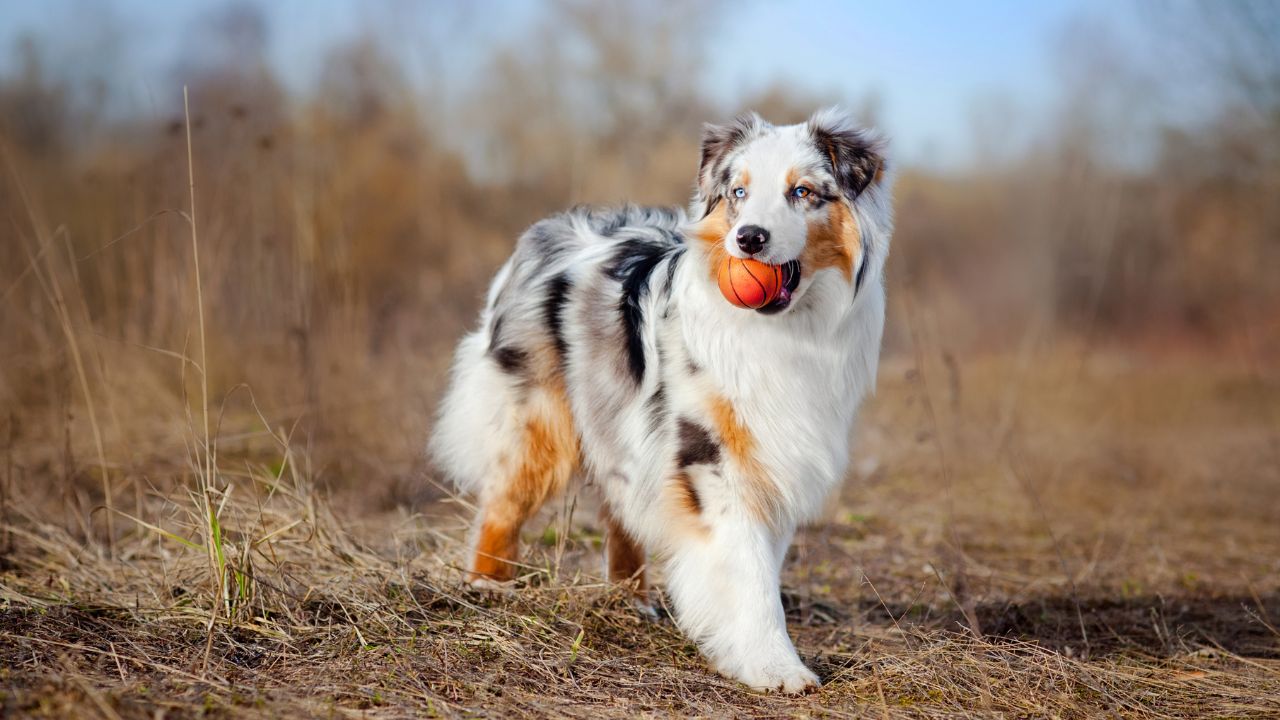
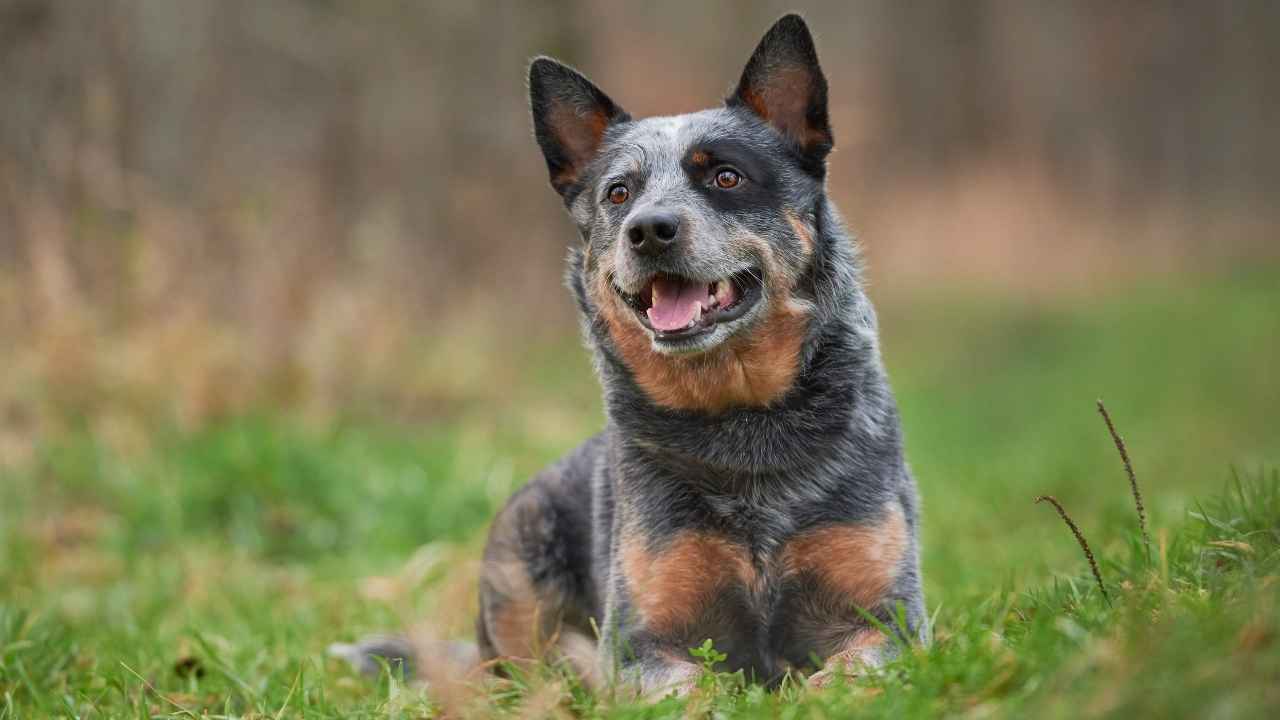
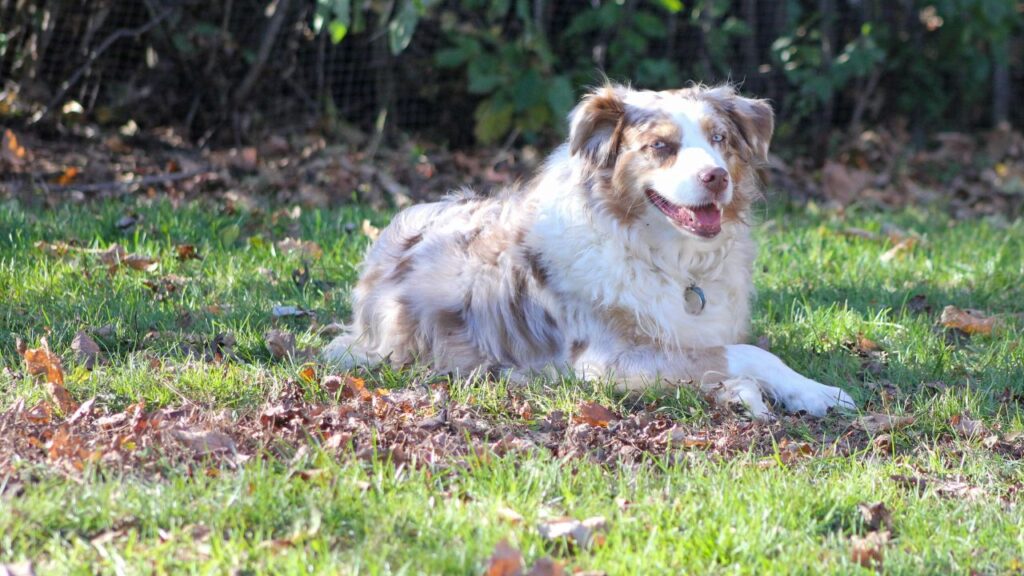
Coat colors tell their own story too. The Aussie comes in black, blue merle, red, or red merle, often with white markings or tan points, while the Cattle Dog sticks to 2 main looks: blue or red speckled.
Temperament & Personality
Which breed makes the better cuddler? That depends on how you define affection.
The Australian Shepherd, according to Orvis, is happiest glued to its family, following owners from room to room and greeting strangers with easy, open friendliness once properly socialized. It ranks among the most loyal dogs you will find, in the clingiest possible way.
The Australian Cattle Dog loves just as hard, but shows it differently. This breed bonds intensely with a single owner, stays wary of strangers, and can be naturally suspicious of other dogs and animals it does not know.
Families often describe both breeds as excellent companions, provided their strong herding instinct gets a real job to do instead of herding the kids around the backyard.
Exercise & Energy Levels
40 minutes is the daily minimum for an Australian Shepherd, and that number is a floor, not a ceiling.
Working line Aussies in particular want hours of activity: a long hike, a game of fetch or a full agility course. Skip it, and this energetic breed will invent its own canine activities, usually involving furniture or an unsupervised escape attempt.
The Australian Cattle Dog pushes that bar even higher, with exercise needs vets describe as very high, built for dogs that love to run and need vigorous daily workouts rather than a gentle stroll around the block.
Both dogs carry boundless energy that has to go somewhere productive. Matching either dog’s exercise needs to your family’s lifestyle matters more with these two high-energy dogs than it does with most other breeds.
Training & Intelligence
Which of these two herding breeds is easier to train? Neither one, honestly, if easy means passive.
The Australian Shepherd is highly intelligent and eager to please, which makes it responsive to positive reinforcement and quick to pick up new commands. It tends to check in with its handler often, almost asking for the next instruction.
The Australian Cattle Dog is just as sharp, sometimes sharper, but carries more of an independent streak. This breed solves problems on its own terms and can get stubborn if training feels repetitive, so owners need a firm, consistent hand.
Both breeds thrive on mental stimulation as much as physical exercise, and both excel in dog sports like agility and obedience. Neither is a good match for first-time owners hoping for a dog that simply does as told.
Coat Maintenance
Twice a year. That is the shedding season every owner of these breeds should circle on the calendar.
The Australian Shepherd carries a medium-length double coat with a soft undercoat, and it blows that undercoat heavily during each seasonal shed, calling for several brushing sessions a week to keep loose fur under control.
The Australian Cattle Dog sheds on a similar twice-yearly schedule, but its coat type is shorter and flatter to begin with. According to PetMD, the breed carries a dense undercoat under a short, water-resistant outer coat, and does well with daily brushing and only occasional baths.
Neither breed needs professional grooming on a regular basis. A good brush, a tub for occasional baths, and a vacuum built for serious shedding cover most of what these 2 energetic dogs need.
Health & Lifespan
Hip dysplasia shows up on the health radar for both of these breeds, and that is the one condition every buyer should ask a breeder about.
The Australian Shepherd lives an average of 12 to 14 years and can also face elbow dysplasia and inherited eye conditions, so responsible breeders screen for both before pairing dogs.
The Australian Cattle Dog holds up just as well over time. PDSA lists an average lifespan of over 10 years and flags hip dysplasia and elbow dysplasia as the breed’s main orthopedic risks. One famous Cattle Dog named Bluey even made it to 29, a Guinness World Record that still stands.
Health issues worth asking breeders about:
Hip dysplasia: A joint condition common to both breeds that responsible breeders screen for.
Eye conditions: Slightly more frequent in the Australian Shepherd.
Deafness: An inherited risk specific to the Australian Cattle Dog.
Routine vet checkups go a long way for both of these generally hardy herding breeds, and owners typically see fewer complications when health testing happens early.
Australian Shepherd vs. Australian Cattle Dog: Which One Will You Choose?
So which of these 2 herding dogs fit your front door?
Here is the shortest path to an informed decision, broken down by what actually separates them day to day.
Key dog differences:
Size: The Australian Shepherd runs slightly larger, standing up to 23 inches tall against the Cattle Dog’s 20 inch ceiling.
Coat: The Aussie wears a medium-length double coat in black, blue merle, red, or red merle. The Cattle Dog wears a short, flat coat in blue or red speckled only.
Temperament: The Aussie bonds broadly with the whole family. The Cattle Dog bonds hardest with a single owner and stays wary of strangers.
Training style: The Aussie checks in often with handlers. The Cattle Dog works more independently and needs a firmer hand.
Energy: Both are high-energy dogs, but the Cattle Dog’s exercise needs edge out even the Aussie’s.

Pick the Aussie for a do-everything family dog with a strong herding instinct and a coat full of color. Pick the Cattle Dog for a tireless, single-owner working partner that still makes a loyal, protective pet.
Conclusion
Both of these herding breeds reward owners willing to match their energy, not just their affection. The Australian Shepherd suits a family that wants a devoted, do-everything companion wrapped in a colorful double coat and an eagerness to please.
The Australian Cattle Dog suits someone chasing a tireless, loyal partner for serious work, long runs and competitive dog sports, carrying a shorter coat and a sharper independent streak.
Pick based on your household’s activity level and time for training, not on which name sounds more Australian. Either breed thrives with 40 minutes or more of daily exercise and an owner ready to keep up.
