




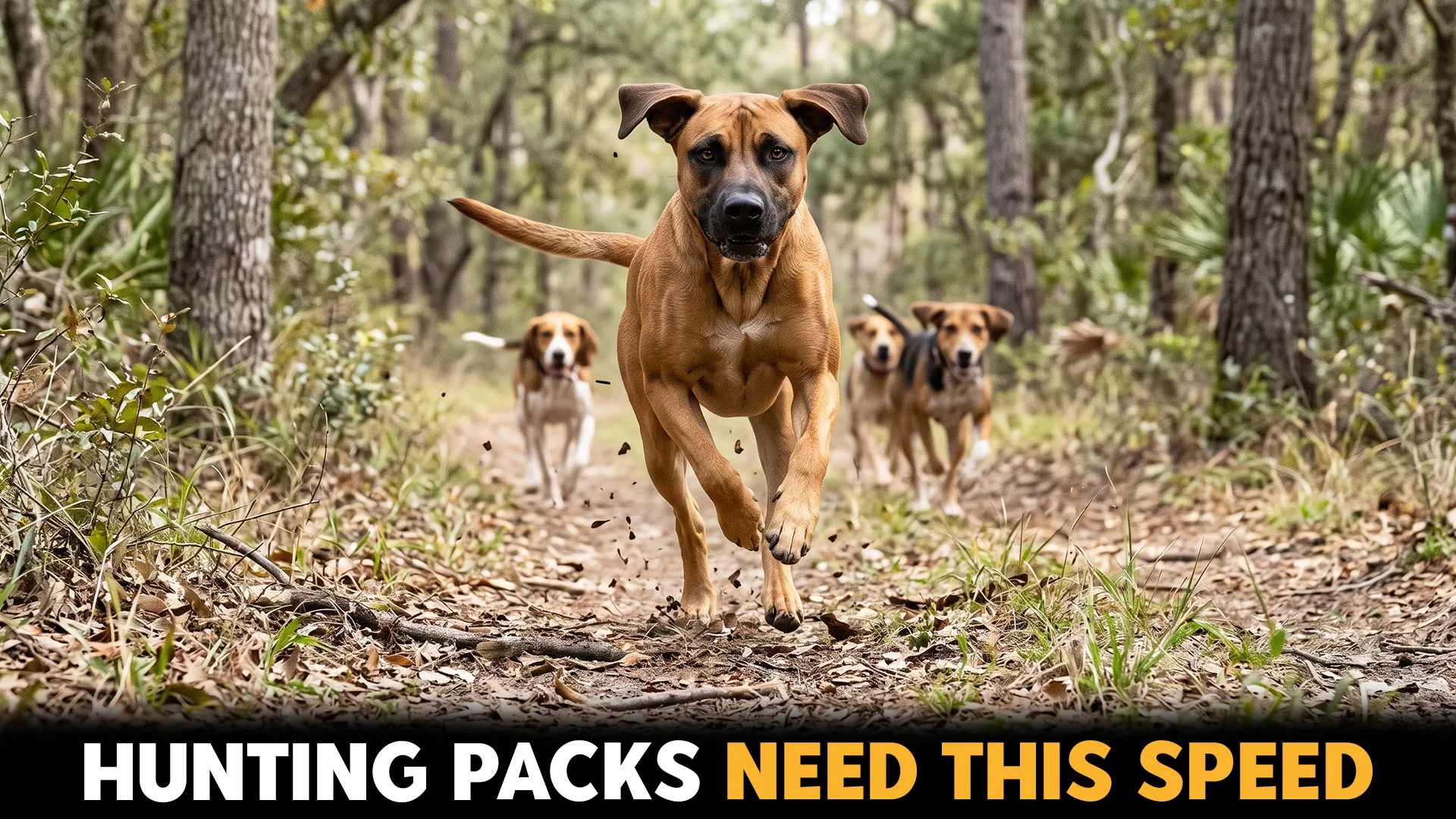
A hunting dog can cover ground in seconds, leaving its handler to keep pace while watching for the next turn, scent, or signal.
Speed matters in the field because fast dogs can close distance quickly, follow moving game, and help a hunt progress across open terrain. Yet a quick sprint tells only part of the story. A useful hunting partner also needs stamina, keen senses, sound judgment, and enough control to respond when conditions change.
Dogs differ widely in how they run and hunt. Some are built for short bursts over open ground, while others rely on a steady pace and the ability to follow scent through thick cover. Their body shape, stride, breathing, and original working purpose all influence performance. The fastest hunting dogs are fascinating for reasons beyond their speed alone.
This article explores the breeds known for remarkable speed, their original hunting roles, and the qualities that make each one suited to the chase.
Key Takeaways
How does a hunting dog know when to sprint, slow down, or stop the moment it catches a scent? Its instincts, body structure, and original working role all help shape the answer.
The Irish Setter uses sweeping search patterns to locate upland birds, while the Alano Español was valued for its ability to seize powerful game during traditional Spanish hunts.
Other breeds bring their own remarkable abilities, from the Black Mouth Cur’s persistent tracking in dense vegetation to the Weimaraner’s interest in scent work and retrieving, suiting an active lifestyle.
Other hunting dogs with speed and working instincts make fascinating partners in the field for active, dedicated owners.
Dog Breeds With Lightning Speed to Lead the Hunting Pack
1. Irish Setter
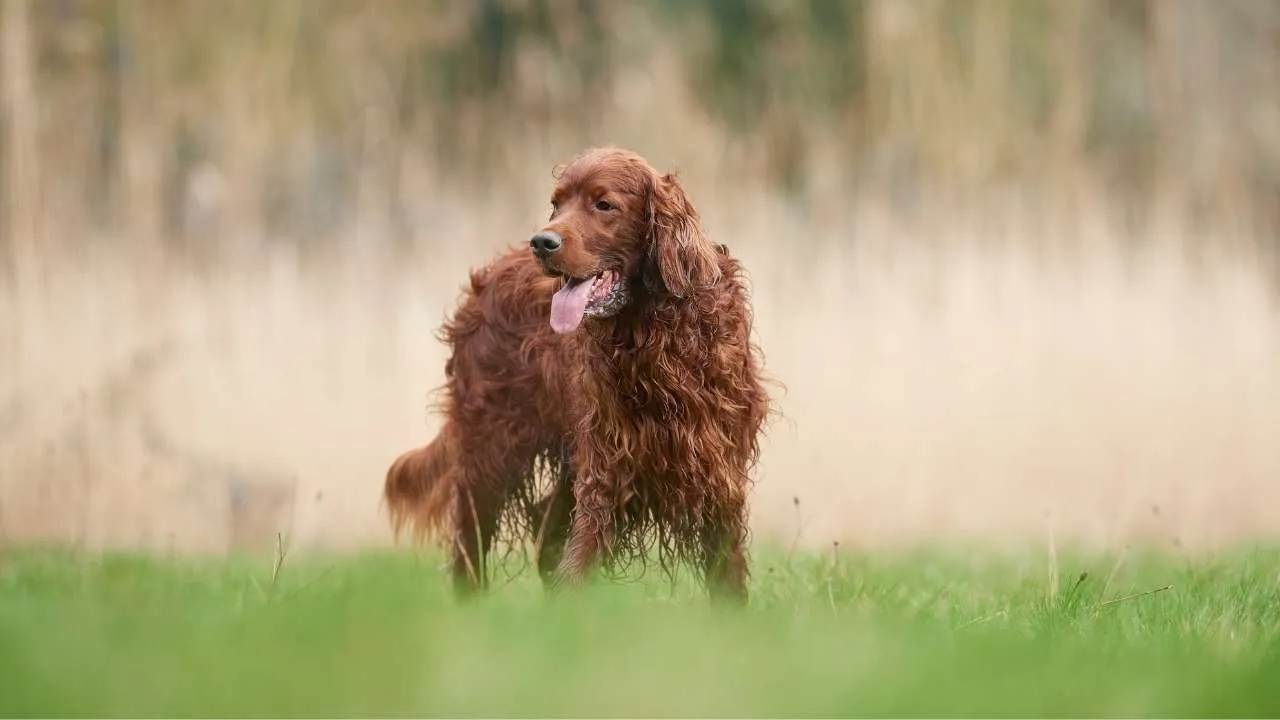
Irish Setter likely emerged from crosses between English Setters, Spaniels, and Pointers, with hunters seeking a large dog they could spot across open ground. By around 1800, kennels bred red-coated dogs, whose rich mahogany coloring made them easier to see in fields and hedgerows.
Natural-Born Tracker
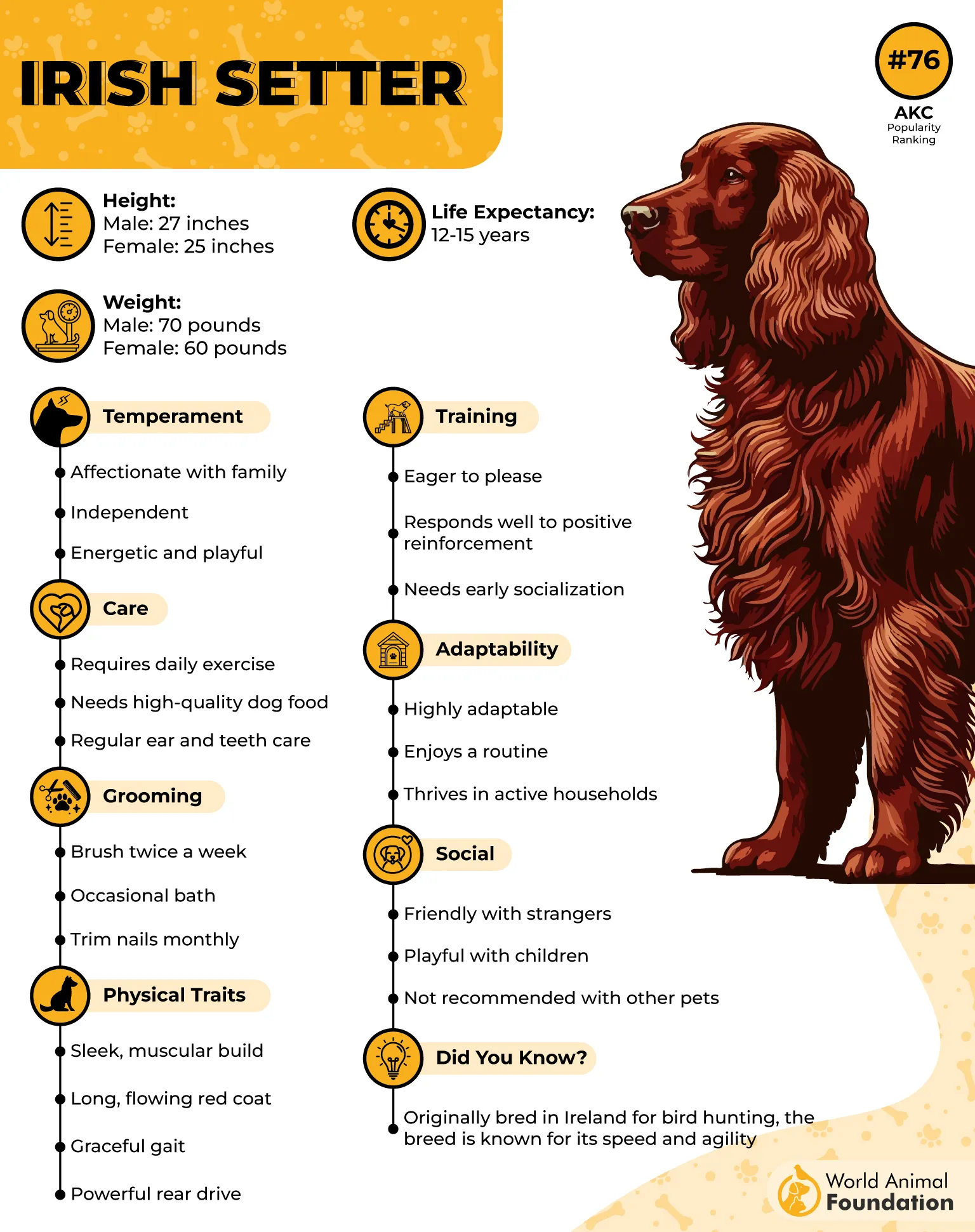
Irish Setter combines a deep chest with long strides, helping it cover broad stretches of countryside during extended hunting outings.
Its original work involved locating upland birds alongside a handler, using scent and a distinctive pointing posture to signal where game might be hiding, as noted by the AKC.
Three details explain its field-working style:
Sweeping search patterns across open terrain
A natural pause when bird scent is detected
Feathered coat that needs regular brushing to prevent mats
A Nose That Leads
Irish Setter can become intensely focused when a bird or interesting scent catches its attention, sometimes ignoring familiar cues in the excitement. Recall practice is especially important in open areas, where its habit of ranging back and forth can take it farther from its handler.
2. Alano Español
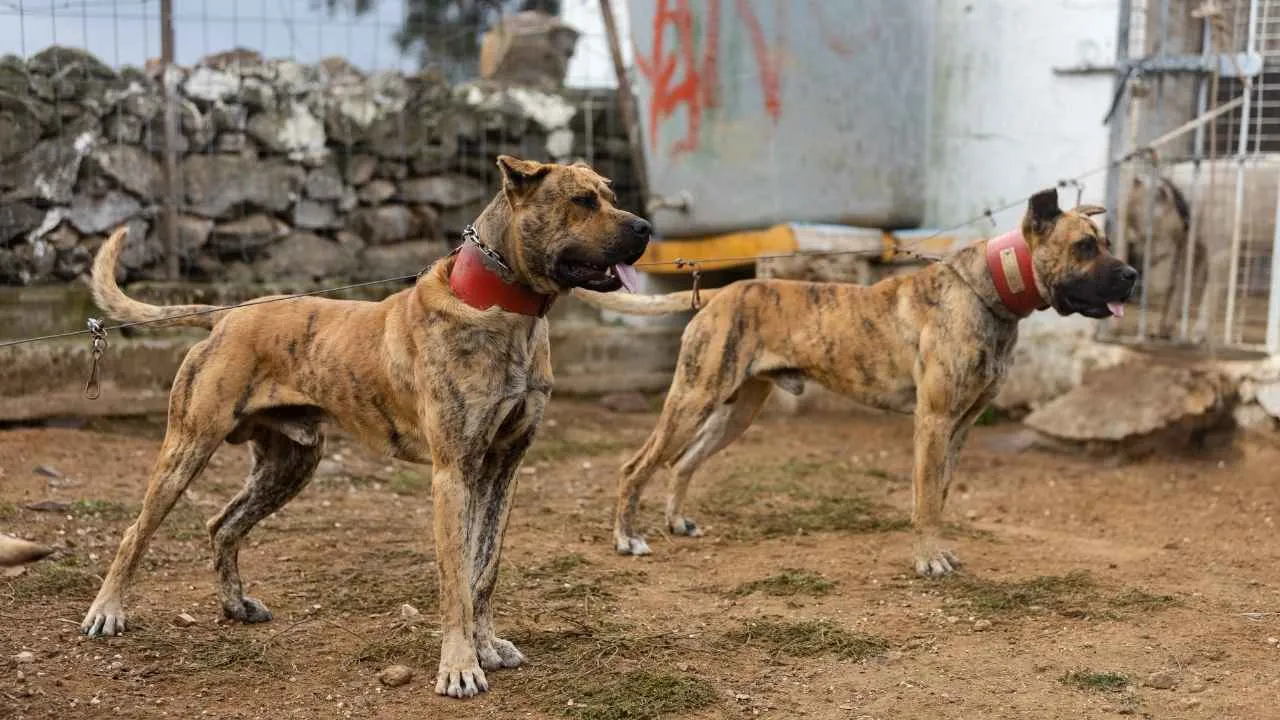
Alano Español has roots in the journeys of the Alani people, an ancient Indo-Iranian group that traveled across Europe and Africa with large herds of sheep and goats. Their powerful dogs helped protect livestock and assisted in hunts, eventually spreading to communities encountered along the way.
Built for the Chase
This ancient breed combines explosive acceleration with a compact, muscular frame, allowing it to close the gap when large game tries to escape.
Its powerful hindquarters provide sudden bursts of speed, while its low center of gravity helps it turn sharply through thick brush and rough terrain.
These abilities explain its role in traditional Spanish hunting packs:
Closes in on fleeing prey.
Makes tight turns through dense vegetation.
Holds large game until the hunter arrives.
The Pack’s Catch Dog
In Spanish hunting groups called rehalas, lighter hounds track and pursue the animal before the Alano Español steps in when the quarry is cornered. Its task is to seize and restrain dangerous prey, including wild boars and stags, while the hunter approaches.
3. Black Mouth Cur
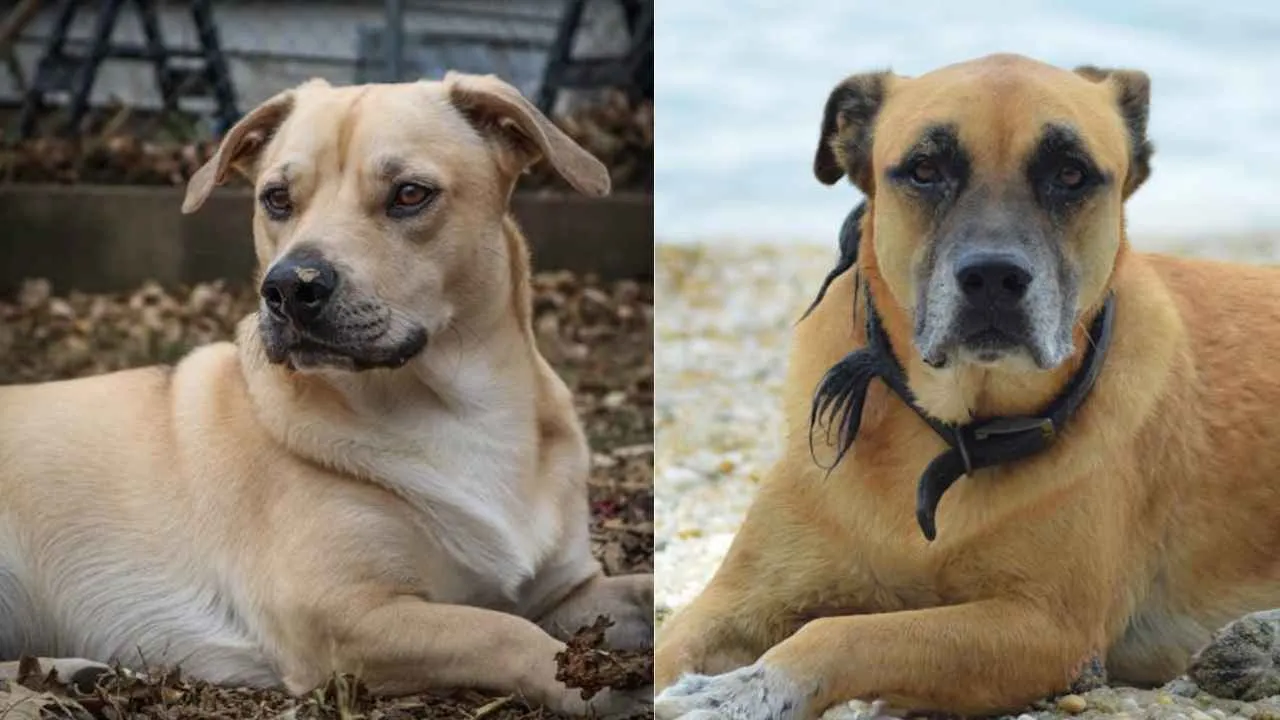
Black Mouth Cur was originally bred in the southern United States, where early settlers relied on these dogs to hunt wild game, guard livestock, and assist with ranch work.
Over time, different regional lines took on specialized jobs, from cattle herding to protecting farm animals and tracking prey through dense cover.
The Hunter Within
They have a short coat and athletic frame suited to demanding work in the hot, humid conditions common across the American South. Its hunting style can include baying loudly to help hunters locate the dog and cornered game when thick vegetation blocks their view.
The following working habits add to its hunting ability:
Sweeps across an area before checking back with its handler
Uses baying to signal the location of game
Shows persistence when tracking through heavy brush
Grit in the Field
Black Mouth Cur was selected for difficult jobs, including hog hunting and deterring predators, which call for physical resilience and steady nerves. Some dogs also display heel-nipping or livestock-herding instincts, so their working drive needs appropriate direction.
4. Treeing Walker Coonhound
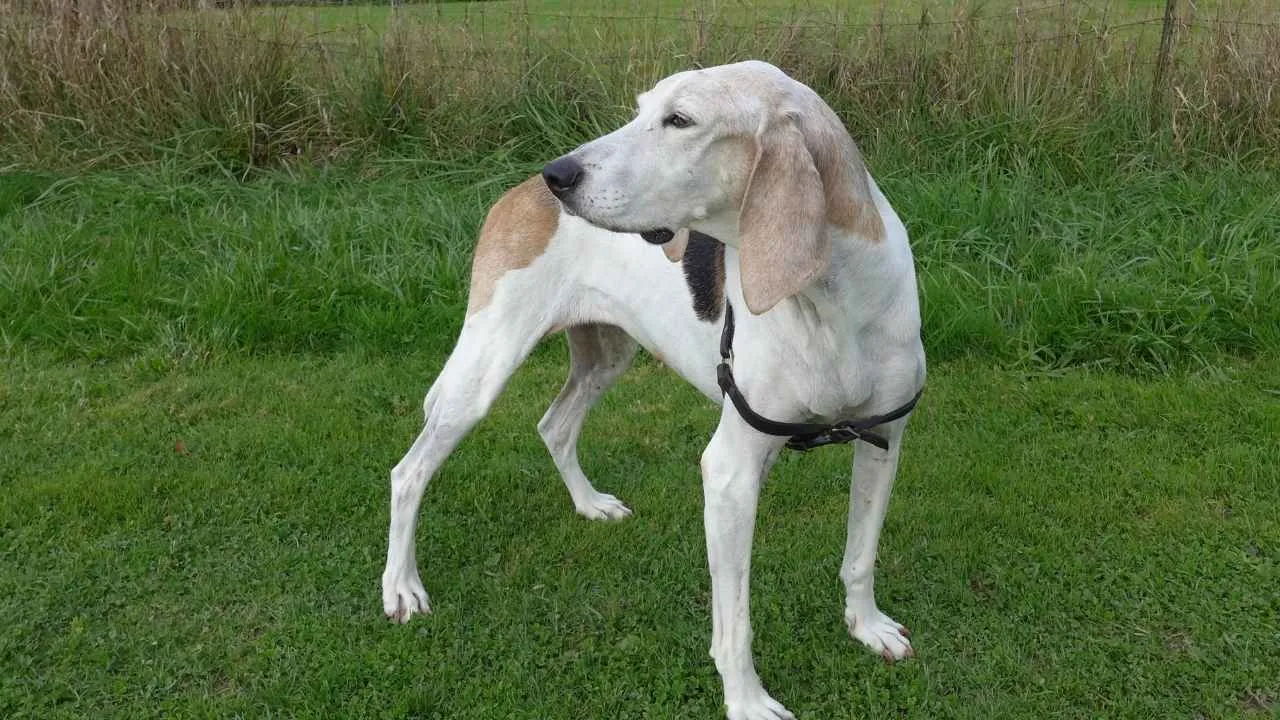
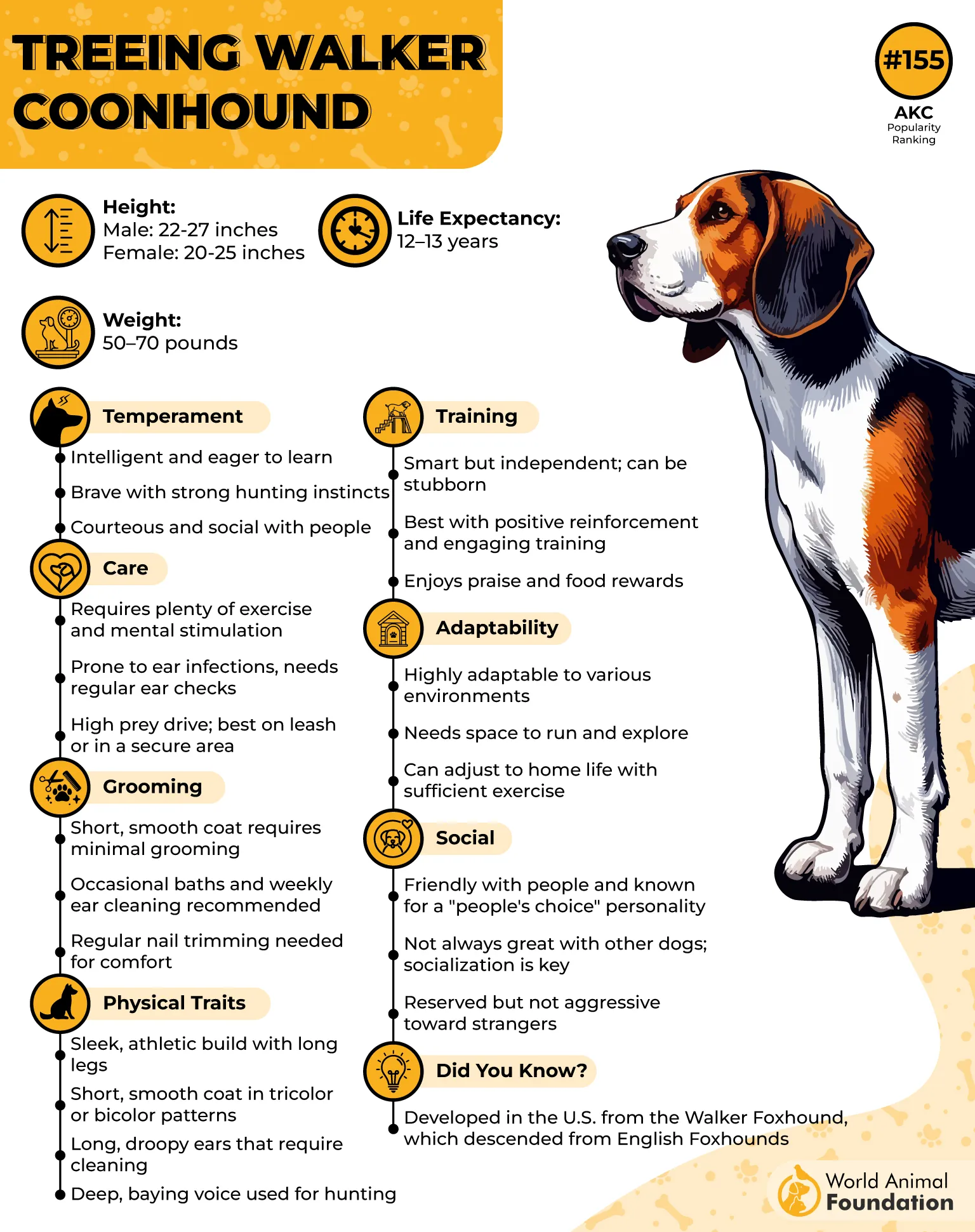
Treeing Walker Coonhound traces its ancestry to English Foxhounds crossed with other hounds, with breeding efforts beginning in the United States during the mid-1700s. By the 1800s, these dogs were becoming skilled hunting partners valued for their speed and scent-tracking ability.
Fast on the Trail
This Coonhound can follow complicated odor trails across varied terrain, using its keen nose to pursue raccoons and other quarry over long distances. When the animal climbs a tree, this hound switches from a trailing bay to a loud, steady bark that guides hunters to the location.
Here’s a closer look at its hunting equipment:
Long, pendulous ears help funnel ground scents toward the nose
Tough feet and resilient skin handle thorny undergrowth
A lean, endurance-focused frame supports prolonged pursuit
An Energetic Housemate
Daily life with this hound calls for one to two hours of physical activity, with running, hiking, and fetch providing useful outlets, as Orvis claims.
Without enough engagement, it may bark excessively or chew household items, while short training sessions with consistent rewards can help manage its independent streak.
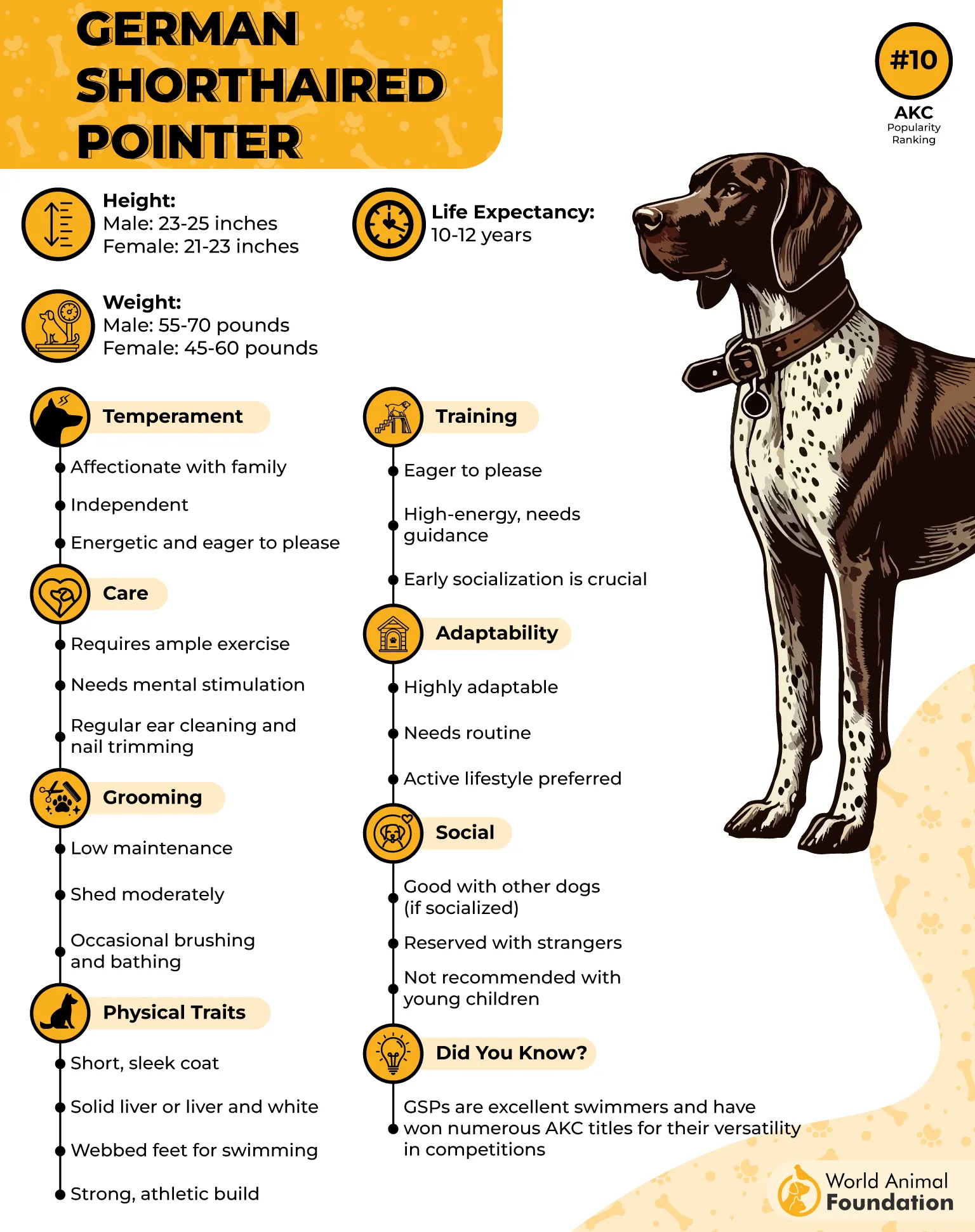
5. German Shorthaired Pointer
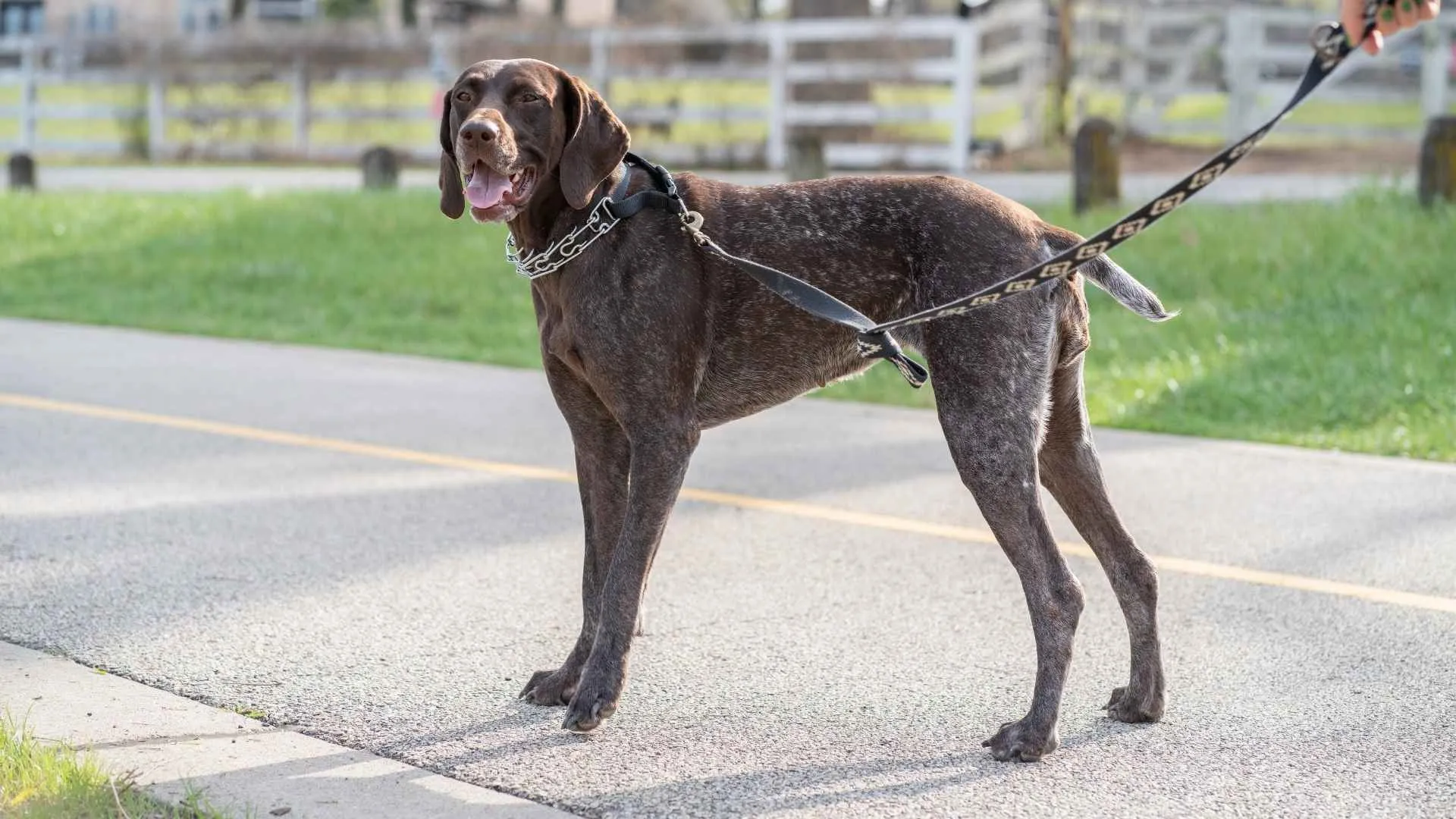
German Shorthaired Pointer took shape through generations of German hunting dogs, including the German Bird Dog, English Pointer, and Arkwright Pointer. Its modern form was established around 1870, followed by official American Kennel Club (AKC) recognition in 1930.
A Nose for the Chase
This breed searches for game by sweeping across fields, woodland edges, and marshes in a side-to-side pattern called quartering. When bird scent catches its attention, the dog can freeze with its nose aimed forward, tail level, and sometimes one forepaw raised.
Its hunting technique includes several specialized skills:
Air-scenting birds carried on the wind
Gentle retrieving that helps protect game birds
Entering cold water to retrieve, especially after early exposure
Focused on Its Handler
German Shorthaired Pointer is generally sociable and adaptable, with early socialization helping it behave appropriately around unfamiliar people and other dogs.
After active work, it may follow its favorite person from room to room, while some dogs use excited whines or barks when anticipating an outing or spotting wildlife.
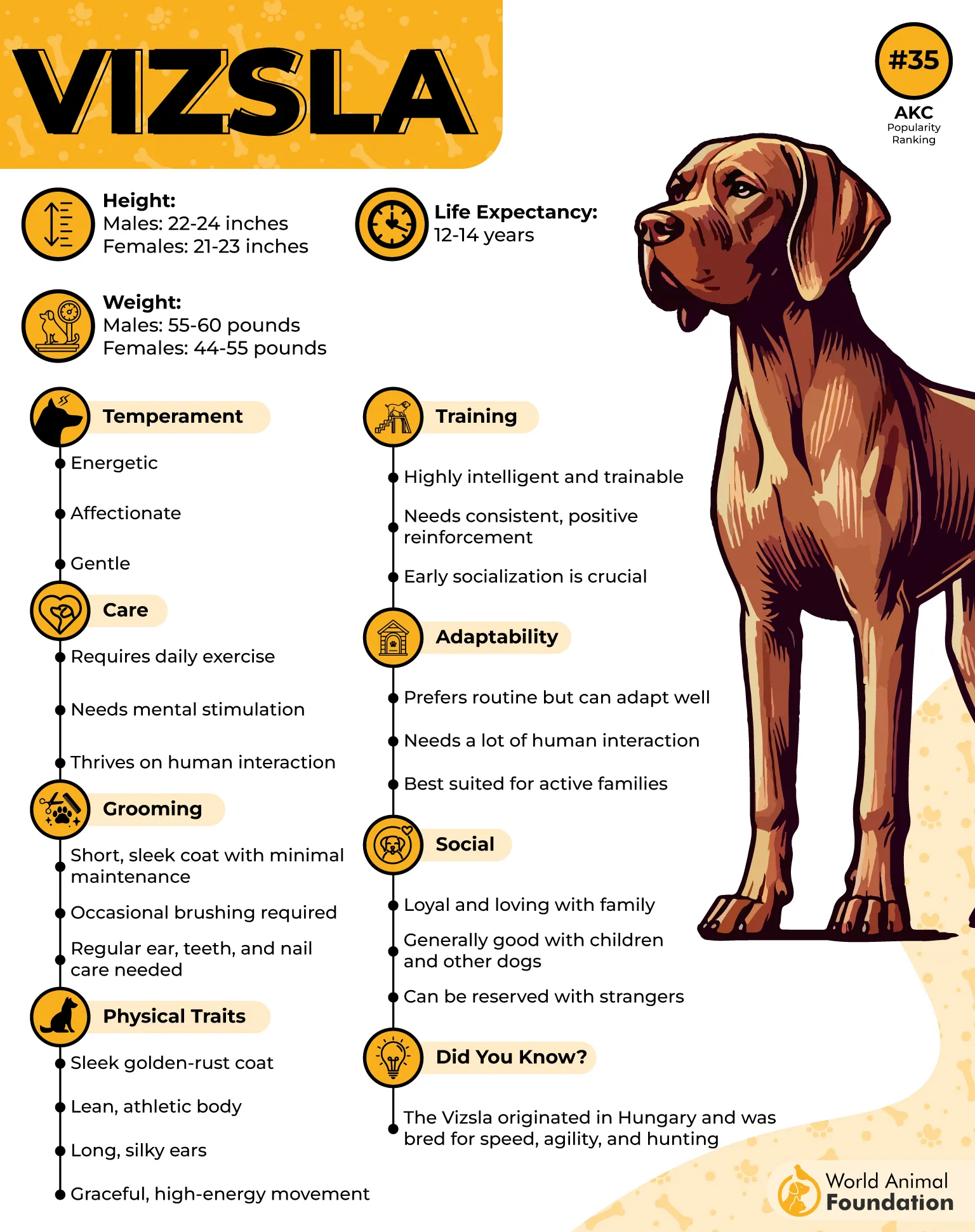
6. Vizsla
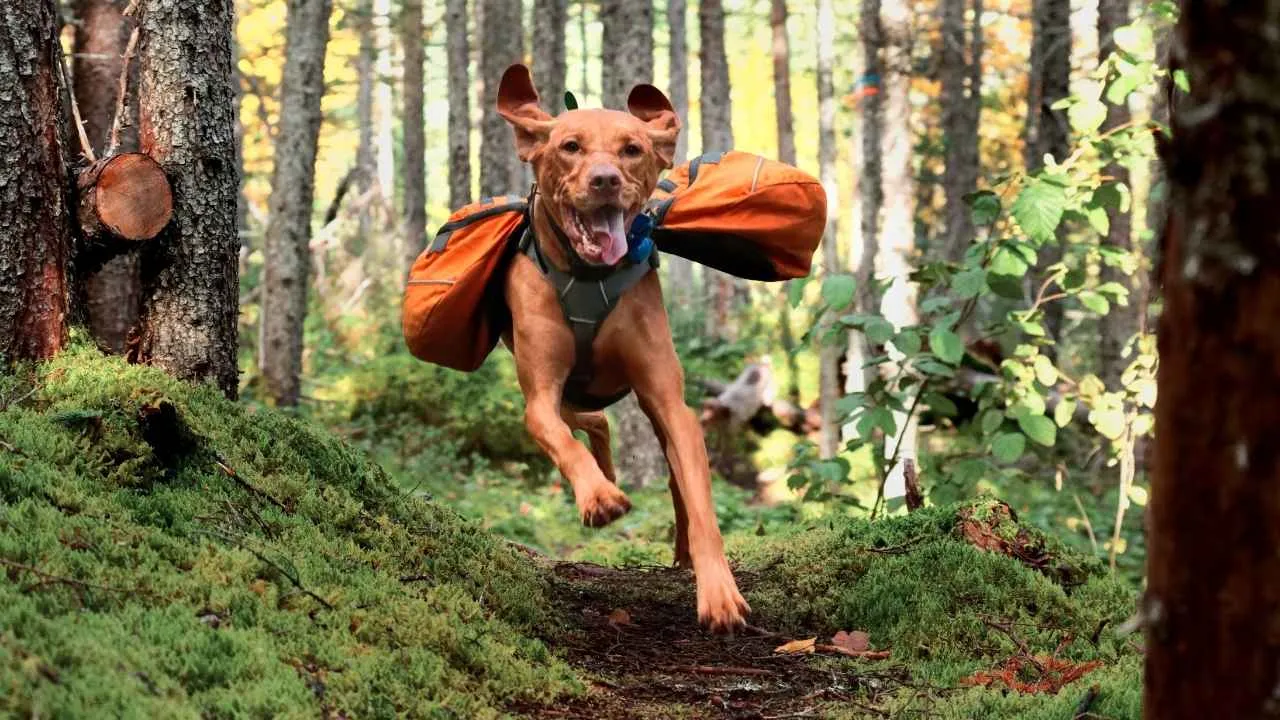
Vizsla originated in Hungary, where hunters relied on its keen nose to locate game and its pointing skills to direct gunmen toward hidden birds. After World War II, the breed spread internationally, gaining recognition as both a working gun dog and a household companion.
Speed Through the Fields
Vizsla has a light, deep-chested athletic frame, long legs, and compact feet that help it gallop quickly through grass and uneven farmland. Its short, dense coat also sheds water and catches fewer burrs when the dog searches through brush.
Three details reveal how this hunter works in the field:
Freezes with its tail steady when pointing toward hidden game
Checks back with its handler for direction during a hunt
Uses a gentle mouth to retrieve birds without crushing them
Nose Before Eyes
This waterfowl hunting breed can suddenly change direction when a scent catches its attention, following ground trails in zigzags or lifting its head to catch airborne smells. That sharp tracking instinct makes reliable recall training important, especially in open areas where game may tempt it farther away.
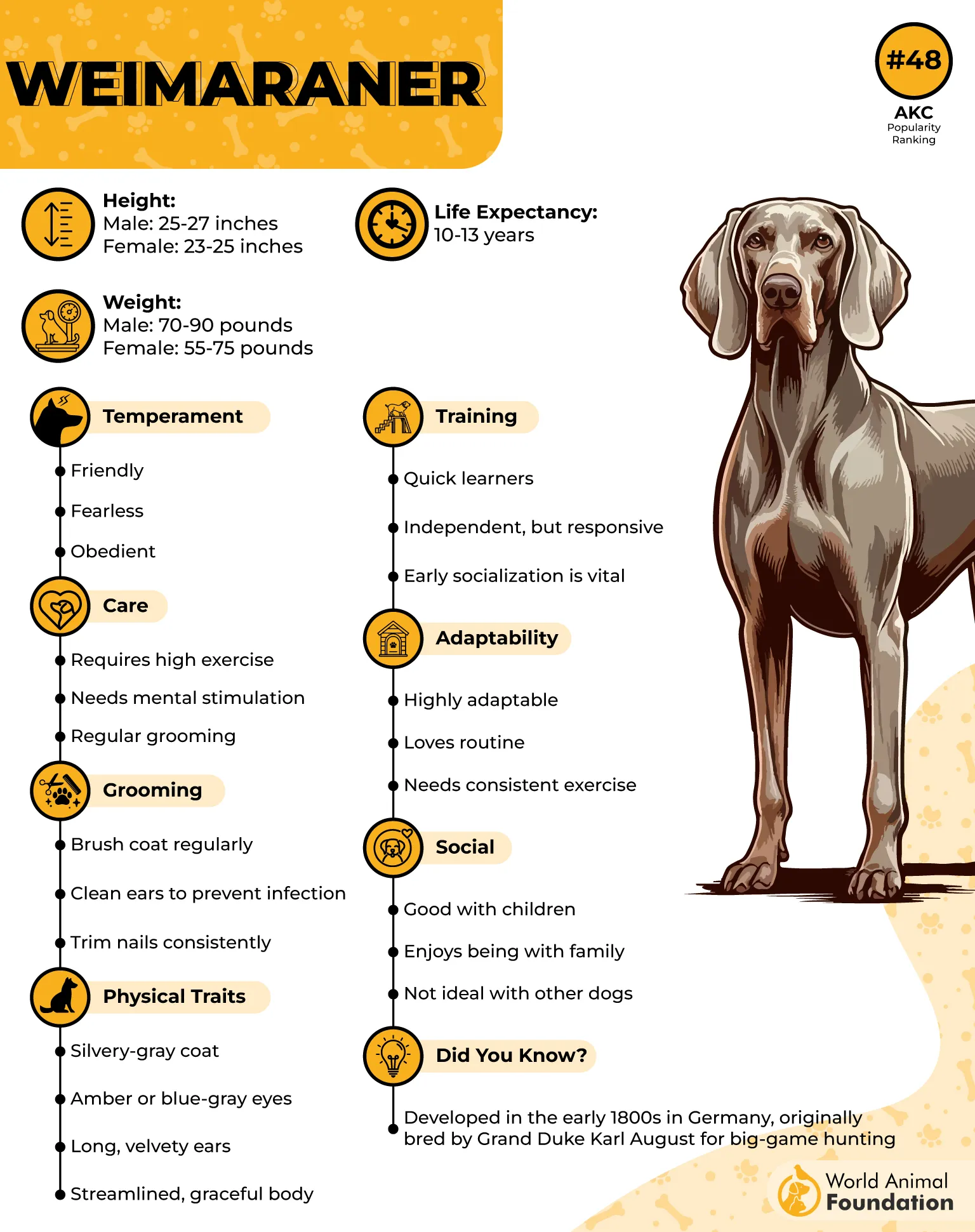
7. Weimaraner
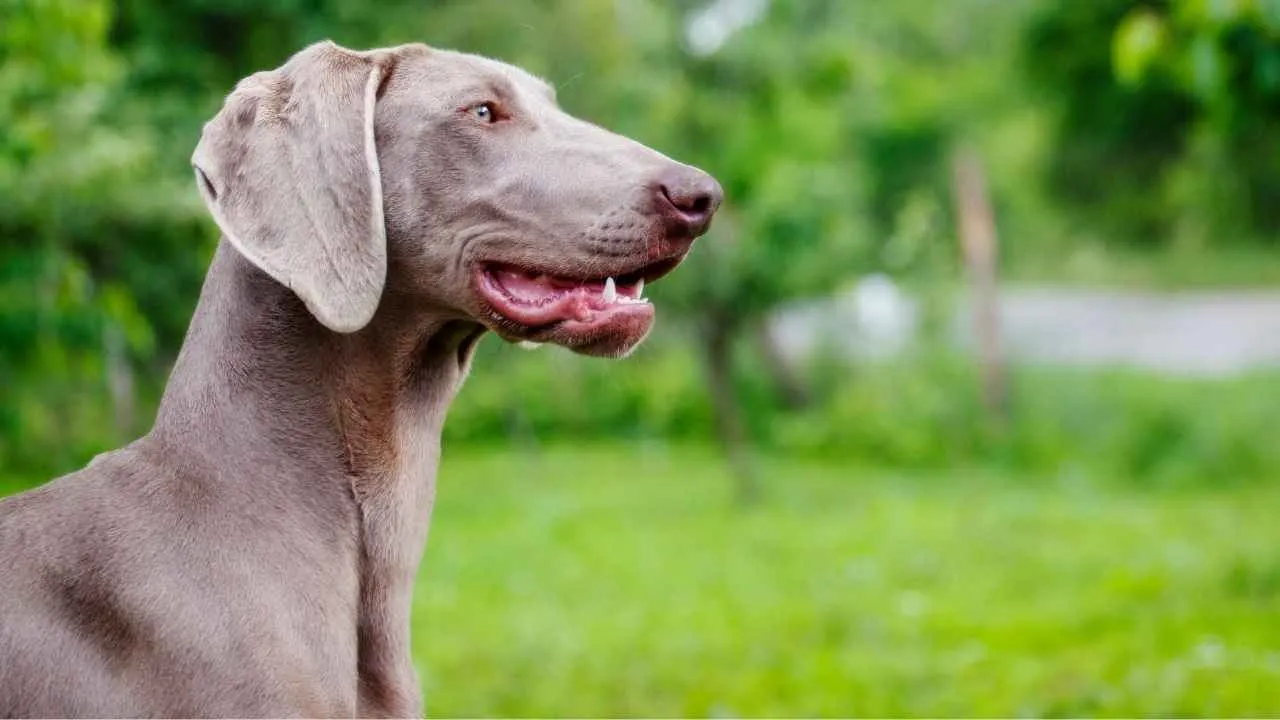
Weimaraner originated in 19th-century Germany, where hunters wanted an adaptable gun dog capable of pursuing large game, including deer and bear. Bloodhounds, Schweisshunds, and other pointer breeds contributed to the lineage that shaped the modern Weimaraner.
Driven by Hunting Instinct
With an athletic frame and an efficient stride, Weimaraners can cover long distances during active hunts without losing their working focus, as noted by PetMD.
Its short, dense coat also dries quickly after wet retrieves, a useful feature when tracking game through damp fields and cool conditions.
The hunting ability of this breed is seen in these traits:
Keen scent-tracking instincts
Natural interest in retrieving objects
Webbed toes that can assist with swimming
Eyes on Every Scent
A Weimaraner may suddenly freeze with its head raised when it catches an interesting scent, briefly resembling a pointing dog. Its strong prey drive can also send it after squirrels, birds, or cats, making reliable recall training especially important.
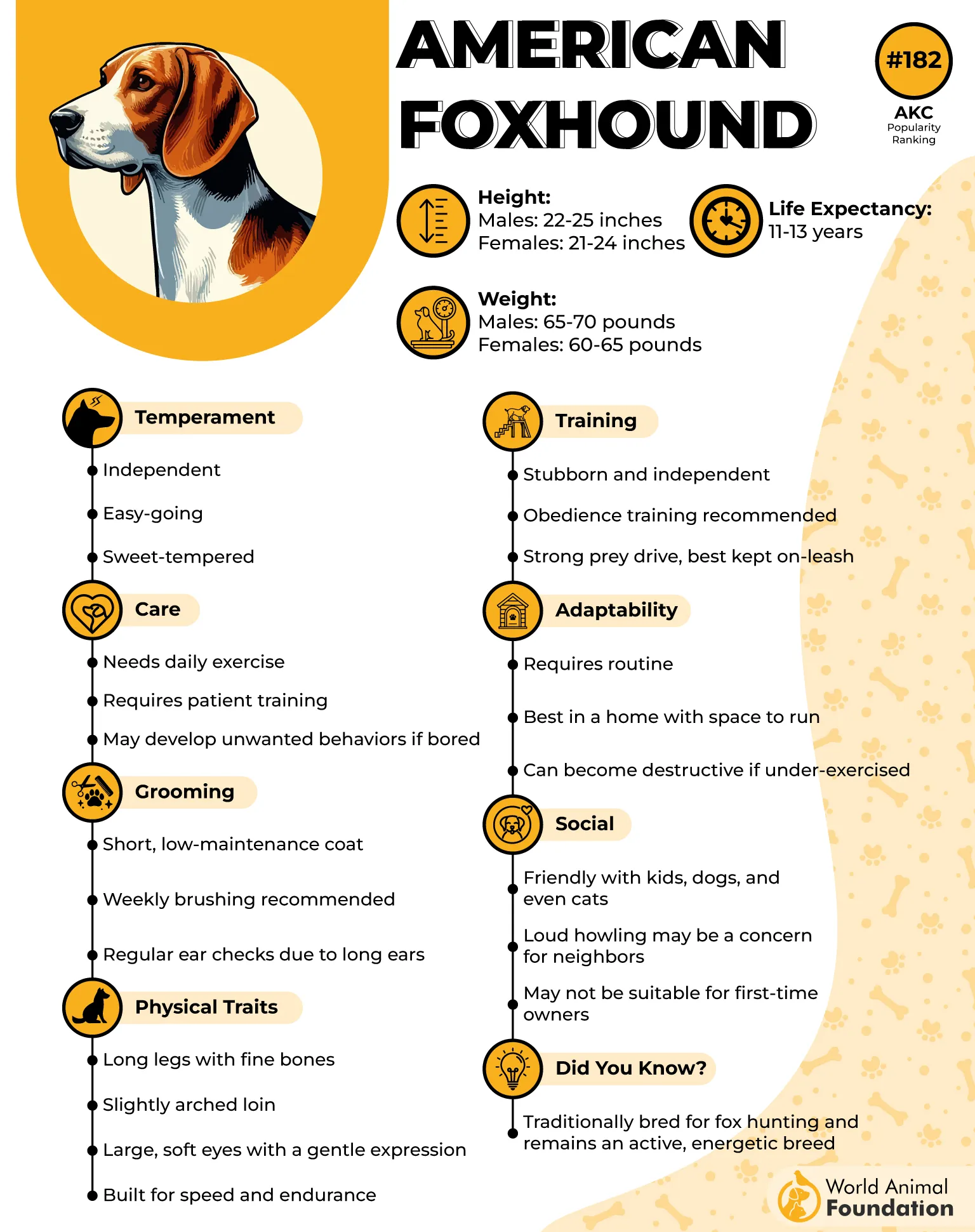
8. American Foxhound
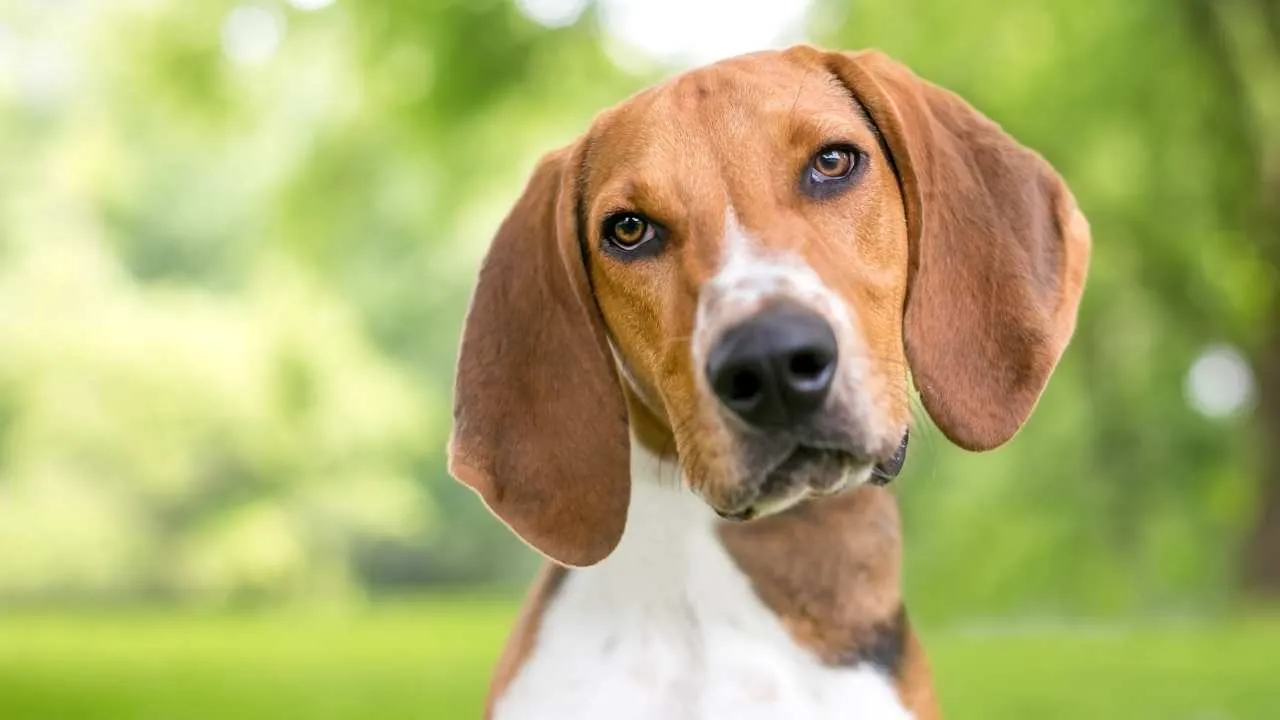
American Foxhound arrived in America during the 1650s, brought over by English settlers before fox hunting gained popularity among wealthy colonists in the following century.
Crosses with Irish Foxhounds and American Coonhounds helped produce a leaner hound with longer legs and greater speed than its English counterpart.
A Nose That Leads
This breed can follow a scent for miles, using its exceptional sense of smell to track a trail across varied terrain. Once it picks up an interesting odor, its focus can become so intense that familiar commands and distractions fade into the background.
Its fieldwork depends on both scent and communication:
Follows scent trails over extended pursuits
Uses loud, distinctive calls that help hunters locate the pack
Works alongside other hounds under human direction
A Social Side
At home, the American Foxhound is generally gentle with children, other dogs, and familiar pets, though it may be reserved around strangers at first.
Long periods alone can be difficult for this pack-oriented breed, which often enjoys canine company and scent-based games such as tracking trails and nose work.
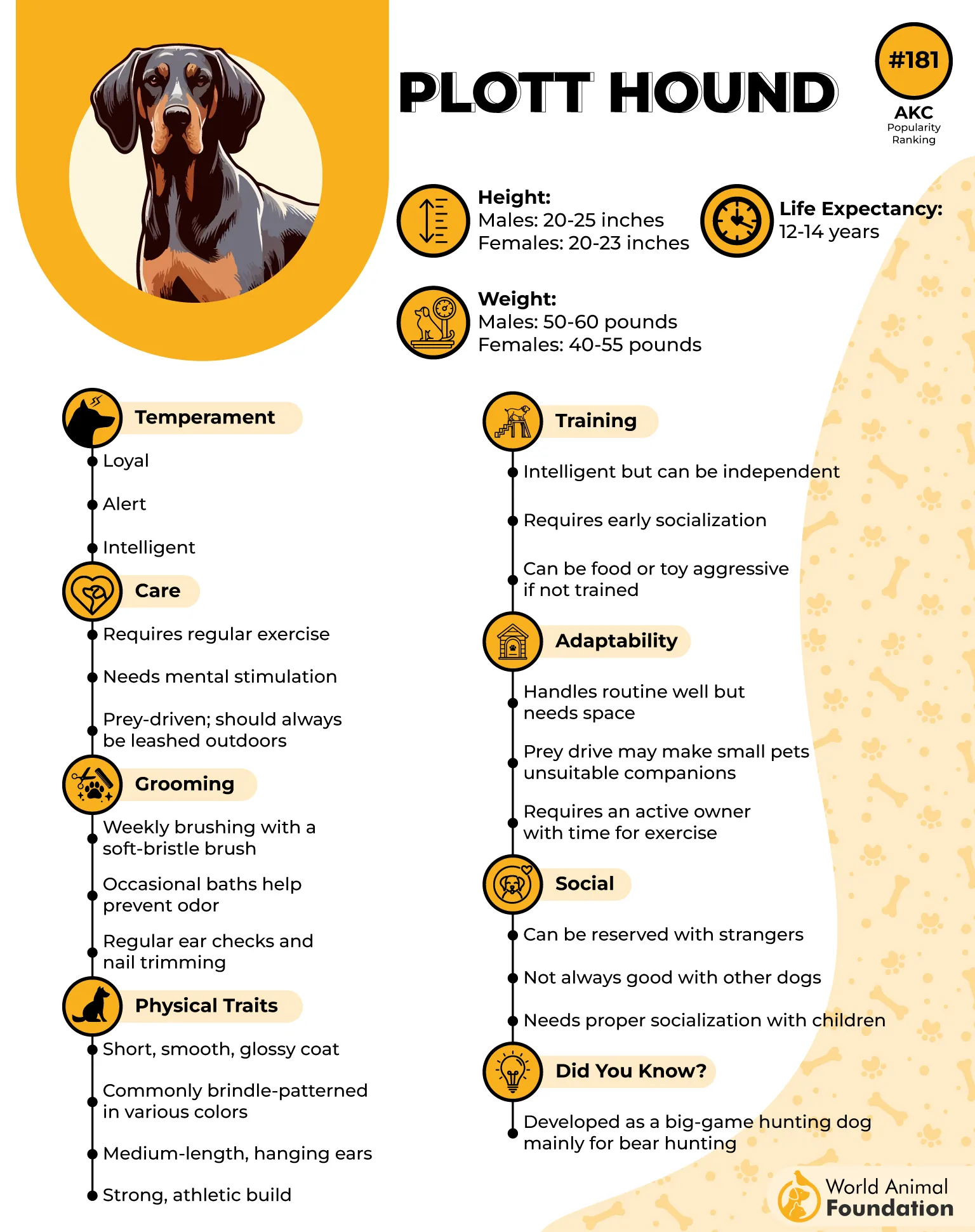
9. Plott Hound
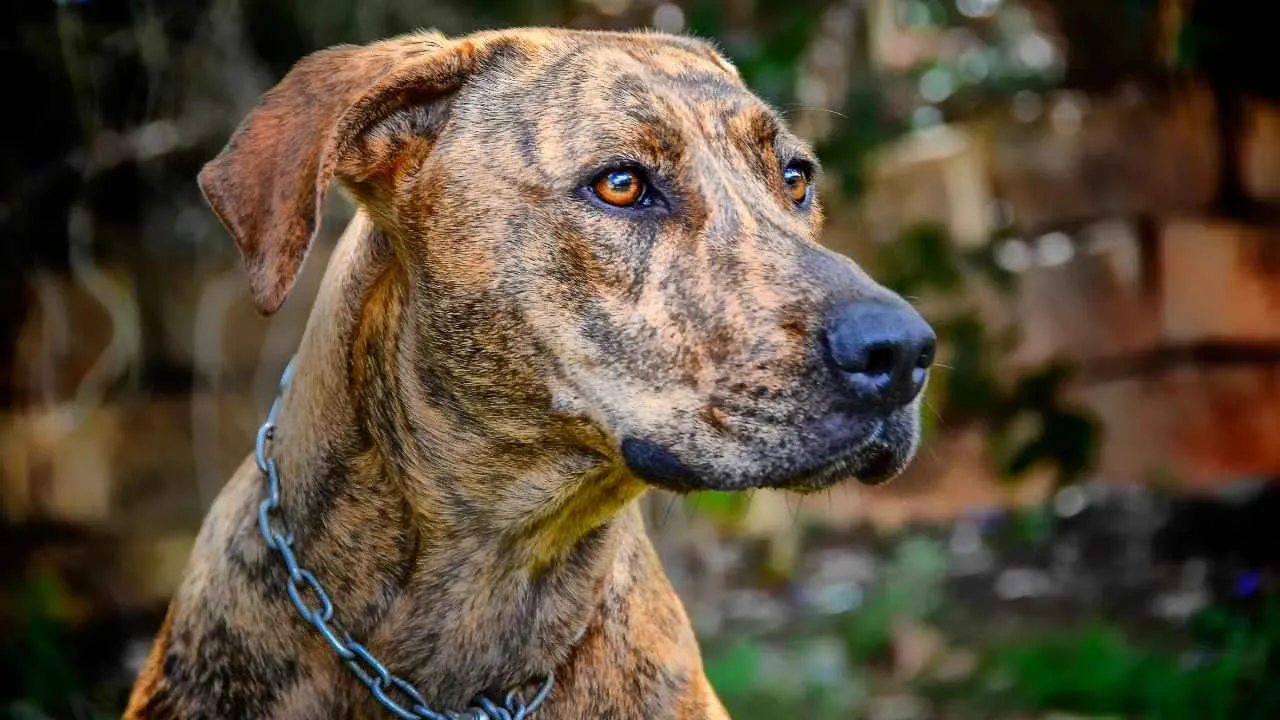
Plott Hound traces its American beginnings to the 1750s, when Johannes Plott arrived in North Carolina with five Hanover hounds from Germany. His family crossed these scent-driven dogs with local hunting dogs, gradually shaping a breed suited to pursuing large game such as wild boar and bears.
A Nose for the Chase
Plott Hound follows scent trails across rugged hillsides and thick woodland, using its powerful nose to pick up older tracks that other dogs might lose. Its deep, musical bay helps hunters locate the dog from a distance, even when dense brush blocks their view.
This is what gives this hound its hunting edge:
Side-to-side scent searching to recover lost trails
Coordinated baying when hunting alongside other dogs
Strong focus on a chosen scent despite surrounding distractions
A Determined Tracker
Once a Plott Hound catches an interesting scent, its pursuit instinct can take priority over recall commands, making a secure leash or fenced area essential outdoors.
Daily running, tracking games, agility, and other demanding activities help direct its energy, while puzzle toys offer an additional challenge when it is back at home.
Conclusion
The fastest hunting dogs combine physical ability with instincts shaped by generations of fieldwork. Their powerful strides can help them close distances, while sharp noses and keen awareness guide them toward game.
Some are better suited to open fields, whereas others can track through woodland, brush, and uneven ground or assist with retrieving waterfowl.
Each hunting style brings different demands for training, exercise, and handling. A dog with a strong prey drive may need extra guidance around wildlife and unfamiliar animals, particularly outside secure areas. The instinct and gentle nature of each dog help future owners find a suitable companion where dogs thrive and prepare for the daily responsibilities that come with an active hunting dog.
