




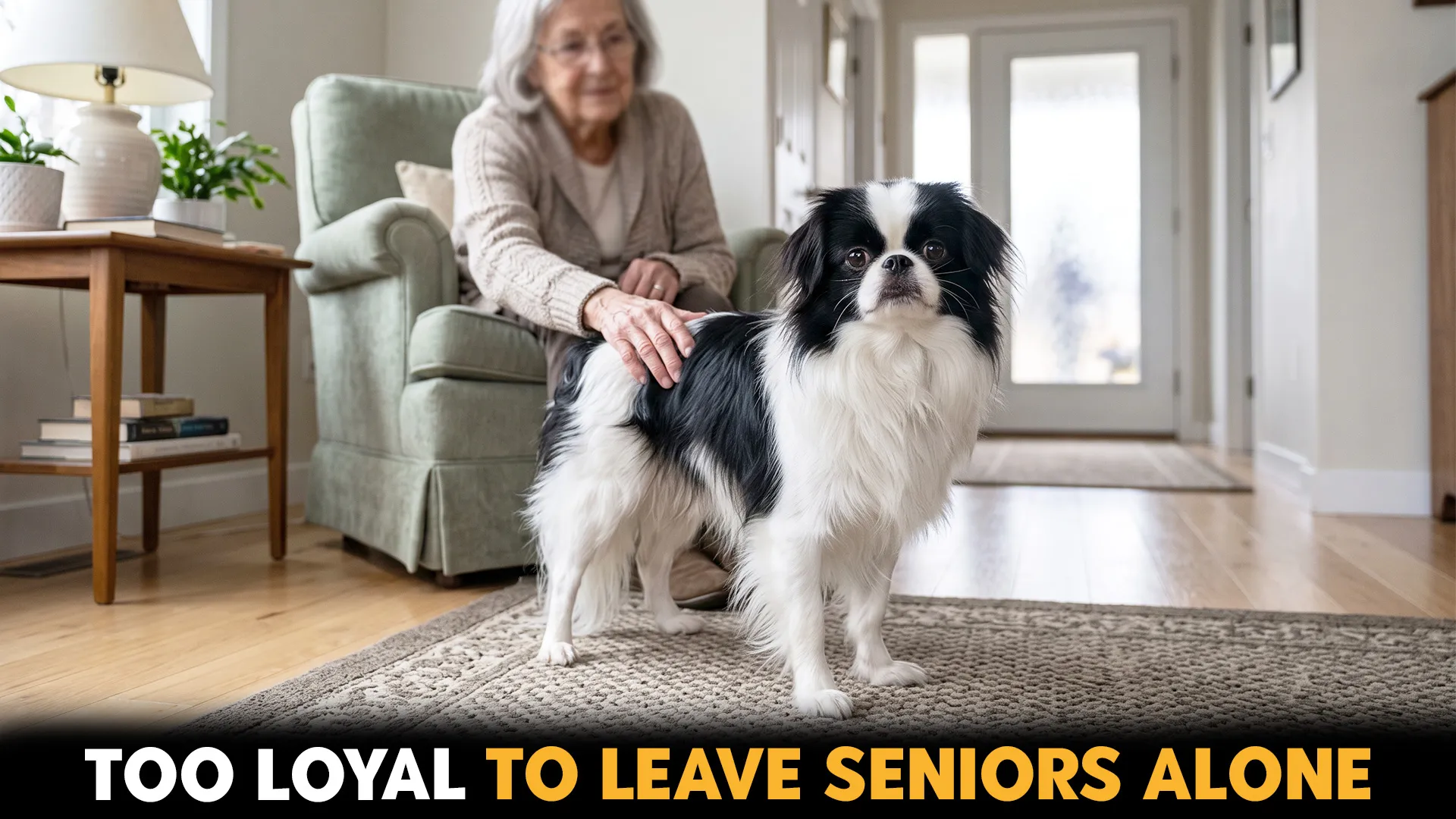
Peaceful security does not always mean a giant guard dog posted at the front door like a nightclub bouncer. For many seniors, the best dog is a small, loyal companion who notices sounds, stays close, offers comfort, and makes the home feel less empty. These dogs bring emotional safety and routine without turning daily life into a full-time training bootcamp.
Small companion breeds can be especially helpful for older adults because they are usually easier to lift, walk, bathe, and manage indoors than large working breeds. The seniors choosing a dog should consider lifestyle, physical ability, grooming needs, and exercise requirements. That advice matters because the right dog should make life warmer and easier, not more stressful.
Below are seven loyal breeds that can suit seniors who want calm companionship with a little extra home awareness. They are small, affectionate, people-focused, and usually better suited to relaxed households than high-drive working dogs. Let’s meet the cozy security squad.
Loyal Dog Breeds for Seniors Seeking Peaceful Security
1. Havanese
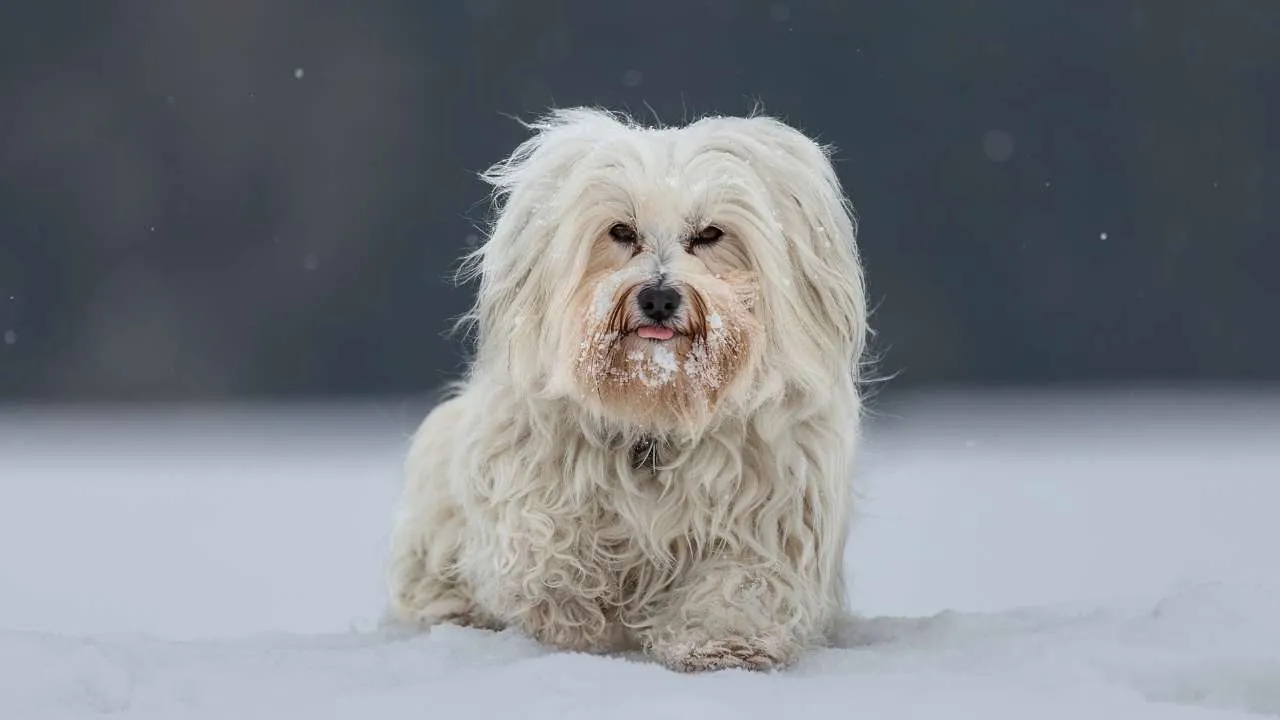
The Havanese is the cheerful little social butterfly that somehow feels both fancy and down-to-earth. This Cuban companion breed is known for being affectionate, bright, playful, and closely attached to its people. For seniors who want a loving dog that brings warmth without overwhelming size, the Havanese is a very strong pick.
Their loyalty shows up in the sweetest everyday ways. A Havanese may follow from room to room, nap nearby, and pop up when the doorbell rings like a fluffy little receptionist. They are not intimidating guard dogs, but they can be alert enough to make a senior feel less alone at home.
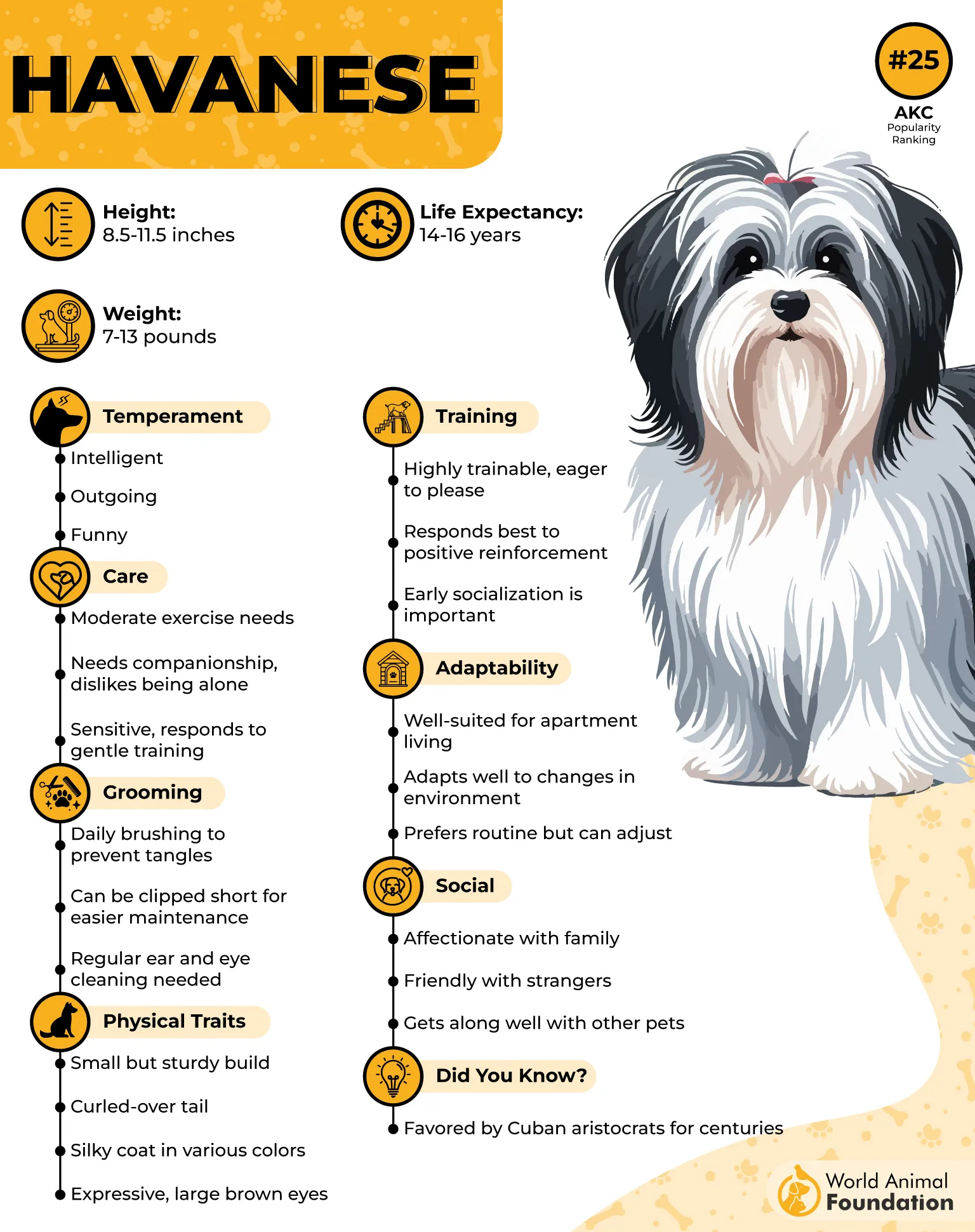
Exercise needs are usually manageable with short walks, indoor play, and gentle training games, as per Omlet. They enjoy activity, but they do not typically require extreme outdoor routines or intense athletic handling. That makes them a good match for seniors who want companionship without needing hiking boots every morning.
Many owners choose a shorter companion cut to keep care simpler and reduce daily brushing stress. This practical trim keeps the dog cute, comfortable, and easier to maintain.
It also tends to be friendly toward visitors when properly socialized, which is helpful for seniors with family, neighbors, or caregivers stopping by. Their sweet nature makes them feel like a companion first and an alert dog second.
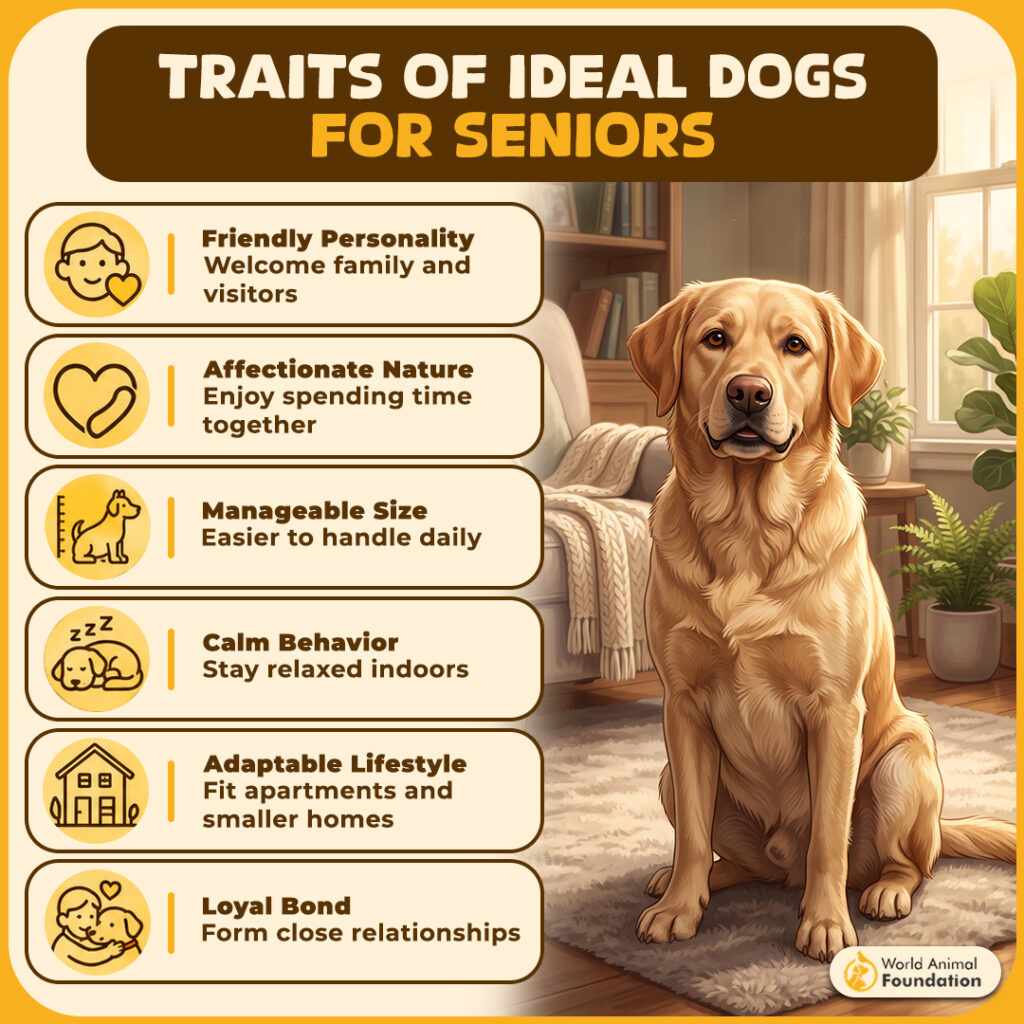
What Makes Them Suitable For Seniors
Their small size and people-loving nature make them easier to manage in apartments, condos, or quiet homes.
Their alert but friendly personality can help seniors notice visitors without creating a stressful guarding situation.
Their playful attitude brings daily cheer through short games, gentle walks, and close companionship.
2. French Bulldog
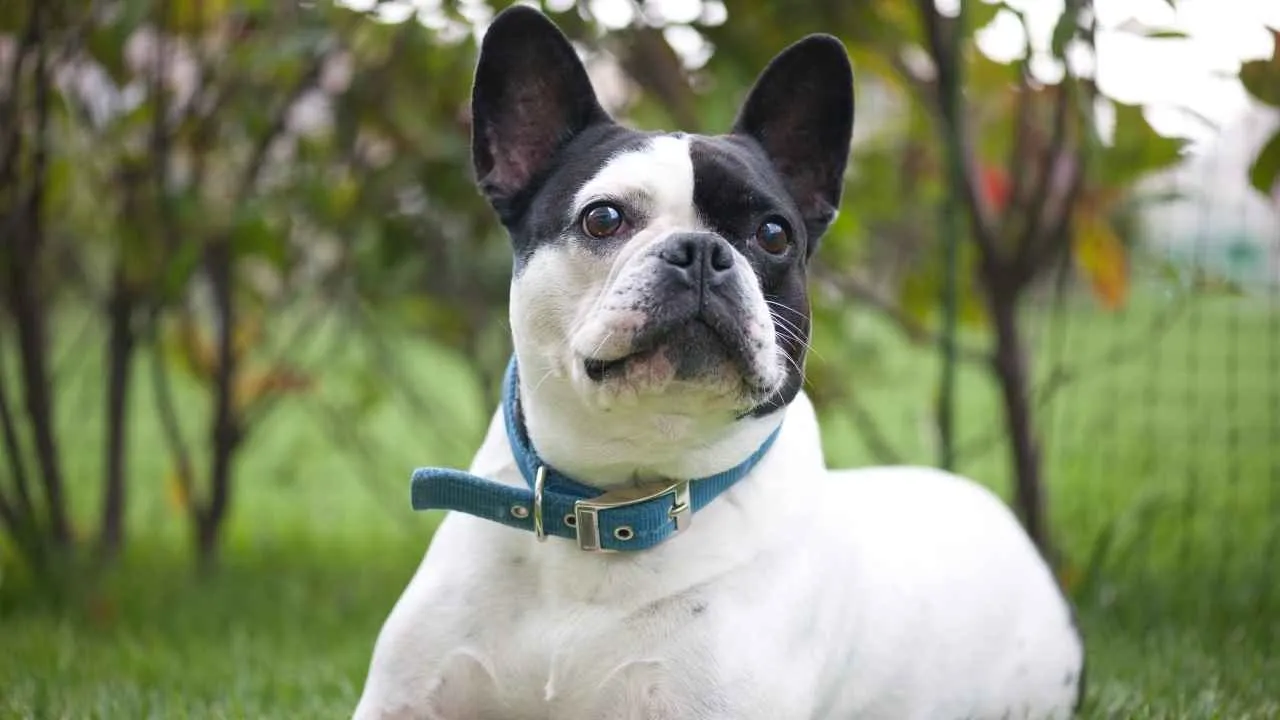
The French Bulldog is basically a compact comedian with a serious talent for couch-based emotional support. This breed is popular for its affectionate nature, sturdy little body, and low-maintenance exercise needs.
For seniors who want a loyal companion without a marathon-level walking schedule, the Frenchie can be a great fit.
French Bulldogs often bond deeply with their owners and enjoy being near their people. They are not usually needy in a frantic way, but they do love attention, routine, and cozy time at home. A Frenchie sitting beside a senior can make a quiet room feel instantly more alive.
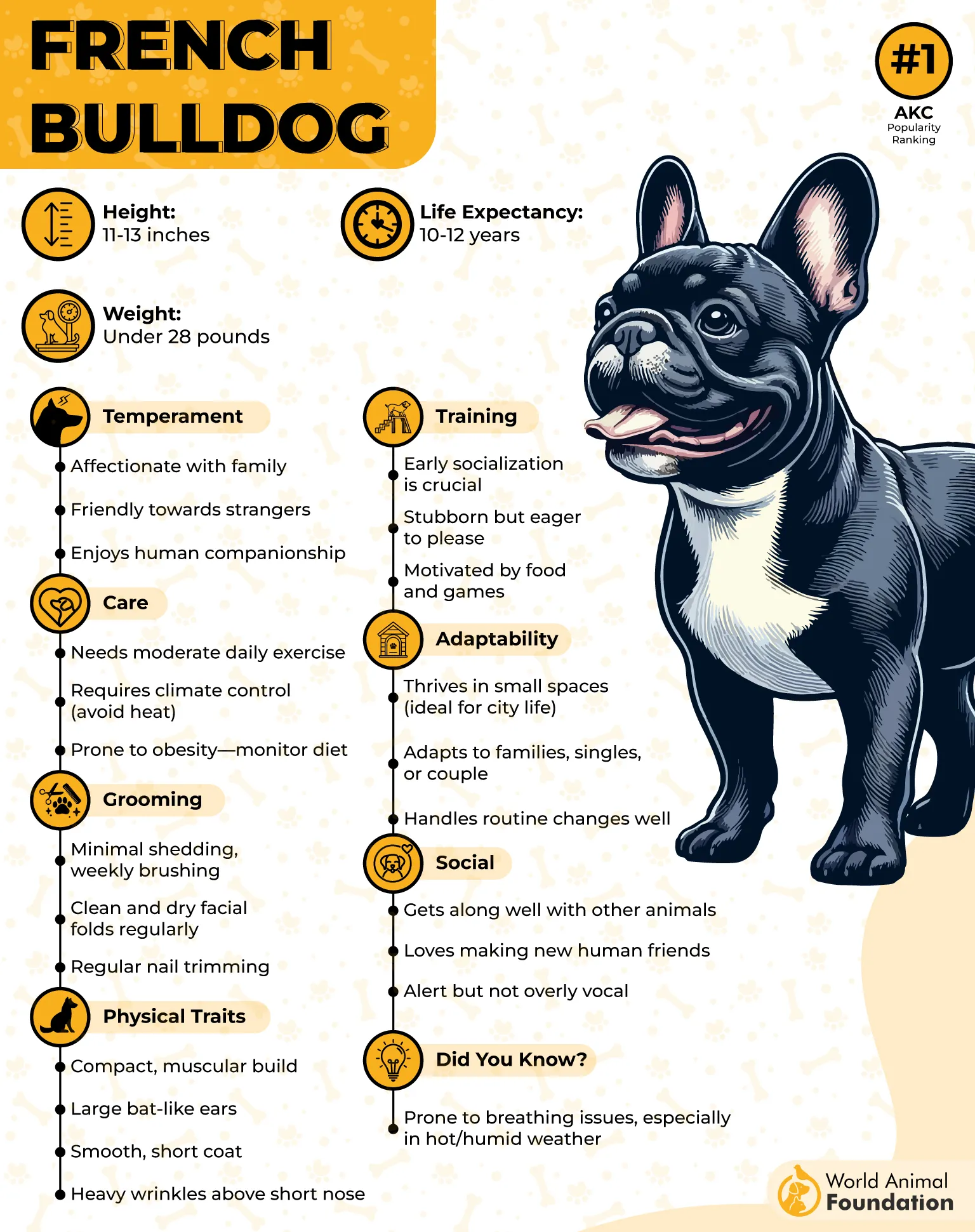
Their security value comes from awareness, not aggression. Many Frenchies will alert when someone knocks, enters, or makes a strange sound near the home. Their bark and confident little stance can make seniors feel more aware of what is happening around them.
Because they are brachycephalic, or flat-faced, French Bulldogs need careful heat management. They should avoid heavy exercise in hot weather, and seniors should keep walks short during warm afternoons. Air conditioning, shade, water, and calm routines are not luxuries for this breed; they are safety basics.
Their skin folds, ears, nails, and weight need attention. Their short coat does not require complicated styling, which is helpful for seniors who prefer easy care.
What Makes Them Suitable For Seniors
Their moderate exercise needs suit seniors who prefer short walks and relaxed indoor companionship.
Their compact build gives them a sturdy feel without the handling challenges of a large breed.
Their quick reactions to door sounds can provide comfort while keeping the home atmosphere calm.
3. Pug
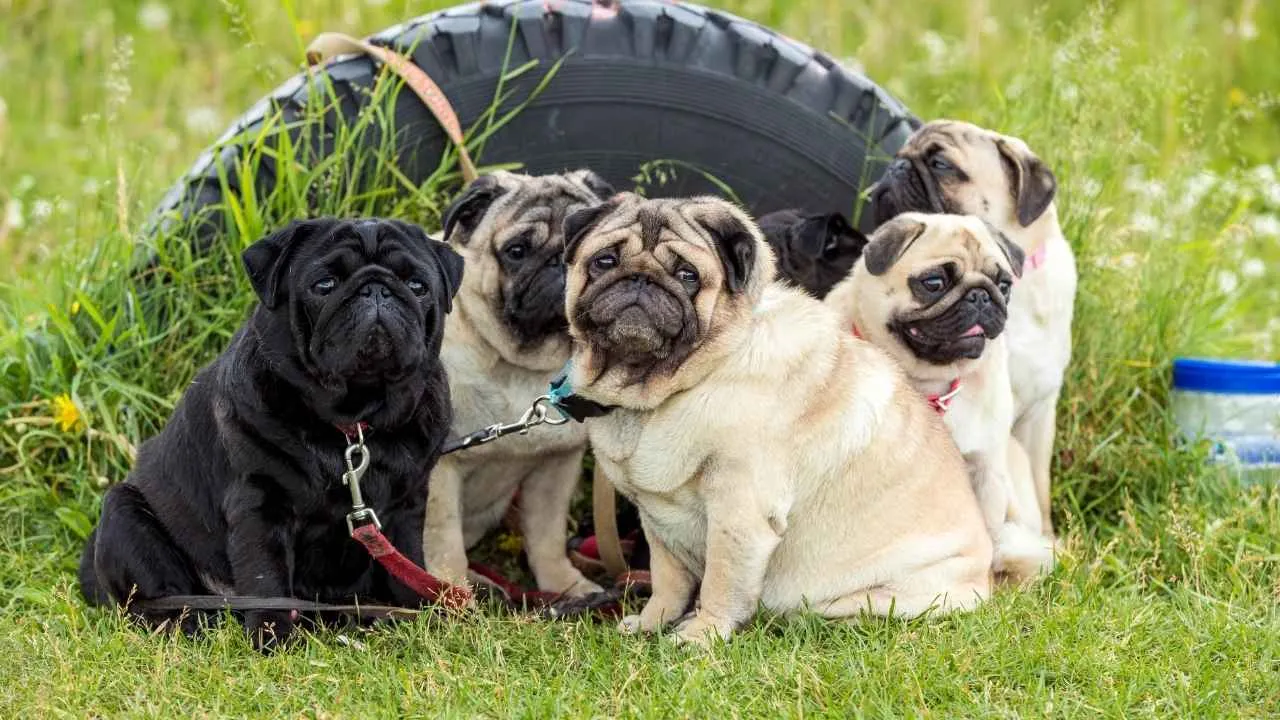
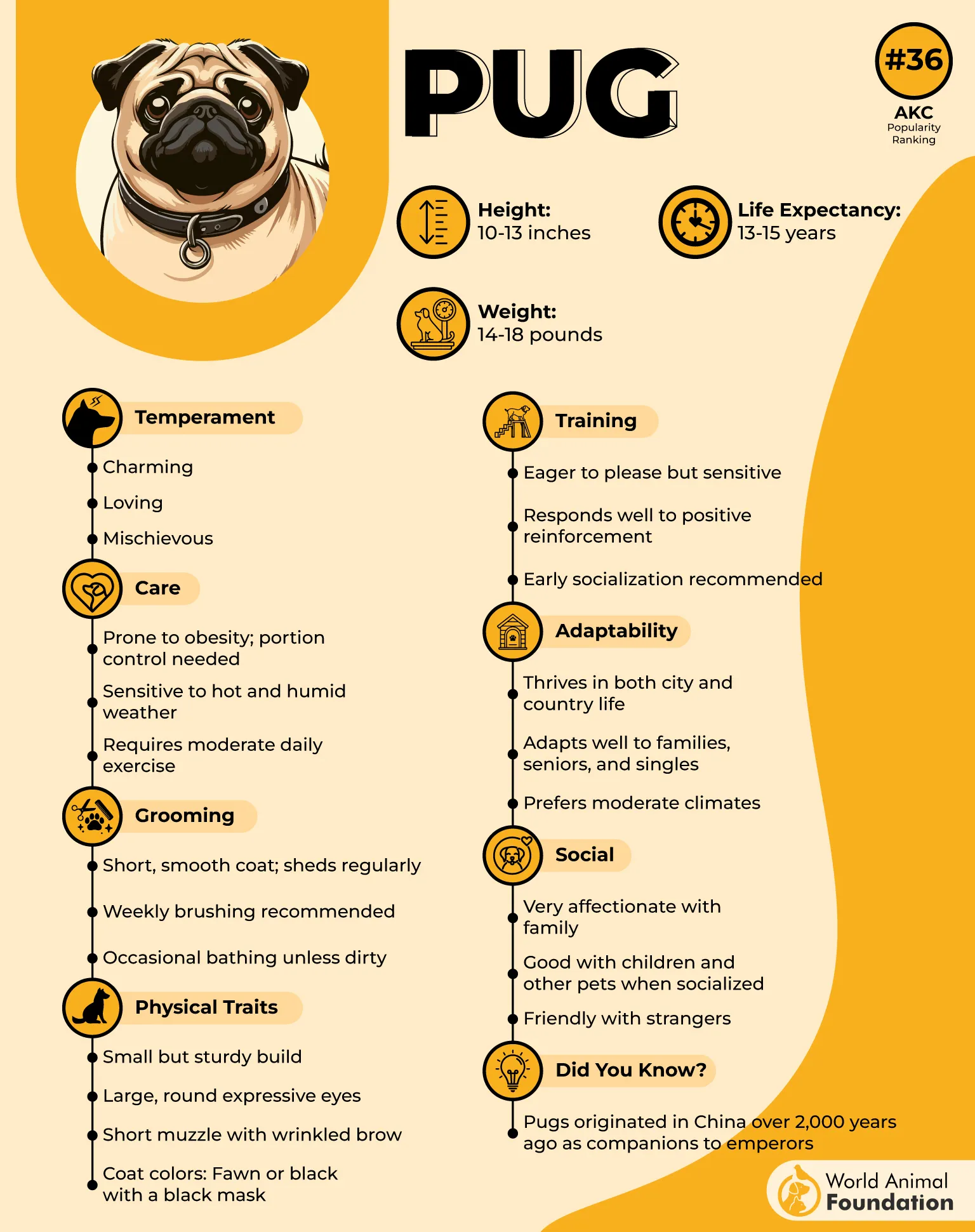
The Pug is the tiny drama king or queen who brings loyalty, comedy, and round-faced charm into senior life. Pugs are known for being affectionate companions that enjoy relaxing with their people. They are often happiest when they can nap nearby, supervise snacks, and look emotionally betrayed if ignored.
For seniors, the Pug’s manageable size and loving personality can be a major plus. They do not need intense exercise, though they still benefit from short walks and light play. Their favorite lifestyle is usually “gentle activity, then professional-level lounging.”
The Royal Kennel Club claims that it can provide a sense of security by being alert to changes in the household. They may bark at a knock, a new sound, or movement outside, but they are not typically intense guard dogs. Their presence can help seniors feel noticed, accompanied, and less isolated.
Health care matters to them because their flat faces can make them more sensitive to breathing and heat. They need weight control, cool environments, and careful monitoring during warm weather or exertion. A senior owner should choose a responsible breeder or rescue and stay consistent with vet care.
Their coat is short, but they do shed, so brushing helps keep loose hair under control. Facial wrinkles also need gentle cleaning to prevent irritation.
What Makes Them Suitable For Seniors
Their affectionate personality makes them excellent lap-and-lounge companions for quiet daily routines.
Their short exercise sessions fit seniors who want movement without a demanding athletic dog.
Their alert little reactions can make the home feel occupied, watched, and emotionally warmer.
4. Japanese Chin
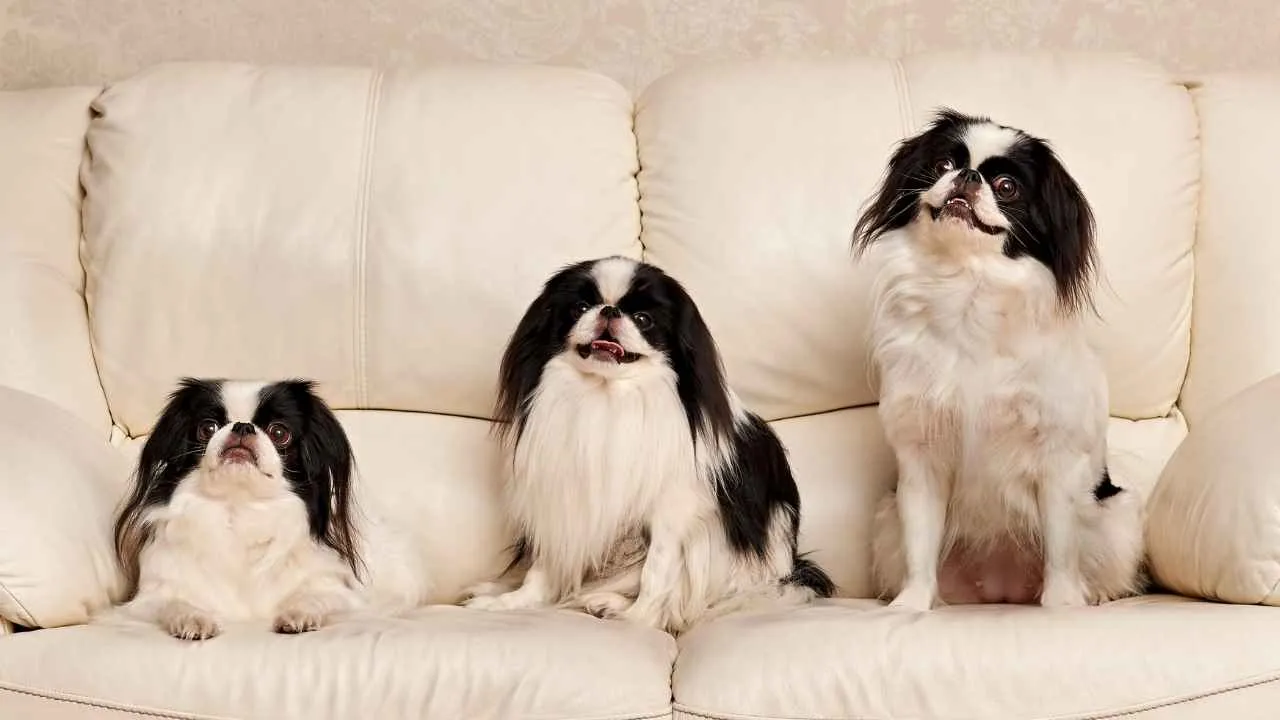
The Japanese Chin is elegant, quiet, and just a little bit royal in the most charming way. This toy breed is often described as catlike because it can be graceful, clean, observant, and selective with its energy. For seniors who want a peaceful companion with a soft personality, the Chin can be a lovely match.
They usually do well in smaller spaces because they are compact and not overly demanding. They enjoy short play sessions, gentle walks, and plenty of indoor relaxation. Their whole vibe is “calm luxury apartment companion,” which honestly sounds pretty ideal.
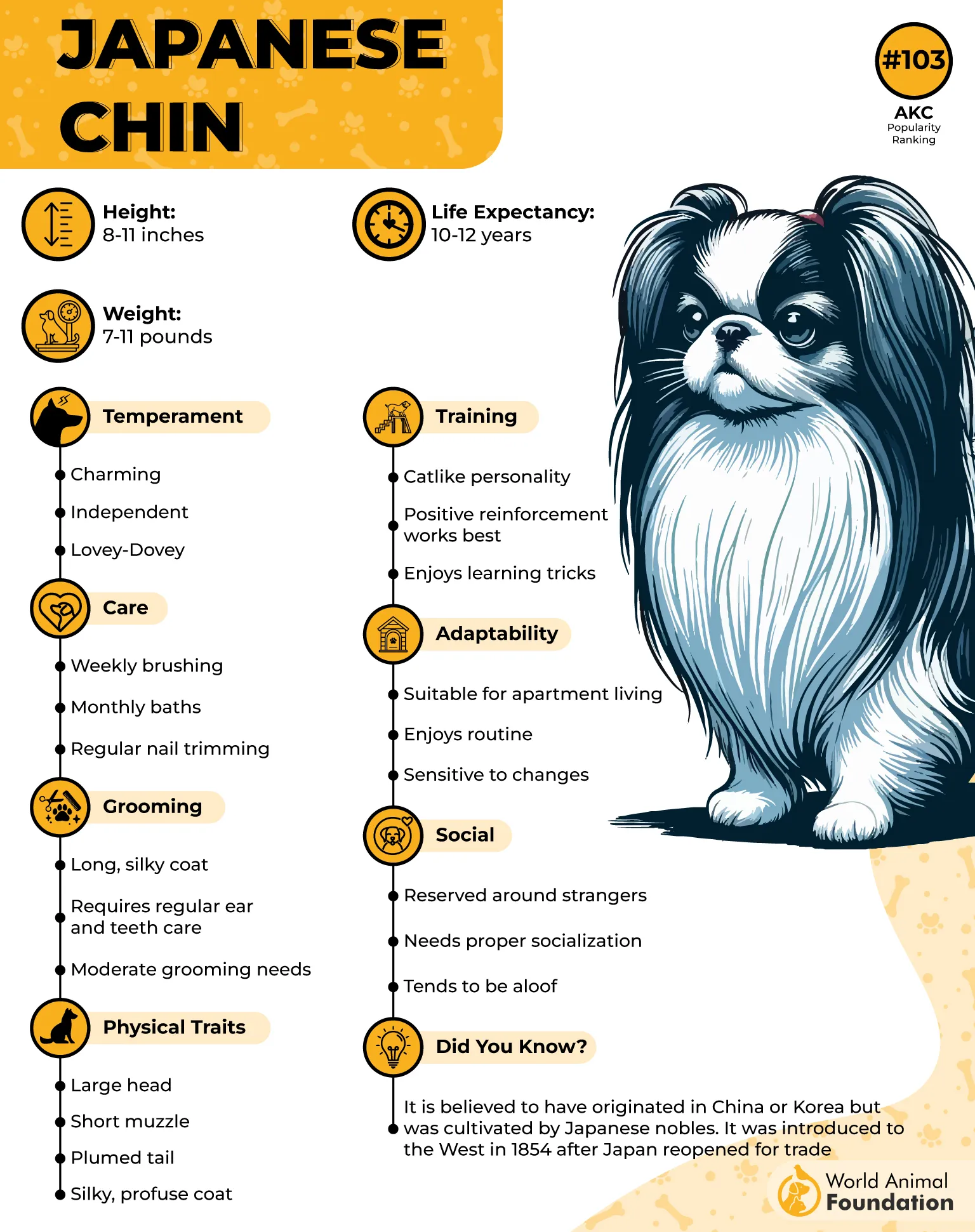
Their loyalty is subtle but meaningful. A Japanese Chin may not act loudly, but it often stays close, watches quietly, and notices what is happening in the home. That gentle alertness can create a comforting sense of security without constant barking.
You don’t even need professional grooming services to keep this dog appearing neat!
These dogs have moderate grooming needs because their silky coat requires brushing, though it is not usually as heavy as that of some long-coated breeds. Seniors who enjoy calm brushing time may find the routine relaxing. Keeping ears, eyes, and nails maintained helps them stay comfortable.
Because they are small and delicate, they need careful handling around stairs and furniture, and to avoid rough play. They are better suited to calm households than to chaotic ones with lots of rowdy activity.
What Makes Them Suitable For Seniors
Their gentle indoor nature fits seniors who want a calm companion rather than a high-energy shadow.
Their quiet alertness offers awareness without turning the home into a noisy alarm zone.
Their small size makes daily care manageable when handled carefully and supported with safe routines.
5. Maltese
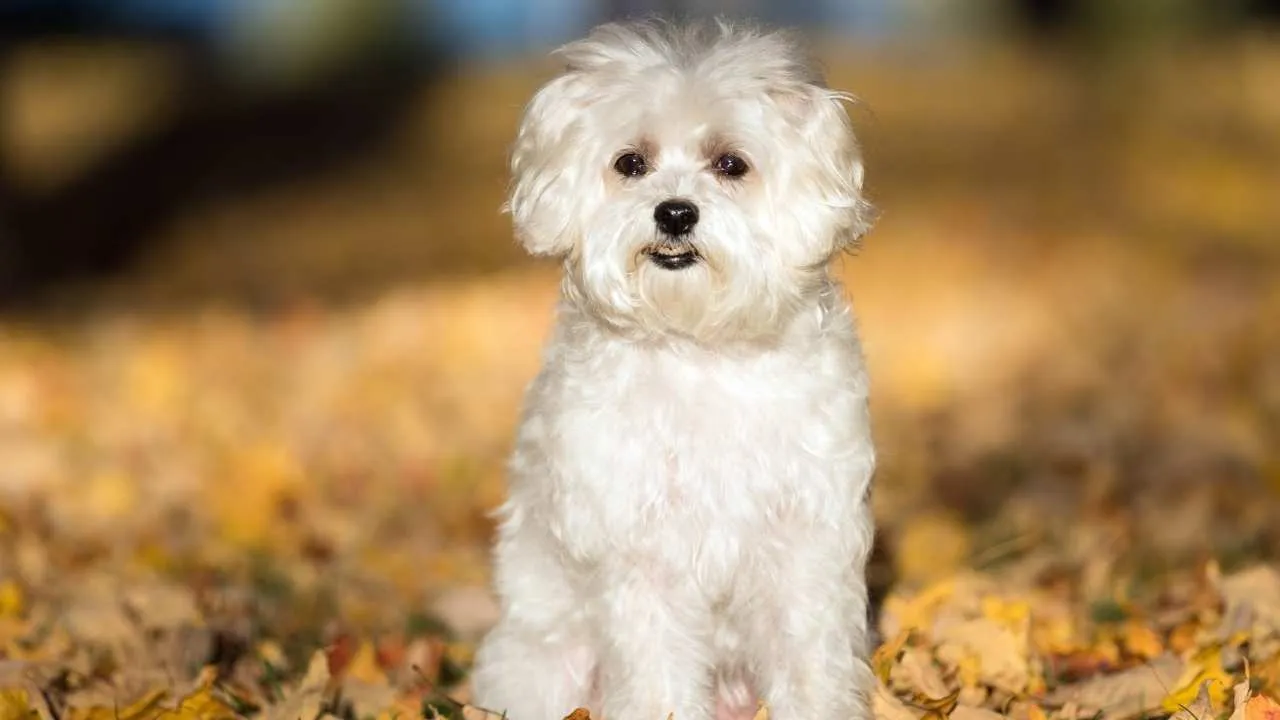
The Maltese is a tiny white companion dog with playful energy and a deeply loving heart. This breed has been treasured for centuries as a lap dog, and it still understands the assignment perfectly. For seniors, a Maltese can bring affection, routine, and a soft little presence that makes the home feel peaceful.
Maltese dogs often bond strongly with their people and enjoy being close. They may sit on laps, follow gently around the house, and react when someone comes to the door. That loyalty can feel reassuring for seniors who want companionship with a touch of alertness.
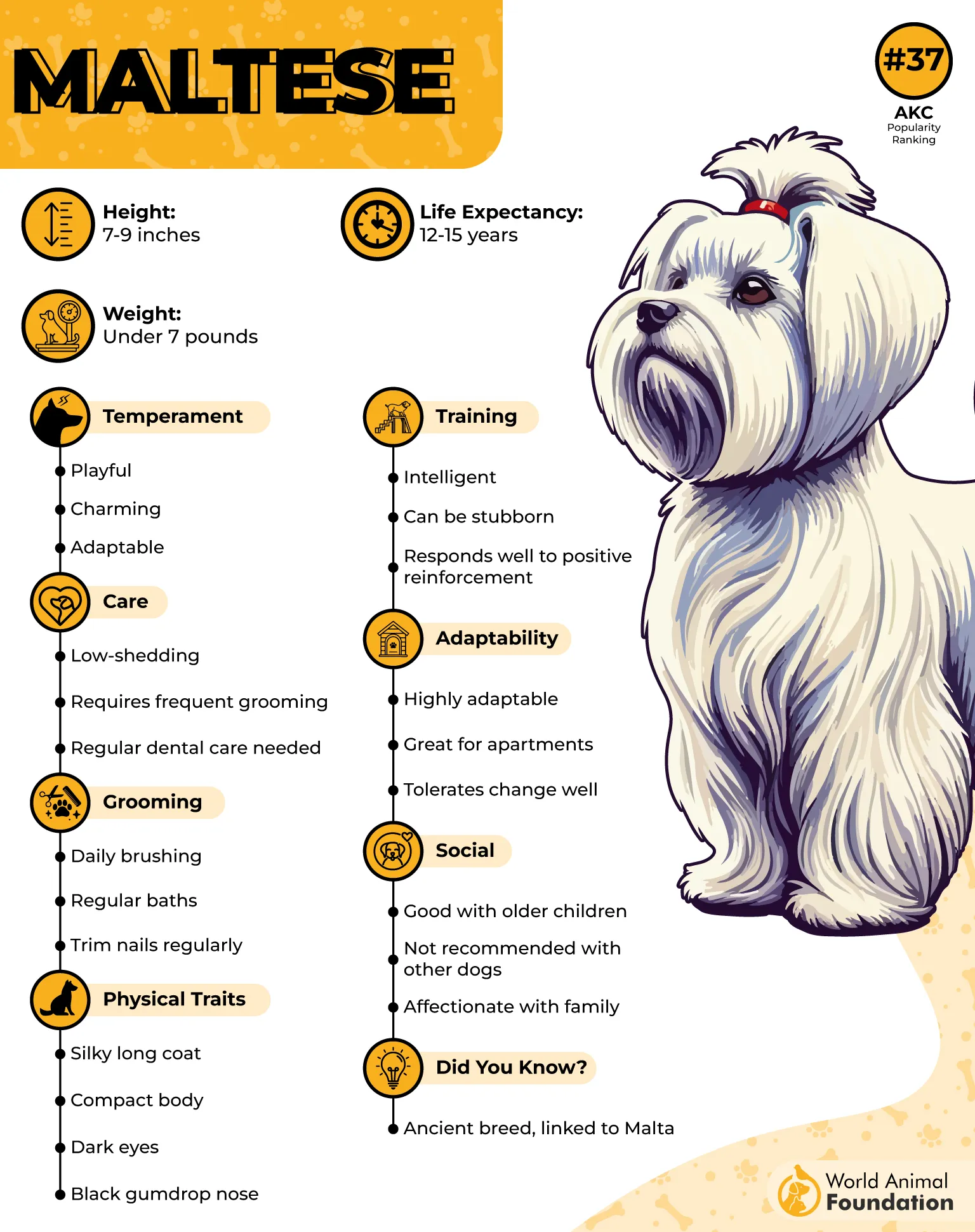
Their exercise needs are usually modest, making them suitable for shorter walks and indoor play. They do not need intense activity, but they still benefit from movement to support weight, mood, and mobility. A few gentle daily routines can keep them happy without exhausting their owner.
The coat is the main care decision because a long Maltese coat requires thorough brushing, says CKC. Many seniors prefer a puppy cut because it keeps grooming simpler and reduces tangles. This practical style keeps the dog adorable without turning every morning into a salon appointment.
Maltese dogs are small enough for many seniors to manage, but they are also delicate and need careful handling. Dental care is important because small breeds can be prone to tartar buildup.
What Makes Them Suitable For Seniors
Their lap-dog nature gives seniors steady affection and close emotional companionship.
Their modest activity needs make them easier to care for in calm homes or smaller living spaces.
Their alert bark can help signal visitors while their tiny size keeps management simple.
6. Pekingese
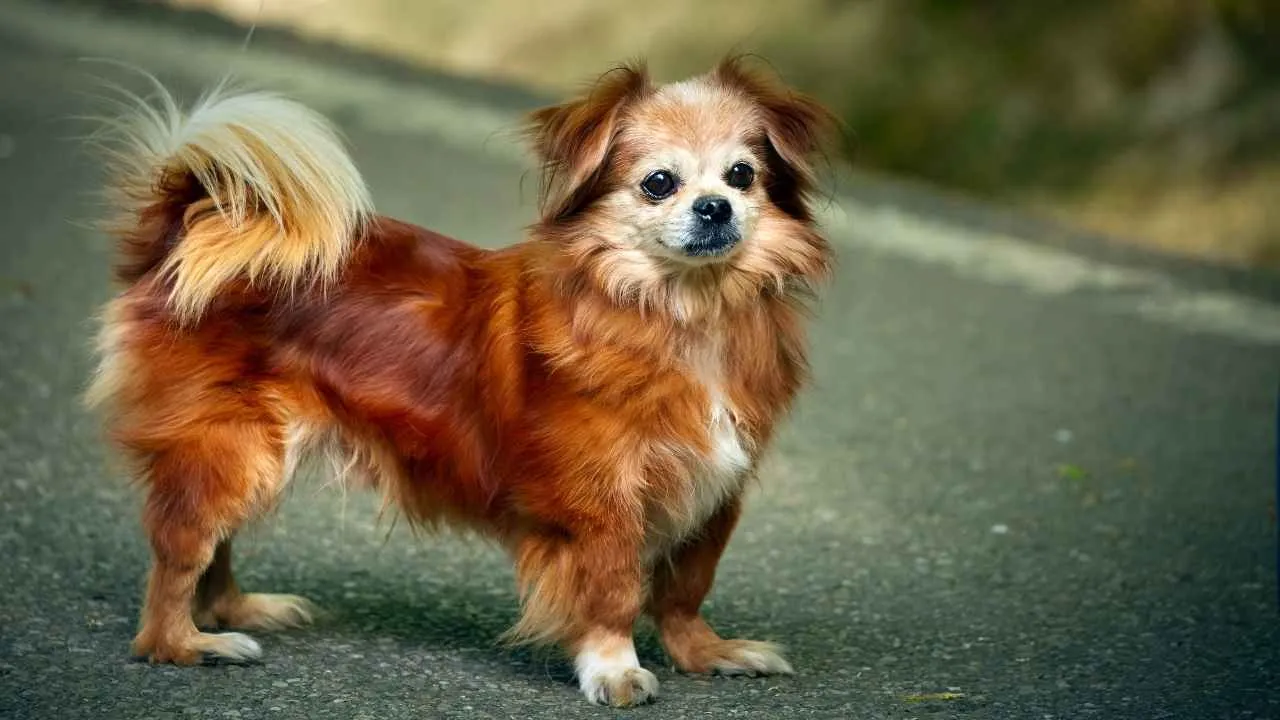
The Pekingese is small, dignified, and fully convinced it has royal security clearance. This ancient companion breed was historically associated with Chinese imperial life, and honestly, many still act like they remember the palace. For seniors who enjoy a calm, loyal dog with personality, the Pekingese can be a charming choice.
Pekingese are devoted to their owners and can be reserved around strangers. That makes them naturally watchful in the home without needing to be large or intense. They may not scare anyone with size, but their confidence is absolutely not lacking.
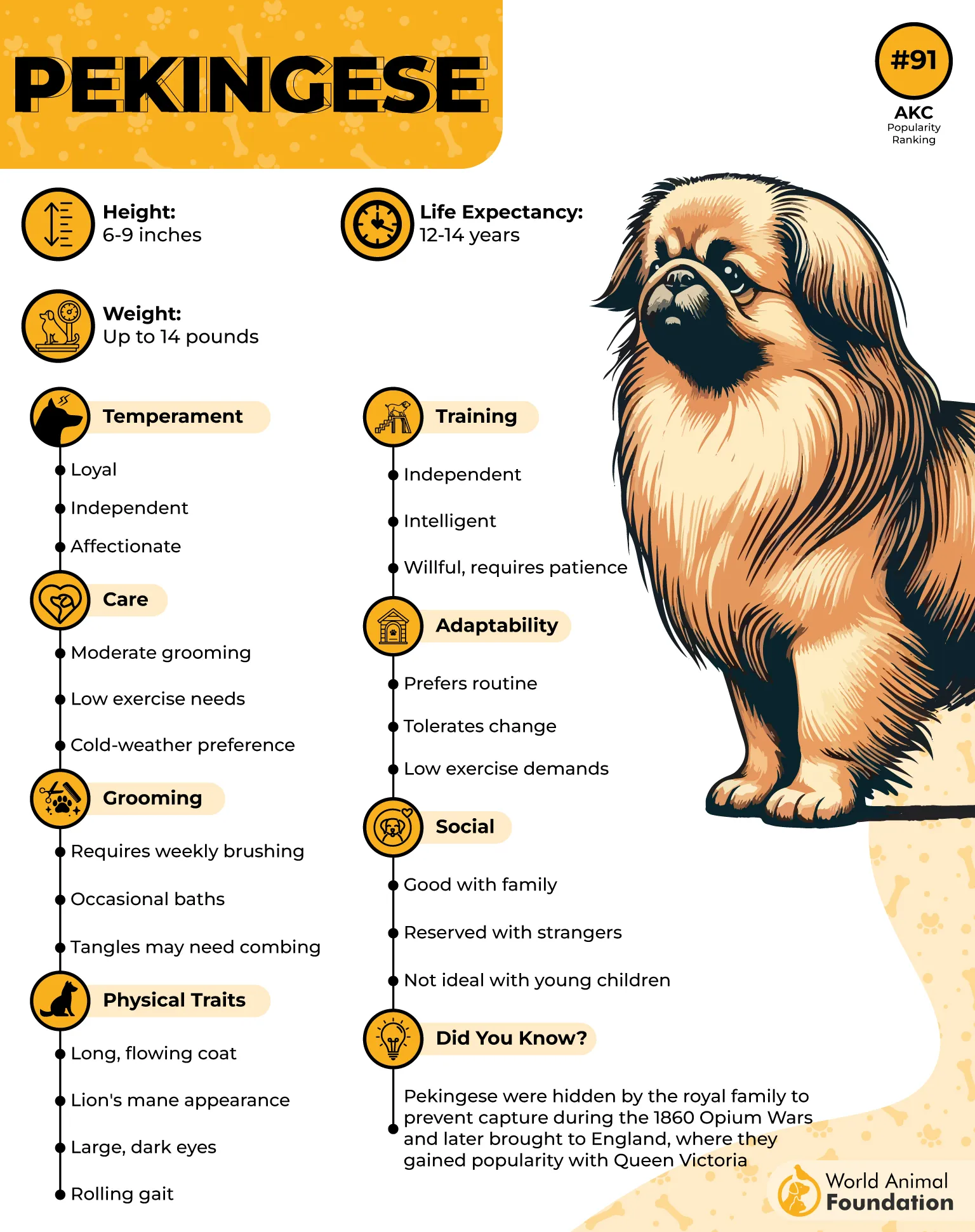
Their exercise needs are usually low to moderate, which can suit seniors who prefer gentle routines. Short walks, indoor wandering, and relaxed play are often enough for many individuals. Because they are flat-faced, they should be handled carefully in hot weather and during heavy exertion.
Maintaining the appearance can be a real consideration because their coat is thick and long when left natural. Regular brushing prevents mats, especially around the chest, ears, legs, and tail. A trimmed coat can make life easier for seniors who want less maintenance.
This is the right dog breed for calm households that respect their independence. They may not enjoy rough handling or chaotic activity, but they can be deeply loyal to a trusted person.
What Makes Them Suitable For Seniors
Their low-key exercise style fits relaxed owners who prefer short, manageable outings.
Their naturally watchful attitude can help seniors feel more aware of activity near the home.
Their loyal but independent personality suits people who enjoy companionship without nonstop demands.
7. Shih Tzu
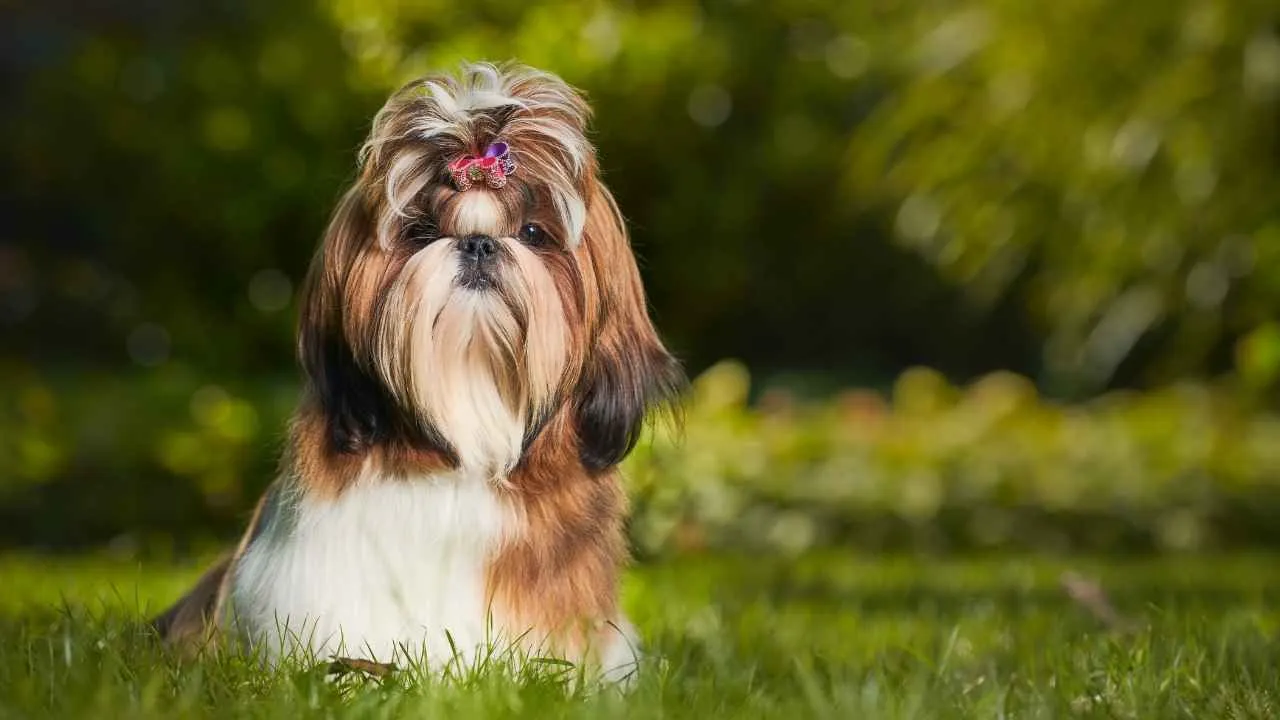
The Shih Tzu is the cozy, small companion that looks fancy but mostly wants love, comfort, and a good spot beside you. Bred as a companion dog, the Shih Tzu is famous for affection, charm, and a people-focused personality. For seniors seeking peaceful security, this breed offers warmth first and alertness second.
They usually enjoy being close to their owners and often thrive in calm indoor homes. They are not built for intense guarding, but they can notice visitors, sounds, and changes in routine. Their presence can make a senior feel less alone, especially during quiet evenings.
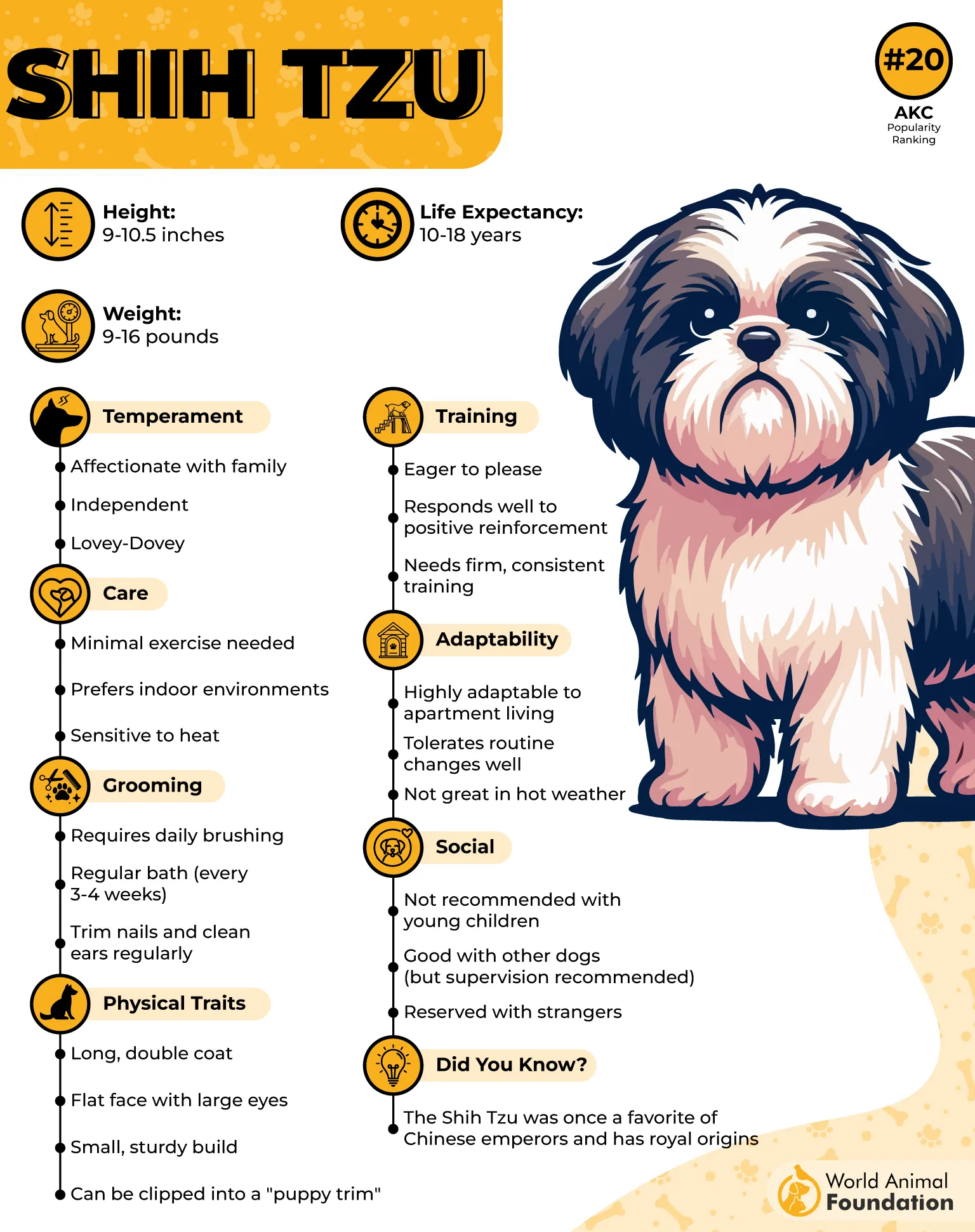
Their exercise needs are generally manageable with short walks and indoor play. They like activity, but they do not require rugged outdoor adventures or endless running. That makes them suitable for seniors who want a gentle companion with a predictable daily rhythm.
A long show-style coat needs frequent care, while a shorter puppy cut is far easier for everyday living. Many senior owners choose the practical route because comfort beats complicated styling.
Because these affectionate dogs are flat-faced, they need protection from heat, overexertion, and poor airflow. Regular vet care, weight management, and clean eyes are important for long-term comfort.
What Makes Them Suitable For Seniors
Their companion-breed personality makes them naturally focused on closeness, comfort, and daily bonding.
Their short-walk lifestyle suits seniors who want gentle activity without a high-drive dog.
Their soft alertness can make the home feel safer while keeping the overall mood relaxed.
Conclusion
For seniors, peaceful security is often less about intimidation and more about companionship, awareness, and emotional comfort. A small loyal dog can make the house feel warmer, help build a daily routine, and alert to everyday changes. That kind of security is quiet, steady, and deeply personal.
No dog should be chosen only because it is cute or popular. Seniors should consider exercise needs, barking habits, lifting ability, vet costs, grooming, and whether the dog can safely navigate the home. A calm adult dog from a rescue or responsible breeder may sometimes be easier than a puppy.
The right dog can be a loyal friend, a gentle alert system, and a daily source of joy. These breeds may be small, but their emotional presence can be huge. For seniors seeking peace, comfort, and a little extra security, a loving companion dog can be a beautiful choice.
