




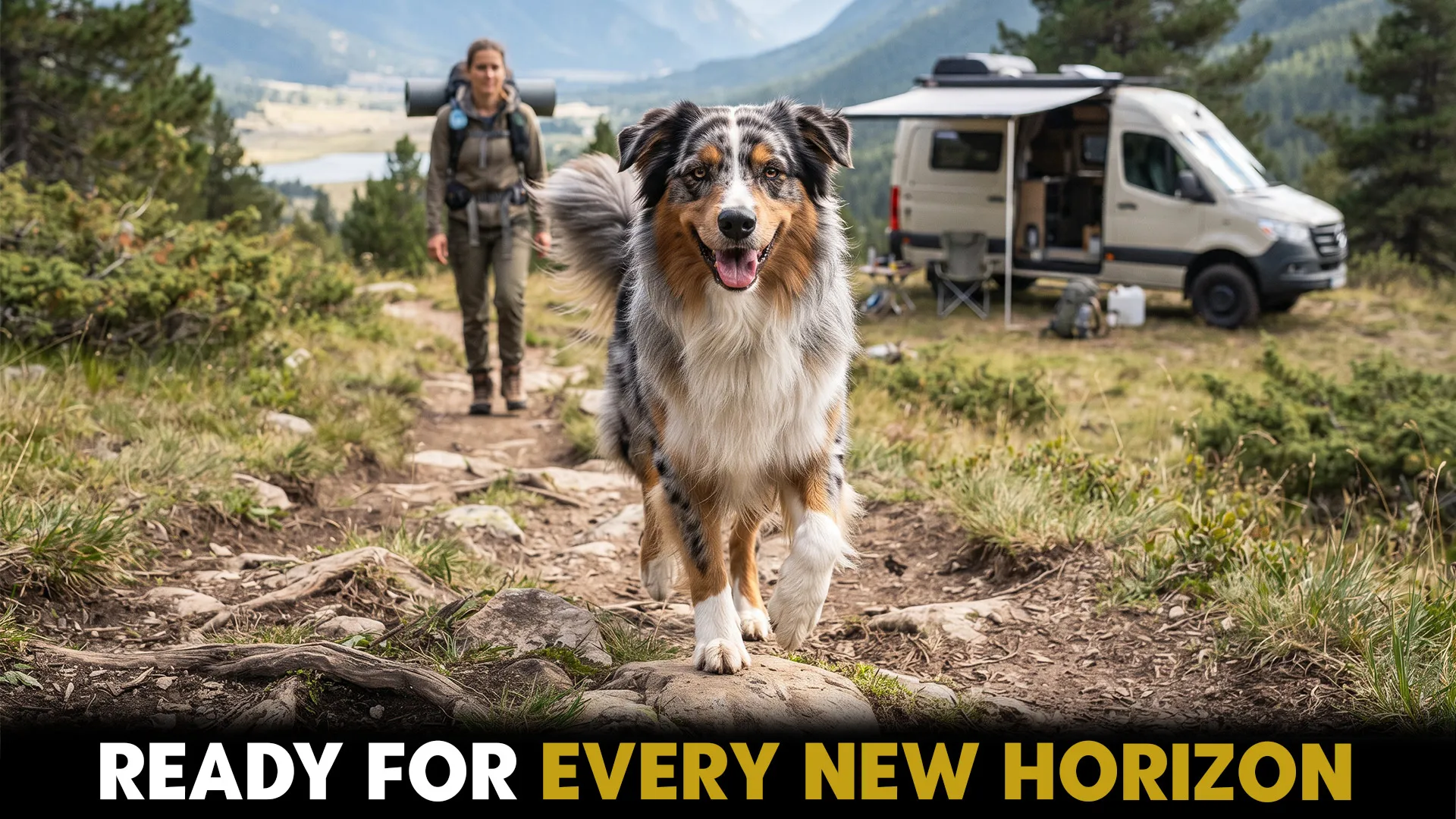
Living a nomadic lifestyle means life on the move, with the open road as your home. Constantly shifting from place to place is a hassle on its own, but having a dog beside you makes it so much easier.
Maybe you’re living full-time in an RV, overlanding through remote backcountry, bouncing between temporary basecamps, or doing seasonal outdoor work. Whatever your setup, a couch potato won’t keep up. You need an adaptable dog who adjusts to new surroundings and handles long travel days with ease, and outdoor breeds fit that bill perfectly.
These dogs love exploring and joining you on adventures. They have high stamina and muscular builds, and many can step up as guard dogs when needed.
In this guide, we’ve picked seven active dog breeds that love to explore and cope well with unpredictability and life on the road. We’ll cover their love of the outdoors, their build and strength, and their training and exercise needs in detail.
Best Dog Breeds for a Nomadic, Outdoor Life
1. Siberian Husky
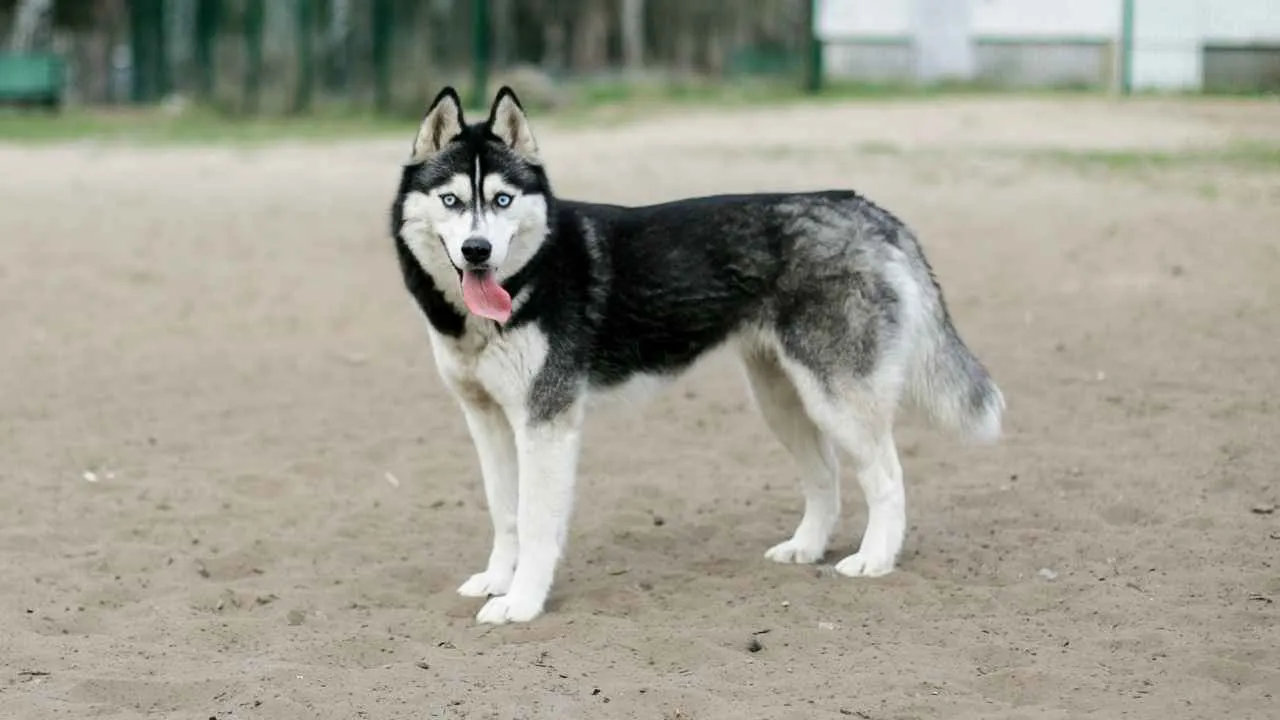
Siberian Huskies are also known as sled dogs because they were originally bred to haul heavy loads over long distances in the Arctic. The Chukchi people developed the breed, so huskies come from a long line of constant travelers, which makes them a good fit for nomadic owners.
These medium-sized dogs love outdoor adventures thanks to their outgoing nature. They’re also mischievous, independent, free-spirited, and highly sociable. Huskies are talkative, and PetMD lists them among the most popular dog breeds.
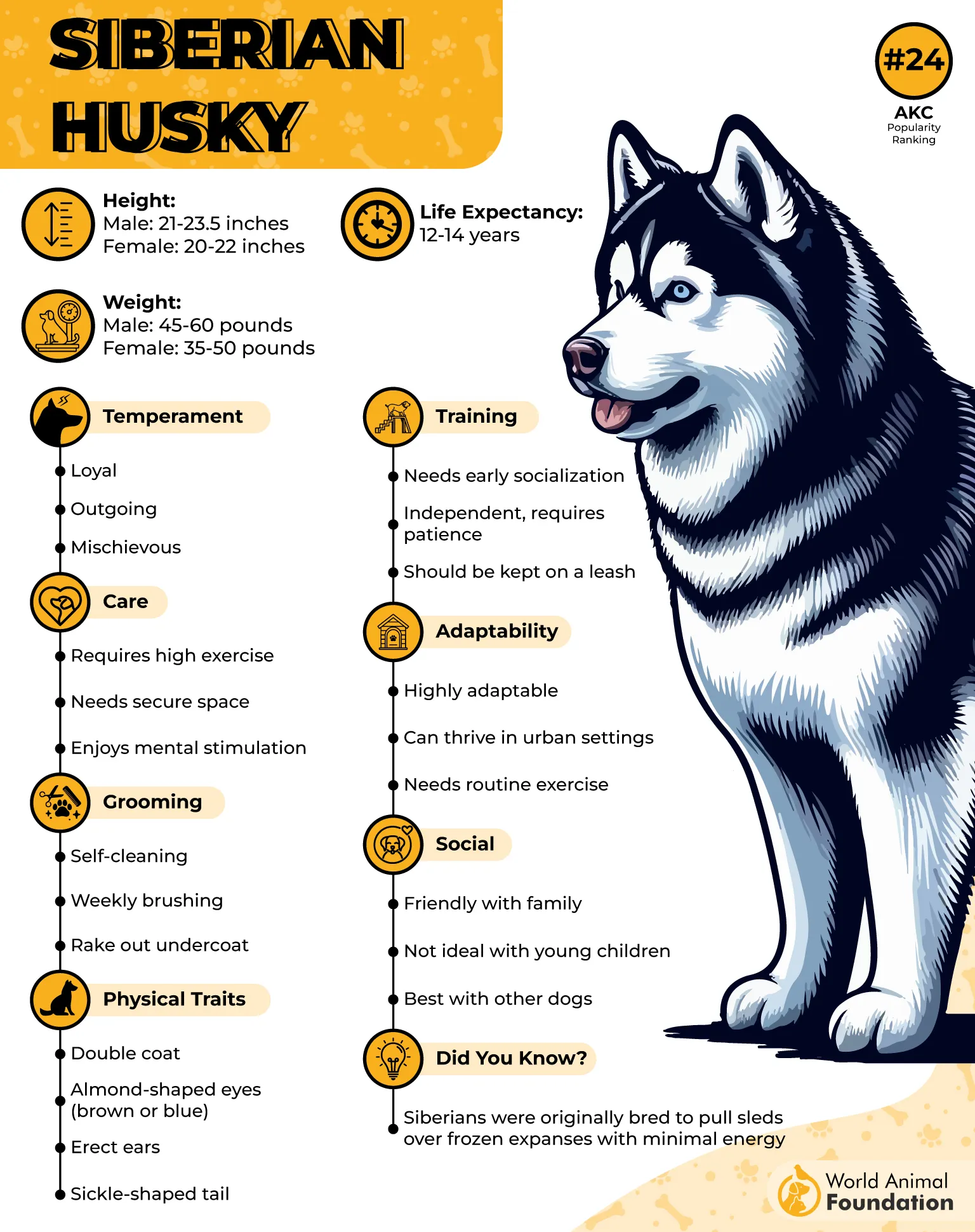
That said, they’re very energetic and moderately challenging to train because of their high prey drive and strong will.
Huskies have a plush double coat that sheds moderately year-round, with heavier shedding a couple of times a year, so plan on regular brushing, and more often during those seasons. They don’t have much doggy odor, so you can bathe them only when they get dirty or start to smell.
2. German Shorthaired Pointer
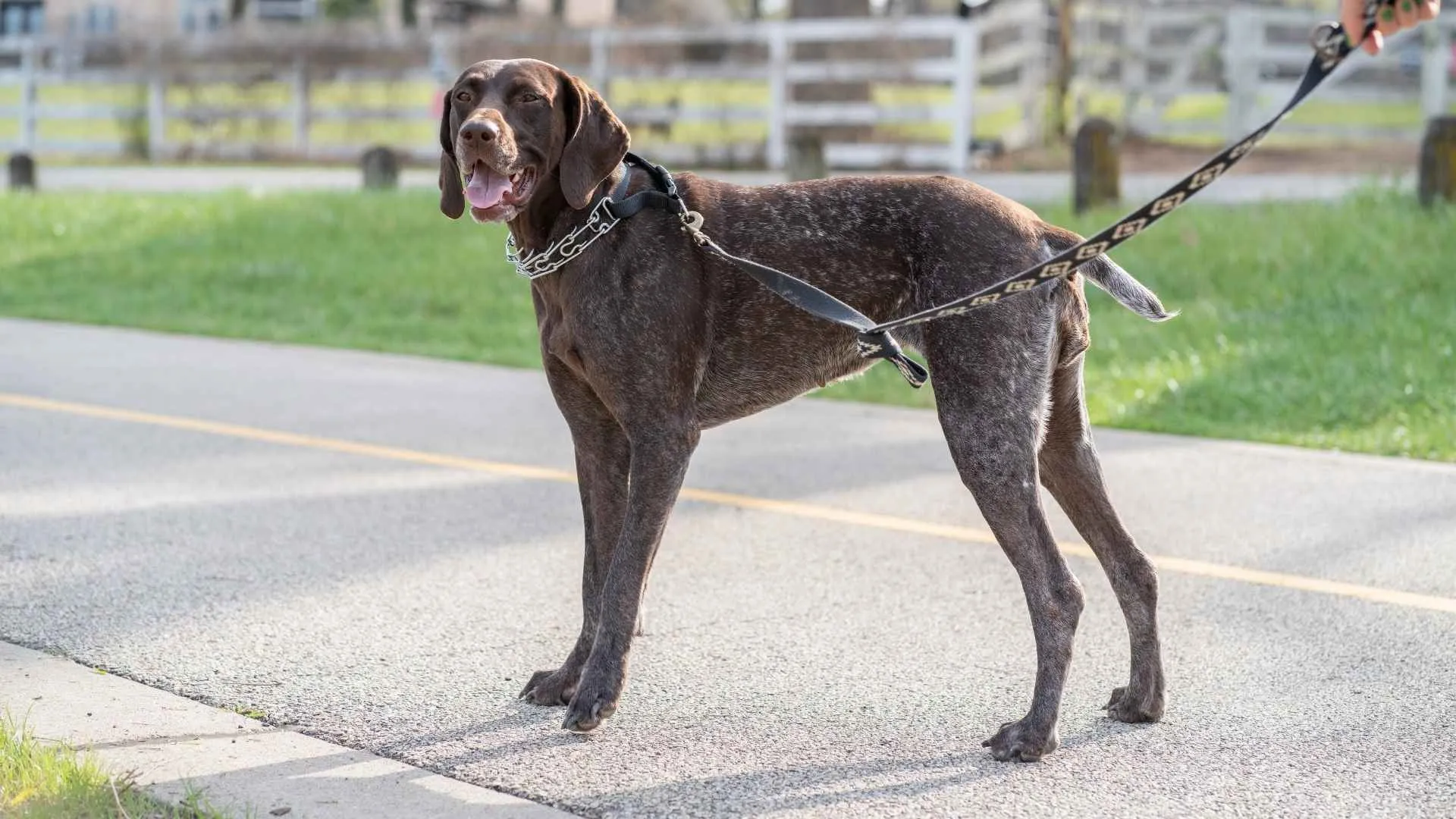
German Shorthaired Pointers, or GSPs, are often called bird dogs. These friendly, people-oriented, energetic, and loyal companions were developed in Germany as versatile hunting dogs. They can point, track, and retrieve game from open fields, thick brush, and even water.
GSPs love off-road trail running, mountain hiking, lake swimming, and camping. Their short, low-maintenance coat dries quickly after a swim, so they’re less likely to track mud into your camper van or RV. These pointer dogs also adjust quickly to new surroundings, which suits a nomadic lifestyle.
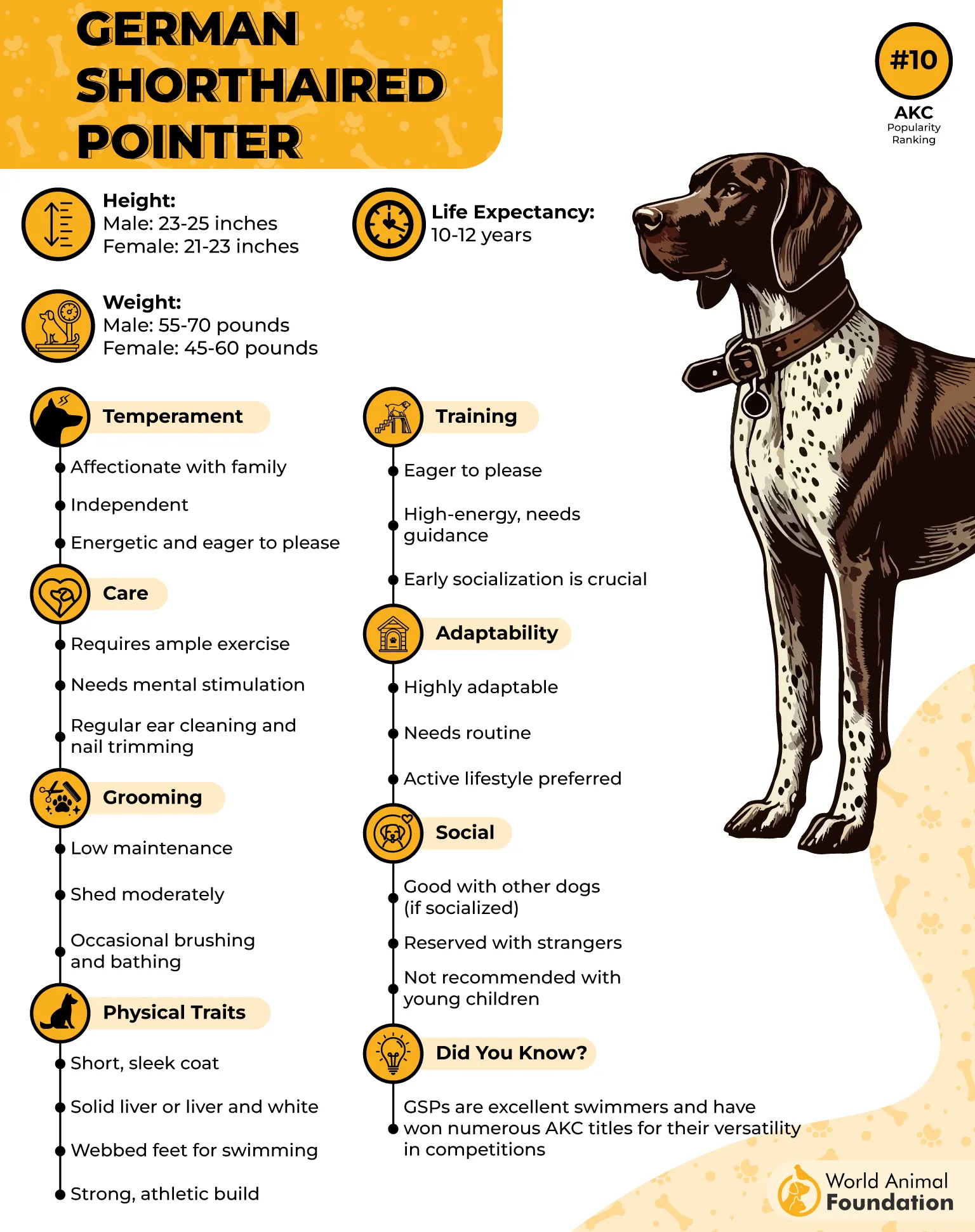
That said, they have high energy levels and need plenty of vigorous exercise to stay mentally stimulated. GSPs are eager to please, but their strong prey drive can make training a bit challenging. Be patient and gentle, and socialize them well from an early age, especially before introducing them to a new family.
3. Australian Cattle Dog
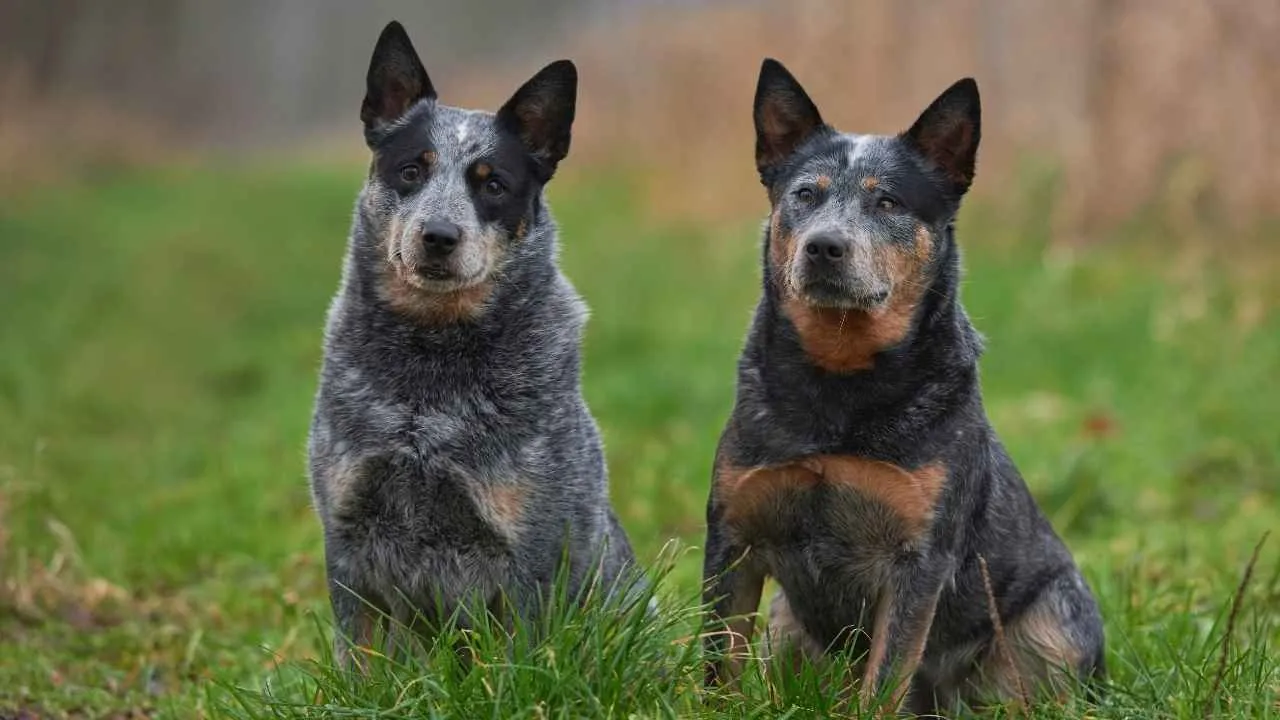
Australian Cattle Dogs, also called Red Heelers or Blue Heelers, are loyal, alert, and protective. They were bred as herding dogs to drive cattle over long distances in hot weather, and their dense, muscular frame and agility make them natural outdoor adventurers.
They’re naturally wary of strangers, which makes them good guardians for your vehicle in remote locations. ACDs are also “velcro dogs” who like to stay close, which is reassuring when you’re walking through unfamiliar wilderness.
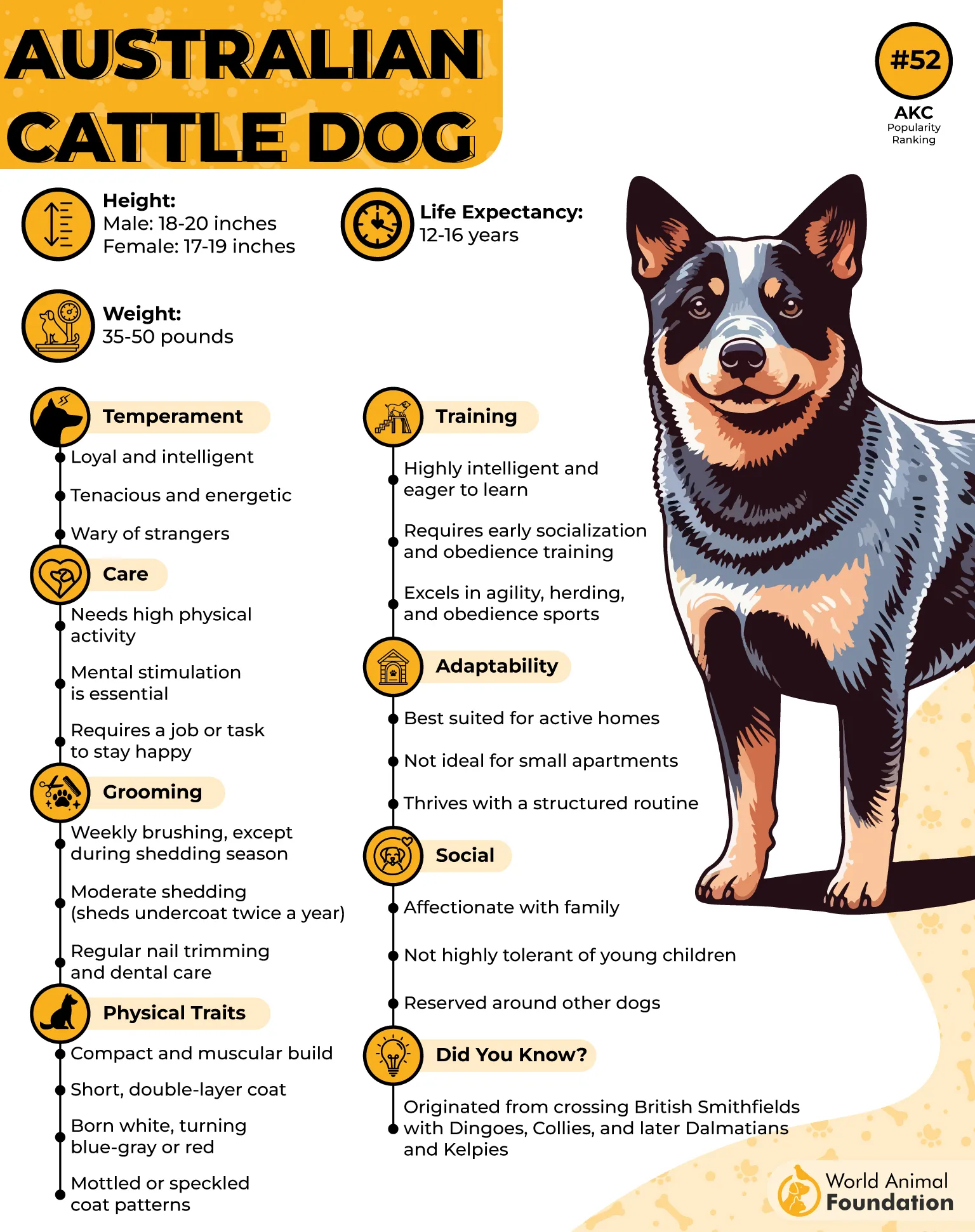
These athletic dogs make excellent watchdogs, as Omlet also notes. They need about two hours of exercise a day to stay mentally stimulated, and they enjoy off-leash treks, agility work, and fetch. They can be headstrong, and their short coat sheds an average amount, so plan on brushing it weekly.
4. Alaskan Malamute
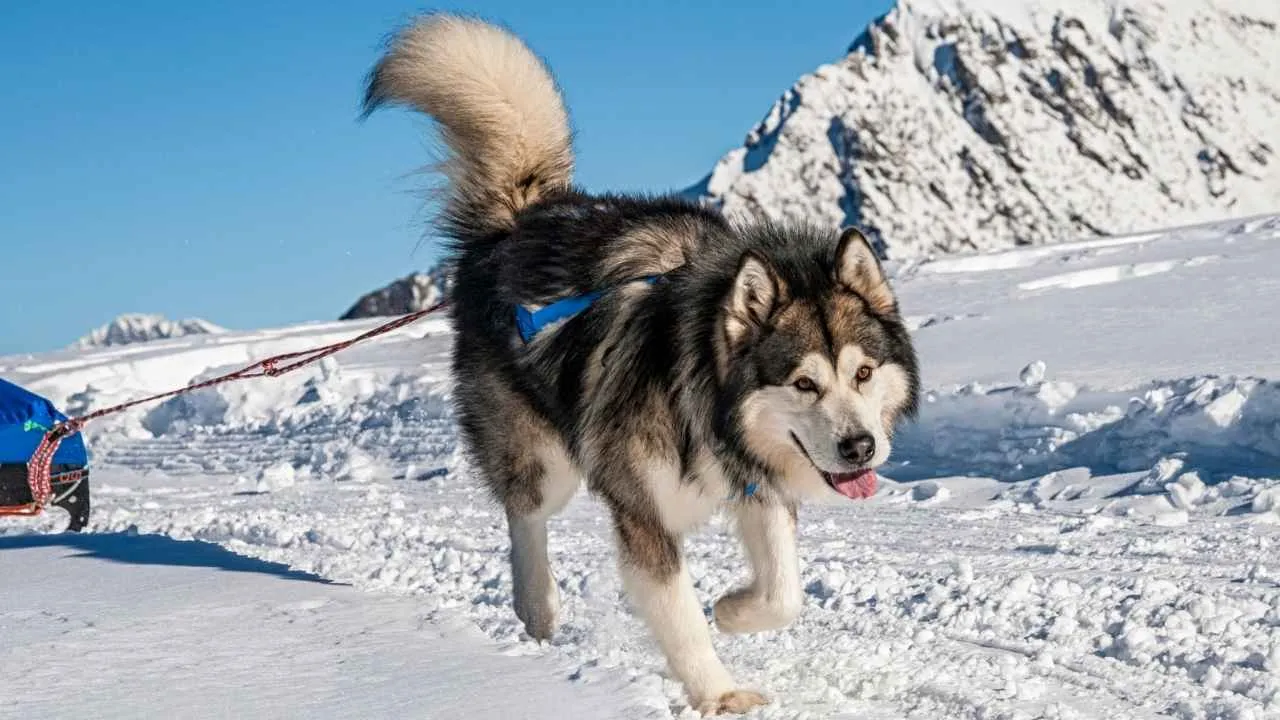
Alaskan Malamutes also have deep roots in traveling constantly alongside nomadic people. They have immense physical strength, stamina, and a high tolerance for cold, harsh weather, and their size alone can deter intruders around your van, truck, or campsite.
Malamutes are noble, affectionate, and deeply devoted dogs with a playful side. They bond closely with their owners and have a broad chest, heavy bone structure, and large, sturdy paws. These outdoor companions need about one to two hours of daily activity to stay fit.
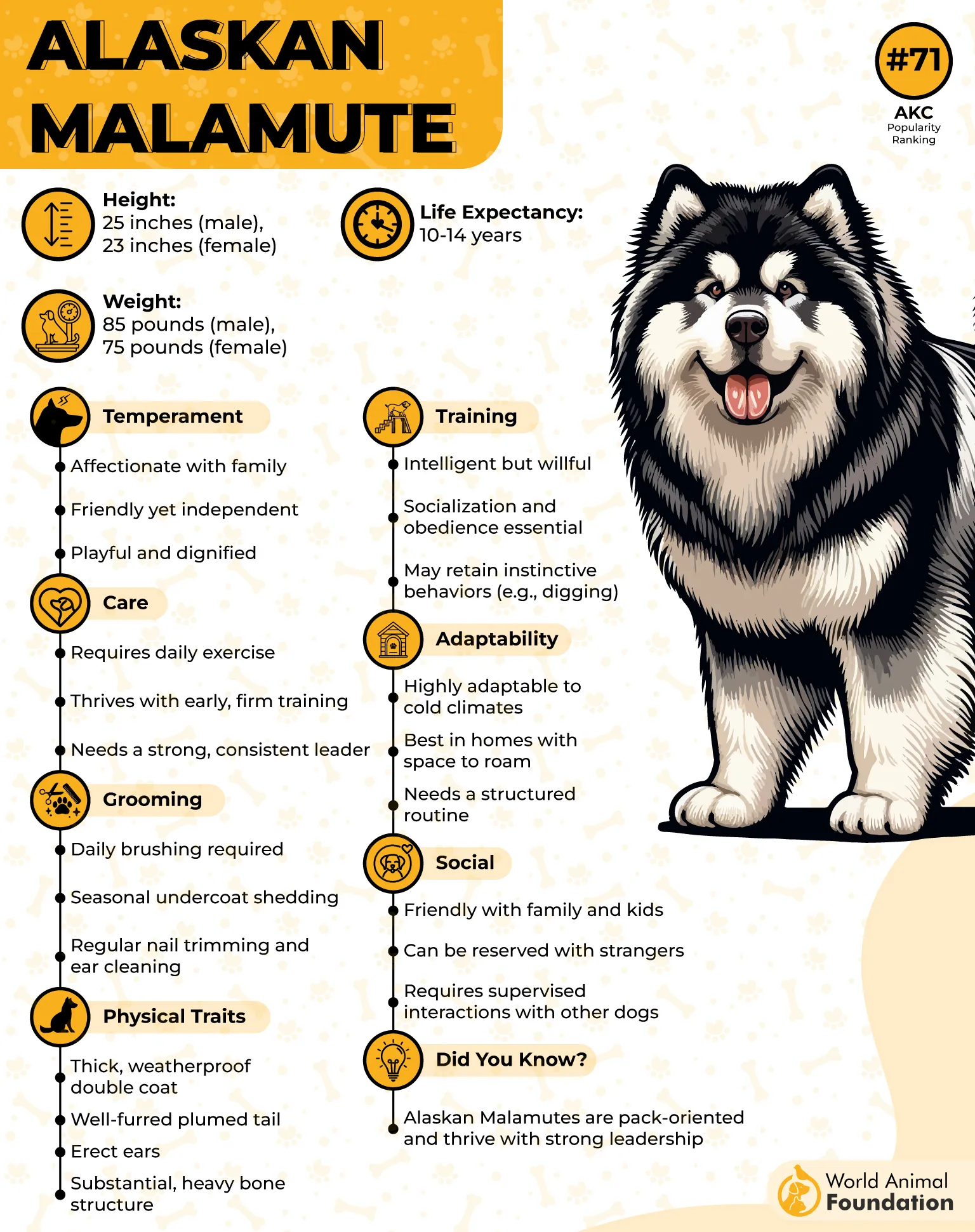
That said, they’re strong-willed and independent, so they do best with experienced owners who can handle them confidently. Malamutes also have a thick double coat that sheds heavily year-round, with seasonal coat blows on top of that, so regular brushing is a must to keep loose hair under control.
5. Australian Shepherd
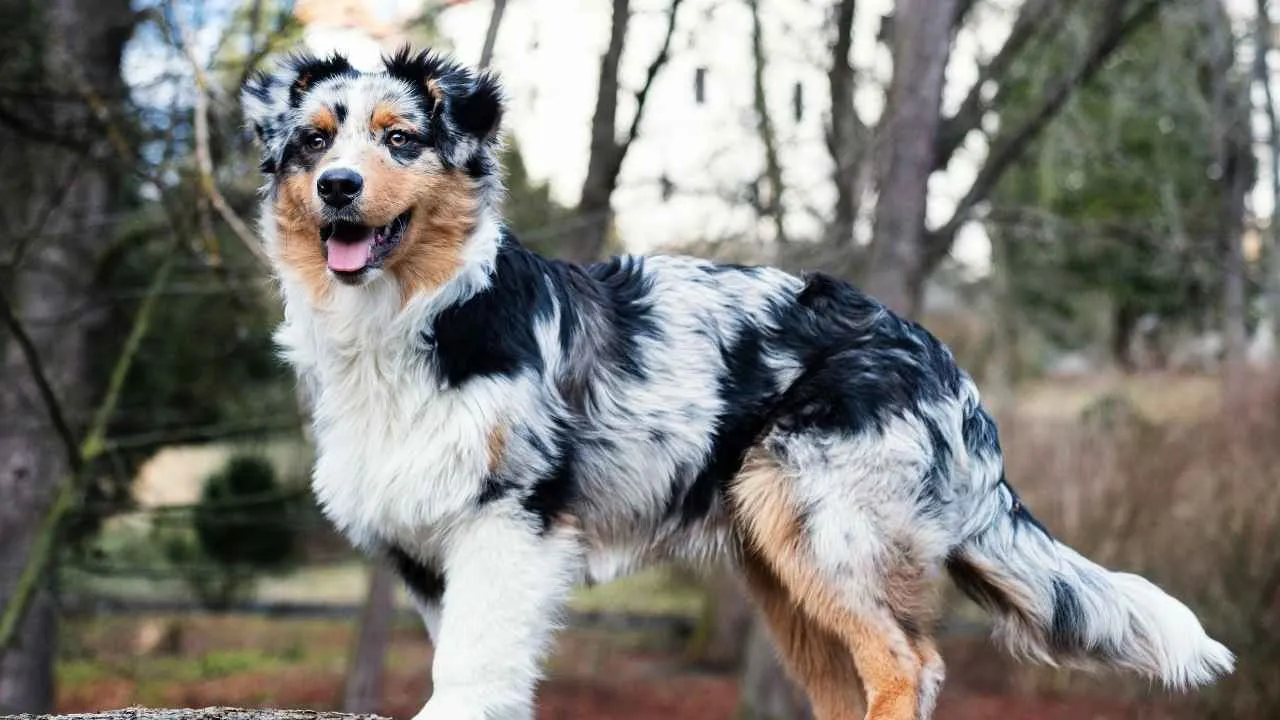
Australian Shepherds are vibrant, attentive, and intensely loyal dogs that form strong bonds with their handlers. They were bred in America to herd cattle and other livestock, so they have a long history of working alongside ranchers and cowboys who spent their days on the move.
Their medium build helps them fit into a van, and their intelligence lets them adapt quickly to changing daily routines. Aussies have also worked as search and rescue dogs and as assistance dogs for people with disabilities, as the AKC describes.
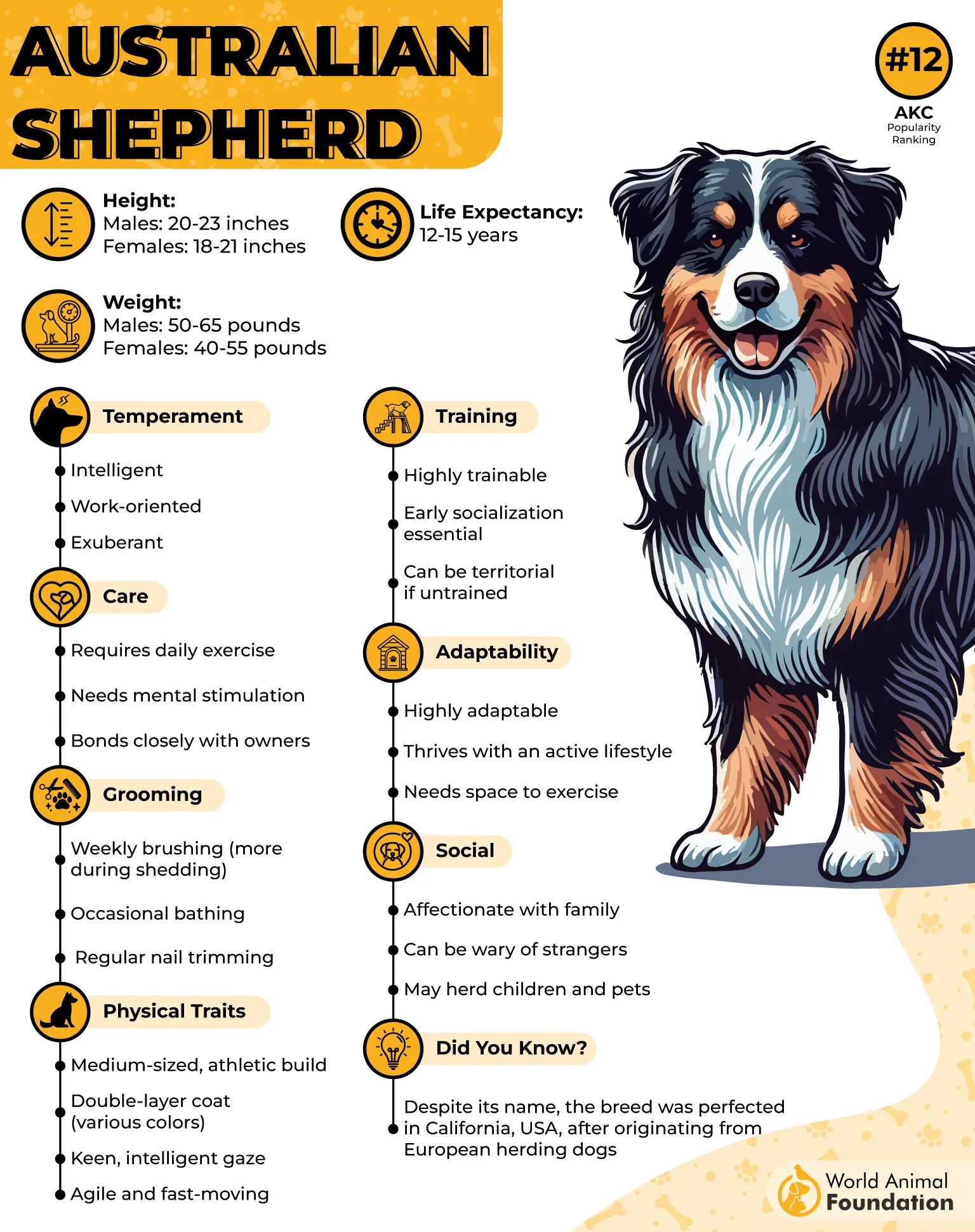
These are energetic, smart dogs with an eager-to-please personality. They do best with active owners who set clear expectations and give them a sense of purpose on every outing. Their medium-length coat sheds and needs regular grooming.
6. Weimaraner
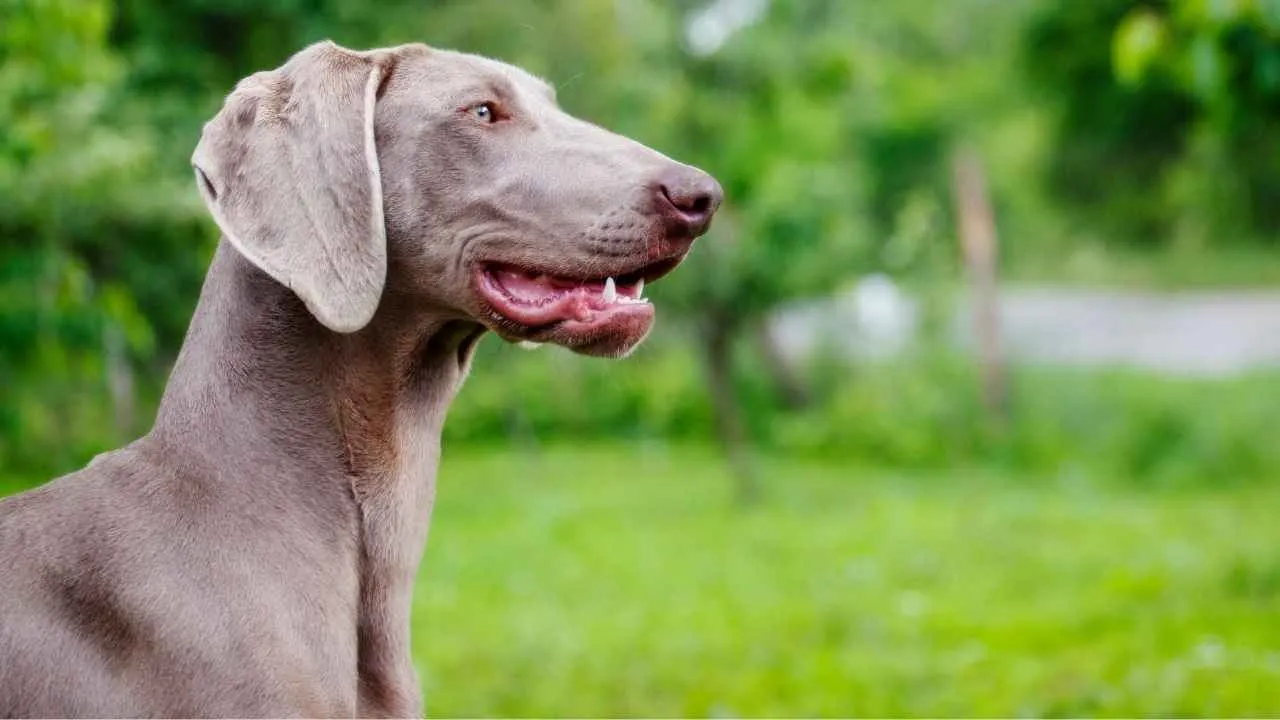
Weimaraners are bold, fearless, and deeply attached to their owners, which makes them good family dogs. They’re also known as “Gray Ghosts” and have an energetic, highly alert nature. Weimaraners were bred as hunting dogs to track and hunt upland birds and waterfowl.
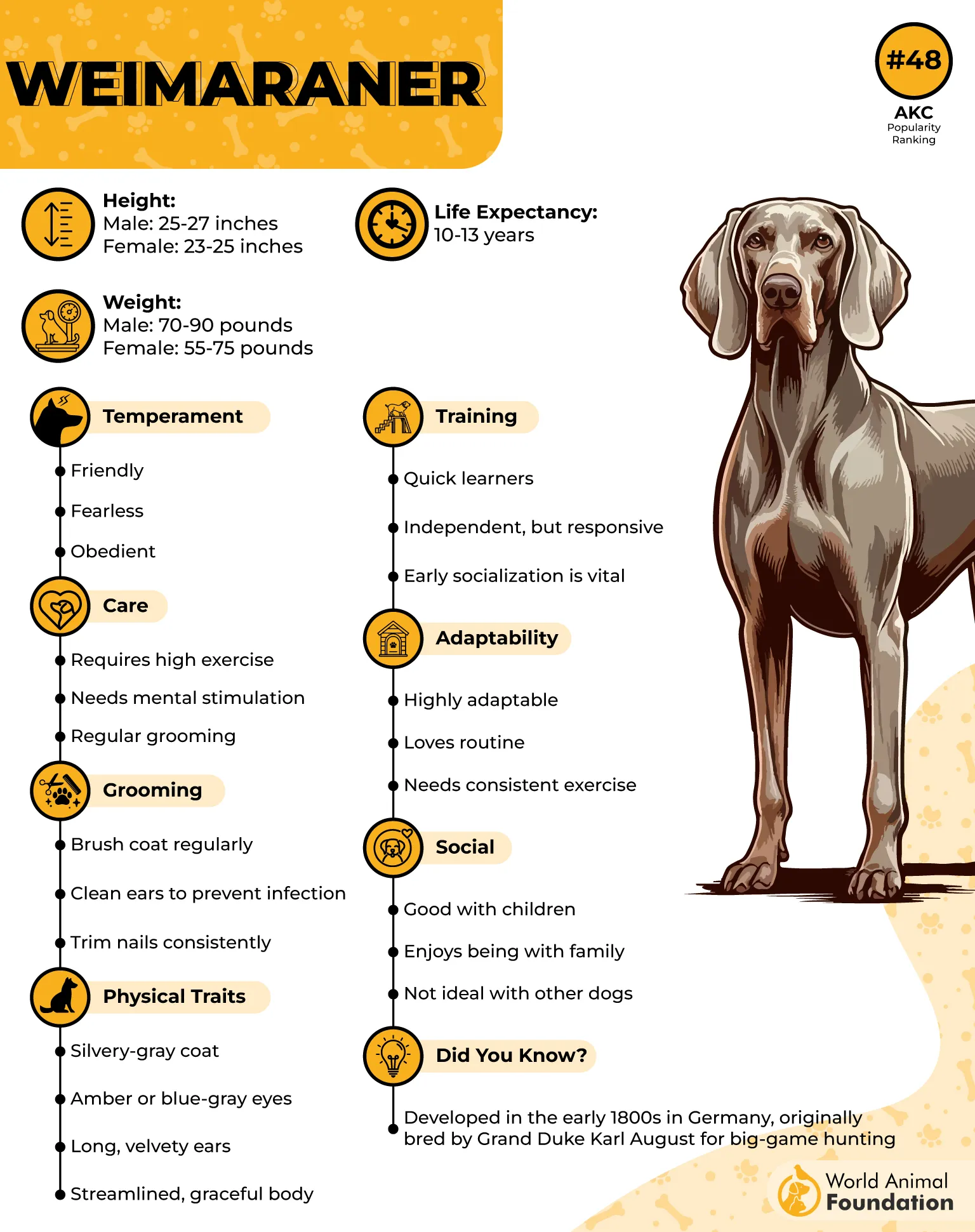
Their short coat means they don’t carry much mud or dirt into your vehicle. Their alertness and protective instincts also add a layer of security to your setup at night. Weimaraners are great at high-speed trail running and long-distance hiking.
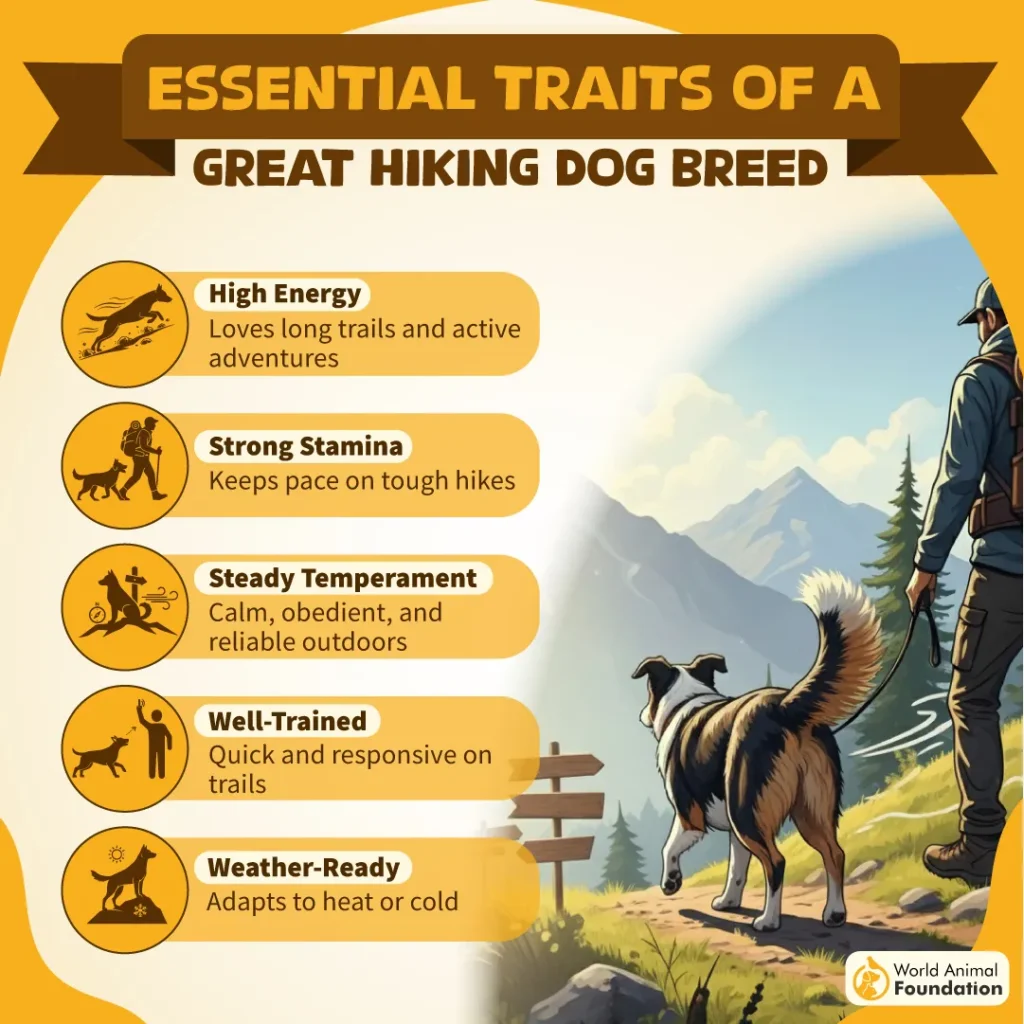
That said, they have high exercise needs and a strong-willed, independent streak. They need confident, consistent handlers to keep them engaged and focused. Their short coat requires minimal grooming, with weekly brushing, according to Purina.
7. Rhodesian Ridgeback
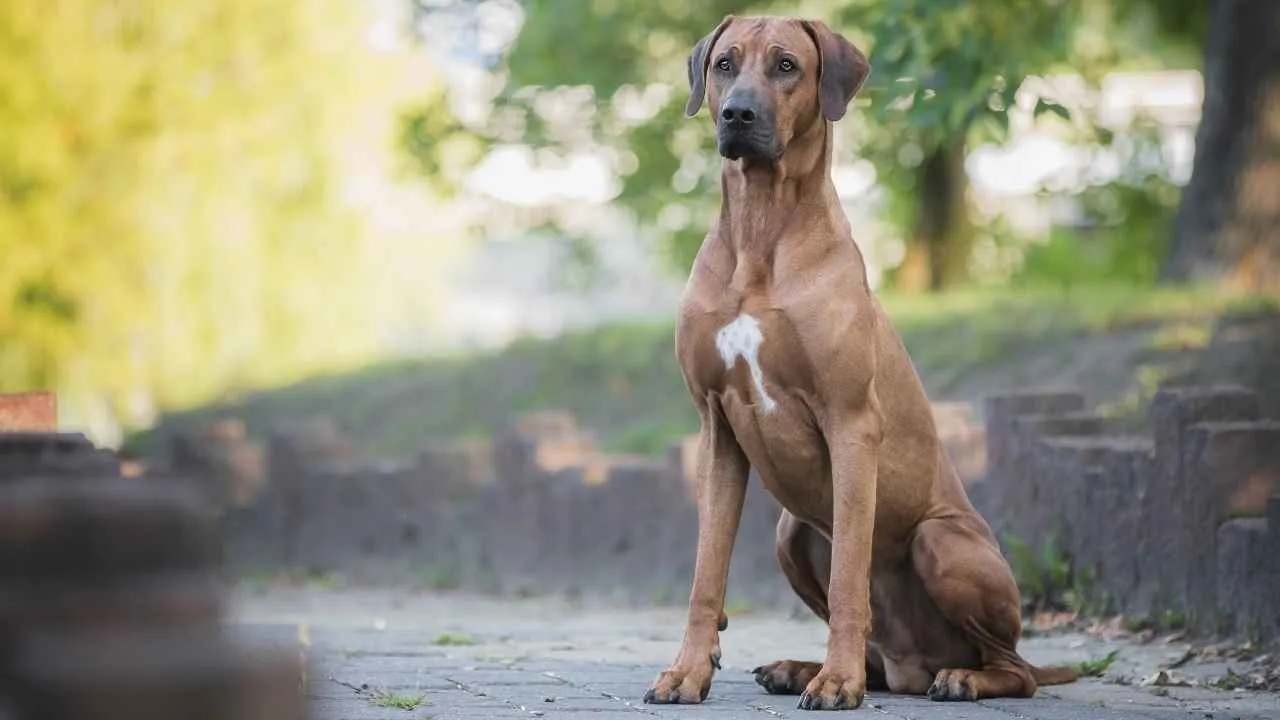
Rhodesian Ridgebacks are instantly recognizable by the strip of backward-growing hair along their back. They were bred in Southern Africa as powerful hounds to track large game and hold it in place until hunters arrived, which is where the nickname “African Lion Hound” comes from, as Omlet US shares.
These hunting dogs don’t bark much, and they like to lounge once they’ve burned off their energy. Their natural guarding instincts also make them reliable protectors on adventures and for nomadic owners on the road.
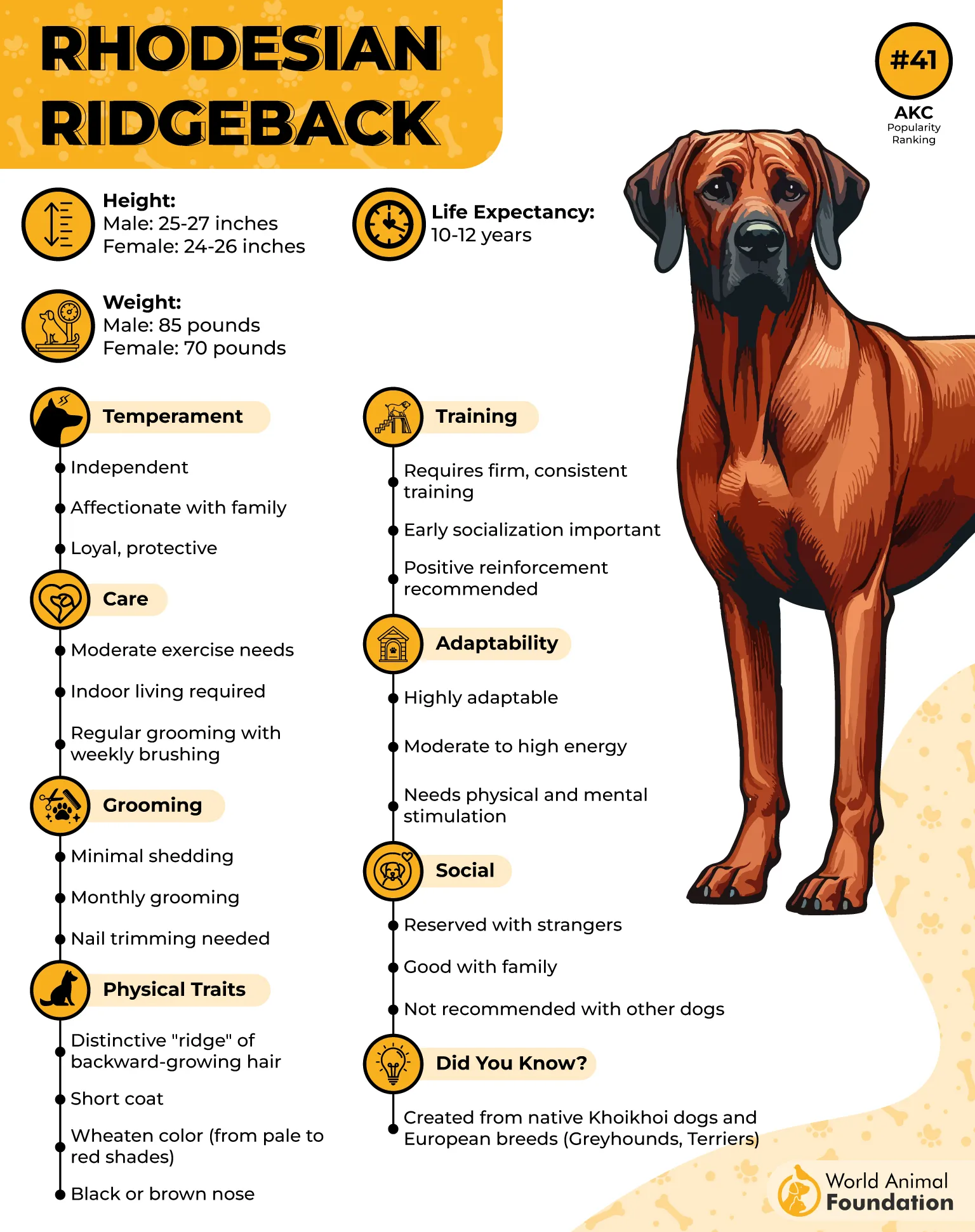
That said, they need a good amount of exercise to stay mentally stimulated. Ridgebacks are highly intelligent but also strong-willed and independent, so they respond best to fair, positive reinforcement. They shed an average amount and need minimal maintenance.
Conclusion
Not every dog can adapt to a nomadic outdoor lifestyle, because life on wheels isn’t for everyone. In this guide, we’ve shared seven outdoor dogs that love to explore and have strong guarding or herding instincts, which helps keep your van, RV, or campsite secure.
These big personalities stay close and bond deeply with their owners. They also have high exercise needs, so be ready to meet them with runs, hikes, trail walks, or any other outdoor activity. Most of these breeds have short coats, while others have double coats that can overheat in warm weather.
Read through the details and choose a dog you can take good care of and one that can handle the temperature changes that come with life on the road.
