




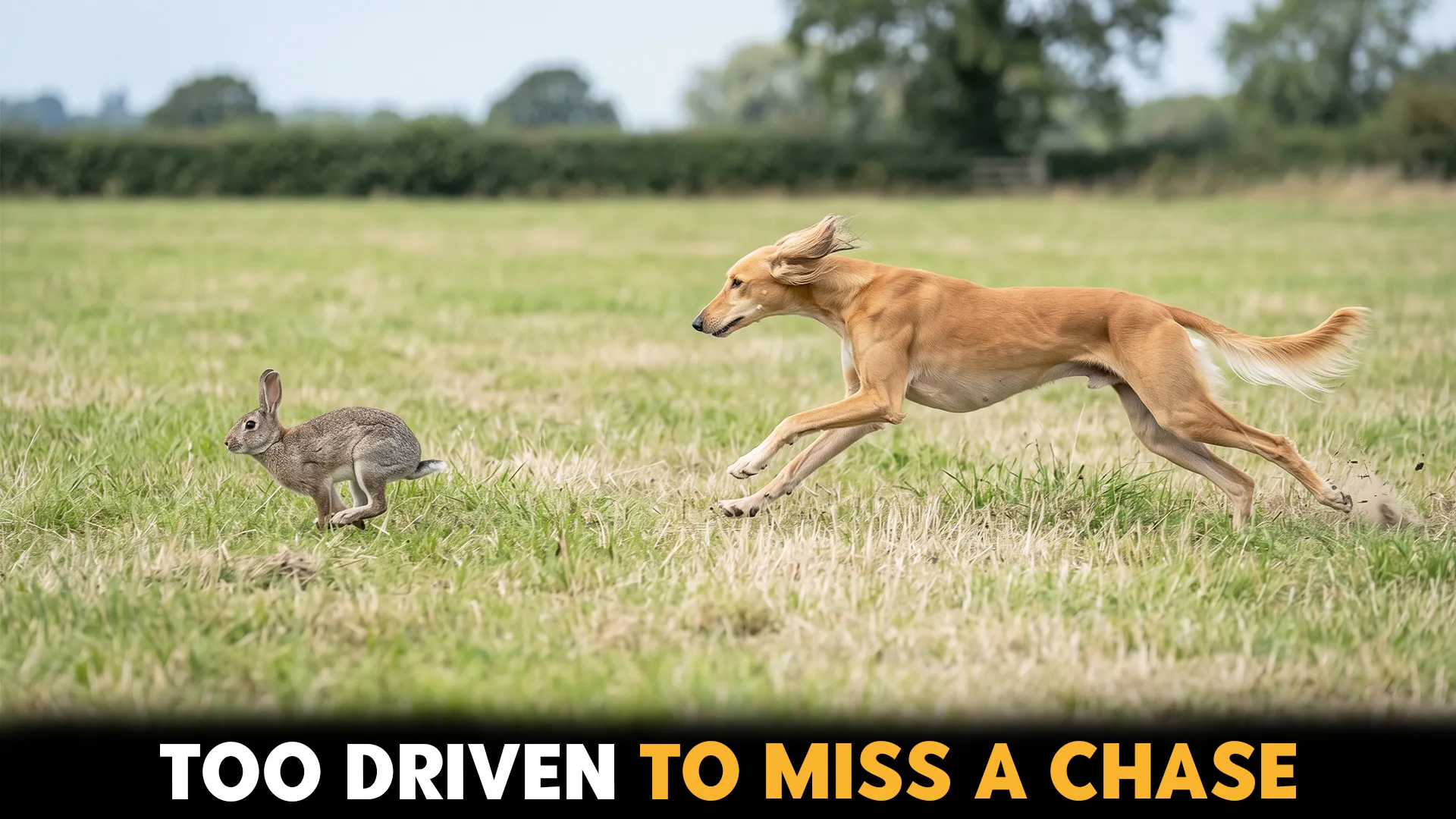
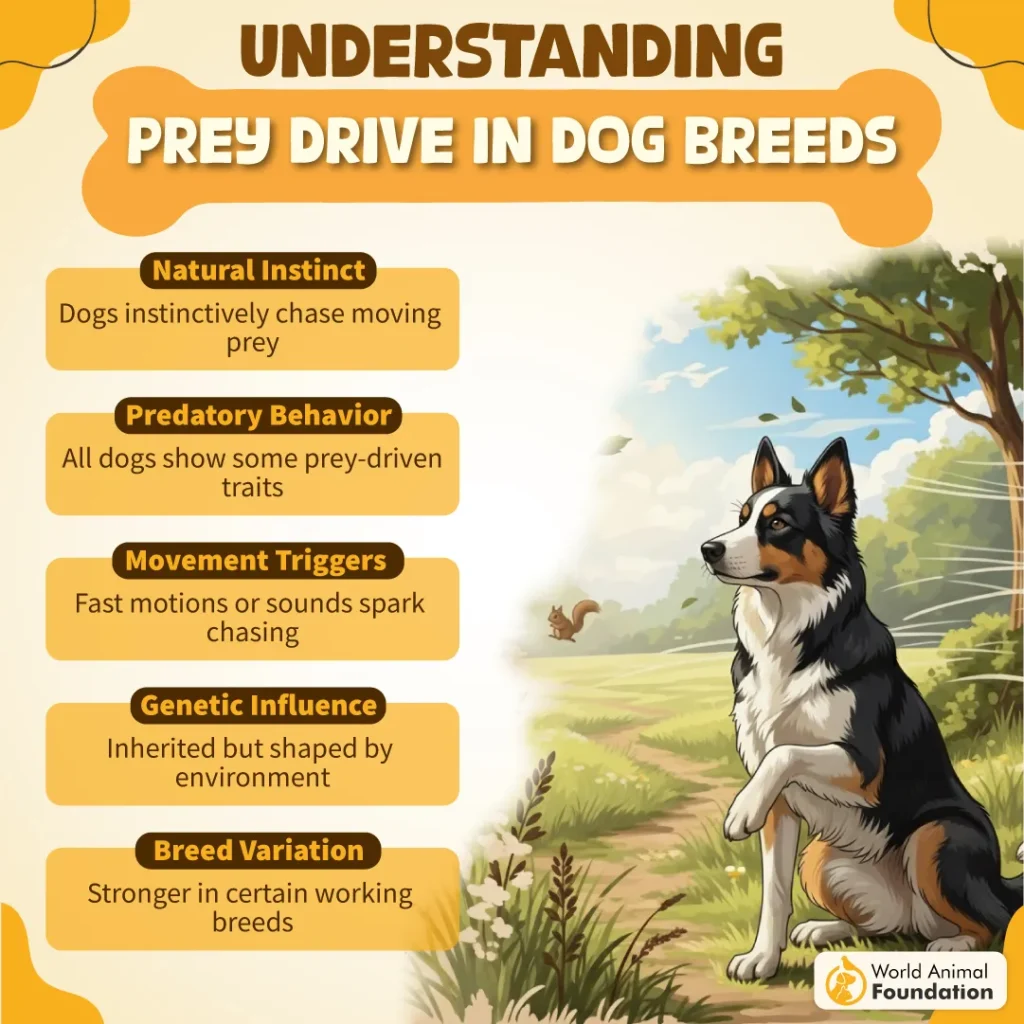
You know that moment when your dog spots a squirrel and suddenly forgets your name, the leash, and every lesson from obedience class? That lightning-fast switch can come from prey drive, an instinct tied to behaviors such as searching, stalking, chasing, and catching.
For some dogs, a fluttering bird or darting rabbit can turn an ordinary walk into an unexpected action scene. This instinct can vary widely between individual dogs, but certain breed backgrounds can make the urge to chase especially noticeable.
So, keep that leash handy because these dogs can take “I saw something!” very seriously.
Did you know?
Games involving chasing, catching, and retrieving can provide a healthy outlet for a dog’s natural instincts, while agility activities may offer another fun option. That can be especially useful when living with dog breeds known for high prey drive.
Dog Breeds Known for High Prey Drive
1. Greyhound
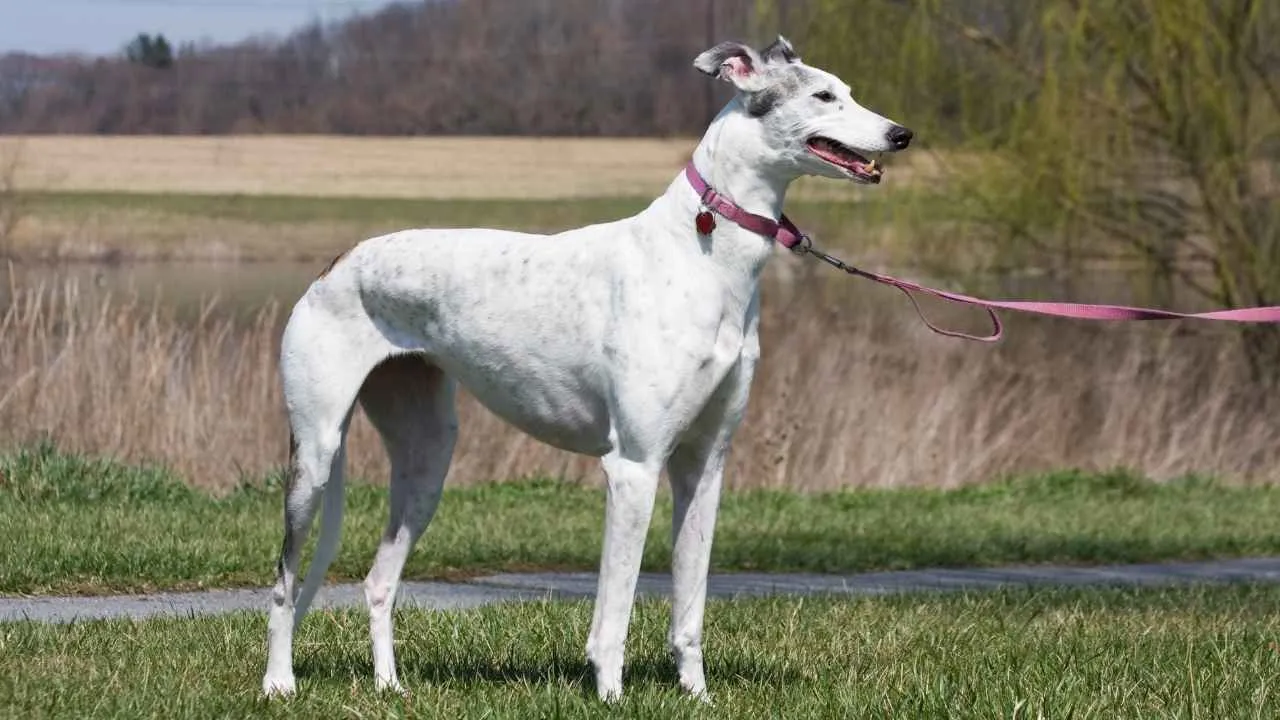
Okay, Greyhounds can look wonderfully composed until something fast crosses their path. Their gentle, quiet nature sits beside an independent streak, and that sudden chase response helps explain why these elegant hounds belong in a high prey drive conversation.
Believe it or not, Greyhounds were originally bred to hunt by outrunning prey. Their sighthound background favored speed, visual pursuit, and independent decision-making, so spotting movement can still flip the switch from relaxed companion to laser-focused runner remarkably quickly.
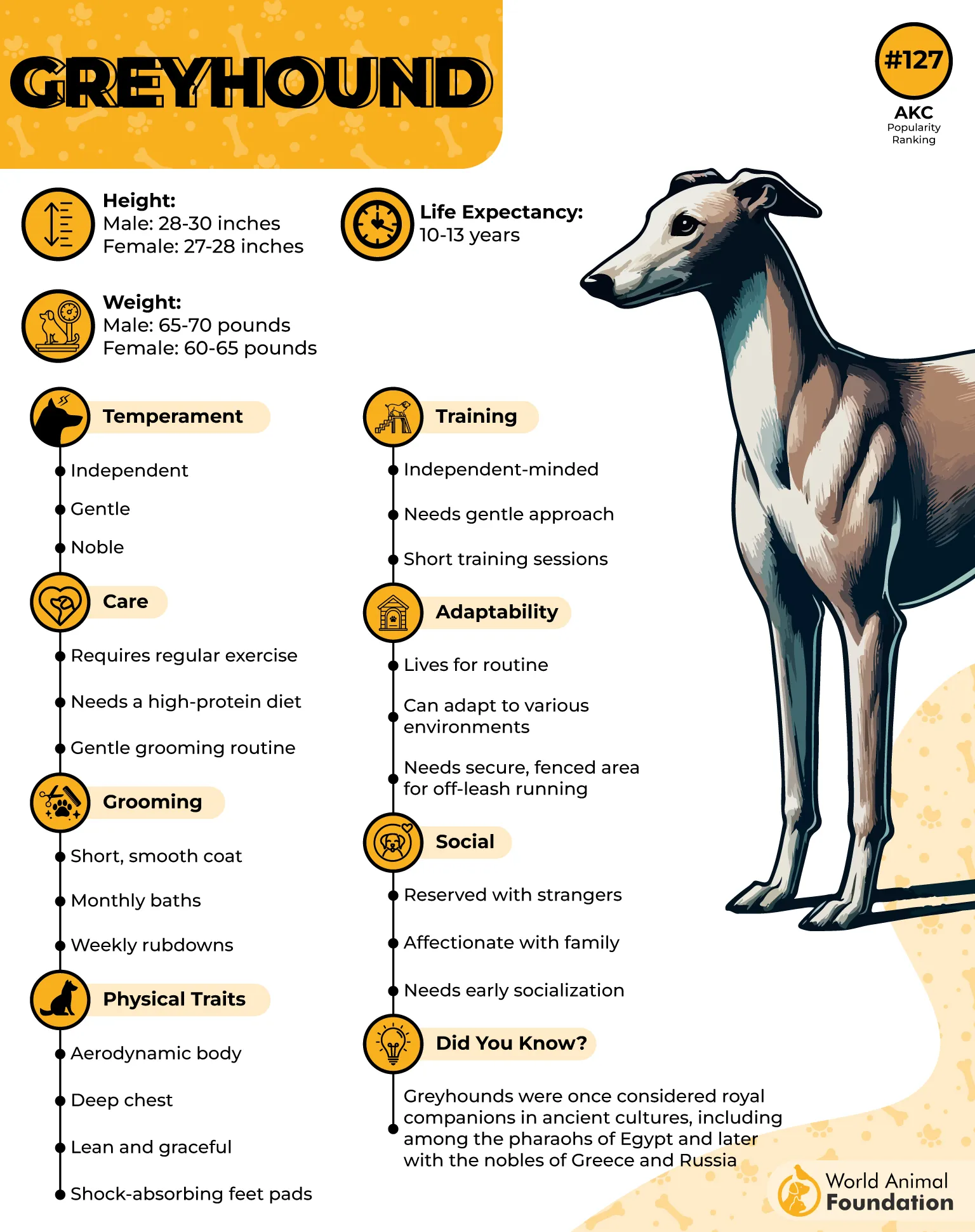
And yes, that chase instinct is not just historical decoration. Greyhounds can have a strong prey drive, and small animals may catch their attention, which is why secure spaces and careful supervision matter when these calm dogs spot something interesting.
What Makes This Breed Stand Out
They enjoy opportunities to sprint safely but can also be enthusiastic loungers.
Their sensitive personality responds best to a gentle approach during lessons.
2. Rhodesian Ridgeback
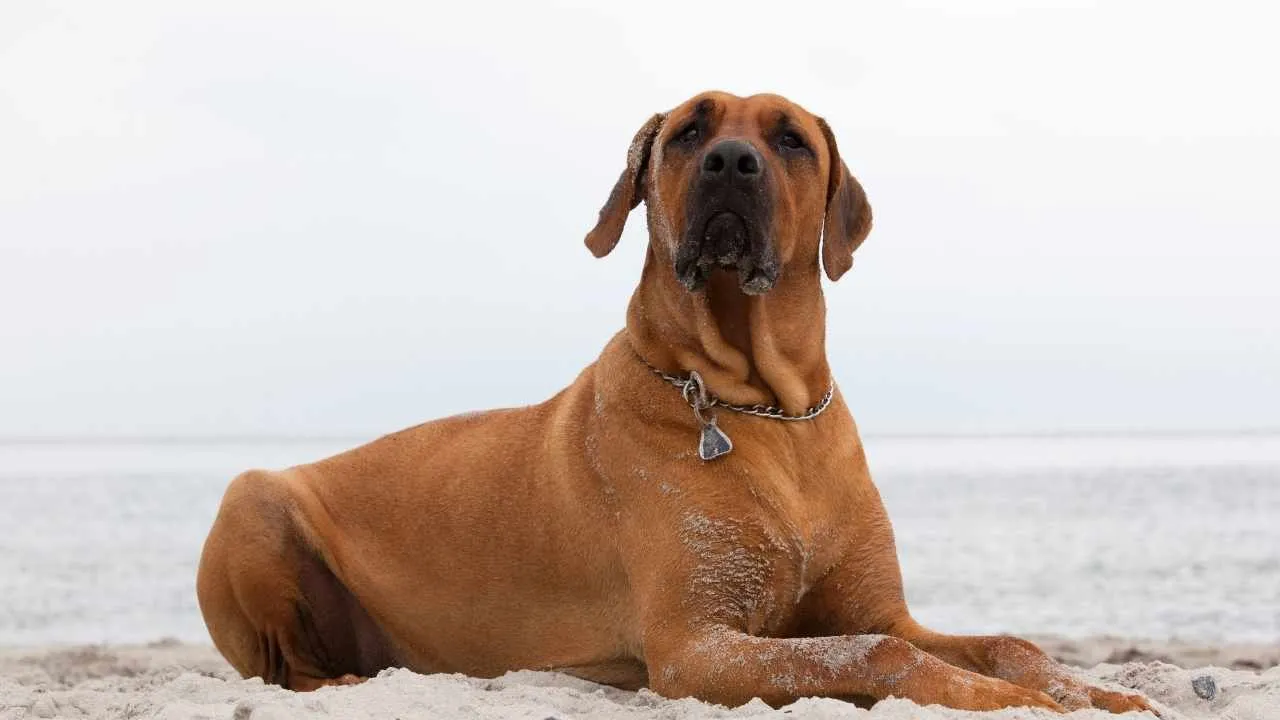
Now, the Rhodesian Ridgeback brings a different intensity to the list. This athletic hound was developed for demanding work, and its hunting background still shows in a dog that can be calm at home yet sharply interested in movement.
Once something small starts moving, a Ridgeback may suddenly find the situation far more interesting than you do. Their very high prey drive can make chasing tempting, so smaller pets may not be an easy match in every household.
As noted by PetMD, Ridgebacks are intelligent learners who can take quickly to hunting or tracking jobs. Their independent streak still makes lifelong obedience important, and positive reinforcement keeps training productive without turning every lesson into a stubborn little negotiation.
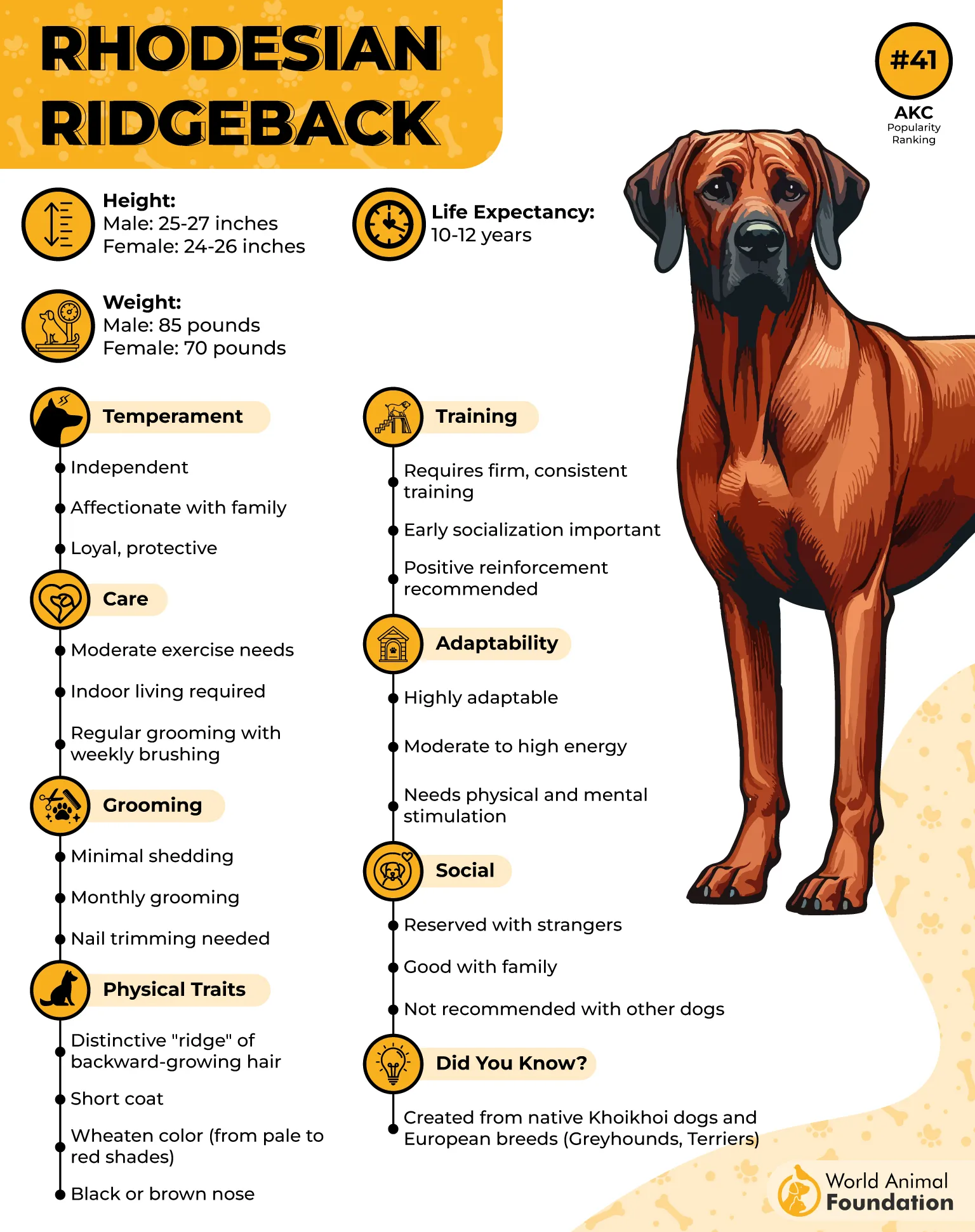
What Makes This Breed Stand Out
The backward-growing ridge of hair along the spine gives the breed its signature look.
These hounds are generally quiet and may reserve barking for something unusual.
3. Jack Russell Terrier

Well, Jack Russell Terriers are tiny packages with no interest in acting tiny. Their bold, curious nature and strong hunting instinct can turn an ordinary backyard into a personal investigation zone whenever movement suggests there might be something worth chasing.
Around people, these small dogs can be loyal, energetic family pets, but their feisty nature may suit homes with older children better. They can also bark at other dogs, while early socialization helps them learn more comfortable canine interactions.
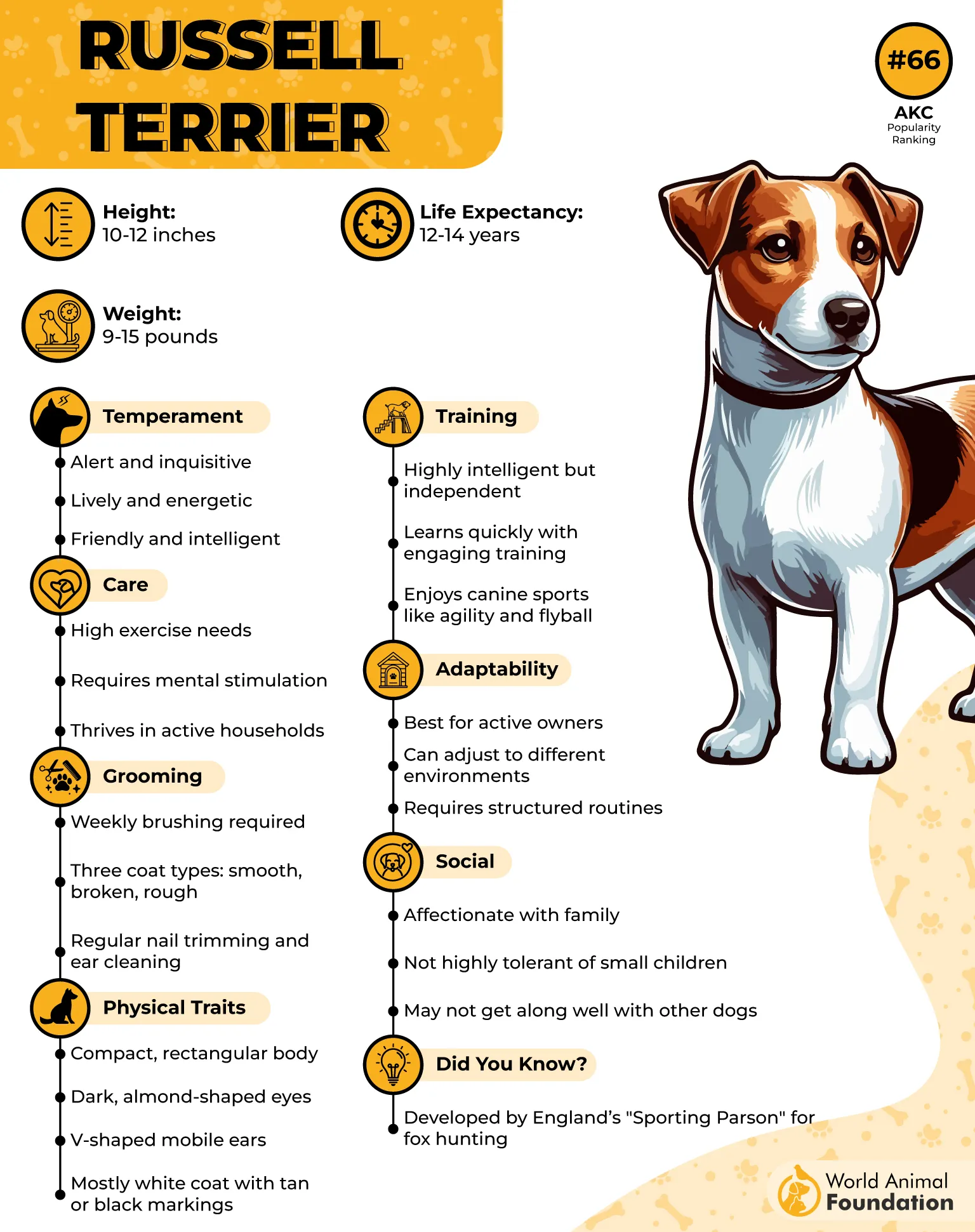
Starting young really matters with a Jack Russell puppy. Early socialization and training can help them get along with others, while puppy classes offer useful introductions before those confident terrier habits become harder to redirect.
What Makes This Breed Stand Out
Their coats may be smooth, rough, or a mixture of the two.
Fetch can give that instinctive desire to chase a more appropriate outlet.
4. Afghan Hound
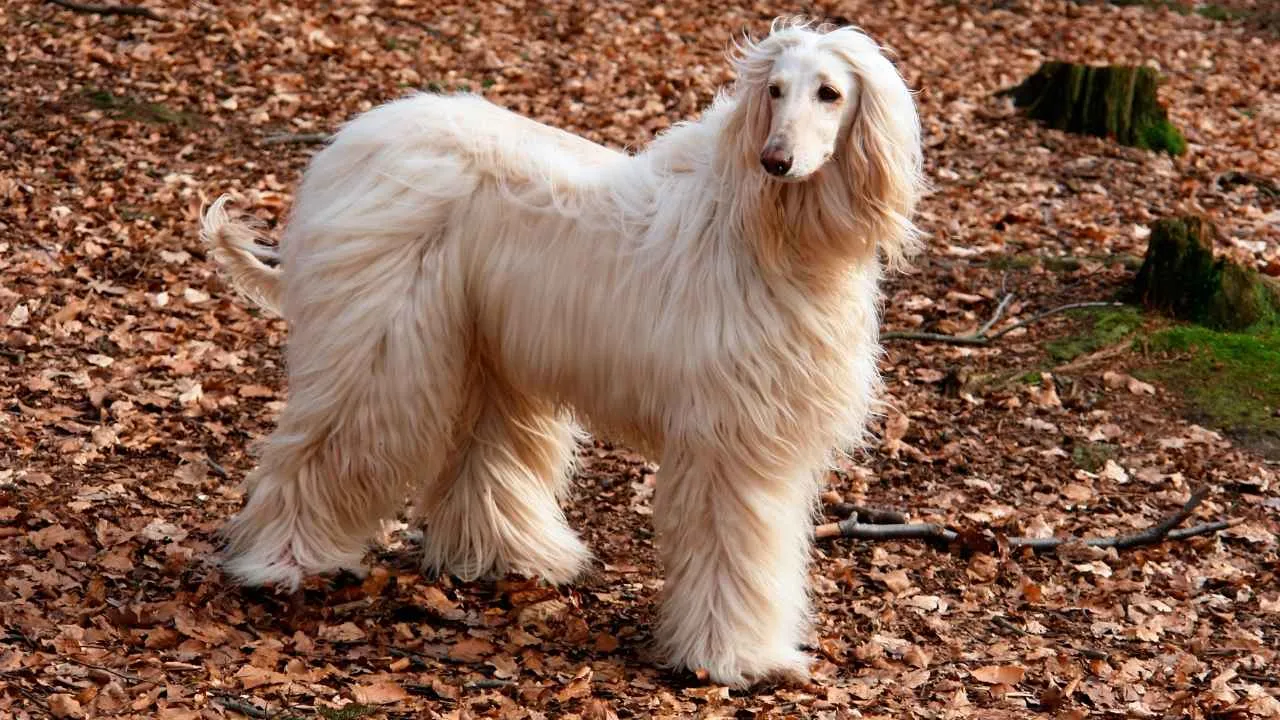
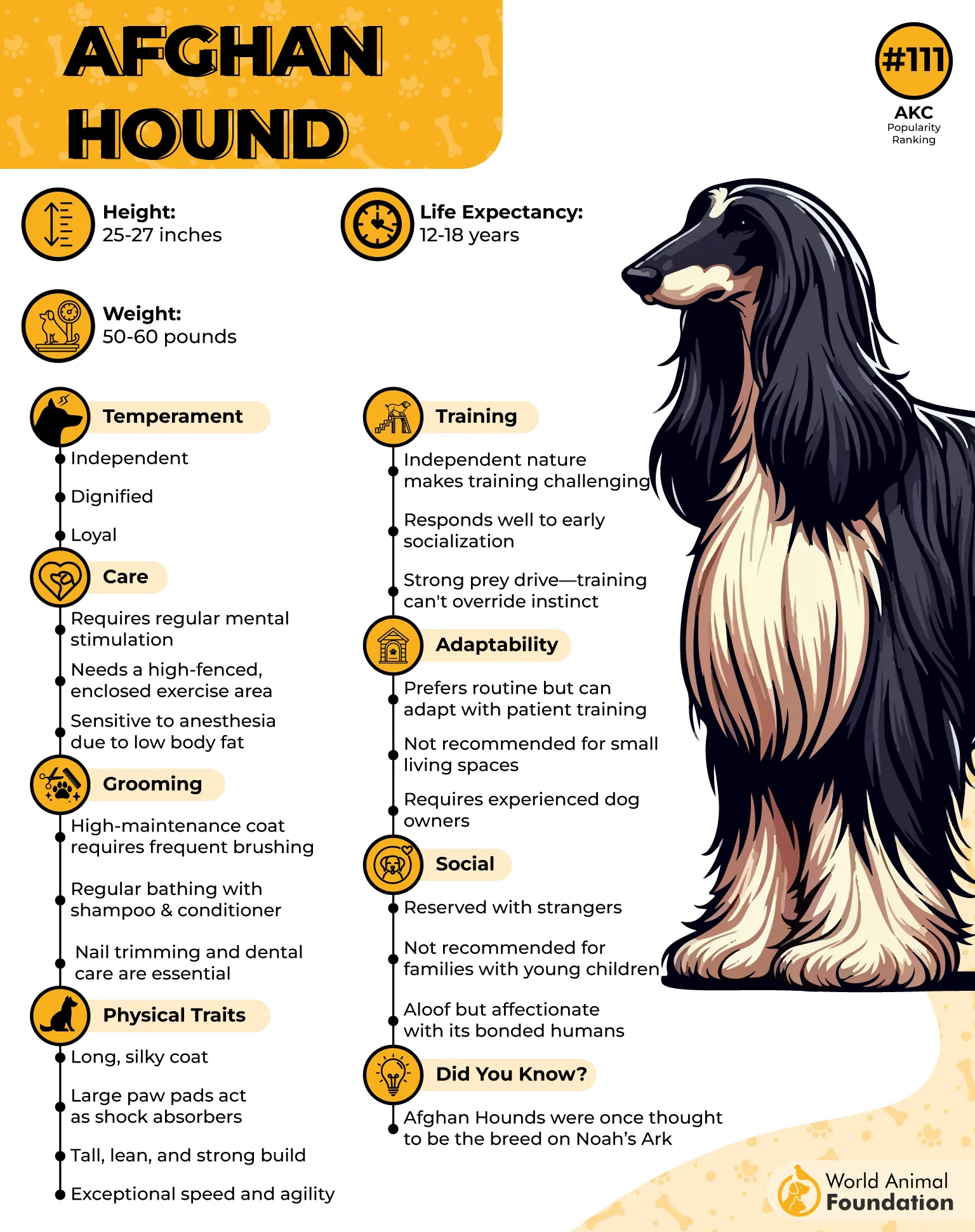
Meet the Afghan Hound, the glamorous hunter who somehow looks runway-ready while carrying serious chase instincts. Recognized by the AKC in 1926, this independent sighthound pairs striking elegance with the quick judgment and visual focus of a working hunter.
Out in the field, Afghans were not limited to tiny quarry. Their hunting history includes pursuing hare, gazelles, wolves, and even snow leopards, giving that flowing coat a surprisingly rugged backstory and showing just how serious this hunter could be.
When something seems off, a veterinarian should be part of the conversation quickly. Afghan Hounds can have eye and ear concerns, so redness, discharge, cloudiness, debris, or unusual odor are signs worth checking instead of casually waiting around.
What Makes This Breed Stand Out
Their long, silky coat requires substantial brushing and regular upkeep.
Lure coursing offers an activity that fits their natural sighthound abilities.
5. Weimaraner
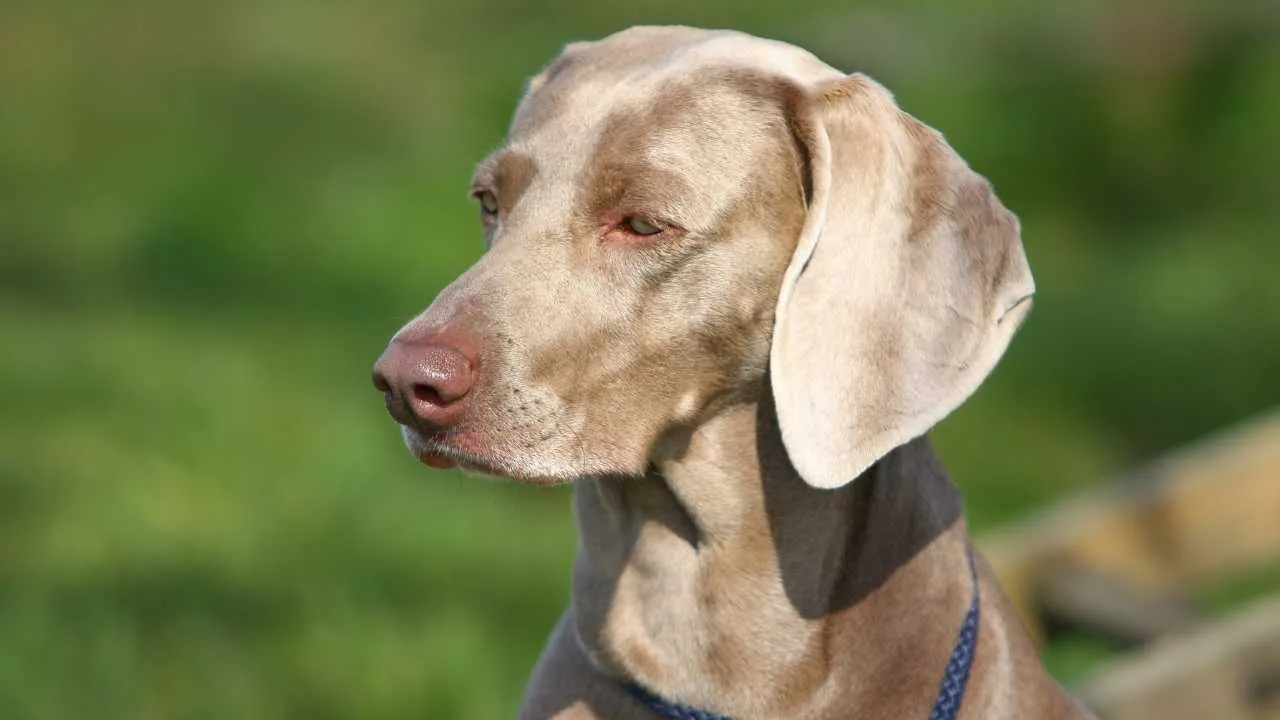
Well, the Weimaraner has a hunting background that makes sudden movement hard to ignore. This friendly, fearless sporting dog combines sharp instincts with plenty of energy, so a quiet walk can become instantly interesting when something darts nearby.
Originally, this versatile hunter went after serious quarry, including bear, mountain lion, and wolves. Later, as those predators became less common, the Weimaraner shifted toward pointing and retrieving gamebirds, proving that its hunting résumé was never exactly a one-trick affair.
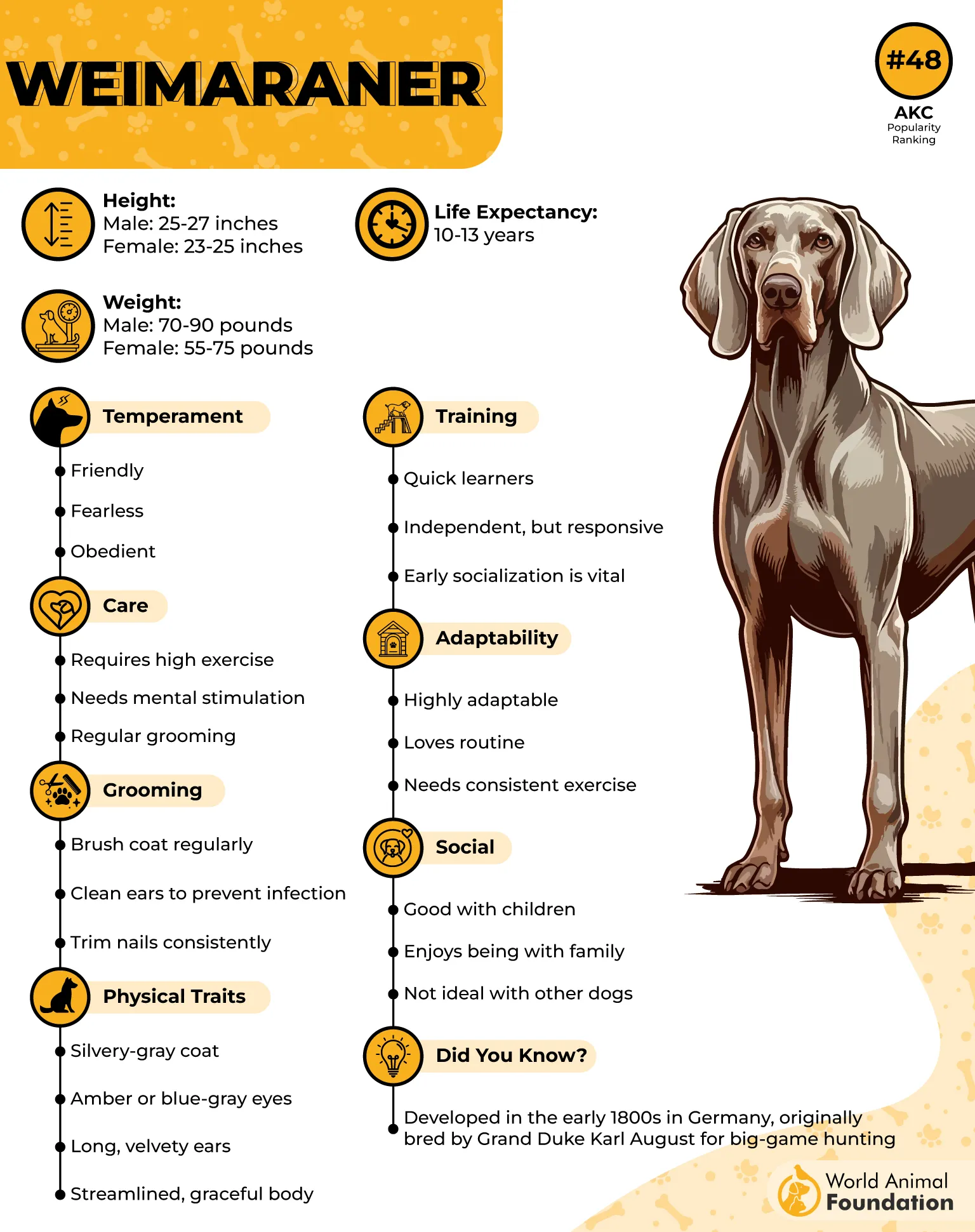
Out on walks, keeping a firm hold of the leash is simply sensible with this high-prey-drive dog. Weimaraners are likely to chase moving animals, and their tendency to roam means control matters when curiosity and prey drive suddenly team up.
What Makes This Breed Stand Out
Their intelligence makes them quick learners when lessons stay consistent.
Strong family bonds make these dogs enthusiastic about spending time with their people.
6. Pharaoh Hound
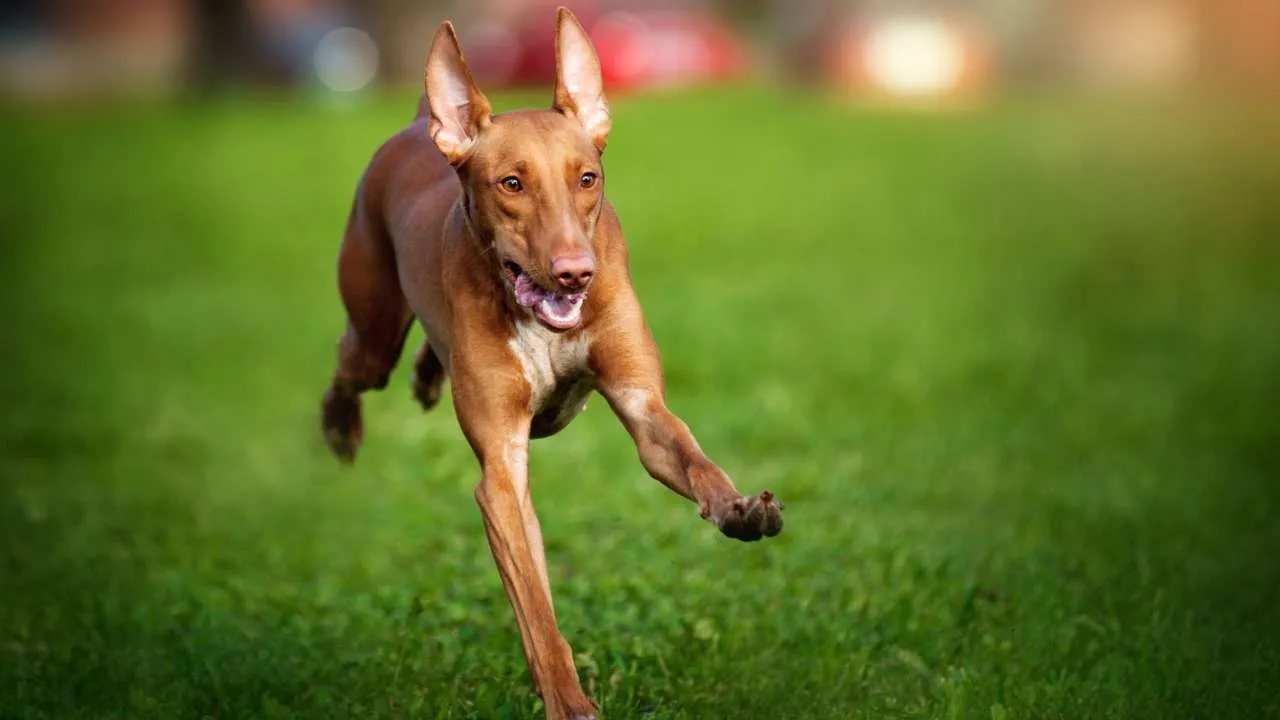
Now, the Pharaoh Hound brings a different kind of chase energy to the mix. Friendly and affectionate at home, this quick hunter was built for pursuit, and that playful personality can switch gears fast once movement catches its attention.
Historically, rabbit hunting was the Pharaoh Hound’s specialty on Malta, and the breed was also developed to chase small game over rough terrain. That background explains why a rustle, sprint, or sudden dash can still look like an invitation.
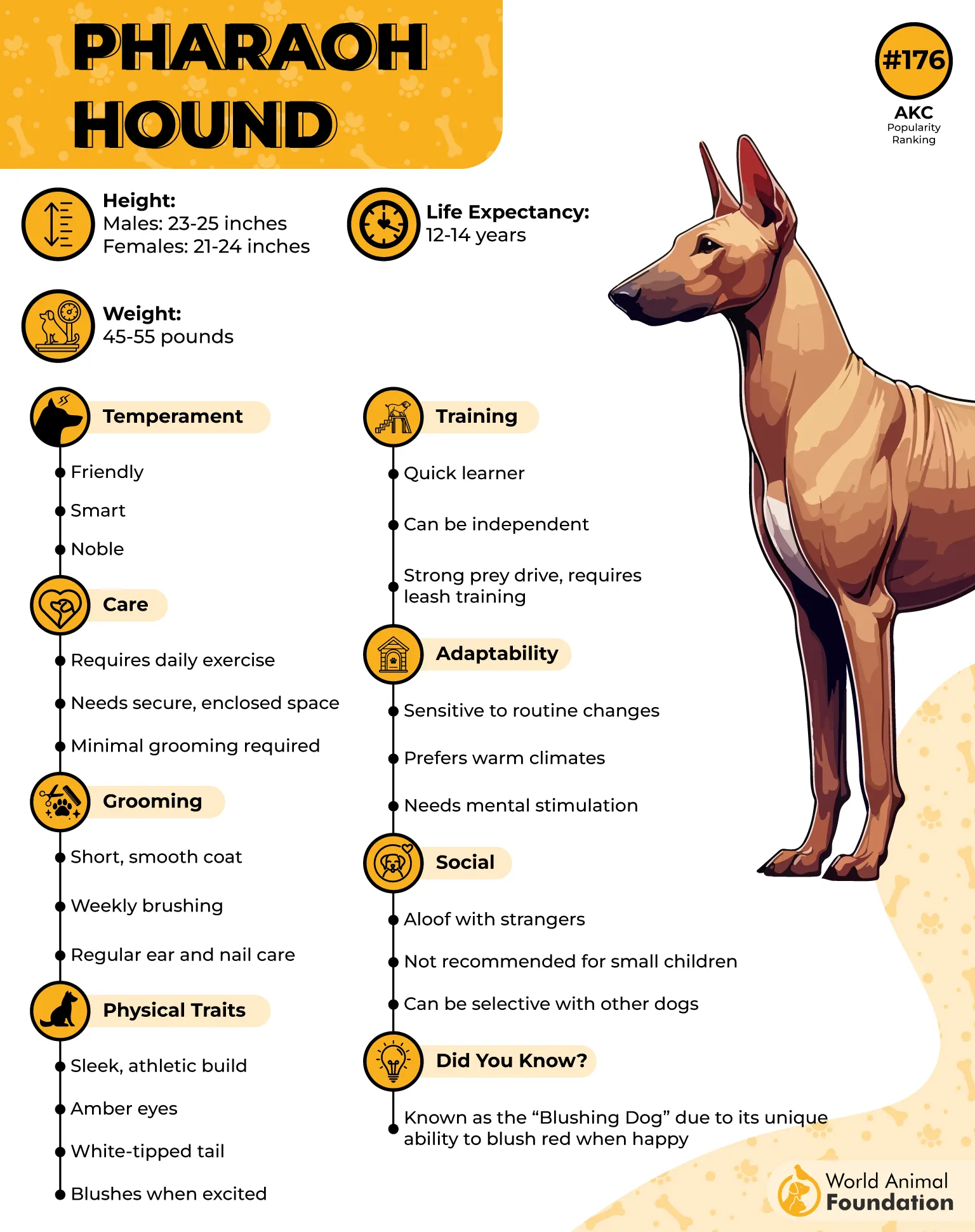
As mentioned by Purina, Pharaoh Hounds are serious athletes who enjoy sprinting, longer runs, and jumping. They need varied exercise and changing routes to stay mentally engaged, while their hunting instinct can keep them following quarry once the chase begins.
What Makes This Breed Stand Out
Their famous blush can bring a rosy glow to the nose and ears when excited.
The breed can be affectionate with people and generally sociable with other dogs.
7. Saluki
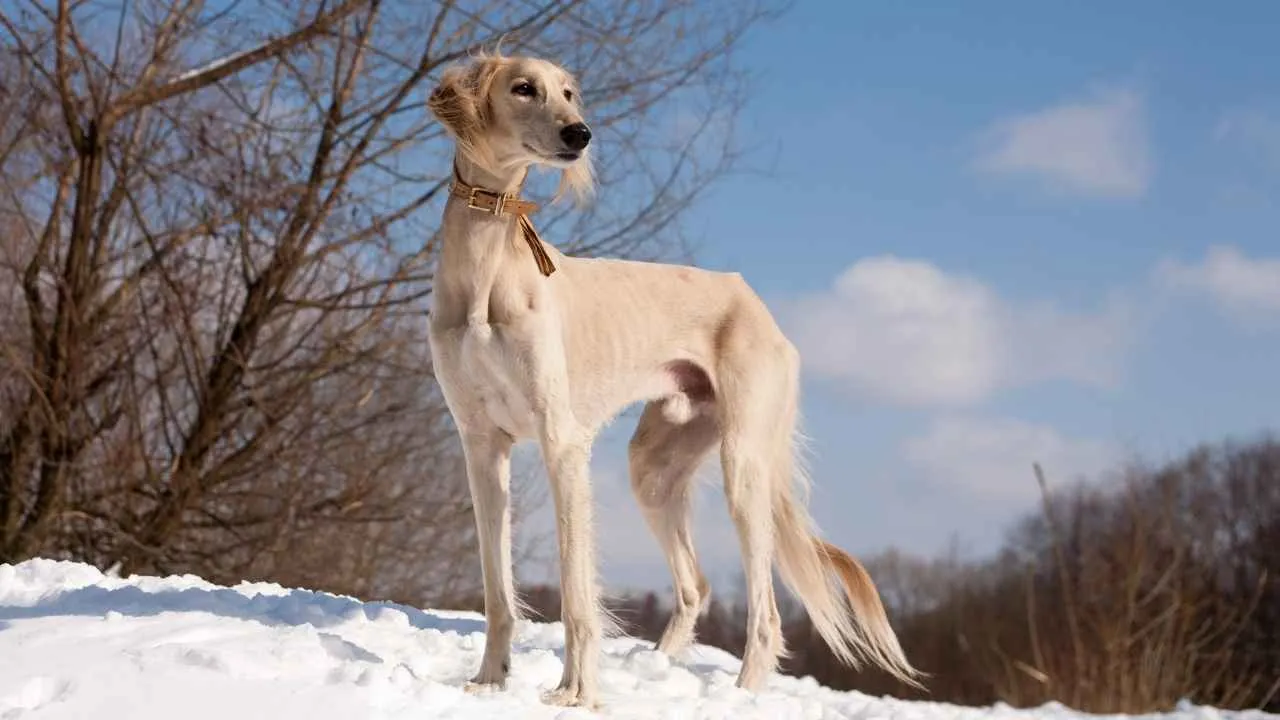
Okay, the Saluki may carry itself with quiet dignity, but this ancient hound has serious chase credentials behind that elegant appearance. Swift, agile, active, and independent-minded, it was shaped for pursuit long before modern dog walks and fenced yards.
For generations, Salukis were bred to spot, chase, and kill gazelle and hare across wide stretches of land with nomadic owners. That job demanded speed and determination, so this hound’s instinct to chase cats, rabbits, rodents, and other animals has very deep roots.
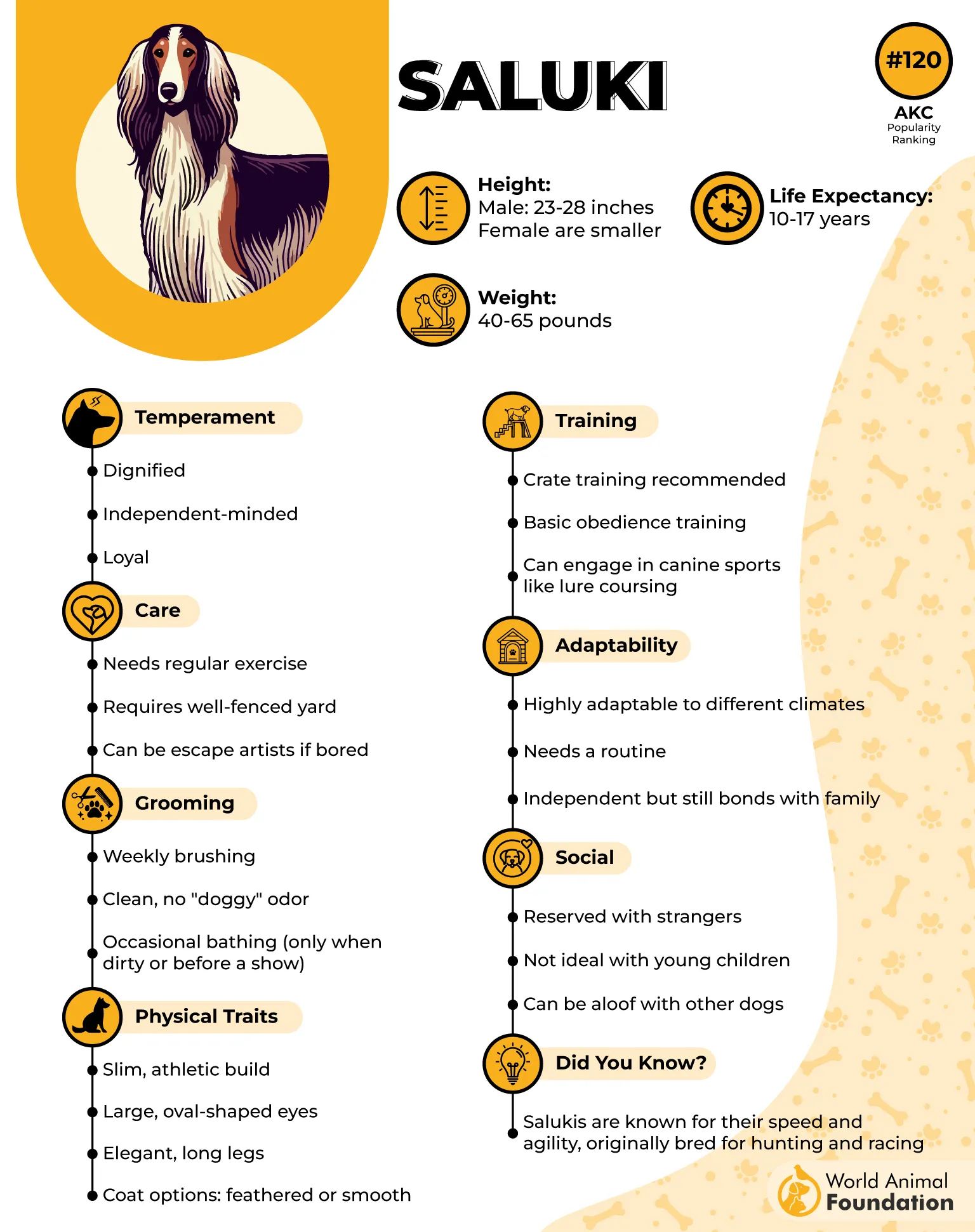
And once a Saluki locks onto something small and furry, getting its attention back can become difficult. The breed has a strong prey drive around rabbits and rodents, making lead walks or very secure spaces the safer option.
What Makes This Breed Stand Out
Their reserved nature gives them a calm, dignified presence around unfamiliar people.
Lure coursing and agility can give these naturally athletic hounds an engaging outlet.
Conclusion
High prey drive can make these dogs fascinating, energetic, and occasionally a little too interested in whatever just moved across the yard. Their instincts deserve respect, thoughtful training, secure surroundings, and owners who understand that chasing is often deeply woven into how these breeds experience the world.
The best match comes from looking beyond appearance and considering whether your routine can handle those instincts. With patience, structure, and plenty of appropriate outlets, these remarkable dogs can become rewarding companions.
Know what you are signing up for, prepare properly, and enjoy the adventure together.
