




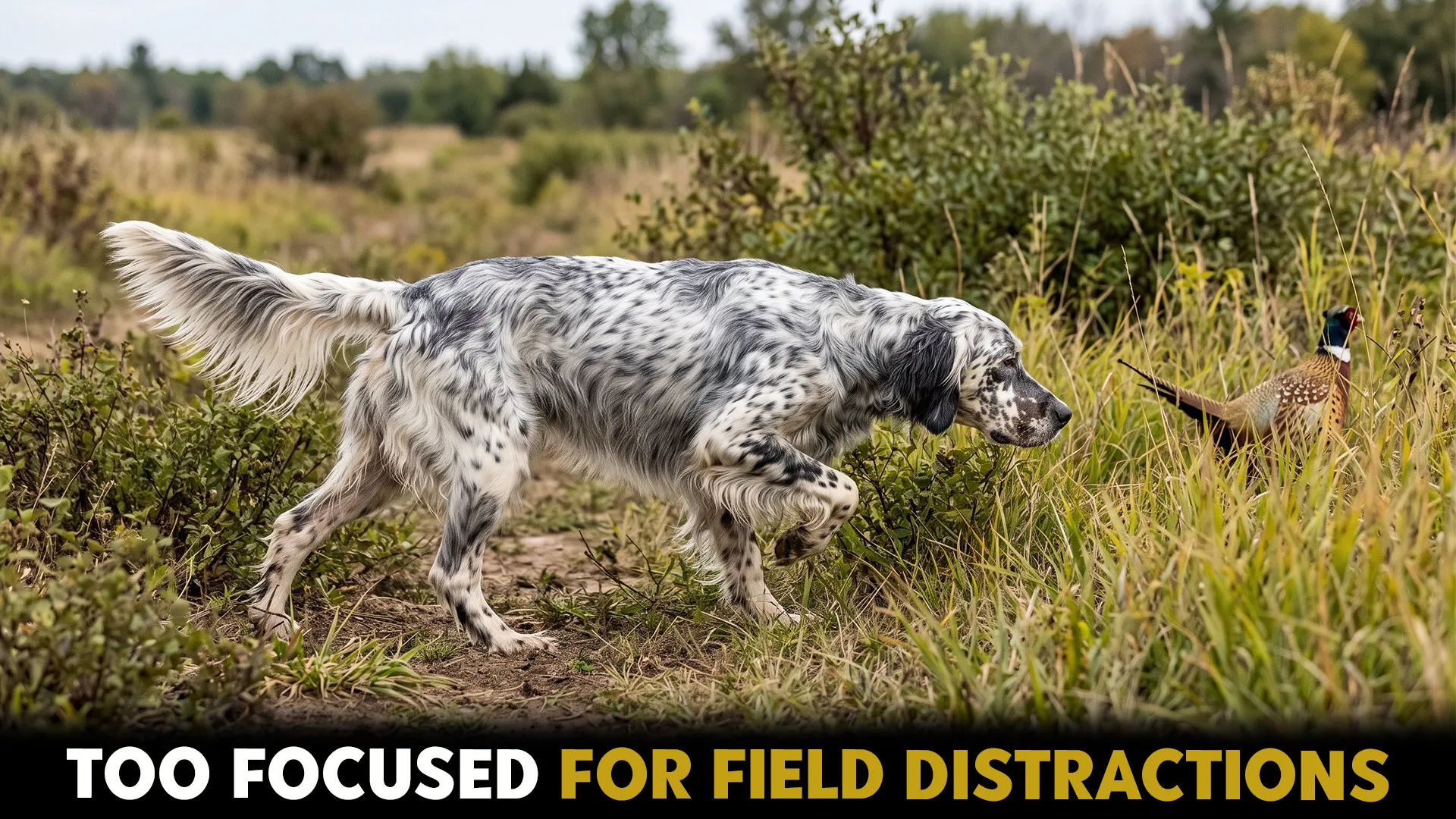
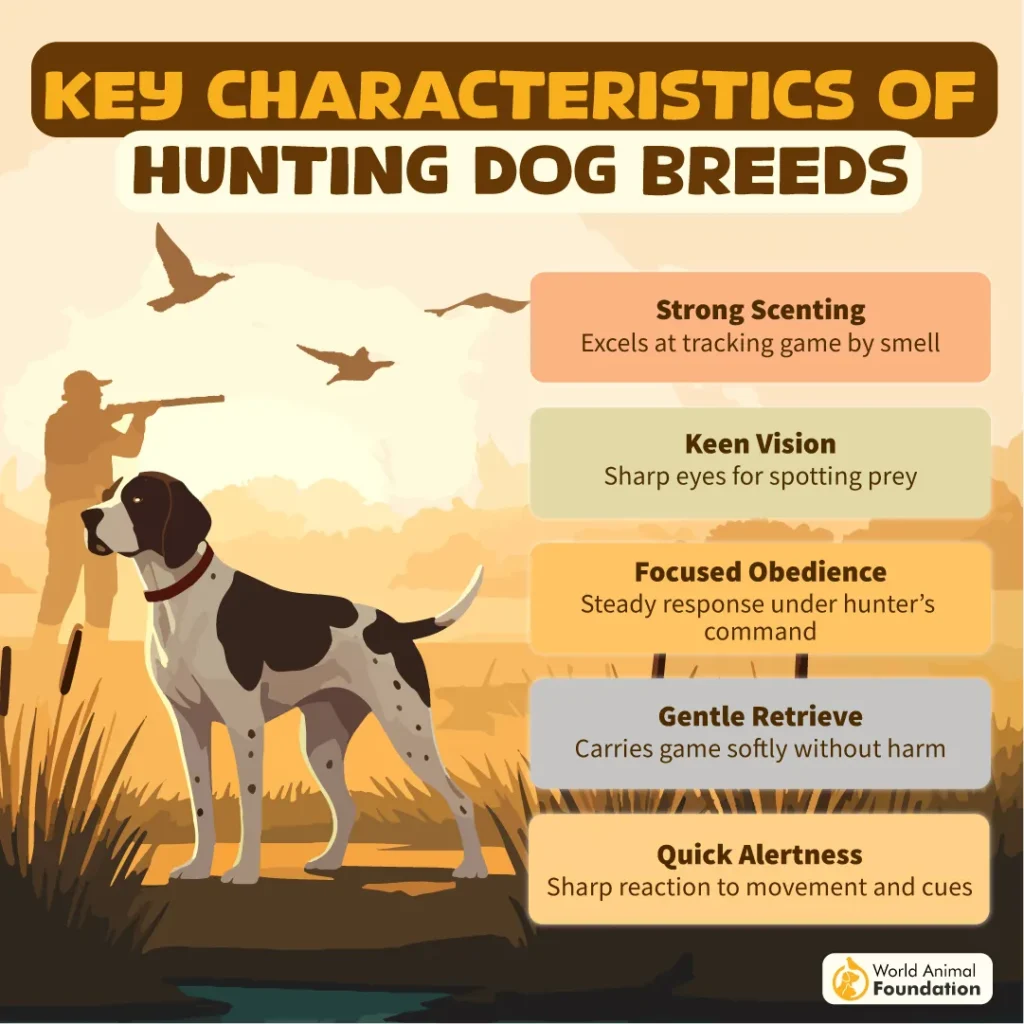
Dogs have assisted hunters for centuries, using their powerful noses, keen eyesight, and instinctive ability to locate or retrieve game. Some breeds specialize in finding birds across open fields, while others excel at following scents through dense cover or retrieving waterfowl from chilly lakes. Their different working styles make certain dogs especially valuable in the field.
Choosing a hunting companion requires understanding more than natural ability. Stamina, trainability, coat maintenance, and health all influence how effectively a dog performs outdoors. Regular exercise and structured training are essential, even for breeds with strong inherited hunting instincts.
From energetic pointing dogs to water-loving Retrievers, these ten breeds bring distinct strengths to tracking and bird hunting. Their individual characteristics can help hunters identify a companion suited to their terrain, preferred game, and working style.
Top Dog Breeds Ideal for Tracking and Bird Hunting
1. German Shorthaired Pointer
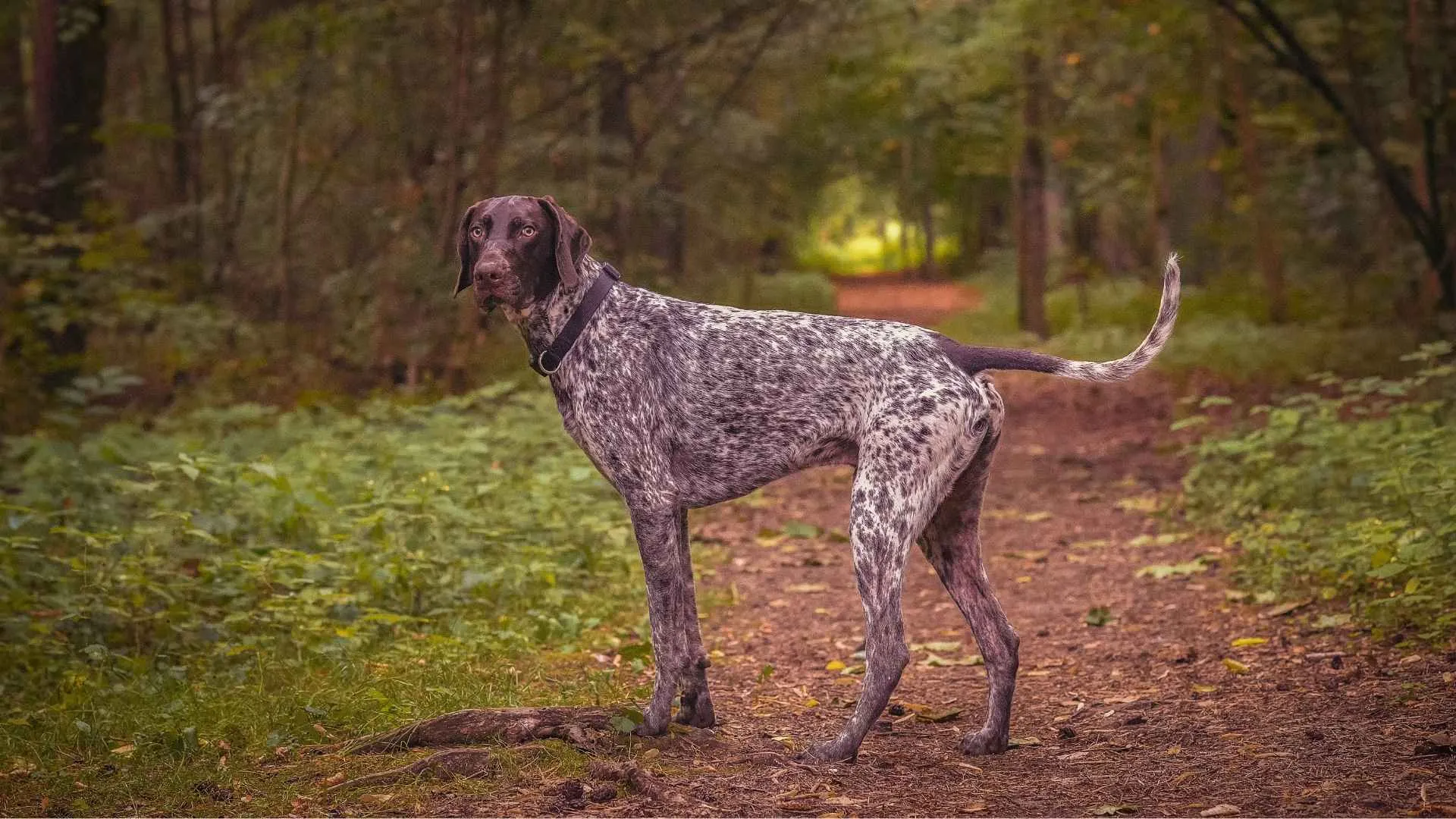
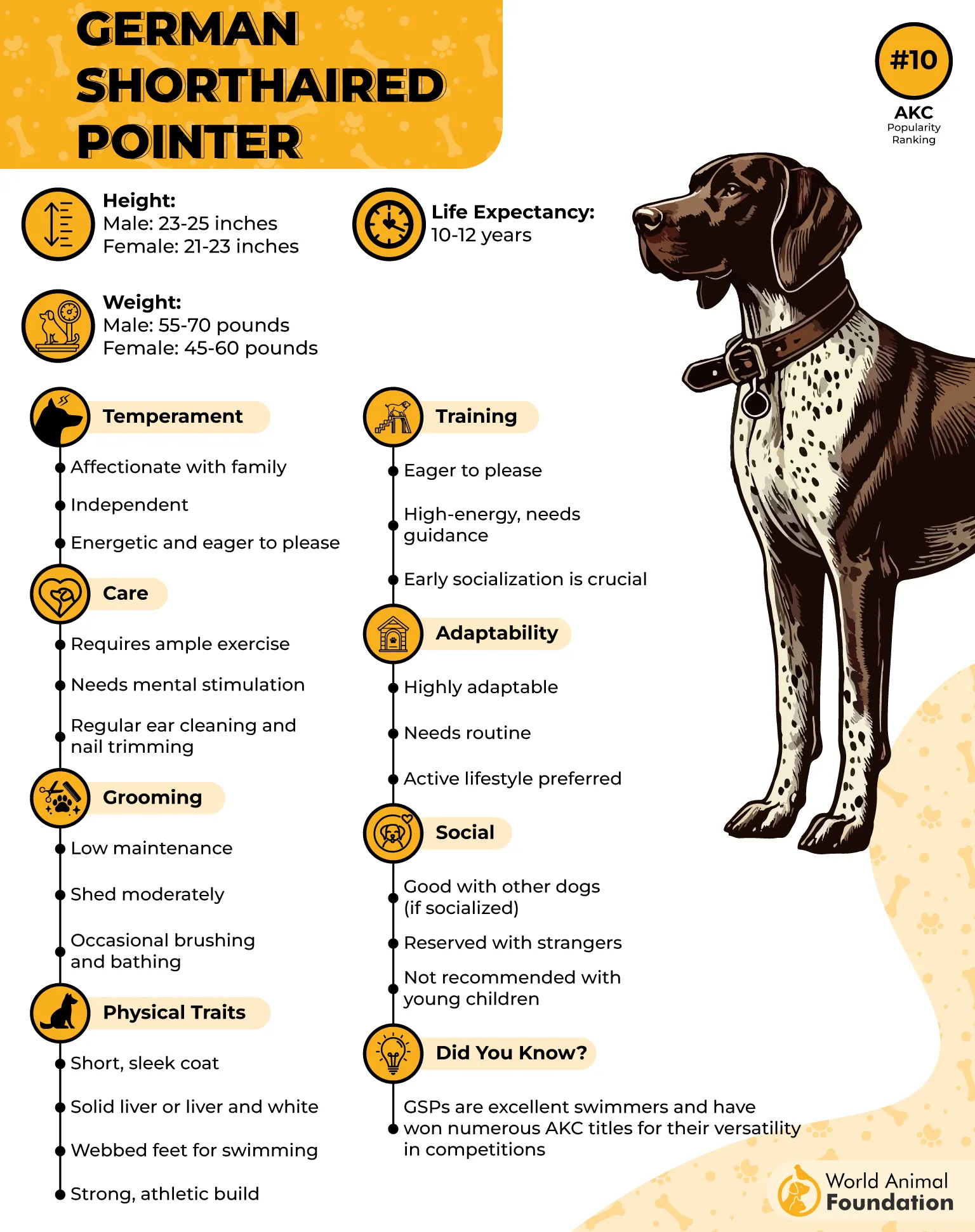
The Shorthaired Pointer, commonly known as the German Shorthaired Pointer, is a versatile sporting dog developed in Germany. Hunters valued its ability to locate game birds, point their position, and retrieve both on land and in water.
Its lean, muscular body supports demanding outdoor work, while its intelligence makes it responsive to structured training. Few hunting breeds combine so many field skills in one athletic package.
Grooming and Health Needs
Its short, dense coat needs occasional brushing, although outdoor adventures may require checking for ticks, burrs, and scratches. Regular nail trimming, ear cleaning, and dental care are also important. Potential health concerns include hip dysplasia, certain heart conditions, and bloat. Veterinary checkups, suitable nutrition, and careful conditioning help support its active lifestyle.
An All-Rounder for Fields and Wetlands
The German Shorthaired Pointer can search open terrain, indicate a bird’s location, and retrieve downed game. Its versatility makes it suitable for hunters who move between upland fields and wetlands. However, its high energy levels demand substantial daily exercise and purposeful training. Without sufficient activity, this intelligent dog may become restless at home.
2. English Pointer
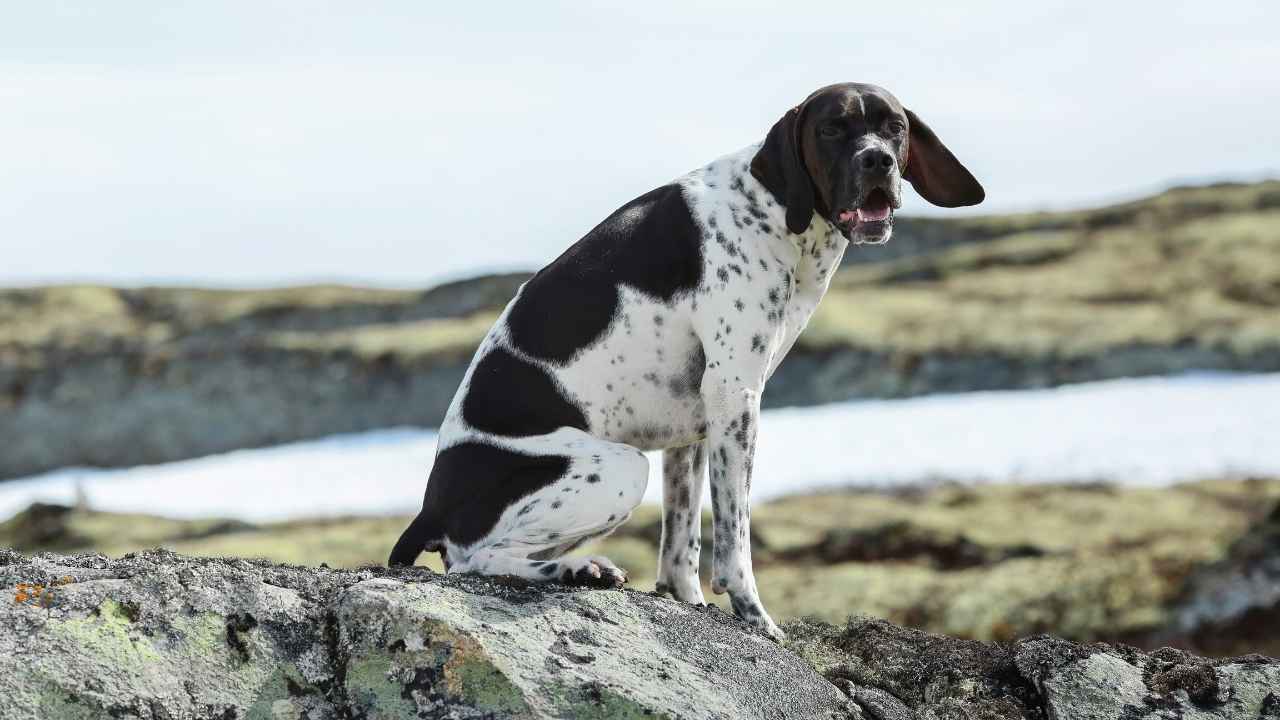
The English Pointer is renowned for its distinctive stance when it locates game, often freezing with its body extended and nose directed toward the target. Developed in Britain for upland bird hunting, it combines speed, stamina, and an exceptional ability to search expansive fields, as per Hill’s Pet. Its lean frame and efficient movement make it particularly suited to hunters who cover considerable ground.
Maintaining an Athletic Hunting Dog
The English Pointer’s short coat is relatively easy to maintain with occasional brushing. After field outings, owners should inspect its paws, ears, and skin for injuries or parasites. Hip problems and certain eye conditions may occur, so responsible breeding and routine veterinary care matter. Regular conditioning and a balanced diet help maintain the endurance required for fieldwork.
A Specialist at Locating Birds Across Open Ground
Unlike breeds selected primarily for retrieving, the English Pointer is especially valued for finding birds and indicating their location. Its speed and broad-ranging search pattern work well in open country. Consistent training helps develop reliable responses to handling signals and commands. Because its hunting drive is strong, secure areas and dependable recall are important outside working sessions.
3. English Setter
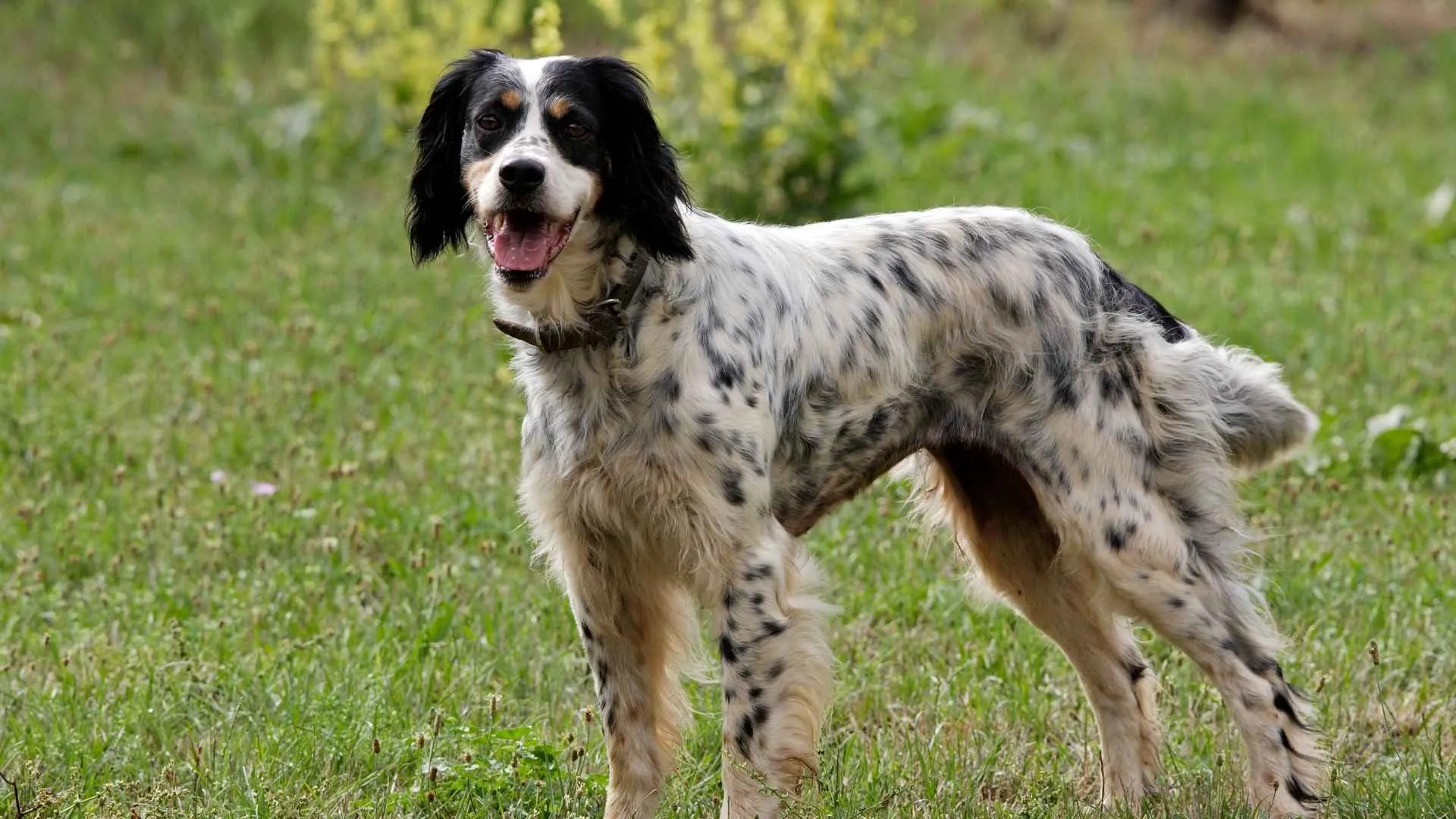
The English Setter developed as a bird dog in Britain, where it was used to locate game and indicate its presence by crouching or setting. Its feathered coat and graceful movement distinguish it from short-coated pointing breeds. In the field, it combines an excellent nose with a methodical search pattern. Its affectionate personality can also make it a close companion when hunting is over.
Feathered-Coat Care and Preventive Health
The English Setter’s silky coat needs regular brushing, particularly around the ears, legs, chest, and tail, where tangles can develop. Check its ears after outdoor activities to remove debris and identify irritation. Hip dysplasia, deafness, and certain inherited conditions are potential concerns. Regular veterinary examinations and responsible breeding help support long-term health.
A Careful Searcher With a Natural Point
English Setters are valued for locating upland birds and holding a point until the hunter approaches. Their sweeping searches and scenting ability make them useful in fields with suitable cover. They generally benefit from patient, reward-based training that encourages steadiness and responsiveness. Regular exercise is essential, as their sporting instincts cannot be satisfied by occasional short walks alone.
4. Brittany
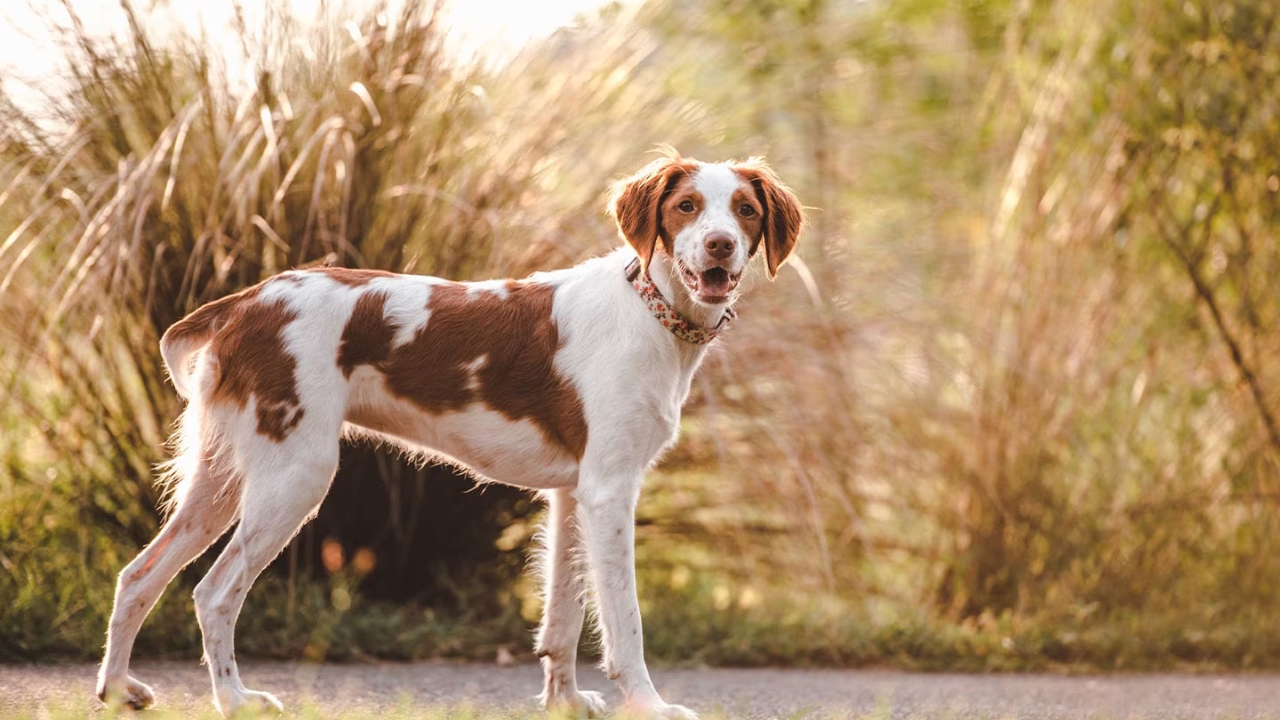
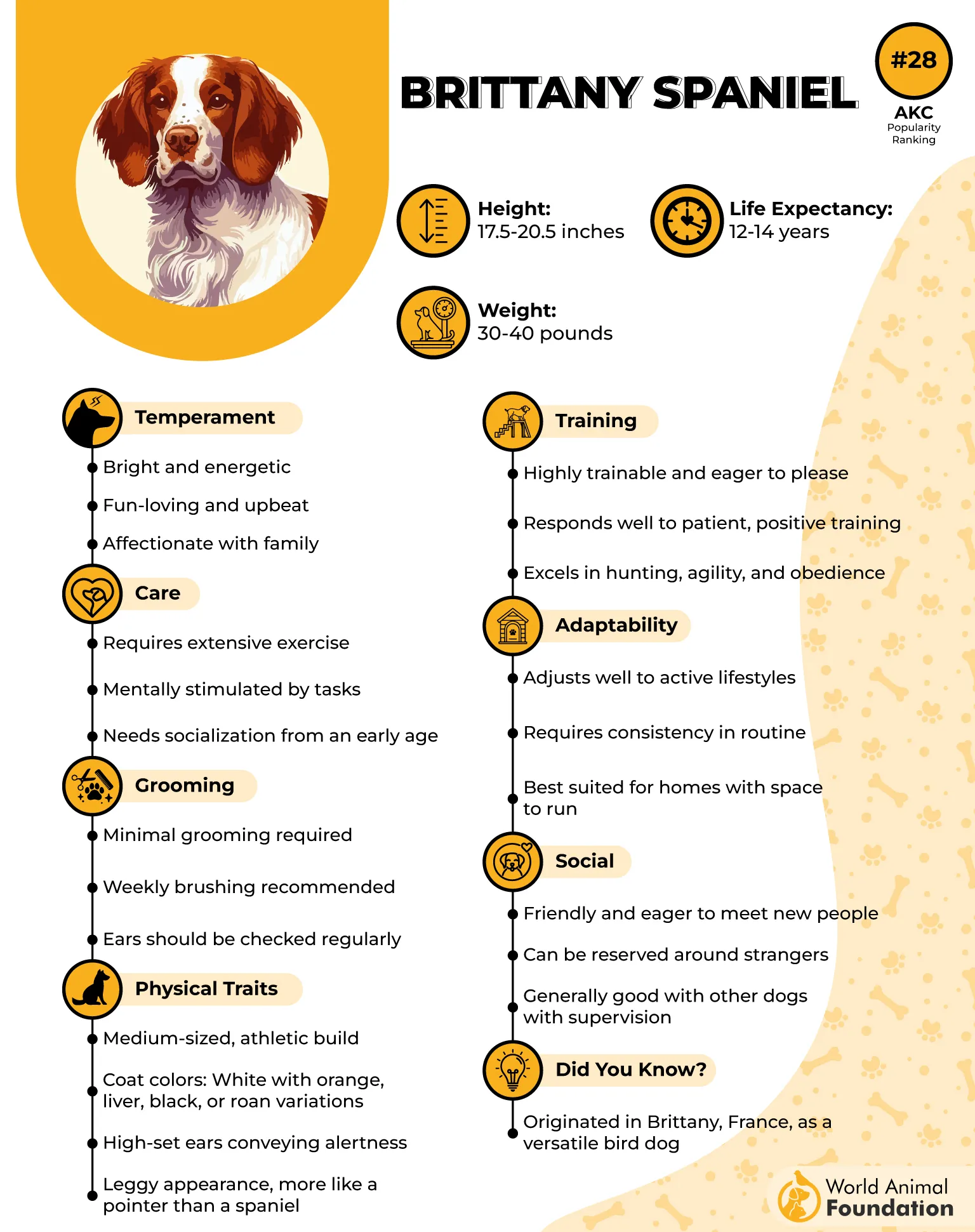
The Brittany originated in France and became a popular upland hunting dog because of its compact build, agility, and eagerness to work closely with a handler. Often smaller than other pointing breeds, it can navigate thick cover while maintaining an energetic hunting pace. Its intelligence and enthusiasm also make it a strong candidate for canine sports and active family life.
Keeping Its Coat and Ears in Shape
The Brittany’s medium-length coat needs regular brushing, especially after working through brush or tall grass. Its ears should be checked for trapped moisture and debris, while routine nail and dental care remain important. Hip dysplasia and certain inherited health conditions may occur. Appropriate nutrition, veterinary screenings, and controlled exercise during puppyhood support healthy development.
Agile Bird Work With Close Handler Contact
Brittanys are known for covering ground efficiently while remaining responsive to their handlers. They can locate and point upland birds, making them particularly useful in varied terrain where agility matters. Their enthusiasm suits hunters who want an energetic partner rather than a slow-paced companion. Regular training and mental stimulation help channel their drive into productive work.
5. Labrador Retriever
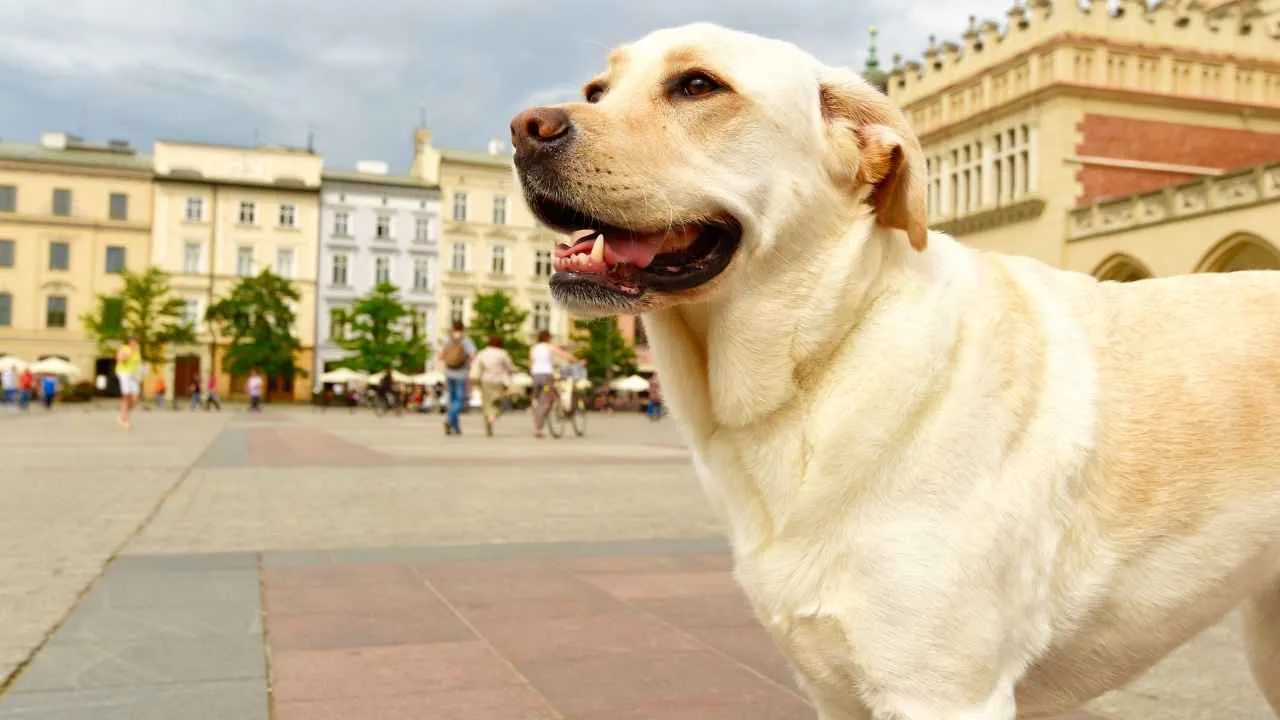
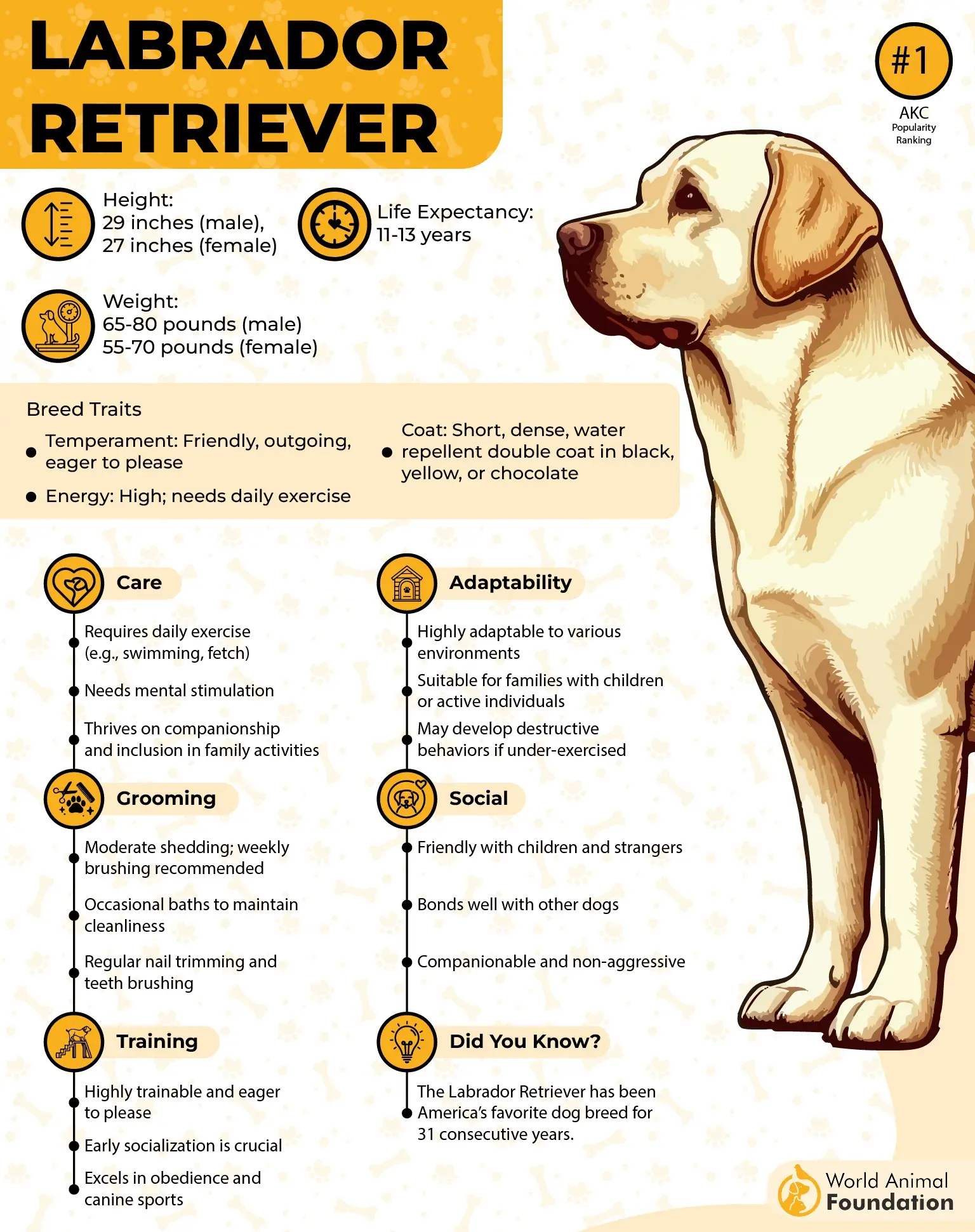
The Labrador Retriever originated in Newfoundland and was later developed further in Britain as a working gundog, as per the AKC. Its water-resistant double coat, strong swimming ability, and soft mouth made it valuable for retrieving birds from lakes and marshes.
Labradors are also widely appreciated for their trainability and friendly temperament, allowing them to transition between fieldwork and family companionship.
Grooming and Health Needs
The Labrador’s double coat benefits from weekly brushing, with more frequent grooming during seasonal shedding. Regular ear checks are important, particularly after swimming, and dental care should be consistent.
Hip and elbow dysplasia, obesity, and certain inherited disorders are potential concerns. Maintaining a healthy weight is especially important because excess pounds can put pressure on its joints.
A Reliable Retriever for Waterfowl Hunting
Labradors excel at retrieving downed birds, often working confidently in cold water and thick marsh vegetation. Their willingness to cooperate makes them highly trainable for marking, delivery, and directional retrieves.
They generally need regular swimming, running, or other vigorous activities to remain fit. Structured training is essential to ensure excitement around birds does not undermine safe, controlled fieldwork.
6. Chesapeake Bay Retriever
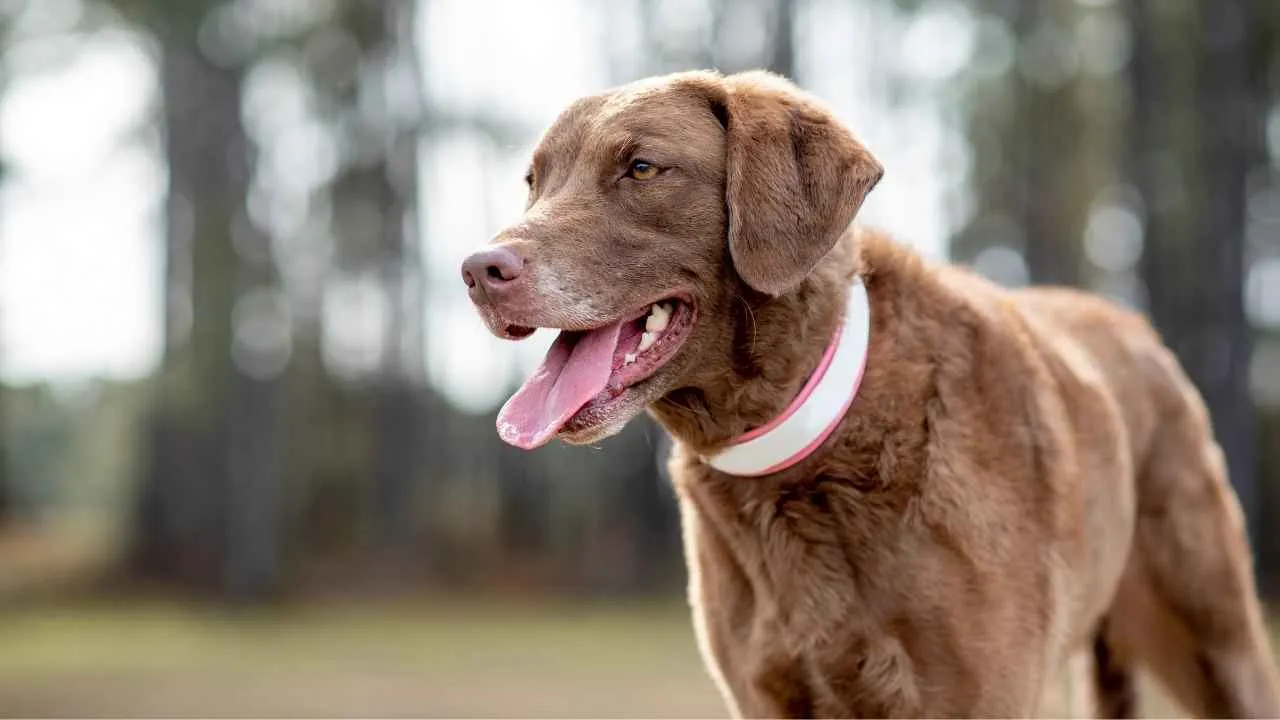
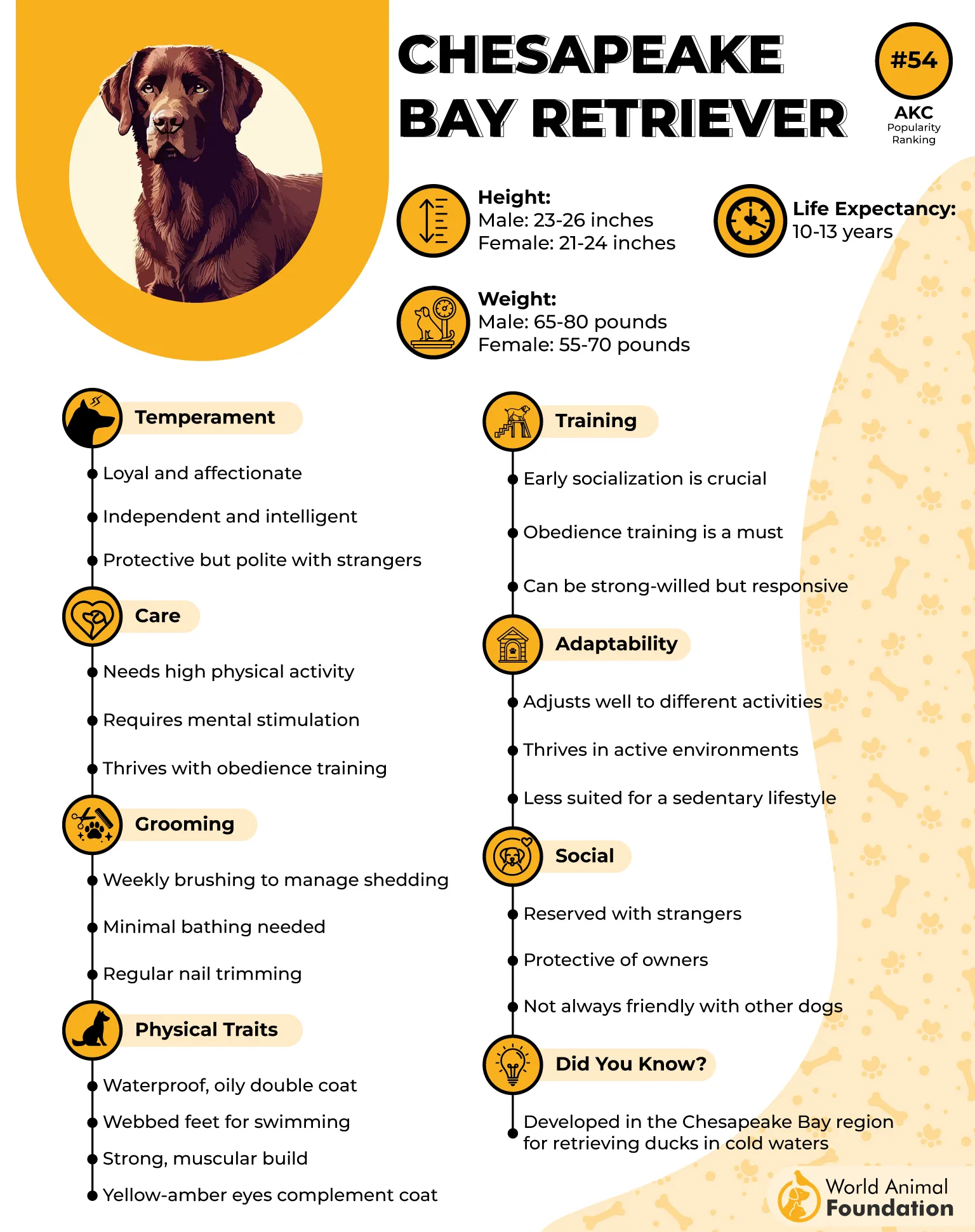
The Chesapeake Bay Retriever was developed in the United States to retrieve waterfowl in the cold, rough waters of the Chesapeake Bay. Its dense, oily outer coat and muscular build help it withstand demanding swimming conditions. Compared with some other Retrievers, the Chessie is often more independent and protective, making early training and thoughtful socialization particularly valuable.
Caring for a Weather-Resistant Coat
The Chesapeake’s harsh, water-resistant coat generally needs occasional brushing rather than frequent bathing, which can strip its natural oils. Ears should be checked after swimming, and nails and teeth need routine maintenance.
Hip dysplasia and certain eye conditions are potential health concerns, as per Purina. Responsible breeding, regular veterinary examinations, and appropriate exercise help preserve its working ability.
A Determined Waterfowl Specialist
Chesapeake Bay Retrievers are built for retrieving birds through cold water, wind, and challenging conditions. Their strength and persistence can be valuable during demanding waterfowl hunts. However, they benefit from experienced handling, clear boundaries, and consistent positive training.
Their independent nature means cooperation should be developed deliberately rather than assumed from their retrieving instincts alone.
7. German Wirehaired Pointer
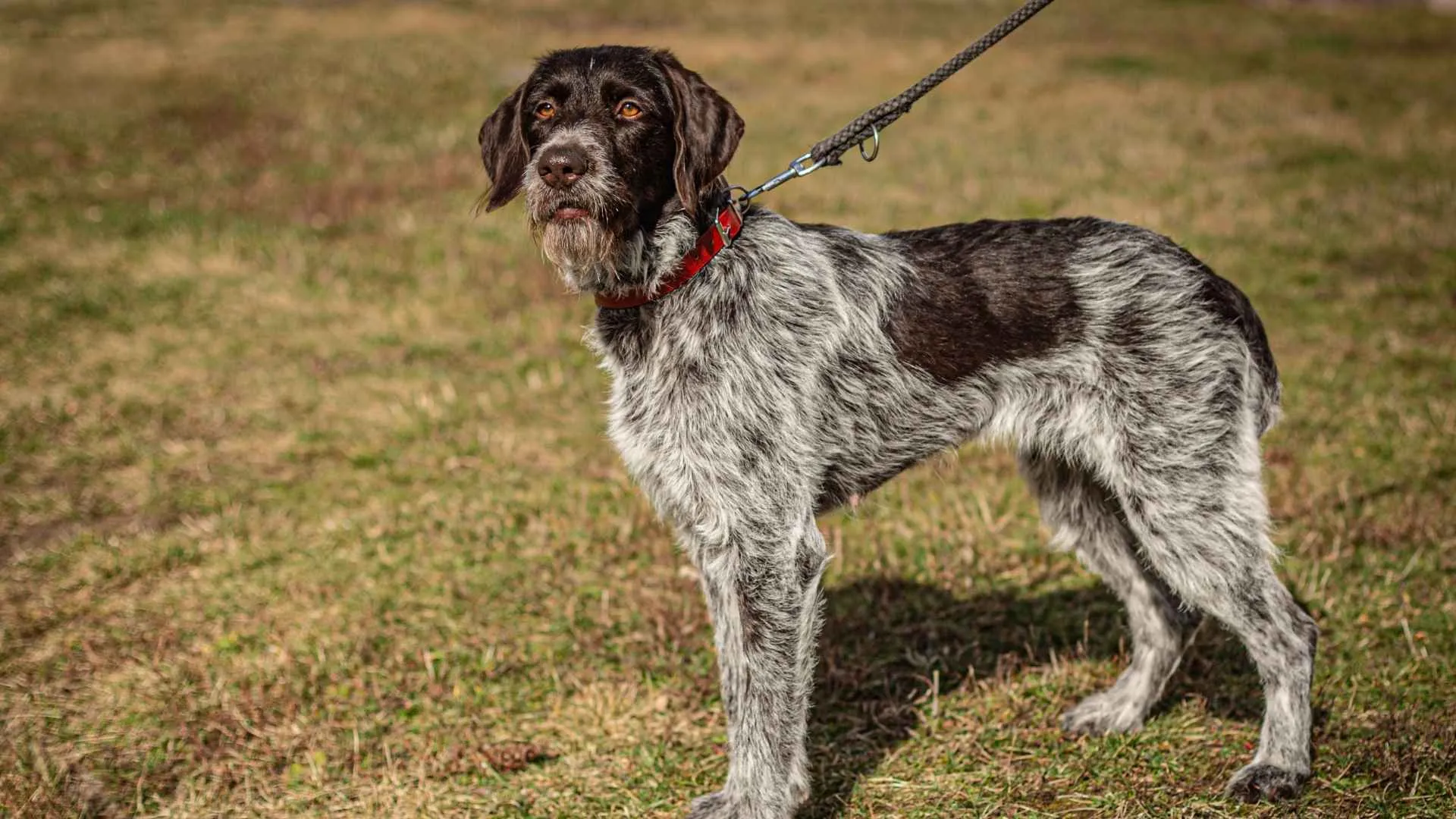
The German Wirehaired Pointer was developed in Germany as a versatile hunting dog capable of working across different terrains and weather conditions. Its wiry coat protects against rough vegetation, while its strong nose supports tracking and locating game. The breed can point birds, retrieve from water, and follow wounded game when appropriately trained.
Maintaining a Practical, Wiry Coat
Its rough outer coat needs regular brushing and occasional hand-stripping to remove dead hair and preserve texture. Owners should inspect the coat for burrs and check the ears and paws after fieldwork. Hip dysplasia and certain eye disorders are potential concerns. Regular veterinary care, suitable nutrition, and physical conditioning help support its demanding working routine.
One Dog for Tracking, Pointing, and Retrieving
The German Wirehaired Pointer offers versatility for hunters who need more than one specialized skill. It can search for birds, indicate their location, retrieve game, and use scent to follow a trail. This broad working ability comes with considerable exercise and training requirements. Structured field sessions and scent games provide useful outlets for its intelligence and determination.
8. Vizsla
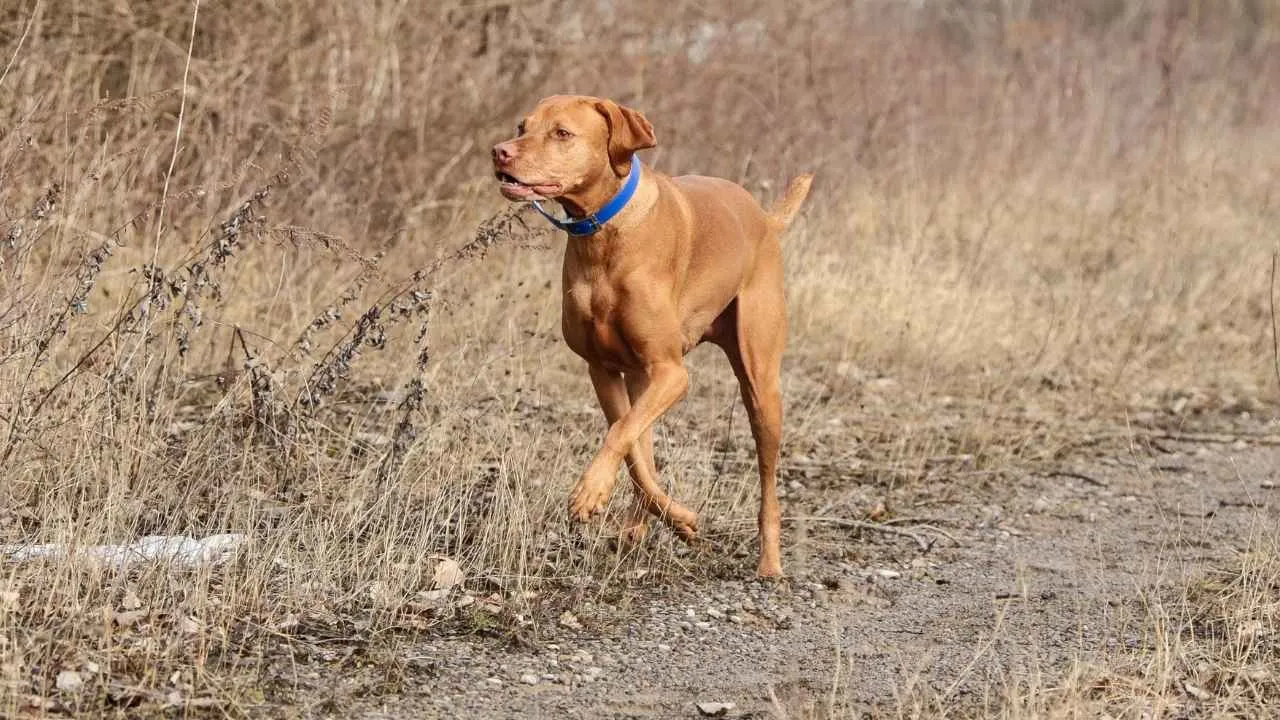
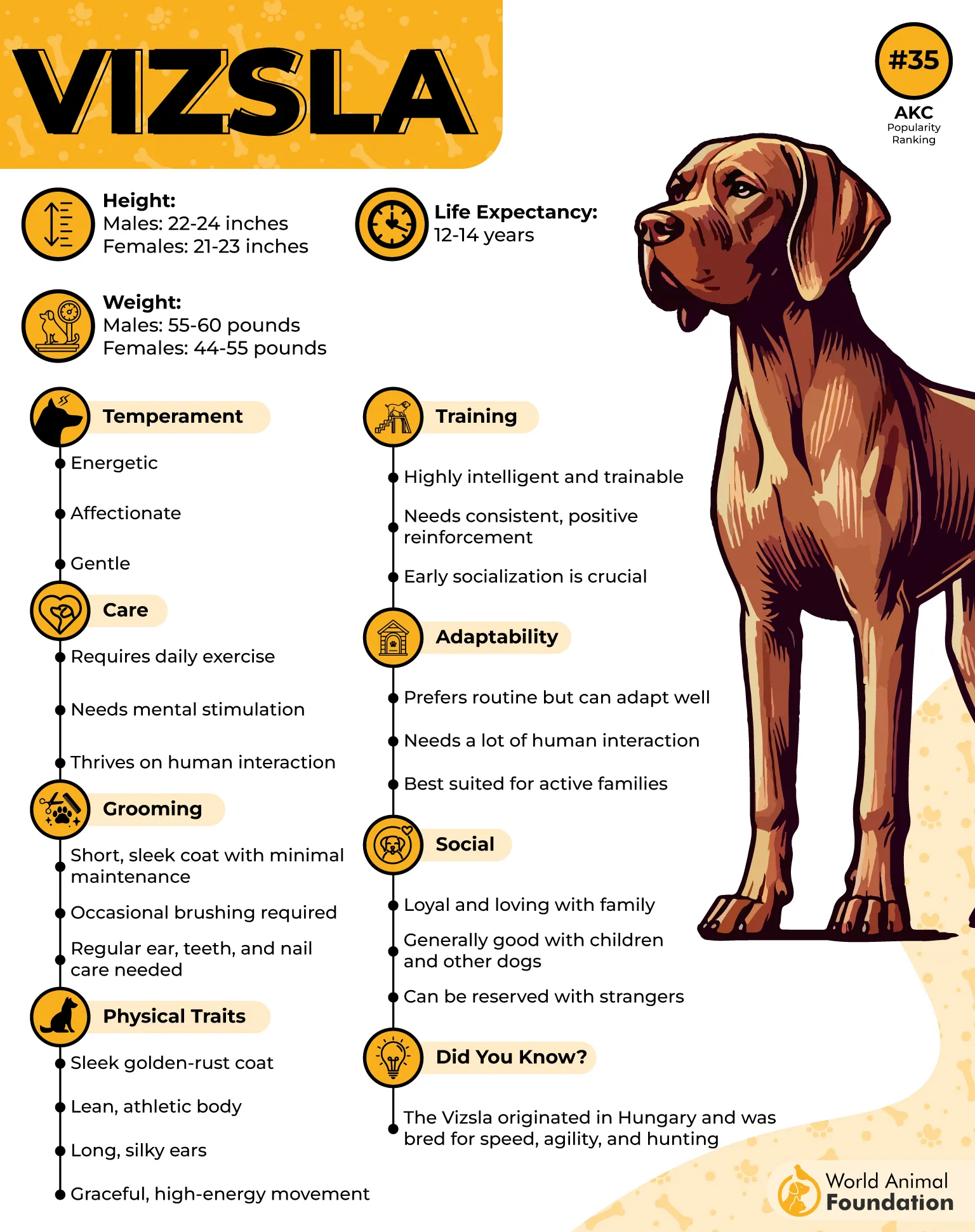
The Vizsla originated in Hungary, where it was developed as a hunting companion capable of locating and retrieving game. Its rust-colored coat, lean build, and close connection with its handler make it distinctive among sporting breeds. Vizslas are known for their speed and responsiveness, but they also thrive on human companionship and can become unsettled when left without adequate interaction.
Simple Coat Care and Active-Breed Health
The Vizsla’s short coat requires minimal grooming, although brushing helps remove loose hair and provides an opportunity to check the skin. Its ears, nails, and teeth need routine care. Potential health concerns include hip dysplasia, certain eye conditions, and epilepsy. Responsible breeding and regular veterinary visits help address inherited risks and support an active life.
A Responsive Partner for Fast-Paced Fieldwork
Vizslas are well suited to upland bird hunting because they can search efficiently, point game, and retrieve when trained. Their close working relationship with handlers can make them responsive to direction in the field. They need regular vigorous exercise and mental challenges beyond occasional walks. Positive training and consistent routines help keep their enthusiasm focused and manageable.
9. Weimaraner
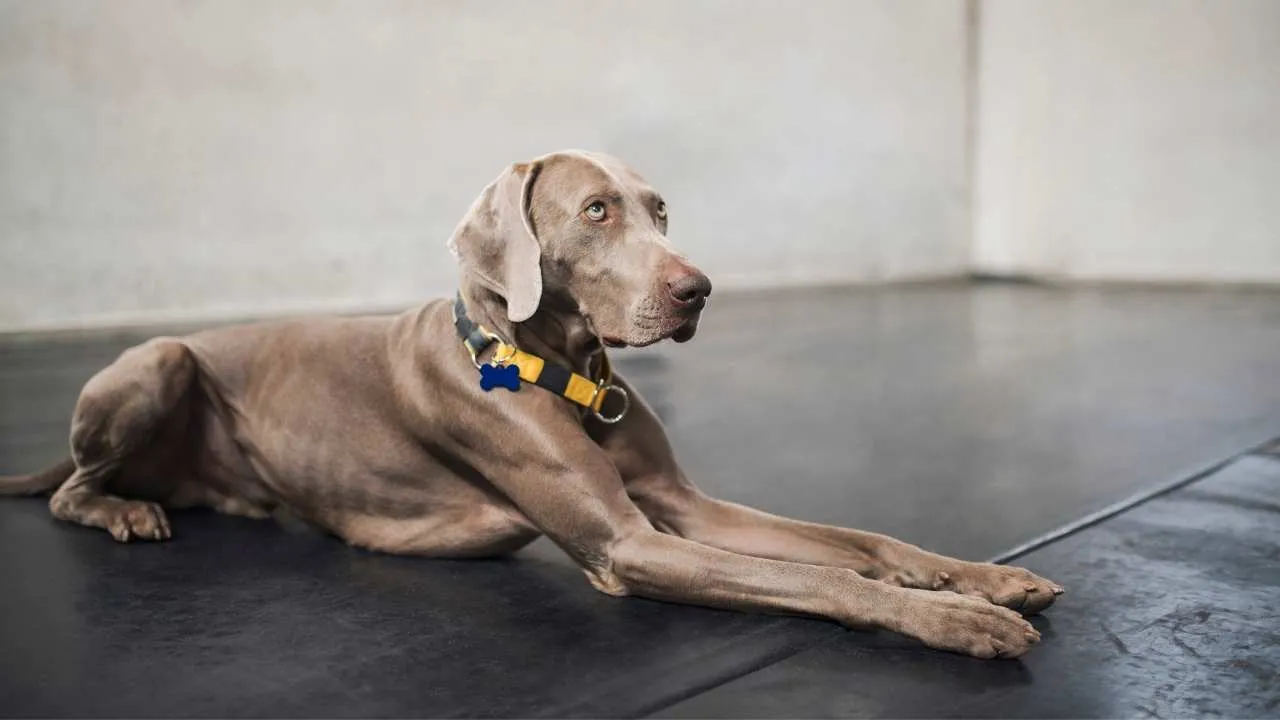
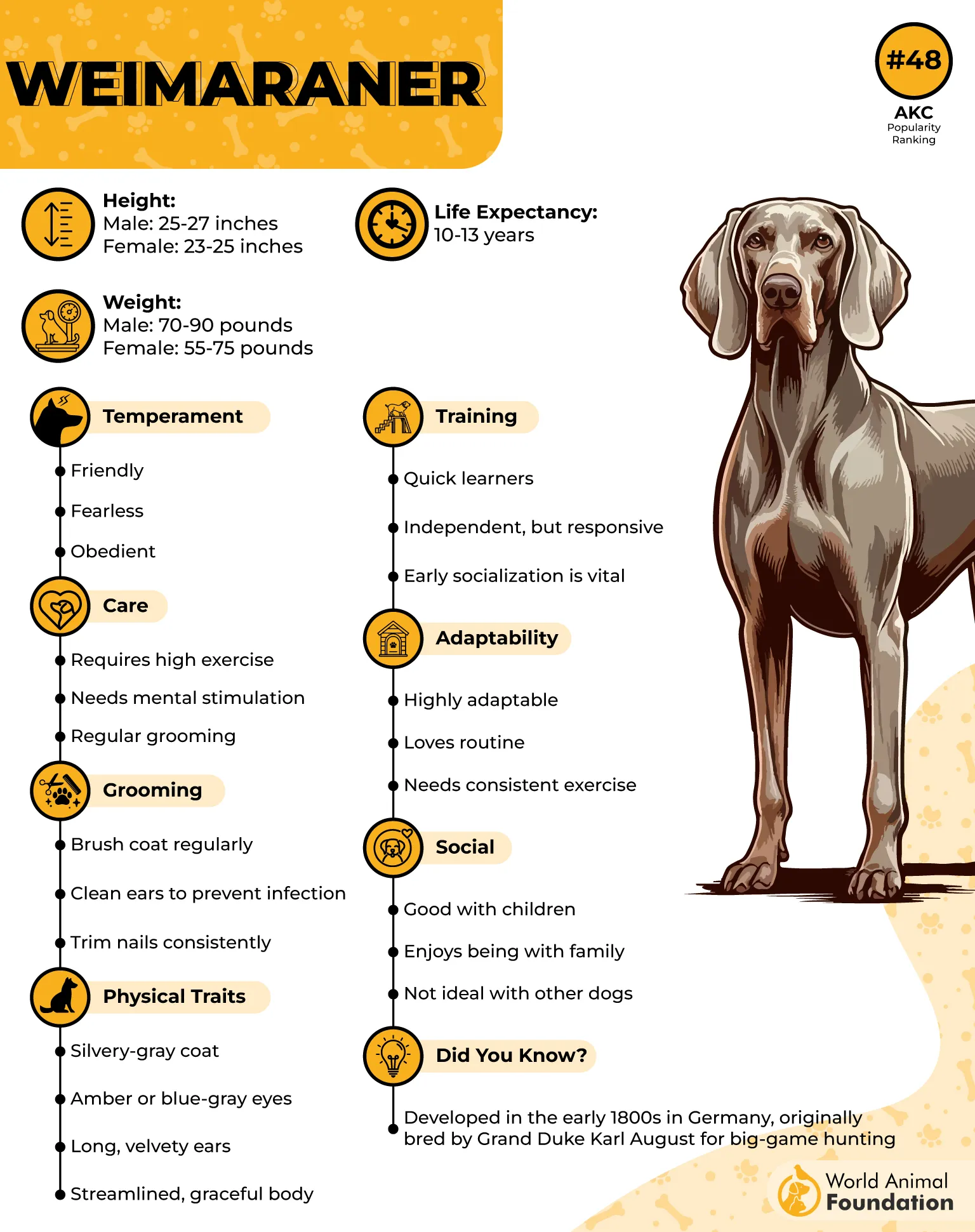
The Weimaraner originated in Germany and was developed for hunting large game before becoming valued for broader sporting work. Its silver-gray coat, striking eyes, and athletic body make it instantly recognizable.
The breed possesses a strong nose, considerable stamina, and an alert personality. Its intelligence is an advantage during training, although its high energy can challenge inexperienced owners.
Grooming and Health Needs
The Weimaraner’s short coat is easy to maintain with occasional brushing. Its ears should be checked regularly, and nail trimming and dental hygiene should not be overlooked. Potential health concerns include bloat, hip dysplasia, and certain eye disorders. A balanced diet, appropriate exercise, and routine veterinary care are important for this athletic breed.
A Persistent Tracker With Plenty of Drive
Weimaraners can follow scent trails and work across varied terrain, making them useful for tracking as well as some bird-hunting tasks. Their endurance suits active handlers who can provide consistent field training. Strong prey instincts mean recall and impulse control deserve early attention. Without adequate exercise and mental stimulation, their energy may become difficult to manage in the home.
10. Boykin Spaniel
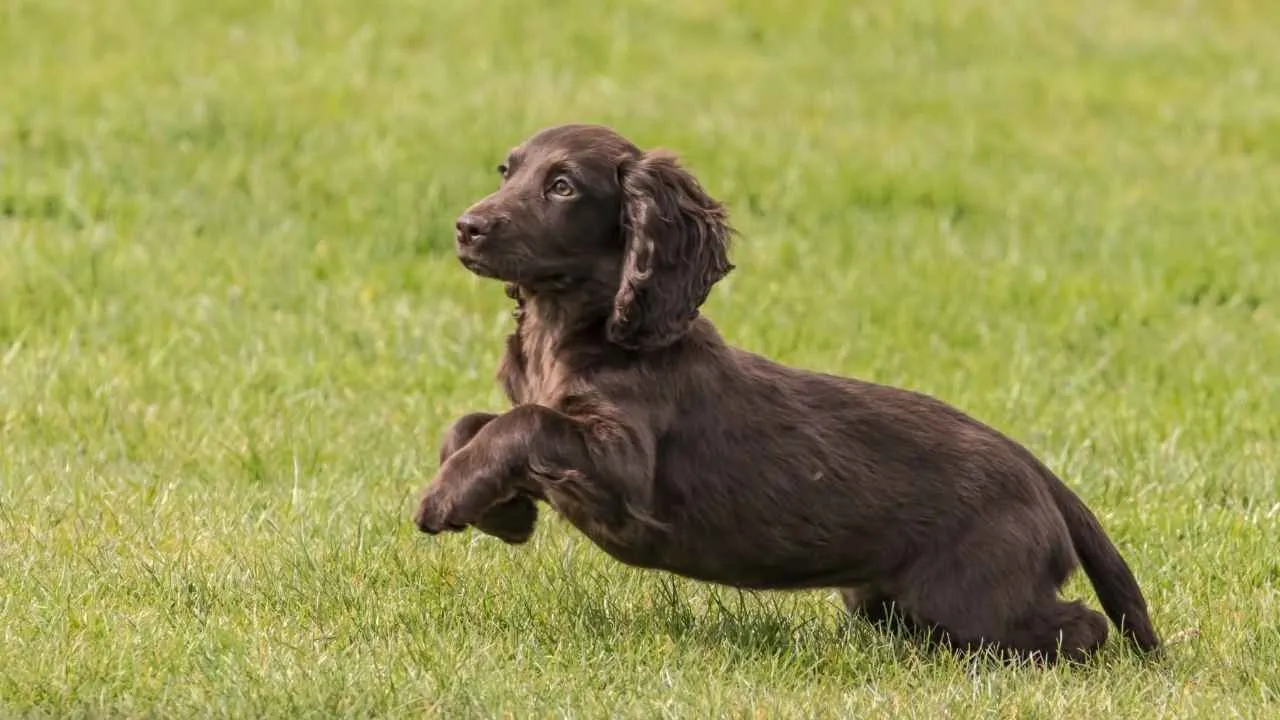
The Boykin Spaniel was developed in South Carolina as a compact muscular dog suited to retrieving wild turkeys and waterfowl from boats and wetlands. Its manageable size, curly-to-wavy coat, and enthusiastic working style make it especially useful in confined spaces where larger dogs may be less convenient. The breed is also known for its affectionate temperament and eagerness to cooperate.
Caring for a Wavy, Water-Ready Coat
The Boykin Spaniel’s medium-length coat needs regular brushing to prevent tangles, especially around the ears and feathered areas. Ear checks are important after swimming because moisture can contribute to irritation. Hip dysplasia, eye conditions, and exercise-induced collapse are potential health concerns. Responsible breeding and regular veterinary examinations help owners manage these risks.
A Compact Retriever for Thick Cover and Marshes
Boykin Spaniels excel at flushing birds from cover and retrieving game from water. Their smaller size makes them convenient for boat-based hunting and navigating dense vegetation. They benefit from regular swimming, retrieving drills, and obedience training to channel their enthusiasm. As with all sporting breeds, reliable responses to commands are essential for safe and effective fieldwork.
Conclusion
The dog breeds mentioned above each brings distinctive abilities to tracking and bird hunting. Some specialize in locating and pointing game, while others excel at water retrieval or following scent trails. The best choice depends on the terrain, hunting style, and handler’s experience.
These working dogs need more than instincts to perform safely and effectively. Consistent training, physical conditioning, preventive veterinary care, and appropriate grooming all contribute to their well-being. Their energy levels also mean prospective owners should be prepared to provide meaningful daily activities.
With responsible training and suitable care, these breeds can become capable hunting partners and devoted companions. Matching a dog’s natural strengths to the work it will perform helps support both successful fieldwork and a healthy, rewarding relationship.
