




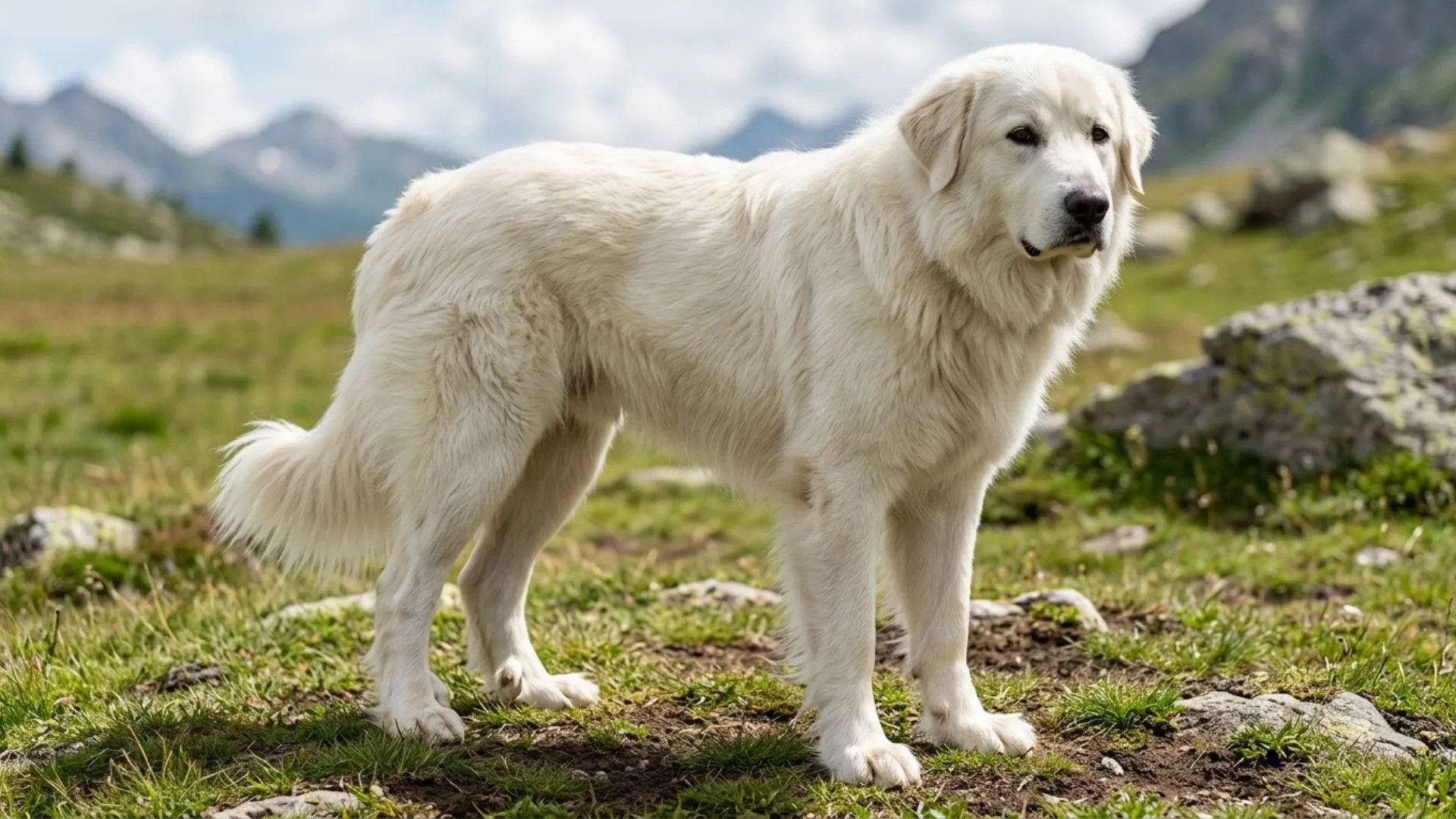
Have you ever noticed how some dogs look like they’re wearing fluffy little slippers on their feet? Those soft, furry paws are more than just adorable.
They can give dogs a charming appearance and, in some cases, help them move across cold or rough surfaces. If you love dogs with extra fluff, their paws might just become your new favorite feature!
Fluffy paws come in different shapes and sizes, from rounded feet covered in thick fur to furry toes that peek out beneath a long coat. Some dogs have this feature because their coats help protect their feet in colder conditions, while others simply have a naturally fluffy appearance.
But there’s more to these dogs than their cute paws! Their unique coats may need regular brushing, and the fur between their toes can collect dirt or become matted if left unattended.
Ready to meet some dogs with seriously fluffy feet? These fluffy dog breeds will show you just how adorable a little extra fluff can be!
Remarkable Dog Breeds that Boast Fluffy Paws
1. Old English Sheepdog
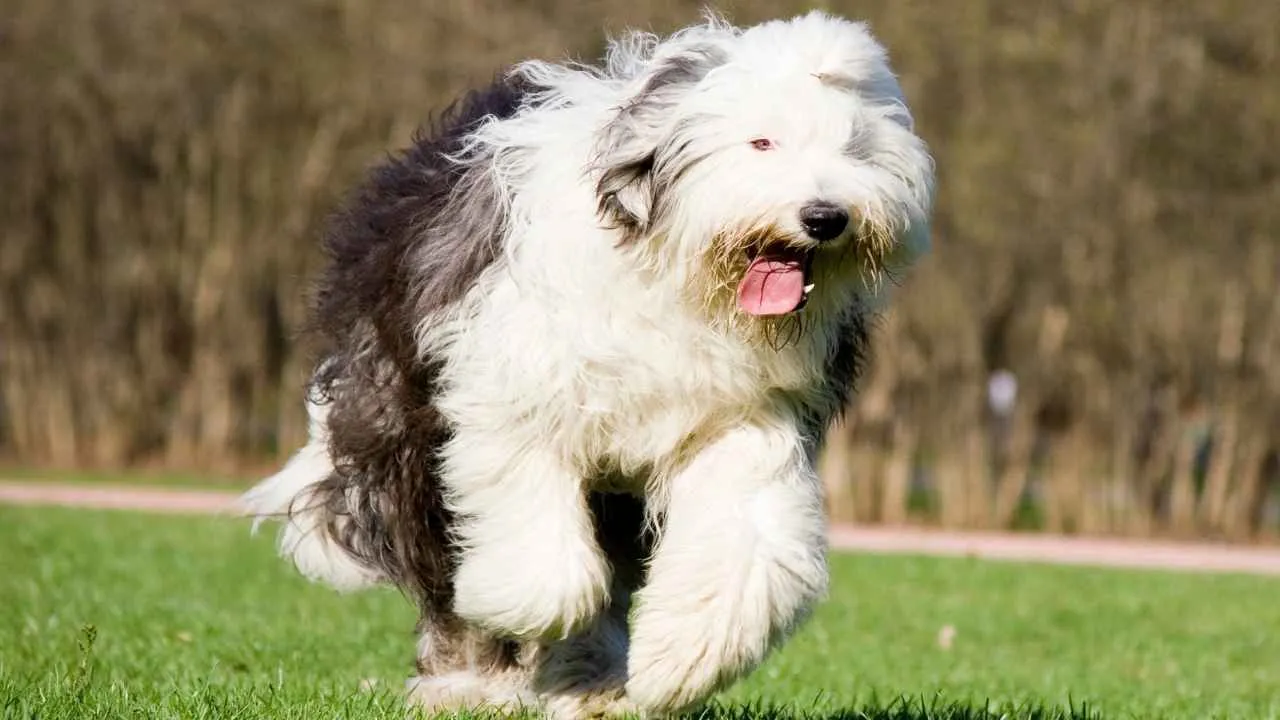
Old English Sheepdogs stand out with their shaggy coats, fluffy paws, and bear-like walk. Beneath their thick double coats are muscular, agile dogs that enjoy exploring and playing. Their long hair often covers their eyes, adding to their lovable, teddy bear appearance.
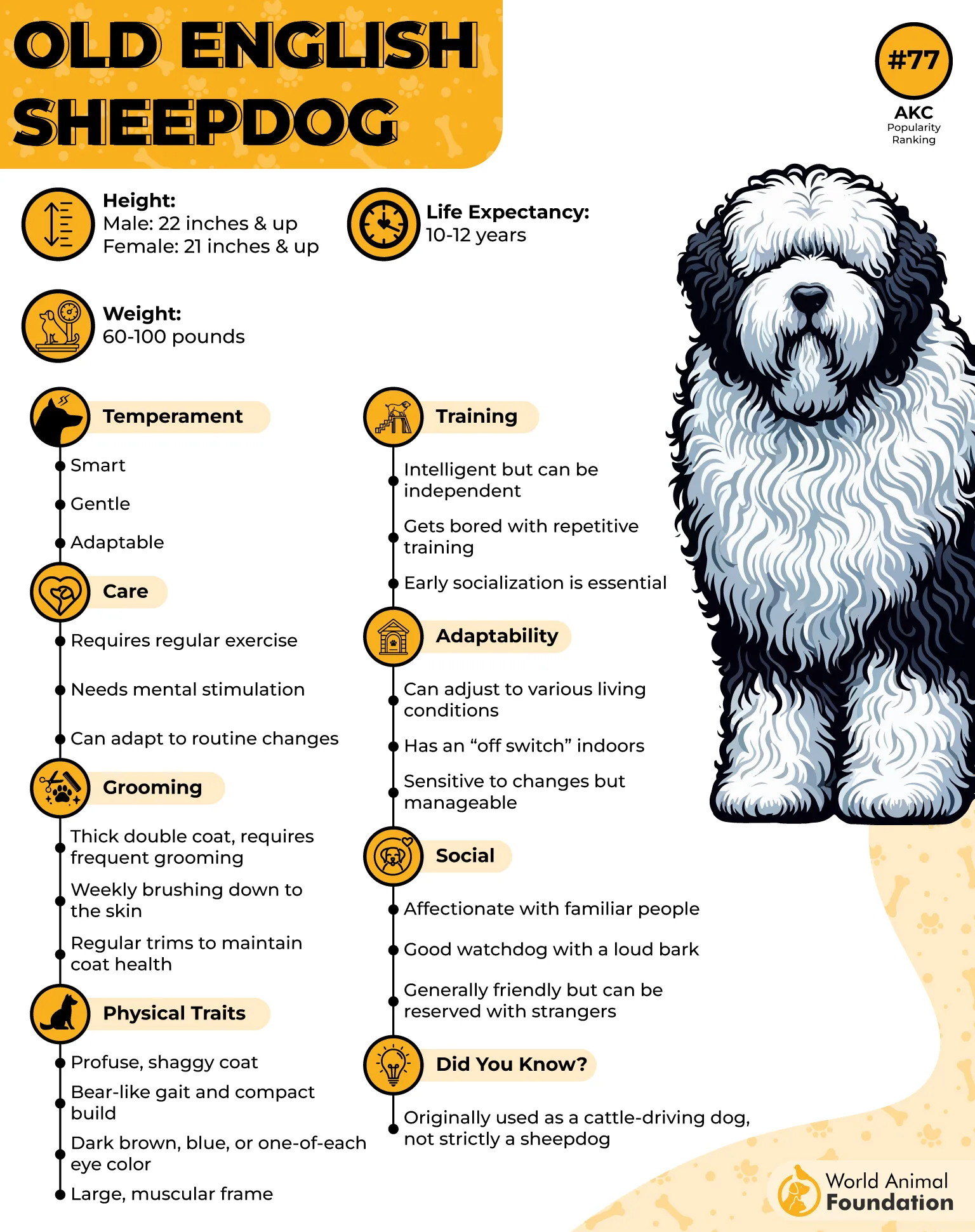
These dogs are affectionate, playful, and devoted to their families. They can act like clowns, making their owners laugh with their goofy behavior. According to Omlet, they are usually friendly with children, other dogs, and strangers.
However, they may bark loudly when guests arrive. Their size and strong personalities make early training important. They also enjoy obedience, agility, herding, and other activities that give them a job to do.
Grooming and Exercise Needs
Coat care: Old English Sheepdogs shed heavily and need regular grooming to prevent mats and loose fur around the home. Many owners keep their coats trimmed for easier care.
Daily activity: Daily walks and space to play help them burn off energy. They also enjoy relaxing on the sofa once they have had enough exercise.
Health concerns: Canine hip dysplasia can affect some Old English Sheepdogs, although they are generally described as fit and robust dogs.
2. Leonberger
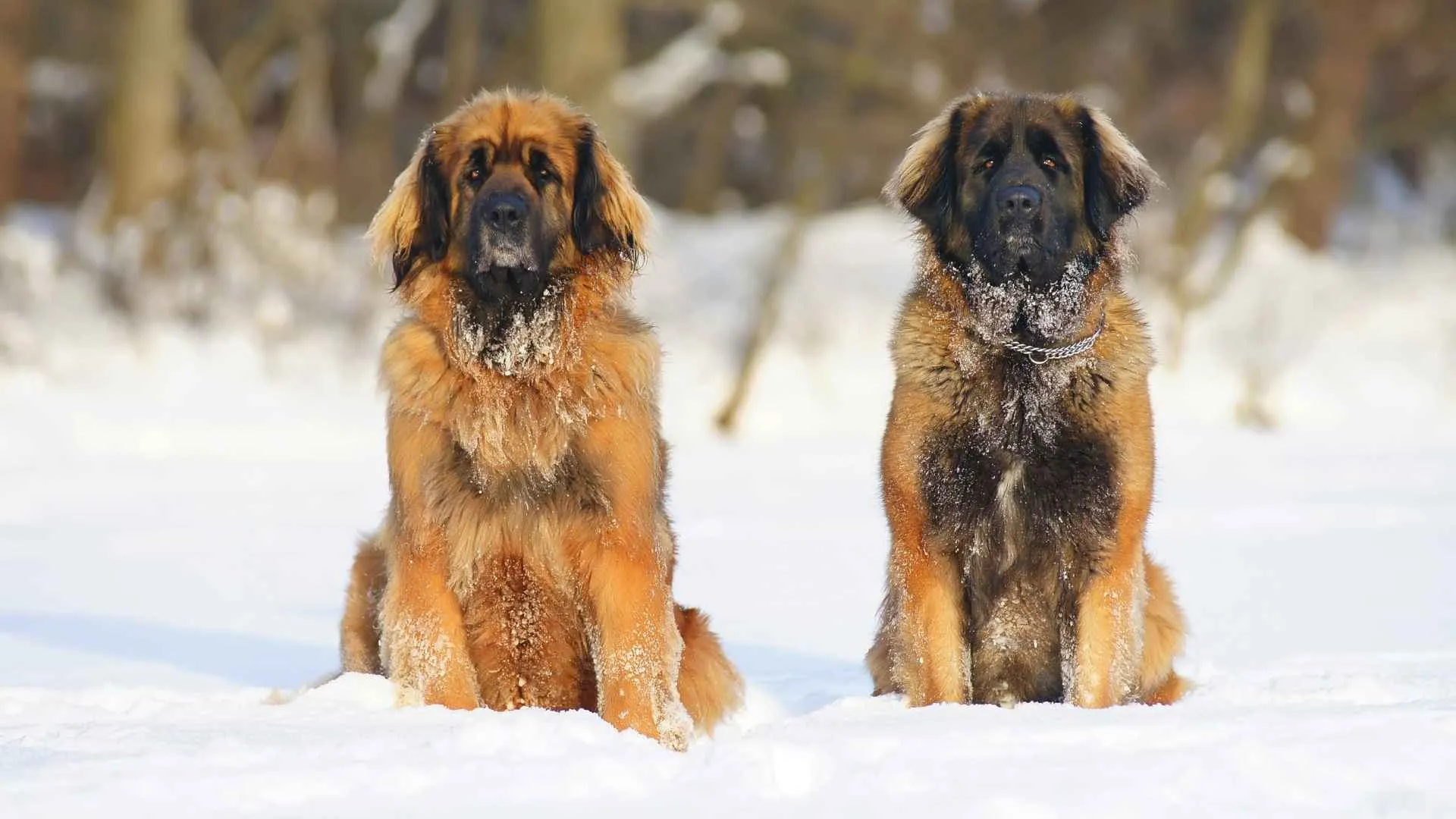
Leonbergers are giant dogs with thick, fluffy coats and furry paws that add to their impressive appearance. Their long outer coats cover a dense, soft undercoat, while the hair around their necks and chests forms a lion-like mane. They also have bushy tails, triangular ears, and kind, dark-brown eyes.
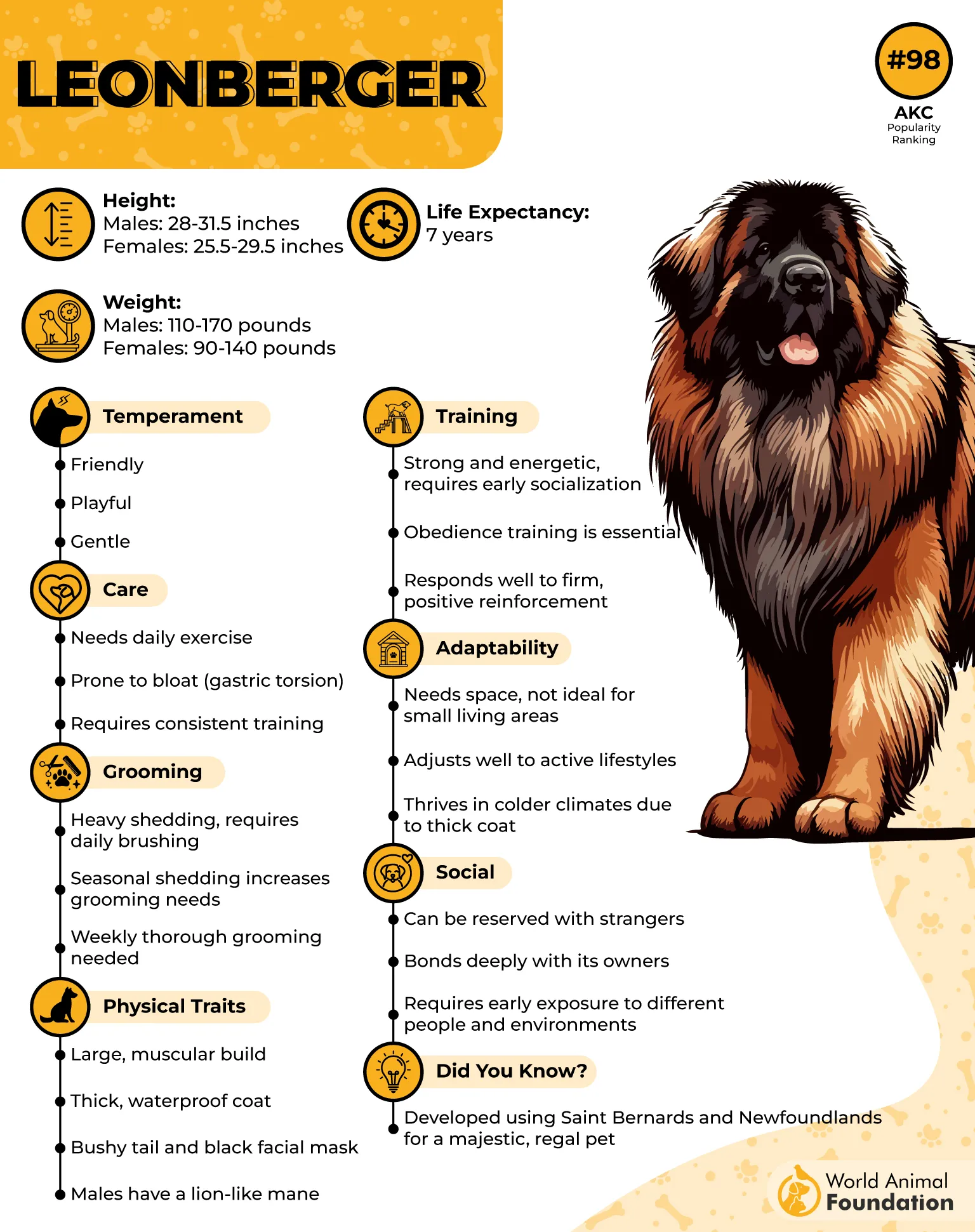
Despite their size, Leonbergers are gentle, loyal, and playful family companions. They enjoy being around people and usually get along well with children, other dogs, and pets. They are intelligent and confident, with a natural ability to stay calm in different situations.
These dogs are also powerful swimmers and are used for water rescue work in some places. Early obedience training is important because their strength can make them difficult to handle when untrained.
Grooming and Exercise Needs
Coat care: Leonbergers shed heavily and need brushing at least two or three times a week. A drag comb helps remove loose hair. Avoid shaving their double coats, as this can interfere with natural temperature regulation.
Daily activity: A daily walk is usually enough to meet their exercise needs. They also need room to move and enjoy spending time with their families.
Training: Their playful nature can make obedience training take time, so consistent training from an early age helps keep them manageable.
3. Chow Chow
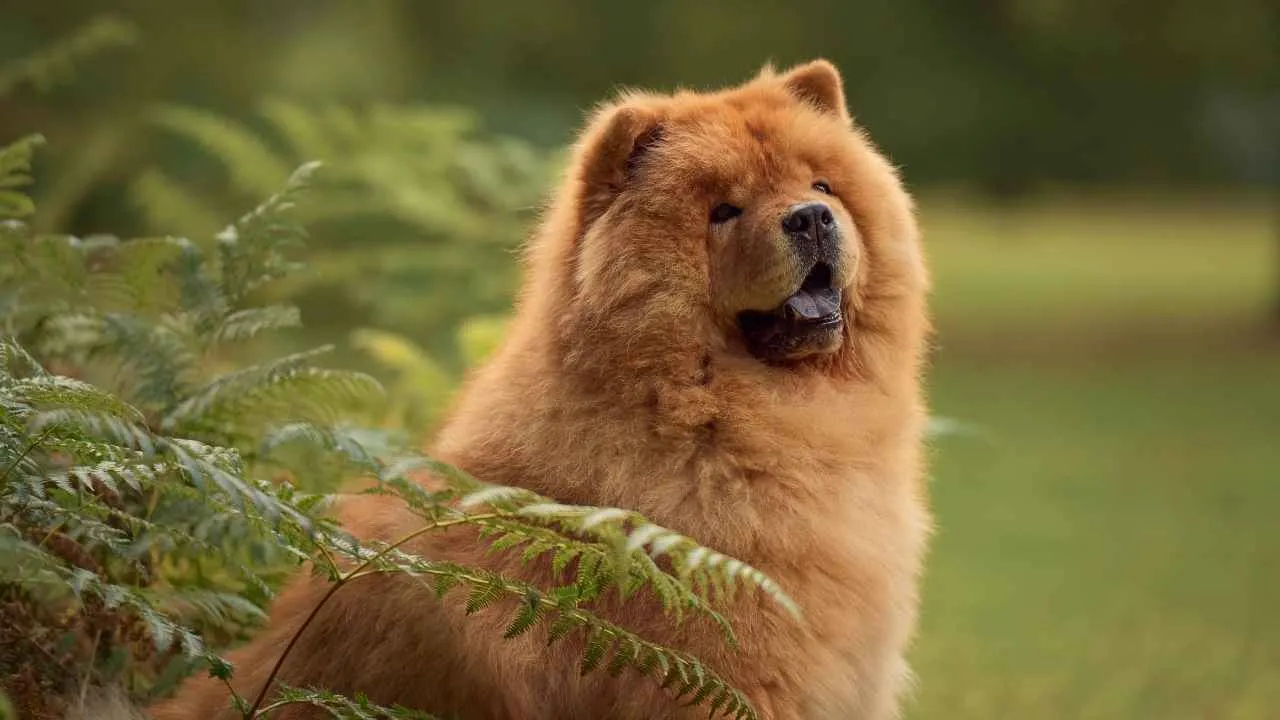
Chow Chows are ancient Chinese dogs known for their thick, fluffy coats and lion-like ruffs around their heads and shoulders. Their furry paws, curled tails, deep-set eyes, and distinctive blue-black tongues make them easy to recognize.
They have compact, muscular bodies and can have rough or smooth coats in several colors, including red, black, blue, cinnamon, and cream.
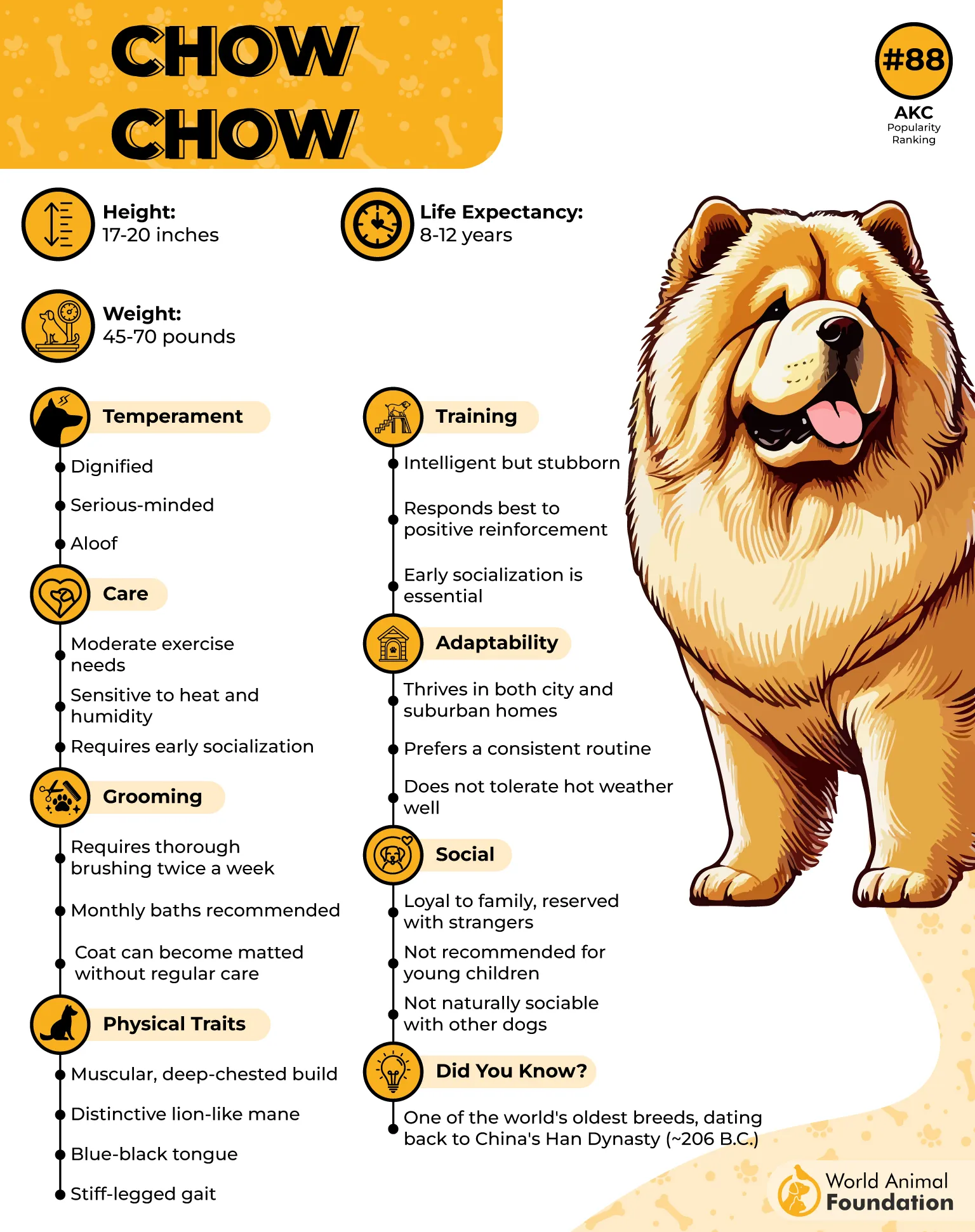
Despite their teddy bear appearance, Chow Chows are dignified, independent, and reserved. They form strong bonds with their owners but are not usually cuddly or playful. They can be aloof with strangers and may prefer having their personal space respected.
Grooming and Care Needs
Coat care: Chow Chows shed throughout the year, with heavier shedding in spring and fall. Regular brushing helps remove loose fur and prevent matting.
Warm weather: Their thick coats can make them prone to overheating in hot weather, which may increase irritability. Keep them comfortable and avoid excessive heat.
Training and socialization: Early training helps them become more comfortable around people and other pets. They may suit experienced owners who appreciate their independent nature and respect their boundaries.
4. Great Pyrenees
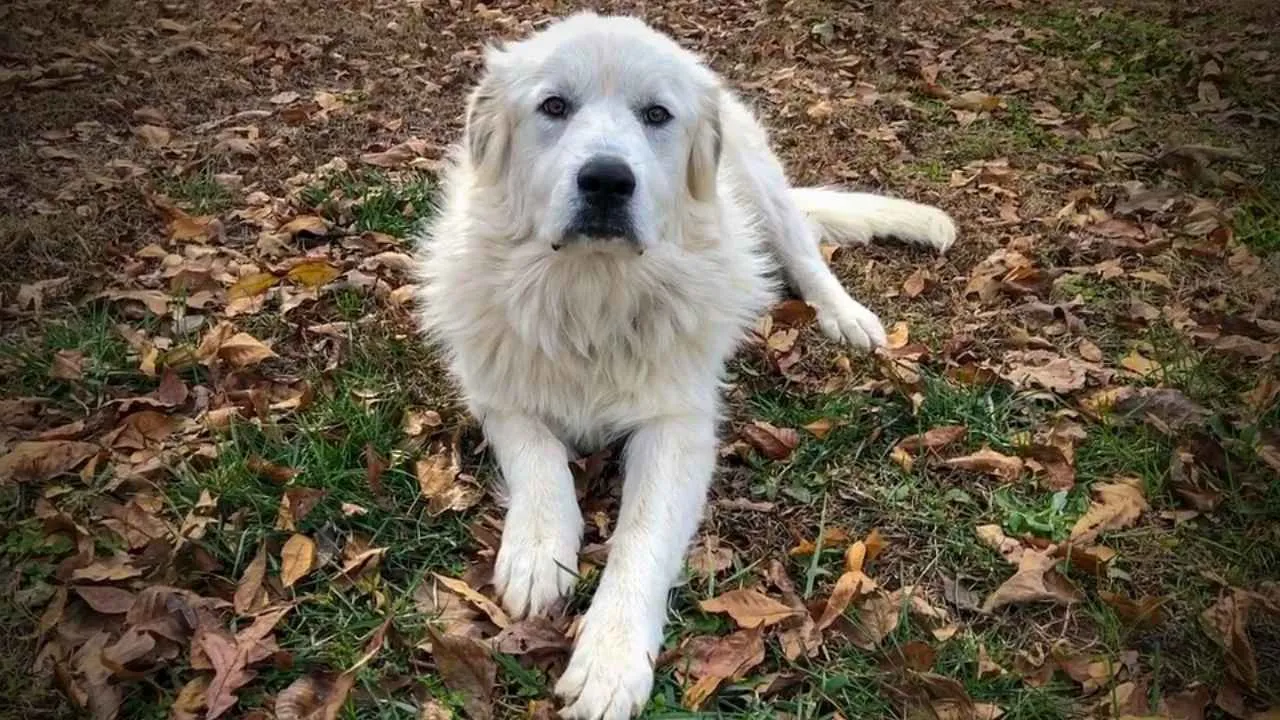
The Great Pyrenees is a majestic mountain dog with a thick, weatherproof coat and fluffy paws. Originally bred to guard livestock in the Pyrenees Mountains between France and Spain, these powerful dogs protected sheep from predators such as wolves and bears.
According to the American Kennel Club, their coats are usually white, sometimes with gray, tan, reddish-brown, or badger-colored markings. Their abundant fur and strong build give them an impressive appearance.
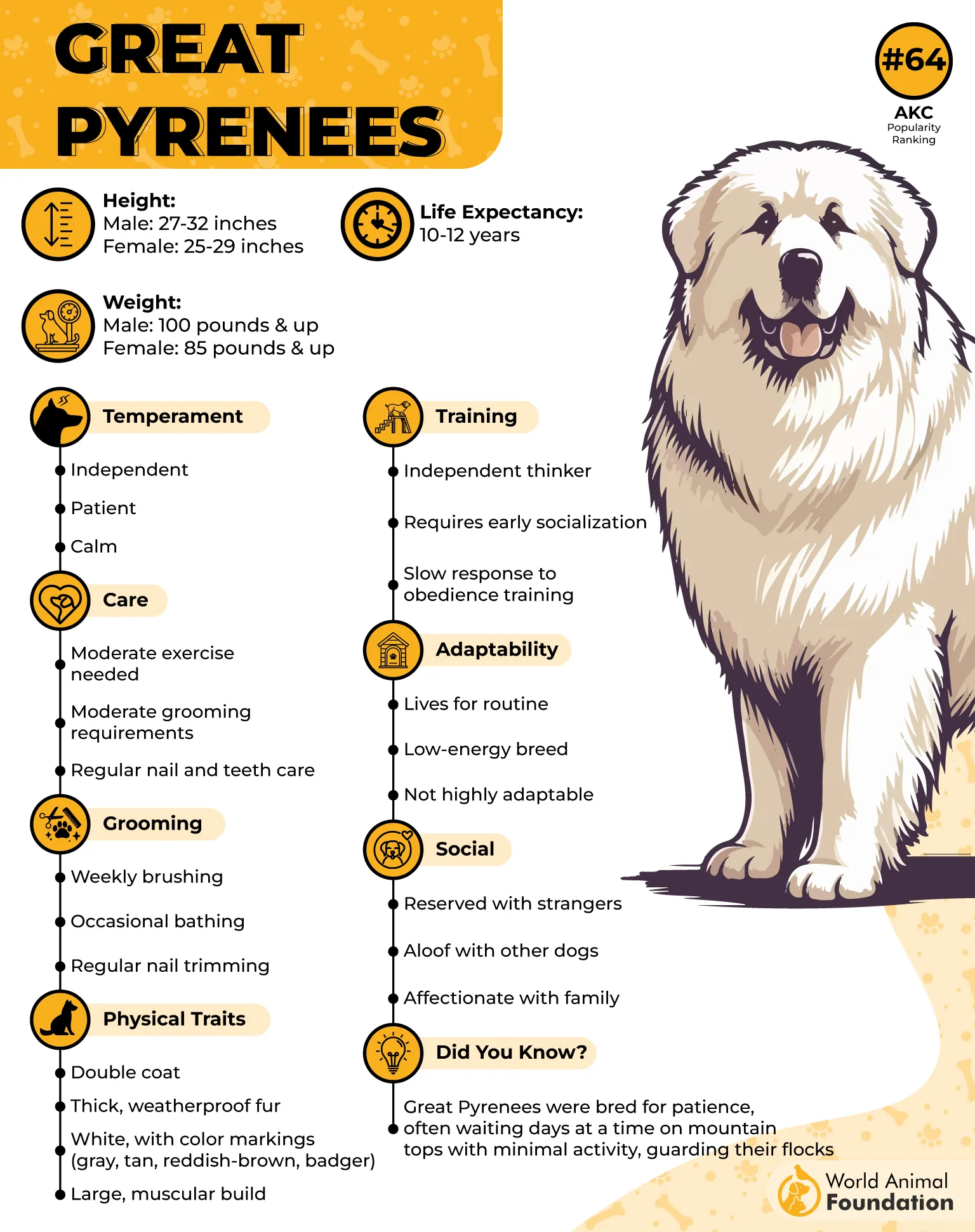
They are generally friendly with children and can get along well with other dogs, cats, and animals. However, their independent nature can make training challenging. They may also bark to alert their owners to activity around the home.
Grooming and Care Needs
Coat care: Their outer coats resist dirt and tangles, but weekly brushing helps maintain the soft undercoat and control shedding.
Exercise needs: Great Pyrenees dogs do not need an overly active lifestyle, but regular exercise remains important. They also appreciate a quiet home environment.
Training and socialization: Early training helps manage their independent nature. Their natural guarding instincts make it important to introduce them to different people and situations patiently.
5. Pomeranian
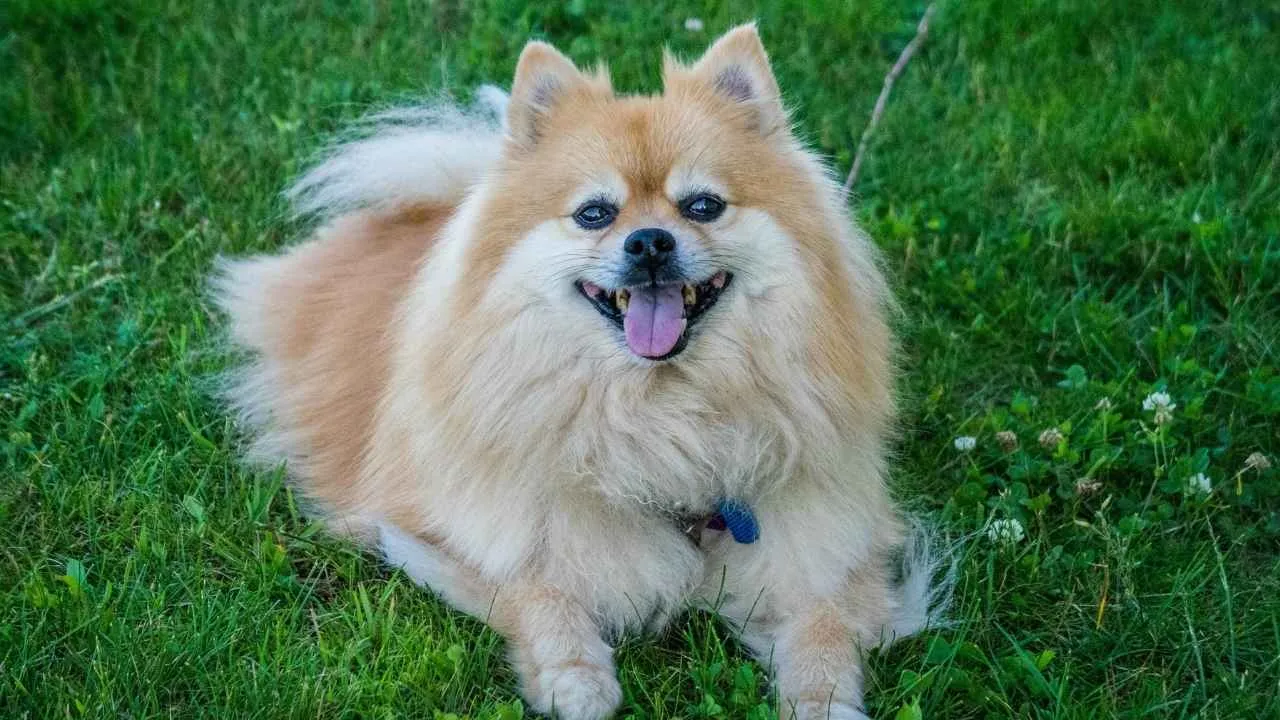
Pomeranians may be tiny, but their fluffy paws and thick double coats give them plenty of charm. Descended from larger Spitz-type dogs, they were once used for herding before being bred to a smaller size.
Their foxlike faces, upright appearance, and thick fur around the neck make them easy to recognize. Their coats come in many colors and patterns, including orange, red, white, black, sable, and merle.
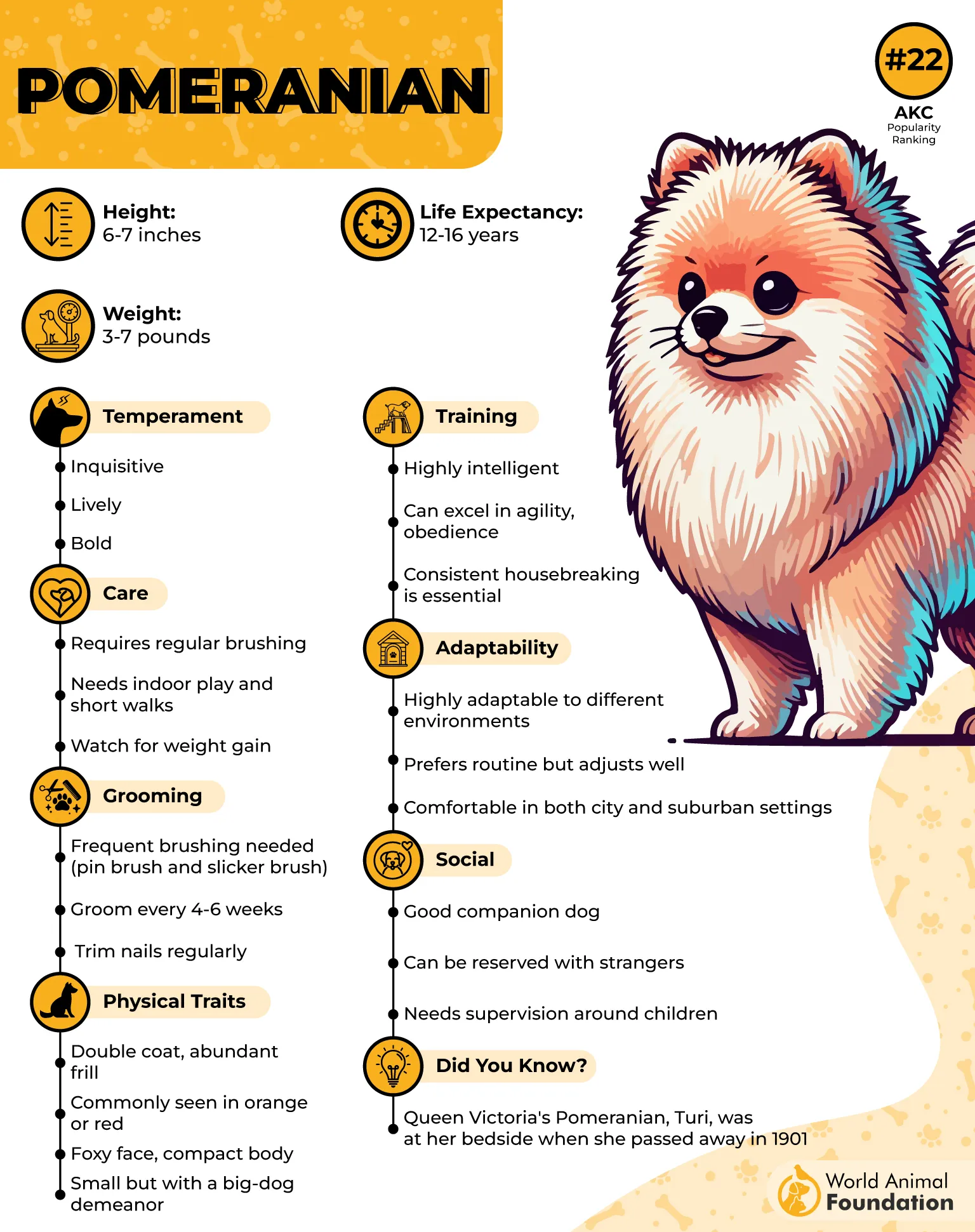
These little dogs have bold personalities and the confidence of much larger breeds. Pomeranians are alert, intelligent, playful, and curious. They enjoy attention and can be loving companion dogs for families, singles, and older adults.
Grooming and Care Needs
Coat care: Pomeranians need daily brushing to keep their thick coats healthy and manageable. Shorter haircuts may make grooming easier.
Exercise and play: Indoor games and short walks help keep them active. They also enjoy learning tricks and spending time with their owners.
Safety: Their tiny bodies need gentle handling, especially around young children. Secure fencing is also important because they may escape through small openings.
6. Samoyed
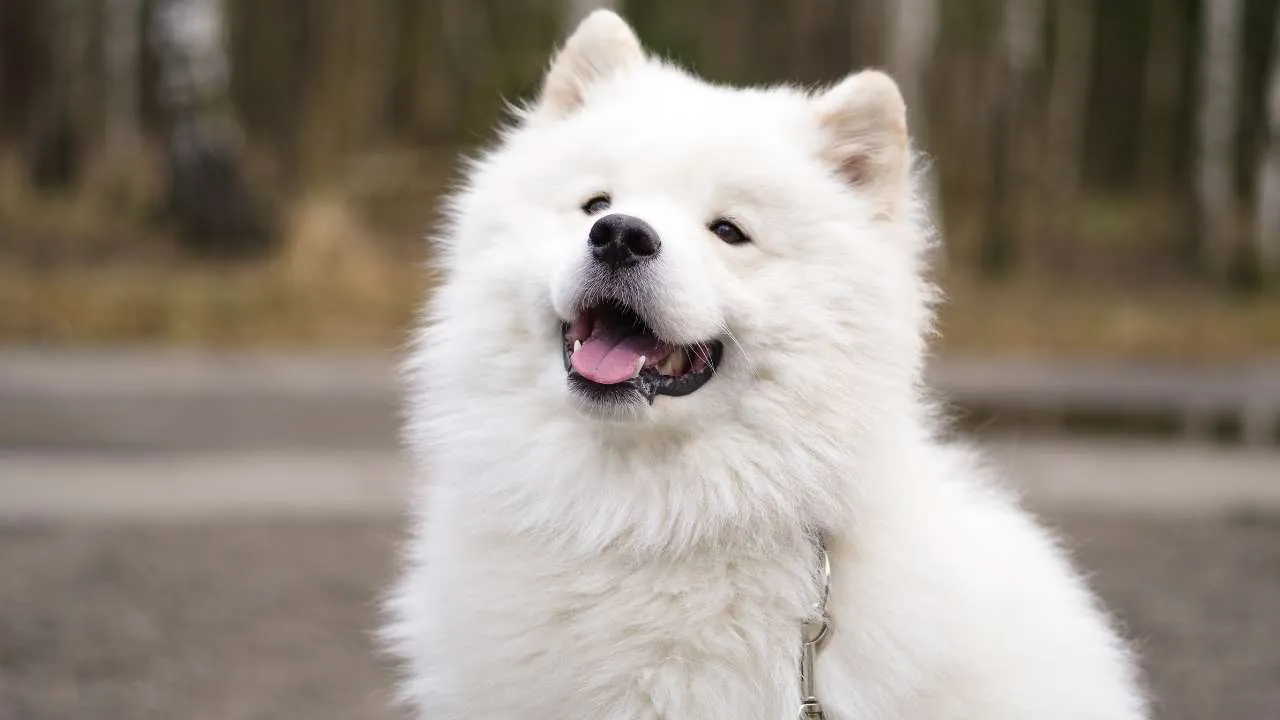
Samoyeds are famous for their thick white coats, fluffy paws, and cheerful smiles. Originally bred as working dogs in Siberia, they helped people in extremely cold conditions.
Their dense coats protect them from the cold, while the upturned corners of their mouths help prevent drooling and ice from forming around their faces.
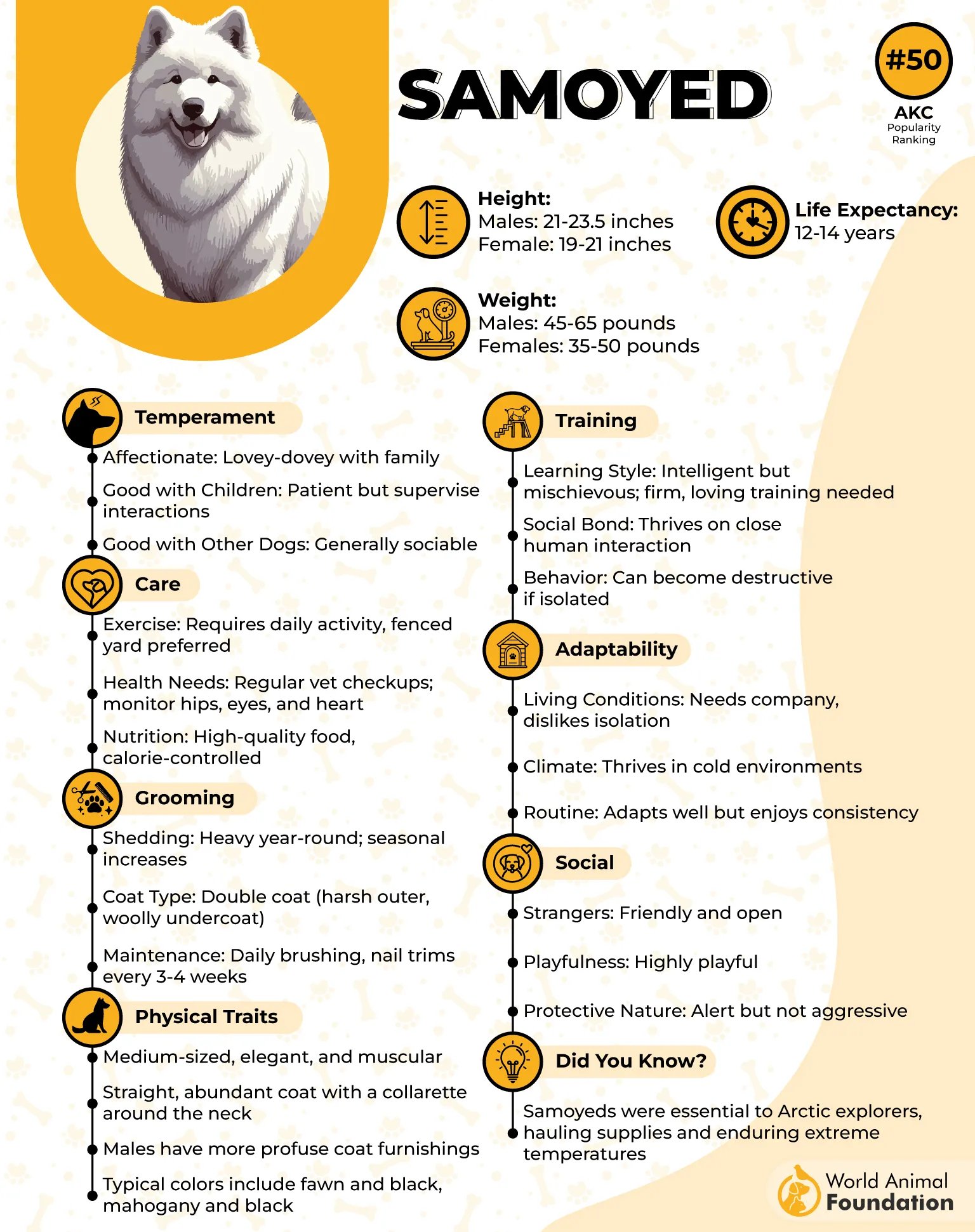
These white fluffy dogs form strong bonds with their families and usually enjoy meeting new people, children, other dogs, and pets. They stay playful well into adulthood and love having activities to keep them busy.
However, they need regular exercise, early socialization, and consistent training. They can be independent and easily distracted, while boredom or long periods alone may lead to excessive barking, digging, or destructive behavior.
Grooming and Care Needs
Coat care: Their thick coats need regular brushing to stay in good condition and manage loose fur.
Exercise and activities: Daily exercise and engaging activities help keep their bodies and minds active. They enjoy having a job to do.
Training and companionship: Reward-based training helps manage their independent nature. Samoyeds need plenty of attention and can struggle when left alone for long periods. Early training can also help address excessive barking and mouthy play.
7. American Eskimo Dog
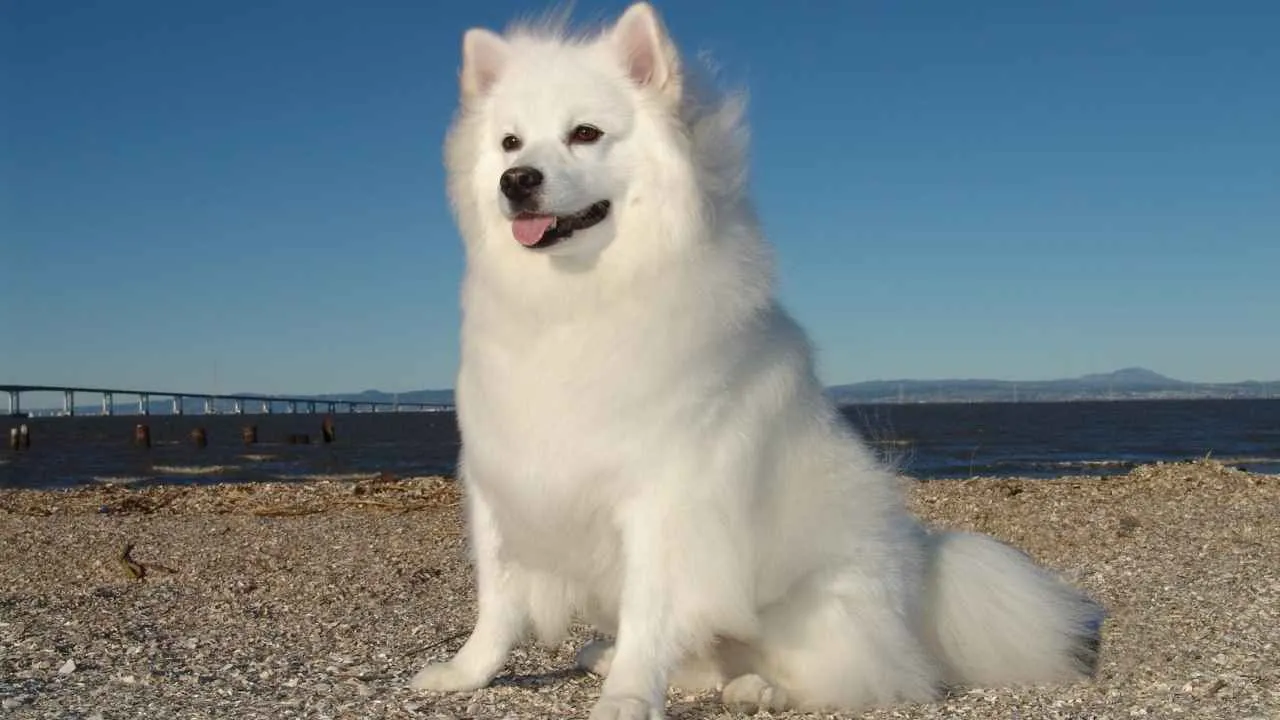
American Eskimo Dogs, also known as Eskies, are known for their fluffy white coats, furry paws, and bright, smiling faces. Descended from German Spitz dogs, they were once used to herd and guard livestock before becoming popular family pets.
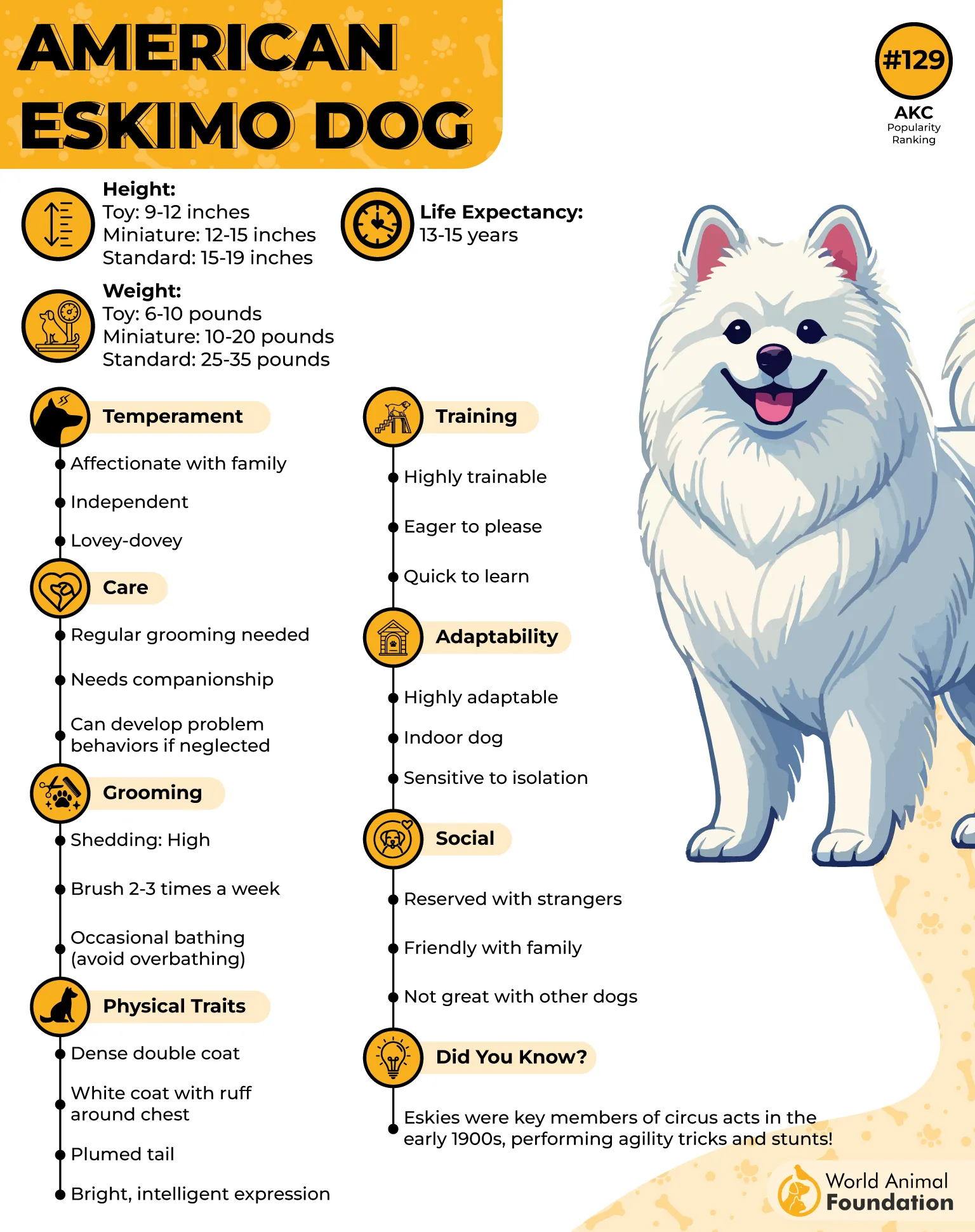
Their thick double coats form a lion-like ruff around the chest and shoulders, while their plumed tails curl over their backs. They come in toy, miniature, and standard sizes, with coats that are usually white or cream.
Eskies form strong bonds with their families and love being involved in daily activities. These alert, friendly dogs are highly trainable and can do well with children, cats, and other dogs when properly socialized.
Grooming and Care Needs
Coat care: Their thick double coats need regular brushing and combing to stay in good condition. Most Eskies do not require extensive professional grooming.
Exercise and stimulation: Daily physical activity, games, and training sessions help keep them happy and prevent boredom.
Socialization and training: Early socialization helps them feel comfortable around people and other pets. Consistent training is important, as their clever and mischievous nature can sometimes lead to trouble.
8. Miniature Poodle
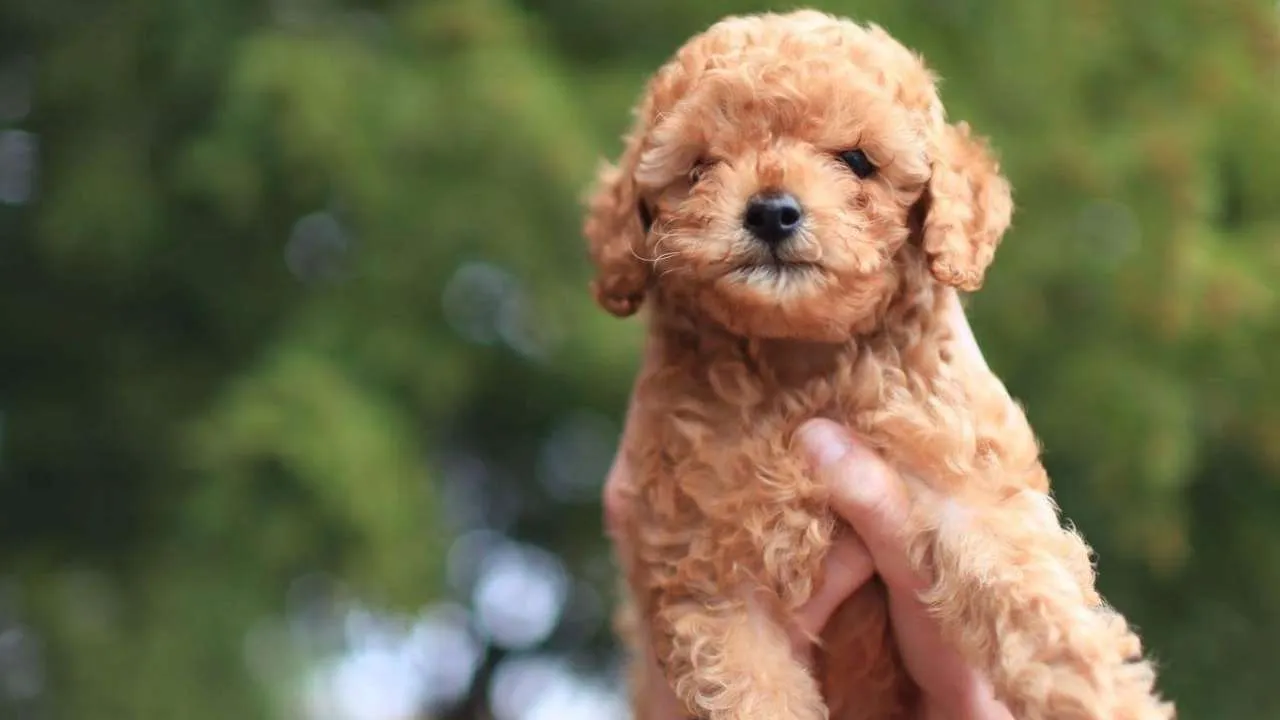
Miniature Poodles are lively little dogs with curly coats and fluffy paws that add to their charming appearance. Their coats come in colors such as white, red, and black, and they are popular for shedding very little.
Their fur tends to trap loose hairs rather than leave them around the house, although regular grooming is still essential to prevent mats. These dogs are highly intelligent, playful, and eager to please. They learn new tricks quickly and enjoy activities that challenge their minds.
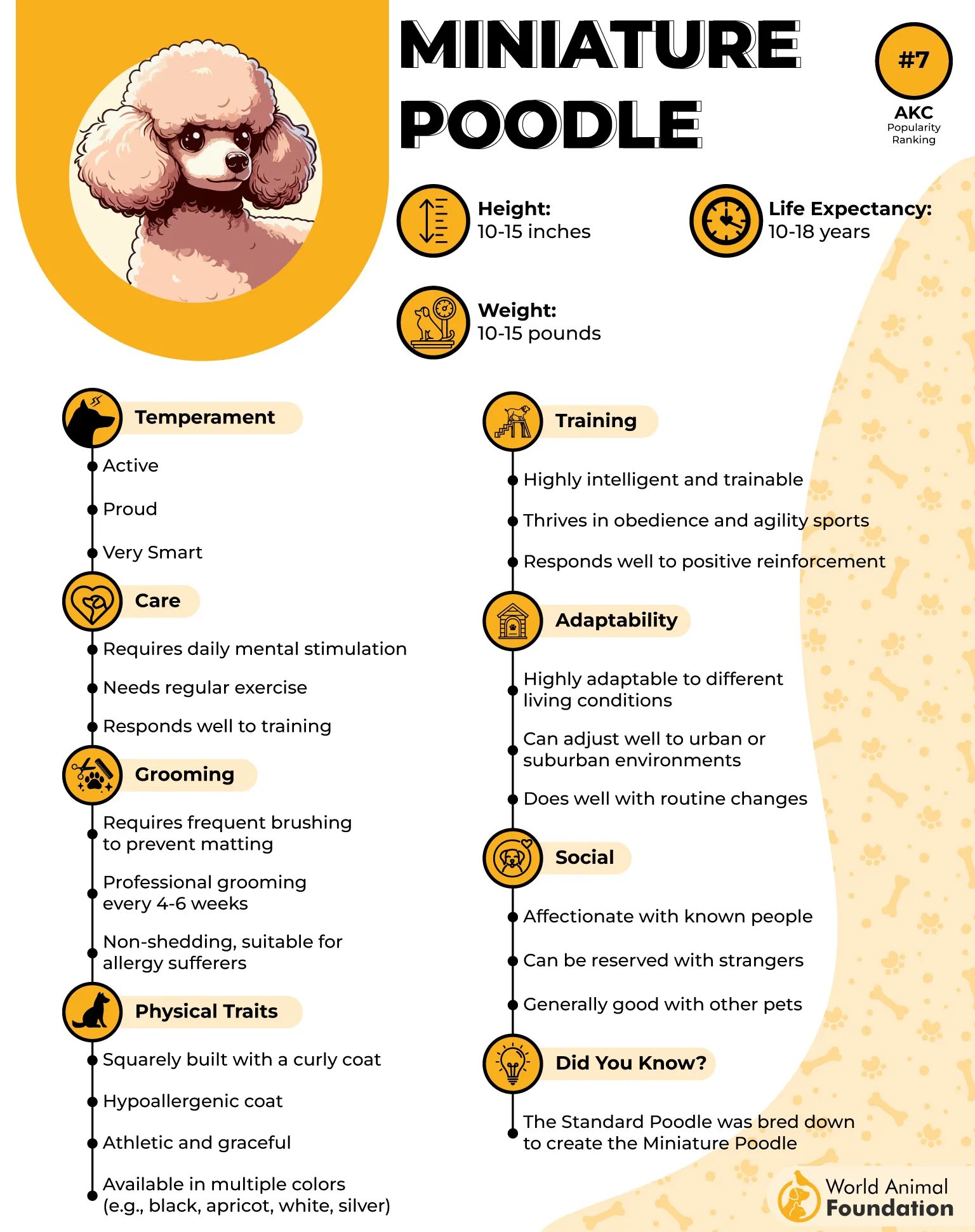
With proper socialization, Miniature Poodles can get along well with children, cats, and other dogs. They are loyal companions who enjoy being involved in family life, but they need consistent training and plenty of attention.
Grooming and Exercise Needs
Coat care: Their curly, low-shedding coats need regular brushing to prevent matting. Professional grooming is also necessary to maintain their coat, especially if you prefer a classic pompom cut.
Daily activity: Walks, swimming, garden games, and puzzle toys help keep their active minds and bodies busy.
Training and socialization: Consistent training brings out their intelligence and eagerness to learn. Early socialization helps them feel comfortable around strangers and other pets, while children should be taught to handle them gently and respect their boundaries.
9. Pekingese
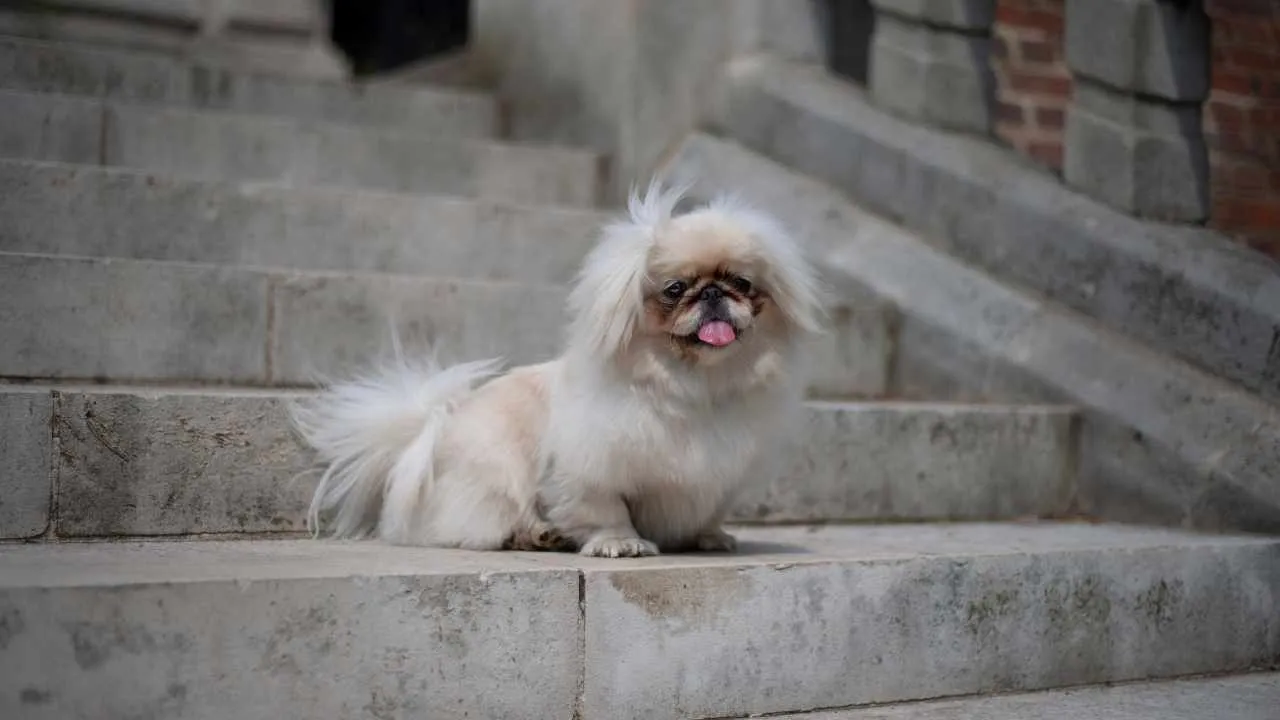
Pekingese dogs are sturdy, small dogs with fluffy paws and thick coats that form a lion-like mane around their necks and shoulders.
Originally bred for the royal families of ancient China, they have a proud appearance, large dark eyes, and a distinctive rolling walk. Their coats come in various shades of red, adding to their regal look.
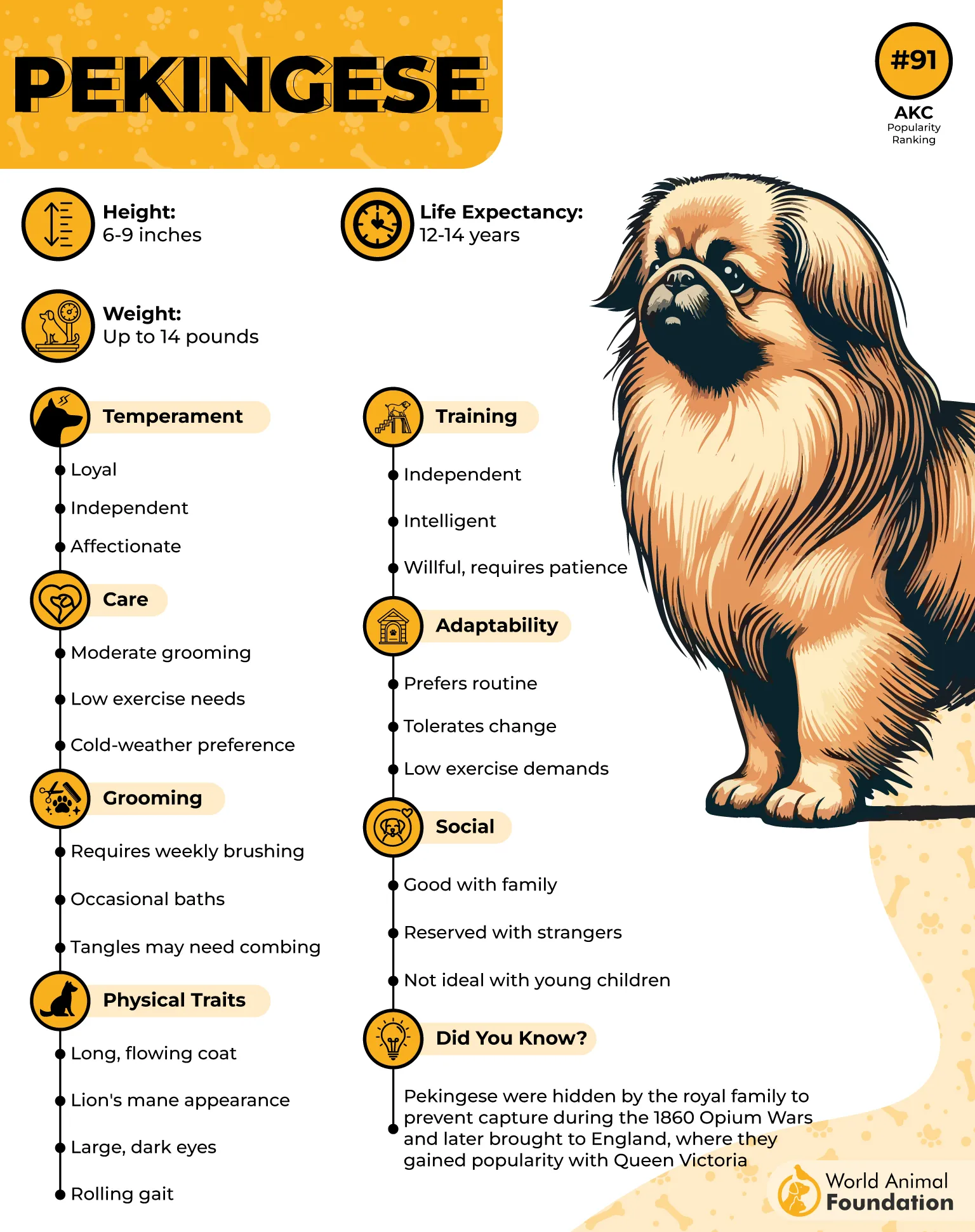
Despite their small size, Pekingese dogs are confident, brave, and independent. They form strong bonds with their favorite people but often prefer affection on their own terms.
Britannica says they make alert watchdogs and may bark when someone approaches the door. These dogs can be stubborn during training, so patience and early socialization are important.
Grooming and Care Needs
Coat care: Their thick double coats need frequent brushing to prevent tangles and matting, especially around the neck and shoulders.
Exercise and comfort: Moderate exercise is usually enough, but their short muzzles make them prone to overheating. Avoid exercise in hot weather.
Training and handling: Patient training and early socialization help manage their stubbornness and possessive tendencies. Supervise interactions with young children and larger dogs to keep them safe.
10. Tibetan Mastiff
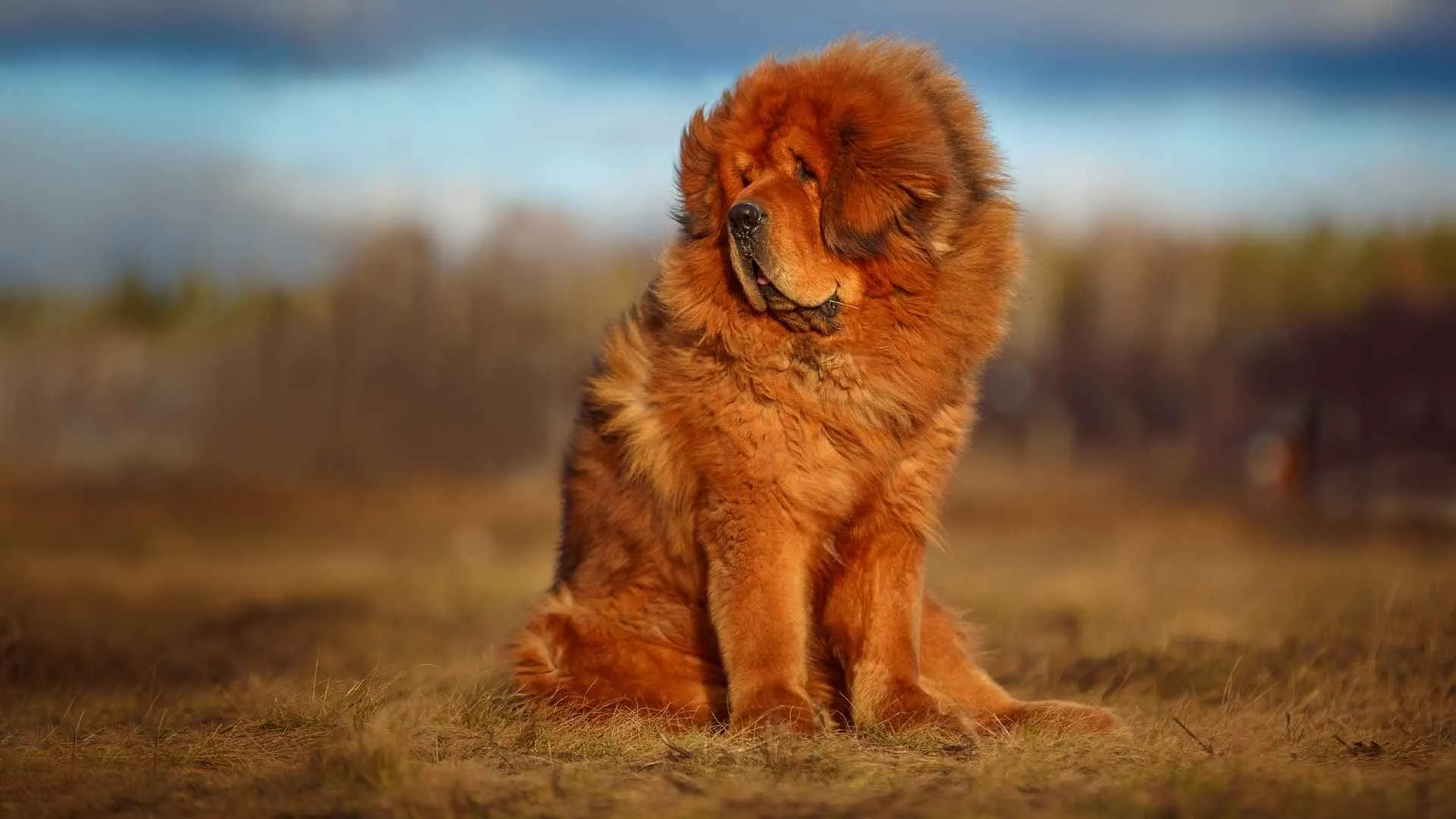
Tibetan Mastiffs are massive guardian dogs known for their thick coats, fluffy paws, and lion-like manes. Originating in Tibet, they have guarded homes and estates in the Himalayas for thousands of years.
Their broad heads, V-shaped ears, expressive brown eyes, and flowing coats give them a noble and imposing appearance. Despite their powerful build, they can move with surprising speed and agility when they sense danger.
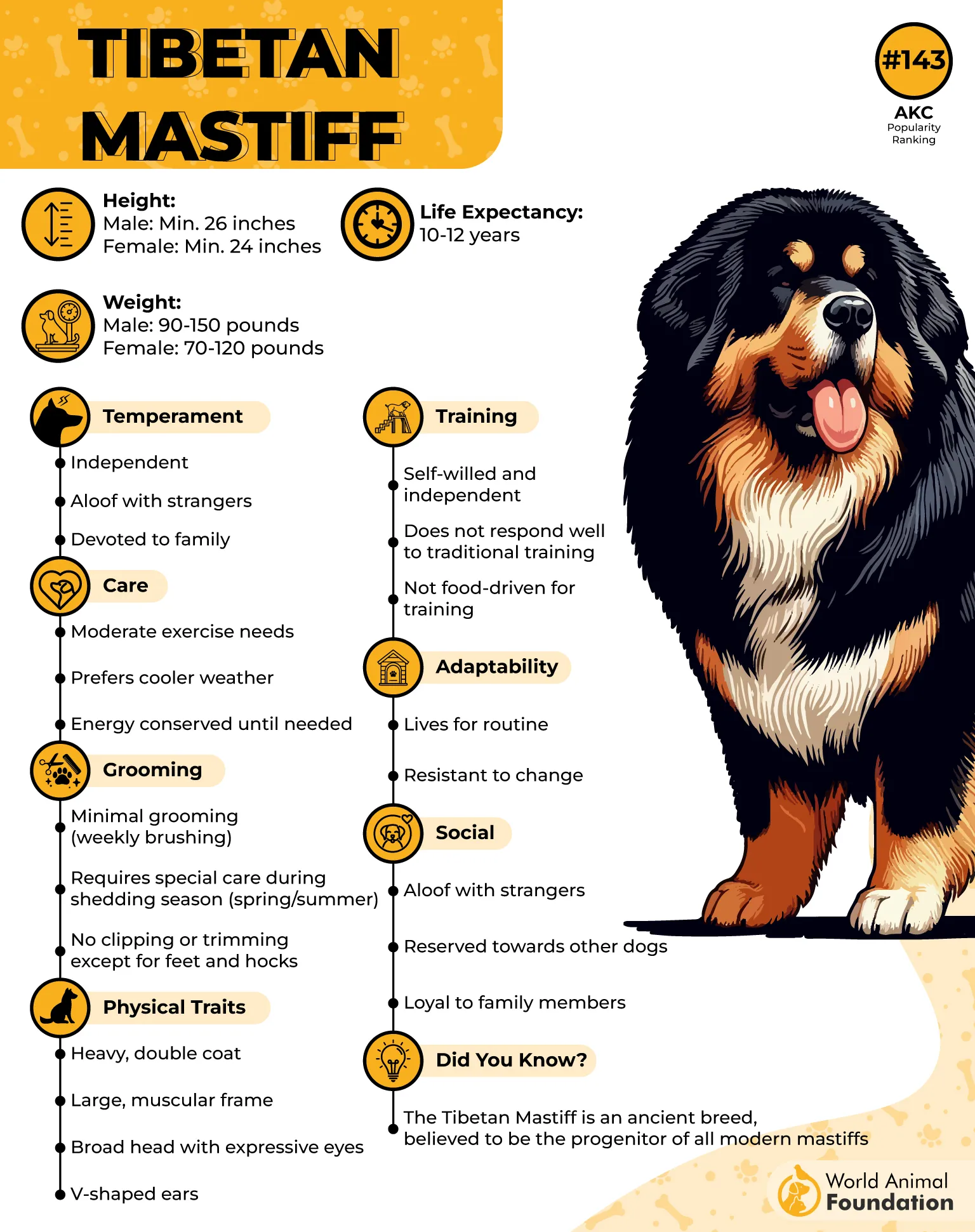
These dogs are deeply devoted to their families but tend to be reserved and wary around strangers. They are naturally protective, watchful, and independent, often preferring to supervise their own territory rather than take part in fast-paced activities.
Grooming and Care Needs
Coat care: Their thick coats and prominent manes need regular grooming to keep the fur manageable.
Space and activity: Tibetan Mastiffs enjoy having a yard where they can roam and watch over their surroundings. They generally prefer having their own territory to supervise over activities that require speed.
Training and socialization: Early socialization and firm yet gentle training are essential. Their independent nature calls for committed, experienced pet parents.
Conclusion
Fluffy paws add to the charm of many dog breeds, from the playful Pomeranian and intelligent Miniature Poodle to the calm Great Pyrenees and protective Tibetan Mastiff.
Each breed has its own personality, grooming needs, and activity level, so choosing the right companion means looking beyond its adorable appearance.
Before bringing one home, consider how much time you can give to grooming, training, exercise, and companionship. Research your favorite breeds and meet them in person if possible. Those fluffy paws may catch your eye, but the bond you build with your dog is what will make the experience truly special.
Looking for more fluffy dog breeds? You can also check out the Bichon Frise, Shih Tzu, Shetland Sheepdog, Cairn Terrier, Rough Collie, and Lhasa Apso.
