




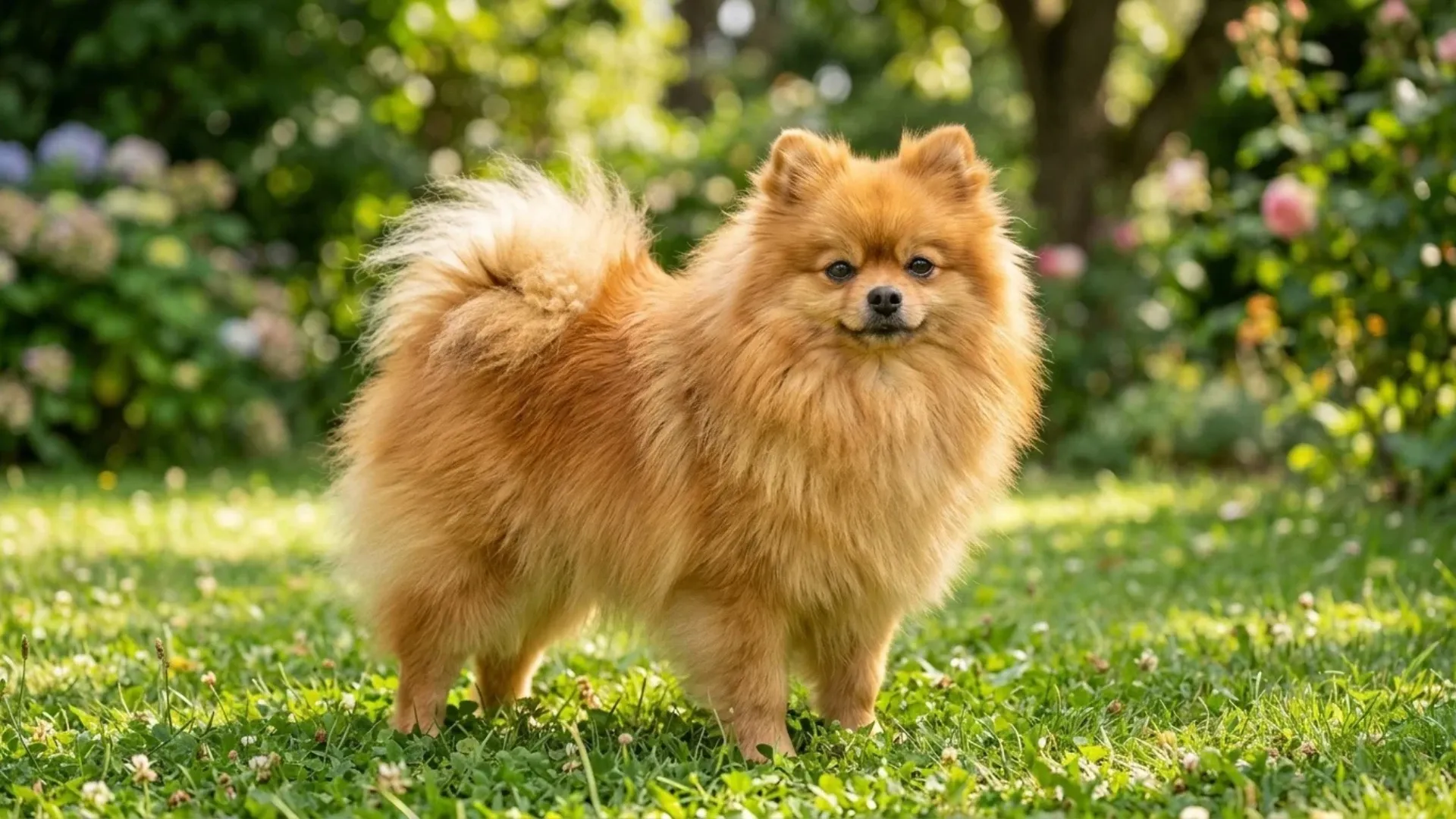
Some dog coats are easy to notice, and exceptional golden coloring is one of them. The shade can be soft and creamy, bright like honey, or deep enough to carry a reddish glow.
Even within the same color family, coats can look completely different because hair length, texture, density, and lighting affect how the pigment appears. Golden coloring also comes from genetics, so the shade is tied to inherited coat traits rather than something created through grooming.
Puppies may look different as their adult coats develop, while sunlight can make certain shades appear lighter or warmer. That makes golden dog breeds interesting for people who care about appearance but also want to understand what they are seeing. A beautiful coat is only one part of the picture, though.
The dogs known for these exceptional shades can differ in size, energy, grooming needs, and personality. This article clearly brings those differences into view overall.
Key Takeaways
Ever noticed how two golden dogs can look completely different? Their shade can change with genetics, coat texture, hair length, and even the way sunlight hits the fur.
Golden Retrievers can deepen in color as they mature, while Vizslas carry their golden-rust shade across almost their entire body.
The Tibetan Spaniel takes the color in another direction with a thick neck shawl and feathered coat that can range from pale honey to reddish-gold.
There is plenty more to uncover, especially when the list reaches the Pomeranian, Pharaoh Hound, and Chow Chow.
Dog Breeds with Exceptional Golden Coat Colors
1. Golden Retriever
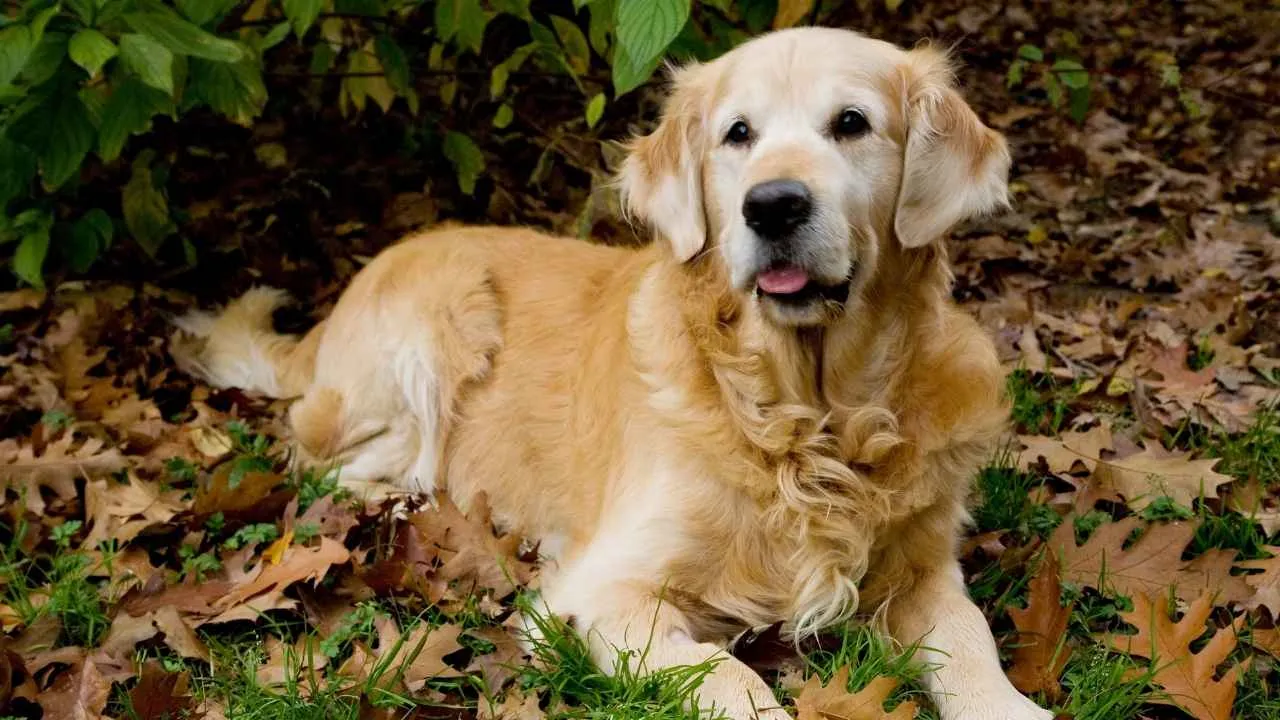
Golden Retriever originated in 19th-century Scotland, where hunters valued its ability to retrieve game birds and work comfortably around cold water. That early role shaped a dog prized for careful retrieving, a useful skill that later found a place in service and family life.
A Coat That Changes
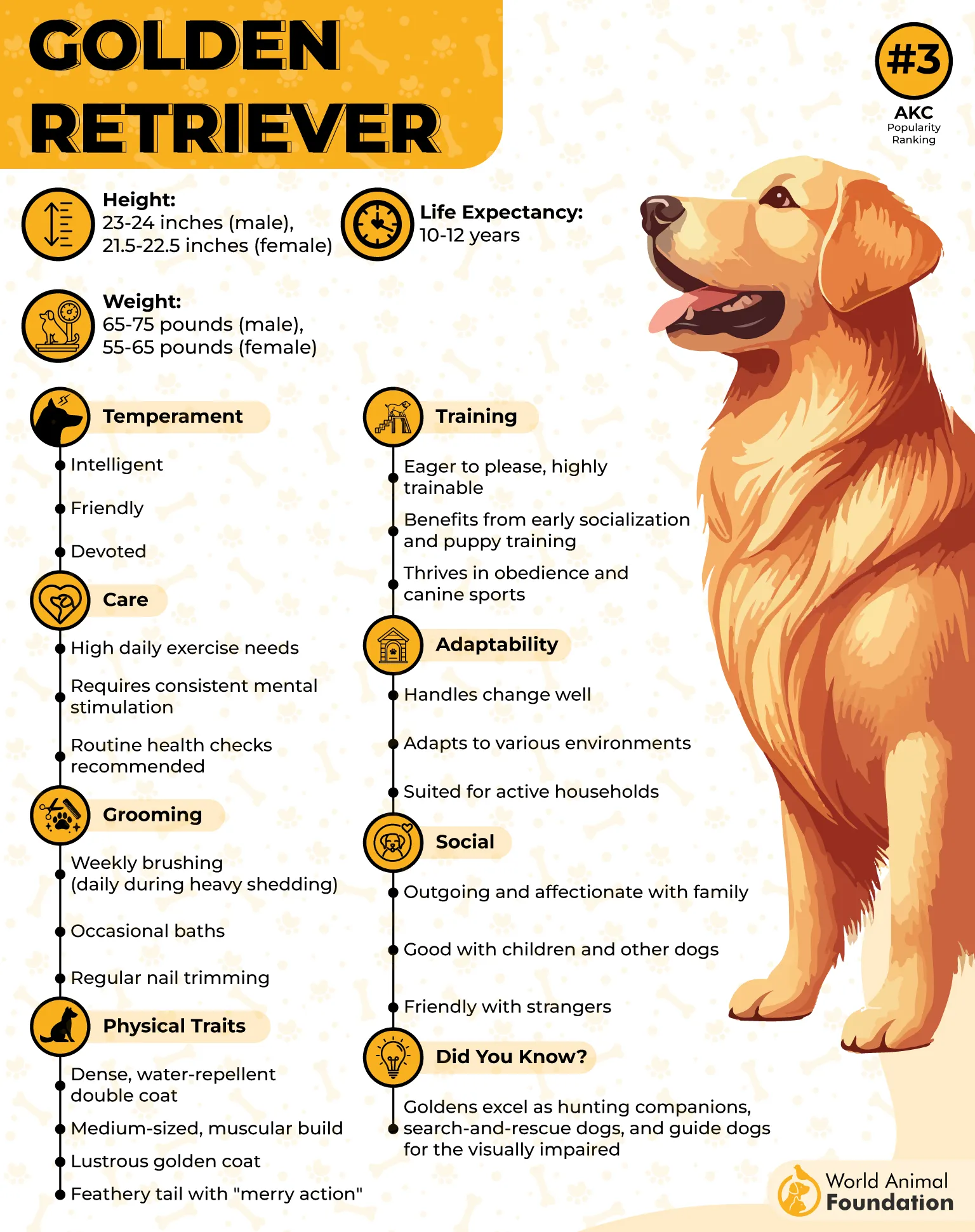
Golden Retriever has a dense, water-resistant coat, with recognized shades ranging from light golden to deep golden and cream through darker red tones.
An interesting detail appears during puppyhood, as the fur can deepen with age and ear-tip coloring may hint at the shade seen in adulthood, as reported by Orvis.

Beyond their golden color, there is more to consider:
Quick learner with strong retrieving skills
Gentle mouth for careful bird handling
Used in guide, therapy, and rescue work
People Come First
This golden colored breed tends to enjoy busy surroundings, outings, play, and plenty of human interaction, with a particular enthusiasm for fetching games.
Its moderate size and patient nature also make it well suited to family settings when children are taught respectful ways to interact with dogs.
2. Vizsla

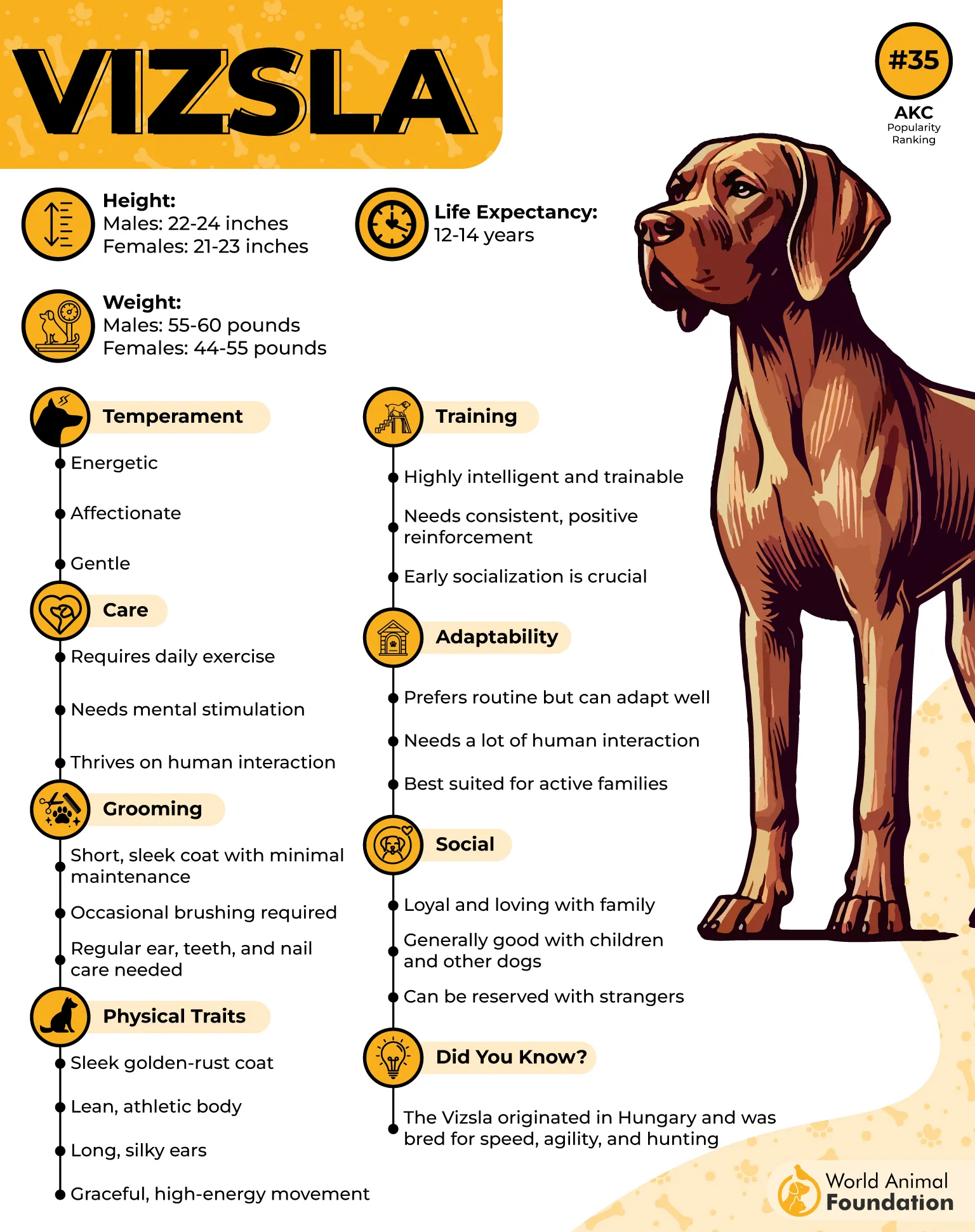
In Hungary, the Vizsla was developed as a hunting companion with strong skills in tracking and pointing game for hunters. Its lighter frame helped it move through dense undergrowth, while staying close enough to respond quickly to its handler’s direction in the field.
A Golden-Rust Coat
Vizsla wears a short, smooth coat in shades ranging from sandy golden-yellow to deep russet-red, with some dogs having small white markings on the chest or toes. Its nose, eye rims, and paw pads often match the coat, creating an unusually uniform look from head to paws.
These details make its coloring especially distinctive:
No insulating undercoat
Weekly rubber-mitt brushing
Natural self-grooming habits
Energy With Company
This breed has enough energy for agility, tracking, obedience, and other active pursuits, with insufficient exercise sometimes leading to chewing or excessive barking, as per PetMD.
It can enjoy children and other dogs when properly accustomed to them, while its hunting instincts make smaller pets and birds a poor match.
3. Tibetan Spaniel
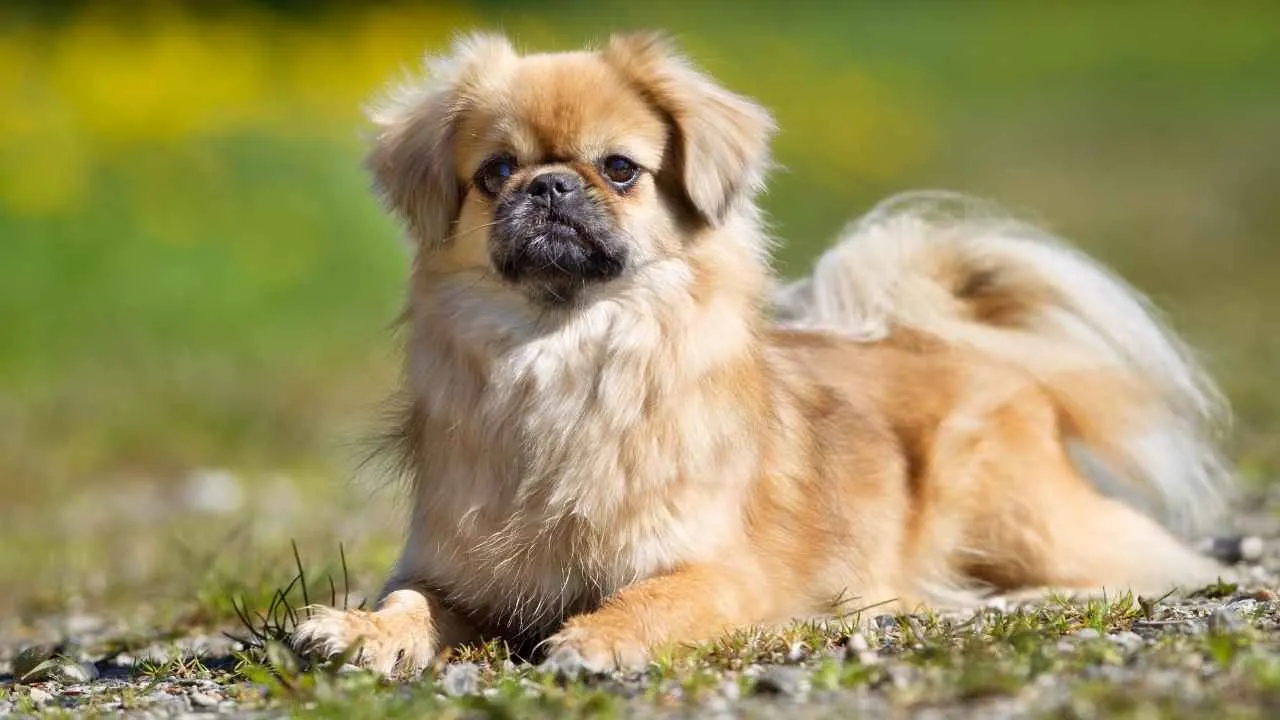
Tibetan Spaniel is an ancient Tibetan companion breed that lived with Buddhist monks as both a household companion and temple guardian.
Monks associated its appearance with the lion, an important symbol in Buddhist belief, while its alert nature helped warn of approaching strangers or wolves.
A Golden Mane
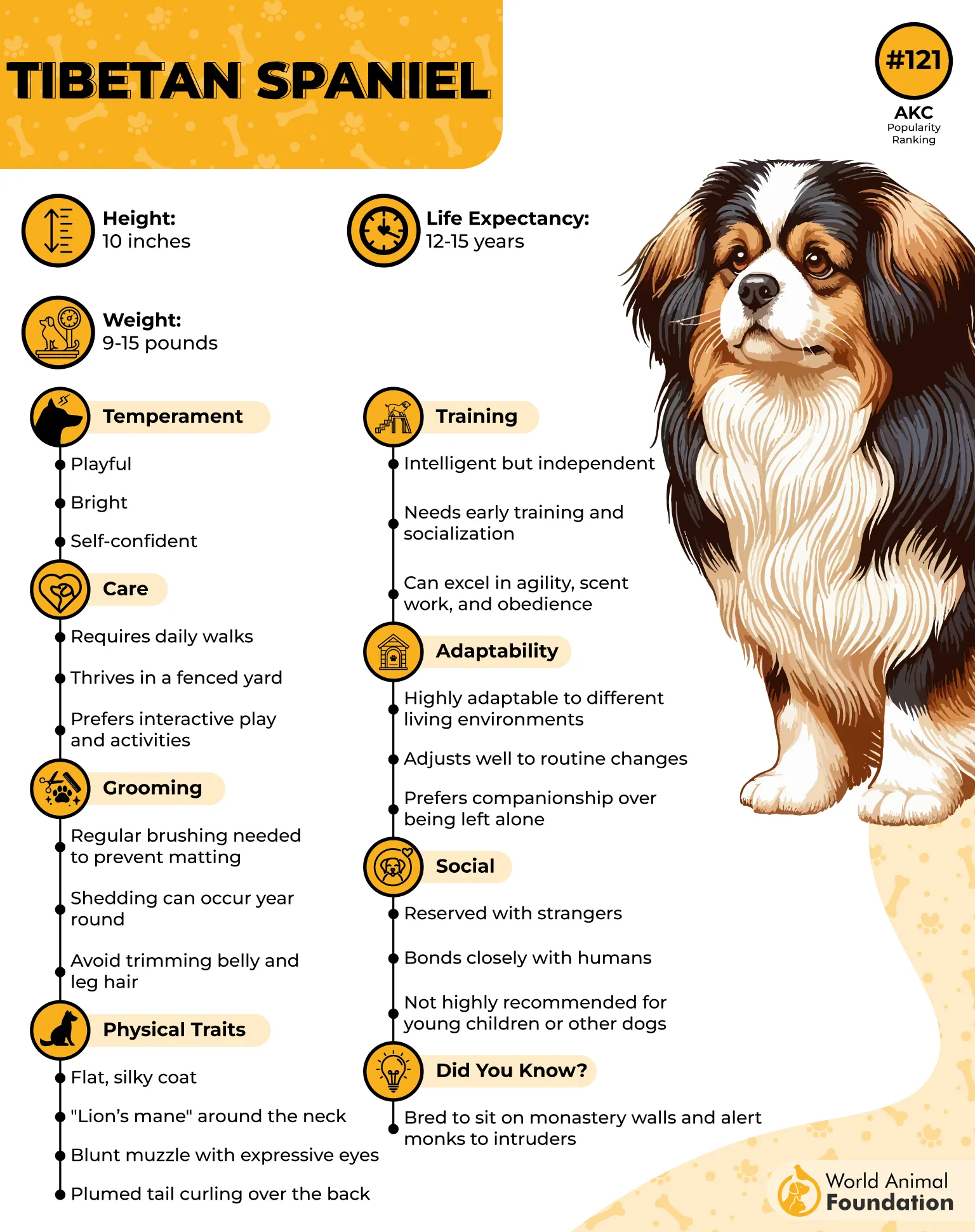
These spaniels can wear a striking golden coat, ranging from pale honey and cream-gold to deeper reddish-gold copper. Its silky outer layer, dense undercoat, neck shawl, feathered ears, leg hair, and plumed tail give the richer shades plenty of visual depth.
This spaniel has a few charming habits at home:
Enjoys elevated spots for surveying the home
Barks when unusual activity catches attention
Generally quiet in everyday situations
A True Lap Dog
This protective dog breed is affectionate with family and generally comfortable around children, dogs, and other pets in the household, as Purina noted.
Strangers may receive a reserved response, while familiar people can expect a companion that prefers curling up beside them, on their lap, or on the bed.
4. English Cocker Spaniel
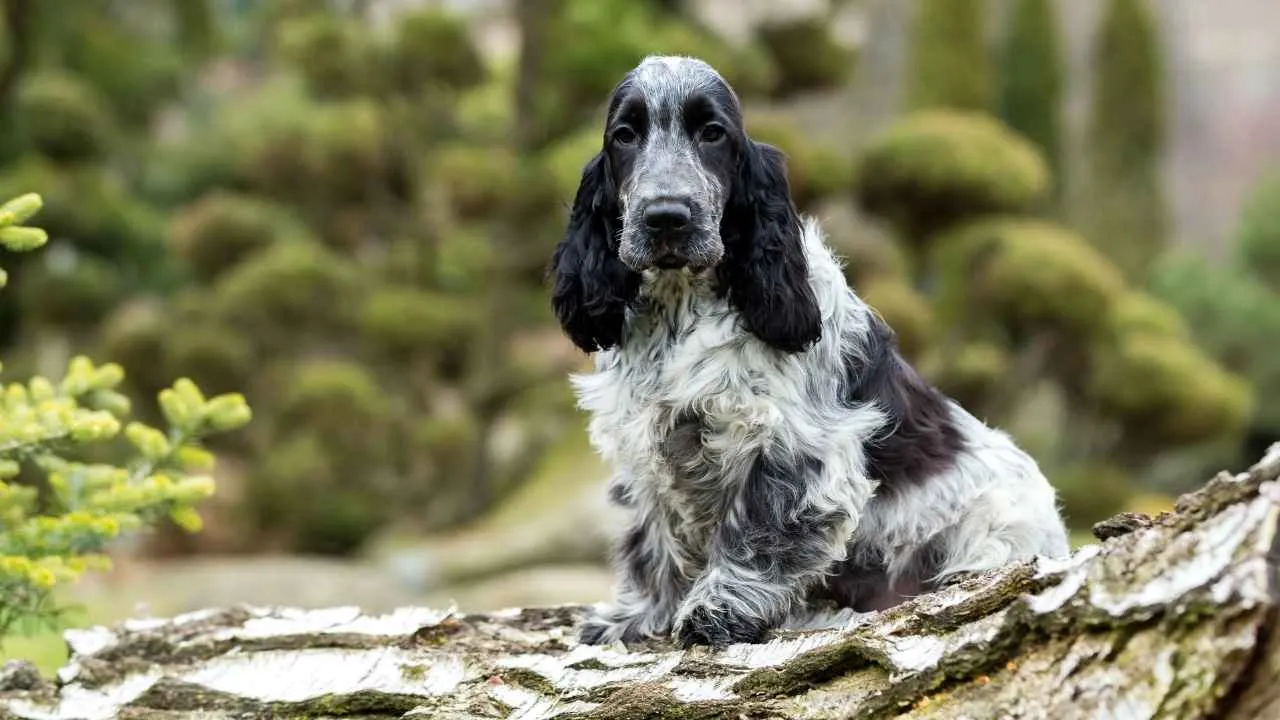
English Cocker Spaniel began as a land Spaniel used to flush game from dense undergrowth, with smaller pups proving useful for reaching tighter cover. In 1892, the two size groups were formally separated, marking the breed’s official emergence as its own type.
A Golden Coat
Golden is also called “Golden Coat,” with warm coloring and a subtle sheen that gives the fur its distinctive appearance. This small breed can also have lemon-gold, honey-gold, and deeper red-gold shades within its broader range of more than 20 coat colors.
A closer look at the coat reveals three useful distinctions:
Long feathering on ears and legs in show-type dogs
Shorter, denser fur in field-type dogs
Solid gold linked to recessive traits
People Come First
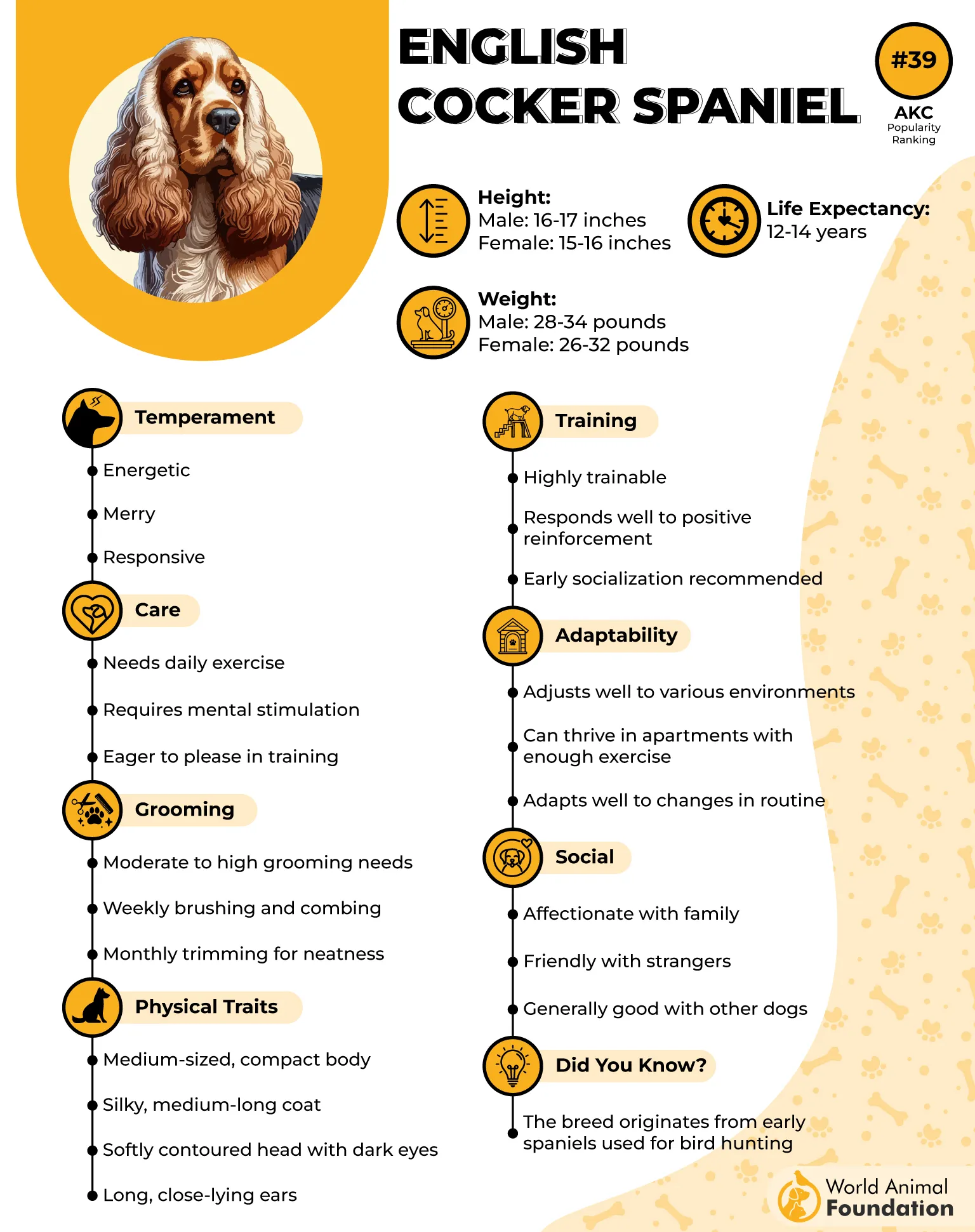
English Cocker Spaniel has a friendly, affectionate nature and enjoys close company, making it particularly suited to families with children. Its eagerness to please also supports obedience and agility training, while its gentle temperament has helped it work effectively as a therapy dog.
5. Pomeranian
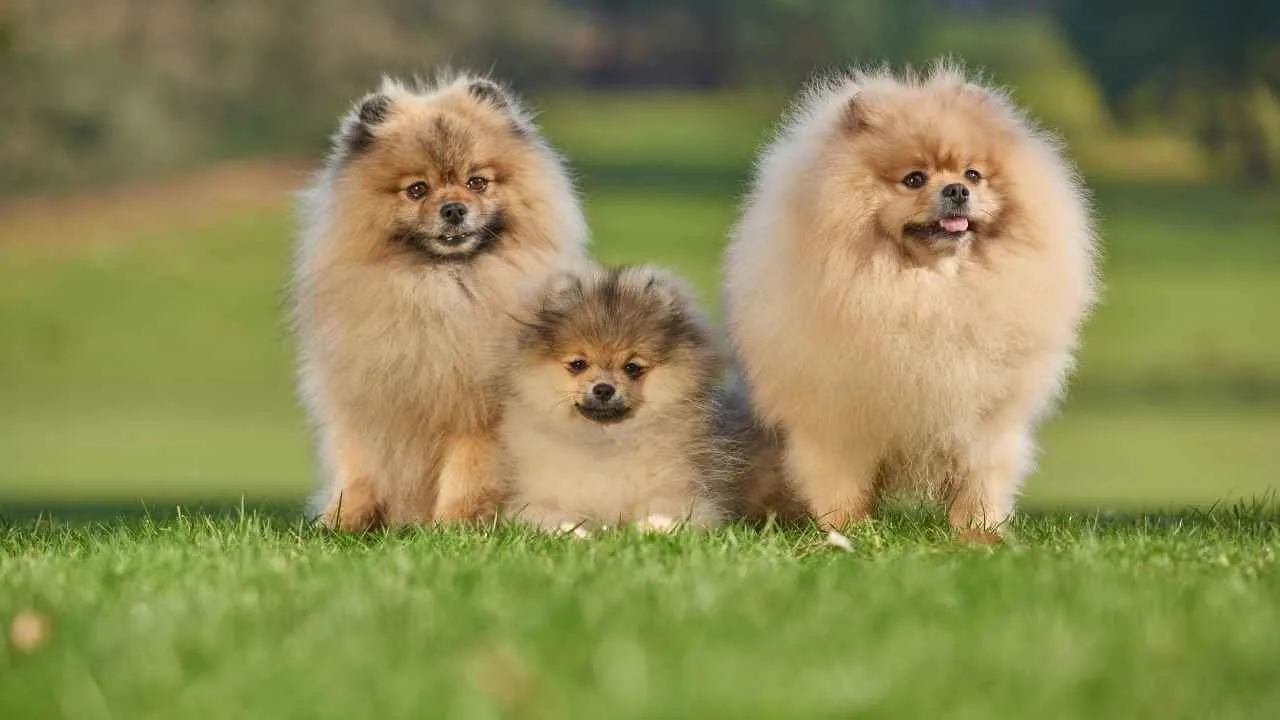
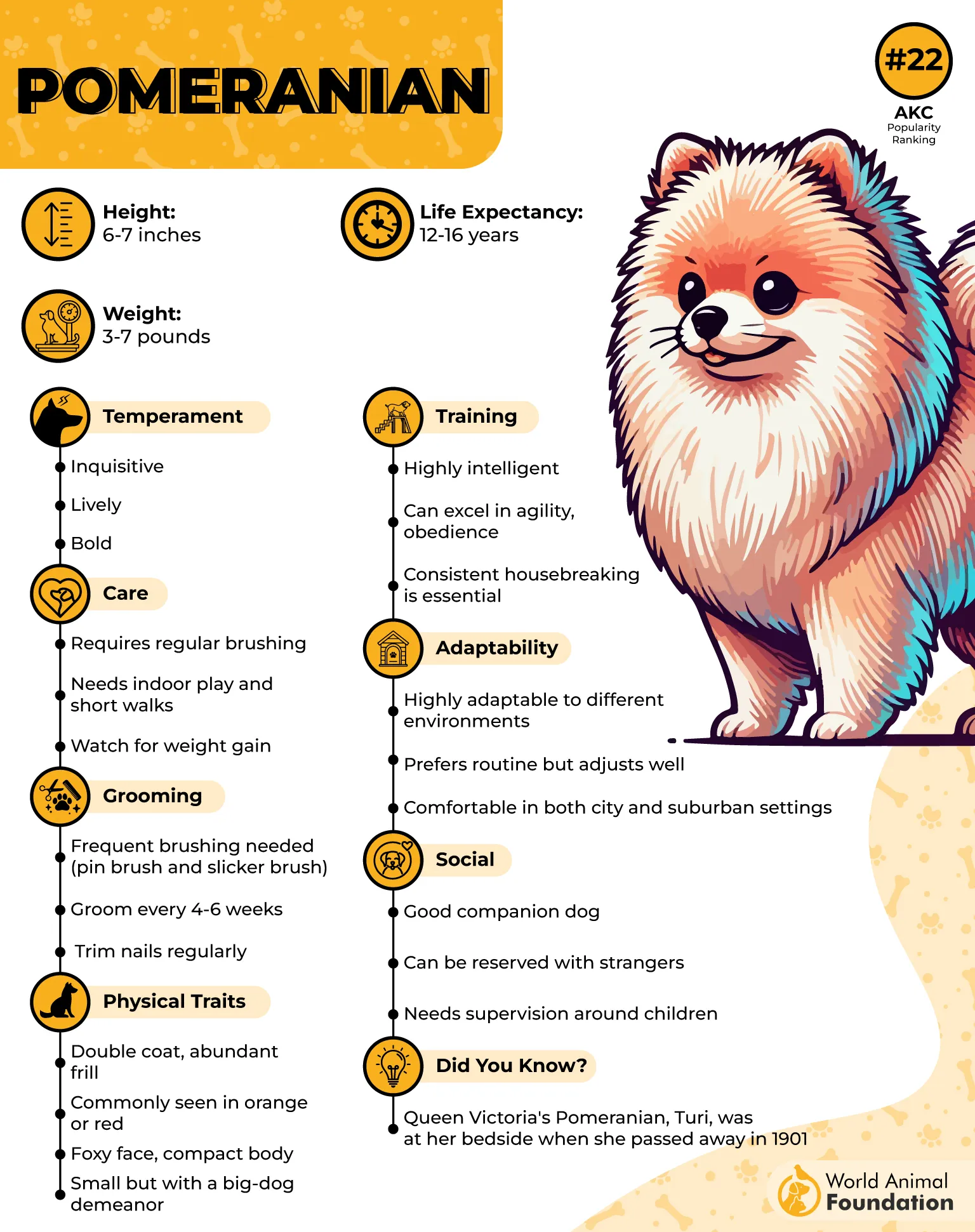
Pomeranian comes from Pomerania, a region spanning parts of modern Poland and Germany, and is believed to descend from the German Spitz. Smaller puppies were selected over generations, leading to the compact dog also called Zwergspitz, Pom, or Pom Pom.
Golden in Shades
Poms can wear a striking golden coat in several distinct forms, from a vivid orange-gold covering to a softer cream that catches the light. Orange sable adds dark-tipped guard hairs over a golden base, creating visible shading through the coat.
The color can take three particularly recognizable forms:
Solid orange-gold from root to tip
Orange base with dark-tipped hairs
Pale cream with warm ivory tones
Affectionate Company
These excellent companions enjoy attention from different people and can become protective when unfamiliar visitors arrive, making early introductions and training important. Its friendly nature and love of cuddling have also made the breed suitable for therapy-dog work.
6. Pharaoh Hound
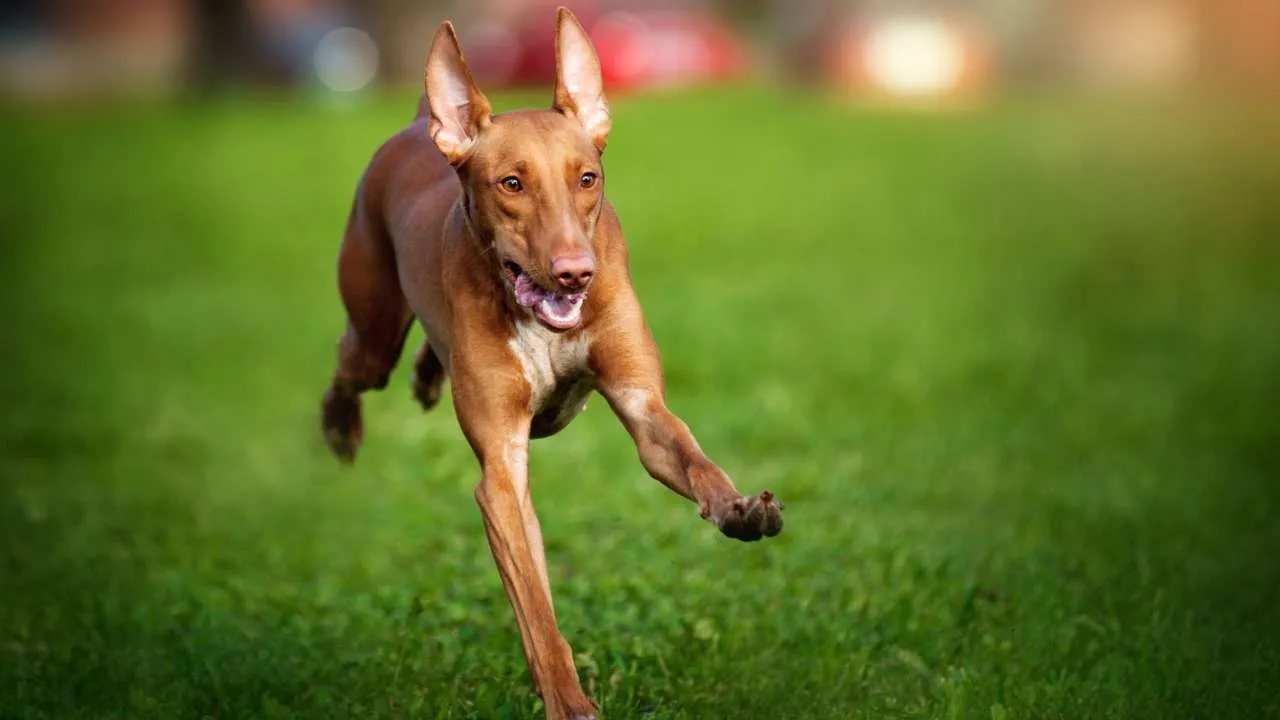
Pharaoh Hound originates in Egypt and dates back centuries, where it served as a sight and hunting hound for pursuing game across open terrain.
The breed later reached Malta, where its skill at hunting rabbits made it popular locally and eventually led to its recognition as Malta’s national dog.
A Golden-Copper Palette
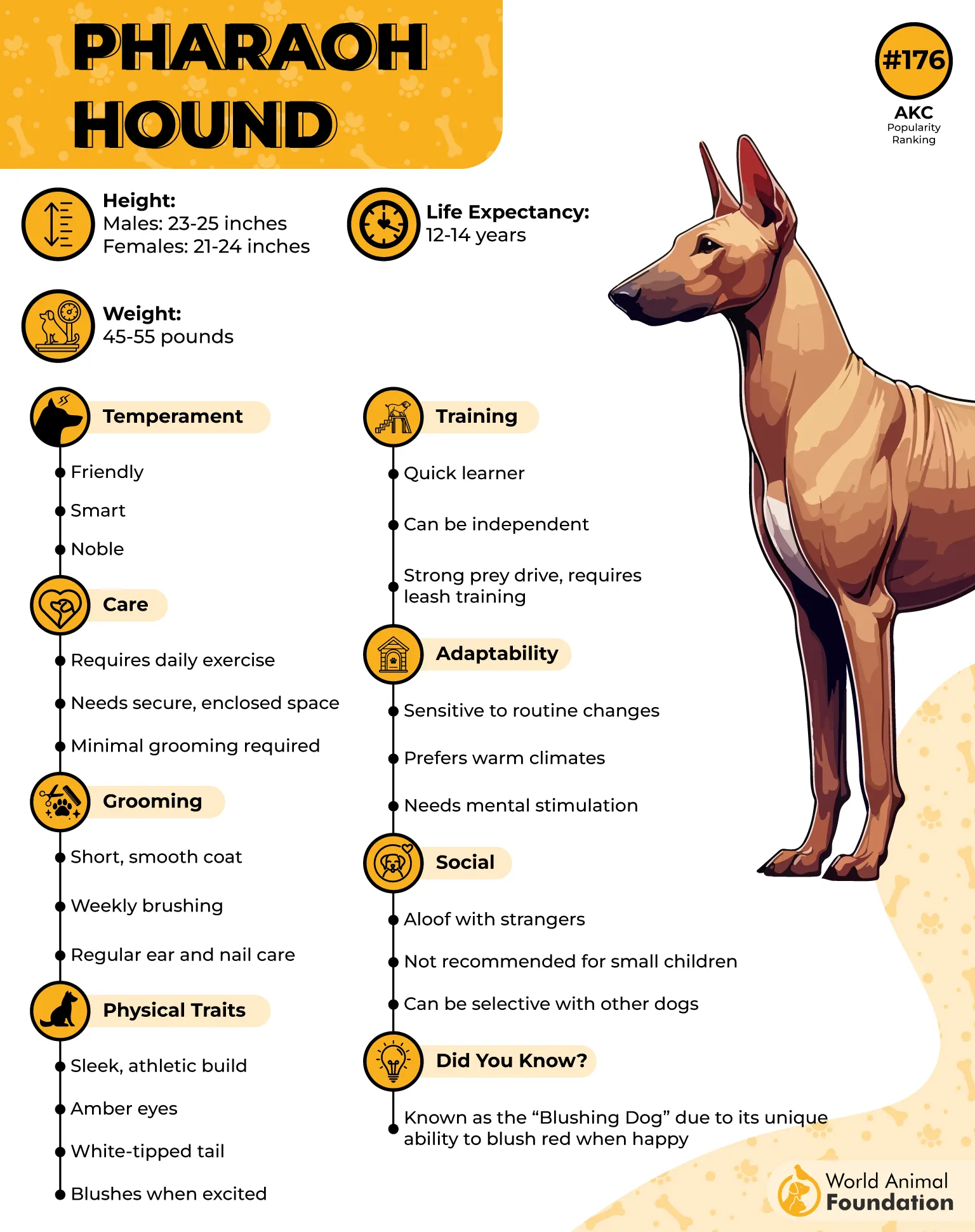
This hound has a short coat ranging from lustrous beige-tan to deep red-copper, with several recognized color categories within that spectrum. The shades include Red Golden, Rich Tan, Tan, and Chestnut, giving the breed a notably varied warm-toned appearance.
The official color categories include:
Red Golden: Rich, glowing golden-red
Rich Tan: Deep, saturated tan without strong red tones
Chestnut: Darker reddish-brown coloring
A Dog That Blushes
Pharaoh Hound has an unusual response to excitement or happiness, as its nose and ears can take on a noticeable rosy flush. The breed also has a distinctive habit of appearing to smile, adding an expressive and charming touch to its already recognizable appearance.
7. Chow Chow
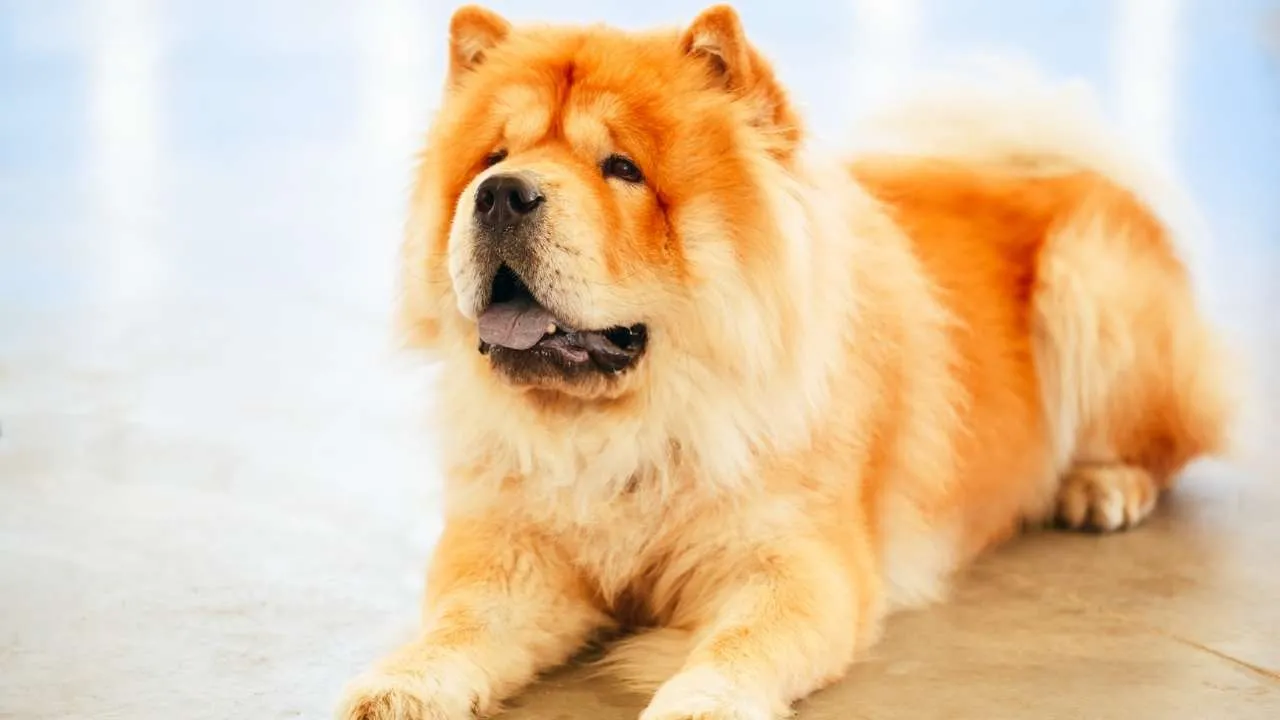
Chow Chow originates from China, where it is known as Songshi Quan, a name often translated as “Puffy Lion Dog.” The breed is also linked to the Foo dogs associated with Buddhist temples and palaces, although its exact origins remain uncertain and its early history is still debated.
Golden, With Details
Chow Chow can appear in a light golden-red shade, sometimes with cream or white-tipped areas around the ruff, breeches, and tail. These lighter accents are called shaded red, while an even golden-red coat without them is described as self-red.
These coat details make the color change especially interesting:
Golden puppies may have dark muzzle masks
The mask usually fades with age
Adult shades range from cream to red
A Dog With Opinions
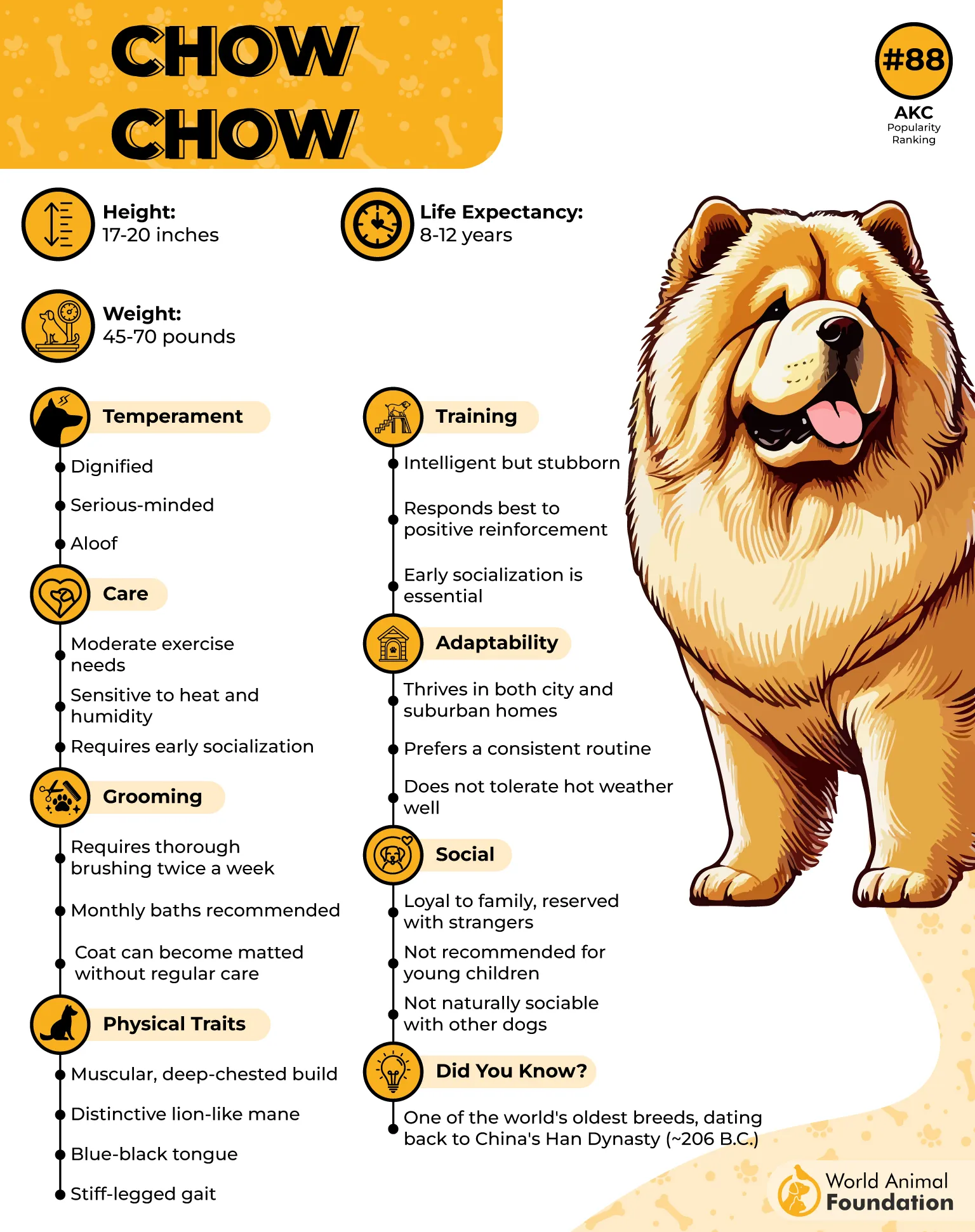
These superb companions are independent and can understand a command clearly while choosing not to follow it, making patient obedience work important from an early age. It can also be protective of food and toys, while early training helps address possessiveness and tension around other animals.
Conclusion
A golden coat can look completely different from one dog to another, even when the basic color seems similar. Cream, honey, orange-gold, tan, and reddish shades can all create a different impression, while a silky golden coat and its texture add another layer. Genetics largely determines these colors, but age and sunlight can change how they appear.
Anyone drawn to these warm shades should also consider the dog’s exercise needs, grooming routine, temperament, and living environment. A striking coat may catch your eye first, but everyday habits determine whether the companion fits your household comfortably. These dogs can make great companions and loving family pets when their needs match your routine.
