




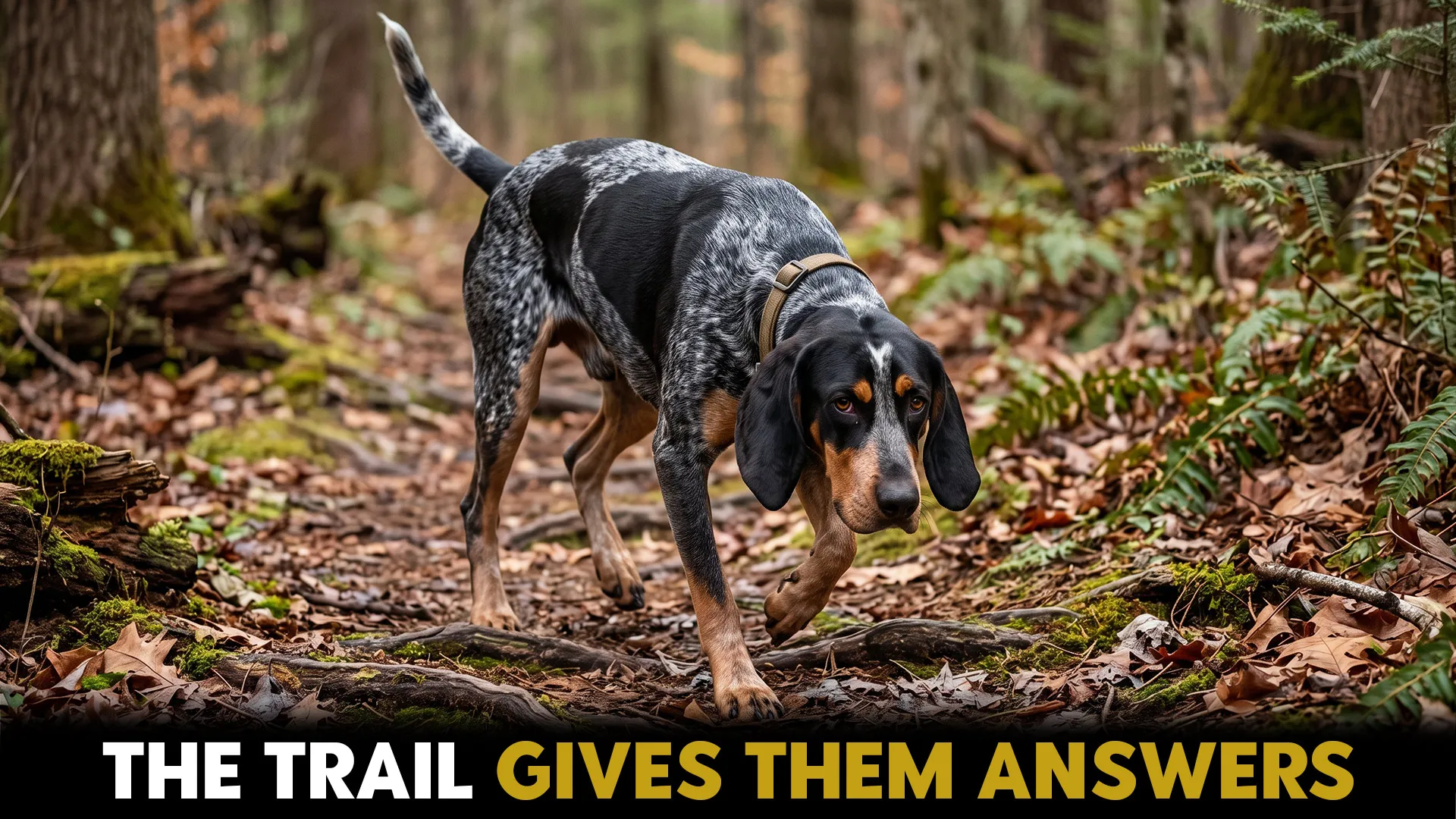
A dog’s nose isn’t just a cute feature — it’s basically a built-in superpower. Some tracking dogs carry up to 300 million scent receptors, compared to our measly six million, and they really know exactly how to use them.
But not every hunting dog puts that nose to work in quite the same way. Some specialize in fresh, “hot” trails, while others can follow a scent that’s days old.
So what actually separates an average sniffer from a true tracking legend? Stick around, because the breeds on this list are truly about to change how you look at your own dog’s nose forever.
Dog Breeds with Remarkable Tracking Abilities
1. Bloodhound
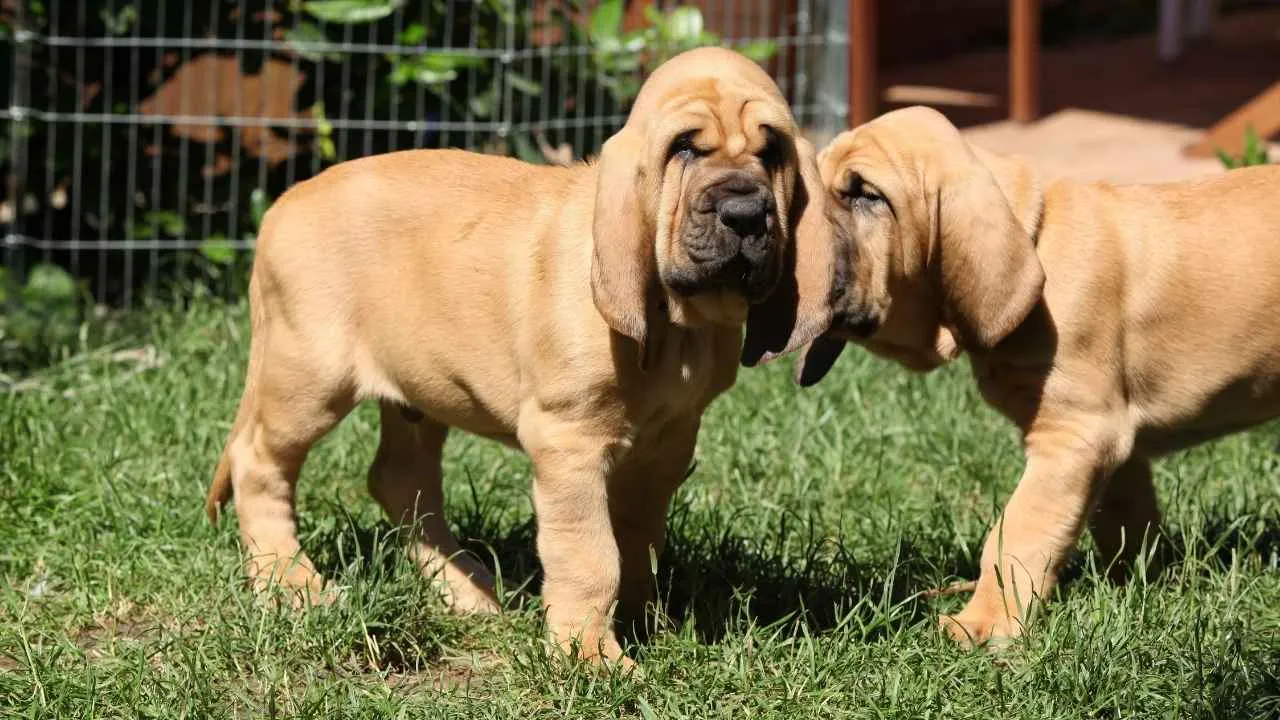
The Bloodhound didn’t just join the tracking game — it built it. This ancient hound traces back to French monks over a thousand years ago. Its whole existence centers on one job: follow the scent, no matter how old.
This is a pure ground-trailing specialist, nose glued to the earth. According to Purina, a Bloodhound can pick up a scent from just one or two skin cells. That’s not sniffing — that’s detective work.
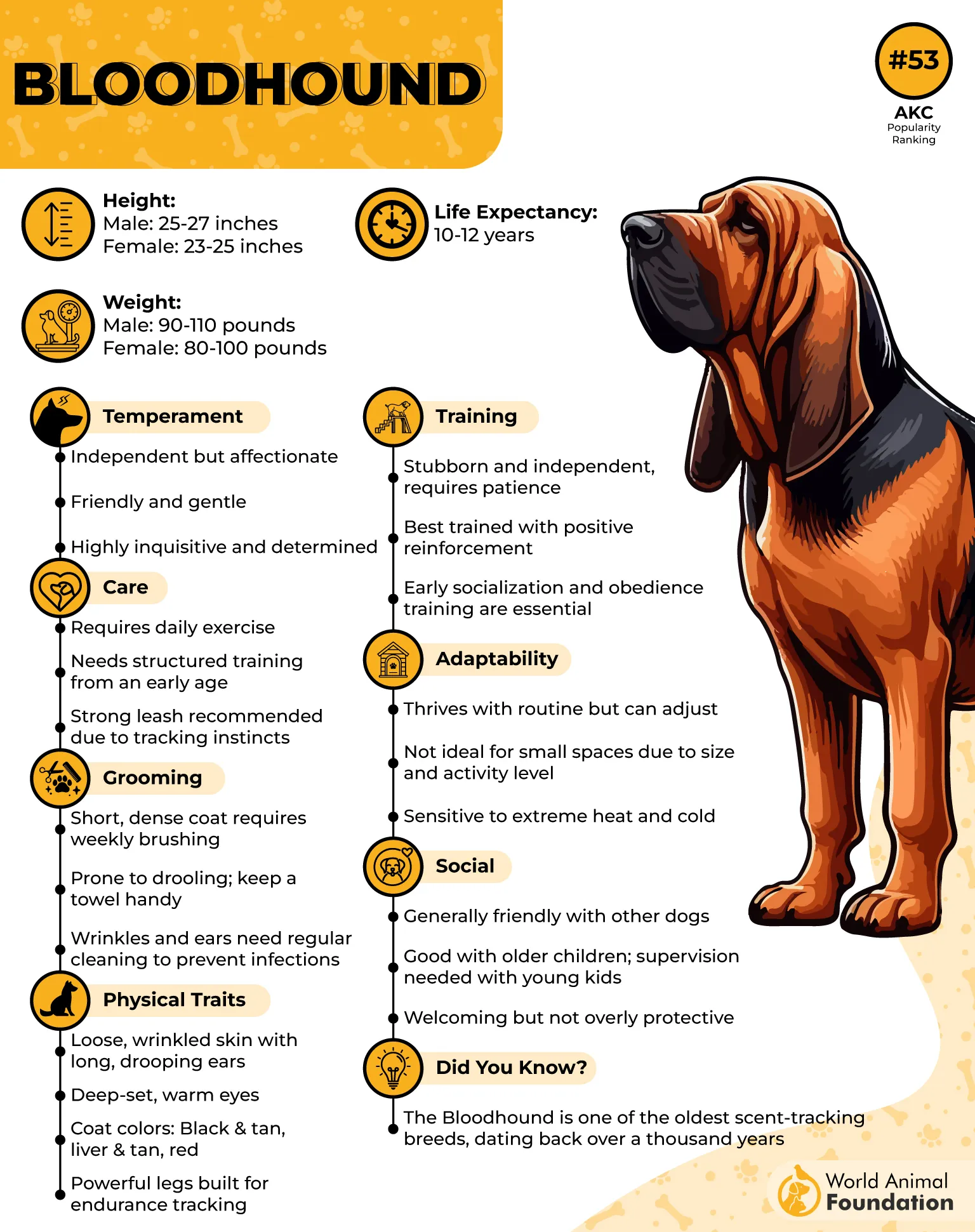
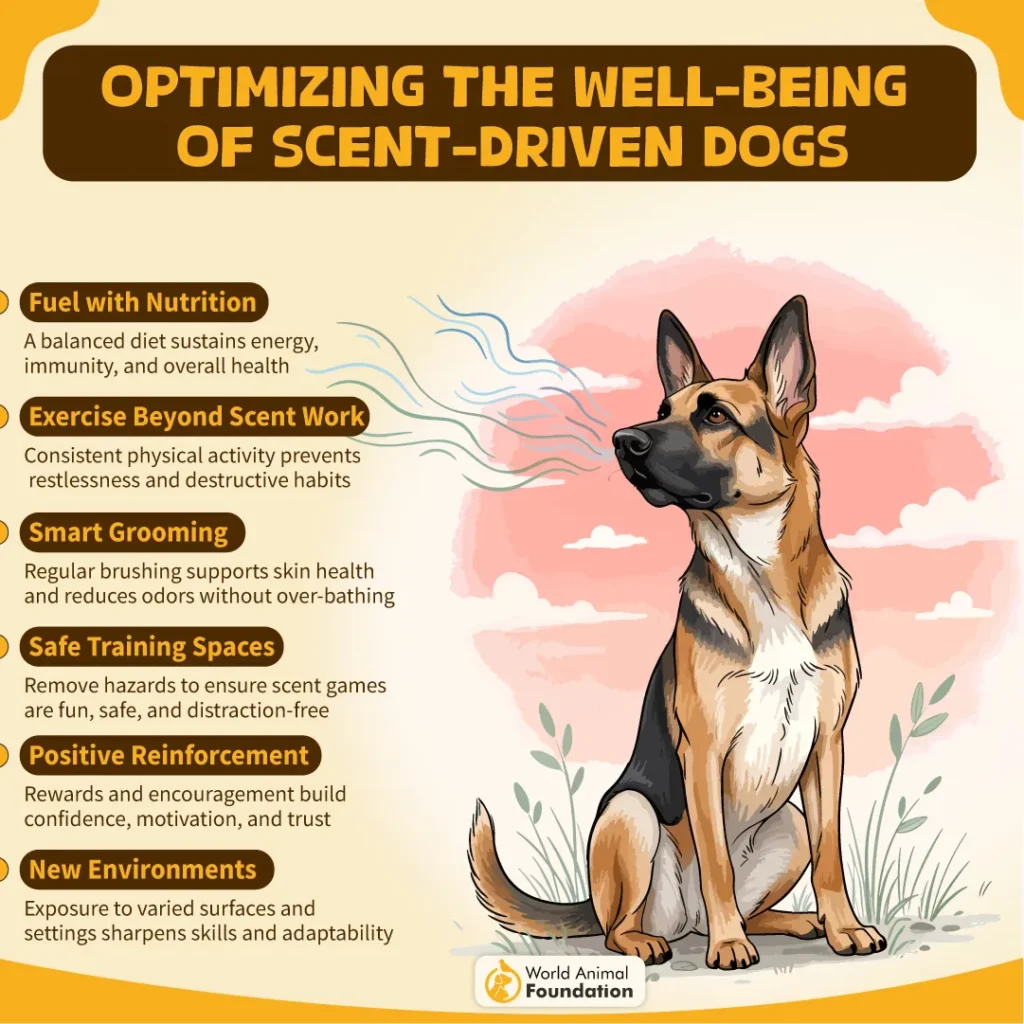
Teamwork starts with trust, not commands. Let the Bloodhound lead on the leash instead of correcting every zig-zag. Reward the follow, not the finish, and the bond builds itself.
Bloodhounds have famously helped locate missing persons for search-and-rescue teams, and some courts even accept their trailing as evidence. They’re gentle giants at home, though that nose means recall training is non-negotiable.
2. Bavarian Mountain Scent Hound
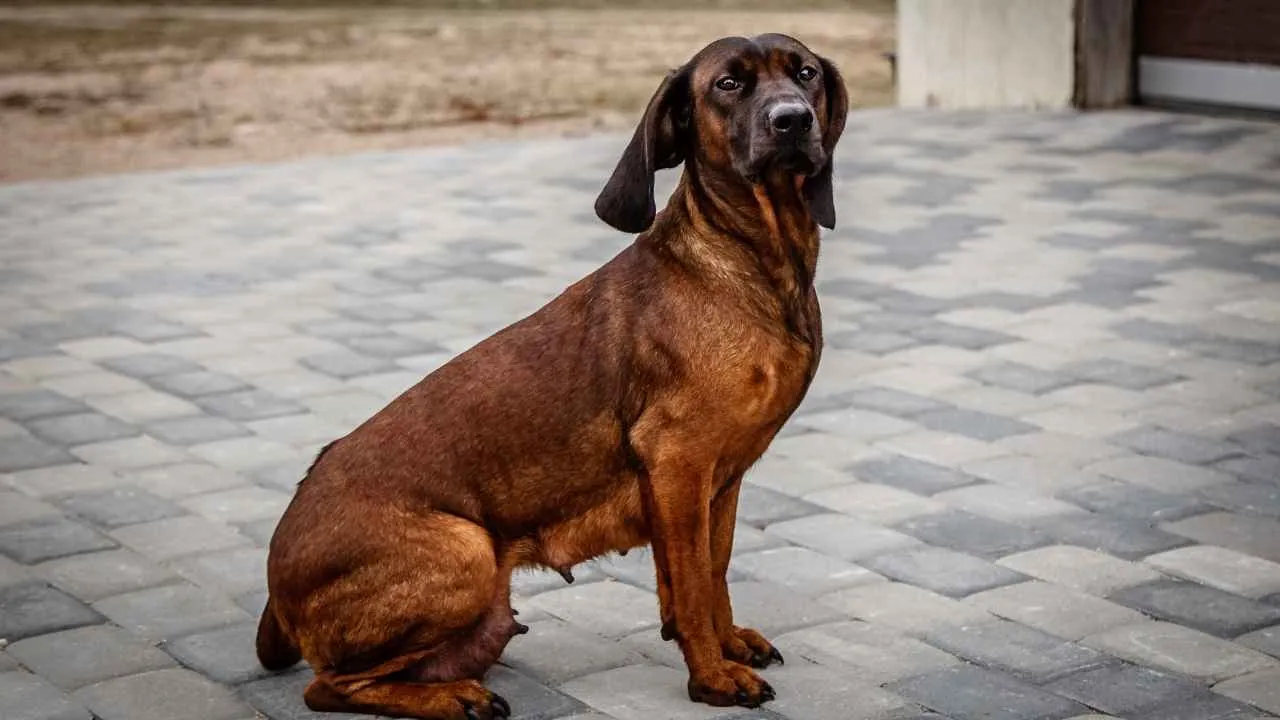
The Bavarian Mountain Scent Hound is Germany’s quiet specialist — built for the mountains, not the spotlight. Foresters and game wardens developed it in the early 1900s to trail wounded game across brutal terrain. It’s less about hype, more about precision.
This breed is a cold-nose expert, tracking blood trails hours after the animal has moved on. It can separate one animal’s scent from another of the same species — an excellent skill few hounds match. Royal Canin describes its temperament as calm, confident, and unshakeable on a trail.
This dog wants a real job, not a walk around the block. Give it scent-based tasks and clear structure early. A bored Bavarian gets creative in all the wrong ways.
Outside Germany, it’s still mostly a working forester’s companion rather than a household pet. Loyal but reserved with strangers, it bonds hard with one person.
3. Belgian Malinois
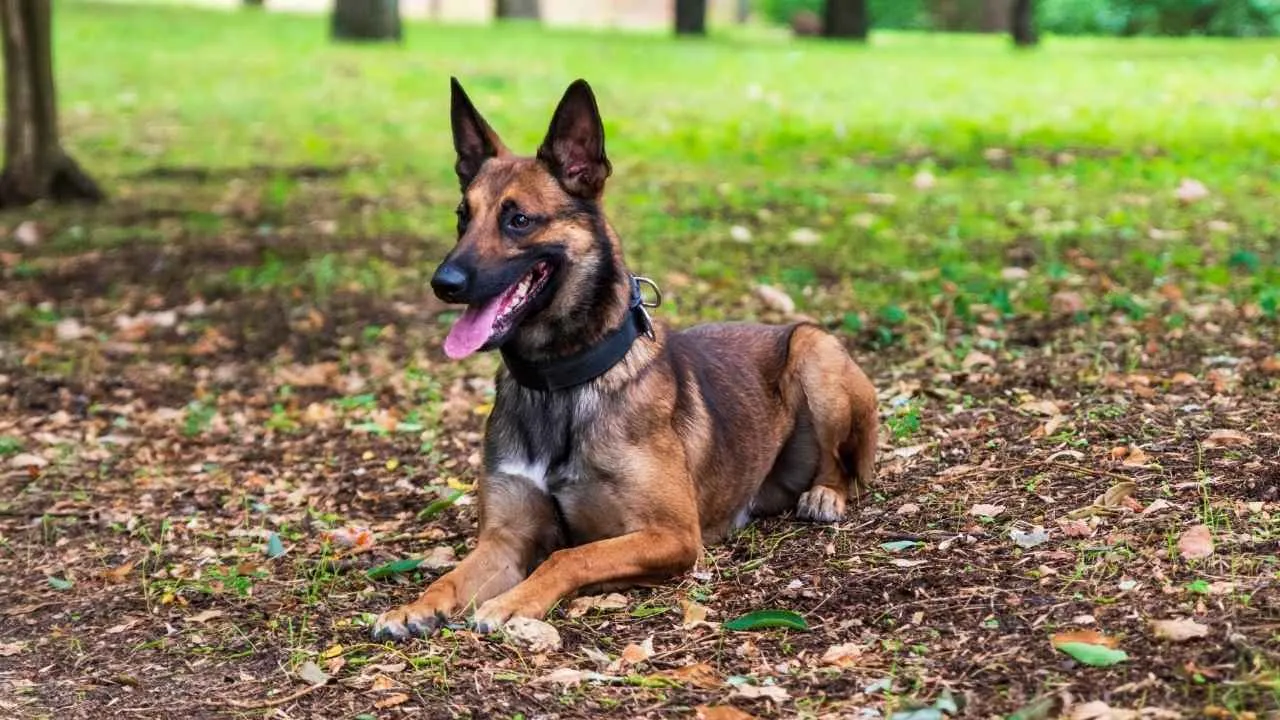
The Belgian Malinois started as a farm dog and ended up in the world’s most elite units. It was bred in the Malines region of Belgium in the 1800s, purely to herd sheep. Nobody predicted it would end up guarding presidents.
This breed thrives on detecting scents and tracking suspects, blending nose with raw speed. Britannica notes it’s renowned for strength, stamina, and eagerness to please. Few dogs sprint after a scent trail the way a Malinois can.
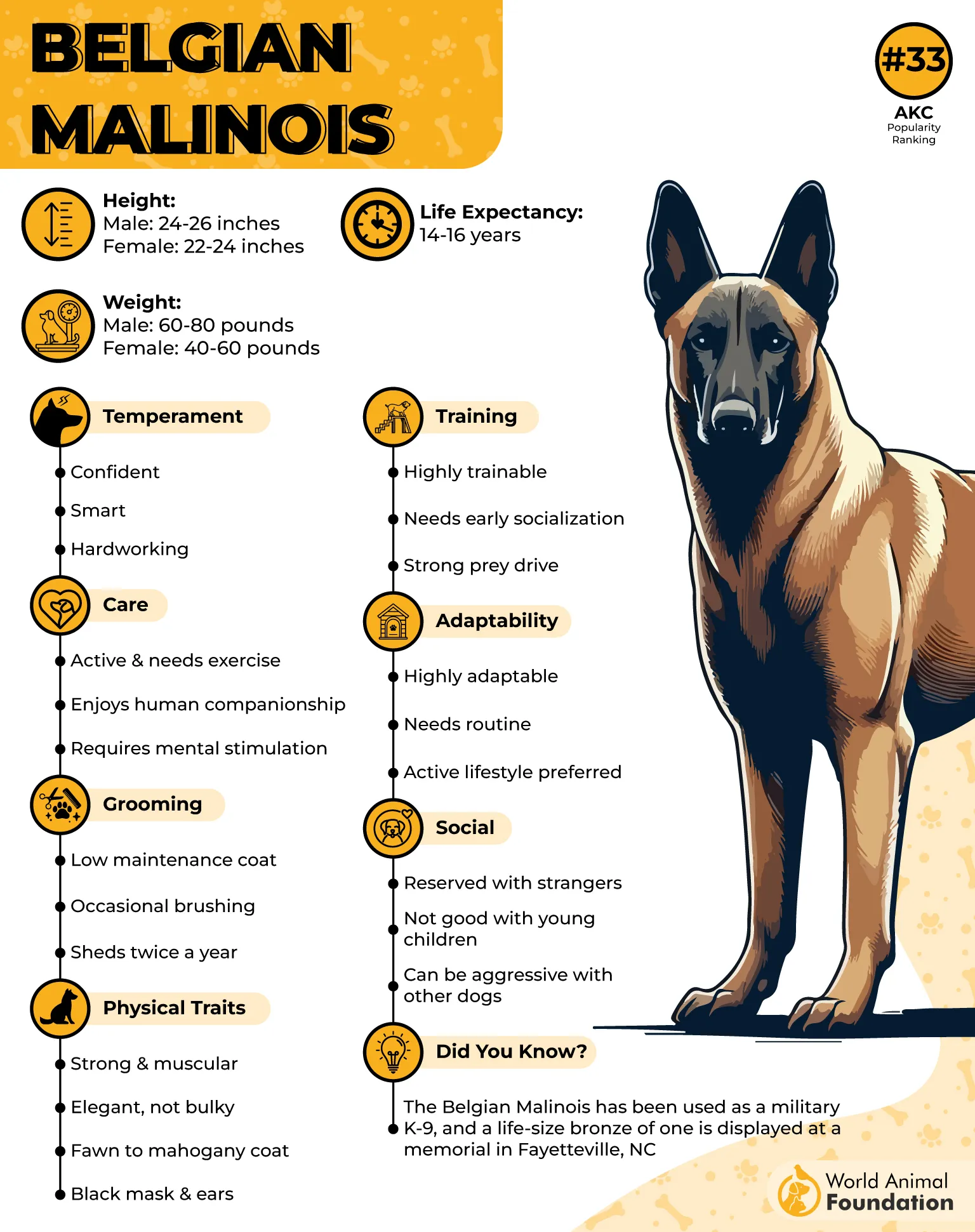
Malinois need a job and a clear leader, or they’ll invent their own rules. Structured training from puppyhood builds focus fast. Consistency matters more than intensity here.
Police and military units worldwide rely on this breed for detection and apprehension work. It’s fiercely loyal but needs an owner who can match its drive.
4. Beagle
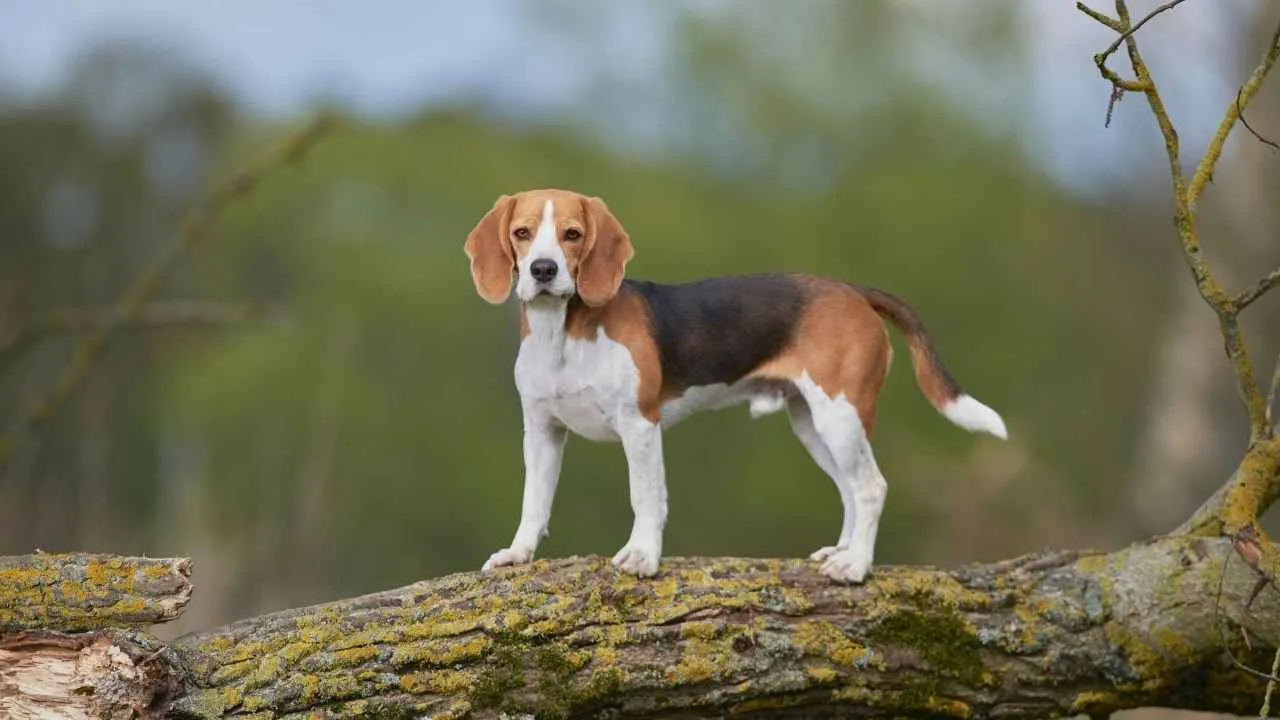
The Beagle proves tracking dogs don’t need to be big to be brilliant. Its scent-hound ancestry goes back to small hunting packs in medieval England. Size was never the point — the nose always was.
Beagles specialize in ground trailing, built for rabbits and hares long before airports existed. That same tracking instinct now powers detection work in unexpected places. Small steps, big results.
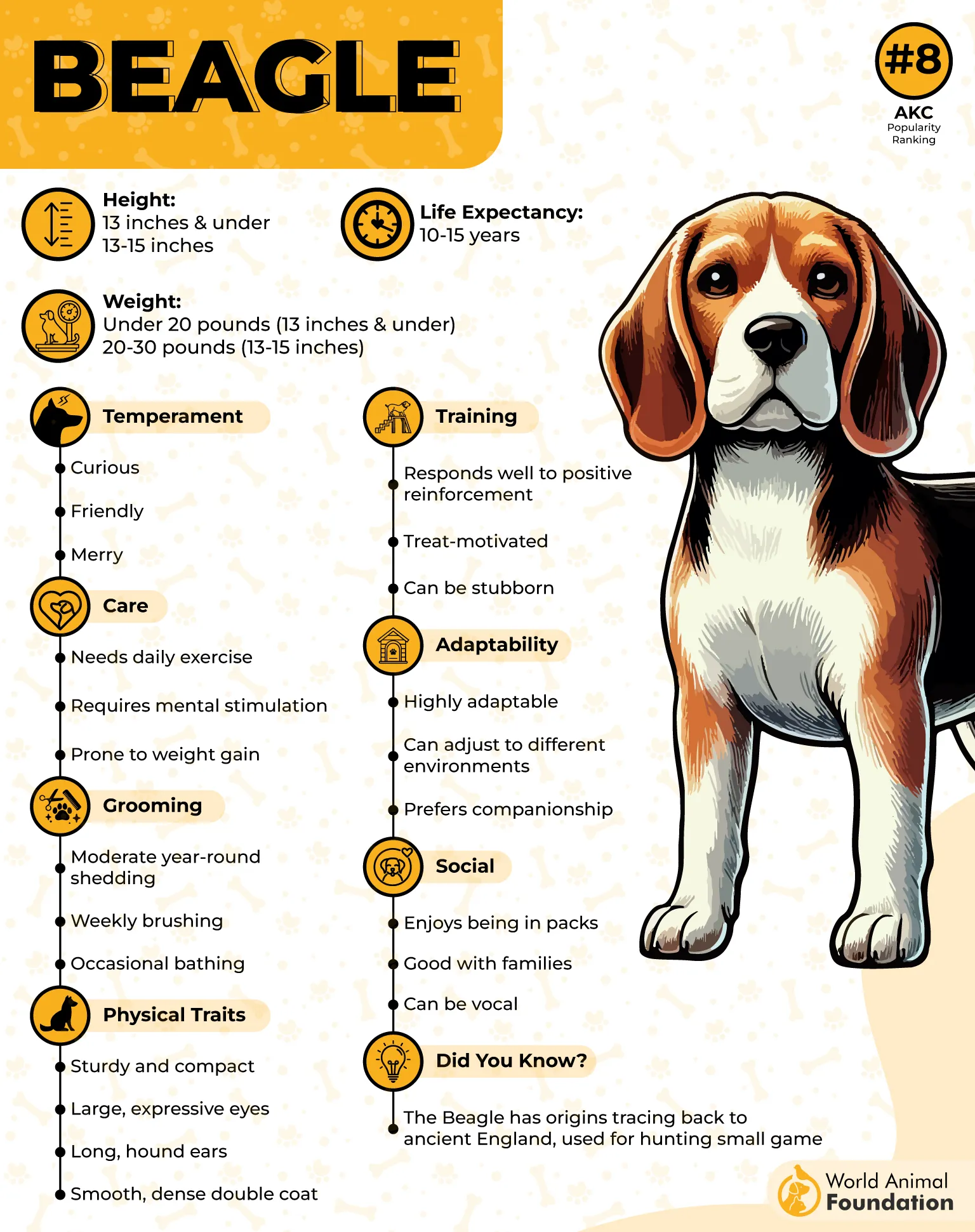
Keep training short, food-based, and fun — Beagles lose interest fast otherwise. Scent games at home build focus better than repetition. Patience beats pressure with this breed.
AKC notes Beagles staff the USDA’s Beagle Brigade, sniffing airport luggage across dozens of U.S. airports for banned food items. Friendly and unintimidating, they’re built for crowds, not confrontation.
5. Bluetick Coonhound
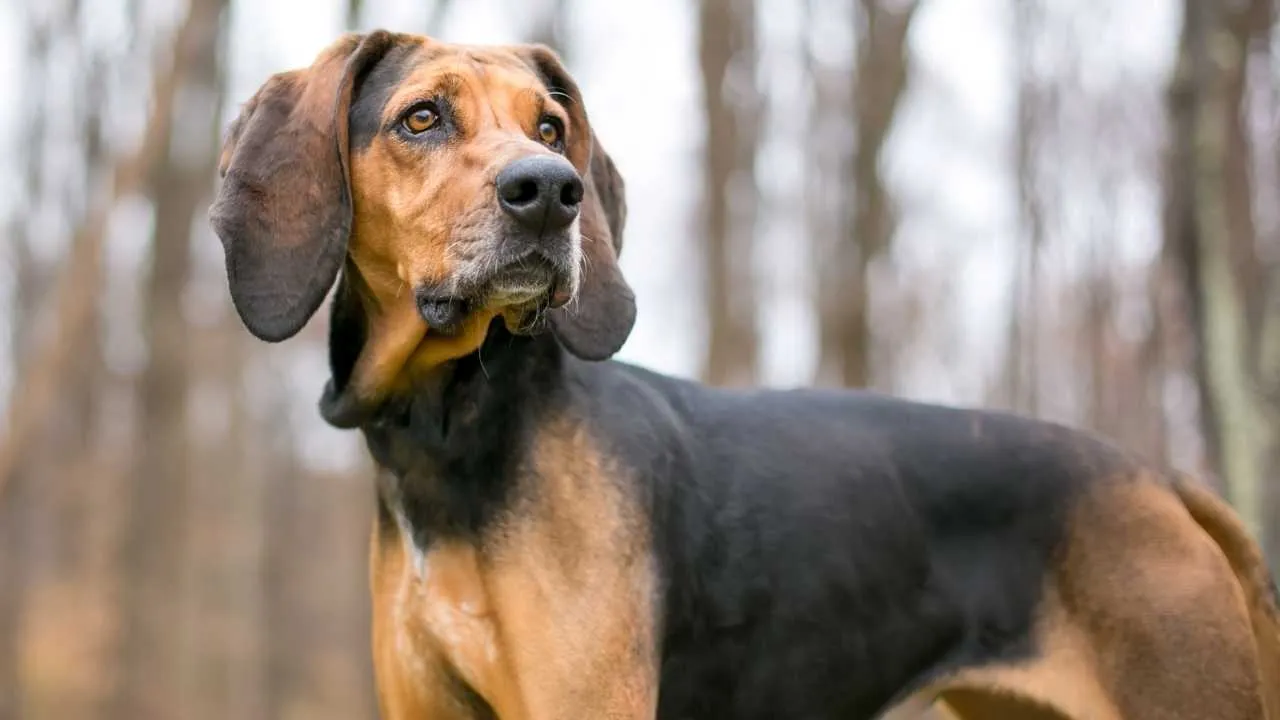
The Bluetick Coonhound was born in the bayous, bred for long nights on a cold trail. American hunters in the early 1900s crossed French and English hound lines to get it. The result was patience wrapped in a blue-speckled coat.
This breed is a classic cold-nose treeing specialist, built to work old, faded trails rather than fresh ones. It can pick up scent left days earlier and stay on it for hours. Speed isn’t the goal — persistence is.
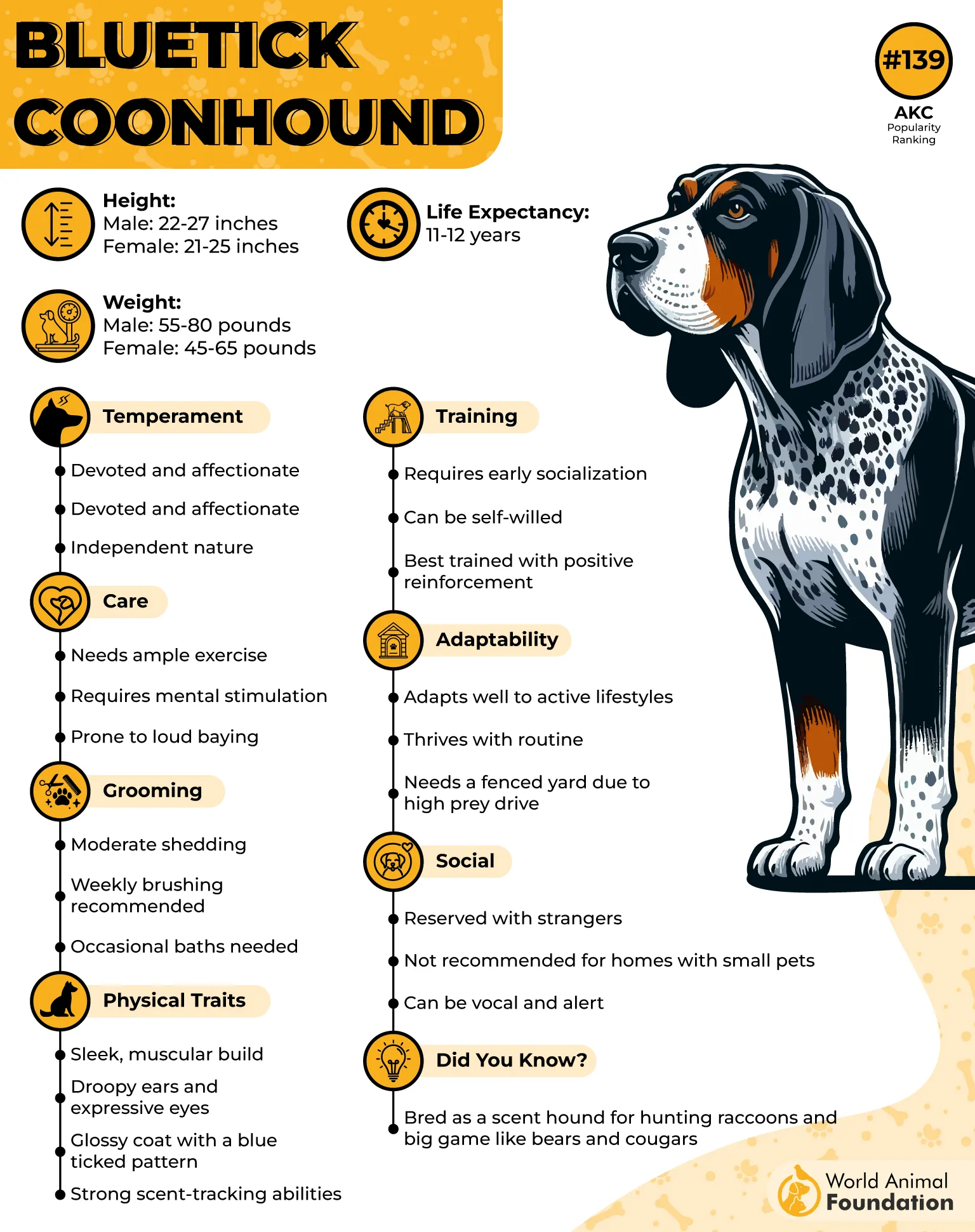
Let this dog work at its own pace instead of rushing it. Reward patience on the trail, not just results. A Bluetick that trusts its handler works twice as well.
VCA notes coonhounds like this one once tracked raccoons, bears, and even cougars alongside frontier hunters. Loud and devoted, it’s a hunter first and a lapdog never.
6. Redbone Coonhound
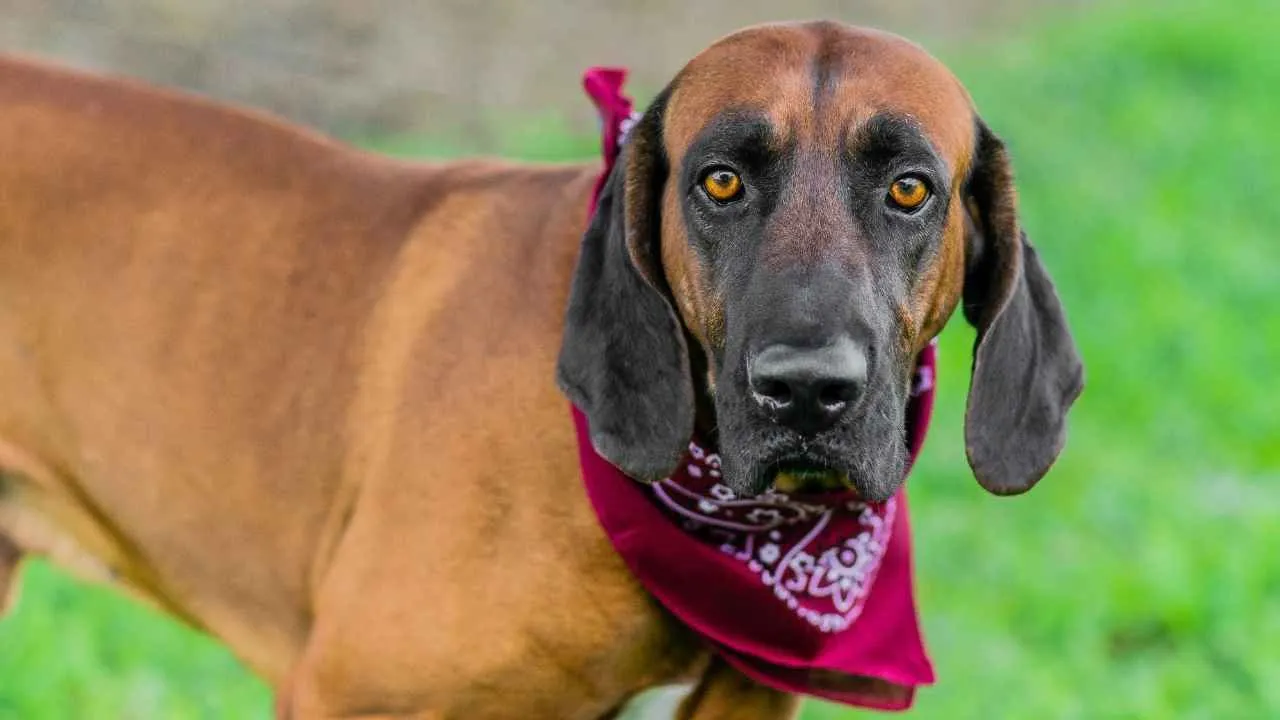
The Redbone Coonhound is the good-looking overachiever of the coonhound world. Georgia hunter George Birdsong began shaping the breed from a pack he got in 1840. Handsome and useful — not a bad combination.
This is a hot-nosed treeing specialist with a keen nose that flips from a stale trail to a fresh one fast. It trails raccoon by default but tackles bear and bobcat without blinking. Versatility is the real party trick here.
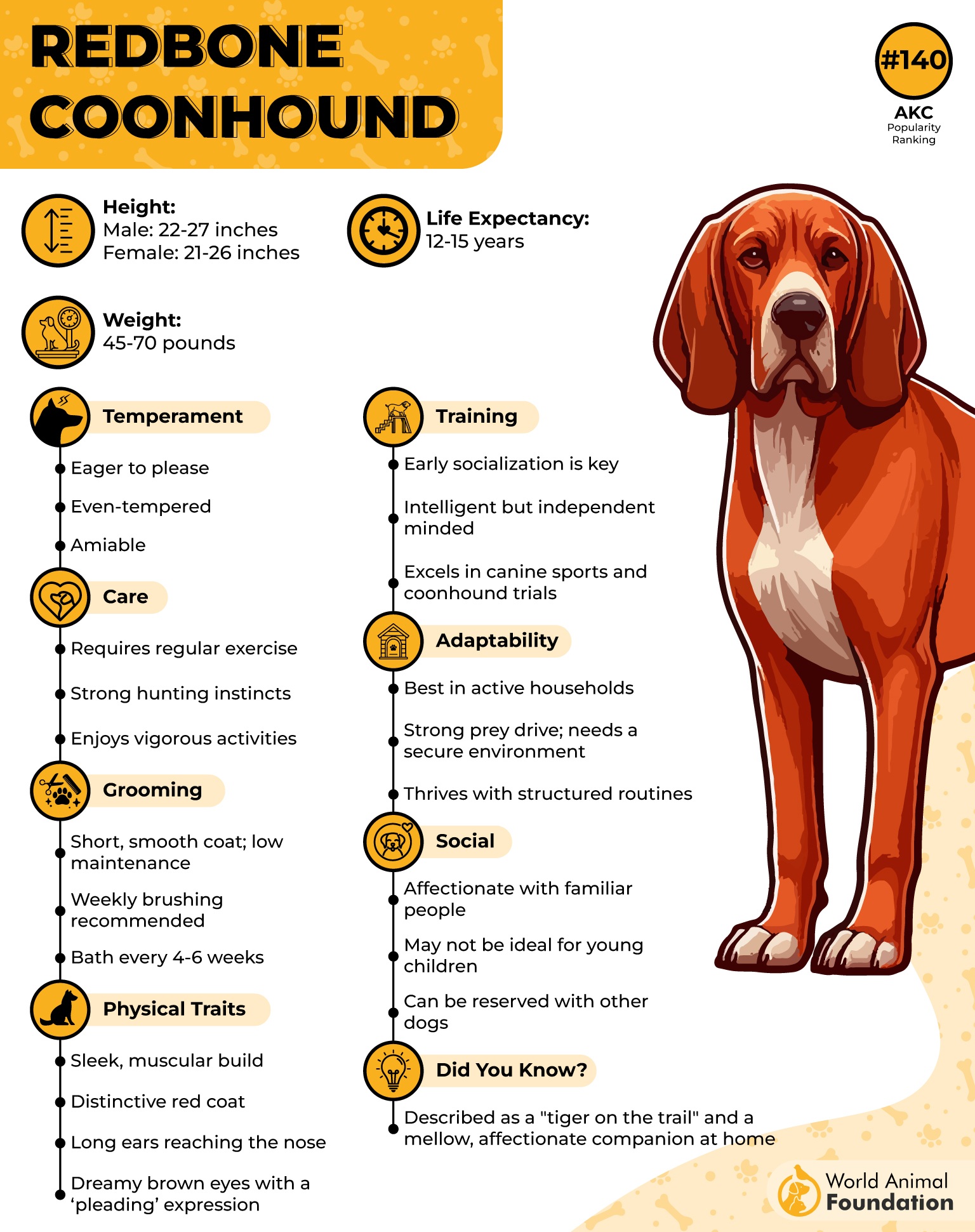
Give this gun dog outdoor time to actually use its nose, not just exercise. Off-leash recall needs serious investment early on. A Redbone that trusts you will still wander if a scent calls loud enough.
A Redbone named Dan won the first ACHA World Championship back in 1948. Laid-back at home, this hound saves its intensity for the trail.
7. Treeing Walker Coonhound
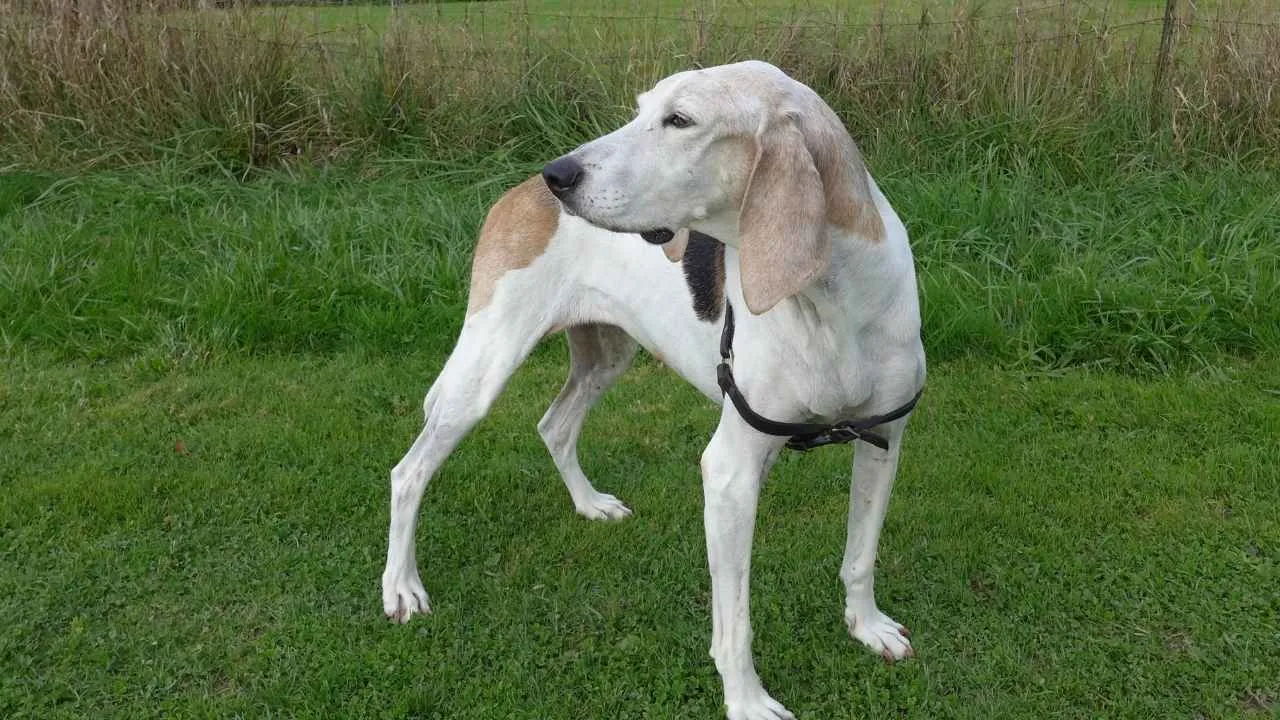
The Treeing Walker Coonhound has an origin story worthy of a Western. It started when a mystery dog named Tennessee Lead was crossed with a Walker Foxhound in the mid-1700s. The breed’s whole identity grew from that one pairing.
Hunters call it hot-nosed for a reason —this loyal hunting companion drops an old trail fast for a fresher one. Speed and stamina let it chase raccoons through the night without slowing. Many consider it the fastest coonhound in the field.
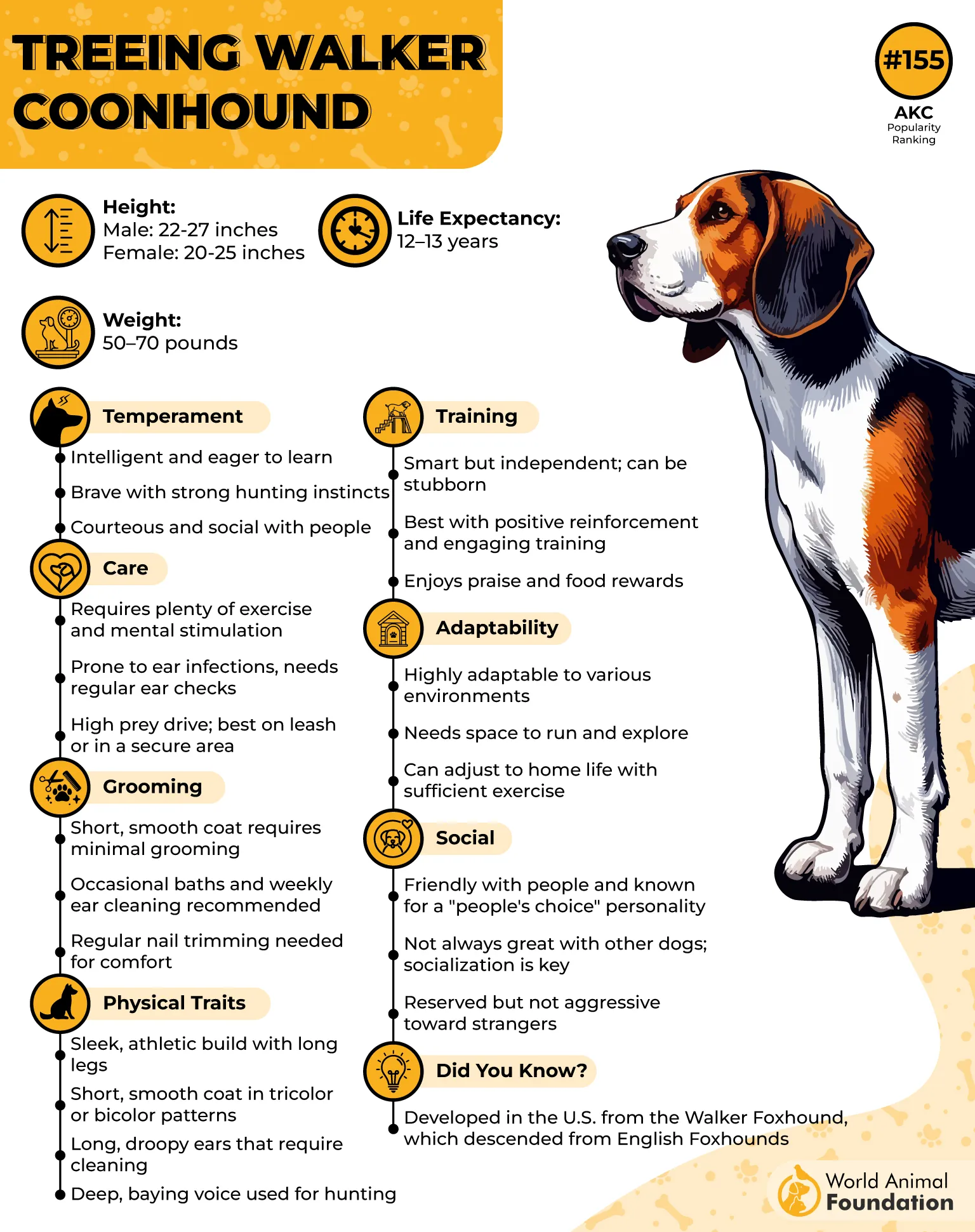
Structured night-hunting outings build the strongest bond with this breed. Let it vocalize on the trail — that bugle-like call is how it communicates progress. Listening closely builds trust both ways.
Often nicknamed the people’s choice among coonhounds, it’s a favorite in hunting competitions nationwide. Loud, driven, and endlessly energetic, it’s not built for apartment life.
Conclusion
What ties these dogs together isn’t the shape of the nose — it’s the partnership behind it. Good trackers are made, not just born, and a strong instinct only turns into real tracking work once a dog trusts the person holding the leash.
If any of these hounds or coonhounds stood out to you, the next step is simple: find a local Scent Work class and watch a trained dog work a live trail. Talking to real dog owners who already work with tracking breeds will tell you more than any article ever could.
