




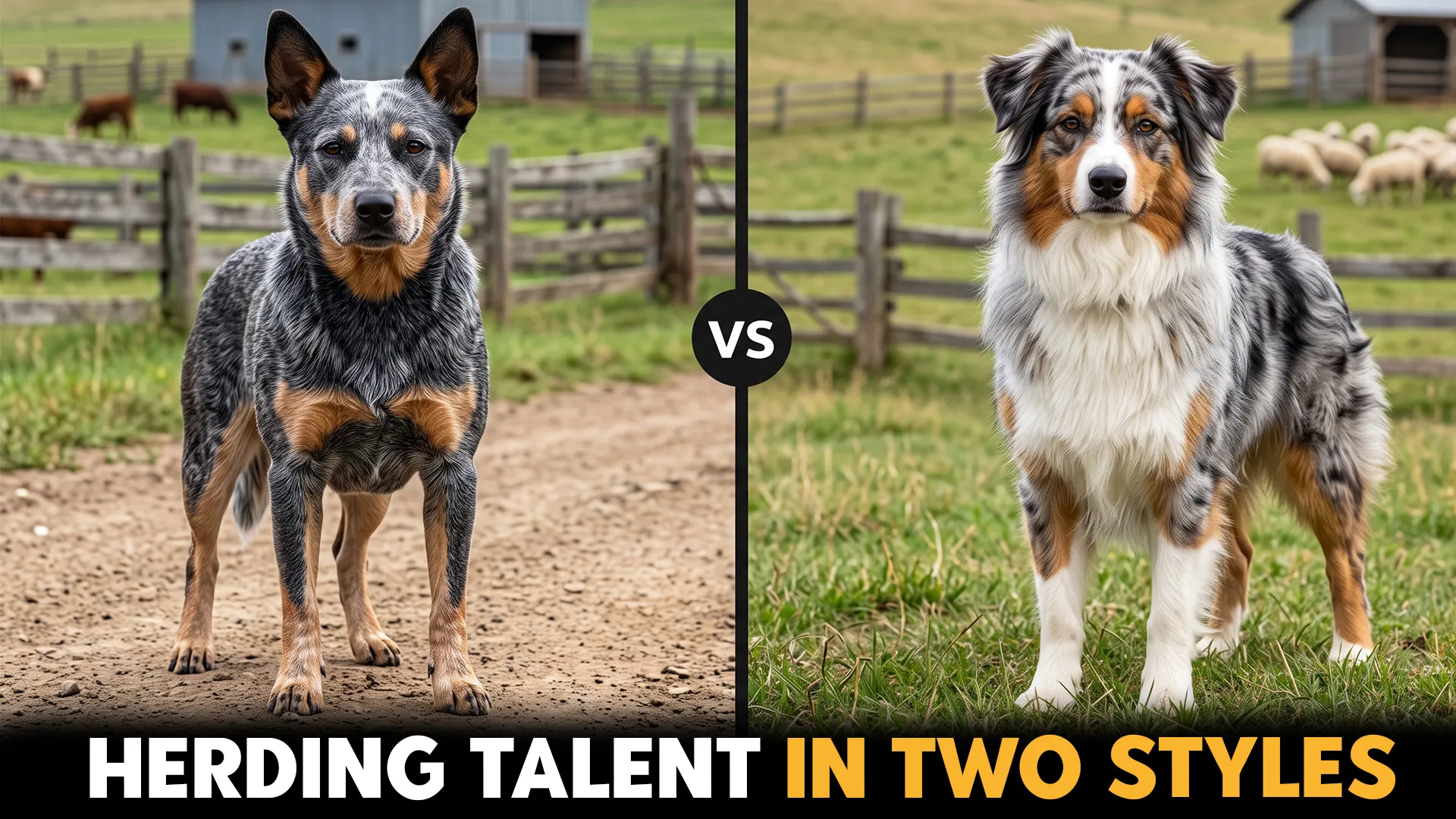
The Blue Heeler and the Australian Shepherd are two of the more active herding breeds, and both are smart with great working potential. They learn commands quickly and form strong bonds with their families.
Both breeds need more than outdoor adventures to thrive, though.
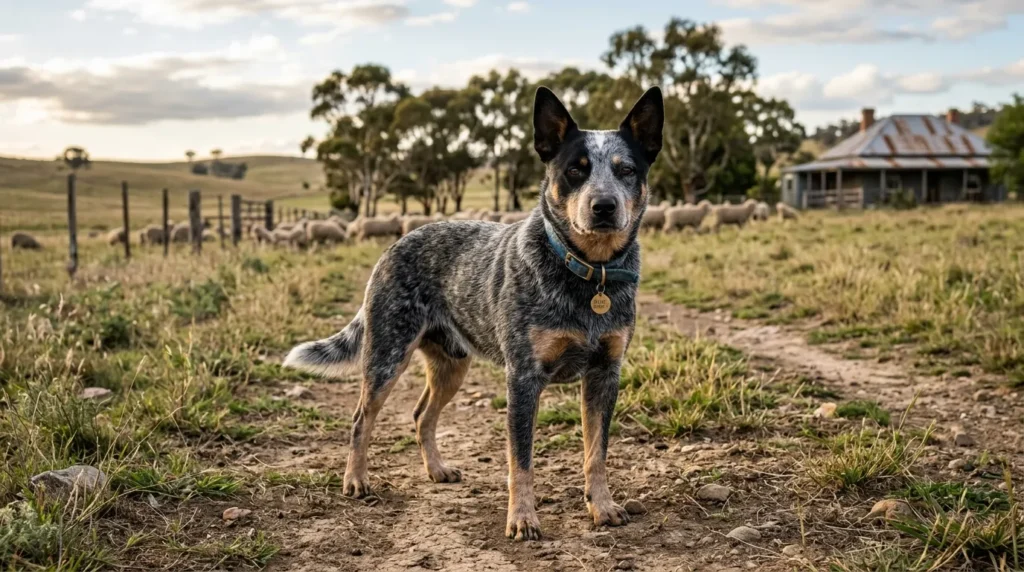
The Blue Heeler is a compact, sturdy, tough dog with a bold, determined style when moving cattle. Australian Shepherds are generally a bit larger, with a flowing coat and an agile working style. The two also differ in personality, grooming, and exercise needs.
Let’s take a look at these two hardworking dogs to see what sets them apart and which one might suit you better.
Blue Heeler vs. Australian Shepherd: Dog Breeds Unpacked
Blue Heelers and Australian Shepherds are intelligent, energetic herding dogs, but they differ in personality, appearance, and daily care needs. Understanding their temperament, exercise requirements, and training styles can help you choose the right companion for your lifestyle.
Origins and Purpose
The Australian Cattle Dog is also known as the Blue Heeler. It was bred in Australia to assist cattlemen in transporting cattle over very large tracts of land and on difficult terrain. Early breeders wanted to develop a dog which would be hardy, vigilant and have great stamina.
The Australian Shepherd was actually bred in the USA for herding sheep and performing various jobs at ranches. It is descended from European herding dogs and became tightly tied to American ranching culture.
Both breeds have been bred to serve farmers; different strengths resulted from their different historical uses. The Blue Heeler’s agility and determination enabled it to deal with cattle, while the Australian Shepherd’s responsiveness was useful in gathering and moving livestock through open fields.
Size and Build
Blue Heelers are muscular dogs. Adults are approximately 17-20 inches tall and weigh 35-50 pounds. They have sturdy, powerful legs, which enable them to turn quickly and to move for long periods of time. Their blue-speckled coat gives them a unique appearance.
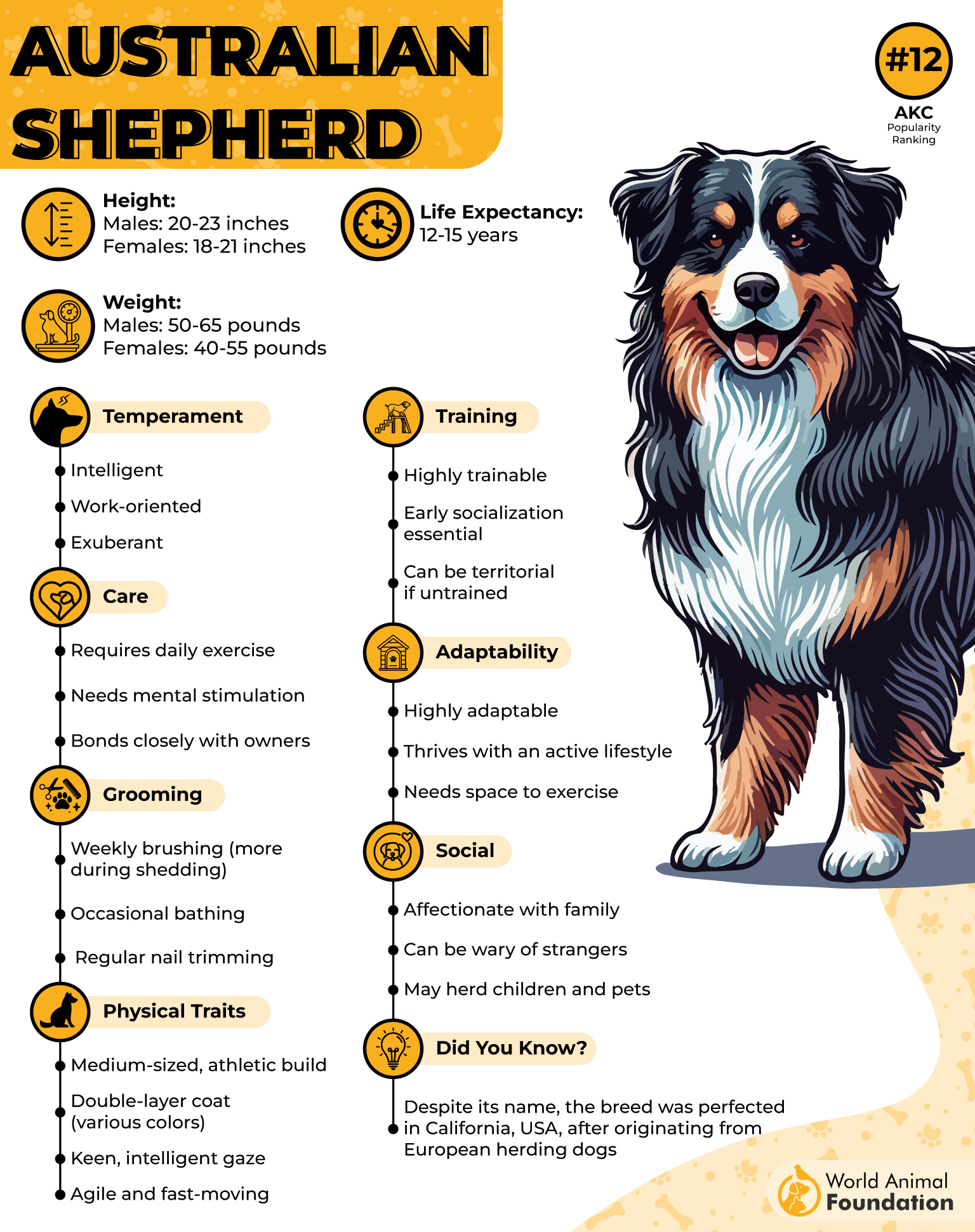
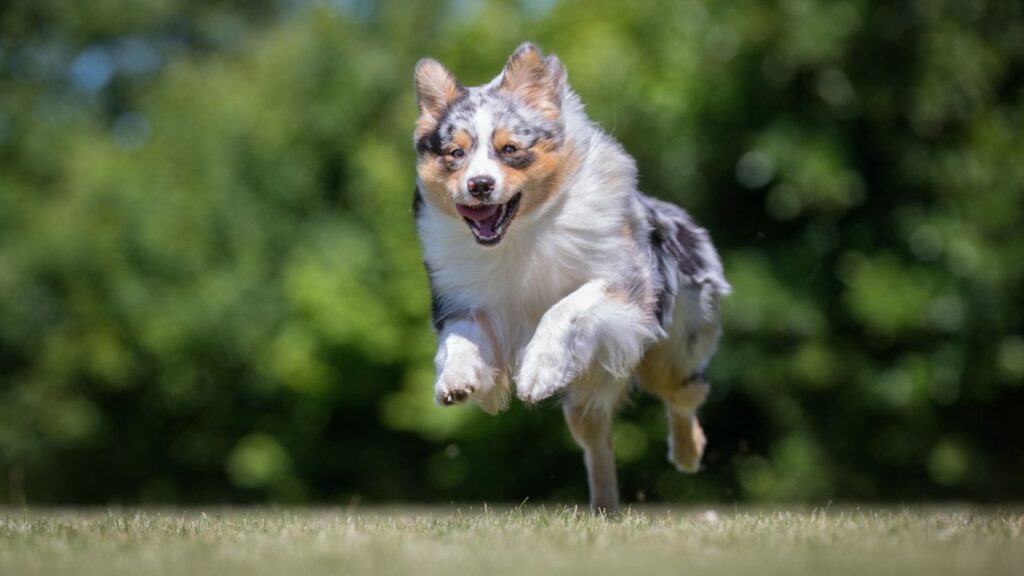
Australian Shepherds tend to be larger and a bit longer than Heelers. They usually grow to be 18-23 inches long, and many weigh about 40-65 pounds. Their sturdy bodies allow them to do various jobs on the farm easily.
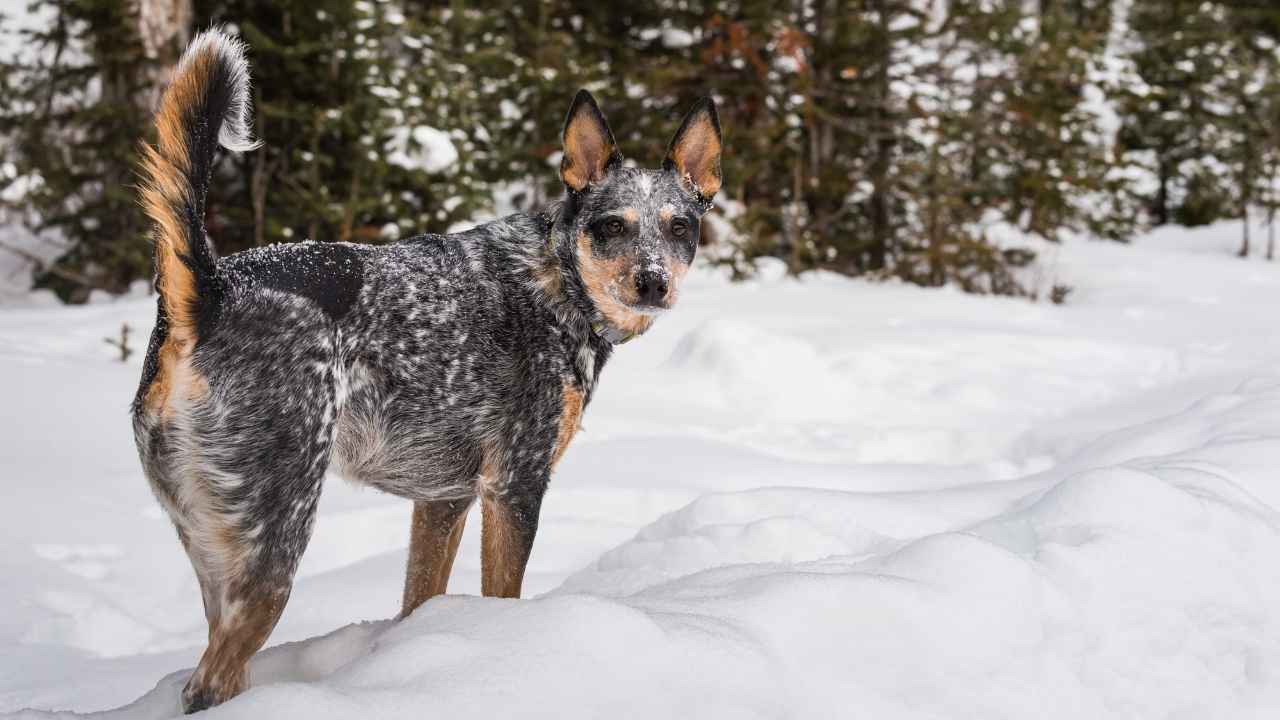
The Blue Merle Heeler might seem to be the more compact and solidly built athlete, and the Australian Shepherd seems to be a bit more agile.
Price and Availability
The price of either breed is influenced by location, reputation, pedigree, health testing, and the line from which the dog comes. The Blue Heeler is easily available in Australia and ranges from 500 to 1,500 USD.
Australian Shepherds, on the other hand, are more expensive due to their bigger size. They usually range from about 800- 2,500 USD and are more easily available in Europe and North America.
It is recommended to find responsible breeders so you can get the healthiest breed. Don’t opt for cheaper alternatives, as those dogs might have serious health issues in the future.
Temperament and Personality Style
Blue Heelers can be very devoted to their families. They are alert and watchful, and reserved around strangers. They have been used to doing things on their own and have an independent streak about them.
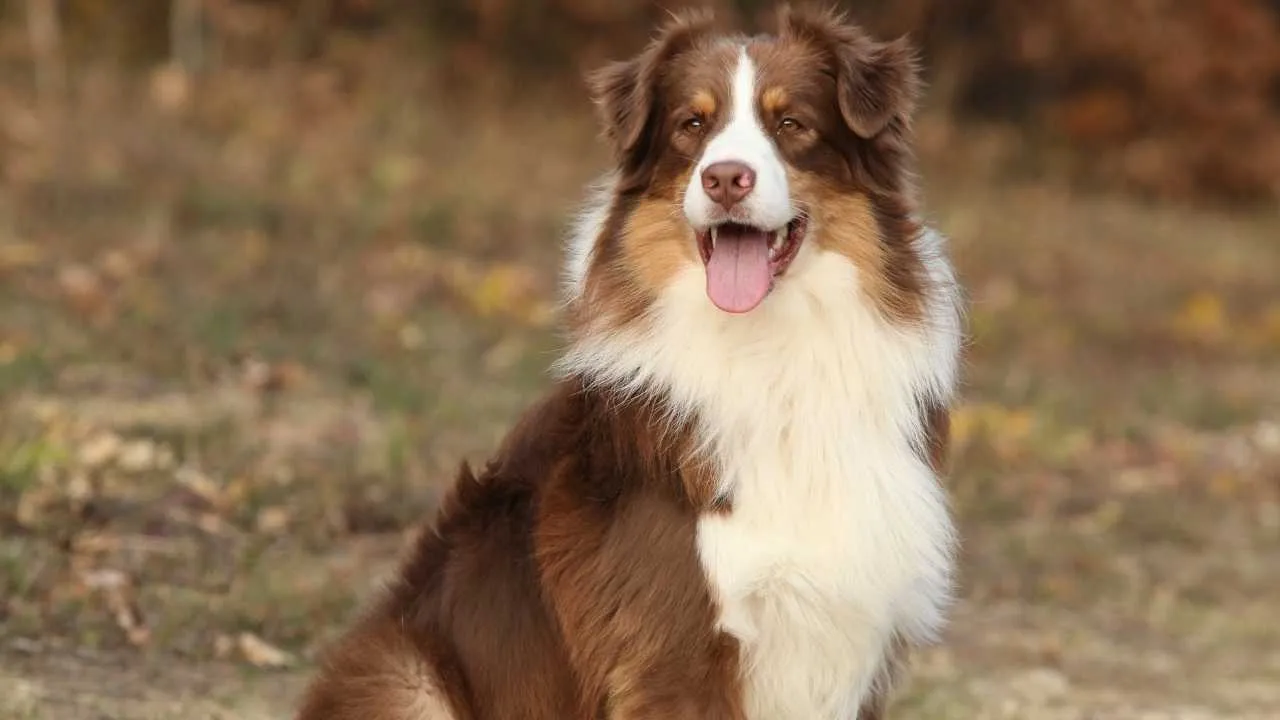
Australian Shepherds are loyal and active, and many of them are more playful than the Heelers. They love to join any family activity that is going on. They also love to follow their owners from room to room.
Both breeds do need supervision when playing with children and also require careful introduction to other pets.
Exercise Needs and Energy Levels
Both breeds need a job daily to be content. The Blue Heelers require exercise and mental stimulation. Those needs can be met through hiking, structured fetch, obedience practice, scent games, and agility. These dogs frequently take pleasure in tasks that demand focus.
Australian Shepherds are also full of energy. They enjoy extended walks, outdoor activities, agility, herding, or games that teach new skills. They can also be a part of family activities if they are given the proper training and downtime.
If not stimulated enough, both breeds can bark excessively and act very destructively. Due to their size, they can get very hard to manage if they engage in such behaviour.
Trainability and Obedience
Blue Heelers are intelligent and love to solve problems. They are fast learners but may wander about repeating tasks if they are not given appropriate jobs. Owners should make a routine that is full of demanding tasks for these dogs.
Australian Shepherds can be very responsive to training that involves clear direction and rewards. Their ability to observe people closely can make them quick learners.
Maintain consistency and engagement in lessons. Reward positive behaviour, practice recall in safe environments, and gradually add treats to all routines. Early socialization and lifetime training are important for both breeds.
Smart dogs can also develop habits that are difficult to correct, such as excessive barking. The key to good training is leading them to make decisions, rather than just giving them a list of instructions to follow.
Grooming Needs and Shedding
Blue Heelers have a short, water-resistant, thick coat according to Orvis. Loose hair should be taken care of by brushing once a week and maintaining the coat well. They shed year-round and may lose a lot of their fur during seasonal coat changes, though. These healthy canines have blue mottled coats and can be wonderful pets.
Australian Shepherds have a medium-length, double coat with feathering around the legs and tail. They shed more often and require more brushing than other breeds to keep their coats from tangling.
If shedding is heavy, brush a few times a week or more if necessary to keep the additional hair in check.
Although both these breeds shed, the short coat of the Blue Heelers might be easier for dog owners to groom. The Australian Shepherds’ coat can be difficult to groom due to its length and waviness.
Herding and Work Drive
The Blue Heeler was developed to work with cattle and may be able to handle cattle that are not easily moved. That is reflected in its strong, determined approach to working. Heel nipping is a characteristic behavior of Blue Heelers when working with livestock, as stated by the AKC.
The Australian Shepherd was bred mainly for sheep and livestock herding. They are able to herd animals, have great agility, and are quick to respond to their handlers. They are capable of performing a variety of jobs on farms, which is the reason they’re so desired.
Health and Lifespan
The life expectancy of Blue Heelers is about 12-16 years. Possible health issues include progressive retinal atrophy and hip dysplasia. Good breeders should talk about any pertinent health testing.
Australian Shepherds also have a similar lifespan of about 12-15 years according to the American Kennel Club. Common health issues are hip dysplasia and some eye problems.
Both breeds require regular vet care, a well-balanced diet, and proper weight management.
Blue Heeler vs. Australian Shepherd: Which working dog is the better choice?
The Blue Heeler might be right for the more advanced dog owner who can use a compact, determined working dog. The Australian Shepherd might be a good fit for those who enjoy an active lifestyle with a dog and are willing to dedicate time to grooming its longer, heavier-shedding coat.
If you live in a confined space, neither of the two is suitable for you because both of them require enough space for dog sports. Read your breed standards before getting any of these extremely intelligent individual dogs.
Conclusion
It is important to understand the difference between these two dogs. One provides a compact, persistent presence while the other offers a more active presence and has a coat that requires more maintenance.
These high-energy dogs have good guarding instincts and can be used as ranch dogs. Their strong herding skills can be visible in family life as well. However, purebred pups can be among the best family dogs to keep.
Don’t be misled by looks. Consider how much time you can dedicate, what training you like to do, and what behaviours you feel you are able to handle. The dog whose routine matches yours will be the best pet for you.
