




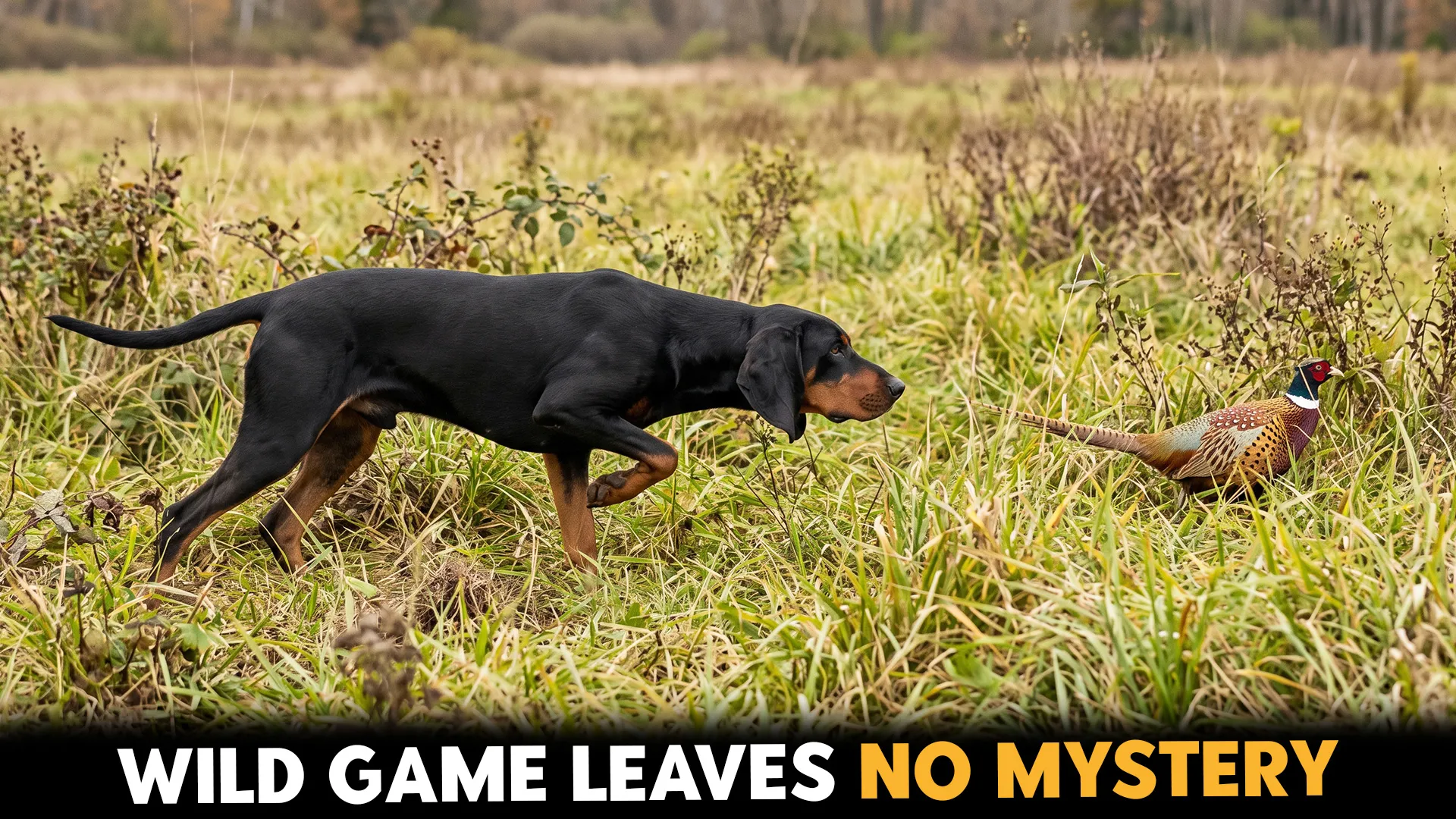
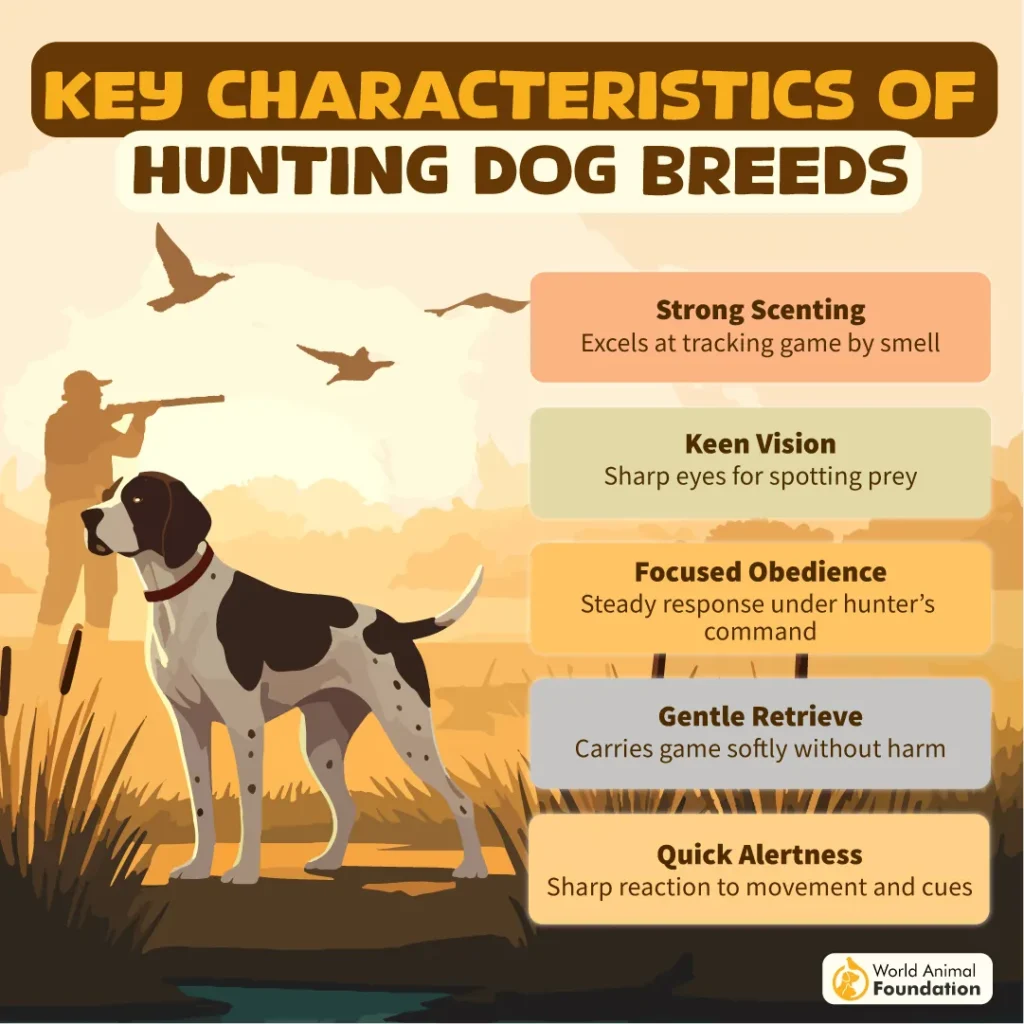
Some dogs have a natural talent for following scents, spotting birds, and tracking wild game. For centuries, hunters have relied on these skilled companions for their sharp noses, speed, stamina, and strong hunting instincts.
But what makes a great hunting dog? Some excel at following scent trails, while others are skilled at locating and retrieving birds. Many also make loyal family pets, provided they get enough exercise, training, and mental stimulation.
Whether you’re an experienced hunter or simply love adventurous dogs, the right breed can make all the difference. Let’s explore the best dog breeds for tracking wild game and birds and what makes each one special.
Best Dog Breeds for Tracking Wild Game and Birds
1. German Shorthaired Pointer
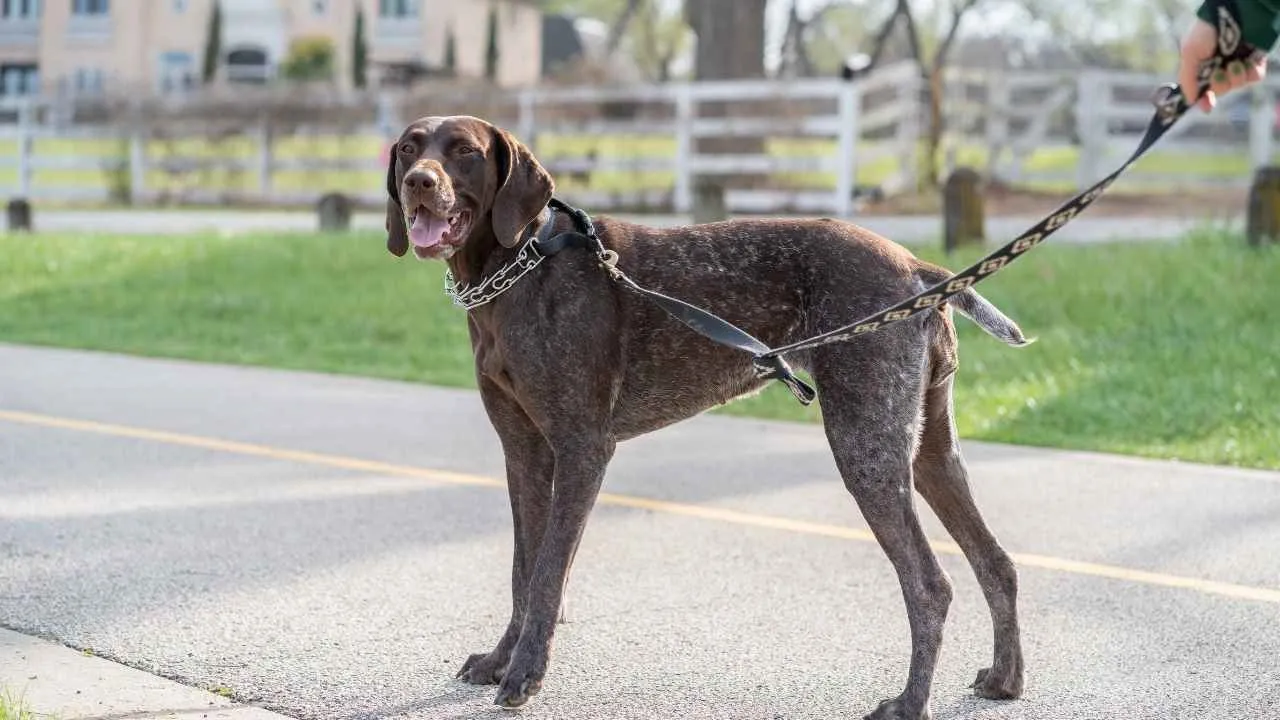
German Shorthaired Pointers are a versatile bird dog breed known for their sharp noses and strong hunting instincts. According to PetMD, they locate game birds and signal their position by standing still with their noses pointed toward the scent.
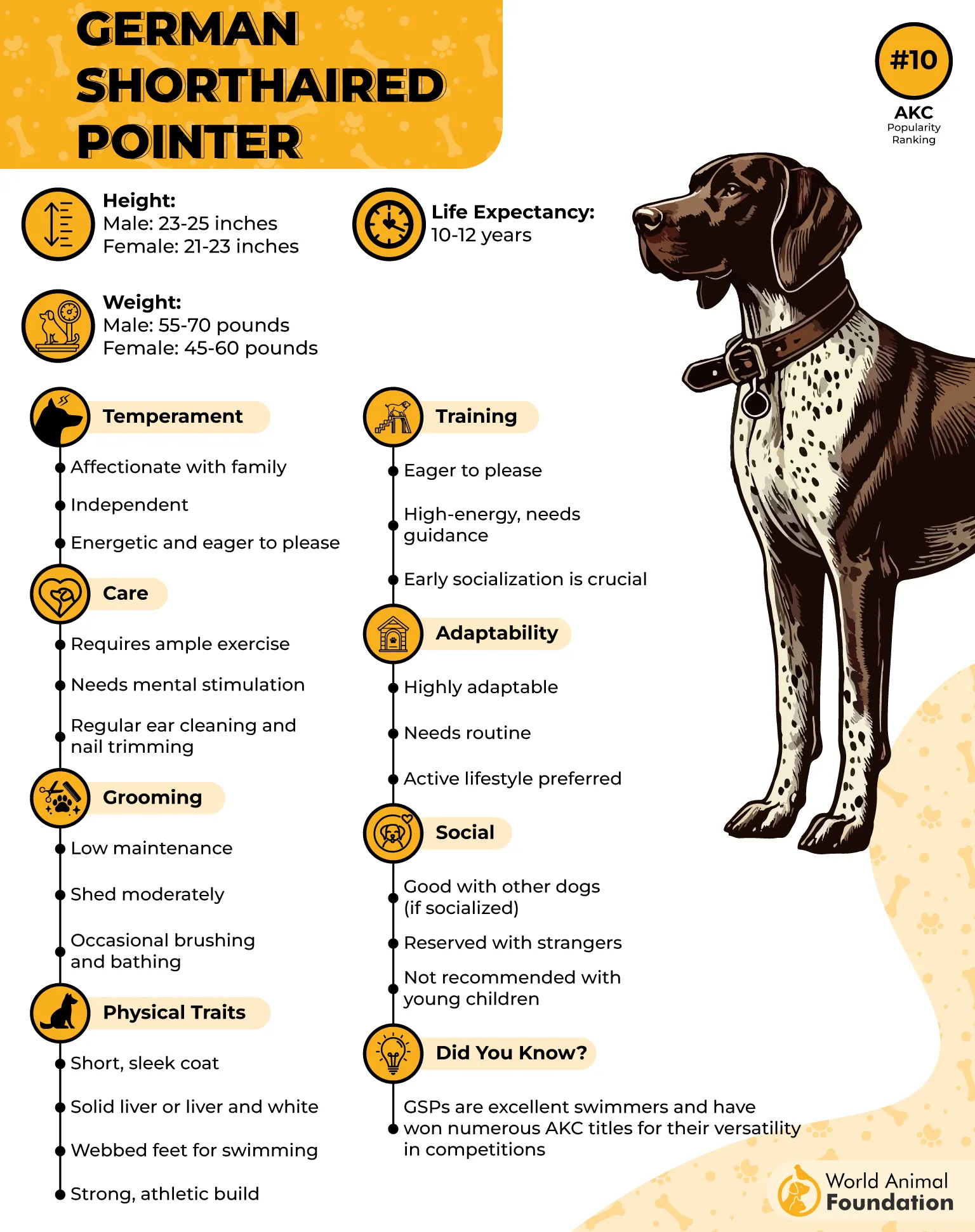
Hunters can then direct them to flush out the birds. Their speed, agility, and endurance help them work long days in the field or near the water.
These dogs have short, easy-to-groom coats that are often liver and white, with distinctive patches or ticking. Beyond hunting, they are loyal, affectionate, and friendly dogs that enjoy spending time with their families.
Exercise and Training Needs
Daily activity: German Shorthaired Pointers need plenty of vigorous exercise, outdoor adventures, and interactive play to stay happy.
Mental stimulation: These intelligent dogs benefit from frequent training, puzzle toys, and activities that keep their minds busy.
Family life: They bond closely with their owners and may struggle when left alone. Their hunting instincts can also make them unreliable around cats and smaller pets.
2. German Wirehaired Pointer
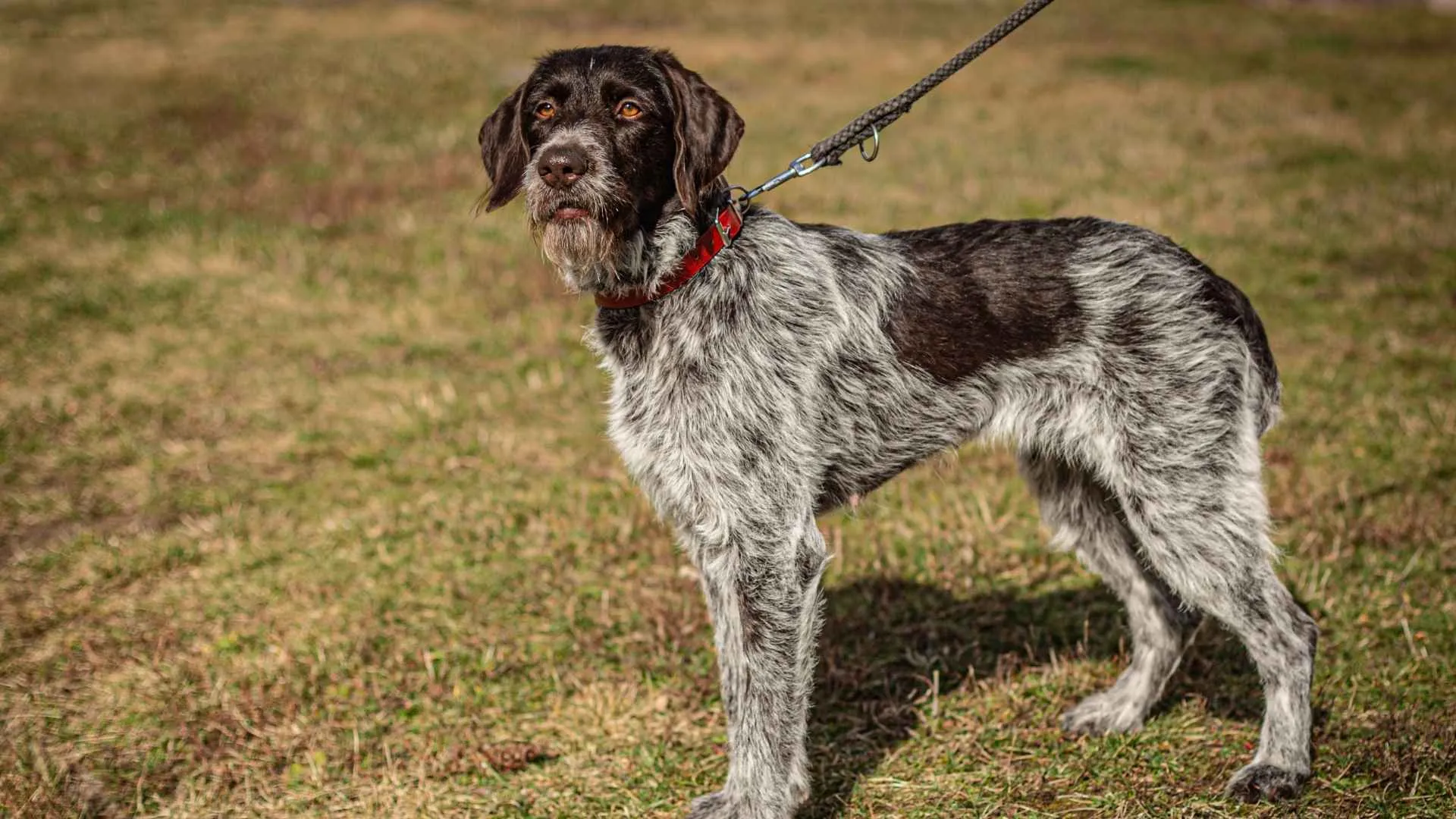
German Wirehaired Pointers are rugged, all-weather hunting dogs with keen noses and strong tracking instincts. Their harsh, wiry coats protect them from rough underbrush and bad weather, making them well suited to long days in the great outdoors.
These sturdy, agile dogs are hardworking and can keep going through demanding hunting activities. They are especially suited to active owners who enjoy exploring fields and tracking game.
Despite their rugged appearance, these dogs are affectionate, loyal, and amusing family companions. They are intelligent and eager to learn, but their independent nature can challenge first-time owners.
They generally get along with other dogs and cats when raised with them, though their hunting instincts may make them chase smaller animals.
Exercise and Training Needs
Daily activity: German Wirehaired Pointers need plenty of outdoor exercise and are not suited to a couch-based lifestyle.
Mental stimulation: Tracking activities, regular training, and having a job to do help keep their sharp minds occupied.
Family time: They form close bonds with their owners and need regular attention. They can be good family dogs when children respect their boundaries.
3. Weimaraner
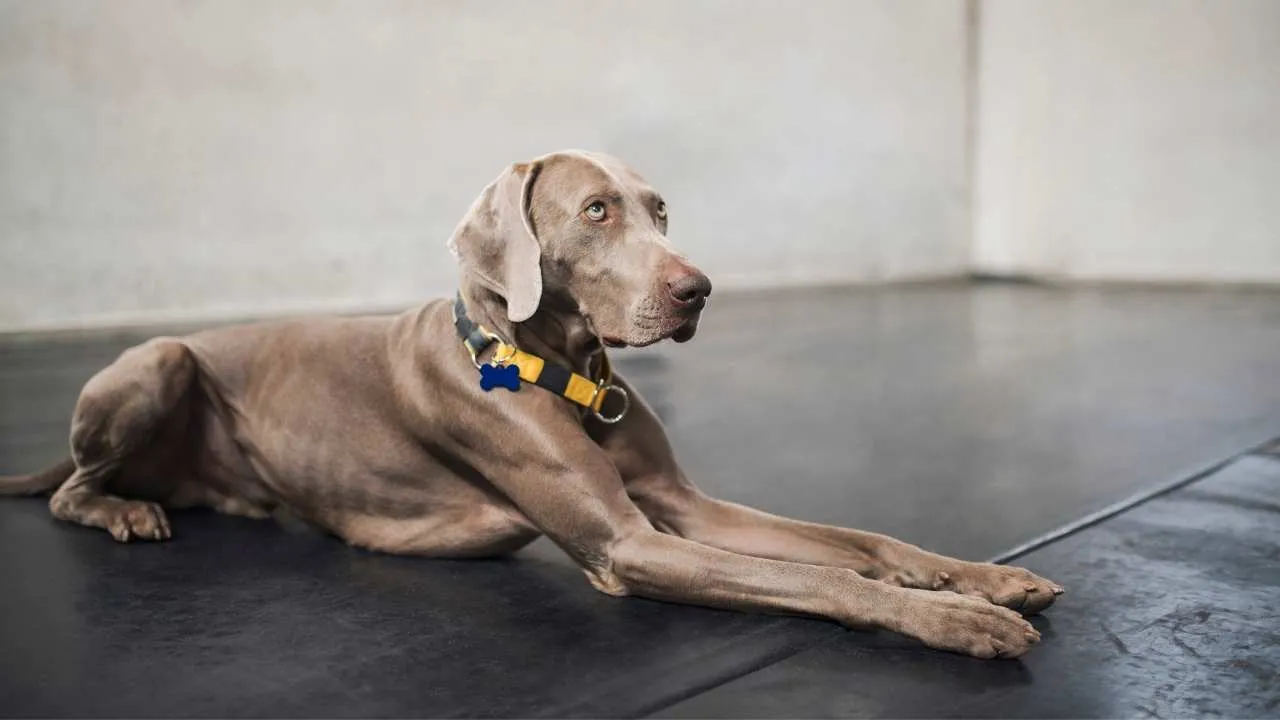
Known as the “Gray Ghost,” Weimaraners are sleek, athletic hunting dogs with excellent tracking abilities. Developed in 19th-century Germany, they were bred for their speed, courage, and endurance.
Their keen noses and graceful movement make them skilled hunting companions, while their energy helps them keep up with demanding outdoor activities. Their short, smooth coats are usually silver-gray or blue-gray, giving them a distinctive appearance.
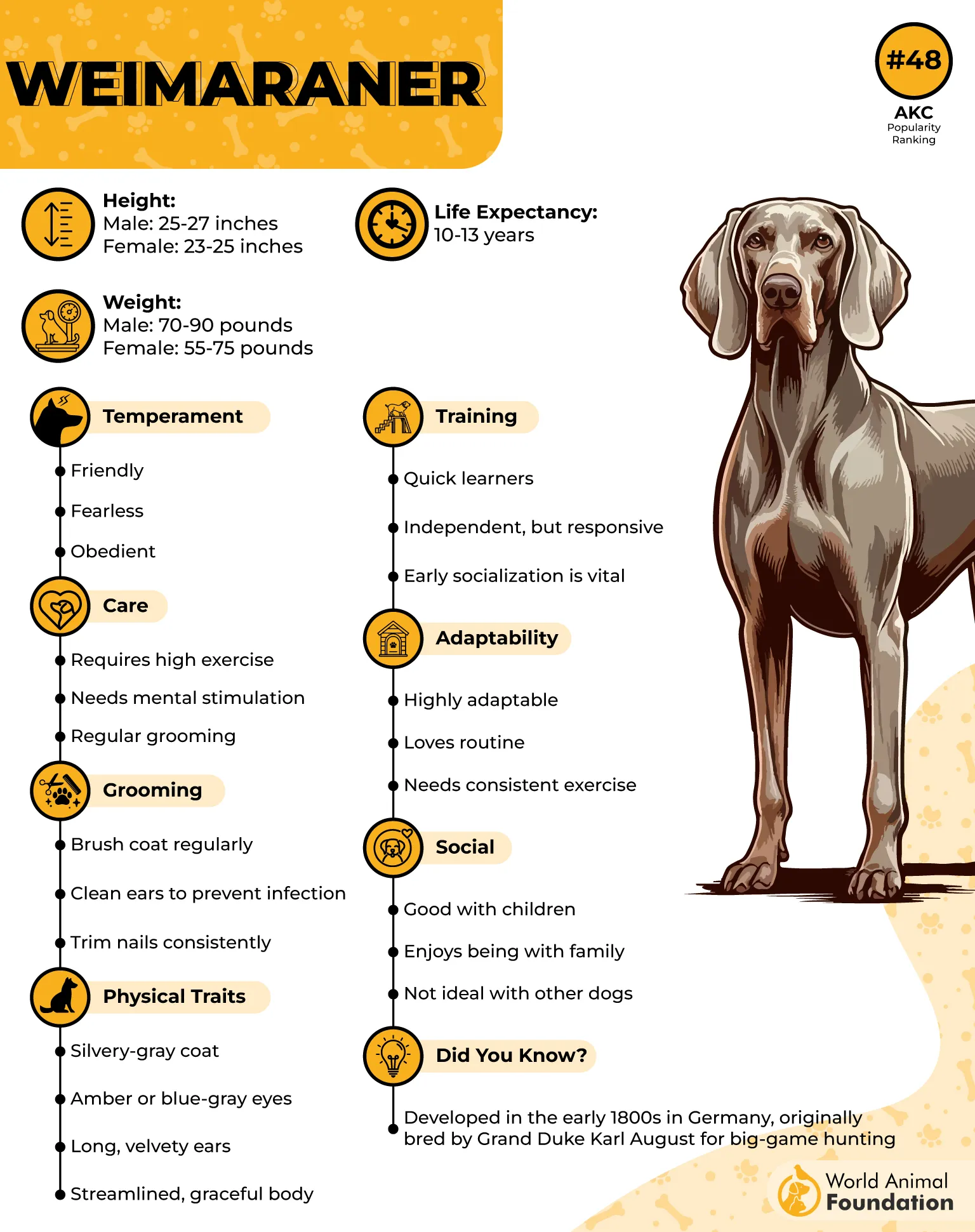
Beyond the field, Weimaraners are friendly, obedient, and affectionate dogs that love being part of family life. They are highly trainable and generally do well with children. However, their strong hunting instincts may make them chase cats, birds, and smaller animals.
Exercise and Training Needs
Daily activity: Weimaraners need plenty of exercise and opportunities to run and explore.
Training and socialization: Early socialization and consistent training help them become well-adjusted companions.
Family life: These dogs thrive on human company and may struggle without enough attention.
4. American Foxhound
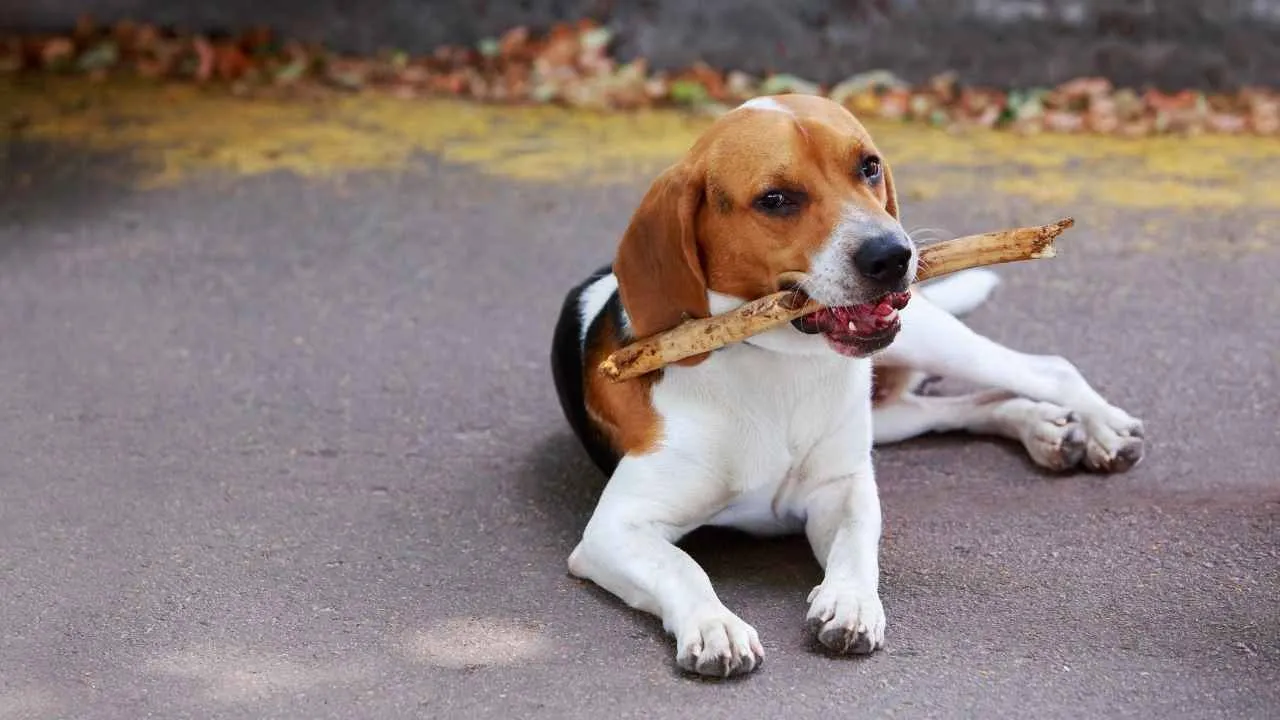
American Foxhounds are fast, determined scent hounds bred to track foxes during hunts. Developed in colonial America, they are closely associated with George Washington and the history of Virginia.
Their keen noses, speed, and impressive endurance help them follow scent trails over long distances. Despite their strong hunting instincts, American Foxhounds are friendly, mild-mannered dogs that can get along well with children and most pets, as Purina mentions.
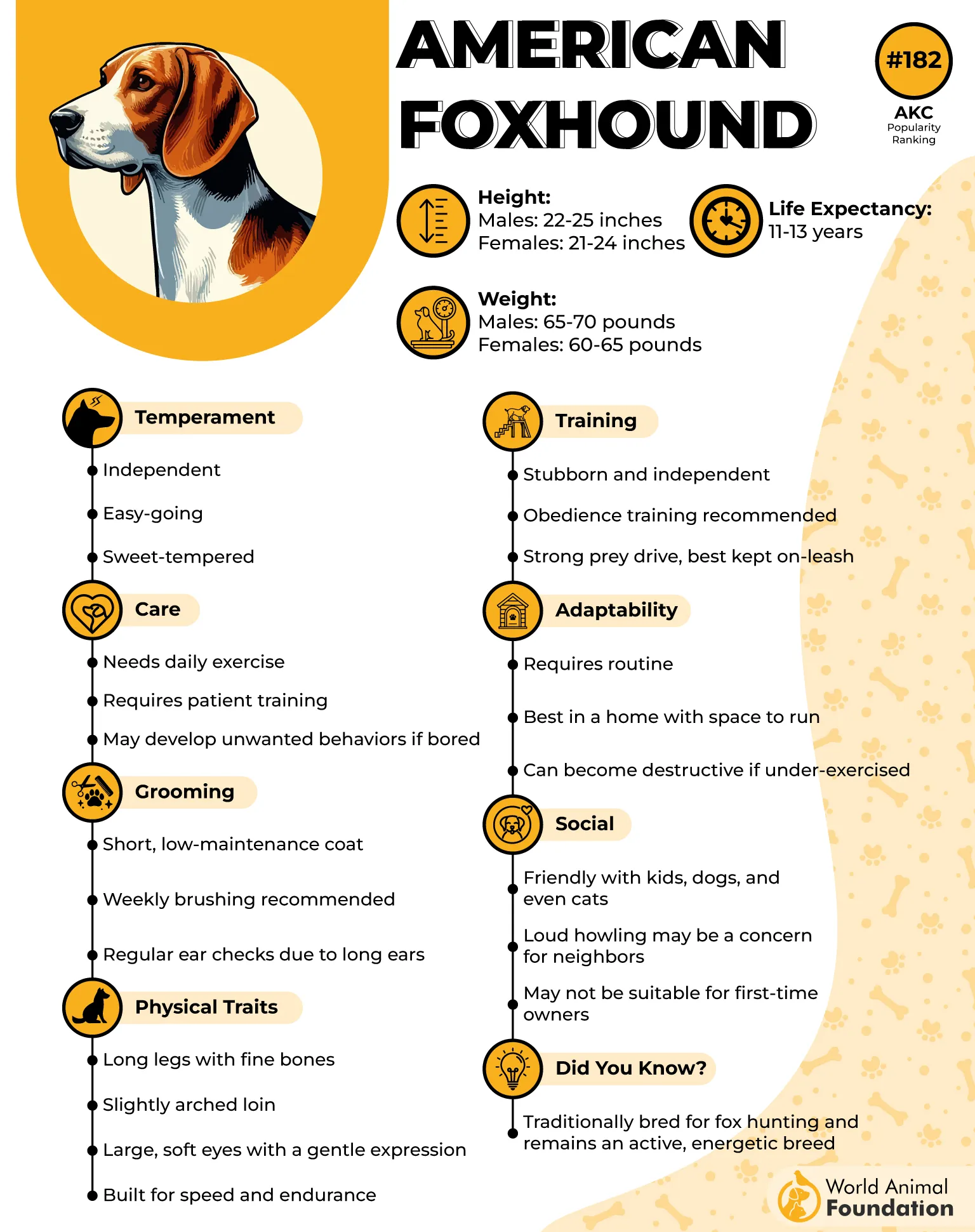
Their loud baying can bother nearby neighbors, and their independent nature can make training challenging for first-time owners.
Exercise and Training Needs
Daily activity: American Foxhounds need one to two hours of exercise each day to prevent boredom and destructive behavior.
Tracking and play: Scent games, training activities, and outdoor adventures help keep their bodies and minds busy.
Training and safety: Consistent training is essential. Keep them on a leash or within a secure, fenced area to prevent them from following scents too far.
5. Black and Tan Coonhound
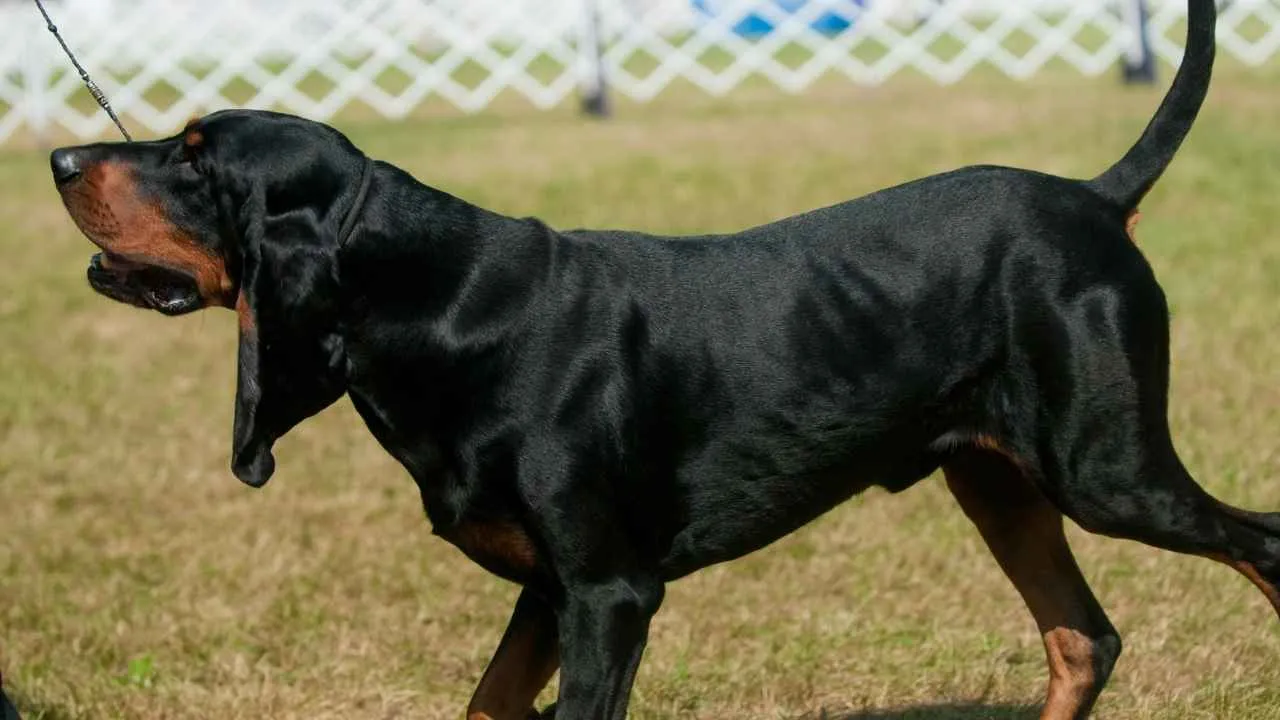
Black and Tan Coonhounds are powerful scent hounds bred to track raccoons, bears, and other game. Developed in the southeastern United States, they follow trails with their noses close to the ground and can cover long distances.
Their exceptional sense of smell makes them skilled trackers. Their distinctive black coats feature rich tan markings, while their long, velvety ears give them a classic hound appearance.
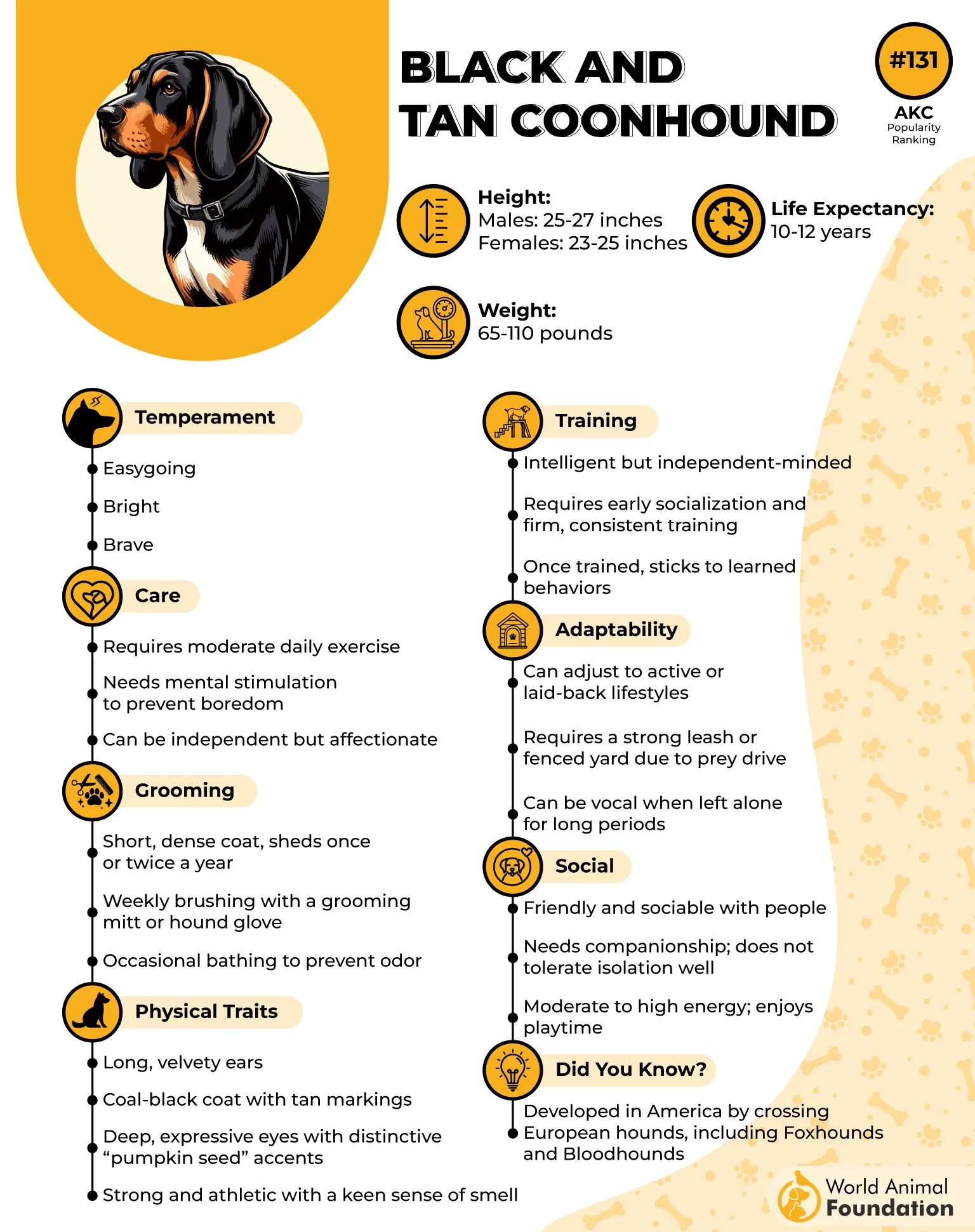
Despite their hunting drive, these dogs are friendly, sociable, and easygoing at home. They enjoy spending time with their families and can be calm indoors after outdoor activities.
However, their strong prey drive can send them chasing a scent without warning. They are also known for loud howling and baying, especially when lonely.
Exercise and Training Needs
Daily activity: Black and Tan Coonhounds need regular exercise and outdoor opportunities to follow scents.
Tracking activities: Scent games and other engaging tasks help keep their active minds occupied.
Training and safety: Use positive training methods, a strong leash, and a secure fence. Their independent nature requires patience and consistency.
6. Plott Hound
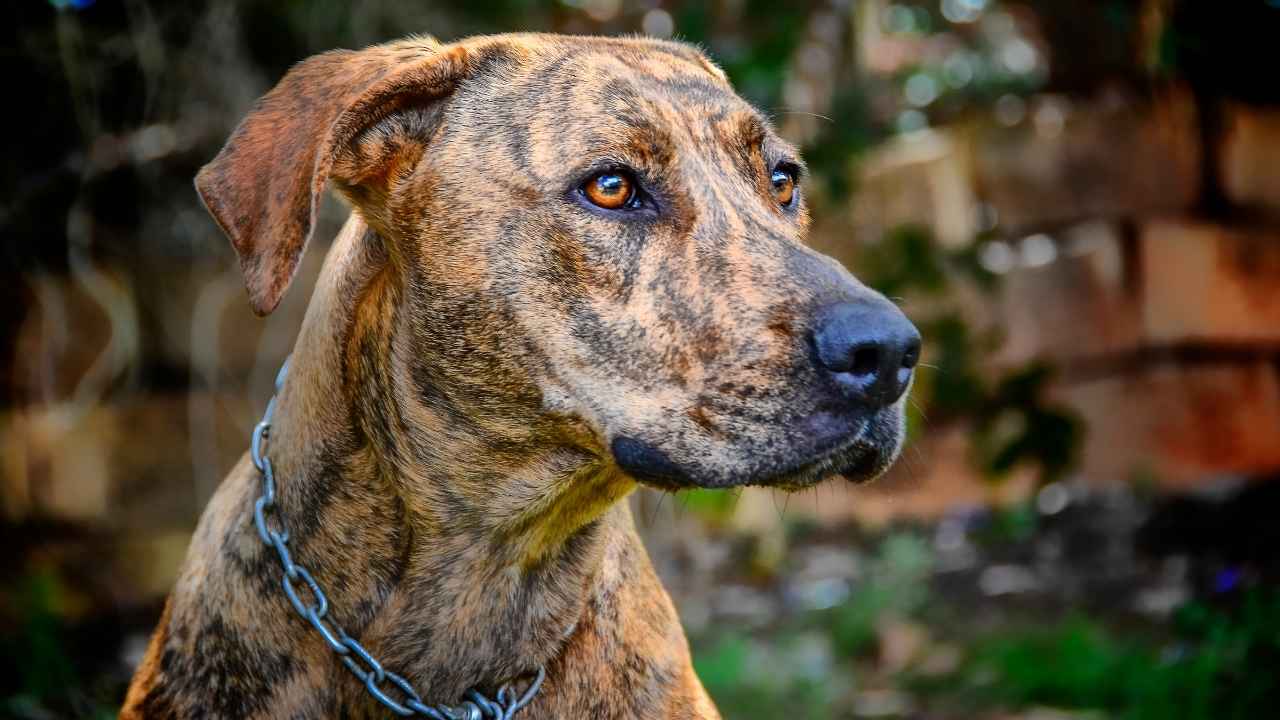
Plott Hounds are rugged, fearless scent hounds bred to hunt wild boar and other game. Originating in the western mountains of North Carolina, they are known for their speed, stamina, and determination on the trail.
These muscular, light-footed dogs have a keen nose and a curious nature that help them tackle demanding tracking tasks. Despite their bold hunting instincts, Plott Hounds are loyal, affectionate companions who can be calm at home after an active day.
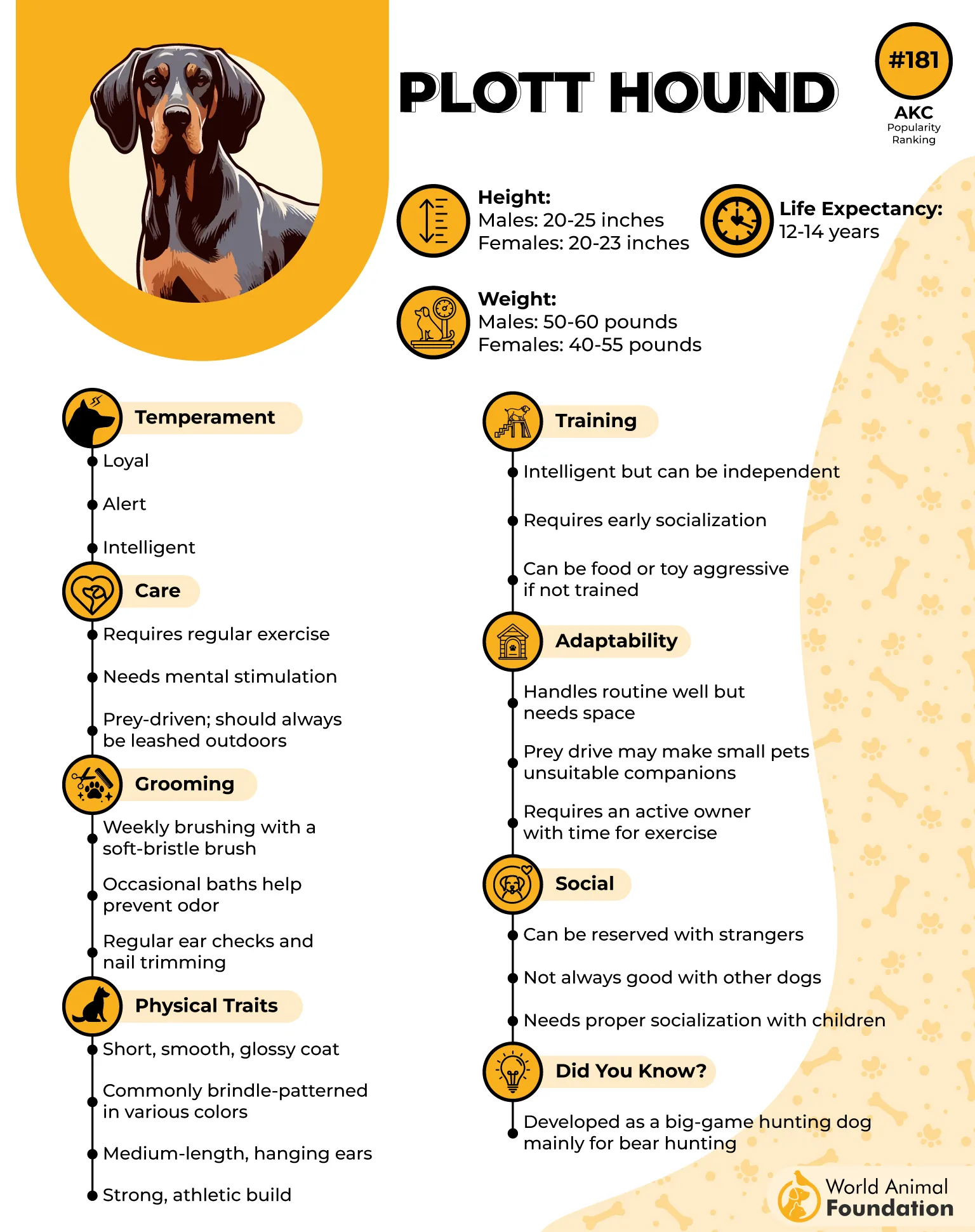
They enjoy spending time with their families and are known for being devoted and good with children. Their deep, bellowing bark can also be loud, especially when they notice something that catches their attention.
Exercise and Training Needs
Daily activity: Plott Hounds need plenty of exercise, including long walks and outdoor adventures.
Mental stimulation: Sniffing sessions, tracking games, and other tasks help keep their clever minds busy.
Training: Their bold, independent hunting nature calls for consistent training and proper guidance indoors and outdoors.
7. Vizsla
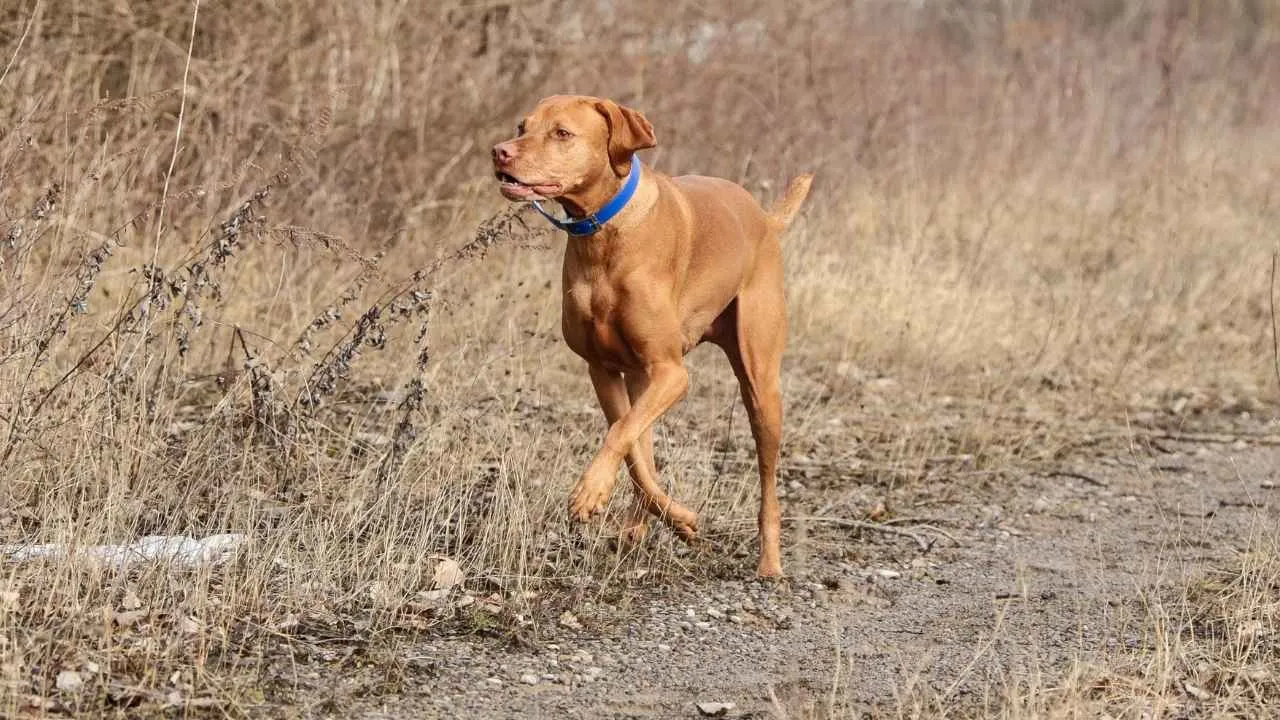
Vizslas are energetic hunting dogs originally bred in Hungary to work closely with hunters. Their keen instincts, speed, and stamina make them skilled gun dogs, while their strong bond with people helps them work well alongside their owners.
Their sleek, golden-rust coats and graceful build reflect their athletic nature. They enjoy long days outdoors and can make excellent jogging companions.
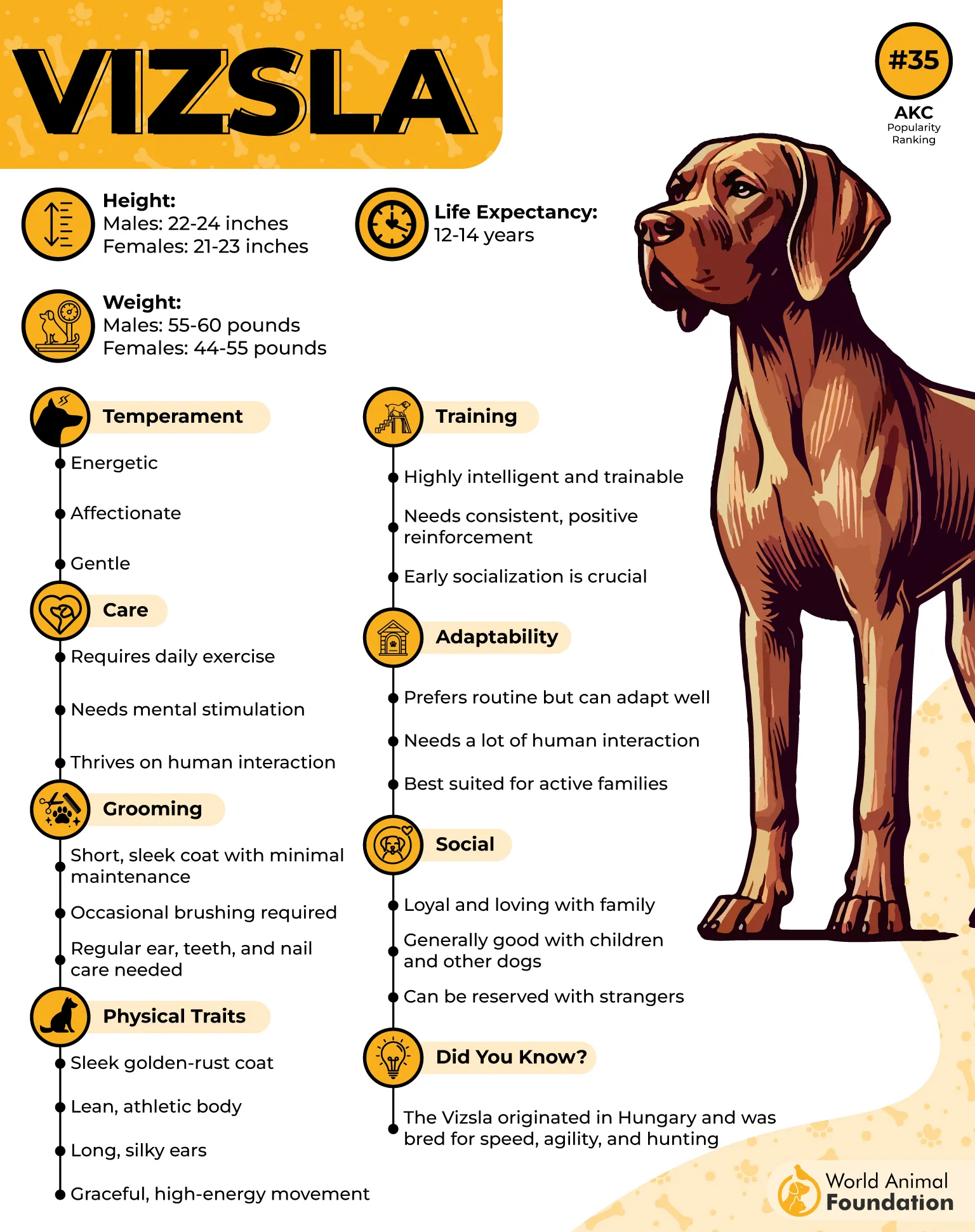
Often called “Velcro dogs,” Vizslas love staying close to their families and may struggle when left alone for long periods, as Omlet notes. They are affectionate, gentle, and generally good with children, strangers, and other dogs.
However, their prey drive may require careful introductions to cats. These sensitive, intelligent dogs learn quickly and respond best to kind, positive training.
Exercise and Training Needs
Daily activity: Vizslas need plenty of exercise, including running, jogging, and outdoor adventures.
Training and recall: Their tendency to follow scents makes reliable recall important. Secure areas allow them to exercise more freely.
Family time: They thrive with active families who can provide affection, attention, and regular mental stimulation. Positive training also helps manage overexcitement around visitors.
Conclusion
The best dogs for tracking wild game and birds bring a mix of sharp noses, stamina, intelligence, and strong hunting instincts. From determined scent hounds to a loyal hunting companion, each breed has different strengths.
Before choosing a hunting dog, consider your lifestyle, available space, and the time you can dedicate to outdoor activities. Research each breed carefully and look for a companion whose energy and temperament are better suited for your home.
The right dog can be more than a skilled hunting partner; it can become a loyal friend who makes every outdoor adventure more memorable.
