




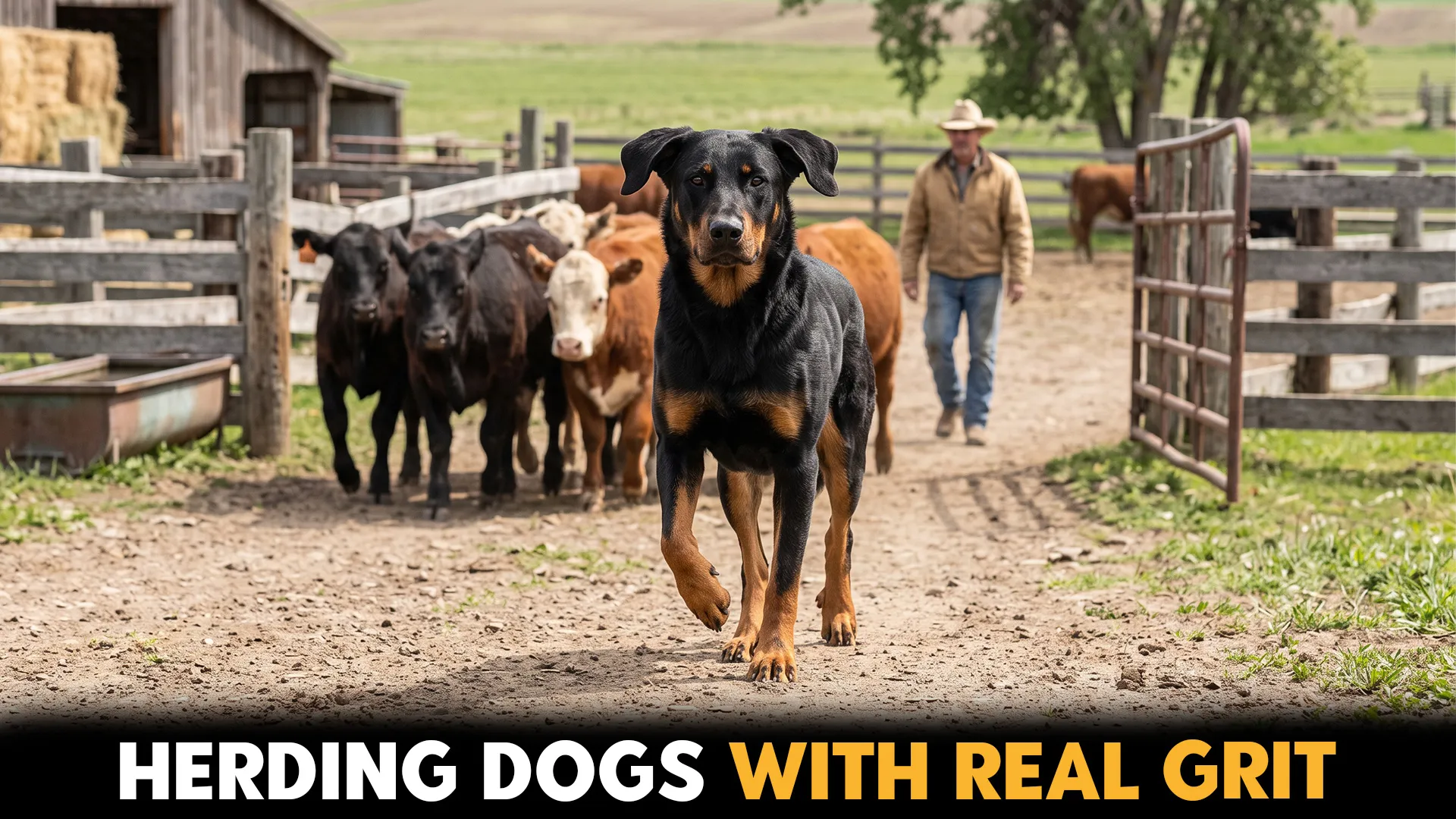
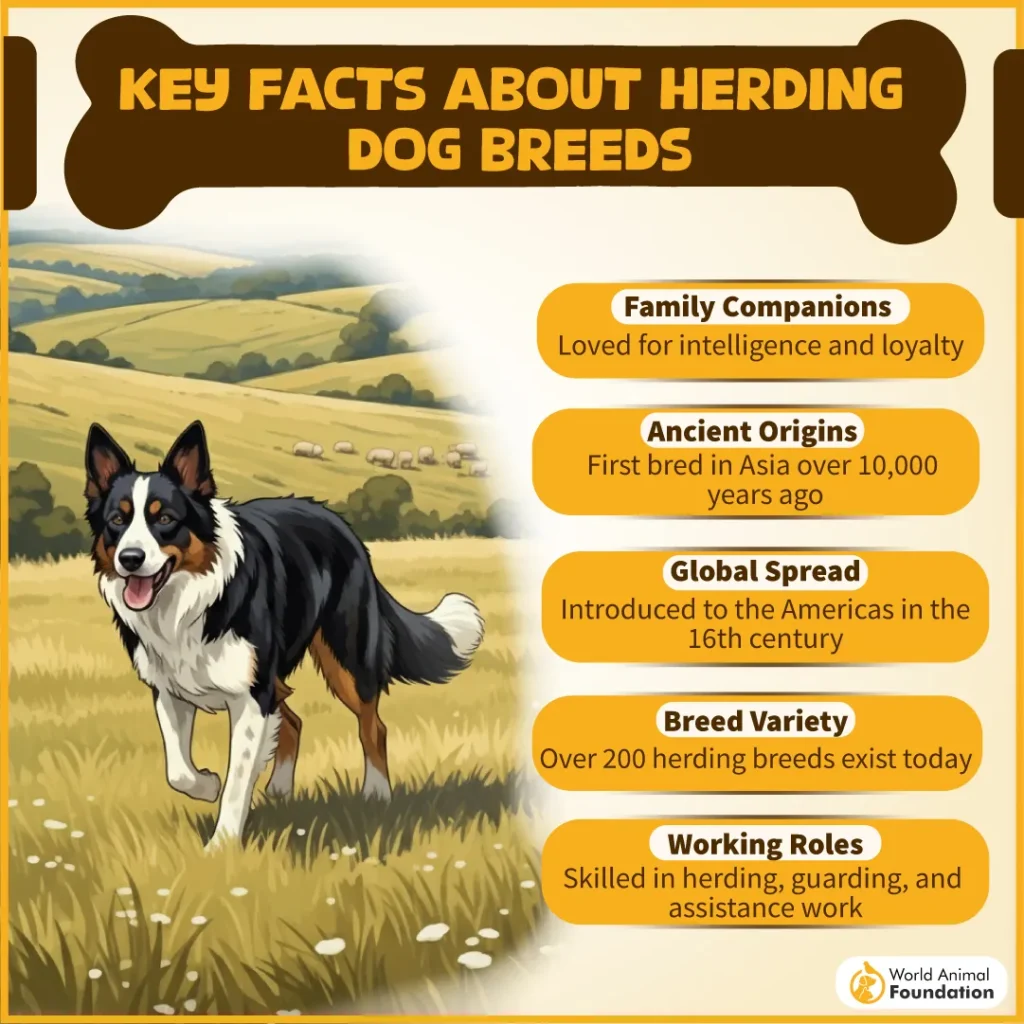
Herding dogs are more than just hardworking farm companions. They’re quick thinkers, tireless workers, and fiercely loyal dogs that have helped people manage livestock for centuries.
From guiding sheep across open fields to keeping cattle moving in the right direction, these dogs have an incredible instinct for getting the job done.
But what makes herding dogs so special goes beyond their work ethic. They’re intelligent, energetic, and eager to stay busy, which makes them fascinating companions for people who enjoy an active lifestyle.
Many form strong bonds with their families, too, although their high energy and need for mental stimulation mean they do best with owners who can keep them engaged.
Ready to meet seven herding dog breeds built for work and loyalty? Let’s explore what makes these hardworking canines so memorable.
Legendary Herding Dogs Built for Work and Loyalty
1. Pyrenean Shepherd
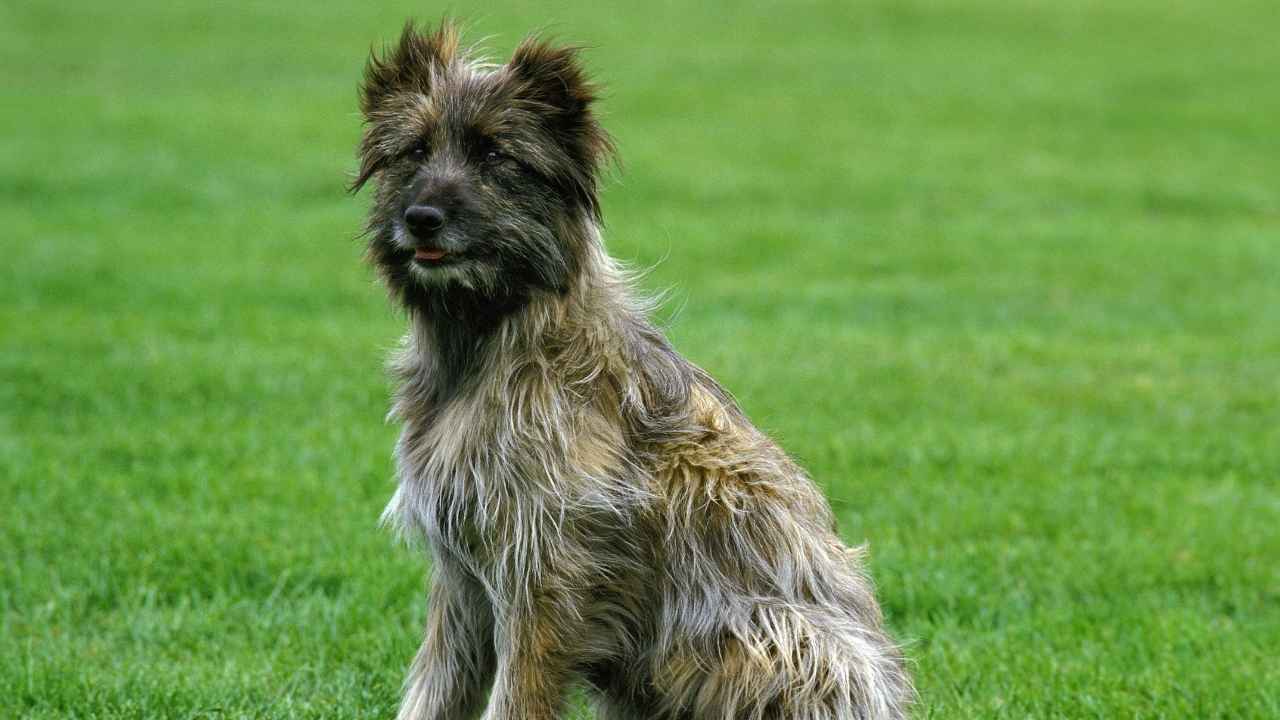
Pyrenean Shepherds are lively, clever herders with a long history in the French Pyrenees Mountains. Originally bred to herd sheep, these lean, tough dogs are always ready for a job.
They are known for their quick movements and endless energy. Their intelligence and cheerful nature also make them devoted companions for active families.
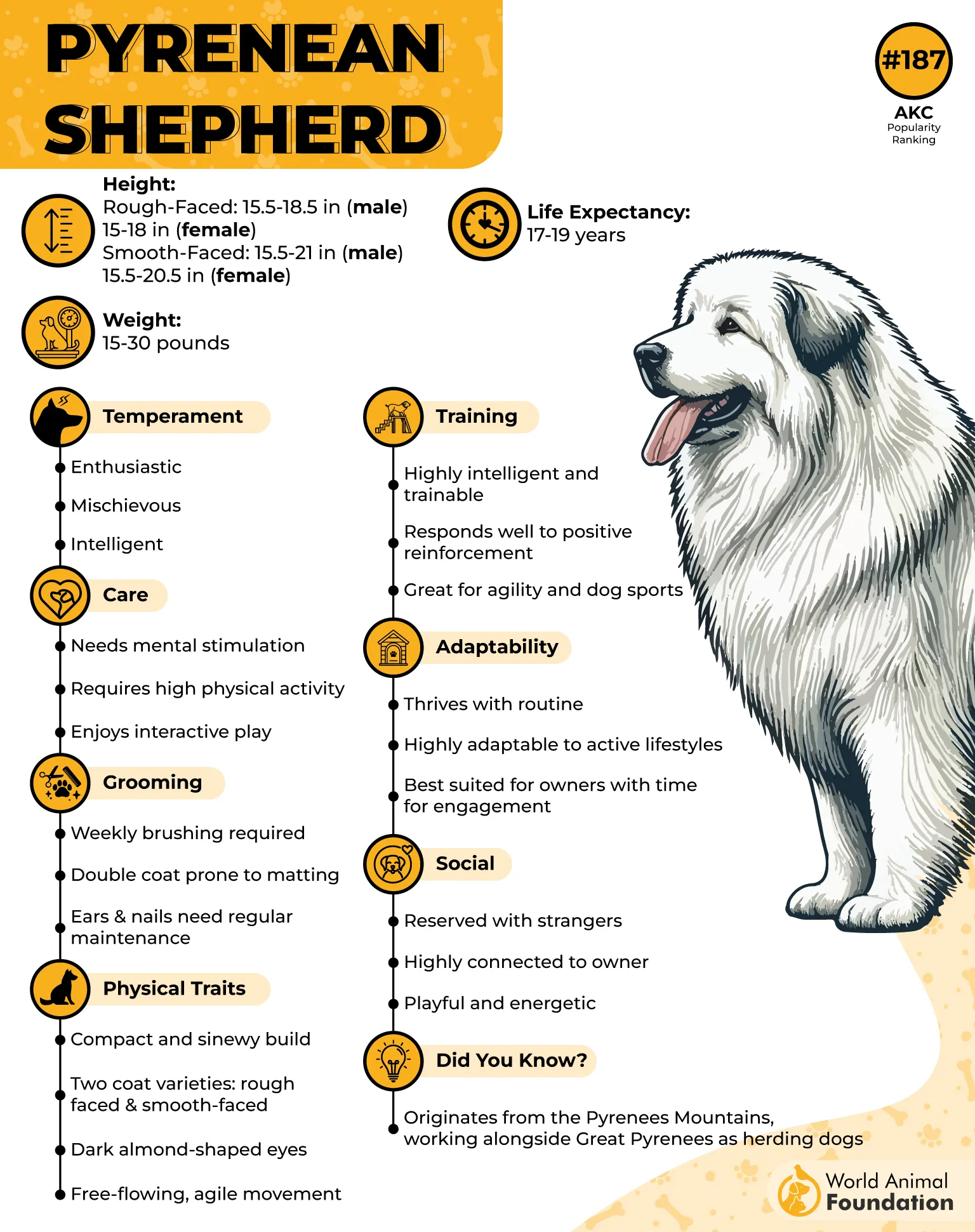
Two Coat Varieties
Pyrenean Shepherds come in two varieties: rough-faced and smooth-faced. Rough-faced dogs have a harsh coat with longer, windswept hair around the muzzle.
Smooth-faced dogs have shorter facial hair, a finer coat, and a slightly longer, pointed muzzle. Their coats come in many colors and patterns. Some rough coats develop cords or mats, especially around the thighs and other areas.
Work, Loyalty, and Temperament
These dogs have impressive stamina and can cover up to 25 miles a day while working, as mentioned by Purina. Two Pyrenean Shepherds can even herd a flock of 1,000 sheep. During World War I, they served as couriers, guards, and search-and-rescue dogs.
They are deeply attached to their owners and often respond closely to their moods. However, they can be watchful around strangers and protective of children they grow up with.
2. Bergamasco Sheepdog
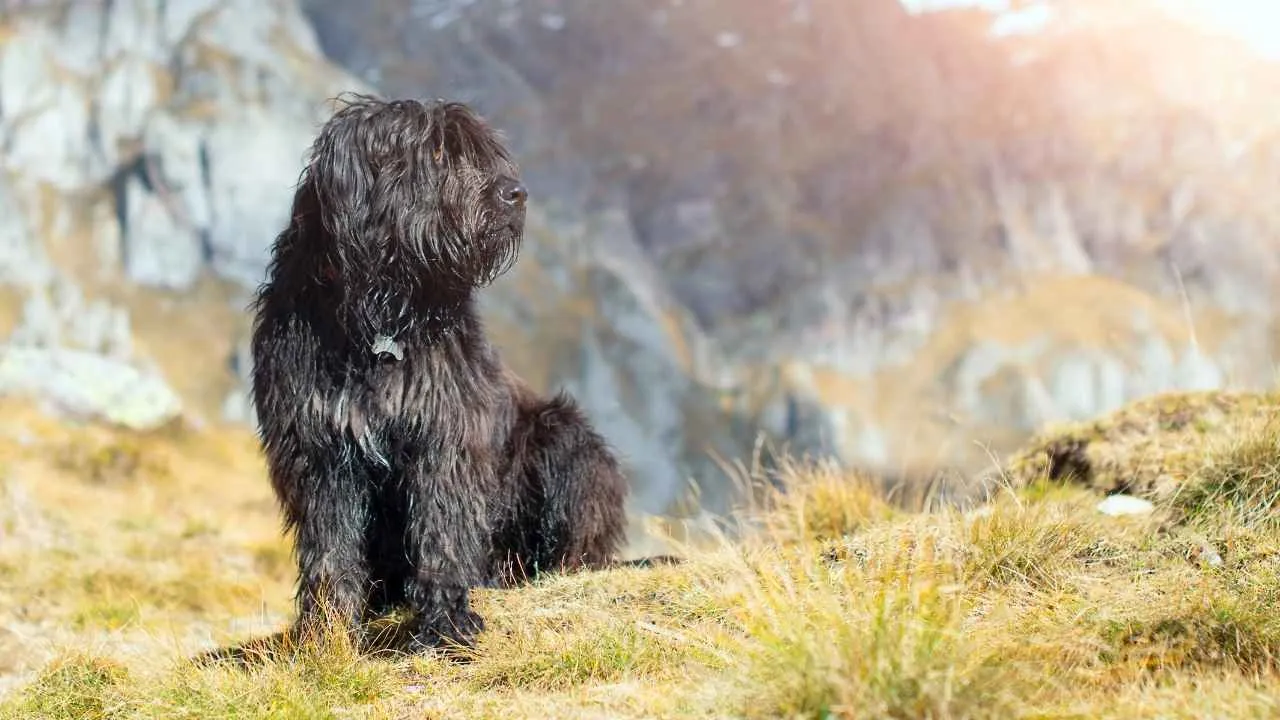
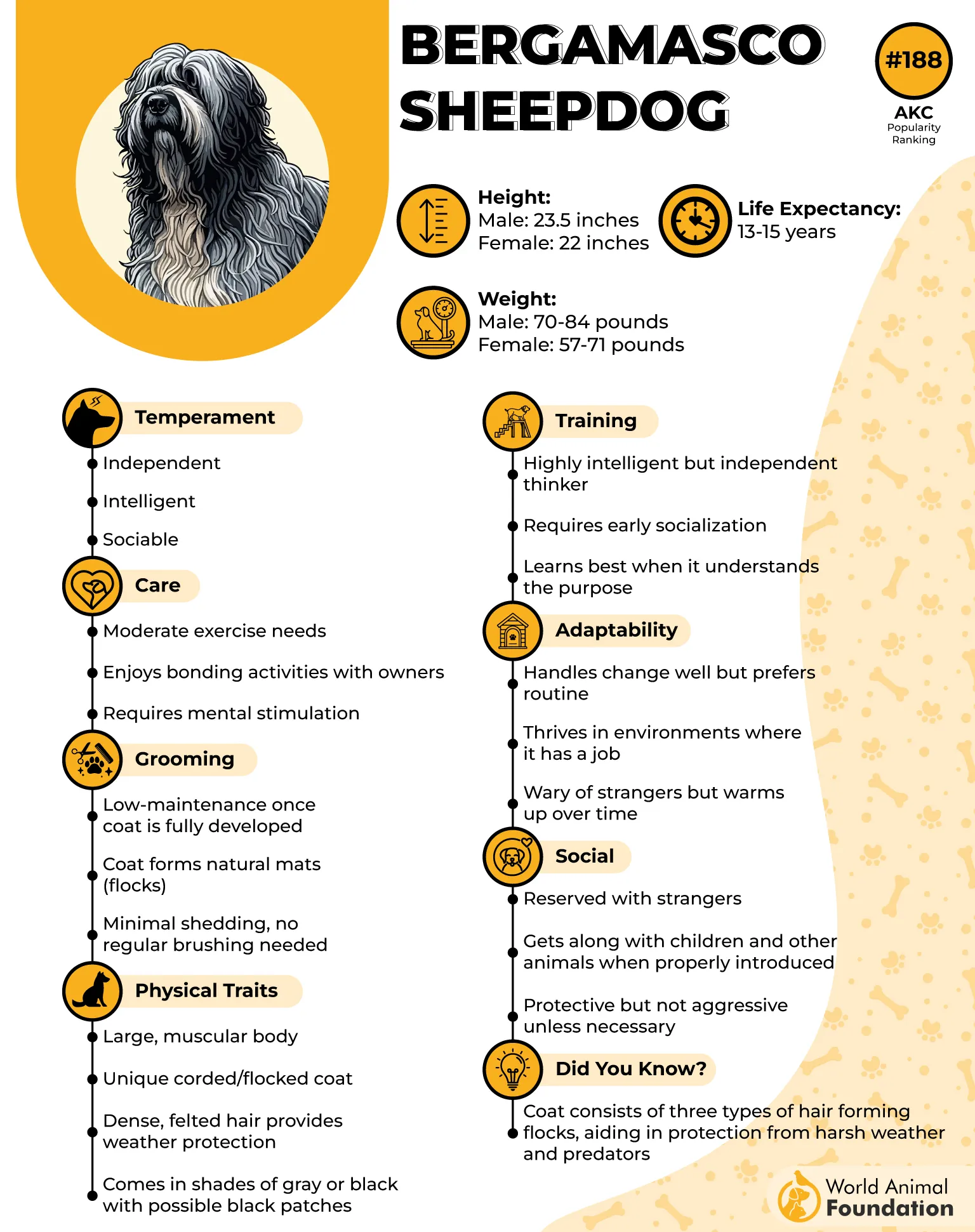
Bergamasco Sheepdogs are hardworking herders with ancient roots in the Italian Alps. Developed from Asian sheepdogs brought to the region, they were bred to herd livestock and protect them from cold weather and predators, as noted by the AKC.
Beneath their unusual coats are muscular, athletic dogs with a calm nature and a strong desire to work. They are intelligent, loyal, and eager to please, though they have an independent streak.
Distinctive Coats and Easy Care
Bergamasco Sheepdogs are best known for their thick coats, which contain three types of hair that form natural, felt-like mats called flocks. These layers cover the body and legs, protecting from harsh mountain weather.
Their coats are usually gray, black, or shades of gray, including merle. Once the coat develops its characteristic flocks, it requires relatively little maintenance and sheds very little.
Temperament and Training
Bergamasco Sheepdogs are patient, loving, and generally good with children and other animals. They are naturally protective and watchful, often staying calm around their families but remaining wary of strangers until properly introduced.
Their herding and guarding instincts mean they need early socialization and ongoing training. They can also nip to move people or animals, so consistent guidance is important.
3. Bouvier Des Flandres
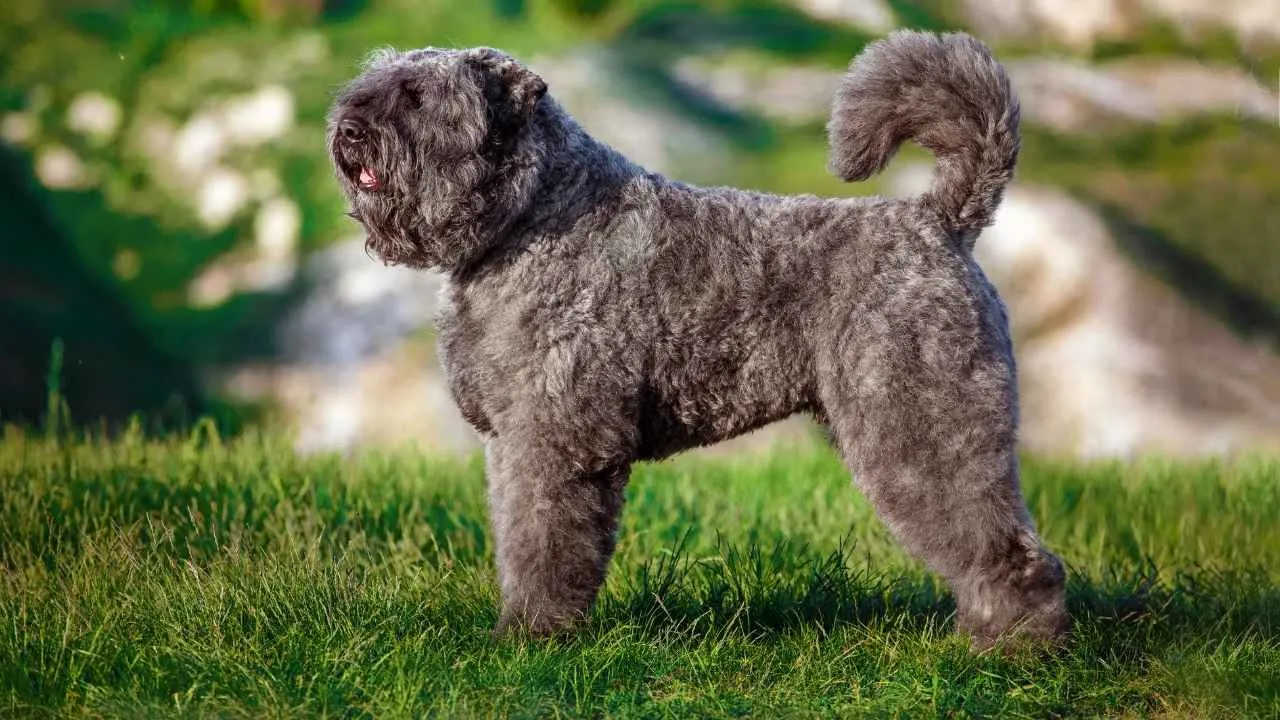
Bouvier des Flandres dogs are sturdy, hardworking herders originally bred to manage cattle and handle farm duties in Belgium. Their jobs included pulling carts, guarding property, and helping farmers with daily tasks.
These powerful dogs are known for their intelligence, confidence, and strong work ethic. Despite their rugged appearance, they are affectionate companions that form deep bonds with their families.
Strength, Training, and Care
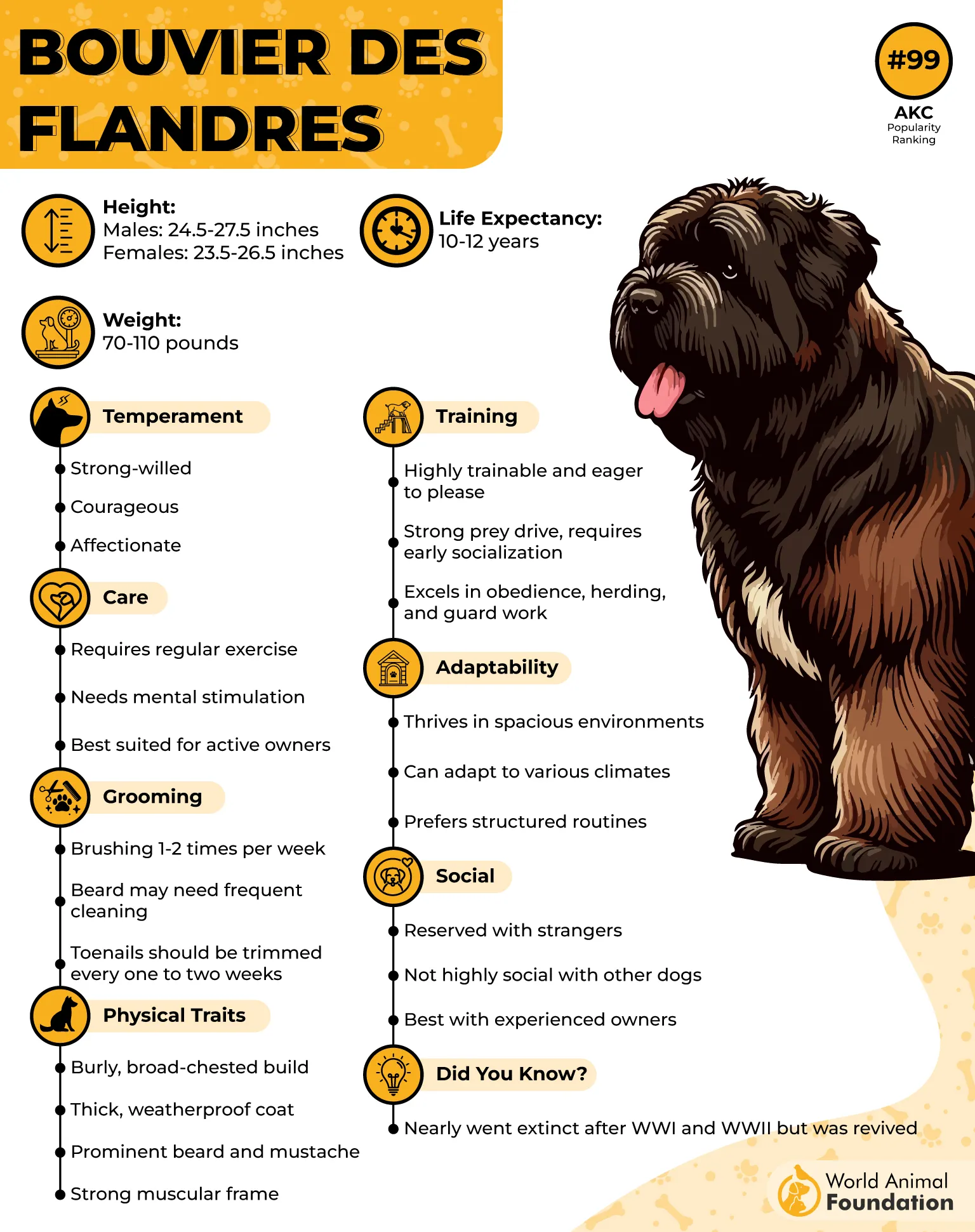
With their broad build, shaggy double coats, and distinctive beards and mustaches, Bouvier des Flandres dogs have a memorable appearance.
Regular brushing helps prevent mats, while their beards may need more frequent cleaning. These dogs also need plenty of exercise and mental stimulation to stay happy and avoid destructive behavior.
Family Life and Loyalty
Bouvier des Flandres dogs are often patient with children, especially when raised alongside them. However, their strong-willed nature means they need firm, consistent training from an early age.
They may try to dominate other dogs, and their prey drive can make living with cats more challenging. Young dogs can also be rowdy, but they usually mature between two and three years of age.
4. Berger Picard
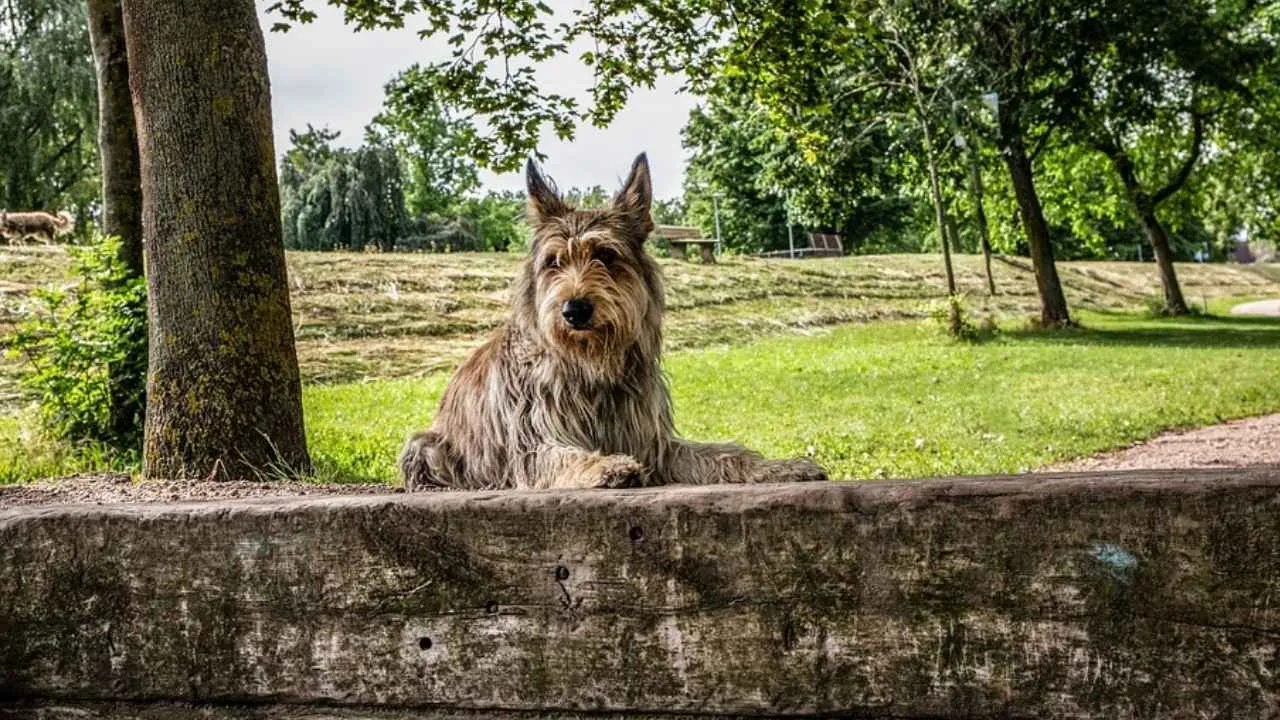
Berger Picards are lively French herding dogs with a history that stretches back hundreds of years. They were bred to herd sheep and cattle in the Picardy region of France. Their long legs, muscular bodies, and high energy help them work with speed and endurance.
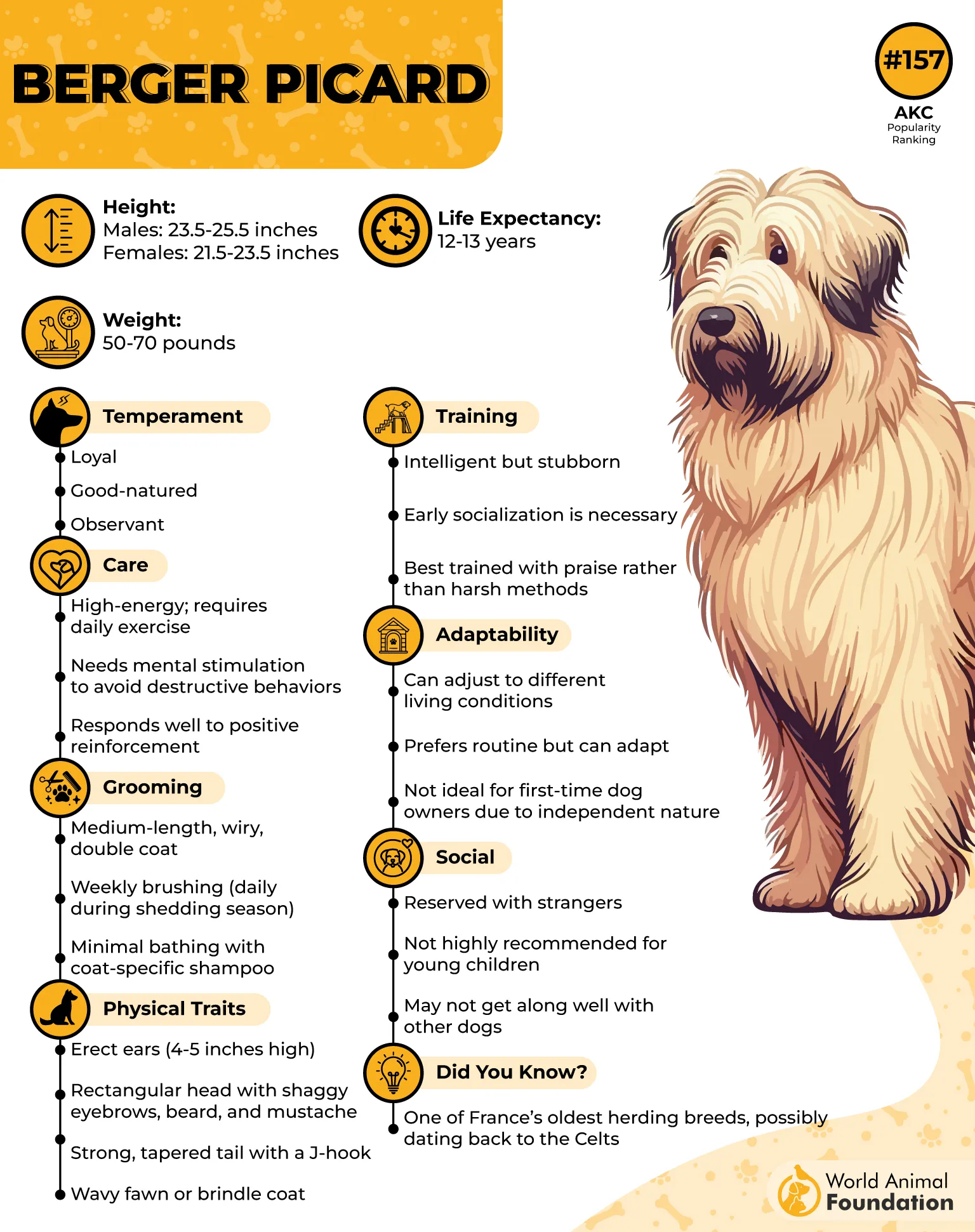
Rugged Looks and Everyday Care
Berger Picards are known for their shaggy, wiry coats, bushy eyebrows, and distinctive beards and mustaches. Their harsh, weather-resistant fur helps repel dirt and requires little grooming for most of the year.
Occasional brushing is usually enough, with more attention needed during spring and summer when they shed their undercoat.
Energy, Training, and Loyalty
Berger Picards thrive when they have a job to do, even if they live in a family home rather than on a farm. Daily exercise and gentle, consistent training help manage their energy. They often become deeply attached to one person and need plenty of companionship
However, their strong prey drive may lead them to chase small animals, including cats and rabbits. Outdoor activities are best enjoyed on a leash or within a securely fenced area.
5. Beauceron
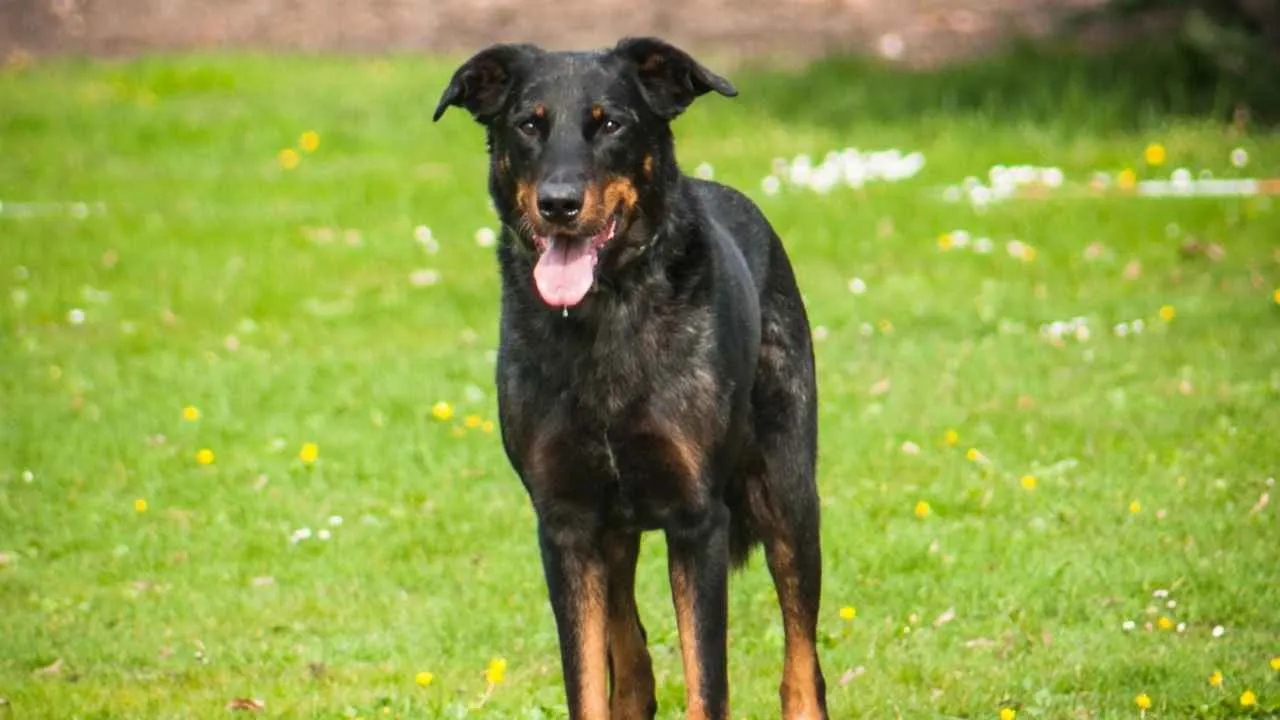
Beaucerons are powerful French herding dogs bred to manage livestock by day and guard farms by night. They combine strength, intelligence, and elegance with a deep sense of loyalty.
These hardworking dogs thrive when they have a clear purpose and plenty to do. Their versatility also extends beyond farm life, as they served as military dogs during World War I.
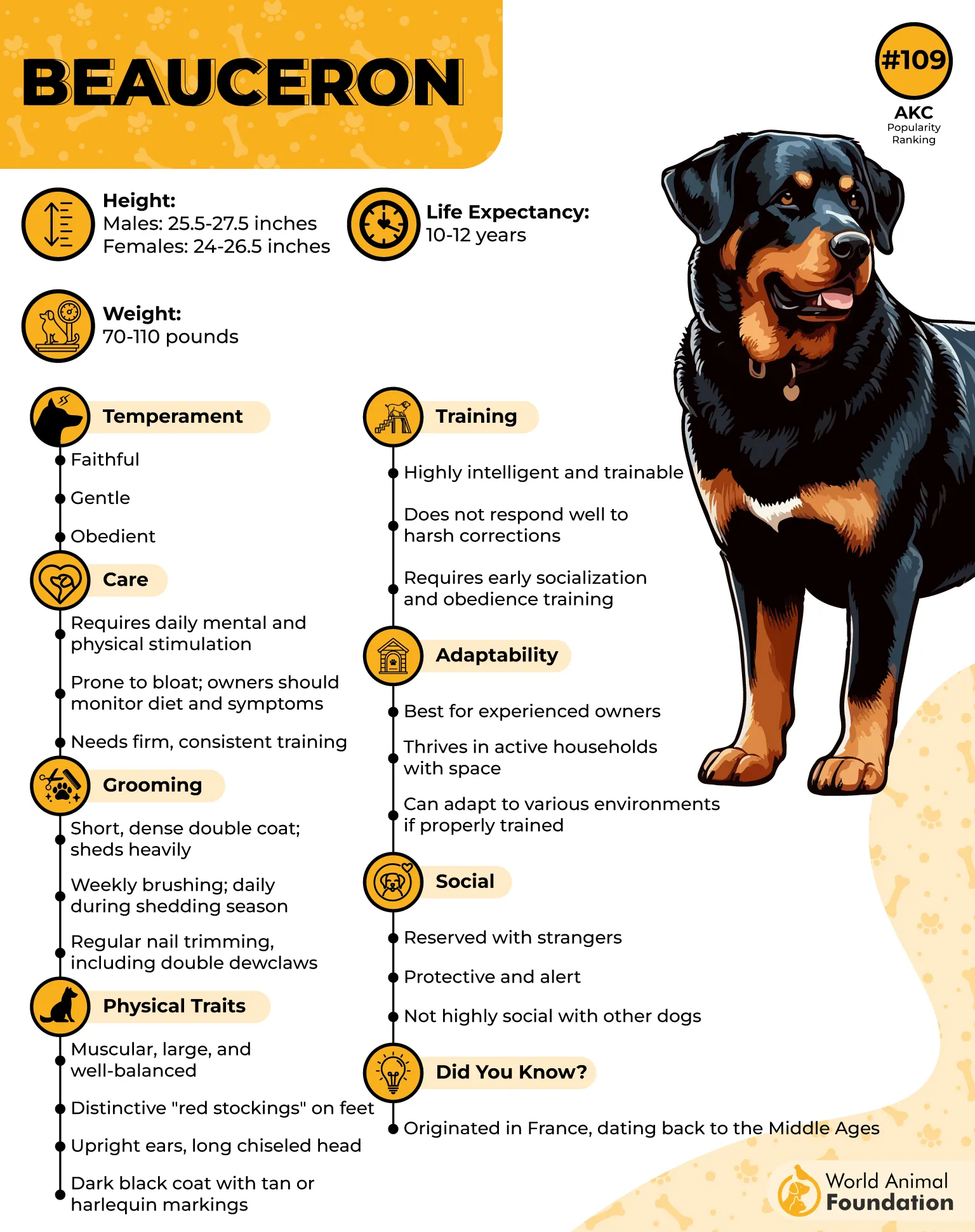
Strength, Intelligence, and Care
Beaucerons have muscular bodies, short double coats, and confident expressions. Their coats are usually black with rust or tan markings, though gray-black-tan and harlequin patterns are also seen.
They shed heavily, so brushing once or twice a week helps manage loose fur. These energetic dogs need plenty of physical activity and mental stimulation.
Training and Family Life
Despite their imposing appearance, Beaucerons can be gentle and affectionate with their families. They can do well with children and other dogs when properly raised and socialized.
However, their intelligence, strength, and dominant tendencies require firm, consistent training from an early age. They are best suited to active, experienced owners who can provide structure, regular exercise, and secure outdoor space.
6. Entlebucher Mountain Dog
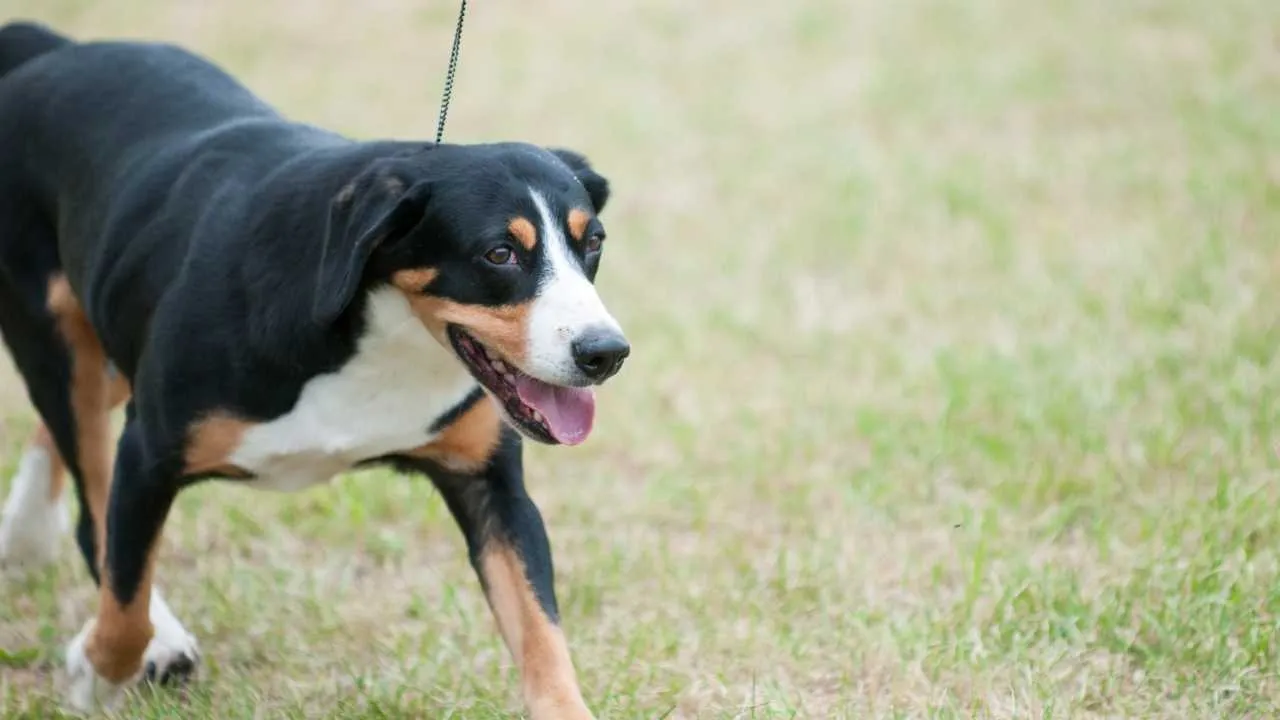
Entlebucher Mountain Dogs are energetic cattle herders from the Swiss Alps, where they were bred to guide and protect livestock across rocky mountain terrain, according to PetMD.
Dating back to the late 1800s, these determined dogs are known for their agility, quick thinking, and cheerful personalities.
Athletic Builds and Big Personalities
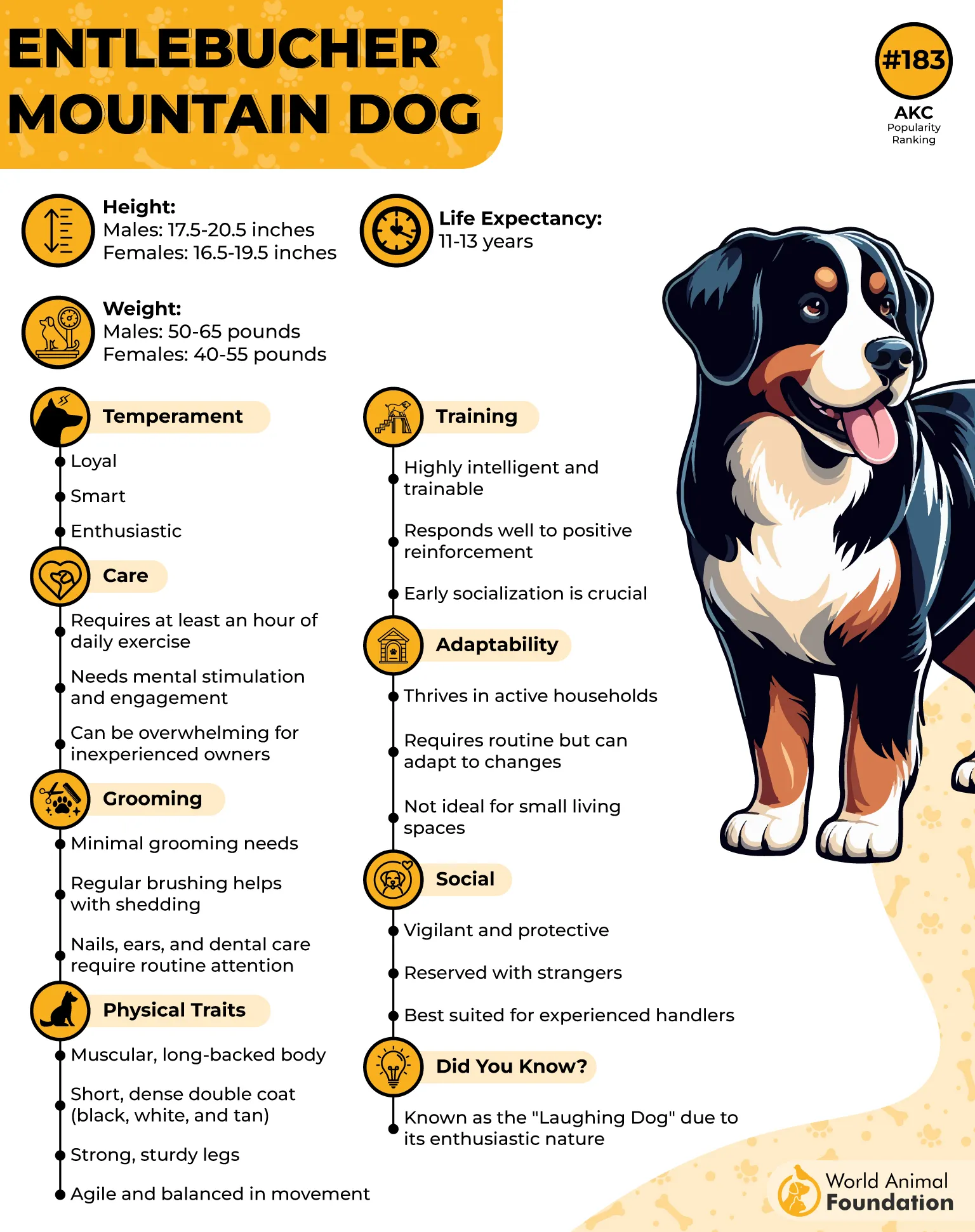
Entlebucher Mountain Dogs have muscular, long bodies, sturdy legs, and striking black, white, and tan coats. Often called the “Laughing Dog,” they have alert, friendly expressions and plenty of enthusiasm.
These athletic dogs excel at activities such as herding, agility, and obedience. They also enjoy games that challenge their minds and keep them active.
Family Bonds and Daily Needs
Entlebucher Mountain Dogs are deeply devoted to their families and love being involved in daily activities. They can be playful and affectionate at home, but may take time to warm up to strangers.
Early socialization and positive reinforcement training help them develop good manners. These dogs need plenty of exercise, mental stimulation, and companionship. They do not do well when left alone for long periods and may become noisy or destructive when bored.
7. Mudi
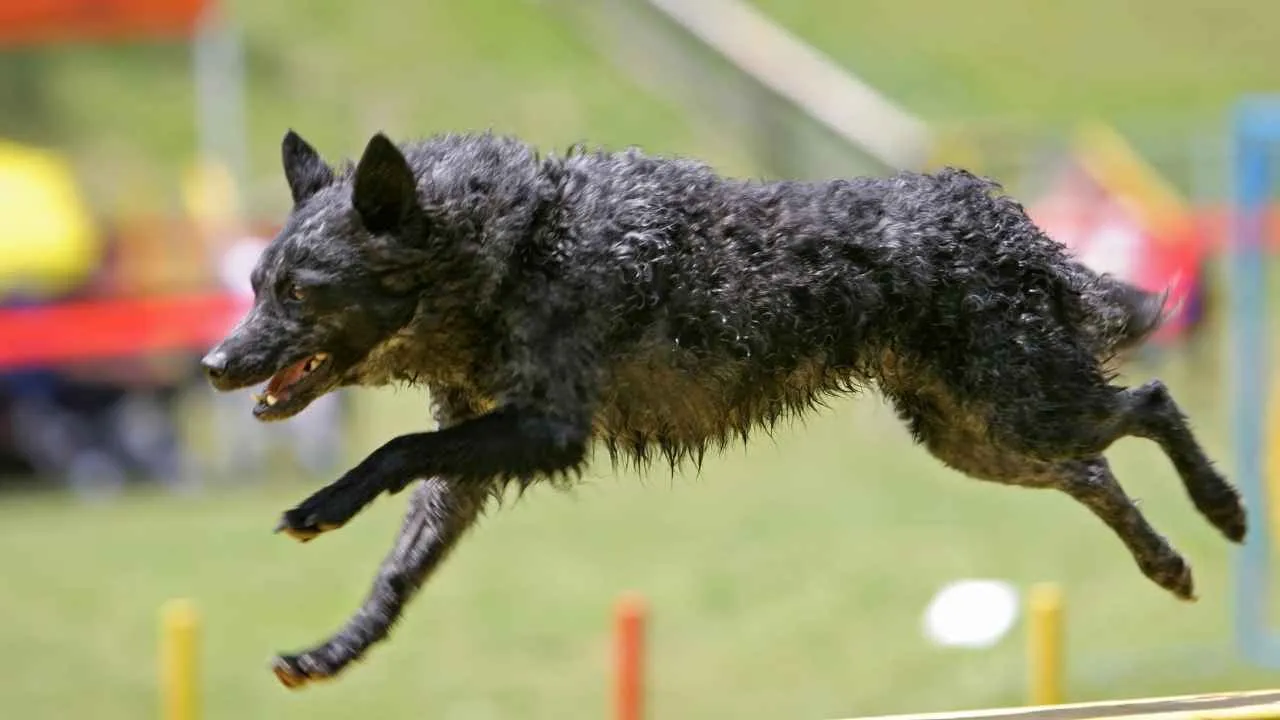
Mudi dogs are rare Hungarian herders known for their intelligence, courage, and versatility. The breed dates back to the 19th century and is believed to have developed naturally from crosses involving Pulis, Pumis, and German Spitz dogs.
Bred for all-purpose farm work, Mudis can herd both sheep and stubborn cattle.
Intelligence and Working Skills
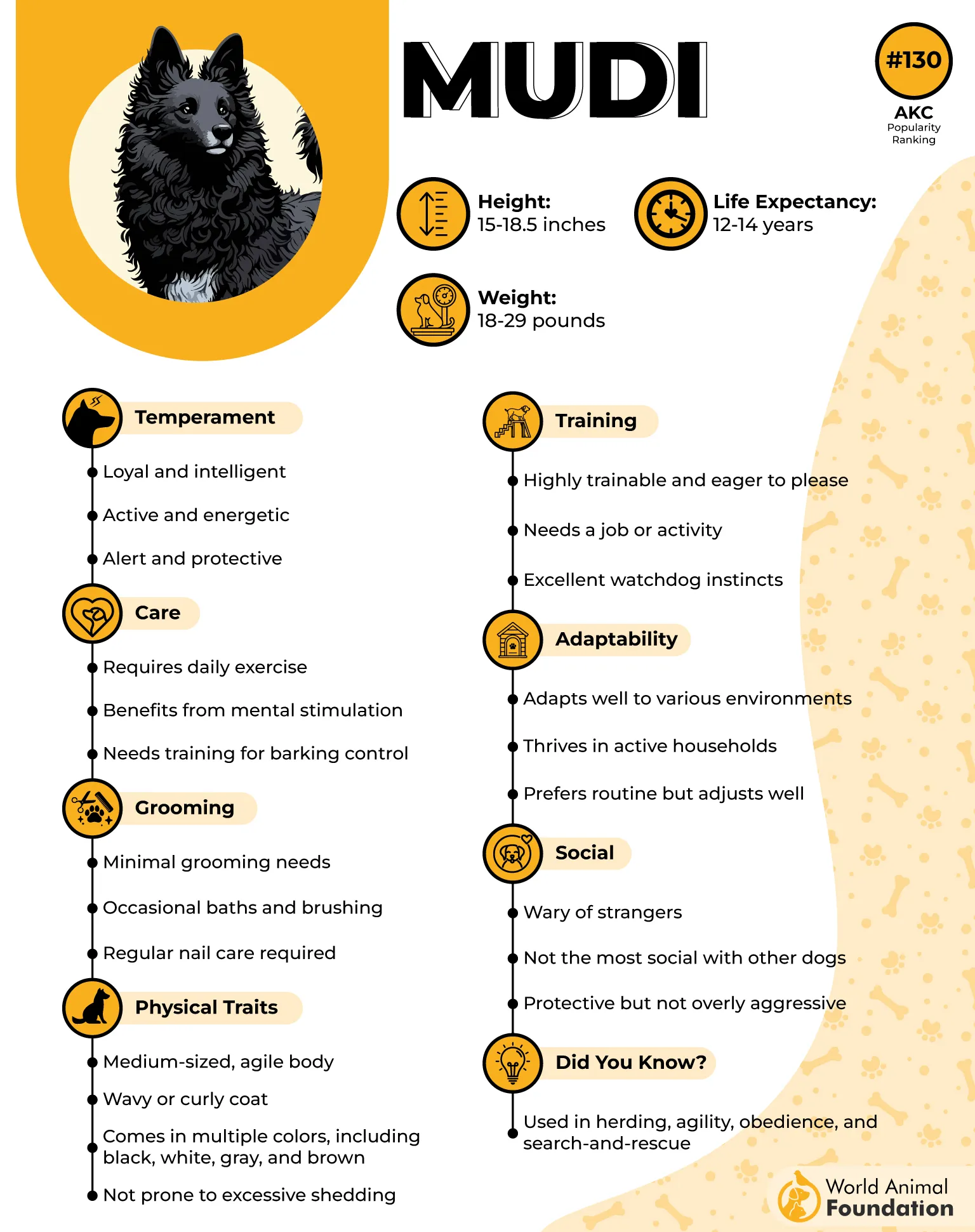
Mudis are quick learners with an intense interest in their surroundings. They excel at herding, agility, obedience, and flyball. Their working abilities also extend to search and rescue, with the breed gaining recognition for this work in Finland and the United States.
Although still rare worldwide, the Mudi received American Kennel Club recognition in 2022, helping increase interest in the breed.
Temperament and Daily Care
Mudis have lively, strong personalities and need active owners who can keep them engaged. They typically need one to two hours of daily exercise, training, and mental stimulation.
Because they are intelligent, varied activities work better than repetitive exercises. Despite their high energy, many Mudis can settle down at home after an active day.
Conclusion
Herding dogs stand out for their intelligence, loyalty, and incredible work ethic. From the agile Pyrenean Shepherd to the courageous Mudi, each breed brings its own strengths, personality, and history.
While some are calm and patient, others are energetic problem-solvers that need plenty of activity and mental challenges to stay happy.
Before bringing a herding dog home, consider your lifestyle, experience, and the time you can dedicate to training and daily activities. These dogs are happiest when they have a purpose and a close bond with their families.
Give them the right environment, and you may discover that their greatest talent is not just herding livestock, but becoming a devoted part of your life.
