




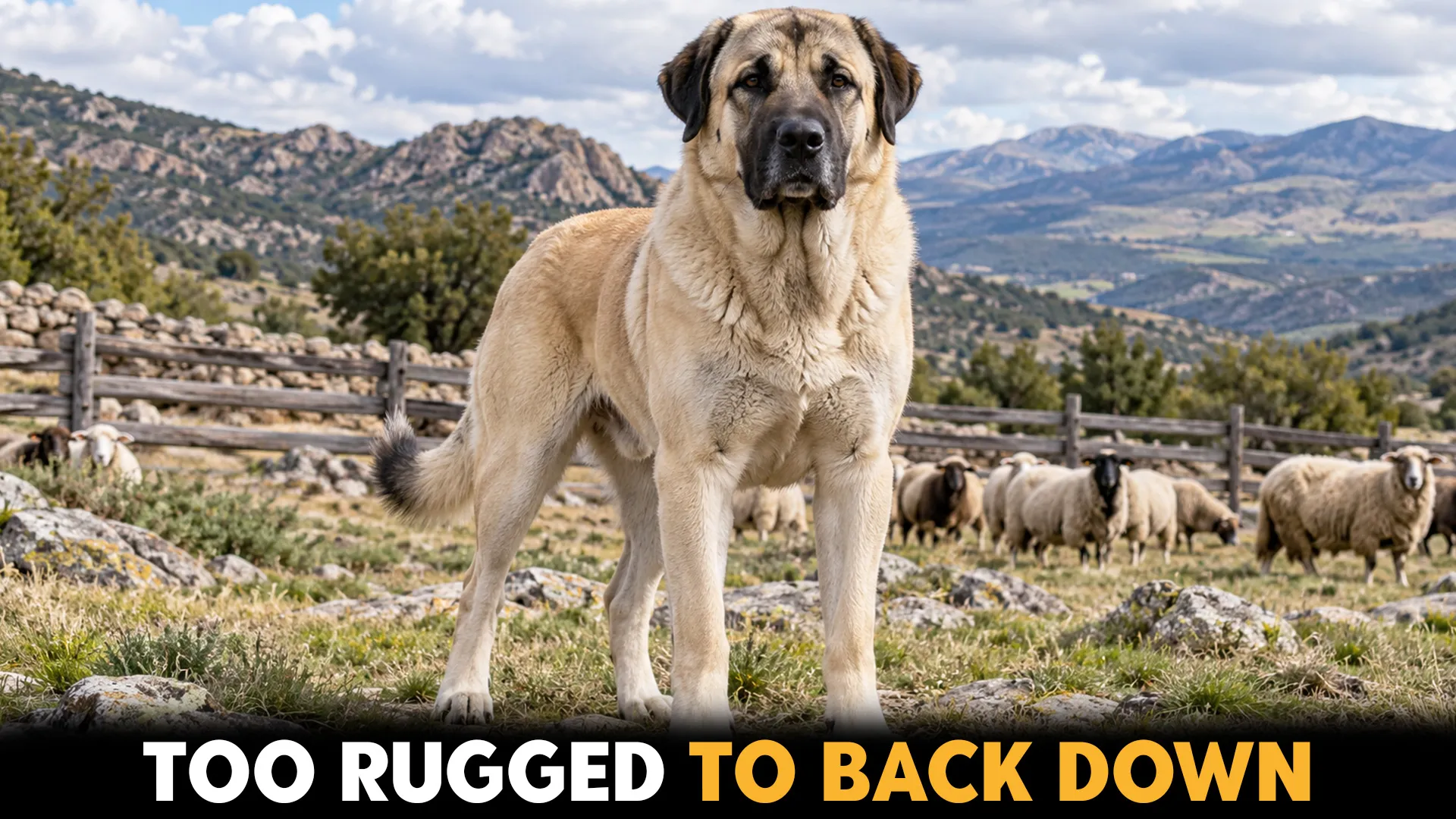
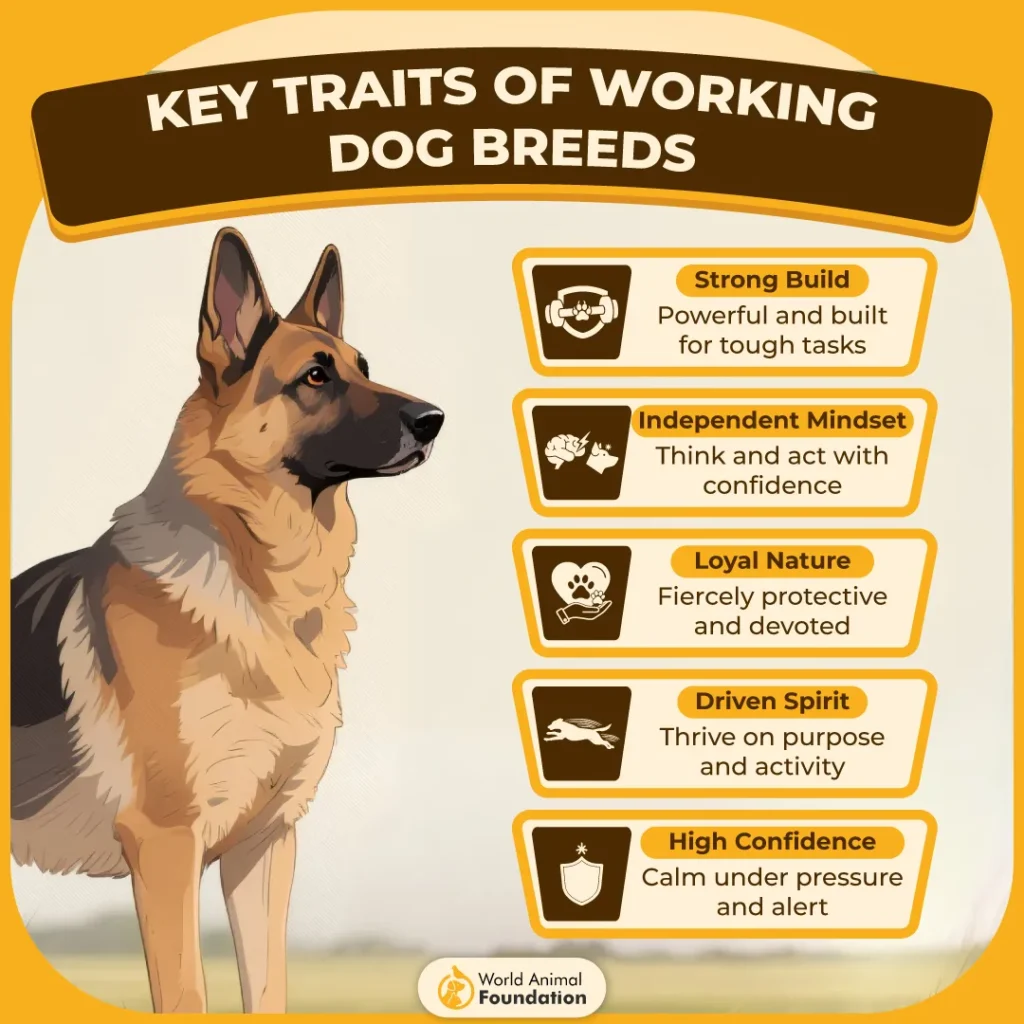
Rugged working dog breeds with elite muscular builds possess physical advantages that go far beyond an intimidating appearance.
Their broad shoulders, powerful hindquarters, deep chests, and sturdy frames support demanding tasks requiring force, balance, and control. Yet an impressive body does not automatically make the best working dog. The real difference lies in how efficiently a dog uses its strength, sustains effort, and responds to its handler.
Some muscular dogs are built for explosive power, while others combine a solid frame with the stamina needed for prolonged outdoor work. Their working backgrounds help explain these differences, including the jobs they were expected to perform and the physical demands placed upon them.
The breeds featured in this article offer a closer look at powerful physiques, practical abilities, and the traits that separate impressive muscle from genuine working performance.
Key Takeaways
Broad chests, thick necks, and powerful legs give some working dogs the strength to handle jobs that demand hours of effort.
The Pyrenean Mastiff can exceed 220 pounds, while the Anatolian Shepherd Dog relies on an athletic frame to patrol vast grazing grounds and confront predators.
Further down the list, the Bergamasco Sheepdog stands out for its felted coat, and the Maremma Sheepdog has even helped guard endangered penguins in Australia.
There is plenty more to discover, including the Great Pyrenees’ royal connection and the mountain guardian still protecting livestock in Romania.
Rugged Working Dog Breeds with Elite Muscular Builds
1. Pyrenean Mastiff
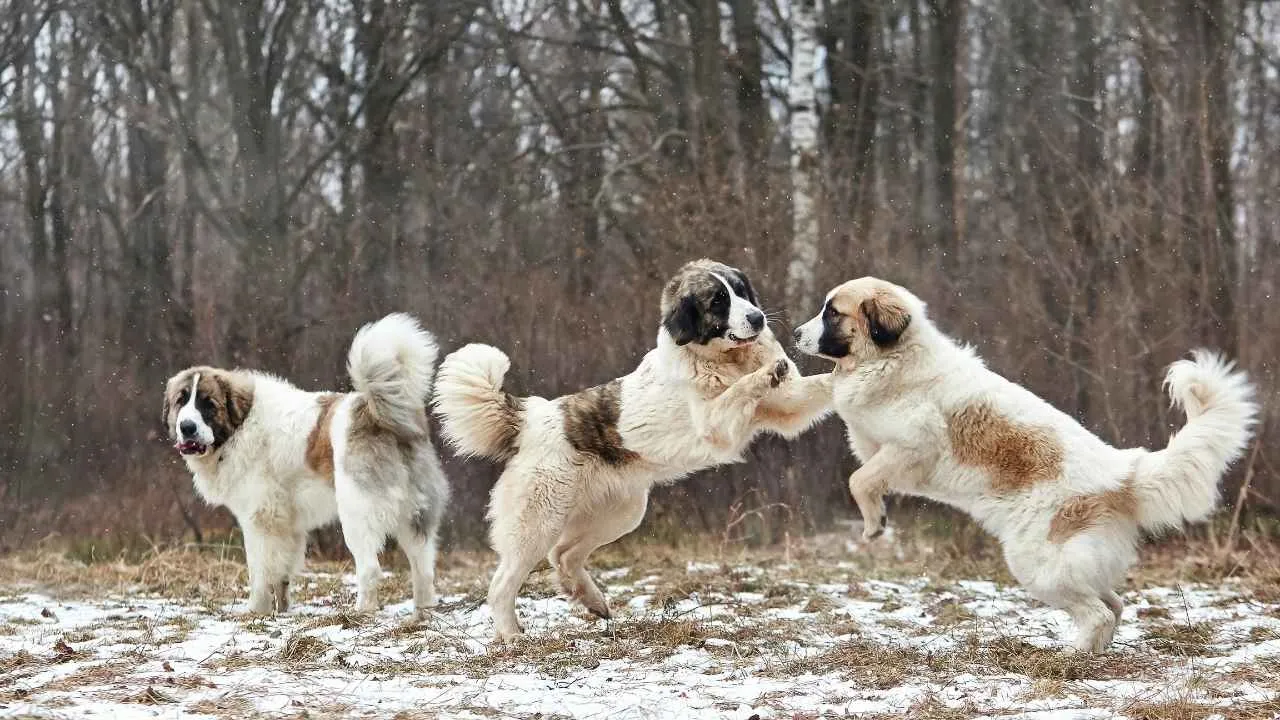
Pyrenean Mastiff originated in Spain’s Aragonese Pyrenees, where large livestock guardians protected flocks from predators such as wolves and bears.
The breed neared extinction in the 1950s and received official recognition in the 1970s after being grouped with the Pyrenean Mountain Dog, as Omlet claims.
A Powerful Frame
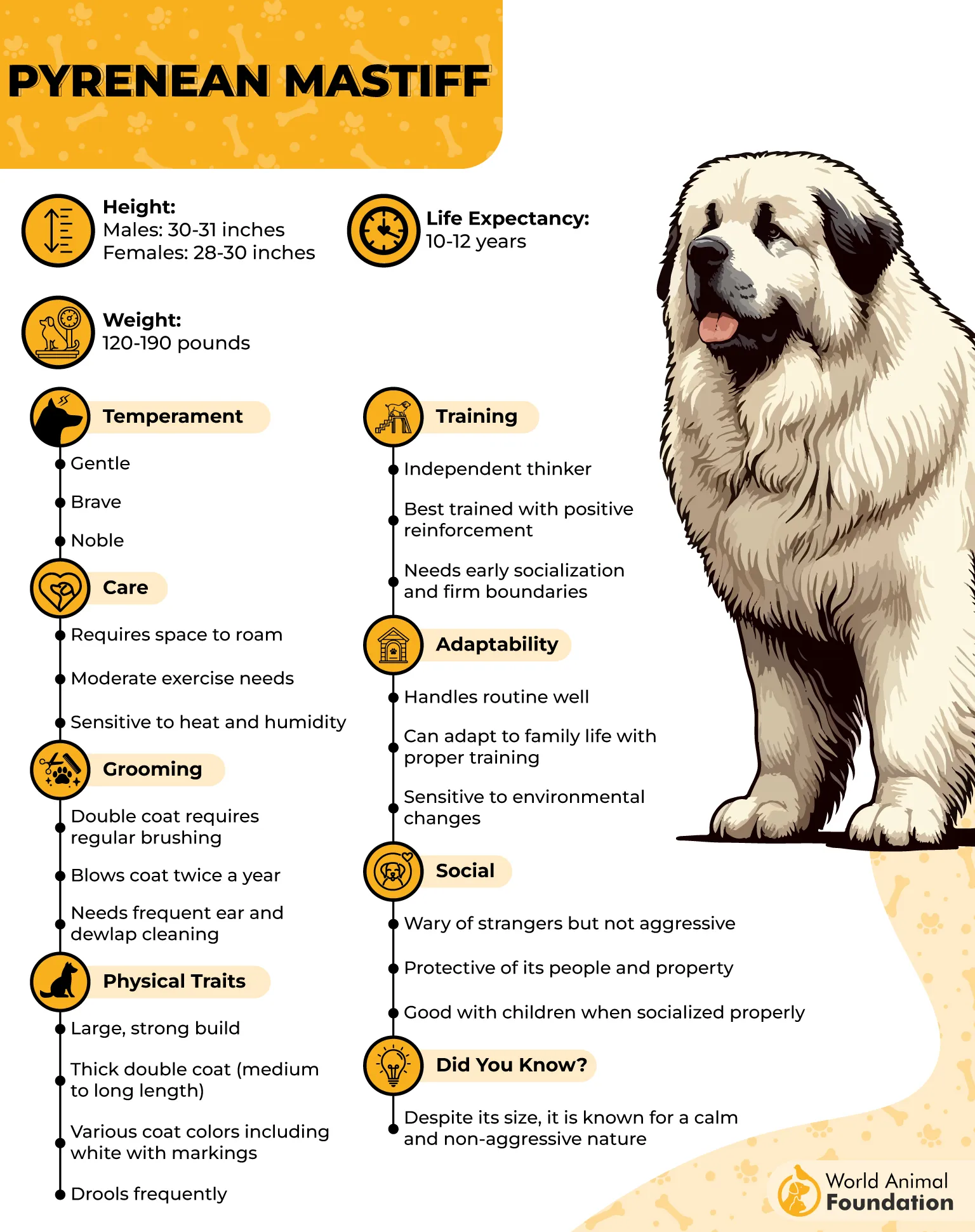
Pyrenean Mastiff has a broad, deep chest, substantial bone structure, and heavily muscled hindquarters suited to demanding mountain terrain. Males typically reach 30 to 31 inches at the shoulder and weigh 120 to 190 pounds, with some exceeding 220 pounds.
These physical details help explain its impressive build:
Females generally reach 28 to 30 inches at the shoulder
Straight forelegs support its substantial frame
Its gait should remain supple and agile, not clumsy
Training and Growth
This muscular dog breed usually responds best to patient, consistent training, with food rewards helping reinforce good behavior. Young dogs need particular care because their developing bones cannot handle excessive exercise, while gradual training to spend short periods alone can help reduce separation-related difficulties.
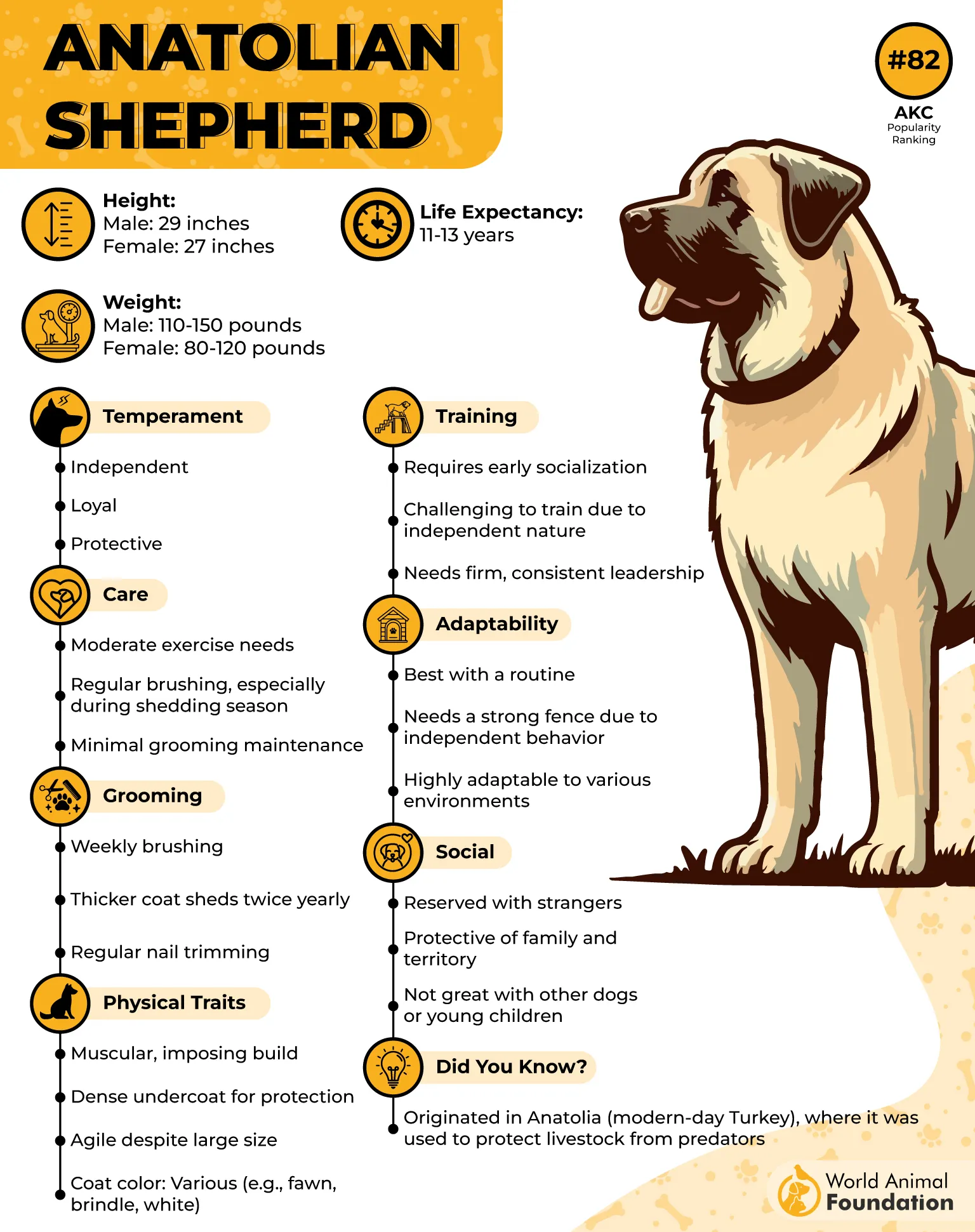
2. Anatolian Shepherd Dog
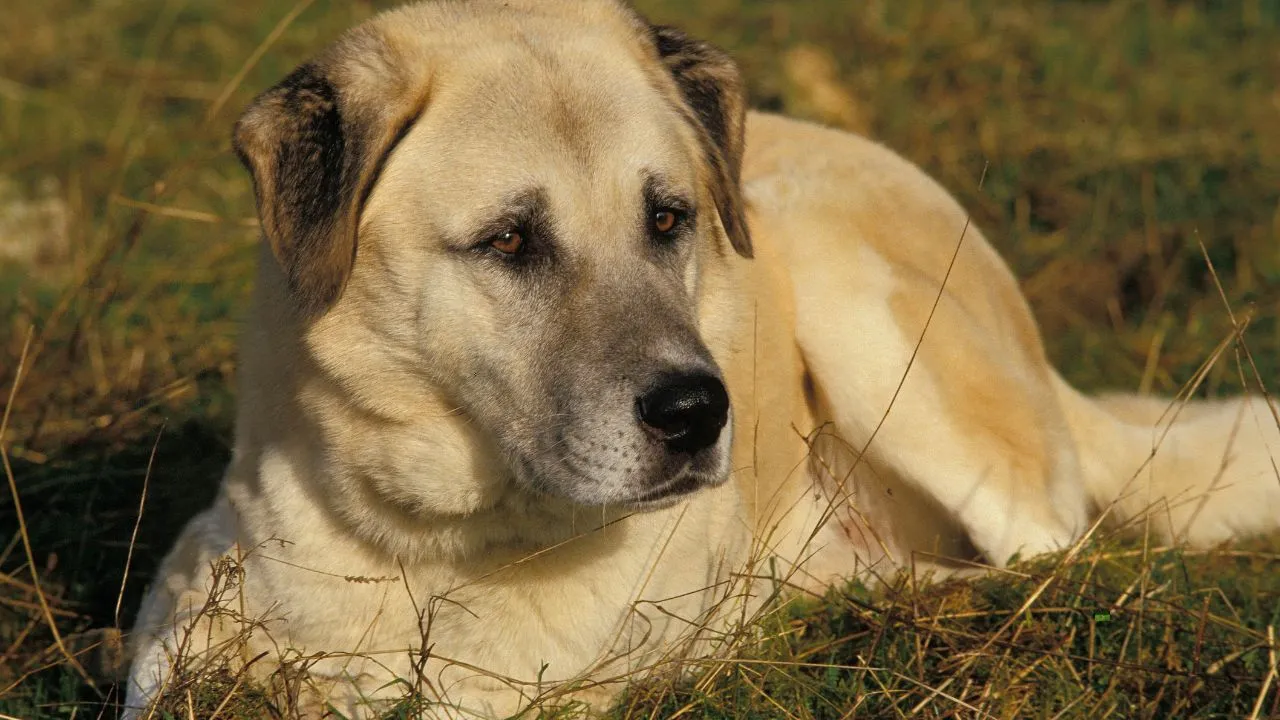
Anatolian Shepherd Dog has guarded livestock in central Turkey for more than 4,000 years, protecting flocks against wolves and bears.
Nomadic shepherds took these powerful dogs to grazing grounds, where they often worked independently and confronted predators before they could reach the animals.
Power in Proportion
This dog has a rangy, athletic frame with substantial bone and muscle, giving it strength without the excessive bulk of some mastiff-type breeds. Its deep chest, powerful shoulders, and efficient ground-covering trot suit the long patrols required of a livestock guardian.
The following features deserve attention:
Broad head with a strong muzzle
Deep chest suited to sustained activity
Muscular hindquarters for powerful forward drive
Independent Judgment
Anatolian Shepherd Dog was expected to assess danger without constant direction, and that independence can influence its behavior at home, as per the AKC.
It may question repeated commands or test boundaries, so consistent training from puppyhood is important for managing such a large, self-assured dog.
3. Bouvier Des Flandres
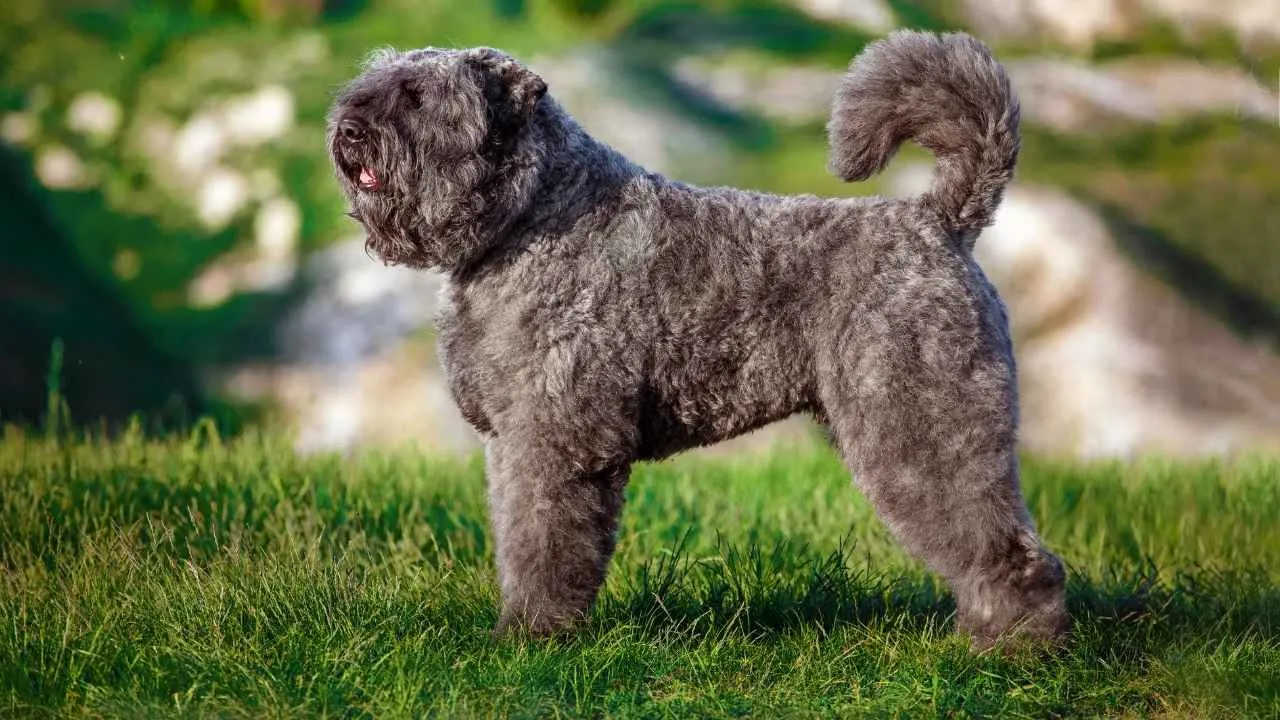
Bouvier des Flandres originated in Belgium’s Flanders region, where monks bred these powerful dogs for cattle work. During both World Wars, the breed served as a messenger in the trenches, and by 1936, the FCI had recognized it as organized breeding efforts helped rebuild its numbers.
Power in Every Feature
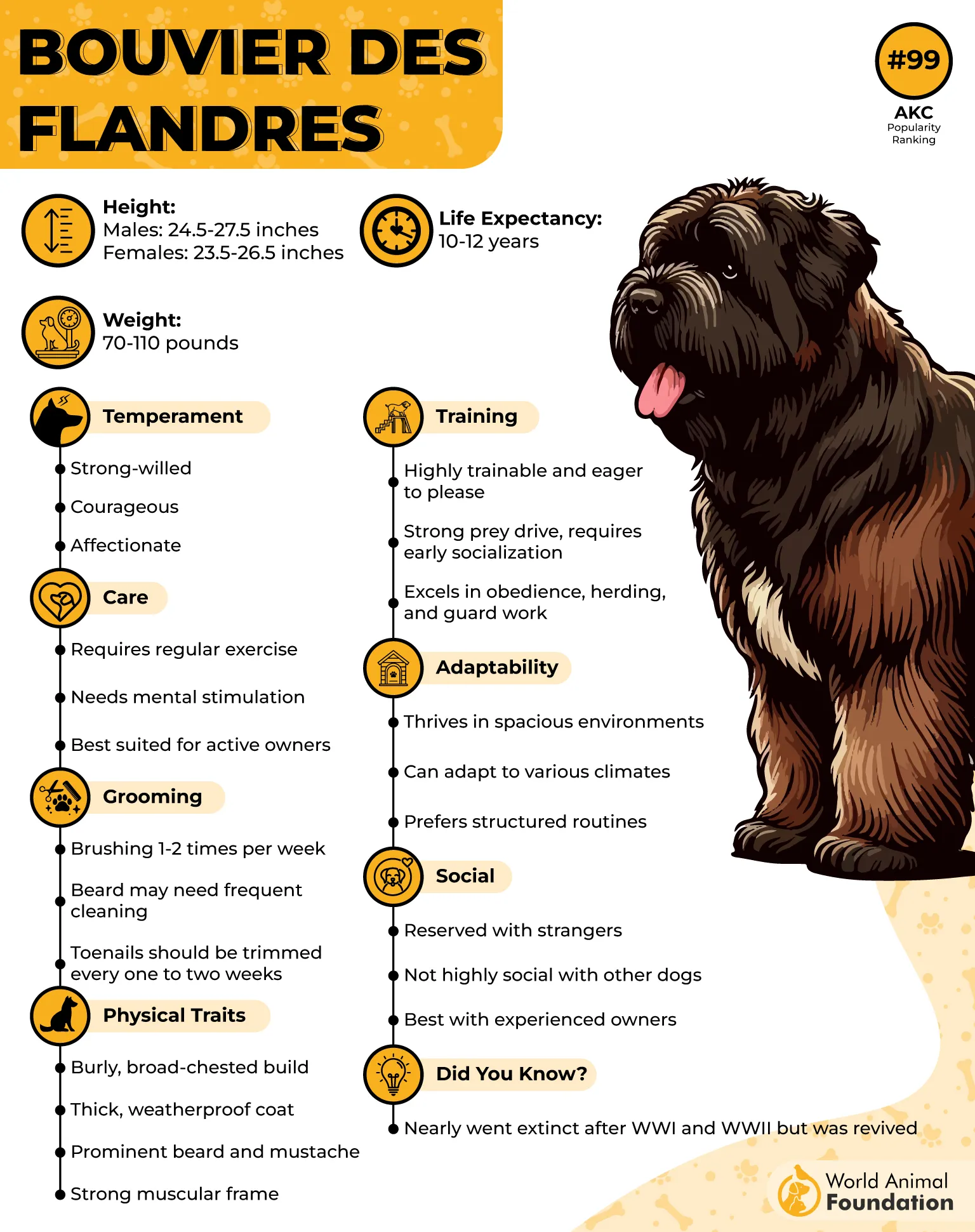
Bouvier des Flandres has a compact, heavily boned frame, a broad head, and a deep chest built for demanding farm labor. Its muscular neck and shoulders support powerful pulling, while a solid topline gives its body a sturdy, balanced profile.
These physical features help explain its rugged build:
Thick eyebrows framing the eyes
Heavy beard and moustache
Harsh, tousled double coat
Strength With Control
Bouvier des Flandres needs substantial daily activity, including long runs, games of fetch, and structured training sessions. Its herding instinct may also lead it to guide other dogs during play, while activities such as agility, flyball, and obedience provide useful outlets for its athletic ability.
4. Bergamasco Sheepdog
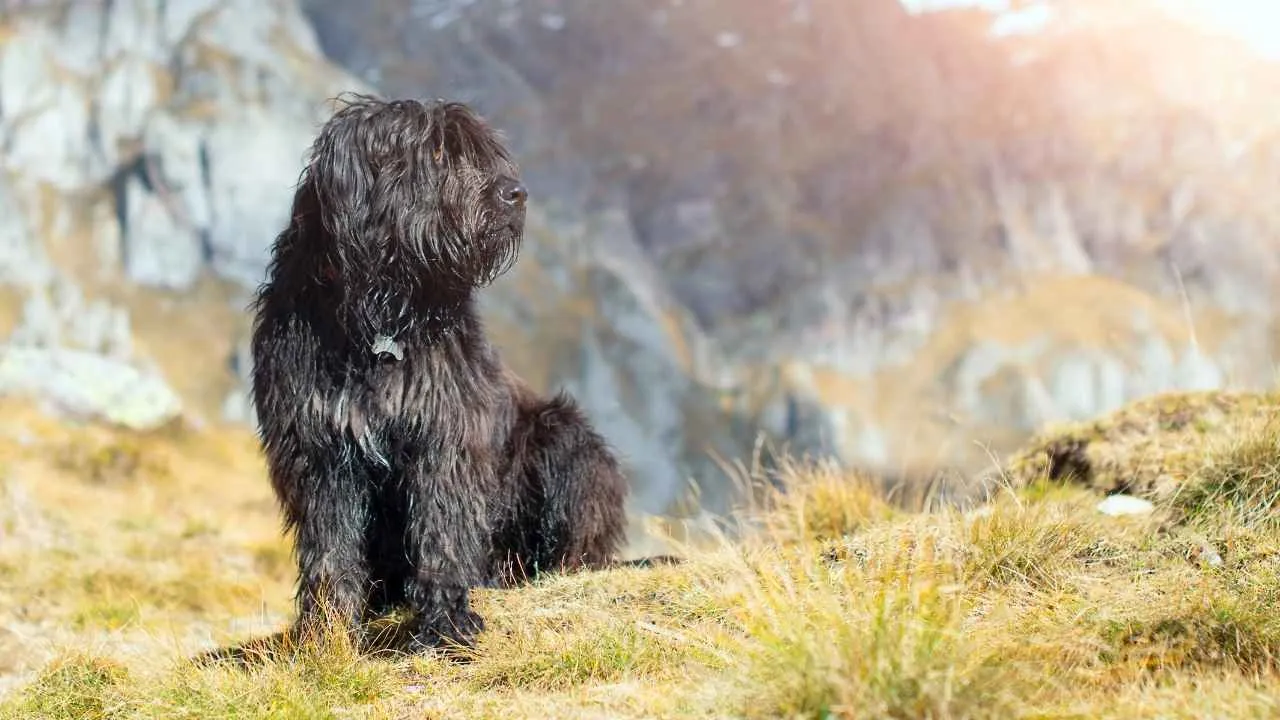
Bergamasco Sheepdog likely arrived in the Western world with nomadic shepherds from the Orient thousands of years ago. Its herding work continues in parts of Switzerland and Italy, where these dogs can guide sheep without constant direction from a human handler.
Power Beneath the Coat
Bergamasco Sheepdog has a compact, rectangular frame with strong limbs suited to the quick turns and bursts of speed needed around livestock. Its unusual coat consists of three layers that form long, felted strands, giving the dog a rugged outline.
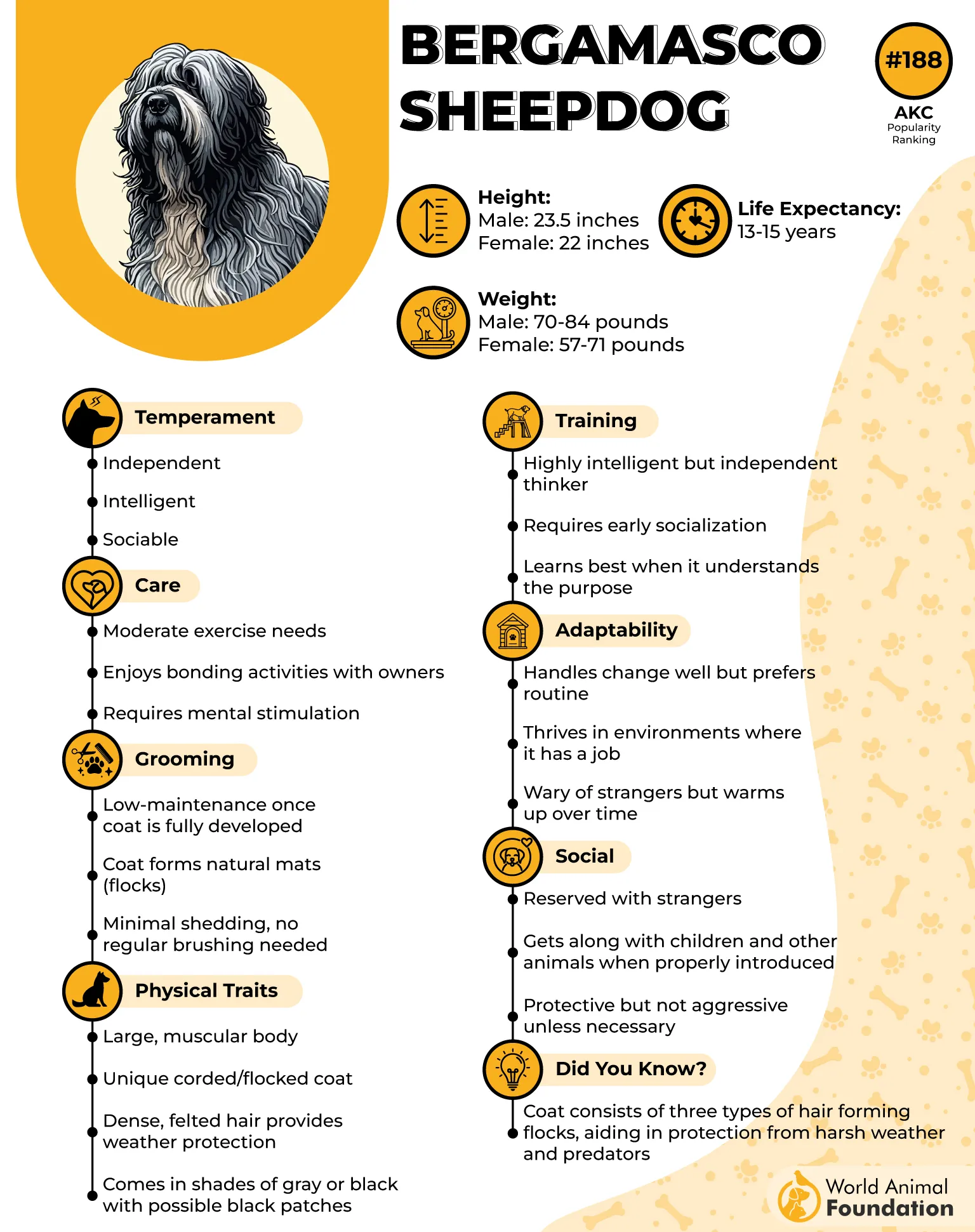
This is what gives this breed a distinctive working appearance:
Dense hair falling over the eyes like a visor
Heavily coated ears with a beard and mustache
Feathered tail carried low
Watchful by Nature
This domesticated dog breed can be cautious around unfamiliar visitors, often observing them before deciding they pose no threat. At home, its patient nature can suit families with children, and its calm temperament has also made it useful in therapy work.
5. Maremma Sheepdog
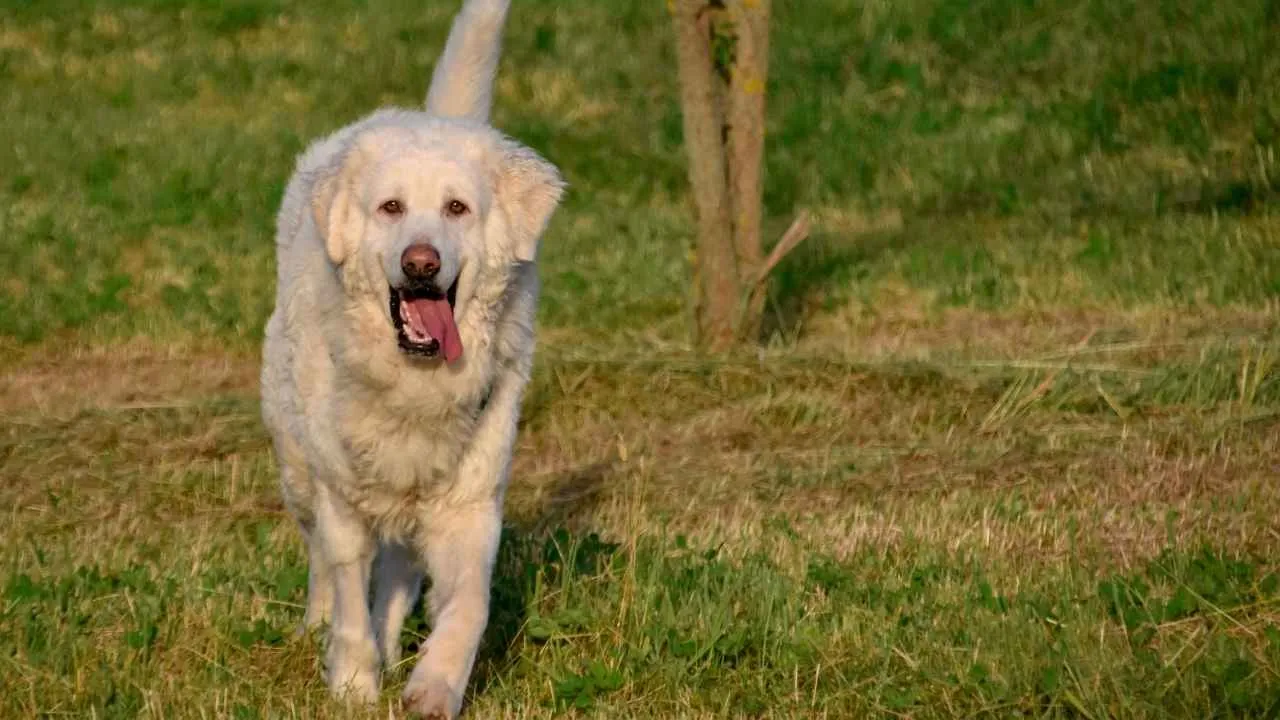
Maremma Sheepdog has guarded livestock in Italy for at least 2,000 years, protecting sheep from wolves across open pastoral country. The breed still works in Italy’s Abruzzo region, where farmers continue to face threats from wolves and rely on capable livestock guardians, as mentioned by Pedigree.
Powerful Muscular Frame
With substantial bone, strong feet, and a broad head, the Maremma Sheepdog has the physical structure needed for long hours in demanding outdoor conditions.
Its thick tail, medium drop ears, and robust frame complement a working style based on steady vigilance rather than quick reactions.
This is how varied their guarding work can be:
Protects cattle and goats alongside sheep
Has helped guard endangered penguins in Australia
Can watch over backyard chickens
Careful Introductions
Within its household, this large breed can be patient with children and enjoy the company of other dogs, and it may even accept cats as companions. Its natural caution around visitors calls for early socialization, while long daily walks should wait until the dog is at least six months old.
6. Great Pyrenees
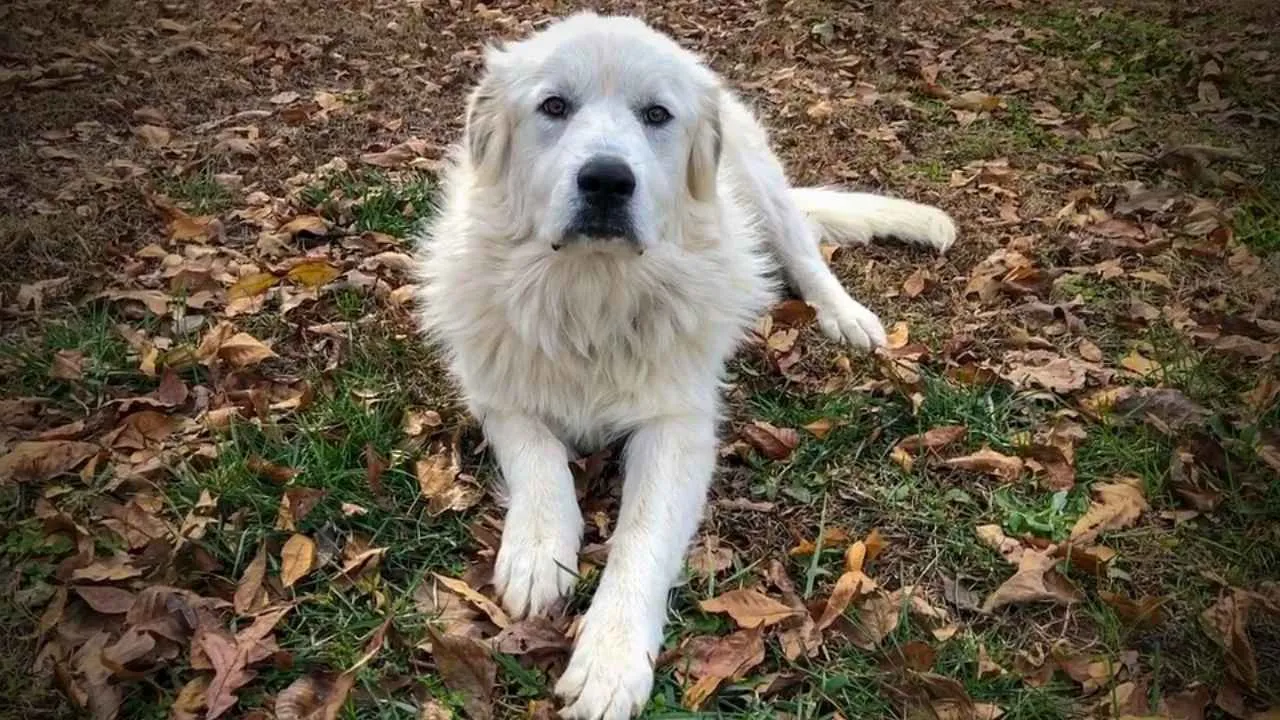
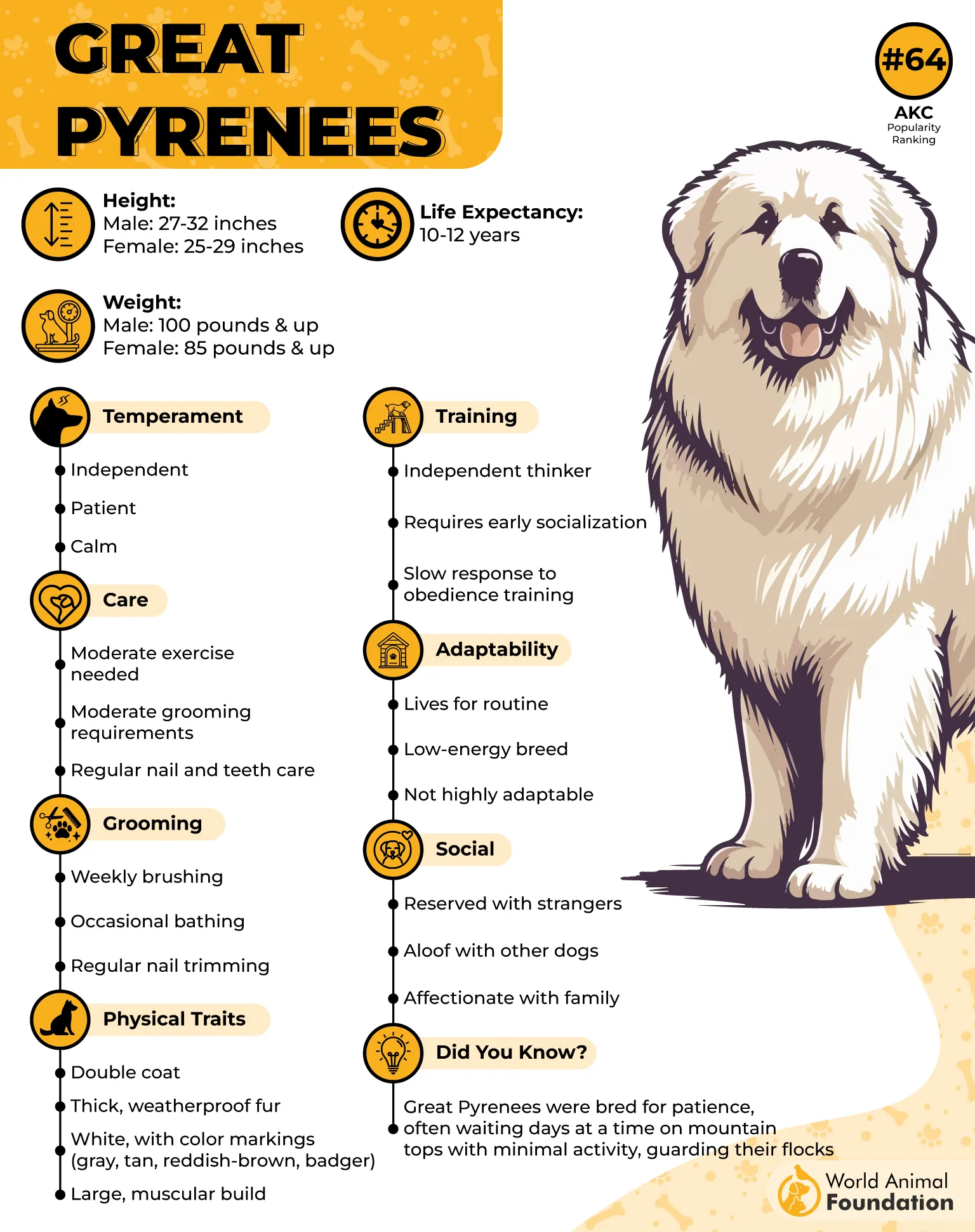
Great Pyrenees, also called the Pyrenean Mountain Dog in the UK, guarded sheep and goats for centuries before gaining royal recognition in France. In 1675, King Louis XIV declared it the royal dog of France, and its role expanded to guarding large estates across the country.
Built for Strength
Great Pyrenees has a massive frame, a broad chest, and substantial bone structure suited to prolonged work rather than bursts of speed.
Its powerful build gives the breed a solid, imposing appearance, while the broad head and pendant ears add to its distinctive profile.
To help identify this mountain guardian, you can look for:
Broad chest with heavy bone structure
White coat with large colored patches
Facial mask that adds a recognizable marking
A Gentle Giant
This four-legged friend is affectionate with family members and often behaves patiently around children, taking care during play because of its considerable size. Its exceptional hearing and loud bark also make it a capable watchdog, so teaching a reliable quiet command is useful in a household.
7. Romanian Carpathian Shepherd
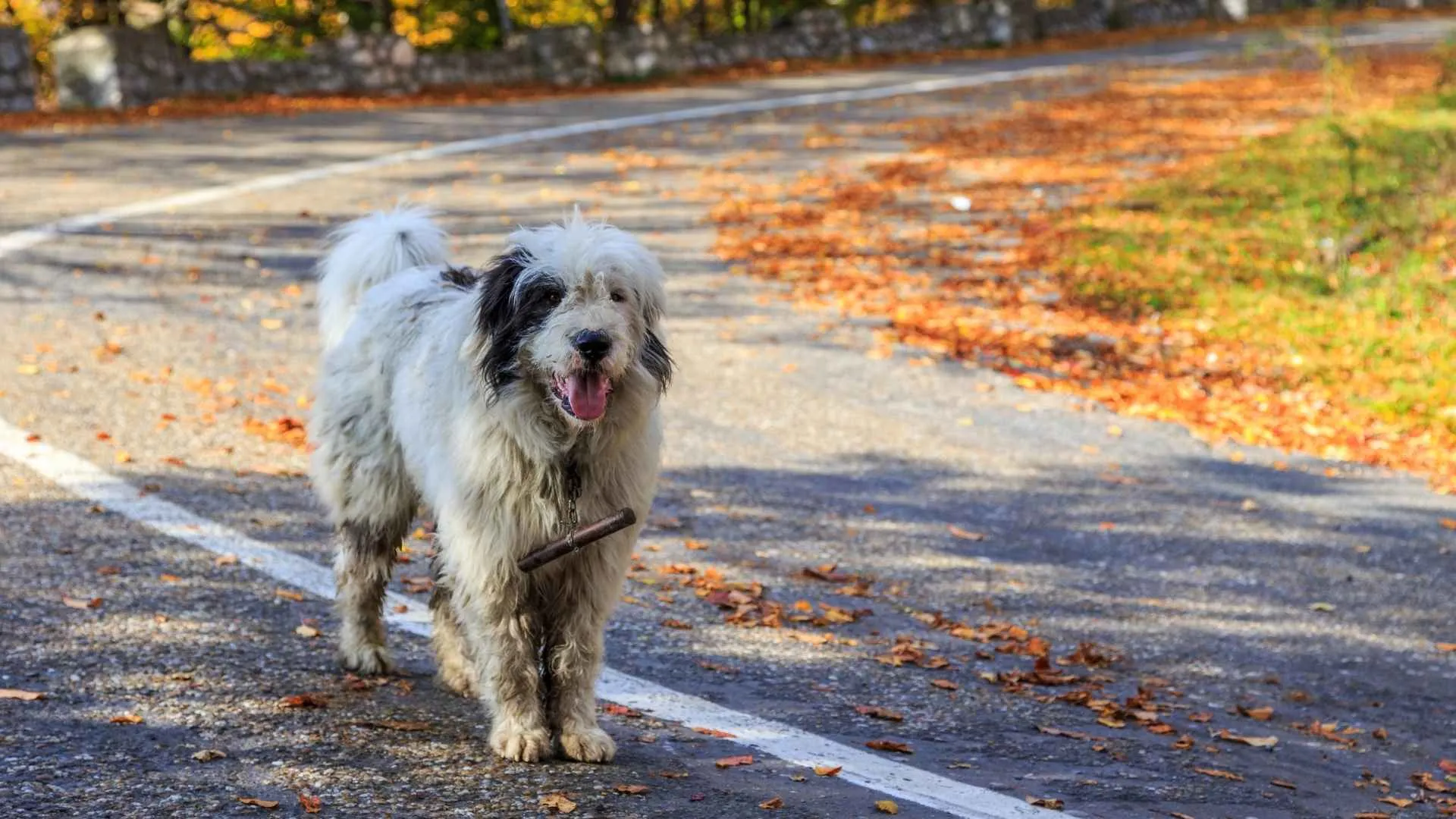
Romanian Carpathian Shepherd has guarded livestock in Romania’s Carpathian Mountains for centuries, protecting flocks against formidable predators such as wolves and bears. Formal breeding began in the 20th century, followed by FCI recognition in 2015.
Power in Proportion
A broad chest, thick neck, and well-developed limbs give this shepherd a muscular, balanced frame suited to demanding work across rural terrain. Its wolf-like head, strong muzzle, and dark almond-shaped eyes add to its imposing appearance.
These breed characteristics deserve a closer look:
Medium-sized, triangular ears that hang down
Strong limbs built for an athletic frame
A moderately long, powerful muzzle
A Watchful Guardian
Romanian Carpathian Shepherd is calm and intelligent, with an independent streak that calls for patient, consistent training. It can be reserved around unfamiliar people, while early socialization and positive reinforcement help guide its protective instincts appropriately.
Conclusion
Strong working dogs earn their reputation through more than size or muscle. Their bodies support the tasks they were bred to perform, whether patrolling open land, guarding livestock, or handling difficult outdoor conditions. These energetic dogs are built for endurance, with impressive strength and the muscle mass needed for demanding work. Yet each dog brings a different mix of stamina, confidence, and independence to the job.
A large frame also comes with practical responsibilities, including proper training, suitable exercise, and enough room to move comfortably. These energetic, strong-willed breeds can be top-notch companions for people who understand their working instincts and needs. Looking beyond appearance helps you recognize which dog may fit your home and lifestyle, especially when comparing energetic larger breeds known for impressive strength.
