




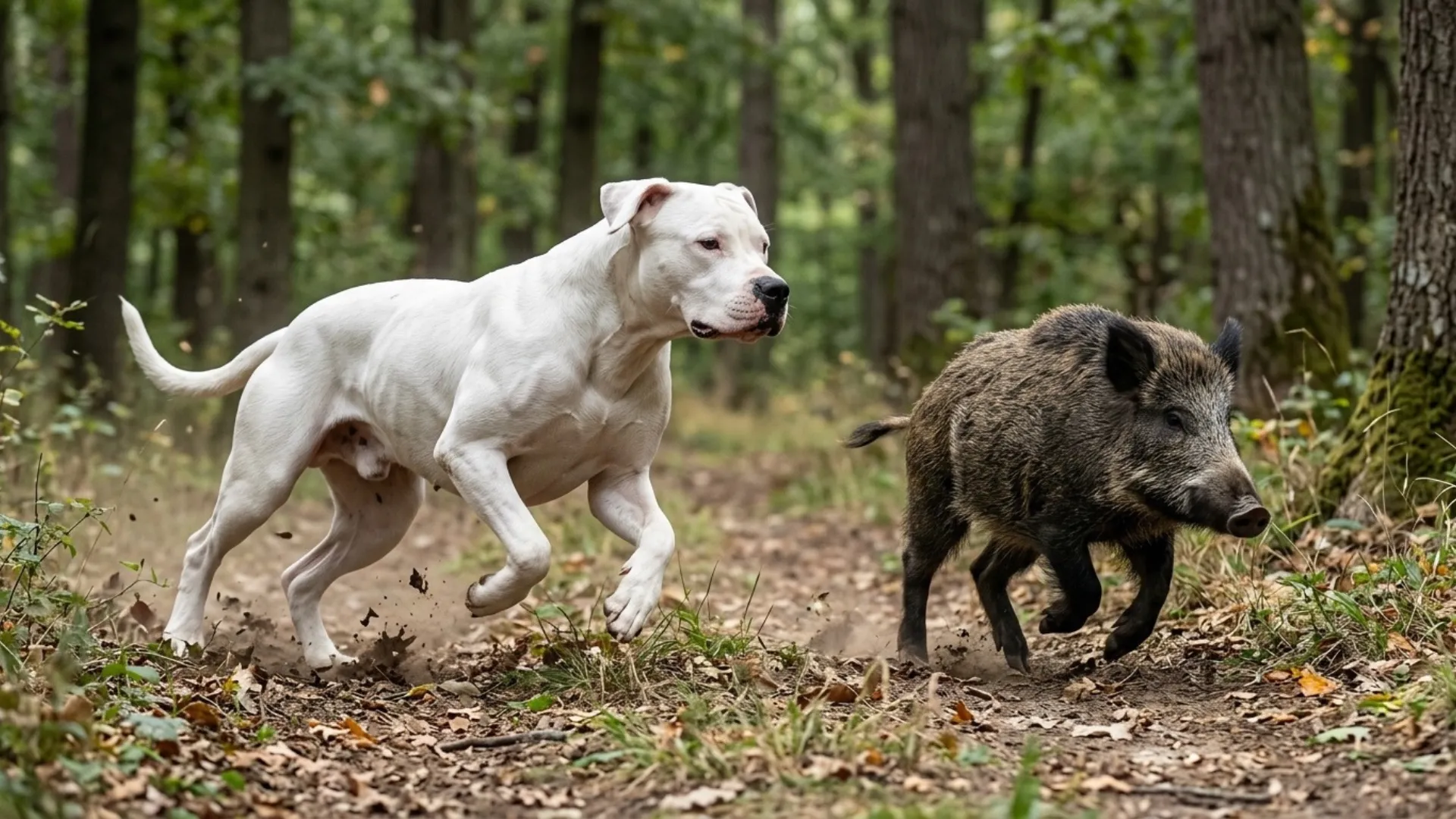
Wild boar hunting becomes difficult when a wounded animal disappears into dense woodland, leaving a trail that can be hard to follow.
Fallen leaves, muddy ground, tangled brush, and changing wind conditions can complicate the search. A capable hunting dog can help locate the animal by following its scent, working through rough terrain, and alerting the hunter when the trail leads somewhere promising. The right dog depends on the job, though.
Some dogs excel at tracking a scent over long distances, while others use their voices to help hunters follow the pursuit. Retrieval introduces another set of demands, including a reliable response to commands and the ability to work under control. Hunters must also consider the risks of confronting a powerful wild animal with sharp tusks.
This article explores dog breeds suited to wild boar tracking and retrieval, with a closer look at their working abilities, physical strengths, and practical demands.
Key Takeaways
Tracking a wounded wild boar through thick woodland can be tough, especially when mud, fallen leaves, and tangled brush hide the trail.
The Transylvanian Hound has the nose, stamina, and deep baying voice to help hunters follow a scent across rugged mountain terrain.
The Catahoula Leopard Dog has a different strength, using quick movements and an instinct for cornering hogs when the chase gets difficult.
From cold-trail trackers to powerful boar hunters, these seven breeds have some fascinating working abilities worth discovering.
Dog Breeds That Outperform in Wild Boar Tracking and Retrieval
1. Transylvanian Hound
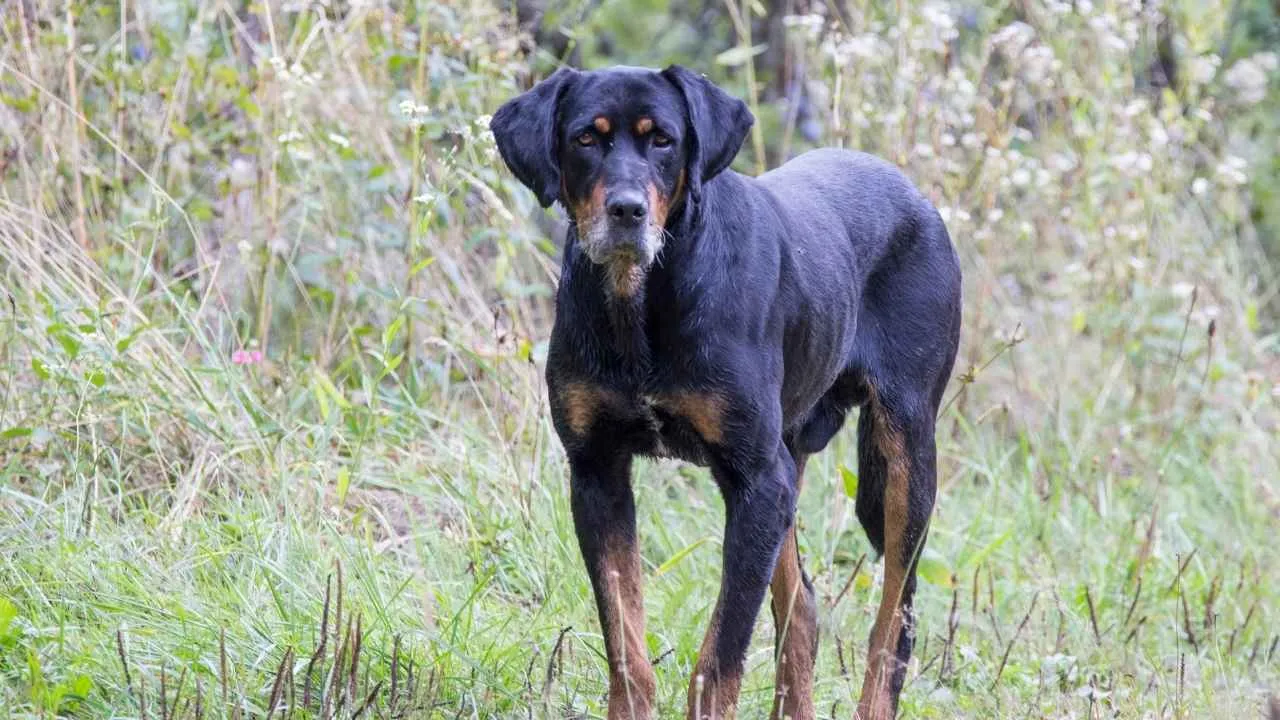
Transylvanian Hound traces its ancestry to hounds brought into Hungary’s Carpathian Mountain region during invasions in the 9th century.
Over generations, these dogs crossed with local hunting hounds suited to the rugged terrain, eventually serving Hungarian royalty on mountain hunts for deer and wild boar.
Built for the Scent Trail
They rely on their powerful nose and sustained tracking ability to follow wildlife through wooded slopes and uneven ground. Its long-striding build helps cover extensive hunting routes, while its resonant bay lets hunters follow its progress when thick vegetation blocks their view.
Three working features deserve attention:
Its short coat dries quickly after wet forest work
Its tough feet can handle rocky ground and snowy routes
Its bay helps handlers locate the dog at a distance.
Independent Mind
The AKC mentions that the Transylvanian Hound learns commands readily and often enjoys working with its handler, although hunting instincts can compete with instructions when a fresh trail catches its nose.
Short, clear training sessions, steady expectations, and time to process each lesson help keep its attention engaged without pushing too hard.
2. Treeing Walker Coonhound
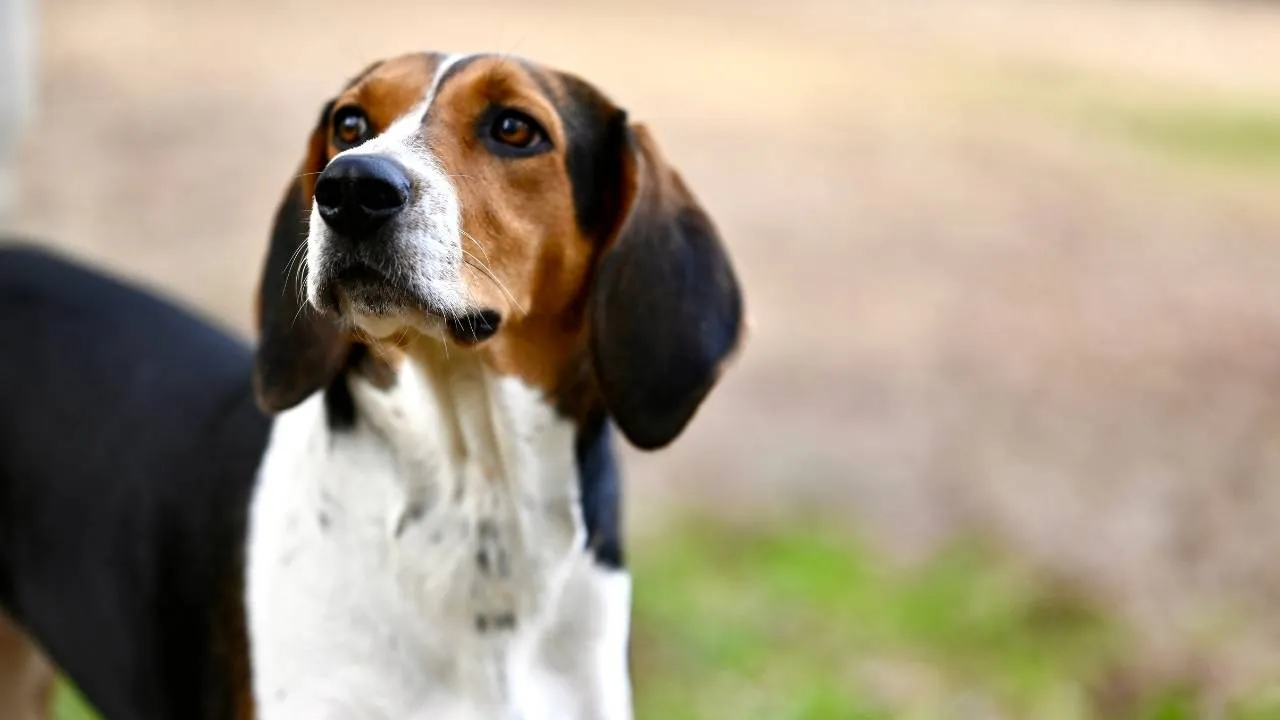
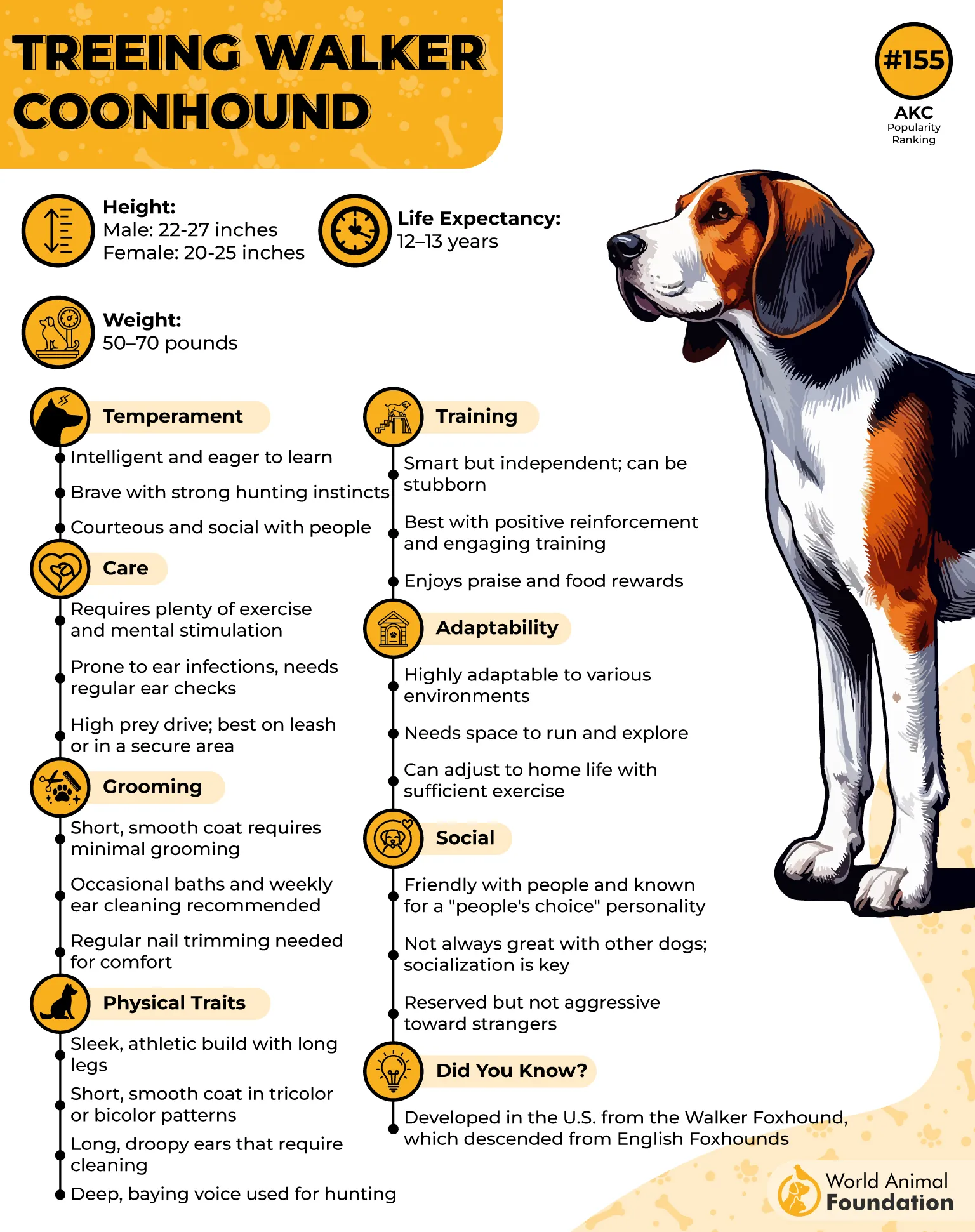
Treeing Walker Coonhound has roots in colonial-era Virginia and Kentucky, where hunters needed a faster hound to pursue game through dense forests and rugged hills.
Thomas Walker crossed English foxhounds with Virginia hounds, and a later pairing involving a hound named Tennessee Lead helped shape the raccoon-hunting breed known today.
Following the Scent
This Coonhound follows ground odors in sweeping patterns, using its powerful nose to recover a trail when the scent becomes difficult to follow.
During wild boar tracking, that scenting ability and stamina are valuable, although this breed was specifically refined for raccoon hunting rather than boar retrieval.
These working details explain how it operates in the field:
Long ears help funnel ground scents toward the nose.
Tough feet handle thorny undergrowth.
A loud bay helps handlers locate the hound.
Training With Purpose
Treeing Walker Coonhound learns best through short, positive sessions with consistent rewards, particularly when a task gives it a clear goal, as reported in VCA Hospital.
Harsh handling can make this independent hound shut down, while boredom may lead to loud baying at home, especially when distant sounds catch its attention.
3. Catahoula Leopard Dog
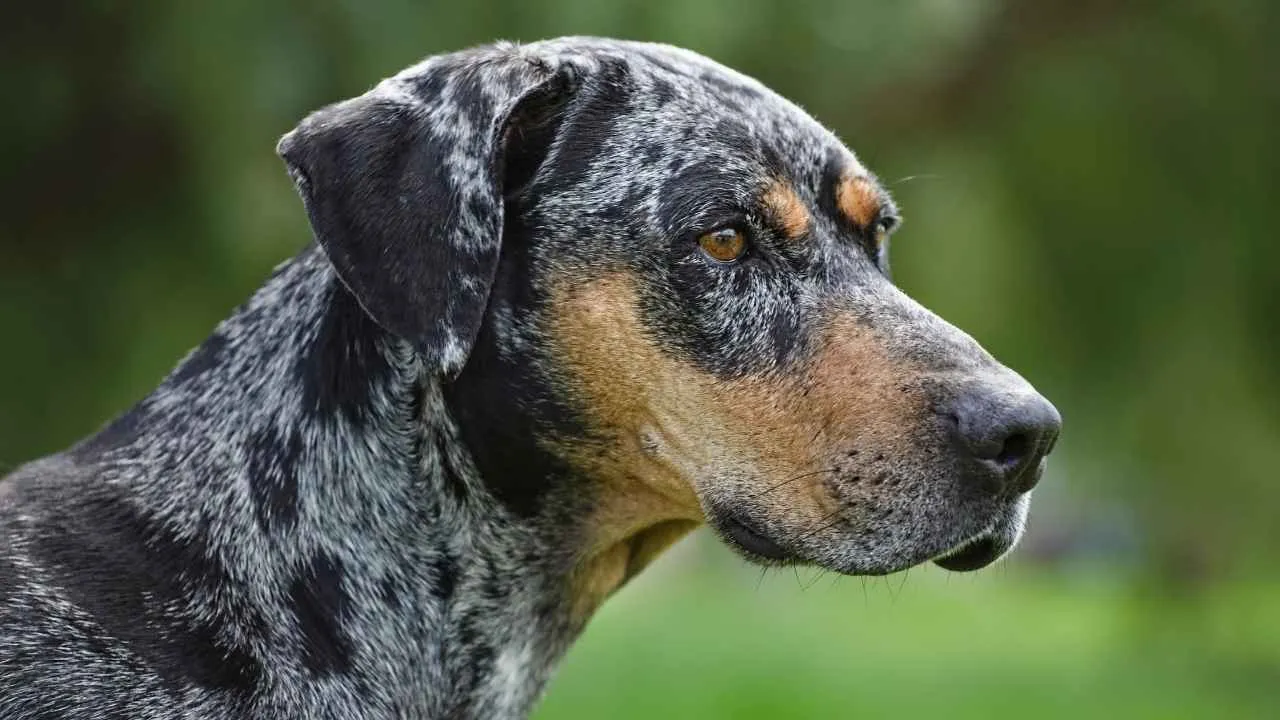
Catahoula Leopard Dog has deep ties to Louisiana, where early dogs were used to hunt wild hogs and manage cattle roaming across the region.
Its ancestry remains debated, with theories linking Native American dogs to Spanish explorers’ dogs and later French hunting and herding breeds.
Built for Hog Work
This top dog breed uses its muscular frame, powerful hips, and quick directional changes to handle demanding work across rough, muddy ground. Its short, tight coat also sheds mud and burrs more easily than longer fur, a practical advantage in Louisiana’s wet landscapes.
Three working details help explain its field ability:
Webbed paws suited to swampy ground
A loud baying voice when holding hogs
An instinct to corner quarry until help arrives
A Dog With Its Own Ideas
Catahoula Leopard Dog is highly alert to activity around its territory and may repeatedly patrol boundaries to check for changes. Its intelligence can also lead to digging, escaping, or shifting household objects when it lacks a suitable task, while early training helps channel these habits.
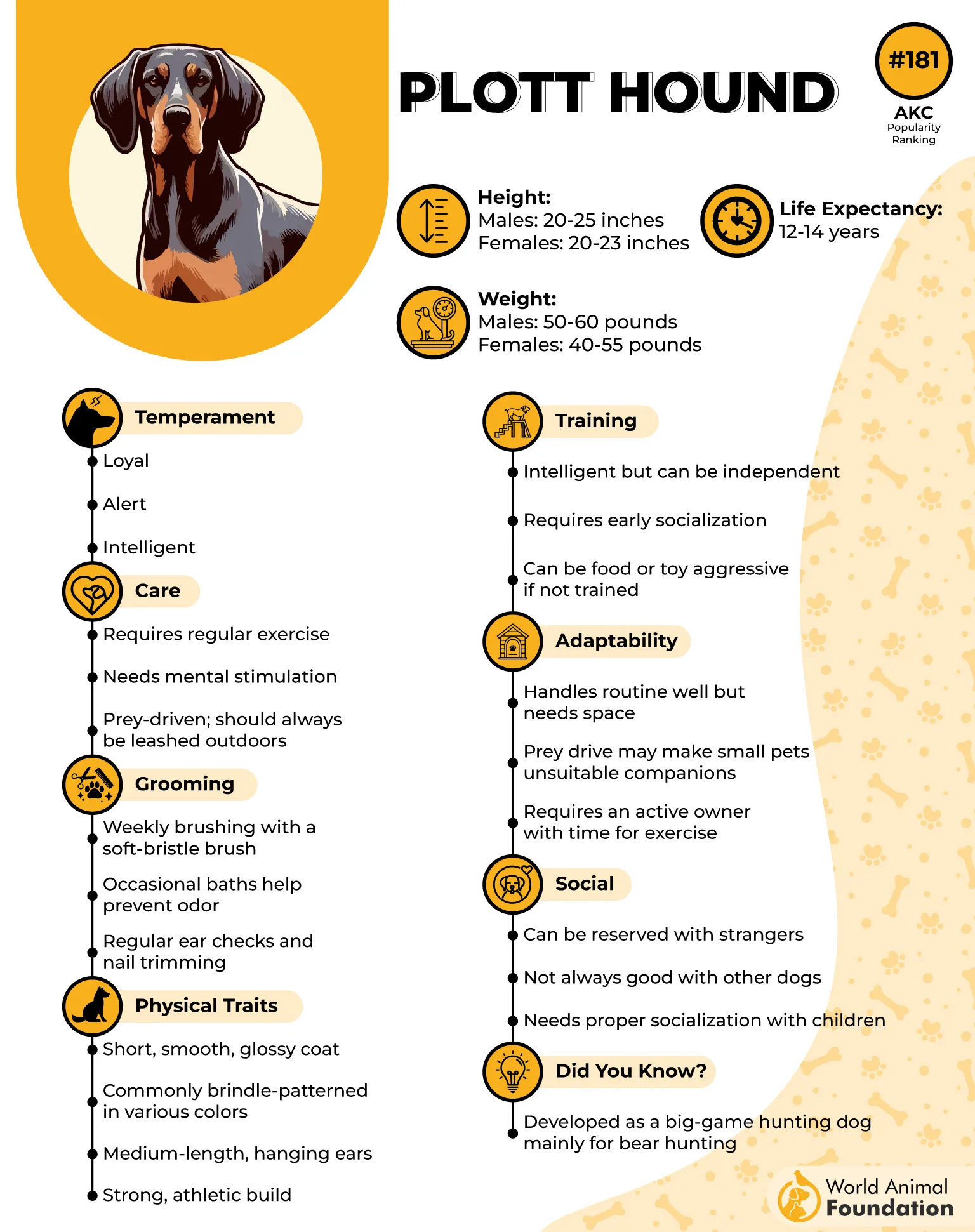
4. Plott Hound
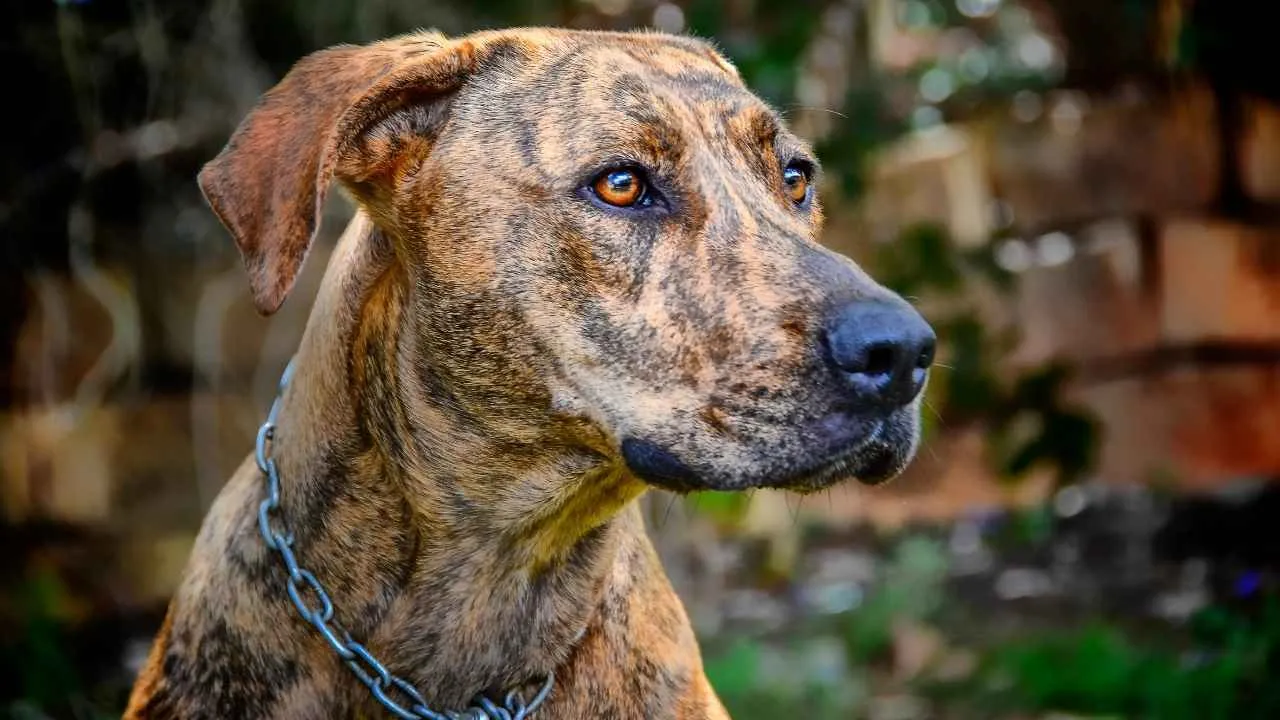
Plott Hound has American roots dating to the mid-1700s, when Johannes Plott arrived in North Carolina with five Hanover hounds from Germany. His family later crossed these dogs with local hunting dogs, shaping a breed suited to pursuing large game in the American wilderness.
Following Cold Trails
This best breed uses its highly developed sense of smell to follow older scent trails through mountainous country and dense brush. Its ability to search for a lost scent, regain the trail, and pursue it over long distances makes it particularly useful in demanding wild boar hunts.
The following working qualities add to its tracking ability:
Deep, resonant bay audible at a distance
Brindle coat suited to woodland surroundings
Strong endurance on rough ground
Independent by Nature
This four-legged companion is intelligent and confident, with a strong tendency to follow an interesting scent even when its handler calls.
Early training and broad socialization are important, particularly around smaller animals, while consistent boundaries can help prevent food or toy guarding.
5. Blue Lacy
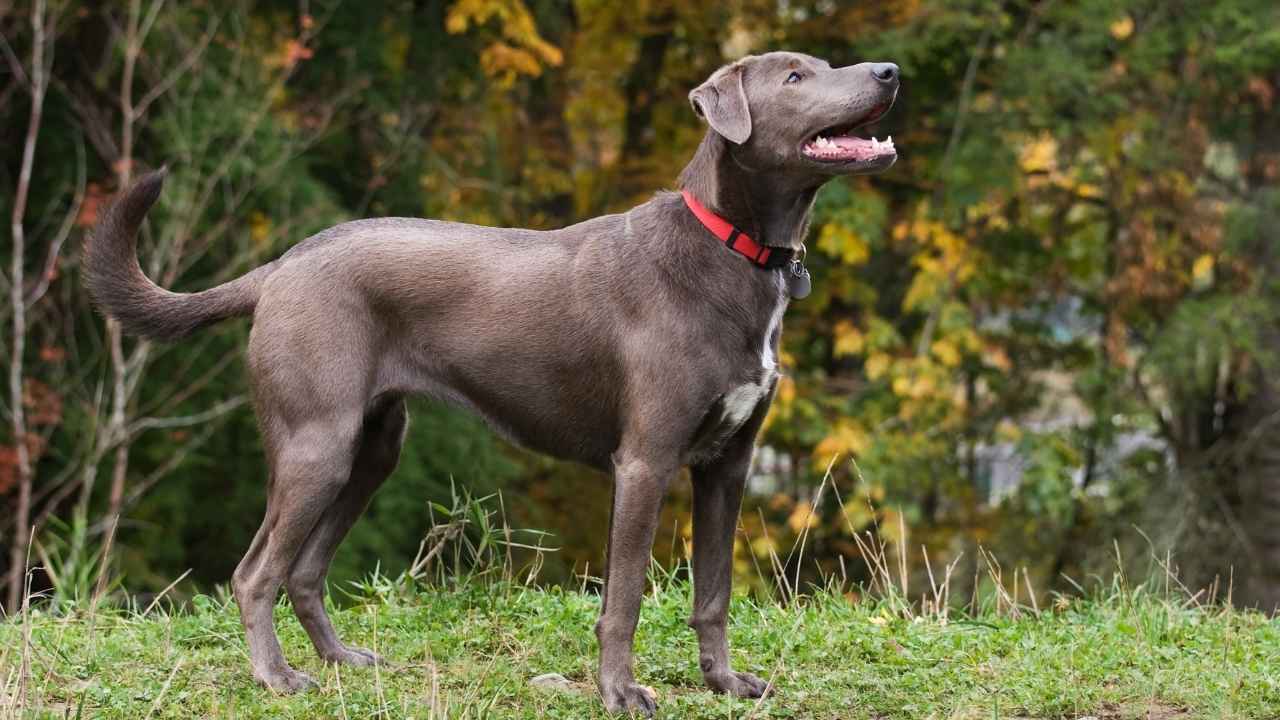
Blue Lacy takes its name from the Lacy brothers, who began working on the breed in Kentucky before moving to Texas in 1858. In the Hill Country, they crossed Greyhounds, scenthounds, and coyotes to create a fast, capable dog for rounding up free-roaming hogs and driving them to Austin markets.
Tracking Through Brush
Blue Lacy combines scenting ability with speed and agility, making it useful when following game across thick brush and uneven ground. Its lean frame, short coat, and efficient gait also suit the hot Texas climate where ranch work can stretch across long hours.
The following working abilities are especially relevant to them:
Wide-ranging searches across open ground
Quick route changes through dense brush
Herding and baying when handling livestock or game
Focused and Sensitive
This hunting companion learns job-related commands quickly and responds best to consistent cues, clear boundaries, and rewards, as Animalia describes.
Harsh discipline can upset this sensitive dog, while unfamiliar people and animals may receive a wary response, especially inside the home.
6. Dogo Argentino
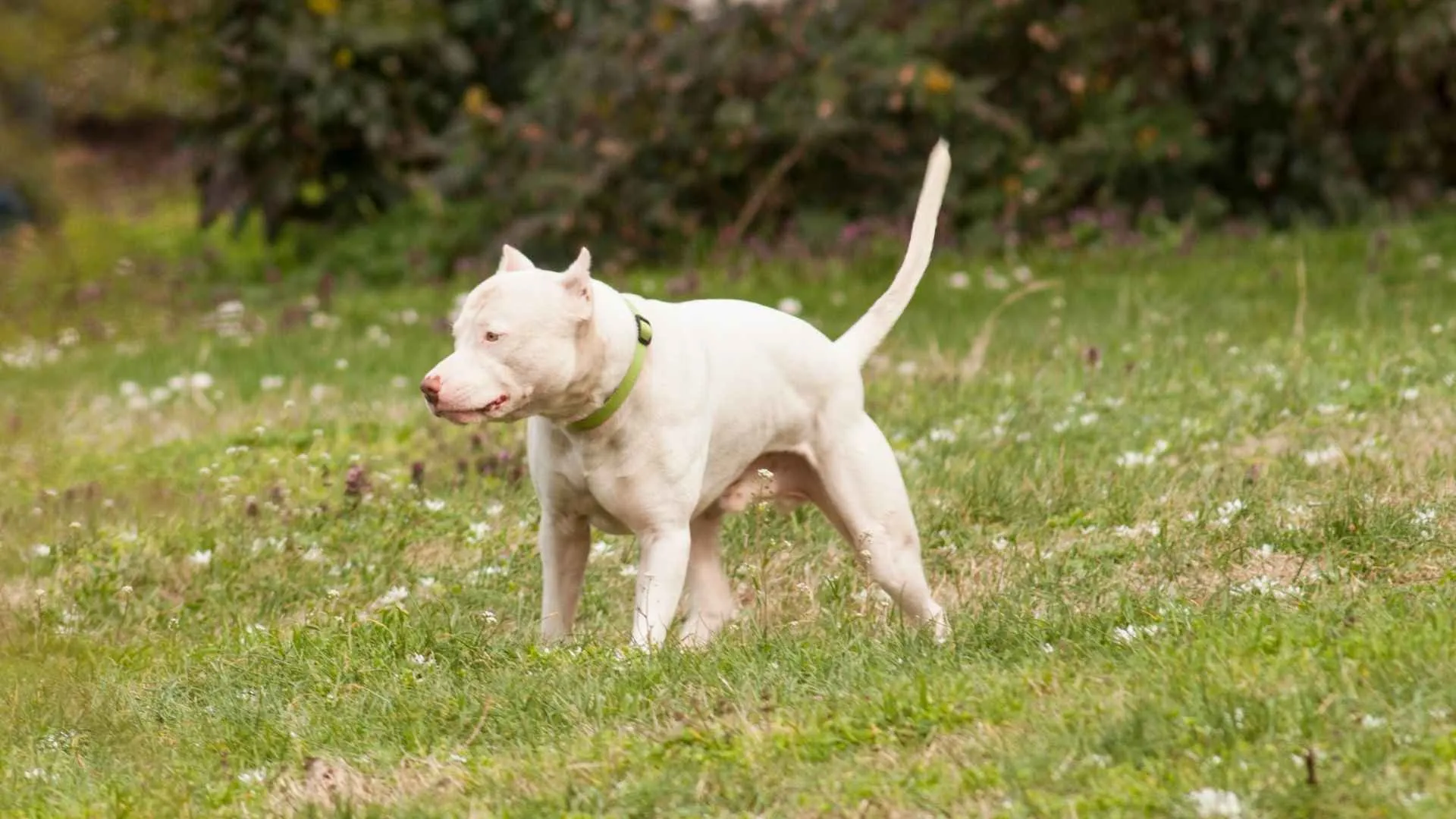
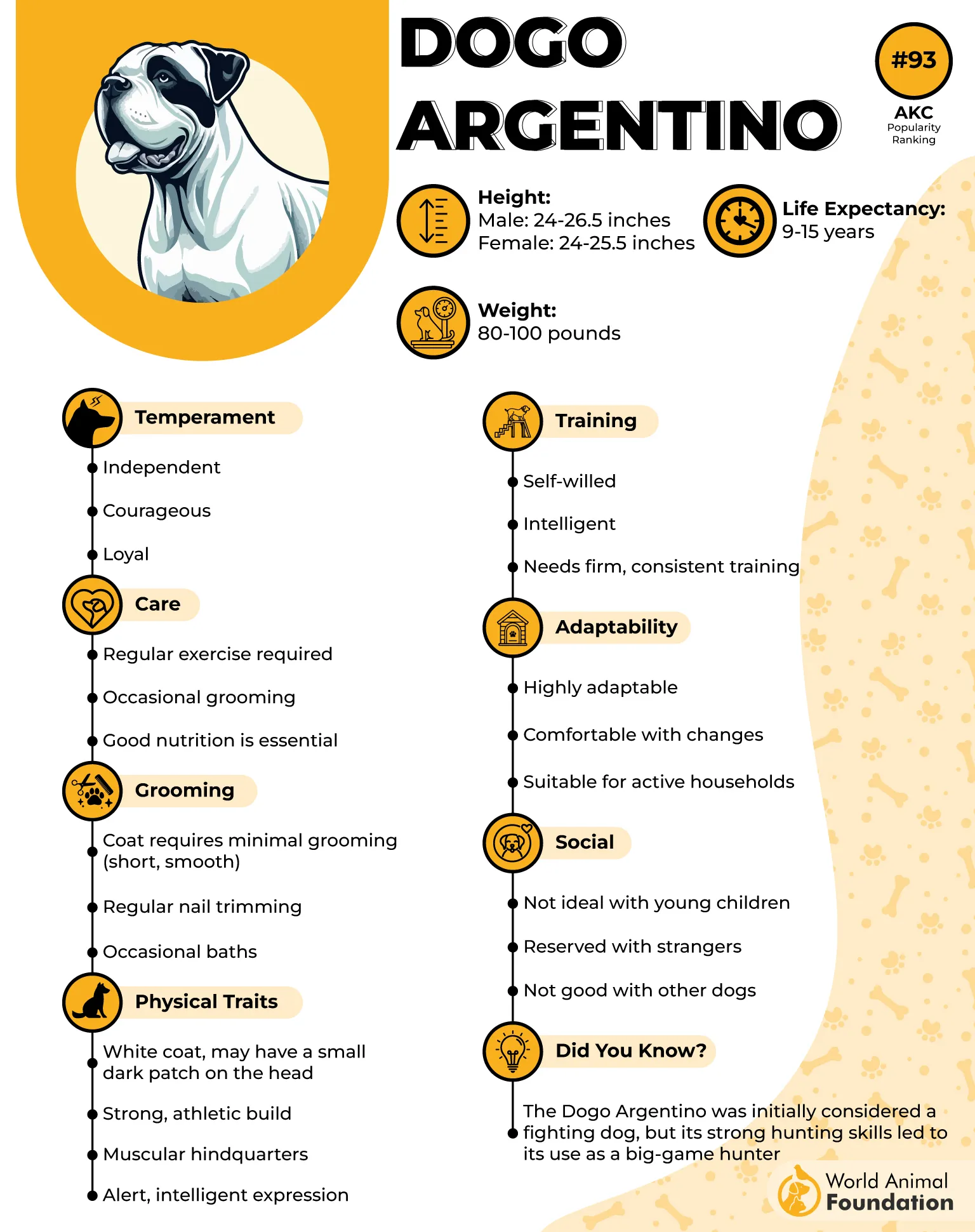
Dogo Argentino originated in Argentina in 1928, when Dr. Antonio Nores Martínez began creating a new breed from the now-extinct Cordoba fighting dog and several other breeds.
His breeding program included the Boxer, Great Dane, Pointer, and Irish Wolfhound, combining dogs with different physical and working qualities.
The Boar Pursuit
During hunts in the Argentine wilderness, Dogo Argentinos worked in packs to pursue wild boars, pumas, and other formidable prey. Their powerful build supports explosive bursts of speed, while a strong nose helps them follow scents through challenging terrain.
The details below explain their specialized working style:
Powerful grip and holding ability
Strong scent-tracking focus
Sprinting followed by sustained pursuit
Built for the Catch
Dogo Argentino has a broad head, powerful neck, and muscular shoulders that help it grip and control large prey. Its short, tight white coat can also make the dog easier for hunting partners to spot in thick vegetation, although it offers limited protection in cold weather.
7. Redbone Coonhound
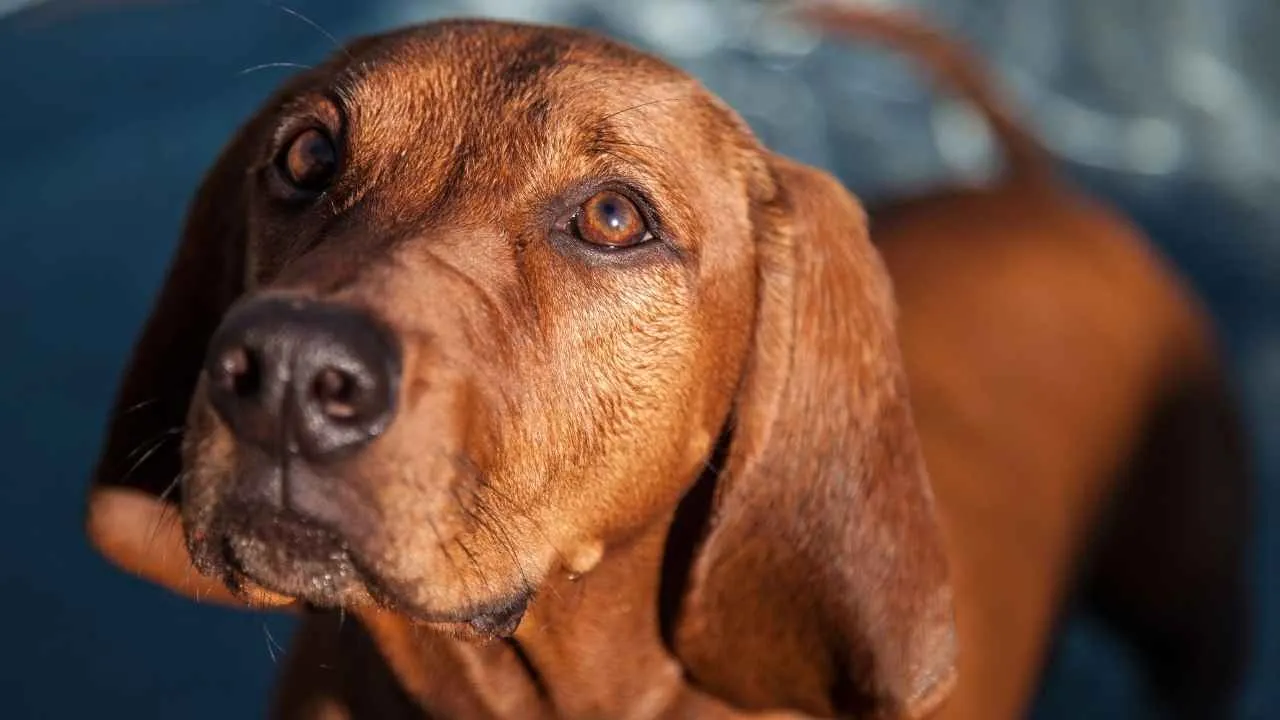
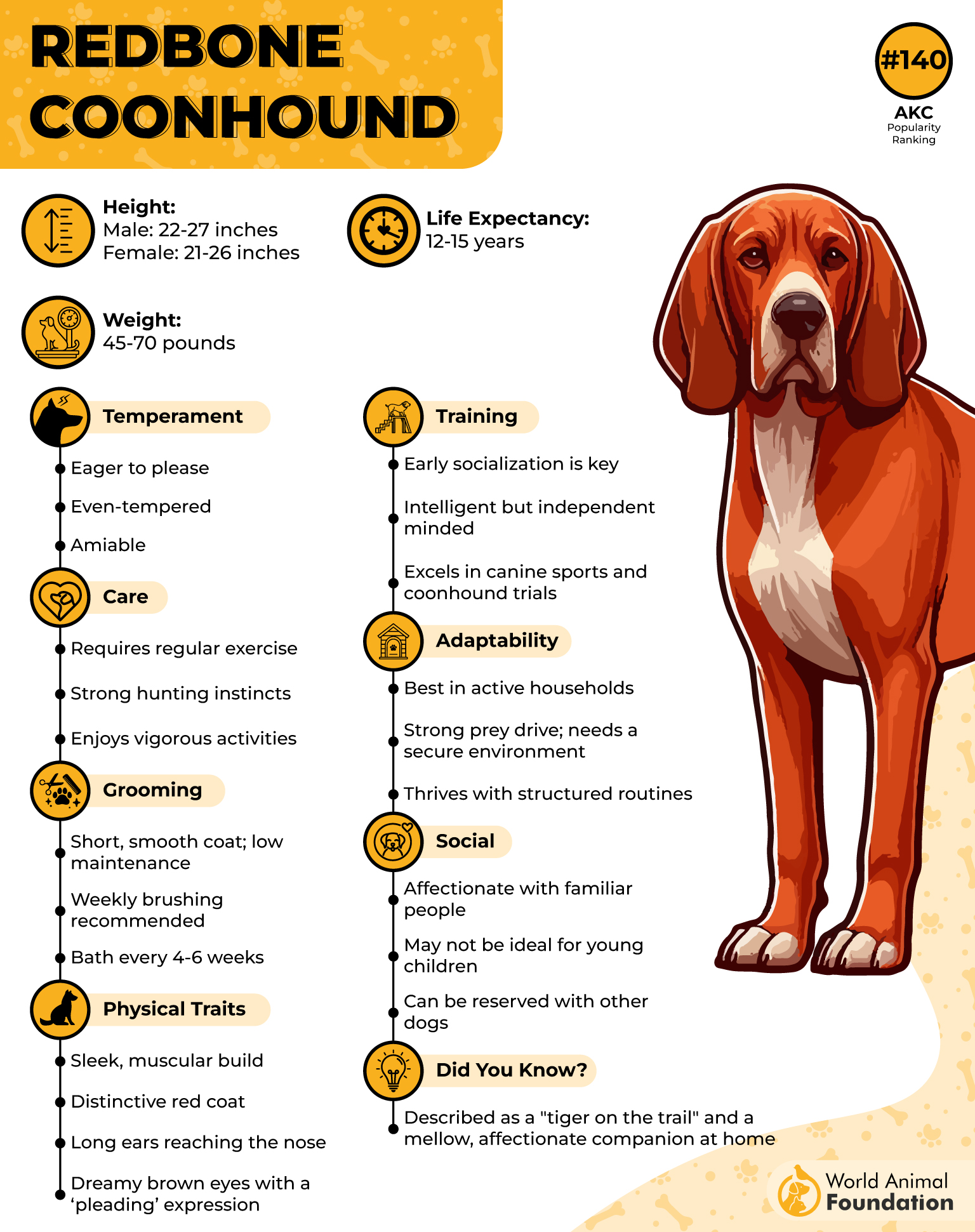
Redbone Coonhound descends from red foxhounds brought to America by Scottish immigrants in the late 1700s. Breeders in the southeastern United States, particularly Georgia, later crossed these dogs with Irish hounds and possibly Bloodhounds to strengthen their raccoon-hunting abilities.
Following the Scent
This versatile tracker uses its long muzzle and large nasal cavity to detect odors across wooded hunting grounds. When a trail becomes difficult to follow, it sweeps its nose from side to side, then slows down to investigate turns where scents overlap or change direction.
Its fieldwork relies on several specialized behaviors:
Long ears that help collect nearby scent particles
A loud bay audible through dense woodland
Short, dense fur that sheds debris and dries quickly
A Voice in the Woods
Redbone Coonhound is an affectionate, sensitive companion that enjoys interaction with adults and children, along with activities that keep it occupied.
Its powerful bay can travel considerable distances, while an interesting scent may tempt it to wander away, making secure fencing and dependable leash habits important.
Conclusion
Tracking wild boar through dense woodland requires a dog with a keen nose, steady stamina, and the determination to keep following a difficult trail. Some dogs work over long distances, while others rely on speed, baying, or close coordination with their handlers.
Strong tracking skills and retrieval and recovery work also demand control, clear communication, and careful judgment.
Not every hunting dog performs the same role, so its original purpose matters when assessing its abilities. Hunters should consider training needs, temperament, physical condition, and the risks involved around wounded game.
These dogs may make more successful hunting partners than family pets, but responsible handling helps keep demanding fieldwork safer for both dogs and people.
