




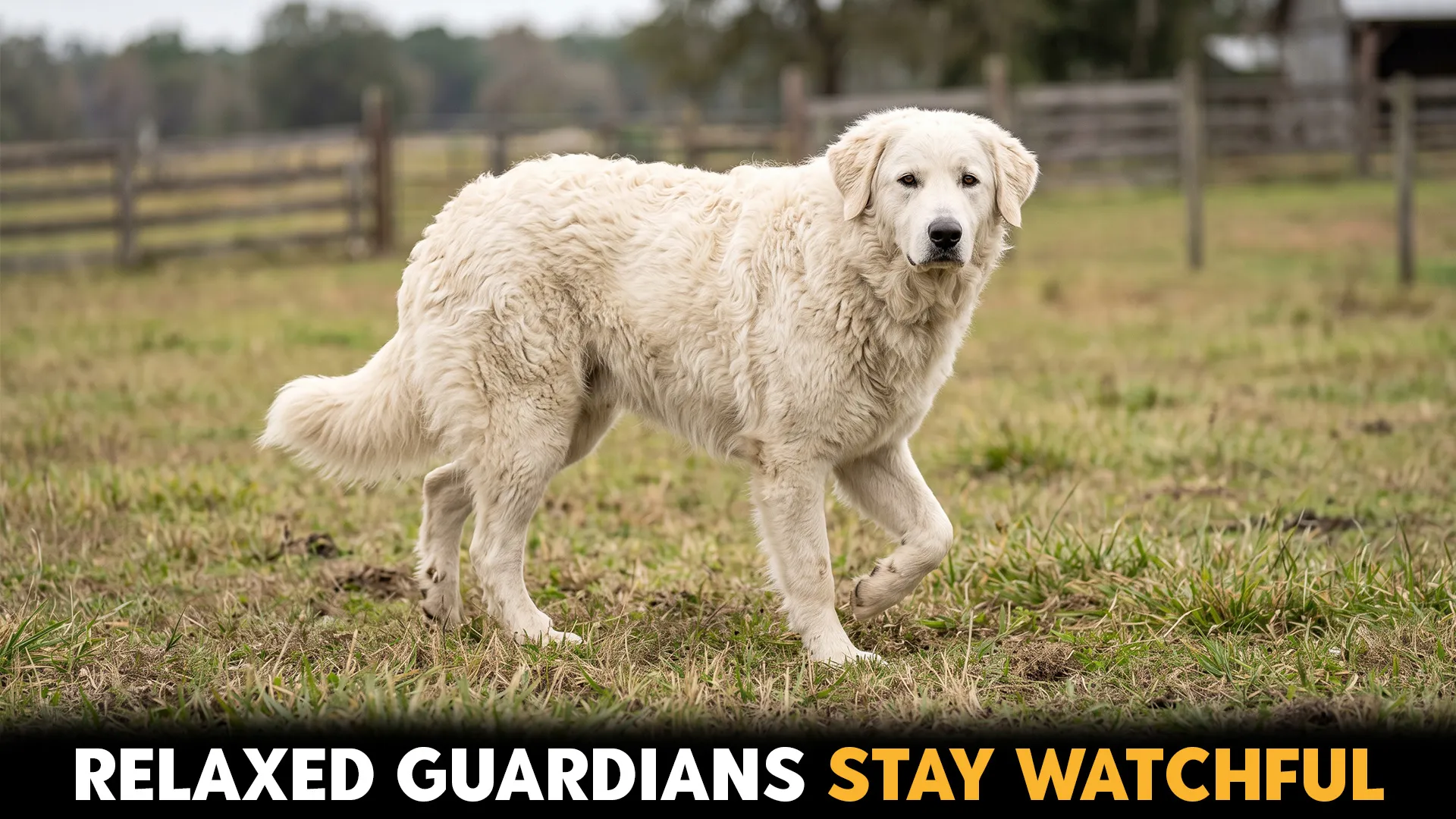
Want a loyal guard dog that knows when to relax?
Some dogs can watch over your home without making every day feel like a security drill! These calm giants can offer a sense of safety while enjoying quiet time with their families. However, each breed brings its own needs and challenges.
From the powerful Boerboel to the historic Mastiff, these seven breeds have different skills and care needs. Some need little coat care, while others need extra time to keep their coats healthy. Their size, energy, and guarding instincts also affect daily life.
So, which dog fits your home best?
This guide explores what makes each breed special and what owners should know before choosing one. You will learn about their care, training, and protective traits. With the right match, you can find a steady companion who fits your family and routine.
Low‑Maintenance Guard Dog Breeds That Lope Calmly
Here is the list of excellent guard dogs.
1. Boerboel
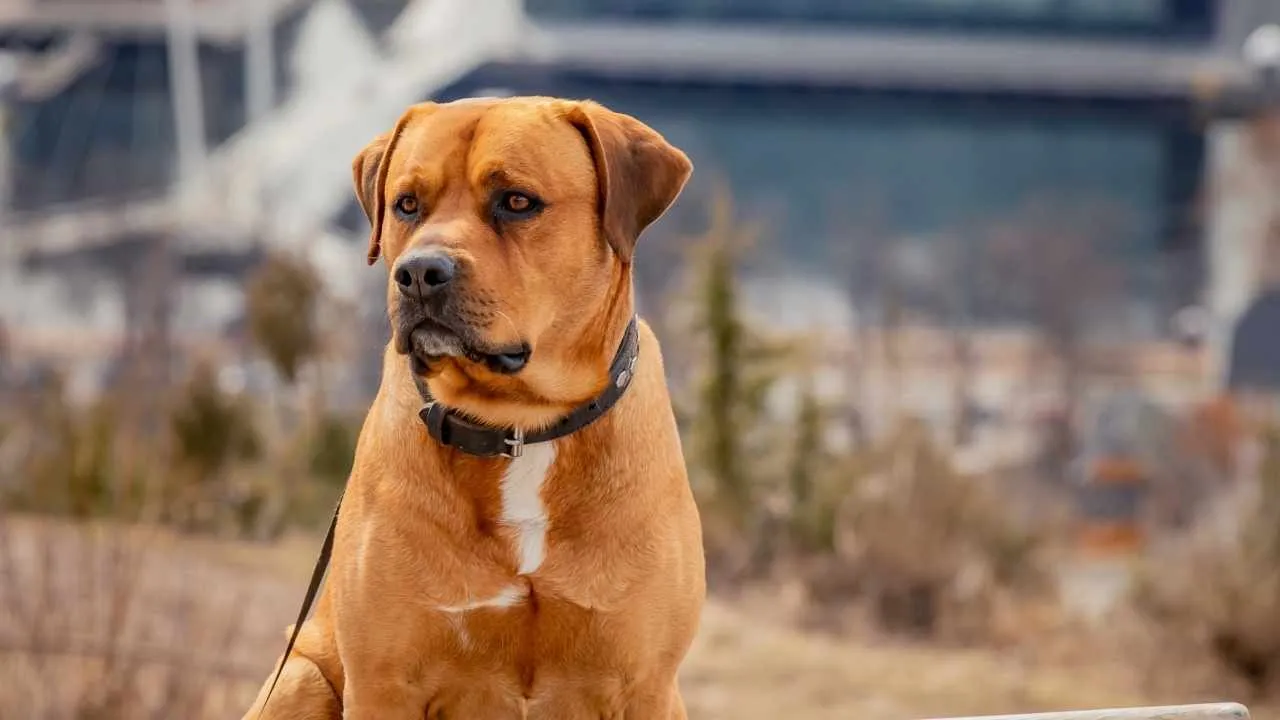
The Boerboel began in South Africa in the 1650s. According to VCA, Jan van Riebeeck’s family dog bred with local domestic dogs. Their name means “farm dog,” and they remain close to their working roots.
VCA notes that they are among the most agile Mastiff-type dogs. Paintings from the mid-1800s show how little the breed has changed. The American Kennel Club recognized the Boerboel in 2015. This large dog has a natural instinct to protect its home and family.
Its even-tempered nature can shine with proper care, but its strength needs firm, calm guidance. Boerboels may suit experienced owners seeking one of the best family guard dogs. Still, every dog has a unique temperament, so careful planning matters.
Caring for a Boerboel
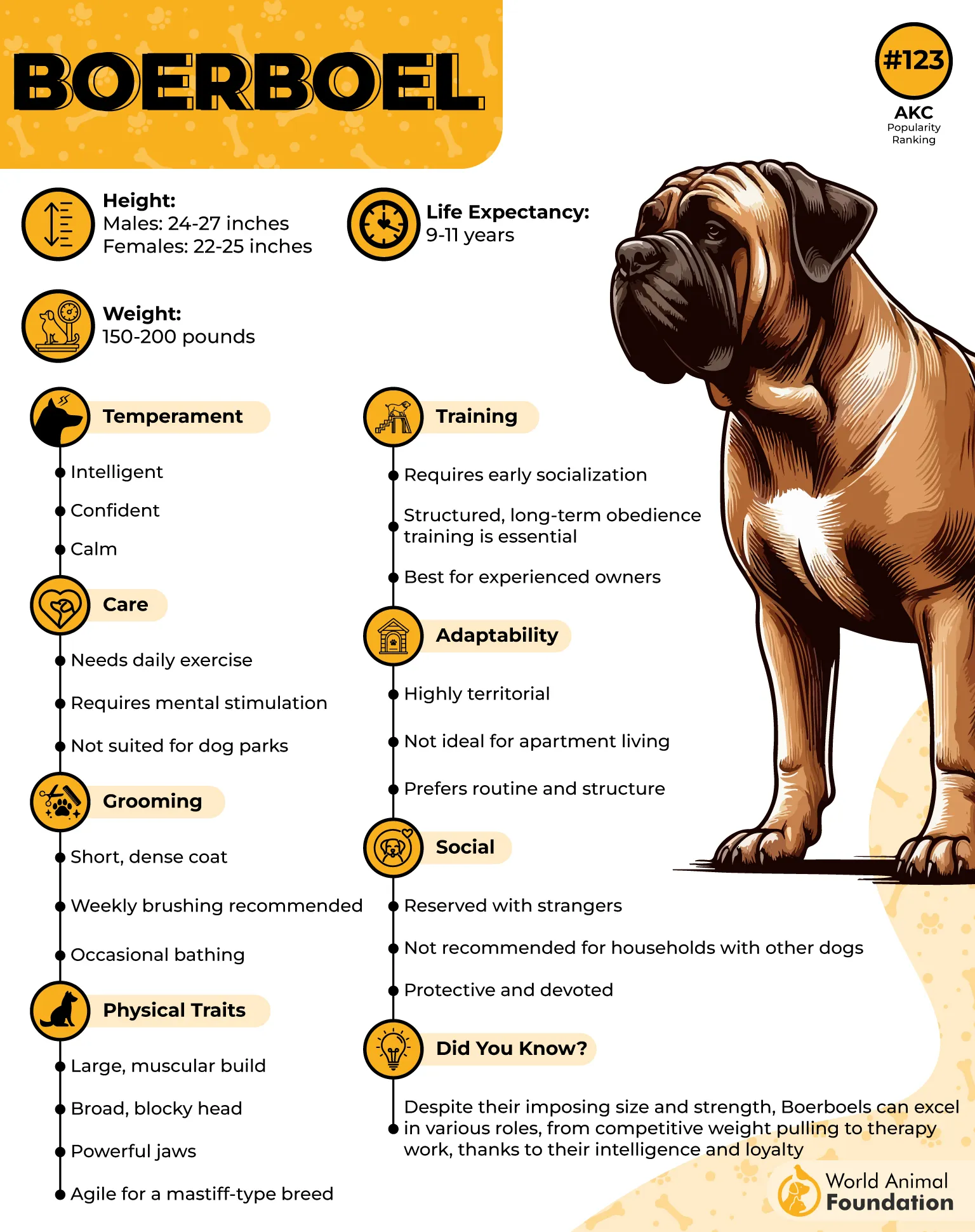
Keep grooming simple: As one of the short-coated dogs, the Boerboel needs weekly brushing to remove loose hair and keep its coat clean.
Plan daily activity: Offer walks, play, and tasks that keep your dog fit. A secure yard gives it room to move safely.
Start training early: Use clear rules and reward calm choices. Early socialization helps your Boerboel learn how to respond to new people and places.
Guide pet introductions: Teach polite behavior around other animals. Supervise meetings with pets, and never assume every dog will get along.
Set family safety rules: Teach children to respect the dog’s space, especially during meals and rest. Adults should always supervise young children around a powerful dog.
2. Rhodesian Ridgeback
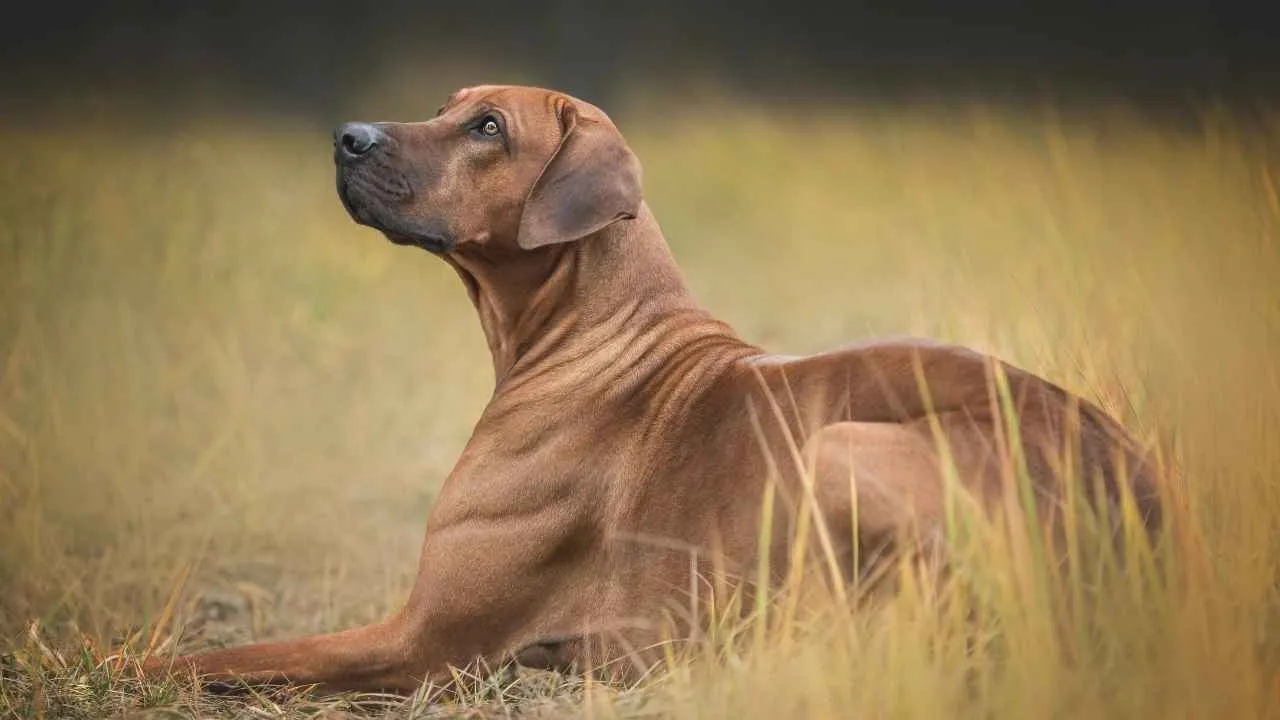
The Rhodesian Ridgeback is a large hunting dog breed from southern Africa. It once helped hunters track large game across rough land. According to PDSA, these clever, gentle dogs stay loyal and protective of their families. Their famous ridge of hair runs along the back.
This breed has sharp intelligence and strong working ability. It can be an excellent guard dog, too. Its size may seem intimidating, but good training helps shape its behavior. Ridgebacks need active days and tasks that challenge their minds.
Without enough to do, they may get bored and find trouble. They suit experienced owners who can offer space, time, and patient guidance.
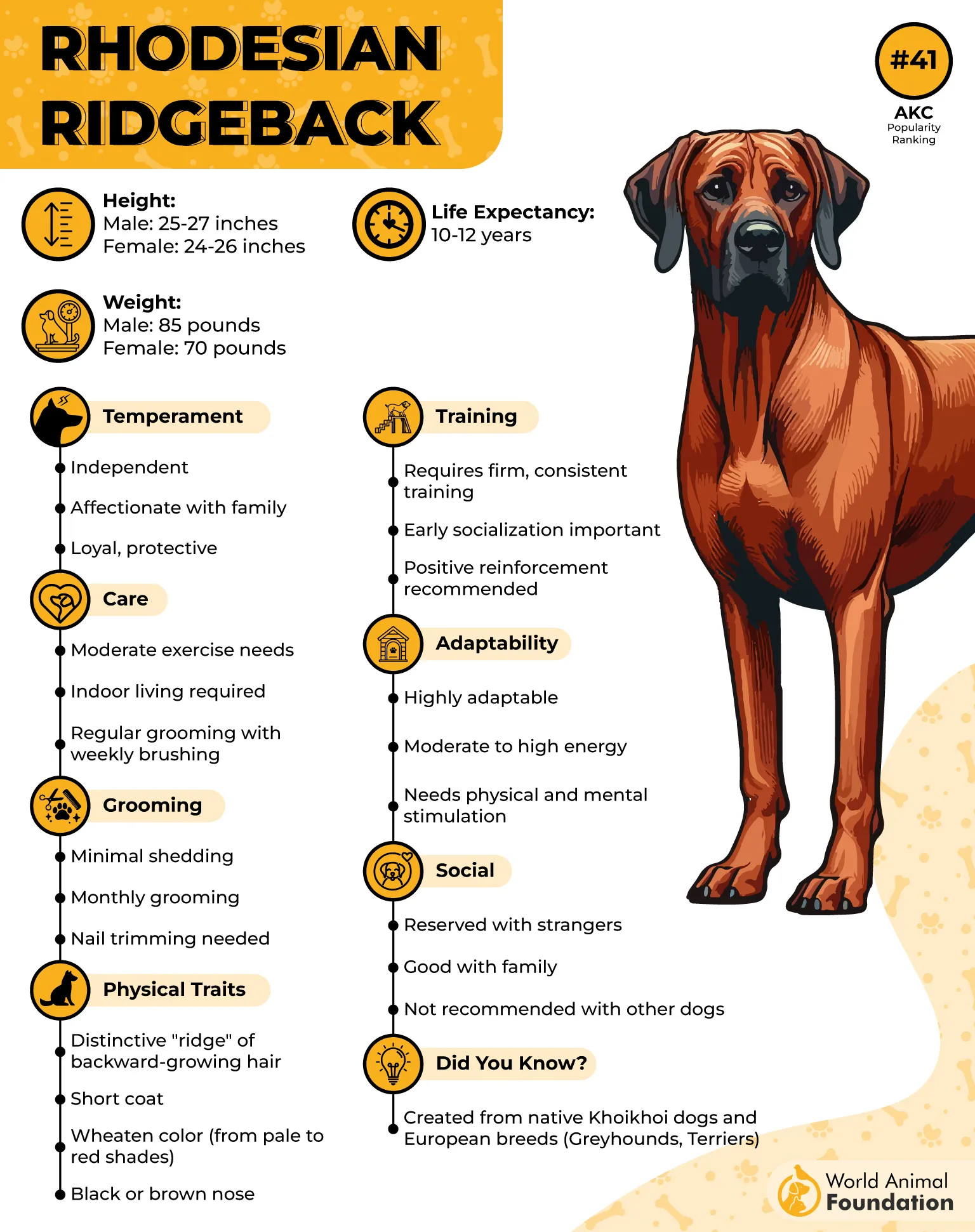
Keeping a Ridgeback Happy and Well Mannered
Make room to move: A large, secure garden gives this active dog space to explore. Daily walks and safe runs also help meet its needs.
Keep its mind busy: Use scent games, puzzle toys, and short training sessions. Sharp intelligence means this dog needs more than simple walks.
Train for safe protection: A properly trained Ridgeback can learn to stay calm around visitors. Do not encourage aggression to make it a protection dog.
Plan dog introductions: Some Ridgebacks may be selective around other dogs. Use calm, gradual meetings before expecting them to mix well with other family pets.
Know its coat and voice: Weekly brushing keeps loose hair under control. Ridgebacks may bark to alert their owners, so teach them when to settle.
3. Bergamasco Sheepdog
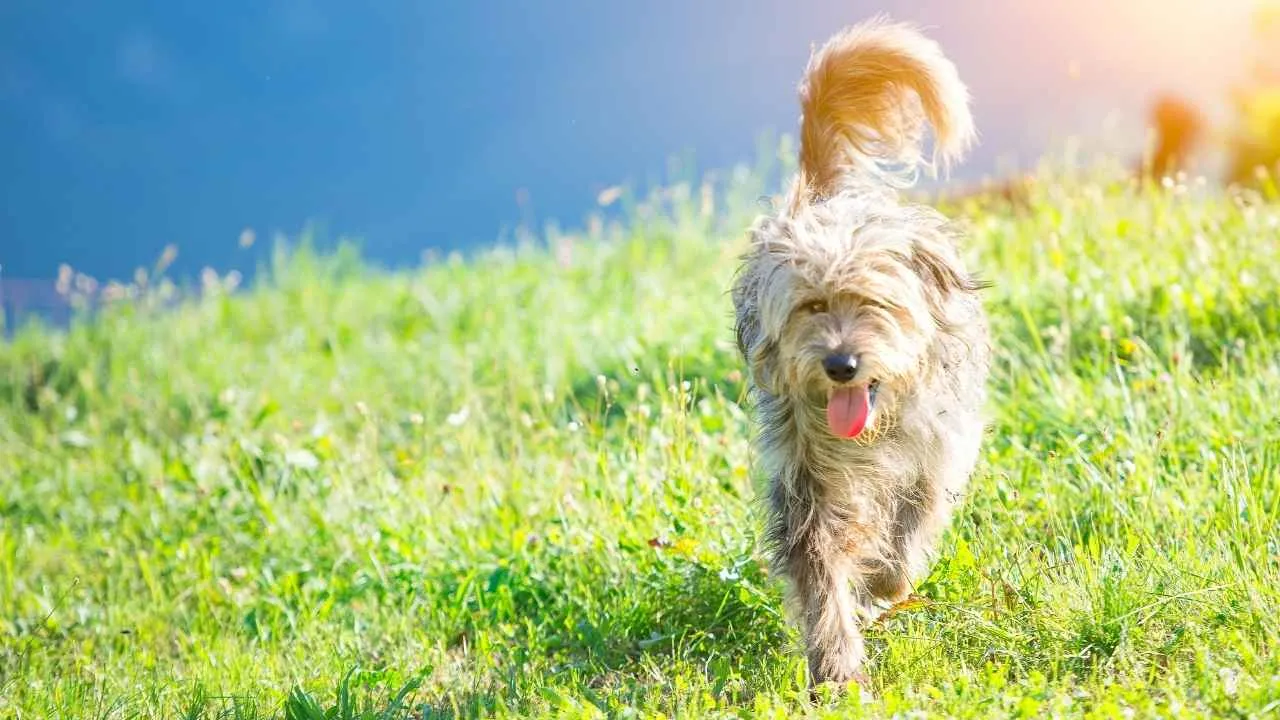
The Bergamasco Sheepdog comes from the Italian Alps, where it helped guard and herd sheep. According to Purina, this breed still has the mindset of a working dog. Its strong guarding instinct makes it a natural flock guardian, but it needs early socialisation and ongoing training.
This medium-sized dog breed is clever and keen to work. However, it may nip when trying to herd people or animals. That makes it a poor choice for a first-time dog owner. Patient, skilled pet parents can help it learn good habits.
Its thick coat forms long mats that protect it from harsh weather. These mats need careful attention as the puppy grows. Adult coat care takes time, even without regular brushing.
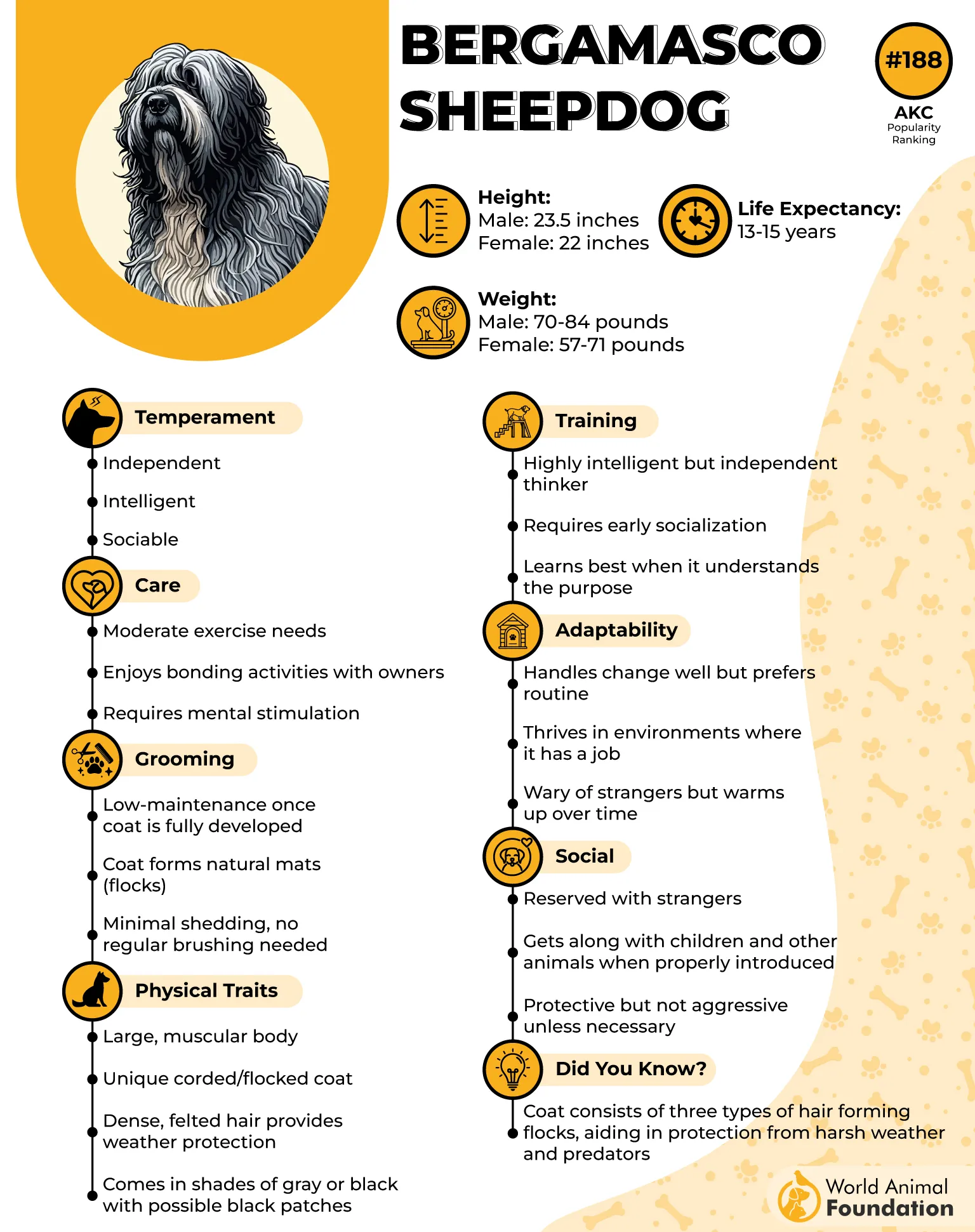
Helping a Bergamasco Thrive at Home
Build a daily routine: Provide regular exercise through walks, games, and tasks. This working dog needs both movement and mental challenges.
Set clear limits: Use kind, steady training to guide its herding habits. Reward calm choices instead of allowing nipping or chasing.
Plan safe play with kids: Teach children to respect the dog’s space. Always supervise young kids, especially during lively games.
Introduce other pets slowly: Keep early meetings calm and controlled. Watch for herding behavior, and give each animal room to move away.
Choose the right home: The Bergamasco may suit active owners with dog experience. It is not the best guard dog for every family, so consider its needs before bringing one home.
4. Kuvasz
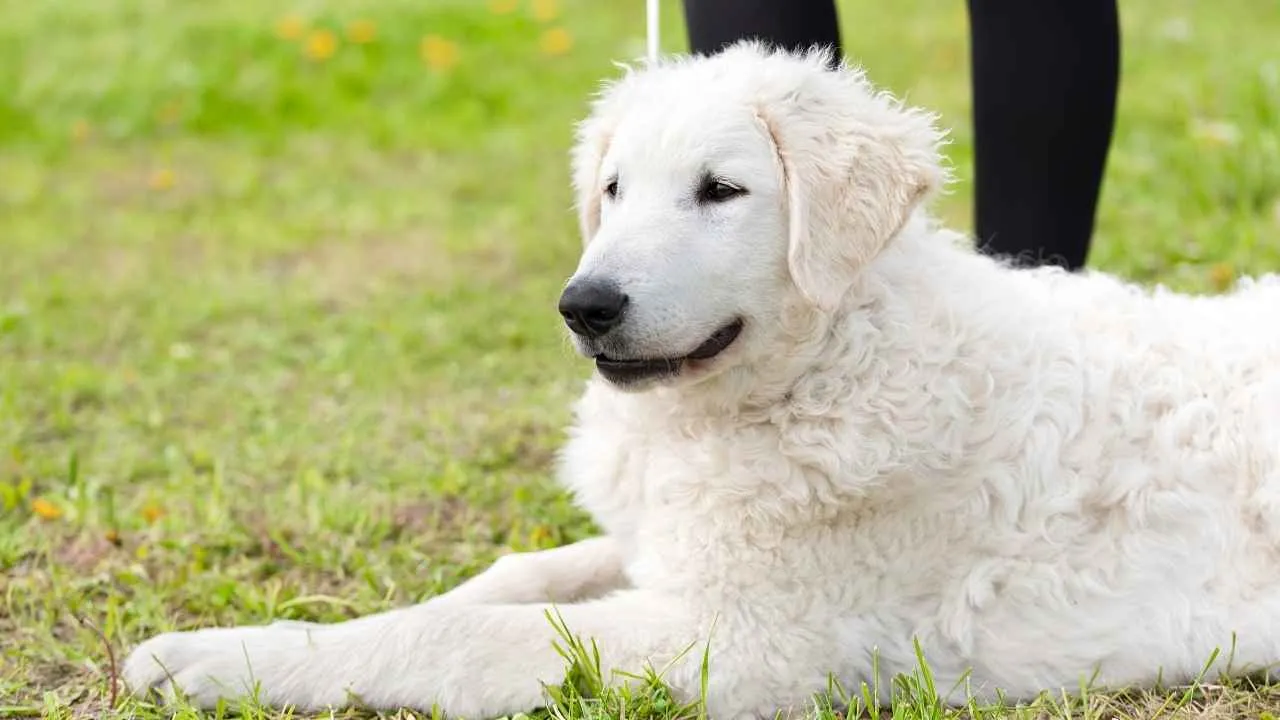
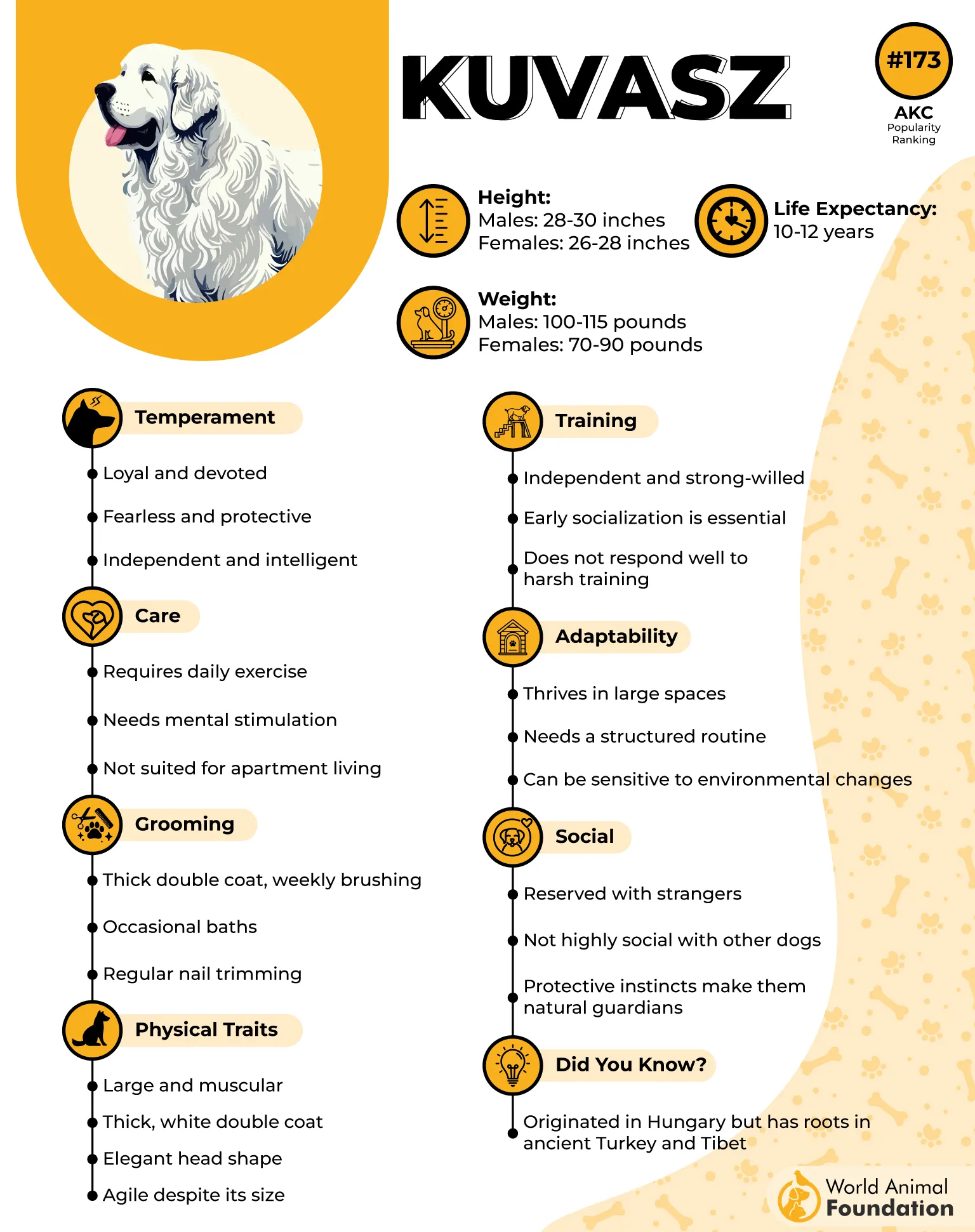
According to Hill’s Pet, the Kuvasz is a brave, intelligent dog with a regal yet grounded presence. This livestock guardian spent centuries protecting farm animals in the hills of Hungary. Its history shaped a strong mind and a steady nature.
This intelligent breed can make choices without waiting for every command. Its muscular frame adds to its striking appearance, while its natural instinct drives it to watch over its home. A Kuvasz can be a great guard dog for the right owner. However, its protective temperament may make it wary of strangers.
It needs patient guidance, early socialization, and clear rules. This breed suits owners who respect its independent nature and understand the demands of real protection work.
Helping a Kuvasz Feel Secure and Settled
Give it room to roam: A securely fenced yard offers space to move and watch its surroundings. Daily walks also help keep this strong dog fit.
Keep its coat healthy: Brush its thick coat each week to remove loose hair and tangles. Expect heavier shedding at certain times of year.
Train with patience: Use calm, steady lessons and rewards. Harsh methods can damage trust and make learning harder.
Plan careful introductions: Let the Kuvasz meet new people slowly. Reward calm behavior, and avoid forcing contact with strangers.
Support its guardian role: Set clear limits around gates, visitors, and farm animals. A Kuvasz needs guidance to tell normal activity from a real concern.
5. Rafeiro do Alentejo
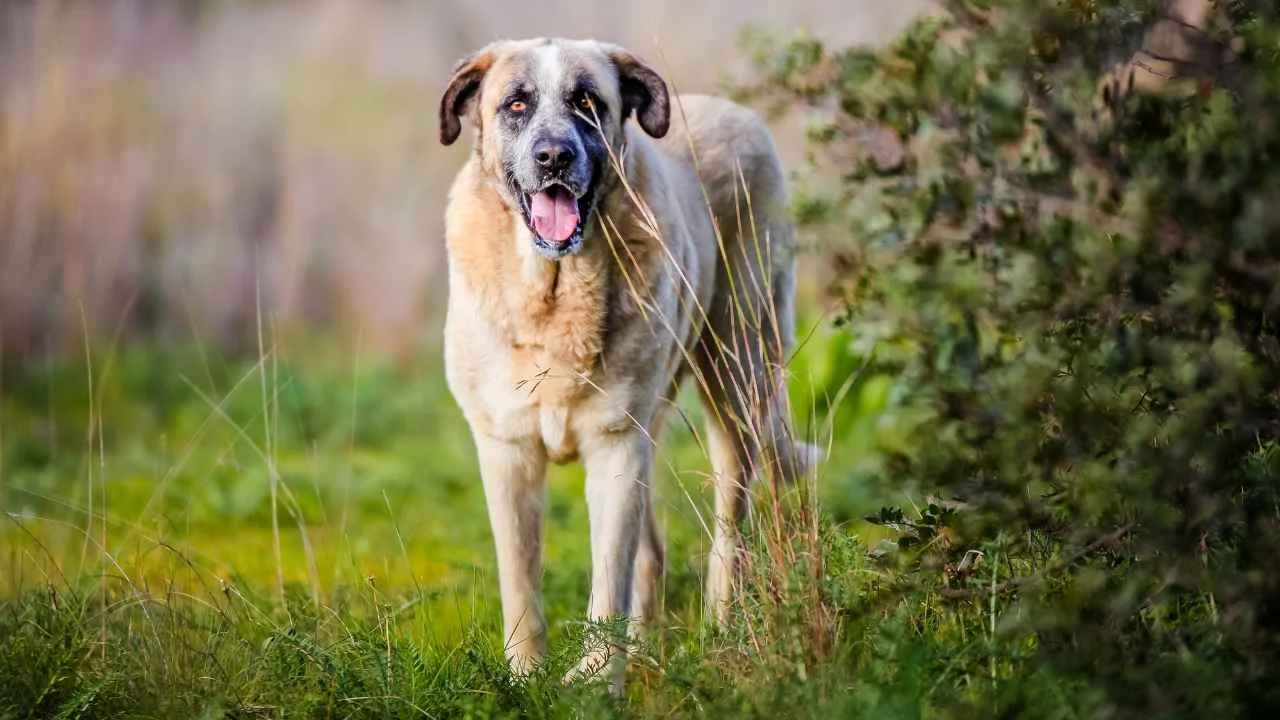
The Rafeiro do Alentejo is a large protective dog breed from Portugal. For generations, it guarded farms, estates, and livestock across the Alentejo region. As a flock guardian, it learned to watch over animals and respond to threats.
According to PetMD, these dogs are extremely intelligent and trainable, but they need experienced pet parents. They also require early socialization and lifelong training with positive reinforcement. This naturally protective breed often stays calm in familiar surroundings.
However, it may be wary of strangers near its territory. Its gentle side can shine when it feels safe and trusts its family. Like other guard dogs, it needs clear rules and careful handling. It can serve as a property guardian, but it needs more than space alone.
Helping a Rafeiro Thrive at Home
Keep its coat in good shape: Brush it weekly to remove loose hair and dirt. Give baths when needed, especially after muddy outdoor adventures.
Offer mental challenges: These dogs require regular mental stimulation as well as daily movement. Try scent games, simple tasks, and short training sessions.
Use calm training methods: Reward good choices with treats and praise. Positive reinforcement helps build trust and encourages steady behavior.
Manage meetings with other animals: Introduce pets slowly in a safe space. Watch their body language, and supervise early interactions closely.
Guide its alert behavior: A Rafeiro may bark when it spots unfamiliar activity. Teach it when to settle, and reward calm responses rather than encouraging aggression.
6. Chinook
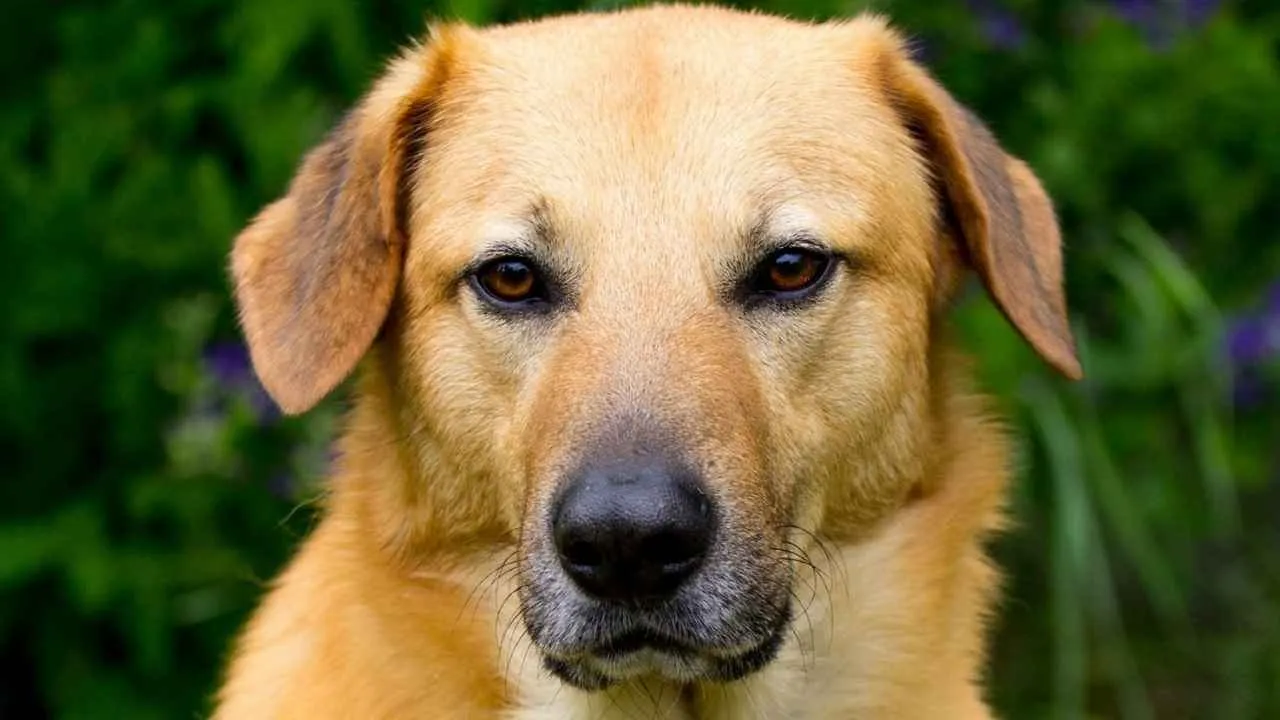
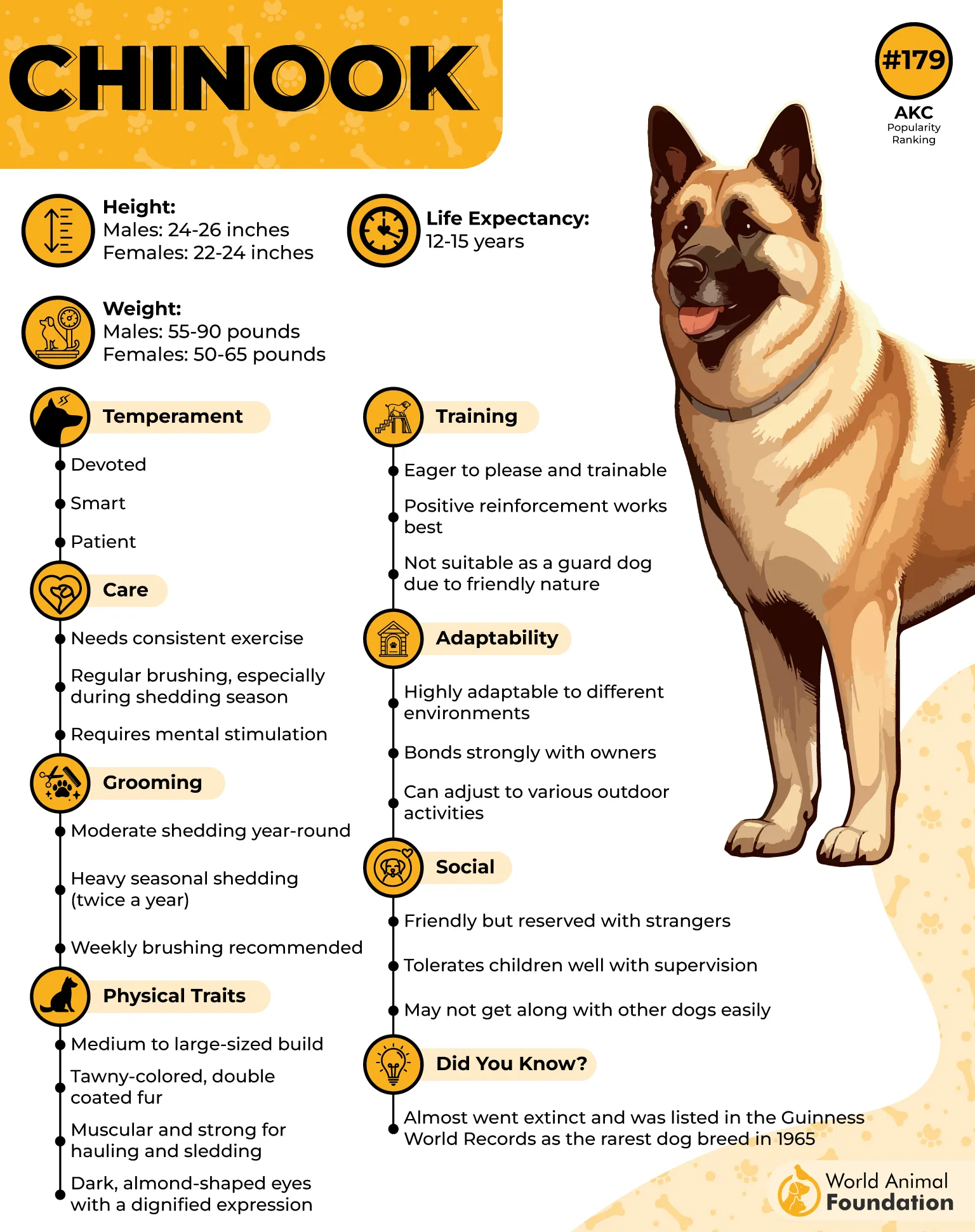
According to WebMD, Chinooks began in New Hampshire in the early 1900s. They are the state’s official dog breed and remain quite rare. These rugged sled dogs are known for endurance, intelligence, and a strong desire to please.
Their gentle temperament makes them affectionate companions who enjoy spending time with familiar people. They can become loving family pets, especially in active homes. However, a Chinook is not the best family guard dog for those seeking personal protection.
Its natural instinct is more about teamwork than guarding against strangers. This breed also enjoys learning new skills and taking part in family adventures. With enough exercise and shared activities, it can thrive in a home that values both fun and training.
Helping a Chinook Live Its Best Life
Make training fun: Try obedience lessons, agility, or other games that build focus. Chinooks often enjoy learning and working alongside their people.
Plan for daily exercise: Long walks, hikes, and active play help meet this energetic dog’s needs. Keep activities suitable for its age and fitness.
Brush its coat weekly: Regular brushing removes loose hair and keeps the coat tidy. Expect more shedding during seasonal changes.
Introduce pets with care: Some Chinooks may live well with cats, but each match is different. Use slow introductions and supervise early meetings.
Build good habits early: Teach calm greetings and reliable responses from a young age. Although Chinooks can show independent decision-making, patient guidance helps them become polite companions.
7. Mastiff
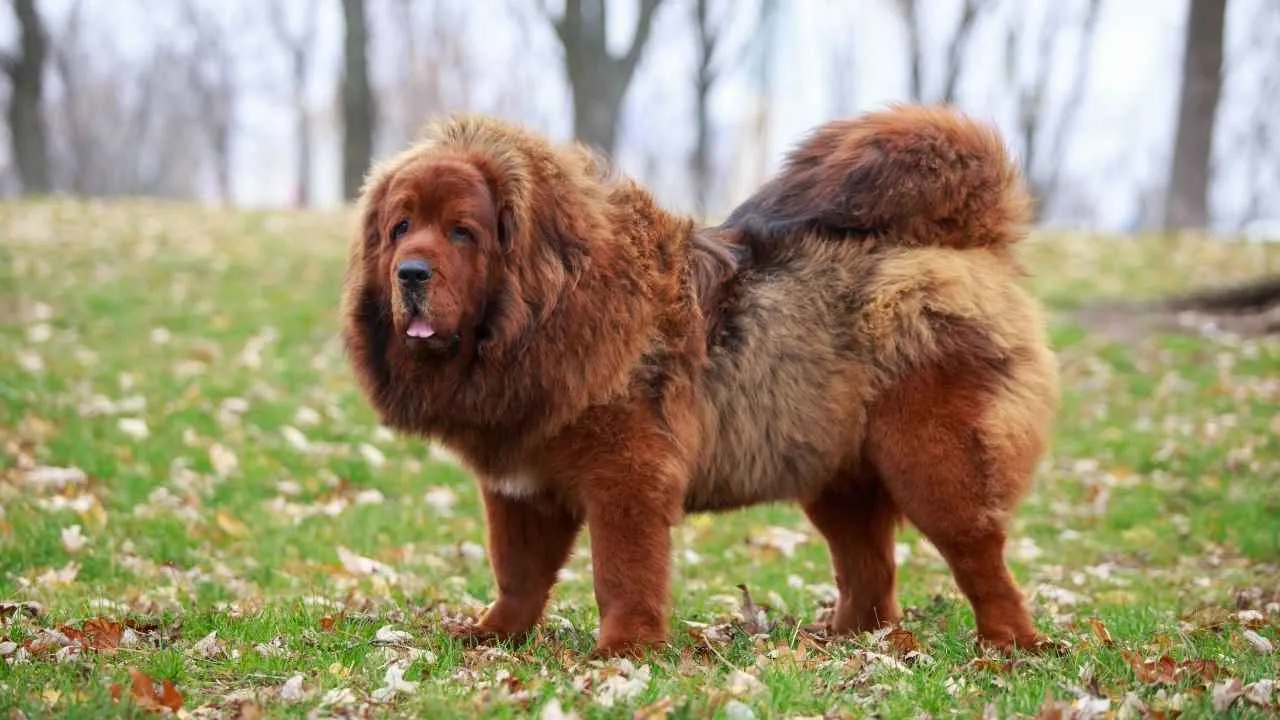
The Mastiff is an ancient type of large working dog with a long history as a guardian. According to Britannica, Mastiff-type dogs appear in European and Asian records dating back to around 3000 BCE. However, these records do not confirm the exact history of today’s English Mastiff.
For centuries, such dogs guarded homes and property and served as war dogs. Their intimidating size could inspire fear, but a well-raised Mastiff is often gentle and affectionate. This gentle giant can be protective without frantic barking or needless aggression.
Its calm nature may suit family life when owners understand its size and needs. With proper socialization, it may also live peacefully with other pets. The Mastiff can become an incredibly loyal companion, but it is not automatically the best guard dog for every household.
Choosing the best breed means considering your home, experience, and daily routine. This giant needs daily work, patient training, and plenty of space to rest comfortably.
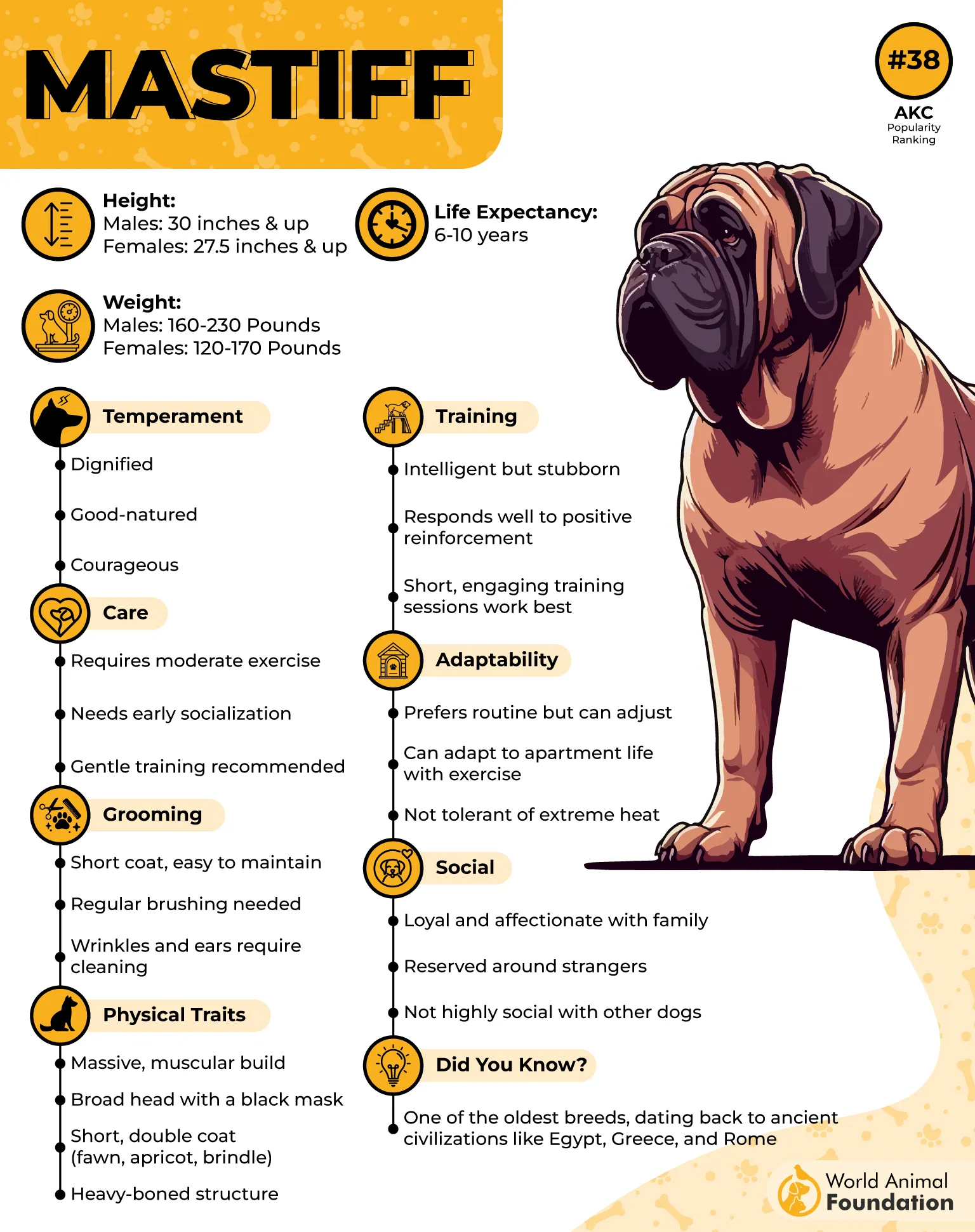
Caring for a Mastiff
Keep grooming simple: Brush its short coat every few days to remove loose hair and keep it tidy.
Plan moderate exercise: Offer daily walks and gentle play, but avoid overworking this heavy dog.
Protect growing puppies: Keep activity gentle while bones and joints are still developing.
Prepare for drool and food costs: Keep towels handy and budget for the appetite of a giant dog.
Build calm habits: Teach polite greetings and supervise interactions with children and other pets.
Conclusion
Choosing the right dog means balancing protection, companionship, and everyday care. These seven breeds offer different strengths, from natural guarding instincts to calm family loyalty. However, an excellent guard dog is not always the best protection dog for every household.
Proper training and early socialization are non-negotiable for helping dogs respond calmly to people and new situations. Remember, low grooming needs do not mean low care needs. Each dog still needs exercise, attention, and routine health checks.
Not all police work, military tasks, or protection roles suit ordinary family life, and owners should never encourage aggressive behavior. The key takeaways are simple: consider your space, experience, schedule, and family needs before choosing.
Meet adult dogs and speak with responsible breeders to understand each breed’s temperament. The right dog can play an important role in your home while remaining a loving, trusted companion.
