




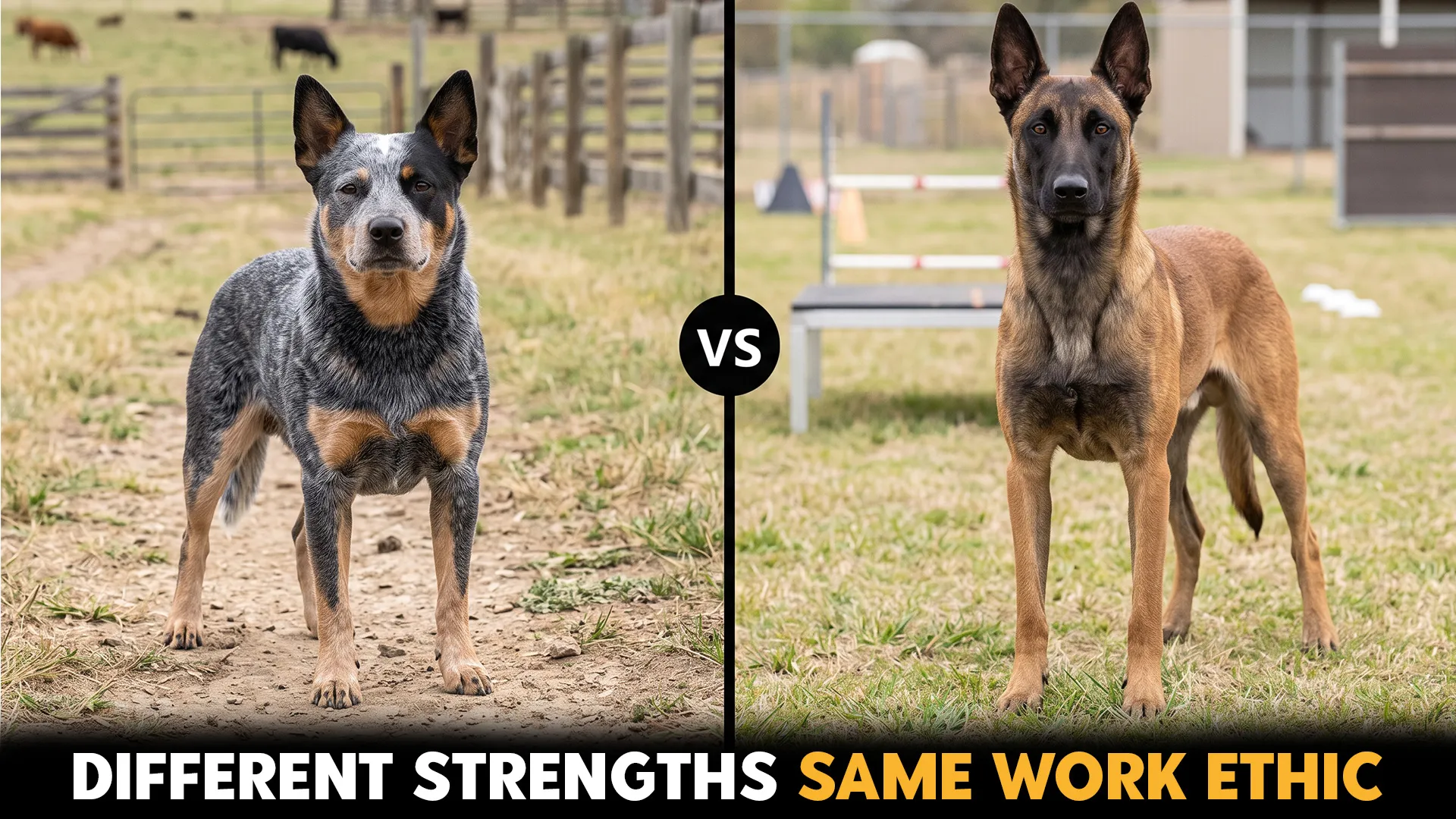
The Australian Cattle Dog and Belgian Malinois are intelligent, energetic, and hardworking breeds known for their strong instincts and impressive abilities. Both thrive when they have a job to do, but they approach their work differently.
The Australian Cattle Dog was bred to herd cattle across rough terrain, while the Belgian Malinois is widely recognized for its work in protection, security, and demanding working roles.
Although these breeds share high energy levels and sharp minds, their temperaments, training needs, and daily routines have some important differences.
So, which dog breed is the better fit for your home and lifestyle? This comparison explores the Australian Cattle Dog vs. Belgian Malinois, covering their appearance, personality, exercise requirements, trainability, health, and suitability for different owners.
Australian Cattle Dog vs. Belgian Malinois: Complete Breed Comparison
Origins & Purpose
Australian Cattle Dog
The Australian Cattle Dog was developed in the 1800s when ranchers in the Australian Outback needed a herding dog capable of handling the region’s harsh conditions. English sheepdogs struggled in this environment, leading breeders to develop a tougher, more adaptable working dog.
Thomas Hall crossed Blue Smooth Highland Collies with Dingoes to create the breed’s early ancestors. Later, crosses with Bull Terriers, Dalmatians, and Working Kelpies helped refine its working abilities and temperament. The American Kennel Club (AKC) officially recognized the Australian Cattle Dog in 1980.
Belgian Malinois
The Belgian Malinois originated from Belgian sheepherding dogs collectively known as the Chien de Berger Belge, according to Orvis. In the early 1900s, these dogs were divided into separate varieties based mainly on their coat types.
The Malinois was distinguished by its short hair, while the other varieties included long-haired, wire-haired, and black-coated dogs.
Thanks to its protective nature and sharp intelligence, the Malinois became popular as a police and war dog. Today, it continues to serve in police work, bomb and drug detection, and search-and-rescue operations.
Size & Build
Australian Cattle Dog
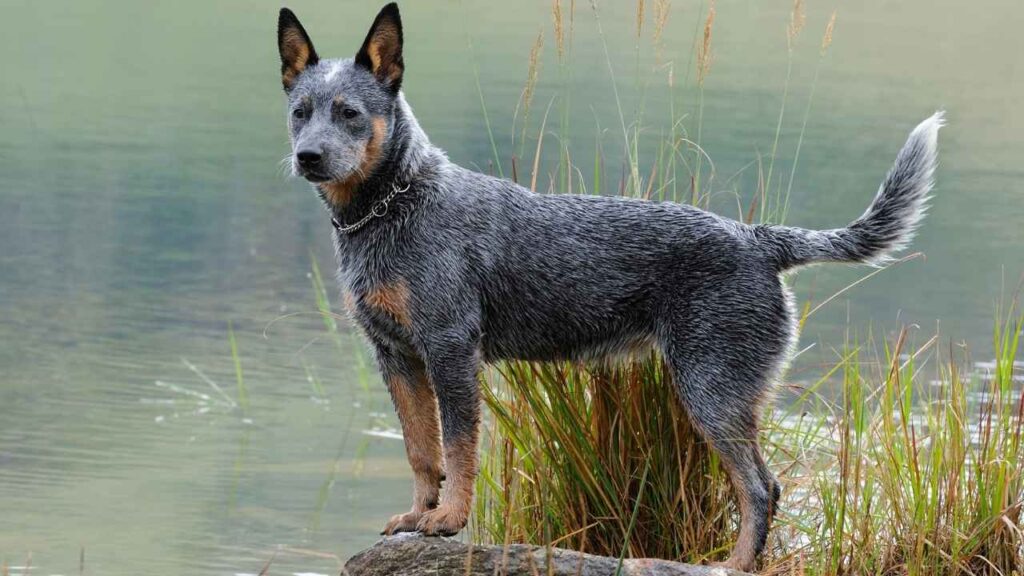
Australian Cattle Dogs are medium-sized herding dogs with sturdy builds, weighing 35–50 pounds and standing 17–20 inches tall. Their physical features reflect their working background and ability to handle rough terrain.
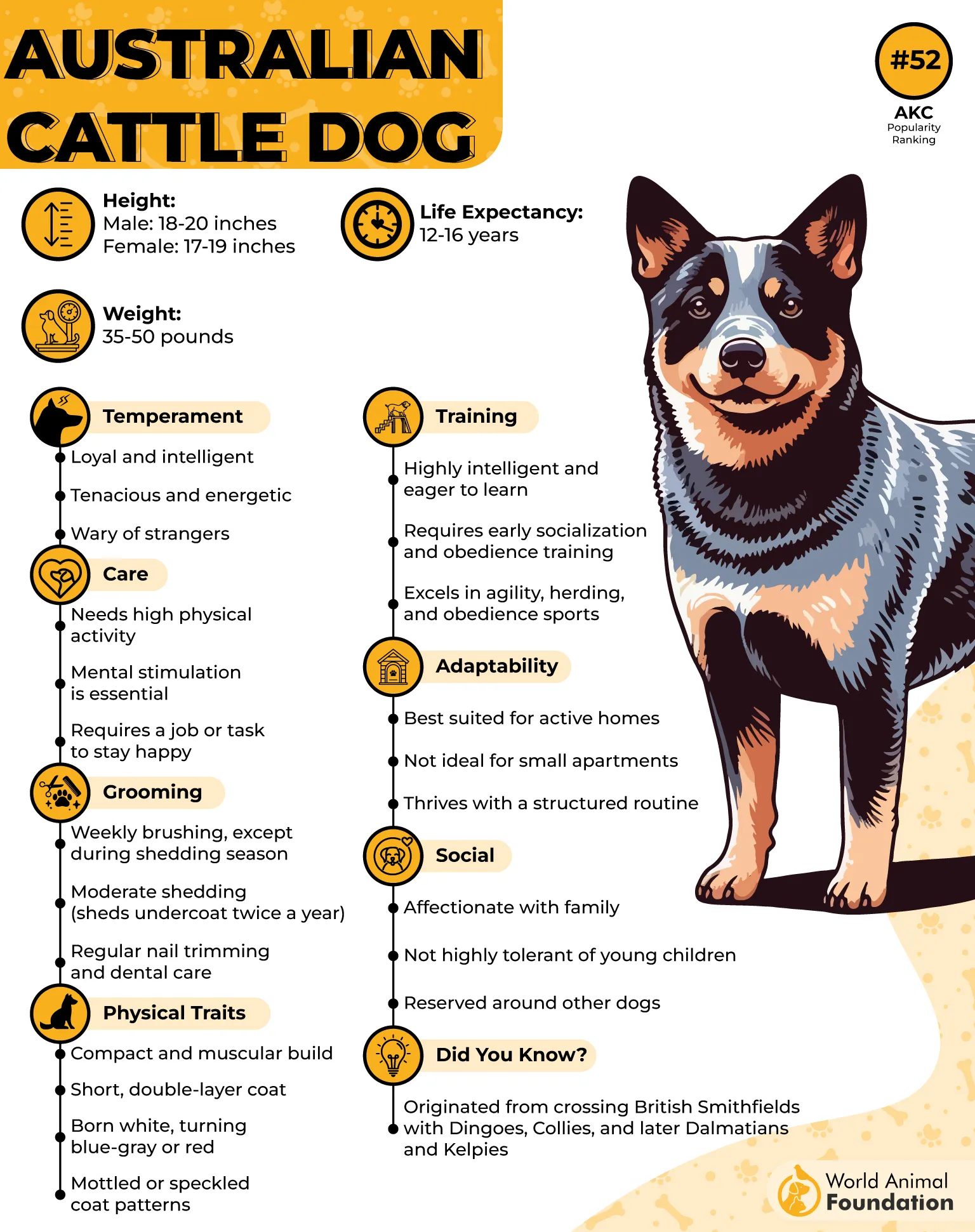
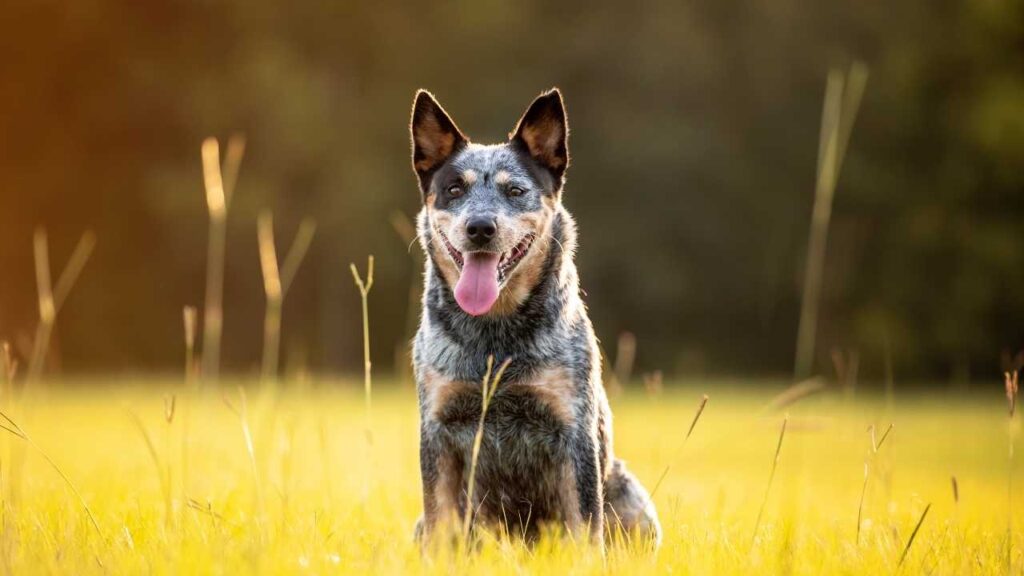
They have a double coat with a short, dense undercoat and a longer, rain-resistant outer coat. Their coat colors include:
Blue, blue mottled, and blue speckled
Red mottled and red-speckled
Tan markings around the face, neck, chest, and hindquarters
Other distinguishing features include medium-sized, slightly pointed ears that stand upright when alert, thoughtful dark-brown eyes, and a black nose. Their tail sits moderately low and has a slight curve when resting.
Belgian Malinois
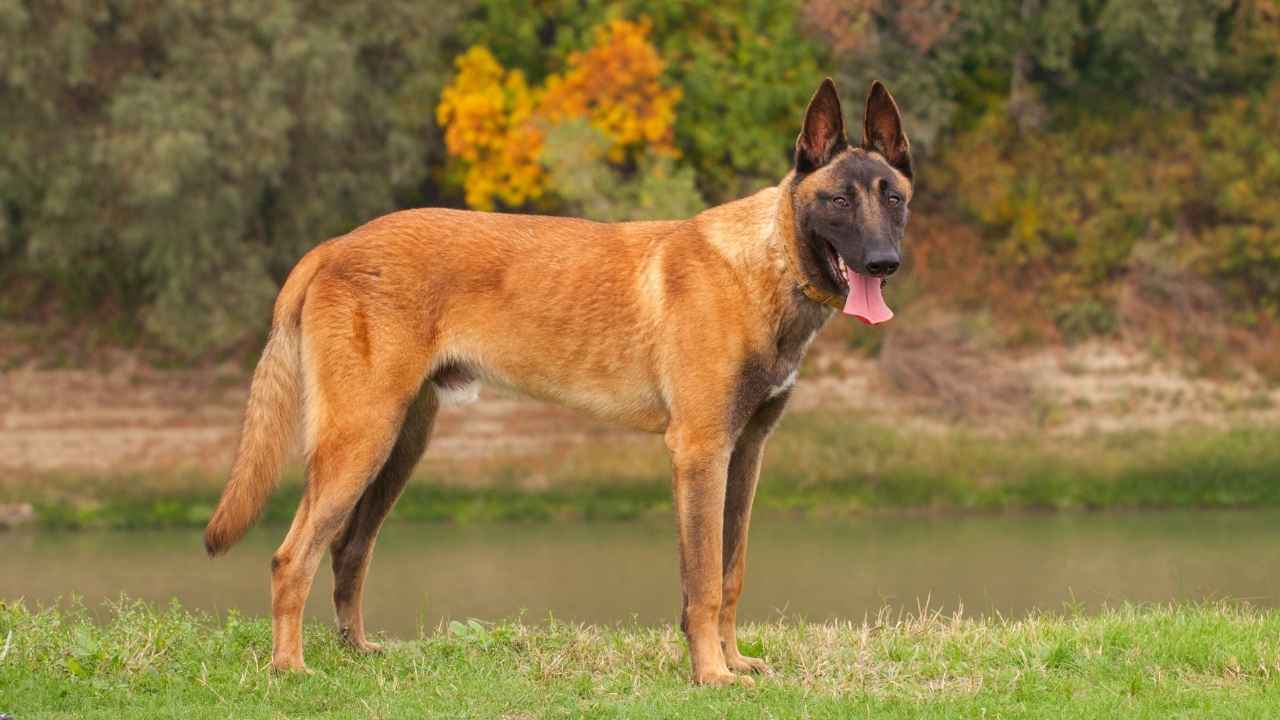
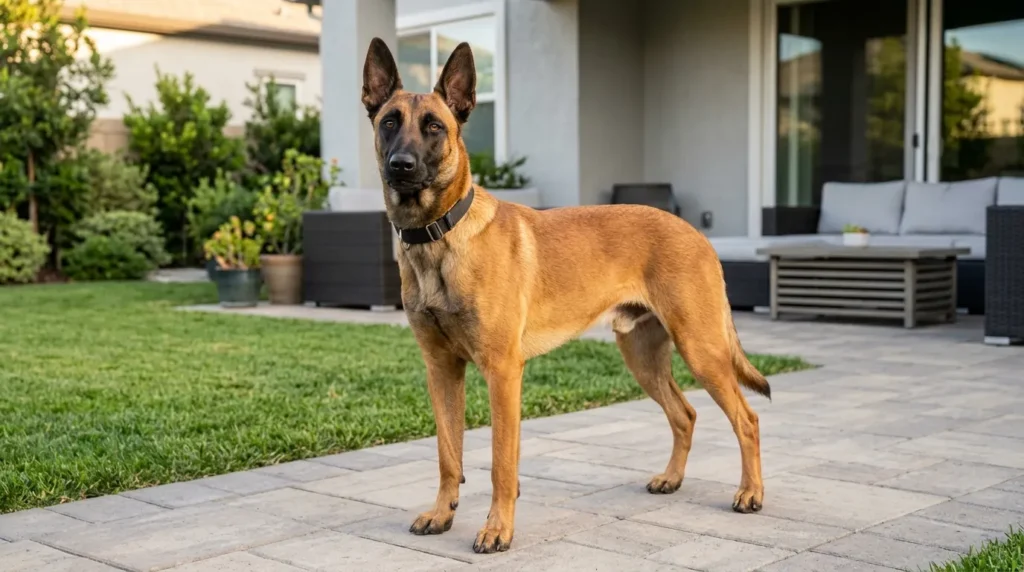
Belgian Malinois are lean, solidly built dogs known for their agility, proud posture, and alert expression. Males typically stand 24–26 inches tall and weigh 60–80 pounds, while females stand 22–24 inches tall and weigh 40–60 pounds.
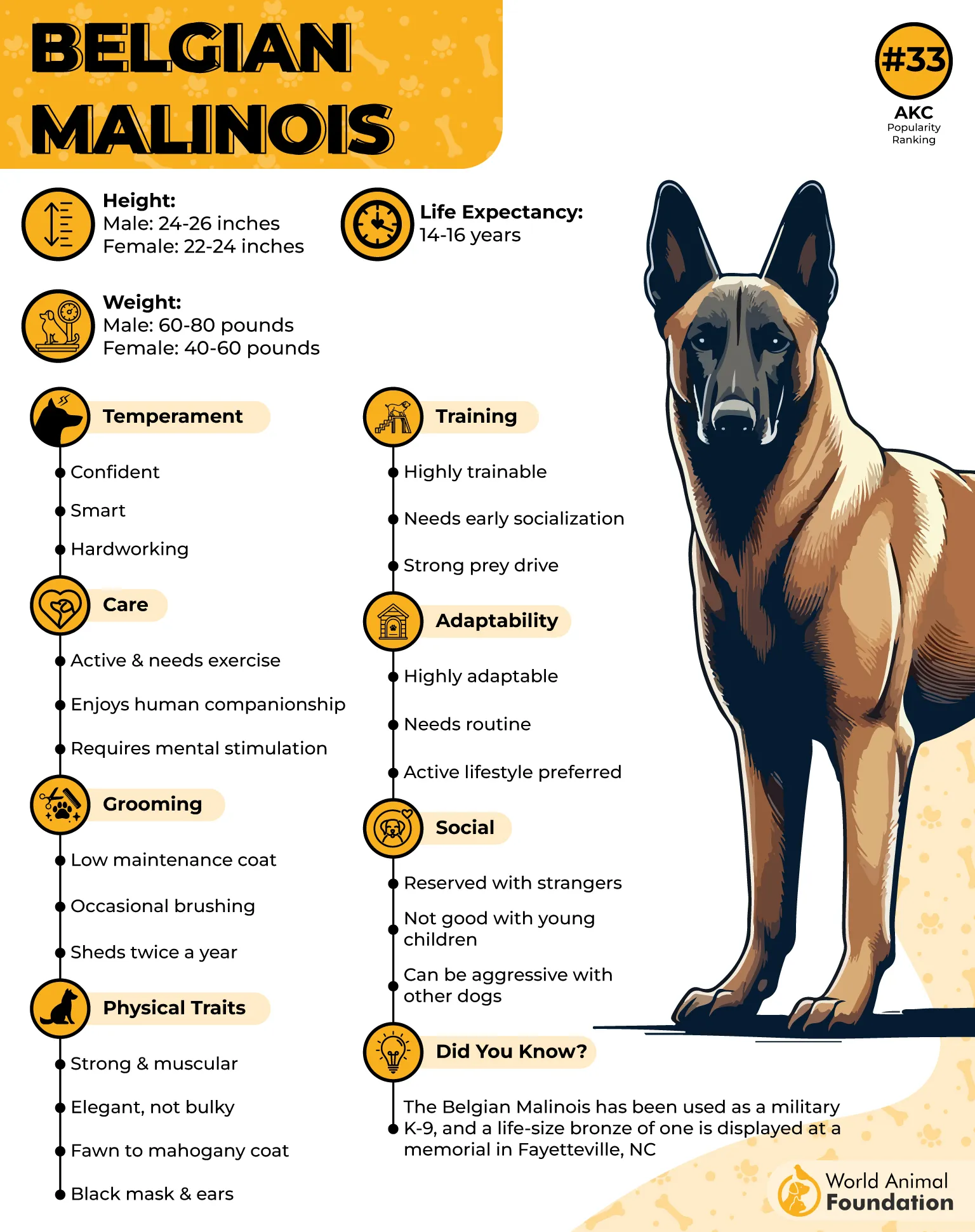
Their movement is smooth and effortless, and they often run in curved paths rather than straight lines.
Their short, straight coat has a thick undercoat and longer hair around the neck, known as a collarette. Common coat colors include:
Fawn with black tips
Mahogany with black tips
Variations of these coat colors
Belgian Malinois also have high-set, erect, triangular ears, slightly oval brown eyes, and a somewhat pointed muzzle with a black nose. Their long, strong tail curves slightly during play.
Pricing & Availability
Australian Cattle Dog
Australian Cattle Dog puppies typically cost between $600 and $1,000 from a breeder. If you decide to purchase one, choose a responsible breeder who prioritizes the puppies’ health and well-being.
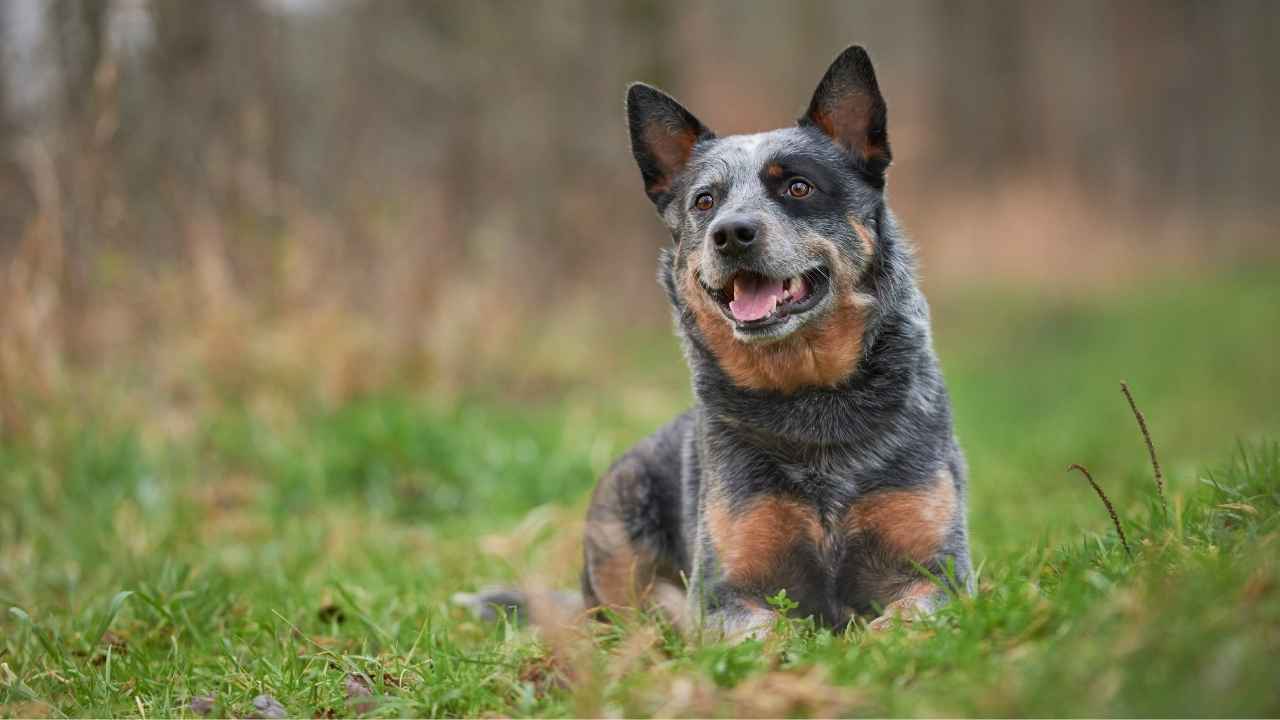
Adoption is another option, with local shelters and breed-specific rescues offering dogs in need of loving homes.
Belgian Malinois
Belgian Malinois puppies generally cost between $1,500 and $4,000 from a breeder. As with Australian Cattle Dogs, choosing a responsible breeder is important.
You can also look for a Belgian Malinois through local shelters, breed-specific rescues, or organizations that help retired working dogs find suitable homes.
Temperament & Personality Style
Australian Cattle Dog
Australian Cattle Dogs are intelligent, hardworking, and protective dogs that form strong bonds with their owners. They are eager to please their families but can be wary of strangers, as noted by Omlet.
Their independent nature and high energy levels mean they need regular exercise, mental stimulation, and a job to keep them occupied.
Protective and loyal: They are devoted to their owners and property.
Strong herding instincts: They may try to herd children or adults and can nip during these attempts.
Independent and stubborn: Consistent training and socialization help manage nipping and excessive barking.
Belgian Malinois
Belgian Malinois are highly intelligent, loyal, and energetic dogs that thrive on spending time with their owners. Their quick learning ability and strong work ethic make them excellent working dogs, often used in police, military, and search-and-rescue operations.
Devoted and alert: They form strong bonds with their owners and respond quickly to commands.
High energy and drive: Activities such as agility, tracking, and scent walks help keep them engaged.
Strong prey drive: They may chase moving objects or smaller animals, making early training and socialization essential. Supervision is also important around children and other pets.
Exercise Needs & Energy Levels
Australian Cattle Dog
Australian Cattle Dogs have boundless stamina and high energy levels due to their history of herding cattle across large areas. They need an active family that can provide up to two hours of daily exercise, as a quick game of fetch or a short walk is rarely enough.
Physical activities: Hiking, running, long walks, and energetic backyard games help burn off their energy.
Mental stimulation: Interactive toys, tracking activities, and nose work keep their intelligent minds engaged.
Athletic ability: They can reach speeds of 30 mph when sprinting, making them excellent companions for active owners.
Belgian Malinois
Belgian Malinois are extremely energetic working dogs that need regular physical activity and mental challenges. They require at least two 30-minute sessions of vigorous exercise daily, as insufficient activity can lead to boredom and destructive behaviors such as chewing and barking.
Physical activities: Long runs, hiking, biking, and running in a securely fenced area help meet their exercise needs.
Engaging activities: Agility, tracking, flyball, and dock diving provide both physical and mental challenges.
Daily commitment: A slow daily walk is not enough for this breed. Belgian Malinois need consistent activity and engagement to stay happy and manageable.
Trainability & Obedience
Australian Cattle Dog
Australian Cattle Dogs are highly intelligent and independent problem-solvers who enjoy learning new commands and tricks.
However, their stubborn streak means they need consistent obedience training and early socialization to help control nipping and develop good manners. They respond best to a firm but gentle approach using positive reinforcement.
Their working instincts make them well suited to agility, frisbee, fetch, and canine sports. They can also be trained to help with livestock and property patrol, giving them a productive outlet for their intelligence and energy.
Belgian Malinois
Belgian Malinois are exceptionally intelligent dogs that learn quickly and respond eagerly to training. However, their high drive and need for mental stimulation can make their training demanding.
Working with a professional trainer familiar with the breed can help owners develop their skills and channel their energy into suitable tasks.
Training should also involve the owner to strengthen the bond between dog and handler. Activities that give them a purpose and challenge their minds help keep Belgian Malinois engaged while making the most of their natural learning ability.
Grooming Needs & Shedding
Australian Cattle Dog
Australian Cattle Dogs have a short, double coat with a dense undercoat and a straight, rain-resistant outer coat. They come in blue and red-speckled colors, and puppies are born white before developing their distinct coat colors by four to six weeks of age.
They shed moderately to heavily and benefit from daily brushing. Twice a year, they shed their dense undercoats and may need a professional blowout.
Occasional baths and regular nail trims help keep them clean and comfortable. Their skin generally needs little special care, but year-round flea, tick, and heartworm prevention is recommended.
Belgian Malinois
Belgian Malinois have a short, waterproof coat that is relatively easy to maintain. They shed twice a year seasonally, usually in spring and fall, when they lose more of their undercoat over a period of two to three weeks.
Occasional brushing with a medium-bristle brush or grooming glove helps remove loose hair, distribute natural oils, and support healthy coat growth. Compared with Australian Cattle Dogs, their grooming routine is fairly simple, although seasonal shedding still requires extra attention.
Herding & Work Drive
Australian Cattle Dog
Australian Cattle Dogs were bred to herd cattle across large areas of the Australian Outback, giving them a strong work drive and remarkable stamina. They are independent problem-solvers capable of managing herds without constant direction from their owners.
PetMD mentions their natural herding instincts may also lead them to nip at people or try to herd children, so consistent training is important.
They thrive when given a job, whether working with livestock, patrolling property, or participating in activities such as tracking and agility. Without enough physical and mental stimulation, they can become bored and develop unwanted behaviors.
Belgian Malinois
Belgian Malinois originated as Belgian herding dogs but are now widely valued for their work in police and military operations, search and rescue, and bomb and drug detection. Their intelligence, agility, and eagerness to respond to their handlers make them highly capable working dogs.
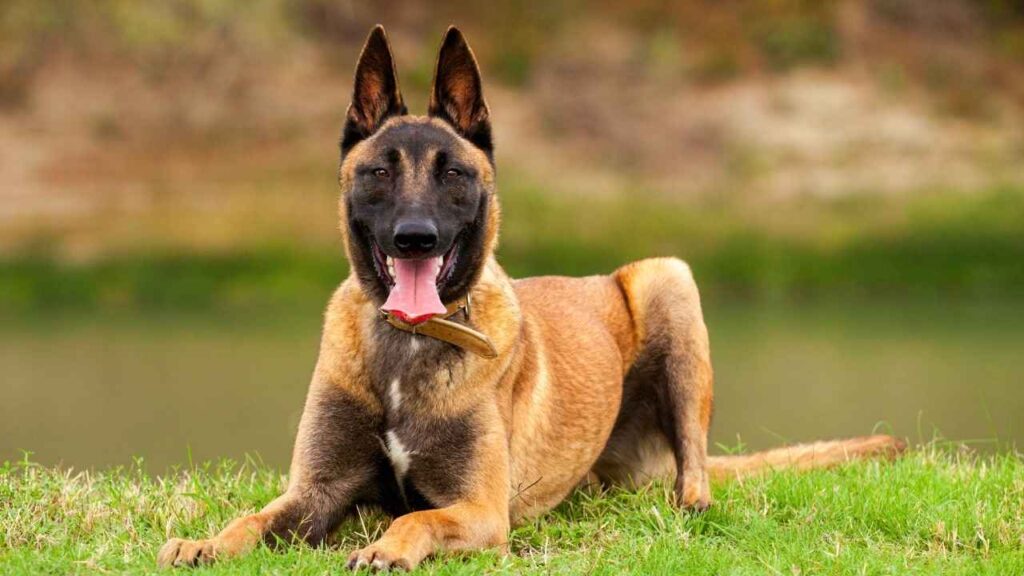
They need purposeful activities and regular engagement to stay satisfied. Tracking, agility, and other challenging tasks provide suitable outlets for their energy and drive.
Without enough exercise and mental stimulation, they may become bored and resort to destructive behaviors such as chewing and excessive barking.
Health & Lifespan
Australian Cattle Dog
Australian Cattle Dogs are generally hardy and healthy, with an average lifespan of 12–16 years. However, they can be prone to certain inherited conditions affecting their eyes, hearing, heart, and joints.
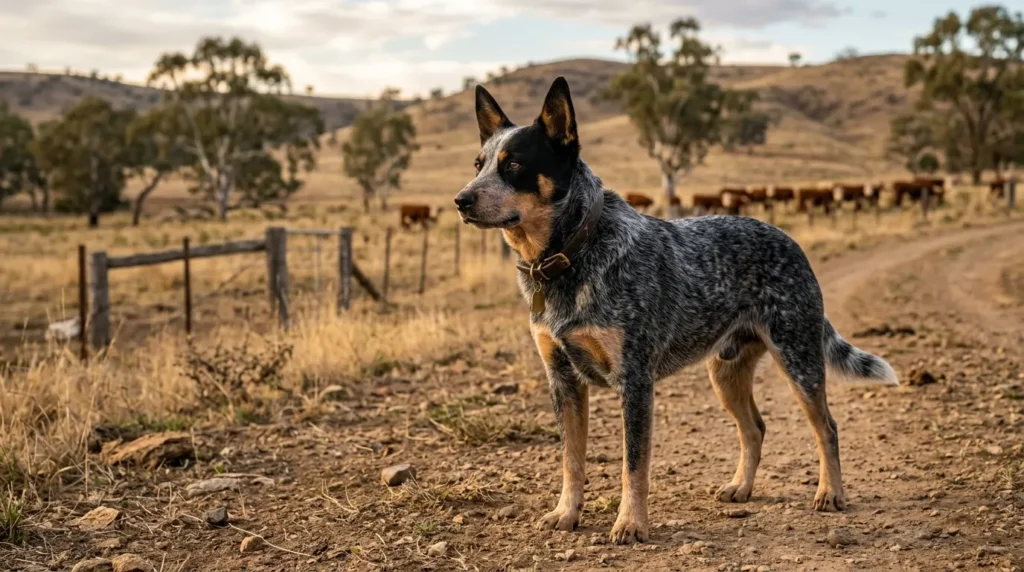
Common health concerns include:
Progressive Retinal Atrophy (PRA): An inherited eye disease that gradually causes vision loss and can lead to blindness.
Deafness: An inherited condition that affects hearing and can be confirmed through BAER testing.
Hip Dysplasia: A joint abnormality that can cause pain, limping, reduced mobility, and arthritis.
Heart Conditions: Potential owners should also be aware of possible heart problems.
Belgian Malinois
Belgian Malinois typically live 10–14 years and are generally healthy when responsibly bred. However, they can develop inherited joint and eye conditions, making health screening important when choosing a puppy.
Common health concerns include:
Hip Dysplasia: An inherited joint condition that can cause pain, difficulty moving, and arthritis.
Elbow Dysplasia: A structural joint problem that may lead to discomfort and mobility issues.
Cataracts: Clouding of the eye lens that can progressively impair vision and potentially cause blindness.
Progressive Retinal Atrophy (PRA): A degenerative eye disease that gradually damages the retina and eventually causes blindness.
Which Loyal Working Dog Is Right for You?
The Australian Cattle Dog and Belgian Malinois are both intelligent, loyal dogs, but they suit different lifestyles.
Australian Cattle Dogs are independent herders with remarkable stamina, while Belgian Malinois are highly driven, responsive dogs that excel in demanding working roles. Both need consistent training, daily exercise, and plenty of mental stimulation.
The Australian Cattle Dog may suit owners who enjoy outdoor activities and want an independent, hardworking companion. The Belgian Malinois is better suited to experienced, active owners who can provide structured training and purposeful tasks.
Conclusion
Australian Cattle Dogs and Belgian Malinois are intelligent, loyal working breeds with impressive energy and strong instincts. Both require consistent training, plenty of exercise, and mental stimulation, so choosing between them depends on your experience and lifestyle.
Before bringing either breed home, consider your daily routine, activity level, and ability to meet their needs. Research responsible breeders or explore adoption options to find a suitable companion.
The best working dog is not necessarily the most athletic or intelligent one, but the one whose needs you can meet and whose personality fits your life.
