




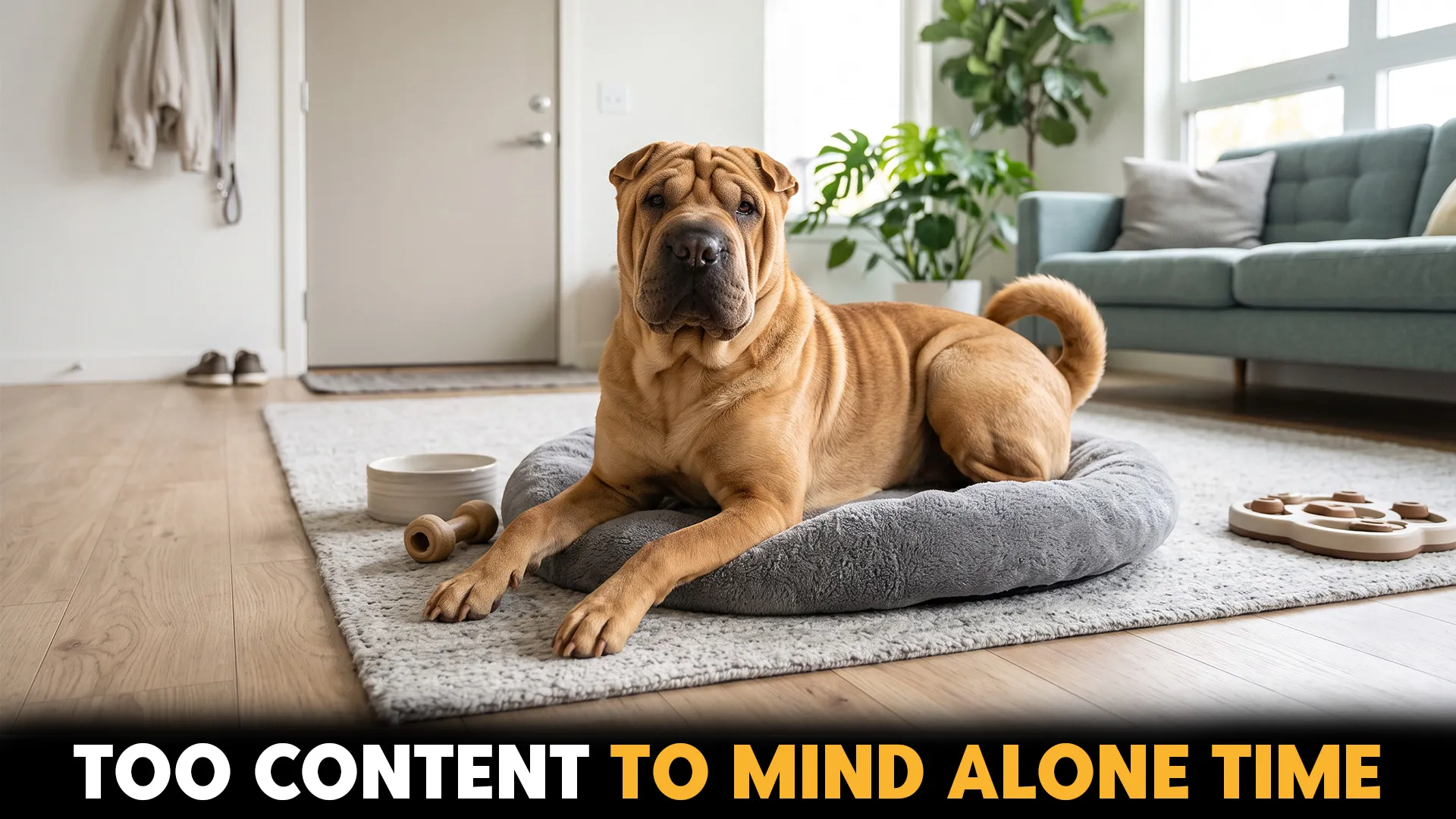
Some breeds are eager to be a part of all activities within the household. Others are content to cuddle up in their own personal time when the house goes still. That can make a difference for those who work outside the home, have regular errands, or simply want a breed that doesn’t require constant attention.
A dog that does well on its own doesn’t mean it’s distant. Many well-adjusted and self-contained breeds are able to form a close bond with their families, but they are okay being alone as well. These independent dog breeds also have a history.
Some were designed to work on their own, while others just happen to be naturally calm and have a sense of quiet management during quality time.
Needless to say, excessive time left alone is not a good thing for a dog breed. Puppies, senior dogs, new dogs, and dogs with separation anxiety require a lot more support.
These seven breeds stand out in various aspects and may be worthy of consideration when a household requires a breed that can have a bit of downtime.
Content Dog Breeds That Handle Alone Time Gracefully
1. Chow Chow
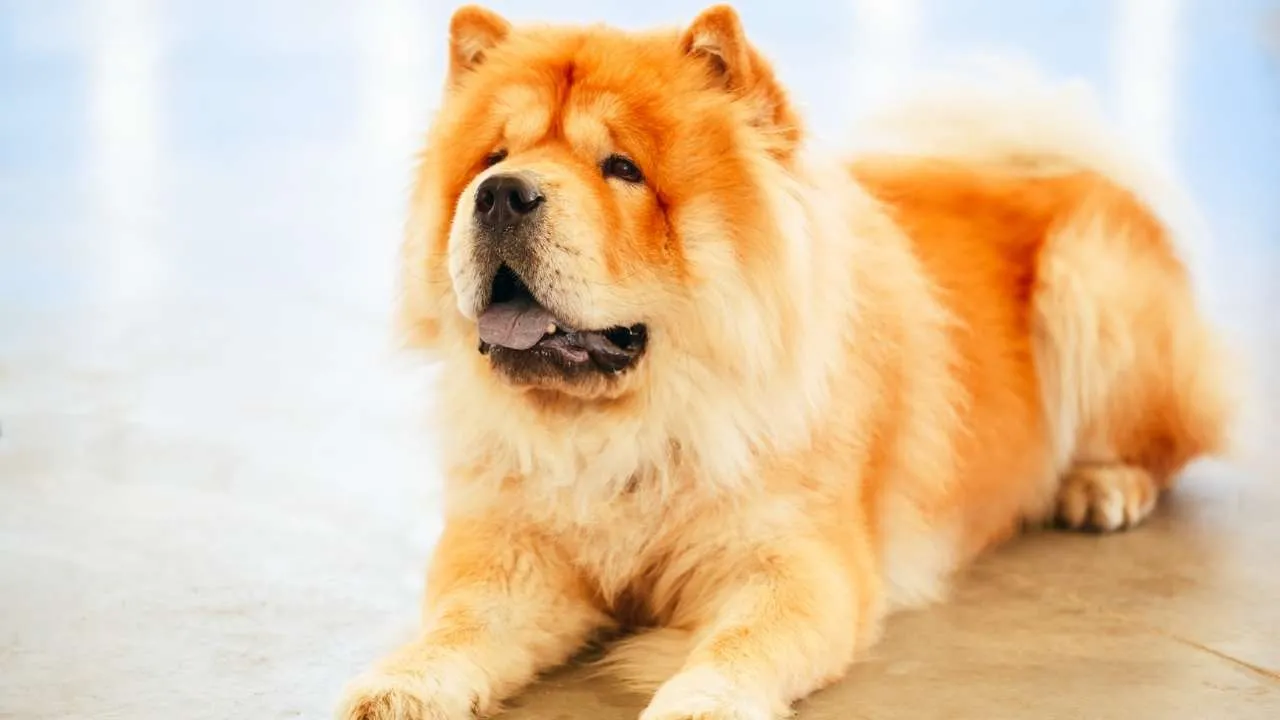
One of the more individual dogs on this list is the Chow Chow. This breed is usually self-contained, relaxed, and doesn’t need to be included in all family activities, as at times, it prefers being alone as well.
The adult Chow Chow will grow to be about 17-20 inches high and weigh between 40-75 lbs. They are also very tough and have a thick double coat, but are rather reserved in their daily lives.
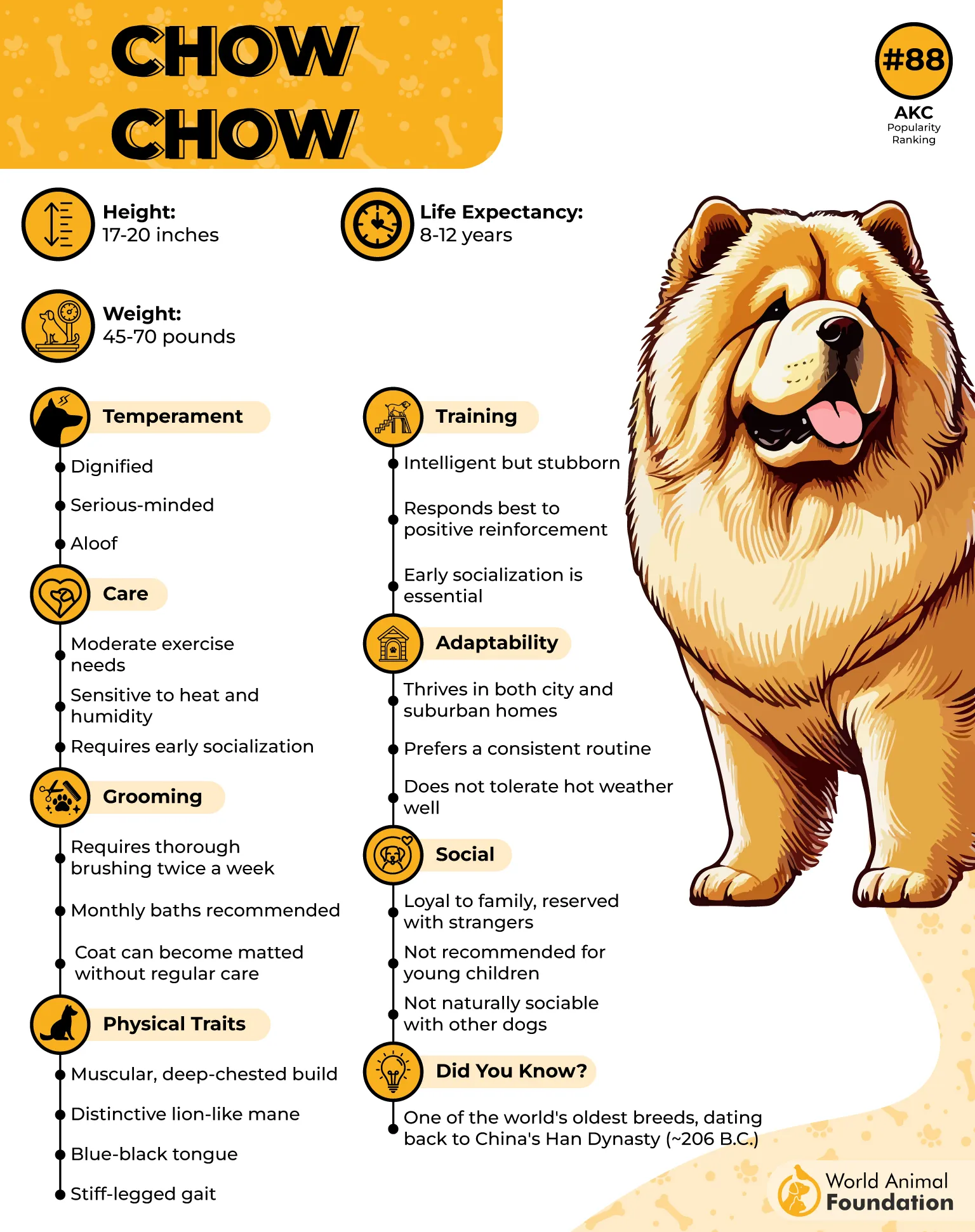
Their interest in some households is that they like to spend some time away. A Chow can be allowed to lie on its bed while the owner is working, reading, or going to the house for some time. They can be very loving towards their family, though they don’t always demand constant attention.
Called the cleanest of dogs by the American Kennel Club, early socialization is important for this single pet, as it is reserved with unknown individuals. A predictable home routine may also assist these small breeds when it’s time to relax and time to interact.
2. Greyhound
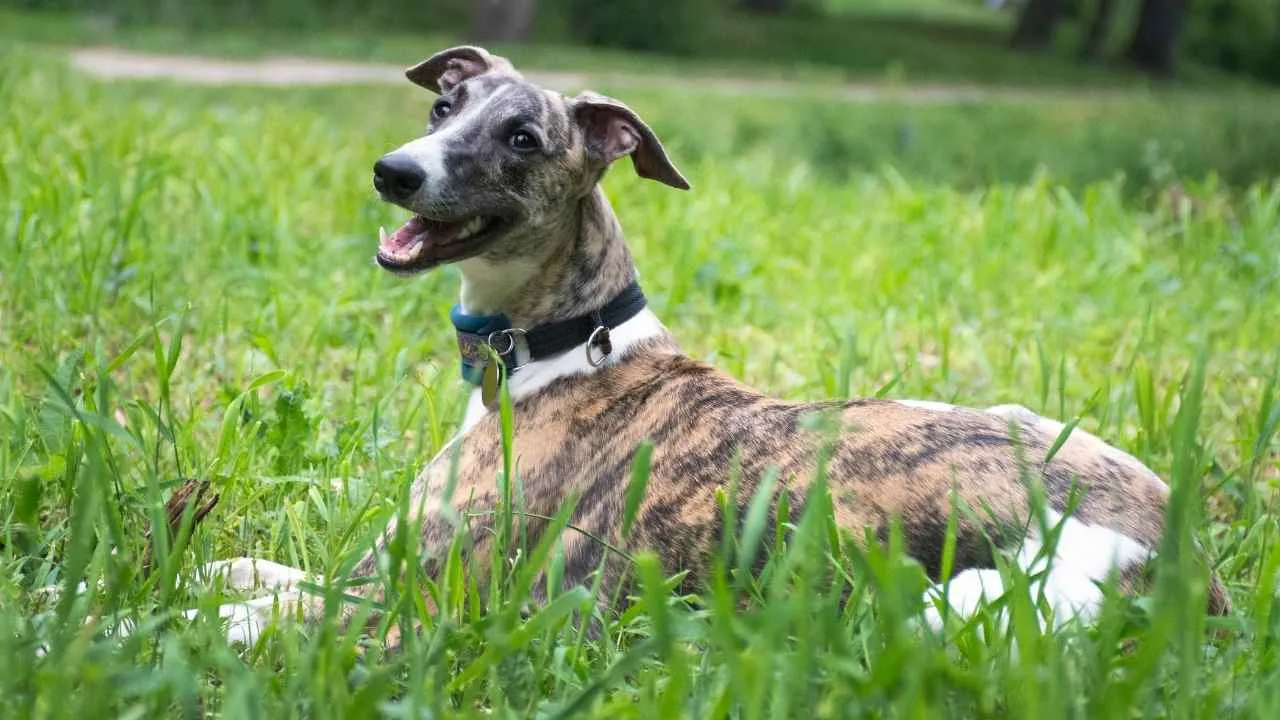
The Greyhound is an interesting paradox. One of the world’s fastest breeds, but more likely to be interested in running rather than sleeping in the house.
These medium-sized pups are typically 28-30 inches tall, weighing 65-70 lbs, and females are slightly smaller. Their streamlined bodies enable them to run quickly, but this does not mean they are non-stop house wreckers.
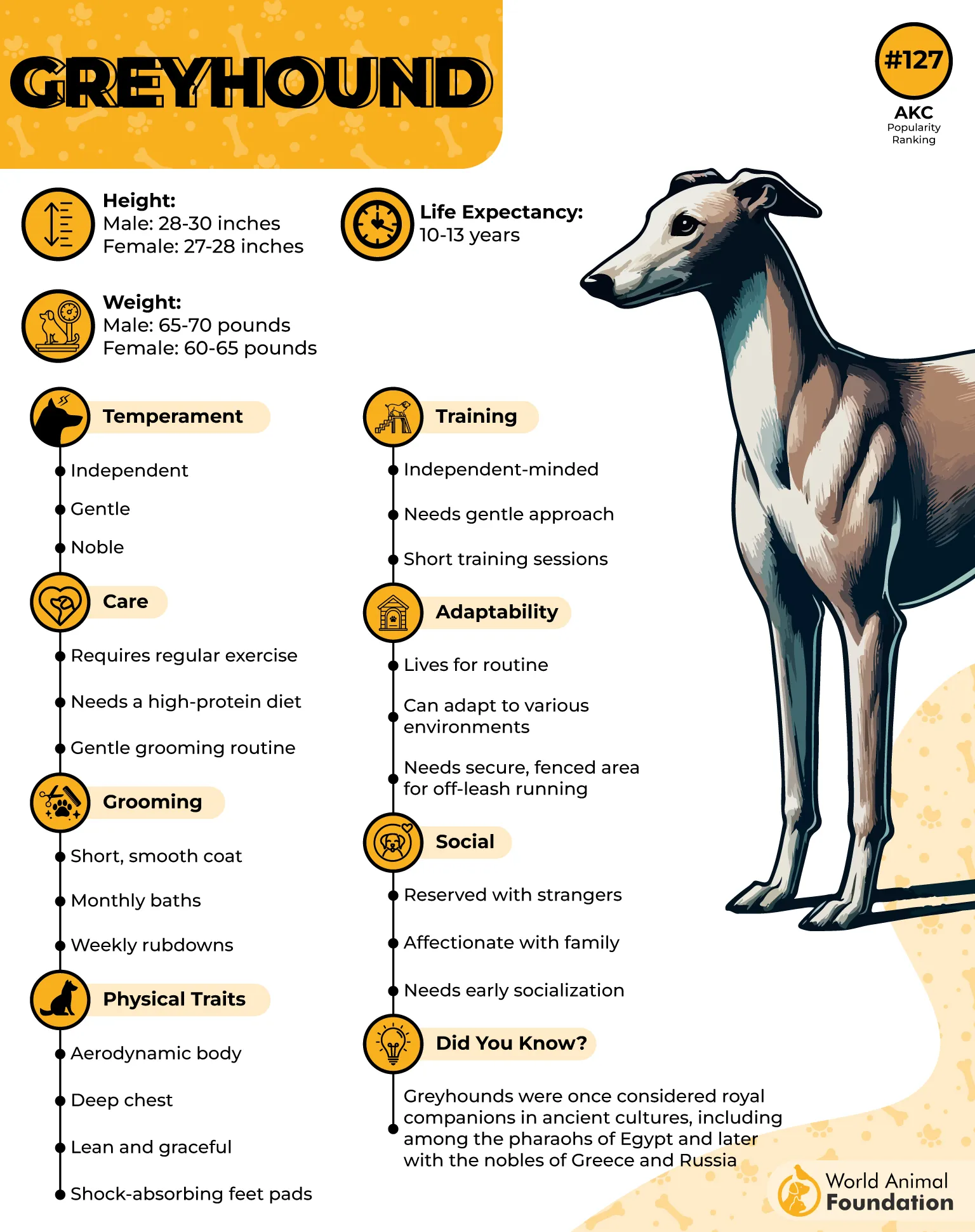
Many Greyhounds are satisfied to rest for many hours after they are exercised. They may like having a safe place to rest for a short time, or a quiet spot to go to, which means a comfy bed or a corner.
This is what makes the Greyhound so interesting to those who look for an athletic pooch without one that is always looking for something to do at home, like some large breeds.
There is one significant difference, however. They have a home temperament, but that does not imply that you keep these relaxing dogs off-leash. Greyhounds are an extremely sight-hungry species and can react to a small animal even if it is just running past their side.
3. Chinese Shar-Pei
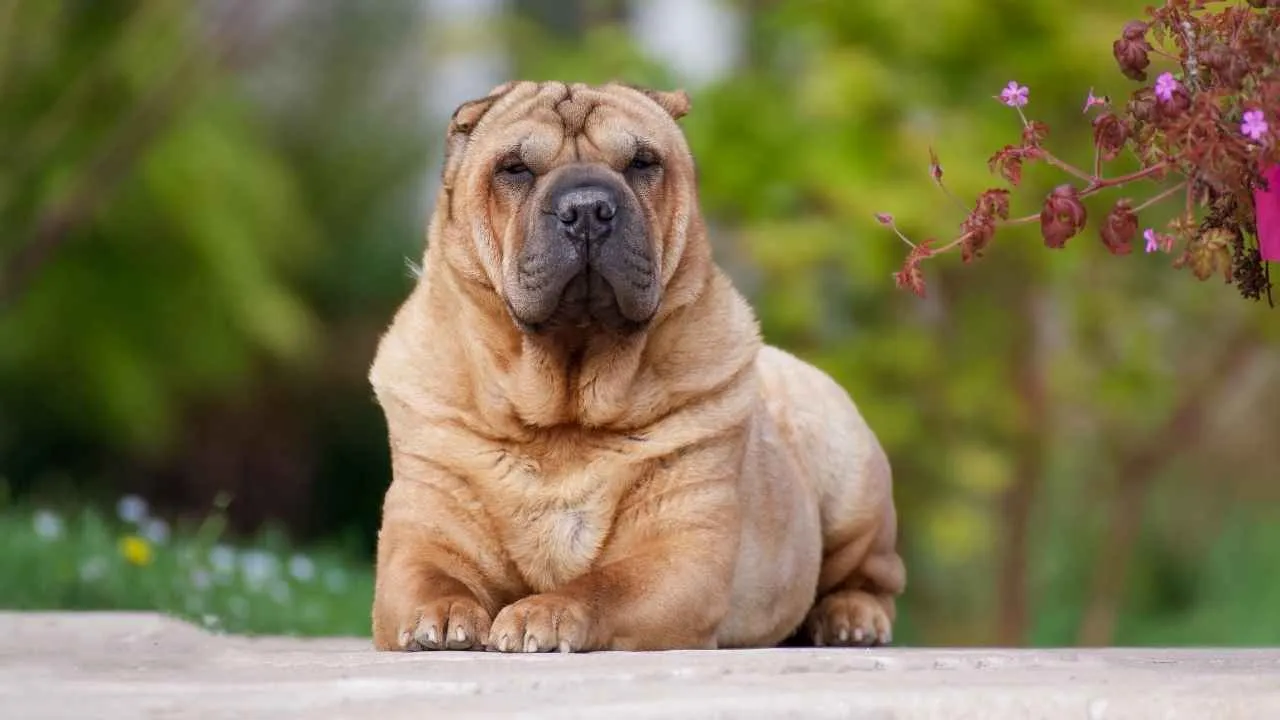
Not an ideal choice for a first-time owner, as stated by Orvis, this independent breed is not a show dog, but rather a dog of dignity, reserve, and loyalty to its family.
The Shar-Pei has an average height of 18-20 inches and an average weight of 45-60 lbs.
The following is an interesting explanation for their personality from their history. The Shar-Pei was utilized for several tasks in China, such as guarding and hunting. They did not exist just to wait beside somebody for directions. This independent working history still has an impact on this breed.
A Shar-Pei will play along at home if its owner is occupied or out for a reasonable amount of time. They can patiently wait, do not want to interact all the time, and at times like being left alone to themselves.
The breed’s reserved nature also shouldn’t be overlooked when it comes to socialization. An isolated dog must be confident enough to be able to feel comfortable without getting upset when a new sound or something new happens.
Shar-Pei also have unique skin and ear care needs. While their wrinkles are a factor of their charm, the owners must ensure that the wrinkles remain clean and dry, and watch for any possible skin issues.
4. Bullmastiff
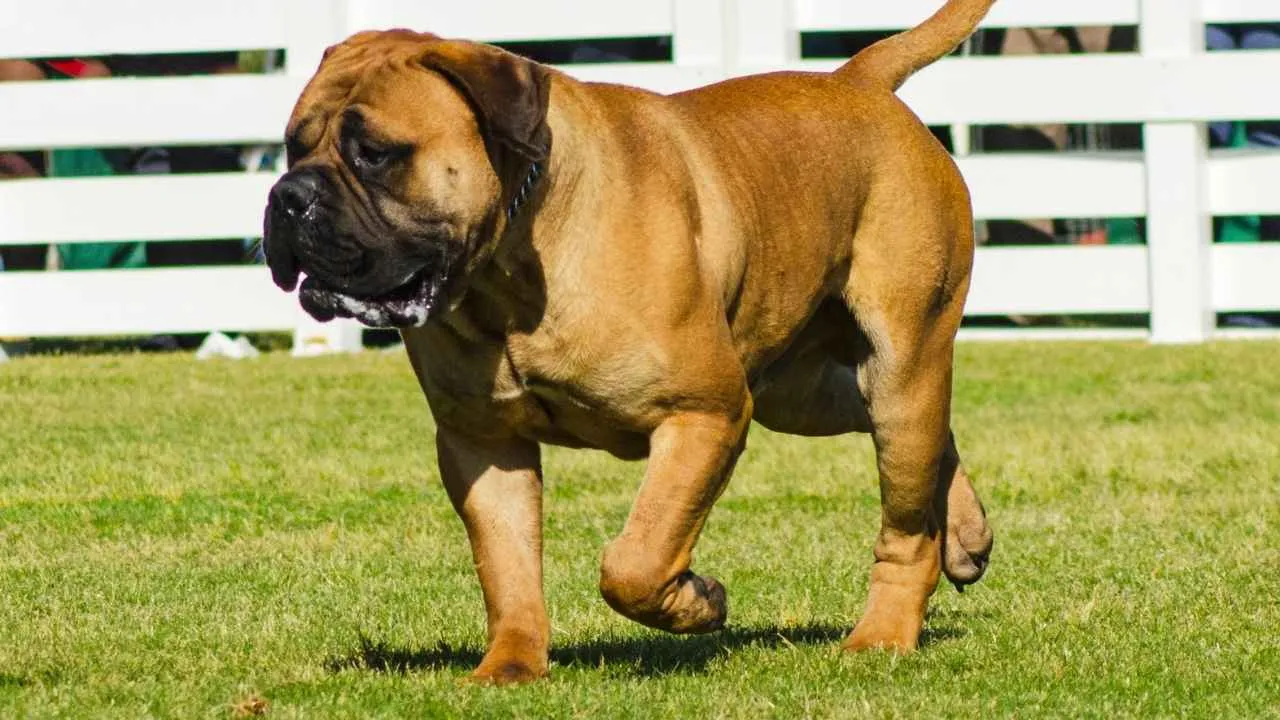
Known as a compact and powerful breed by Purina, the Bullmastiff is a whole new level of chill. This formidable working dog does not mind being left alone, and pet parents do not have to worry about this breed getting anxious when left alone.
Adult males are typically 25-27 inches tall and 110-130 lbs, while females are slightly smaller.
Bullmastiffs were originally bred in England for gamekeeping. They needed to be confident, to control their reactions, and not bark frenetically. Their relative tranquility is a testament to that history.
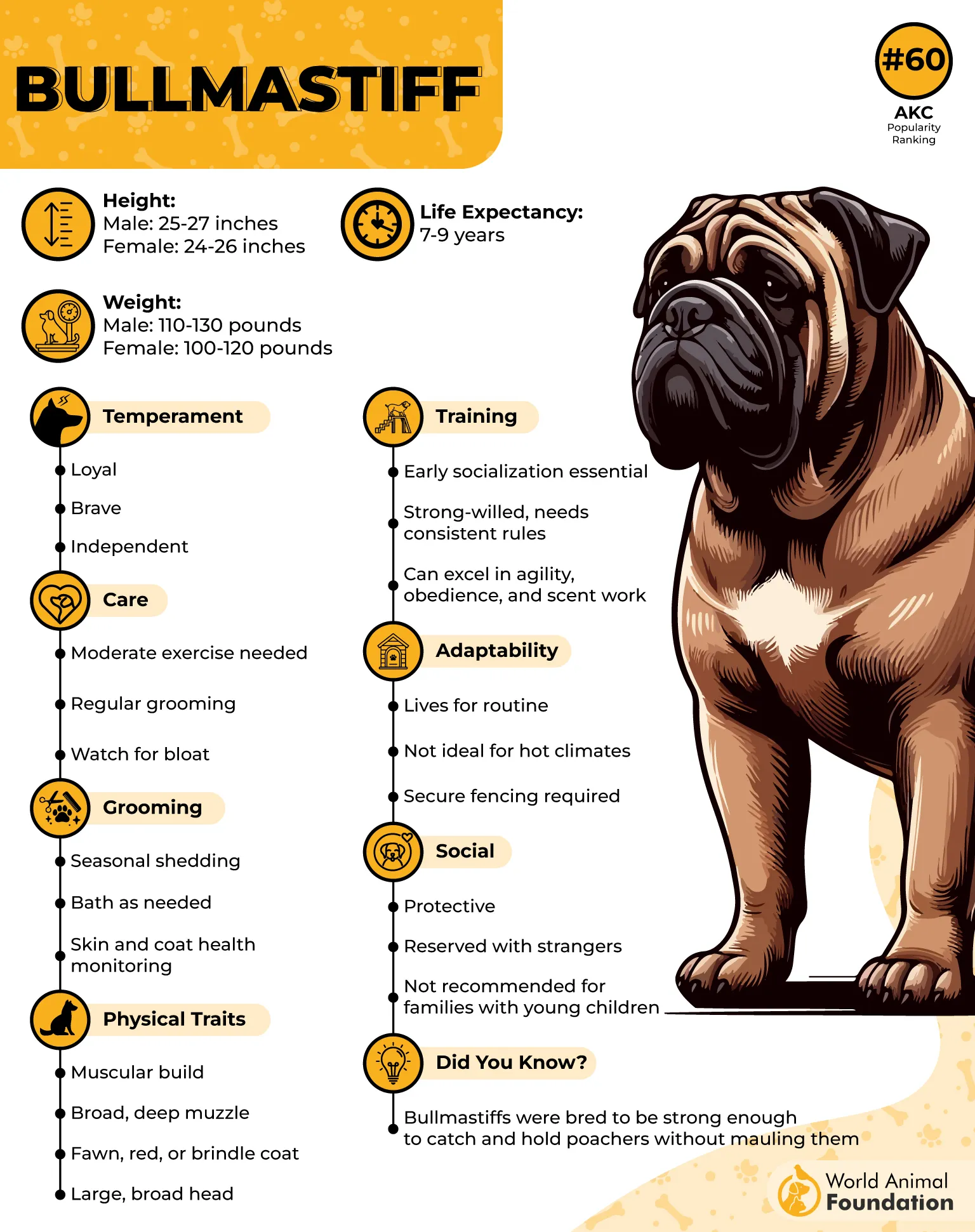
A well-grown Bullmastiff will have no trouble relaxing at home. It doesn’t have to be constantly played with or attended to keep it happy. But if it is so massive, it is also more crucial to make it a comfortable resting place than to keep this big breed active at all times.
Young Bullmastiffs are another story. Young pups and teens are often very active, are in the process of developing motor control, and have a very powerful bite. They must be properly trained before they can pull an adult off balance when they become full-sized dogs.
The Bullmastiff is an interesting choice for an owner seeking a massive guardian breed that’s fairly easygoing around the house.
5. Basset Hound
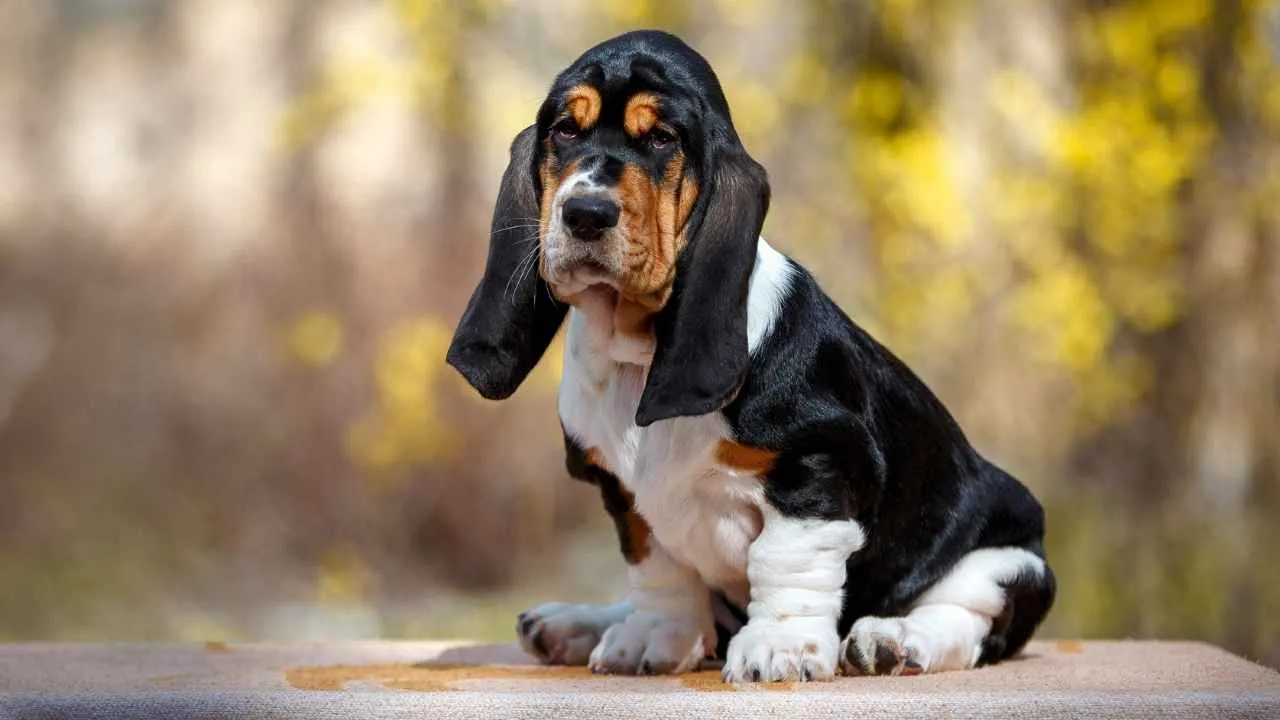
The Basset Hound is likely to be the most laid-back of all the breeds. It has a serious expression, as well as very short legs and long ears.
The Basset Hound is no more than about 15 inches tall but can weigh 40-65 lbs. For such a short dog, they are rather chunky.
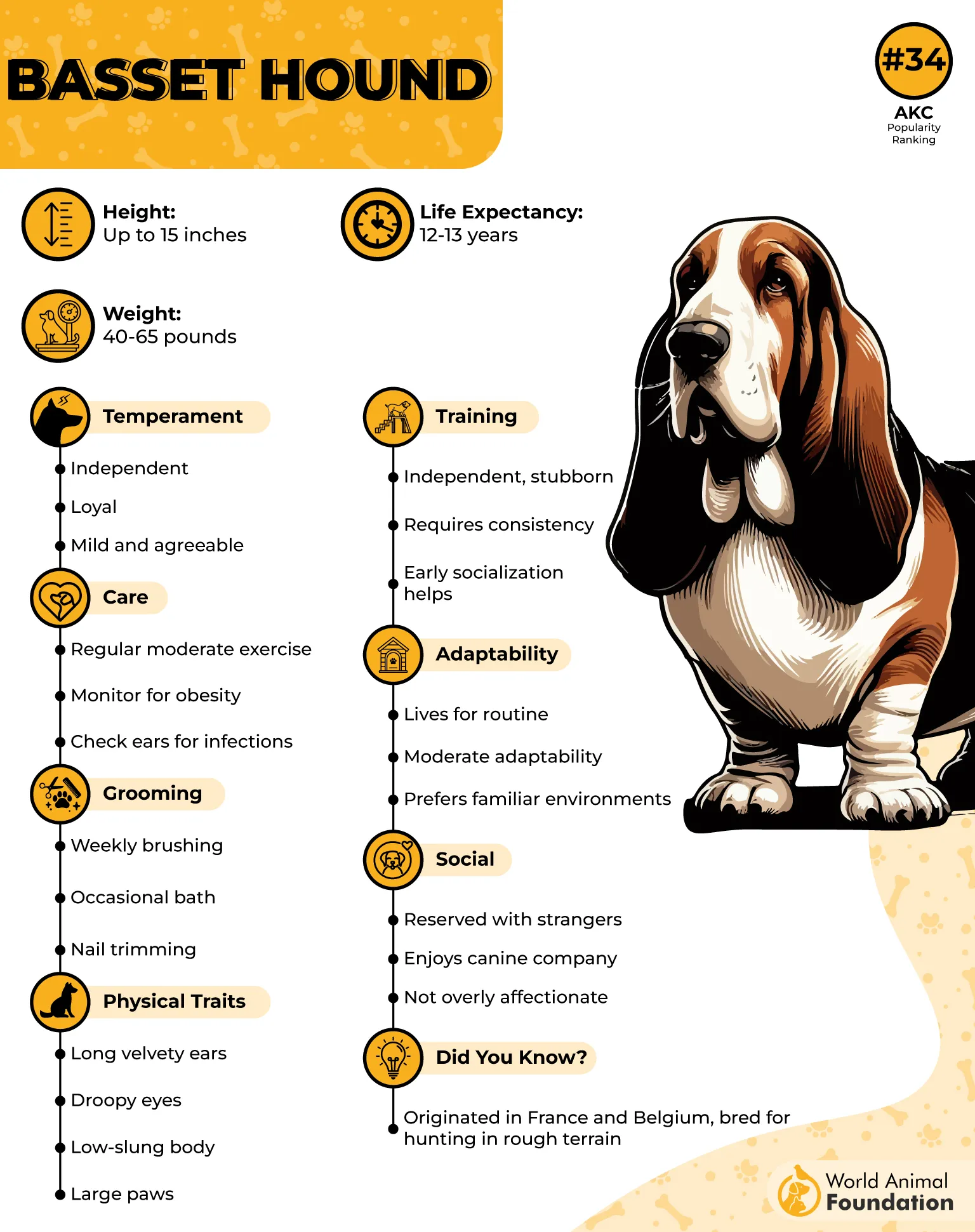
The one thing they have going for them in the “alone” department is that they are energetic. However, Bassets are low-energy dogs and quite able to lie in bed or rest for much of the day. They don’t require much physical activity to feel satisfied.
An independent nature is also another feature because of their past as a scent hound. Once a Basset catches a scent, it will follow it entirely, so you can tell how determined this breed can be when they have a scent that has their attention.
6. Great Pyrenees
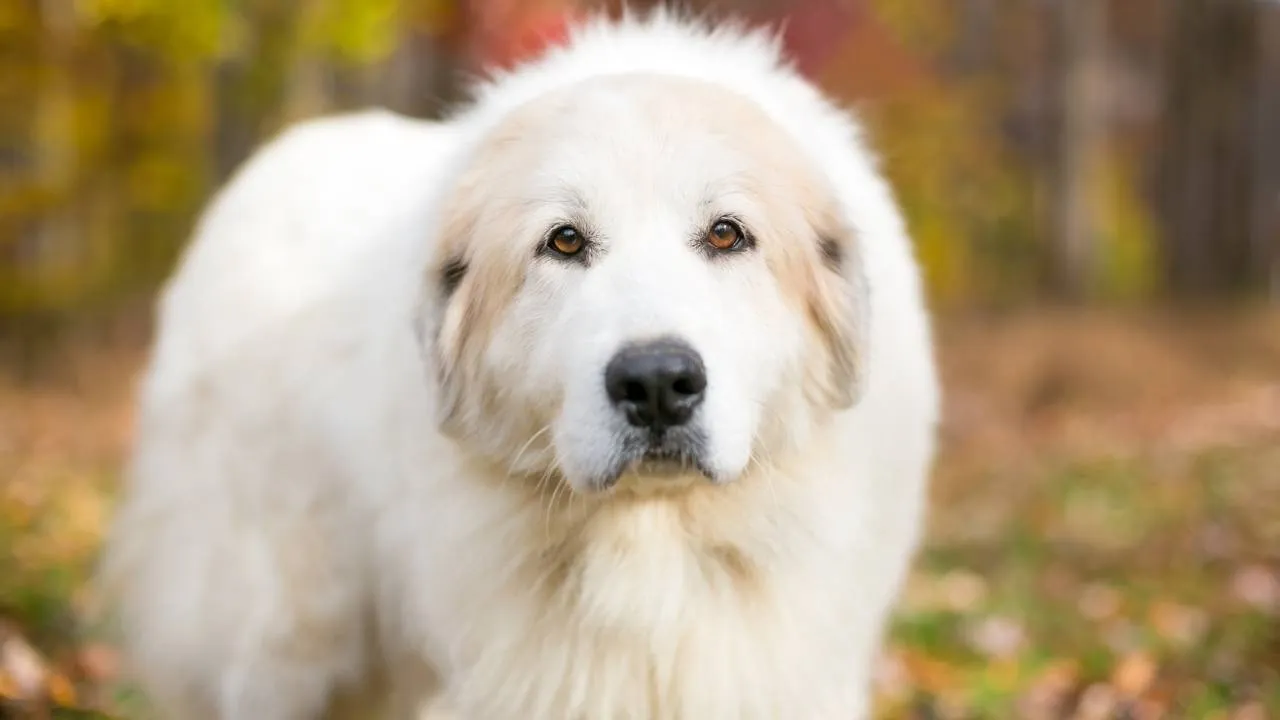
The Great Pyrenees is one of the dog breeds with the most distinct history of working alone. The large white dogs were bred to protect livestock and not have to be accompanied constantly by a human.
They are generally 25-32 inches tall and are approximately 85-100 lbs or more, depending on size and sex.
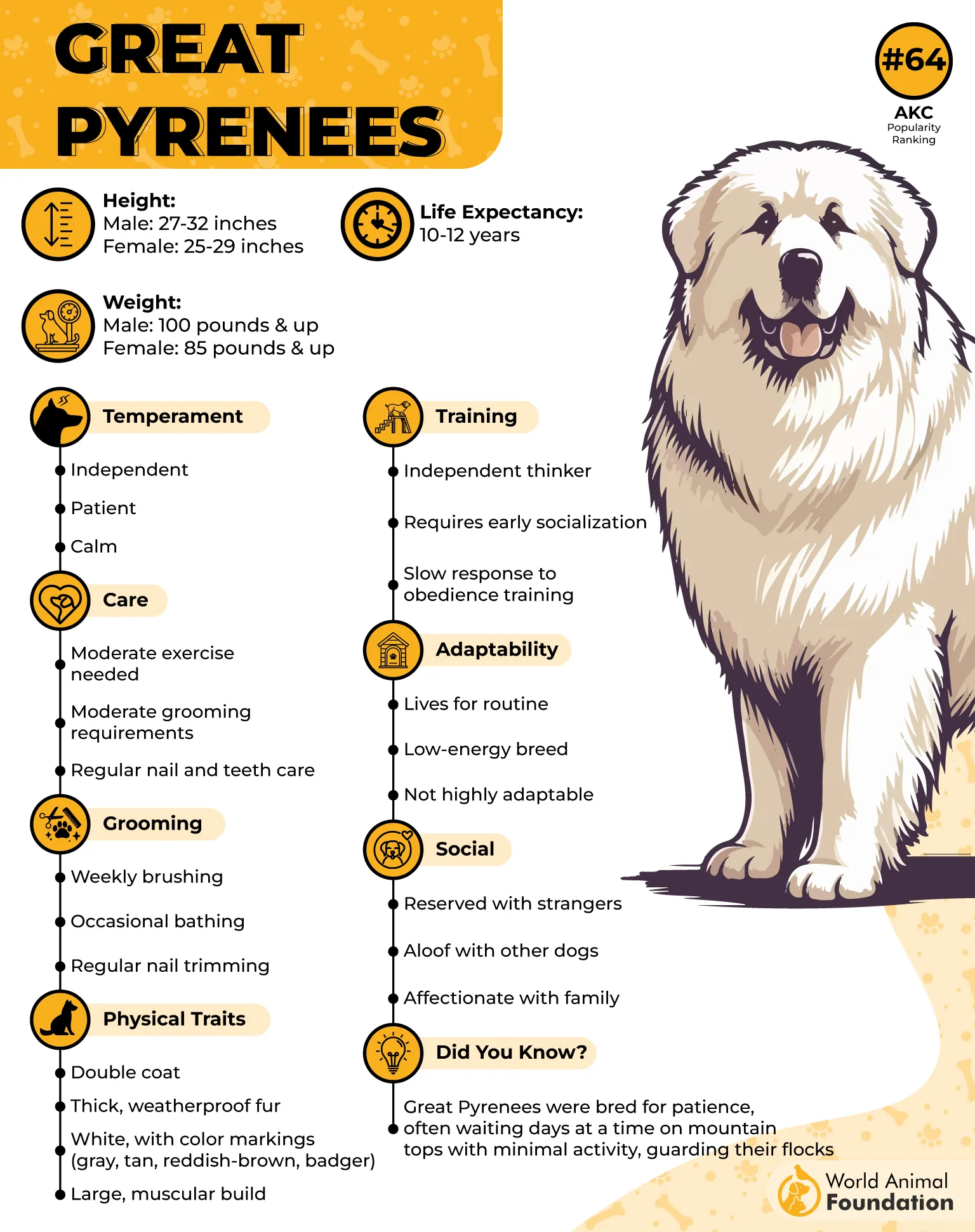
They used to work with a lot of patience when working alone. A Great Pyrenees may have to wait a long time to see sheep, to evaluate its environment and determine whether action was really needed.
The one big thing to keep in mind: They’re guardians, and guardians announce things. When hearing unfamiliar noises or seeing something different around the property, this breed can bark out loud, which may be particularly evident in the evenings.
7. Basenji
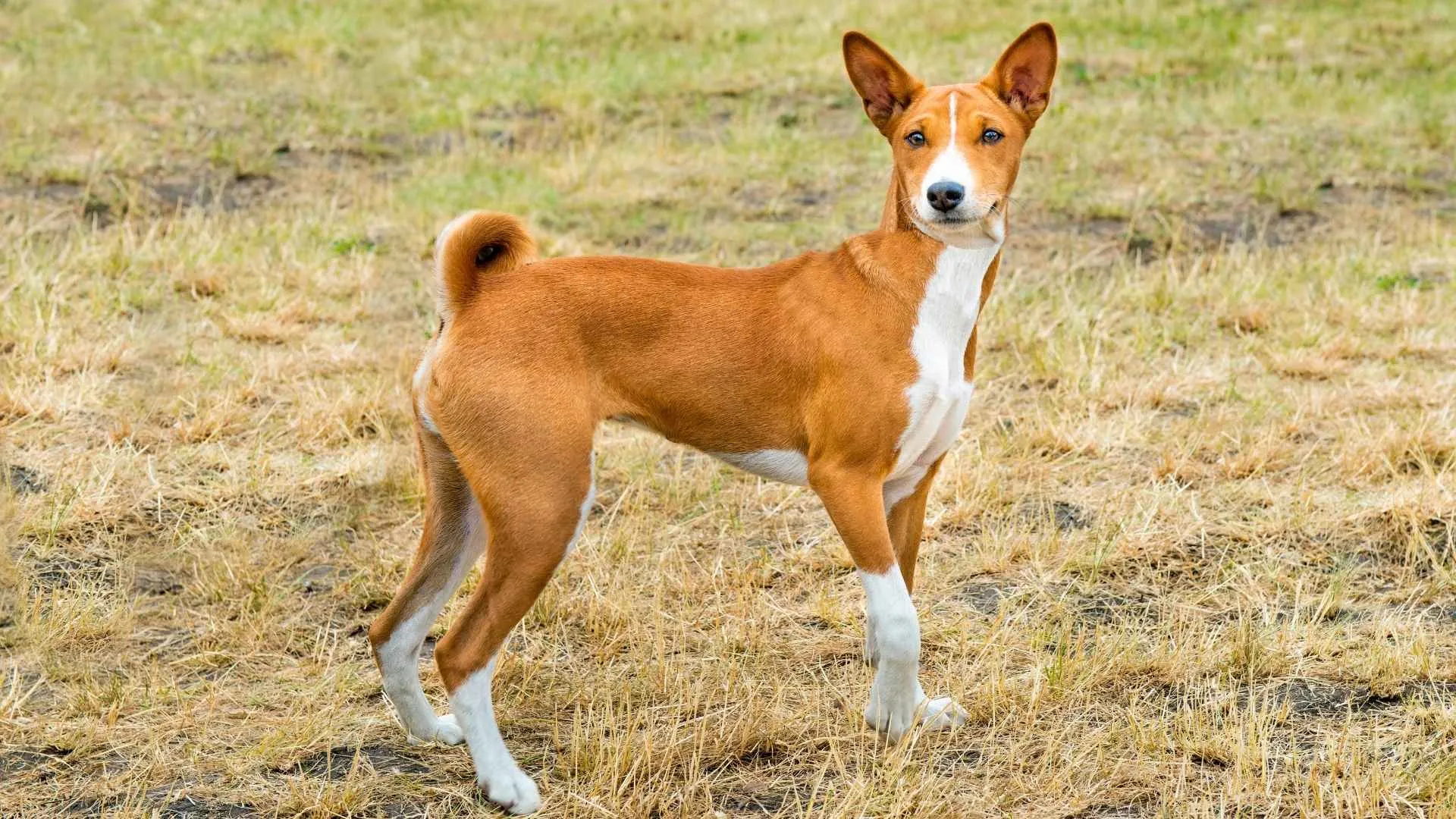
The Basenji is possibly the most unique personality among the group. This small African hunting breed is said to be cat-like, self-grooming, and aloof.
Basenjis are about 16-17 inches tall with a weight of approximately 20-24 lbs. They come in smaller sizes than some of the other breeds on this list.
While it is easier to be alone with them, there is a problem. Basenjis aren’t lazy dogs. They are clever, active, and inquisitive. They might look for other means if their physical and mental needs are not met.
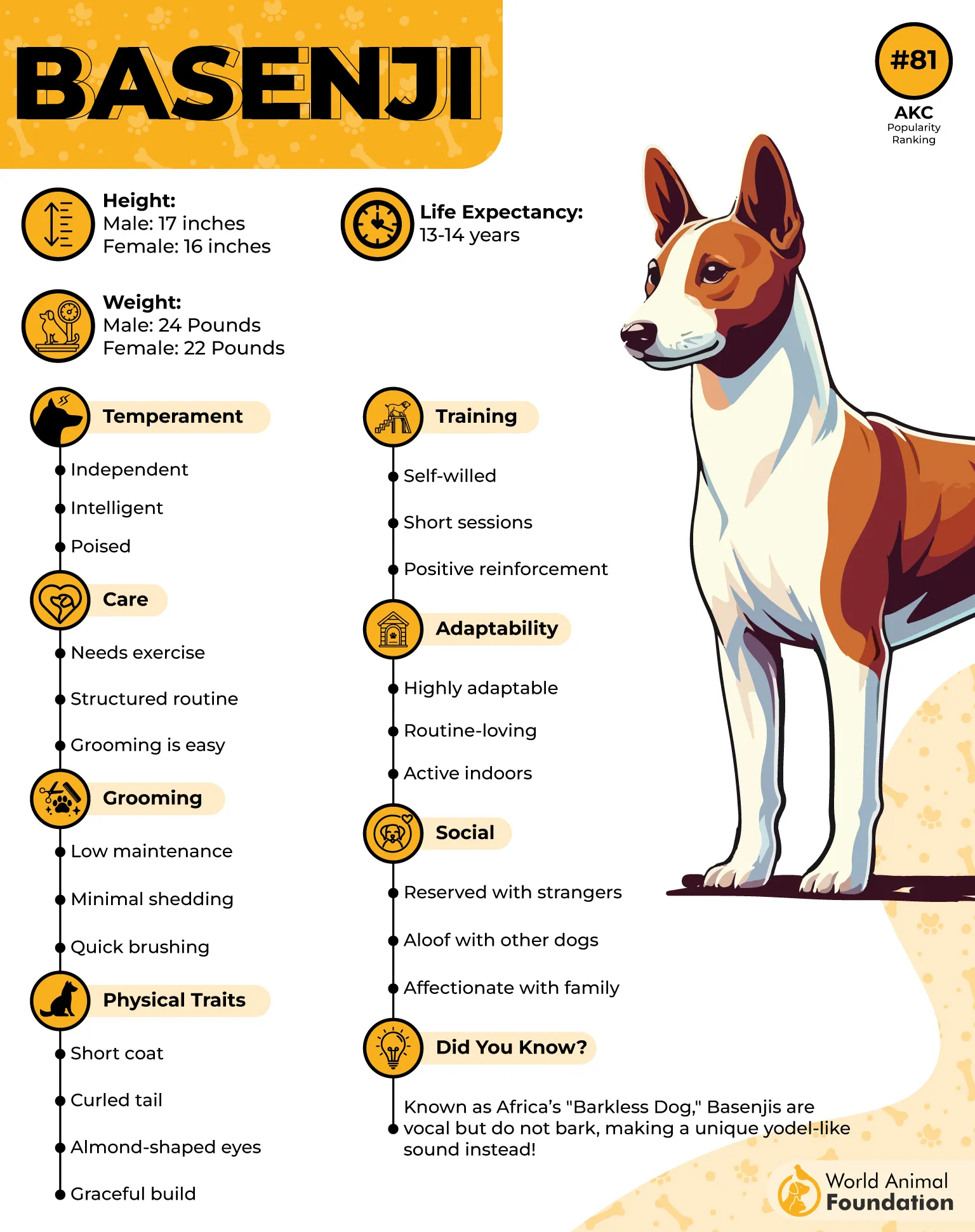
Another well-known trait of Basenjis is that they rarely bark like other dogs, which can make them appealing to owners who prefer a quieter companion.
However, being considered “barkless” does not mean they are completely silent. Basenjis can produce distinctive yodels, chortles, and other vocalizations.
They also come from a hunting heritage, and secure outdoor areas are also significant. They may have curiosity and athletic ability, and escape prevention can become a goal.
Conclusion
Being alone isn’t the only thing that an independent dog can handle. Individual personality, age, previous experience, exercise, training, and amount of daily companionship all play a role.
If the time away is introduced slowly, the resting place is comfortable, enrichment is provided, and the owner’s routine is predictable, many dogs can learn that the owner’s time away will end.
Even if you choose a herding breed, a rescue dog, or a dog that is intelligent and independent, it can still choose to remain calm in the household with early training. These dogs like peace and quiet time on their own and would love to enjoy solo time without much activity.
Using dog treats or a dog puzzle can be a good idea so that your pup can relieve himself and be chill and relaxed in front of other animals and people.
